Tag: india

  • CapitaLand Mall Asia plans expansion

    CapitaLand Mall Asia plans expansion

    CapitaLand Mall Asia is stepping up its investment in India.

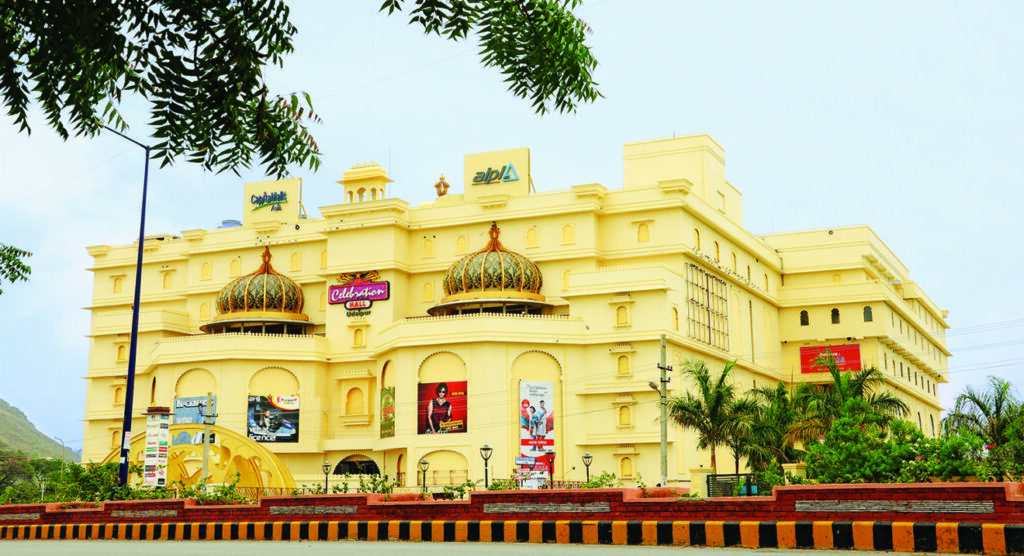
    During a visit by Singapore’s Prime Minister Lee Hsien Loong to The Celebration Mall in Udaipur (pictured) , wholly owned by CapitaLand Mall India Development Fund, CapitaLand Mall Asia announced plans to open two more malls in India over the next three years.

    The group already has four malls in the country.

    CapitaLand president/group CEO Lim Ming Yan says India has been looking to tap Singapore’s experience in urban planning as it plans to upgrade and build 100 cities.
    capitaland-mall-india

    “India thus presents opportunities for CapitaLand to share our expertise in real-estate development and management, particularly in integrated developments where we have established a strategic advantage, as well as in the shopping mall and serviced residence sectors where we have already gained a foothold in the country.

    “With more liberal rules on foreign direct investment in real estate, CapitaLand has been presented with a number of opportunities. We are also in discussion with several parties on management contracts for shopping malls and serviced residences.”

    Partnership

    CapitaLand’s two upcoming malls are opening next year and in 2019 respectively, Forum Mysore, and Forum Cochin.

    Both are being developed in partnership with real-estate developer Prestige, with whom CapitaLand also partners for three other malls, The Forum Neighbourhood Mall, Bangalore, The Forum Sujana Mall, Hyderabad and The Forum Fiza Mall, Mangalore. Including two other malls being developed in Jalandhar and Nagpur, CapitaLand is Singapore’s largest shopping-mall developer and manager in India with a total of eight malls.

    “In Asia, India is the next big retail prize after China,” says CapitaLand Mall Asia CEO Jason Leow.

    “India has a large and growing middle class with aspirations for a better life, and more than 400 million consumers between 15 and 34 years of age who are driving purchases in categories such as mobile phones, fashion, accessories and F&B.

    “Such favourable demographics are drawing retailers’ interest to India’s fast-growing consumer market, which is expected to be worth US$1.3 trillion by 2020.

    “As one of Asia’s leading mall developers, owners and managers, we are able to leverage our retail expertise and industry-leading network of about 15,000 leases to support local and international retailers who are keen to do business in India.”
  • India passing China as top mobile growth market

    India passing China as top mobile growth market

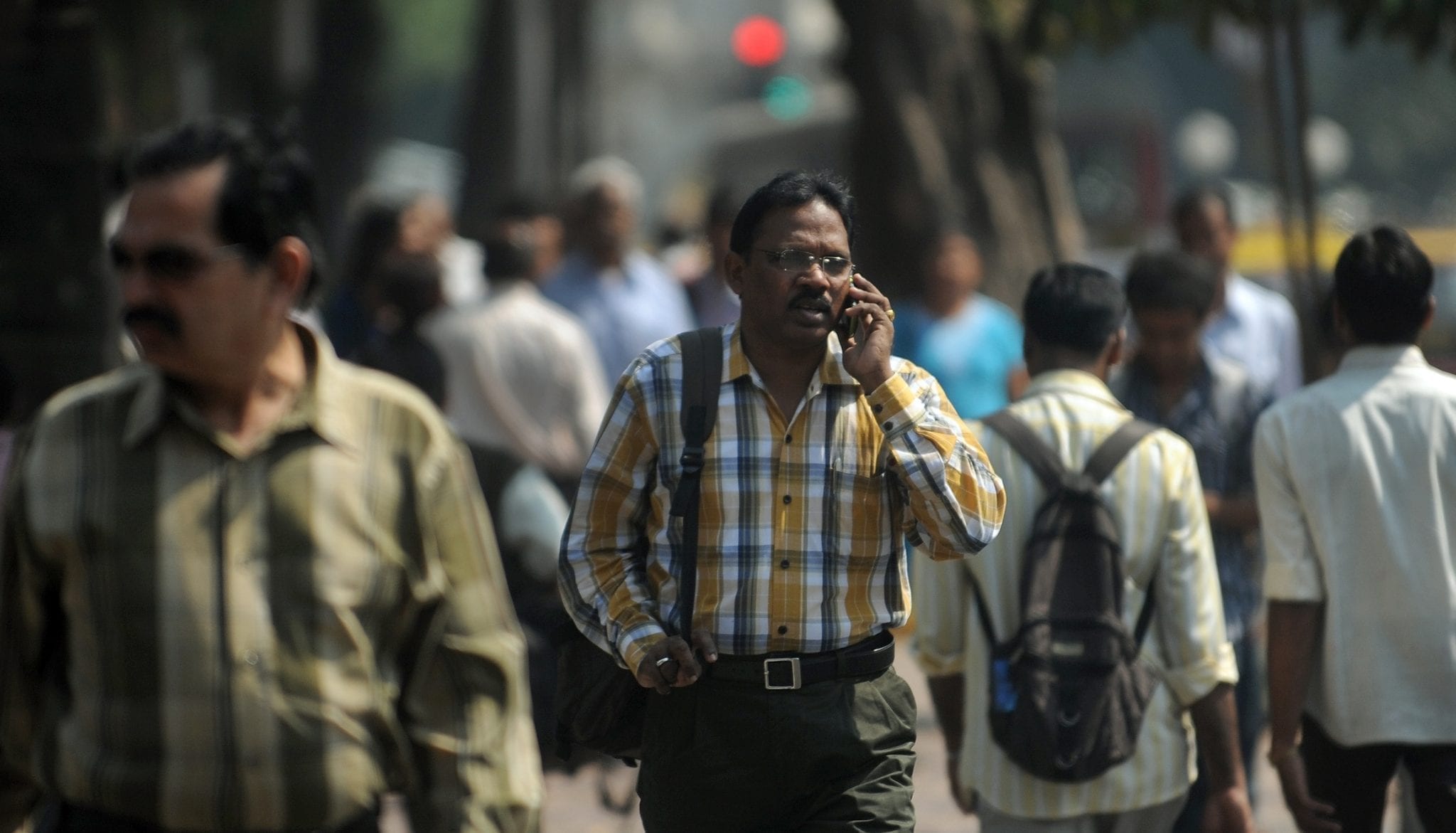
    India is set to overtake China as the most significant mobile growth market worldwide, and Asia is becoming the growth engine of the entire mobile ecosystem, according to the GSMA.

    In a new report, the GSMA predicts that over one billion additional people worldwide will be connected to mobile networks by 2020.

    Around a third of these new users (337 million) will come from India, compared to more than 200 million from China.

    China and India, combined with Indonesia, Pakistan, Bangladesh and Myanmar, will meanwhile collectively account for around 60% of the world’s expected 1.1 billion new subscribers by the end of the decade.

    The report also shows that 46% of the global population is using mobile phones to access the internet, and that this is expected to increase to 60% by 2020. This will make mobile phone ownership the key factor driving global internet penetration.

    Smartphones may also have grown to become the most commonly owned consumer electronics device, with penetration above 80% in some Asian markets including Korea and Singapore. By contrast, smartphone adoption rates in India stand at only 25%, leaving plenty of room for growth.

    Revenue from mobile services worldwide is meanwhile projected to grow by around 2% annually through to 2020, with slowing revenue growth being compensated for with new revenue opportunities resulting from growing mobile internet adoption and the move to higher-speed networks.

  • India’s mega spectrum auction raises just $9.8b

    India’s mega spectrum auction raises just $9.8b

    India’s major spectrum auction has ended after five days of bidding, raising 657.89 billion rupees ($9.86 billion), far less than the up to $83 billion the government had been anticipating.

    Just 40% of the airwaves placed on the auction block were sold, with no bids at all for the expensive 700-MHz and 900-MHz bands, the Economic Times reported.

    Vodafone emerged as the biggest spender in the auction, spending 202.8 billion rupees for 2 x 82.6MHz of FDD and 200MHz of TDD spectrum across the 1800-MHz, 2100-MHz and 2500-MHz bands in all its key telecoms circles. The operator now has 4G capability in 17 of India’s 22 circles.

    Newcomer Reliance Jio Infocomm paid 136.72 billion rupees to build a warchest of 269.2MHz of additional spectrum in the 800-MHz, 1800-MHz and 2300-MHz bands.

    The operator acquired spectrum across all 22 telecoms circles, but in no circle did the company acquire spectrum in all three bands. Jio said its total spectrum footprint has now grown to 1,108-MHz, further cementing its lead in terms of liberalized spectrum holdings.

    India’s largest operator Bharti Airtel paid 142.44 billion rupees for an additional 173.8MHz of spectrum in the 1800-MHz, 2100-MHz and 2300-MHz bands. The operator now has 4G spectrum in all circles. Idea Cellular spent around $1.92 billion.

    All seven participants in the auction acquired at least some spectrum

  • India auto sales soar 20% in September ahead of festive seasons

    India auto sales soar 20% in September ahead of festive seasons

    Demand is expected to slowdown in the coming months, however.

    During Sep-16, domestic sales of passenger vehicles rose 20% YoY and two wheelers grew 22% YoY, ahead of Diwali and Dussera in Oct-16.

    MayBank KimEng’s channel checks suggest the demand for automobiles is 10% more than in the previous two festive seasons.

    “We expect demand to normalize lower in Nov and Dec as dealers start cutting inventories,” it said in a report.

    The Society of Indian Automobile Manufacturers (SIAM) confirmed the uptrend by revising up its sales growth forecast to 10-12% for FY17 from 6-8%.

    “We will wait for two more months of retail sales data before deciding whether to revise up our growth forecasts,” said MayBank KimEng.

  • Flipkart tightens cash tap to its marketplace by 70%

    Flipkart tightens cash tap to its marketplace by 70%

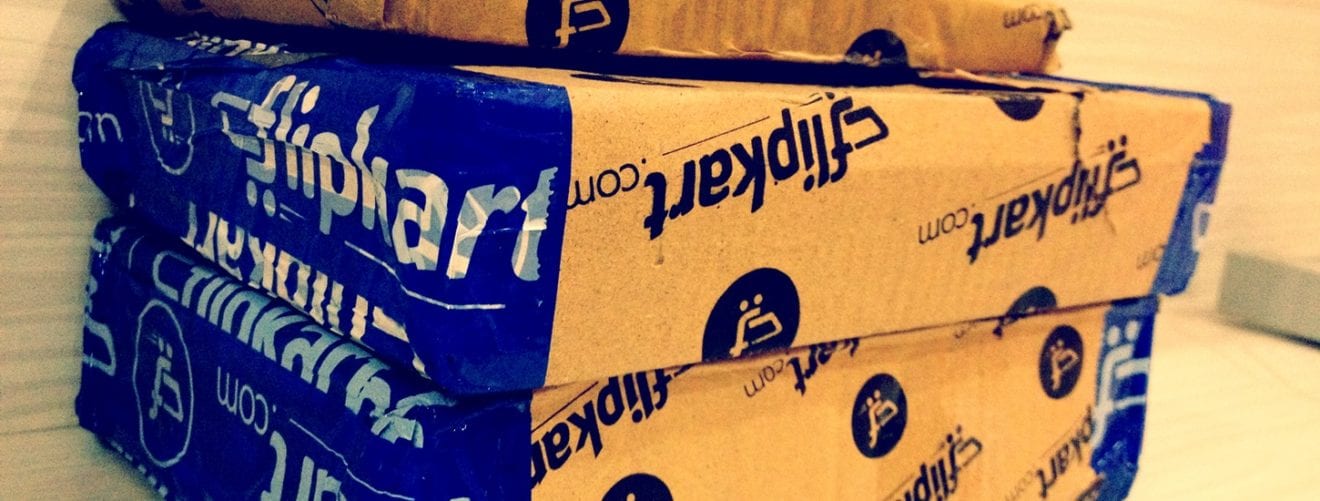
    Flipkart, the Singapore-based parent of India’s online retail giant, reduced investment into its marketplace unit by 70% in the year ended March, effectively restraining the firm’s sales during the period.

    Flipkart Marketplace, a Singapore-based subsidiary and investment holding company, received equity infusion of Rs 1,629 crore in fiscal 2016, significantly lower than the Rs 5,456 crore it secured in the preceding year, show Singapore government filings accessed. Contrasting with the reduced investment into Flipkart’s commerce business, US-based Amazon’s main India unit, Amazon Seller Services, received capital infusion of Rs 7,463 crore in fiscal 2016, up from Rs 1,888 crore in the previous year. Both companies have relied heavily on investments to drive sales growth, primarily using the cash to lure customers with huge discounts.

    While the eight-year-old Flipkart, which has raised $3.2 billion (Rs 21,500 crore) until now, has had the lead and can possibly afford to channel capital into strengthening other critical business arms, Amazon is aggressively catching up. A senior Flipkart executive who declined to be identified said the company has reduced its cash burn by about 40% this year.

    “It is much lesser than $40 million,” this person said, adding that “supply-chain costs have improved by 20% and we have also done a lot of work in getting our seller costs in shape.” Flipkart declined to offer comment for this report. Flipkart’s gross merchandise value, or gross sales, remained stagnant at $3.5 billion-$4 billion for most of the past year-and-half, before inching back to $4.5 billion-$5 billion in recent months.

    Amazon India has managed to narrow the gap with Flipkart’s gross sales to 15-20% in recent months, according to ecommerce executives, investors and analysts. They added that Amazon India is estimated to be out-spending Flipkart by two-three times, especially in marketing and promotions. The total equity investment in Flipkart Marketplace until now stands at Rs 7,909 crore, with most of the money flowing in during recent years.

    Amazon Seller Services’s total infusion stands at about Rs 9,600 crore. The two companies are competing to trump each other during their ongoing festival sales, although analysts say Flipkart’s investment in marketing and advertising is significantly lower this time. “Flipkart is reaping the benefits of investing a lot over the past two-three years. They have created a brand value so they may not have to invest as much,” said Satish Meena, analyst with Forrester Research.
    Both Flipkart and Amazon have a slew of companies registered in India that run their business across commerce, logistics, wholesale and payments. These units get capital infusion from investment holding companies registered overseas. Flipkart’s commerce business in India is housed under two companies.
    Flipkart Internet owns Flipkart.com and registers sales from advertisements and commissions charged on merchants. Flipkart Marketplace owns a 99.74% stake in Flipkart Internet. We obtained access to regulatory filings related only to Flipkart Marketplace. The other business is Flipkart India, the company’s wholesale cash-and-carry unit, which is owned by Flipkart directly and registers product sales. Flipkart India and Flipkart Internet reported a combined a loss of Rs 2,000 crore for fiscal 2015, show filings with the Registrar of Companies.

    Their combined sales trebled to Rs 10,390 crore that year, with Flipkart India accounting for over 90% of it. Financial numbers for the year ended March 2016 are yet to be filed.

  • Cath Kidston’s new owners are taking on Asia

    Cath Kidston’s new owners are taking on Asia

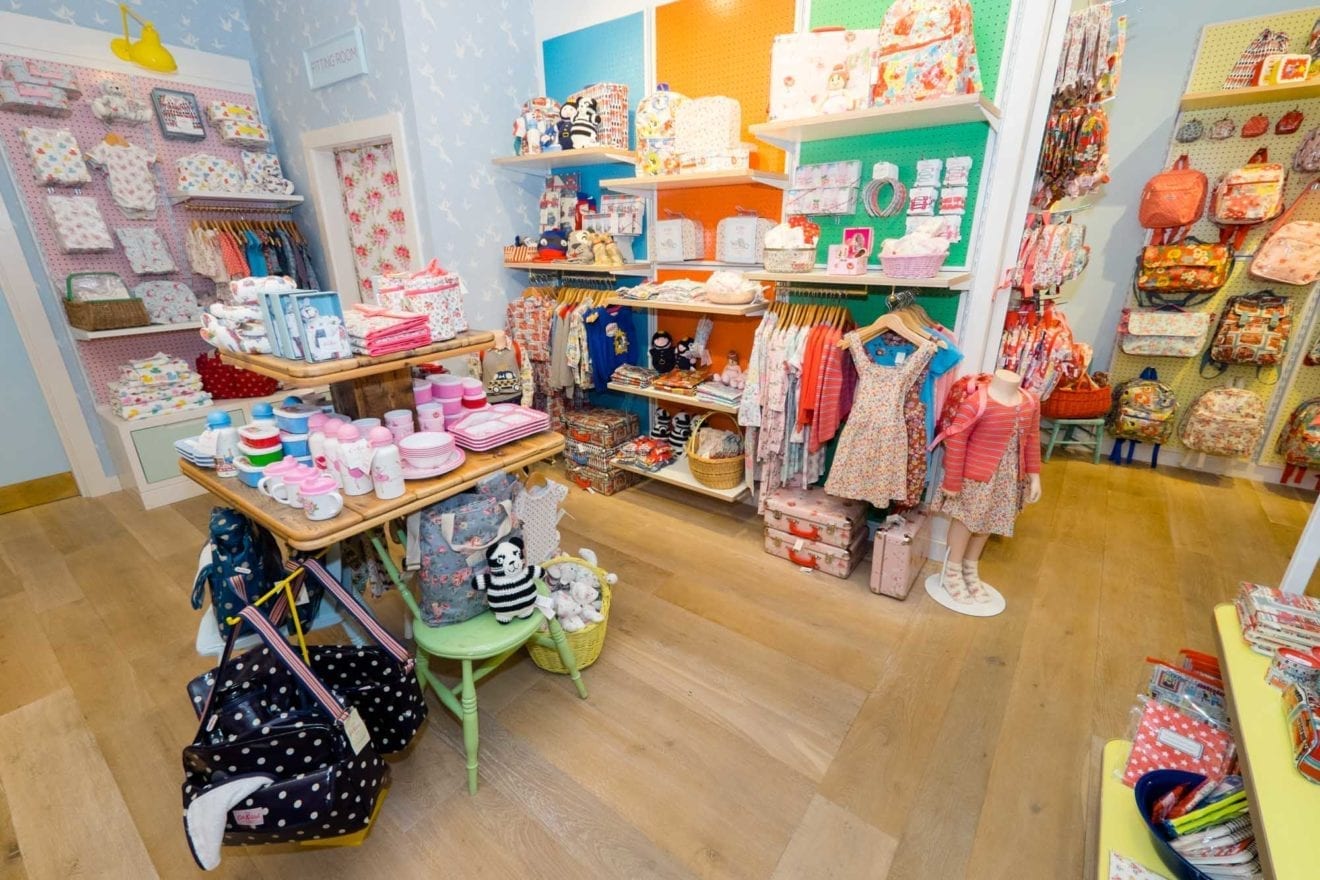
    Cath Kidston Group has been acquired by Asian private equity company Baring Asia and its chairman is to step down. The lifestyle brand has attained new ownership after its previous majority stakeholder TA Associates sold its shares to Baring Asia, who have now become the controlling majority stakeholders. Paul Mason, who has been chairman of the group for six years, is to step down following the acquisition. He will be replaced by a senior advisor to Baring Asia and former chief executive of Gucci Wiliam Flanz.

    This comes as the brand continues expansion into the Asian market. With 70 per cent of its outlets located outside of the UK, Asia has been a key focus for the group in recent years. Its stores in the region have gone from 91 to 131 since 2014, when Baring Asia first invested in the company. The group was reportedly attracted to the group due to their expertise in the region, and its role as one of the most established private equity firms across Asia.

    It now has plans to open in India in Delhi and Mumbai this autumn.

  • GMR Hyderabad International Airport Hosts Island Café & Bar

    GMR Hyderabad International Airport Hosts Island Café & Bar

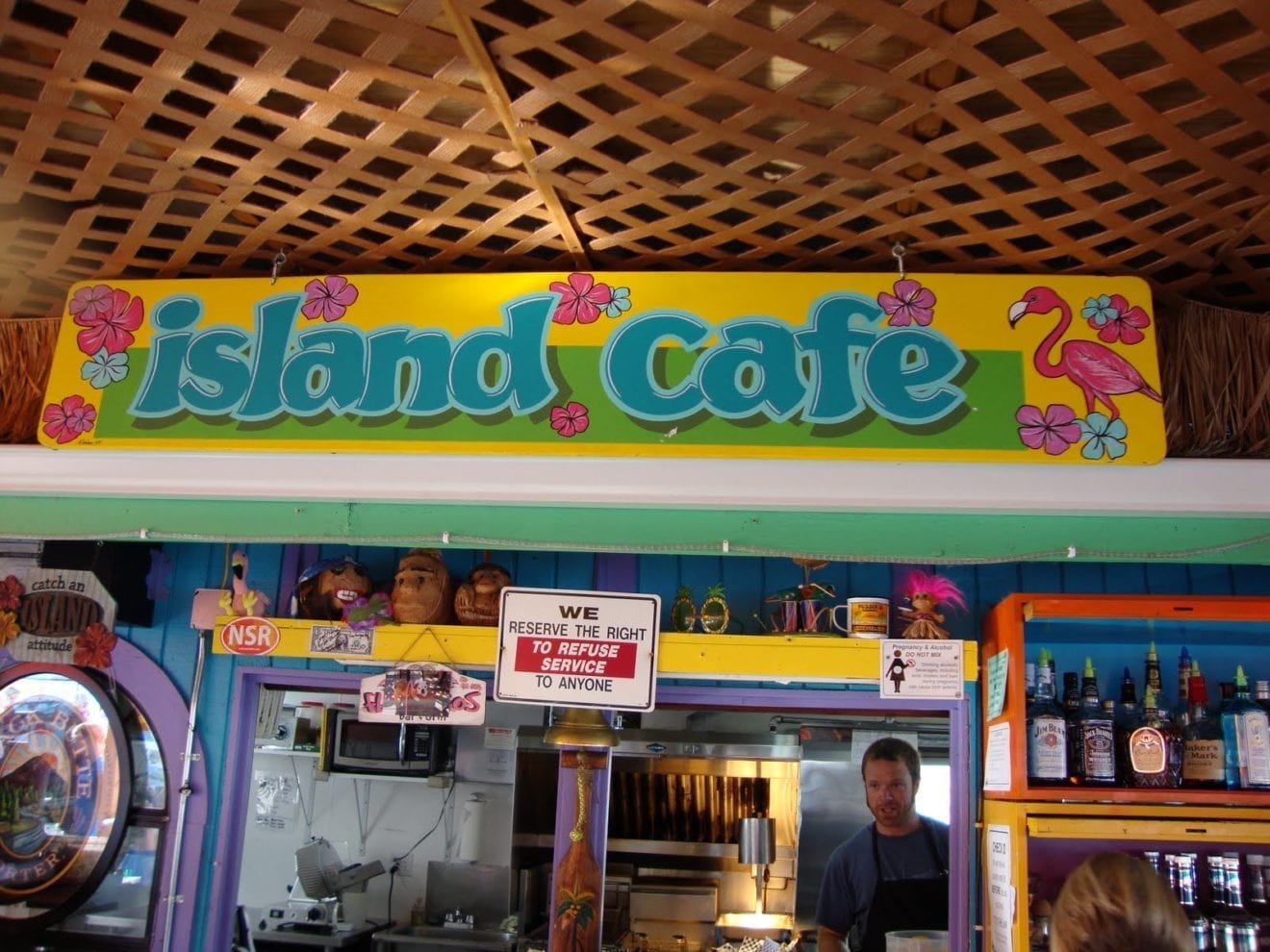
    GMR Hyderabad International Airport Ltd. (GHIAL) offers a new and exciting chill-out zone for passengers at Hyderabad Airport. Island Café & Bar by HMSHost is now available at International departures offering passengers the exciting options of food and beverages (F&B) in an innovatively carved out ambience making their visit at Hyderabad Airport worth cherishing. Island Café & Bar offers the customers delectable coffee, fresh juices, snacks, alcoholic and non-alcoholic drinks & light bites.

    Uniqueness of Island Café & Bar lies in the fact that it is an in-house brand conceptualized and created jointly by HMSHost and the Commercial Team of GHIAL. HMSHost operates F&B outlets at Hyderabad Airport at Departure (International and Domestic) levels. HMSHost is a part of renowned global conglomerate Auto grill SPA and is the leading F&B Operator at hundreds of Airports across the globe.  They offer expertise in travel F&B and presence only in Airports. 

     Speaking on the occasion, Mr. SGK Kishore, CEO, GMR Hyderabad International Airport Ltd, said, “Island Café & Bar at Hyderabad Airport is a novel platform for passengers to enjoy F&B options. I appreciate GHIAL team and HMSHost for innovatively creating this platform for our customers. Island Café & Bar gives our visitors a whole new experience while they can enjoy the myriad options of food & beverages. The tastefully designed ambience of Island Café & Bar makes the passengers’ visit to the Hyderabad Airport even more memorable.” 

    Island Café & Bar is a new and exciting concept at Hyderabad Airport. It has been creatively designed keeping the interests of all segments of visitors at the airport offering a vast range of food, coffee and alcoholic and non-alcoholic beverages. There is an aesthetic play with lights in this section of F&B. Embellished by a combination of pendants lighting subdues the brightness level in this space, which evokes an intimate and cozy feeling during the day and creates a bar type ambience by night.

  • New MoU Promotes Hong Kong-India Business Links

    New MoU Promotes Hong Kong-India Business Links

    The Hong Kong Trade Development Council (HKTDC) today signed a Memorandum of Understanding (MoU) with its counterpart in India, the India Trade Promotion Organisation (ITPO) to strengthen economic partnership between Hong Kong and India and increase bilateral commercial activity, especially for small and medium-sized enterprises from both places.

    Win-win for Hong Kong and India

    “This MoU reflects the growing desire for deeper business links between India and Hong Kong, with our city serving as the gateway to the Chinese mainland and Asia for Indian companies. At the same time, Hong Kong enterprises see huge opportunities in India,” said Margaret Fong, Executive Director, HKTDC. “Closer cooperation between the HKTDC and ITPO will produce a win-win result for our business communities.”

    Ms Fong and LC Goyal, Chairman and Managing Director, ITPO, signed the MoU in Hong Kong. The agreement fosters cooperation in areas of mutual interest, including providing each other with information related to trade promotion activities, encouraging businesses to join events organised by the HKTDC and ITPO and identifying potential products and markets.

    “Both organisations reaffirmed their resolve to identify and promote key sectors under the ambitious ‘Make In India’ flagship initiative of the Government of India,” said Mr Goyal. “The partnership will also open new areas of growth for trade with ASEAN countries.”

    Long and strong business links

    Hong Kong and India enjoy close and strong bilateral ties formed over more than 150 years of business and cultural links. In 2015, India was Hong Kong’s fourth-largest export market with total exports to India expanding 8.1 per cent year-on-year to US$13.1 billion. On the other hand, India was Hong Kong’s ninth-largest source of imports in 2015, amounting to US$10.6 billion. India is Hong Kong’s seventh-largest trading partner globally with bilateral trade of US$23.7 billion last year.

    HKTDC & ITPO: a mutual mission to promote trade

    Established in 1966, the HKTDC is a statutory body in Hong Kong dedicated to promoting Hong Kong’s trade in goods and services. The HKTDC organises more than 30 major international trade fairs in Hong Kong each year. ITPO is the trade promotion agency of the Ministry of Commerce and Industry of India. ITPO provides a wide spectrum of services to trade and industry and acts as a catalyst for growth of India’s trade.

  • Indian, Australian satellites to launch next week

    Indian, Australian satellites to launch next week

    Arianespace will launch two satellites next week that will provide communications capacity in Australia and India respectively.

    In the early hours of October 5, Arianespace will launch Sky Muster II, the second communications satellite for Australia’s national broadband network (NBN), and the GSAT-18 for the Indian Space Research Organization (ISRO).

    Sky Muster II will be used to provide NBN services in particularly remote and rural regions of the country. The satellite – along with the Sky Muster I, which launched in September last year – will be used to cover roughly 3% of the population.

    GSAT-18 will be used to provide telecommunications services in India, along with ISRO’s current fleet of 14 telecoms satellites.

    In other satellite news, Singtel has completed one of the first commercial installations in the APAC region for Inmarsat’s maritime-focused high speed satellite broadband service Fleet Xpress.

    Singtel completed he installation on “K” Line Ship Management Singapore’s massive container ship Houston Bridge, the companies announced. The ship management company will use Fleet Xpress for big data analysis to improve operational efficiencies such as monitoring engine performance.

    “The launch of Fleet Xpress marks a new page in maritime communications with continuous connectivity and guaranteed performance across the world’s oceans,” Inmarsat Marine chief sales officer Gerbrand Schalkwijk said.

    “We have a long standing relationship with Singtel, who are one of our leading partners in Asia, and we look forward to continuing this partnership for many years to come.”

  • Wal-Mart Stores mulls Flipkart ownership

    Wal-Mart Stores mulls Flipkart ownership

    Wal-Mart Stores is seeking to pay as much as US$1 billion for a share of India’s Flipkart Online Services to counter Amazon’s foray into the fast-developing eCommerce market.

    Under a proposed agreement, reported by both Bloomberg and the Wall Street Journal, the world’s largest retailer would take a minority Flipkart ownership. Insiders say the terms have not yet been finalised for the deal, which follows on the heels of Amazon CEO Jeff Bezos announcing plans to spend a further $3 billion in India.

    India’s largest online retailer, Flipkart is worth about $16 billion, according to research firm CB Insights.

    India’s online market will expand at an average of 45 per cent annually in the next four years and reach $28 billion by 2020, according to estimates from Kotak Institutional Equities.

    Wal-Mart first established a retail joint venture in India with Bharti Group, which runs the country’s largest telecommunications organisation, Bharti Airtel. Eventually Wal-Mart sold its stake to its partner.

    Meanwhile, Amazon has been making major investments in infrastructure and partnerships in India, so far costing about $2 billion.

    Wal-Mart last month agreed to buy US eCommerce company Jet.com for about $3.3 billion, and put founder Marc Lore in charge of the combined company’s online business.

  • Superdry India to roll out more stores

    Superdry India to roll out more stores

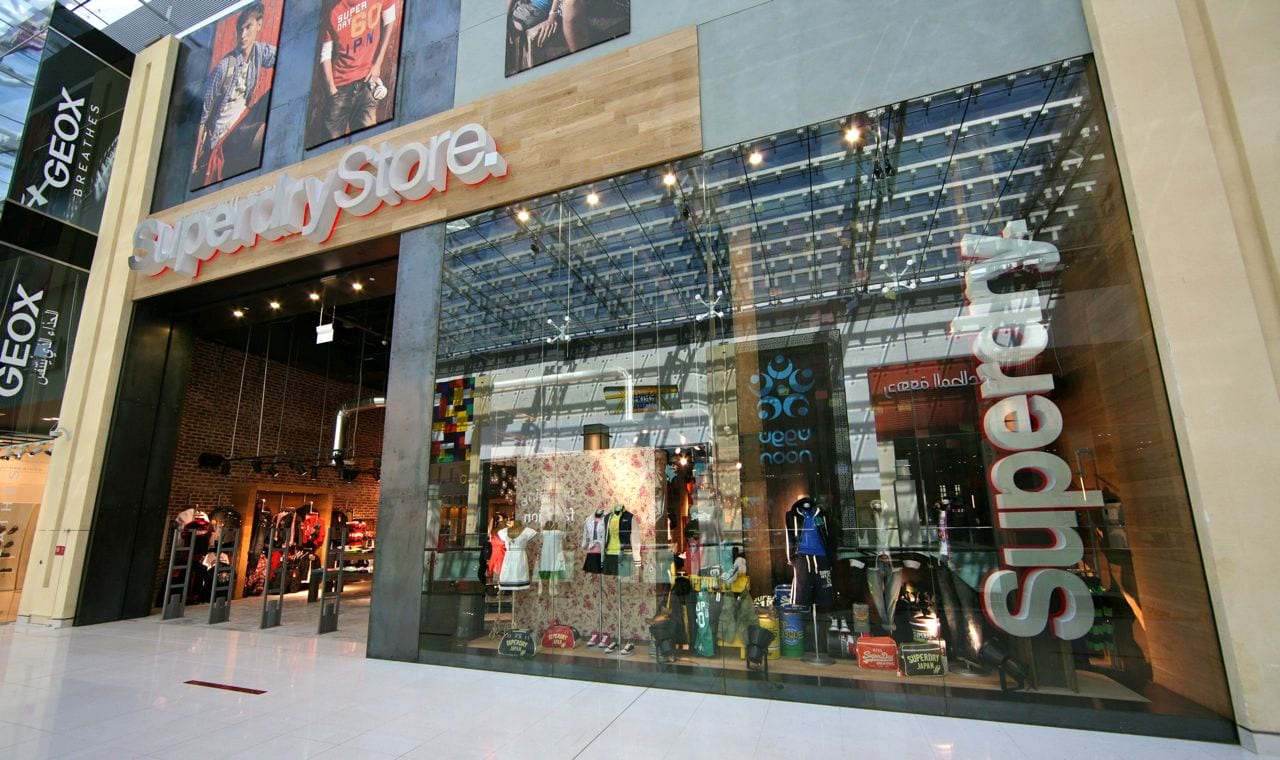
    British fashion brand Superdry is set to expand its store network in India.

    Superdry India, a joint venture with Reliance Brands, currently operates 21 stores across the country.

    “We want to grow to 28 to 29 outlets by this fiscal year,” Manu Sharma, business head of Reliance Brands told the Economic Times. “We are expanding in India.”

    The new outlets are targeted for the nation’s east, where it recently opened its first store, at the Sohum Emporia in Guwahati. Stores are planned now for Ahmedabad and Kolkata.

    Currently, most Superdry India stores are located in New Delhi, Chennai and Pune.

    Meanwhile, Superdry is continuing its aggressive store roll-out in China and North America.

  • LeEco India ready to roll out 1000 stores

    LeEco India ready to roll out 1000 stores

    Chinese tech firm LeEco India plans to open 1000 outlets across the subcontinent by the end of this year.

    Expecting half of its revenue in India to come from physical stores, LeEco filed an application five months ago with the Foreign Investment Promotion Board (FIPB) to open single-brand retail stores.

    These will be a mix of company-owned stores as well as franchise outlets, says LeEco India COO for smart electronics business Atul Jain. “This is in line with our aim to be among top three brands in the country by 2018.”

    LeEco, which also has an offline presence in China, has not revealed the cost of setting up the stores. However, it will be spending nearly US$10 million on marketing in the three months starting October.

    Already the company has tied up with multiple distributors across organised and unorganised channels in India and is already available in about 3000 outlets in cities including Bengaluru, Chennai, Delhi, Mumbai, Pune and Varanasi. It expects to reach 65 cities and have a presence in 6000 to 8000 outlets by December.

    No longer exclusive

    Launched exclusively on Flipkart, LeEco’s products will now be available on other eCommerce marketplaces such as Amazon India and Snapdeal. Flipkart has contributed nearly 75 per cent of LeEco’s sales in India.

    LeEco has invested Rs.50 crore (US$500 million) in setting up a smartphone assembly plant in the Greater Noida area, in partnership with Compal Electronics. The factory has an initial capacity of 60,000 units a month but this will be ramped up to 200,000 by the end of December.

    By the second half of next year, the company plans to start exporting products to Hong Kong, Indonesia, Malaysia, Russia and Singapore, says Jain. LeEco sold more than 70,000 phones and 2000 televisions last month alone.

    Other plans include a partnership with Hungama to offer music services from next month.
    Founded by billionaire Jia Yueting in 2004, LeEco positions itself as the Apple, Netflix and Tesla of China. Apart from smartphones and online content, the company sells TVs, electric vehicles and virtual-reality headsets.

  • Future Group buys Sangam Direct chain

    Future Group buys Sangam Direct chain

    Indian retail giant Future Group has bought Sangam Direct, a chain of grocery stores previously known as Sabka Bazaar, from Wadhawan Retail Ventures.

    Future group CEO Kishore Biyani has announced the deal without disclosing any figures.

    It is Future Group’s third acquisition in northern India in the food and groceries space in the past three years after Big Apple and EasyDay. In the south, the company acquired Nilgiris last year and is in talks to buy the retail business of Heritage Foods.

    Sangam Direct and Heritage Foods will add Rs800 crore (US$120 million) to Future Group’s annual revenue, says Biyani.

    Heritage Foods, which has 114 stores in Bengaluru and Hyderabad, reported revenue of Rs582.9 crore for 2015-16, up 18 per cent. Sangam Direct, which has about 35 stores across Bengaluru and Delhi, was started by Hindustan Unilever in 2001 as its online groceries delivery platform. It was acquired in 2007 by the Wadhawan group, which owned the Spinach retail chain.

    Future Group, through Future Retail and Future Consumer Enterprise, has about 800 stores. About 500 are small-format EasyDay and Nilgiris convenience stores, the rest being the larger-format stores of Big Bazaar and FBB, which is the group’s fashion retail offering.

    Future Consumer Enterprise also runs 5000 Annapurna Bhandars in partnership with the government of Rajasthan. Future Group is the parent of listed retail companies Future Retail, Future Lifestyle Fashions and Future Consumer Enterprise.

  • Oracle to help drive Maharashtra’s digital transformation

    Oracle to help drive Maharashtra’s digital transformation

    Oracle and the government of Maharashtra have teamed up to advance the state’s digital transformation initiatives.

    According to the MoU signed between the two, Oracle Cloud solutions will be leveraged in order to develop Maharashtra’s smart city program, with the goal of making the urban landscape more livable and inclusive, while driving economic growth at the same time.

    A Center of Excellence (CoE) will be set up to help accelerate the state’s smart city program and modernize the government’s technology solutions. The CoE, housed in Mumbai, will serve as a research platform to design, develop and test new capabilities that will deliver better government-to-citizen (G2C) and government-to-business (G2B) services.

    Using the cloud, the CoE will enable rapid innovation with minimal capital expenditures. In addition, the CoE will offer a flexible and scalable common framework, as well as a team of experts, allowing individual cities to scale and replicate its solutions.

    Both Oracle and the government of Maharashtra will invest in IT infrastructure, training and skillset resources as well as management of the CoE. The Maharashtra government launched a programme earlier in April to develop 10 smart cities, adding to the 33 announced by the central government in the 100 smart cities initiative

    “Cloud computing has changed the landscape of governance. It has the power to enable inclusive growth and to transform the state into a digitally empowered society,” said Devendra Fadnavis, chief minister, Government of Maharashtra. “The CoE is a step in that direction and will make more government services available with the click of a button.”

    “We are thrilled to further our commitment in India by working with the government of Maharashtra and the Prime Minister of India, Shri Narendra Modi, to help position India as a world-class design and manufacturing epicenter. The Cloud Center of Excellence powered by Oracle will play a key role in improving the lives of the people of this state,” Oracle CEO Safra Catz added.

    “By moving to the Cloud, the government has the opportunity to create a digitally empowered society and a growing knowledge economy. We look forward to making this partnership a success.”

    This initiative follows Oracle’s recent commitment to support the country’s global digital leadership. Oracle unveiled a massive, state-of-the-art campus centered in Bengaluru, nine incubation centres throughout India, and an initiative to train more than half a million students each year to develop computer science skills.

  • Revenue up 36pc for Zalora parent

    Revenue up 36pc for Zalora parent

    The Lazada and Zalora parent is paring back its losses after divesting operations in two markets.

    With operating losses nearly halved and excluding disposals in India and Southeast Asia, Global Fashion Group (GFG) has reported a 36.3 per cent rise in net revenue.

    Backed by Rocket Internet and comprising online fashion retail businesses in emerging markets, GFG says net revenue in constant currency rose 47.5 per cent to 456 million euros (US$512.73 million).

    GFG sold interests in Thailand and Vietnam for an undisclosed amount to retailer Central Group in April. It also sold its Indian fashion business Jabong to Flipkart for $70 million in cash in August.

    GFG raised 330 million euros in funding from existing investors in July, cutting the holding of Rocket Internet to 20.4 per cent.

    The company says adjusted losses before interest, taxes, depreciation and amortisation (EBITDA) narrowed to 67.6 million euros in the first half of this year from 120.5 million euros in the same period last year. The EBITDA margin improved to a negative 14.8 per cent in the first half from minus 33.4 per cent, which the company says was driven by tighter inventory management and cost-cutting.