Tag: india

  • Gitanjali Gems eyes world expansion

    Gitanjali Gems eyes world expansion

    After announcing plans to capture the global recovery in demand for diamond jewellery and other luxury items, India’s Gitanjali Gems saw its share price hit a 52-week high.

    This follows the jewellery manufacturer and exporter’s share price dipping to its lowest in many years on March 1.

    As well as diverting its focus from gold ornaments to diamond jewellery, Gitanjali has introduced low-carat gold content in stone-studded products, and is planning to raise Rs 110 crore (US$1.64 million) for its proposed expansion plan in both domestic and global markets.

    “The company is going in for diamond jewellery retailing all over the world, and also for more profitable items,” says MD Mehul Choksi. “It plans 50 more stores in the US to expand its presence by 50 per cent in the world’s largest diamond-jewellery consuming market. We are also setting up distribution centres in China and the Middle East.”

    Gitanjali also plans to increase its shop-in-shop model by 3000 outlets worldwide.

    After the US, the company plans to concentrate on its home market, followed by China and west Asia.

  • AskMe may shut down ops from August 31

    AskMe may shut down ops from August 31

    Consumer internet firm AskMe may shut down operations from August 31, suggest minutes of a meeting held in July. It has terminated the services of its delivery boys and asked employees to work from home.

    The meeting between the authorised representatives of majority shareholder AENL and minority shareholders was held on July 18, the minutes of which refer to August 31 as a longstop date after which the business will wound up. “If deal is not consummated by 31/08/2016 – business to be wound up and adjust USD 5 million towards closure cost,” the minutes of meeting said.

    In an email to staffing firm Innov, which provided delivery boys to the company, AskMe said that August 31 will be the last day for working for all the delivery boys it engages. “We would like to inform you that last working date for all delivery boy/procurement boys hired through you. You are requested to prepare the full and final calculation, for all boys engaged through you, as per the terms of agreement and share with us,” it said.

    AskMe sent a similar email to employees stating, “No employee is required to report to their respective offices/location from 24th August onwards. All are required to work from home.”

    While the email sent to employees cited “temporary suspension of operations while the strategic direction is awaited” as the reason, the minutes of the meeting which took place on July 18 between the authorised representatives of majority shareholder AENL and minority shareholders suggest the company is headed for closure.

    The minority shareholders in the company said in a statement, “We don’t find much merit in Astro doing an audit, bid more time thereby holding dues of employees and vendors. It should be noted that the last quarterly audit committee comprised their own nominees. The Astro-appointed audit committee has been there for the last two years overseeing good governance in AskMe.”

    They further said, “PwC Malaysia also did a quarterly group audit since AskMe is a subsidiary of Astro, which is a Malaysia based company. Furthermore, to make matters even more problematic for employees, Astro is not even issuing relieving letters (forget dues) to the staff who have resigned, thus marring their future employment opportunities. We also have a mail from them that includes the minutes of meeting between Astro and Getit Group where they have acknowledged the closure costs including salaries. They have already been accused of harassing a female company secretary as highlighted in a formal complaint to the MCA and ROC. All these actions are total departure from professional and corporate ethics.”

    Malaysia-based Astro, the majority shareholder in Getit had earlier said that “there is little prospect for turnaround and the business is insolvent”. It had made public its intent to appoint a forensic auditor to review Getit’s books and said that it will take appropriate steps based on the results of that audit.

    Getit, which now owns AskMe, has been tottering financially following a feud between its owner, Astro, and its minority shareholders. Despite a huge marketing push it failed to get the required traction and customer base.

    A battle of sorts was brewing between the minority shareholders and Astro since early this year over financial issues. The minority shareholders had earlier alleged that Astro had not cleared dues worth Rs 300 crore and is exiting from the company, while Astro had cited AskMe’s inability to meet its plans due to lack of scale and difficult times in India’s e-commerce market, among other factors.

  • Browser and search engine UCWeb claims 50pc market shares in India and Indonesia

    Browser and search engine UCWeb claims 50pc market shares in India and Indonesia

    UCWeb, the mobile browsing arm of e-commerce giant Alibaba Group which is behind the UC Browser, is claiming more than 50 per cent shares of both the Indian and Indonesian mobile browser and search engine markets, six years after entering the countries for the first time.

    The company also revealed it has reached the milestone of recording more than 400 million monthly active users globally, including 88 million in India.

    Amid stagnant growth in mobile internet usage and cutthroat competition in its home market, the Chinese company said the successes have been built on its relentless effort to adapt to both media environments, spearheaded by local sales teams, and a lack of any strong local competitors.

    “In these markets [UCWeb] has focused on being a big ‘platform’ that enables users to discover content.

    Indian viewers have a much stronger appetite for sport, music and videos, while less interest in social and gossip news, as in China

    He Xiaopeng, UCWeb’s president

    “We don’t care about short-term revenue and profit overseas. And we don’t rely on small apps to acquire traffic,” said He Xiaopeng, UCWeb’s president.

    His comments came as the company officially shortened its name from UCWeb to just “UC”, in an effort to highlight its upgrade from being a simple browser to what officials called a “digital media and entertainment platform”, which along with other operations such as Alibaba Music, and Alibaba Pictures, form the company’s growing culture and entertainment matrix.

    In a separate announcement, it said in partnership with Mumbai entertainment TV station Colors, it is also launching an English language news conglomerate, “UC News”.

    “India is among the few markets that still see traditional media outlets growing,” He explained.

    “This is different from China and Indonesia, where social media and online celebrity culture dominate.

    “Indian viewers have a much stronger appetite for sport, music and videos, while less interest in social and gossip news, as in China,” He said.

    The company employs nearly 100 staff in India, and a few less in Indonesia, mainly business development and marketing staff, who are backed up by much larger technical and products team in Guangzhou, He said, within a total workforce of 500.

    Chen Chao, the company’s general manager, said it is relatively easy building a successful presence in markets like India and Indonesia, where users are happier to accept foreign companies, and there is a lack of competitive local firms.

    UCWeb has far less interest in developed markets such as Japan, he added, for instance.

    The company’s expansion in the emerging markets comes as growth in the number of mobile internet users has plateaued in China, and browser competition has intensified between rivals such as QQ, which is backed by Tencent, and Baidu’s own browser.

    Zhu Dalin, an analyst with Analysys International, said the announcements underlined UCWeb’s ambition to become a major platform, which alll users can access easily.

    “It is also stressing its customised feeds, but its competitors are doing this.

    “China’s mobile internet landscape has changed so fast that it may not necessarily have developed in the way that UC wished,” said Zhu.

    Unlike during the personal computer age, mobile users can now access content through a various of ways, so browsers such as UC have to fight even harder for users, analysts say.

    India and Indonesia have become natural targets for UCWeb, despite having to overcome tough regulatory risks.

    The company has also built a strong presence in Iran, before being blocked by the Iranian government overnight, along with Facebook and Google.

    He Xiaopeng said the biggest challenge in India turned out to be poor infrastructure, on top of a lack of electricity, water and online payment tools.

    UCWeb’s local operating experience could potentially be an asset for its parent Alibaba, which is also exploring opportunities in markets including India.


  • India won’t relax FDI rules for DoCoMo case

    India won’t relax FDI rules for DoCoMo case

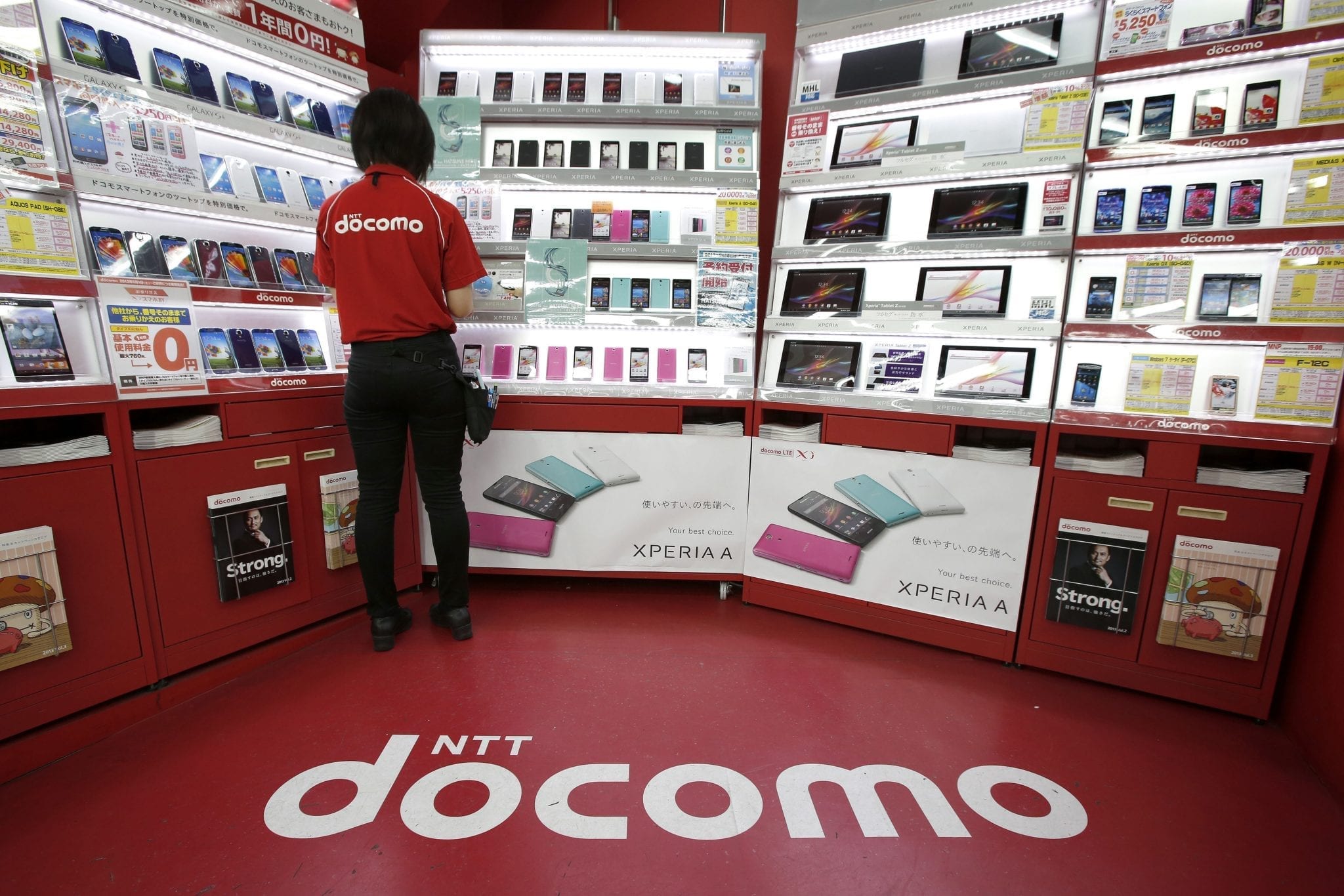
    The Indian government does not intend to relax rules regarding foreign investments to allow Japan’s NTT DoCoMo to exit its Tata DoCoMo joint venture at a pre-determined price.

    The government has taken the view that there is no case for bending the rules for a single company.

    Rules that have been in place since 2007 – almost two years before Tata Group and NTT DoCoMo entered the joint venture – stipulate that no foreign investor is entitled to exit its investment at a pre-determined price or with assured return, the report states.

    But the agreement between NTT DoCoMo and Tata Group stipulated that DoCoMo was entitled to sell its shares at the highest of either the market price or half the initial subscription price.

    An arbitration court recently found Tata Group’s majority shareholders and Tata Teleservices liable for $1.17 billion in damages due to the failure to live up to the shareholder agreement, even though the Reserve Bank of India is prohibiting the company from doing so due to the rules.

    The government is considering amending the regulations for future foreign direct investments, introducing a price band rather than the current fair price stipulation, to make the market more attractive to investors. But the finance ministry has ruled out applying the rules retroactively to cover the DoCoMo transaction.

  • Direct India-Indonesia flights necessary to attract more Indian tourists

    Direct India-Indonesia flights necessary to attract more Indian tourists

    The Indonesian Tourism Ministry believes that direct flight from and to India could increase the number of Indian tourist arrivals in Indonesia.

    “The main challenge is direct flights as the existing ones are just transit flights from and to India,” Dody Prianto, assistant deputy director of the Tourism Ministry, noted here.

    Prianto was in Kolkata, India, for a roadshow to promote “Wonderful Indonesia,” the tourism brand of the country, at a hotel in the city, with the objective of attracting more tourists from India.

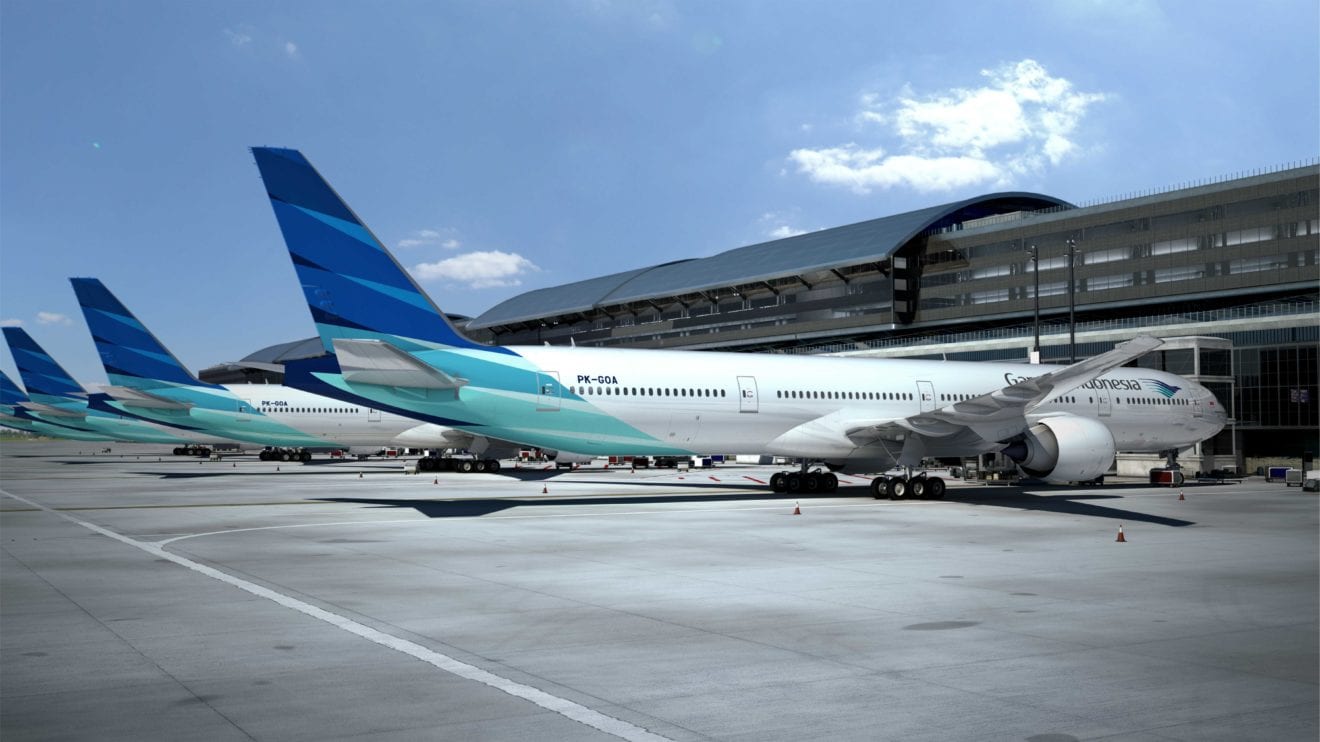
    He hoped airlines, such as Garuda Indonesia, would be interested in operating direct flights between India and Indonesia.

    To draw more Indian tourists to Indonesia, the ministry is intensifying tourism promotion to introduce other tourist destinations apart from Bali.

    He mentioned Sumatra as one of the interesting places for Indian tourists to visit as it is located near Singapore, and its culinary dishes bear similarities to those in Indonesia.

    The Tourism Ministry has set a target of attracting at least 350 thousand Indian tourists this year.

    “The target is quite high, but we are optimistic that it can be achieved,” Prianto stated.

    During the first semester of this year, a total of 185,911 Indian tourists had visited Indonesia, he said on the sidelines of a sales million event.

  • Alibaba making moves to buy ShopClues

    Alibaba making moves to buy ShopClues

    Chinese internet giant Alibaba has been discussing the acquisition of Indian online marketplace ShopClues, which is valued at more than US$1 billion.

    Alibaba wants to merge the marketplace of Paytm, in which it has a stake, with larger rival ShopClues, reports The Times of India. The newspaper says Alibaba has several acquisition targets as it aims to firm up its presence in India against Amazon.

    Based in Gurgaon, ShopClues has raised about $250 million with investors including GIC of Singapore, Helion, Nexus Venture Partners and Tiger Global. It is positioned as an online flea market, selling cheaper and mostly unbranded merchandise.

    Former Zynga and Yahoo executive K Guru Gowrappan, who has been mandated to chart Alibaba’s growth in Asian markets (excluding China), is driving the merger-and-acquisition talks with the senior management of ShopClues, sources say.

    Meanwhile, Alibaba group, which holds a stake of about 40 per cent in Paytm, has started the process to separate the Noida-based company’s core payment business and smaller commerce business into two separate entities.

  • Singtel to lift stakes in AIS, Airtel

    Singtel to lift stakes in AIS, Airtel

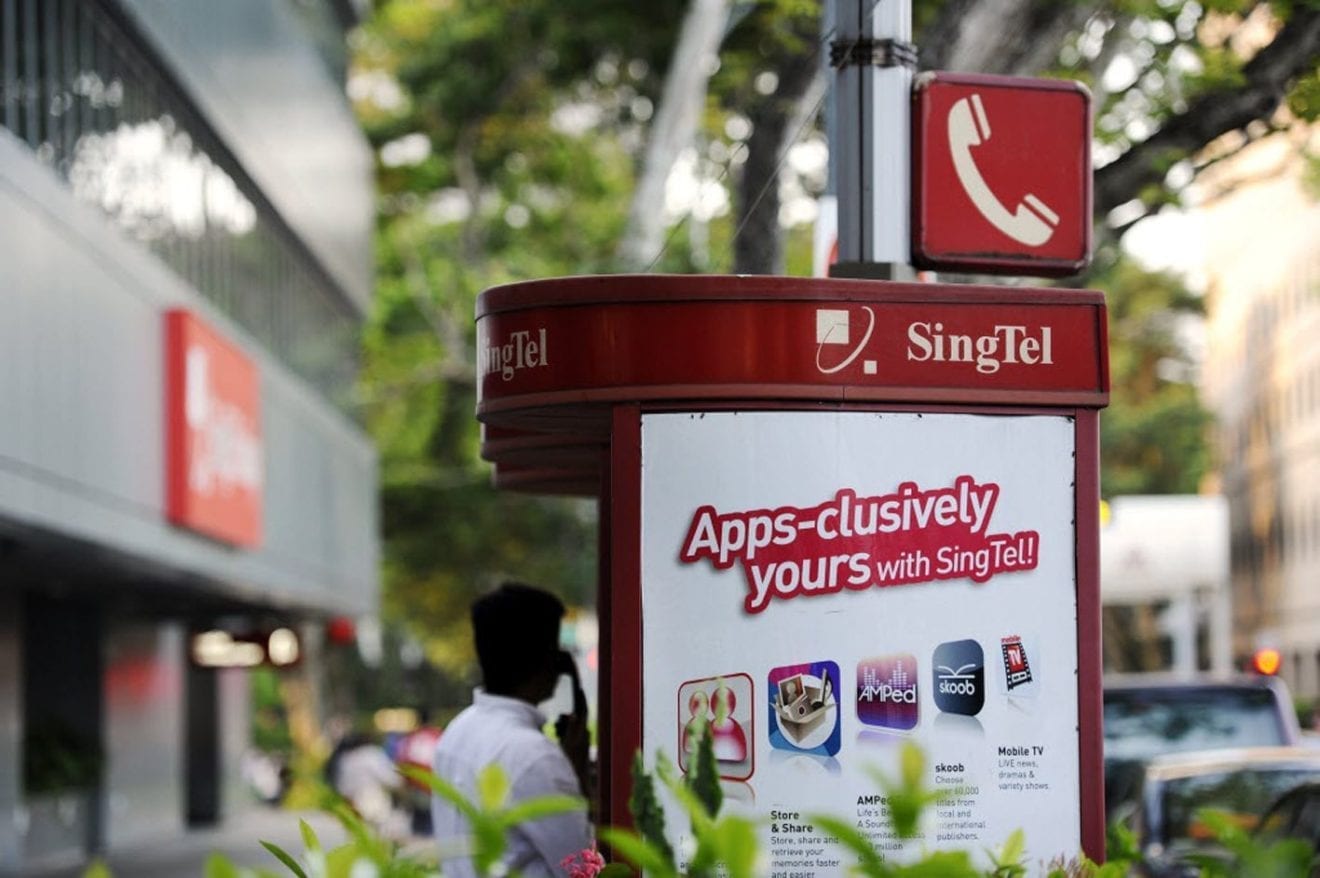
    Singtel has confirmed it has arranged to indirectly increase its stake in Thai mobile affiliate AIS, and revealed it will also increase its share in India’s Bharti Airtel.

    The operator announced it has entered a conditional agreement to acquire 21% of Thai operator AIS’ largest shareholder Intouch Holdings from Singtel’s majority shareholder Temasek Holdings, confirming reports from earlier in the week.

    Intouch is AIS’ largest shareholder with a roughly 40% stake, while Singtel owns a 23% stake in AIS.

    Singtel has meanwhile also agreed to acquire a 7.39% stake in Bharti Airtel’s holding company Bharti Telecom, adding to the 39.78% it already owns.

    The acquisitions have a total value of S$2.47 billion ($1.84 billion). Singtel will pay cash, and fund the acquisition through a combination of internal cash, short-term debt and proceeds from a S$1.6 billion placement of new Singtel shares to Temasek. The deal still requires shareholder and regulatory approvals.

    “Singtel has been a strategic partner to both AIS and Airtel for more than 15 years. We have built deep and trusted relationships, worked well together through the years, sharing knowledge and expertise and we have grown together, from strength to strength,” Singtel Group CEO Chu Sock Koong said.

    “Today, they have a combined mobile customer base of more than 380 million across Asia and Africa. This is a unique opportunity for us to deepen our relationships with two great market leaders.”

  • Premium Indian mall rents rise

    Premium Indian mall rents rise

    Premium Indian mall rents have risen “significantly” in the first six months of 2016.

    A report by property consultant CBRE South Asia shows rental rates at India’s more up-market shopping centres were led by major cosmopolitan mall clusters Noida (rising by 45 per cent), Gurgaon (by 30.8 per cent), Vasant Kunj (28.6 per cent), and East Bangalore (10.5 per cent).

    By region, rental rates have increased in the National Capital Region centered around Delhi (Vasant Kunj, Saket, and Gurgaon), Mumbai (Kurla, Ghatkopar and Lower Parel), and Bangalore (Whitefield, Ulsoor, and areas in West Bangalore).

    The steep rise in rent is due to the robust demand led by international retailers, and rapid expansion plans of established retailers. For example, during the first half of 2016, Swedish clothing retailer H&M, US clothing company Gap, Japanese lingerie brand Wacoal, and Dutch brand Hunkemoller opened new stores in India, while the more established retail stores – Shoppers Stop, Levi’s, Puma, Pepe Jeans, Fabindia, Gap, Haagen-Dazs, and Mebaz – further expanded their outlets.

    A gap between the demand and supply is also to blame, as building malls is a capital intensive activity and completion of projects may take up four to six years.

    However, the rise in rent and demand is restricted to premium markets. In another report, by property consultant Jones Lang LaSalle (JLL) India, findings indicate that tier 2 cities and even average and poor malls in tier 1 cities, continue to struggle with high vacancy rates, which began with the global financial crisis of 2008. Poor consumer and retailer sentiment has also prompted several mall developers to shelve or defer new projects across the country.

    JLL estimates that rental rates in premium markets will stay constant or increase till the gap between demand and supply gets bridged in about five to seven years.

    • This article was first published by Dezan Shira & Associates which, since its establishment in 1992, has been guiding foreign clients through Asia’s complex regulatory environment and assisting them with all aspects of legal, accounting, tax, internal control, HR, payroll, and audit matters. Dezan Shira & Associates is a full-service consultancy with offices across China, Hong Kong, India, and ASEAN.
  • India to capture 13.5% of smartphone sales by 2019

    India to capture 13.5% of smartphone sales by 2019

    India is on track to corner a 13.5% share (approximately 180 million smartphones in circulation) of the total global smartphone market by 2019, up from 7.5% today.

    This was revealed by a joint study conducted by the Associated Chambers of Chambers of Comerce & Industry of India (ASSOCHAM) and KPMG.

    The study noted that the advent of affordable smartphones designed for the Indian user and low-cost data connectivity options, more people are shifting to smartphones and mobile Internet.

    The average selling price of a smartphone in India in 2015 was 12,285 rupees ($183.70), a 25% year-on-year increase. The affordable models sell between 3,000 rupees and 10,000 rupees ($44.80 to $149.50).

    “The smartphone shipments in India grew a healthy 23% annually in the first quarter of 2016 compared to the global growth, which stalled for the first time ever since smartphones first began to sell,” ASSOCHAM said in a report posted in its website.

    “The increase in smartphone sales has changed the face of e-commerce industry in India in the last two years,” it added. “Mobile transactions accounted for 41% of total e-commerce sales in 2014. Developing a mobile (sometimes mobile only) strategy has been an important agenda for many of the leading e-commerce players in the country over the last two to three years.”

    The government has launched its ‘Digital India’ initiative in July 2015 for the different stakeholders to work together to transform the economy. Several international device vendors have also set up manufacturing facilities in India, supporting the government’s ‘Make in India’ initiative aimed at boosting local manufacturing.

  • Google India delivers for food fans

    Google India delivers for food fans

    Working with local partners, Google India has made online ordering and restaurant bookings easy.

    When people use their phones to search Google for nearby restaurants, the search results offer an option to “place an order”.

    By tapping the option, users can choose a delivery service and be taken to its website to complete their order. Users can also make a one-click reservation if they prefer to visit the restaurant.

    Google has partnered with startups Swiggy and Zomato for food delivery, and Bytplus and Dineout for reservations. The services can be used on Google Search and the Google app for both Android and iOS devices.

    “These features are just rolling out and we’ll be adding more partners and evolving the look and feel over time,” Google says in an official blog.

    Earlier, Google Maps stitched in Ola and Uber services on its platform in India, showing fares and riding options from the app-based taxi aggregators.

  • Apple India smartphone share tumbles

    Apple India smartphone share tumbles

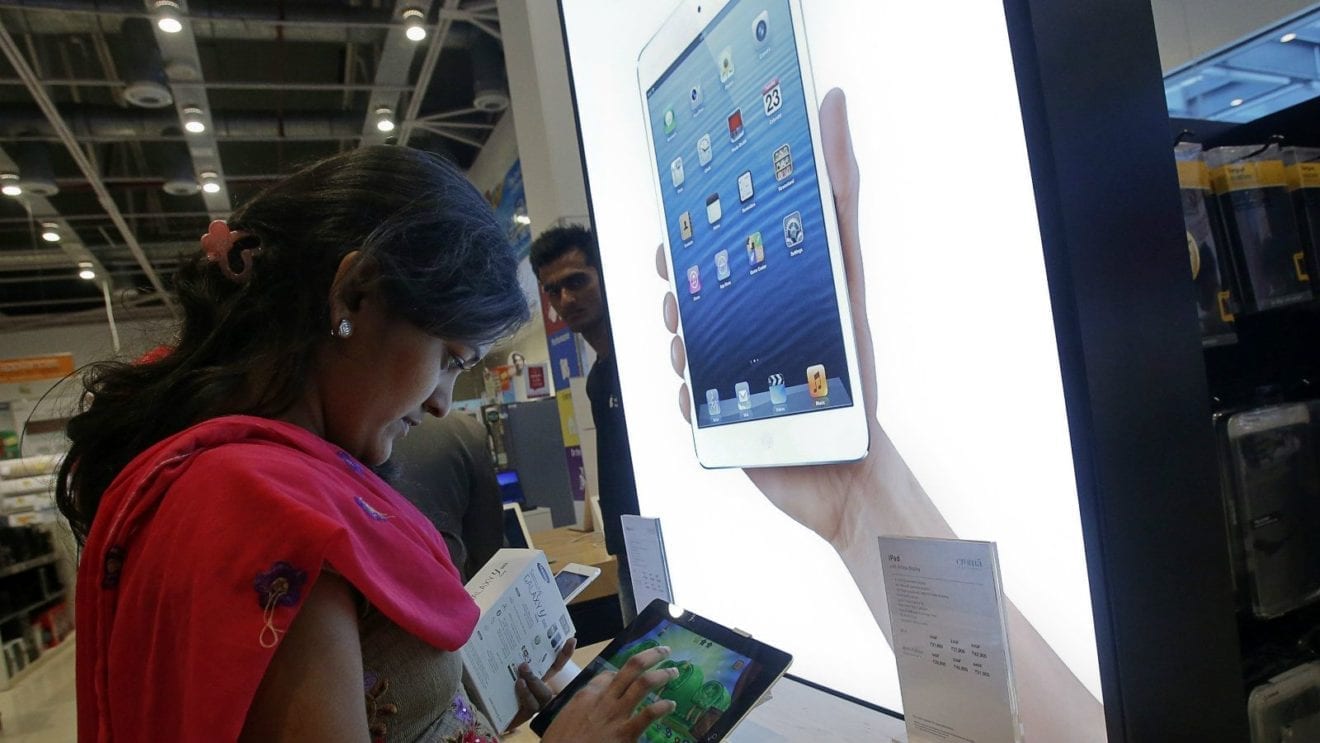
    While Apple India has big plans, a new report from Strategy Analytics says the US tech giant shipped 800,000 smartphones in India in the second quarter of this year – down from 1.2 million units in the same period last year.

    “Apple IOS fell 35 per cent” year-on-year, says Strategy Analytics director Woody Oh, “while its smartphone market share has halved from 4 to just 2 per cent in India during the past year.”

    He says Apple should work on iPhone’s pricing in India as cheaper devices will help boost sales. Apple also needs to enlarge its retail presence through Apple stores or online channels if it wants to regrow significantly, says Oh.

    But Apple CEO Tim Cook says that for the first nine months of its current fiscal year, Apple’s iPhone sales in India were up 51 per cent year-on-year. “We are looking forward to opening retail stores in India down the road… we see huge potential for that vibrant country.”

    Cook says Apple has launched a centre to support Indian developers creating applications for its IOS operating system, and has opened an office in Hyderabad to accelerate map development.

  • Toms and another global brands for Myntra

    Toms and another global brands for Myntra

    Flipkart-owned Indian online fashion company Myntra has added two international brands to its platform, Toms and Meters/Bonwe.

    This makes Myntra home to more than 30 global brands, says its head of international brands business, Gunjan Soni.

    US-based Toms is known for its footwear range while Chinese brand Meters/Bonwe focuses on fashion-forward styles for young men and women.

    “Our partnership with Myntra will allow us to cater to the dynamic fashion choices of millennials in India who want to dress well with an individual style without the hassles of store shopping,” says Meters/Bonwe spokesperson Jay Zhou.

    Toms MD Helen Thompson says Myntra will help the brand start its commercial relationship in India. “We have already been working to produce locally as well as give shoes and restore sight through Toms’ partnerships.”

    Online retail, which is being increasingly adopted by Indian shoppers, is expected to account for 3 per cent of total retail sales by 2020, according to a PWC report.

  • India’s spectrum mega-auction set for Sept 29

    India’s spectrum mega-auction set for Sept 29

    India’s Department of Telecom has set the date for India’s largest spectrum auction to date, announcing that bidding will commence on September 29.

    The massive auction will be preceded by a pre-bid auction on Saturday. The government has also pledged to make the spectrum available to the winners within 30 days of receiving an upfront payment.

    In total more than 2,300 MHz of spectrum divided into 126 blocks will be auctioned next month. Analysts expect bidding to reach as high as $14.8 billion, while the government believes bidding could reach up to $83 billion.

    But operators have been less than enthusiastic, with Airtel’s CEO recently announcing that the company sees no “great need” for more spectrum, and Telenor revealing that its Indian subsidiary will sit out of the auction.

    Specturum in the 700-MHz, 800-MHz, 900-MHz, 1800-MHz, 2100-MHz and 2300-MHz bands will be put on the block.

    Winners of spectrum in the three lower bands will be required to pay at least 25% of their total bid within 10 days of the auction concluding, while the other bands will require a 50% down-payment.

  • Carousell raises $35m for expansion

    Carousell raises $35m for expansion

    Singapore-based online marketplace Carousell has raised US$35 million in a funding round led by Rakuten Ventures.

    Other investors in the Series B funding round included Golden Gate Ventures, Sequoia India and 500 Startups.

    Founded in 2012, the Carousell app lets people buy and sell a variety of items including beauty products, fashion, lifestyle gadgets, furniture and home appliances. Sellers upload photos of items they wish to sell while buyers use the chat function to buy.

    Carousell will use the new funds to speed its growth into new markets, strengthen its product and engineering capabilities and build a “world-class” team, says co-founder/CEO Quek Siu Rui. The company has just hired former AirBNB Southeast Asia MD Chai Jia Jih to oversee its international expansion.

    So far Carousell has raised about $41.8 million, and is available in 13 major Asian cities including Jakarta, Kuala Lumpur, Singapore, Taipei and, most recently, Hong Kong.

    Its marketplace had more than 35 million listings globally as of the second quarter this year, with Quek claiming it has gathers 70 listings a minute.

    To stand out from its competition, Carousell puts emphasis on speed. Quek says it takes as little as 30 seconds to post a listing on the marketplace, and users can communicate within the app, eliminating the need for messaging apps or emails.

  • Idea Q1 profit slumps 36.1%

    Idea Q1 profit slumps 36.1%

    India’s Idea Cellular has reported a steep 36.1% decline in net profit for its fiscal first quarter to 4.97 billion rupees ($74.4 million), as spectrum and investment costs weighed down the operator’s bottom line.

    But Idea, the nation’s third largest mobile operator, also revealed that its efforts to cut down on promotional offers helped revenue grow 7.9% to 94.86 billion rupees.

    The operator lost around 700,000 mobile subscribers during the quarter, taking its total to 183.2 million, and voice MOUs declined by 1.1% sequentially to 199.3 billion.

    By contrast, due to its high investments in the mobile data segment, Idea reported its highest ever net mobile data user additions of 5 million.

    The operator also recorded mobile data volume growth of 13.2% to 93.1 petabytes, while mobile data revenue grew by 4.1% to contribute 20.6% of total service revenue.

    Over the period, the company added 5,296 4G sites, taking its total to nearly 20,000. The operator’s 4G network now covers a total population of over 150 million across nearly 2,000 towns and villages. The company ended June with over 1.8 million active 4G subscribers.

    Overall 2G, 3G and 4G mobile data penetration has reached 49 million, and Idea reported a blended mobile data ARPU for the quarter of 142 rupees.

    Idea’s capex for the quarter meanwhile reached 10.8 billion rupees, in line with the operator’s projected capex budget for the full financial year of between 65 billion and 70 billion rupees.