Tag: india

  • Number of Indian tourists to Bali up 55.83 percent

    Number of Indian tourists to Bali up 55.83 percent

    The number of Indian tourists to Bali reached 92,731 people, during the first semester of 2016, up 55.83 percent from 59,509 people during last years same period.

    Data from the Central Bureau of Statistics (BPS) showed that the tourist arrivals from India recorded the highest increase among ten countries contributing the largest number of tourists to Bali.

    The Indian tourist arrivals constituted 4.08 percent of the total foreign tourist arrivals reaching 2.27 million in Bali during the first semester, up 18.59 percent from 1.91 million in the same period in the previous year.

    The Bali Provincial Tourism Office has set a target of attracting as many as 4.2 million foreign tourists this year.

    In 2015, Bali received 4.001 million people, 6.24 percent more than previous year when 3.76 million people had arrived.

  • Skoda Auto to invest Rs 100 crore in India

    Skoda Auto to invest Rs 100 crore in India

    Having consolidated operations in India in the last couple of years, Czech car maker, Skoda Auto is pursuing volumes from 2017.

    The company plans to invest Rs 100 crore in revamping the dealership network with new identity and introduce series of service initiatives to bring in transparency.

    The company is likely to end 2016 with 15,000 units in 2016 posting a flattish numbers, but with 4 new products planned for 2017, Skoda is eying 30% growth in volumes to over 20,000 units in 2017.

    According to people in the know, Skoda will be launching the face lifted Rapid, which has been significantly engineered locally, followed by premium SUV Kodiaq in the Toyota Fortuner category. The company is also likely to bring in a variant of Octavia in the coming 12-18 months.

    Sudhir Rao, MD of Skoda Auto said, the company is not going after the volumes game, but aims to position itself as a value luxury car maker positioned between volumes car maker and luxury car maker, with clear eye on segment leadership or be amongst the top three of segment the company participates in.

    “We are looking at higher volumes but not at the cost of profitability. We have gone a long way in improving our operational efficiency and ownership experience. We will aim for leadership in the segment we participate and we expect these segments to become main stream in near future,” added Rao.

    Skoda is also investing a lot on digitisation of the brand and the customer interface. The company will be launching the MySkoda app from 1st of September, which will increase the transparency with customers.

    The company will launch the industry first 4 year warranty of the car service.

    The company sells an average of 125 units of Superb in a month and has a segment share of 60% in premium saloon space and it sells about 200 units of Octavia per month with a segment share of 60%. Skoda sells another 1000 units of Rapid per month.

    The company expects the new models to bring in incremental volumes from 2017. With the existing portfolio, Skoda addresses just 20% of overall car market, but aims to grab more than half of Rs 10 lakh to Rs 40 lakh price bracket.

  • Lenovo-­Motorola India seeks to open showrooms

    Lenovo-­Motorola India seeks to open showrooms

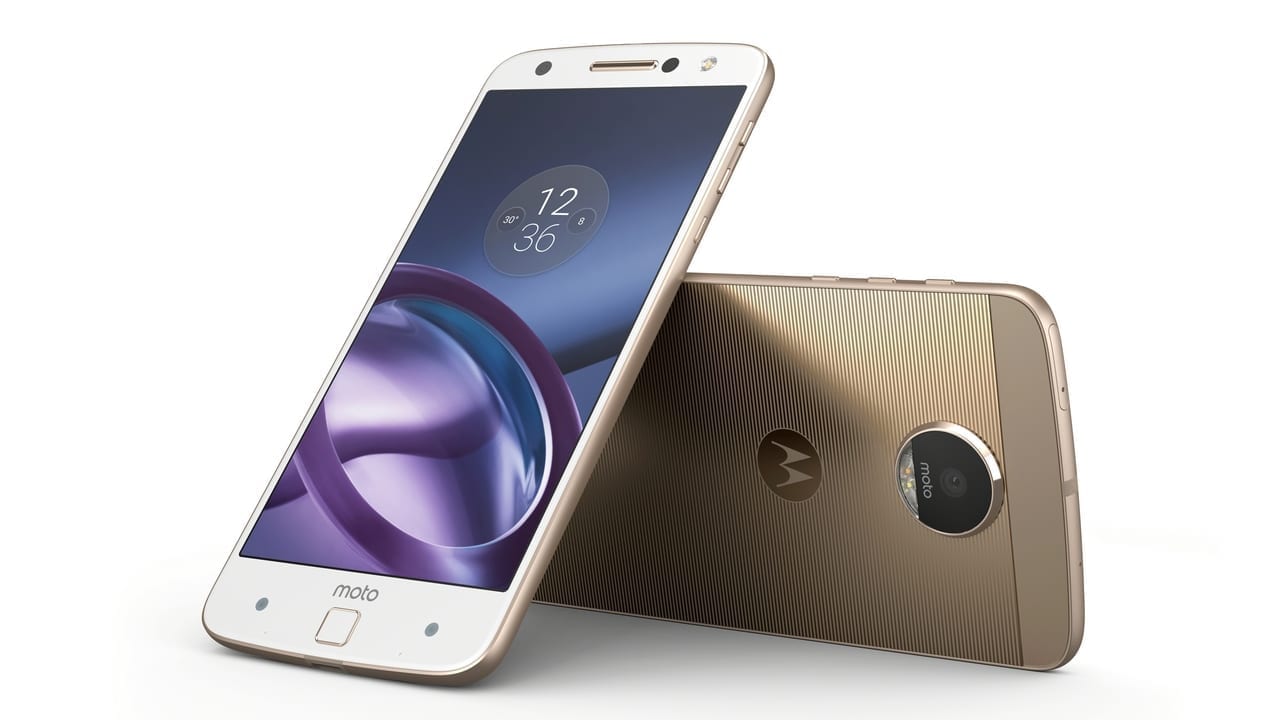
    The Lenovo-­Motorola India combine has applied for single-­brand retail licence to open company­- owned showrooms.

    This comes on the heels of the Chinese company’s mobile sales in India crossing the US$1 ­billion mark.
    Lenovo India’s director Sudhin Mathur says the turnover from mobile-phone sales in the year ended March 31 stood at $1.3 billion, nearly double the $700 ­million of the previous year.

    “Sales have been growing at a healthy pace and we expect to maintain a strong momentum.”

    According to industry tracker IDC, the Lenovo­-Motorola combine sold about 10 million units last year, accounting for a nearly 10 per cent share of the market.

    Mathur says smartphone industry sales in India are expected to grow by 30 per cent this
    year.

    The company’s units for India are being contract ­manufactured by Flextronics at Sriperumbudur. Lenovo is also looking at having its own phone plant in India.

    Mathur says eight or ­nine new models will be introduced in India over the coming months as the company beefs up its portfolio ahead of the festive season.

    Other companies to have applied for the single-­brand retail licence include Apple and Chinese company LeEco.

  • Muji’s next bet is Southeast Asia, India with stores offering more than shopping

    Muji’s next bet is Southeast Asia, India with stores offering more than shopping

    Japan’s Ryohin Keikaku, operator of lifestyle retail store Muji, plans to introduce more in-store services and new concept stores in Southeast Asia, as consumers in the region gain more spending power and their spending habits become increasingly sophisticated.

    Satoru Matsuzaki, president of Ryohin Keikaku, told Nikkei Asian Review on Thursday that the company hopes to introduce “Muji Books” space, where curated books on themes such as fashion and interior design will be sold alongside Muji products, in its flagship outlet opening in Singapore next year.

    The new store will be the company’s largest outlet in Southeast Asia, and will serve as a showcase to introduce new in-store services in the region, such as home decor consultation, fashion styling and tasting events for new food products.

    The company just opened its 10th store in Singapore on Thursday. The 1,000 sq. meter outlet is the second in Singapore to house “Muji Cafe&Meal,” an eat-in space serving healthy meals and desserts. “We want to take this concept to other parts of Southeast Asia, such as Kuala Lumpur,” said Matsuzaki.

    The idea is to create a new retail experience to grasp the hearts of young consumers and gain a solid foothold in Southeast Asia’s retail scene. “Foreign brands come and go at a fast pace in Singapore,” Matsuzaki said.

    But he remained confident that there is a growing demand for Muji’s simple products as consumers in the region shift away from spending a fortune on luxury brands just to show off. “Consumers in this region are spending more on good-quality everyday items to enrich their everyday lives, and Muji can serve this need,” Matsuzaki said.

    Ryohin Keikaku’s Asia strategy has so far been centered around China, where the company plans to have 200 stores by the end of the year. While high-end brands are suffering from sluggish demand amid the economic slowdown, Muji stores in China have seen steady sales growth. The company has already has introduced Muji Books and cafes in China to cater to the changing consumer behavior.

    The company’s next bet is in Southeast Asia, where it runs a total of 38 stores in Singapore, Malaysia, Indonesia, Thailand and the Philippines. Southeast Asia’s store sales in the first six months of 2016 on an existing store basis logged double-digit growth year on year, faster than its growth rate in China. Stores in Singapore and Thailand are leading the pack.

    The company aims to open about two stores every year in each market in Southeast Asia, and is currently planning to enter Vietnam by the summer of 2017. A new store in Mumbai is set to open on Aug. 5, marking Muji’s first entry into India, followed by another store in Bangalore in September.


  • Airtel sees no “great need” for more spectrum

    Airtel sees no “great need” for more spectrum

    Bharti Airtel’s CEO Gopal Vittal has suggested that the operator’s participation in India’s upcoming massive spectrum auction may be limited.

    Vittal told attendees to an earnings call that the operator is “in a very solid position” with its current specturum holding, and does not “see great need of spectrum” at this point in time.

    Vittal did note that the operator needs some spectrum to “fill a few gaps here and there.” But Airtel has historically been one of the major bidders in previous allocations, and his comments suggest that this is unlikely to be the case with the upcoming auction.

    The government has announced plans to auction off more than 2,300 MHz of airwaves across seven frequency bands, ranging from 700-MHz to 2,500-MHz, and recently approved the reserve prices for the bands.

    Based on the reserve prices the government expects to raise up to $83 billion, but analysts expect bidding to fall far below these lofty expectations.

    At least one operator has already decided not to take part due to the proposed prices, with Norway’s Telenor revealing plans to sit out as it evaluates whether to remain in the market.

  • Flipkart trumps rivals in Jabong bid

    Flipkart trumps rivals in Jabong bid

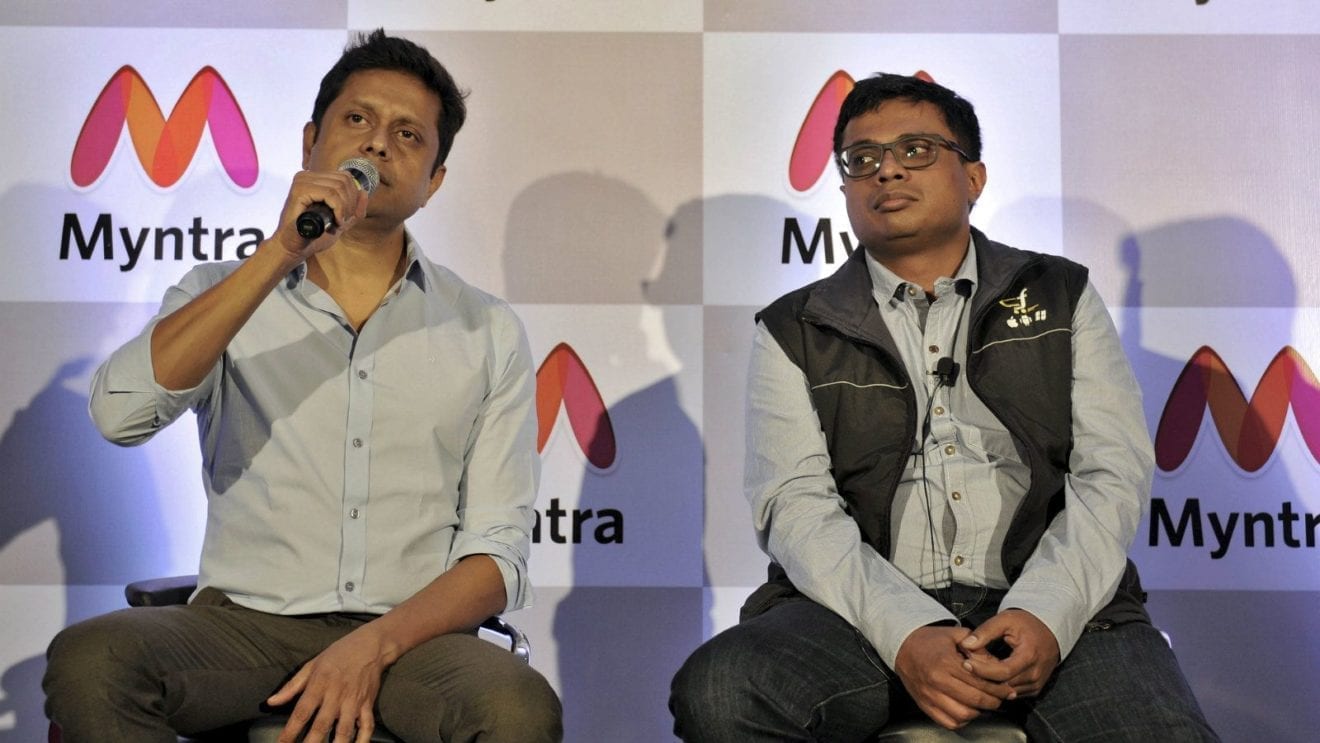
    A year ago, Jabong’s founders turned down $700 million plus from Amazon; this week they sold for $70 million to Flipkart’s Myntra.

    Indian eCommerce site Flipkart has sealed a shock deal to acquire Jabong, the nation’s third largest online fashion retailer.

    The news came just a day after rival bidder Snapdeal presumed it had won the battle.

    Flipkart’s success is expected to provide a crucial advantage in its battle to ‘own’ the clothing eCommerce space, giving it an advantage of scale and local knowledge in fighting off US-based Amazon.

    Flipkart’s subsidiary Myntra will reportedly pay US$70 million for the troubled Jabong business. That’s a fraction of an offer from Amazon in early 2015 which valued Jabong at between $700 million and $1 billion.

    “The acquisition…. holds an important lesson to all investors and entrepreneurs,” observed Harsimran Julka of Tech in Asia. “Exit when you don’t want to sell.”

    Jabong is one a growing group of failing Southeast Asian eCommerce websites owned by Germany’s Rocket Internet which has witnessed the value of its businesses shrink dramatically over the last 12 to 18 months. It has sold off Foodpanda, Zalora and Lazada websites in several regional markets in a bid to stem growing losses.

    “The acquisition of Jabong is a natural step in our journey to be India’s largest fashion platform,” said Ananth Narayanan, CEO of Myntra. “We see significant synergies between the two companies especially on brand relationships and consumer experience.”

    Julka wrote that in buying Jabong, Myntra will acquire one of the best sourcing systems, catalogs, and loyal customer bases, especially amongst women buyers, within India.

    “With Myntra’s app-only experiment going kaput last year, the company lost a lot of traction in India.

    “The buyout will also give a boost to profitability of Flipkart, as the fashion category is the most profitable of all eCommerce segments, with gross margins as high as 80 per cent.”

  • Mahindra Comviva unveils MobiLytix Suite

    Mahindra Comviva unveils MobiLytix Suite

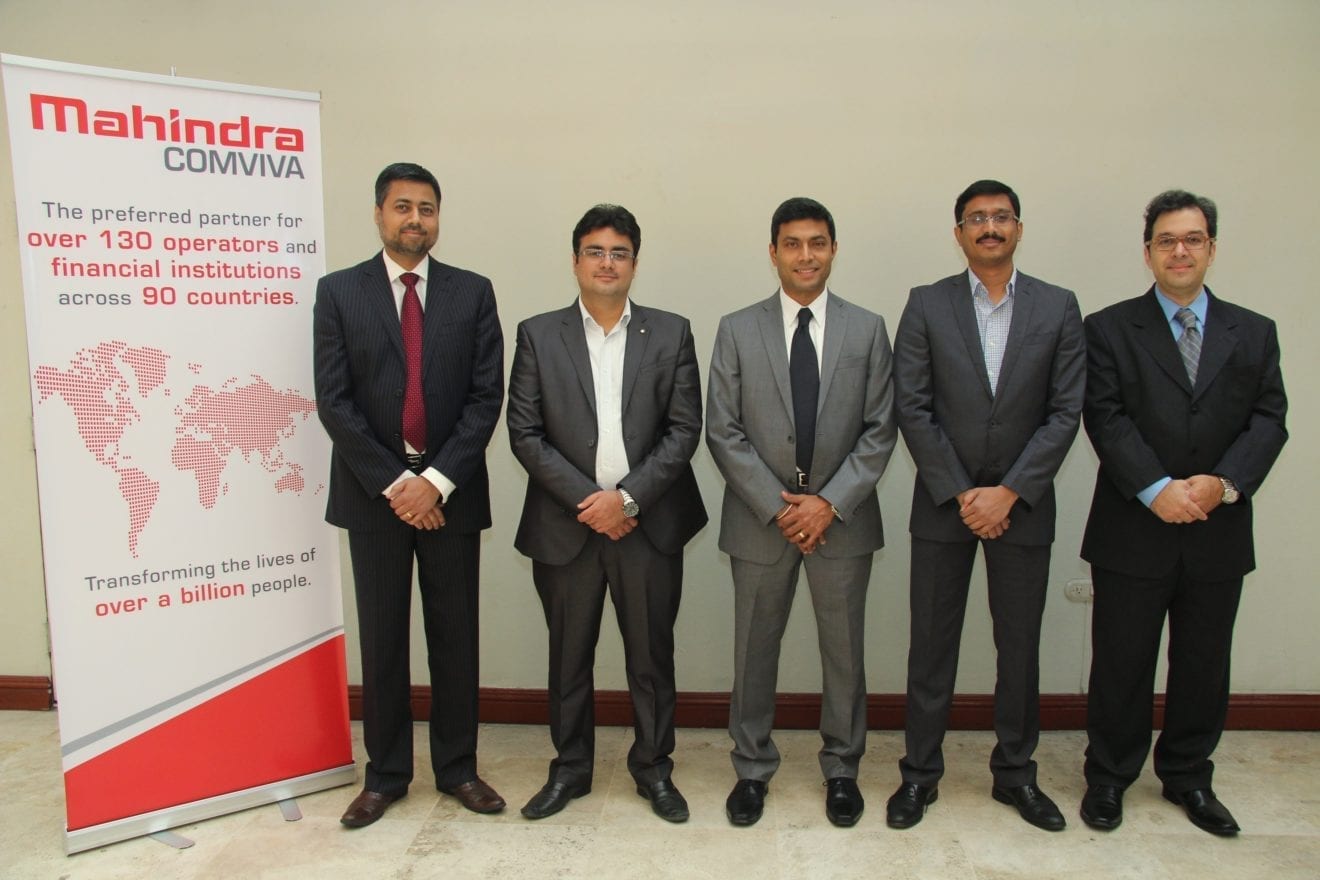
    Mahindra Comviva has launched the MobiLytix Suite, a big data-driven mobile analytics solution that generates actionable customer insights.

    The solution aggregates subscriber usage data across multiple touch points, enabling deeper and superior customer experience while improving revenue growth of telecom operators.

    The MobiLytix Suite promises to enable service providers to enhance customer experience. Its backbone is an analytical engine aimed at understanding the various events across a customer’s lifecycle and helps develop strategies to maximize a customer’s lifetime value.

    It also aids chief marketing officers and marketers to analyze hidden revenue generating patterns and formulate the appropriate product and growth strategies. In addition, seamless, real-time and omni-channel execution of personalized contextual marketing promotions ensure faster go-to-market and help operators realize incremental revenue opportunities.

    “Globally, operators are increasingly concerned about customer retention. They are also trying to monetize existing customers by cross-and-up selling additional services,” said Manoranjan Mohapatra, CEO of Mahindra Comviva.

    “With the MobiLytix Suite, we hope to establish a new business niche for customer and channel value management, driven by analytics and actionable insights,” the CEO said. “With our MobiLytix product line, we expect to be a significant player in one of the fastest growing segment in the mobility space.”

    Mahindra Comviva’s MobiLytix Suite enables operators to obtain real-time actionable insights with usage growth of about 5%. In addition, telecom operators can also get significant increase in the response and reach rates.

  • India’s YES BANK taps Gemalto for secure m-payments

    India’s YES BANK taps Gemalto for secure m-payments

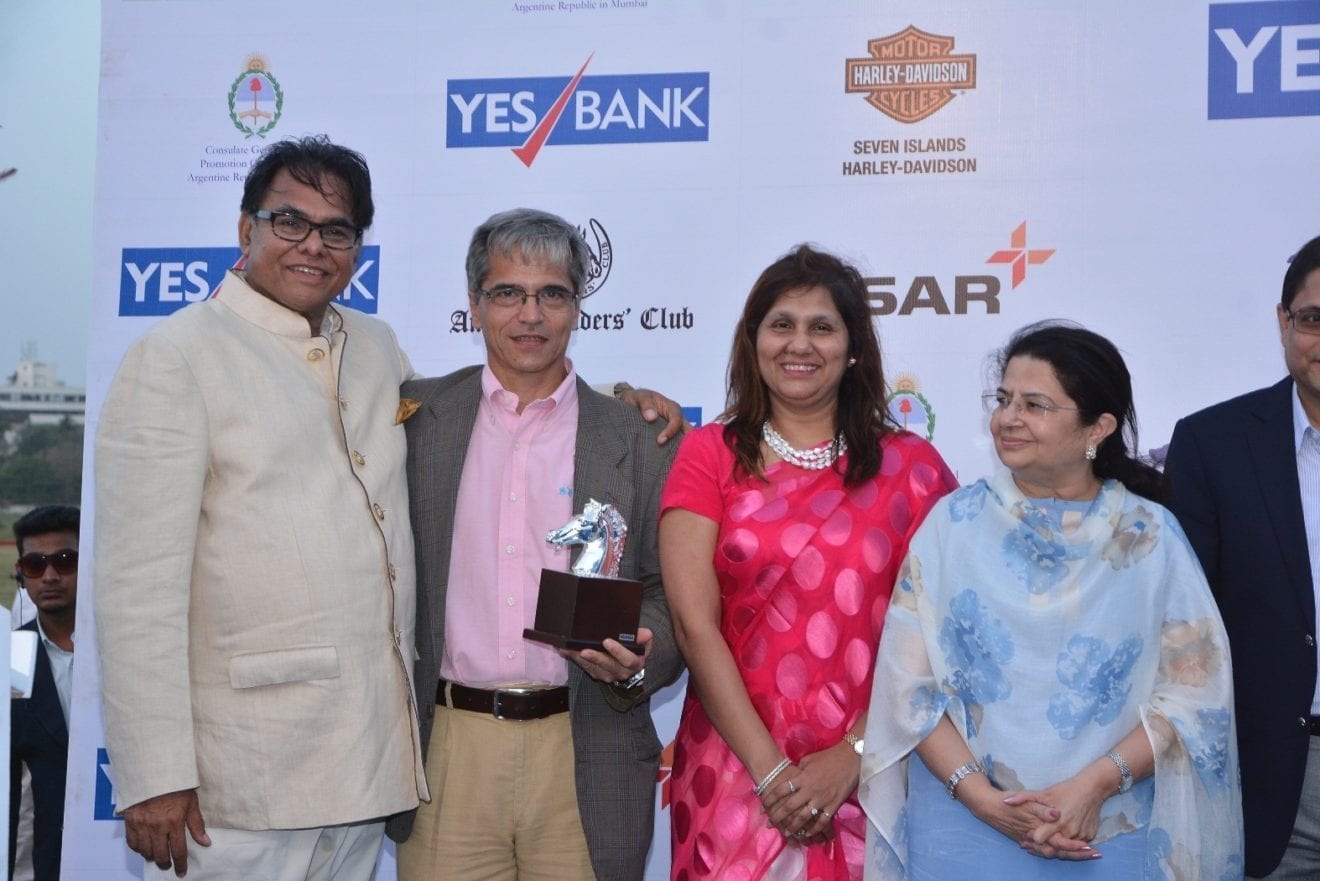
    India’s YES BANK has deployed Gemalto technology to secure mobile payment transactions for its customers under India’s recently implemented Unified Payments Interface (UPI).

    YES BANK, India’s fifth largest private sector bank, has adopted Gemalto’s SafeNet Network HSM for the purpose.

    UPI, India’s online payments solution, enables all account holders to send and receive money from their smartphones with a single identifier – such as mobile number or virtual payments address – without entering any bank account information.

    The SafeNet Network HSM (formerly SafeNet Luna SA HSM) provides end-to-end data security and encryption to protect user credential confidentiality and the private keys responsible for digital signing.

    “With a widespread network of over 860+ branches and 1,625+ ATMs Pan India, we’re committed to taking a customer-centric approach to our banking services,” said Anup Purohit, CIO at YES BANK.

    “The Unified Payments Interface offers clients revolutionary convenience when it comes to banking and payments, and we want to ensure the highest levels of security for users of the platform. We’re thrilled to integrate Gemalto’s industry-leading SafeNet HSM technology into the UPI application to support this initiative.”

  • Airtel Q1 profit falls 30.8%

    Airtel Q1 profit falls 30.8%

    India’s Bharti Airtel posted a 30.8% slump in net profit for the June quarter, as a steep 42.1% decline in the value of the Nigerian Naira reduced contributions from the operator’s African operations.

    Airtel reported a net profit for its fiscal first quarter of 14.62 billion rupees ($218 million). Consolidated revenues increased 8.4% year-on-year to 255.46 billion rupees, with India revenues up 10.3% to 191.55 billion rupees.

    Indian mobile broadband customers increased by 68.3% to 36.6 million, with data ARPU increasing by 21 rupees to 202 rupees. Total mobile data revenues grew 35.1% year-on-year to 35.25 billion rupees

    “The year has begun well with revenue growth of 10.3%Y-o-Y and continued revenue market share gains,” Airtel MD and CEO for India and South Asia Gopal Vittal said.

    “In continuation of our Project Leap announcement, we have now transparently opened up our entire mobile network to our customers so as to partner them in striving to deliver a world class experience.”

    African revenues adjusted for tower and operating unit sales meanwhile grew 3.8% year-on-year in constant currency terms, with data revenues increasing to $154 million, or 16.5% of overall revenues.

    Over the past 24 months, Airtel has sold tower assets in 11 African countries and divested its operations in Burkina Faso and Sierra Leone, raising a total of $3.25 billion.

  • Amazon India rolls out Prime

    Amazon India rolls out Prime

    Online retailer Amazon India has rolled out the global Prime membership service, giving customers access to unlimited free one- and two-day delivery on more than 100,000 products.

    It is also introducing its Prime video service, giving members access to movies and TV shows from India and around the world.

    “Prime provides unlimited convenience all year long,” says Amazon India VP and country head Amit Agarwal.

    Offering a free two-month trial period, Amazon.in has revamped its on-site and app experience.

    Members can also use Prime Early Access to buy top deals 30 minutes early every day.

    “Since its international inception, Prime continues to evolve as we add millions of additional items that can be delivered incredibly fast and free,” says Amazon Worldwide Prime VP Greg Greeley.

  • Google to train 2m app developers in India

    Google to train 2m app developers in India

    In a bid to bridge the skills gap in the mobile app development segment in India, Google has launched a new certification program to train two million Android app developers over the next three years.

    The company hopes to support the government’s Skill India initiative through this program.

    India is expected to have the largest developer population globally, overtaking the United States, by 2018, with four million developers. However, currently only 25% of developers are building for mobile.

    Google has also launched an instructor-led training program on Android Fundamentals, available across public, private universities and training institutes of the National Skill Development Corporation of India.

    “By building a world class curriculum and making it easily accessible to millions of students and developers in India, we want to contribute to the Skill India initiative and help make India the global leader in mobile app development,” Google VP of product management Caesar Sengupta said.

    The in-person training will be integrated with Computer Science curricula of universities within this calendar year.

    The Android Developer Fundamentals course material will also be covered on NPTEL (an IIT Madras project in collaboration with the IITs and IISc) as part of its online Mobile Computing Course starting this month. The Android Developer Fundamentals reference course and all practicals and courseware will also be available as open source to everyone for free.

    In addition to partnering with the National Skill Development Corporation of India, Google has also teamed up with training partners such as Edureka, Koenig, Manipal Global, Simplilearn, Udacity and UpGrad – Google will train their trainers and update their Android courseware to prepare their students for the Android Certification and a career in Android development.

  • Zee acquires Sarthak Entertainment for $17m

    Zee acquires Sarthak Entertainment for $17m

    Zee Entertainment Enterprises has decided to acquire fully Sarthak Entertainment, which operates Odia-language Sarthak TV.

    The acquisition shall be from current shareholders of Sarthak Entertainment, subject to requisite regulatory approvals, as an all-cash deal at a consideration of maximum of 1.15 billion rupees or about $17 million.

    With this acquisition, Zee has entered the rapidly expanding regional market in Odisha. Sarthak TV would complement Zee’s regional bouquet of channels that includes Zee Marathi, Zee Talkies, Zee Bangla, Zee Bangla Cinema, Zee Telugu, Zee Kannada and Zee Tamizh.

    “The acquisition of an already profitable, market leading venture is going to be a value accretive investment in line with our philosophy of enhancing shareholder value,” said Punit Goenka, managing director and CEO of Zee. “Sarthak will further add to our formidable bouquet of 33 channels in the domestic market.”

    “Being the oldest and market leading network in India, Zee would provide the perfect platform for Sarthak to grow further in the future,” said Sitaram Agrawalla, founder and managing director of the Sarthak Group. “With a history of successful operations, we are sure Sarthak will be a great value-add for Zee.”

  • Store roll-out boosts Starbucks Asia

    Store roll-out boosts Starbucks Asia

    A massive Starbucks Asia store roll-out has boosted the global coffee company’s third quarter results.

    Across China and the Asia-Pacific region, Starbucks opened 888 new stores in the first nine months of the current financial year. That helped lift revenues by 18 per cent in the region.

    However, underlying same-store sales were a far more modest 3 per cent up on the same quarter last year.

    “The concern is that some of this is related to a general slowdown in China which, if part of a longer term trend, could harm company earnings,’ observed retail analyst Neil Saunders, CEO of Conlumino.

    The company’s Channel Development division – which encompasses the sale of Starbucks branded products in grocers and other stores- also posted positive numbers, with revenues rising 9 per cent. This was aided by strong sales of single-serve Starbucks products following a new agreement with Keurig Green Mountain to push branded K-Cups into more channels. A new partnership with Nespresso to launch Starbucks-branded pods should provided a further uplift to this division in the quarters ahead.

    “Unfortunately, the stronger performances in Asia and in the Channel Development Segment were not enough to offset the weakness in the Americas, which remains larger than all other divisions combined,” said Saunders.

    “And therein lies the forward issue for Starbucks: it has to increase momentum in this part of its business if it is to get back into high growth territory and if it is to avoid a future squeeze on profits.”

    Globally, Starbucks seemed to lose momentum in the third quarter, with overall growth slowing to 7 per cent and global same-store growth moderating to 4 per cent – both below forecast.

    “Worryingly, the slowdown took hold across all regions with even the Americas division, which usually puts in a fairly robust performance, posting a lacklustre same-store increase of 4 per cent. The fact that the company appears to have run out of steam somewhat overshadows its nonetheless impressive achievement of breaking the $1 billion operating income barrier for the first time in a non-holiday quarter.”

  • GSMA launches Mobile Connect in India

    The GSMA has launched its Mobile Connect authentication service across India, in collaboration with six mobile operators.

    Bharti Airtel, Idea, Aircel, Vodafone India, Tata Teleservices and Telenor India have all started offering Mobile Connect services.

    A range of Indian digital service providers in sectors including commerce, finance and banking, health services, media and entertainment, travel and hospitality and B2B have agreed to make use of the system

    GSMA director general Mats Granryd said the Indian launch marks the culmination of a year-long collaboration with the Indian mobile operators to introduce a single, secure mobile-based authentication system to the market.

    “With Mobile Connect, mobile operators are fulfilling an important role in the digital identity space, giving users control over their own data and enabling Indian consumers, businesses and governments alike to interact and access online services in a convenient, private, and trusted environment,” he said.

    Mobile Connect  employs a user’s unique mobile number and combines it with a unique PIN for more secure use cases to verify and grant online access to services.

    The system is now being implemented by 42 operators in 22 countries worldwide, making it available to nearly 3 billion customers.

  • Telenor will sit out of Indian spectrum auction

    Telenor will sit out of Indian spectrum auction

    Telenor Group has revealed it will not participate in India’s upcoming spectrum auction, leading to speculation about the company’s future in the market.

    The company has decided after thorough consideration not to participate in the auction, “as we believe the proposed spectrum prices do not give an acceptable level of return,” Telenor said in its second quarter report.

    “We will continue our efforts to meet customer demands and grow the business based on the current spectrum holding. As we evaluate our options in India, we will be disciplined on capex,” the report states.

    Telenor reported revenue from India of 1.55 billion kronor ($181.9 million) in the second quarter, up 13% from the prior year. But Telenor India also reported a wider loss for the quarter of 132 million kronor, and 3.32 billion kronor for the first half of the year.

    Given that Telenor only operates in six of India’s 22 telecom circles, and exclusively holds 1800-MHz spectrum – limiting its ability to effectively roll out 4G services – Observers had considered additional spectrum to be essential to Telenor India’s ongoing operations.

    With the operator electing to sit out of the auction, some experts are speculating that the company could pull out of the market.

    By contrast, Telenor’s operations in Myanmar are already cashflow positive, the Q2 results show. Telenor Myanmar reported an operating profit of 614 million kronor, on the back of 3% higher revenue of 1.49 billion kronor.

    Telenor Myanmar added 1.4 million new mobile subscriptions during the quarter, taking its total base to 16.9 million. But ARPU in local currency decreased by 8% due to promotional spending and increased penetration in rural areas.