Tag: india

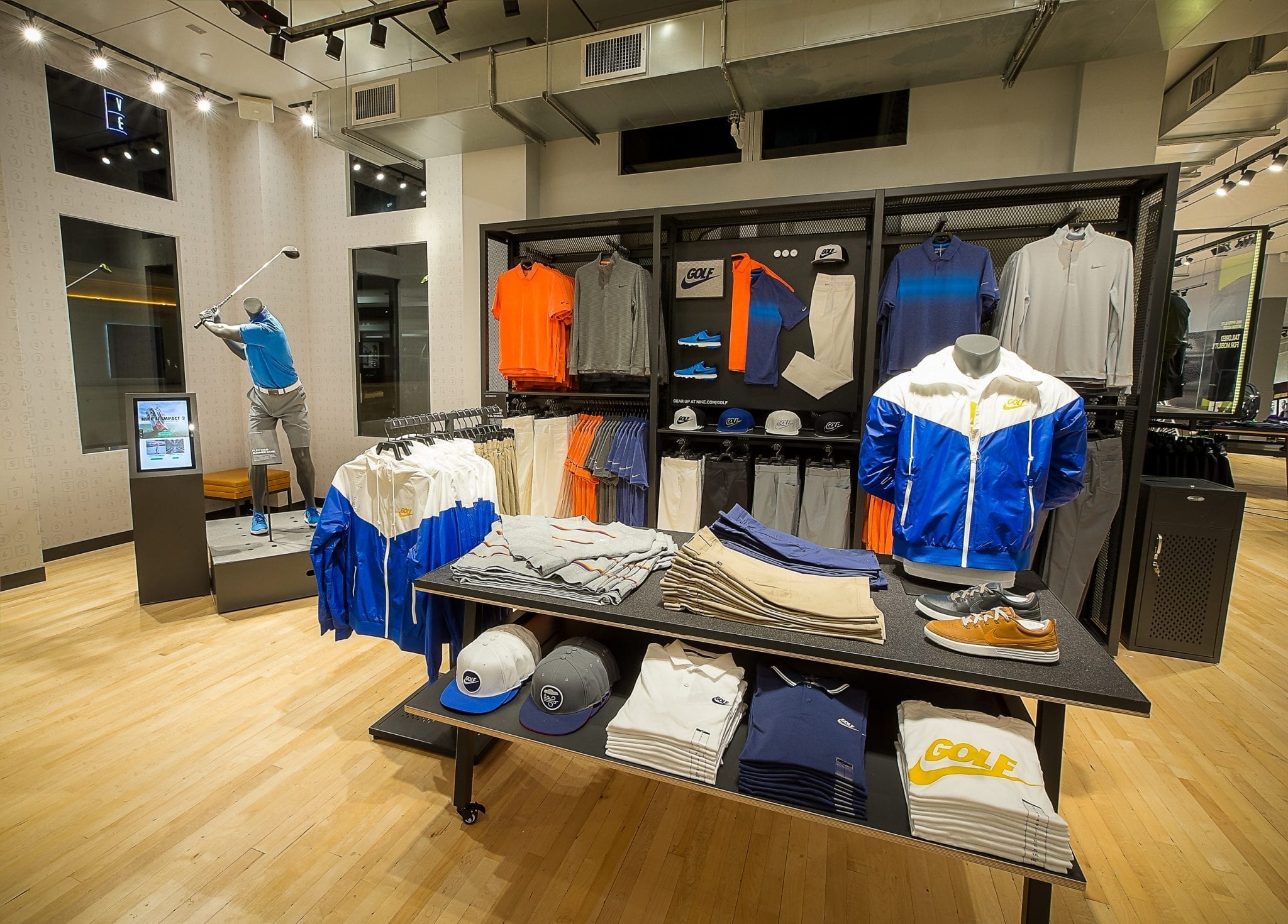
  • Nike India closes more than one third of stores

    Nike India closes more than one third of stores

    To cut losses, US sportswear maker Nike India has closed about 35 per cent of its stores.

    This has left it with about 200 stores, say observers.

    Nike’s accumulated losses were around US$81 million, according to data filed with the Registrar of Companies. Its sales over 2014-15 were about US$120 million for a loss of $15 million.

    Its rivals have also accumulated losses – Adidas losing about $10 million and Reebok $328 million. However, German sportswear maker Puma bucked the trend with accumulated profit of $7 million.

    Nike is believed to be also rethinking its strategy of sponsoring bats for top Indian cricketers. Nike’s largest partner in India is SSIPL (formerly Moja Shoes), which runs 80 per cent of the brand’s stores. Its second-largest partner is soft-drink mogul Ravi Jaipuria’s RJ Corp. Many of the closed Nike outlets have been converted into multi-brand stores by its partners.

  • Telenor India said to consider merger with Tikona

    Telenor India said to consider merger with Tikona

    Telenor India is reportedly exploring a merger with wireless broadband provider Tikona Digital Networks to stay afloat in an increasingly competitive market.

    Both companies are in active discussions regarding a potential merger, citing multiple unnamed sources.

    The focus on the negotiations is a merger of the two operators’ data businesses, and Telenor’s voice operations could be kept separate, according to the report.

    Tikona holds 2300-MHz 4G spectrum and has operations in five of India’s 22 telecom circles, including three in which Telenor is also present. Telenor provides mobile services in six circles.

    A potential merger would also serve as another way for Telenor to secure the spectrum it needs to expand its operations, including effectively rolling out 4G to compete with disruptive newcomer Reliance Jio and the incumbent operators. The operator’s current spectrum holding is limited to 1800-MHz.

    In July, Telenor announced it has decided to sit out of the upcoming major Indian spectrum auction due to high reserve prices, and said the company has been “evaluating our options in India,” leading to speculation that Telenor may exit the Indian market.

    Both Telenor and Tikona have declined to publicly comment on “speculation.”

  • Max brings in the festive grandeur with Sanjeev Kapoor’s Limited Edition Virasat Collection

    Max brings in the festive grandeur with Sanjeev Kapoor’s Limited Edition Virasat Collection

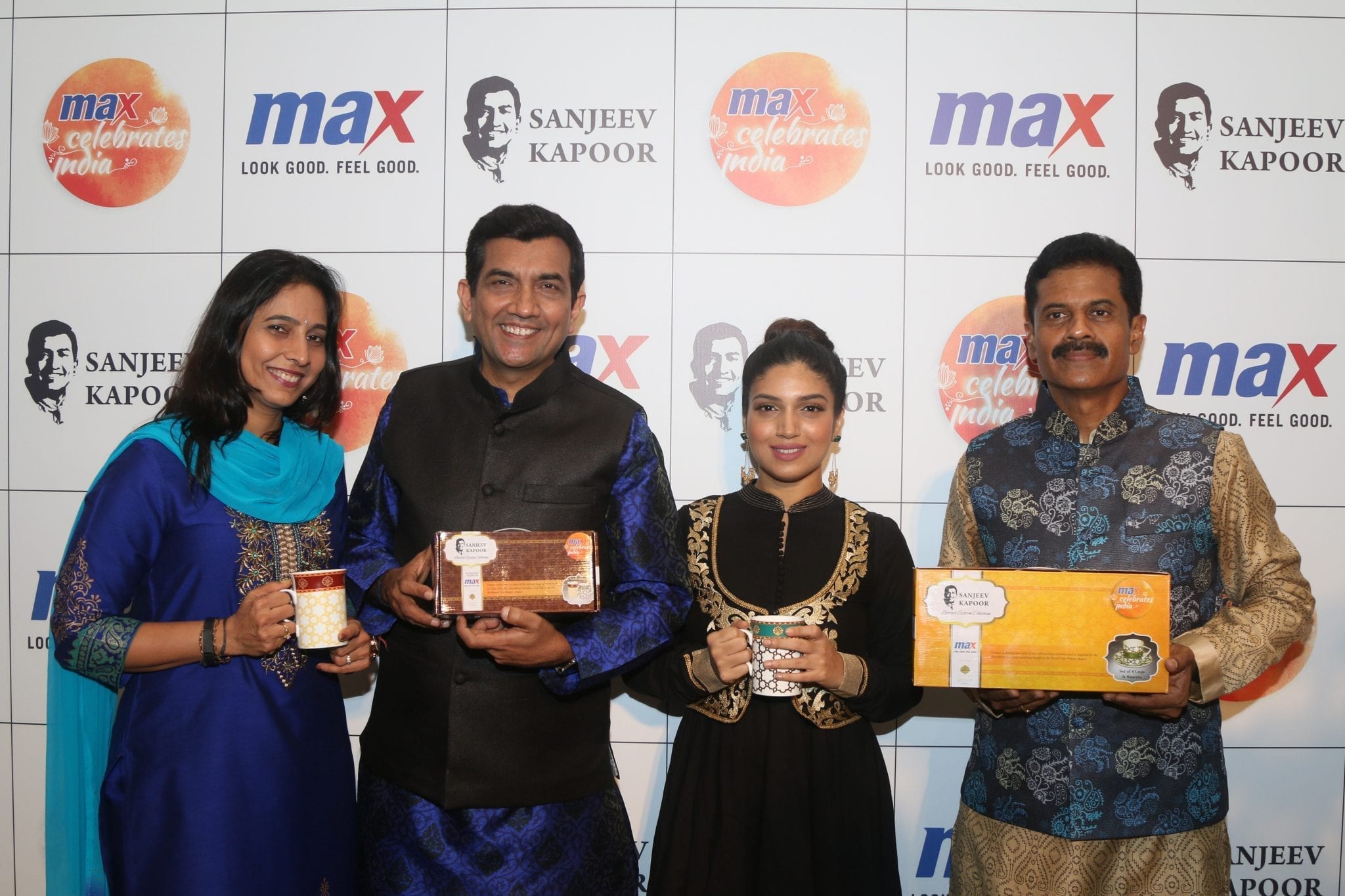
    Max, India’s largest value fashion brand, today unveiled its Festive Collection with the celebrated Bollywood actress Bhumi Pednekar. They also launched an exclusive festive offer –Sanjeev Kapoor’s Virasat Collection limited edition collection,making this festive season shopping experience a delight for the esteemed customers. Designed by India’s eminent Chef- Sanjeev Kapoor, the Virasat Collection is an ode to the opulence and the grandeur of India’s rich heritage. Exquisite coffee mugs and cups and saucer sets from the Virasat Collection were launched as a part of ‘Max Celebrates India’ festive collection and will be available across all leading Max Fashion stores in India.

    “I am very excited to be associated with Max’s Fashion Festive collection launch that ensures that there are grand designs for the entire family available. Festive time is an emotional time for all of us and this collection by Max brings out just the best of this warm spirit. The modern shoppers demand latest fashion trends and Max brings a variety of festive wear to make everyone stand out this season. Said Bhumi Pednekar, talking about her association with Max.

    Speaking on the launch, Mr. Vasanth Kumar, Executive Director, Max Fashion Indiasaid “We are excited to unveil ‘Max Celebrates India’ festive collection that showcases the beauty of India’s diverse and rich cultural heritage. We are also very happy to bring to our Max customersthe exclusive limited edition festive offer from Chef Sanjeev Kapoor’s Signature Virasat collection”.

    Chef Sanjeev Kapoor said, “This festive season, I am happy to bring forth my exquisitely designed Virasat Collection with Max Fashion, as it offers a perfect platform to reach out to millions of festive shoppers. The brand Sanjeev Kapoor signifies ethnicity, which is being intrinsically weaved into its Virasat range of crockery through its intricate designs based on royal architecture synonymous to Jaipur’s heritage. Moreover, patrons can have the pleasure to discover and cook traditional Diwali delicacies with the Virasat recipe book, which contains a treasure of festive Indian recipes”.

    Indian festivals are grand celebrations of our rich culture and heritage and to commemorate the festivities, Max Fashion offersexclusive limited edition offer from the Virasat Collection.  Inspired by the Jharokhas (window) and leaf motifs in the Royal City Palace, Jaipur, the Virasat Collection features exquisite coffee mugs and cup and saucer sets designed by India’s renowned Chef, Sanjeev Kapoor.  Max Fashion is exclusively offering its valuable customers a pair of Coffee Mugs on every purchase of Rs. 3499. For all purchase of Rs 6,999 and above, the festive shoppers at Max will receive the limited edition beautiful Virasat Collection set of 4 cups &saucers.

    The festive season shopping indulgence gets a royal touch with Max’s Festive collection. Showcasing variety of ethnic Indian wear that draws inspiration from phulkari embroideries, decorative brocades to dramatic baroques and heirloom, Max’s festive collection special merchandises are designed for the entire family. Max’s Men’s wear introduces ‘TAVISH’, a one stop ethnic solution of beautifully chanderis, art silk and rich brocadeembroidered kurtas to bandi jackets. The bright colours of voluminous skirts, traditional anarkalis, jewelled toned crop tops, vibrant coloured tiered kurtas and maxi dresses are a perfect way to brighten wardrobes. The cheerful ethnic collection for kids encompasses beautiful chanderi lehenga cholis, maxi dresses and brocades in delightful shades of magenta, vibrant orange and emeralds.

  • India’s Jio fights with incumbents over PoIs

    India’s Jio fights with incumbents over PoIs

    India’s Reliance Jio Infocomm is in an ongoing battle with the nation’s three incumbent operators over interconnection capacity.

    Jio, a newcomer to the mobile scene, is accusing Bharti Airtel, Vodafone and Idea Cellular of refusing to provide enough PoIs to handle the volume of calls between Jio customers and those of the incumbents.

    The operator said that as of mid-September, Airtel had provided just 651 operational E1s, Vodafone just 467 and Idea just 526. In the past 15 days, Airtel had provided one new E1 to Vodafone’s five and Idea’s three.

    Jio said based on industry practices, the operator estimates it requires an interconnection capacity of 4,000 to 5,000 E1s per operator. The shortfall is resulting in over 100 million call failures per day between Jio and the three incumbent operators combined.

    “The continued denial of requisite PoI’s is in clear violation of the License conditions and TRAI regulations on quality of service by the incumbent operators,” the company said.

    “The deliberate move to not provide sufficient interconnection capacity, as is apparent from the above numbers, is clearly aimed at hindering RJIL’s entry into the sector and is depriving Indian customers from enjoying superior HD voice services being offered by RJIL.”

    But in an interview with the Hindu Business Line, Bharti Airtel chairman Sunil Bharti Mittal has insisted  that the company has already provided 2,100 PoIs, and said the process is ongoing.

    He also downplayed the conflict with Jio, stating that the fight between the disruptive start-ups and the incumbents has already been de-escalated.

  • Ikea Asia banks on China and India

    Ikea Asia banks on China and India

    Ikea Asia is banking on a rapid store rollout in India and ongoing China expansion to sustain its global growth.

    The Swedish homewares and furniture specialist will open its first store in India next year and plans to have 25 stores trading there by 2025.

    And in China, where it has 21 stores currently, it will speed up its rollout from the current three to four or five every year.

    In an interview with Bloomberg, Ikea CEO Peter Agnefjaell, the two markets are core pillars of  a plan to boost total group sales by up to 50 per cent by 2020, to 50 billion euros (US$56 billion). In the year to August the company’s sales were 34.2 billion euros.

    “India is one of the biggest growth markets we see going forward,” Agnefjaell told Bloomberg. “But it of course hinges on a continued good economic development.”

    The first Ikea India store is under construction in Hyderabad. The company has already invested in a site in Mumbai and plans stores for Bangalore and Delhi.

    Ikea’s global same-store sales rose 4.8 per cent in the last financial year. Total sales rose 7.9 per cent, excluding exchange rate impact.

  • India’s RCom to merge with Aircel

    India’s RCom to merge with Aircel

    India’s Reliance Communications has arranged to merge its mobile business with rival Aircel to create one of India’s top four operators by customers and revenue.

    The deal is expected to be the largest ever consolidation in the Indian telecoms sector, RCom said in a stock exchange statement.

    Under the arrangement, RCom and Aircel’s parent company, Malaysia’s Maxis Communications, will combine their Indian mobile assets to form a 50:50 joint venture. Both RCom and Maxis will have equal board representation.

    The transaction is expected to take place in 2017. Through the deal RCom expects to reduce its overall debt by around $3 billion, or over 40% of its total, while Aircel expects to cut its debt by $600 million.

    The merged company will have the second largest spectrum holding among all Indian operators, with 448 MHz aggregated across the 850-MHz, 900-MHz, 1800-MHz and 2100-MHz bands. It will be a top three operator in 12 key cities.

    “We are delighted to have taken the lead in consolidation of the Indian telecom sector, first with RCom’s acquisition of the wireless business of SSTL, and now, with the combination of our business with Aircel in a 50:50 Joint Venture with [Maxis],” Reliance Group chairman Anil Ambani said.

    Maxis commented that the company has invested over $5.2 billion in Aircel since acquiring the company in 2006, marking one of the largest foreign investments in India.

    RCom’s data center, fiber and related infrastructure operations will remain separate following the merger. The deal still requires shareholder and regulatory approvals.

  • Belgium brewery apologizes to Hindus for using Lord Ganesha as beer icon

    Belgium brewery apologizes to Hindus for using Lord Ganesha as beer icon

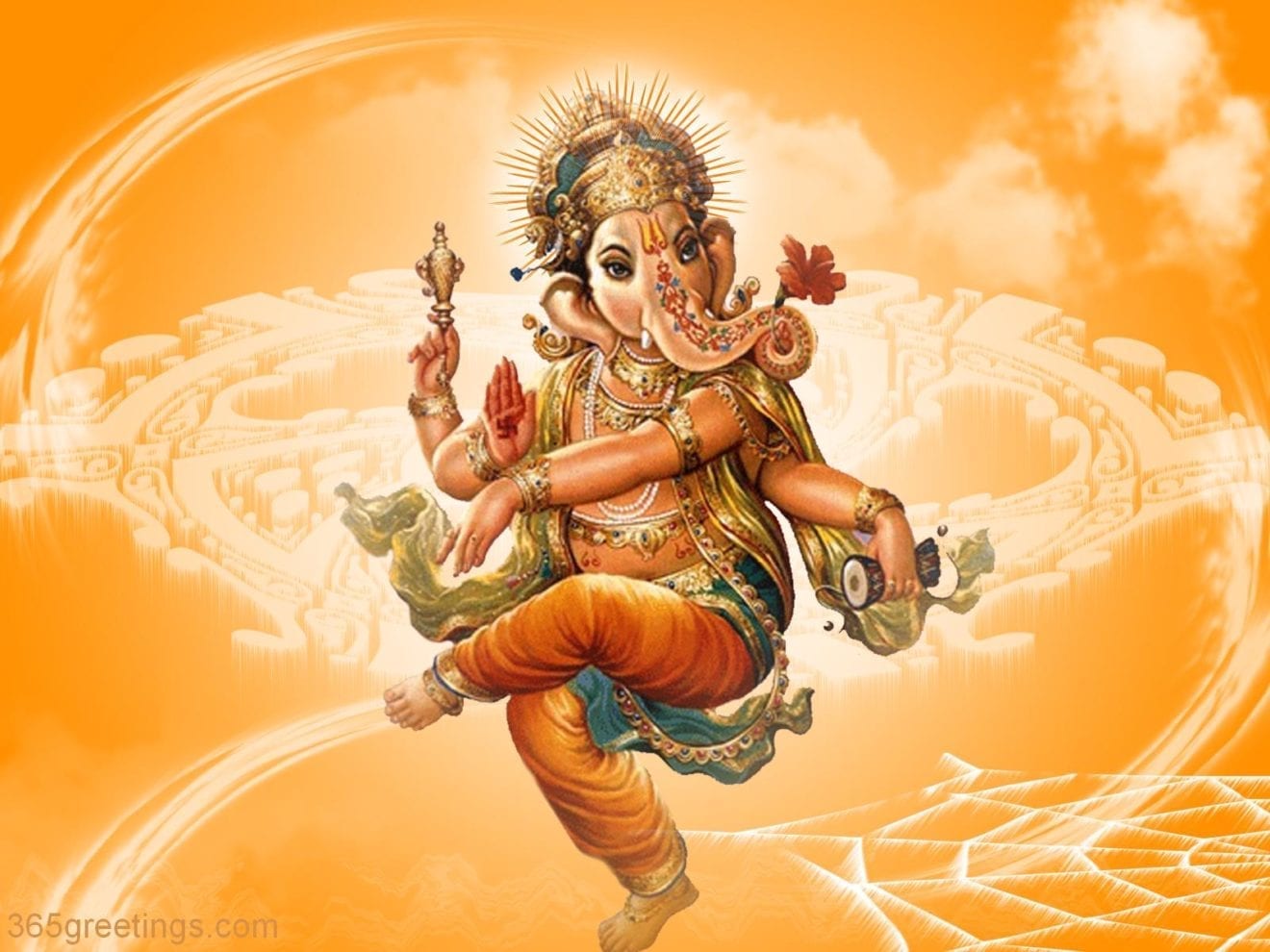
    Belgium brewery, The Musketeers, has apologized for using Lord Ganesha as icon representing its Jack’s Precious IPA beer. The translation of the brewery’s (headquartered in Ursel, East Flanders) statement in Dutch, responding to criticism by Hindu community, published on their website, said: “The brewery wants to apologize when they unwittingly hurts a community”; and added that the beer label “in no way intended to hurt anyone”.

    Hindu statesman Rajan Zed, who spearheaded the protest against the Lord Ganesha’s image on Jack’s Precious IPA beer label, in a statement in Nevada today, welcomed the brewery’s apology, calling it a step in the positive direction.

    Zed, who is President of Universal Society of Hinduism, indicated that in the same spirit, the brewery should immediately withdraw image of Lord Ganesha from the beer label, which was highly inappropriate.

    If the Musketeers brewery continued to use Lord Ganesha icon on their beer, they were thinking of approaching the Commission on Marketing and Advertising of Belgium chapter of International Chamber of Commerce, Rajan Zed pointed out.

    Lord Ganesha’s image carrying chef knife in one hand and sausage like object on the other and brewery’s trade mark symbol on his head continued to be shown on Jack’s Precious IPA beer label on brewery’s website today.

    Zed had said that inappropriate usage of Hindu deities or concepts or symbols for commercial or other agenda was not okay as it hurt the devotees.

    Rajan Zed had stated that Lord Ganesha was highly revered in Hinduism and was meant to be worshipped in temples or home shrines and not to be used in selling beer for mercantile greed. Moreover, linking Lord Ganesha with an alcoholic beverage was very disrespectful.

    Hinduism was the oldest and third largest religion of the world with about one billion adherents and a rich philosophical thought and it should not be taken frivolously. Symbols of any faith, larger or smaller, should not be mishandled, Zed had noted.

    In Hinduism, Lord Ganesha is worshipped as god of wisdom and remover of obstacles and is invoked before the beginning of any major undertaking.

    Brewery claims that Jack’s Precious IPA (Alcohol: 5.9%, EBC: 20, IBU: 50), launched in March last, “has the character of a floral bouquet with a citrus accent” and is available in Belgium, the Netherlands, France and the United Kingdom.

  • Viviana Mall launches new brand campaign “Celebrate Everyday”

    Viviana Mall launches new brand campaign “Celebrate Everyday”

    Celebrations never end at Viviana Mall. Well known as the leading retail destination mall in Mumbai Metropolitan Region, Viviana mall in collaboration with its creative agency Thought Blurb is inviting customers to celebrate their everyday moments in their new brand campaign.

    With the season of festivities in tow, Thought Blurb plans to strengthen the brand’s celebratory proposition by launching their new campaign ‘Celebrate Everyday: Celebrations continue at Viviana Mall’. This campaign celebrates the individuality of Vivana’s customers. Knowing that every customer has different choices, likes, dislikes and preferences; the mall with its plethora of experiences promises every visitor a unique celebration.

    On the development, Rima Pradhan, Head of Marketing, Viviana Mall said, “The mall has always tried and created innovative ideas and campaigns to engage with customers. We regularly look for different avenues to give them a unique experience every day and hence we have collaborated with creative agency Thought Blurb for the ‘Celebrate Everyday’ campaign. We are confident that the campaign would create even stronger bonds with our customers.”

    “The idea behind the campaign is to give customers a reason to celebrate everyday and give them options to unwind themselves.” Ms. Pradhan added further.

    Thought Blurb with its team of communication experts have brought to life a vibrant and energetic campaign with a youthful tone of voice. The campaign is a successor of the equally fun ‘Celebrate Everyday’ launch campaign and is crafted to shine a spotlight on the mall’s various offerings and activities. The first phase of this campaign is going live with in-mall, outdoor and magazine releases.

    Commenting on the release of Viviana’s latest campaign, Thought Blurb’s Managing Partner, Vinod Kunj says, “Viviana since inception has been exhorting people to discover a reason to celebrate every day. So much so that today Viviana has become the happiness destination for Mumbaikars spanning all the way from Chembur to Ghatkopar going upto Palghar and beyond. It is the go-to destination for lighter moments of life in Thane. It’s today a reference landmark in Thane.”

    “This new Viviana campaign delves deeper in to core brand proposition of celebration every day. The visual treatment of the campaign celebrates the individual and the individual’s choice. Hence the larger than life imagery of the individual and his/her reason to celebrate. For some it’s that shade of nailpolish they have been searching in the country for, for others it’s a simple joy of popcorn and movie and escape in to fantasy for 3 hours at one of the best theater complexes that’s Cinepolis – 14 screen multiplex. This has been brought alive with interplay of the characters and objectifying the source of celebration.”

  • IOC eyes petroleum retailing in Myanmar

    IOC eyes petroleum retailing in Myanmar

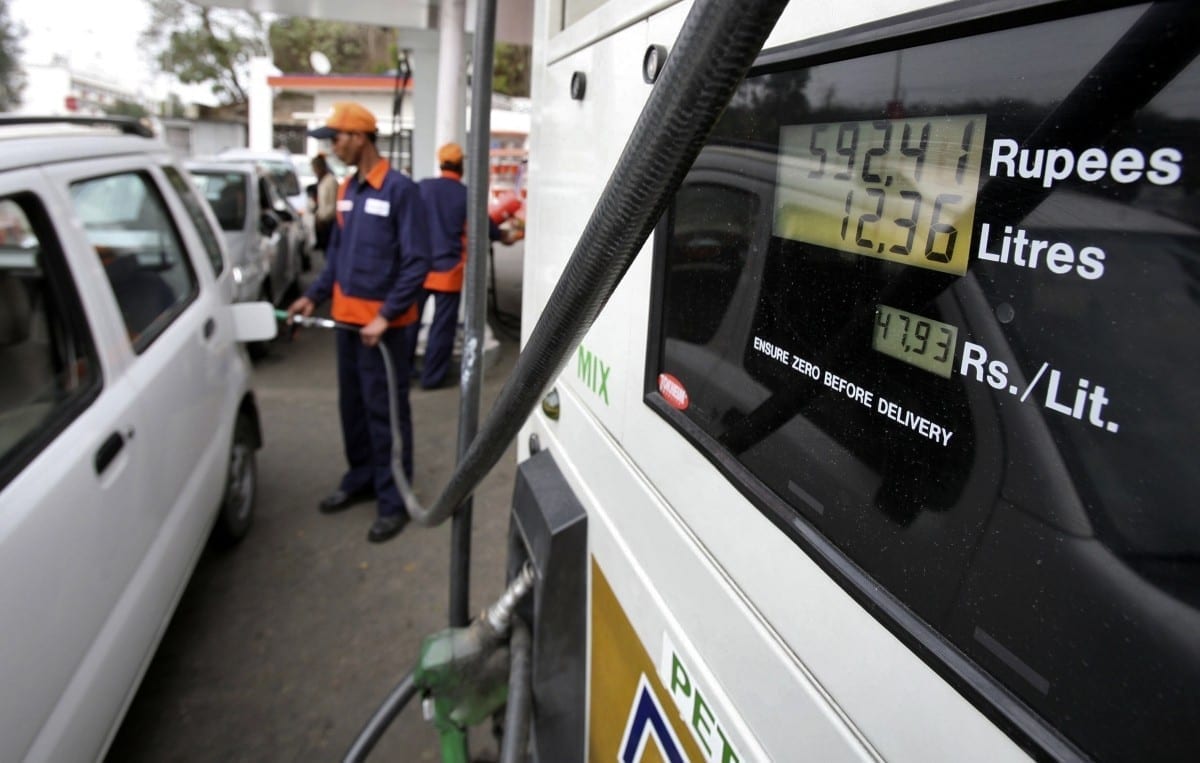
    The state-run firm currently has marketing subsidiaries in Sri Lanka, and West Asia. IOC, as part of its overseas expansion, is set to come up with its first international product pipeline to Nepal.

    “We have submitted a bid to start retail outlets and also to set up plants in Myanmar,” said Anish Aggarwal, director (pipelines) of IOC, on the sidelines of a summit organised by Project Management Institute.
    The concept of this pipeline was first proposed in 2006 as a joint venture between and Oil Corporation (NOC). However, it never took off as was not keen on the project.
    “We are awaiting the statutory clearance from the government. Once it is in place, the project can be commissioned with in 30 months,” Aggarwal added.

    India exports $1.1 billion worth of petroleum products to annually.

    It was in 2015 that signed a memorandum of understanding with to lay the pipeline between Raxaul in Bihar to Amlekhganj in at a capacity of 1.3 million tonnes per annum. The project would cost about Rs 275 crore and cover 41 km.

    Currently, all petroleum products are trucked from IOC’s depot in Bihar to Nepal. The project includes expansion of the Amlekhgunj Amlekhganj depot.

    Thirty-nine km out of the 41-km pipeline lie in India. Currently, supplies petroleum products to from Haldia, and refineries.

  • India is world’s third biggest startup hub

    India is world’s third biggest startup hub

    India is the third biggest home to tech startups, following the US and the UK, a study indicates.

    The study, conducted by Assocham in association with Thought Arbitrage Research Institute, also indicates that Bengaluru hosts the largest share of technology startups in the country, followed by Delhi NCR and Mumbai. Hyderabad and Chennai are also popular destinations for prospective tech entrepreneurs.

    “In the technology driven startups, India has moved up to third position with the US occupying the top position with more than 47,000 and the UK with over 4,500. India’s tech startups were to the tune of 4,200 up to 2015,” the report states.

    India also figured among the top 5 largest hosts in the world, along with China (10,000 each) in terms of the total number of startups, comprising both tech and non-tech areas. US leads with 83,000 startups.

    IT hub Bengaluru is host to 26% of domestic tech startups, followed by Delhi NCR (23%) and Mumbai (17%). In the ‘catching up’ category were Hyderabad (8%), Chennai and Pune (6%).

    “The disruptive innovation in technology and process is creating newer Indian startups and foreign investors, including some of the well-known venture capital funds, are showing immense interest in these startups,” Sunil Kanoria, President, Assocham said.

    The awareness that a startup is a vehicle of rapid growth through technological disruption and innovation, has to spread across the economy, the report said. Otherwise, if any small traditional business is treated as a startup, then the ecosystem will never develop properly, it added.

    The study recommended that aligning ‘Startup India’ with ‘Make in India’ and ‘Digital India’ campaigns had the potential to expand the domestic ecosystem for new entrepreneurs.

    It also suggested tax exemption for research and experimentation to encourage fresh ideas without fear of failure. Recommending a Stanford University model in various Indian universities, the Assocham-Thought Arbitrage paper said courses on creation of small businesses should be encouraged in campuses.

  • Foodpanda India looking to raise $50m

    Foodpanda India looking to raise $50m

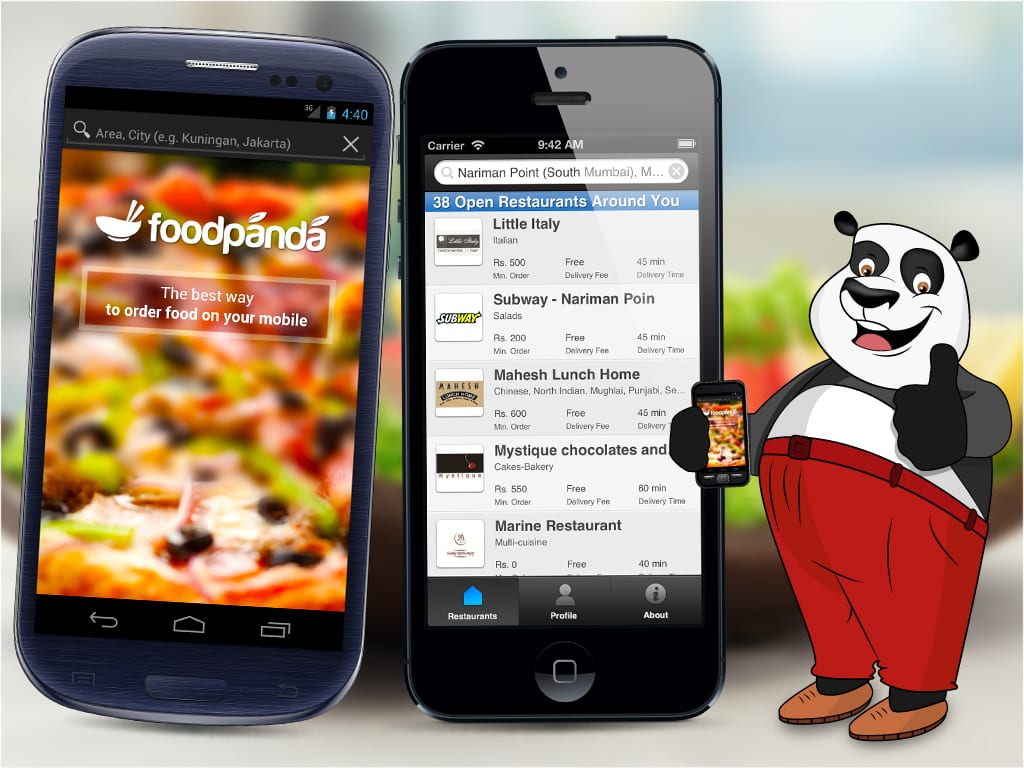
    Rocket Internet-backed Foodpanda India, which last year faced allegations of internal fraud and misappropriation of funds, is reported to be raising fresh capital.

    It has mandated Mumbai-based mid-market investment bank O3 Capital for a US$40-60 million fundraise as it initiates talks with investors, reports the Times of India.

    Foodpanda has already said it is selling its Indonesian business and rethinking its presence across the rest of Southeast Asia.

    “To be certain, we are not looking to exit India,” says Foodpanda India CEO Saurabh Kochar. “We have grown rapidly over the past months while increasing our already positive operating margins.”

    In the past six months, Foodpanda India is said to have had its average daily orders inch up to about 30,000. Swiggy, the market leader, clocks about 45,000 orders a day on average, while Zomato has about 35,000.

    Over the past year, Rocket Internet global head of corporate development Spyro Korsanos has been stationed in India to get the business back in shape, according to an insider.

    Launched in 2012, Foodpanda has a presence in 20 countries.

  • India becomes Honda’s biggest 2 wheeler market

    India becomes Honda’s biggest 2 wheeler market

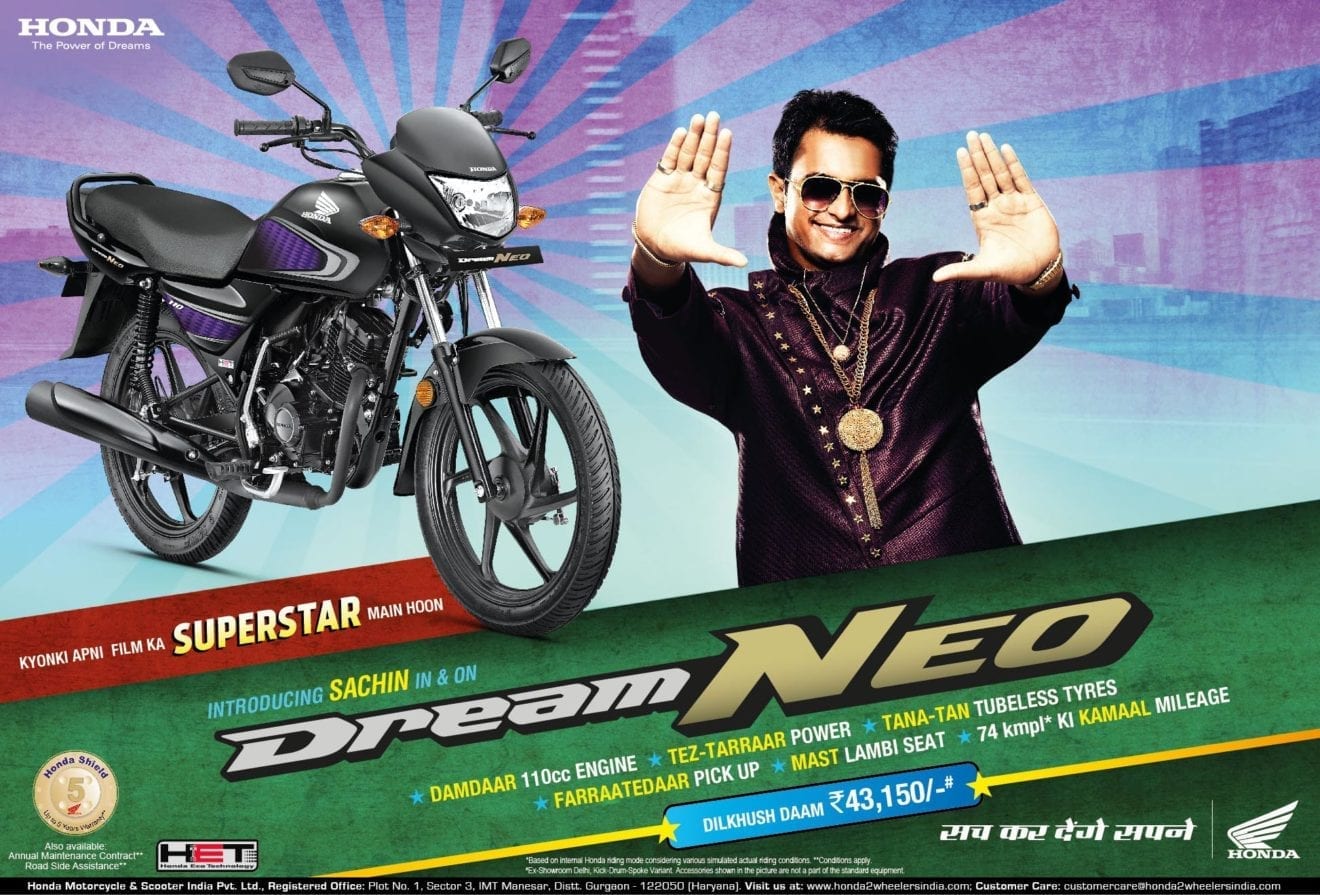
    Riding on a sustained double-digit growth in scooter volumes, Japanese auto major Honda has seen India emerge as its biggest two-wheeler market this financial year.

    Honda Motorcycle and Scooter India (HMSI) recently overtook the company’s volumes from the Indonesian market.
    Into the sixth year of the split with its Indian partner Hero, HMSI has sold 1.23 million units during the April-June quarter, 16 per cent more than the 1.06 million units sold in Indonesia.
    The corresponding volumes for India and Indonesia last year was 1.01 million and 1.03 million units, respectively. With this increased volume, India now brings 29 per cent of Honda’s global two wheeler sales compared to 25 per cent a year ago.
    In Indonesia, for instance, it commands 80 per cent share; the share in Vietnam is 70 per cent of the market.

    “Considering the low two-wheeler penetration in India, we believe that it will continue to lead the global two-wheeler market, as new demand will continue to come from rural and semi-urban areas in the future. The road infrastructure is increasing rapidly while public transport is not able to meet daily commuting needs of millions,” said Y S Guleria, senior vice-president, sales and marketing, HMSI.

    Honda is the second-biggest two-wheeler player in the Indian market.

    It is also present in the passenger vehicle market, where it is the sixth-largest player and has a five per cent share.

    In the two wheeler market, however, Honda enjoys a 28-per cent market share though Hero MotoCorp is the leader with a 37-per cent share. In the scooter segment, Honda sits on a strong 59-per cent share. It is this segment that is driving the company’s India volumes.

    Scooters account for two-thirds of HMSI’s India sales, up significantly from 54 per cent a year ago. The scooter market has grown 24 per cent this year so far on a rising base, helped by double digit growth for last two consecutive years. Motorcycles, as a segment, did not do well for last two years due to weakness in rural markets on sub normal monsoon. That is set to change this year.

    Improved sentiments in rural markets due to good rainfall and higher wages of the government employees will be positive growth triggers for the industry. Guleria said the Indian market has been showing constant growth in recent years while other big markets such as Indonesia and Brazil have been showing downtrend due to their economic slowdown.
    HMSI saw a capacity addition in June this year with the opening of its dedicated scooter plant in Gujarat that added 1.2 million unit annual production capacity. HSMI aims to end this year with total sales of 5.4 million units, up 26 per cent from last year’s 4.28 million units. Honda globally is expected to sell 18 million units this year.
  • CapitaLand Mall Asia inks its first third-party management contract in China

    CapitaLand Mall Asia inks its first third-party management contract in China

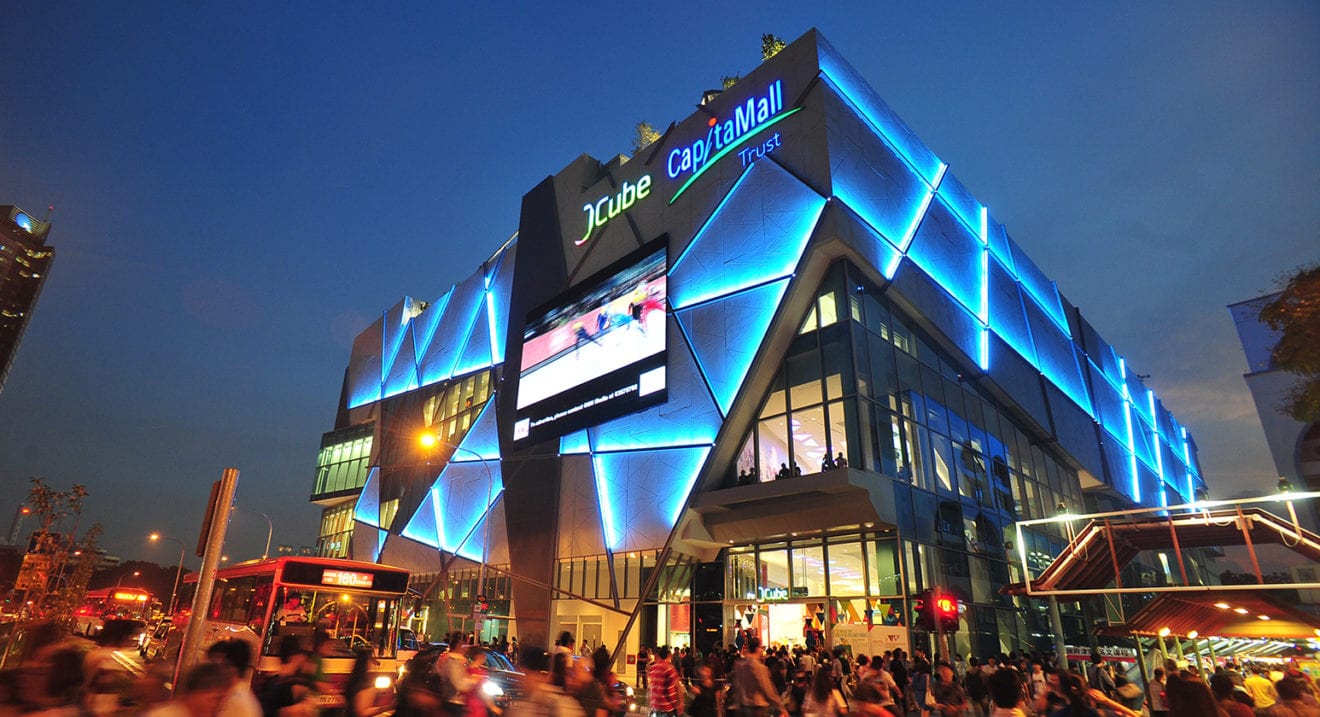
    The contract with Changsha Pilot Investment Holdings Group Co is for Fortune Finance Center, an integrated development in Changsha, the provincial capital of Hunan in central China, CapitaLand announced on Wednesday (Aug 31).

    It said the deal marks the beginning of an enhanced asset-light strategy to enlarge its mall network through third-party management contracts to complement its core strategy of developing, owning and managing malls.

    The scope of the contract covers asset planning, pre-opening and retail management for a total gross floor area, excluding car park, of 95,000 square metres (about 1 millio square feet) that spans seven levels – five levels above ground and two basement levels.

    Currently under construction, the mall is targeted to commence operations in end 2018. It is owned by Changsha Pilot Investment Holdings, a Chinese state-owned developer which currently has seven projects in Changsha.

    Said Mr Jason Leow, CEO of CapitaLand Mall Asia: “We continue to be on the lookout for suitable acquisition opportunities to grow our mall portfolio even as we seek to enlarge our network through third-party management contracts. By managing quality third-party malls for which we have a right of first refusal to acquire, we are also paving the way for future acquisitions.

    “Through this multi-pronged approach, we will be able to maximise opportunities to expand our mall and retailer network, increase recurring income and further strengthen our leadership in the shopping mall sector in the region.”

    With this contract, CapitaLand doubles its presence in Changsha, where it currently owns and manages CapitaMall Yuhuating, a 62,000 sqm mall, approximately 10 km) from Fortune Finance Center.

    It is also expanding its presence in China, where it has a network of 65 malls. Across Asia, CapitaLand now manages a total of 104 malls in Singapore, China, Malaysia, Japan and India.

  • Amazon India eyes private label

    Amazon India eyes private label

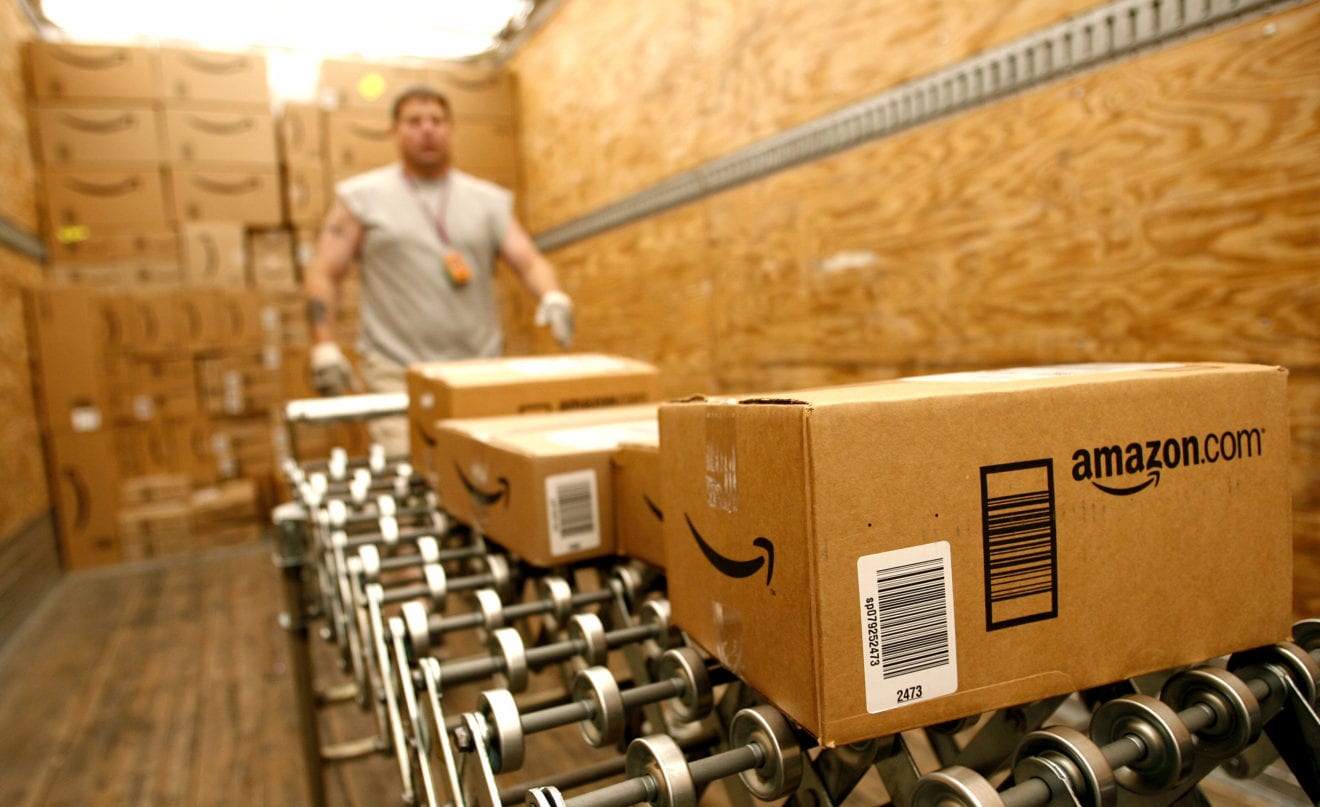
    Amazon India is planning to expand its private label fashion offer to gain a bigger foothold in the growing eCommerce sector.

    Deal Street Asia reports that the US-based company sees private label fashion and electronics lines will help give the brand additional pulling power with Indian consumers in a crowded, but booming online retail market.

    “Launching private labels is tricky as India bans foreign direct investment (FDI) in online retail, but allows 100 per cent FDI in the marketplace model, under which sites such as Amazon and Flipkart are supposed to simply connect third-party sellers with customers,” Deal Street Asia noted in a report online.

    Private label products may also be added to its grocery offer, which it markets through the Amazon Now app.

    Amazon recently hired former Myntra chief creative officer Gautam Kotamraju to lead its push into private brands in fashion. Kotamraju, who has worked 18 years in the fashion business, helped create Myntra’s large private brands business, which generated more than 20 per cent of Myntra’s gross sales within two years of its launch.

    Amazon hasn’t decided on a timeline for the launch of its proposed private brands in fashion, the report said, quoting sources familiar with the matter.

    Read more on Deal Street Asia

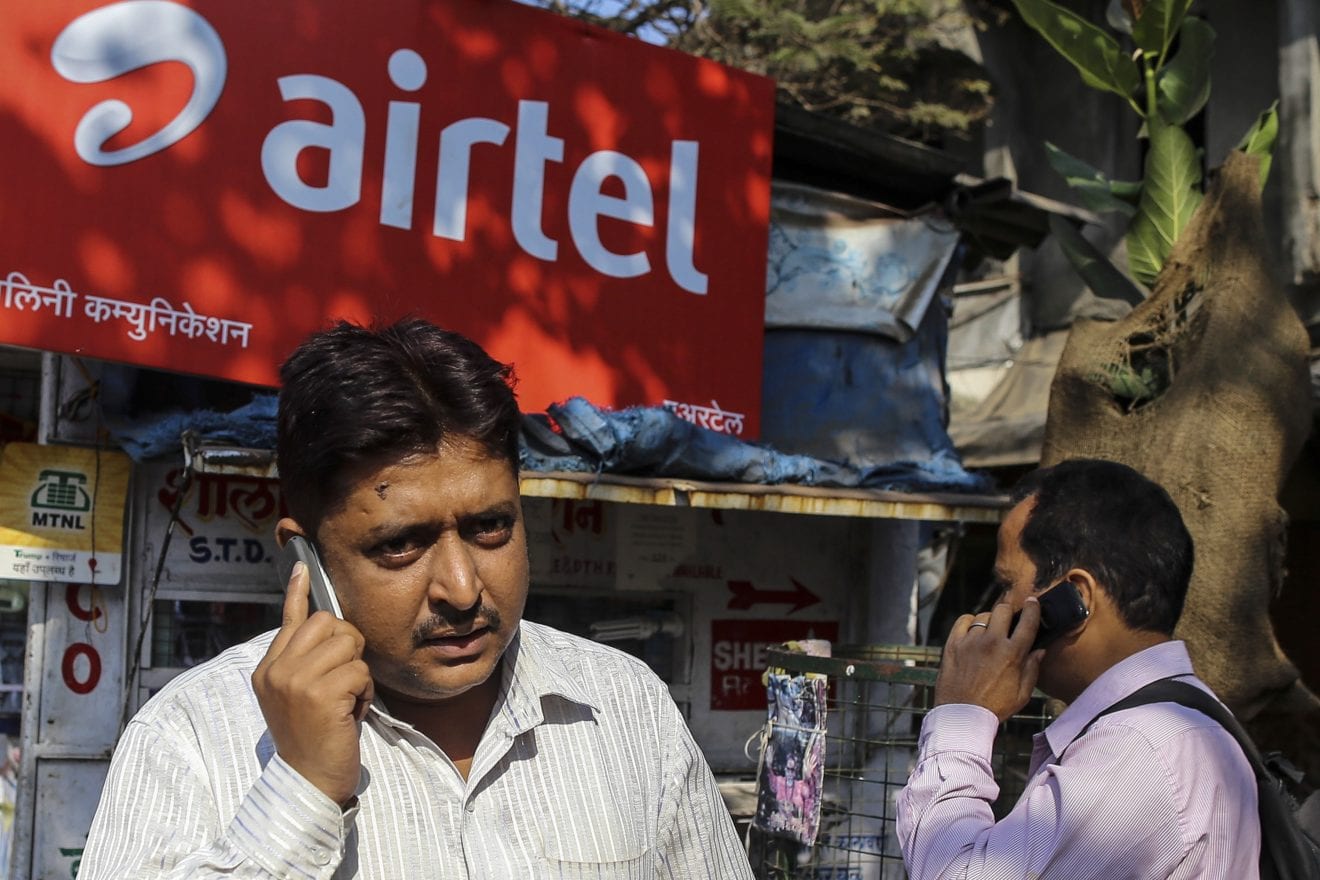
  • Airtel to help multinationals enter India

    Airtel to help multinationals enter India

    India’s Bharti Airtel has launched a new suite of end to end networking and connectivity services for global companies looking to set up businesses in the market.

    The new India with Airtel services are aimed at improving the ease of setting up a business in India by offering companies a complete suite of fixed, mobile and added services.

    Besides telephony, India with Airtel combines global and domestic data capacity and connectivity services, VSAT, VPN, data center and cloud cervices, VAS and payment/billing integration, M2M and managed services, among others.

    “Given the impetus from the government’s ‘Make in India’ and ‘Digital India’ initiatives, India is fast becoming a definite strategic market for multinationals across the globe,” Airtel CEO for global voice and data business Ajay Chitkara said.

    “Given Airtel’s integrated product portfolio, we believe that we are uniquely placed to seamlessly serve the connectivity needs of companies looking to set up businesses in India. Also, companies can leverage Airtel’s deep understanding of the Indian market and leverage our vast customers and distribution network.”

    Airtel’s domestic mobile network covers around 95.6% of India’s population, and its global network spans around 225,000 route kilometers of subsea cable capacity, covering 50 countries across 5 continents.