Tag: Indonesia

  • Japan to invest in fire extinction technology in Indonesia

    Japan to invest in fire extinction technology in Indonesia

    The Investment Coordinating Board said a Japanese company engaged in fire extinction technology is interested in investing Rp600 billion in Indonesia.

    The Head of the Board, Franky Sibarani, in a press release received by Antara here on Monday, said the potential investors will build a forest fire prevention system and develop this technology in Indonesia.

    “This business will deal with ways to prevent forest and land fires by applying such technology,” he added.

    Sibarani informed that the company already has a local partner, a fact that will help them realize the investment.

    The Japanese company is currently reviewing two locations that could be used to set up its operations here. These sites are in Sei Mangke Industrial Area, North Sumatra and Tanjung Api-Api Industrial Area, South Sumatra.

    Sibarani explained that the raw material used in fire fighting technology can be procured from within Indonesia.

    “The Indonesian workers who will operate the technology would be first trained in Japan for at least six months,” he disclosed.

    An Indonesian official of the Investment Promotion Office in Tokyo (IIPC), Saribua Siahaan, remarked that this investment plan was quite interesting, considering that the Japanese investment in the country is largely in the automotive sector and its supporting components.

    “We are ready to help the company to realize its investment in Indonesia. This investment is also expected to contribute positively to the governments efforts to prevent forest fires,” he noted.

    Data obtained from the Investment Coordinating Board shows that in the second quarter of 2016, the realization of Japan investment in Indonesia had reached US$1.58 billion and covered 427 projects, providing jobs for 28,377 people.

    In 2015, the realization of Japanese investment amounted to US$2.87 billion with 2,030 projects and had absorbed 115,400 workers.

  • Indonesian coffee introduced in Southeast European market

    Indonesian coffee introduced in Southeast European market

    Indonesian coffee was introduced in Zagreb, Croatia, on June 8-10 during an event titled “Indonesian Specialty Coffee: From Cup to Cup” organized by the Indonesian Embassy in Zagreb in cooperation with local entity, Tanamera Coffee.

    During the program held in two locations — the Indonesian Embassy in Zagreb and a coffee shop in the Croatian capital — a representative from Indonesia introduced a variety of Indonesian coffee beans, including Gayo Aceh, Solok Sumatera, Toraja Sulawesi, Flores, and Malabar.

    “The last day of promotion in the cafe was open for the public, and some 600 people had the opportunity to sample the single origin coffee that our team had brought,” Dini Criddle, Tanamera Coffee owner, noted in a press release received on Monday.

    Tanamera Coffee, as the governments partner in promoting Indonesian coffee in the global market, also presented the process of coffee production, from the enhancement of farmers harvest results and the process of coffee production to the simulation of roasting techniques as well as brewing methods using filters or espresso machines.

    The Indonesian Embassy in Zagrebs Economic Functions Executive Widjoseno Sastroamidjojo remarked that the promotion efforts had drawn the interest of several coffee roasters, industry makers, and Croatian coffee importer to buy Indonesian coffee products and coffee beans that are deemed high in quality.

    This interest will boost the entry of Indonesian coffee into the Croatian market, as well as other European countries, he emphasized.

    “Not a lot of Croatians are familiar with Indonesian coffee. Seeing the high demand for Indonesian coffee and the potential to attract Croatian tourists that reached 12 million in 2015, we are confident that Indonesian coffee products can be successful in the southeast European market,” stated Sastroamidjojo.

    Coffee consumption in Croatia is high as its people prefer spending time in coffee shops in addition to the rapid growth in the number of such outlets in the southeastern Europe country.

    Despite having a total population of only 4.2 million, the coffee consumption rate in Croatia is rather high, reaching 15.9 tons, or 2.8 kilograms per capita in 2013.

    Based on the data retrieved from Euromonitor, Croatia was ranked 14th on the worlds coffee consumption index.

    Meanwhile, other Southeast European countries, such as Slovenia, Serbia, and Bosnia-Herzegovina, are also listed among the 15 countries, with the highest per capita coffee consumption rate, with each reaching 6.1, 5.4, and 4.3 kilograms.

  • Philippines to Market Fashion Products in Indonesia

    Philippines to Market Fashion Products in Indonesia

    The Philippines has expressed its intention to market branded retail products in Indonesia, particularly fashion products.

    To support the intention, the Philippine Trade and Investment Center (PTIC) in Jakarta has held an expo, Lifestyle Philippines, in Shangri-La Hotel on June 10, 2016, said the Philippines Embassy in Jakarta, Monday, June 13, 2016.

    According the Philippine Ambassador to Indonesia Maria Lumen B. Isleta, the expo is expected to strengthen the relationships between the Philippine and Indonesian people.

    “It is an effort to introduce the various Philippine products and services, which may interest many Indonesian consumers once they know more about it,” Amabassador Isleta said.

    Alma Argayoso, the Philippine trade representative in Jakarta, said Lifestyale Philippines is aimed at promoting and introducing products made in the Philippines.

    The expo was enliven by fashion shows that featured designs of iconic brands, such as Karimadon, Rusty Lopez, Plains and Prints, and Cruzzini Barong Tagalog.

    The trade volume of both countries reached US$3.6 billion last year with a significant surplus for Indonesia, having an export volume of US$2.93 billion. Whereas the Philippine trade to Indonesia merely amounted to US$628.27 million.

  • H&M collaborates with Caitlyn Jenner for its newest athleisure range

    H&M collaborates with Caitlyn Jenner for its newest athleisure range

    A new H&M athleisure wear range is to be launched in July, developed with input from the Swedish Olympic team and fronted by personalities including Caitlyn Jenner.

    The launch of For Every Victory makes H&M one of the first major multinational fashion brands to make a serious foray into the booming athleisure wear market, to date dominated by fast-growing specialist brands including Lululemon, UnderArmour and 2XU.

    H&M -For Every Victory

    H&M For Every Victory – described by the H&M as “high fashion performance sportswear made to inspire” has been developed with input from the Swedish Olympic team, and the campaign is fronted by inspirational personalities who have all achieved their own victories, whether in sport or life.

    H&M -For Every Victory 1

    The athletes advised on design, performance and wearability. H&M also designed outfits for the Swedish Olympic and Paralympic team for Rio 2016, including the opening ceremony uniform, selected competition pieces and the prize ceremony outfits.

    “This is a collection about performance with great style and the input of the Swedish Olympic team has been invaluable in the creation process,” said Pernilla Wohlfahrt, design and creative director at H&M. “The result is high fashion technical sports pieces for everyone to wear.”

    The For Every Victory collection has a similar visual expression and technical knowledge to the Swedish Olympic team collection, with its own colour palette in black, grey, dusty pink and gold. It is centered on performance T-shirts, running shorts and leggings, as well as sports bras for women.

    H&M -For Every Victory 3

    The quick-drying, breathable materials help to optimise performance and recycled polyesters prove that high-function sportswear can also be conscious and more sustainable − all showing that there’s no compromise on either fashion or performance.

    H&M -Olympic collection

    Among the personalities fronting the new range are Caitlyn Jenner with her Olympic gold medal in the decathlon; Chelsea Werner, a gymnast who has never let Down Syndrome halt her progress; surfer Mike Coots who still takes to his board even though he lost his leg in a shark attack and boxer Namibia Flores who has fought against prejudice to pursue her dreams.

    The new range and brand will be launched globally on July 21.

  • Indonesia shines for retail investment

    Indonesia shines for retail investment

    Southeast Asia’s largest economy, Indonesia, is ranked the world’s fifth most-attractive market for retail investment in AT Kearney’s 2016 Global Retail Development Index.

    In previous years it has ranked in the top 20.

    It is an exciting time to be investing in Indonesia’s retail sector, the index says. The country scores 64.3 in market size (out of a 0-100 scale) and low in country risk (38.9) – lower than the top three markets, China, India and Malaysia. Urgency to enter the market is rated at 68.9, and the overall score of 55.6 is just one point behind Kazakhstan.

    “Despite its relatively low retail sales per capita and currency volatility, Indonesia’s huge population and cities make it quite attractive to foreign retailers, which see untapped potential in the country and are investing heavily in new development,” says the report, which covers 30 developing countries that represent more than half of total global retail sales.

    This is reflected by burgeoning foreign retail investments in the country, reports the Jakarta Post. It cites Dubai-based Lulu, which opened its first hypermarket in Indonesia this month with an investment plan of US$500 million covering nine hypermarkets and a warehouse. Meanwhile, Singapore’s Courts, South Korea’s Lotte, and Ikea and H&M from Sweden all have a presence and expansion plans in Indonesia. Courts plans to open four stores by next March to add to its existing five, and has seen its sales growth double since opening in 2014.

    Indonesian convenience stores Alfamart and Indomaret have also been expanding. Indomaret plans to add 1600 outlets this year to its 12,210 stores, while Alfamart is aiming for six-fold sales growth this year driven by its upgraded online presence.

    The government has opened up eCommerce to foreign ownership where the business value is more than Rp100 billion (US$7.49 million). According to the Indonesian eCommerce Association (Idea), eCommerce transactions are expected to reach $24.6 billion this year, three times more than in 2013.

    Indonesian retailers Matahari and Mitra Adi Perkasa have launched online shopping, while grocers Alfamart and Happy Fresh are extending their online offering.

  • Uniqlo Indonesian batik collection for good cause

    Uniqlo Indonesian batik collection for good cause

    Japanese apparel company Uniqlo has launched a special collection of items featuring traditional motifs of Indonesian batik, a heritage included on the UNESCO list of Intangible Cultural Heritages of Humanity in 2009.

    As part of a second program in the Uniqlo Factory Worker Empowerment Project, a portion of sales is be allocated toward helping with education for employees working in parent company Fast Retailing‘s affiliated factories in Indonesia. The special collection is available at five stores in Japan and on Uniqlo’s website.

    The batik patterns are part of Uniqlo’s LifeWear concept of offering clothes for a better life for everyone, every day. The collection of eight items includes men’s and women’s shirts as well as summer dresses. The batik patterns are original motifs jointly developed by Uniqlo and a designer recommended by the Indonesian Batik Foundation.

    The empowerment project was introduced last year, the first supporting female workers in sewing factories in Bangladesh through a women’s line featuring traditional Bangladesh clothing motifs. This sold in 14 markets worldwide, with a portion of sales being used for educational programs in such areas as nutrition, hygiene and health management.

    The education project is expected to run for about three years, and reach around 12,000 people.

  • KFit Holdings moves into Indonesia with Groupon

    KFit Holdings moves into Indonesia with Groupon

    Malaysian health and fitness company KFit Holdings is about to enter the Indonesian market after signing a deal to acquire eCommerce company Groupon Indonesia.

    For an undisclosed amount, the acquisition will see KFit enter Indonesia with Groupon as a wholly owned subsidiary. The transaction is expected to be completed in the third quarter of this year.

    Groupon Indonesia has more than 1 million subscribers and 15,000-plus local merchants.

    “The combination of Groupon Indonesia’s established presence and KFit’s experience in building a mobile-first platform will propel us in a high-growth local commerce market, further accelerated by increasing mobile penetration,” says KFit CEO/founder Joel Neoh.

    “While KFit will continue to focus on health and fitness services, this presents a strategic direction for us to enhance and broaden our offerings. In the long run, this acquisition will provide us with a strong platform for growth in Southeast Asia.”

    KFit is an online subscription platform that provides users access to fitness studios, classes and gyms in various cities across Asia. Since its launch last year, it has extended its offering to include beauty and wellness, and launched its pay-per-use KFitGo. In the past six months, KFit users have reserved more than 400,000 activities. Today, one reservation is made every minute on the KFit platform.

    KFit founder Joel Neoh also founded Groupon Malaysia, in 2011, going on to head Groupon Asia-Pacific.

  • DTI to showcase Filipino retail brands in Jakarta

    DTI to showcase Filipino retail brands in Jakarta

    The Department of Trade and Industry (DTI) is set to showcase Filipino retail brands at the “Lifestyle Philippines” event on June 10, 2016 at Shangri-La Hotel, Jakarta, Indonesia.

    In a statement, Philippine Embassy Trade Representative Alma Argayoso said Lifestyle Philippines is a branding initiative led by the Philippine Trade and Investment Center (PTIC) in Jakarta, which aims to promote Philippine-made products in the Indonesian market.

    “This initiative hopes to increase trade with Indonesia, which in 2015 stood at US$3.6 billion. The Philippines exported about US$628.27 million worth of goods and services to Indonesia, while the Indonesia had US$2.93 billion trade with its counterpart,” Argayoso said.

    The event includes a fashion show that will feature Karimadon and Rusty Lopez, two iconic brands in the Philippines that have begun to create a following in Indonesia’s fashion-forward clientele market. Other brands that will be featured are Plains and Prints and Cruzzini Barong Tagalog.

    Barong Batik, a known fashion innovation for many diplomats and dignitaries will also be exhibited at the said event. It is a fusion of Philippine barong and Indonesian batik designs into one.

    Apart from apparel, the event will also feature potential Filipino food products for exports under the Flavor Philippines such as Goldilocks polvoron, Mama Sita’s sauces and mixes, Leslie’s snack products, Destileria Limtuaco’s spirits and liquors, and other artisanal food products such as dried fruits and nuts, jams and marmalade, bottled sardines, and chocolate dipped dried mangoes.

    Moreover, hand-woven crafts will be featured under the special section, Woven Chic.  Indigenous textiles from the Philippines, traditional dresses, linens, and modern and traditional pieces of jewelry will be displayed for the Indonesian fashion-oriented consumers.

    “The regional integration in ASEAN presents opportunities for Philippine companies to expand to Indonesia and other ASEAN markets, and we certainly would like to actively take part in supporting Philippine companies in their regional expansion. We look forward to make Filipino products more available in the Indonesian market, particularly since there are many Indonesians, having visited or studied in the Philippines, who look for our products,” Argayoso added.

    The event will also highlight other Philippine products and services such as travel and tourism, educational services and pharmaceuticals.

  • Central Pattana plans to enter Malaysia

    Central Pattana plans to enter Malaysia

    Shopping mall developer Central Pattana, which runs 29 malls in Thailand, plans to open its first foreign outlet in Malaysia in 2018.

    It will work through a joint venture with a Malaysian company in which it holds a 60 per cent stake. The new mall, under the Central brand, will be in Shah Alam, west of Kuala Lumpur.

    To be built on about 44,000 sqm of land, the mall will have a net leasable area of 89,700 sqm, and cost about 8.3 billion baht (US$232 million) to build.

    Senior executive VP Naparat Sriwanvit says Central Pattana plans to open 15 malls by 2020, three of them outside Thailand. Indonesia and Vietnam have been listed as potential targets because of their large populations and rising incomes.

    As with Malaysia, the company plans to enter other markets through joint ventures with local partners.

    Naparat says the Thai market is still promising, with room for expansion in the suburban areas of Bangkok and the provinces. The company plans to open a 1.9 billion baht mall in the southern city of Nakhon Si Thammarat at the end of next month, as well as two other locations outside Bangkok next year.

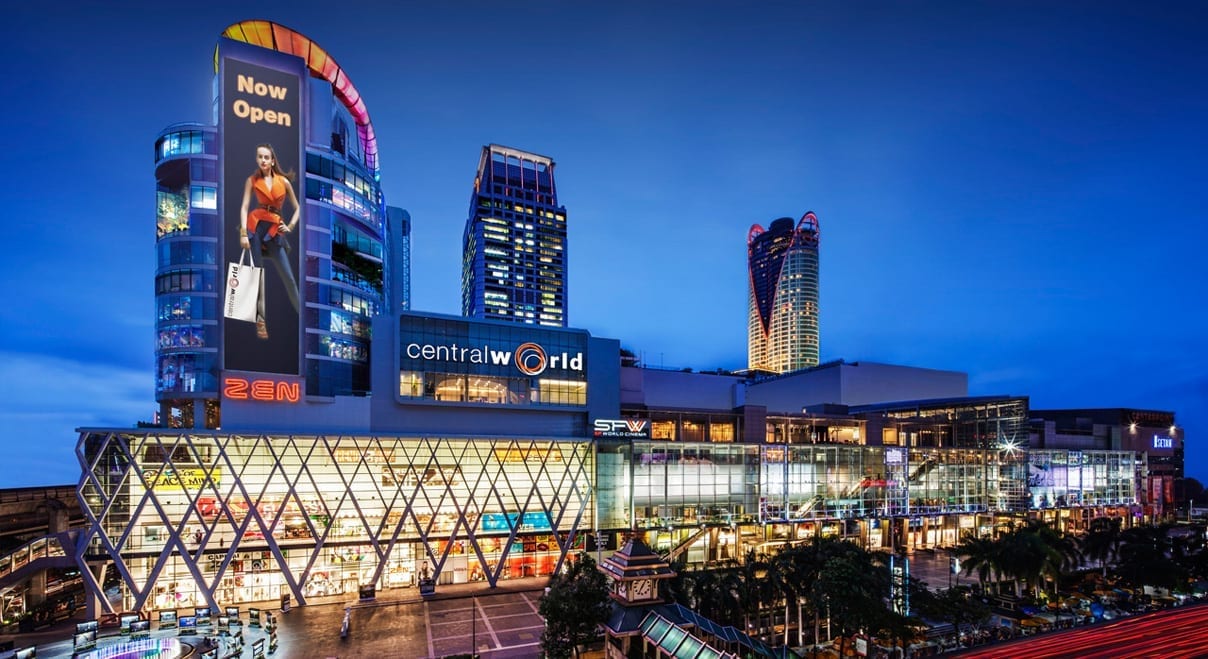
    Central Pattana, with CentralWorld mall in central Bangkok as its flagship, saw its net profit rise 7 per cent last year.

  • Citilink Adds Nine Flights for Ramadan

    Citilink Adds Nine Flights for Ramadan

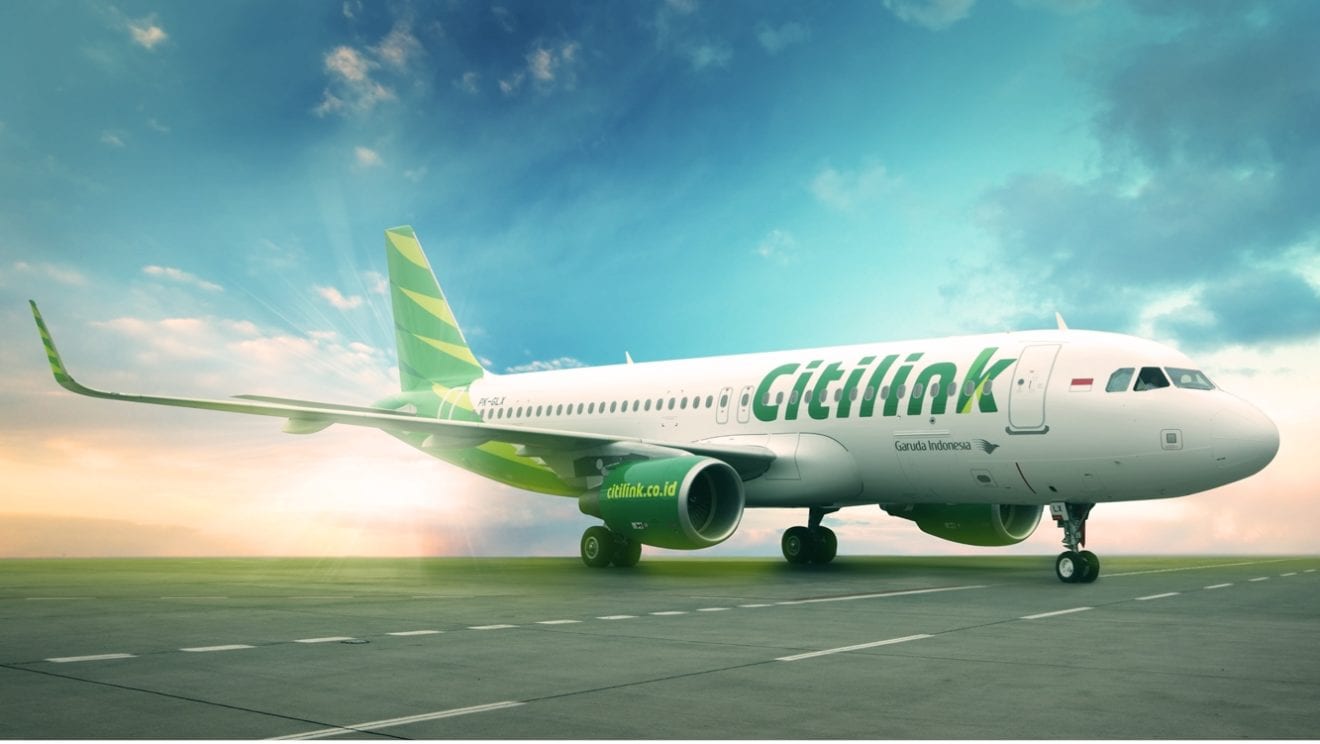
    Citilink is set to add more flights in Holy Month Ramadan. “There will be at least 9 extra flights,” said Commerce Director of PT Citilink Indonesia, Hans Nugroho, on Thursday.

    Hans said that the flights will operate 7 days before and after Eid. The extra flights will cover routes to Padang, Yogyakarta, Medan, and Denpasar. “We will see if other routes are necessary,” he said.

    Finance Director of Citilink Indonesia, Mega Satria, said that the airline adds flights only on the existing routes. “It the routes are potential, we will add more routes,” she said.

    Morever, Hans added that a surge of passengers is a certain thing on Eid holiday, Therefore, extra flights is a bid to anticipate it. He underlined that tcket reservation has started to increase in number.

  • CatchPlay Launches Streaming Service in Indonesia Amid Land Grab

    CatchPlay Launches Streaming Service in Indonesia Amid Land Grab

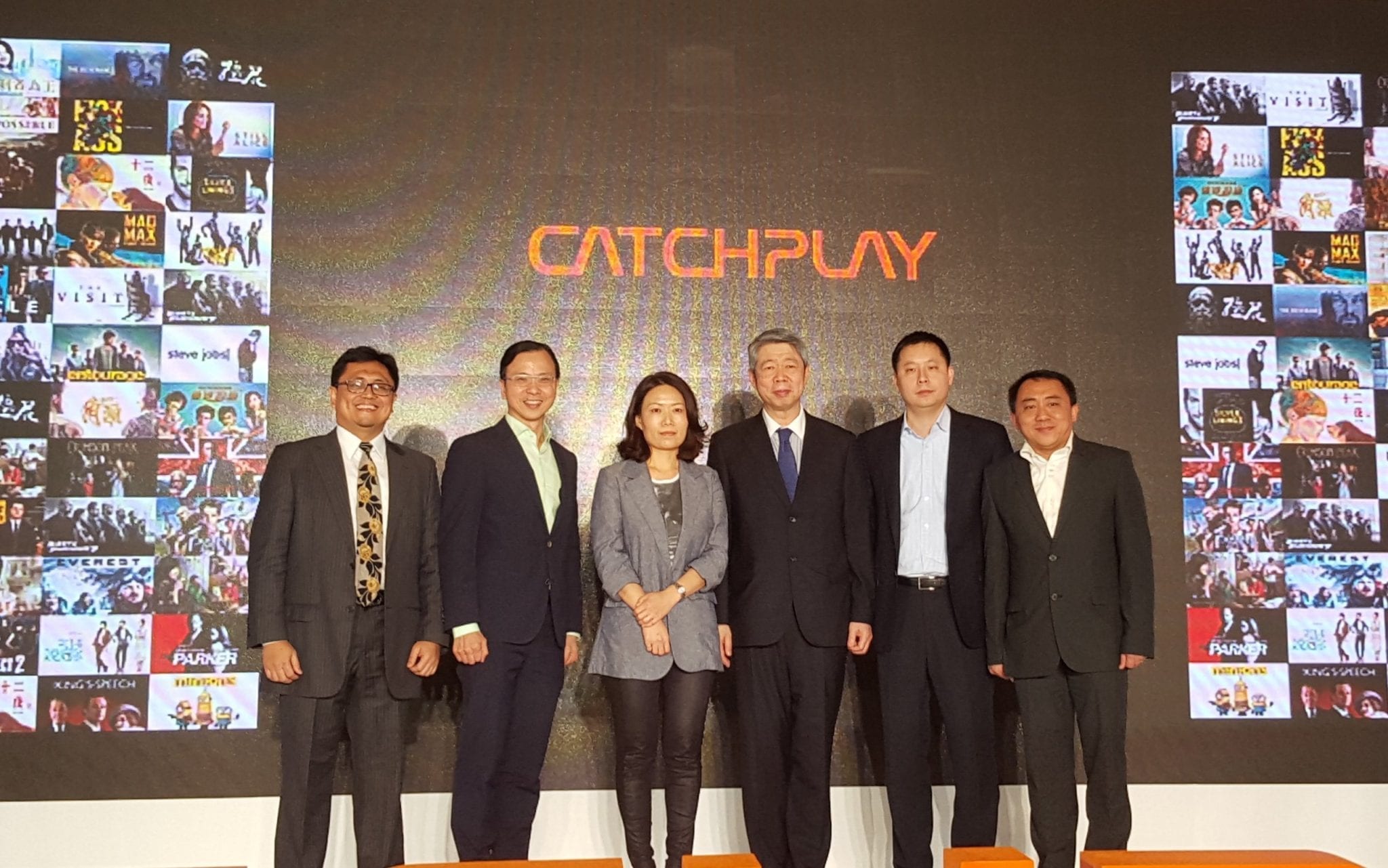
    Taiwanese film distribution and production company CatchPlay group has launched a streaming video-on-demand service in Indonesia with the country’s state-owned telecommunications giant Telkom Indonesia after offering such a service in Taiwan in March.

    The cost of the service is $1.42 for local or Hollywood library titles, $2.15 for new releases, or a paid subscription of $4.81 per month.

    With a population of 260 million people, Indonesia is a logical market to expand outside of Taiwan, said Daphne Yang, CEO of CatchPlay, which will provide the latest Hollywood movies, as well as local films to subscribers. “It’s the biggest market in Southeast Asia. Also, not just in population, it’s a very vibrant market in terms of social networks,” Yang tells. “It’s the number four Twitter country in the whole world [and] number four in terms of user base on Facebook as well. We think that level of involvement in social networking would definitely help entertainment content consumption. We see a lot of potential in this country.”

    Indonesia has seen such online video players coming into the market as Neftlix, Hooq and iFlix in the past six months. “The market’s at a very early stage of development and it’s a land grab – it’s all about driving up consumption and then converting that to payment and using the telecommunications integration and carrier billing model as the way forward for that,” said Vivek Couto, executive director of research and consulting firm Media Partners Asia.

    However, there are only 5.5 million fixed broadband users in the country, and the infrastructure is insufficient to provide for the growth of the OTT market, he said. But the number of mobile broadband users will be close to 90 million by the end of 2016, according to Couto. “While Indonesia lags Singapore and Hong Kong and is also trailing Thailand and Malaysia, there is growing investment in next-generation fixed and mobile infrastructure, but progress is slow, especially outside Jakarta,” said Couto.

    “There has been an increasing trend of OTT adoption in Indonesia,” says Harsh Upadhyay, analyst at Singapore’s Analysys Mason. “This growth suggests that interest from end users has been high.” But he also highlights that fixed and wireless high-speed coverage “is not entirely available even in big cities of Indonesia.”

    CatchPlay thinks the key to entering the Indonesian market is to find the right partner, in their case the telecommunications giant Telkom, which is the top IPTV service provider in Indonesia. Over the past nine months, it has reached 1.6 million subscribers for its IPTV service, explains Yang. As was evident in the blocking of Netflix at the beginning of the year in Indonesia due to content deemed inappropriate by Telkom, the telecommunications giant holds the power in the bargain. Yang said its new service would be provided only to adults who have a password to the Telkom’s Indihome IPTV service.

    The Indonesian government has also brought out suggested regulations in the past few months regarding OTT services. Foreign companies should set up permanent business establishments, pay taxes and evaluate joint ventures with local OTT players, they suggest. In the recent draft regulation, the government is also trying to restrict access to certain content and services.

    Said Upadhyay: “The regulation also specifically mentions the objective of protecting Indonesian telecom operators, and hence raises important questions around net neutrality and competition. The regulation threatens the openness of the Indonesian OTT market and is likely to discourage international OTT providers from offering services to Indonesians.”

  • Thousands of visitors sample Indonesian coffee in Amsterdam

    Thousands of visitors sample Indonesian coffee in Amsterdam

    Visitors at the “Taste of Amsterdam” annual culinary promotion event in Amsterdam, the Netherlands, sampled Indonesian coffee, noted a press release from the Indonesian Embassy in The Hague, the Netherlands, received by ANTARA News here, Tuesday.

    At the annual event, some 5,314 people were able to sample coffee in a booth themed “Indonesia Coffee House.”

    Indonesian Ambassador to the Netherlands I Gusti Agung Wesaka Puja stated that the Taste of Amsterdam was an event for Indonesia to conduct culinary diplomacy.

    “This year is the third time the Embassy in The Hague has participated in the event. In 2016, we are promoting Indonesian coffee,” he noted.

    Coffee has become a part of the history of relations between Indonesia and the Netherlands as it was the Dutch traders who had brought coffee seeds to Indonesia in the 17th century.

    According to the ambassador, coffee is one of Indonesias leading export commodities. Indonesia is the fourth-largest coffee producer in the world. In 2015, Indonesia had produced 550 thousand tons of coffee beans.

    Until the end of the event, 7,001 people had visited the Indonesia Coffee House and enjoyed coffee and Indonesian culinary delicacies.

    Among those visiting the booth, 5,314 people sampled Aceh Gayo and Malabar Natural coffees, which were served free of charge.

    Harry Puts, a visitor, praised the taste of Indonesian coffee. He suggested that Indonesian coffee should be made without blending it with coffee from other regions.

    Some cafe businesses and food importers have contacted the Indonesian Embassy in The Hague and have expressed their keeness to start selling Indonesian coffee in the Netherlands.

    As many as 125 renowned restaurants and cafes from all over the Netherlands took part in the Taste of Amsterdam event in 2016. Every year, the event receives over 30 thousand visitors, with each spending at least 50 Euros to enjoy food and beverages at the event.

  • Lotte aims to take slice of Indonesia’s credit card industry

    Lotte aims to take slice of Indonesia’s credit card industry

    South Korean conglomerate Lotte Group announced its plans to delve into the credit card market in Indonesia following a meeting with President Joko “Jokowi” Widodo during his state visit to the East Asian nation last month.

    In a one-on-one meeting with President Jokowi on May 16 in Seoul, Lotte Group chairman Shin Dong-bin conveyed the company’s plans to advance its business and investment in Indonesia, including an idea to venture into the credit card market.

    “The Lotte’s management have told us that they want to invest in cinema, theme parks and the credit card business in Indonesia,” Creative Economy Agency head Triawan Munaf said recently.

    The company’s chain of hotels, amusement parks and duty-free shops generated more than 5.1 trillion won ( US$4.38 billion ) in revenue last year, Bloomberg reported.

    Foreign Affairs Minister Retno LP Marsudi said the group was eager to invest further in Indonesia as it had seen potential.

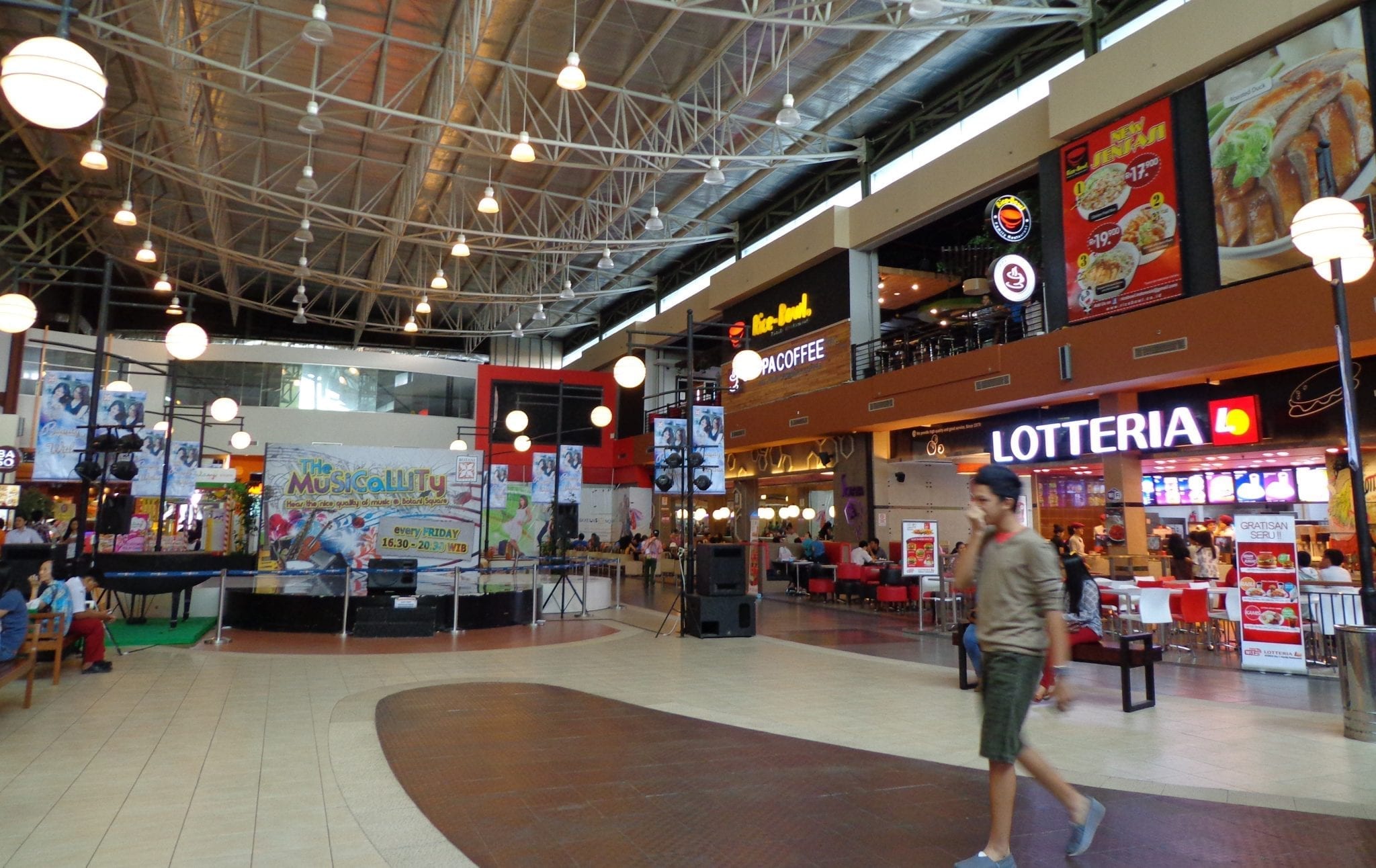
    With Lotte Mart having first opened its doors in Indonesia in 1993, the company, which employs 9,000 people in Indonesia, has become a major retail player in the country. It also operates Lotte Department Store with two duty-free stores, the Angel-in-us Coffee coffeehouse chain and Lotteria fast food chain.

    In 2013, the group opened Lotte Shopping Avenue near the busy Mega Kuningan central business district in Jakarta. It is a large-scale shopping complex that hosts its affiliates, including Lotte Department Store, a duty-free store and Lotteria.

    Despite having yet to hear Lotte’s plan, Indonesian Credit Card Association ( AKKI ) general manager Steve Marta said the South Korean group had actually engaged in a discussion with the association two years ago regarding its idea to enter the domestic credit card industry.

    “However, we haven’t heard any news from Lotte since then. As far as I know, the company started a partnership with Bank Negara Indonesia’s [BNI] credit card business,” he said on Friday, referring to the state-owned lender.

    Separately, BNI consumer banking director Anggoro Eko Cahyo said the bank had a partnership with Lotte Mart Indonesia through a co-branding credit card product called “BNI Lotte Mart Card”, which was launched in 2011.

    Bank Indonesia, which also supervises and regulates the country’s payment system, is yet to receive a report from Lotte Group on its plan to enter the domestic credit card market, Deputy Governor Ronald Waas said.

    “They are welcome, but we haven’t yet heard anything from them,” he said.

    As a potential new player in the credit card business in Indonesia, home to over 250 million people, Lotte still has an opportunity to penetrate the local market. There are currently only 16.9 million credit cards circulating in the country, Steve said.

    However, he said new players were expected to start venturing in non-traditional types of credit card market as existing issuers were largely concentrated in Jakarta and other big cities with similar customer profiles.

    “It would be better for new players to seek alternative customer profiling, such as micro and small and medium enterprise [MSME] segments. This will also help increase non-cash transactions in the country,” he said.

    The country saw 23.6 million credit card transactions worth Rp 22.1 trillion booked by 23 issuers in April, Bank Indonesia data shows.

    If its credit card operation in Indonesia is confirmed, Lotte will become the country’s second non-bank credit card issuer after AEON Credit Services, a consumer financing firm subsidiary of Japan’s conglomerate AEON Group.

    Despite the country’s credit card market being dominated by banks, Steve said non-bank credit card issuers still had good prospects as they owned captive markets amid a new global trend in which various multinational companies, such as airlines, had started to issue their own payment cards.


  • Indonesia is favorite tourist destination for Australians

    Indonesia is favorite tourist destination for Australians

    Data obtained from the Australia Bureau of Statistics revealed that 105,500 Australians visit Indonesia every month, Tourism Minister Arief Yahya noted in a press statement received by us here on Monday.

    The minister said the figure showed that Indonesia was a favorite tourist destination for Australians.

    “The data, which was released a month ago, for the first time revealed that Indonesia was the most preferred tourist destination among Australians,” Arief noted.

    According to the bureau, earlier, most Australians visited New Zealand, with an average of 99,400 tourists per month.

    “This is certainly due to the visa-free policy extended to Australians visiting Indonesia,” the minister remarked, adding that the ministry along with the Foreign Ministry and the Indonesian Consulate General across Australia had promoted the policy in the country.

    The Indonesian tourism branding called Wonderful Indonesia has been promoted in several regions in Australia through various mass media, including social media.

    “Our international openness is assessed by the World Travel and Tourism Competitiveness Index as one of the measurable values,” Arief stated.

    The minister believes that the statistical figures were accurate and can be used in tourism development programs.

    The minister said the 10 priority tourist destinations, especially the maritime tourist sites, have been drawing Australian visitors.

    Of the 10 tourist destinations, seven are maritime tourist sites: Tanjung Kelayang in Bangka Belitung, Tanjung Lesung in Banten, Mandalika in West Nusa Tenggara, Wakatobi in Southeast Sulawesi, Seribu Islands in Jakarta, and Morotai in North Maluku.

    The maritime tourist sites are divided into three main zones: coastal, underwater, and sea. The third one is an inter-island tourist zone that can be explored by yacht.

    “Most of the Australian tourists prefer tourist sites in the coastal zone, with waves ideal for surfing. We have several new surfing spots in Banyuwangi, Mentawai, and Nias,” Arief added.

  • Indonesia’s retail attractiveness rank jumps significantly

    Indonesia’s retail attractiveness rank jumps significantly

    Indonesia has significantly improved its position in the Global Retail Development Index by leaping from 12th position in 2015 to a new high fifth position. China and India are still the countries with the most attractive retail business taking first and second, followed by Malaysia and Kazakhstan.

    The consulting firm AT Kearney created the index in 2001 to measure the attractiveness of the retail sector in developing countries. It includes three main criteria namely population, country risk, and time pressure.

    AT Kearney partner Hana Ben-Shabat said Indonesia’s recent policies of loosening barriers in the retail sector including e-commerce and foreign investment were regarded as positive to investors amid the negative growth average of 2.3 percent in the last three years.

    “Local and international retailers are speeding up expansion plans,” she said on Monday in Jakarta, citing Indomaret, which planned to open 1,600 stores after the 1,560 new stores last year and United Arab Emirates’ Lulu that would invest US$500 million over the next five years.

    As market saturation would increase, Hana continued, existing retailers were experimenting to capture the niche market.

    Matahari Putraprima has launched a premium supermarket Foodmart Primo in June 2015, while Transmart Carrefour has expanded to restaurants, retail chains and entertainment.

    With the increasing usage and number of smartphones, retailers are boosting up their e-commerce. Happy Fresh has recently acquired $12 million to fund its e-commerce expansion, while Alfamart has rebranded its alfaonline.com into alfacart.com by including third-party products.

    More recently, Korea and Japan-based retailer Lotte Group and Indonesia’s Salim Group have announced that they will create a joint-venture to develop an e-commerce and logistics system. Salim and Lotte would hold a 50-50 share of the platform.

    “Now, Indonesians youngsters are paying less physical visit to retail shops. We need to catch on with this new trend,” Salim Group chairman Anthoni Salim told us on Friday.