Tag: Indonesia

  • Alfamart to launch click and collect

    Alfamart to launch click and collect

    Alfamart is going to utilize its 10,000 store network as pickup points for its new online shopping platform Alfacart. Alfacart, the new e-commerce platform will carry one million products from sellers, and is expected to generation IDR1tn (US$70m) transaction. The existing shopping website Alfaonline will be replaced. The advantage of Alfacart over the other e-commerce players lies with its large store network of more than 10,000 throughout Indonesia. The retailer is also expected to be opening another 1,200 stores this year.

    We understand there are some players in the market but the high cost of last mile is still a concern,” said Sumber Alfaria president Hans Prawira, “We have presence in the market very close to shoppers.”

    E-commerce is due to boom in Indonesia

    With the growth in investment and acceptance of internet and mobile shopping, Indonesia is seen as the next frontier after China and India in Asia. The government wants e-commerce to become the backbone of its growing digital economy and leading players like Alibaba are also accelerating their expansion into Indonesia.

    Even though logistics is still a challenge due to underdeveloped infrastructure and the sheer size of the country, it is only a matter of time before we see the boom of e-commerce.

  • Lulu opens its first hypermarket in Indonesia

    Lulu opens its first hypermarket in Indonesia

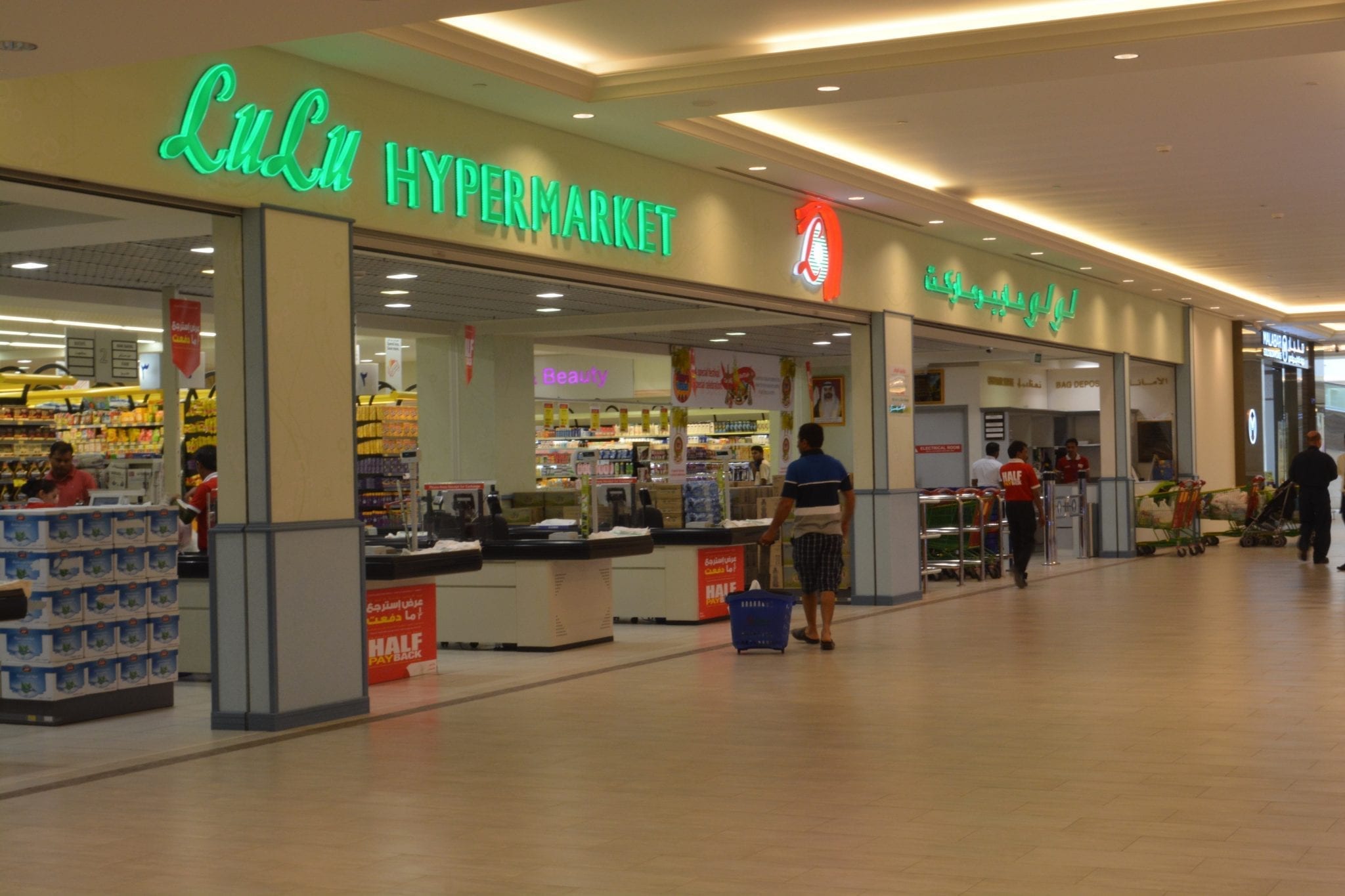
    The UAE-based retail major Lulu Group marked its retail push into Indonesia with the opening of its first hypermarket in the country in capital Jakarta.

    The group has already announced plans to invest $500 million and set up 10 hypermarkets in the next three years in the country, as part of its expansion.

    The first Lulu hypermarket of the country was officially inaugurated by Joko Widodo, the President of Indonesia in the presence of Basuki Tjahaja Purnama, Governor of Jakarta; Thomas Trikasih Lembong, Indonesian Trade Minister; Ahmed Abdullah Al Mussali Al Awadi, UAE Ambassador to Indonesia; Husin Bagis, Indonesian Ambassador to UAE; and other ministers and dignitaries.

    Located in the Cakung sub district of East Jakarta with an area of over 200,000 sq ft., the new hypermarket is designed with customer convenience in mind and provides a one-stop shopping destination for the residents of the city.

    “With an initial investment of $300 million in the first phase, we plan to open 10 hypermarkets by end-2017 and a central logistics and warehousing facility in Jakarta. These projects are likely to generate more than 5,000 job opportunities for Indonesians,” said Yusuf Ali M A, chairman, Lulu Group.

    “We also plan to set up contract farming to ensure continuous supply of high quality products and to support the Indonesian agriculture sector,” he added.

    During the official visit to UAE last year, President Widodo had visited Lulu hypermarket in Abu Dhabi and expressed keen desire to have Lulu in Indonesia. He was especially impressed by the high standards of operations, quality of products and service and also the wide variety of products available in Lulu.

    The Lulu Group currently operates 126 stores across the GCC, Egypt and India and employs more than 38,000 people from different nationalities. It is also one of the largest retail chains in the Middle East.

  • Businesses to explore Indonesia

    Businesses to explore Indonesia

    Pakistan’s businessmen should take advantage from the large Indonesian market, an envoy said. Ambassador of Indonesia Iwan Suyudhie Amri, talking to the Lahore Chamber of Commerce and Industry (LCCI) Vice President Nasir Saeed, said bilateral trade needs to be enhanced as Pakistan and Indonesia are potential markets.

    Ambassador Amri said Pakistan’s rice and meat have great demand in Indonesia and therefore Pakistan’s businessmen should avail this opportunity.

    He said the LCCI is playing a significant role to strengthen the trade and economic relations between the two countries.

    Saeed said the implementation of Pakistan-Indonesia preferential trade agreement will begin a new era of cooperation and serve as a foundation for enhanced economic and trade cooperation.

    He said local businesses will increase exports to Southeast Asia’s largest economy under the preferential trade agreement.

    “There is also a lot of scope for Indonesia to make investment in Pakistan. Indonesia has a fairly advanced petro-chemical, rubber, plywood, telecommunication and tourism industry,” he added.

  • Temanggung to Establish Local TV Station

    Temanggung to Establish Local TV Station

    Temanggung administration will establish a local tv station as a medium for education in current globalization era.

    Temanggung administration official, Suyono, in Temanggung on Friday, May 27, 2016, said before the construction of the tv station building, his office had conducted a survey of local residents.

    “[Survey] result shows that the majority of Temanggung residents support the establishment of Temanggung tv station,” he said in the cornerstone-laying of the construction of Temanggung tv station by Temanggung Regent Bambang Sukarno.

    “Temanggung tv station is not only expected to bTemanggungecome a medium for communication and interaction of Temanggung residents, but also to be a medium for education, information for the residents; information has become a basic need,” he said.

  • KinerjaPay Enters Partnership With Bitcoin Indonesia

    KinerjaPay Enters Partnership With Bitcoin Indonesia

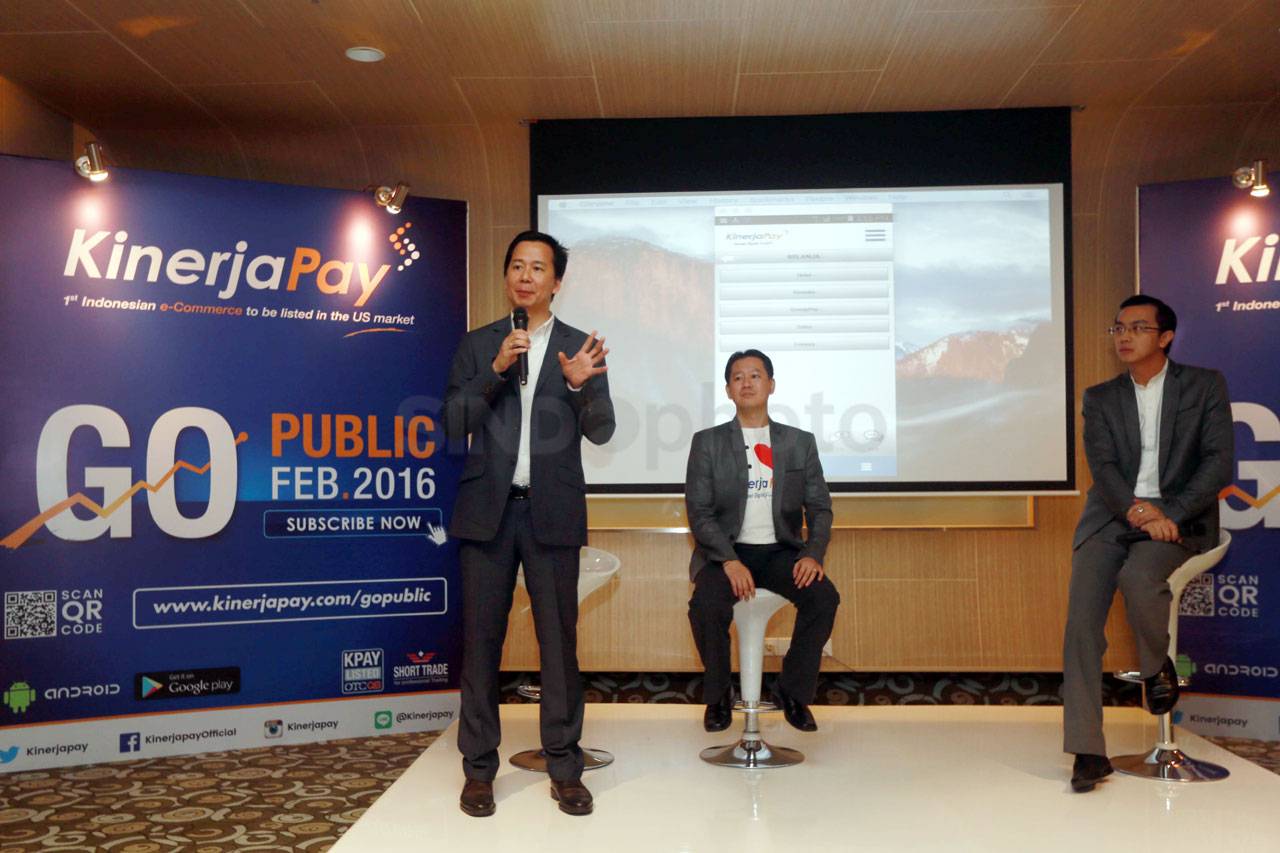
    Customers in Indonesia can now pay online with bitcoin as the country’s leading payment solutions provider KinerjaPay has added the digital currency as one of the payment options on its platform. KinerjaPay, in a recent press release, has announced its partnership with Bitcoin Indonesia to facilitate the Bitcoin option for its merchant partners.

    Apart from offering payment gateway solutions to online merchants, KinerjaPay also operates its own e-commerce portal where people can directly buy goods from the platform itself. By including Bitcoin payments, KinerjaPay has now become the first e-commerce platform in Indonesia to do so. Now customers can convert their bitcoin to Indonesian rupiah on the fly while making a transaction over the payment gateway to pay their bills, transfer money and purchase goods on the internet.

    KinerjaPay and the growth of e-payments in Indonesia

    KinerjaPay is currently one of the fastest growing digital payments platforms in Indonesia. In the past two months, the company has grown by over 300 percent as its user base has increased from around 12000 customers to 50,000. According to the company’s report, this has also led to an increase in the average number of transactions processed per day.

    With over 1500 transactions per day, compared to previous 300 transactions, the company can expect the numbers to grow further with the integration of bitcoin payments. Currently, there are not many online merchants who accept digital currency payments in Indonesia and now the partnership with Bitcoin Indonesia means that the company’s partner merchants will be able to accept bitcoin payments from their customers soon. This will open up a lot of options for bitcoin users in the country.

    In order to make bitcoin payments more popular, KinerjaPay has announced that it will be providing special offers to customers of Bitcoin Indonesia. With these special offers, the company intends to convert at least some of the 150,000 Bitcoin Indonesia customers into theirs as well. In a country where a majority of the population is hesitant to use online payment solutions due to concerns about credit/debit card fraud, KinerjaPay is working hard to build their trust by offering great deals and addressing their concerns. A currency like bitcoin where the user doesn’t have to share his/her bank account or card details will present an attractive option to the masses.

    As a part of its incentives galore, the company is also working on its own branded mining setup, where people can mine digital currency. While speaking about the new developments, the CEO and Chairman of KinerjaPay, Edwin Ng is quoted saying –

    “This partnership enables us to establish relationships with Bitcoin Indonesia’s membership, currently in excess of 150,000 accounts, which we expect will boost the volume of transactions on our platform going forward… We are also working to create a unique bitcoin mining element on our platform, something we believe will be very appealing to our users and will provide KinerjaPay with a real competitive advantage in the e-commerce sector.”

    KinerjaPay is constantly innovating to push the growth of online payments in Indonesia. Partnering with Bitcoin Indonesia is just one among the many which the company intends to follow in order to gain customer confidence and make them change their mind about online payments and digital currency. More developments in the sector can be expected soon.

  • Alfamart to relieve Indonesia’s last-mile headache

    Alfamart to relieve Indonesia’s last-mile headache

    Indonesian retail company Sumber Alfaria Trijaya is reinventing its online shopping service, utilizing its vast network of Alfamart convenience stores as pickup points to tackle the country’s logistical challenges.

    Alfacart is expected to be officially launched this week and will replace the company’s existing shopping site Alfaonline. Sumber Alfaria aims to list one million products from third party sellers, from electronics to clothes and groceries, and generate online transactions worth roughly one trillion rupiah ($70 million) by 2016. The company is investing $2 million to upgrade its IT system.

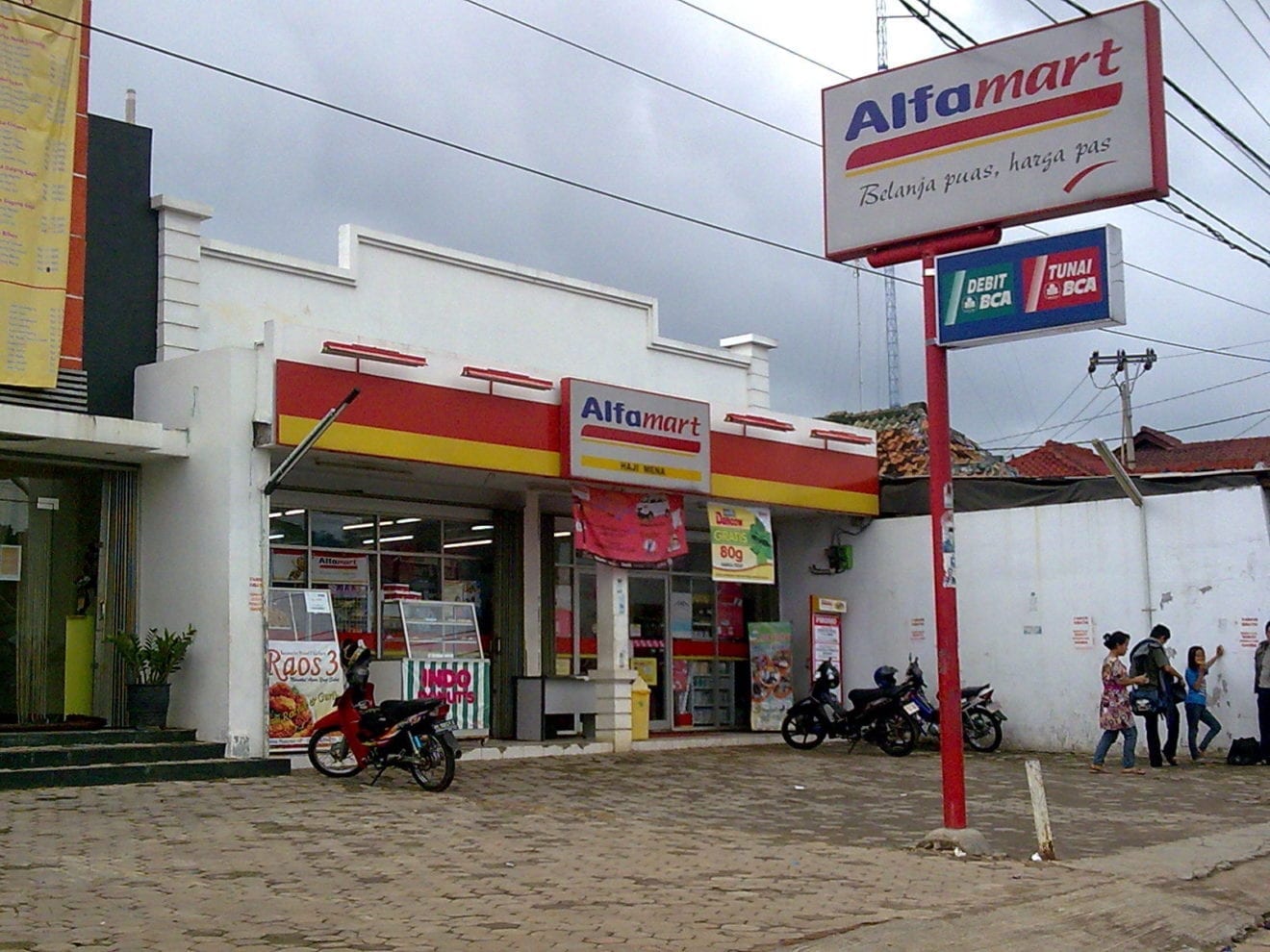
    To distinguish itself from existing players such as Lazada, Sumber Alfaria will enable Alfacart users to pay and pick up their purchases at Alfamart stores. Known for its distinctive red and yellow logo, Alfamart is of the top two convenience store chains in Indonesia with about 11,000 stores as of last December. 1,200 stores are expected to be added during 2016.

    “We understand there are some players in the market but the high cost of last mile [delivery] is still a concern,” said Sumber Alfaria president Hans Prawira, at a press conference on Friday. “We have presence in the market very close to shoppers.”

    Logistics are a significant challenge in Indonesia’s archipelago of more than 13,000 islands. In addition to poor infrastructure, home addresses are often chaotically numbered and unorganized, causing major headaches for courier companies, said IT director Bambang Setyawan Djojo. “We know the address of every Alfamart, so it will make delivery easy,” he said.

    E-commerce is booming in Indonesia but it is a costly business. Lazada recently received an investment of $1 billion from China’s Alibaba Group Holding, while Japan’s Rakuten shut down its online shopping site in the country. Sumber Alfaria only generated 451 billion rupiah in net profit on revenue of 48 trillion rupiah in 2015, a margin of less than 1%.

    Alfaonline failed to gain widespread popularity due to the perception that it only sells groceries, Bambang said. Sumber Alfaria will focus on promoting the convenience of Alfacart.

  • Indonesian weekend event in London successfully promotes tourism

    Indonesian weekend event in London successfully promotes tourism

    A two-day tourism event called “Indonesian Weekend” held in Potters Fields Park, London, Great Britain, on May 28 to 29 was considered successful in promoting the Wonderful Indonesia brand, an official stated.

    The Indonesian Weekend was part of the Wonderful Indonesia brand awareness campaign, Nia Niscaya, assistant to a deputy in the tourism ministry, noted here, Monday.

    Garuda Indonesia Airways also supported the event and offered special fares on certain routes, such as London-Jakarta, Yogyakarta, and Lombok.

    The ministry has always participated in the World Travel Mart, which is routinely held in London in November, according to Niscaya.

    The number of British tourists to Indonesia reached 230,315 in 2014 and increased to some 270 thousand in 2015.

    This year, Indonesia hopes to attract 300 thousand British visitors.

    During the January-March 2016 period, the country received a total of 67,750 British tourists, or an increase of 28.54 percent from 52,708 tourists during the same period last year.

    Niscaya was optimistic that this years target would be achieved through the promotion of the Bali and Beyond tourism program.

    Ambassador of Indonesia to the United Kingdom Rizal Sukma officially kicked off the Indonesian Weekend showcasing the countrys arts and culture, here, Saturday.

    Highlights of the event included performances of Javanese dances by famous artist Ninik Thowok, Silat traditional martial art by Cecep Arif Rahman, traditional bamboo musical instrument by Arumba Saung Udjo, East Nusa Tenggara traditional music instrument Sasando by Ivan Nestorman, Javanese gong ensemble gamelan by Lila Bhawa, and an Islamic fashion show.

    The festival also offered Indonesian culinary delicacies as well as handicraft and fashion products.

    Initiated by Bangga Indonesia Ltd and Ditali Cipta Kreatif, the event is supported by Elzatta Hijab, the tourism ministry, and the Indonesian embassy in London.

    Other sponsors were the industry ministry, cooperatives and SMEs ministry, and the education and culture ministry in cooperation with the regional administrations of Central Java, Central Kalimantan, Bandung, and Malang.

    Some of the Indonesian culinary dishes offered during the event were Soto Ayam (chicken soup), chicken and lamb satay, Padang satay, Bakso (meat ball soup), Somai, Rendang, and Yogya Gudeng.

    A cooking demonstration featuring Master-Chef Indonesias jury, Degan Septoadji, and Chef Gede Susila Yadnya of Balis Potato Head Club Bali was also the highlight of the tourism promotion event.

  • YCH inks pact with Indonesian food distributor

    YCH inks pact with Indonesian food distributor

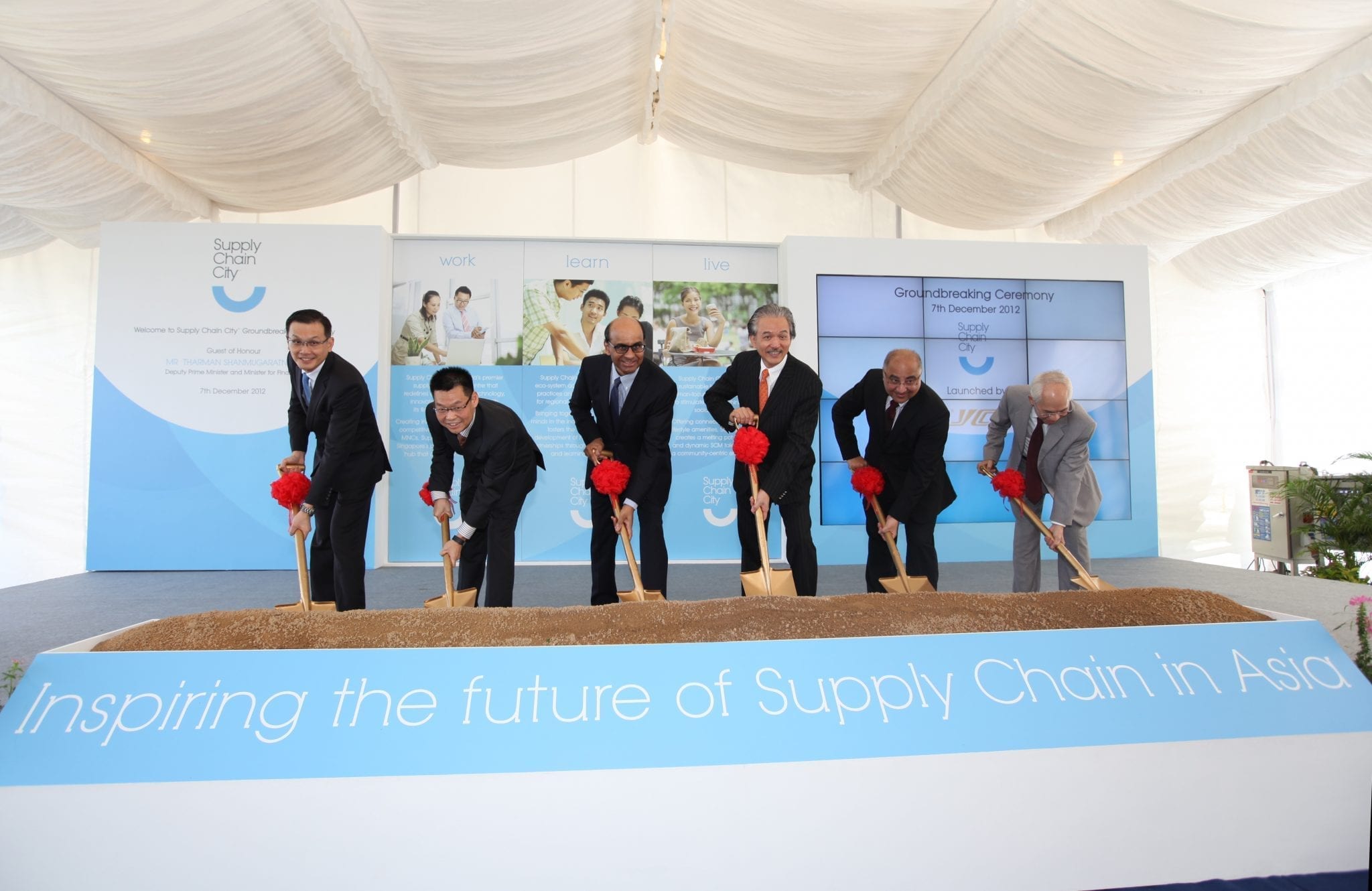
    Supply chain company YCH Group’s subsidiary YCH Indonesia has signed an agreement with a business unit of Sekar Group, one of Indonesia’s largest importers and distributors of food products.

    The memorandum of understanding (MOU) with Pangan Lestari was inked on the sidelines of a business mission co-organised by International Enterprise (IE) Singapore and the Singapore Business Federation.

    Announcing the pact in a statement yesterday, IE Singapore said it brought the two companies together last year, given Singapore- based YCH’s interest to expand further in Indonesia.

    Under the agreement, both companies will jointly develop integrated cold-chain supply management to facilitate retail, catering and distribution fulfilment.

    The MOU signing was witnessed by Ms Sim Ann, Singapore’s Senior Minister of State for Culture, Community and Youth, and Finance.

    Ms Sim, who also oversees issues related to small and medium-sized enterprises in the Committee on the Future Economy, is leading the business mission to Surabaya, Indonesia, which started on Wednesday and ends today.

    The mission comprises over 20 business representatives from 13 SMEs across business services, environment services, as well as the financial and manufacturing sectors.

    Ms Sim said in the statement: “Given the limited size of Singapore’s domestic market, many SME leaders are actively considering internationalisation as a means to bring their business to the next level.”

    She added that Indonesia’s young population and growing middle class present good opportunities for local SMEs.

    Indonesia is Singapore’s second- largest trading partner among Asean member states, with total trade at $59 billion last year. Singapore was Indonesia’s top foreign investor last year, with total realised investments amounting to $8 billion, IE Singapore noted.

    “Surabaya and East Java offer exciting growth opportunities, especially in sectors like trading, services and manufacturing,” said IE Singapore assistant chief executive Tan Soon Kim.

    Surabaya has a population of 3.2 million and its economic growth reached 6.7 per cent in 2014, exceeding East Java province’s growth of 5.9 per cent.

    Separately, IE Singapore also announced the signing of a “first-ever” MOU with business associations in Lombardy, Italy – Confindustria Lombardia and Assolombarda – to help SMEs access the region. The two groups have a combined reach of 17,000 Italian enterprises across diverse sectors, IE Singapore noted.

    The collaboration is aimed at helping local companies tap business opportunities in Lombardy via partnerships, as well as linking up enterprises in Lombardy with Singapore firms to jointly access the South- east Asian market.

    IE Singapore said the focus areas include design innovation, fashion and consumer products, technology development, urban solutions and hospitality real estate.

  • New release: Mango Ramadan fashion range

    New release: Mango Ramadan fashion range

    Spanish fashion brand Mango has launched a range of Ramadan styles, including special festive garments.

    For more than 10 years the brand has been globalising its collections for different markets. Its special-collections department develops exclusive designs in line with the cultural and religious norms of different countries.

    The Mango Ramadan fashion offer includes casual garments such as jackets, kaftans, flowing jackets, oversized shirts, leggings and tunics made of fabrics such as poplin and imitation suede. There are also festive garments such as long dresses and double-layer body wraps (relaxed or fitted), plus midi-skirts made of fantasy fabrics. Satin finishes, lurex and laminated fabrics play a key role, as does lace.

    While the Spanish market is key for development, the brand has about 80 per cent of turnover in other countries. There are more than 2200 Mango stores in 109 countries.

  • Central Group Vietnam halts buying spree

    Central Group Vietnam halts buying spree

    Thai retailer Central Group Vietnam is putting the brakes on its acquisition spree to focus on consolidating profit, according to media reports.

    Deputy group CEO Prin Chirathivat says Vietnam is shaping up as a second home for the Central Group, with the company having established three Robins Department Stores there, acquired a 49 per cent stake in electronics retailer Nguyen Kim, taken over fashion eCommerce site Zalora Vietnam from Germany’s Rocket Internet, and bought out Big C Vietnam for $1.1 billion.

    Prin has told The Nation that he realises it is time to reap profit from the businesses in Vietnam, with the depreciation of fixed assets putting pressure on profitability despite positive cash flow.

    But while Central has decided to pull back on buying, he says it does not want to miss any interesting inorganic growth opportunities.

    Its biggest equity investment has been taking over 30 Big C Vietnam supermarkets, for which it secured a bridging loan from Bangkok Bank, according to the Bangkok Post. Central will use Zalora to strengthen the channels of local partner Nguyen Kim as well as its Robins stores.

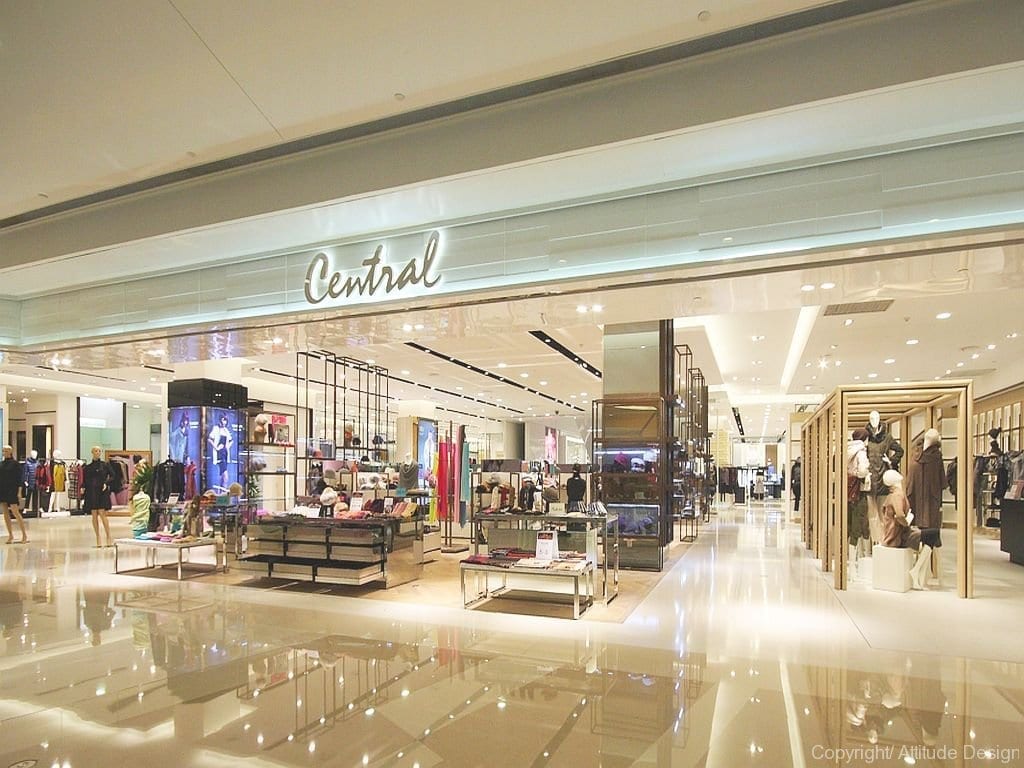
    The Thai group still considers Vietnam as an important market, buoyed by a growing economy and high purchasing power. But it still has plans for Indonesia, including opening five more department stores in Jakarta and Surabaya by 2017.

    Back in Thailand, Central Group no longer owns Big C SuperCentre, but has acquired the Zalora business there.

  • Axiata Q1 profit falls 37% on rising costs

    Axiata Q1 profit falls 37% on rising costs

    Malaysia-based Axiata Group has reported a 37% slump in net profit for the first quarter ending in March, due in part to higher capex, financing and depreciation costs.

    Net profit fell to 368 million ringgit ($90.1 million) despite a 5.4% year-on-year increase in revenue to 5 billion ringgit.

    Axiata’s domestic subsidiary Celcom Axiata had what the company called a “challenging quarter,” with revenue declining 13.4% year-on-year.

    As a result of new regulations, Celcom had to temporarily suspend almost all value added services during the quarter due to customer complaints, resulting in VAS revenue falling by 19.8%. Celcom’s normalized profit fell 22.3%.

    But Indonesia’s XL Axiata had a strong first quarter, with net profit more than doubling and revenue growing 2.5% as a result of the strong performance of the Axis brand, acquired in 2014.

    Axiata Group also reported a steady performance in its emerging markets segment of Sri Lanka, Bangladesh and Cambodia. But the contributions from regional associates Idea Cellular in India nd M1 in Singapore both declined.

    “The first quarter showed mixed results with XL, Dialog and Smart performing exceptionally well while Celcom’s performance impacted the Group’s results,” Axiata Group CEO Dato’ Sri Jamaludin Ibrahim said.

    “However, I am pleased to note there are many positive signs; Celcom has been aggressively rolling out more LTE sites and a number of competitive and exciting data products and services over the last two months. I am confident with these initiatives in place, Celcom will be back on track to finish the year respectably.”

  • Lion Air should not just return passengers` tickets

    Lion Air should not just return passengers` tickets

    The airline company, Lion Air, should not resort to merely returning passengers tickets after it postponed 277 flights following sanctions imposed by the ministry of transportation, a consumer institute has said.

    “The Lion Air management should transfer the passengers tickets to other airlines, instead of only returning the tickets purchased by them,” Chairman of the Indonesian Consumers Institute (YLKI), Tulus Abadi, demanded here on Monday.

    He argued that while the Lion Airs decision to postpone 277 of its flights for one month did not basically violate any rule, it should also not violate consumers rights.

    “The ministry of transportation should supervise this strictly to prevent the company from violating consumers rights,” he stressed.

    The ministry of transportation has imposed a sanction on the Lion Air, freezing its flights for five days for having recently disembarked international passengers from Singapore at the domestic terminal of Soekarno Hatta Airport.

    The management of Lion Air opposed the sanction by reporting the directorate general of air transportation to the police and postponed 277 of its flights for a month.

    Tulus was of the view that the Lions legal move to oppose the ministry of transportations sanction was rather awkward.

    “It is rather an anomaly. Probably this is the only case of its kind in the world where the operator is taking a stand against the regulator.”

    On May 10, Lion Air pilots went on strike at the Soekarno-Hatta Airport on Tuesday, leading to a delay in the low-cost carriers flights to several regions in Indonesia.

    The corporate secretary of state airport operator, Angkasa Pura I, Farid Indra Nugraha, explained in a press statement released on Tuesday that his side has been in close touch with the representatives of the Lion Air Group at the airport.

    Farid claimed that his side had made efforts to ensure that the airline is able to serve the passengers despite the delay in flights.

    “In response to the Lion Air pilots strike at several airports under the purview of Angkasa Pura I, we call on the passengers to understand the conditions and be patient,” he pleaded.

    The strike led to a delay in Lion Air flights from Sam Ratulangi Ariport in Manado, North Sulawesi, Sultan Hasanuddin Airport in Makassar, South Sulawesi, Lombok International Airport in West Nusa Tenggara, I Gusti Ngurah Rai Airport in Bali, and Adisutjipto Airport in Yogyakarta.

    Public relations manager of the Lion Air Group, Andy M Saladin, denied that the pilots had gone on strike because they had not received transport allowances.

    “There is no strike. The airlines operations have returned to normal,” he pointed out.

    Meanwhile, Lion Air President Director Edward Sirait insisted that the fact that some of the airlines pilots fell sick, coupled with an administrative problem, was what had led to flight delays.

    “We, on behalf of the Lion Air Management, apologize for the inconvenience,” he said.

  • Child labour used in Indonesian tobacco production, says NGO

    Child labour used in Indonesian tobacco production, says NGO

    International non-governmental organisation Human Rights Watch (HRW) said on Wednesday that child labour is used in tobacco plantations in Indonesia, whose harvest supplies local and foreign tobacco companies.

    Children, some of whom are just eight years old, are exposed to nicotine, handle toxic chemicals or use dangerous tools in extreme heat, HRW said in a report titled ‘The Harvest is in My Blood: Hazardous Child Labour in Tobacco Farming in Indonesia’, EFE news reported.”Tobacco companies are making money off the backs and the health of Indonesian child workers,” HRW researcher and report co-author Margaret Wurth said in a statement.Wurth and her team interviewed 132 children working in plantations in four Indonesian provinces, half of whom reported symptoms of acute nicotine poisoning from absorbing nicotine through their skin.The children are also exposed to pesticides and other chemicals which are linked to respiratory problems, cancer and depression.

    HRW urged companies to ban suppliers from employing children and called on the Indonesian government to regulate the tobacco industry and launch an education campaign to spread awareness about the health risks faced by children.Indonesia is the world’s fifth largest producer of tobacco, with over 500,000 plantations which employ more than 1.5 million children aged between 10 to 17 years, according to International Labour Organization data.Although Indonesia’s laws stipulate the minimum age for work at 15 and forbids those under the age of 18 from carrying out hazardous work, the tobacco industry still flouts these rules, according to HRW.

  • Ducati eyes gold in Indonesia’s big bike market

    Ducati eyes gold in Indonesia’s big bike market

    With the opening of its flagship store in Jakarta, Italian-based luxurious motorcycle manufacturer Ducati expects it will be able to tap into Indonesia’s growing big motorcycle market.

    The store, located in an elite area of Kemang, South Jakarta, opened up for the public on Monday and will serve as Ducati’s complete dealership, one-stop service, spare parts provider and certified used-bike re-seller in Indonesia.

    Garansindo Euro Sports, the new sole distributor of the Italian motorcycles, has allocated at least Rp 80 billion ( US$6 million ) in investment to finance the store and other sales supporting facilities including after-sale services.

    The store has started selling Ducati’s products such as the Monster 795, the Hypermotard, Multistrada, as well as Scrambler Ducati bikes like the Icon, Classic and Urban Enduro.

    The motorcycles carry an off-the-road price tag of between Rp 199 million and Rp 899 million. The Ducati Monster 1100, for example, sells for Rp 345 million, excluding taxes and other levies.

    Garansindo’s managing director Dhani Yahya said the 3,000 square-meter store was Ducati’s largest dealership in the world after the company’s distribution outlet in New Delhi, India.

    “This ambitious investment is expected to expand our market, which was previously considered inaccessible for our potential buyers and customers,” he said on Monday.

    Ducati’s service workshop is part of the flagship store and is able to handle up to 16 bikes per day. The workshop provides original Ducati spare parts imported directly from its plant in Thailand.

    Despite the country’s weak motorcycle sales, which continue to face pressures due to the country’s economic slowdown, Ducati is optimistic about the Indonesian market, given the country’s growing middle class.

    Dhani said that the market response toward Ducati motorbikes was positive so far as seen from the 2016 Indonesian International Motorshow, held in Jakarta last month. During the two-week exhibition, Garansindo managed to sell 52 Ducati motorbikes, a number Dhani said was a sizable one for premium bike sales.

    “The high number of purchased bikes last month proved that we can still generate large enthusiasm in this country,” he said.

    The opening of the flagship store is Garansindo’s first Ducati dealership after the distributor took over from PT Supermoto Indonesia last January. Dulcati’s sales declined last year and its old dealerships in Jakarta stopped operating after Supermoto Indonesia failed to maintain the business.

    To reverse Ducati’s mediocre sales history in Indonesia, Garansindo plans to open at least 12 branches across the archipelago by 2019.

    “Of course at present we will focus on developing this Kemang flagship store, but by 2019 we expect to add 12 more dealerships in places like Jakarta, Surabaya, Bandung and Bali,” Garansindo president director Mohammed El Abdullah said.

    One of Ducati’s customers, Firman Saladdin, said he expected better aftersales services after the dealership opening.

    “As a loyal customer, I want Ducati to improve its services and add more exclusive spare parts,” the Jakarta-based business consultant said.

  • Astra car sales down 2.7 percent to 208,804 units in Q1

    Astra car sales down 2.7 percent to 208,804 units in Q1

    The countrys largest automotive company PT Astra International recorded a 2.7 percent decline year-on-year in car sales to 208,804 units in the first four months of the year.

    Based on data at the Indonesian Association of Motor Vehicle Industries (Gaikindo), Low Cost Green Cars (LCGC) contributed 34,209 units to the total sales by Astra Group.

    The sales in the first four month, however, was on the rise from 47,159 units in January to 49,933 units in February, to 54,508 units in March and to 57,204 units in April.

    The Astra group produces and sells Toyota, Daihatsu, Isuzu, Peugeot cars and UD Trucks. Sales have continued to be dominated by Toyota with sales reaching 111,710 units in the January-April period.

    Peugeot sales were the lowest in number reaching only 14 units. Sales of Daihatsu cars totaled 56,854 units, Isuzu 5,490 units, and UD Trucks 527 units.

    Sales of motorcycles produced by PT Astra Honda Motor (AHM) reached 1,439,241 units, down 13.5 percent from 1,664,395 units in the same period last year.

    Sales of non Astra cars in the first four months of the year totaled 177,316 units down 1.67 percent from 180,340 units in the same period last year.

    Sales of non Astra motorcycles totaled 543,263 units.