Tag: Indonesia

  • Pos Indonesia to expand storage facilities

    Pos Indonesia to expand storage facilities

    State postal service firm PT Pos Indonesia plans to expand its warehouse facilities from 3 hectares to 3 hectares to improve its logistics services.

    The land acquisition and development is estimated to cost US$250 million to $300 million.

    PT Pos Indonesia president director Gilarsi Wahju Setijono did not say how the firm would finance the land procurement, but did say the company was in talks with other state-owned enterprises ( SOEs ) for asset swaps. The company has many assets in strategic locations that it could exchange for larger plots of land in other locations.

    “We are asking them to exchange their plots, such as at the airport or seaport with our assets in strategic places,” Gilarsi said.

    Despite having assets in strategic places, PT Pos is struggling with increasing expenditure that is eating away at its profits. It posted Rp 16 billion ( US$ 1.2 million ) in profit last year.

    “Our revenue increased a bit from Rp 4.3 trillion ( US$ 324 million ) in 2014 to Rp 4.6 trillion ( US$ 326 million ) in 2015, but our expenditure increased more than our revenue,” Gilarsi said.

    PT Pos is currently conducting restructuring in its logistics business. The company will also revive its financial services business, such as offering money transfers and utilizing postmen as payment agents in the next four years.

    “Sixty percent of the Indonesia population do not use online banking. We’ve got many branches and will employ our postmen as payment agents,” he said.
  • Indonesian Culinary Fair 2016 to be held in Japan

    Indonesian Culinary Fair 2016 to be held in Japan

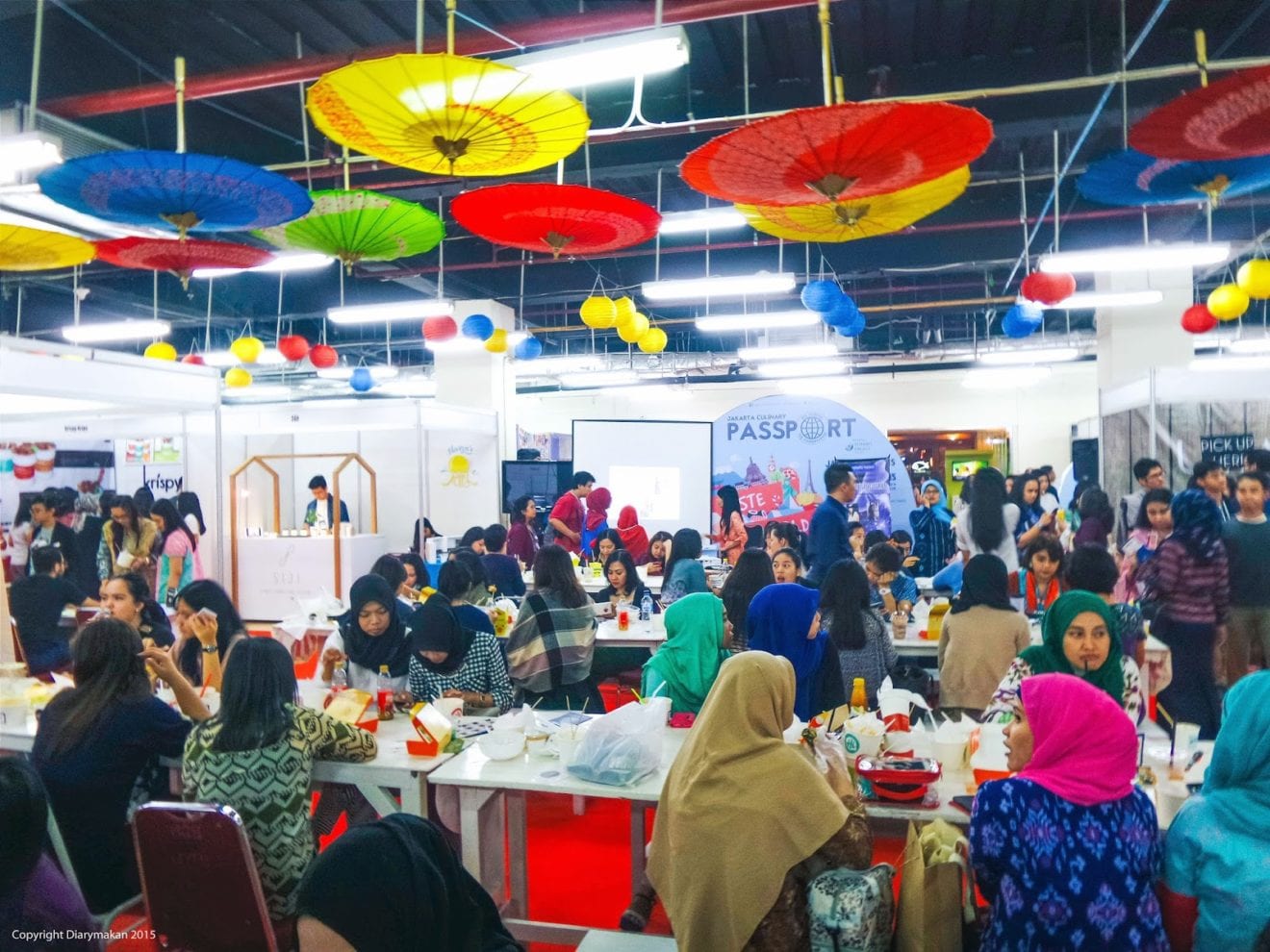
    The Indonesian Culinary Fair 2016, dubbed “The Taste of Indonesia,” will be organized at the Shinagawa Prince Hotel, Tokyo, from May 16 to June 16.

    The organization of the culinary promotion event was in line with the governments policy to intensify culinary diplomacy, Tourism Minister Arief Yahya stated here, Friday.

    The promotion event has been organized to achieve three targets. The short-term target is to introduce Indonesias diverse flavors and tastes, as well as to promote the countrys culinary delicacies.

    The mid-term target is to encourage restaurants and hotels in Japan to offer Indonesian dishes as well as to attract more Japanese tourists to visit Indonesia.

    The long-term target is to send Indonesian chefs to work in restaurants and hotels in Japan and to introduce halal food cooking techniques as well as Indonesian dishes in Japans culinary schools.

    Japan ranks fifth in the list of major countries contributing tourists to Indonesia, according to Deputy Minister in charge of International Tourism Marketing Development of the Tourism Ministry I Gde Pitana.

    During the culinary fair, various Indonesian traditional arts, such as Sasando, will be performed.

    The Japanese government has promoted international cuisines, including halal food, to attract foreign tourists from Muslim majority countries, among others.

    Japan has set a target to attract 30 million foreign tourists by 2020. Six to eight million, or 20 percent of the 30 million tourists, are expected to be Muslims.

    “This is an opportunity for Indonesia to promote its various culinary delicacies and food products, including spices,” Pitana affirmed.

    Last month, the “Wonderful Indonesia” Restaurant was opened in Anhui Province, China, to offer typical culinary delicacies from the archipelago as part of the efforts to promote the countrys tourism and culture.

    Situated in the densely populated area of Hefei in Anhui Province, the Wonderful Indonesia Restaurant was inaugurated by Minister Yahya.

    “There is a growing trend of using culinary diplomacy to support tourism, and almost all television stations are also highlighting this aspect as one of their flagship programs,” Yahya remarked.

  • UberJEK Launched in Jakarta

    UberJEK Launched in Jakarta

    UberJek, an app-based transport service, has officially started operation on Sunday, May 15. Aris Wahyudi, UberJEK’s co-founder, claims cheaper tariffs compared to its competitors.

    “Our tariff is different from those of the competitors. Our tariff will continue to drop from the first kilometer,” Aris said after UberJEK launch at Euro Management Indonesia, Sunday, May 15, 2016.

    He illustrated that on kilometer 1-5, the tariff is Rp2,500 per kilometer; on kilometer 6-10, it’s Rp2,000; above 11 kilometers, customers will be charged for Rp1,500 per kilometer.

    He added, other benefit of using UberJEK is no minimum tariff set for short distance travels. Thus, customers wanting to travel within 1 kilometer can pay Rp2,500. “We do not set a minimum distance, unlike our competitors. The benefit of using UberJEK is in short distance travels.”

    To attract customers, in addition to cheaper tariffs, UberJEK also entices its customers with giveaways. It is part of the promotional strategy to introduce UberJEK to the market. UberJEk claims to have earmarked seven million smartphones as giveaways for customers.

    UberJEK was founded by Aris and three other Indonesian businessmen in late October 2015. Aris said UberJEK services can now be enjoyed in 30 cities in Indonesia with a total of 2,200 drivers.

  • Index Living Mall sets plan for Asean market

    Index Living Mall sets plan for Asean market

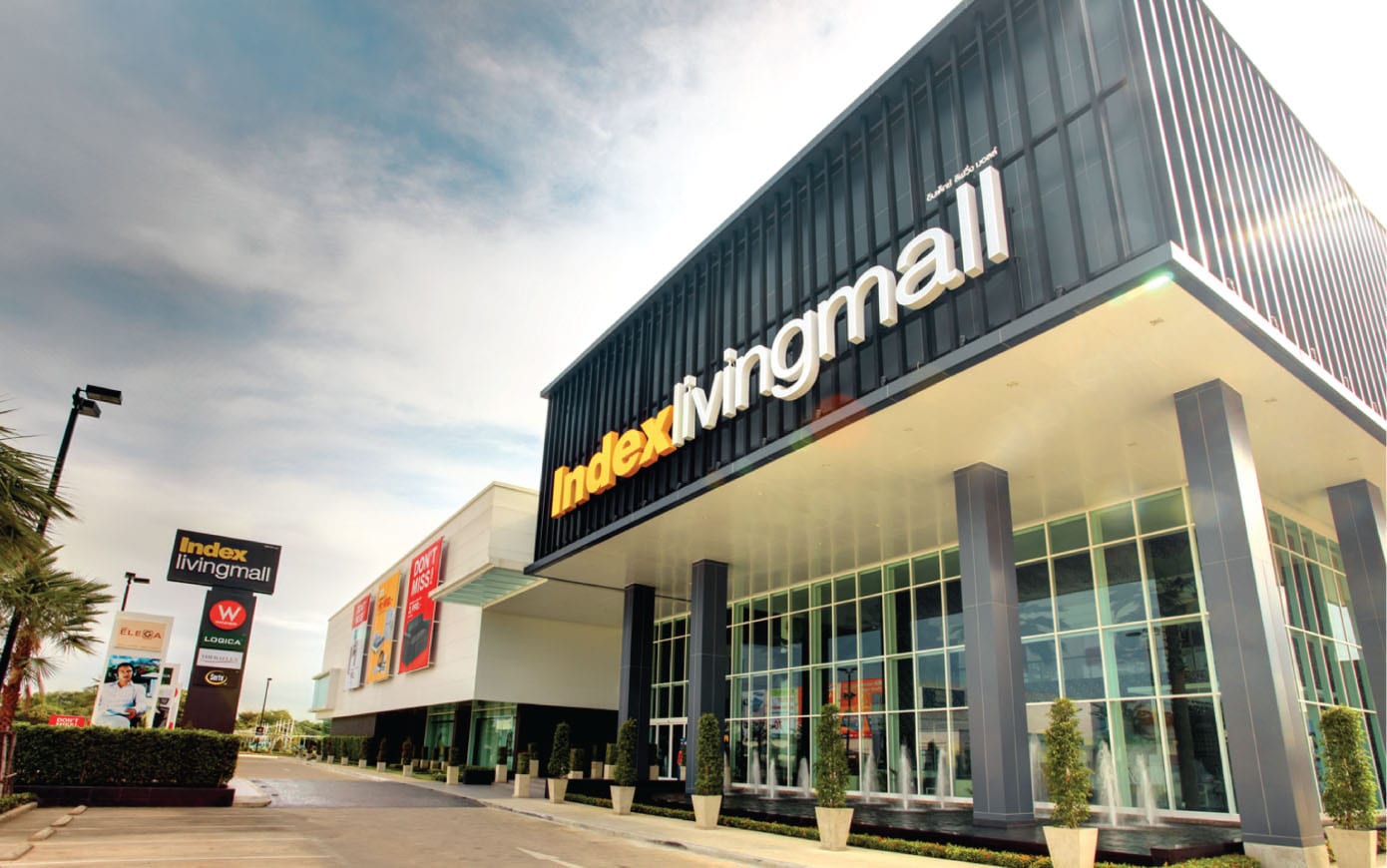
    Thai home-furnishings manufacturer and retailer Index Living Mall has set a strategic plan to open at least one store in a new Asean market every year.

    The company expects the sales contribution from Asean countries to increase significantly from the 6 to 7 per cent estimated for this year to 10 per cent within three years.

    MD Kridchanok Patamasatayasonthi says the expansion is in line with its vision to be the No. 1 player in Southeast Asia in terms of brand awareness in its segment.

    In Thailand, Index Living Mall opened a branch in Nakhon Pathom in February with 7500 sqm of retail space, and another store will open in Chachoengsao next month covering 5500 sqm.

    “We also plan to open another store in Bangkok next January,” says Kridchanokshe.
    Index Living Mall has also opened stores in Malaysia and Vietnam.

    Malaysia’s first store is in IOI City Mall in Putrajaya, followed by another outlet at Aeon Mall in Shah Alam in March, and at Aeon Mall in Kota Bahru last month. The expansion in Malaysia is through a joint venture with Japan’s Aeon Group, and the fourth store will open in Johor Bahru next year.

    In Vietnam, where the brand has had a presence for four years, the company has appointed a new local franchisee to expand its network. The first Index Living Mall in Vietnam under the new partnership, at Vincom Mega Mall in Ho Chi Minh City, opened in January, followed last month by a store at Hanoi’s Vincom Mega Mall.

    “We are negotiating with a potential joint-venture partner in the Philippines and a potential franchisee in Indonesia for partnership deals expected to be finalised next year,” says Kridchanok.

    Index Living Mall posted THB2.5 billion (US$71.242 million) in sales revenue in the first quarter of this year, a 10 per cent increase compared with the same period last year. The company targets THB10 billion in sales this year, up 10 per cent over 2015.

    It has also opened a concept store at Don Mueang International Airport, Sky Living by Index Living Mall – 400 sqm of retail space showcasing its products and accessories.

    After the renovation of the airport’s Terminal 2 to accommodate the growing number of domestic passengers, Index Living Mall aims to create direct customer experiences by providing a premier passenger lounge designed around a variety of room settings, as well as a Kids’ Zone.

    The first Index Living Mall store opened more than 20 years ago, and there are now 26 retail locations throughout Thailand.

  • Indonesia to apply e-planning, e-budgeting systems by 2018

    Indonesia to apply e-planning, e-budgeting systems by 2018

    The government will apply e-planning and e-budgeting systems by 2018, according to National Development Planning Minister Sofyan Djalil.

    “We will improve the process while drafting the Government Working Plan 2017. This is an initial step in the process of applying e-budgeting and e-planning systems,” Minister Djalil, who is concurrently chairman of the National Development Planning Board, said here, Wednesday.

    The implementation of the National Development Planning Congress 2016 is also being streamlined to make it more effective by taking into account the aspirations of the regions, he emphasized.

    Starting this year, the ministry will, in stages, hold discussions with the regional governments to optimally prepare the Government Working Plan 2018.

    The government will change the planning system from “money follow functions” to “money follow programs.”

    “The money follow functions” system had resulted in the creation of several duplicate programs, he pointed out.

    “The Government Working Plan 2017 will implement the money follow programs,” the minister stated.

    He also shed light on the allocation of special funds for infrastructure development in various regions.

    By following the presidential instructions in certain provinces, the funds will be utilized to develop special economic zones, boost the tourism industry, and realize food sovereignty.

    The Government Working Plan 2017 will also include the promotion of mental revolution, legal enforcement, and disciplinary measures to ensure balanced physical and non-physical development.

  • Vietnam coffee-sales steady; buyers await Indonesia arrivals

    Vietnam coffee-sales steady; buyers await Indonesia arrivals

    Vietnam’s coffee sales may pick up if prices maintain their recent uptrend, but buyers are likely to await the upcoming harvest in Indonesia for better deals on fresh arrivals, traders said on Tuesday.
    Coffee exports this month from the world’s biggest robusta producer are forecast to be in a wide range of 120,000 to 160,000 tonnes (2.0 million and 2.67 million 60-kg bags), versus an estimated 160,000 tonnes in April, traders said.
    The ICE July robusta contract has risen nearly 4 percent so far this month to $1,649 a tonne, and Vietnamese robusta prices also gained 2.4 percent in domestic markets during the same period.
    Robusta prices on Tuesday rose to 35,400-35,500 dong ($1.59) per kg in Daklak, Vietnam’s biggest growing province, from 34,800-34,900 dong a week ago, and 34,600 dong at the end of April.
    Prices eased slightly from 35,600-35,900 dong per kg on Monday, of which 35,900 dong was the highest level since Nov. 12, 2015, according to Reuters data.
    “The trend is that prices are rising and if it stays that way, more selling is expected this month,” said Phan Hung Anh, deputy director of export firm Anh Minh in Daklak.
    Traders said buying demand has been steadily declining, given that Vietnam has supplied a significant volume of coffee to the world so far in the current 2015/2016 season.
    The country exported an estimated 976,200 tonnes between October 2015 and last month, up 27.4 percent from a year ago, based on government statistics.
    “Buyers are waiting to see Indonesia’s crop arrivals, and prices of the fresh beans (there) may become more attractive,” Anh said.
    As futures prices edge up, premiums of Vietnamese robusta grade 2, 5 percent black and broken eased to $30-$40 a tonne to the July contract this week, from premiums of $50-$55 a week ago.
    The coffee crop harvest in Vietnam’s rival – Indonesia – is expected to pick up pace in June, about a month later than usual, due to El Nino-related dry weather.
    Indonesia’s 2016/2017 coffee output is forecast to drop around 9 percent as compared with last year to 9.65 million bags, while Vietnam’s output could edge up 3 percent to 29.14 million bags, BMI Research, a Fitch Group company, said in a report in late April.
  • SK Telecom signs MOU with Telkom Indonesia

    SK Telecom signs MOU with Telkom Indonesia

    SK Telecom today announced that it signed a Memorandum of Understanding (MOU) with Telkom Indonesia (PT Telekomunikasi Indonesia), the largest telecommunications services company in Indonesia, to cooperate in new business areas including IoT, media and smart products/Lifeware.

    The MOU signing ceremony took place at Telkom headquarters located in Jakarta, Indonesia on May 12, 2016, and was attended by Lee Eung-sang, Executive Vice President and Head of Global Business Division of SK Telecom, and Indra Utoyo, Chief Innovation Strategy Officer of Telkom.

    Under the MOU, the two companies will work together to develop new business opportunities in the areas of smart city and IoT services. To this end, SK Telecom plans to introduce to Telkom its IoT platform ThingPlug and share its knowhow in deployment and operation of LoRa networks with the aim to jointly develop IoT technologies and services that are tailored to the Indonesian market/customers. Building on this, the two companies will also discuss the idea of building a joint venture for their IoT business within the next two years.

    SK Telecom and Telkom also agreed to collaborate in the development of cloud-based TV services/solutions for Telkom customers by utilizing SK Telecom’s media solution ‘Cloud Streaming.’

    Furthermore, the two companies agreed to work together to introduce SK Telecom’s laser pico projector ‘UO Smart Beam Laser’ to the Indonesian market. Going forward, SK Telecom plans to join hands with PINS, Telkom’s distribution subsidiary, to launch more UO-branded products – including UO Smart Beam 2 (pico projector) and UO Linkage (portable Hi-Fi audio) – in Indonesia.

    “Through the MOU, SK Telecom will work closely with Telkom to develop mutually-beneficial business opportunities in diverse areas including IoT, smart city and media,” said Lee Eung-sang, Executive Vice President and Head of Global Business Division of SK Telecom. “Building on this partnership, the two companies will continue to make joint efforts to expand their presence beyond the Indonesian market.”

  • XL Axiata to form JV with Indosat Ooredoo

    XL Axiata to form JV with Indosat Ooredoo

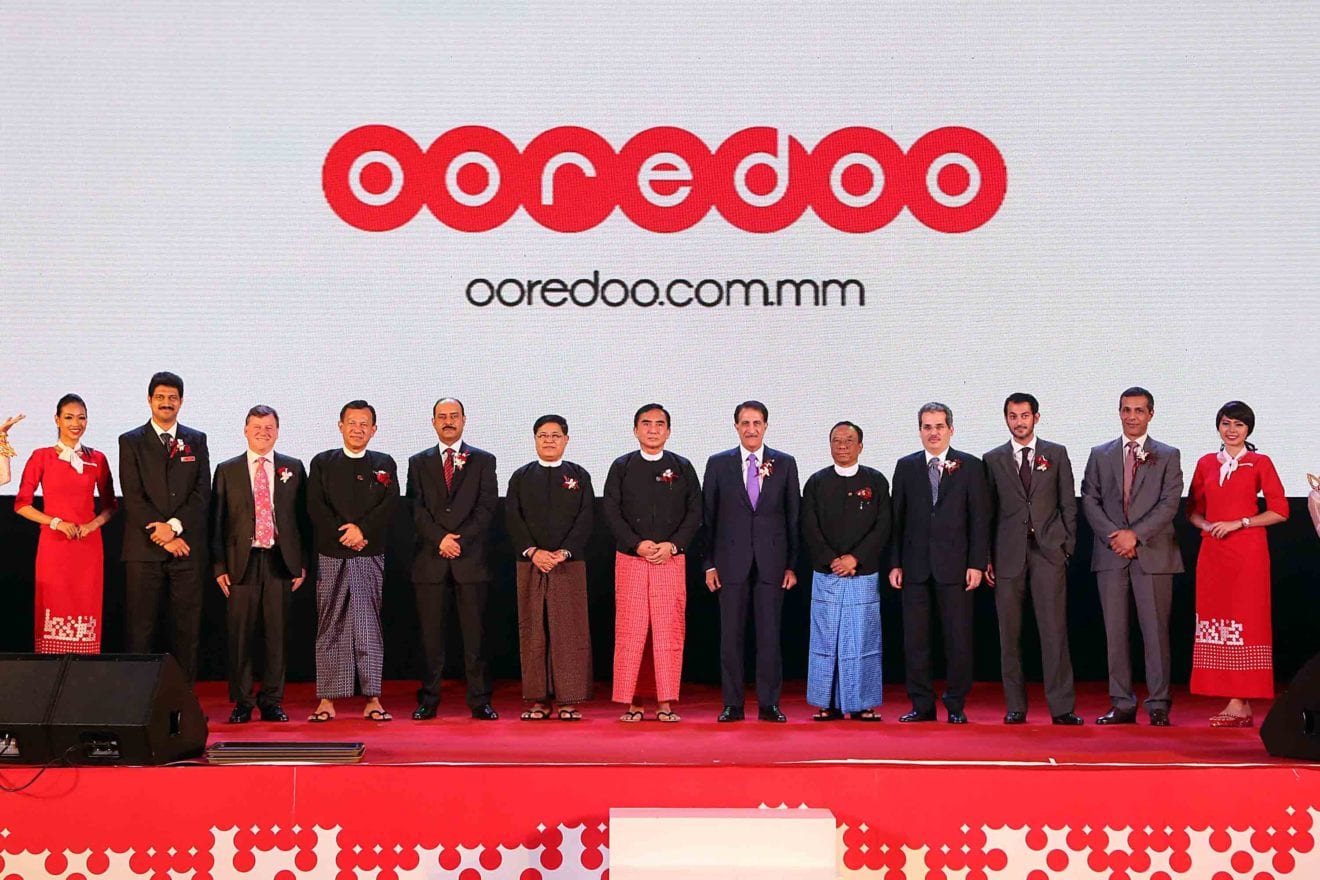
    Indonesia’s XL Axiata has revealed it will enter a joint venture with Indosat Ooredoo to provide consultancy services in future network collaboration between the two operators.

    The JV, PT One Indonesia Synergy, will be 50-50 owned by the two companies.

    In a statement to the Bursa Malaysia, XL parent Axiata Group said it is expected that the joint venture will “provide consultancy services in future network collaboration. The transaction parties are in the process of jointly exploring the possibility of entering into such a collaboration.”

    XL Axiata and Indosat Ooredoo agreed in January to share 4G infrastructure in several cities as a possible first step towards the long-discussed plans to form such a network sharing agreement.

    Indonesia’s telecom ministry has also been pressuring the nation’s ten mobile operators to merge or jointly deploy networksto address crowding in the market, although this mainly applies to the smaller mobile operators struggling to compete with Indosat, XL and rival Telkomsel.

    The stock market statement adds that the forming of the JV is not expected to have a material impact on the group’s financial results for the current year.

  • Uber to Launch UberPOOL in Jakarta

    Uber to Launch UberPOOL in Jakarta

    PT Uber Teknologi Indonesia will launch uberPOOL service in Jakarta this week.

    President Director of PT Uber Teknologi Indonesia Mike Brown said that uberPOOL is a carpooling service in urban areas. According to him, it could result in a more economically efficient travel.

    “A saving of up to 50% of uberX tariff could be achieved and [it is] more economically efficient compared to regular taxis,” Brown said on Sunday, May 8, 2016, in Jakarta.

    He added that the service enables Uber partners to maximize the time at hand to travel. On the other hand, Jakarta will benefit from it through reduced congestion, pollution and less parking issue.

    Car or travel pooling exists among Indonesian people, he noted. Therefore, uberPOOL service will be launched in Jakarta and can be used in other cities in Indonesia.

    Brown claimed that UberPOOL has resulted in positive impacts to the cities where the service is available. According to him, people have been travelling with less number of cars.

    He made an example that Los Angeles has seen reduced mileage by 7.9 million miles of travel and reduced carbon dioxide emission by 1.4 metric tons.

    He believed that the carpooling service could reduce and even eliminate private car ownership.

    However, regulation could be a stumbling block for the service, Brown said. The service from Uber could operate if supported by the regulation, according to him. Regulation should be made to support a secure, comfortable, safe and humane transport, he said.

  • Indonesian taxi firm Blue Bird joins hands with ride-hailing app Go-Jek

    Indonesian taxi firm Blue Bird joins hands with ride-hailing app Go-Jek

    Indonesia’s largest taxi operator Blue Bird Group said on Monday (May 9) that it plans to form a partnership with the country’s biggest online ride hailing app Go-Jek.

    The collaboration is expected to cover the areas of technology, payments and promotions.

    In a joint statement, the two firms said the partnership would increase the quality of their customer service and that the initiatives would focus on enhancing the transportation experience through a convenient mobile solution. The partnership would “accelerate Indonesia’s digital revolution and empower consumers”, they said.

    Mr Yoga Adiwinarto, country director of the Institute for Transportation and Development Policy (ITDP), said Blue Bird needs to have more reliable apps and will probably ask Go-Jek to develop them.

    He added: “Go-Jek will probably handle the Blue Bird apps, perhaps even put Blue Bird on the Go-Jek platform. More reliable apps will help taxi passengers, an improvement from the poor Blue Bird apps right now.”

    The two companies said they would announce further details about the collaboration soon.

    Monday’s announcement came after a protest in March, where thousands of Indonesian drivers from various taxi companies took to the streets of Jakarta speak up against the ride-hailing app industry, which is often perceived as a threat to the traditional transportation industry.

  • Foreign Travel Agencies Expanding into Yogyakarta

    Foreign Travel Agencies Expanding into Yogyakarta

    The competition in travel agency business is getting stiffer in the wake of the free trade agreement of ASEAN Economic Community (AEC). The free trade agreement implementation has seen foreign travel agencies competing directly with local agencies, including in Yogyakarta.

    “Foreign travel agencies have been expanding into Yogya in the past two years,” said Edwin Ismedi Himna, Counsellor of Asita Associatoin of The Indonesia Tour & Travel Agencies (Asita) Yogyakarta.

    He said that the foreign travel agencies are originated from Korea, Japan, the United States and France.

    The free trade agreement implementation will see foreign travel agencies handle both domestic and overseas vacation packages. “Local agencies are being left behind despite efforts [to compete] by setting competitive or cheaper prices,” Edwin said.

    According to Edwin, of 190ish current member travel agencies incorporated in Asita Yogyakarta, only 30 percent are still handling  European and American tourists. “Most agencies prefer to keep targeting Asian tourists that are deemed to have more potential by exploiting short-haul destination programs,” he said.

  • Indonesia eyes US$9 billion in fruit, flower business

    Indonesia eyes US$9 billion in fruit, flower business

    The Agriculture Ministry is aiming to increase the value of Indonesian flower and fruit farming by Rp 120 trillion ( US$9 billion ) by pushing promotion, revitalizing plantations and boosting local fruit consumption.

    Indonesian fruit exports reached $37 million in 2015, a 30 percent increase from $28.9 million in 2014, said Agriculture Minister Amran Sulaiman.

    Indonesia’s main export crops are bananas, oranges, mangoes, papaya and pineapples, with the US, the United Arab Emirates, Singapore, China, Hong Kong, Spain and the Netherlands as the main destination countries.

    “Our fruit exports continue to increase on top of meeting our local demand,” Amran said at his office in South Jakarta, during the soft launch of the ‘Fruits and Flowers International Festival’ scheduled to run from November 17 to November 20 in Bogor, West Java.

    Meanwhile, Indonesia’s main export flower varieties are orchids, roses, jasmines, chrysanthemum and tuberoses.

    To increase fruit production, the government will provide 400,000 hectares of land in Sumatra, Java, Kalimantan and Sulawesi. The program has started with 100,000 hectares in cooperation with state-owned companies.

    Rector of Bogor Agriculture Institute ( IPB ) Herry Suhardiyanto said Indonesia must step up its fruit production to the plantation scale, focusing on 12 fruit commodities, including durian, orange, papaya and pineapple.

    “Fruits can be an instrument for food diversification that will make Indonesia the largest tropical fruits producer in the world by 2045,” he said, adding that the upcoming international festival could help achieve this objective.

    The four-day festival will feature 500 international trade visitors including importers, distributors and wholesalers from Asia, the United Arab Emirates, Australia, New Zealand, Europe and the US.

    It will also display seeds, fruits, flowers, flower and fruit products, agriculture equipment. It is expected to attract 10,000 visitors.

    In addition, there will be activities such as business matching, conference, export business coaching, a carnival and fruit and floriculture contests.

  • Indonesia wants Mourinho to coach football team

    Indonesia wants Mourinho to coach football team

    Indonesia wants to hire Jose Mourinho to coach its national football team, the country’s minister of Youth and Sports said on Tuesday.Dutchman Guus Hiddink is their second preferred candidate. Hiddink replaced Mourinho ona a part-time basis at English club Chelsea midway through the ongoing season, reports Efe.”This plan has been discussed with President Joko Widodo and the Chairman of the Indonesian Olympics Committee, Erick Thohir, even though this won’t be easy,” minister Imam Nahrawi said, according to the Antara news agency on Tuesday.

    The sports minister acknowledged that the salary of Portuguese coach Mourinho could be a problem, as he charges around $17 million per season.Hiddink is said to be more affordable.Mourinho is scheduled to coach team FIFA legends in a friendly match on Wednesday against stars of Mexican football to commemorate the 50th anniversary of Mexico City’s Estadio Azteca stadium.

    World football governing body FIFA last year suspended the Indonesian team due to government interference, which will prevent it from participating in the 2018 World Cup and 2019 Asia Cup qualifiers.

  • Indonesia to promote national products at exhibition in Vietnam

    Indonesia to promote national products at exhibition in Vietnam

    The Indonesian Embassy in Hanoi, Vietnam, will promote national products through an exhibition to be held in Ho Chi Minh City from November 30 to December 3, 2016.

    The exhibition showcasing Indonesian products will help enhance bilateral trade between Indonesia and Vietnam, targeted to reach US$ 10 billion by 2018, according to information received from the Indonesian Consul General in Ho Chi Minh City. This was reported on the official website of the Ministry of Foreign Affairs on Tuesday.

    The Indonesian Ambassador to Vietnam, Ibnu Hadi, has held a meeting with representatives of Indonesian companies operating in Vietnam, especially those located in southern Vietnam.

    The meeting was attended by 14 Indonesian companies engaged in the business of aluminum extruders, travel agents, paints, snacks, pharmaceuticals, herbal supplements, paper, investment consultant, language courses, as well as animal feed.

    At the meeting, the ambassador said the Indonesian companies could participate in the exhibition without having to pay any money.

    According to him, the Indonesian Embassy in Hanoi will bear the cost of the exhibition, which will be organized by the Vietnam National Advertising Company and Trade Fair (Vinexad). Vinexad is a state-owned enterprise under the Ministry of Industry and Trade of Vietnam.

    The exhibition of Indonesian products will be a part of the 14th Vietnam International Trade Fair. Indonesia will have a pavilion featuring 76 booths.

    The Indonesian Pavilion will showcase superior products made in Indonesia and already accepted in the Vietnamese market. A number of new products will also be marketed soon.

    The Vietnam International Trade Fair is the largest trade fair in the southern part of Vietnam.

    In 2015, a total of 450 companies from 16 countries participated in the event, including the United States, China, Indonesia, Japan, Malaysia, Nepal, Singapore, Spain and Thailand.

  • Indonesia and Saudi Arabia set to double trade by 2020

    Indonesia and Saudi Arabia set to double trade by 2020

    Indonesia’s Trade Ministry received a business delegation from Saudi Arabia last week, as the two countries announced a plan to double their bilateral trade value by 2020, according to a report published by The Jakarta Post.

    The total trade between the two countries currently stands at a value of US$8.5 billion and is thought to leave plenty of room for expansion, according to the Indonesian Trade Ministry.

    “The figures are yet to reflect the potential of both countries,” said Arlinda Imbang Jaya, Trade Ministry Expert for Trade Services.

    Saudi Arabia is said to have expressed interest in cooperating with several Indonesian businesses in the fields of cosmetics, pharmaceutical products and medical equipment.