Tag: Indonesia

  • AirAsia, budget carrier set to soar in Asean open skies

    AirAsia, budget carrier set to soar in Asean open skies

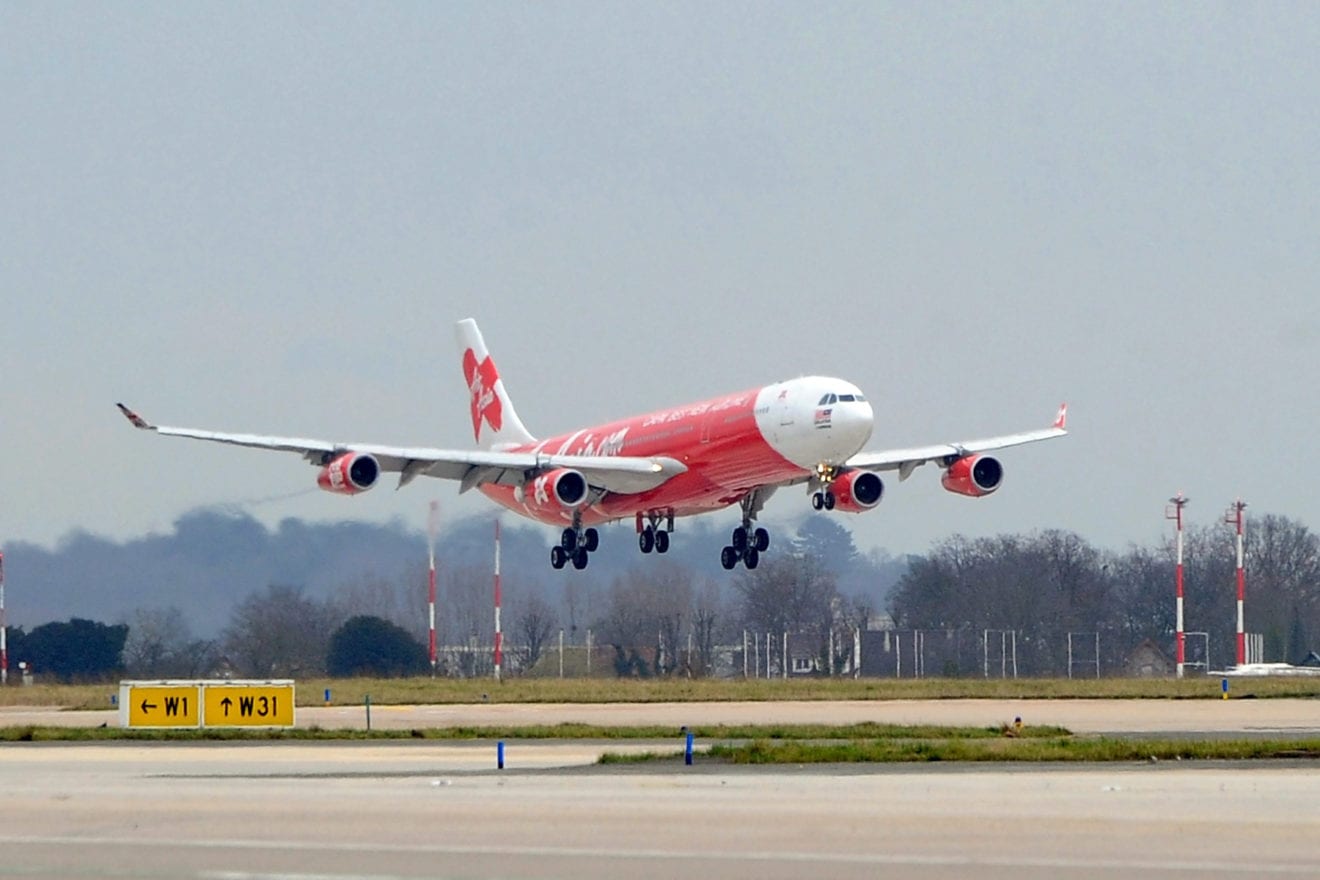
    Low-cost airline groups and manufacturers of smaller passenger aircraft will be among the main winners after Southeast Asia’s open skies agreement finally came into effect last month, although airport capacity constraints could limit the benefits.

    Ratification of the Association of Southeast Asian Nations (ASEAN) open skies agreements by Indonesia and Laos in April lifts restrictions on capacity and competition, allowing airlines to launch unlimited flights from their home to any point in the region subject to airport slot availability.

    Hubs like Singapore, which have a clear expansion plan, could gain from an increase in air services, as will budget carriers which are ideal for a region where no two points are more than a few hours apart, say analysts.

    “Airlines can launch any number of international flights as the market can support,” said Alan Tan, an aviation law professor at the National University of Singapore. “Travellers can thus look forward to more flights at more competitive prices.”

    Dominant low-cost airlines like Malaysia’s AirAsia , Indonesia’s Lion Air, and Philippine carrier Cebu Pacific plan to do just that.

    AirAsia, for example, wants more international flights from the Philippines and Indonesia, a spokeswoman said. This will help its affiliates, which have found it tough to break into the domestic market in those countries.

    “Improved connectivity in the region will be a boon to tourism and strengthen ASEAN as an economic union,” the spokeswoman said.

    Full service airlines like Thai Airways, Garuda Indonesia and Philippine Airlines, which have lost market share to budget carriers over the last decade, say they plan to use their long-haul network to connect passengers to their Southeast Asia services.

    The Singapore Airlines group has an additional advantage, given its ability to operate services using two premium brands and two low-fare subsidiaries, analysts say.

    The opening up of regional destinations can also boost manufacturers of 70-130 seater aircraft, like Brazil’s Embraer , Canada’s Bombardier and ATR, a joint venture between Airbus and Italy’s Finmeccanica.

    These planes can serve some routes more profitably than the larger Airbus A320s and Boeing 737s, they say.

    “Many of the region’s airlines are beginning to recognise the potential advantage of right-sizing and the ratification of ASEAN open skies, we feel, will simply accelerate the process,” said Mark Dunnachie, who leads Embraer’s aircraft sales in the Asia-Pacific.

    HUBS LIMIT GROWTH

    While there will clearly be winners from the open skies deal, the full gains could be limited by airport constraints.

    Bangkok’s Suvarnabhumi Airport, Ninoy Aquino International Airport in Manila, and Jakarta’s Soekarno-Hatta International Airport serve Southeast Asia’s three biggest domestic markets of Thailand, the Philippines and Indonesia respectively.

    All have reached full capacity with congestion and delays the norm, creating spillover problems for smaller airports in those countries as well.

    “Unlimited flight capacity is meaningless if airport and slot congestion remains unaddressed by governments,” Tan said.

    Singapore’s Changi Airport is the exception. Despite having relatively little domestic traffic, it has three terminals which can handle 66 million passengers and served 55 million in 2015, the most in Southeast Asia. Work has begun on two more terminals.

    Such long-term national aviation policies are needed due to the lengthy gestation period for terminals and runways, said Vinoop Goel, Asia Pacific director for airports at the International Air Transport Association (IATA), a global airline trade body.

    IATA estimates that ASEAN countries can add almost 25 million jobs and $298 billion to the region’s GDP by 2035 if they invest in aviation infrastructure. This is up from 11.6 million jobs and $144.4 billion to GDP in 2014.

    “Clearly, failing to tackle airport infrastructure will have an economic cost,” Goel said.

  • Woori Bank to offer insurance products in Indonesia, Vietnam

    Woori Bank to offer insurance products in Indonesia, Vietnam

    South Korea’s commercial bank Woori Bank will join hands with local insurance companies to provide insurance service and products from its global outlets starting with its local unit in Indonesia.

    According to bank sources, the bank will be able to sell insurance products of Hanwha Life Insurance Co. through its Indonesian unit Bank Woori Saudara in the second half of this year. The bank wants to establish up to 300 outlets across the globe and decided to add insurance service, a bank official said.

    Hanwha Life Insurance’s Indonesian operation was established in October 2013 and currently has eight branches and 1,200 insurance planners. It will sell savings insurance products like variable annuity through 131 Bank Woori Saudara outlets. The partnership will be a win-win arrangement for the two since they can save costs by mixing business and sharing business.

    Depending on demand, Woori Bank will also sell non-life insurance products of Samsung Fire & Marine Insurance Co. and KB Insurance Co. via its Indonesian operation.

    Woori Bank will also target Vietnamese bancassurance market in partnership with Hanwha Life Insurance. The bank has two branches in Ho Chi Minh and Hanoi in Vietnam. Since the branches have the license to sell bancassurance products, it plans to sell saving insurance products of Hanwha Life Insurance and later products of Samsung Fire & Marine.

    Hanwha Life ranked eighth in terms of new insurance contracts in Vietnam last year. The insurer has 12,500 insurance planners in 54 branches.

    According to Woori Bank, the Indonesian life insurance market has almost doubled from $5.3 billion in 2010 to $9.8 billion in 2014. Vietnam showed similar growth.

  • Shinhan Bank officially launches its Indonesian operations

    Shinhan Bank officially launches its Indonesian operations

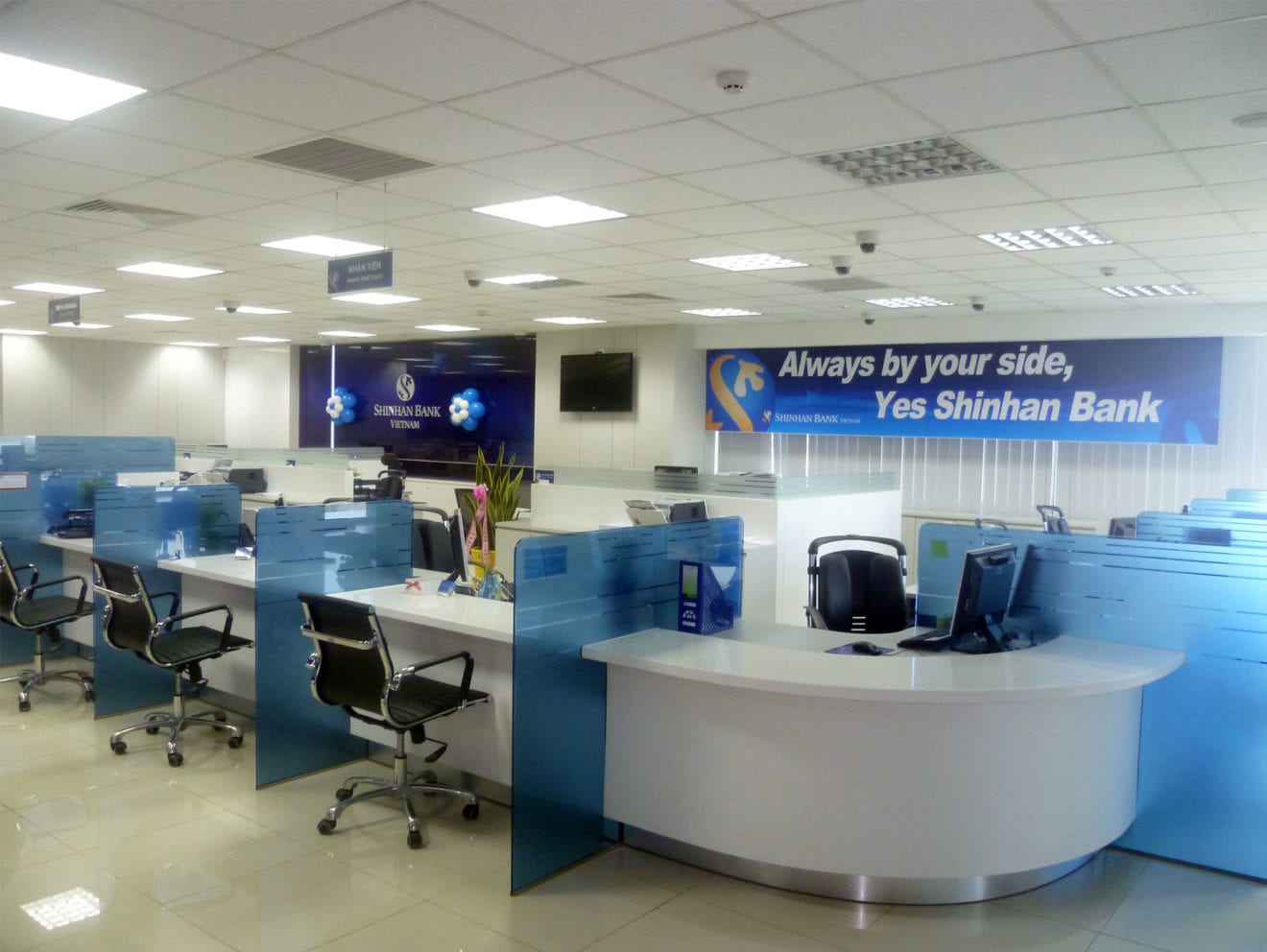
    South Korea’s Shinhan Bank has embarked on operations in Indonesia via Shinhan Bank Indonesia, a move that is expected to help the Korean bank expand its presence not only in the Southeast Asian country but also across Asia.

    Shinhan Bank said on Tuesday it officially launched Shinhan Bank Indonesia, which was renamed from Bank Metro Express (BME), a Jakarta-based bank with 19 branches that was acquired by the Korean bank last year. Shinhan Bank Indonesia is newly headquartered in the International Financial Center Tower 2 in Jakarta, the capital city of Indonesia.

    The kickoff of Shinhan Bank Indonesia’s operations follows a series of launches of the Korean bank’s overseas operations in other Asian countries such as Japan, China and Vietnam in recent years. The latest overseas operation is expected to help Shinhan Bank achieve its ambitious goal to build an extensive financial network across Asia.

    The Korean bank also aims to merge Shinhan Bank Indonesia with Centratama Nasional Bank (CNB), another Indonesian bank that it took over last December, later this year. The Indonesian bank has 41 branches across Surabaya, the second biggest city in Indonesia, and other cities in Java Island.

    Once the merger is complete, the Korean bank would have 60 networks across Indonesia, the world’s fourth most populous country. It currently has 141 overseas networks across 19 countries. It would also be the first in the Korean banking industry to purchase two offshore banks and merge them.

    Cho Yong-byung, the president of Shinhan Bank said at the launching ceremony on Tuesday that he expects the merger of the two Indonesian banks would set a new milestone in Indonesia.

  • First Hilton Branded Hotel in Bali, Indonesia

    First Hilton Branded Hotel in Bali, Indonesia

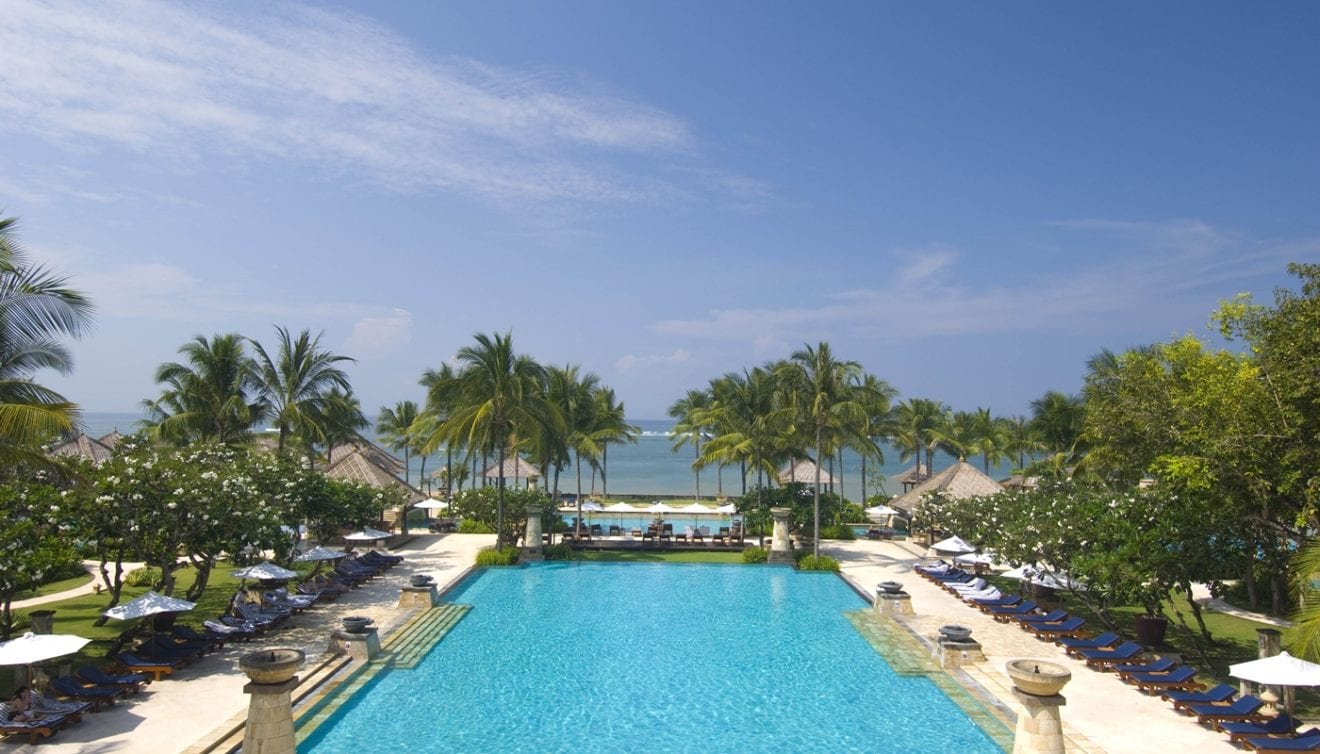
    Hilton Worldwide today announced the signing of a management agreement with P.T. Caterison Sukses to manage and re-brand the Grand Nikko Bali as Hilton Bali. The 408-room resort, located on Jalan Raya Nusa Dua Selatan, is planned to open on December 1, 2016.

    “We are deeply committed to expanding our presence in Indonesia, both by introducing more brands from our portfolio of 13 brands as well as entering into new locations where we may not currently be operating. Today’s announcement underscores both the Hilton brand’s strength in this market as well as our management capability to drive exceptional experiences for both guests and owners,” said Guy Phillips, senior vice president, Development, Asia and Australasia, Hilton Worldwide. “In partnership with P.T. Caterison Sukses, the Hilton Bali will be a strong addition to our portfolio.”

    Hilton Bali is ideally located on Bali’s picturesque southern coast of Nusa Dua, which is famed for its beaches. The resort is approximately 16 kilometers from Ngurah Rai International Airport and the district of Kuta. Hilton Bali is also close to many watersports facilities and adventure sports service providers that offer various fun-filled options including jet packs, jet skis, para-gliding and dive trips.

    “As our flagship brand, Hilton Hotels & Resorts resonates strongly with both leisure and business travelers alike. Hilton Bali will open as a stylish resort offering world-class hospitality synonymous with the Hilton brand and we are delighted to see this beautiful resort join our outstanding global portfolio of more than 570 hotels and resorts,” said Sean Wooden, vice president, Brand Management, Asia Pacific, Hilton Worldwide.

    Situated on the waterfront with its own stretch of secluded beach and offering stunning views of the Indian Ocean from its clifftop location, Hilton Bali will offer 389 rooms and 19 one-, two- and three-bedroom villas with beachfront, ocean or garden views. The hotel will have five food and beverage outlets including an all-day dining restaurant, specialty restaurants and a bar. Extensive meetings and banqueting facilities spanning 3,737 square meters will include several meeting rooms, two conference centers with two ballrooms that can accommodate 1,500 people, as well as beachfront, cliff-top and poolside venues that are perfect for outdoor weddings. The hotel features four inter-connected swimming pools, a children’s lagoon, three tennis courts, and a fitness center. Guests will also have access to a kids’ club and an observation tower that offers panoramic views of the Indian Ocean.

    “We are pleased to partner with a global hospitality leader that has a legacy of success and a strong luxury brand that is recognized across the globe. We are confident that Hilton Bali will be a magnet for business and leisure and international and domestic travelers, as well as corporate meetings and wedding planners,” said Charles Djunaidi, Director, P.T. Caterison Sukses.

  • Pertamina to Build Hospital in Saudi Arabia

    Pertamina to Build Hospital in Saudi Arabia

    PT Pertamina through its subsidiary PT Pertamedika that manages Pertamina Central Hospital (RSPP) will soon build a hospital in Saudi Arabia.

    Energy and Mineral Resource Minister Sudirman Said, after the signing of Cilacap factory development contract with Saudi Aramco in Jakarta on Monday, May 23, 2016, said that the state-owned oil company has made a commitment to build a hospital in Saudi Arabia.

    “Indonesia has made a commitment to build an Indonesian hospital in Saudi Arabia,” said Sudirman.

    Sudirman, who facilitates connecting Indonesia and Saudi Arabia investments, admitted that he had partnered with Saudi Arabia’s Health Minister.

    “The plan has now progressed to the signing phase between Indonesia’s Health Minister and Saudi Arabia’s Health Minister,” Sudirman said.

    According to Sudirman, an Indonesian hospital is needed in order to serve Indonesian hajj pilgrims and accommodate the needs of Indonesian workers in Saudi Arabia.

    A day before, Saudi Arabian Prince Alwaleed Bin Talal Bin Abdulaziz Alsaud offered Indonesia a chance to open a hospital in Saudi Arabia during a meeting with President Jokowi.  The Saudi government has already allocated a land for the development.

    Saudi Arabia has also committed to expanding its investment, specifically in the tourism sector and Indonesian financial portfolio.

  • Singapore-based Albizia Capital Raises Stake in Indonesian Building Material Supplier

    Singapore-based Albizia Capital Raises Stake in Indonesian Building Material Supplier

    Singapore-based investment firm Albizia Capital has increased its ownership in Catur Sentosa Adiprana to help fund business expansion at the Indonesia-listed building materials supplier.

    In a statement received by the Jakarta Globe on Thursday (19/05), Albizia announced that it has increased its stake in Catur by 9.7 percent to 14.61 percent. Albizia previously controlled a 4.91 percent stake in the Jakarta-based company.

    This investment changes the Singapore-based investment company’s position to that of a strategic investor.

    Catur president director Budyantu Totong said the investment from Albizia reflects high investor confidence in the prospects of the Jakarta-based building materials supplier, which operates the Mitra10 retail chain.

    Totong said Albizia has a reputation as an investor in the Association of Southeast Asian Nations region that seeks long-term growth potential and a competitive advantage in the companies it invests in.

    Other major investors of in the Jakarta-based building material supplier are the Totong family’s Buanatata Adisentosa (31.32 percent) and Bangkok-based investment company NT Assets (21 percent).

    For 2016, Catur Sentosa will take heed and focus on expanding and improving capital efficiency to maximize returns for shareholders, especially for Mitra10.

    The distribution company covers a wider range of materials, including chemicals and consumer goods, and operates a network of modern home improvement, building material and furniture showrooms.

    Catur Sentosa currently has a network of 42 building material supplier outlets in 40 cities; 21 Mitra10 outlets and 10 Atria furniture showrooms. The company has set target to open 50 Mitra10 outlets by 2020.

    Catur Sentosa booked Rp 1.93 trillion ($142.8 million) in sales in the first quarter of this year, 12 percent more than the corresponding period last year.

    This year’s sales target is set at Rp 8.5 trillion.

  • Singapore, Indonesia, Cambodia, Thailand Seek Free Trade Zone With EEU

    Singapore, Indonesia, Cambodia, Thailand Seek Free Trade Zone With EEU

    Singapore, Indonesia, Cambodia, and Thailand are interested in creating a free trade zone with the Eurasian Economic Union, Russian Deputy Foreign Minister Igor Morgulov said Thursday.

    “The desire to sign such an agreement has been expressed by a number of countries in southeastern Asia, including Cambodia, Singapore, Thailand, and Indonesia,” Morgulov said during a briefing at the Russia-ASEAN Summit in Sochi.

  • Jakarta shopping centers lack inter-connectivity

    Jakarta shopping centers lack inter-connectivity

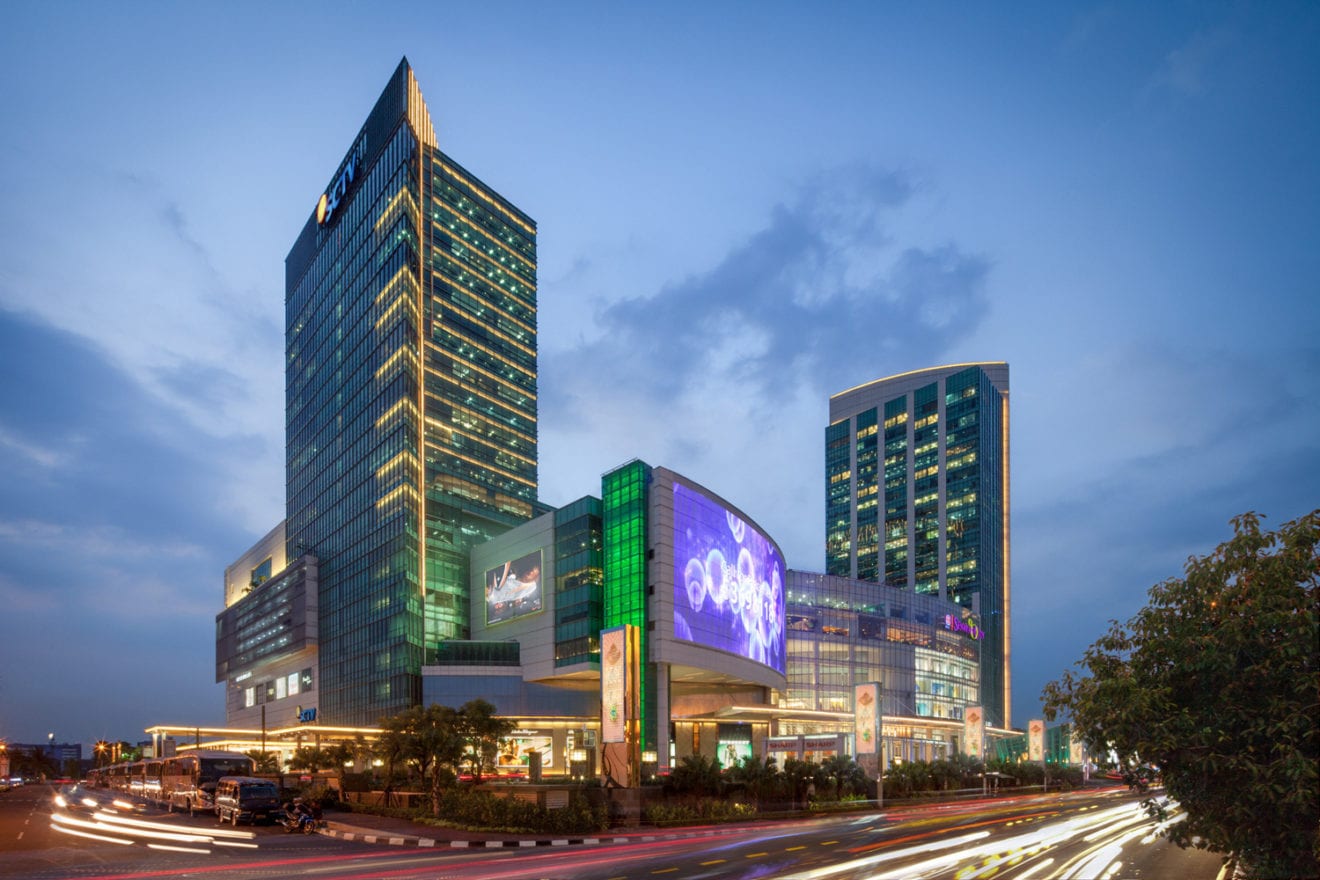
    Jakarta may have hundreds of shopping malls, but the city has a long way to go to compete with global shopping destinations like Singapore or Hong Kong, as its malls lack interconnection.

    Property consultant firm Savills Indonesia head researcher Anton Sitorus said recently that malls and shopping centers lacked interconnection as they had been developed in scattered locations all over
    the city, explaining that such conditions were unfavorable for the retail sector.

    Anton said the city had a number of traditional shopping districts like Tanah Abang in Central Jakarta and Mangga Dua in West Jakarta, Anton agreed.

    “However, modern retailers are scattered in many places. Even if some malls are next to each other, the developers have not considered connecting them,” he said.

    Anton said inter-connectivity was one of the main factors required to create an iconic shopping district and boost the market, citing the 1.9 kilometer Orchard Road shopping belt in Singapore as a prime example of a successful interconnected shopping district.

    “15.1 million foreigners visited Singapore in 2014, 41 percent of them visited Orchard Road,” he said.

    He emphasized that other well known shopping belts in the world such as the Avenue des Champs-Élysées in Paris and Fifth Avenue in New York also boast interconnection between shopping centers.

    Anton said a consortium of developers in Jakarta had attempted to create a similar concept on Jl. Satrio in South Jakarta. “However, because of the economic crisis in 1998, the plan was canceled,” he said, adding that since then developers had only built free-standing malls. “The initial Jl. Satrio concept had sidewalks along which shoppers could easily walk between various shopping malls,” he said.

    Most shopping malls in Jakarta do not provide pedestrian facilities as the management prioritize cars. Even when the distance between malls is less than 500 meters, there is no walkway connection.

    The Jakarta administration is currently mulling over plans to widen the sidewalk on Jl. MH Thamrin, Central Jakarta, but the road is mostly occupied by office buildings, not shopping malls.

    Anton said that if the city hoped to develop its retail sectors, it would be necessary to have shopping belts. “It is a good strategy. Retail will be the first sector to revive after the economic slowdown,” he said, adding that the sector also showed good resistance during times of crisis.

    Anton said resilience was the result of various factors, including purchasing power in society, government domestic business incentives, the significant wealth of individuals as well as growing middle class.

    “Although the economy is slowing, Jakartans keep shopping. Malls are packed during weekends and when there are bazaars or fairs scheduled,” he said.

    Currently, there are almost 200 malls located throughout the capital. Shopping tax return company Global Blue revealed in January that Indonesians have been listed among the top four global shoppers, behind Chinese, Middle Eastern and Russians consumers.

    The top five destination countries for shopping were listed as the UK, France, Italy, Japan and Singapore.

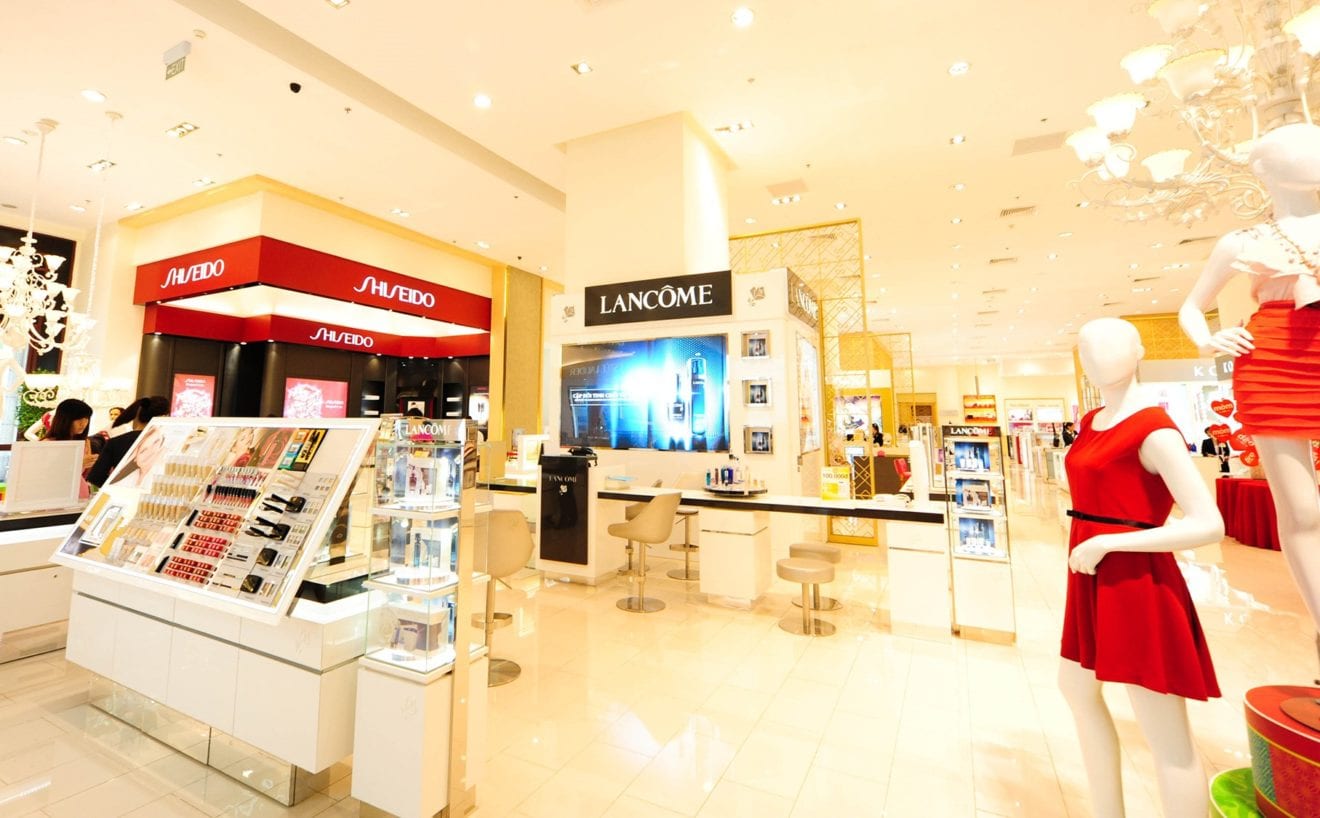
    Rosaline Stella Lie, Savills retail senior director, said Indonesian consumers had high purchasing power but emphasized that the price of luxury goods in Indonesia were not competitive.

    “Therefore, the rich love shopping abroad,” she said.

    Rosaline said although the luxury tax was slashed for branded items, the price had remained high due to other costs like import duty.

    Rosaline said the price should be competitive so high-end brands would be eager to open outlets in Jakarta. “More shopping districts will be developed but most of them will be in Greater Jakarta due to the city administration moratorium [2012],” she said.

    She added that shopping districts should be located downtown, near the central business district, as the area offered easy access.

  • Indonesia & Vietnam leading Asian beauty industry growth

    Indonesia & Vietnam leading Asian beauty industry growth

    Indonesia and Vietnam are the fastest-growing markets in the Asian beauty industry.

    According to research from Euromonitor International, Markets of the Future: ASEAN in 2020, the two countries significantly outperform the most obvious contenders, Korea and China.

    Vietnam’s beauty and personal care market experienced healthy value growth in 2015. With the developing of the Internet network and online retailing, more consumers from rural areas can buy products more easily, and it also strongly boosts retail value sales of beauty and personal care due to changing consumer behavior. On the other hand, thanks to dynamic marketing activities by leading manufacturers and media, consumers are aware of the importance of using branded products from reliable sources after many scandals of cosmetics containing toxic ingredients.

    People are willing to spend more on all types of beauty and personal care, instead of using unbranded goods, in order to protect their health.

    Asia beauty chart

    In October 2015, the draft TPP trade pact was signed, which means Indonesia and Vietnam are set to open up to other nations by removing barriers and decreasing tariffs by up to 100 per cent. As a result, it will open significant change in beauty and personal care over the forecast period such as lower pricing and more international companies entering the two markets.

    Countires across Asia were ranked by Euromonitor by actual and forecast growth between 2008 and 2018, as the chart shows.

    The data was revealed by UBM Asia, organiser of Vietbeauty 2016 at Ho Chi Minh City in August, which will showcase products from more than 150 exhibitors from Japan, Korea, Australia, Hong Kong, Thailand, Taiwan, Mainland China, Indonesia, the Philippines, Malaysia, India, Singapore, the US and Europe.

  • Parkson revenue falls

    Parkson revenue falls

    Despite contributions from new outlets, Parkson Retail Asia’s department stores have seen third-quarter group revenue fall by 15.6 per cent to S$98.4 million (US$71.5 million), with a 14.4 per cent drop to S$294.6 million for the nine months of its current financial year.

    The Parkson revenue decline reflects same-store revenues falling in Malaysia and Vietnam, plus the weakness of the Malaysian ringgit resulting in lower figures because of the reporting currency being Singapore dollars.

    A pre-tax loss of $7.5 million was recorded by the group for the third quarter, with factors including provision made on loans to managed stores of $4.9 million, and initial losses associated with new stores.

    Same-store sales growth in Malaysia fell 17.4 per cent in the third quarter, but figures for the corresponding quarter last year were bolstered by sales before the introduction of a Goods & Services Tax (GST) on April 1 2015. Also, consumer confidence was below the 100-point threshold for the seventh consecutive year, as reported by the Malaysian Institute of Economic Research.

    Vietnam same-store sales fell 8.2 per cent for the quarter, with a difficult and increasingly crowded retail environment, the company said. For the nine months, a pre-tax loss of $4.9 million has been recorded.

    Sales were flat in Indonesia, edging up just 0.1 per cent. However, the company says consumer sentiment is robust with Bank Indonesia reporting the consumer confidence threshold at 111.1 points, a little down on the 119.1 points at the same time last year. For the nine months, a $3.2 million pre-tax loss was recorded.

    In Myanmar, Parkson same-store sales fell 7.6 per cent, affected by supplier uncertainty about plans to close the FMI Centre, where the store is located, for re-development. However, a new location has been secured, with the new store expected to open by March.

  • Sabang Festival expected to attract 30,000 tourists

    Sabang Festival expected to attract 30,000 tourists

    The Third Sabang Festival is expected to attract 30 thousand tourists to visit Weh Island, Head of Sabang Culture and Tourism Zulfi Purnawati has stated. The festival will be held from May 21 to 25.

    “In 2015, as many as 20 thousand tourists visited Sabang during the festival, and this year we have targeted 30 thousand tourists,” Zulfi Purnawati said here Saturday.

    During the Sabang Fair, the exhibition of appropriate technology will be also conducted.

    “As a result, some 23 contingents from the district/city will participate in the event. We are optimistic that 30 thousand tourists will visit Sabang,” Purnawati remarked.

    The implementation of the fair was intended to promote tourism in Sabang as well other destinations in Aceh district.

    Purnawati expected the contingent to utilize the annual event as part of its efforts to promote tourist destinations across Aceh.

    Delegations from North and West Sumatra will also attend the festival.

    Meanwhile, entrepreneurs in some ASEAN countries have expressed readiness to attend the festival.

    Secretary Administration of Sabang Sofyan Adam, who is also the executive chairman of the festival, said that all contingents should confirm their participation.

    “The committee has launched the enrollment drive and all contingents should report to the committee. We have also coordinated with the Sabang branch of state-owned ferry operator PT ASDP Indonesia to help with the implementation of the festival,” Adam remarked.

    Earlier, the Ministry of Tourism (kemenpar) of The Republic of Indonesia stated that the success of tourism really depends on the presence or absence of comfort and hospitality of the community towards tourists at the location.

    “The comfort of a tourist is the main factor which should be of concern to a region while developing the concept of tourism. It is not just a discourse,” Directorate General, Based on Media, Design, Science and Technology in the Tourism Ministry, Harry Waluyo said here Monday.

    He stated this when opening a training course on human resources improvement for tourism at the Dharmas Indonesia University in Pulau Punjung.

    The first impression for a tourist during his or her first visit depends on the service from the local community, and that is why one needs human resources with good manners, according to him.

    “Do not let illegal fees damage tourism, that is the weakness of our community all this time while welcoming tourists,” he said.

    “Develop tourism which other regions do not have, so that there will be a main attraction for tourists,” he explained.

  • Lotte to expand investment in Indonesia

    Lotte to expand investment in Indonesia

    Lotte Group Chairman Shin Dong-bin will meet Indonesian President Joko “Jokowi” Widodo during his three-day state visit to Korea which began Sunday.

    According to a Lotte official, Sunday, Shin and Widodo will have a meeting at Lotte Hotel in central Seoul today, to discuss advancements of the group’s investment and business in the country.

    President Widodo is expected to promise full support for the group’s advance into the country.

    Lotte Group is currently operating a Lotte Department Store with two duty-free stores and 41 Lotte Marts as well as Angel-in-us cafes and Lotteria fast food restaurants in Indonesia.

    Especially, Lotte Shopping Avenue that opened in the capital city of Jakarta in 2013 has reportedly gained huge popularity among Indonesians. Lotte Shopping Avenue is a shopping complex consisting of the group’s affiliates such as its department store, duty-free store and Lotteria.

    In 2010, Lotte Group’s petrochemical unit Lotte Chemicals entered the Indonesian market by acquiring Southeast Asia’s leading petrochemical company Titan Chemicals.

    Lotte Group also signed a memorandum of understanding with the country’s largest conglomerate Salim Group in a bid to enter Indonesia’s e-commerce market. The two groups are expected to establish a joint corporation by the end of this year and launch the service next year.

    President Widodo is also expected to have a summit with President Park Geun-hye on the same day and meet other Korean businessmen. He is accompanied by Coordinating Minister for Economic Affairs Darmin Nasution and Trade Minister Thomas Lembong.

    Foreign Minister Retno Marsudi and Head of the Investment Coordinating Board Franky Sibarani came ahead of their president.

    Widodo met with the Indonesian community in Korea at the Indonesian Embassy on Sunday morning.

    Indonesia is now one of the world’s top ten manufacturing countries and a core member state of the Association of South East Asian Nations (ASEAN) where over 2,200 Korean firms are conducting business.

    Korea is reportedly the fifth-largest investor in Indonesia, with total investments reaching $1.2 billion while trade between the two countries peaked at $30 billion in 2011.

  • Pertamina cuts Pertamax gasoline prices

    Pertamina cuts Pertamax gasoline prices

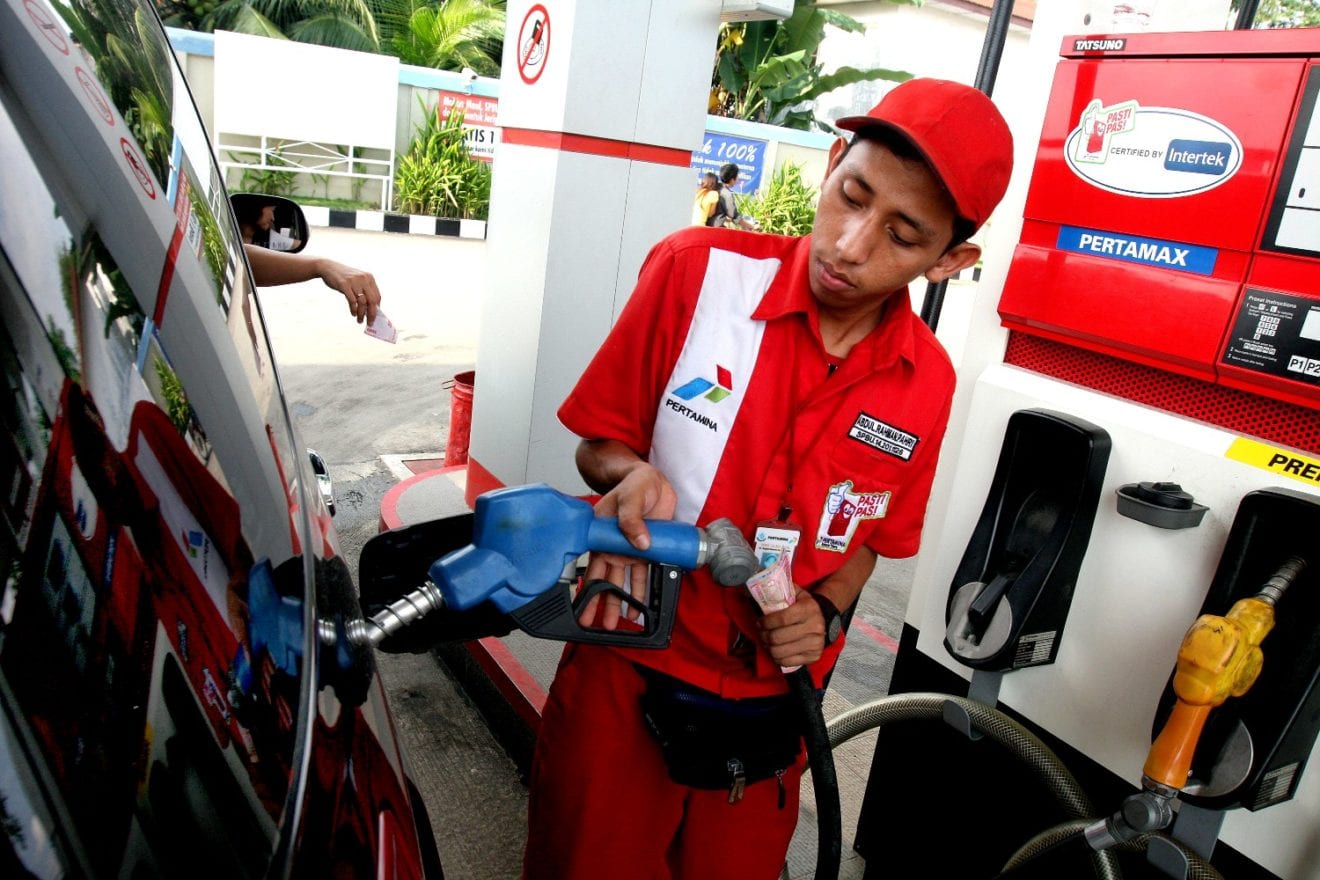
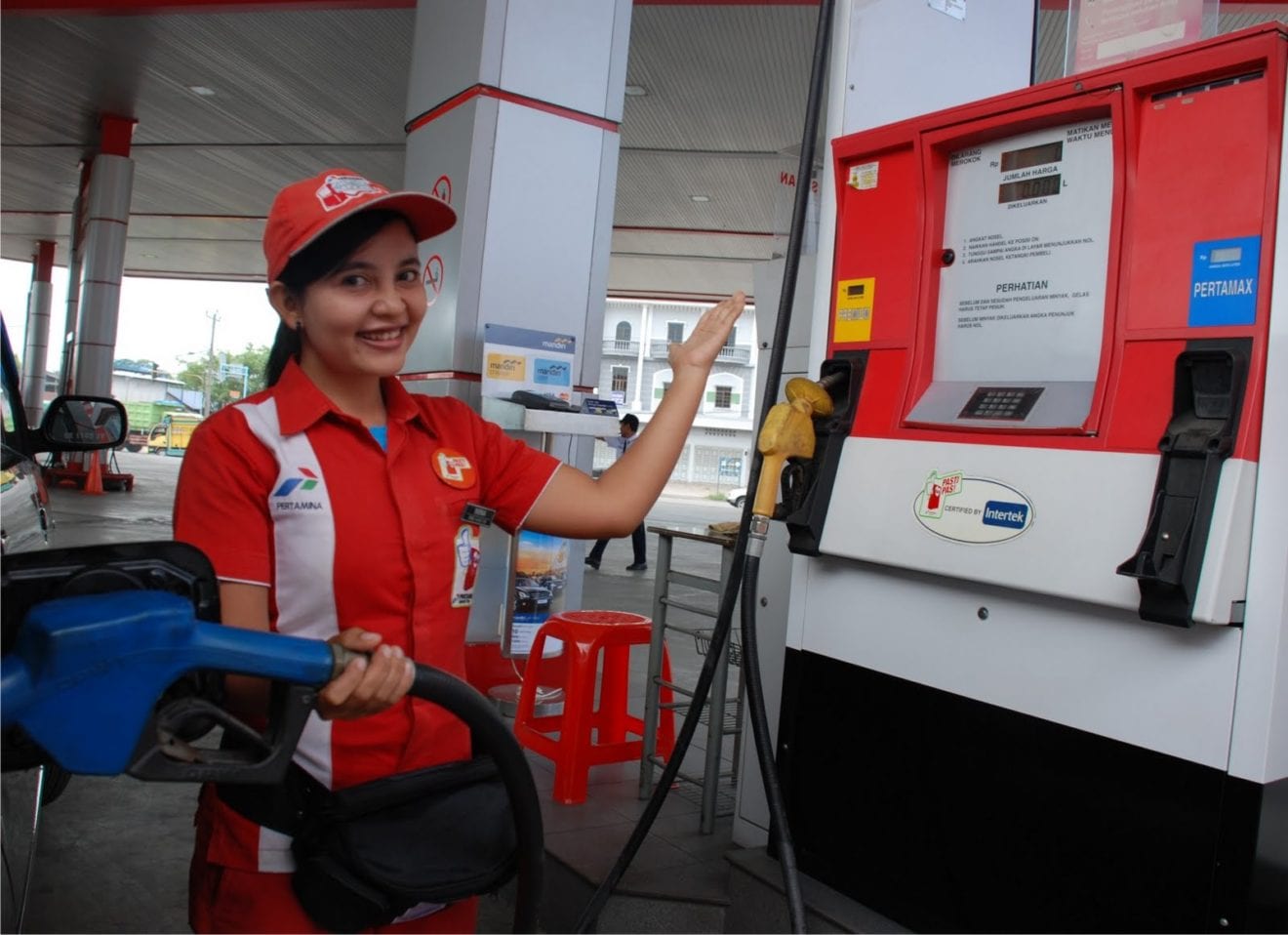
    State-owned oil and gas company Pertamina has lowered the prices of Pertamax gasoline by Rp200-Rp300 per liter effective as of 00:00 on Sunday, 2016.

    Corporate Communication Vice President of Pertamina Wianda Pusponegoro said in written statement here on Sunday that the lowering of the prices was a periodical corporate decision made to follow the trend of the world crude prices.

    “The prices of Pertamax were lowered by Rp200 per liter for Java, Madura and Bali islands and by Rp300 per liter for other regions,” she said.

    She cited Jakarta and its surroundings as an example where Pertamax price was lowered from Rp7,550 per liter to Rp7,350 per liter. In Surabaya, East Java, the price was lowered from Rp7,650 to Rp7,450 per liter.

    In East Kalimantan, on the other hand, the price of Pertamax was cut by Rp300 per liter from Rp8,000 per liter to Rp7,700 per liter.

    The price of Pertamax Plus in West Nusa Tenggara, Java and Bali was cut by Rp200 per liter and by Rp300 per liter in other regions.

    However, the price of Pertamax Dex was lowered by Rp300 per liter in all regions. The Price of Dexlite gasoline was set at Rp6,650 per liter.

    Pertamina also cut the price of Pertalite gasoline by Rp200 per liter in all regions.

    “The price of Pertalite in Papua which was initially sold at Rp7,300 per liter is lowered to Rp7,100 per liter,” she said.

    The prices of diesel oil/bio-diesel oil were also reduced by Rp300 per liter.

    In Jakarta and Banten, the prices of fuels of these types went down from Rp6,950 per liter to Rp6,650 per liter.

    “Besides the decline in the world oil prices, the lowering by Pertamina of the gasoline prices was also a form of the companys appreciation to consumers,” Wianda Pusponegoro said.

    She said Pertamina will continue to monitor tightly the availability of stocks at gasoline refueling stations considering that the decline in the price of gasoline often increases consumption.

  • Demand for North Sumatra`s rubber shrinking

    Demand for North Sumatra`s rubber shrinking

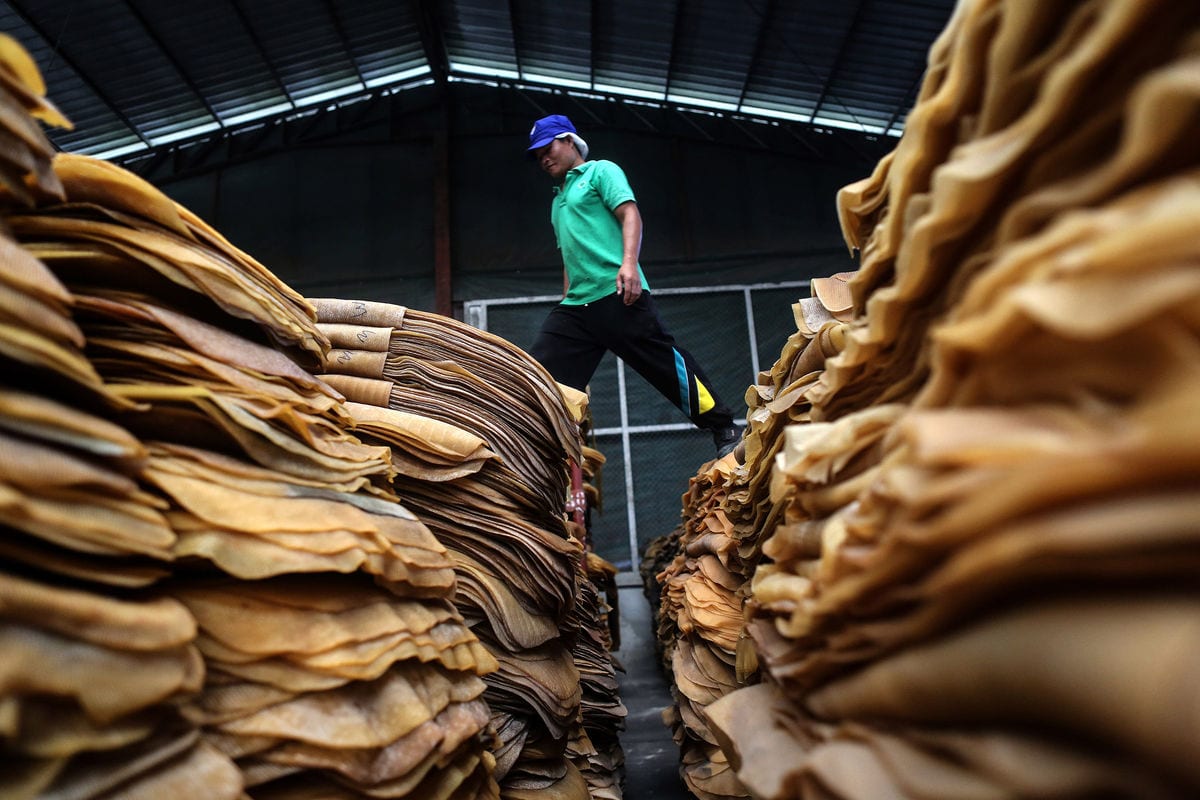
    North Sumatras exports of natural rubber has continued to shrink, down 8.23 percent in volume to 137,826 tons in the first four months of the year from 150,194 tons in the same period in 2015.

    “The decline in exports was on weak demand and as a result of an agreement by worlds largest producers to cut exports,” executive director of the North Sumatra branch of the Indonesian Association of Rubber Companies (Gapkindo) Edy Irwansyah said here on Sunday.

    Thailand, Indonesia and Malaysia which are grouped in the rubber cartel International Tripartite Rubber Council (ITRC), had decided to cut exports in a bid to drive up the commodity price.

    The three Asean countries, which account for around 80 percent of the worlds production of natural rubber decided to cut exports by 615,000 tons to be shared proportionally by the three ASEAN countries. Indonesia is to cut exports by 238,736 tons.

    The ITRC said it was optimistic the export cuts would drive rubber market to recovery after six years of being in deep slump.

    The price of natural rubber has remained low to follow the oil price fall.

    Edy said the export volume would likely fall lower not only because of the ITRC agreement but also because of weaker demand.

    The price of the commodity on May 13 was US$1.4 per kg for delivery in July down from US$1.417 for Junes delivery.

    The price of latex in North Sumatra has also dropped to around Rp13,477 per kg Rp13,477 – Rp14,201 per kg.

    However, reports said earlier that the price of rubber in othyer areas of the country had been picking up .

    In Lebak regency of Banten , the price rose in the fourth week of April reaching Rp21,500 poer kg of slab.

    “I think the price rise would encourage the rubber farmers,” said Rulyy Yanrila, head of the marketing section of the district Forestry and Plantation Office.

    The increase in price would at least help cover the production cost, Rulyy Yanrila said .

    Many rubber farmers have been on the brink of bankruptcy after years of slump, he said, adding some farmers already stopped tapping as the result was not worth the work.

    Jayadi (55),a rubber farmer in the village of Leuwidamar, said rubber production declined over the past several weeks as most of the rubber trees have been too old and on poor maintenance.

    In Kalimantan, Chairman of the South and Central Kalimantan branch of the Indonesian Association of Rubber Companies (Gapkindo)Andreas Winata said the price of natural rubber from that region has increased to Rp16,000 per kilogram from Rp12,000 earlier.

    Andreas said the cut in exports apparently has caused panic in international market on shortage in supply, resulting in surge in price. In addition, supplies from other countries also declined on long drought, he said.

  • Bank Mandiri chalks up Rp3.8 trillion in Q1 net profit

    Bank Mandiri chalks up Rp3.8 trillion in Q1 net profit

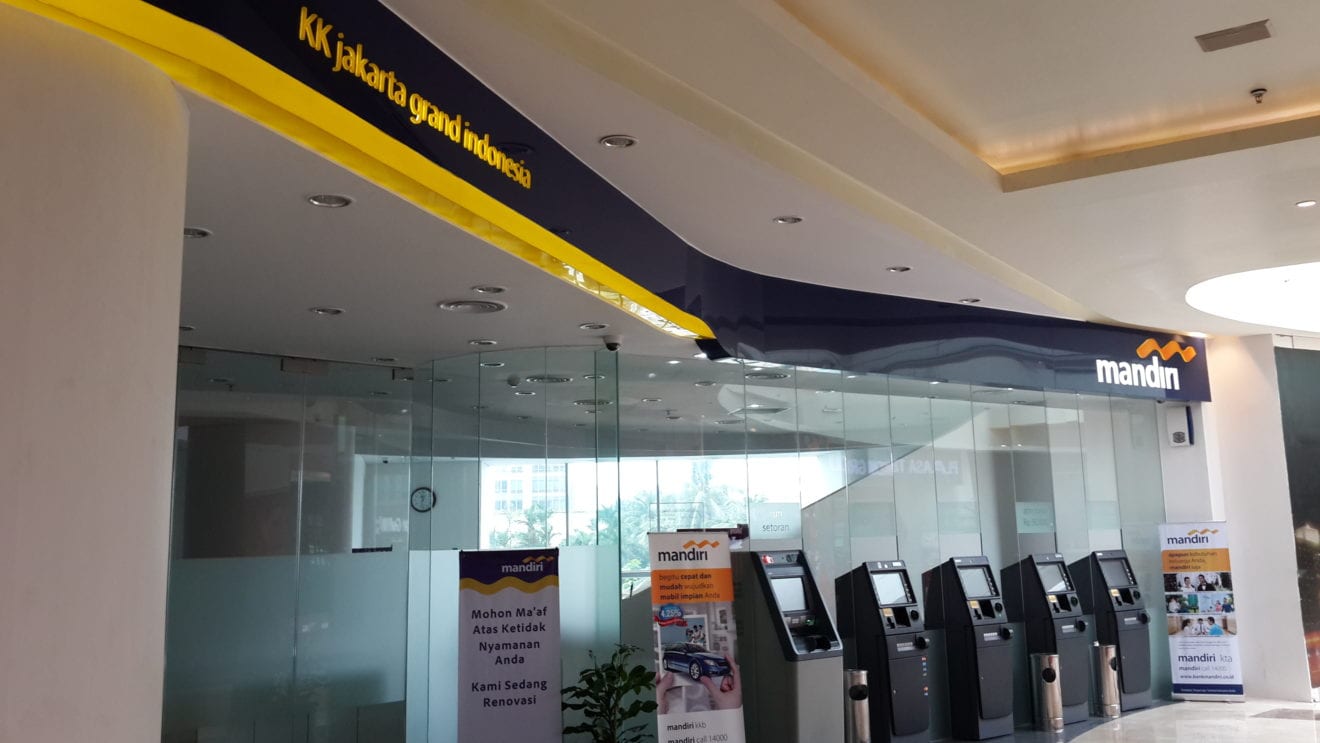
    The state-owned lender Bank Mandiri reported Rp3.8 trillion in net profit in the first quarter of 2016 thanks to increases in net interest income and fee-based income.

    The countrys largest bank in asset recorded a 19.1 percent in increase in net premium and net interest income to Rp13. trillion and 8 percent rise in fee-based income to Rp4.2 trillion.

    President Director of the bank Kartika Wirjoatmodjo said the increase in net interest income and fee-based jacked up operating income that surged 16.3 percent on-year to Rp17.2 trillion.

    The increase in income contributed to 15.9 percent growth in operating profit to Rp9.3 trillion, Kartika said here on Sunday.

    “Productivity of assets, liability and transaction business have been well managed amid the domestic and global economic slowdown,” he said.

    The liquidity of the bank was marked with the increase in third party funds held by the bank to Rp655.1 trillion in the first three mo9nths of the year, he said.

    Around 62 percent or Rp406.5 trillion of the third party funds were in giro and savings . Savings dominated the cheap fund growing Rp18.2 trillion to Rp248.8 trillion.

    Its outstanding credits totaled Rp574.7 trillion by the end of the first quarter of the year, and 85.7 percent of the credits were categorized as productive credits, Kartika said.

    Infrastructure credits totaled Rp46.42 trillion and credits for micro, small and medium enterprises (UMKM) reached Rp74.6 trillion.

    Its people credit facility called KUR reached Rp3.7 trillion or 28 percent of the whole years target of Rp13 trillion with 466,000 recipients in the first quarter of the year.

    Earlier a bank director Tardi said the target set for this year is more than quadrupling the target of only Rp3.2 trillion in 2015.

    The bank has established more small branch offices in the regions to facilitate disbursement of KURs for micro, small and medium enterprises.

    The small branch office would bring the bank closer to small depositors, Tardi said.

    In 2016, Bank Mandiri hopes to increase the number of its small branch offices to around 400 units all over the country.

    By April 2016, at least 26 new units have been in operation and by September the remaining 374 units are expected to be ready for operation.

    With the additional branch offices, the bank hopes to expand its market among the small and medium enterprises, which have proved more resistant to economic crisis.

    The small and medium enterprises provide a potential market for banking business in the country, banking observers have said.

    Currently, Bank Mandiri has 3,021 outlets including 600 units of kiosk all over the country.

    Bank Mandiri also has 17,000 agents for financial services without office for inclusive finance in various areas in the country.

    They include 8,759 individual agents and the rest institutional agents .

    In 2015, the bank reported a better-than-expected net profit but its bad loans crept up partly due to its exposure to the commodities sector.

    The bank posted a net profit of Rp20.3 trillion in 2015, or about 2 percent higher than in 2014.

    Its outstanding credits surged 12.4 percent to Rp595.5 trillion.

    Growth in net profit was the smallest in a decade, as the bank stepped up provisions. But the lenders 2015 profit was still higher than the average forecast of Rp19.59 trillion.

    Its gross non-performing loans (NPL) rose to 2.60 percent of total loans by the end of 2015, from 2.15 percent in the previous year.

    Gross NPL is predicted to be around 2.5 percent to 3 percent in 2016, Kartika has said.