Tag: Indonesia

  • Indonesia introduces halal products in Moscow

    Indonesia introduces halal products in Moscow

    Indonesia introduced its range of halal products at the Moscow Halal Expo on June 2 to 5, 2016, noted a press statement from the Indonesian Embassy in Moscow, Russia.

    Indonesian halal products showcased at the expo included instant noodles, peanuts, chips, red ginger instant drink, batik, accessories, Muslim fashion, and leather bags.

    “As the largest Muslim-majority country in the world, Indonesia welcomes the trading exhibition on halal products, which is organized annually in Moscow,” Indonesian Ambassador to Russia, concurrently Belarus, M. Wahid Supriyadi stated.

    According to the ambassador, Russia, with a population of some 25 million Muslims, is a potential market for Indonesias halal products.

    Indonesia has been participating in the exhibition since 2010.

    This year, Indonesia is keen on expanding its network base and exploring cooperation with halal product industries in Russia and other countries.

    The Moscow Halal Expo is an important forum for Indonesia to introduce its halal products to Russia and the international market.

    A total of 50 companies from 10 countries, including Uzbekistan, Kazakhstan, the United Arab Emirates, Tunisia, Malaysia, Greece, Japan, and Indonesia, took part in the event.

  • Indonesian halal products sold out at Moscow Halal Expo

    Indonesian halal products sold out at Moscow Halal Expo

    Indonesian foods, including instant noodles, peanuts, and chips, as well as traditional beverages such as red ginger drink, sold out at the Moscow Halal Expo held at the Sokolniki Exhibition and Convention Centre, Moscow, June 2 to 5, 2016.

    The expo was officially opened by representatives of the Russian Federations Mufti Council, as organizers of the expo, the Indonesian embassy in Moscow told here on Tuesday.

    Indonesian Ambassador to Russia and Belarus Wahid Supriyadi was also present during the opening ceremony.

    Other products offered at Indonesias stand included batik dresses, batik scarfs, hijabs, accessories, and leather bags.

    Indonesia also sold “tempe” (soybean cake), fried noodles, spring rolls, “rempeyek (peanut brittle), and fried dried potatoes.

    “Russia, having a Muslim population of 25 million, is a potential market for Indonesias halal products,” Ambassador Wahid noted.

    Indonesia, whose products meet international halal standard, has participated in the annual Moscow Halal Food Expo since 2010.

    The expo included representatives from 50 companies and 10 countries, including Malaysia, Japan, the United Arab Emirates, Uzbekistan, Khazakistan, Tunisia and Greece.

    In May, the Indonesian Embassy in Washington D.C. promoted the countrys foods and beverages at the “Passport DC 2016” event, which sought to promote Indonesian products in the U.S. capital, Washington DC.

    “At least 5,400 people visited the Indonesian booth. They had a very positive response, especially for our coffee products and snacks,” Trade Attache of the Indonesian embassy in Washington D.C., Reza Pahlevi, said in a press release in May.

    The strategy used for promoting Indonesian products at the expo included giving away free samples, Reza said.

    In addition, the embassy promoted fashion, accessories, batik cloth, handicrafts and home decorations from Indonesia.

    Reza further said he is seeking major super markets in the United States that could help sell Indonesian foods and beverages.

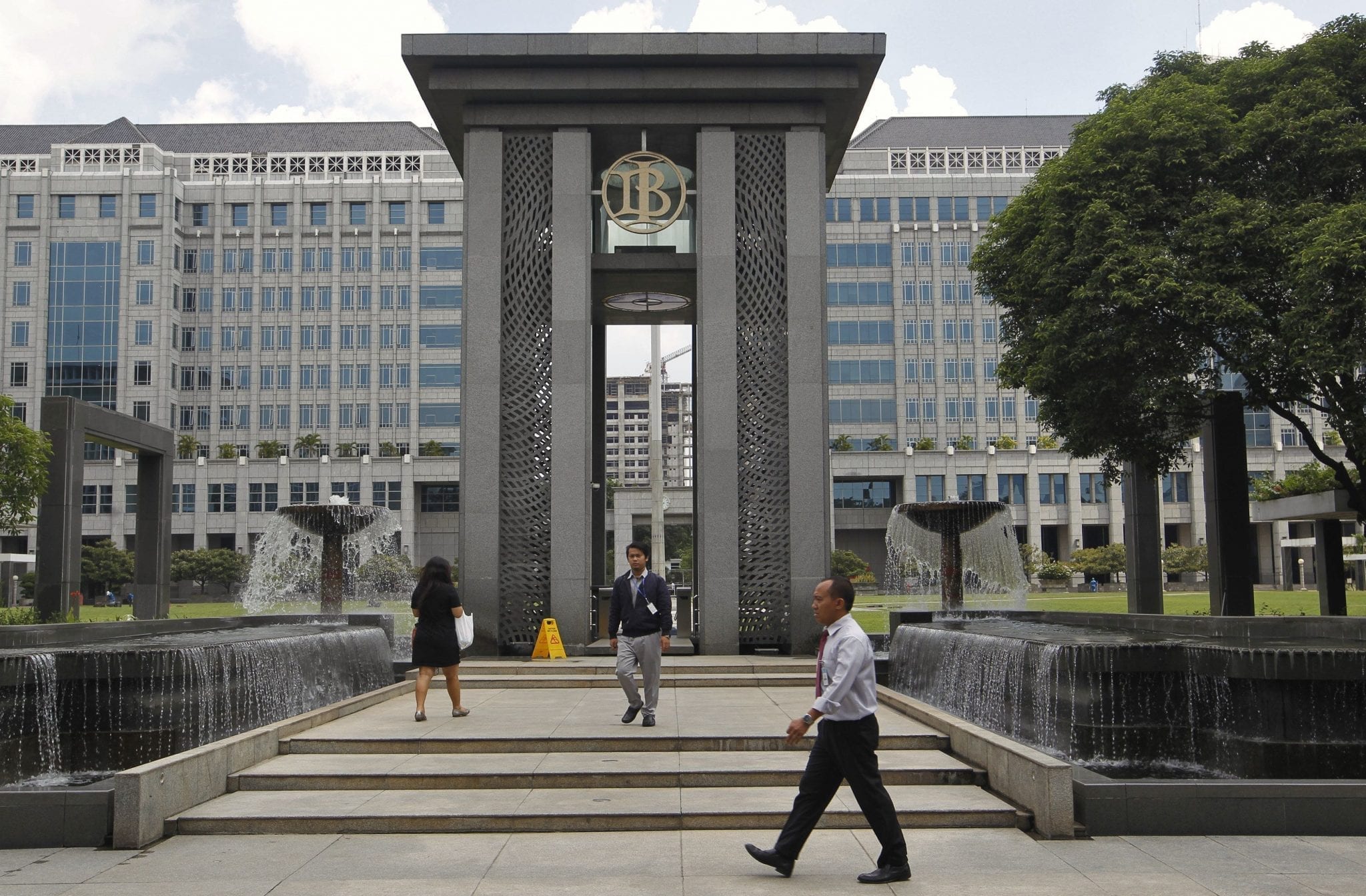
  • Bank Indonesia Reduces RTGS to Rp100 mn

    Bank Indonesia Reduces RTGS to Rp100 mn

    Bank Indonesia will reduce the minimum limit of fund transfer through the instrument of “Real Time Gross Settlement” (RTGS) to Rp100 million from Rp500 million at present. The new limit would be effective as from July 1, a Central Banks Executive Director Bramudija Hadinoto said on Monday, June 7, 2016.

    The reason for the cut is that the Central Bank wants transfer of fund larger than Rp100 million is allowed for certain appropriation as fund larger than Rp100 million is already put in the category of non retail fund. RTGS is an electronic transfer system at real time. The central bank has two systems of fund transfer — RTGS and clearing systems. RTGS transfer is done at once and clearing take a process of two hours .

    The cut in the minimum limit of fund transfer through RTGS, is expected to result in an increase in frequency of transfers to 55,000 times from normally 39,000 times a day from and clearing transactions are expected to decline in frequency from 470,000 times to 450,000 times day.

  • BRI Goes Digital for Cashless Society Program

    BRI Goes Digital for Cashless Society Program

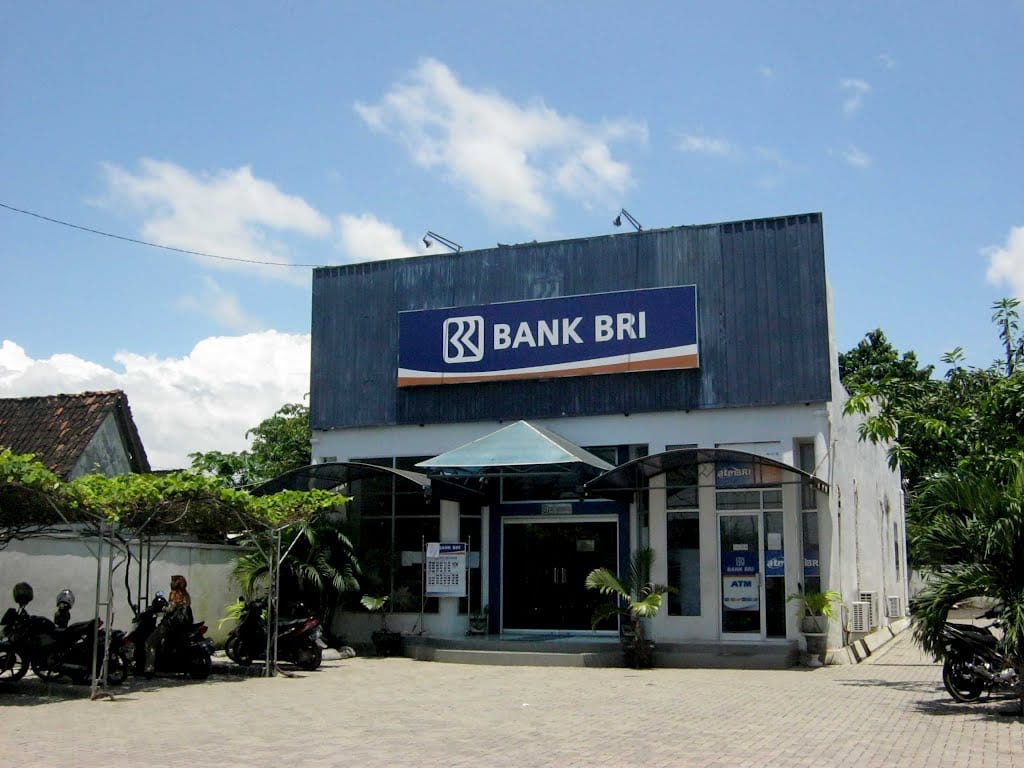
    Bank Rakyat Indonesia (BRI) has been revamping its digital banking services as part of its “cashless society” program and in support of the central bank’s Non-Cash Payment Movement (GNNT), a senior BRI official said last week.

    BRI Consumer Director Sis Apik Wijayanto said the top small-business lender intends to reduce cash to a minimum for every transaction.

    “This is the digital era, tech support is crucial. The goal is to improve payment efficiency and offer customers  the utmost convenience,” Sis said.

  • Jakarta Fair 2016 begins June 10, will coincide with Ramadan

    Jakarta Fair 2016 begins June 10, will coincide with Ramadan

    The Jakarta Fair, an festival and exhibition, will be held at JIExpo Kemayoran from June 10 to July 17, coinciding with Ramadan, the fasting month and Eid.

    “Jakarta Fair coincides with fasting month and the Eid break, something that happens once every 3 years. It opens many opportunities for all the businessmen involved,” said PT JIExpo Marketing Director, Ralph Scheunemann, during a press conference in Jakarta on Monday.

    The exhibition that will be opened by President Joko Widodo has a target to attract 5 million visitors and at least Rp5 trillion in transaction value within 38 days of execution.

    Being organized under the slogan, “Lets celebrate Eid together at Jakarta Fair,” the organizers hope that the event offers an alternative to those wishing to spend their Eid holiday away from the usual tourism destinations in Jakarta.

    Even though most residents from the capital city will be going back to their hometowns during Eid, PT JIExpo organizers were confident that visitors number would not fall.

    “Only about 30 percent of the residents are expected to return home, which means approximately 5-6 million people will remain in the city from among its 9 million residents,” explained Ralph.

    Also, many people residing elsewhere are most likely to return to Jakarta.

    This year, the organizers are also preparing new rides, such as an ice skating rink, a snow playground and a vicious prison.

    The Jakarta Fair will open its doors everyday during Ramadan from 3.30 PM to 10 PM, Monday through Friday, and 10 AM to 11 PM on Saturdays and Sundays.

    Visitors will be able to enjoy the festivities at the Jakarta Fair 2016 by paying an admission fee of 20,000 rupiah on Mondays, 25,000 rupiah Tuesday through Thursday, and 30,000 rupiah Friday through Sunday and on national holidays.

  • Demand for cash expected to rise during Ramadan

    Demand for cash expected to rise during Ramadan

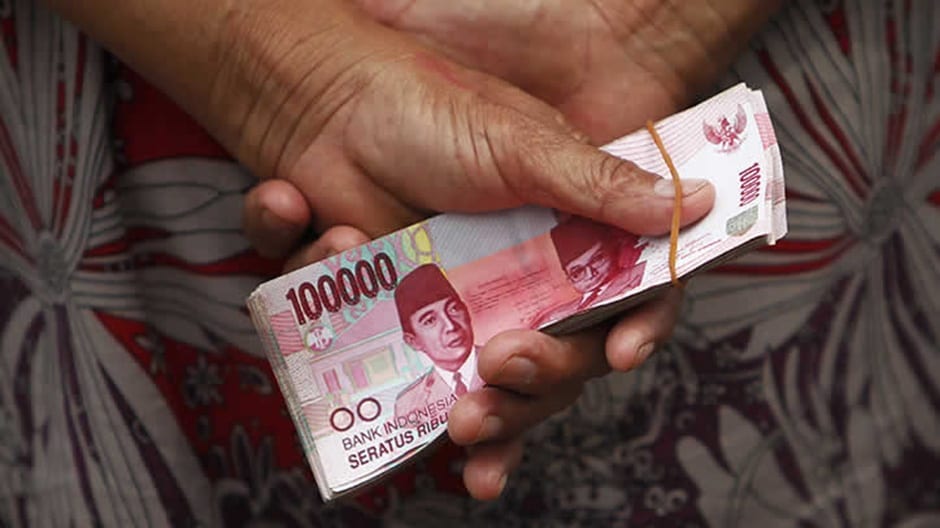
    Demand for cash in Indonesia is expected to rise by 14.5 percent to Rp160.5 trillion during Ramadan and post-fasting holiday of Lebaran this year, a central bank official said here on Monday.

    “There are several factors that would make cash demand to increase this year,” Bank Indonesias executive director for money circulation management, Suhaedi, said.

    The forecast for the cash demand growth of 14.5 percent this year is in line with the trend in the growth of money in circulation in the community in the Ramadan-Lebaran period which has always increased by 14 percent every year for the past nine years, he said.

    Suhaedi said he predicted demand for cash would increase because of economic recovery, the disbursement of the 13th and 14th salaries of civil servants, police and military members and a longer period of the Lebaran holiday which this year will happen in concurrence with the school holiday.

    He said the central bank has prepared Rp160.5 trillion to meet the need of cash money and spread its supply across BI branches in the provinces.

    “Almost 100 percent of the cash money are newly printed bills,” he said.

    Bank Indonesia would send 26 of the money supply to Jakarta, 33 percent to Java, 20 percent to Sumatra, 7 percent to Kalimantan and 11 percent to Sulawesi, Maluku, Papua, Bali and Nusa Tenggara.

    Starting today Bank Indonesia Jakarta started opening service for people wishing to exchange their money for the new bills at the National Monument square in Central Jakarta.

    On June 10, 20 banks would help Bank Indonesia in carrying out the service at the square.

    “Besides Monas (National Monument) 200 branches of banks in Jakarta will also open the service,” he said.

    Bank Indonesias executive director for payment system Bramudija Hadinoto said during Ramadan especially from June 6 to July 1 the operational hours for non-cash payment system would not change.

    On July 4, however Bank Indonesia would only conduct limited operations for transfer of clearing funds.

    “It is limited because no debt clearing is to be carried out especially in Jakarta, Surabaya, Medang and Bandung while other cities it still continues,” he said.

    Regarding real time gross settlements (RTGS) he said Bank Indonesia would impose a new rule as of July 1, 2016 in which it would reduce the limit of the nominal value of RTGS from Rp500 million and over per instruction to over Rp100 million per instruction.

  • Malaysia’s KFit buys Groupon Indonesia

    Malaysia’s KFit buys Groupon Indonesia

    Groupon Indonesia will become a wholly-owned subsidiary of KFit and Groupon Inc will be a strategic shareholder of KFit. The terms of the deal have not been disclosed.

    A report in the Chicago Tribune said Groupon announced the sale on Monday, the latest step in its ongoing shedding of international markets.

    Chicago-based Groupon, which operates in 26 countries, has exited several international markets since 2015 in favour of building up its North American business.

    KFit founder and Chief Executive Officer Joel Neoh is the founder of Groupon Malaysia. He later headed Groupon’s Asia-Pacific business.

    KFit gained popularity by offering unlimited access to gyms and fitness studios for a fixed monthly fee in Asia. It offers users the chance to book fitness classes at different locations through one app.

    The deal should close in the third quarter of 2016, KFit said in a press release, adding that Groupon Indonesia has more than one million subscribers and more than 15,000 local merchants. Groupon Indonesia will continue to function as usual, the release said.

    A report in Techinasia said, in February, KFit added more categories such as massages and beauty salons to its offering, an indication that the startup needed to add more revenue streams to its core product.

    A month later, KFit also tweaked its model, limiting membership to 10 activities per month, for the same rate.

    Neoh said: “While KFit will continue to focus on health and fitness services, this presents a strategic direction for us to enhance and broaden our offerings. In the long run, this acquisition will provide us with a strong platform for growth in Southeast Asia.”

  • PCCW’s Viu debuts in Indonesia

    PCCW’s Viu debuts in Indonesia

    Vuclip, a PCCW Media company launched in Indonesia the over-the-top (OTT) video-on-demand (VOD) service Viu, which has already rolled out in Malaysia, India, Hong Kong and Singapore.

    To amplify its efforts to deliver throughout Indonesia, Vuclip has entered into strategic partnerships with IndiHome Fiber, Telkomsel and Samsung.

    These partnerships enable Viu subscribers to experience content that is delivered “at the fastest speeds, through the most reliable networks, on a variety of devices, at the most competitive rates available.”

    For IndiHome Fiber-to-the-Home (FTH) subscribers, Viu content will be delivered through Telkom’s bundled speed plans on the FTH network.

    Telkomsel and Vuclip have strategically partnered for Indonesians to enjoy Viu content through Telkomsel broadband networks, and special bundled data package pricing for consumers.

    Through Viu’s exclusive device partnership with Samsung, Samsung Galaxy users with select smartphones and tablets can access all Viu content when they activate the “Viu partner offer” via their Samsung Galaxy devices.

    “Mobile devices have driven internet growth in Indonesia. The number of Samsung Galaxy users who enjoy video streaming has also shown significant growth,” said Denny Galant, head of product marketing at Samsung Electronics Indonesia.

    Through our partnership, our Samsung Galaxy users with selected Samsung Galaxy models will be pampered with the latest Asian serials and other unlimited contents for 12 months,” said Galant.

  • Southeast Asian economies lure Alibaba

    Southeast Asian economies lure Alibaba

    Southeast Asian economies are reaching a stage similar to China’s at the end of the last decade, when eCommerce began to take off, according to Alibaba Group executive vice-chairman Joseph Tsai.

    “I don’t blame you guys for having some degree of excitement about Southeast Asia when you look at the economies here,” he has told a Singapore conference staged by Google and local sovereign wealth fund Temasek.

    For example, he said, the per-capita GDP of Indonesia, the world’s fourth most-populous country, was about $2900. “That’s roughly the same as China’s per-capita GDP in 2009 and into 2010, a period when Alibaba’s C2C marketplace Taobao began to soar, adding about $50 billion in gross merchandise volume.”

    This was one reason Alibaba had invested about $1 billion in Singapore-based Lazada Group last month. Launched in 2012, Lazada now has shopping websites in Indonesia, Malaysia, the Philippines, Singapore, Thailand and Vietnam. It began by selling inventory to customers from its own warehouses but now also runs marketplaces for third-party sellers, as well as using its own logistics networks for deliveries.

    “We’re very excited about our investment in Lazada,” Tsai said. “It is starting from a very small base, but the potential is very, very big.”

    By adding marketplaces in Southeast Asia, Alibaba can offer merchants already selling on its platforms a chance to sell into new markets. “It’s very, very helpful to be able to present something that is more of a geographically diverse platform,” Tsai said. Online healthcare and fintech companies such as Alibaba-affiliate Ant Financial, poised for rapid growth in China, could expand their services to Southeast Asia.

    Tsai said he sees promise in the wide use of the mobile internet in Southeast Asia, a trend that typically gives rise to greater engagement and more purchases by online shoppers.

  • Lulu Group Indonesia opens first hypermarket

    Lulu Group Indonesia opens first hypermarket

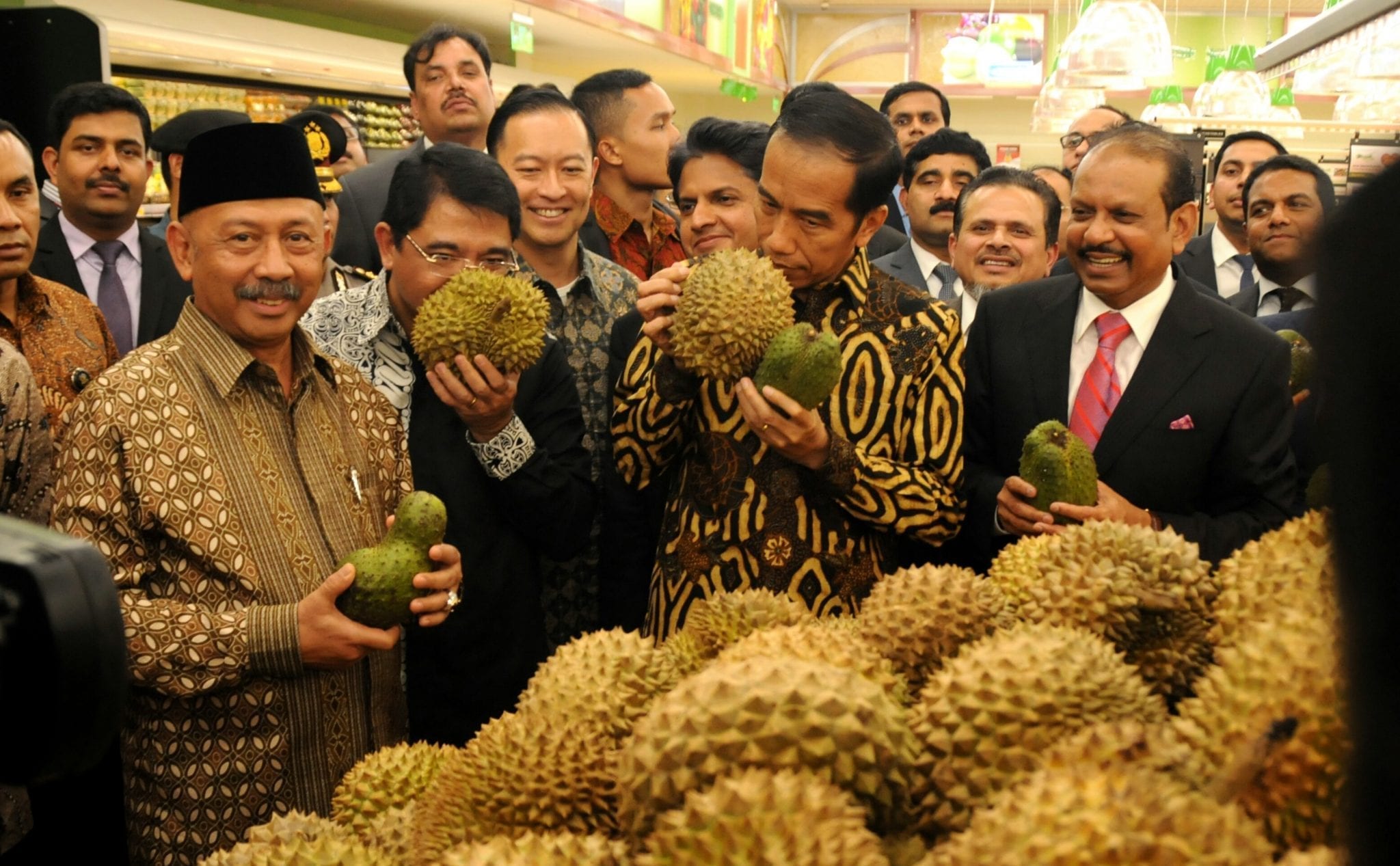
    Lulu Group Indonesia has opened its first hypermarket, in Jakarta.

    Based in the UAE, the Lulu Group plans to invest US$500 million to set up 10 hypermarkets in Indonesia over the next three years.

    Lulu-opens-first-Hypermarket-Indonesia

    Its first Lulu hypermarket was officially opened by Indonesian President Joko Widodo in the presence of Governor of Jakarta Basuki Tjahaja Purnama, Indonesian Trade Minister Thomas Trikasih Lembong, UAE Ambassador to Indonesia Ahmed Abdullah Al Mussali Al Awadi, Indonesian Ambassador to UAE Husin Bagis and other ministers and dignitaries.

    In the Cakung sub-district of East Jakarta, the hypermarket covers more than 200,000 sqft (18,580 sqm).

    Lulu Group chairman Yusuf Ali says the group also plans to set up a central logistics and warehouse centre in Jakarta.

    “We also plan to set up contract farming to ensure a continuous supply of high-quality products and to support the Indonesian agriculture sector.”

    The group has 126 stores (some in India) and more than 38,000 employees.

  • Alfa goes all-out in RI e-commerce battlefield

    Alfa goes all-out in RI e-commerce battlefield

    Publicly listed retail giant PT Sumber Alfaria Trijaya, also known as Alfa Group, is stepping up efforts to intensify its presence in the e-commerce industry with the relaunch of its e-commerce platform on Monday.

    Alfacart.com, an online platform that serves as a complementary feature to physical Alfa outlets, was introduced Monday as the new name for the group’s Alfaonline.com, which was established in 2013.

    “This rebranding strategy is necessary as we want to create a full-fledged e-commerce business,” Alfacart CEO Catherine Hindra Sutjahyo told reporters.

    As a subsidiary of Alfa Group, which also owns minimarket chain Alfamart, grocery store Alfamidi and drugstore Dan+Dan, Alfacart aims to see its sales increase six-fold this year, from its 2015 figures, resting its optimism on untapped e-commerce potential in Indonesia.

    Catherine, however, refused to disclose a specific 2016 sales target.

    Alfacart plans to offer four lines of products, namely fashion, gadgets and electronics, daily necessities and lifestyle items.

    The company is targeting middle-class females and males aged 25 to 35 years old in big cities who are concerned with practicality and time efficiency and prefer to make purchases online.

    As one of its strategies to expand its business, Alfacart, Catherine said, would apply the online-to-offline ( O2O ) strategy to cater to Indonesia’s unbanked: those do not have access to bank accounts, savings and credit cards.

    The feature will enable Alfacart customers to order goods online through an application or website and pick up their purchases at one of the 7,000 Alfamart stores nationwide that have been integrated with Alfacart.

    “Alfamart has about 11,750 outlets nationwide, 7,000 of which are already integrated with Alfacart,” Alfacart chief operating officer and chief marketing officer Haryo Suryo Putro said, adding that the company will concentrate on providing services in the country’s major cities before expanding to smaller ones.

    In addition, Alfacart also allows small and medium enterprises to partner with the company.

    “Although we are selective in choosing our partners, our requirements are simple,” Ernest Tjahjana, the company’s chief commercial officer said, explaining that applicants only need to attach a copy of their tax registration numbers ( NPWP ) and identity card ( KTP ) to apply as a partner.

    In recent years, a growing number of e-commerce fashion, retail, and other businesses have been racing to provide the best online services to Indonesian customers.

    Some of them include an affiliate company of Djarum Group, Blibli, online marketplace Lazada and grocery delivery app HappyFresh.

    Based on data from idEA, the number of online shoppers in Indonesia hit 7.4 million last year, out of a total 250 million people in the country. This shows that the opportunity for e-commerce businesses to grow is still huge.

    Despite the growing number of e-commerce businesses in Indonesia, some have struggled to turn a profit here.

    Many foreign giants, such as Japan’s Rakuten and Germany’s Lamido — who both sell consumer products — exited the market. Clothing site Paraplou, travel booking site Valadoo and financial technology firm Inapay did the same.

    Alfacart’s Catherine, which was also a former director of Zalora Indonesia, acknowledged this was one of the main challenges in the e-commerce industry.

    “One of the biggest challenges in sustaining an e-commerce business is how to make it profitable in the long run,” she said.

  • Indonesia Revises E-Commerce Regulation

    Indonesia Revises E-Commerce Regulation

    Indonesia has one of the biggest economies in the Asia-Pacific region and its rate of internet adoption is one of the fastest in the world. So naturally, e-commerce in the region is starting to boom.

    According to Alibaba Group Executive Vice Chairman Joseph Tsai, Indonesia’s per capita GDP is about the same as China’s was in 2009, when Alibaba’s marketplaces really began to take off. Alibaba has taken steps to get a stake in the region, investing US$1 billion in Southeast Asia e-commerce platform Lazada, a Singapore-based company with extensive operations in Indonesia.

    To help help drive e-commerce growth in Indonesia, the government has made moves to open the country up to foreign e-commerce investment and expertise.

    Indonesia’s Investment Coordinating Board (BKPM) is finalising guidelines for foreign e-commerce investment. The new BKPM regulations will allow 100 percent foreign ownership for e-commerce businesses with a minimum investment of Rp100 billion (about AU$10.3 million) or businesses that create 1,000 jobs.

    The guidelines, however, limit foreign ownership to 49 percent for businesses investing below the Rp100 billion mark. The moves are designed to encourage big e-commerce investment from major players, while offering some protection to Indonesia’s local SMB e-commerce players.

    The removal of e-commerce businesses from Indonesia’s ‘negative investment list’ (which outlines business activities that are either entirely closed or conditionally open to foreign investment) provides a significant opportunity for foreign investment into one of South-East Asia’s fastest growing e-commerce markets.

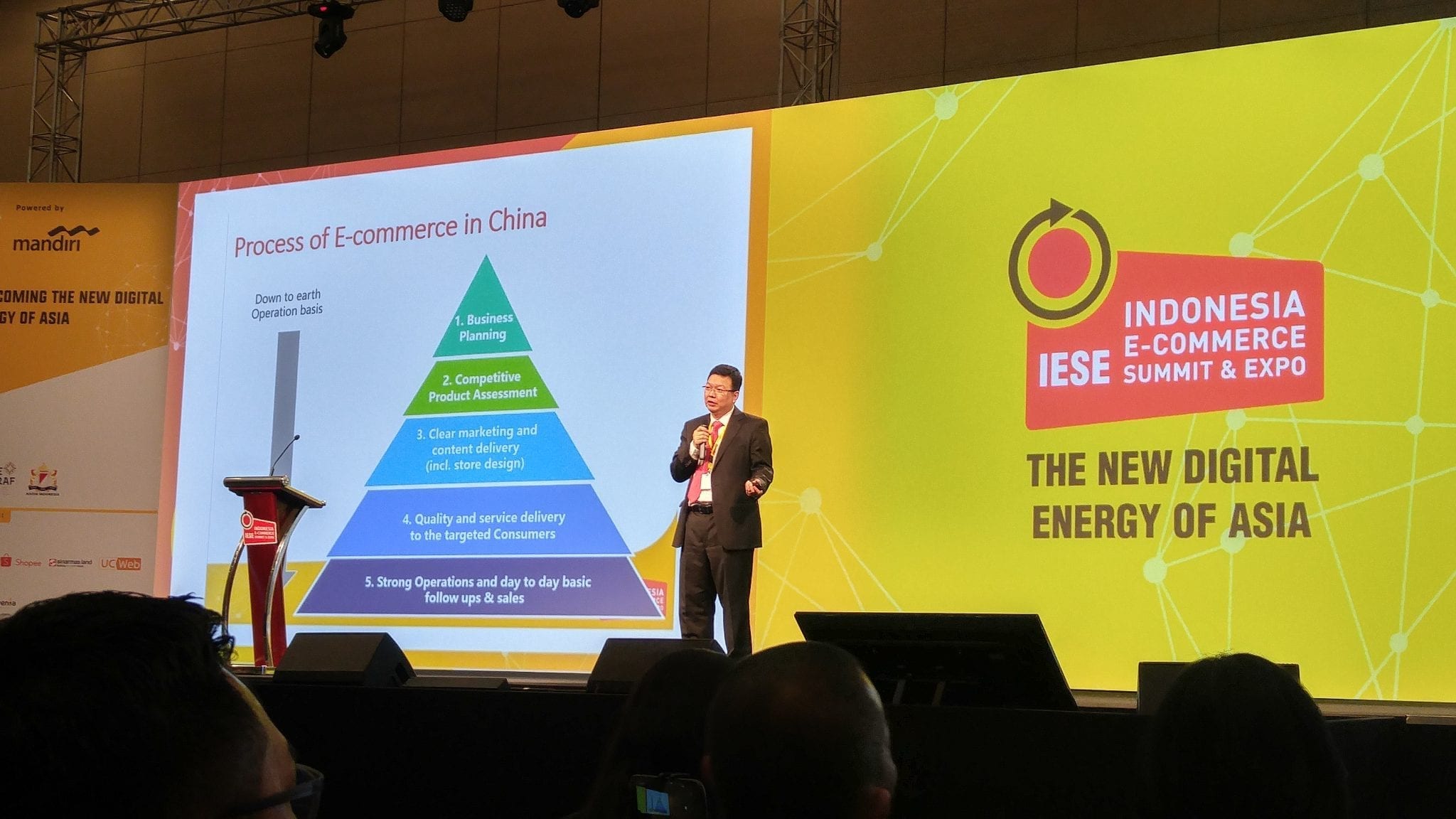
    “I think this is the right time for Indonesia to aim to become the largest digital nation in Asia,” said Rosan Roeslani, Chairman of Indonesian Chamber of Commerce and Industry.

    “What this country needs is not only money but also know-how, which is why we invited incubators to come to Indonesia,” he said.

    “We have also talked about how we can get more start-ups to go through seed stage. One of the possibilities is to encourage big e-commerce players to spin their people off their company… We have not come out with the conclusion yet, but the government is very open for solutions,” he said.

    Indonesian President Joko Widodo is looking to make the country South-East Asia’s largest digital economy by 2020. The lifting of foreign ownership restrictions has been praised by those in the industry who welcome the injection of foreign capital and expertise.

    The removal of e-commerce from the negative list is part of Indonesia’s e-commerce roadmap, which was released earlier this year. The roadmap includes a list or proposals aimed at making it easier for e-commerce firms to operate in the country. Key elements of the roadmap include:

    • Government financied developments of logistics facilities and improvements to communication infrastructure
    • Government financing for start-ups in the form of grants and funds, as well as regulation for crowdfunding
    • Streamlining business licensing processesand increasing consumer protection regulationE-Commerce Regulation
    • Tax breaks for tech start-ups
    • Increased cyber security
  • Indonesian retailers making sales again

    Indonesian retailers making sales again

    Following a lacklustre trading year, Indonesian retailers are starting to find their sales figures turning around.

    Electronics, automotive parts and clothes have all seen an uptick in demand, reports The Jakarta Post.

    Ramayana Lestari Sentosa, which runs department stores for low- to middle-income consumers, has targeted its sale to grow by 7 per cent this year to Rp8.3 trillion (US$640 million) after shrinking 2.7 per cent last year, when the country’s economy had its weakest growth, at 4.79 per cent, since the 2009 global financial crisis.

    The latest Bank Indonesia retail sales index (IPR) shows 11.6 per cent growth year-on-year in March to 196.7, the highest level since July last year.

    Ramayana has 114 outlets in 54 cities.

    In Bandung’s electronics centre, ITC Kebon Kelapa, west Java, mobile phone retailers are finally seeing their sales pick up after plunging by up to 50 per cent at the start of the year.

    Retailer Ronny Suryadi says his sales plunged in January and February before picking up by 20 per cent in March when new models became available, dragging down the prices of the older phones. “Both consumers who prefer new types, although pricey, and old types with lower prices gain from the momentum, and as sellers we reap more revenues.”

    The index for information and telecommunications device sales was the highest at 409.9 in March, with the fastest growth (33.9 per cent year on year). The broader non-food index improved 12.4 per cent, while the food index grew 11.1 percent.

    “As non-food recorded higher growth than food, it shows that middle- and upper-income classes buy more,” says economist Enny Sri Hartati at the think tank Institute for Development of Economics and Finance (INDEF). It’s not bad, because the segment accounts for 40 per cent of the population.”

    Other than electronic devices, auto spare parts and accessories also had positive progress with 4 per cent growth, sitting at 110.2 on the bank index.

    Meanwhile, Nielsen’s first-quarter Consumer Confidence Index survey for Indonesia shows that 82 per cent of the 500 respondents say this year is the right time to spend more. The index has risen from 115 in December to 117 at the end of the quarter.

  • Indonesia sells 35 containers of kerupuk at Thaifex 2016

    Indonesia sells 35 containers of kerupuk at Thaifex 2016

    Indonesia’s traditional kerupuk (crackers) have become the star among other food commodities displayed at the Indonesian booth during Asia Thaifex 2016 in Bangkok, which is known as Asia’s biggest food and beverage expo.

    The snacks registered total orders of 35 containers worth Rp 12.9 billion ( US$950,000 ) at the event held from May 25 to 29, said an Indonesian trade attaché member in Bangkok, Rita Tri Mutiawati. The Trade Ministry and Industry Ministry collaborated on sponsoring Indonesian companies joining the event.

    “Thanks to the sponsorship of the Central Java administration’s trade and industry service center, Indonesia Selamat Sejahtera booked orders from China for 15 containers of prawn crackers, and South Korea also ordered 20 containers of fish crackers,” she said.

    Aside from kerupuk, Rita further said Indonesian seafood products manufactured by Fresh On Time were able to gain international buyers from the US, Mexico, and the European Union ( EU ) while similar products by Medan Tropical sealed a distribution agent in Thailand and the EU.

    From the 41 Indonesian companies who joined Thaifex, 21 were sponsored by the Industry Ministry, 10 were sponsored by the trade attaché and four were sponsored by the Central Java administration. Only six companies joining the event were without government sponsorship.

    The companies showcased their products ranging from seafood, instant seasonings, confectionaries, hot sauces, coffees, herbal medicines, biscuits, snacks, wafers, green tea, to cashew nuts. Indonesia’s representatives competed with 964 other companies in the event.

    “Thaifex is the door to export food and beverages products to other countries. Indonesian food and beverage manufacturers should not miss this opportunity,” Rita said, adding that there were one-to-one business matchings being made between Indonesian firms with other countries’ firms.

  • CJ CGV Opens 20th Store in Indonesia

    CJ CGV Opens 20th Store in Indonesia

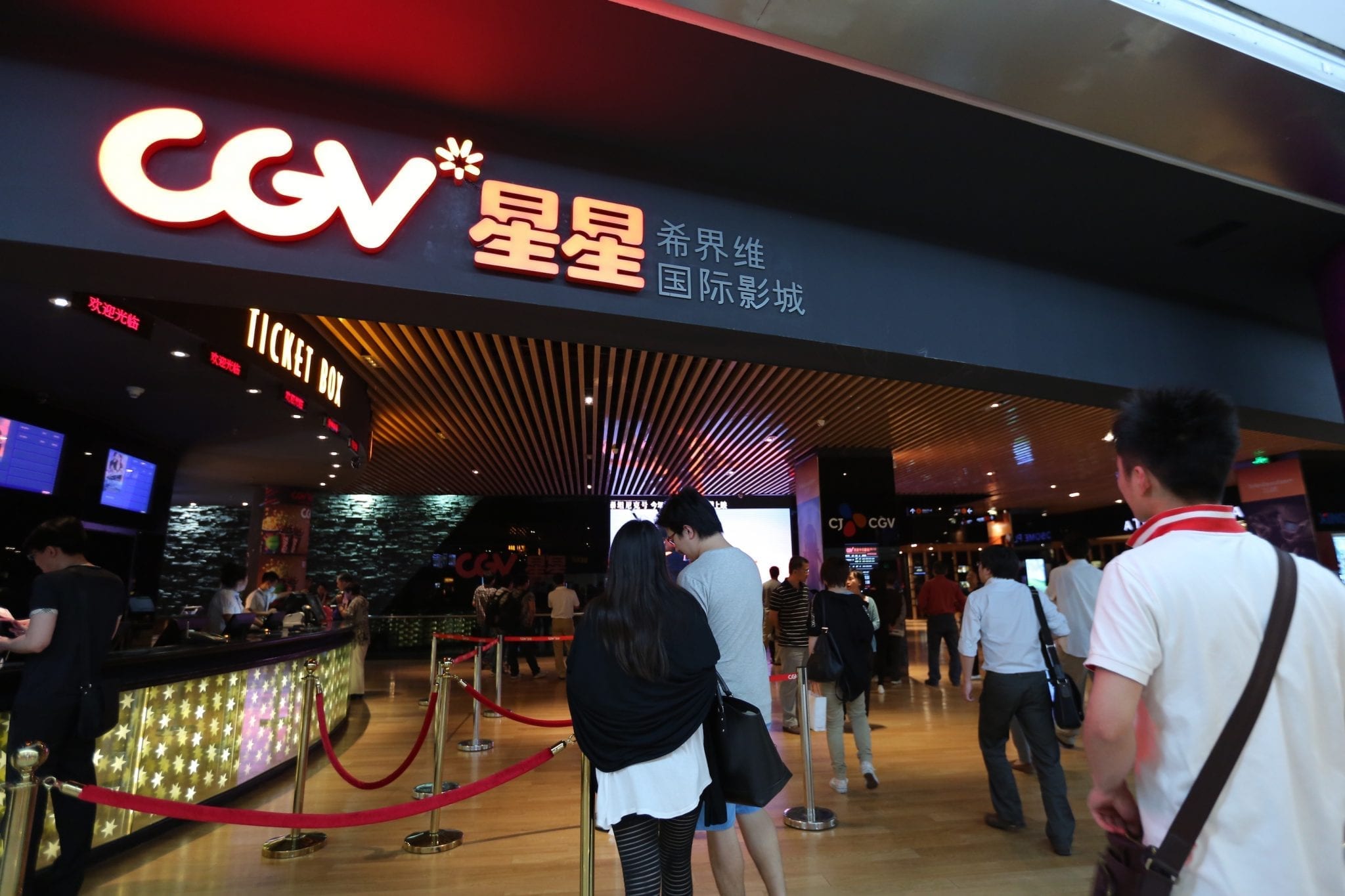
    CJ CGV announced on May 30 that it opened its 20th store “CGV Blitz Slipi” in West Jakarta of Indonesia on the 26th.

    With four screens and a total of 674 seats, CGV Blitz Slipi is located in “Slipi Jaya Plaza,” a large shopping mall situated at the center of office town and residential area. In a bid to offer the optimum viewing conditions, it has introduced premium 3S – Seat, Screen and Sound – services.

    The company now has 20 cinemas with 143 screens in two years and four months after CJ CGV started consignment management for Blitz Megaplex in January 2014.

    CJ CGV plans to open a total of eight more cinemas this year, including CGV Blitz Slipi. Based on this, it aims to generate about 60 billion won (US$50.4 million) in sales this year.

    Considering the fact that it turned over nearly 34 billion won (US$28.56 million) in 19 cinemas last year, CJ CGV is planning to aggressively double its market. It will also increase the number of audiences from 7 million last year to more than 10 million this year.