Tag: Indonesia

  • Indonesia AirAsia X to cease scheduled operations in January

    Indonesia AirAsia X to cease scheduled operations in January

    Indonesia AirAsia X< will cease scheduled operations in January 2019 and operate as a non-scheduled commercial airline thereafter. The carrier’s only scheduled operation – a seven-times weekly service between Denpasar and Tokyo Narita using an A330 – will be suspended in January, the AirAsia X Group disclosed in its third quarter results.

    “With the challenging operational environment in Indonesia, primarily due to the series of natural disasters that occurred in proximity to Bali, the company is underway to evaluate the available options for our Indonesian associate to ensure sustainability of the company with the last schedule flight from Bali to Narita will end in January 2019,” says AirAsia X group CEO Nadda Buranasiri.

    AirAsia X Indonesia will operate on a non-scheduled commercial airline basis.” IAAX posted a net loss of $1.53 million in the third quarter of the year, compared to a profit of $2.15 million a year ago. It attributed the poor performance to a 34% jump in costs, driven by the rise in fuel prices.

    During the period, it saw a 32% drop in the number of passengers carried, while load factor held steady at 80%. Average base fare climbed 21% to $146.The airline, which has struggled for some time now, also disclosed that it terminated its Jakarta-Tokyo Narita service in October. Last month, sister carrier Indonesia AirAsia said it will take over the routes and slots that IAAX had been using to operate a trio of Airbus A320s. IAAX was operating short-haul services to Denpasar, Jakarta and Surabaya.

    IAAX with two A330-300s. 2005-built PK-XRA is owned and managed by Aviator Capital, while PK-XRC, also built in 2005, is owned by KDAC 2017-1 ABS Portfolio and managed by Deucalion Aviation Funds.

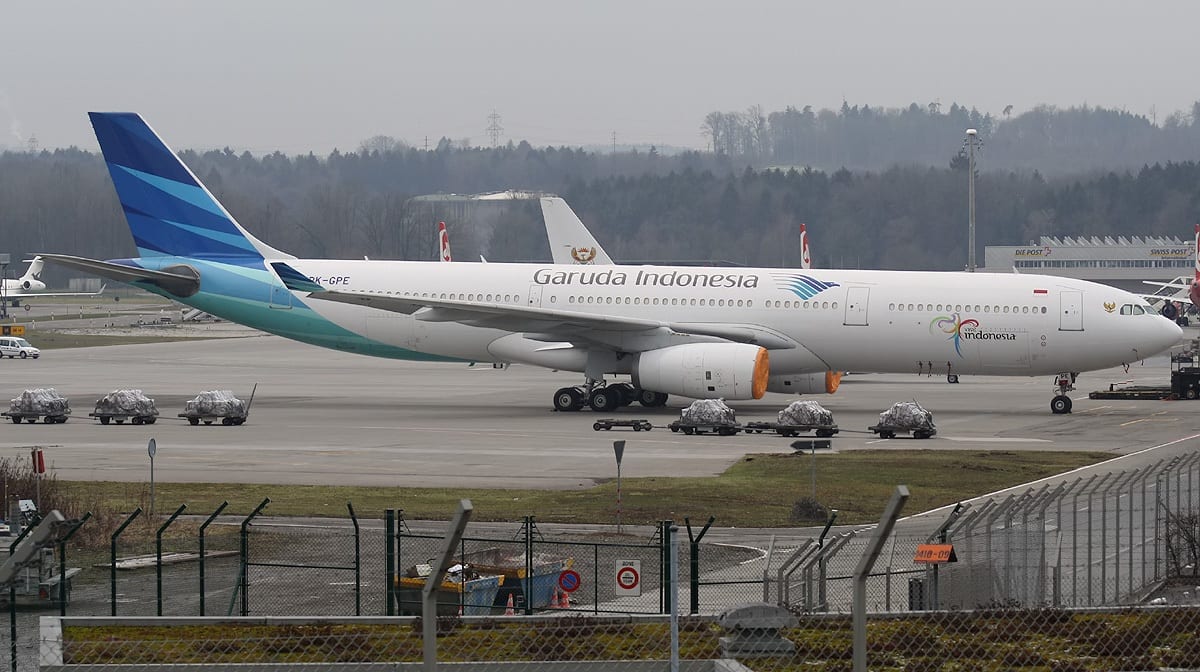
  • Indonesia’s Garuda Shares Soar on News of Sriwijaya Deal

    Indonesia’s Garuda Shares Soar on News of Sriwijaya Deal

    National flag carrier Garuda Indonesia’s share price surged 19 percent on Thursday after the airline said it had taken over operational control of low-cost rival Sriwijaya Air. The move is seen as an effort to help Sriwijaya improve its financial performance, while potentially expanding Garuda’s market share to challenge Indonesia’s largest airline company, the Lion Air Group.

    Garuda announced the joint operation through its subsidiary, Citilink Indonesia, on Wednesday after signing an agreement with Sriwijaya Air and NAM Air – both under the Sriwijaya Air Group – on Nov. 9. The partnership could also be escalated to share ownership in the Sriwijaya Group, Garuda said in the statement.

    The joint operation will give the flag carrier a combined 46 percent share of the country’s domestic aviation market, while the country’s largest budget carrier, Lion Air, controls 51 percent, according to the Sydney-based CAPA Centre for Aviation.

    The remainder of the market is shared by the local unit of Malaysia-based AirAsia, charter service Susi Air and Jakarta-based Trigana Air Service.

    “The joint operation is intended to help the Sriwijaya Air Group improve its operational and financial performance to help Sriwijaya fulfill its commitments to third parties, including those within the Garuda Indonesia Group,” Garuda managing director Askhara “Ari” Dhanadiputra said in a statement.

    Sriwijaya Air planned to undertake an initial public offering last year, but its weak financial performance put a stop to that.

    The carrier suffered a loss last year due to rising fuel costs and the weaker rupiah after three profitable years. Most of Sriwjaya’s revenue is in rupiah, while the carrier’s expenses are mainly in US dollar, including fuel, aircraft maintenance and debt.

    According to Garuda’s financial report, Sriwijaya owed the flag carrier around $9.33 million as of Sept. 30 this year for the overhaul of 10 CFM56 turbofan aircraft engines.

    “We hope the partnership will help restore the financial performance of the Sriwijaya Air Group amid increasing competition in the domestic aviation industry. We believe the Garuda Indonesia Group has an excellent ability to manage the airline business,” Sriwijaya Air managing director Chandra Lie said.

    Price War

    Domestic air traffic in Indonesia more than tripled over the past decade as rising prosperity and lower fares made flying affordable for more people.With 129 million passengers in 2017, Indonesia is the world’s 10th-largest aviation market and it is projected to continue growing.

    Transportation Minister Budi Karya Sumadi expressed hope that the consolidation between Citilink, Sriwjaya Air and NAM Air would also help end a ticket price war among local airlines.

    “We hope this would end the price war and establish a new price equilibrium that covers the costs and margins to allow every airline to grow,” Budi said on Thursday.

    His ministry has long held the view that airlines’ race to the bottom in their price offerings would put pressure on their finances, which could make them more likely to neglect safety precautions.

    Budi said the joint operations between Citilink and Sriwijaya could also help to reduce redundancy on some of the country’s busiest routes and divert resources to other destinations.

    “There are many airports in eastern Indonesia that want to be served,” he said.

  • Semen Indonesia Snaps Up LafargeHolcim Unit to Bolster Market Lead

    Semen Indonesia Snaps Up LafargeHolcim Unit to Bolster Market Lead

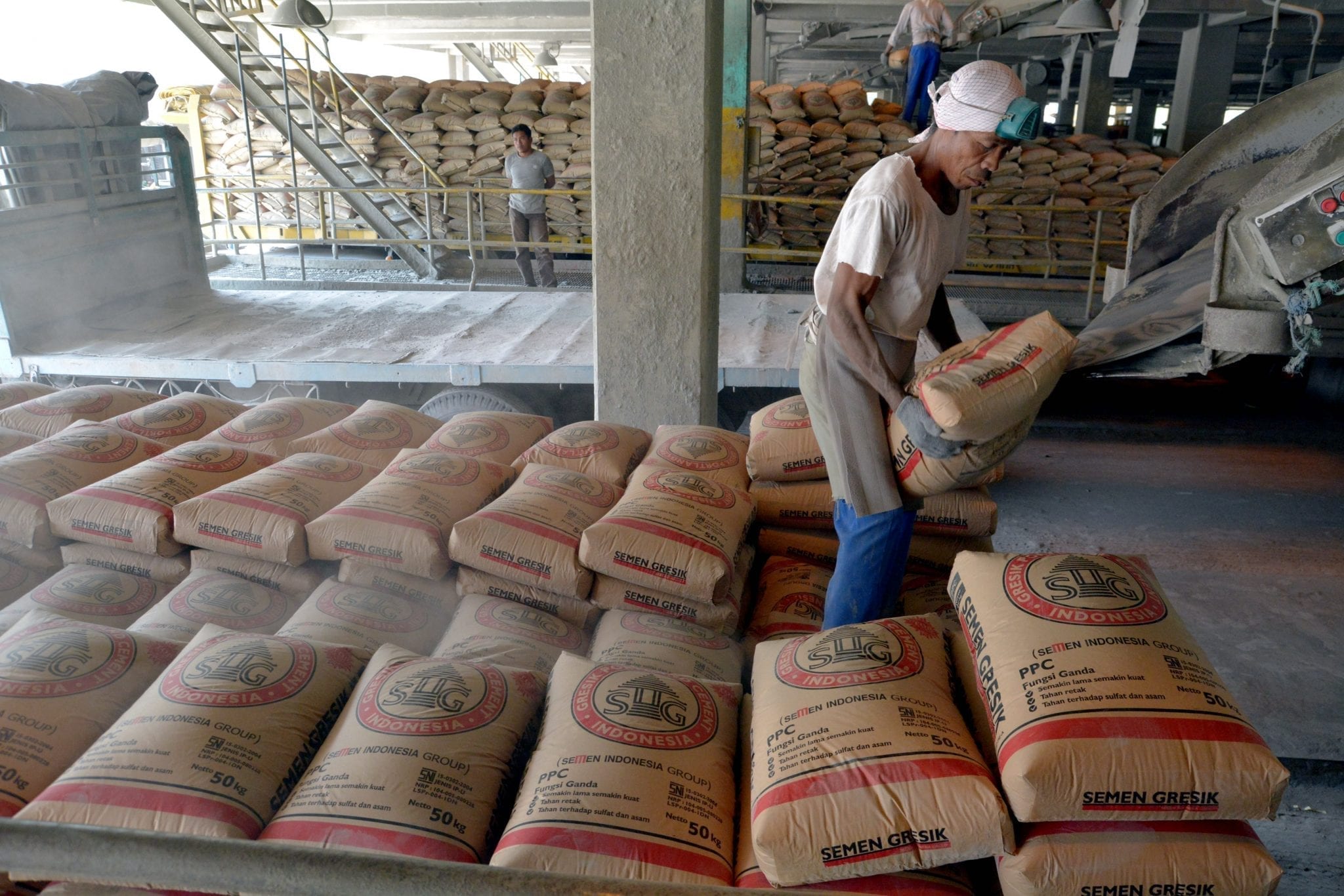
    Cement maker Semen Indonesia is buying the local unit of Swiss rival LafargeHolcim for around $917 million, as it seeks to extend its dominant position in Southeast Asia’s largest market. Semen Indonesia said in a statement it had signed a deal to acquire LafargeHolcim’s 80.6 percent stake in Holcim Indonesia, which is the third-biggest cement producer in the country.

    A fully owned subsidiary of the state firm would launch a mandatory offer for the remaining shares owned by public shareholders, it said.

    “In the competitive environment of the national cement industry, the combination between Semen Indonesia and Holcim will be stronger and larger,” Semen Indonesia president director Hendi Prio Santoso said.

    The company said the acquisition will boost its total cement capacity to 53 metric tons per annum. Analysts say this will give the combined entity a total capacity share of about 50 percent, in a market that has 15 companies.

    Sources familiar with the matter said Malaysian infrastructure company YTL Corp and privately owned Chinese firm Hongshi Cement had also been among the final bidders but the strategic fit with Semen Indonesia helped LafargeHolcim’s Indonesian unit to win the auction.

    The initial round of the auction drew interest from about a dozen companies, including from Japan, the Philippines and other countries, the sources said.

    YTL and Hongshi declined to comment.

    A spokeswoman for LafargeHolcim said it had received strong interest from bidders for its Indonesian business but declined to give details on the parties involved.

    Though President Joko “Jokowi” Widodo’s infrastructure push has fueled a boom in the building of airports, roads and housing projects, an aggressive expansion in the industry and entry of newer players such as Anhui Conch has created excess capacity and a price war in the last few years, analysts say.

    Semen Indonesia has secured financing from local, regional and international banks such as BNP Paribas, said the sources, who declined to be named as complete details of the deal have not been announced.

    “This secures Semen Indonesia’s position as a market leader for many years. Cement prices are improving and there is significantly less new capacity coming,” one source said.

    In an August report on potential consolidation in the Indonesian cement industry, Deutsche Bank analysts said: “A bull-case scenario would be that domestic consolidation reduces the number of players competing in the overcapacity market, supporting higher ASP [average selling prices] and a profitability recovery.”

    “A bear-case scenario would be a prolonged condition in which the industry loses its pricing power due to the new players’ strategy to overtake market share,” the report said.

    Semen Indonesia said the acquisition would give it significantly larger capacity and broader product portfolio and geographical footprint, while LafargeHolcim, the world’s largest cement maker, said in a separate statement that it was selling the business as it reviews its portfolio to improve its financial strength.

    LafargeHolcim’s local unit has four cement plants with a capacity of 14.8 metric tons per annum and 30 ready-mix plants, Semen Indonesia said.

    It was advised by BNP Paribas, while LafargeHolcim was advised by Citigroup.

  • Number of Cinema Screens in Indonesia Expected to Double Over Next 3 Years

    Number of Cinema Screens in Indonesia Expected to Double Over Next 3 Years

    The head of the Creative Economy Agency, or Bekraf, said he expects the number of cinema screens in Indonesia to double over the next few years, amid growing interest in the national film industry.

    “We expect to see at least 3,000 screens – twice what we have today. This is because local films thrive in small towns, but that’s also where we face a lack of theaters,” Bekraf chairman Triawan Munaf said on the sidelines of the World Conference on Creative Economy in Nusa Dua, Bali, last week.

    According to the agency’s 2019 Creative Economy Outlook, there are currently nearly 1,700 screens across the country. Triawan expressed hope that this could be nearly doubled over the next three years.

    The report further states that film is currently the fastest-growing subsector of Indonesia’s creative economy.

    However, as imported films still drive demand among moviegoers, the industry must figure out how to get local films to compete with those from abroad in terms of screening and scheduling.

    Triawan said the national film industry is growing rapidly, as illustrated by the fact that 40 percent of films screened in the country are local.

    This year, teen drama “Dilan 1990” attracted more than 6.3 million viewers nationwide, making it the second best-selling Indonesian film of all time after the 2016 reboot of the popular 1980s comedy franchise, “Warkop DKI Reborn: Jangkrik Boss! Part 1,” which boasted more than 6.8 million viewers.

    The number of moviegoers in the country has meanwhile also increased to more than 42 million by 2017 from around 16 million in 2015.

    More screens in other parts of the country can therefore facilitate this growth, as 183 of Indonesia’s 488 theater complexes are located on Java Island, Bekraf said.

    Cineplex 21, CGV Cinemas and Cinemaxx currently dominate the movie theater industry in Indonesia with 1,003, 275 and 203 screens, respectively.

    In her speech at last week’s conference in Bali, Finance Minister Sri Mulyani Indrawati also highlighted the importance of more vocational training to support the creative economy, of which the film industry is part.

    Despite the large number of moviegoers, many of them are less enthusiastic about local films because there are limited choices in terms of storyline and variety, which shows that there is a need for more quality screenwriters.

    “Indonesia has huge potential when it comes to writers and screenwriters, and this is an area we must explore further,” the minister said.

    Sri Mulyani also said that she was keen to learn more about the creative economy and how she could assist in its development.

  • Vaping Maker Juul Sounds Out Asia for Expansion

    Vaping Maker Juul Sounds Out Asia for Expansion

    United States-based Juul Labs is exploring selling its compact vaping devices in Asia and has sounded out government officials in Indonesia, one of the world’s most smoker-friendly countries, although gaining approval there could face significant hurdles.

    Expansion into Asia would provide the fast-growing firm with new markets at a time when it faces increased regulatory scrutiny in the United States and Israel over the potential health risks of its products’ high nicotine content.

    Juul representatives held discussions with the Indonesian government last month about introducing its vaping devices, finance ministry officials said.

    Indonesia has one of the world’s highest rates of smoking among adults and teenage boys and imposes no penalties for selling cigarettes to minors. Its population of 260 million also makes it a highly attractive market for tobacco and vaping firms.

    A person familiar with Juul’s plans said executives for the San Francisco-based company are concerned authorities may be reluctant to grant approval due to likely opposition from the traditional tobacco industry, which provides much of the country’s tax revenue.

    Tobacco taxes accounted for nearly Rp 150 trillion ($10.2 billion) or about 11 percent of national tax revenue in 2017, government data showed. Each province also imposes taxes on cigarettes.

    Juul also worries its argument that vaping is healthier than smoking will not hold much sway in Indonesia, which is not as concerned as other countries about health issues, said the person, who declined to be identified as the discussions were not public.

    Juul representatives reached out to the Ministry of Finance to discuss how it would be taxed on any sales of devices there, the officials said.

    The government needs to examine the domestic e-cigarette market to determine how a foreign player such as Juul could hurt local small and labor-intensive e-cigarette firms, said Sunaryo, a senior official at the Directorate General of Customs and Excise.

    “We will need it to study it,” he said, adding that he was not sure Juul would comply with a regulation that requires e-cigarette devices and liquids to be sold separately.

    Juul also would need approval from the Food and Drug Monitoring Agency (BPOM). Officials at the agency said Juul had yet to be in touch.

    Other Asian countries the three-year-old firm is actively considering for expansion include India, South Korea and the Philippines, the person familiar with Juul’s plans said.

    In addition to Indonesia, Juul filed trademark applications for those countries between April and October this year, as well as in Malaysia and Singapore, according to a review. It opened its first Asia office in Singapore in July.

    So far Juul, currently valued at $16 billion, is available only in the United States, Canada, Britain and Israel. It has plans to enter Russia later this year.

    Juul said in that it is “proactively learning more” and engaging with local officials in Asia “to understand and hear their views.” It does not have immediate plans to launch in any Asian country, it said. Juul spokeswoman Victoria Davis declined to elaborate.

    A Taxing Question 

    Indonesia is one of only a handful of United Nations member states that has not signed on to the World Health Organization’s global treaty that sets standards for tobacco control.Roughly two-thirds of Indonesian men smoke tobacco daily, and more than 21 percent of boys aged 13-15 smoked cigarettes regularly, according to a WHO report last year.

    E-cigarettes, available in Indonesia since at least 2013, is a small but growing market. The customs office estimates that there are about 300 unsupervised liquid makers, known as brewers in Indonesia, producing various liquid products to more than 4,000 vape stores and 900,000 smokers.

    Philip Morris International, maker of Marlboro cigarettes, which now controls about a third of Indonesia’s market through its stake in Sampoerna, does not offer any of its noncombustible cigarette products in Indonesia.

    That includes its IQOS device, a heat-not-burn tobacco product, according to a company spokesman, who declined to comment on why it has not introduced the product.

    In October, the government imposed a 57 percent tax on e-cigarette liquids, on par with taxes on traditional cigarettes. But tax collection, particularly from smaller companies, is difficult in Indonesia and new rules are often ignored.

    Juul now commands a nearly 75 percent share of the US e-cigarette market, up from 13.6 percent in early 2017, according to a Wells Fargo analysis of Nielsen retail data.

    Its products, like most electronic cigarettes, vaporize a liquid containing nicotine. One Juul pod contains as much nicotine as a traditional pack of 20 cigarettes, according to the company’s US marketing.

    Juul liquid in the United States has a nicotine concentration of 59 milligrams per milliliter, much higher than the liquids typically sold in earlier versions of e-cigarettes and nearly three times the allowable limit in the European Union.

    In August, Israel banned Juul devices with nicotine concentration of more than 20 mg/mL, citing “a grave risk to public health.” Juul is appealing that decision and currently offers a lower nicotine-strength electronic cigarette in Israel.

    In September, the US Food and Drug Administration opened an investigation into Juul and other electronic cigarette companies, citing the rising number of teens who appear to be using Juul and other vaping devices. This week it is expected to issue a ban on fruit and candy-flavored e-cigarettes sold in convenience stores and gas stations.

    In its statement, Juul said its products are intended for adult use only, and that it aims to “improve the lives of the world’s one billion adult smokers” by providing an alternative to cigarettes.

  • Asia rice: Indian rates up on firmer rupee; Thai harvest to shore up stocks

    Asia rice: Indian rates up on firmer rupee; Thai harvest to shore up stocks

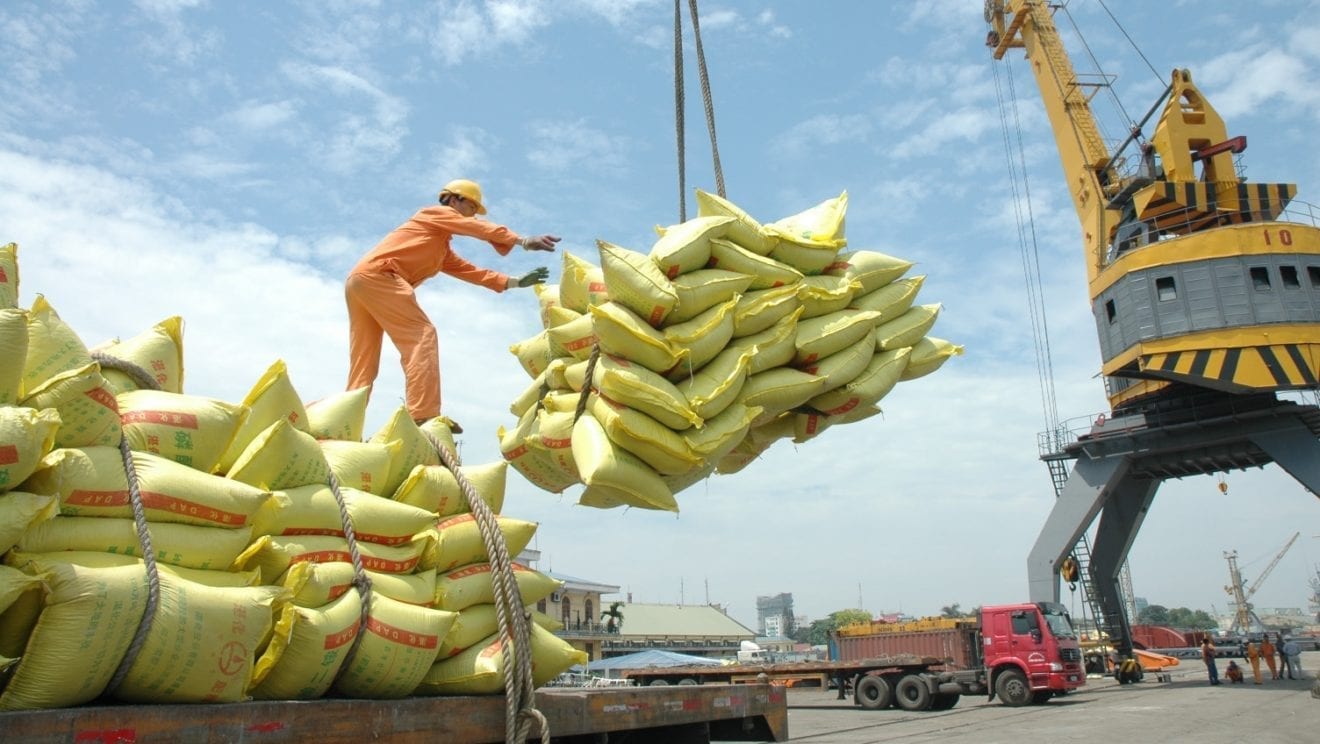
    Rice prices in India nudged higher this week as the rupee firmed, while Thai exporters eyed fresh demand from the Philippines. India’s 5 percent broken parboiled variety was quoted around $363-$371 per tonne this week, versus $362-$369 last week.

    “As the rupee has started to appreciate, we have to adjust export prices,” said an exporter based at Kakinada in the southern state of Andhra Pradesh.

    The Indian rupee rose 0.4 percent on Thursday to its highest level in nearly 8 weeks, trimming exporters’ margins from overseas sales.

    In southern and eastern states, supplies have started to arrive from the new season crop but they are expensive due to higher fixed government buying prices, said a Mumbai-based exporter.

    India’s rice exports dropped 9.6 percent to 5.8 million tonnes between April and September from a year earlier, as leading buyer Bangladesh trimmed purchases due to a bumper local harvest, a government body said earlier this week.

    Meanwhile in Thailand, benchmark 5 percent broken rice prices were quoted at $380 – $398 per tonne, free on board (FOB) Bangkok, unchanged from last week.

    “There have been some minor deals with markets like Japan but they have had no impact on prices,” a Bangkok-based trader said.

    “Thai rice exporters are now watching the Philippines closely because their government will open the bidding process next week.”

    The Philippines’ National Food Authority has issued an international tender to import up to 500,000 tonnes of rice with offers to be opened on Nov. 20.

    “We see this as a major deal ahead of December,” another trader in Bangkok said, pointing out that during the mid-November to early-December period, the market expects an increase in supply due to the seasonal harvest.

    In Vietnam, rates for 5 percent broken rice remained in the $415-$420 a tonne range seen last week.

    “We haven’t signed any new export deals over the past month as domestic supplies are scarce,” a trader in Ho Chi Minh City said. “We wouldn’t be able to secure sufficient rice if we got any new contracts now.”

    Egypt received offers for more than 500,000 tonnes earlier this week, including 50,000 tonnes from Vietnam, the trader said, adding that they were not sure if they will bid in the Philippines’ state grains agency tender.

  • Most SE Asia stocks fall in line with broader Asia; Indonesia climbs 1 pct

    Most SE Asia stocks fall in line with broader Asia; Indonesia climbs 1 pct

    Most Southeast Asian stock markets fell on Tuesday, tracking broader Asia after a selloff on Wall Street overnight. As reported, citing sources from both sides, that China’s top trade negotiator Liu He may visit Washington to prepare for the talks between U.S. President Donald Trump and his Chinese counterpart Xi Jinping on the sidelines of the G20 summit in Argentina later this month.

    Philippine shares declined 1.2 percent, extending falls into a third session, dragged by industrial and real estate stocks. SM Prime Holdings declined 2.3 percent, while JG Summit Holdings fell 6.9 percent.

    Singapore shares declined for a third consecutive session, dragged by financials. DBS Group Holdings, the city-state’s largest lender, slipped 0.9 percent, while rival United Overseas Bank Ltd fell 1.2 percent.

    Malaysian shares extended falls into a third session, with IOI Corp Bhd shedding 3.1 percent to a near 11-month closing low and IHH Healthcare Bhd declining 2.8 percent to its lowest close since July 2014.

    Trade tensions between the United States and China will create a “domino effect” and prompt other countries to turn protectionist, said Malaysian Prime Minister Mahathir Mohamad.

    Vietnam shares declined 1.4 percent, dragged by financial and real estate stocks. Joint Stock Commercial Bank for Investment and Development of Vietnam (BIDV) fell 3.7 percent, while real estate investor Vingroup JSC ended 2.7 percent lower.

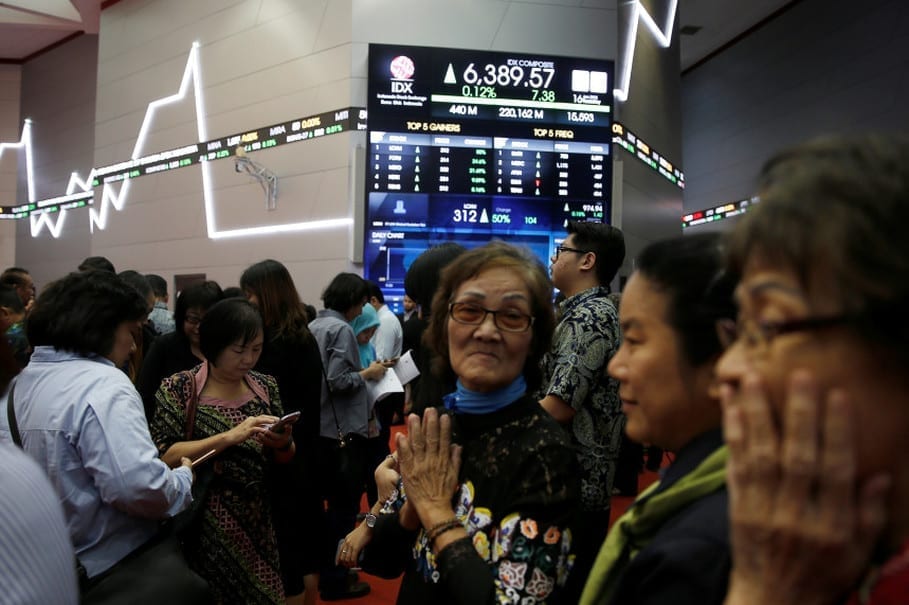
    Indonesian shares were the top gainers in Southeast Asia with a rise of 1 percent. Consumer staples and financials led the gains with United Tractors Tbk PT and Bank Central Asia Tbk PT rising 5.5 percent and 1.6 percent respectively.

    Thai shares climbed 0.3 percent, helped by consumer staples.

    Glass container manufacturer Berli Jucker PCL rose 1.4 percent, while convenience stores operator CP All PCL climbed 2.6 percent to a more than one-month closing high.

    “Stocks are rising on internal factors like government improving infrastructure and linking of our three airports,” said Teerada Charnyingyong, an analyst with Phillip Capital Thailand.”The government also announced measures to stimulate spending by promoting the tourism sector.”

  • Italian Motorcycle Makers Tease Indonesian Enthusiasts With New Models

    Italian Motorcycle Makers Tease Indonesian Enthusiasts With New Models

    Italian motorcycle manufacturers are hoping the release of new or updated models would be enough to reinvigorate interest among Indonesian enthusiasts and boost sales, which have been subdued in the past few years amid a weakening currency and slowing economic growth in Southeast Asia’s biggest economy.

    From household names such as Ducati, Piaggio and Vespa, to niche brands like Motto Guzzi and Italjet, displayed their latest models at the International Motorcycle and Accessories Exhibition in Milan last week. Thousands of visitors from across the globe, including a dozen importers from Indonesia, attended the world’s most famous exhibition dedicated to two-wheelers.

    Ducati featured the Panigale V4R, its latest road-legal competition bike, along with its new Hypermotard 950 and Diavel 1260. The company also introduced updated versions of its Scrambler and Multistrada ranges.

    Moto Guzzi showed off its new adventure bike, the V85 TT, while Vespa introduced updates to its GTS and Primavera ranges, while also launching a new electric scooter, the Elettrica.

    The new models have invoked confidence among importers looking at expanding the luxury motorcycle market in Indonesia after years of slowing demand.

    “We are ready to bring the new Ducati motorcycles to Indonesia, including the three new ones,” said Faby Tsui, marketing director of Garansindo Euro Sports, the sole authorized distributor of Ducati in Indonesia.

    Next year, the company plans to add three Ducati stores from just one currently in Jakarta. “We are looking at opening another shop in Jakarta, one in Surabaya and one in Bali,” Faby said.

    Italjet Moto, a small motorcycle manufacturer based in Castel San Pietro Terme in Bologna, aired a similar sentiment. The company has just revived its iconic Dragster scooter with a new sporty design unique to its class.

    “We would like to enter the Indonesian market. It’s an exciting market, which I believe has many scooter enthusiasts. Indonesia will be the first country outside Europe for us to market the Dragster,” Italjet Moto managing director Massimo Tartarini said.

    The company has also laid out a long-term plan for Indonesia, viewing it as a production base in the Asia-Pacific region.

    “We will start production in April or May next year. For the first year, we want to produce it in Italy. For the second year, we want to start manufacturing it in Indonesia for the Asia-Pacific market,” Tartarini said.

    However, some importers were less optimistic, pointing out that demand for luxury motorcycles has yet to return to what it used to be several years ago, when the Indonesian economy still enjoyed a windfall from a commodity boom and a strong currency.

    Indonesia’s imports of motorcycles, spare parts and accessories from Italy only amounted to $1.3 million last year, half what it was in 2012, according to data compiled by UN Comtrade, the commodity trade section of the United Nations’ statistics division.

    The Indonesian economy has yet to return to the growth levels of above 6 percent it used to see between 2010 and 2012. The rupiah now trades at 16,700 to the euro, having depreciated more than 36 percent from the 2012 level, according to Bank Indonesia.

    Meanwhile, Indonesia’s efforts to root out corruption have effectively curbed the practice among officials of collecting luxury motorcycles over the past few years.

    “I used to see government officials in store bringing all cash in backpacks to buy luxury motorcycles. Today it’s not the case anymore,” one motorbike importer said.

    Other importers pointed to the government’s recent decision to raise import taxes on luxury motorcycles and accessories as part of the country’s broader efforts to curb a widening current-account deficit.

    Many view the move was ineffective to achieve the goal, considering the relatively small size of the luxury motorcycle market in Indonesia. Italian motorcycles and accessories, for example, only accounted for a tiny part of Indonesia’s $535 million imports of bikes and accessories last year, mainly from China, Thailand and Vietnam.

    “We hope the tax will only be temporary and that conditions would return to normal soon,” Faby said.

  • Courts Asia shows negative number after Malaysian woes

    Courts Asia shows negative number after Malaysian woes

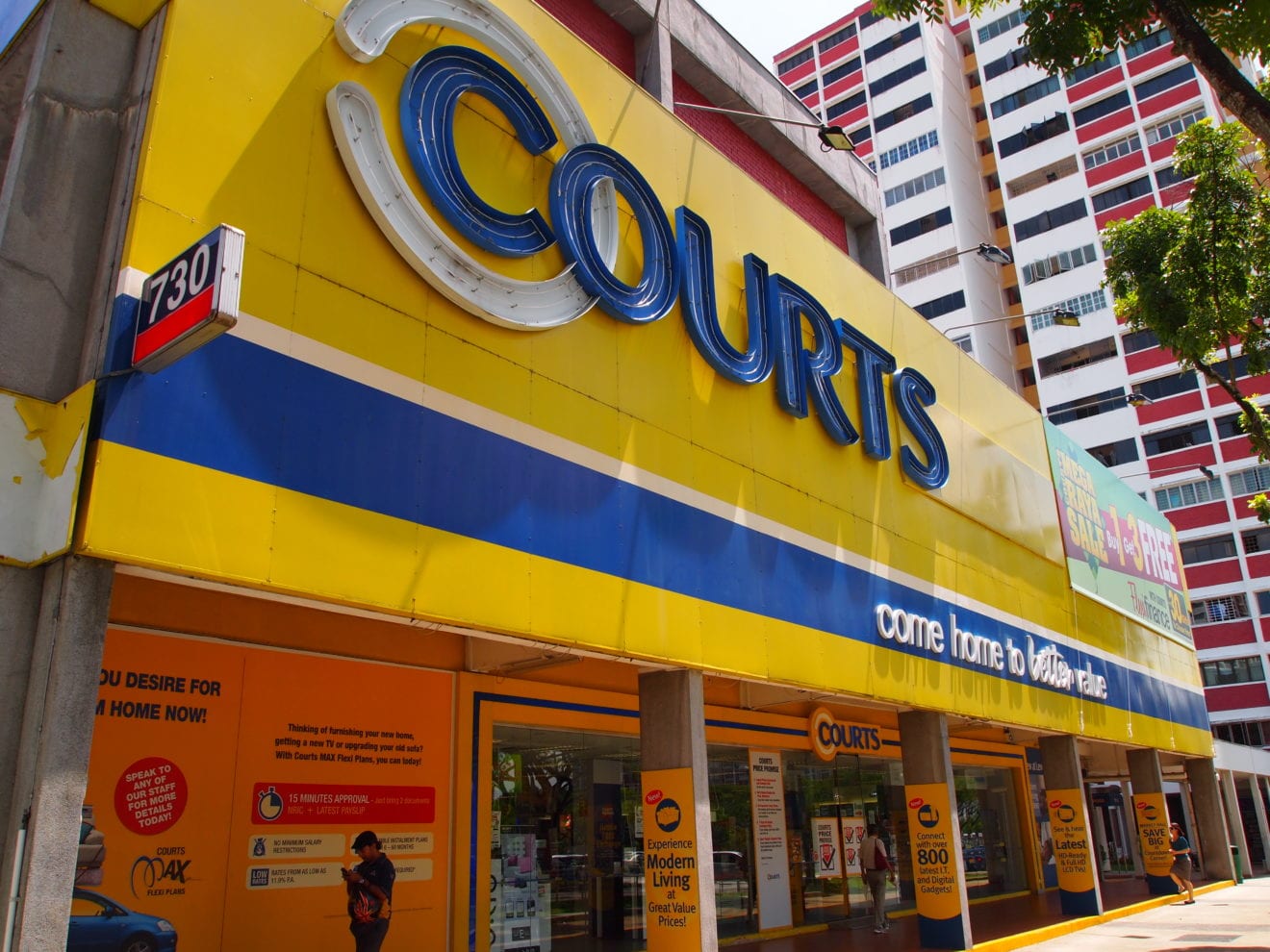
    Singaporean electronics and furniture retailer Courts Asia has posted a net loss of SG$3.1 million (US$2.25 million) in its second quarter.

    The result is a reversal of a net profit of $1.5 million (US$1.09 million) during the same period last year.

    Courts Asia said in a statement that Malaysia revenue came under pressure after the introduction of the Consumer Protection (Credit Sale) Regulations 2017 which saw consumer interest rates capped at 15 per cent per annum from January. However, ongoing transformation work with a persistent focus on cost and productivity efficiencies in Malaysia reaped results, with Malaysia’s PBT crossing into positive terrain after two consecutive quarters of loss.”

    Group CEO Terence Donald O’Connor said: “We are encouraged by the early signs of stabilisation in the Malaysia business. We have closed 10 underperforming stores since the start of our financial year in April and continue to review our store network performance. Impairment loss on trade receivables charged to the profit and loss statement has also been on a declining trend from the fourth quarter ended March.”

    The Singapore firm recorded $3.4 million profit before tax after starting out on its store transformation process, up from $3 million last year. It renovated its Ang Mo Kio outlet last month.

  • Indonesia to Sell $4b in Bonds to Fund Freeport Purchase

    Indonesia to Sell $4b in Bonds to Fund Freeport Purchase

    State-owned mining holding company Indonesia Asahan Aluminium, better known as Inalum, sold bonds worth $4 billion in its first-ever US dollar bond deal on Thursday to fund the acquisition of a majority stake in the Grasberg copper mine in Papua.

    The deal came amid choppy global markets, rocked by trade concerns and slowing economic growth in Asia – including Indonesia – that have made it hard for emerging market borrowers to attract investor interest.

    The coupon on the bonds was lower than the initial guidance.

    Inalum sold a tranche of three-year bonds at a yield of 5.230 percent, five-year bonds at 5.710 percent, 10-year bonds at 6.530 percent and 30-year bonds at 6.757 percent, according to a copy of the term sheet for the sale.

    That compared with initial guidance ranging from 5.875 percent to 8 percent.

    Inalum sold $1 billion in three-year and 10-year bonds each, $1.25 billion in the five-year bonds and $750 million in the 30-year paper, according to the term sheet.

    The bonds were sold slightly below face value.

    Inalum will use the funds to buy shares in US mining giant Freeport-McMoRan’s Indonesian unit, which owns the mine.

    Freeport agreed in July to sell its stake to the government for $3.85 billion, ending a long-running dispute with Indonesia, which is seeking to gain greater control over its mineral wealth.

    The sale occurs during a period of market turmoil which has seen Asian issuers hit particularly hard as rising US interest rates have pushed up borrowing costs.

    The sale drew over $20 billion in investor orders, most of them from the United States.

    Asset managers and fund managers represented the bulk of investors, making up 78 percent to 86 percent of buyers.

    The bonds are expected to be rated BAA2 by Moody’s and BBB- by Fitch.

    There is some uncertainty around the Grasberg deal as the government said it is binding while Freeport and Rio Tinto said it is non-binding.

    The bond deal includes a clause that says the bonds will be redeemed at 101 percent of face value if the acquisition is not completed by June 30 next year.

    BNP Paribas, Citigroup and Mitsubishi UFJ Financial Group were the joint global coordinators for the deal.

  • Bank of Indonesia Signs $10b Financial Stability Deal With Singapore

    Bank of Indonesia Signs $10b Financial Stability Deal With Singapore

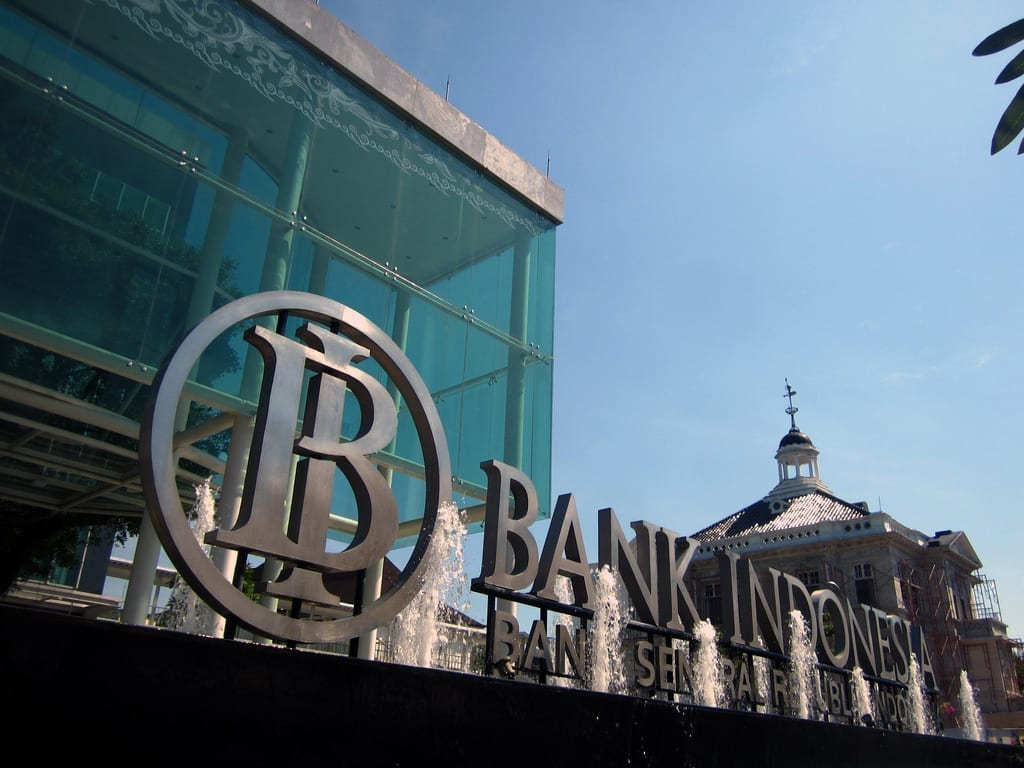
    The central banks of Indonesia and Singapore said last week that they had agreed to a bilateral deal for a $10 billion backstop to help maintain monetary and financial stability after a recent bout of turbulence in markets. The pact, which will be in place for one year, comprises a local currency swap agreement of around $7 billion equivalent and another $3 billion that allows for repurchase transactions between the two central banks to obtain United States dollar cash using government bonds of major countries as collateral.

    Bank Indonesia has been recently intervening to stabilize its rupiah, which fell to 20-year lows against the US dollar amid a global rout in emerging markets.

    “Economic fundamentals in the regional economies remain sound. But markets can sometimes overreact in the face of heightened uncertainty. This bilateral financial arrangement will instill confidence amongst investors,” said Ravi Menon, managing director of the Monetary Authority of Singapore.

  • Indonesia Will Not Cut Export Levy on Palm Oil: Minister

    Indonesia Will Not Cut Export Levy on Palm Oil: Minister

    Indonesia has decided not to make any changes to export levies on palm oil, Coordinating Economic Affairs Minister Darmin Nasution said on Thursday. “Even though we have had discussions on the issue, we prefer not to change the policy on this area. There is no change,” Darmin said at a press briefing in Kuala Lumpur.

    “In the long term, I cannot confirm, but in the short term there is no change,” he said.

    Darmin said at an industry conference in Bali last week that Indonesia was considering a move to reduce the levy.

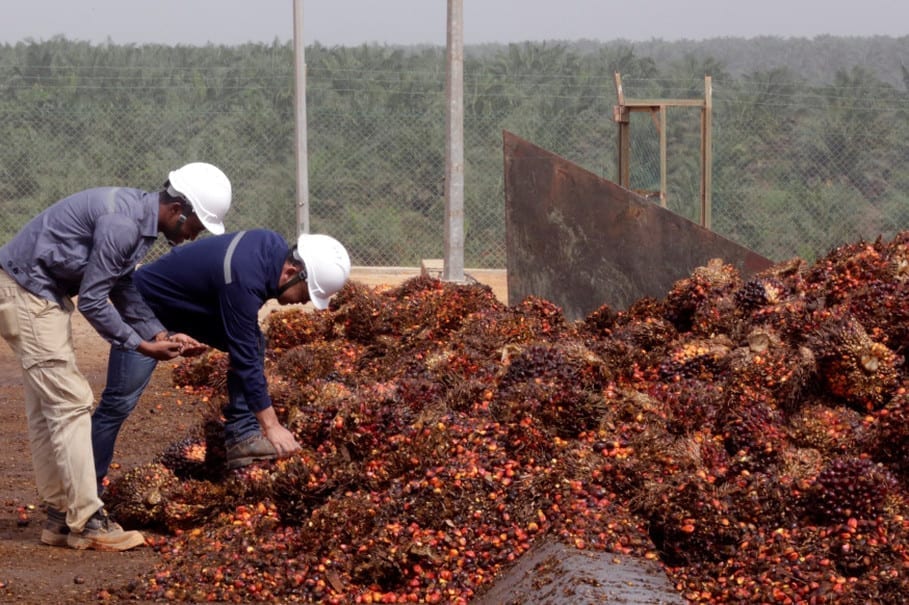
    Indonesia, the world’s top producer and exporter of the edible oil, currently slaps a levy of $50 per metric ton on crude palm oil, and a range of $20-$40 for refined palm products.

    The Indonesian Palm Oil Association (Gapki) said last month that it had proposed cutting the palm oil export levy by $20 per ton until prices of the vegetable oil reach $700 per ton.

    The government’s reference price for crude palm oil has stayed below $750 per ton for over a year.

    Speaking in Kuala Lumpur, Darmin said Indonesia decided against the cut in export levy as such a move would result in lower prices that would benefit consuming countries, not exporters.

    The minister has in the past said Indonesia was considering reducing the levy to boost exports, which would then reduce stockpiles, but he said on Thursday that this would be achieved by boosting the use of biodiesel.

    “Our policy is to increase the utilization of biodiesel, so of course, it takes time but I believe the result will be there in six months,” Darmin said.

  • Indonesia’s Queenrides Uses Road Safety to Drive Women’s Empowerment

    Indonesia’s Queenrides Uses Road Safety to Drive Women’s Empowerment

    Iim Fahima Jachja cannot operate a vehicle and relies on a driver to get around Jakarta, but that did not stop her from putting road safety at the heart of her women’s empowerment startup.

    Since launching in late 2016, Queenrides has attracted 200,000 members to join its website.

    Aside from reading articles about lifestyle and financial management, members can also gather in person for workshops covering topics like sexual health and family planning.

    But road safety has been a focus from the beginning said Iim, a mother of two.

    “When you are safe on the road, you can be the best you want to be,” she told the Thomson Reuters Foundation by phone from Jakarta.

    Road deaths are high in Indonesia, according to the Ministry of Transportation, which counted 162,000 fatalities last year, compared with 136,000 in 2015.

    In a country undergoing rapid urbanization as incomes increase, more people are buying vehicles, putting stress on the road network.

    Many drivers avoid taking tests by paying corrupt officials for driving licenses, Iim said.

    She added that the road risks are rising for women in particular, because changing social attitudes mean that more of them are working and commuting.

    At the same time, relatively few women have taken driving lessons and tests to acquire licenses, she said.

    Only about 20 percent of 7,500 Queenrides members surveyed said they had taken a driving test.

    “This is a major issue – this is a crisis – but people haven’t noticed the situation,” Iim said about the number of road deaths in Indonesia.

    Low-income countries have fatality rates more than double those in high-income countries, according to the World Health Organization (WHO).

    There were 104 million registered vehicles in Indonesia, according to the WHO’s latest report on road safety published in 2015.

    Driving Safely

    As well as enabling its members to exchange views and learn more about road safety online, Queenrides arranges workshops with input from the transportation ministry and the traffic police.Participants have gone on to take driving lessons and tests, Iim said.

    That trend could make Indonesia’s roads safer, said Liviu Vedrasco, a road safety expert at the WHO in Bangkok.

    “There are some studies that suggest women are more careful and follow the rules better than men,” he noted.

    One of the Sustainable Development Goals set by the United Nations in 2015 is to halve the global number of deaths and injuries from road traffic crashes by 2020, Vedrasco said.

    As the number of female drivers increases, Indonesia’s transportation ministry has stepped up efforts to reduce crashes involving women by working with outside partners, said Budi Setiyadi, director of land transportation at the ministry.

    “Queenrides is needed for women riders in Indonesia to be given a good education in driving safely because women have a primary role,” Budi said in an email. “They can educate their children, their families, and the surrounding environment.”

    Growing

    As more Indonesian women join the workforce and take to the roads, Queensrides can also help them assert control in other areas of their lives, Iim said.

    For example, about 30 members gathered last month in a child-friendly cafe in Jakarta to discuss family planning and strategies for educating their teenaged children about sex.

    United States-based Johns Hopkins University sent experts to the workshop part of a program targeting “married women of reproductive age,” according to Dinar Pandan Sari of the university’s Center for Communication Programs in Jakarta.

    “The fact that in just two years, Queenrides has been able to grow from an idea to 200,000 women joining their movement is remarkable,” Sari added.

    Queenrides teams up with other organizations to provide information on issues such as women’s rights, while members can also receive financial planning advice from institutions, including Bank Mandiri.

    As Queensrides’ membership grows, revenue from advertising on the website should increase as well, allowing the startup to expand its program, Iim said.

    She said she aims to attract 5 million members over the next three years, making Queenrides the biggest women’s empowerment platform in Southeast Asia.

    “If you can conquer Indonesia, it is easy to conquer any other area in the world,” Iim said. “Conquering Indonesia is like conquering five countries at the same time.”

  • Indonesia’s Third-Quarter GDP Growth Slows as Consumer, Export Sectors Struggle

    Indonesia’s Third-Quarter GDP Growth Slows as Consumer, Export Sectors Struggle

    Indonesia’s economic growth slowed in the third quarter, losing momentum from the previous three months and pointing to tougher conditions for Southeast Asia’s biggest economy, which has struggled with capital outflows and weaker exports and household spending.

    Gross domestic product expanded 5.17 percent in the July-September quarter from a year earlier, the Central Statistics Agency (BPS) said on Monday, compared with a 5.15 percent expansion expected in a Reuters poll and the second quarter’s 5.27 percent. The April-June quarter pace was the fastest since late 2013.

    The slowdown was largely due to softer household consumption in the third quarter and a negative contribution from foreign trade.

    Although the expansion was a notch faster than expected, economists warn growth may weaken further.

    “We think growth will tend to be slower in the coming future due to the impact of weakening rupiah,” said Fakhrul Fulvian, a Jakarta-based chief economist of Trimegah Securities. He expects GDP to grow 5.13 percent in 2018 and 5 percent in 2019.

    The rupiah is down around 9 percent this year, making it the second-worst performing currency among emerging Asian markets.

    Though a weaker currency has not stoked inflation, the central bank has raised interest rates five times since May to slow capital outflows in a measure analysts say could dampen domestic demand.

    Alex Holmes, Asia analyst at Capital Economics, said growth will probably stay around 5 percent over the next couple of years.

    “A key drag on growth over the next year is likely to be the export sector,” Holmes said in a note, adding that weaker global growth and subdued commodity prices could hold back export revenues.

    Weaker coal and palm oil prices have been a drag on Indonesia’s exports, with the fall in the local currency unable to offset the hit to revenues from the softer commodity prices.

    The export sector’s contribution to GDP in the third quarter was wiped out by imports. BPS chief Suhariyanto blamed this on declining non-oil and gas commodity prices as well as slower growth in main trading partners like China and Singapore.

    Stronger investment and government spending also failed to mitigate slowing household consumption, which accounts for more than half of Indonesia’s GDP.

    While a trade war between the United States and China is expected to hurt economic growth in the region, most analysts say Indonesia, which is less integrated into global production supply chains than its regional peers, will not be among the worst hit.

    However, the trade war could pressure the Indonesian economy through its financial markets.

    In addition to Bank Indonesia’s rate hikes, the government has delayed infrastructure projects and raised tariffs for a wide range of consumer goods, which could further hurt growth.

    Barclays economist Rahul Bajoria said tighter fiscal policy next year also clouds growth outlook.

    While the government’s official GDP growth target this year is 5.4 percent, Finance Minister Sri Mulyani Indrawati last month told the House of Representatives that 2018 growth was more likely to be 5.14 percent.

    The government projects growth at 5.3 percent for next year.

    Bank Mandiri economist Andry Asmoro said the third-quarter growth figures were unlikely to affect the central bank’s monetary stance.

    “The global challenge is still huge and prioritizing stability over growth remains relevant in the current environment,” he said.

  • Trade war’s bark turns to bite in Asia

    Trade war’s bark turns to bite in Asia

    The U.S.-China tariff slugfest has for months triggered warnings that it could impact global economic growth, and recent data indicates the tension is beginning to bite. Manufacturing gauges in several export-reliant Asian countries, as well as China, weakened in October as gloom deepens over the trade outlook.

    China’s official Purchasing Managers’ Index (PMI), which measures factory activity, came in at 50.2 in October, down from 50.8 the previous month, the latest sign of weakness in the world’s second-largest economy amid the trade war and a domestic debt problem.

    But China’s troubles are bad for the rest of the region, and the world, analysts said.

    Asian exporting countries from South Korea to Malaysia saw PMI decreases in October, according to indices compiled by Nikkei/IHS Markit.

    Taiwan saw its steepest falls in production and new business in just over three years, purchasing activity by companies fell for the first time since May 2016, and firms anticipate lower factory output in the next 12 months, Nikkei/IHS Markit said.

    “Taiwan is feeling the effects of this trade war because China is the factory for many companies in Taiwan. When the estuary is blocked, you feel the effects,” said Sun Ming-te of the Taiwan Institute of Economic Research.

    Paying the price

    South Korea’s PMI slipped to 51.0 in October from 51.3 in September, while a separate Korean business sentiment index for manufacturing sank to its lowest level in two years.

    China is South Korea’s largest trading partner, absorbing a quarter of Korean exports.

    “The situation may get worse next year due to a prolonged trade war between the US and China, growing default risks at debt-plagued Chinese firms and a slowing global economy that reduces demand for our exports,” said c, an analyst at the Korea Institute of Finance.

    Southeast Asian manufacturers were feeling the effects too, with PMI in Malaysia and Thailand slipping below the 50-point level, which indicates contraction in the sector.

    It was Malaysia’s lowest PMI since July and Thailand’s lowest in two years.

    In an interview last week, Malaysian Prime Minister Mahathir Mohamad complained that U.S. President Donald Trump — who has accused various trading partners of “ripping off” America — “seems to be withdrawing from all commitments overseas”.

    Mahathir, 93, said that hurts everyone, including the U.S.

    “We want to remain friendly with the U.S., and we want to continue trading with the US,” Mahathir said.

    “But the trade war that is going on between the U.S. and China is damaging for us. We have to pay a price for that.”

    Vietnam or bust

    The International Monetary Fund warned at its annual meeting last month that the trade friction and other threats would hobble the world economy, lowering its growth forecasts for 2018 and 2019.

    The Eurozone posted disappointing PMI figures in October, though due largely to factors other than trade tension.

    But not everyone feels the shock yet, with Japan’s manufacturing looking solid last month.

    Trump, meanwhile, faces little pressure to tame his trade rhetoric at home, with a rosy U.S. outlook marked by rising wages and low unemployment.

    And even in Asia, there will be some winners as conflict re-aligns trading patterns, economists noted.

    Vietnam, in particular, looks to gain as foreign manufacturers relocate out of China to escape the trade war crossfire and what many say is an increasingly unfair playing field for foreign companies in China.

    Vietnam PMI climbed from a ten-month low of 51.5 in September to 53.9 last month.

    “The hard data on exports and industrial production in recent months haven’t been that great. The latest survey nonetheless shows how Vietnam is weathering the U.S.-China trade war better than its ASEAN peers,” Miguel Chanco, senior economist at Pantheon Macroeconomics asia.

    “If the trade war escalates, Vietnam will be one of the prime destinations for export-oriented firms looking to move out of China.”