Tag: Indonesia

  • After Sprinting to Aid Rupiah, Bank Indonesia Could Struggle in a Marathon

    After Sprinting to Aid Rupiah, Bank Indonesia Could Struggle in a Marathon

    Bank Indonesia has done more than any Asian peer to defend its currency amid a global rout in emerging markets, but the fact that the rupiah has kept slipping suggests the central bank would struggle to maintain the pace in a prolonged battle.

    Like many developing markets with current account or trade deficits, Southeast Asia’s largest economy is hostage to forces outside its control, including rising US interest rates, higher oil prices and the Washington-Beijing trade conflict.

    And the difficult position Indonesia authorities face “may not end quickly,” Bank Central Asia chief executive Jahja Setiaatmadja told reporters on Thursday (26/07). “This is truly a marathon.”

    What differentiates Indonesia is how strongly the central bank has come out of the blocks.

    Bank Indonesia (BI) has lifted rates 100 basis points, twice what the Philippines has done, and has drawn more heavily on its foreign reserves than other Asian nations have.

    Still, the rupiah is down more than 6 percent in 2018, nearly as much as the peso and Indian rupee. Bond yields went down after Indonesia’s 50 bps June rate hike – which BI said reflected a “pre-emptive, front-loading and ahead-of-the-curve” policy – as investors gave their thumbs-up, but the reprieve proved temporary.

    An Open Economy

    For sure, economists do not perceive the lackluster results in stabilizing the market as a failure. Much is due to the fact Indonesia’s economy is more open than India’s or the Philippines’ and its financial markets have larger foreign investor participation.

    But limited results raise concerns about BI’s firepower in case the Sino-US trade conflict escalates and lasts for years, or US heads into recession.

    In such an environment, BI’s traditional tools won’t be enough. Further hiking rates at this pace will choke growth and add to pressure on the currency. And foreign exchange reserves are only $20 billion above the $100 billion mark at which some economists expect BI to turn less interventionist.

    Given policy constraints, the economy “may not be able to able to handle more rate hikes,” Paul Mackel, HSBC head of global emerging markets FX research in Hong Kong, said in a note.

    Mackel said Indonesia might consider temporarily requiring exporters to sell some FX proceeds and curb importers’ FX purchases, similar to what Malaysia did in 2016.

    President Joko “Jokowi” Widodo on Thursday pleaded with exporters to bring home earnings they currently keep offshore to help manage the rupiah from falling further, Finance Minister Sri Mulyani Indrawati said on Friday.

    Indonesian authorities, who know they need a multi-pronged approach, have revived an old tool and created a new one they hope will help the rupiah.

    To give foreign investors more instrument choices, they auctioned nine- and 12-month Bank Indonesia Certificates (SBI) for the first time since 2016, raising Rp 6 trillion ($412.51 million). The instruments, which foreigners can buy in secondary markets, help bring more capital in and let BI mop up the dollars investors sell to purchase the bonds and rebuild reserves.

    Next week, BI launches a new benchmark for overnight inter bank money markets, called Indonia, mirroring euro zone’s and Britain’s Eonia and Sonia. It aims to improve the transmission of BI rate moves to the financial sector.

    Beyond reserves, the central bank “has at its disposal a number of measures” to counter FX volatility, said Roland Mieth, emerging markets portfolio manager at PIMCO in Singapore.

    Finding Dollars 

    The finance ministry is also reducing rupiah bond issuance, hoping to meet some financing needs with additional foreign-currency loans from lenders such as the World Bank and the Asia Development Bank.

    “We are getting many offers, but we are only taking what is needed to cover the shortfall in our rupiah bond issuance,” Scenaider Siahaan, finance ministry director of borrowing strategy told Reuters.

    Foreigners, who hold more than one-third of Indonesia’s government bonds, sold nearly Rp 29 trillion ($2 billion) of local currency bonds in April to June. Following BI’s 50 bps benchmark hike, this month has seen 5 trillion rupiah returning.

    While the central bank has been “very much” proactive, that doesn’t mean Indonesia is out of trouble, said Rohit Garg, emerging market fixed-income and foreign exchange strategist at Bank of America Merrill Lynch in Singapore.

    “If trade tensions do increase … there is only so much that BI can do to make sure that rupiah weakness is limited,” he said.

  • Asia’s large format retailers prepare for steady growth

    Asia’s large format retailers prepare for steady growth

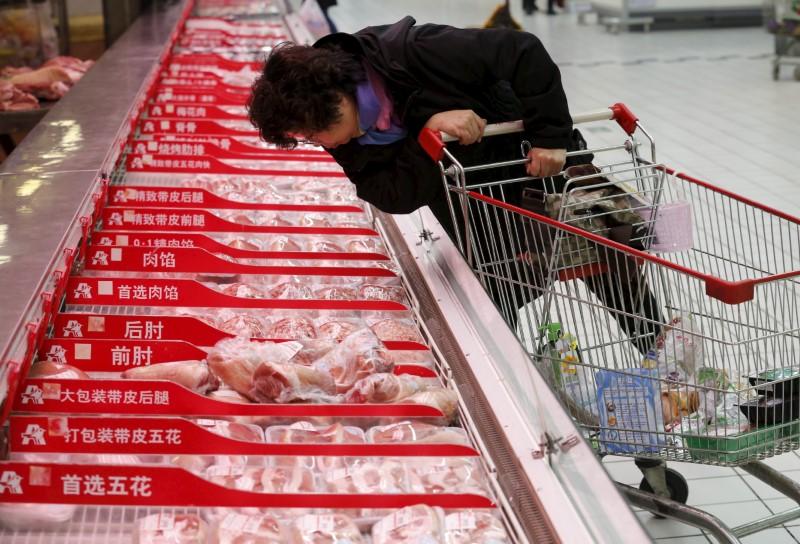
    Global research organisation IGD has reported that Asia’s large format retailers are set to grow 3.3 per cent a year to 2022, with Vietnam, India and the Philippines forecast to see double-digit growth from large format players over the next five years.

    Most of this growth is predicted to be driven by domestic retailers, except for Vietnam where foreign retailers have been investing to gain a foothold in this fast-growing market. Indonesia will see steady growth, also driven mainly by domestic players; with China coming through as another market with significant growth opportunities due to its vast geography.

    Many large format retailers in Asia are still enjoying steady growth through expansion although they are facing pressures from increased competition in more developed markets.

    Besides expansion to new regions, retailers are also digitising physical stores to create a seamless shopping experience in more matured markets.

  • New Bike-Sharing Service Set to Help Jakarta Combat Air Pollution, Bad Traffic

    New Bike-Sharing Service Set to Help Jakarta Combat Air Pollution, Bad Traffic

    Surya Teknologi Perkasa, a subsidiary of digital self-service kiosk operator M Cash Integrasi, has introduced an online-based bicycle-sharing service dubbed Gowes, aimed at providing an emission-free transportation alternative to help Jakarta combat air pollution and traffic congestion.

    Bicycle sharing is still relatively new business in the capital, where motorcycle ride-hailing services such as Go-Jek Indonesia and Grab have been dominating over the past few years.

    Jakarta Deputy Governor Sandiaga Uno, who attended the inauguration event at the National Monument (Monas) in Central Jakarta on Friday (27/07), said there will be a three-month trial of the bicycle-sharing service, during which time people will be allowed to ride for free in the Monas area. This will be done to test demand for the new service.

    The trial will take place in collaboration with the Jakarta provincial government and the Institute for Transportation and Development Policy.

    “We are pleased with the trial. We expect support from the government and all parties to make bicycles Jakarta residents’ preferred option for short-term transportation as it reduces air and noise pollution, while also being affordable and safe for all ages,” Surya Teknologi Perkasa president director Iwan Suryaputra said in a statement.

    He said the company will continue to support the government’s efforts to reduce carbon emissions and mitigate traffic congestion in the capital through the bike-sharing system.

    Jakarta is consistently among the top-10 most polluted cities in the world, according to data provided by air quality monitoring app AirVisual.

    A study by US-based research company Inrix has shown that Jakarta is the 17th most congested city in the world after Bangkok and Russia’s Kansk, noting that its residents spend on average 63 hours in congestion per year.

    Gowes, which means “to paddle,” in Indonesian, is already available in Bintaro, Banten and several locations in Bali. Equipped with tracking devices, users do not need to return the bicycles to their original location after use. Instead, they can park it anywhere with Gowes’s operational area.

    The Gowes smartphone application also offers other digital products and services, such as internet data packages, phone credit and more, similar to those offered by Go-Jek. The services are also in line with the parent company M Cash’s core business.

    M Cash was the second digital startup to list on the Indonesia Stock Exchange (IDX). It raised Rp 300 billion ($21 million) in October last year from the sale of 25 percent of its enlarged capital. Since then, the company has acquired mobile wallet service provider Matchmove Indonesia and cloud-based digital advertising firm Digital Marketing Indonesia.

    M Cash reported net income of Rp 45 billion in the first half of this year, compared with Rp 3.8 billion in the corresponding period last year.

  • Dairy Farm restructures after recent result

    Dairy Farm restructures after recent result

    “Underperforming” subsidiaries and rising rent and labour costs are disturbing the chairman of Hong Kong-listed multinational retailer Dairy Farm International – but those factors failed to prevent a solid second-half year performance.

    Dairy Farm’s total sales rose 17 per cent to US$12.215 billion in the six months to June 30 and profit attributable to shareholders was $215 million, up 6 per cent. The increased sales came largely from the Yonghui supermarket operation and Maxim’s which owns food retail channels and the Starbucks business in Hong Kong, Singapore, Vietnam and Cambodia.

    Chairman Ben Keswick said the health and beauty business in Hong Kong and Macau drove strong results in North Asia, but the Southeast Asian food businesses continued to face challenges producing a weaker overall performance.

    “While the outlook for the remainder of the year is expected to remain challenging for the Food businesses, particularly in Southeast Asia, the group’s other businesses should continue to make steady progress. Significant management and structural changes have been made to address the issues the group faces in a number of areas, but time will be needed to deliver sustainable improvement.”

    The company has consolidated its trading operations into a more centralised structure with two main trading divisions: North Asia and Southeast Asia, in addition to the standalone business of Home Furnishings (essentially Ikea) and Maxim’s.

    Keswick says five strategic priorities have been identified: building capability, growing presence in Mainland China, protecting the group’s Hong Kong business, revitalising the Southeast Asia operations and driving digital innovation. “A series of programs are underway to support these priorities across all of the group’s businesses,” he said in the earnings statement.

    In North Asia, overall sales within the food businesses were ahead of prior year, but profits declined, mainly due to higher rent and labour costs in Hong Kong. “The health and beauty business in Hong Kong and Macau delivered very strong sales and profit growth, driven by a significant increase in business from higher numbers of mainland Chinese tourists.”

    Southeast Asia challenges

    However, in Southeast Asia, challenging trading conditions continued for Dairy Farm’s food businesses.

    “The group saw lower sales and profits in Singapore, Malaysia and Indonesia, while in the Philippines, sales were higher but profits lower, due to increased operating costs resulting from more store openings. Generally, these businesses have suffered from a lack of investment in infrastructure, range and competitive pricing for some time, while competition in each market has been increasing.

    “Turning these food businesses around and becoming more relevant to the changing demands of customers will take significant effort. Appropriate plans are now being put in place following the strategic review, but will require time to take effect,” said Keswick.

    He said the improving performance of the majority of the group’s health and beauty businesses in Southeast Asia is encouraging, with Malaysia, Indonesia and Vietnam reporting better underlying results.

    Dairy Farm’s convenience store operations (7-Eleven) performed well, with Hong Kong and Macau trading in line with last year.

    “In Singapore, overall convenience store sales were slightly lower than last year due to the termination of a multi-site agreement, but profitability improved following the closure of some underperforming stores. Like-for-like sales increases and store expansion in Mainland China continued to underpin growth in this sector.

    “In Home Furnishings, Ikea performed ahead of last year in Taiwan and Indonesia, with sales and profits growth. Hong Kong reported higher sales, helped by a contribution from the new store which opened in October last year, but associated higher operating costs resulted in reduced reduction in profits. Progress continues to be made on new store development in both Taiwan and Indonesia, with several sites under development. Meanwhile, e-commerce activities are showing increased results in all markets but from a small base.

    Keswick said Maxim’s delivered another good performance and is continuing to expand its presence across Mainland China and Southeast Asia. In Hong Kong, Maxim’s opened its first Shake Shack in May with “encouraging initial results”.

    Supermarket chain Yonghui reported strong sales growth and underlying profits from the core food business remained strong, but total profits were behind prior year due to the investment in new technology formats and the introduction of an employee incentive scheme announced earlier this year.

    Philippines restructure

    Meanwhile, back in March, the group announced it had agreed to partner with Robinsons Retail Holdings Inc. (‘RRHI’), the third largest retailer in the Philippines, to build a leading food retail business in that market. Dairy Farm will combine its Rustan Supercenters operations with RRHI to build on the combined strengths of both businesses, creating a new platform for growth. Following completion of the transaction, Dairy Farm would own 18.25 per cent of RRHI. The transaction, which is subject to certain regulatory approvals, is expected to be completed in the fourth quarter.

    As at June 30, Dairy Farm, including associates and joint ventures, operated more than 7400 outlets across all formats, compared with 7181 at the end of last year.

  • Maybank Indonesia posts lower earnings in first half of 2018

    Maybank Indonesia posts lower earnings in first half of 2018

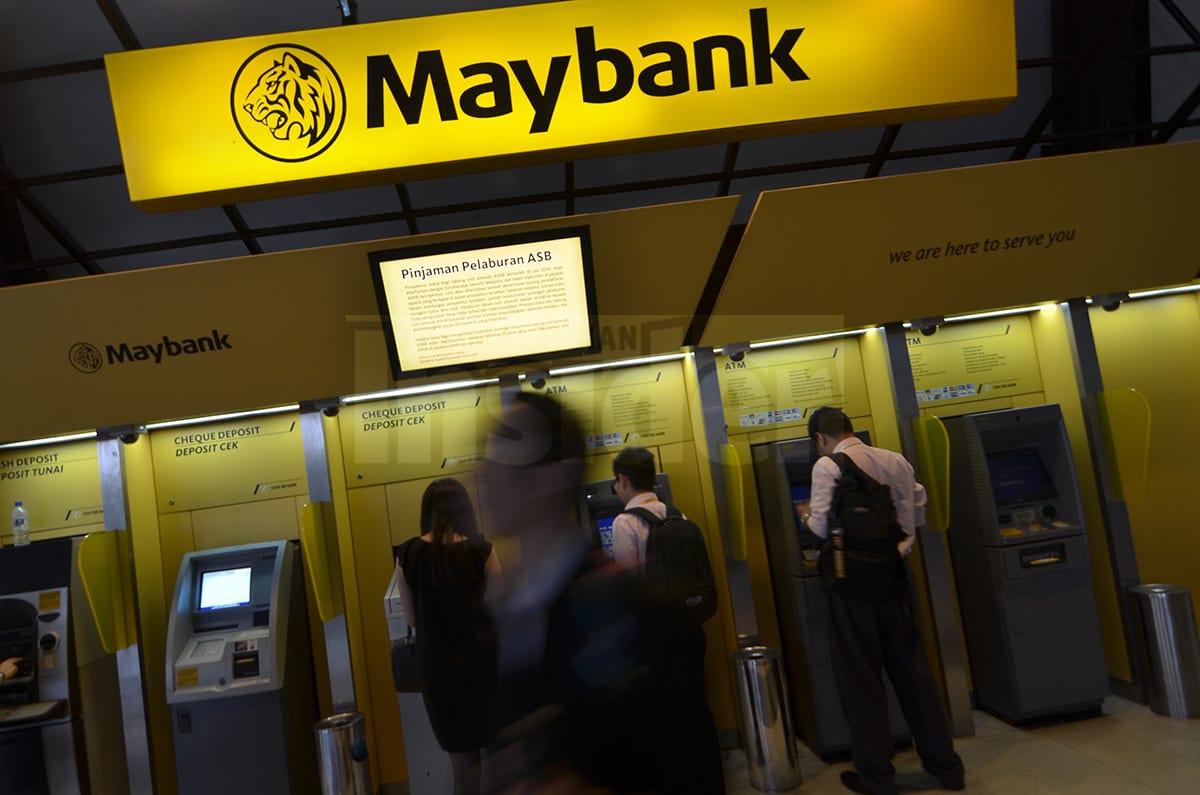
    Malayan Banking Bhd’s (Maybank) Indonesian unit PT Bank Maybank Indonesia Tbk’s net profit fell 6.6% to Rp932.7 billion (RM264 million) for the first six months ended June 30, 2018 compared with Rp998.5 billion in the previous corresponding period, due primarily to lower fee-based income and a slight compression in net interest margin (NIM).

    The bank recorded a loans growth of 6% to Rp127.1 trillion as at June 30, 2018 from Rp119.9 trillion in the previous year. Its sharia business saw solid growth of 42.2% to Rp23 trillion, making up 18.1% of its total loans.

    Asset quality improved significantly as reflected by lower gross and net non-performing loans (NPL) of 2.8% and 1.6%, respectively, as at June 30, 2018, compared with 3.6% and 2.4% in the previous year.

    Net interest income registered a 2.5% growth to Rp3.9 trillion in June 2018 compared with Rp3.8 trillion in the previous corresponding period, but NIM was marginally lower at 5.1% in June 2018 from 5.3% a year ago. On a quarterly basis, NIM improved 28 basis points from 4.8% in the first quarter of 2018.

    The capital adequacy ratio improved to 18.8% as of June 30, 2018 from 16.9% in the previous corresponding period with total capital reaching Rp24.7 trillion.

    Maybank Indonesia president director Taswin Zakaria said the bank continue to focus on growing its assets selectively while maintaining the discipline in loan pricing to ensure sound asset quality going forward.

    “Global banking continues to be the leading contributor to our asset growth; while our community financial services has now resumed an upward growth momentum as the bank sees opportunities in the retail and small medium enterprise segments. We expect to see further growth in this segment as we have recently embarked on our recalibrated retail business model.”

  • Indonesia Commits to Developing Low-Cost Airport Terminals

    Indonesia Commits to Developing Low-Cost Airport Terminals

    The Ministry of Transportation has given its support for the development of airport terminals specifically catering to low-cost carriers, as part of Indonesia’s efforts to lower travel costs and boost tourism.

    “Be it specialized terminals or airports for low-cost carriers, we will certainly explore the matter further,” the ministry’s civil aviation director general, Agus Santoso, said on Tuesday (24/07), as quoted by Antara.

    Agus said President Joko “Jokowi” Widodo issued a directive for the establishment of more welcoming transportation infrastructure to attract more foreign tourists to Indonesia.

    Indonesia took a cue from Malaysia and Singapore, which have been operating low-cost terminals over the past several years. The two neighboring countries last year attracted 26 million and 17 million foreign tourist arrivals, respectively. Indonesia only managed to attract 14 million.

    Low-cost terminals, which provide only basic amnesties, could allow airlines make significant cost savings. This may allow them to offer cheaper tickets and in turn, attract more travelers, Agus said.

    “The low costs are derived from minimal services, but we will nonetheless always uphold safety, whether it be for low-cost airlines, terminals, or even airports,” he said.

    The country’s largest airport operator, Angkasa Pura II, earlier announced a plan to transform Terminal 1 and Terminal 2 at Soekarno-Hatta International Airport outside Jakarta into Indonesia’s first low-cost terminals.

    The terminals are undergoing a massive revamp to update and expand facilities dating back to their opening in 1985 and 1992, respectively. Angkasa Pura II president director Muhammad Awaluddin said the company will use the opportunity to transform them into low-cost terminals.

    “We saw that it is possible to synchronize this program with the revitalization effort,” he said.

    Awalludin said he will reduce human involvement in low-cost terminal services, which would further trim costs. Terminal 4 of Singapore’s Changi Airport has managed to achieve that by implementing automated machines from the check-in counters, through baggage storage to immigration counters.

    “Is Changi low in quality? No. Did Changi abolish many of its functions? No. So we will match that standard,” he said.

    Awaluddin said Soekarno-Hatta Airport’s low-cost terminals would further benefit budget airlines currently operating from there, including the country’s largest, Lion Air and Citilink.

  • Indonesia to Postpone Coal, Palm Oil Insurance Rules by Six Months

    Indonesia to Postpone Coal, Palm Oil Insurance Rules by Six Months

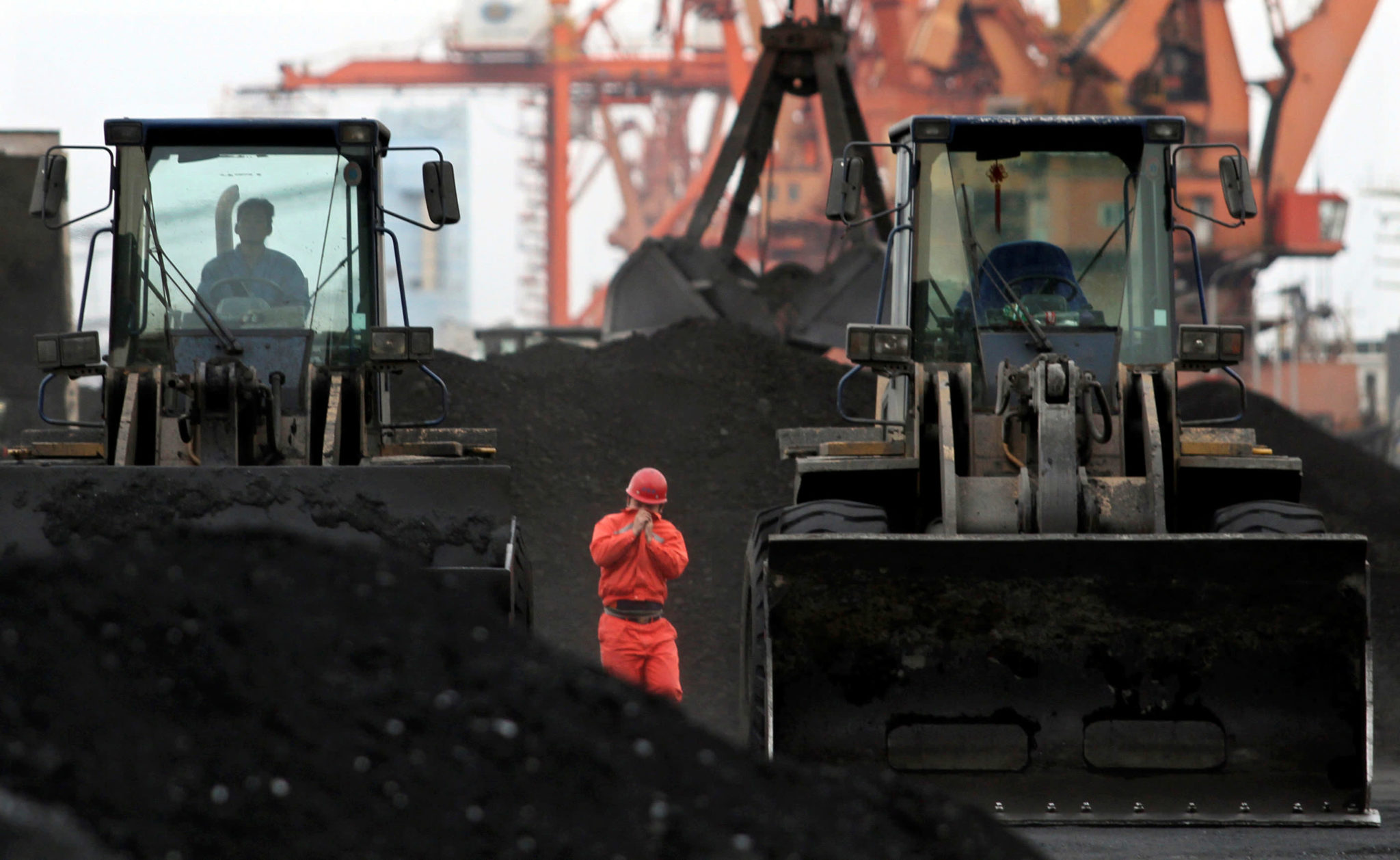
    The Ministry of Trade has decided to postpone for six months the application of rules saying coal and crude palm oil export shipments should use Indonesian insurers, the country’s leading coal industry association said.

    The decision would be the second time that application of the rules, issued in October and due to come into effect on Aug. 1, have been postponed.

    The rules were part of trade regulations intended to boost the role of the archipelago’s shipping industry and save foreign currency. Elements of the regulations were postponed in April to 2020 with little clarification from the trade ministry.

    The decision to postpone the insurance rules was announced by the ministry at a brief meeting with industry representatives on Thursday (26/07), Indonesian Coal Mining Association (ICMA) executive director Hendra Sinadia said.

    “Everybody is very anxious,” Hendra said, referring to coal buyers and exporters confused about how they could put the rules into practice for shipments sold on a free-on-board (FOB) basis, on which the vast majority of Indonesia’s coal exports are sent.

    Under FOB terms insurance is the responsibility of the buyer, Hendra noted.

    Trade Minister Enggartiasto Lukita is expected to formally announce the decision on his return from a visit to the United States, Hendra added. Enggartiasto is due to return to Jakarta on July 28, according to the trade ministry, though its representatives did not immediately respond to questions on the matter.

    Ido Hotna Hutabarat, chief executive of coal miner Bumi Resources unit Arutmin Indonesia, said the rules were unworkable.

    “This cannot be carried out for FOB sales because we don’t have rights to control the buyer,” he said, adding that FOB shipping terms were preferable as they were lower risk.

    Indonesian Palm Oil Association (Gapki) executive director Mukti Sardjono said on Wednesday Gapki would discuss how to implement the rules with the Trade Ministry. “We hope the implementation of this regulation won’t be a disincentive for exports,” he said.

    Dody Dalimunthe, executive director of the Association of General Insurance Companies of Indonesia (AAUI), said there were 73 Indonesian insurance companies that can cover coal and CPO shipping. “And many companies already use this insurance,” he said.

    Earlier, ICMA chairman Pandu Sjahrir said diplomats from several countries including Japan had asked the trade ministry for a transition period for the insurance rules to come into effect. The Japanese embassy did not respond to a written request for comment.

  • Indonesia Companies Rush to List Before Upcoming Election Year

    Indonesia Companies Rush to List Before Upcoming Election Year


    Companies are rushing to go public this year in search of fresh funds despite volatility in the market and investors likely to maintain a tight grip on the purse strings ahead of Indonesia’s 2019 general election.

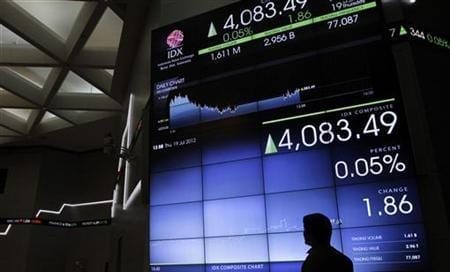
    Thirty companies have listed on the Indonesia Stock Exchange (IDX) between Jan. 1 and July 12, raising a total Rp 11.5 trillion ($790 million). In contrast, 20 companies undertook initial public offerings in the same period last year, raising about Rp 3.8 trillion in fresh capital.

    The bourse expects 16 more companies to list during the rest of this year, among them Garuda Food, MD Pictures, Arkadia Digital and Media Net Visi Media, better known as Net TV. That would bring the total for the year to a record 46.

    Kiswoyo Adi Joe, an analyst at Narada Kapital Indonesia, said prospective companies are hurrying for early listings on the IDX this year rather than wait for next year because of the uncertainty associated with an election year.

    “They seem to worry about the upcoming election year, which would be more difficult and uncertain. While the JCI [Jakarta Composite Index] is flashing green, these companies will rush to list on the IDX,” Kiswoyo said.

    Most of the public listings so far this year were by small and medium firms, such as digital exchange platform NFC Indonesia, palm oil producer Mahkota Group and property firm Sinergi Megah Internusa.

    Among them were subsidiaries of state-owned companies, such as insurance firm Asuransi Tugu Pratama Indonesia, shariah-compliant lender BRI Syariah and logistic firm Indonesia Kendaraan Terminal, which raised more than Rp 1 trillion.

    These companies prefer to seek funding through IPOs because it is cheaper than borrowing from banks or issuing bonds and medium-term notes, said I Gede Nyoman Yetna Setia, newly appointed company valuation director at the IDX.

    “Banks require guarantees and companies usually only qualify for loans of up to 30 percent of their guarantee value. At a certain point, when they need loans for big expansions, they do not have any guarantees left,” Nyoman said.

    However, companies seeking to raise capital will find themselves in a volatile market.

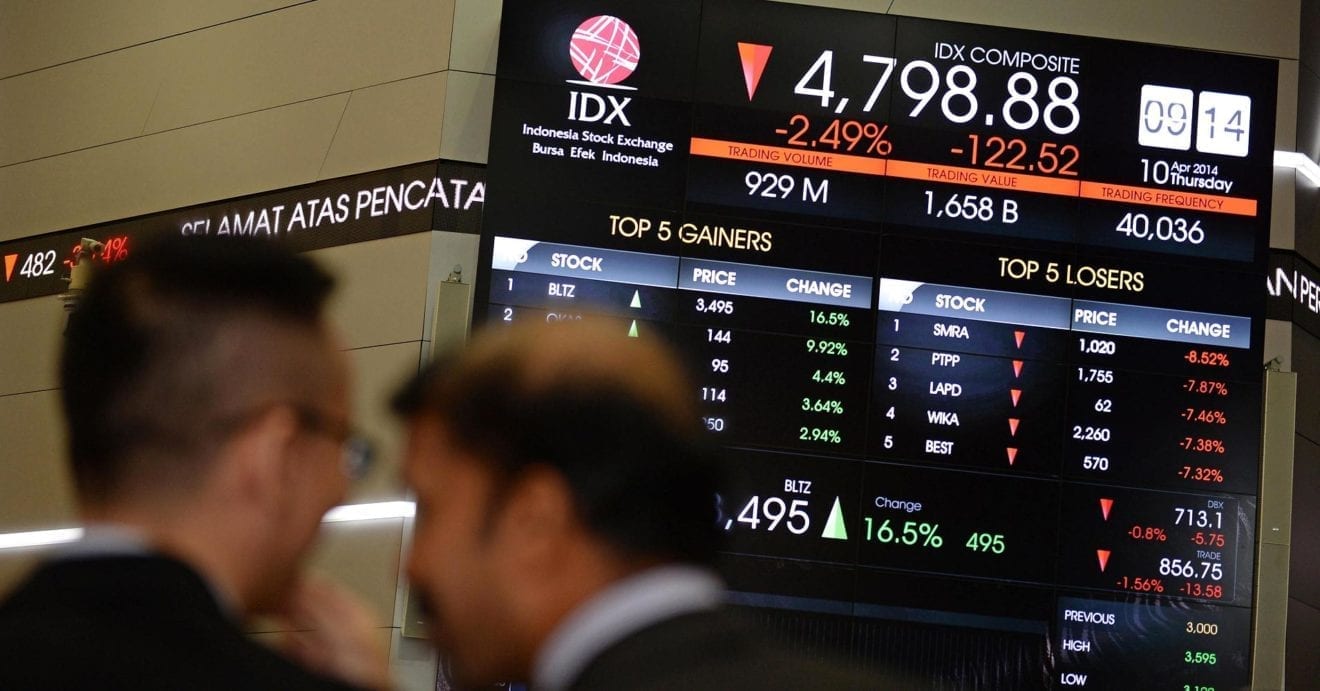
    The benchmark JCI has slipped more than 7 percent since the beginning of the year, with foreign investors dumping Rp 51 trillion in shares. The rupiah has meanwhile lost 6.9 percent of its value since the beginning of the year and currently trades at 14,487 against the US dollar.

    “Whenever the US Federal Reserve raises interest rates, it affects our stock market and bonds. There are also other factors, including the current geopolitical situation, especially the heated trade war between the United States and China,” said Ari Pitojo, chief investment officer at asset management firm Eastspring Investments.

    While the uncertainty will force some investors to adopt a wait-and-see approach, others will perceive the valuations of these companies as low and scoop up their stocks at bargain prices. This will shore up demand for the IPOs this year.

    “Market volatility has little effect on any particular IPO because it is mostly about a company’s fundamentals,” said Nafan Aji, an analyst at Binaartha Sekuritas.

    “But this year, the stock market is perceived as relatively cheap, so many want to hold IPOs.”

  • Malaysia Airlines to capture 50% moslem market share in Malaysia, Indonesia

    Malaysia Airlines to capture 50% moslem market share in Malaysia, Indonesia

    Malaysia Airlines Bhd (MAB) aims to tap into 50% of the umrah pilgrimage market in Malaysia and Indonesia with 270,000-290,000 umrah pilgrims projected to make their pilgrimage to the holy land in the upcoming pilgrimage season.

    The national carrier entered into a charter service deal with a coalition of four umrah tour operators comprising KRS Travel Sdn Bhd, ATS Global Travel & Charter, Ecoriths Leisure Travel &Tour and Rayhar Travels Sdn Bhd to provide air charter services during the umrah season beginning October 2018 until June 2019.

    MAB group CEO Captain Izham Ismail said all the 149 flights will be operated via its Airbus A380-800 aircraft. The agreement will see the carrier transporting 70,000 pilgrims from Malaysia and neighbouring countries such as Indonesia.

    The direct flight are from Kuala Lumpur to Jeddah and Madinah in Saudi Arabia.

  • Toyota Eyes 53 New Export Destinations for Indonesia-Made SUV

    Toyota Eyes 53 New Export Destinations for Indonesia-Made SUV

    Toyota Motor Manufacturing Indonesia, the local unit of the Japanese automotive giant, aims to expand its export market by shipping its all-new Rush sport utility vehicle to 53 countries in Asia and Africa this year.

    Toyota currently only exports vehicles to the Philippines, but it believes the model, updated early this year, would appeal to a broader market.

    “The Toyota Rush is indeed one product aimed at export. Where previously we only exported it to one other country, this new model will be delivered to 53 countries,” Henry Tanoto, deputy director of Toyota Astra Motor, a joint venture between Toyota Motor Manufacturing Indonesia and the country’s largest car distributor, Astra International, said on Tuesday (24/07).

    The Toyota Rush still leads in Indonesia’s so-called low SUV market segment, with data compiled by the Association of Indonesian Automobile Industries (Gaikindo) showing that 19,508 units were sold in the first semester of 2018, up 69 percent from the same period a year ago.

    Japanese manufacturers have long sought to establish Indonesia as an export hub in the Asia-Pacific region.

    Toyota has pledged $1.9 billion to expand its manufacturing capacity in Indonesia between 2015 and 2019.

    Exports of Indonesian-made completely built-up cars has risen more than 14 percent over the past three years to 231,000 last year. The country exported 110,135 completely built-up cars between January and June, according to Gaikindo data.

  • New Biodiesel Recipe Can Cut Indonesia’s Fuel Imports

    New Biodiesel Recipe Can Cut Indonesia’s Fuel Imports

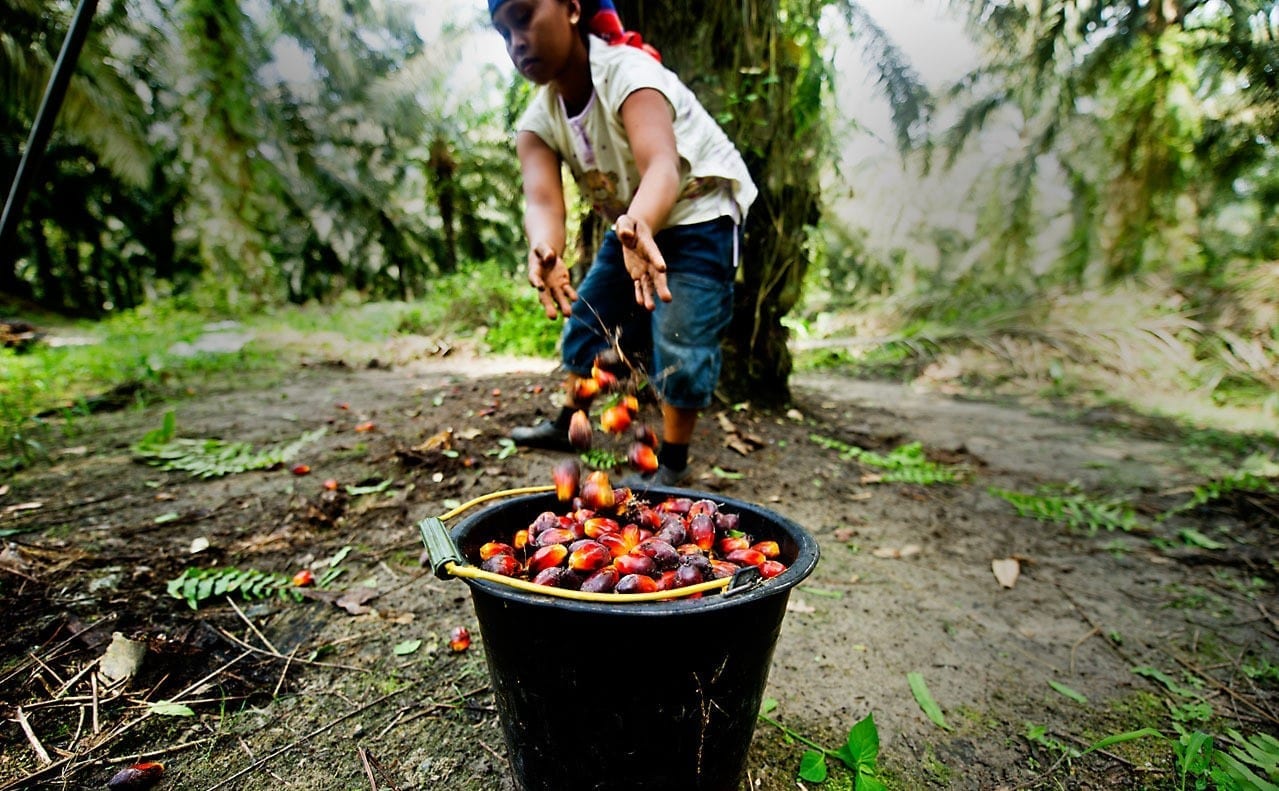
    Indonesia, the world’s biggest palm oil producer, is offering incentives to developers of a new 100 percent palm oil-based “green diesel,” which the net oil importer hopes can replace costly fuel imports within three years, Industry Minister Airlangga Hartarto said.

    Biodiesel for land transportation in Indonesia currently consists of a 20 percent bio component that is mixed with petroleum diesel. That component is expected to be raised to 30 percent in 2020.

    In Indonesia, the bio portion of biodiesel is made with fatty acid methyl esters (FAME) from palm oil, but efforts to increase FAME concentrations in biodiesel have faced resistance from regulators as well as the automotive and oil industries.

    While biodiesel can cut fuel costs and reduce emissions, higher blends of FAME require special handling and equipment as the fuel has a solvent effect that can corrode engine seals and gasket materials, and it can solidify at cold temperatures.

    But according to Airlangga, Indonesia has found a new way to produce biodiesel that is not based on FAME that can avoid these problems.

    “We already have a prototype and in three years we will be ready to produce it,” he said last week.

    “Green diesel” made completely from palm oil has “the same specifications as petrol” and is compliant with the Euro IV emissions standard, said Airlangga, who chairs Indonesia’s second-biggest political party, Golkar.

    A biorefinery owned by Elevance Renewable Sciences and Wilmar International is currently producing “green diesel” in a pilot project, and has been given a corporate tax discount to develop full-scale output, Airlangga said.

    Modifications to engines and machinery “wouldn’t be needed because its specifications are the same as [B20] biodiesel,” he added. “It’s actually better than conventional fuel.”

    According to Lila Harsyah Bakhtiar, an official at the Industry Ministry, green diesel is made using hydrotreated vegetable oil, a technology that is expensive to develop but which could avoid disruptions to automakers who were “angry” over repeated changes to the FAME-based biodiesel mix.

    Elevance and Wilmar did not reply to requests for comments.

    According to its website, Elevance uses a patented process at its refinery in Gresik, East Java, to produce 180,000 metric tons of modified triglyceride, unsaturated methyl esters and olefins per year.

    Indonesia’s biodiesel program was already reducing Indonesia’s fuel import demand by $21 million per day, Airlangga said, adding that green diesel can “help [improve] our trade balance, and strengthen the rupiah while creating jobs.”

    Southeast Asia’s largest economy is among the region’s most vulnerable to external factors due to its sizeable current account deficit and its large fuel imports.

    Because of that, the rupiah has been among the hardest hit this year as investors have sold emerging market assets.

    Indonesia has been pushing increases in domestic palm oil consumption to cushion a possible slowdown in export demand. The European Union last month agreed to phase out the use of palm oil in transport fuels from 2030 because of deforestation concerns.

    The Indonesian Automotive Industry Association (Gaikindo) has previously said increasing biodiesel blends can increase fuel consumption and may lead to engines overheating.

    The minister asserted that green diesel generated 90 percent fewer emissions than conventional fossil fuels.

    However, a 2015 study funded by the European Commission found that among vegetable oils, palm and soybean oils generated the highest indirect greenhouse gas emissions because of deforestation and the drainage of peatlands associated with their cultivation.

    Indonesia is expected to consume between 3.2 million and 3.3 million kiloliters of FAME this year, below an earlier target of 3.5 million kiloliters, according to the Indonesia Estate Crop Fund.

    The Indonesia Biofuel Producers Association (Aprobi) expects unblended biodiesel exports to reach 800,000 kiloliters this year.

  • Goldman Loses Indonesia Court Appeal in Hanson Share Ownership Dispute

    Goldman Loses Indonesia Court Appeal in Hanson Share Ownership Dispute

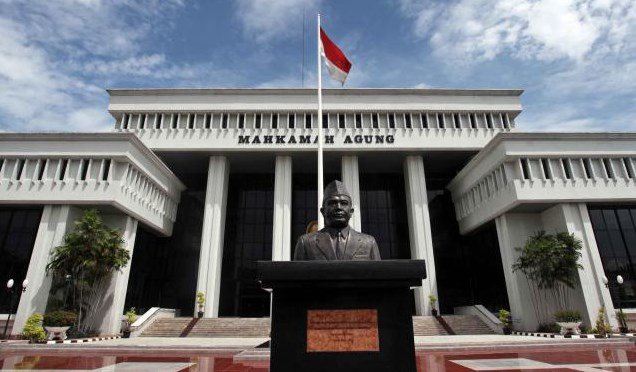
    Goldman Sachs has lost a court appeal in Indonesia over whether it should return shares in property developer Hanson International to tycoon Benny Tjokrosaputro in a legal tussle over ownership.

    Benny, president director of Hanson International, sued the US bank for Rp 15 trillion ($1.1 billion), accusing it of making “unlawful” trades in the shares and claiming ownership of 425 million shares.

    Goldman said Goldman Sachs International had bought the Hanson shares from New York hedge fund Platinum Partners in a series of “valid” transactions on the Indonesia Stock Exchange (IDX) between February 2015 and December 2015.

    The South Jakarta District Court ruled in favor of Benny in November last year, ordering the US firm to return shares and pay Rp 321 billion in compensation.

    The Jakarta High Court upheld this verdict on Thursday (19/07). The ruling, published on its website, said Goldman’s transactions had been done without Hanson’s knowledge and were against Indonesian law.

    Hanson shares last traded at Rp 127 apiece, valuing a parcel of 425 million shares at about $3.7 million.

    The bank planned to appeal the decision, Goldman Sachs spokesman Edward Naylor said.

    A lawyer for Benny, Oscar Sagita, declined to comment as he had not yet reviewed the judgment.

    The lawsuit has been seen by some legal experts as a litmus test for Southeast Asia’s largest economy, which has launched its biggest drive for foreign investment in a decade.

    At stake in the Goldman case is the protection of the rights of foreigners, amid a general lack of transparency in Indonesian court proceedings, they say.

    Benny had pledged Hanson shares to Platinum in return for funding on the basis he could get the shares back upon repayment, according to court documents.

    Such a repurchase agreement, or a repo, effectively acts as a loan but the deal involves temporarily transferring legal ownership of the shares.

    Goldman Sachs International bought the Hanson shares from Platinum as a hedge for the derivatives it had entered into with the fund, a bank spokesman has said.

    In late 2014, New York-based Platinum fell into financial difficulties and had trouble paying back a large number of investors, according to US authorities.

    Goldman started selling the Hanson shares in 2015, but was forced to stop after Benny filed a police complaint, which he followed up with the lawsuit.

    Goldman says in its court filings that it “understands” Platinum originally acquired the Hanson shares from an entity named Newrick Holdings, rather than from Benny.

    According to the “Panama Papers” online database as of 2015, which compiled millions of leaked documents from law firm Mossack Fonseca, Newrick is a company registered in the British Virgin Islands in which Benny was a shareholder.

  • SE Asia Stocks: Indonesia, Vietnam rise; others subdued

    SE Asia Stocks: Indonesia, Vietnam rise; others subdued

    Investors’ risk appetite soured on fears of more trade protectionist measures from the United States as U.S. President Donald Trump said on Friday he was ready to impose tariffs on all $500 billion of imported goods from China, threatening to escalate a clash over trade policy that has unnerved financial markets.

    The dollar declined against major currencies after Trump criticised the Federal Reserve’s monetary tightening policy.

    “Market players will likely closely monitor China’s policy reaction, especially on the RMB front in the interim. Asian markets are likely to also trade with a cautious tone today,” OCBC said in a note.

    Singapore shares were down after four straight sessions of gains ahead of June inflation data.

    The annual headline inflation rate is expected to have risen in June from the previous month, according to a Reuters poll.

    Financials were among the biggest drag with index heavyweights DBS Group Holdings, Oversea-Chinese Banking Corp and United Overseas Bank shedding between 0.9 percent and 1 percent.

    Indonesian shares rose 0.9 percent with all sectors but materials in positive territory.

    Financials led the charge, with Bank Central Asia Tbk PT rising 1.7 percent to its highest in more than three months, while Bank Mandiri (Persero) Tbk PT gained nearly 2 percent.

    The impact of U.S.-China trade tensions on Indonesia is “not a lot” as exports to these countries are not the biggest parts of Indonesia’s economy, said Nomura Indonesia analyst Elvira Tjandrawinata.

    “Indonesia is instead affected through the impact global events have on the local currency, which pours into general sentiment in the economy,” she said.

    Last week, the central bank kept its benchmark interest rate unchanged as expected, taking a pause in its monetary tightening cycle.

    Vietnam shares jumped 1.4 percent, driven by gains in real estate and financial stocks. Vingroup JSC and Petrovietnam Gas Joint Stock Corp were the top gainers.

  • Indonesia Apartment Sales Slump in H1 2018, No Sign of Recovery

    Indonesia Apartment Sales Slump in H1 2018, No Sign of Recovery

    Apartment sales in Jakarta slumped in the first half of this year, due to a lack of confidence among top-tier buyers to commit to big-ticket purchases amid economic and political uncertainty, property consultancy Jones Lang LaSalle said on Wednesday (18/07).

    However, the silver lining is that demand for lower- and middle-class apartments has kept growing, although it was barely enough to curb a further sales decline in the rest of the year.

    Developers sold 2,100 units in the country’s largest property market between January and June, which is 6.2 percent less than in the corresponding period last year, Jones Lang LaSalle said in the report.

    The slump was mainly cause by a decline in sales of the most expensive units, the consultancy said. The government imposed a 20 percent luxury tax on sales of apartments worth Rp 10 billion ($694,000) or more in March last year, further curbing top-tier buyers’ appetite for new apartments.

    “For most people, the condominium is the part of an investment,” Vivin Harsanto, head of advisory at Jones Lang LaSalle, said on Tuesday.

    “In the first half of this year, they were still not confident enough because of volatility of the rupiah, and they also held off purchases of investment products due to the fasting month and the Idul Fitri celebration,” she said.

    Vivin said there is always a slowdown in apartment sales during Ramadan as consumers are usually more focused on other needs, such as going on holiday and the Idul Fitri celebration.

    Still, demand for lower-cost apartments – priced between Rp 300 million and Rp 500 million – remains robust and growing. Cleon Park, a middle-class apartment project in East Jakarta by listed property developer Modernland Realty, was sold out when it launched in May, according to Luke Rowe, head of residential project marketing at Jones Lang LaSalle.

    The consultancy said in the report that there might be an improvement in property demand as some large, reputable developers offer units close to public transportation, such as the mass rapid transit and light rail transit systems, currently under development in Jakarta, while smaller developers are offering more affordable units.

    Bank Indonesia has dropped its requirement for mortgage down payments in April this year. It formed part of the central bank’s effort to ensure domestic economic growth after it had to increase its benchmark interest rate by 100 basis points in the preceding three months to maintain economic stability amid global capital outflows.

    Still, Vivin said she does not expect the central bank policy to significantly impact current sales trends, which have been on a decline since 2014.

    “[Apartment buyers] want to see a stable rupiah and a steady political situation as we enter an election year in 2019,” she said.

    According to research by Jones Lang LaSalle, apartment prices in the greater Jakarta area are expected to remain flat amid weak demand for the remainder of the year.

    Developers only built 1,292 units between January and June this year, bringing the number of total unsold units to 144,000. In the same period last year, developers built 4,843 units, resulting in total stock of 134,536 units.

  • Carrefour to open 300 mini stores in Indonesia

    Carrefour to open 300 mini stores in Indonesia

    Carrefour Indonesia has sealed a deal with the nation’s Mosque Council (Dewan Masjid Indonesia, DMI) to open up to 300 mini supermarkets.

    The stores will be built in mosque districts by Carrefour’s local entity Trans Retail Indonesia and range in size between 10sqm and 250sqm.

    According to Salaam Gateway, the company is working with the national mosque body to select districts for stores in cities including Jakarta, Sukabumi, Bandung, Bekasi, and Depok, as well as in provincial centres such as Riau, Padang, Lombok, and Makassar.

    VP for corporate communications with Trans Retail, Satria Hamid, says a memorandum of understanding has been signed with DMI “and we agreed on three points: boost human capital skills in retail management, grow the number of entrepreneurs from mosque districts, and increase the purchasing power of this captive market.”

    Profits will be shared equally.

    The retail infrastructure and store operations will be overseen by DMI and Trans Retail will supply products as well as providing technical assistance, training, and support on merchandising, safety, hygiene and other operational factors.

    The new Carrefour Indonesia stores will compete with Alfamart convenience stores.

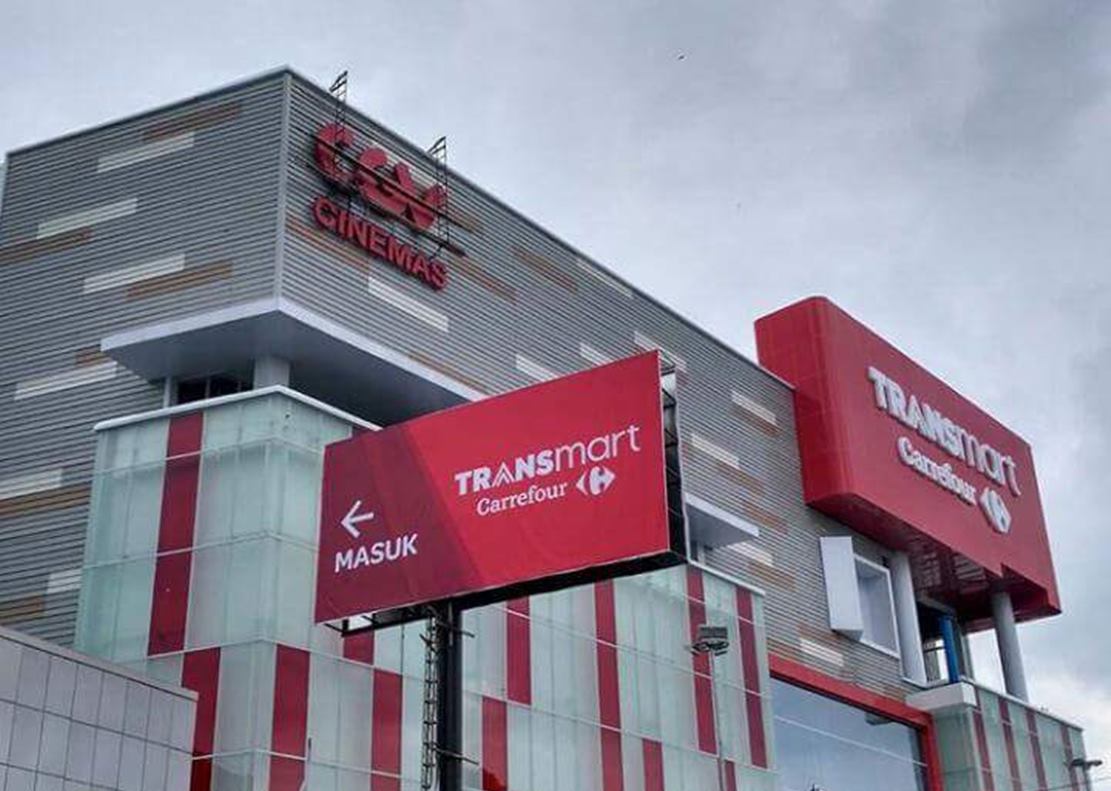
    Trans Retail operates 112 Carrefour hypermarkets and supermarkets across Indonesia under the umbrella of four brands: Carrefour, Transmart Carrefour, Transmart, and Groserindo Carrefour.

    Trans Retail’s parent CT Corp acquired 100 per cent of Carrefour Indonesia from Carrefour France in late 2012.