Tag: Indonesia

  • Indonesia Scrambles to Mitigate Trade War With US

    Indonesia Scrambles to Mitigate Trade War With US

    While bracing for the fallout from a trade war between China and the United States, Indonesia is doing its best to avoid sparking a trade war of its own with the world’s largest economy.

    Indonesia found itself on the wrong end of a trade imbalance with the United States, amid President Donald Trump’s apparent dislike of trade deficits.

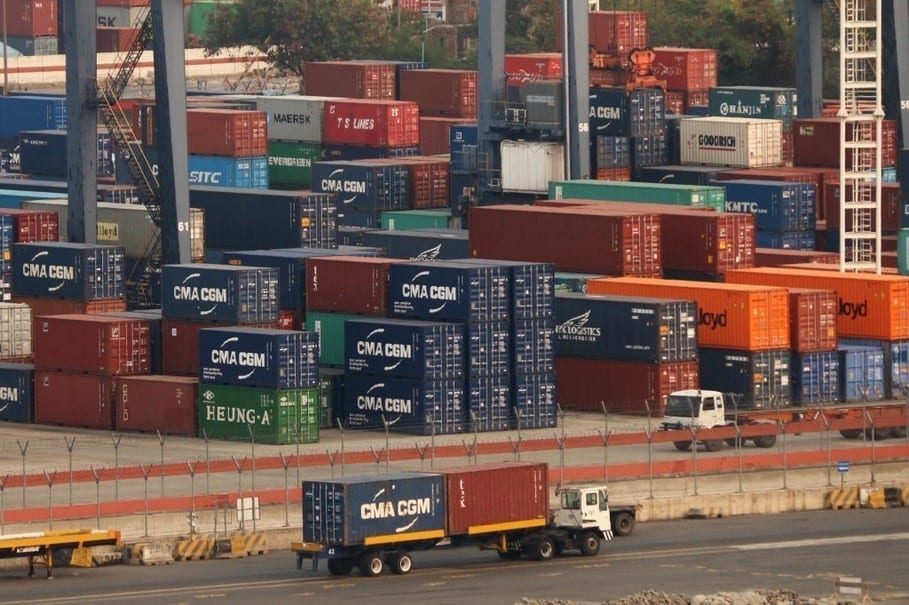
    Now the United States is planning to a revoke duty-free incentive for Indonesian goods under the Generalized System of Preferences (GSP), imposed in 1976 to increase poor and developing countries’ competitiveness in global trade. This could affect some $2 billion in Indonesian exports to the United States.

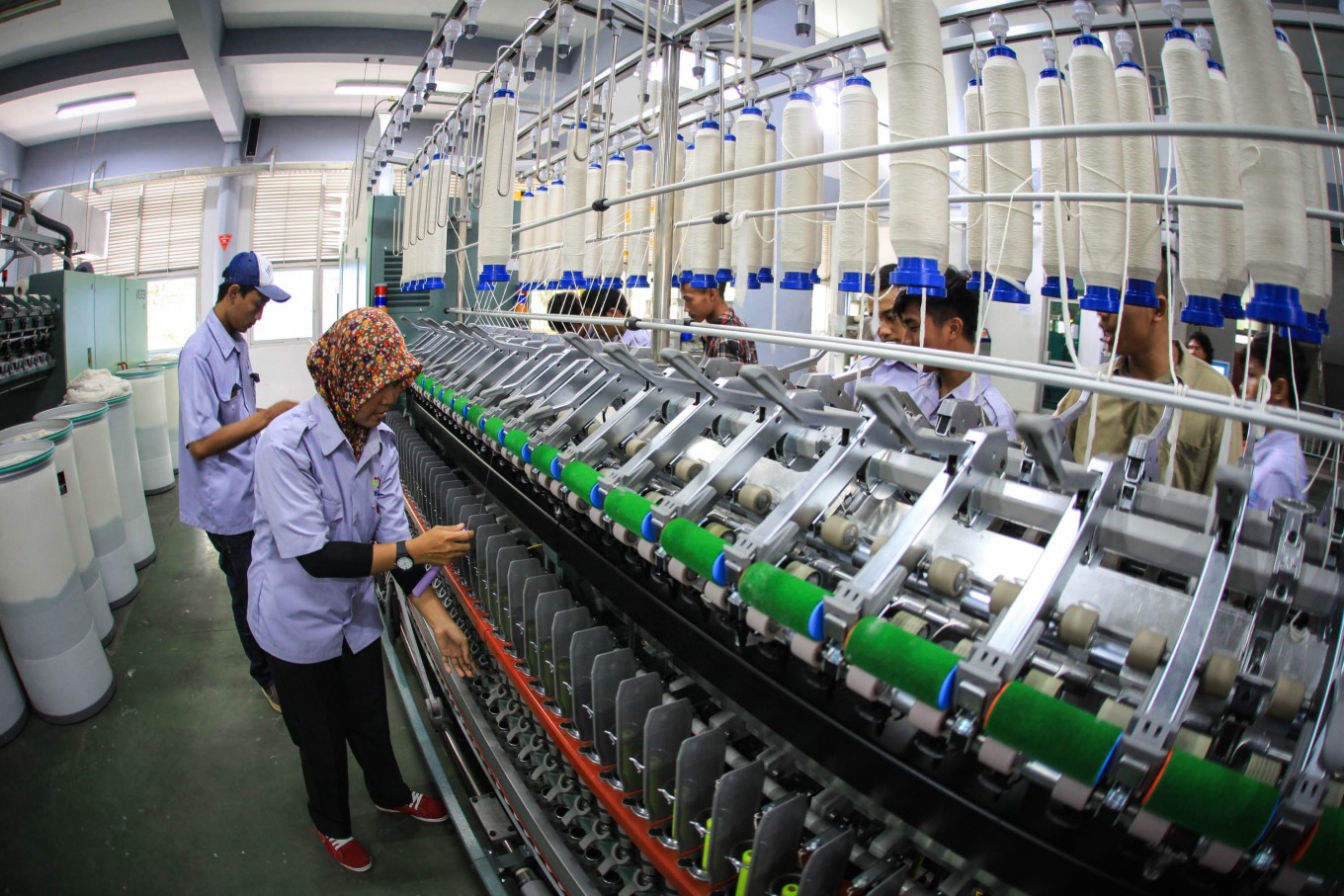
    If the plan passes, it could have serious repercussions for Indonesia’s manufacturing and agricultural sectors – key industries that provide most of the jobs in the archipelago.

    “I think the problem is the United States’ attitude towards trade and specifically towards surpluses and deficits. It’s a fundamental misunderstanding of the way trade works… It’s unfortunate that Indonesia has been singled out, simply for having a trade surplus,” Chris Clague, managing editor of the Economist Intelligence Unit’s thought leadership division in Asia said.

    Indonesia ranked in 16th place among countries with trade surpluses with the United States at $9.7 billion last year – nearly three times higher than in 2013.

    The United States has been demanding greater access for its goods, services and investments in Indonesia, in addition to several other issues, such as stronger intellectual property rights protection. But Indonesia does not have a comprehensive bilateral free-trade agreement with the United States and efforts to bring the countries in under multilateral deals such as the Regional Comprehensive Economic Partnership (RCEP) and Trans-Pacific Partnership (TPP) also fell through, leaving limited avenues for the United States to get what it wants.

    “[The GSP] is a unilateral agreement, so if [the United States] wants to evaluate it, we have no right to protest. We can only serve what they want,” Coordinating Economic Affairs Minister Darmin Nasution told reporters last week.

    “Because the government has an interest in maintaining the facility… we will do everything we can to keep it,” he said.

    Trade Minister Enggartiasto Lukita will lead a team to the United States on July 21-28 to try and persuade that country to keep its special tariff treatment for some Indonesian products, the ministry said in a statement.

    This will be the first official meeting between the Ministry of Trade and its US counterpart under Trump’s presidency.

    “Indonesia is ready to partner with the United States and address the issue of a trade deficit because the two countries have products and services that are not competing but complementary,” Enggartiasto said in the statement.

    While the United States is also evaluating special tariffs for India and Kazakhstan, Indonesia is the only country that has been given a chance to discuss the matter with the United States.

    “We can lobby the United States because we have a big market, an investment destination, a strategic region and good economic potential in the region. So our bargaining position is very strong to negotiate with the United States,” Indonesian Textile Association (API) chairman Ade Sudrajat said on Tuesday.

    He said Indonesia should establish a free-trade arrangement with the United States to ensure that country cannot withdraw its trade facilities as it wishes. That way, Indonesian exports can also easily enter the United States and be more competitive as it will not be subject to tariffs, he said.

    According to the Trade Ministry, there are plans to finalize six free-trade agreements or comprehensive economic partnership agreements this year. They include the RCEP, Indonesia-Australia Comprehensive Economic Partnership Agreement, Indonesia-European Free-Trade Association, Indonesia-EU Comprehensive Economic Partnership Agreement, Indonesia-Iran Preferential Trade Agreement and Indonesia-Malaysia Border-Trade Agreement.

    Steel Spillover

    The world’s two largest economies kicked off a trade war two weeks ago with the United States imposing punitive tariffs of 25 percent on $34 billion worth of Chinese imports, which prompted the latter to immediately retaliate. The United States wants to reduce its trade deficit with China after it hit a record high of $275.81 billion in 2017.

    The United States imposed import tariffs on several Chinese products, including steel and aluminum, which could spill over to other countries, such as Indonesia. The archipelago forms part of a free-trade arrangement between the Association of Southeast Asian Nations (Asean) and China, which commenced in 2010.

    Indonesian steel imports rose 33 percent to $4.7 billion in the first half of this year, compared with the same period a year ago.

    But Hidayat Triseputro, executive director of the Indonesian Iron and Steel Industry Association (IISIA), said between 25 percent and 30 percent of the steel imports are the result of dumping, making it very difficult for local producers to compete.

    Indonesia produced 4.8 million metric tons of the alloy last year, according to World Steel Association data. This is a tiny amount compared with the 831.7 million tons by China, the world’s largest steel producer.

    Still, domestic production should be enough to cover 90 percent of Indonesian steel demand.

    “Imports dominate up to 40 percent of our market… That’s why we want to tighten imports; there must be detailed data to screen them,” Hidayat said.

    However, what happens with the steel industry could soon befall other industries. The International Monetary Fund has warned that a trade war between the United States and other countries could cost the global economy $430 billion and risk lowering global growth by 0.5 percent by 2020.

    “This is potentially very, very bad, if not bordering on something catastrophic. The world economy has finally recovered from the impact of the 2008-09 global financial crisis … and now we’re running into a situation that could have a potentially devastating and deadening effect on global trade,” said Clague of the Economist Intelligence Unit.
  • Palm Oil From Indonesia’s Shrinking Forests Taints Global Brands

    Palm Oil From Indonesia’s Shrinking Forests Taints Global Brands

    Palm oil sourced from illegally cleared rainforest areas in Indonesia has flowed through traders to major consumer goods brands despite widespread commitments to cease purchases of non-sustainable oil, a new report says.

    Palm oil companies Royal Golden Eagle (RGE), Wilmar, Musim Mas Group and Golden Agri Resources sold oil from 21 “tainted” mills to more than a dozen global brands including Nestlé and Unilever, according to the report by Eyes on the Forest (EoF), a coalition of environmental nongovernmental organizations, including WWF Indonesia.

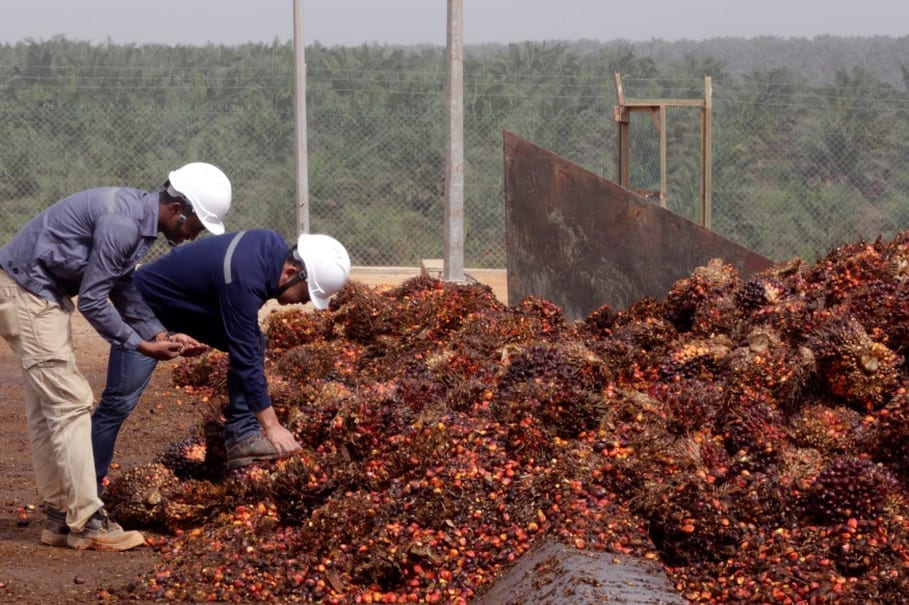
    In spot checks since 2011, EoF used GPS tracking to follow trucks carrying palm oil fruit, known as fresh fruit bunches, to mills from plantations within Tesso Nilo National Park and the Bukit Tigapuluh protected forest areas in central Sumatra.

    “All companies bought directly or indirectly from at least some of the 21 implicated mills,” according to the report, which calls for traceability on palm oil to be improved and to be extended to plantations that supply mills.

    Forest cover on Sumatra Island, home to endangered tigers, orangutans and elephants, had declined by more than half to 11 million hectares in 2016 from the 25 million hectares it had in 1985, as palm oil and other plantations have expanded and encroached on protected areas.

    Nestlé said in an emailed response it was “committed to tackling” deforestation. A company spokeswoman said the firm was working with partners to transform the palm oil industry “further down the supply chain.”

    Unilever said by email it publicly disclosed suppliers and mill details and was committed to increasing traceability in the palm oil supply chain “and to working with our suppliers and partners to resolve issues.”

    Unilever also said it was examining “details behind the investigation to determine the right approach and next steps.”

    Environment Ministry spokesman Djati Witjaksono Hadi said smallholders, “not companies,” owned plantations in national parks.

    Hadi referred further questions on the mills to the ministries of agriculture and industry, which did not immediately respond to requests for comment.

    Similar issues were highlighted in earlier EoF reports including in 2016, but a lack of strict supervision by traders has led to more forest clearing and illegally grown palm oil entering global supply chains despite their commitments to improve traceability and stop deforestation, the report said.

    Traceability

    “We acknowledge that it’s really challenging to get traceability beyond the mill and going right down to the plantation source,” Elizabeth Clarke, WWF global palm oil lead said. “But it’s absolutely paramount that they do this.”

    Among those mentioned in the report, Wilmar International was accused of buying palm oil from Citra Riau Sarana (CRS) whose three mills were found to have bought fresh fruit bunches from Tesso Nilo in 2011, 2012, 2015 and 2017, even though Wilmar sold its 95 percent stake in CRS in 2014.

    “Whatever action they’ve been taking, it hasn’t fixed that particular mill, and this is what we’re asking these particular individuals to do,” the WWF’s Clarke said.

    Responding to the report, Wilmar said it had “continued to engage with CRS and to monitor their traceability system” from 2014. “While there was progress made on traceability, we have stopped purchasing from them since June 2018 for other reasons,” Wilmar said in an emailed statement.

    But Wilmar said it had not received “a clear confirmation from the authorities which companies are illegal in the landscape” despite making a request to the Environment Ministry.

    CRS could not immediately be reached by phone for comment.

    Sime Darby Plantation, also named in the report, said it had 94 percent visibility of its supply chain “which provides key customers access to traceability information that can help them make informed choices about the palm oil products that they purchase.”

    It also said it was working with nongovernmental organizations to eradicate deforestation for the remaining 6 percent.

    Daniel A. Prakarsa, head of downstream sustainability at Sinar Mas Agribusiness and Food, a subsidiary of Golden Agri, said the company considered 39 percent of its output to be fully traceable, and was targeting full traceability from the 427 mills of its suppliers by 2020.

    “Our policy is to help suppliers to comply. Not just [saying] ‘this is our standard, you must comply, otherwise we stop [buying],’” he said.

    Musim Mas Group did not immediately respond to a written request for comment. On its website, the group says it is working with smallholders and other stakeholders along the supply chain to achieve sustainable palm oil production.

    Clarke from the WWF said trading firms “need to make it very clear to the mills that they won’t buy from them until they can provide assurance that it is 100 percent legal.”

  • Gov’t Eyes $200m in Additional Revenue Next Year From Excise on Vaping Liquid

    Gov’t Eyes $200m in Additional Revenue Next Year From Excise on Vaping Liquid

    The Ministry of Finance estimates that the government may collect up to Rp 3 trillion ($207 million) in additional revenue next year from a new excise on tobacco extract, or vaping liquid, commonly used in electronic cigarettes.

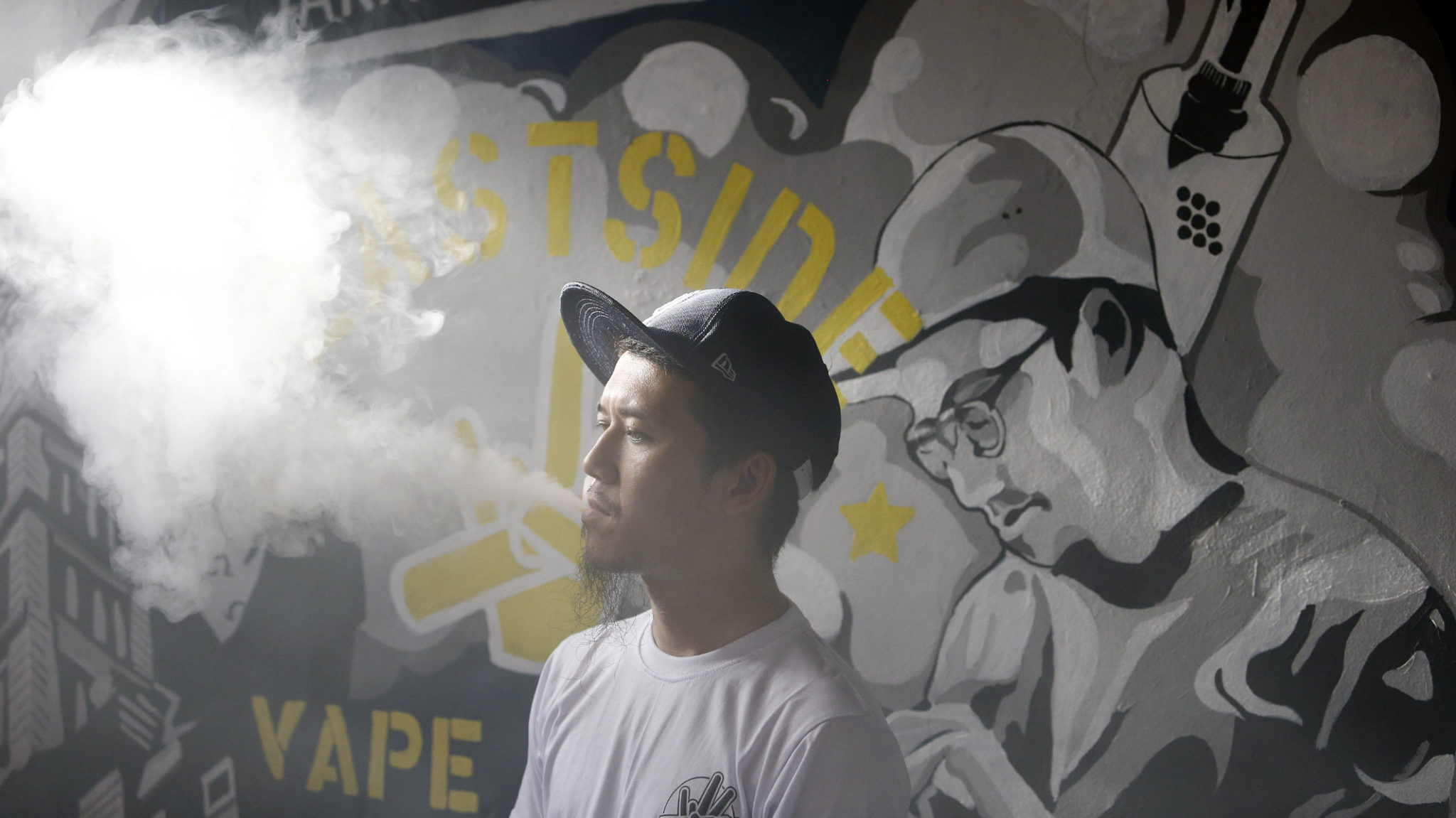
    While Indonesians have been puffing on e-cigarettes since 2013, the government only imposed an excise on vaping liquid on July 1. Under a new regulation, the liquid is subject to a 57 percent excise tax, more than four times the maximum excise on regular cigarettes.

    The government requires up to 200 domestic producers to start attaching excise ribbons to the product containers and pay excise on it by Oct. 31. Only vaping liquids containing tobacco extract or nicotine are subject to the excise.

    “If there are any businesses not using the ribbon after the transition deadline, we will seize it,” said Heru Pambudi, director general of customs and excise at the Ministry of Finance.

    According to Noegroho Wahyu, acting director of excise, only three producers are currently registered but the government expects the remaining producers to do so before the deadline.

    The government will likely only collect between Rp 50 billion and Rp 70 billion in additional revenue from the new excise this year, but it eyes potential revenue of around Rp 3 trillion per year once all manufacturers are registered, Noegroho said.

    Vaping liquid is the latest commodity to attract excise as part of government efforts to curb people’s consumption of harmful substances. Indonesia is also considering to tax on plastic bags and soft drinks, but the government has yet to make a decision on the matter.

    Indonesia collected Rp 151 trillion in excise – mainly from cigarettes – last year, accounting for 9.1 percent of total state revenue.

    The government considers several aspects, including public health, impact on the industry and tobacco and clove farmers, in determining excise tariffs on tobacco products, Noegroho said.

    With vaping liquid subject to the maximum rate for tobacco-related products, there may not be any further increases in the future.

    Aryo Andrianto, chairman of the Indonesian Personal Vaporizer Association (APVI), said the excise rule means the government has officially acknowledged and provided the industry with legal certainty.

    Vaping liquid producers meanwhile plan to only increase their prices by a maximum of 20 percent to soften the blow on consumers, Aryo said.

    “They don’t mind [the increase],” he said.

    APVI members also hope the government may be more willing to support the industry’s export efforts.

    Deni Syarifa, chairman of the E-Liquid Micro-Entrepreneurs Association (APeM), estimates that manufacturers can export up to 2 million bottles of vaping liquid per month.

    “There is currently demand for around 5,000 to 10,000 bottles per month from just one country,” Deni said, adding that producers plan to ship the liquid to countries in Asia, Central America and Europe.

  • What’s Asia’s fastest growing budget hotel chain?

    What’s Asia’s fastest growing budget hotel chain?


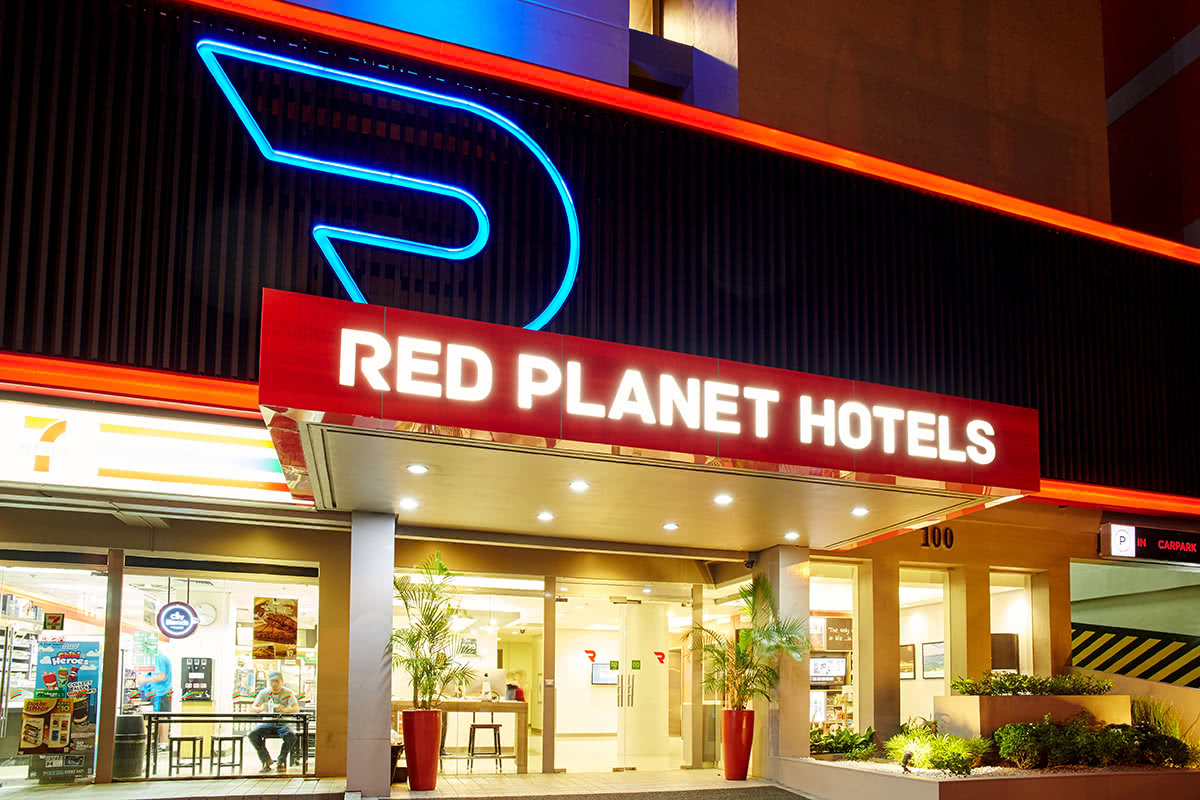
    Bangkok-based budget hotel chain Red Planet has been rapidly expanding in Asia, responding to the growing number of new travelers in the region.

    Established in 2010, Red Planet has become one of Asia’s fastest growing budget hotel chain.

    It operates 30 hotels with more than 4,700 rooms in four countries — the Philippines, Japan, Thailand and Indonesia — which includes one hotel in Tokyo not under the Red Planet brand.

    To speed up the company’s development, it is now seeking to enter into a franchise contract and creating joint ventures with real estate funds. The company has plans to double its pan-Asia hotels to 60 by 2023.

    The market for budget hotels is rapidly growing in Asia-Pacific, the region which has long seen the polarization of luxury Western hotel chains and inexpensive but substandard chains operated by local companies.

    OYO Rooms in India has expanded the concept of organized, cost-effective and higher-quality hotel chains by creating a network of partner hotels since 2013. Other Asia-based startup budget hotel chains, including ZEN Rooms and RedDoorz, both of which are based in Singapore, have copied that model.

    “Cleaning or English support are the services required at any level of hotels,” said Tomohiko Sawayanagi, international director of Jones Lang LaSalle Hotels & Hospitality Group. “Newly emerging budget hotels meet these demands, used for both business and leisure opportunities throughout the region.” According to Euromonitor International, the market size grew to $27.7 billion in 2017, up 47% from 2012. It is forecast to increase to $32 billion in 2022.

    Red Planet has been expanding its business in this competitive market, by making use of technology. This could be especially appealing to young customers, as well as to the global hotel industry whose corporate management tends to adopt an analogue-based structure, rather than automated.

    Guests can have text conversations with the hotel’s front desk on a chat service on Red Planet’s booking app. From the moment customers reserve a room until they check out, guests simply send text messages and responses are usually immediate. The app also helps in finding local tourist spots or nearby restaurants, and offers discounts.

    The company is planning to launch a new computer reservations system by the end of this year, which compiles customers’ data across its network. For instance, if guests ask for an extra pillow in an app chat while staying at a hotel in Tokyo, they will automatically receive an extra pillow the next time they travel to one of the chain’s other hotels across Asia.

    It also plans to launch an automated check-in process by the end of this year, providing machines to complete the process without the need for staff, although some staff will still be present for face-to-face customer support.

    Red Planet already applies artificial intelligence for a system that calculates room prices every 15 minutes based on the predicted occupancy. More than 120 daily reports offer the actual and expected future performance of each hotel, enabling managers to make decisions in advance to maintain high occupancy levels.

    “Our technology is developed in-house with six members of the group, unlike other hotel chains which use a third-party company,” said Simon Gerovich, chairman and co-founder. “It is easy to adjust and scale our business speedily.”

    These various uses of technology allow Red Planet to reduce its labor costs — it hires 10 to 12 employees for 160 rooms, Gerovich said, while five-star hotels usually have 2.5 to three employees a room — and to maintain an occupancy rate of 85% or higher.

    The company also keeps a steady focus on comfort and convenience — with an eye on making guests repeat customers.

    The hotel’s compact rooms are roughly 15 sq. meters, but space is maximized. The beds, custom-made in Thailand, allow space for suitcases to be stored underneath. A youth-oriented tourist-friendly atmosphere is created along the hotels’ hallways, with photos of local areas covering the walls.

    Hotel lobbies have a bank of Apple computers for free guest use. Room prices, which can change frequently based on demand, are usually between $45 to $90 in Japan and even lower in other countries.

    “We are mainly targeting young millennials of 25 to 35 years old, tech-focused, who spend little time in their room but prefer experiencing in their trip,” Gerovich said. The one-stop services on the company’s app provide complete research and reservation procedures for guests for their trip.

    Gerovich describes the brand as a “copy and paste business model.” The company concentrates on building a systematic operation procedure so that “we can grow much more rapidly with potential partners with uniform guidelines in a future,” he said, “just like McDonald’s provides handbooks to franchisees on how to build a kitchen and make a hamburger.”

    This strategy has seen success. Its Philippine hotels had an average occupancy rate of 85% to 90% in April, while Red Planet Tokyo Asakusa was 97.5%. “Our business model works well in a crowded, congested city where we can reinforce the accessibility for business and leisure with good location,” Gerovich said.

    Gerovich’s background sheds light on his company’s nonconformist business model.

    “I’m grateful to the 2008 global financial crisis for correcting our plan,” Gerovich said, recalling an encounter with Timothy Hansing, CEO and co-founder of Red Planet. Gerovich, who worked in Tokyo as an equity derivatives trader at Goldman Sachs for six years, resigned and moved to Bangkok in 2005.

    He started his hotel career as an entrepreneur in real estate, focusing on the development of high-end hotels. He met Hansing, who had years of experience in the hotel industry, and together they worked on a new project on the popular Thai resort island of Phuket.

    But global events intervened. Gerovich said the project looked to falter amid the financial crisis and when political turmoil in Thailand led to a downturn in the country’s tourism and luxury businesses. “I understood the market-dependent risks of the five-star hotel industry, but at the same time I took note of the increase in the world’s connectivity with the development of low cost regional airlines,” he recalled.

    There were already very inexpensive hotel chains but Gerovich was convinced that “it would be nice for tech-focused young adults to stay at clean, affordable hotels.”

    Gerovich’s background in finance and Hansing’s expertise in hotel operations led to the idea of Red Planet. Gerovich said Hansing’s “unique ideas” included the use of technology that could help hotel managers from becoming submerged in a paper reporting system and the difficult task of forecasting occupancy rates.

    Red Planet grew quickly by utilizing the celebrity of an existing chain hotel brand. In 2012, Red Planet bought a 16% stake in Malaysia-based Tune Hotels, the budget hotel chain led by AirAsia founder Tony Fernandes. Red Planet became its major franchisee, building and operating hotels in cities served by low cost carriers in the Philippines, Thailand, Indonesia and Japan. When the company ended its partnership with Tune Hotels in 2015, it rebranded 24 of those properties as Red Planet.

    In contrast with other hotel chains, whose facilities are often built and leased by landowners or developers, Red Planet has been developing its hotels on its own, purchasing the land to build new hotels or refurbish existing buildings. That allows the company to choose locations without depending on landowners and to easily standardize the rooms’ format.

    “Red Planet can develop its hotels even at locations where developers or fund managers may hesitate, which is one of the biggest strengths of the company,” said Sawayanagi at JLL.

    Gerovich also made use of his strong connections to Goldman Sachs for Red Planet’s fundraising.

    In March, the hotel chain said it concluded an 11.77 billion yen ($111 million) sale-and-leaseback deal with Goldman Sachs, by selling ownership rights to four of its Red Planet branded hotels in Japan and simultaneously entering into a lease-and-operate agreement for 20 years.

    Red Planet can then use the funds to pay back its development costs to banks, build another hotel and sell again, and reduce its property taxes. In September 2016, the company announced a separate $70 million investment from Goldman Sachs.

    Though Red Planet is privately owned, including with stakes held by Goldman Sachs and other parties, the company has listed subsidiaries in Japan and Indonesia. In 2012, Red Planet took a stake in a financially troubled music recording company that was listed on Japan’s stock exchange. Seeking the music company’s restructuring was much easier than establishing a subsidiary in Japan and applying for an initial public offering. Red Planet Japan is about to see increases both in sales and profit this year, after selling other nonrelated businesses and focusing only on hotel operations.

    Red Planet expects revenue to reach $46 million this year, nearly 10 times what it had in 2012. The company is “seeking to establish the most scalable business,” Gerovich said. Its EBITDA margin, the operating profitability of its total revenue, has been as high as 50%, while the typical five-star hotel is 20% to 25%.

    The recent travel trend in Asia favors the company’s expansion plans. Red Planet focuses primarily on Japan and the Philippines, two countries that have seen a sharp rise in tourism.

    According to the Japan Tourism Agency, the number of international visitors to the country swelled to 28.7 million in 2017, more than three times the figure in 2012. Of those visitors, 61.4% had visited Japan previously. While the government estimates that Japan will have 40 million foreign tourists annually by 2020, Mizuho Research Institute said in a report last year that the country will be lacking as many as 4,000 rooms at that time to accommodate those visitors.

    The effect of a new law on home-sharing in Japan, or minpaku, should benefit the budget hotel business. Since the new regulation came into effect in mid-June, Airbnb and other home-sharing services are facing a massive drop in hosts in Japan, as the company pulled roughly 80%, or 50,000, of its listings in Japan that did not meet the requirements.

    “Budget hotels should have a potential in expanding their business among this area by providing an affordable price range,” said Tatsunori Kuniyoshi, research associate at Euromonitor International.

    “Japan is our smallest market but our second-largest revenue contributor,” Gerovich noted.

    The Philippines, where the company has its largest presence with 13 hotels, has seen a development in tourism in recent years. Tourist arrivals reached 6.6 million in 2017, up 11% from the previous year, and increasing at an annual pace of roughly 10% since 2010. The country saw a sharp increase in visitors from China in 2017 amid Philippine President Rodrigo Duterte’s friendly relationship with Chinese President Xi Jinping, marking 43% growth since Duterte took office in mid-2016.

    Red Planet announced in early June the establishment of a new subsidiary in the Philippines and the acquisition of two new properties, with plans to open hotels in 2019 and 2020.

    “This is an important year for us, because the size of our business is becoming substantial,” said Gerovich. “We are currently moving to the next phase, starting to focus on potential partnership and franchising.”

  • Bid to Revive Property Market Highlights Bank of Indonesia’s Policy Dilemma

    Bid to Revive Property Market Highlights Bank of Indonesia’s Policy Dilemma

    As Indonesia’s central bank drives up interest rates to defend a fragile currency, governor Perry Warjiyo is banking on a revival of the sluggish property sector to help maintain growth momentum in Southeast Asia’s biggest economy.

    Five years ago, luxury Indonesian apartment prices skyrocketed amid a commodities boom that saw some wealthy buyers pay cash upfront. The boom’s end, slower economic growth and rules to curb property speculation slammed on the brakes.

    Now, authorities want to encourage buying. From August, the central bank is scrapping its 15 percent minimum mortgage down payment for first-time home buyers and relaxing rules on loan disbursements, in a bid to support listless credit expansion.

    “We need to support our economic growth,” Perry said in a recent interview, asserting that property can have a multiplier effect on other sectors.

    This comes as Indonesia is caught in the cross hairs of an emerging market sell-off that caused the central bank to raise interest rates by 100 basis points in six weeks, to defend the rupiah.

    Filianingsih Hendarta, a senior Bank Indonesia (BI) official, estimates the eased mortgage rules will add 0.04 percentage points to economic growth this year. That sounds small, but Indonesia’s higher interest rates will reduce its growth pace, making a net gain from the rule changes welcome.

    BI’s growth forecast is 5.1-5.2 percent, compared with 2017’s 5.07 percent.

    But given the absence of a hot commodity market and the rising interest rates, seeking to make property an economic pillar might highlight authorities’ lack of credible policy options in the current environment.

    A Pedestrian Pace 

    Standard & Poor’s expects property sales to be flat this year despite BI’s new measures.

    “We don’t think there will be a major recovery, everything will probably move at pedestrian pace until the second half of 2019, after elections at best,” analyst Kah Ling Chan said, referring to parliamentary and presidential polls next April.

    In recent years, Indonesia’s biggest online housing broker Rumah123.com, part of Australia’s REA Group, has recorded sluggish sales.

    “The number of buyers seems to be stagnant now,” country manager Ignatius Untung of Rumah123.com said.

    Bankers have said they will not completely remove downpayments and instead will adjust the interest rates on home loans based on a customer’s risk profile.

    Roosniati Salihin, deputy president director of Bank Panin , said tepid demand is a major problem for property. “The market needs to be reinvigorated. The banking sector is only waiting for customers to walk in,” she said.

    Soelaeman Soemawinata, chairman of the Real Estate Association of Indonesia, said its “most optimistic scenario” is for the number of units sold to increase by 10 percent in the next year.

    “But the property industry is hard to predict,” he said. “People’s psychology affects this.”

    Preference for Renting

    The younger generation prefer to rent than purchase a home, said Handayani, consumer banking director of Bank Rakyat Indonesia.

    “Kids nowadays prefer to rent and to travel whenever they have spare money,” she said.

    Even if banks start requiring no downpayment at all, that would mean higher installments for customers, which won’t sit well given higher interest rates, said Aldi Garibaldi, senior associate director of Colliers International Indonesia, a property services firm. He said he does not think BI’s measures will be enough to spur demand.

    While BI’s easing is welcome, the central bank should take it up a notch by scrapping rules on the maximum number of credit facilities per person and allow banks to dispense more cash upon signing loan documents, said Adrianto Adhi, president director of developer Summarecon Agung.

    BI’s announcement on mortgages has spurred some young Indonesians to consider home-ownership.

    Newly married Khaerul Estian, a 28-year-old who works in a bank, has started looking. He hopes not to have to make any down payment, given small savings. But Estian intends to buy, even if higher interest rates raise the ultimate cost.

    “It’s a risk, but the most important thing is to own a house,” he said.

  • Texas Chicken to open 80 more stores in Indonesia

    Texas Chicken to open 80 more stores in Indonesia

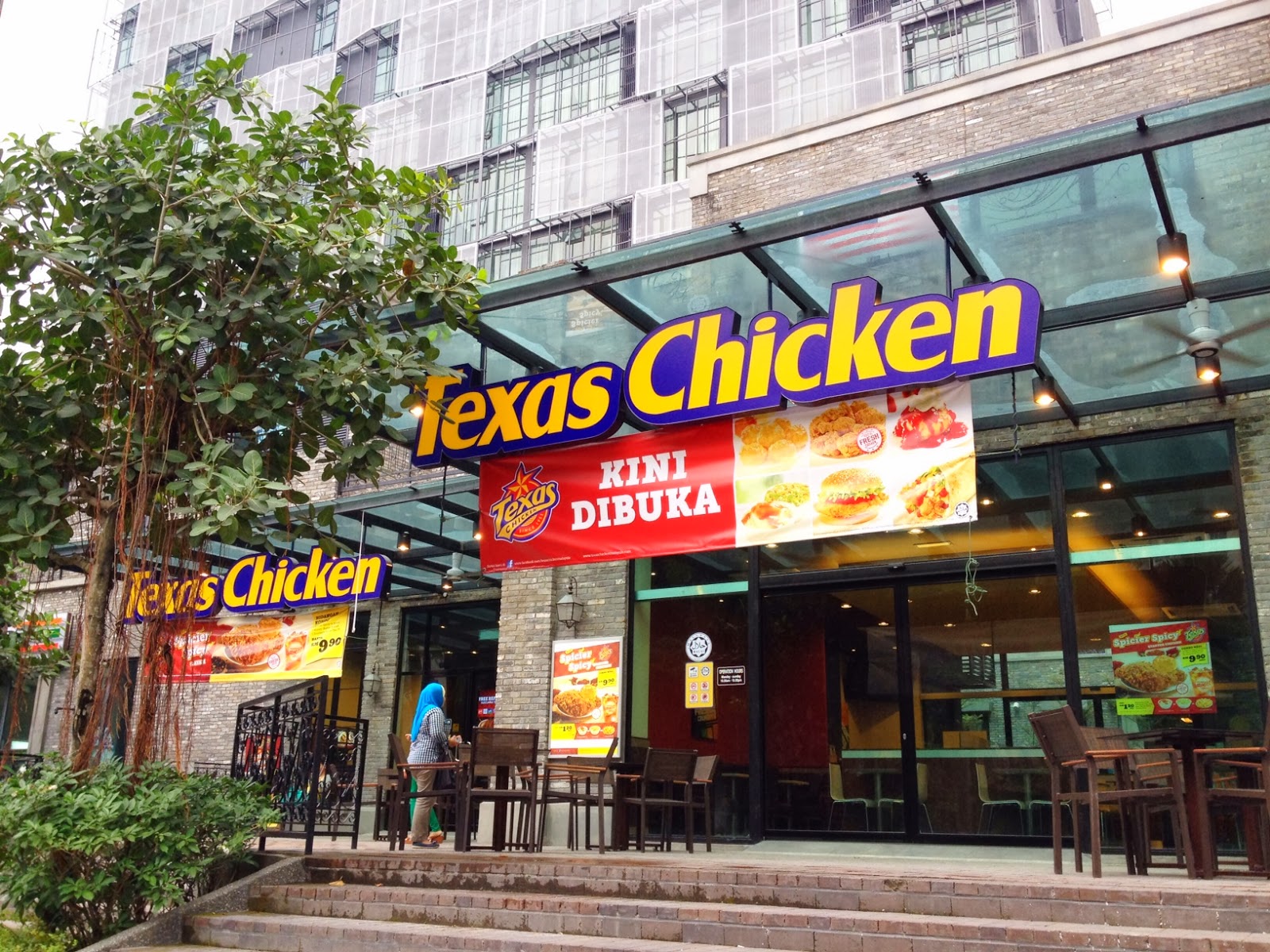
    Quick Service Restaurant (QSR) has signed an 80-restaurant deal with US fast-food chain Texas Chicken.

    QSR is the third Texas Chicken Indonesia master franchisee to enter the market, following Quick Serve Indonesia which signed a development agreement earlier this year and Cipta Selera Murni, which has been there since 1985 and now has 59 restaurants.

    The companies said in a statement that QSR will open and operate locations “primarily in Indonesia” which it says is one of the fastest growing markets for the company. But it did not elaborate on where other stores may be located.

    QSR expects to open its first three restaurants by the end of this year. “The Asia Pacific market has been a sweet spot for Texas Chicken. We’ve experienced incredible growth in this part of the globe,” said Tony Moralejo, executive VP of international business for Texas Chicken. “The public and franchisee response to our presence in Indonesia, and the surrounding Asian markets, has been encouraging and we are excited to watch the developments that will occur in the coming years.

    “To continue the momentum of this expansion, we are actively pursuing more franchisees, who believe in the brand and its growth potential.”

    The newest Texas Chicken Indonesia operator plans stores in the DKI Jakarta, South Sumatra, Bengkulu, Banten, West Java and Lampung Provinces over the next 10 years.

    QSR is a subsidiary of Singapore-listed Envictus International Holdings, a well-established F&B operator with several businesses in its portfolio, including bread maker Hearty Bake, San Francisco Coffee and Delicious restaurants in Malaysia and foodservice supplier Pok Brothers.

  • The Long Road to Reviving Indonesia’s Cacao Industry

    The Long Road to Reviving Indonesia’s Cacao Industry

    Indonesia had to import about 200,000 metric tons of cacao beans last year, but it was not supposed to happen.

    The tropical archipelago used to be a beacon of cacao bean production, with a record 850,000 tons of raw beans in 2009, or about six times more than two decades earlier, according to Central Statistics Agency (BPS) data.

    Until then, Indonesia was the third-largest cacao bean exporter in the world behind the Ivory Coast and Ghana. However, seeing that much more value could be added by processing beans domestically, the government slapped a tax on raw bean exports in 2010 and told global manufacturers to build cocoa processing plants in Indonesia.

    Switzerland-based cocoa and chocolate maker Barry Callebaut expanded its Indonesia operation by establishing a plant in Makassar, South Sulawesi, in 2013 and another in Gresik, Central Java, in 2016. United States-based agricultural giant Cargill also established a processing facility in Gresik in 2014.

    But then a deadly disease decimated many cacao trees, forcing farmers, most of them only using simple farming techniques, to switch to planting corn, coconut or oil palm. Indonesia had about 1.3 million hectares of cacao plantations in 2012, which have continued to decline to an estimated 1.1 million hectares last year. Yields also fell to around 660 kilograms per hectare last year from 1.1 tons just five years earlier.

    The Indonesia Cocoa Industry Association (AIKI) estimates that the country produced around 260,000 tons of beans last year, down 31 percent from a year earlier.

    Soetanto Abdoellah, chairman of the Indonesian Cocoa Board, said the country now has to import beans from Ghana, the Ivory Coast and Cameroon to meet local demand.

    The Fall

    According to Rudyanto Hady, sourcing sustainability manager at Barry Callebaut, the production decline can also be ascribed to farmers’ limited skills and a lack of funds to develop new plantations.

    “Most cocoa farmers in Indonesia are smallholders, which make up more than 95 percent of the total cocoa plantation area, with the remaining areas held by private firms and state-owned companies,” Rudyanto said.

    Farmers are meanwhile also struggling with aging cocoa trees, most of which were planted between the 1990s and 2000s, in addition to diseases that afflict trees.

    All these factors have created a negative perception of cocoa as a commodity among farmers, who deem it an unprofitable crop that cannot improve their livelihoods.

    Misnoto, a 49-year-old farmer from Lampung, said black pod disease infected half a hectare of his cocoa trees.

    Another farmer, Sutaji, said farmers in the province, including himself, are struggling to improve yields.

    “We are now still learning how to improve yields from our cocoa plantations,” said Sutaji, who has a 3-hectare cocoa plantation.

    Temptation of Palm Oil

    AIKI chairman Piter Jasman said farmers often lack technical assistance, which affects local cocoa production and makes other cash crops, such as oil palm, to be considered as more lucrative alternatives.

    “If the government does not push the national production then production from cocoa plantations will continue to decline and eventually subside over the next few years, like in Malaysia,” Piter said.

    The neighboring country produced around 247,000 tons of cocoa beans in 1990, which dropped to a mere 3,000 tons by 2014 as farmers switched crops amid a palm oil boom.

    Lampung farmer Sutaji noted that oil palm could be an attractive option for farmers like him, who can produce around 700 kilograms of cacao per year, earning him Rp 17.5 million ($1,220). On the other hand, the same area under oil palms can earn him up to Rp 31.5 million per year.

    Demand

    Still, both local and foreign chocolate companies are heavily invested in Indonesia’s downstream cocoa industry, with most having established processing facilities in the country.

    Indonesia’s average cocoa bean production capacity rose to 800,000 tons a year from 350,000 tons since the government started to impose an export duty on the commodity, said Piter of AIKI.

    The total export value of processed cacao – including cocoa cake, cocoa butter, cocoa powder and chocolate liquor – amounted to nearly $1 billion in 2016, close to 2010’s peak of $1.1 billion.

    Chocolate confectionery is an expanding business in Indonesia, projected to grow 42 percent to Rp 19.5 trillion by 2019, data from a research firm Mintel shows.

    While Singapore and Malaysia each currently consumes about 1 kilogram of chocolate per capita per year, it is only 600 grams for Indonesia, indicating more room for growth.

    Closing the Gap

    Mahendra Siregar, who was a deputy trade minister and instrumental in Indonesia’s tax policy on cacao bean exports in 2010, said the current government seems to have abandoned the initial plan to boost the country’s cocoa processing industry.

    “We want the cocoa processing industry to accelerate, just like palm oil. We want the raw material to be processed in the country,” Mahendra said.

    “We encouraged local investors and even invited foreign investors to develop their upstream businesses here. But now, with the declining cocoa production … it’s like we already invited them here, they already established here, but now we only have a small cocoa supply [for processing],” he said.

    Mahendra said the processing industry still has a future, but it depends on consistent government policy.

    The National Cocoa Movement (Gernas Kakao) was set up in 2009 to plant new cacao trees and intensify production in existing plantations. It distributed subsidized cocoa seeds and fertilizers to farmers and provided them with technical assistance.

    But the program was terminated in 2013 after efforts to expand the main cocoa producing areas from Lampung and Sulawesi to other provinces spread the government’s pool of instructors too thin.

    “We need to hurry to implement and revive Gernas Kakao, otherwise the processing industry business will soon melt away,” Mahendra said.

    Private-Sector Assistance

    Cocoa farmers in Lampung are also trying to boost bean quality and yields with assistance from Barry Callebaut, the world’s largest producer of chocolate and cocoa products. The company is helping them improve their farming techniques to boost the quality of the fruit.

    It works with thousands of smallholders in Lampung and Sulawesi to implement cocoa sustainability programs, allowing farmers to produce high-quality beans that can be sold under a sustainability scheme. The beans can also be certified as premium quality, which either improves farmers’ incomes or earn them incentives from the company, Rudyanto said.

    Cocoa can also be cultivated along with other trees and plants, such as coconuts and cloves, giving farmers additional income from the same land.

    Muksininin, a 33-year-old farmer from Bumi Mulyo village in Lampung, said he still prefers to grow cocoa because the trees do not need constant attention.

    “Cocoa trees are easier to manage compared with oil palms, rubber trees, or even vegetables,” Muksininin said.

  • Indonesia Plans Economic Policy Moves to Cope With Global Uncertainties

    Indonesia Plans Economic Policy Moves to Cope With Global Uncertainties

    Indonesia will announce economic policy changes in coming months to help its industries cope with rising global uncertainty and the indirect impact of trade tensions between China and the United States, officials said.

    Details about the moves, to be taken at a time Indonesia is trying to stabilize the fragile rupiah and reduce its current account deficit, have not been released.

    Industry Minister Airlangga Hartarto said the government is preparing measures to improve the investment climate.

    According to an official statement late on Monday (09/07), Airlangga said the government will “optimize the use of fiscal tools in the form of import and export taxes, as well as harmonizing import taxes, so that industries would have their competitive edge and are able to export.”

    He said the government would also give more incentives to exports, including by subsidizing timber legality verification for small and medium furniture makers, providing them certificates for foreign buyers that ensure timber products are not sourced from illegal logging.

    Companies would also be expected to reduce the use of imported materials in their production, the industry minister said.

    Bank Indonesia governor Perry Warjiyo said authorities are preparing policies aimed at reducing the current account deficit.

    Earlier on Monday, Perry warned that rising US-China tensions could hurt other economies not only through trade, but also financial channels as these could heighten investors’ risk aversion.

  • Grab Aims to Dominate Indonesian Market With Open Platform Strategy

    Grab Aims to Dominate Indonesian Market With Open Platform Strategy

    Ride-hailing company Grab has launched GrabPlatform and GrabFresh to tap further into the Indonesian market, its representatives said on Tuesday (10/07).

    Grab is going to upgrade its app to focus on people’s daily needs and make it become an everyday superapp.

    For this purpose it just launched GrabPlatform, a new interface which provides transportation, news, e-commerce and food delivery services. The food feature, GrabFresh, is operated by HappyFresh, Southeast Asia’s leading online grocery shopping company.

    Now the company is testing the news feed feature, which is intended to engage users more while they are using the company’s ride-hailing services.

    “Partnering strategy, or we call it open platform strategy, has been favored by us to offer more to customers. It has been proved very effective in boosting our business” said Grab co-founder and chief executive Anthony Tan said on Tuesday.

    In 2017, Grab acquired Kudo, Indonesia’s leading online-to-offline payment service, which according to Tan has been very helpful for the company’s expansion.

    “After partnering with Kudo, we’ve grown tremendously across cities in Indonesia. And then with OVO, who is the country’s leading e-wallet. We recognize that we can’t be the best in everything, so we find the best partners. Kudo was the best agent network, OVO is the best e-wallet and TPI [ride-hailing service Teknologi Pengangkutan Indonesia] is one of the best rental partners,” he said.

    “If it wasn’t for Kudo, we could not have grown in Indonesia that fast. We went operational from 20 cities to over 100 cities in Indonesia, because of Kudo.”

    The region’s leading ride-hailing app is facing rivalry from local competitor Go-Jek, which in May announced expansion to Singapore, the Philippines, Thailand and Vietnam.

    According to App Annie, Go-Jek was leading in Indonesia, recording 15 million active users every week last year, much better than Grab with 2.5 million users.

    In March, Grab merged with ride-hailing giant Uber for the latter’s Southeast Asian operations.

  • US-China Trade War Will Affect Indonesia Regional Economies

    US-China Trade War Will Affect Indonesia Regional Economies

    Regional economies in Indonesia will be affected if the United States suspends its special tariffs for some of the country’s exports, a minister said on Tuesday (10/07).

    The US is currently reviewing Indonesian products on its Generalized System of Preferences (GSP) list — a trade incentive that gives duty-free entry to 129 poor and developing countries and territories.

    Last year, Indonesia ran a $9.7 billion trade surplus out of its total $17 billion exports to the US.

    It is the fourth biggest GSP beneficiary, after India, Thailand and Brazil.

    “If the exports of [the listed] products or commodities are disrupted, we are worried that our regional economies, where the goods come from, will also be affected,” National Development Planning Minister Bambang Brodjonegoro said on Tuesday.

    Indonesia’s exports, not only to the US, come mostly from the manufacturing sector, especially in Java.

    Last year, they made up 76 percent of the country’s total exports and were worth $125 billion, nearly $15 billion more than in the previous year.

    West Java and East Java together were the main contributors ($44 billion) to the country’s total experts, followed by East Kalimantan, Riau, Riau Islands and North Sumatra.

    “We can divert our exports to other countries and this should not be a problem. But we need to prepare ourselves,” Bambang said.

    Indonesia has been trying to enter markets in Africa and South America to lessen dependence on its traditional importers such as China, the US and Japan.

    However, exports to Africa (mainly South Africa and Egypt) amounted to only $264.7 million last year, Ministry of Trade data show.

    A team consisting of Ministry of Trade, Ministry of Foreign Affairs and Ministry of Agriculture officials is set to visit the US at the end of July, with a lobby mission to keep the special tariffs for Indonesia unchanged.

  • Indonesia Tests Rice Farming ‘Digitalization’ Program to Boost Output

    Indonesia Tests Rice Farming ‘Digitalization’ Program to Boost Output

    The Indonesian government has launched a farming “digitization” project in West Java province, which may increase rice output by at least 20 percent, officials said on Monday (09/07).

    The project is currently being tested with thousands of farmers in nine rice-producing regencies as President Joko “Jokowi” Widodo’s administration seeks to boost domestic food production. A regency is a governmental administration region below a province.

    “The goal is to transform farming, which is still quite traditional, to be more modern and to teach farmers to be agro-entrepreneurs,” Wahyu Kuncoro, a deputy minister at the Ministry of State Enterprises said.

    Indonesia’s rice output growth has been slowing in recent years and yields have declined to 5.15 tons of unmilled rice per hectare in 2017, from 5.34 tons per hectare in 2015.

    This year, the government issued import permits for 1 million tons of rice to help control rice prices, the country’s main food staple.

    State-controlled telecommunications firm Telekomunikasi Indonesia, or Telkom, has developed a digital platform which collects farmer and farm land data which will be used to speed up the process of distribution of subsidized loans for farmers and for applications for farm insurance. Digitalization refers to using digital technologies to change the way a business functions.

    The platform will be further developed to include a marketplace application where farmers can order fertilizer and pesticides online, as well as sell their products, said David Bangun, a director at Telkom.

    The Ministry of State Enterprises has also set up offices in the nine regencies to train farmers in modern farming methods, as well as to facilitate the direct distribution of farming supplies and sales to state food procurement agency, Bulog.

    When enough data has been collected, the digital platform can also help to predict future output, David added.

    “If this model is proven beneficial for the farmers, we will apply this to other rice production centers across the country,” Kuncoro said, adding that the project may also be applicable to the cultivation of other commodities.

  • Grab launches grocery delivery service

    Grab launches grocery delivery service

    It will kick off in Indonesia in July, followed by Thailand and Malaysia by late 2018.

    Grab teamed up with Indonesian start up HappyFresh to launch its grocery delivery services, an announcement revealed. The move is part of Grab’s open platform strategy as it eyes to become Southeast Asia’s first everyday superapp.

    Through GrabFresh, consumers can pick grocery products which will be delivered by GrabExpress drivers and other delivery partners within an hour or at a pre-arranged time.

    “We’ve gone from offering our tech as a booking platform for taxi operators, to providing a fleet of delivery drivers for e-commerce companies,” Grab CEO and co-founder Anthony Tan said.

    Available through the main Grab app, the on-demand grocery delivery platform will kick off as a beta service in Jakarta from July. Thailand and Malaysia can access it by late 2018.

    “Grocery delivery is a huge opportunity in Southeast Asia,” HappyFresh CEO Guillem Segarra said. “From our research, 70% of grocery delivery app users shop at least once per week, and they like to shop from the stores that they are familiar with.”

    The platform includes a selection of about 100,000 grocery products from over 50 large supermarket chains and specialty grocery chains as well as trained personal shoppers who could help pick items for customers.

  • DRB-Hicom studying Proton-Indonesia joint venture

    DRB-Hicom studying Proton-Indonesia joint venture

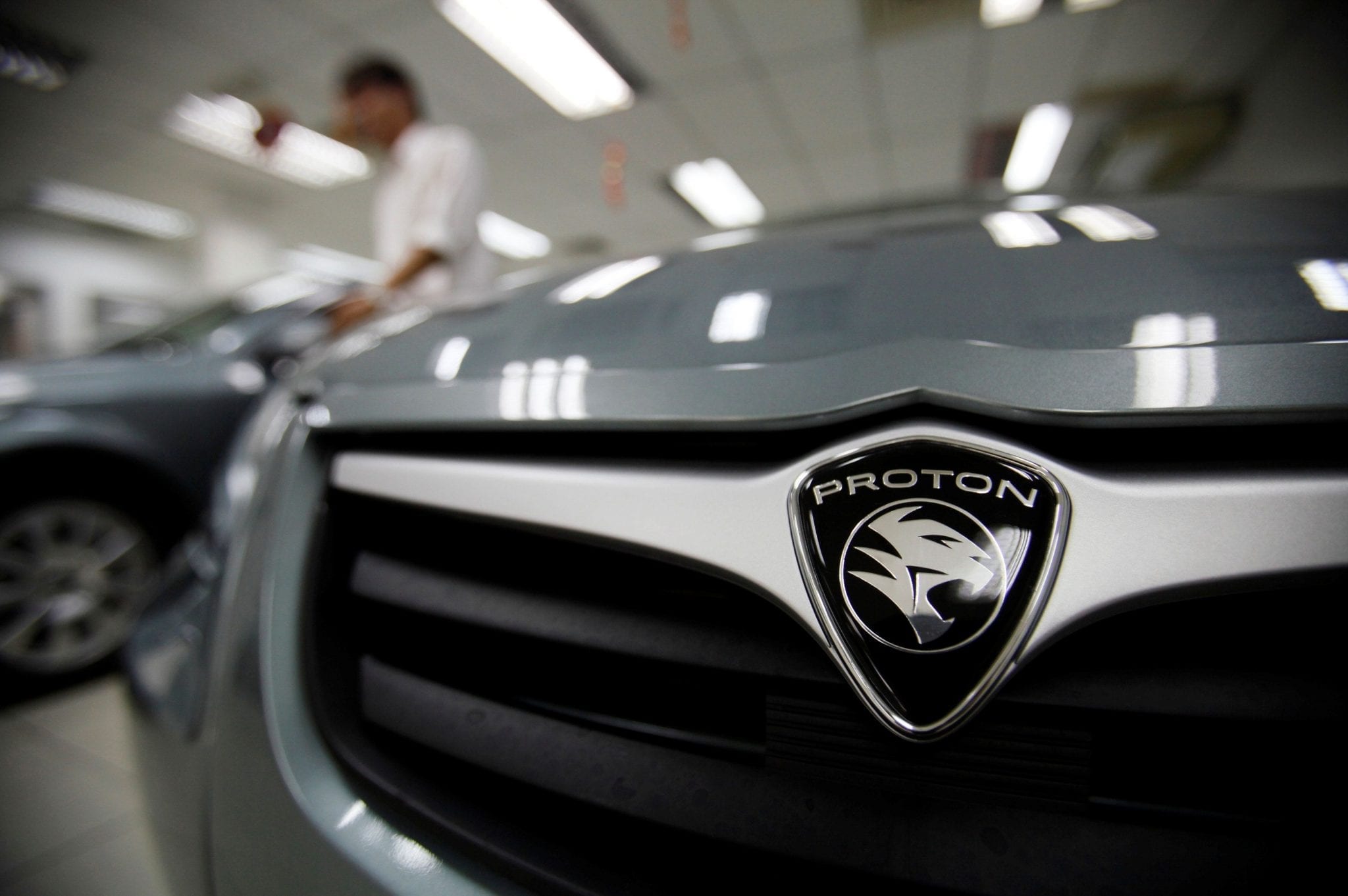
    DRB-Hicom Bhd is studying the proposed collaboration between Malaysia and Indonesia to produce an Asean car.

    Group managing director Datuk Seri Syed Faisal Syed Albar said a discussion on the matter is taking place as a memorandum of understanding was signed in 2015 between its subsidiary, Proton Holdings Bhd, and an Indonesian company to undertake the joint effort.

    “There is no cost involved and we need to study it a lot,” he said.

    Proton is 50.1% owned by DRB-Hicom and 49.9% by China-based automaker Zhejiang Geely Holding Group via its wholly-owned subsidiary, Geely International (Hong Kong) Ltd.

    It was reported earlier that the joint effort between Proton and Indonesia to produce an Asean car would be revived following talks between Prime Minister Tun Dr Mahathir Mohamad and Indonesian President Joko Widodo during the former’s visit to Indonesia last month.

    Meanwhile, Syed Faisal, who is also Proton chairman, disclosed that Geely has invited Mahathir to visit the company’s facilities in China during the prime minister’s visit to the country next month.

    Syed Faisal gave an assurance that the launch of the first Proton sport utility vehicle (SUV) will take place as scheduled in October.

    He said the briefing today also covered future technology offered by Geely.

    “Tun Mahathir likes the SUV that we loaned to him earlier, which indirectly shows that he has confidence in Geely’s technology in Proton,” he said.

    On the Mahathir’s plan for another national car, Syed Faisal said he believes that Proton, as the national car, has secured the confidence of banks, vendors and dealers. “In that regard, we will think of Proton first, and there will be no change in direction on that.”

    Syed Faisal reiterated the group’s commitment to pursue a 30% price cut from its automotive parts suppliers by year-end.

    Also present at the briefing was Dr Li Chunrong, CEO of Proton’s manufacturing arm, Perusahaan Otomobil Nasional Sdn Bhd.

  • FamilyMart marks its 100th store in Indonesia

    FamilyMart marks its 100th store in Indonesia

    FamilyMart Indonesia has opened its 100th store with plans to continue to expand the network.

    The Japanese-founded convenience-store chain opened its first store in Indonesia in October 2012 and has so far focused on growth in the capital, Jakarta, with a small presence in areas including Depok, Tangerang, Karawang and Bekasi.

    “Our target is to have 120 stores by the end of this year,” FamilyMart Indonesia CEO Wirry Tjandra said at the opening ceremony of the 100th store, which is located at Gran Rubina in South Jakarta.

    Some of the growth has come from taking over stores previously operated by other brands.

    “We have taken over 49 stores from Starmart and 13 stores from 7-Eleven,” Tjandra said.

    FamilyMart has more than 20,000 stores across Japan, China, Taiwan, Thailand, the Philippines, Vietnam, Malaysia and Indonesia.

  • Indonesia’s Textiles Exporters Brace for Trump’s Trade War

    Indonesia’s Textiles Exporters Brace for Trump’s Trade War

    US President Donald Trump has warned that he may revoke special trade tariffs for Indonesia, especially on textiles, in a bid to reduce his country’s trade deficit, an official said on Thursday (05/07).

    The United States was Indonesia’s second-largest export destination last year, at 11 percent of total exports, or $17 billion. Indonesia enjoyed a surplus of $9.59 billion.

    “[Trump] is now doing as he wishes, including to us. He has warned us that we cannot export more than the United States. He has warned that there are several special tariff arrangements that will be revoked, especially on textiles,” Sofjan Wanandi, chief advisor to Vice President Jusuf Kalla, said during a discussion on Thursday (05/07).

    Indonesia exported textile products, both knitted and unknitted, worth a total of $4.12 billion to the United States last year.

    According to Industry Ministry data, the United States currently imposes import tariffs of between 5 percent and 20 percent on Indonesian textile products, while there are no tariffs on textile imports from Vietnam.

    Sofjan, who recently visited the United States to meet with officials, said it is uncertain what Trump will do in the near future as “no one understands what he actually wants,” he said.

    According to Sofjan, who is also advisory board chairman at the Employer’s Association of Indonesia (Apindo), the US economy is currently thriving, which enables Trump to create and change trade policies as he considers most beneficial.

    “We don’t know when Trump will start the trade war; maybe tomorrow, maybe never,” Sofjan said.

    Retaliation

    Ade Sudrajat, chairman of the Indonesian Textile Association (API), emphasized that Southeast Asia’s largest economy needs to retaliate soon if a higher tariff is enforced.

    “If [a higher tariff] is imposed, it will be a huge obstacle for the textile industry, so it must be countered. If we keep quiet, then we become the losers,” Ade said, adding that Indonesia’s large imports of agricultural products from the United States could be used as a bargaining chip.

    Indonesia imported agricultural products worth $1.27 billion – mainly seed oil, fruits and medicinal plants – from the United States last year, followed by equipment and machinery, animal feeds and cotton.

    Indonesian textile exports rose 4.4 percent to $12.4 billion last year, exceeding the API’s target of $11.8 billion and the Industry Ministry’s $12 billion.

    The ministry has set a textile export target of $13.5 billion for this year and $15 billion for next year.

    The number of people employed in the textile industry increased 17 percent last year to 2.73 million, compared with 3.3 million in the processed food and drinks industry and 3 million in the automotive industry. The ministry seeks to increase the number of people employed in the textile industry to 2.95 million this year and 3.11 million next year.

    According to the Trade Ministry, total investment in the nation’s textile industry amounted to Rp 10.9 trillion ($758 million) in 2017. Indonesia produced about 2 percent of the world’s textile supply, which earned the country $11.87 billion in foreign exchange.

    “It will be unfair for us if the textile industry is targeted and the government prefers to do nothing,” said Ade of the API.