Tag: Indonesia

  • Central Bank Claims Indonesia’s Economy Is Not Overheating

    Central Bank Claims Indonesia’s Economy Is Not Overheating

    The central bank said Indonesia’s widening current-account and trade deficits until the middle of the second quarter of this year should not be seen as indications that the country’s economy is overheating or growing beyond its capacity.

    The country’s trade deficit grew to $2.38 billion between January and May, which is expected to raise the current-account deficit to between 2.5 percent and 3 percent of gross domestic product in the second quarter, according to Bank Indonesia Deputy Governor Mirza Adityaswara.

    Indonesia’s current-account deficit rose to 2.15 percent of GDP in the first quarter, compared with 1.7 percent last year.

    “Actually, if we take out infrastructure imports, which are for long-term development, the trade balance in January-May was in surplus,” Mirza said on Tuesday (03/07).

    Indonesia’s imports of infrastructure goods for development amounted to $4 billion, defense equipment to $1.1 billion and rice to $400 million in the period between January and May, Mirza said.

    Separately, Finance Minister Sri Mulyani Indrawati said on Tuesday that the government would review its capital goods imports for infrastructure projects to lower the current-account deficit and support Indonesia’s financial markets.

    The deficit exacerbated the rupiah’s decline, which has fallen by more than 6 percent against the US dollar so far this year, as foreign investors dumped Indonesian stocks and bonds in anticipation of higher interest rates in the United States and the growing prospect of a global trade war.

    Bank Indonesia has risen its benchmark rate by 100 basis points in the past six weeks to stem the rupiah decline, but Enny Sri Hartati, director of the Institute for Development of Economics and Finance (Indef), said the rate hikes would only provide foreign investors with good returns in the short term.

    “It’s not that we’re not supporting the interest rate hikes. Our current-account deficit is big and what helps [to balance it] is the capital account, but it’s very difficult to put our hopes on capital coming in from foreign direct investment,” she said.

    Indef also noted that higher interest rates would curb economic growth, which is already suffering from weak domestic consumption and slow loan demand.

    Domestic credit growth, which only rose 10.2 percent year-on-year and 2.93 percent year-to-date in May, also shows that Indonesia is still recovering from adverse global economic conditions. Credit growth rose to above 20 percent in 2013.

    The central bank projected that Indonesia’s economy would grow at 5.2 percent this year, slower than the government’s projection of 5.4 percent as outlined in the 2018 state budget.

    “If the current economic condition continues, we predict that it will not reach 5.2 percent by the end of the year, even with the Asian Games and the IMF-World Bank meeting the government seems to push as economic growth boosters,” said Rusli Abdulah, a researcher at Indef.
  • Link Net and Japan’s Softbank Join Hands to Launch IoT in Indonesia

    Link Net and Japan’s Softbank Join Hands to Launch IoT in Indonesia

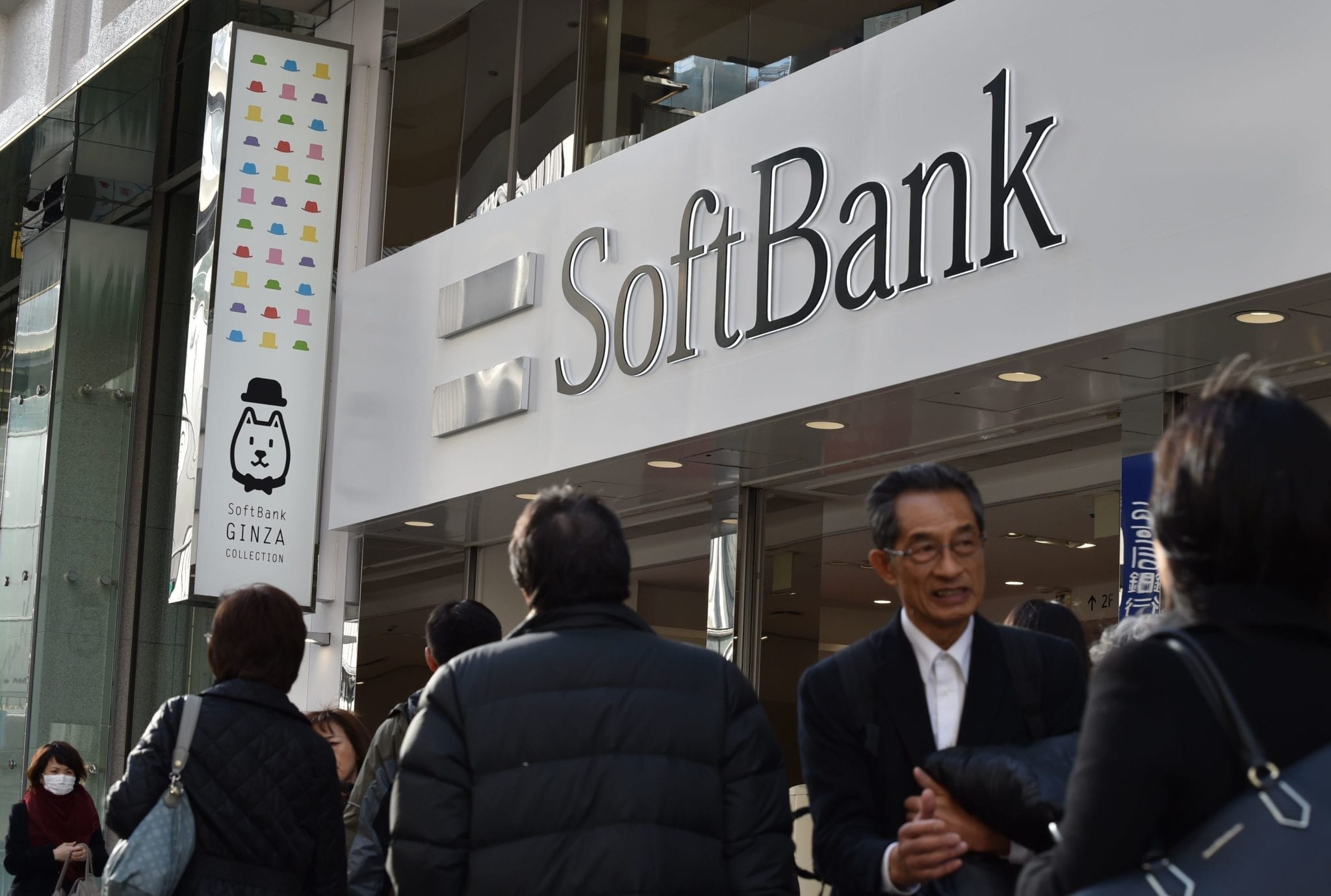
    Link Net, an internet service provider operating under Lippo Group subsidiary First Media, and Japanese telecommunications provider SoftBank Corp have signed a partnership agreement to develop and deploy the internet of things, or IoT, in Link Net’s businesses in real estate, health care and mobile ecosystems in Indonesia.

    Link Net chief executive Marlo Budiman and Hidebumi Kitahara, vice president for global business strategy at SoftBank, signed the agreement during a ceremony at Aryaduta Hotel in Central Jakarta on June 29.

    “We are pleased to collaborate with SoftBank in the initial phase of the initiative involving the deployment of IoT devices, along with video analytics for homes, commercial buildings, malls, offices, streets and other areas at our various property developments,” Marlo said in a statement on Thursday (05/07).

    The collaboration will see the deployment of an IoT system in the Lippo Group’s shopping malls and Siloam hospitals, as well as at Meikarta, the company’s $21 billion megaproject in Cikarang, West Java.

    Lippo has billed Meikarta as the Shenzhen of Indonesia, a tech and manufacturing city located in the southern part of mainland China, near Hong Kong.

    Marlo said the development of IoT in Indonesia is in line with the country’s vision of becoming the largest digital economy in Southeast Asia.

    “The global mobile industry is now entering the era of 5G, with IoT becoming the central focal point of innovation. This partnership with Link Net shows our strong commitment to further boost technological innovation in the global market and further advance the development of information and communications technology in Indonesia,” Kitahara said.

    The partnership was initiated during a meeting between Lippo Group deputy chairman James Riady, Lippo Group director John Riady and directors of the SoftBank Group in Tokyo during May this year.

    SoftBank is a subsidiary of the SoftBank Group, a multinational Japanese conglomerate that focuses on information technology, which includes investments in numerous startups and tech conglomerates, such as China’s Alibaba and Malaysian ride-hailing service Grab.

    In addition to internet connectivity and fixed-line communication services, SoftBank is also expanding its business into robotics, financial technology and cloud security systems.

  • Indonesian Conglomerates-Backed Tech Fund to Be Launched in 6 Months

    Indonesian Conglomerates-Backed Tech Fund to Be Launched in 6 Months

    An Indonesian tech venture capital fund backed by the country’s largest conglomerates will be launched within the next six months, Communications Minister Rudiantara said.

    “We, Indonesian investors, must immediately enter the tech market,” the minister said on Thursday (05/07).

    He said the fund, which would be pooled from Indonesian conglomerates, was supported by his ministry, with its structure being discussed with the Financial Services Authority (OJK).

    The size of the fund has not been disclosed.

    Rudiantara said he held discussions with local conglomerates on how they should unite and support “series A, B and C” as well as “unicorns,” a term used for startups worth at least $1 billion.

    The Sinar Mas Group, one of Indonesia’s largest conglomerates, previously said that it would invest in a pooled venture fund supported by the government.

    The country’s startup sector has witnessed a boom as investors are lured by the youthful demographic in the nation of more than 250 million people, who resort to online shopping for everything from tickets to electronic gadgets.

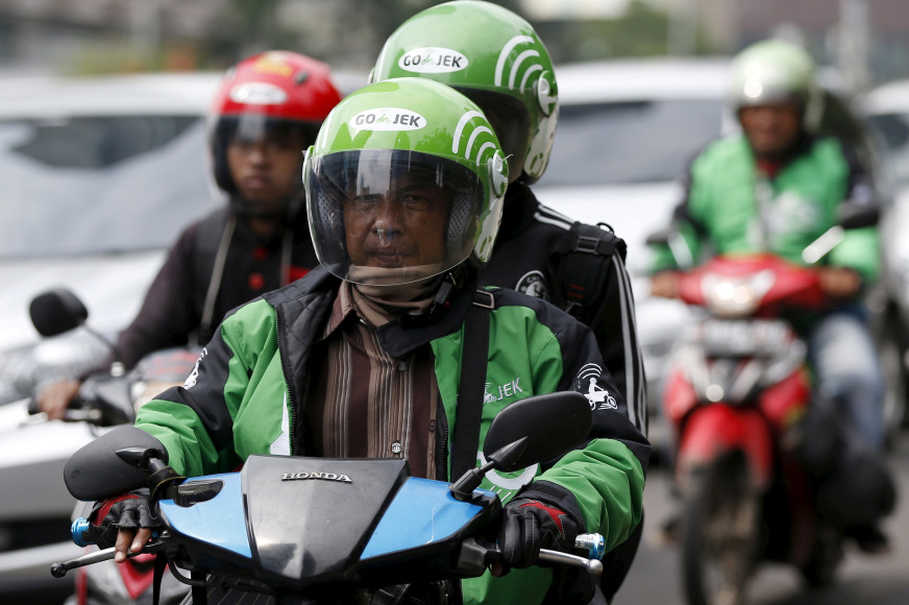
    “While two national conglomerates such as Djarum and Astra became investors in a ‘unicorn’ such as Go-Jek, it is not enough,” the minister said.

    The country has four “unicorns,” including ride-hailing service Go-Jek, travel site Traveloka and market places Bukalapak and Tokopedia.


  • Indonesia’s June Annual Inflation Rate Slows to 3.12%

    Indonesia’s June Annual Inflation Rate Slows to 3.12%

    Indonesia’s annual inflation rate slowed less than expected in June from a year ago and stayed within Bank Indonesia’s target range, the Central Statistics Agency said on Monday (02/07).

    June’s annual inflation rate came in at 3.12 percent, compared with May’s 3.23 percent. Analysts surveyed by Reuters had expected a rate of 2.88 percent.

    Suhariyanto, the head of the statistics bureau, said the consumer price index rose 0.59 percent on a monthly basis in June, due to rising demand during the Muslim fasting month.

    However, the annual rate fell because of the base effect of high prices during last year’s Ramadan, he said.

    The annual core inflation rate, which excludes government-controlled and volatile food, eased slightly to 2.72 percent in June, from 2.75 percent in May. Bank Indonesia targets inflation at 2.5-4.5 percent this year.

  • Indonesia to Review Capital Goods Imports to Control Current-Account Deficit

    Indonesia to Review Capital Goods Imports to Control Current-Account Deficit

     Indonesia plans to review the import of capital goods for big government projects to help manage its current-account deficit, Finance Minister Sri Mulyani Indrawati said on Tuesday (03/07).

    The move forms part of a series of coordinated policy measures to bolster the country’s financial markets.

    The rupiah, stocks and bonds have sold off as investors flee emerging markets amid rising interest rates in the United States, higher oil prices and the threat of a full blown US-China trade war.

    The vulnerability of Southeast Asia’s biggest economy has been increased by worries about its current-account deficit.

    Bank Indonesia has raised its benchmark rate by a total of 100 basis points, with the latest hike coming on Friday, amid efforts to defend the rupiah and stem capital outflows.

    Sri Mulyani said the current-account deficit was “a source of negative sentiment” for investors, so authorities were looking at ways to reduce it.

    “We will look at the content, whether a project is urgent to be completed and must import capital goods,” she said, describing the measure as “a short-term correction for long-term development.”

    Indonesia’s current-account deficit was 1.7 percent of gross domestic product last year, but is expected to widen to somewhere below 2.5 percent in 2018 as economic activity improves, the central bank has said.

    Between January and May this year, Indonesia imported $4.1 billion worth of goods in relation to the government’s infrastructure push and another $1.1 billion in defense equipment, central bank data showed.

    The rupiah hit 14,455 to the dollar on Tuesday, the weakest since October 2015 as Asian currencies are roiled by global trade tensions.

    Bank Indonesia Governor Perry Warjiyo said on Tuesday that the central bank will work with the government to reduce the deficit and pledged to keep intervening in the currency and bond markets.

    Bank Indonesia will remain “pre-emptive, front-loading and ahead of the curve” in its policy setting, he said, including by making sure it is ahead of other emerging markets in terms of attracting investors.

    “When they want to invest in emerging markets, they will compare yields, risk premium and other things. When we make decisions, we have to benchmark ourselves against others,” he said, comparing Indonesia’s real interest rate to India’s before and after Friday’s 50-basis-point rate hike.

    India, Indonesia and the Philippines are considered Asia’s most externally vulnerable economies due to current-account deficits and also due to their appetite for oil imports.

    Sri Mulyani also warned companies to prepare to absorb shocks in their balance sheet from a weaker rupiah and higher interest rates.

  • Indonesia Extends Freeport’s Grasberg Mine Permit Amid Talks on Environmental Impact

    Indonesia Extends Freeport’s Grasberg Mine Permit Amid Talks on Environmental Impact

    Indonesia has extended a temporary operating permit for Freeport McMoRan’s Grasberg copper mine in Papua until the end of the month while discussions continue over long-term rights, a Mining Ministry official said.

    The United States-based mining giant’s local unit, Freeport Indonesia, was given a temporary operating permit until July 31 for Grasberg, the world’s second-biggest copper mine, Coal and Minerals Director General Bambang Gatot Ariyono said at a press conference on Tuesday (03/07).

    Freeport has been in negotiations with Indonesia to secure long-term operating rights at Grasberg after the government introduced new rules last year aimed at giving it greater control of its resources.

    However, efforts to finalize a deal have been overshadowed by concerns over Grasberg’s environmental footprint.

    “This month we hope all of the aspects – the divestment transaction, investment stability guarantees, the environment, a smelter – all of them are resolved,” Gatot said.

    Freeport’s previous temporary operating permit for Grasberg expired on June 30 after being awarded in January.

    Freeport’s Grasberg partner Rio Tinto and state-owned mining holding company Inalum are also involved in negotiations on Grasberg, which needs significant investment to develop an underground phase from its current open-pit construction.

    Inalum may complete a multi-billion-dollar deal to acquire a majority stake in Grasberg this month, officials said on Saturday, but details on how Freeport will maintain operational control have yet to emerge.

    According to Gatot, the main issues to be resolved were environmental matters, and discussions were ongoing “between the Environment and Forestry Ministry, the Freeport team and Inalum, who have requested an opportunity to resolve them.”

    Other matters, which include a requirement for Freeport to build a second copper smelter and adopt a new tax regime, “are nearly finalized,” he said.

    A 2017 state audit of operations at Grasberg that outlined massive damage from Freeport’s mine waste and a lack of proper environmental permits has complicated efforts to wrap up the deal.

    In April, following the audit, Environment and Forestry Minister Siti Nurbaya Bakar issued two decrees that gave Freeport six months to overhaul management of its mine waste.

    Freeport’s average daily copper ore production at Grasberg was between 175,000 and 176,000 metric tons so far this year, below its 2018 target of 230,000 tons, Gatot said.

    The company exported 465,000 tons of copper concentrate from February to mid-June, he added.

  • Jokowi Opens Indonesia’s First Wind Power Plant

    Jokowi Opens Indonesia’s First Wind Power Plant

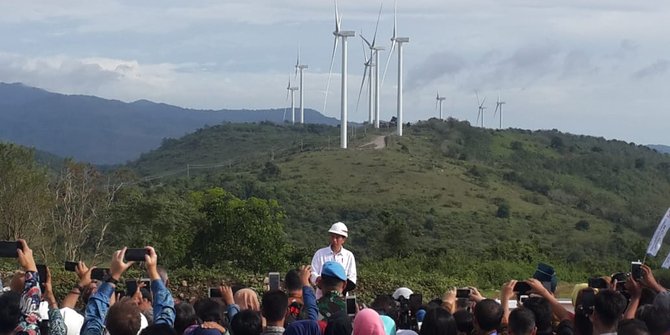
    As President Joko “Jokowi” Widodo inaugurated Indonesia’s first wind power plant in Sidenreng Rappang, South Sulawesi, on Monday (02/07), the government is getting closer to its ambitious target of obtaining more than a fifth of the country’s energy from renewable sources.

    The plant, also known as PLTB Sidrap, consists of 30 wind turbines which can produce up to 75 megawatts and electrify 80,000 households. The turbines in 40 percent consist of locally produced components.

    “This puts Indonesia among the few Asian countries that posses wind power plants, like Japan, China and Korea,” Jokowi said in a statement.

    Sidrap started its development in 2015 with $150 million borne by a consortium comprising of UPC Renewables Asia I, UPC Renewables Asia III, Sunedison and Binatek Energi Terbarukan.

    A similar project in Bantul, Yogyakarta, also developed  by UPC Renewables, was shelved in 2017 due to land clearance problems.

    Jokowi seeks to connect 99 percent of Indonesians to the country’s grid by 2019, when his first presidential term ends. Currently, the electrification rate is 96 percent.

    Indonesia aims to have 23 percent of its total power coming from renewable resources by 2025, also to fulfill its climate change mitigation commitment, in accordance with the Paris Agreement.

    Today, only 14 percent of the country’s energy is clean. More than half of it still comes from coal-powered plants.

  • Zilingo hopes to get $50 million more fund

    Zilingo hopes to get $50 million more fund

    Southeast Asian fashion startup Zilingo is set to raise a further US$50 million as it strengthens its operations in Singapore, Indonesia and Thailand and beyond.

    Zilingo was founded in October 2015 by Dhruv Kapoor and Ankiti Bose, who were inspired by the clothing stalls in labyrinthine markets they saw while backpacking across Indonesia and Thailand. Their idea was to connect a fragmented landscape of fashion supply for buyers across Asia.

    Now the company aggregates small fashion retailers in the three Southeast Asian markets on a single platform. With more than 10,000 merchants now on board, the site has evolved into a service attractive to both B2B and B2C customers.

    Users can upload and manage their inventory in any language, using any currency, connecting them through 25 interfaces with logistics, warehousing and payment providers, as well as services like loans, cataloguing and insurance.

    “Nowhere in the world has a horizontal e-commerce company also cracked fashion,” says Bose. “It’s a unique, high-margin category that is highly dependent on fast-moving cycles and has its own nuances. Unlike buying detergent or electronics, fashion is much more about your choice, individuality and trends. It requires a different approach than the rest of e-commerce.”

    Besides selling in Indonesia, Singapore and Thailand, Zilingo ships to four further countries and has supply bases in Bangladesh, Cambodia, China and Vietnam.

    The latest fundraising follows a $54 million round in March.

  • BreadTalk sets expansion plan for China, Indonesia

    BreadTalk sets expansion plan for China, Indonesia

    BreadTalk Group is expanding through new joint ventures in China and Indonesia.

    Using a wholly owned subsidiary, Shanghai BreadTalk Gourmet, the Singapore-listed food chain operator has formed a joint venture with Ge Ying to operate BreadTalk bakeries in Chongqing, China.

    “This strategic partnership combines BreadTalk Group’s wealth of experience in managing and developing franchisee relationships with Ge Ying’s strong understanding of Chinese consumers’ preferences,” BreadTalk Group said in a statement.

    Ge Ying has been managing the BreadTalk brand of bakeries in Tibet for the last six years. “With proven track records, the group is confident of his team’s capabilities to lead the growth plans for Chongqing, China.”

    BreadTalk Group will hold a 30 per cent stake in the joint venture, which will potentially expand across southwestern China.

    Tan Aik Peng, BreadTalk Group’s bakery division CEO said adopting a joint venture approach rather than a franchising agreement was in line with the group’s long-term direction of increasing directly owned outlets in Mainland China.

    “Our strong product development and innovative brand promotion, coupled with Mr Ge Ying and his team’s proven track record in BreadTalk operational management and strong local knowledge will create a win-win situation for us in Chongqing. Looking ahead, it will serve as a good foundation for us to build a strong southwestern China base in Chongqing, enabling us the opportunity to penetrate further into other southwestern markets like Yunnan and Guiyang provinces.

    “We are fully committed to the Chinese bakery market in which we have full confidence to meet the discerning tastes of the Chinese consumers,” concluded Peng.

    Toast Box expands into Indonesia

    Meanwhile, through its BreadTalk International subsidiary, the company has formed another joint venture in Indonesia.

    It has a 70 per cent stake in BTG – Pura Indah Berkat Venture, with partner Pura Indah Berkat, which operates the Toast Box brand and chain of outlets in Indonesia.

    The first Toast Box outlet is scheduled to open this year in central Jakarta. Currently, PIB manages a Toast Box outlet at Soekarno-Hatta International Airport Terminal 3.

    In a statement announcing the venture, Peng described Indonesia as “a strategic and important market for the company” and that the Toast Box format is “highly relevant” to Indonesian consumers.

    “We are confident that with our insights and experience from operating Toast Box in Singapore and other regions, our consumers will be able to enjoy our quality Nanyang coffee, toast products and local delicacies in Indonesia,” said Tan.

  • China’s First-Half Coal Imports Surge, Indonesia the Winner

    China’s First-Half Coal Imports Surge, Indonesia the Winner

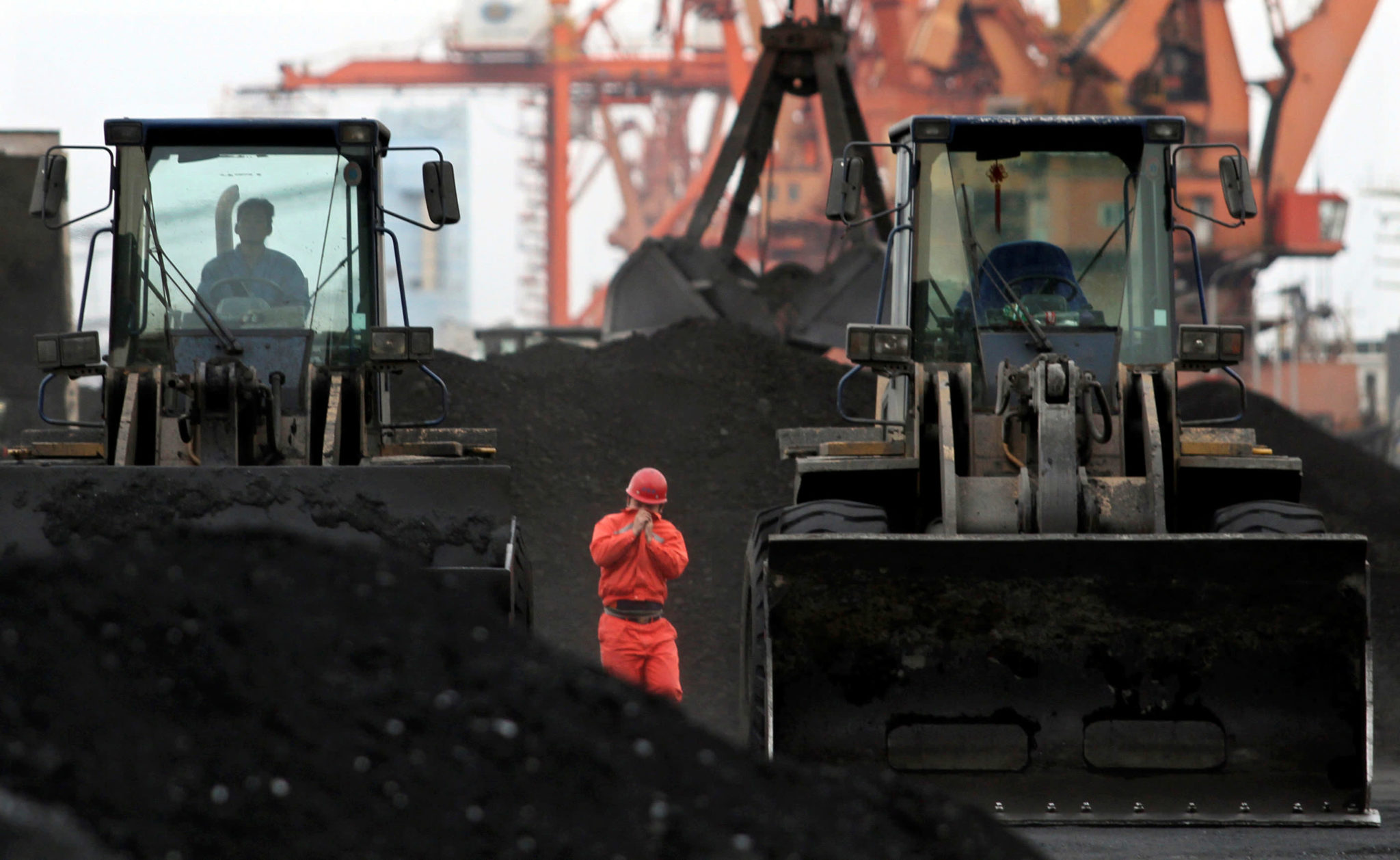
    China’s seaborne coal imports are on track to have surged by around 14 percent in the first half of the year, with Indonesia emerging as the big winner among exporters.

    Imports are likely to be around 126.6 million metric tons in the first six months of this year, up from 111.3 million tons for the same period in 2017, according to vessel-tracking and port data compiled by Thomson Reuters Supply Chain and Commodity Forecasts.

    It also appears that June may be the strongest month so far this year, with 22.1 million tons discharged, or in the process of discharging, as of Tuesday (26/06).

    The final figure may be slightly higher, at around 25.9 million tons: The data is filtered only to show ships that have already discharged, are discharging or awaiting unloading, and more cargoes may be handled in the final days of June.

    The strongest month so far this year for China’s coal imports from the seaborne market was March’s 23.2 million tons, according to the data.

    A look at the breakdown of where China is sourcing its coal reveals a surprise packet – Indonesia.

    China has imported about 15.3 million tons more coal from the seaborne market in the first half of 2018 compared with last year. On a net basis, it’s all from the Southeast Asian country.

    Imports from Indonesia were around 61.8 million tons in the first half, up from 46.3 million for the same period in 2017.

    Low Sulphur

    The strength of shipments from Indonesia may raise some eyebrows among those who believe China is trying to lower air pollution from burning coal, partly by using less and partly by switching to higher-quality coal.

    Indonesia’s exports are predominantly lower-grade coal, typically with an energy value of 4,200 kilocalories per kilogram (kcal/kg) or less.

    However, Indonesia’s coal is also typically low in sulphur. That makes it useful for Chinese coastal power plants to blend with higher-sulphur domestic supplies or imports.

    This allows them to lower emissions of sulphur dioxide and nitrogen oxide, albeit at a small penalty to the efficiency of the boiler.

    It’s also worth noting that Indonesian coal trades at a substantial discount to higher-quality thermal coal from main regional rival Australia.

    Indonesian 4,200 kcal/kg coal, as assessed by Argus Media, was at $48.71 a ton in the week ended June 22. The weekly index for 6,000 kcal/kg coal at Australia’s Newcastle Port was $116.27.

    The discount of the Indonesian grade to Newcastle has widened substantially over the past year, going from 50 percent at the end of June 2017 to the current 58 percent.

    While this is encouraging additional cargoes from Indonesia, it also means that Australian exporters are enjoying higher prices, even if their volumes are more or less the same.

    China imported 42.84 million tons from Australia in the first six months of the year, fractionally higher than the 42.62 million tons in the same period in 2017, according to the vessel-tracking data.

    Russia Up, United States Down 

    While Indonesia and Australia dominate supply to China, it’s worth noting that Russia also managed to lift deliveries, with imports rising 27 percent to 10.3 million tons in the first half.

    China’s imports from the United States, which are predominantly coking coal used in steel-making, dropped in the first half to 2.09 million tons, a decline of 38 percent.

    This occurred well before any potential impact of proposed Chinese tariffs on coal from the United States, which may be imposed as part of the escalating trade dispute between the world’s two largest economies.

    The decline so far this year in imports from the United States is more likely related to Australian coking coal being more competitive – and available, given the absence this year of major weather-related outages.

    Overall, China’s increased appetite for imported coal appears to be contributing to higher prices, with the Newcastle index up 12 percent so far, hitting a six-year high of $118.09 a ton in the week ended June 17.

  • Chevron Renewal of Indonesia’s Rokan Block Not Assured

    Chevron Renewal of Indonesia’s Rokan Block Not Assured

    United States energy giant Chevron must compete if it wants to continue operating Indonesia’s Rokan block, the country’s biggest source of crude oil, after its contract expires in 2021, Energy and Mineral Resources Minister Ignasius Jonan said on Wednesday (27/06).

    Chevron asked the Indonesian government earlier this year to extend its operating contract for Rokan beyond 2021 and since then has been in discussions with government officials on the issue.

    “I just talked to Chevron’s new chief executive and told him that it is up to him. If they propose to continue to operate the Rokan block the economics have to be justifiable,” Jonan said in the sidelines of the World Gas Conference in Washington.

    “And they may face some competition as well, from foreign operators and from Pertamina,” he said, referring to Indonesia’s state-owned energy company.

    Michael Wirth, who has been with Chevron since 1982, became chief executive in February.

    A Chevron spokesman did not immediately respond to a request for comment.

    Indonesia has earned a reputation for favoring Pertamina to take over expiring oil and gas contracts in the past, stoking concern among foreign energy investors about the security of their projects.

    Jonan, who said he is eager to earn the trust of investors to boost development of Indonesia’s natural resources, said the days of playing favorites were “in the past.”

    “The only maxim we stick to is the economics. There is no favoritism about the origin of the company, there is no political play. The answer is no and no. It is the economics. That applies to everyone, foreign companies, local companies, and government companies,” he said.

    Jonan said Indonesia was also in discussions with Chevron about another project it is operating, Indonesia Deepwater Development, a natural gas production effort in East Kalimantan, after Chevron cut $6 billion in spending plans there.

    “We both agreed to go and find the best way to work on this block for both sides,” he said, adding tat the negotiations now “will go down to the technical level.”

    Jonan said he had not yet used his authority to adjust fiscal terms for oil and gas blocks to encourage investment, but was ready to do so in any cases where investment returns were projected to be below 15 percent.

    Jonan said he is “seriously considering offering fiscal adjustments to a number of smaller blocks” in Indonesia, but he did not name the blocks or the companies involved.

    Gold, Copper, Coal

    Jonan also said he met this week with Freeport McMoRan chief executive Richard Adkerson to discuss the company’s Grasberg gold and copper mine in Papua. The Phoenix-based company has been in tricky negotiations with Indonesia to secure long-term operating rights at the mine after the government introduced rules last year forcing it to divest its controlling interest.

    Jonan said the two agreed that Freeport needs freedom to operate the mine in the way it sees fit in the near term, but that the government insists on having a voice.

    “We agreed that, operations-wise, Freeport has to be in charge at the moment. Honestly, we don’t have the expertise,” he said. “But if you talk about control, it is a very delicate word in terms of management. I would like to say we both control.”

    Jonan added that Indonesia, which produces and exports large amounts of coal, currently viewed the fuel as critical to keeping electricity costs down for its population.

    “We have a serious concern about global warming and are trying to reduce the use of coal as the primary energy for our power plants,” he said. “But we go with the affordability for the public.”

    He said Indonesia would find it difficult to reach its target of generating 23 percent of its power from renewable sources by 2025 – as pledged under the 2015 Paris agreement on climate change – but remained hopeful it could reach somewhere above 20 percent by that time.

  • New Stock Exchange Boss Faces High Expectations

    New Stock Exchange Boss Faces High Expectations

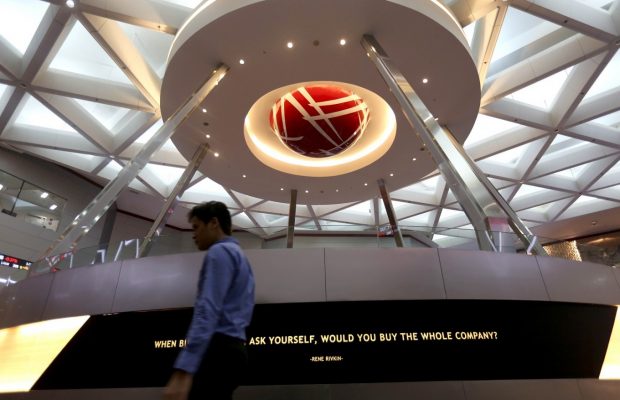
    Indonesia’s Financial Services Authority, or OJK, has approved Inarno Djajadi as new president director of the Indonesia Stock Exchange.

    The appointment will be effective after the bourse’s general shareholders meeting on June 29. Inarno, who will serve during the 2018-21 period, replaces Tito Sulistyo who was holding in office in 2015-18.

    Issuers, investors and analysts have high expectations toward the new Indonesia Stock Exchange (IDX) leadership.

    “It [the stock exchange] needs more derivative products and exchange traded funds [ETF] to deepen the capital market. So far, derivative trading on IDX has not been doing too well,” said Investa Saran Mandiri director Hans Kwee.

    Hans said the new IDX director should begin to think of a new regulation that would allow securities companies or third parties to act as liquidity buffers on the market to prevent issuers, who have just held an initial public offering, from seeing their stock prices fall steeply.

    “If our capital market is good and growing, then entrepreneurs and investors will have the confidence to make IDX the place to raise funds or to invest,” he said.

    Isakayoga, director of the Indonesian Issuers Association (AEI) said the bourse needs to reduce its annual listing fees.

    “Do not calculate the annual fee based on market capitalization, but based on total assets. Today, the higher the stock price, the higher the listing fee will be, as if the issuer was penalized for it. Instead, he should be rewarded,” said Isakayoga.

    According to the Indonesian Securities Analysts Association (AAEI), which members serve more than 1.3 million individual investors, the new IDX director should focus on good corporate governance.

    “Issuers on IDX need to be more transparent, especially to analysts. There are still many companies that are difficult to get in touch with,” said AAEI chairman Edwin Sebayang.

    Inarno has extensive expertise in capital markets. The Gadjah Mada University graduate began his career as a treasurer at local lender Uppindo Bank in 1989. Since then, his career has been centered on brokerage firms and the stock market. In 1991-97, he was serving as director of Aspac Upindo Sekuritas, after which he moved to Mitra Duta Sekuritas, Widari Securities, Madani Securities, Maybank Kim Eng Securities and CIMB Sekuritas Indonesia. He served as chief executive of the Stock Market Clearing House (KPEI) in 2003-09.

    Aside from Inarno, OJK also appointed six other directors.

    President director: Inarno Djajadi

    Listing director: IGD N. Yetna Setia

    Trade director: Laksono Widito Widodo

    Monitoring transaction director: Kristian Sihar Manullang

    IT director: Fithro Hadi

    Human resources and finance director: Risa Effennita Rustam

    Development director: Hasan Fawzi

  • Indonesia Gov’t Cuts Tax for Small and Medium Enterprises

    Indonesia Gov’t Cuts Tax for Small and Medium Enterprises

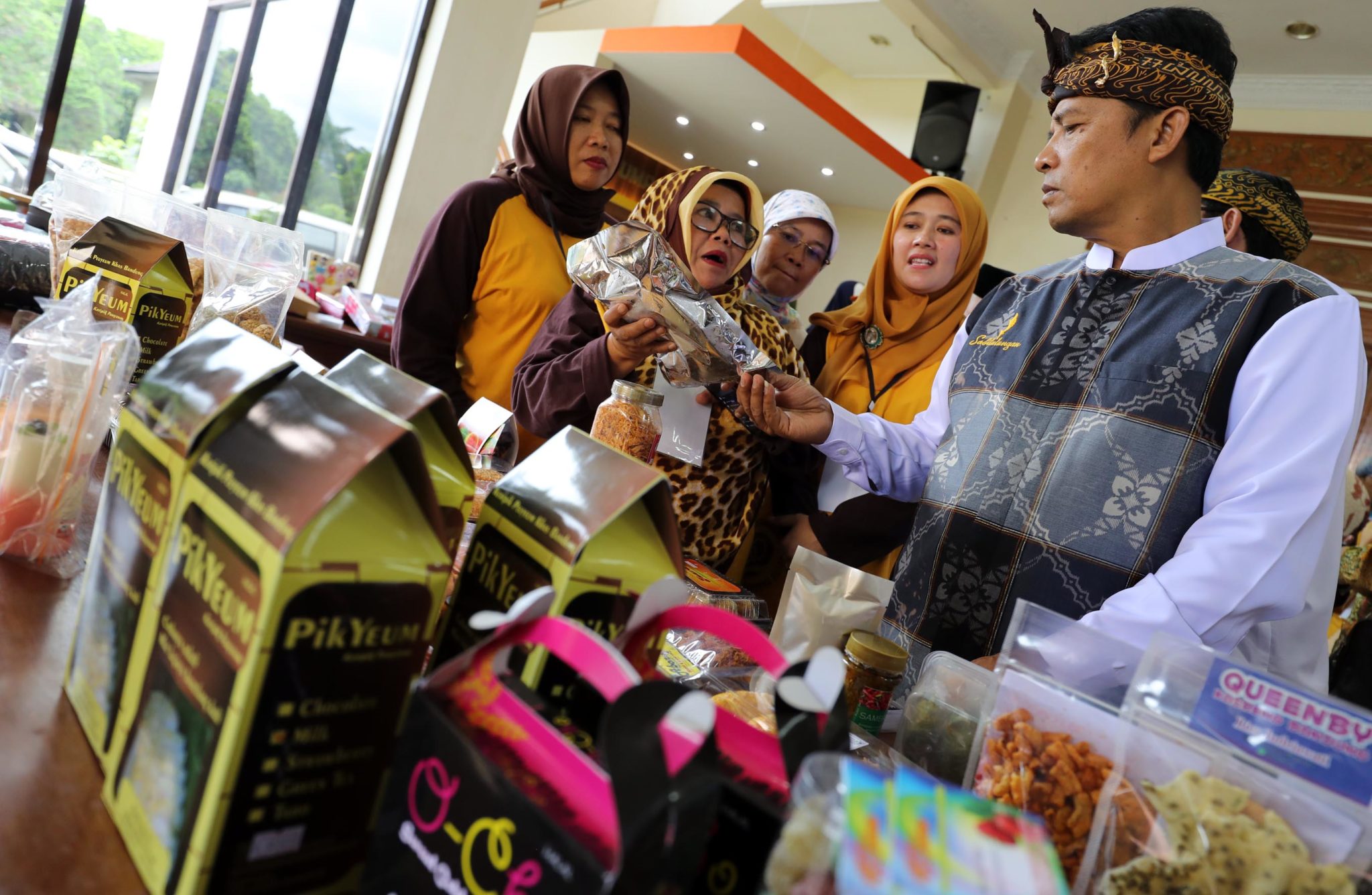
    Indonesia will cut the final income tax rate for small and medium-sized enterprises by half, to 0.5 percent of their annual sales, in a move to help businesses manage their cash flow and expansion.

    President Joko “Jokowi” Widodo announced the cut at the East Java Expo in Surabaya, East Java, on Friday.

    The new regulation will be effective on July 1.

    Today, businesses with annual revenue of less than Rp 4.8 billion ($340,000) pay a 1 percent tax on their total sales. Other businesses pay 25 percent of their profit as income tax and set aside 10 percent of sales for value added tax.

    While the current arrangement only demands simple accounting, small and medium-sized enterprises say it also means they have to pay income tax when they are at loss, which disrupts their cash flow.

    “The new regulation is intended to encourage SMEs to be more active in economic activities by providing a fairer taxpaying scheme,” Directorate General of Taxation spokesman Hestu Yoga Saksama said in a statement.

    To lower their tax bill, SMEs must file an application to the tax office. Individual taxpayers can enjoy the lower tax rate for seven years, corporate taxpayers for four years and limited liability companies for three years.

    “The cut from 1 percent to 0.5 percent is expected to facilitate SMEs in maintaining their cash flow, which can then be used as additional capital for their businesses,” said Yustinus Prastowo, executive director at think tank Center for Indonesia Taxation Analysis.

    The cut will cost the government around Rp 2.5 trillion a year, which according to Yustinus should be seen as an investment, as the policy is expected to increase the tax base.

    Tax office data show that tax revenue from SMEs last year amounted to Rp 106.3 trillion — only 60 percent of the government’s target. It was also nearly Rp 12 trillion lower than in the previous year.

  • Indonesia to host franchise event next month

    Indonesia to host franchise event next month

    Prospective franchisees and investors will have the opportunity to meet with international franchisors at a VF Franchise Consulting event in Jakarta from July 18–19.

    VF’s CEO Sean T Ngo said foreign brands are eying the Indonesia franchise market because of its size and potential.

    “Not only is food & beverage fast-growing, it is also a market that is very high potential for education and services franchises,” he said.

    The invitation-only event, co-hosted by local partner IFBM, includes personal meetings with senior franchise executives of seven participating brands, which include F&B franchises Little Caesars, Texas Roadhouse, Brotzeit and Pronto; Hong Kong-based educational businesses The Edge Learning Centre and First Code Academy; and hygiene/disinfection firm Sureclean.

    According to Ngo, there are already more than 1200 active Indonesia franchise companies operating, including both local and international groups. He noted that Indonesia continues to have one of the fastest-growing franchise industries in Southeast Asia.

  • Indonesia Posts $1.52b Trade Deficit in May on Higher Oil Prices

    Indonesia Posts $1.52b Trade Deficit in May on Higher Oil Prices

    Indonesia’s trade deficit narrowed to $1.52 billion in May, but was worse than expected, due to higher oil prices, the country’s statistics agency said on Monday.

    That compared to a revised $1.63 billion deficit posted in April, which was the largest in four years. A poll by Reuters was for a deficit of $380 million in May.

    Imports grew by 28.12 percent from a year earlier, after jumping by 35 percent in the previous month. Analysts had expected imports to grow 13.88 percent.

    “This increase [in imports] was due to higher oil prices,” Suhariyanto, the statistics agency’s chief said.

    Global oil prices rose in recent months due to supply concerns for some major producers.

    Total imports in May were valued at $17.64 billion.

    Exports from Southeast Asia’s largest economy grew by 12.47 percent annually in May, a higher-than-expected rate, with shipments of metals boosting the total exports to $16.12 billion.