Tag: Indonesia

  • Indonesia’s Growing Thirst for Coffee Drains Premium Bean Supplies

    Indonesia’s Growing Thirst for Coffee Drains Premium Bean Supplies

    For decades, Indonesia has supplied coffee roasters worldwide with prized beans that give a distinctive taste to brews favored by connoisseurs. Most locals, however, preferred tea.

    But now, as younger generations switch to coffee and hundreds of independent coffee shops and roasters pop up across the archipelago, Indonesia’s consumption of beans is rising. That’s left less coffee for export and forced up prices for foreign buyers.

    A small harvest in Sumatra has eaten further into tightening supplies of that region’s unique arabica beans, which are sought for the heavy, earthy notes they give to roasted blends.

    Sumatran beans are a key component in Starbucks Corp’s Christmas Blend, which has been sold for more than 30 years.

    Sumatra’s lower production caused some exporters to delay and even default on deliveries, sources at importing companies said, forcing some US importers to pay more to secure supplies.

    Inventories in the United States have dwindled, with many importers saying they have enough to meet contracts with roasters but nothing left for the spot market.

    Major roasters Starbucks and Keurig Green Mountain are the biggest buyers of Sumatran arabicas, importers say, and smaller companies appeared to be facing the biggest challenges sourcing those beans.

    A Starbucks spokeswoman said the company has not been impacted by the region’s tight supplies this year. Keurig did not respond to requests for comment.

    Java Sales Rise in Java

    Coffee consumption in Indonesia has nearly doubled in the past 10 years, as many young Indonesians were influenced by coffee habits in countries such as Australia and the United States where a lot of them went to study.

    “We’re seeing very strong coffee expansion in many markets but Indonesia is very much a market where demand is growing heavily,” said Michael Schaefer, global lead of Food and Beverage at Euromonitor International.

    While major producing countries such as Brazil, Vietnam, Colombia and Indonesia have historically exported their best coffee, rising interest in premium beans from local coffee shops is changing this, Schaefer said.

    Many new roasters are offering farmers significantly higher prices for their arabica beans, said Pranoto Soenarto, vice president of the Association of Indonesia Coffee Exporters and Industries.

    “Farmers are wooed,” Pranoto said. “They will keep their beans for these micro-roasters, who only buy in small amounts.”

    Irvan Helmi, co-founder of local roaster and cafe Anomali in Jakarta, said local buyers’ close proximity to farmers enabled them to pay higher prices while selling directly to consumers at better profit margins.

    Wildan Mustofa, an arabica coffee farmer with a mill in Pangalengan, West Java, said his domestic sales are rising fast.

    “The local purchases grow by almost 100 percent every year,” said Wildan, while helping workers spread out coffee cherries to be dried under the sun.

    Output, Export Down

    Compounding the shortage of beans for overseas buyers is a fall in output.

    Indonesia’s annual coffee bean output has fallen by around 8 percent over the past five years, Indonesian Agriculture Ministry data shows. Farmers say unpredictable weather, poor crop maintenance and switching to other crops is responsible for lower yields.

    Exports from the world’s fourth largest-coffee growing nation have dropped by around 20 percent over the past five years, according to data from the US Department of Agriculture (USDA).

    The country’s tight supplies are already reflected in first-quarter 2018 shipping data, with coffee exports down 26 percent from the same period in 2017, Indonesia’s Statistics Agency data show.

    Sought After Sumatran Arabicas

    In Sumatra, a large and mountainous island west of the capital Jakarta, limited availability of arabica coffee sent prices to a record high in April.

    Arabica is a higher quality bean that is typically roasted and brewed. Its cousin robusta, known for its more bitter taste, is processed into instant coffee or used as a lower cost component in roasted blends. Robusta makes up nearly 90 percent of Indonesia’s coffee harvest.

    The arabica grown in Sumatra is unique, in part due to the unusual bean drying process employed there. While farmers in other countries have tried to replicate it, importers said results are unreliable and only on a small scale.

    “Competition to buy coffee from producers has been pretty fierce,” said Robert Babington Smith, a senior trader for California-based importer InterContinental Coffee Trading Inc.

    Prices of unprocessed or partially dried Sumatran arabicas purchased at farms rose to a record $5.90 per kilogram in April, while arabica beans already in US warehouses fetched premiums of$2.20/lb or more over the global benchmark price, nearly double last year’s price, Babington Smith said.

    Babington Smith said one his suppliers defaulted on a planned delivery due to that exporter’s lack of funds to purchase the increasingly expensive coffee.

    Another importer said five of his containers were defaulted on after his company refused to pay more than the contracted price.

    “We get calls every day from roasters asking if we have any Sumatrans, spot or on the water,” the importer said.
  • Australia’s IAG to sell Thai, Indonesia units to Tokio Marine for $390 million

    Australia’s IAG to sell Thai, Indonesia units to Tokio Marine for $390 million

    Insurance Australia Group (IAG) said on Tuesday it will sell its Thai and Indonesian operations to Japanese insurer Tokio Marine Holdings or A$525 million ($390 million).

    The Japanese company’s unit, Tokio Marine & Nichido Fire Insurance, will buy IAG’s 98.6 percent stake in Thailand’s Safety Insurance and 80 percent of PT Asuransi Parolamas in Indonesia.

    “We believe Tokio Marine is an ideal owner given its experience in the region, and that this is a good outcome for the associated employees, customers and other stakeholders,” IAG Chief Executive Peter Harmer said in a statement.

    IAG said in February it was reviewing its Asian operations as it faced a lack of buying opportunities to boost growth in a competitive region attractive for its low penetration rates.

    Separate to the Tokio Marine deal, IAG said it has also agreed to sell its 73.07 percent stake in Vietnam-based AAA Assurance Corp. It did not give more details on the deal.

    IAG said it would record an after-tax profit of at least A$200 million in its fiscal 2019 results from the combined transactions, after certain deductions.

  • Indonesian Stocks Slump 2.5% as Trade Resumes After Idul Fitri

    Indonesian Stocks Slump 2.5% as Trade Resumes After Idul Fitri

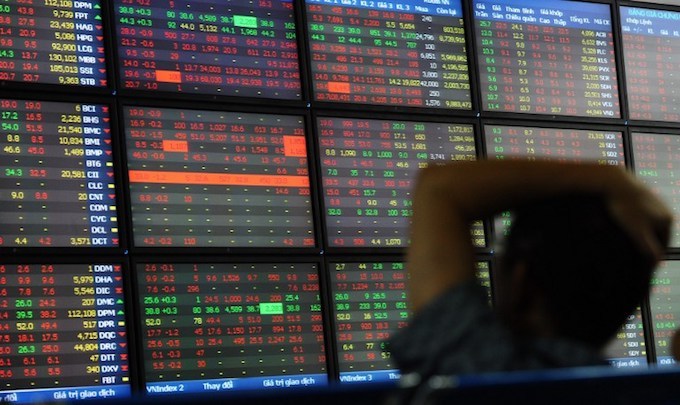
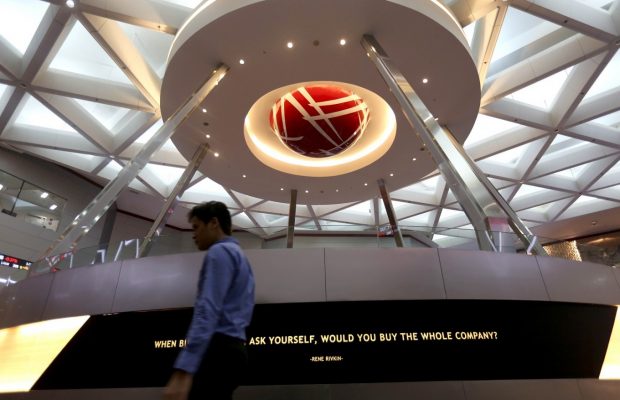
    Indonesian shares slumped 2.5 percent on Wednesday (20/06), their sharpest intraday fall in nearly two months, after trade resumed following a long holiday for Idul Fitri celebrations.

    Global equity markets saw a selloff during the Idul Fitri holiday and Indonesia is expected to play catch-up, driven by stocks with high foreign ownership such as Bank Central Asia and Bank Mandiri, according to a Trimegah Securities note. Indonesian financial markets were closed from June 11 to 19.

    Financials were the biggest losers with Bank Central Asia declining 3.8 percent and Bank Mandiri shedding 6.5 percent.

    An index of the country’s 45 most liquid stocks slid 3.6 percent to its lowest in nearly one month.

    Among other Southeast Asian stock markets, the Philippines was down for a fifth straight session while Thailand rose after five consecutive sessions of declines ahead of central bank policy meetings.

    The Bank of Thailand is expected is expected to leave its policy interest rate near a record low, while a slim majority of economist expect the Bangko Sentral ng Pilipinas to raise rates.

    Energy and financial stocks were among the biggest boost in Thailand with PTT climbing 0.5 percent and Bangkok Dusit Medical Services rising 3.3 percent.

    Malaysian shares were higher after seven straight sessions of falls with Axiata Group gaining 1 percent and Genting adding 1.8 percent. The consumer price index rose 1.8 percent last month from a year earlier, meeting market expectations, on stronger fuel and transport prices and rising demand for food, government data showed.

  • Most Southeast Asian markets fall as trade tensions escalate

    Most Southeast Asian markets fall as trade tensions escalate

    Most Southeast Asian stock markets declined on Tuesday, in line with broader Asia, as U.S. President Donald Trump threatened new tariffs on Chinese goods in an escalating trade war between the world’s top two economies.

    Trump warned on Monday that Washington would impose a further 10 percent tariff on $200 billion of Chinese goods after Beijing’s decision to raise tariffs on $50 billion in U.S. goods, which was in retaliation for U.S. tariffs announced on Friday.

    Trump said if China increases its tariffs again in response to the latest U.S. move, “we will meet that action by pursuing additional tariffs on another $200 billion of goods.”

    “This is causing a little bit of uncertainty in the market. It is very worrisome for investors and they are staying on the sidelines and avoiding risky assets such as equities,” said Lexter Azurin, a senior equity analyst at Manila-based AB Capital Securities.

    MSCI’s broadest index of Asia-Pacific shares outside Japan hit its lowest since February as safe-haven assets such as gold and the Japanese yen gained.

    Philippine shares fell as much as 2.2 percent to their lowest since March 27, 2017, weighed down by industrials and financials. SM Investments Corp declined 3.2 percent, while BDO Unibank Inc shed 2.9 percent.

    A slim majority of economists believe the Philippine central bank will raise interest rates on Wednesday, but opinions are sharply divided, with the weak peso likely to be the factor that will tilt the scale.

    Thai shares fell nearly 1 percent to their lowest since Sept. 28, 2017 and were on track for a fifth straight session of decline.

    On Wednesday, the central bank is expected to leave its policy interest rate near a record low to encourage more broadly-based economic growth at a time when inflation remains low, according to all 21 economists surveyed in a Reuters Poll.

    Vietnam shares fell 2.8 percent to their lowest in nearly three weeks, with Petrovietnam Gas Joint Stock Corp declining to its lowest in six months, while Vietnam Technological and Commercial Joint Stock Bank dropped 6.8 percent.

    Malaysian shares were down for a seventh straight session, while Singapore shares rose on the back of gains in financials.

    Indonesian financial markets are closed through Tuesday for Eid Al-Fitr.

  • Queensland strawberries shine in Asia

    Queensland strawberries shine in Asia

    A delegation of Queensland strawberry growers and industry representatives recently returned from Hong Kong and Indonesia.

    The delegation visited 17 different retail outlets, from high-end supermarket chains such as Great Food Hall in Hong Kong and Ranch Market in Jakarta, right through to suburban wet markets and local street stores.

    While encouraged by the opportunity they saw to ship fruit into these markets, the delegates also gained an impression of the competitive environment they are entering.

    “Hong Kong is a very competitive market with strawberries from the US available in every market type,” said Luigi Coco, chairman of the Queensland Strawberry Growers Association and a strawberry grower from Elimbah. “US strawberries are also available in Jakarta with locally-grown Indonesia strawberries also available.”

    The delegation coincided with a number of trials involving Queensland strawberry exports.

    Coco, from A&E Coco and Sons, Charmaine Davey from Berry Patch Marketing, and Brendon and Ashleigh Hoyle from Ashbern Farms all collaborated to trial shipments to both Hong Kong and Jakarta.

    “Within 24 hours of picking the strawberries on our farm, they can arrive at the importer’s distribution centre in Hong Kong” said Brendon Hoyle. “The Hong Kong cold chain is very sophisticated and strong relationships between these businesses and the retail and food service industry has been established”.

    The supply chain to Jakarta is slightly more complex than Hong Kong, with no direct flights from Brisbane currently available. There is also a requirement for pest treatment.

    Despite these challenges, Queensland strawberries were exported and available for purchase by consumers.

    “It was a highlight seeing strawberries from our farm being sold and purchased in Ranch Market in Jakarta,” said Davey. “The colour and size of the Queensland-bred strawberry varieties, including Red Rhapsody, are very attractive to the consumer.”

    Jennifer Rowling, the development officer for Queensland Strawberry Growers, and Clinton McGrath and Bronwyn Ford, both from the Queensland Department of Agriculture and Fisheries, were also part of the delegation.

    The travel was part of a project funded by the Queensland government’s Growing Queensland Food Exports programme, which was also supported by the Queensland Strawberry Growers Association.

  • These 6 Countries Are Booming in E-commerce

    These 6 Countries Are Booming in E-commerce

    Among the 28 largest internet companies in the world, 11 are e-commerce businesses. Per Statista, Global retail e-commerce sales are forecasted to reach $2.77 trillion this year. Consider that 62 percent of the world’s 7.2 billion population already owns a mobile phone, and by 2019, over 5 billion people will have access to the internet through their smartphones.

    Yet while global e-commerce is undoubtedly thriving, it’s true potential remains untapped, especially when looking at the growth potential for these six booming e-commerce markets.

    China

    China’s 2017 retail e-commerce sales reached $1.2 trillion. From the rise of two of the top 10 internet companies in the world in JD.com and Alibaba, to socially adopted mega-shopping holidays like “Singles’ Day”—China’s large economy is turning more digital by the day. This is underscored by its high consumer confidence index (CCI), currently sitting at 122 as of January 2018. E-commerce accounts for 23 percent of China’s overall retail sales, and there’s a lot of room for growth. China boasts a forecasted compound annual growth rate (CAGR) over 17 percent. This is on par with many underdeveloped markets expecting to see major e-commerce strides in the near future.

    United States

    While e-commerce only makes up 10 percent of the overall U.S. retail economy, that market is expected to reach $5.3 trillion in 2018. U.S. e-commerce sales generated over $431 million in revenue in 2017. With a healthy 96 percent of Americans shopping online, it’s projected to be a $535 billion market by 2019.

    United Kingdom

    Over 19 percent of retail sales come from online purchase in the U.K. With an annual e-commerce revenue exceeding $121 billion, it’s the third biggest market in the world behind China and the U.S. As of March 2017, 87 percent of U.K. consumers had made an online purchase in the last year.

     Japan

    Japan was projected to generate over $111 billion dollars in retail e-commerce sales in 2017. Japan’s relatively small country size, single language, urban population and widespread tech adoption (91 percent) all contribute to its ideal e-commerce environment. E-commerce sales in Japan make up less than eight percent of all retail sales, leaving plenty of room for future growth.

     Germany

    Ninety-three percent of German consumers shopped online in 2016, according to research from Mintel. German e-commerce revenue accounted for nearly eight percent of overall retail sales in 2017 at roughly $77 billion. Growth ahead looks steady with 2018 and 2019 projected to haul in $82.5 and $87.5 billion, respectively. These numbers look even more encouraging when you consider under half of German retailers offer their goods online, leaving inevitable room for growth in the coming decade.

    South Korea

    South Korea’s e-commerce boom has largely resulted from widespread mobile phone adoption and an overall tech-savvy culture. Having the fastest Wi-Fi in the world probably helps too. Their e-commerce sales accounted for 9.8 percent of its total retail sales in 2017 at $46.6 billion annual revenue. E-commerce revenues project to hit $50.5 billion in 2018.

    Countries to Watch

    These six countries may be the powerhouses, but e-commerce is growing globally. In India, where just 2.2 of total retail sales comes from e-commerce, a massive population and widespread mobile phone adoption make it a sleeping giant. In fact, India ranks just behind Malaysia for CAGR from 2016-2021, at 23 percent. Other Southeast Asian island countries like Indonesia, the Philippines, and Vietnam forecast for 20.7, 18.3, 17.2 percent, respectively. And don’t count out large countries like Brazil and Russia, the latter of which boasts the largest number of internet users in Europe.

    Why Borders Don’t Matter

    Aside from country-specific trends, the main thing to take away is that the world is going online to shop for the things they need. According to a Nielsen report, 57 percent of online shoppers purchased from an overseas retailer in the last six months. Only one continent—North America—saw less than a majority (45 percent) of shoppers making an overseas purchase.

    Global e-commerce is on pace to truly be global, as consumers become more comfortable looking to e-stores abroad for more product selection, better prices, or more availability. This borderless e-commerce system will handsomely reward the companies that learn how to build an ecommerce website with appeal to a global audience and personalized experiences.

  • GenieTech closes agreement with Indonesian retail giant

    GenieTech closes agreement with Indonesian retail giant

    company Genie Technologies Inc. (GenieTech) bagged a deal for the rollout of its omnichannel solutions to the retail distribution system of Indonesian firm Kanmo Group in a bid to provide quality customer experience.

    “Our team is more than excited for this project. From our end, we look forward to supporting Kanmo Group’s vision and digital journey through this partnership,” said Mahesh Gopinath, COO of GenieTech.

    Claiming their nondisclosure agreement with Kanmo, the company did not divulge any amount when pressed on the project cost.

    GenieTech said that their new client is a retail giant in Indonesia, the most populous Muslim nation in the world.

    This project is aimed at accelerating the latter’s productivity by upgrading its current platform in integrating retail tools and application using Retail Pro Prism that gives control and flexibility in tailor-fitting the product to the business needs, processes and brand.

    Kanmo Group Omnichannel Director Bhavin Patel said their company recognizes the booming e-commerce market in Southeast Asia.

    This development is encouraging for online retail players like them to build an omnichannel that puts seamless customer experience at the center, whether live or offline.

    “To truly yield from our omnichannel strategy, the group has to look just beyond engaging customers through offline and online means. When you look at the customer behavior in Southeast Asia, you will know that people love creating ‘basket’ online. However, they still prefer doing the actual purchase in physical stores instead,” the executive said.

    “We want to enable our customers to walk in stores where they can collect and check out the basket they created by communicating with either a salesperson or through a POS [point-of-sale] system that runs in real time,” he added.

    Through Retail Pro Prism, Kanmo’s current platform will be replenished to have a real-time interface with customers, as well as their employees, helping them to react instantly to their business needs.

    It also allows a quick access to precise data from across the enterprise need to enhance decision-making process.  Another feature the group requires for its omnichannel boost is the flexibility to integrate all systems in one platform.

    Patel said they have been using Retail Pro solutions for the function, yet they needed an upgrade to meet their new level of customization.

    “Our vision was a bit higher than what Retail Pro Prism can do so, we knew there would be loads of customization needed to be done,” he said.

    “GenieTech, as our implementing partner for this project, fully understands this perspective. They already know how we work and understands our expectations when we came in.”

    The Retail Pro Prism rollout for the group has already gone live. The upgrade was made in just six months to seven months, as opposed to the usual process that generally takes about five years.

    Currently, it is undergoing system stabilization. The solution’s impact on Kanmo’s business is now being monitored.

    “As a business, this project is dedicated to bringing more convenience and better experience to our customers,” Patel said. “GenieTech and other partners helped us in this endeavor and made it right for our customers.”

    GenieTech was established in 1999, mainly offering a retail management software solution for the retail industry in the Philippines.

    It is now recognized as a highly specialized information technology firm providing world-class business solutions, consulting and support services to a number of small, mid-sized and large enterprises from various industries in Southeast Asia.

    Kanmo Group was formed in 2005 as the retail subsidiary of the K .Aloomall Group focusing on retail distribution in Indonesia and the Indian subcontinent.

    Within 13 years of operations, it now operates nearly 200 stores in Indonesia with a market leadership position in the kids and baby segment serving tens of thousands of customers monthly.

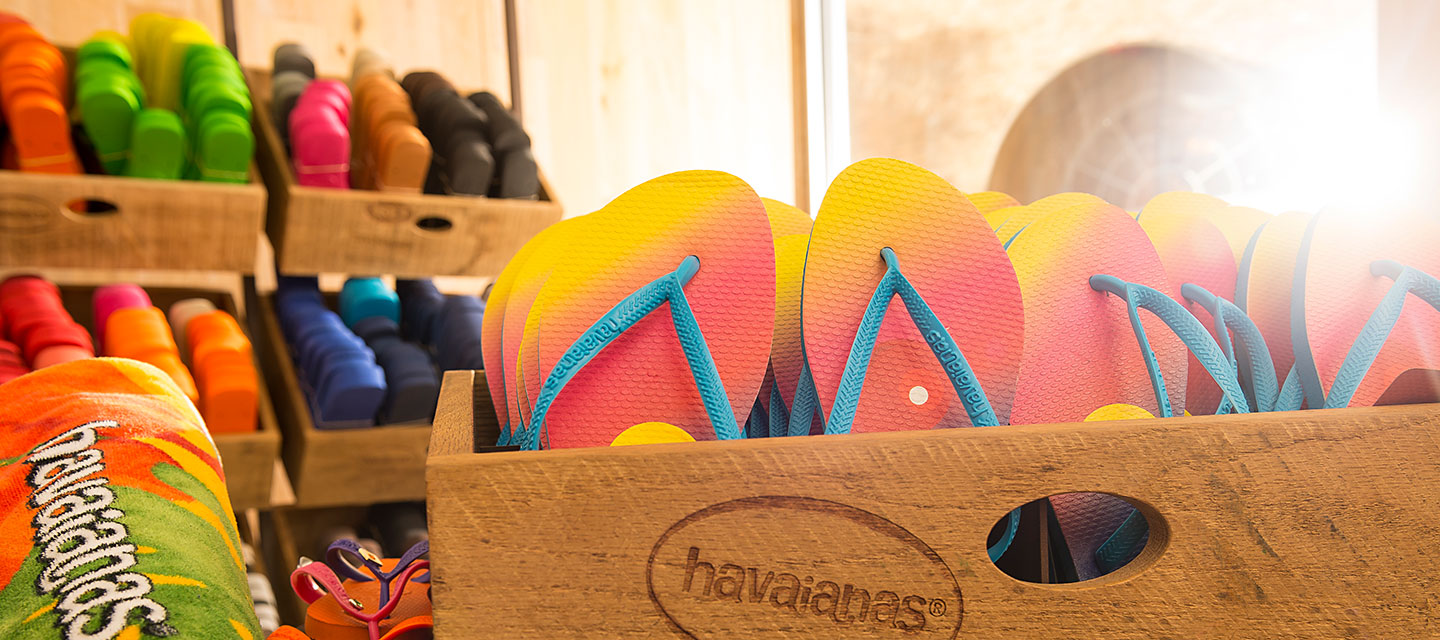
    In 2017 Kanmo expanded its retail footprint in footwear by acquiring sole distributorship of the global brand Havaianas and launch of the concept footwear store for kids, Wilio.

  • Retail Sales During Ramadan Signal a Rebound

    Retail Sales During Ramadan Signal a Rebound

    Retail sales in Indonesia increased ahead of the Idul Fitri holiday, hinting of a much-anticipated rebound in private consumption.

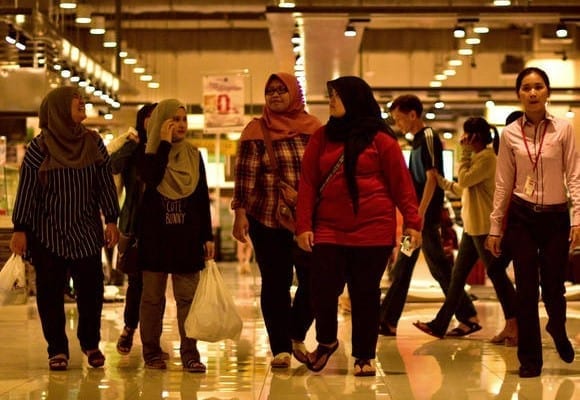
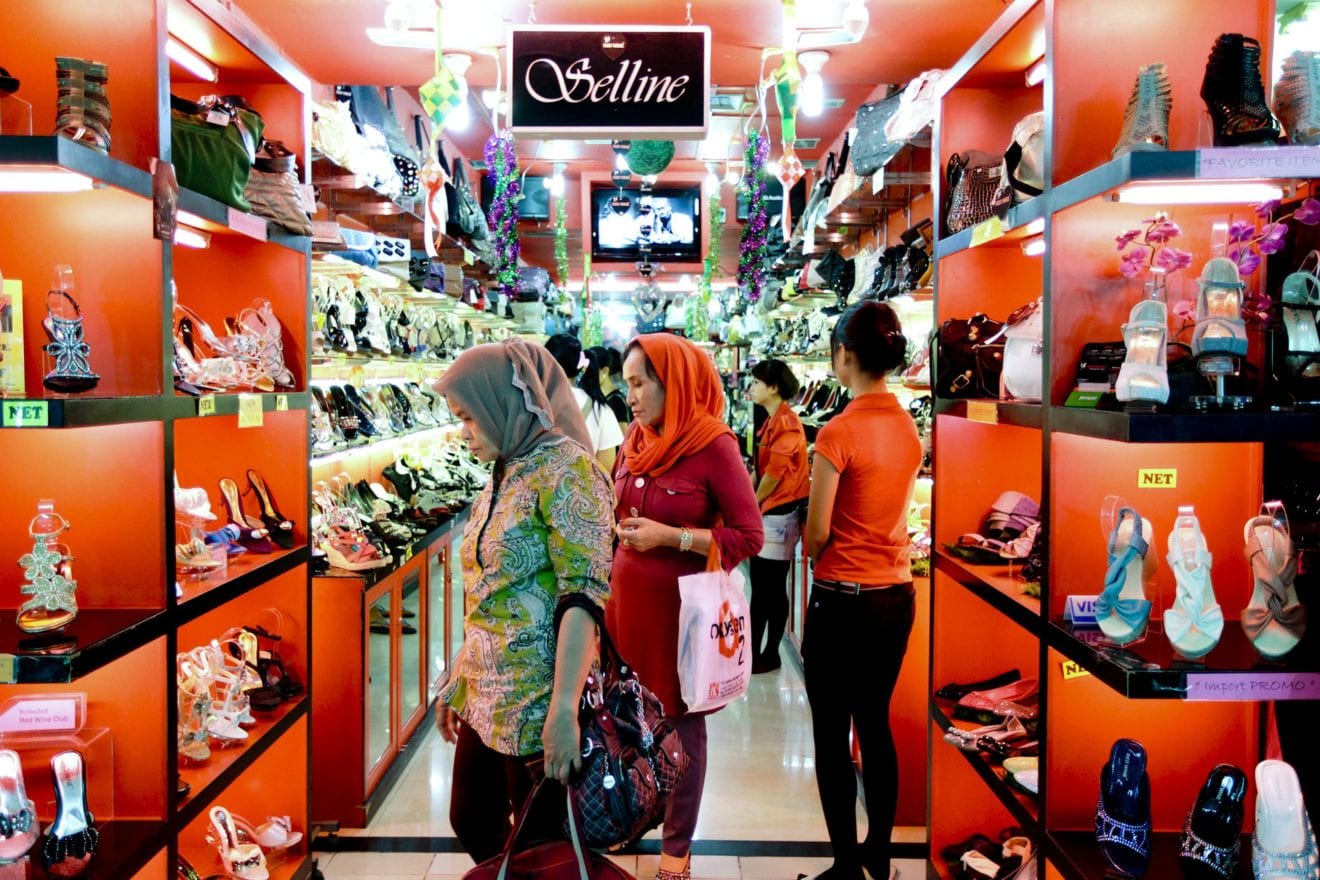
    Shopping malls saw crowds of people hunting for discounts on new clothes, jewelry or the latest trends in shoes and handbags ahead of the annual festivity. Housewives have meanwhile been filling their grocery baskets with staples such as beef, chicken and chili, the prices of which have been uncharacteristically low for this time of the year.

    “We expect retail sales to increase by between 20 percent and 25 percent, compared with the Idul Fitri holiday last year,” said Roy Mandey, chairman of the Indonesian Retailers Association (Aprindo).

    Sales growth has been accelerating since January, reversing last year’s downward trend, and reached 3.4 percent in April – the highest in 10 months, according to World Bank data.

    A Bank Indonesia survey also showed the Consumer Confidence Index increasing 2.9 points in May to 125.1 – near its three-year peak. A reading above 100 reflects optimism.

    Consumers started spending more of their incomes, according to the survey. The average income-for-consumption ratio slightly increased to 66.1 percent from 66 percent the previous month, while the income-for-saving ratio declined to 19.6 percent from 20 percent.

    According to Roy, retail sales during Ramadan and the Idul Fitri holiday will contribute around 40 percent to the full-year target. Last year, retail sales only contributed 6 percent to the total in the same period. The average contribution is 15 percent.

    Indofood Sukses Makmur, one of Indonesia’s largest producers of packaged goods and flour, predicts a 10 percent to 12 percent increase in sales during this period.

    “We increased stocks to meet rising demand during the fasting month and holidays that follow it,” Indofood director Taufik Wiraatmadja said on Thursday (07/06). He added that this was done to boost the company’s sales during Ramadan.

    Indofood CBP Sukses Makmur, its subsidiary that produces various branded consumer products such as instant noodles, snacks and dairy products, predicts an 8 percent to 12 percent rise, while Bogasari, its flour producer arm, predicts a 10 percent increase in sales.

    The growth in retail sales is also reflected in advertising spending during Ramadan, which increased 7 percent overall during Ramadan this year, compared with the same period last year.

    Research by Nielsen shows that there was an average of 7 million TV viewers in Indonesia per day during this year’s Ramadan, which is 18.6 percent more compared with other months. People watched TV about five hours 19 minutes on average during Ramadan, compared with four hours and 53 minutes during the non-Ramadan period. The research compared the Ramadan period on May 16-21, with the non-Ramadan period of April 1-7.

    “For online shopping during Ramadan, there is growth in clothing products, food and beverages products, household products and travel-related products,” said Hellen Katherina, executive director of media business at Nielsen Indonesia.

    Signs of a Turnaround

    Ramadan sales usually contribute 15 percent of Indonesian retailers’ annual sales, according to Roy of Aprindo. But last year’s sales were weak and only made up 6 percent of the full-year sales. As a result, retailers saw only 3.65 percent growth in 2017, representing the sector’s worst performance in the past 10 years.

    The positive trend comes as a relief to retailers, who are now confident of reaching between 8 percent and 9 percent growth by the end of this year, Roy said.

    He attributed the spike in retail sales to holiday bonuses and 13th checks received by some 4.3 million civil servants across the country.

    This year, the government allocated Rp 35.76 trillion ($2.56 billion) towards 13th checks and holiday bonuses for civil servants who have not seen pay raises since 2016. Last year’s figure was Rp 23 trillion. The government has also raised its expenditure on social assistance, which includes village funds, cash transfers under the Family Hope Program (PKH) and rice social assistance (Rastra). It has spent Rp 17.9 trillion between January and March, almost a double last year’s figure.

    “While a quarter that includes Ramadan usually fares better than other quarters, Jokowi’s move to increase the allowance for civil servants and expenditure on social programs proves to be a good decision to boost retail sales,” Alfred Nainggolan, a research analyst at brokerage firm Koneksi Kapital said on Sunday, referring to President Joko Widodo by his popular nickname.

    “There will be more momentum to increase it, such as regional elections and the Asian Games, which in turn will further support Indonesia’s economic growth,” Alfred said. The regional elections will be held at the end of June, while the Asian Games will take place in August and September.

    Stable food prices also contributed to consumer confidence, according to Juan Permata Adoe, deputy chairman of strategic foods affairs at the Indonesian Chamber of Commerce and Industry (Kadin).

    The government opened the import market for staple goods and imposed price controls on rice, sugar, meat, packaged cooking oil, and fuel and power to stabilize prices.

    A kilogram of beef sold for Rp 149,300 per kilogram during the last week of Ramadan, virtually unchanged from a month ago, according to National Strategic Food Price Information Center. In the past, it has not been unusual to see a 30 percent jump in commodity food prices during Ramadan and Idul Fitri.

  • Angkasa Pura Retail opens units at Semarang terminal

    Angkasa Pura Retail opens units at Semarang terminal

    Angkasa Pura Retail has opened two shops at the new Semarang Ahmad Yani International Airport (SRG) in Central Java. The retail subsidiary of state-owned PT Angkasa Pura I has this month extended its retail footprint with two convenience shops spanning a total of 212sq m, one located landside in the public area and another airside post-security. A 135sq m airside gift shop is also set to open in due course.

    In addition, Angkasa Pura Retail will open a 105sq m gifting, souvenir and packaged food outlet at Lombok International Airport (LOP) in the coming months.

    Meanwhile, a 235sq m gift and souvenirs concept at Bali Ngurah Rai International Airport is also timed to open in August at the domestic departure area (gate six).

    ‘FLOATING TERMINAL’

    Last week, Indonesia’s President Joko Widodo inaugurated the ‘floating’ passenger terminal at Semarang, which replaces the previous 6,702sq m structure.

    Spanning 56,652sq m, the IDR 2.075tn ($149m) project has the capacity to handle 6.9m passengers annually, up from the previous 800,000 ceiling.

    According to a PWC Indonesia report earlier this year, Angkasa Pura I President Director Faik Fahmi was quoted as saying the ‘floating’ airport term relates to the fact the terminal is built on soft land, parts of which are submersed by water, using poles and pre-fabricated drainage.

    In a wide-ranging conversation during last month’s TFWA Asia Pacific Exhibition & Conference in Singapore, Angkasa Pura Retail revealed plans to re-map its existing 200sq m Surabaya Duty Free concession at Juanda International Airport, where it also operates a speciality beauty outlet at T2 (Baci) and other retail and F&B units.

    The re-mapping exercise is expected to take place towards the end of the year and is designed to open up space linked to the passenger gates.

    The firm’s merchandise presence at Surabaya includes wines & spirits, tobacco and fashion and accessories. The company is also taking a fresh look at its retail product mix in line with the the spatial re-configuration, with one focus being the development of Indonesian brand Bhumi Tea.

    For last two years, it has also boasted a presence in downtown Jakarta at the Kuningan City shopping mall, trading under the name ‘Ourflock’, but that has now come to an end.

    “The business was not doing very well and closed in August 2017,” confirmed Widya Wiedagdo, Marketing & Business Development Director, Angkasa Pura Retail.

    When asked if there are future plans to re-open in downtown Jakarta, he said: “Not yet, we must take many considerations as there is a lot of competition and the situation is not good for downtown, but the airport business is ok.”

    When asked for his plans this year, Wiedagdo says the objective is to open chocolate confectionery and fashion accessories stores in travel retail, in addition to dedicating more space towards liquor and spirits at Surabaya Airport.


  • Analysing the Increased Online Shopping Consumption During Ramadan 2018

    Analysing the Increased Online Shopping Consumption During Ramadan 2018

    The month of Ramadan is considered as the most sacred period for millions of Muslims in Malaysia & Indonesia. As such, a huge number of people observing the religious period would shift their daily routine to focus on spirituality & contribute to charitable initiatives. This also shifts the way consumers shop in a very significant manner as well.

    Just a few weeks into Ramadan, online shopping consumption increased greatly during the fasting month. This was evident as iPrice Group, a price aggregator platform for hundreds of online merchants in Indonesia & Malaysia experienced double-digits growth in online sessions. Undertaking this study, there are unique consumer insights that only occurs during the month of Ramadan.

    Online Shopping at the Wee Hours of the Morning

    While many Malaysians & Indonesians are awake in the wee hours of the morning for Sahur (pre-dawn meal), they are more likely to shop online as well. Analysis suggests that online traffic at 5:00am increased by 105% in Malaysia & 345% in Indonesia when compared to the same time prior Ramadan. The increase was much higher in Indonesia as the country has the largest Muslim population in the world. This is a continuous trend as seen in our study last year in both Malaysia & Indonesia.

    In Malaysia, the increase in online traffic was much higher when compared to our research last year, where we only saw a 90% increase in online traffic at 5:00am. Indicating an increased interest in online products this year as compared to 2017.

    Evident in both countries was that online traffic during Ramadan was significantly higher when compared to the previous period. Overall online traffic was 11% higher in Malaysia & 30 percent higher in Indonesia. In addition to this, online traffic in both countries experienced a dip in online traffic at 7:00pm in Malaysia & 6:00pm in Indonesia as many prepare to break-fast (Iftar). Online traffic decreased 9% in Malaysia & 4% decrease in Indonesia at these periods. After Terawih prayers online traffic in both countries would resume, reaching its peak at 10:00pm.

    Search Trends for Fashion Products During Ramadan

    Fashion products are among the most sought-after items during Ramadan as millions of Malaysians & Indonesians prepare for the Hari Raya Aidilfitri celebrations. Using Google Trends, we saw that keywords such as “Baju Raya” & “Baju Raya 2018” was among the most popular keywords associated with “Raya” (which is closely associated with the Aidilfitri celebrations) in Malaysia.

    In the country, local brands have been actively showcasing their 2018 Raya collection & deals through various advertising, social media, & marketing campaigns across the country. The three most searched local fashion eCommerce brands in Malaysia during Ramadan were Naelofar Hijab, Fashion Valet & Muslimah Clothing. Towards the end of May 2018, Naelofar Hijab launched the “Shine On” collection which is their #naelofaraya2018 campaign. At this same period, Naelofar Hijab garnered a high volume of search interest between 23 – 30 May2018 indicating a successful campaign that caught the attention of many Malaysians.

    Close in fourth place was Siti Khadijah which garnered a high volume of search interest from Malaysians as well. Siti Khadijah specialises in prayer outfits specifically for women known as telekung. As such, the high level of interest for the eCommerce was no coincidence because many women are dedicating their time to pray during Ramadan.

    In Indonesia, there was high search volume for “gamis” which is a long dress worn by Muslim women along with keywords such as “hijab” & “baju muslim”. These keywords indicate that many Indonesians were looking for inspiration or sources for clothing suitable for their religion activities during the month of Ramadan. In addition to this, there was a high level of interest for “Baju Koko”, which is a fashionable traditional top for men most popularly worn during the Aidilfitri celebrations.

    Other Unique Search Trends Prior Aidilfitri

    Utilising Google Trends, there is also a high search interest for airline ticket promotions in Malaysia & Indonesia before Ramadan. This is in line with local trends since many will be travelling back to their hometown prior Aidilfitri celebrations. Search interest for airline tickets began during the second half of May 2018 which takes place a month before the Aidilfitri celebrations on 15th of June.

    In Malaysia, the most popular keywords & brands associated with “promotion” were “Airasia”, ”Malindo Air” &”Malaysia Airlines”. In Indonesia, inhabitants located in Sumatera, Kalimantan & Sulawesi were most interested in airline ticket promotions as compared to other states. This indicates that inhabitants in these regions were more likely to travel to the Java Islands or to other parts of the country for Aidilfitri.

    Other than airline tickets, the second most popular keyword used in Malaysia were related to groceries & merchandise deals. During Ramadan, there is a high demand for Raya goods such as biscuits, traditional delicacies, & other food stuff. Since these items are usually available at major supermarkets & stores many Malaysians are on the lookout for promotions by major retailers in order to maximise their spending. The top brands associated with the keyword “promotion” were:

    • Aeon
    • Giant
    • Tesco
    • Aeon Big
    • Econsave
    • Mydin
  • Indonesia Tries to Get Companies to Hold More Rupiah to Stem Weakness

    Indonesia Tries to Get Companies to Hold More Rupiah to Stem Weakness

    Over the past couple of decades, Indonesian companies have developed a tried and tested strategy to cope with the periodic plunges in the rupiah: retain dollars to protect their profits.

    But their behavior can add to downward pressure on the currency, exacerbating problems for policymakers in southeast Asia’s biggest economy, especially given its relatively open nature compared to neighbors with more restrictive currency regimes.

    The rupiah has been one of Asia’s worst performing currencies this year and hit its lowest level since late 2015 at one point last week after being caught up in an emerging market selloff.

    Bank Indonesia (BI), the nation’s central bank, has taken various measures to try to boost rupiah use and it is once again prodding firms to sell dollars, but companies surveyed are maintaining US currency holdings and only meeting minimum hedging requirements.

    Many companies say that with a lot of their costs in dollars and their revenue largely in rupiah they can’t risk getting caught by a slide in the local currency. They also point out that hedging can be very expensive.

    Vidjongtius, the president director of Indonesia’s biggest pharmaceutical company, Kalbe Farma, said that every percentage of rupiah depreciation raised its production costs by 0.35 percent.

    Having “cash on hand” dollars has been a strategy for Kalbe for a long time because “hedging with a banking product is relatively more complex and sometimes hard to monitor, plus there is a cost for that,” he said.

    The pharmaceutical industry is particularly exposed to exchange rate risks as its raw materials are mostly imported and it only exports a small part of its production.

    Capital Outflows 

    New BI governor Perry Warjiyo told a media gathering last Wednesday that forcing exporters to keep earnings onshore for longer or making companies convert dollar holdings was not currently an option under Indonesia’s laws.

    That is in contrast to tougher foreign exchange systems in existence in places like Malaysia, which since 2016 has made exporters convert 75 percent of their earnings into ringgit.

    Indonesia is also vulnerable because unlike some countries in the region, it runs a current account deficit. In addition, foreigners own nearly 40 percent of the government’s bonds, so its currency can be hit by outflows from the bond market.

    Warjiyo said there was a misperception among some companies about the cost of hedging and some alarmism over how low the rupiah might go.

    He has pledged to communicate more on hedging and to provide “a rational expectation” of where the rupiah is heading after he cited market talk suggesting it could pass 16,000 per dollar. It currently trades around 13,900.

    Some market participants have began to urge policymakers to reconsider Indonesia’s liberal rules on capital movement.

    In a parliamentary hearing this week, Kartika Wirjoatmodjo, chief executive of Bank Mandiri, one of the largest banks in the country, suggested that after the period of volatility passes, the rules be changed to accommodate some sort of capital management.

    “A softer approach would be to give exporters an incentive. So if they convert [earnings in dollars] to rupiah, maybe the tax on their deposit can be reduced,” he said.

    If BI goes down that kind of road it would be the latest in a series of incremental steps it has taken in recent years to try to pressure companies into embracing the rupiah.

    In 2012, it ordered exporters to receive their payments through local banks, in the hope that some of the money would stay in the country and be converted into rupiah.

    Two years later, the central bank made it mandatory for companies with liabilities in foreign currencies to hedge a quarter of their short-term foreign currency exposure.

    And in 2015, BI moved to enforce rules that mean all domestic transactions should be in rupiah, outlawing, for example, landlords charging rents in dollars.

    But this all clearly isn’t enough to make a big difference.

    And company executives say that hedging doesn’t always make sense.

    Dendy Kurniawan, chief executive of Indonesia AirAsia, which gets about half its revenue in rupiah and half in dollars, said if, for example, the rupiah fell 5 percent and it cost 6 percent to hedge it was pointless to hedge. “It does make more sense if the rupiah falls really deeply,” he said.

    Jahja Setiaatmadja, president director of Indonesia’s Bank Central Asia, said banks typically only took 20 to 25 basis points of profit margin for a simple foreign exchange hedging product, but because it was priced off the rupiah interbank market it could carry a 5.95 percent rate for a one-year contract.

    It’s not only exporters, but also companies with little or no dollar earnings that hold onto the American currency.

    Animal feed company Charoen Pokphand Indonesia, which mainly sells domestically but imports some raw materials, has sought to limit its dollar exposure by buying local corn and limiting its foreign debt, director Ong Mei Sian said.

    The company holds dollar cash in addition to hedging short-term interest payments, though does not fully hedge principal debt and long-term dollar needs, he said.

  • Net1 Indonesia Available in 10 Exotic Destinations

    Net1 Indonesia Available in 10 Exotic Destinations

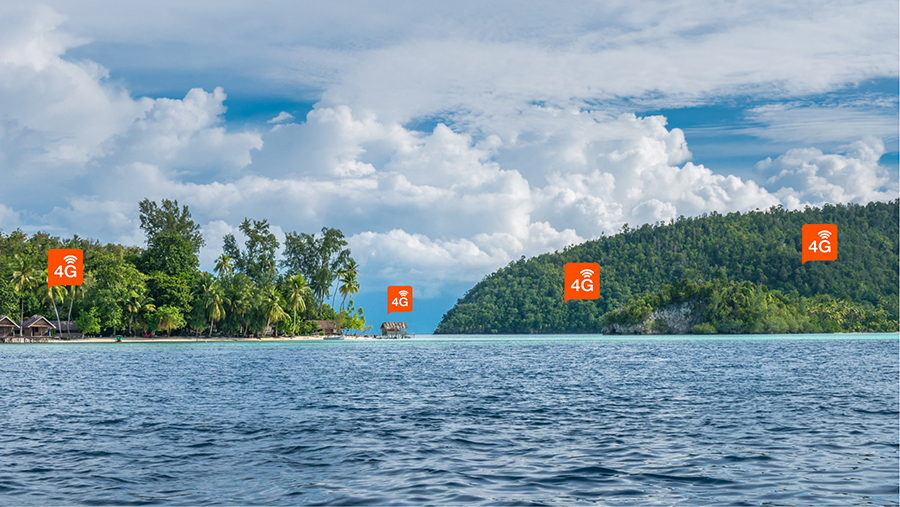
    Net1 Indonesia, a 4G LTE mobile data broadband provider, has announced its availability in 10 exotic tourism destinations in Indonesia. This aims to provide sufficient internet access for those who are traveling back to hometown and spending long holiday. By providing 4G LTE service in tourism destinations, especially those in remote area, Net1 Indonesia hopes to help people to share their holiday story and photos through social media.

    The ten destinations covered by Net1 Indonesia are Samosir Island in North Sumatera, Takengon Fresh Sea Lake in Aceh, Tiu Kelep Waterfall in Lombok – West Nusa Tenggara, Tanjung Kelayang Beach in Belitung, Situ Cileunca in Pangalengan – West Java, Tanjung Bira in Bulukumba – South Sulawesi, Bukittinggi in West Sumatra, Gili Trawangan in Lombok, Karimun Jawa Island in Central Java, and Mandalika in West Nusa Tenggara. Some of these destinations have been included in “10 new Bali,” a program released by the government through the Ministry of Tourism.

    “The existence of Net1 Indonesia in those 10 tourism spots with adequate 4G LTE based internet access is to facilitate the travelers and tourists to stay in touch with family and friends, yet still exist in social media. The connection provision in those spots is also reflecting our commitment to support the government programs to boosting the tourism industry through the brand of Wonderful Indonesia,” said Larry Ridwan, Chief Executive Officer of Net1 Indonesia.

    Further, Larry highlights that the availability of internet connection will leverage the tourism spots in order to be noticed and widely known by international publics. Thus, with adequate internet connection, visitors can help to expose and popularize those new destinations.

    “Travelers, especially millennials, cannot be separated from their smartphone and 4G data connections, they will stay exist during their trip to hometown and the whole long holiday. They usually share photos of food or unique tourist spots through social media. In line with this trend, Net1 Indonesia is triggered to expand its coverage in tourism destinations especially in rural areas,” Larry added.

    Net1 Indonesia’s effort to expand the coverage area in tourism destinations is also reflected by conducting digital activity #MauAda4Gdimana from 7 May to 7 July 2018. This digital activity is pursuing the society to be actively involved in voting a certain locations to get covered by Net1 4G LTE services. Participants who are interested in joining this activity can open microsite, then choose the location in the provided column then simply click VOTE.

    The development of destinations in Indonesia has driven investment growth in the tourism sector. According to data from the Investment Coordinating Board (BKPM) of the Republic of Indonesia, the investment in this sector in 2017 has increased by 31 percent, or valued at US$1.7 billion and is targeted to reach US$2 billion by end of this year. Indonesia’s tourism sector is projected to contribute 15 percent of gross domestic product (GDP), valued at IDR280 trillion for foreign exchange with 20 million of foreign tourist arrivals, 275 million of domestic tourists travel and able to absorb 13 million work force by 2019.

    Tourism is mentioned to be one of sectors with potential investment growth this year beside e-commerce. Indonesia’s tourism is considered to be the most sustainable commodity yet reaching to the lowest level of society. This sectors is rapidly growing compared to other leading commodities, among others are oil & gas, coal, and palm oil. Furthermore, the tourism sector will grow more economic centers throughout the country.

    Based on data from The World Economic Forum, Indonesia’s tourism competitiveness is continuously making positive leap from the ranks 70th in 2013 to 50th in 2015. In 2017, Indonesia’s tourism competitiveness index has climbed 8 places to 42th and is targeted to reach the 30th position by 2018.

    Collaborate with Local Governments

    Blessed with natural resources and regional cultures is a motivation for Indonesia to grow the tourism sector by increasing tourists visits, both from domestic and foreign. The local governments, starting from province to the lower level, districts and cities, are having the same spirit to develop tourism destinations in their regions. They aim to reach the target of 17 million foreign tourists visit this year and will increase to 20 million tourists by 2019.

    The commitment of Net1 Indonesia to support the tourism program, especially in the provision of 4G LTE broadband data access is reflected by the cooperation with a number of local governments ranging from City, District, to Province in Indonesia. So far, Musi Banyuasin Regency (MuBa), West Halmahera Regency, Talaud Islands Regency, Tual City, Siau Tagulandang Islands District Biaro (Sitaro), Sangihe Islands Regency, Bintuni Bay District and Kaimana Regency have signed Memorandum of Understanding with Net1 Indonesia to build 4G LTE-based communications infrastructure, including in tourism destinations.

    The characteristics of 450 MHz low frequency, which able to reach wide coverage than the higher bands, is providing benefits for Net1 Indonesia and the local government when they have to build telecommunication infrastructure such as Base Transceiver Station (BTS) as Net1 Indonesia only need one BTS to cover radius 100 kilometers area. Another advantage of the 4G LTE 450 MHz technology is its ability to support the launch of machine-to-machine (M2M) communication services in rural settings, such as video surveillance, telemetry, and tracking.

  • Indonesia’s Annual Inflation Rate Slows in May

    Indonesia’s Annual Inflation Rate Slows in May

    Indonesia’s annual inflation rate slowed in May as the increase in food prices remained modest despite rising demand during the Muslim fasting month of Ramadan, data from the Central Statistics Agency showed on Monday (04/06).

    The headline consumer price index (CPI) in May rose 3.23 percent from a year ago, slightly below the median forecast in a Reuters poll, which had expected a rate of 3.28 percent. April’s annual rate was 3.41 percent.

    On a monthly basis, consumer price rose 0.21 percent.

    The annual and monthly rates were unusually low for inflation during Ramadan, which was a “delightful news” for authorities seeking to keep inflation under control, said Suhariyanto, the head of the statistics agency.

    However, the annual core inflation rate, which excludes government-controlled and volatile food prices and was more affected by the rupiah currency’s weakness, rose to 2.75 percent in May, from April’s 2.69 percent. The poll had expected a rate of 2.73 percent.

    Bank Indonesia targets inflation at 2.5-4.5 percent this year.

  • World Bank Cuts 2018 Growth Forecast for Indonesia

    World Bank Cuts 2018 Growth Forecast for Indonesia

    The World Bank has cut its growth forecast for the Indonesian economy for this year to 5.2 percent from the 5.3 percent projected in March, amid volatile global financial conditions that have forced the central bank to tighten monetary policy.

    The Central Statistics Agency (BPS) said the Indonesian economy grew 5.06 percent year-on-year in the first quarter, far lower than the 5.4 percent target in the 2018 state budget, mainly due to household consumption, which remained stagnant.

    The projection by the Washington-based lender is in line with that by the Asian Development Bank and International Monetary Fund, which predict that the country’s economy will likely expand by 5.2 percent.

    “There is elevation of volatility in the global market starting in February, which put a lot of pressure on emerging markets, including Indonesia. So the first quarter was not as strong as we had expected,” Frederico Gil Sander, World Bank lead country economist for Indonesia, said.

    The rupiah dropped to a low of 14,202 against the US dollar last month – the weakest level since 2015 – amid a massive selloff on the Indonesian Stock Exchange (IDX) as global investors moved their capital into higher-yielding assets in the United States. The 2018 state budget assumes a rupiah exchange rate of 13.400 to the dollar.

    Foreign investors, who largely hold the most liquid assets on the IDX, have sold Rp 38.5 trillion ($2.9 billion) worth of stocks between January and May, which is only Rp 2 trillion short of the total for all of last year.

    In its first since November 2014, Bank Indonesia hiked its benchmark interest rate twice in two weeks last month to support the currency and stem capital outflows.

    However, there are fears that an early rate hike may lower spending by consumers and businesses as it makes lending more expensive. Growth in private consumption, which accounts for half of Indonesia’s economy, remained stuck at 5 percent in the first quarter.

    “We think consumption has stabilized at around 5 percent, and while it is not slow, some efforts are needed by the government to accelerate consumption,” said Sander, who was previously based in India.

    However, Indonesia is benefiting from rising commodity prices, including coal, one of the country’s key exports, which rose 25.6 percent on average in the first quarter. Indonesia’s coal benchmark, or HBA, was set at a six-year high of $101.86 in March.

    Last month, oil prices also hit their highest levels since November 2014, reaching almost $78 a barrel for global benchmark Brent crude.

    The higher commodity prices saw more investment, especially in machinery, equipment and vehicles. According to the Investment Coordinating Board (BKPM), Indonesia attracted Rp 185.3 trillion in investment between January and March, which was 11.8 percent higher than the same period last year. Of this, Rp 108.9 trillion was foreign direct investment, excluding banking and the oil and gas sector.

    The BKPM has set a total investment target of Rp 765 trillion for this year, which represents a 10.4 percent increase from last year. Rp 477.4 of this is foreign direct investment.

    The rise in investment increased import growth to 19.5 percent in the first quarter, compared with exports, which increased by 10.2 percent.

    Total imports reached $44 billion between January and March, with raw materials amounting to $32 billion, followed by capital goods and consumer goods, BPS data shows.

    Indonesia recorded a trade deficit for three months in a row between December and February, which swung to a surplus in March before returning to a deficit in April.

    Government consumption rose 12.9 percent in the first quarter – the fastest pace since 2016 – due to increased spending on social assistance, such as the Family Hope Program (PKH), which is aimed at reducing poverty and inequality. The cash transfer program is targeting 10 million of the country’s poorest families this year.

    According to Sander, the government’s infrastructure push, aimed at closing the gap between urban and rural areas, must continue while it should also work to improve the quality of human capital, including raising skill levels in the labor force to increase productivity.

    President Joko “Jokowi” Widodo’s administration has spent around Rp 905 trillion on infrastructure projects across the archipelago between 2015 and 2017, while the government has allocated a fifth of its budget, or Rp 1,167 trillion, to education in the same period.

    Finance Minister Sri Mulyani Indrawati last month predicted that the Indonesian economy would grow between 5.17 percent and 5.4 percent this year, while, Bank Indonesia predicted a growth rate of between 5.1 percent and 5.5 percent.

  • H&M and Gap to Probe Violence, Sex Abuse in Asian Factories

    H&M and Gap to Probe Violence, Sex Abuse in Asian Factories

    Fashion giants H&M and Gap vowed on Tuesday (05/06) to investigate reports that Asian garment workers who supply their high-street stores routinely face sex abuse, harassment and violence.

    Based on interviews with some 550 workers in 53 H&M and Gap supplier factories in Bangladesh, Cambodia, India, Indonesia and Sri Lanka, rights groups said women were at “daily risk” of violence and faced retaliation if they reported the attacks.

    The coalition has investigated the factories for several years as efforts mount to push Western brands into improving safety along their supply chains and render them slave-free.

    Clothes stitched by low-paid Asian workers – part of a complex global supply chain – end up on high-priced Western high streets, with some 4,750 H&M stores located in 69 countries and about 3,700 Gap shops operating in about 90 nations.

    Sweden’s H&M — the world’s No. 2 clothes group after Zara owner Inditex — said it would review the findings of the recent report by the civil society groups and unions.

    “We will go through every section of the report and follow up on [a] factory level with our local teams based in each production country,” a company spokesman said in a statement.

    “All forms of abuse or harassment are against everything that H&M group stands for.”

    US retailer Gap said it was “deeply concerned about the troubling allegations raised by this report.”

    “Our global team is currently conducting our due diligence to investigate and address these issues,” a spokeswoman said.

    The charities said they had found widespread sex harassment, verbal and physical abuse – such as slapping – and threats of retaliation when women refused sexual advances from bosses.

    Forced Labor

    A separate report published last month by the coalition of rights groups found similar abuse of women at supplier factories in Asia for US-based Walmart, the world’s largest retailer.

    Walmart said last month that it was reviewing the “concerning” accounts cited in the report.

    The Ethical Trading Initiative (ETI), a group of trade unions, firms and charities of which both Gap and H&M are members, said it expected the retailers to work with the suppliers to ensure that women have swift access to remedy.

    “These allegations are deeply concerning,” said Debbie Coulter of the ETI. “Gender-based violence is unacceptable under any circumstances, and brands need to make sure that women working in their supply chain are protected.”

    Campaigners told the Thomson Reuters Foundation last month that the level of pressure and harassment faced by the workers in the three separate reports was approaching forced labour.

    “Any time you have retaliation against workers, and coercion and control … you are coming close to the line of forced labour,” Jennifer Rosenbaum of Global Labor Justice, a network of worker and migrant organizations, said last month.

    The reports have been published amid meetings hosted by the United Nations’ International Labor Organization to work on the first global convention against workplace harassment after the #MeToo campaign thrust the issue into the spotlight.