Tag: Indonesia

  • Lippo, Itochu Explore Expanding Cooperation in Asia

    Lippo, Itochu Explore Expanding Cooperation in Asia

    James Riady, the chief executive officer of Lippo Group, one of Indonesia’s largest property conglomerates, met with Itochu chairman and chief executive Masahiro Okafuji in Tokyo on Monday to discuss ways to boost the companies’ cooperation in the regional healthcare sector.

    Lippo and Itochu are strategic joint venture partners in Lippo’s Healthcare operations outside Indonesia, covering 106 medical clinics serving 1.4 million Singaporeans, a hospital in China and 12 elderly medical facilities in Japan.

    The two business leaders discussed how to intensify their joint healthcare exposure across Asia and Indonesia, according to a statement from Lippo Group.

    Itochu is one of Japan’s largest and most profitable “sogo shosha” general trading groups with global operations and over $43 billion annual revenue in 2017 fiscal year.

    Lippo is Indonesia’s leading integrated services groups with operations in nine countries, including in Singapore, Hong Kong, China and the United States.

    Lippo’s 115,000 staff and employees serve over sixty million customers in various asset categories, including department stores, hypermarkets, malls, housing developments, hospitals, broadband and internet, technology and digital services, media, hotels, banking and financial services and township developments.

  • Most Southeast Asia stocks end lower; Indonesia posts 11-month closing low

    Most Southeast Asia stocks end lower; Indonesia posts 11-month closing low

    Most Southeast Asian stock markets reversed early gains to end lower on Monday with Indonesia marking its lowest close in more than 11 months while Vietnam shed 2.5 percent.

    Jakarta’s main index closed at its lowest since June 2017, with banking stocks bearing the brunt.

    Bank Rakyat Indonesia ended 6.1 percent lower, while Bank Negara Indonesia lost 3.6 percent.

    Bank Indonesia said it would conduct three foreign exchange swap auctions this week to ensure there is enough currency liquidity in the market after it hiked its benchmark interest rate last week to support the rupiah and plug capital outflows.

    “As the U.S. continuously raises interest rates, it’s impacting a lot of emerging markets, such as Indonesia. Hence, the central bank has to raise interest rates to stamp out capital outflows,” said Joel Ng, analyst at KGI Securities.

    The index of the country’s most liquid stocks shed 1.3 percent.

    Vietnam ended 2.5 percent lower, with real estate and financials leading the fall. Vingroup Joint Stock was the biggest drag on the index, closing 7 percent lower.

    “Foreign selling recently has hit Vietnam harder. We went up a lot in the first quarter, so the impact of profit-taking is greater now,” said Fiachra Mac Cana, head of research at Ho Chi Minh Securities.

    Singapore nudged up 0.54 percent to end at a one-week high, while Thai stocks gained for a third straight session.

    Petroleum explorer PTT Exploration and Production closed 3.4 percent higher, while Kasikornbank gained 2.4 percent.

    Thailand saw its fastest economic growth in five years in the first quarter, boosted by strong exports and tourism, plus a slight firming in private consumption.

  • Lippo Urges Deeper Indonesia-Japan Business Ties

    Lippo Urges Deeper Indonesia-Japan Business Ties

    The Lippo Group, one of Indonesia’s largest conglomerates, has called for deeper ties between the Japanese and Indonesian business communities to help realize the Southeast Asian country’s high investment potential over the next decade.

    Japan has long been a major source for foreign direct investment in Indonesia, influencing a wide range of sectors, from mining and basic industries to automotive and public transportation.

    “Japan has been critical to Indonesia’s modern development. Today, as Indonesia continues to be a go-to market for textile, automotive, chemical and technology manufacturing, and more, Indonesia continues to be an attractive, high-potential business opportunity,” Lippo Group chief executive James Riady said on the sidelines of the Nikkei Asia300 Forum in Tokyo on Monday.

    “We began our relationship with the Japanese business community over 30 years ago. It began with investment projects with various reputable Japanese banks,” James said.

    “Today, we are proud to have partners in a wide range of industries, from telecommunications to data centers, property to health care, financial technology to e-commerce. We are excited about deepening and widening this range of partnerships,” he added.

    Among the Lippo Group’s Japanese partners is Itochu Corporation, which is involved in the group’s health care business outside Indonesia. Lippo has worked with Mitsui & Co. since 2014 to expand mobile broadband services in Indonesia.

    Lippo opened the way for the Toyota Tsusho Corporation, the trading arm of the Toyota Group, in the Indonesian property market for the first time in 2013 with a hotel-style apartment tower project in Bekasi, West Java.

    Mochtar Riady, Lippo Group founder and chairman, used the Nikkei Asia300 Forum as an opportunity to thank Japanese partners and friends for putting their trust in the Lippo Group and the Indonesian economy. The Lippo Group believes in growing with partners and working together to achieve long-term results, he said in a statement.


  • China Tech Giants Bet on Untangling Logistics of Indonesian E-Commerce

    China Tech Giants Bet on Untangling Logistics of Indonesian E-Commerce

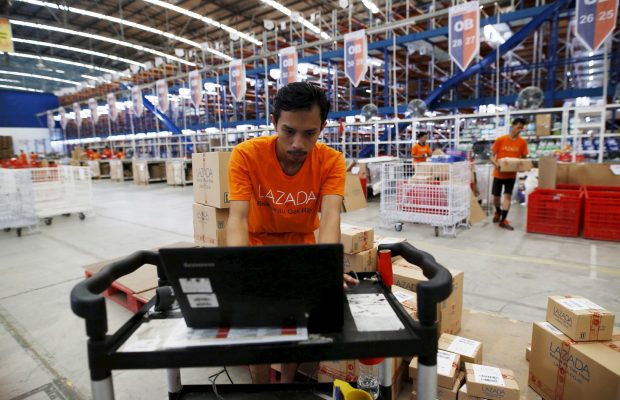
    In a warehouse on the outskirts of Indonesia’s capital, supervisors at e-commerce company Lazada use bikes or electric scooters to zip around a floor the size of four soccer fields, where up to 3,000 staff pack and dispatch goods around the clock.

    The warehouse is one of five that Lazada has opened across Indonesia to cut costs and expand its reach in an archipelago whose 17,000 islands are sprinkled across an area bigger than the European Union.

    Chinese tech firms, including Lazada’s top investor, Alibaba Group Holding, have poured at least $6 billion into nearly every aspect of Indonesian e-commerce.

    Lazada uses Alibaba’s inventory management systems and has tied up with ride-hailing companies, often using their motorbikes to deliver goods in a country with creaking infrastructure and traffic-clogged cities.

    The payoff could be huge. It is a market forecast to grow from about $7 billion last year to $63 billion by 2027, according to Morgan Stanley.

    “Indonesia, both in terms of the customers and behaviour, is a very unique challenge and we need to adapt,” Florian Holm, co-chief executive at Lazada Indonesia said.

    Lazada and Tokopedia, in which Alibaba is also an investor, dominate Indonesia in customer traffic, with more than 117 million monthly website visits each, according to data from e-commerce aggregator iPrice.

    Alibaba doubled its investment in loss-making Lazada to $4 billion in April, underscoring its global ambition to secure a bigger share of the e-commerce market.

    Between the investment and the rewards, however, lie enormous complexities.

    The World Bank has said logistical costs swallow up around a quarter of Indonesia’s gross domestic product, citing bottlenecks in supply chains, long dwelling times in ports and lengthy trade clearances.

    Lazada has opened warehouses in places like Balikpapan, on the coast of Borneo, to avoid hauling everything from Jakarta. Holm said that had in some cases reduced shipping costs by 90 percent. Competitive pressure is growing. Another Chinese heavyweight, JD.com, arrived in Indonesia in 2016. And the US giant Amazon, which opened a warehouse in Singapore last year, may be prepared to dip a toe into the Indonesian market soon.

    Chinese Influence

    Indonesia’s e-commerce sales are set to rise from 3 percent of retail activity now to 19 percent by 2027, Morgan Stanley estimates. The same report said there were 159 million smartphones in Indonesia at the end of 2016, a number that could rise to 275 million by 2021.

    Indonesia’s young population and room for improvement in transportation and communications add to the prospects for growth, the bank said.

    That has attracted other Chinese companies. Tencent Holdings, which owns regional e-commerce player SEA, has entered the fray.

    Tencent and JD.com have stakes in Indonesia’s ride-hailing firm Go-Jek, while JD.com has invested in online travel company Traveloka.

    But Usman Akhtar, a partner at Bain & Co in Jakarta, said Indonesian companies such as Blibli, backed by a unit of the Djarum group, remain a force.

    “I would not characterize Indonesia as turning into a replica of China’s e-commerce market, at least not yet,” said Usman, referring to how JD.com and Alibaba dominate in China. Kusumo Martanto, who heads Blibli, said that the company had seven warehouses in Indonesia with seven more planned, and said it was important for local e-commerce companies to compete against Chinese players.

    Alibaba founder Jack Ma is on an Indonesian government steering committee for e-commerce, advising on areas such as tax, cyber security and human resources.

    Indonesia’s communications minister, Rudiantara, said there was no conflict of interest in Ma’s role, describing him as a “guru” who could help sell the country’s potential.

    But some policies seem to be turning toward Ma’s home turf.

    Indonesia, which is trying to tackle a shortage of talent in the digital sector, dropped sponsorships for 20 students to study in places like Australia and the United States.

    Instead, 10 students will go to India and 10 to China to study this year “because the future of the digital economy is in China and India,” said the minister, who uses one name.

    Eying Amazon

    Caterine, a 30-year-old housewife who lives west of Jakarta, used to shop in conventional stores once a week, but after her baby was born six months ago, she has been shopping online two to three times a week for convenience.

    “I prefer online shopping because it is quick. I can just click and click and the goods will arrive,” she said, adding she mostly used Shopee and Tokopedia for goods such as diapers and clothing.

    Morgan Stanley said delivery times of all types across Indonesia are down to about 3 days from 10 days, while deliveries in big cities can take 24 hours or less.

    While in urban areas delivery times have greatly improved, other parts of Indonesia’s e-commerce supply chain are still inefficient, said Willson Cuaca, co-founder of East Ventures, a tech investment fund.

    “To send goods from point A to B, the logistics company needs at least two modes of transport,” he said, referring to the complications of operating across so many islands.

    Amazon, by contrast, prefers to control its own supply chains from start to finish. But entering a market like Indonesia could require it to revisit that strategy.

    Amazon Singapore did not respond to a request for comment on whether it had plans for Indonesia.

    Much of the U.S. giant’s international focus has been on developing its business in India, even though some view its entry into Singapore last year as a stepping stone for expansion in the region.

    “At this moment, I believe it is trying to test the market, by selling products through third-party sellers,” said Daniel Tumiwa of the Indonesian e-commerce Association.

    Zhang Li, who heads JD.com’s Indonesian joint venture with Provident Capital JD.ID, was not overly concerned about competition from the likes of Amazon.

    “E-commerce is a global and borderless business, so we have to prepare and do continuous improvement to make our customers happy,” Zhang said.


  • Bank of Indonesia Hikes Key Interest Rate to Boost Fragile Rupiah

    Bank of Indonesia Hikes Key Interest Rate to Boost Fragile Rupiah

    Indonesia’s central bank on Thursday (17/05) hiked its benchmark interest rate for the first time since November 2014, as expected, in a bid to bolster the fragile rupiah.

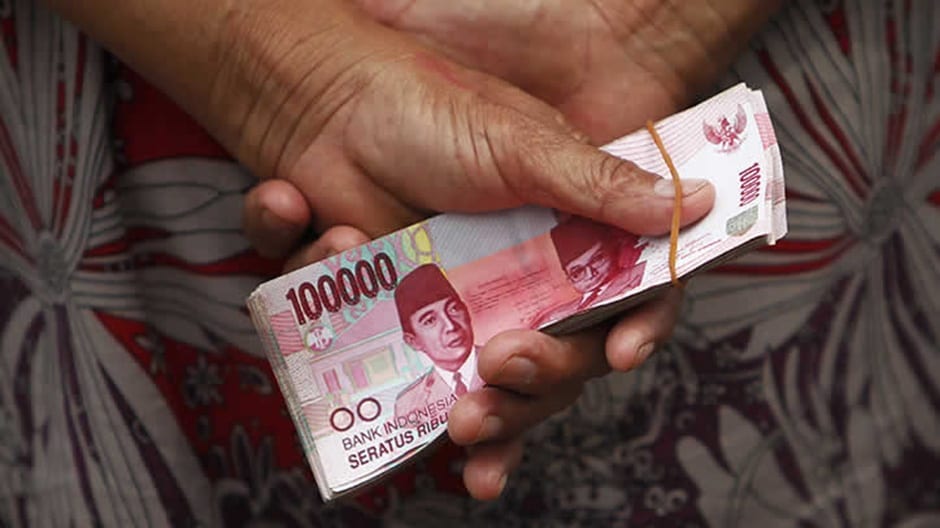
    Bank of Indonesia (BI) raised the 7-day reverse repurchase rate by 25 basis points to 4.50 percent. In 2016 and 2017 combined, BI cut the key by 200 bps to try to spur lending and faster economic growth.

    In a Reuters poll, 13 of 21 economists had predicted a rate at Thursday’s meeting, the last for Governor Agus Martowardojo.

    The governor, who will be succeeded by Perry Warjiyo later this month, said the hike was in response to rising global financial uncertainty amid tighter US dollar liquidity.

    “BI will continue to monitor economic developments and is ready to take firmer actions to ensure macroeconomic stability,” Agus said.

    In the month since BI last met on April 19 and said it would be an “overkill or counterproductive” to be raising rates, consensus expectations swiftly turned to see a rate rise as needed to put a floor under the falling rupiah.

    Southeast Asia’s largest economy is one of the region’s worst affected by the combination of rising US yields and higher oil prices, and has seen about $4 billion leave its markets over the past month as foreign investors review their exposure to higher-yielding emerging markets.

    The rupiah has fallen more than 5 percent to past 14,000 per dollar in four months as Indonesian 10-year bond yields jumped more than a percentage point over that period, and the stock market is down 8 percent this year.

    On Thursday, BI maintained its 2018 economic growth outlook at 5.1-5.5 percent and said that annual inflation would remain within its target range of 2.5-4.5 percent.

  • Raya Online Sales Will Likely Peak inEarly June With 0% GST

    Raya Online Sales Will Likely Peak inEarly June With 0% GST

    ShopBack, the leading online Cashback platform that partners more than 500 online shops in Malaysia, foresees Raya sales will reach its peak in the first week of June, given the 0% GST implementation from June 1st onwards.

    “Our partners have started to prepare for an early June promotion as that will likely be the week when consumers rush into Raya preparation. For example, Lazada is planning for a Mega Sale from June 1st until June 4th with onsite games, flash sales, and up to 11% cashback for ShopBack users. Around 40 partners are joining our Raya campaign and we are looking to have at least 100% growth this year,” says Alvin Gill, Country General Manager of ShopBack Malaysia.

    Other online partners that are joining the campaign include Traveloka, 11street, foodpanda, FashionValet, Booking.com, Senheng, Hermo, Expedia, Sephora, ASOS, JD sports, PappaDelivery etc. and the highest Cashback on offer is 30%.

    “There was a 25% drop in sales during the 14th General Election week and it was expected. As people resume working and Ramadan begins, the number of online sales has started to recover to the previous level. According to ShopBack data, the number of sales powered by ShopBack during Ramadan 2017 VS 2016 grew by 100%. We are confident to achieve beyond this number as the market sentiment looks very positive after GE14.

    “The 0% GST may allow Malaysians to have better purchasing power when spending for their Raya needs. Based on our historical data, sales normally surge at the second week of Ramadan but for this year, it may start after the 0% GST takes effect and will prolong to the fourth week,” Alvin says.

    Malaysians Spent More Compared to Indonesians

    ShopBack regional’s data also hows that in a comparison with Indonesians, Malaysians’ average spending during Ramadan 2017 was USD 54.54. Indonesians instead spent USD 49.04 on average. Overall, Fashion appeared as one of the top selling categories in both countries. Malaysians spent more on Health & Beauty and Electronic items while Groceries, Toys & Games had a great demand among Indonesians.

    “Larger electronic items, for example, household appliances could be the reason of higher spending found among Malaysians,” Alvin explains.

    Both Malaysia and Indonesia experienced a dip in traffic during Iftar hour. Website and app traffic during peak hour remained unchanged except for an increase of 15% during Ramadan month.

    “This year, ShopBack has integrated its app with regional partners like Lazada, especially Lazada app users can get better cashback when they shop through our app during Ramadan. We aim to integrate with more partners’ apps in the future to enhance our user experience. It will continue to propel our growth in the next half of 2018 together with the implementation of 0% GST,” Alvin adds.

    Currently, more than 1 million Malaysians are using ShopBack for their daily purchases. ShopBack has given over RM25 million worth of cashback since 2015. The cashback savings can be transferred out to a user’s bank account upon validation. Other than Malaysia, ShopBack also operates in Singapore, Thailand, Indonesia, the Philippines, Taiwan and Australia.

  • Net1 Indonesia Holds Digital Activity #MauAda4Gdimana?

    Net1 Indonesia Holds Digital Activity #MauAda4Gdimana?

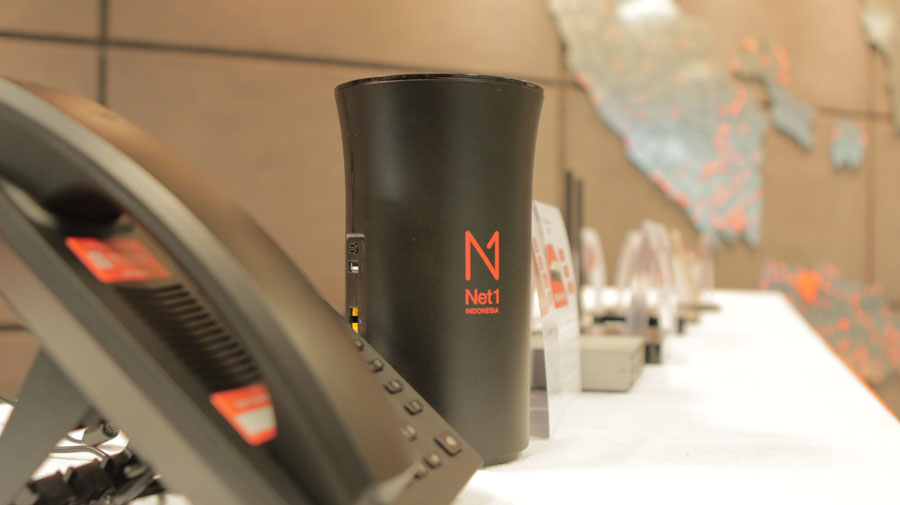
    Net1 Indonesia, provider of 4G LTE broadband data services, holds an exciting digital activity named #MauAda4Gdimana meaning “where should 4G access exist?”, from May 7 – July 7, 2018. Basically, this is a competition to invite people playing an active role to determine certain locations in Indonesia where data broadband should be easily accessed. People from all around the country can select a number of locations in Indonesia to obtain LTE 4G network that will be realized by Net1 Indonesia.

    So far, many areas in Indonesia cannot access internet yet. Adequate 4G data access can be something priceless for people in remote area to support their activities. According to a data from the Ministry of Communication and Information Technology, Republic of Indonesia, by end of 2017 there have been 55.000 eNodeB or Long Term Evolution radio network elements (LTE) to support 4G signal coverage in Indonesia. Net1 Indonesia is committed to increase these figures. One of its effort to mapping the location is by holding #MauAda4Gdimana digital activity.

    Meanwhile, katadata.co.id mentioned that 73.53% of provinces in Indonesia or 25 provinces have been exposed with 4G network. However, only 55.05% among the villages/sub-lower districts in Indonesia (45,811 villages/sub-lower districts) can be reached by 4G signal service. Based on the data and as a data broadband service provider, Net1 Indonesia is eager to provide internet connection, especially in rural areas and remote areas in Indonesia.

    “Digital activity #MauAda4Gdimana is an initiative from Net1 Indonesia to invite the community to have an active role and participate in our big mission, which is spreading the data broadband services to regions where 4G does not exist yet, especially for society in underserved, rural and remote area. Thus, we are committed to present 4G LTE service in the most voted area,” said Larry Ridwan, CEO of Net1 Indonesia.

    Competition #MauAda4Gdimana is open to all Indonesian citizens ages 18 years old above. As a further requirement, participants who are interested in entering this competition must have an active Facebook account and Like the Fanpage Facebook of Net1 Indonesia, following Instagram @net1_id and Twitter @net1id.

    Competition Mechanism

    Participants interested to join #MauAda4Gdimana competition can open microsite www.mau4g.net1.co.id to select #MauAda4Gdimana. Then, participants can choose a location that is championed as a 4G network receiver from Net1 by selecting VOTE in the options provided.

    Before joining the campaign of #MauAda4Gdimana, participants need to register by filling some information in the provided form, then participants can login with mobile phone number. To get support for a voted location in order to win the 4G LTE access from Net1 Indonesia, participants can invite their Facebook friends and promote it through their Facebook account using hashtag #MauAda4Gdimana. Most voted location will be prioritized to obtain 4G LTE network from Net1 Indonesia.

    Net1 Indonesia will select the win voters and appreciate with 9 units of Net1 Argo mobile Wi-Fi device, 99 credits worth IDR100,000 and 999 credits worth IDR50,000. Winners will be announced on July 14, 2018 through www.mau4g.net1.co.id and all Net1 Indonesia social media accounts at the end of the competition period. #MauAda4Gdimana competition is free of charge for the participants.

    Net1 Cooperation with Local Government

    Net1 Indonesia has also cooperated with a number of local governments in district and province level throughout Indonesia. The local governments cooperate with Net1 Indonesia to provide data broadband access for societies in sub urban and remote areas in their domain. Among others, Musi Banyuasin Regency, West Halmahera Regency, Talaud Islands Regency, Tual City, Siau Tagulandang Biaro (Sitaro) Islands Regency, Sangihe Islands Regency, Teluk Bintuni Regency and Kaimana Regency, are mentioned to sign a Memorandum of Understanding (MoU) to working together building 4G based communications infrastructure with Net1 Indonesia.

    The cooperation with a number of local governments that have been started since 2017 is a first step for Net1 Indonesia to be able to meet the needs of data access for 260 million Indonesian population who lives in more than 140.000 islands.

  • Indonesian ride-hailing app revs up to join Vietnam’s transport market

    Indonesian ride-hailing app revs up to join Vietnam’s transport market

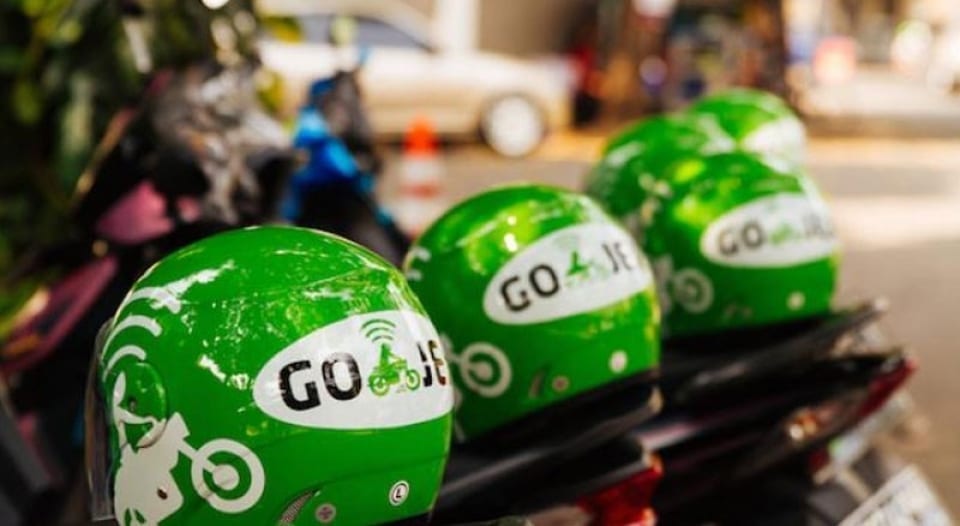
    Indonesian ride-hailing app Go-Jek will officially launch in Vietnam this July, bringing more competition to the market currently dominated by Grab after it had acquired Uber’s Southeast Asia operations in March.

    Founded in 2010, the Indonesian transport startup has since raised over $1.5 billion from investors such as Google or China’s Tencent Holdings, as reported by Reuters.

    Starting out as a phone-based motorbike ride-hailing app, Go-Jek is now a digital platform which offers transportation, logistics and delivery services.

    To attract Vietnamese drivers, Go-Jek won’t initially charge drivers 20 percent commission fee and is offering free installation of its geographical positioning system.

    “This looks like an attractive offer, as I currently have to pay a commission fee of 28 percent for Grab,” Tuan, a Vietnamese Grab driver said.

    Singapore-based blockchain-powered ride-hailing app MVL is also reported to be entering Vietnam’s market in July.

    MVL would not require its driver to pay any commission, but instead generate a profit through selling data generated from its daily operations to insurance and market survey companies, said its CEO Kay Woo during a conference in HCMC earlier this month.

    Ever since Uber left the Vietnamese market last month, Grab has raised suspicions about creating a monopoly in Vietnam, now that one of its biggest rivals is gone.

    An investigation conducted by Vietnamese authorities has said that the deal between Grab and Uber showed signs of breaching Vietnam’s antitrust laws, as reported by local media on Wednesday.

    Preliminary investigation results showed that Grab’s share in Vietnam exceeds 50 percent of Vietnamese market after acquiring Uber, which is a potential sign of violating Vietnam’s regulation on economic concentration.

    Vietnam’s Competition and Consumer Protection Department is considering opening an official investigation into the deal.

  • Balinese jeweller John Hardy plans US store rollout

    Balinese jeweller John Hardy plans US store rollout

    Indonesian jewellery brand John Hardy has inaugurated a new Miami flagship store, signalling the Made in Bali-brand’s retail strategy shift toward the US.

    The New York-headquartered brand has opened a boutique inside Florida’s Aventura Mall, much like its SoHo flagship store in New York, thus taking its store count in America to four.

    Stocking the brand’s unique jewellery collections for women, the Miami store will also feature a work area dedicated to the brand’s ‘Artisan in Residence Program’.

    In an interview with WWD, John Hardy CEO, Robert Hanson – who joined took the brand’s helm around the time private equity firm L Catterton took a stake in luxury jewellery brand — said the company has an “expansion” strategy in place, with a focus on the US.

    “We’ve identified domestically all A and A+ locations we would like to be in, maybe over the next two years 12 to 15 in A+ locations. We could expand beyond to 25 locations including the U.S. and Canada over time,” said Hanson, adding that company is in negotiations for two more locations for early 2019, with a possible third outlet store opening due in October on the West Coast.

    John Hardy already has stores in Houston and Los Angeles and two US outlets; one at Woodbury Commons in New York and the other at Desert Hills Premium in Riverside County, California.

    Outside Indonesia, the firm has three stores in Hong Kong at Gateway, Sogo and Landmark.

    In the last four years, John Hardy revenues have grown 25%, made up of U.S. wholesale (60%), Caribbean sales (10%), direct-to-consumer sales (20%) and international sales (10%).

    Canadian jeweller John Hardy founded the brand in 1975 in Bali. The company has its corporate headquarters in New York, as well as design studios in Bali and Thailand.

  • A2P SMS to bring new life to aging messaging market

    A2P SMS to bring new life to aging messaging market

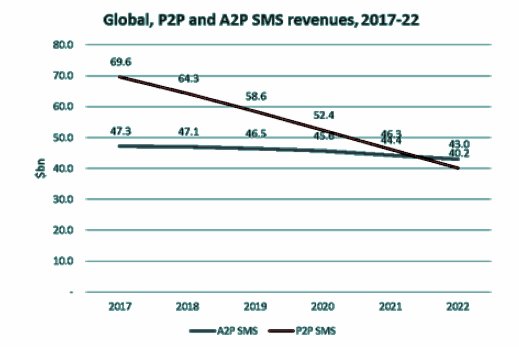
    SMS is not dead – not yet anyway. Ovum’s Mobile Messaging Traffic and Revenue Forecast: 2017-22 forecasts global revenues from application-to-person (A2P) SMS will finally exceed revenues from person-to-person (P2P) SMS by 2022, totalling $43 billion, even though A2P SMS traffic will be less than half of P2P SMS traffic by that time.

    P2P SMS revenues will generate just $40.2 billion in revenues by the end of the forecast period, but P2P SMS traffic will total 3.4 trillion messages in 2022, by comparison to 1.5 trillion A2P SMS.

    Figure 1: Global P2P and A2P SMS revenue, 2017-2022

    Figure 1: Global P2P and A2P sms revenue, 2017-2022Source: Ovum 2018

    The bulk of P2P and A2P SMS traffic and revenues will come mainly from the mobile-first, powerhouse markets of China, India and Indonesia.

    “Unfortunately for most telcos, P2P SMS has become essentially value-less, since they have had to bundle unlimited SMS into mobile tariffs to remain relevant to their customers, an increasing number of whom use chat apps such as WhatsApp, WeChat and Facebook Messenger. However, telcos can still charge a per-message termination rate for A2P SMS, which means it remains a more valuable source of revenues, since enterprises still value SMS for its global reach, affordability and mature ecosystem,” said Pamela Clark-Dickson, practice leader of Ovum’s communications and social team.

    Ovum forecasts chat apps will have 3.2 billion unique monthly active users (MAUs) by 2020, connecting enterprises with consumers via their platforms. Telcos and the wider ecosystem are therefore under pressure to protect their A2P revenues, driving them to upgrade from SMS to Rich Communication Services (RCS).

  • Tory Burch Asia launches its brand in Indonesia

    Tory Burch Asia launches its brand in Indonesia

    With its exclusive retailer Time International, US lifestyle brand Tory Burch Asia has launched its first boutique for Indonesia at Tunjungan Plaza 4 in Surabaya.

    Joining a champagne toast for the occasion were Time International president/CEO Irwan Danny Mussry, Tory Burch Asia president Michel Gonzalez and Time International VP Shannon Hartono. More than 150 guests attended an in-shop cocktail party.


    Combining chinoiserie and Art Deco decor, the boutique has gold accents and amber lighting as a backdrop to the Tory Burch collection including shoes, bags, jewellery and watches. The design of the space was inspired by Burch’s home.

    The store launched with an assortment from Tory Burch’s latest collection, including Spring/Summer 2018 shoes, bags, jewellery and watches.

  • Thai Lion Air increases flight frequency from Jakarta to Bangkok

    Thai Lion Air increases flight frequency from Jakarta to Bangkok

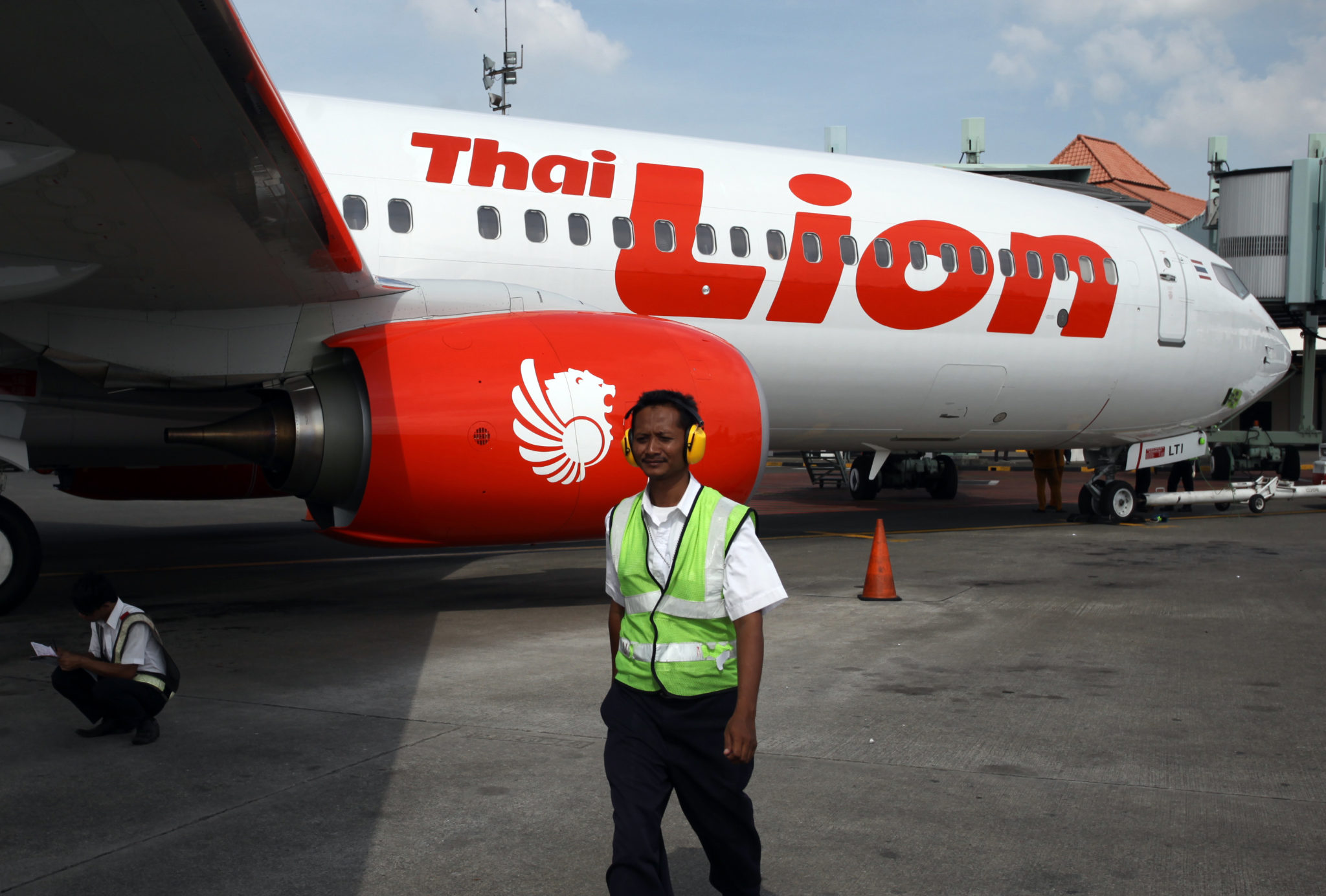
    Thai Lion Air, a subsidiary of Indonesia’s largest private airline, Lion Air, increased its Jakarta-Bangkok service from once a day to twice on Monday.

    The additional SL116 flight, which uses a Boeing 737-900ER, will depart from Don Mueang International Airport at 9 a.m. local time and arrive at Soekarno-Hatta International Airport at 12:30 p.m. Meanwhile, the return SL117 flight takes off at 1:10 p.m. and lands in Bangkok at 5 p.m.

    The additional frequency aims to tap into the potential of connecting Asian cities, as passengers from Jakarta will be able connect to other cities from Bangkok, such as Chiang Mai, Chiang Rai, Phuket, Hat Yai, Singapore, Yangon, Hanoi, Taipei, Mumbai, Changsha, Chengdu, Chongqing, Guangzhou, Hangzhou, Nanchang, Nanjing, Shanghai, Xi’an and Zhengzhou.

    “This new service is our answer to the high demand for air transportation in Southeast Asia,” said Thai Lion Air CEO and chairman Capt. Darsito Hendro Seputro in a statement.

    Established in 2013, Thai Lion Air boasts 12 domestic networks and operates two regional flights and over 20 international destinations.

  • AirAsia, Garuda cancel flights to and from Yogyakarta due to Merapi eruption

    AirAsia, Garuda cancel flights to and from Yogyakarta due to Merapi eruption

    AirAsia and Garuda Indonesia have cancelled a total of at least 26  flights to and from Yogyakarta after the eruption of Mount Merapi forced the ancient Javanese city’s airport to close.

    The cancelled AirAsia flights are AK 346, AK 347, AK 348 and AK 349 (Yogyakarta – Kuala Lumpur, Kuala Lumpur – Yogyakarta), QZ 659 (Singapore – Yogyakarta), QZ 7557, QZ 7550, QZ 7551, QZ 7552 and QZ 7553 (Yogyakarta – Jakarta, Jakarta – Yogyakarta), XT 8448 and XT 8449 (Bali – Yogyakarta, Yogyakarta – Bali).

    Passengers of cancelled flights will be given the option of rescheduling, rerouting their journey or a refund or credit. AirAsia also advised passengers to check AirAsia’s website and social media accounts for further updates.

    Meanwhile Garuda, Indonesia’s national carrier, cancelled 14 flights.

    Yogyakarta’s Adisutjipto International Airport, 520km south-east of Jakarta, was closed at about 10:42am on Friday local time, and reopened at 2:17pm, state air-navigation operator AirNav Indonesia said in a statement Friday.

    Mount Merapi’s eruptions are minor, caused by accumulation of volcanic gases, and shouldn’t lead to further outbursts, the Centre for Volcanology and Geological Hazard Mitigation at the nation’s Energy and Mineral Resources Ministry, said in a statement, adding its status is “normal.”

    Other airlines that canceled flights include those operated by the Lion Group.

    It said it would inform passengers of affected flights through email and text message.

    “AirAsia strongly encourages all guests to update their contact details at airasia.com to ensure that they are notified of any updates to their flights,” AirAsia said in a statement on Friday.

    Indonesia is located on the so-called Pacific Ring of Fire, an arc of volcanoes and geological fault lines surrounding the Pacific Basin. According to the Volcanological Survey of Indonesia, the archipelago has about 120 active volcanoes. It has had two of the world’s biggest volcanic eruptions in the past two centuries: Mount Tambora in 1815 and Krakatau in 1883.

    Last year, Mount Agung on the neighbouring island of Bali erupted and forced the airport at the popular holiday destination to close several times. Yogyakarta is also a prominent tourist spot for Buddhist pilgrims.

    The volcanic ash and gases spewed can be dangerous to planes passing through the plume. In 1982, all four engines on a British Airways Boeing Co. 747 stalled when the plane encountered the debris from Mount Galunggung in Indonesia.

    The plane dropped for almost four miles before the pilot was able to restart three engines and make an emergency landing in Jakarta.

  • Lion Air opens new Surabaya-Haikou charter route

    Lion Air opens new Surabaya-Haikou charter route

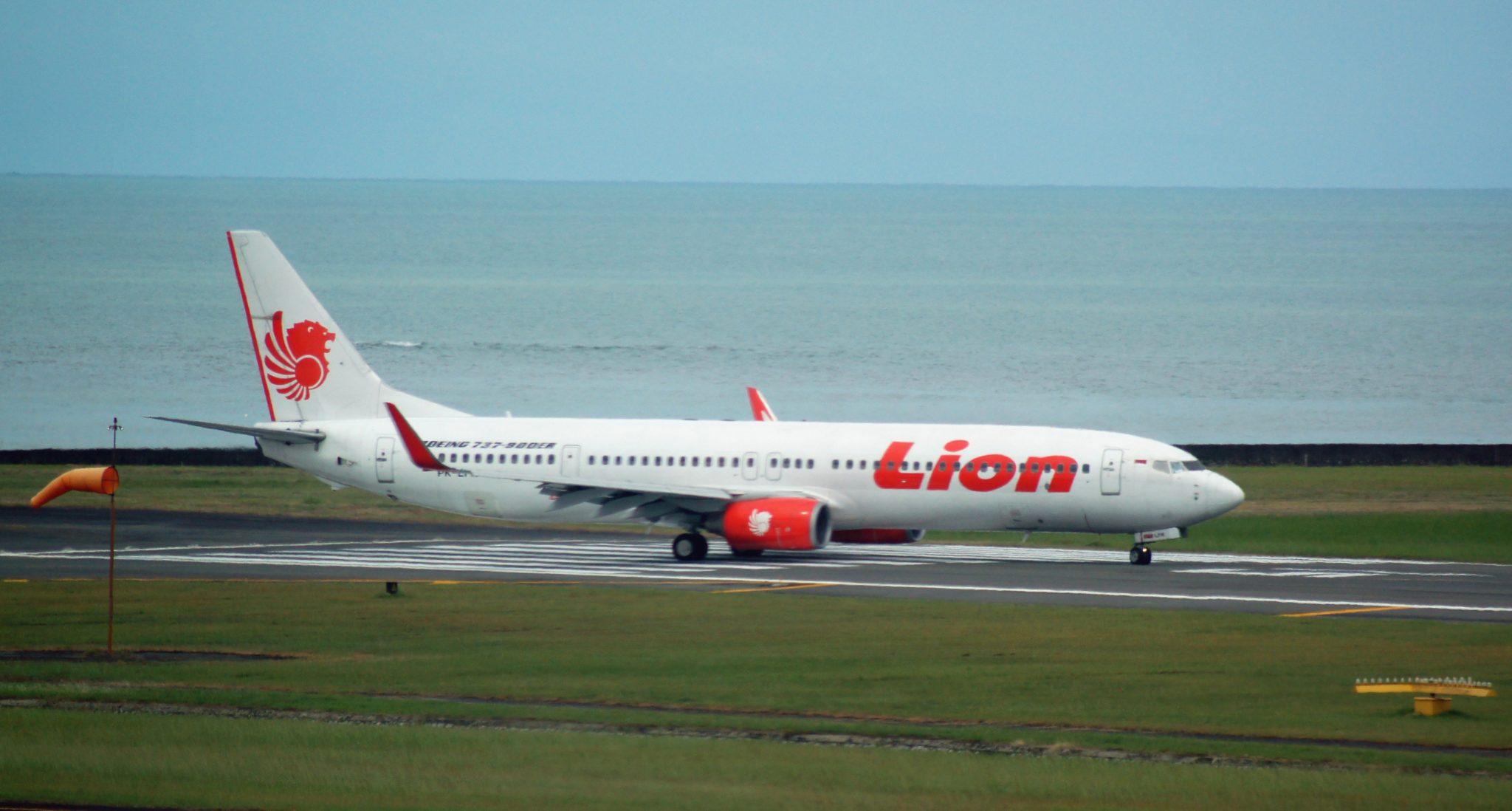
    The country’s largest private low-cost carrier, the Lion Air Group, has opened a new charter route from the East Java capital of Surabaya to Haikou, the capital of the Chinese island province of Hainan.

    Flying once a week, the fleet’s Boeing 737-900 ER aircraft will serve the new route, accommodating up to 215 passengers starting Friday.

    “We are very proud to be able to expand our international connectivity by opening a charter flight to China from Indonesia’s second biggest city, Surabaya. The new route will increase our service to customers and provide more options for those traveling from China to Indonesia,” said Lion Air Group CEO Edward Sirai in a statement?

    In collaboration with Hainan United Airlines Travel Group Co., the JT 2661 flight will depart on Fridays at 5:40 p.m. local time from Surabaya’s Juanda International Airport  and arrive at 11:45 p.m. at Haikou Meilan International Airport. The Indonesia-bound flight JT 2660 will fly Saturdays at 12:55 a.m. from Haikou and land in Surabaya at 5 a.m.

  • KLM Royal Dutch Airlines moves to Terminal 3 in Jakarta

    KLM Royal Dutch Airlines moves to Terminal 3 in Jakarta

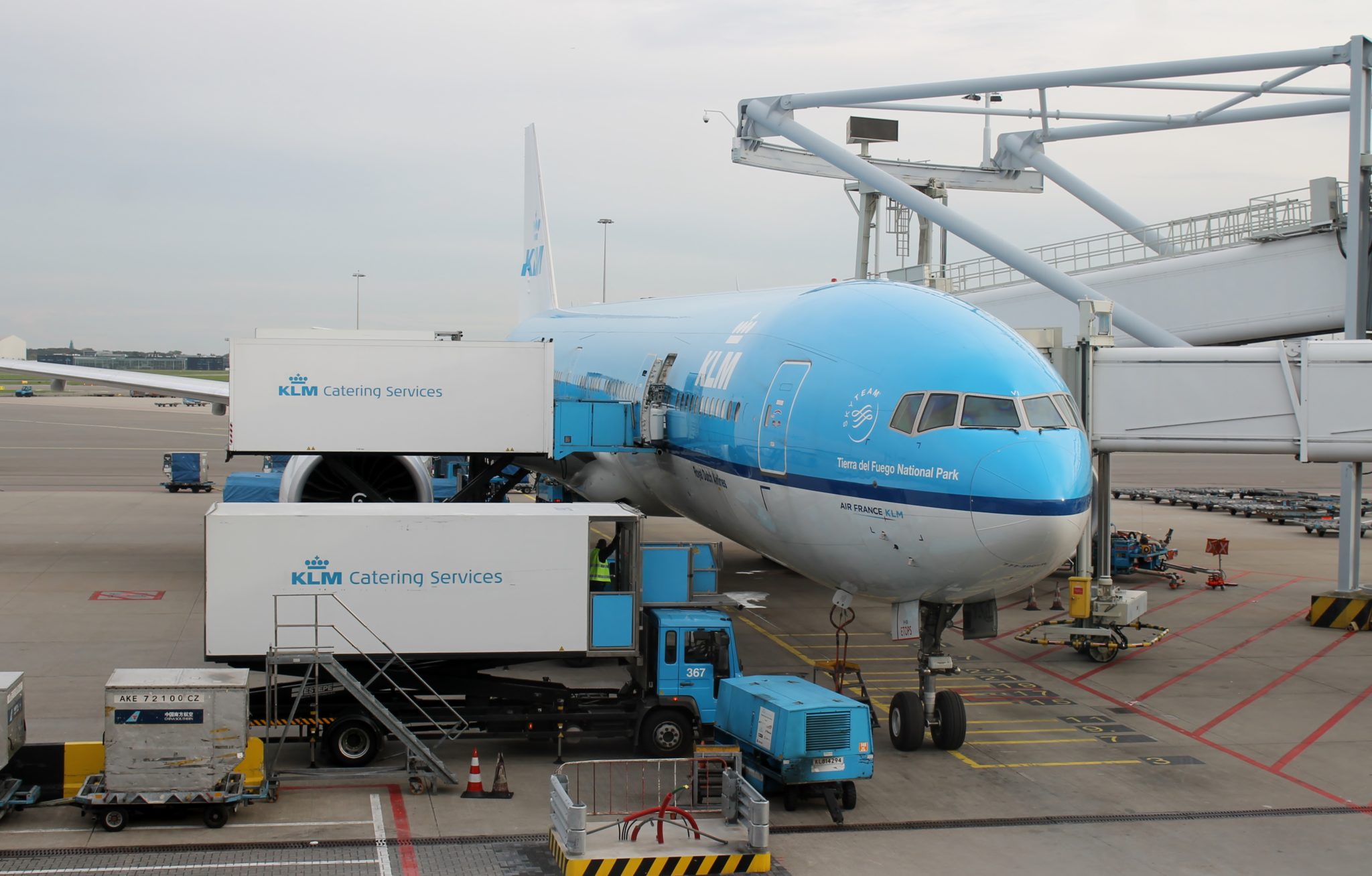
    KLM’s Country Manager for Indonesia, Wouter Alders said that the move to terminal 3 will enhance the experience for KLM customers travelling on its daily flight from Jakarta to Amsterdam and Kuala Lumpur.  He said, “KLM has been looking forward to relocate to terminal 3 to respond to customer demands for a more efficient and personal travel experience. We are confident this vast new terminal will offer a better experience and additionally provide KLM passengers with easier flight connections within Indonesia.”  

    KLM passengers travelling from 15th May can check in at Terminal 3 at counter C1-7 and enjoy the new facilities with a more convenient check in, auto-gate immigration and security clearance with body-scanners. Additionally the terminal offers free WiFi, digital banners and e-kiosks way finding system. Business class passengers and Flying Blue members will enjoy the brand new Garuda Executive Lounge located in Terminal 3.

    About KLM Royal Dutch Airlines in Indonesia

    KLM’s first flights between Amsterdam and Indonesia started on 1 October, 1924 when KLM initiated its first intercontinental flight from Amsterdam to Jakarta. In September 1929 KLM started regular, scheduled services between Amsterdam and Indonesia. Until the outbreak of the Second World War, this was the world’s longest distance scheduled service.

    KLM offers daily direct flights between Jakarta and Amsterdam Schiphol Airport with a stop in Kuala Lumpur and daily flights between Denpasar and Amsterdam-Schiphol Airport with a stop in Singapore.

    KLM Jakarta — Amsterdam
    (Summer schedule — 25 March, 2018 – 28 October, 2018)

    • KL810 departs Jakarta at 18:45 and arrives in Amsterdam at 06:00 the next day
    • KL809 departs Amsterdam at 20:50 and arrives in Jakarta at 17:25 the next day.

    KLM Jakarta — Kuala Lumpur
    (Summer schedule — 25 March, 2018  – 28 October, 2018)

    • KL810 departs Jakarta at 18:45 and arrives in Kuala Lumpur at 21:55 the next day
    • KL809 departs Kuala Lumpur at 16:20 and arrives in Jakarta at 17:25 the next day.

    KLM Denpasar — Amsterdam
    (Summer schedule — 25 March, 2018 – 28 October, 2018)

    • KL836 departs Denpasar at 20:40 and arrives in Amsterdam at 07:35 the next day
    • KL835 departs Amsterdam at 20:55 and arrives in Denpasar at 19:25 the next day.

    KLM Denpasar — Singapore
    (Summer schedule — 25 March, 2018 – 28 October, 2018)

    • KL836 departs Denpasar at 20:40 and arrives in Singapore at 23:15 the next day
    • KL835 departs Singapore at 16:50 and arrives in Denpasar at 19:25 the next day.

    The daily flights are operated by Boeing B777-300ER aircraft with 34 seats in Business Class and 374 seats in Economy Class.KLM Royal Dutch Airlines moves to Terminal 3 in Jakarta