Tag: Indonesia

  • Global Savings Group is launching discount code portal CupoNation in Indonesia

    Global Savings Group is launching discount code portal CupoNation in Indonesia

    The Global Savings Group (GSG), a Rocket Internet backed leading global provider of Commerce Content Solutions, launches its premium discount code portal CupoNation in Indonesia. The new portal will enable Indonesian users to save more on online shopping from leading retail stores and brands. It is now accessible for avid shoppers in Indonesia through its local website www.cuponation.co.id.

    The GSG is globally operating over 100 digital portals and tools that offer the right mix of product discovery, recommendations, deals and discounts to help consumers take smarter shopping decisions while enabling advertisers to reach high-intent users at scale. Following the successful establishment of CupoNation in Singapore (2013), Australia (2014), and Malaysia (2016), the brand has been quickly gaining popularity in Southeast Asia Pacific markets.

    Igor Shapiro, Managing Director Asia Pacific and Eastern Europe, says “We are convinced that Indonesia is the best next market to launch this platform. The launch of CupoNation in Indonesia will not only benefit online shoppers but also help e-commerce players and advertisers in generating significant value by attracting ‘discount savvy users’ to their portals, thereby increasing revenues.”

    Indonesia has a population of over 264 million and growing. The global professional services company Accenture expects the national internet penetration to grow to 50% by 2022.

    This forecasted significant increase in digitization and therefore digital commerce will be driven by Indonesia’s general positive development. The World Bank expects the GDP to continue to grow at an annual average of over 5 percent. Digital purchase is expected to grow by US$46.40 to US$78.10 per capita in the next four years. Furthermore, 74.1% of Indonesia’s online shoppers love discounts and will use them as a reason to purchase, the Accenture report reveals.

    “Indonesia has a fast growing economy with a fast-growing e-commerce market. Through launching CupoNation in Indonesia we are adding a globally proven commerce content solution to the local ecosystem, linking consumers and retailers, and fueling this growth. With our strong team, global insights, and local synergies we see across the South East Asian markets, we are confident about becoming the leading discount code portal in Indonesia in the next months”, adds Igor.

    Google and Temasek report that people in Southeast Asia spend more time on the mobile internet than anyone else on the planet. Indonesians spend 3.9 hours on the mobile internet, while U.S. users just spend 2 hours per day. According to GSMA Intelligence, there are 439 million registered mobile connections in Indonesia – a SIM penetration of 166%.

    That’s why CupoNation has come to Indonesia with a fully mobile responsive service, providing a comprehensive range of online coupons and deals across 13 categories. These categories supported by Indonesians’ most-loved online shops and brands such as Lazada, Zalora, Tokopedia, Bhinneka, Matahari Mall, Blibli, Bukalapak, and many more.

    Andreas Fruth, Managing Director and Co-Founder of the Global Savings Group, adds “We want to transform the way consumers buy and the way brands sell around the world. The launch of CupoNation in Indonesia is proof of our regional commitment, strengthening our position in the South East Asia Pacific markets and enhancing our global service offering, helping us to further improve our position as a global leading provider of commerce content solutions.”

  • Urban Indonesians consumed more non-animal sources of protein

    Urban Indonesians consumed more non-animal sources of protein

    It seems the widespread move away from meat is not only happening in Europe or the US, but also here in Asia Pacific. New research from global market intelligence agency Mintel reveals that as many as two in five (39%) urban Indonesians and one in three (34%) urban Thais consumed more non-animal sources of protein (eg plant, dairy, grains) in 2017, compared to the previous year.

    While still in early stages, this trend has also infiltrated meat-loving Australia. Indeed, 16% of urban Australians said they avoided or intended to avoid red meat in 2017, while one in five (19%) consumed more non-animal sources of protein. Of those who avoided or planned to avoid red meat, half (51%) said that they believe it was healthier if they did so.

    Michelle Teodoro, Global Food Science and Nutrition Analyst, at Mintel said:

    “Traditional agriculture is unable to meet the protein needs of the world. The current levels of demand for meat supplies globally, and the relative growth of meat production on this scale will have a significant, negative impact on the environment. At the same time, more and more consumers are moving away from meat and looking towards alternative sources of protein instead, offering some relief and creating new opportunities in the global consumer marketplace.”

    “Pressure on the natural environment is forcing consumers and companies to rethink what they take and make. Meanwhile, new technologies are redefining how we create and use food and drink. While developments that engineer rather than harvest food and drink staples, such as laboratory-grown meat, have grabbed headlines, the resulting products are still years away from mass commercial availability. This showcases the potential for more innovative, sustainable and alternative protein sources. The world is changing and food scientists have a big role to play in the future of food. Companies and brands should be looking across industries for inspiration and opportunities for collaboration with scientists and food engineers,” Teodoro added.

    Mintel research shows that one in four (24%) urban Indonesians planned to follow a plant-based/vegetarian diet in 2017, while 61% of urban Thais and over half (54%) of urban Australians planned to eat more vegetables/fruits. Furthermore, nutritious or health-related reasons (56%) are the top factor influencing urban Thai consumers when choosing food or drink products to buy.

    “With high animal protein intake associated with health concerns, any reduction in consumption will have positive health outcomes. Today’s consumers are also starting to include more vegetables and fruits in their diets, or adopting plant-based or vegetarian diets, given the numerous health benefits that come along with them. Along with a shift to plant and lab-based proteins, the world’s reliance on factory-farmed animals will also be reduced—contributing to animal welfare globally,” Teodoro continued.

    This is all reflected in Mintel Trend ‘Hungry Planet’ which discusses how consumer purchasing decisions are being influenced by issues surrounding sustainability and ethics, as well as Mintel Trend ‘Bannedwagon’ which details how consumers are focusing on ingredients and production methods, embracing once-niche ways of living and eating.

    Delon Wang, Trends Manager, Asia Pacific, at Mintel concluded:

    “Moving forward, we will see aspects of environmentalism penetrate various lifestyle goals. With the mantra ‘you are what you eat’ top of mind today, consumers are assessing their lifestyle, everyday purchases and surroundings. Additionally, the idea of inclusivity and accepting niche lifestyles of global consumers has popularised, to a certain extent. We are seeing more understanding about unique diets and living habits, creating new guidelines to live as the benefits are exhorted.”

  • Blackstone and Sky Internasional Be Named as Masterminds of a Big Marketing Scam in Indonesia

    Blackstone Indonesia and Sky Internasional a self-claimed digital strategic marketing agency in Indonesia with premium services in interactive communications, digital strategy, brand identity, social media and online advertising are to be considered as digital fraud masterminds and to be the leaders of an organization with only one goal, to cheat clients solely to enrich themselves with personal benefits and to fund their luxury lifestyles. 

    Retail News received a lot of complaints from several Blackstone Indonesia customers, basically complaining about the same kind of practices. Retail News took the lead in this investigation and took a deeper dive into this matter. After seeing all proof we are committed to send out a warning to all startups and companies in Indonesia. Our advise is not to engage in any partnership with the two mentioned companies. It’s very likely you will lose money, time and efforts in the spiderweb these companies have build out.

    The “modus-operandi” is usually the same ; they issue invoices without tax and ask clients to wire money to a variety of bank accounts. All invoices appear to start with #1 for each clients and one of the bank accounts always coming back is from Aldino Ozky, Bank Central Asia with bank (BCA), Account No. 920000223. They use this bank account to wire company money to and to avoid paying taxes, neither issuing any tax receipts.

    After a company wires the first retainer, Blackstone shows you their digital dashboard which has all sorts of numbers on page views and impressions and gorgeous graphs. It looks like you’ll have access to loads of information about your marketing. Which in theory is a good idea… The only problem with every one of these fancy dashboards we’ve seen is they provide all sorts of information which is of no use to the business of client and they sell 0. While they charge you for a variety of things, simply to run out your budgets.

    Aldi Sky Wungkana, self-esteemed CEO of both companies has an explanation for everything, but not for all above topics we’re writing up ; also not even why the money of the company is wired without tax straight into an employees bank account. Big talker, 0 results.

    Felix Valentino is also a member of their league, he never picks up the phone when you try to call him ; uses fake whatsapp profiles and he’s to be considered as the the email writer to inform customers that their money is litterally gone. Done and dusted, simply call him the “excuse guy”.

    A random overview of what else they are practicing:

    # PPC fraud with high bounce rates and non-targeted traffic.

    # sending bot traffic to your website and charging high CPCs for this ;

    # buying FB engagement on non-legal websites and sending it over to your social media channels basically ruining everything you have build up ;

    # 0 to none connection with big newspapers, but charging the same rates to publish content on shitty websites claiming they offer premium PR services

    In regards to the proof of all statements made above, readers, the police and/or any other governemental institution can contact Retail News to received all proof. We have bundled all complaints from startups and customers. None of the phone numbers we called were available for any comments. Whatsapp groups dissolved and no response on email.

    A police case is about to be filed as well as a court case to stop these gentlemen from doing what they are doing. Companies are warned! The tax authorities received complaints as well and confirmed they have started an investigation.

  • Priceza Indonesia data shows Ramadan boom

    Priceza Indonesia data shows Ramadan boom

    Ramadan month is the most popular time for online shopping in Indonesia, data from shopping search engine and price comparison platform Priceza Indonesia shows.

    Click rates increased by 26 per cent compared to the previous month, its figures show, while transaction values rose by as much as 16 per cent.

    Priceza Indonesia says this is in line with conventional shopping, where the turnover of traditional traders can double and even triple in some cases as Lebaran (Eid Al Fitr) approaches.

    During the Ramadan period to its peak on Lebaran day there was a “significant transaction boom”, says Priceza Indonesia co-founder/country head Bayu Irawan.

    “This means the traditional month of Ramadan is still going to be effective for e-commerce promotional programs.”

    Indonesian consumers tend to spend their time shopping online during the holiday, says Priceza Indonesia. Its data shows the top three categories during the month are fashion, electronics and smartphones.

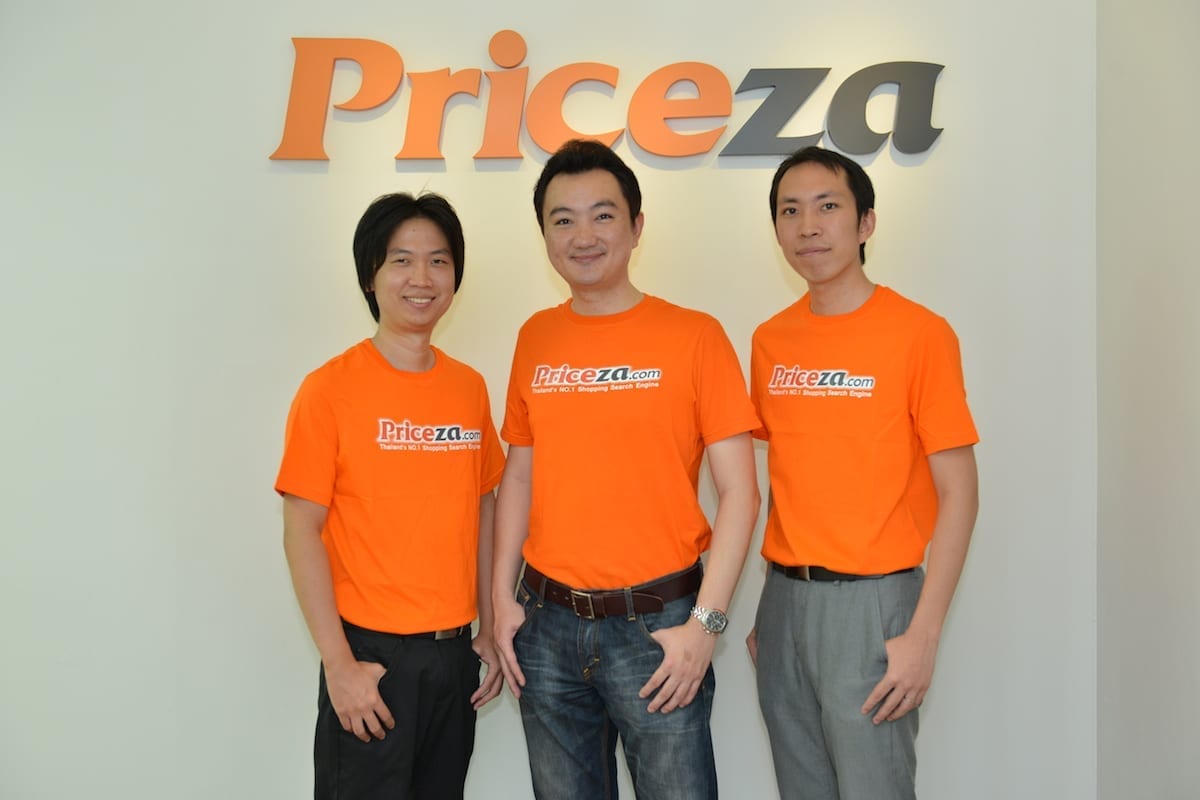
    Priceza was established in Thailand in 2010, with the Indonesian offshoot starting in 2013 with nearly 4.5 million users a month. The platform is also active in Malaysia, Singapore, Philippines and Vietnam.

  • Payments and lending dominate Indonesia’s Fintech scene

    Payments and lending dominate Indonesia’s Fintech scene

    Payment and lending focused Fintech startup companies dominate the overall Indonesia Fintech landscape in terms of maturity level, according to IDC Financial Insights.

    This was followed by marketplace, wealth management, company solution and accounting based software providers.

    “The collaboration between Fintech and traditional institutions (banks) becomes mandatory for now and in the future. There are several Indonesia banks that have done collaboration actions either in [the] operation aspect or through investment funds. We believe that speed to dominate the market is the key to win for Fintech especially in payments category,” said Handojo Triyanto, Senior Research Manager, IDC Financial Insights.

    “In the future Indonesia Fintech market will have consolidations by collaboration, mergers and acquisitions between the players. It has already happened as Go Jek (Go Pay) acquired Midtrans, Kartuku, and Mapan. The driver is the need to penetrate consumer market as soon as possible… not only to grab higher market share, but also to attract more investors.”

  • Massive loss for Indonesia’s Matahari Putra Prima Mall Group

    Massive loss for Indonesia’s Matahari Putra Prima Mall Group

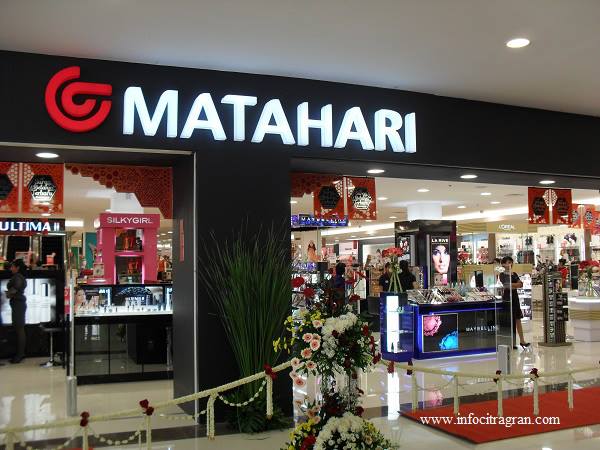
    Indonesian hypermarket chain Matahari Putra Prima was apparently so ashamed of its financial performance last year it issued a press release about its results without a single financial detail included.

    A little sleuthing online reveals the struggling giant – whose interests also include fashion stores – reported a loss of 1.24 trillion rupiah last year (US$86.8 million), compared to a net profit of 38.48 billion rupiah last year ($2.7 million).

    In its media statement, MPP described last year as a “challenging yet successful” period of consolidation for the company, amidst what continues to be a challenging macroeconomic and competitive landscape.

    “This consolidation and cost restructuring is a part of the company’s efforts to transform its business and will position itself strongly for the year to come. The macroeconomic condition in 2017 continued to be challenging, especially for the retail sector.”

    MPPA blamed its misfortunes on factors including the removal of electricity subsidies from 19 million Indonesian households and relatively low inflation-adjusted minimum wage increase which adversely affected Indonesian consumers’ spending power.

    “Furthermore, the company experienced increasing competition from local supermarkets across Indonesia.”

    In response, the company launched “a bold pricing strategy” and re-examined its cost structure to support a lower merchandise-margin environment by looking at a number of operational efficiencies.

    “These include headcounts, assortment reviews with a goal to focusing on fast moving and productive SKUs, a review of operational costs including a shift of marketing spend from expensive nationwide media advertising to more cost-effective community based marketing and the development of a low-cost store format.”

    Without stating figures, the company said those initiatives placed considerable pressure on its performance in 2017 with some once-off costs being accounted for in that period.

    “The company expresses optimism for 2018. The new strategy along with all actions taken in 2017 should begin to pay off, allowing the company to strengthen its market leadership in food retailing business in Indonesia. The company has built a reputation for entrepreneurship and leadership, and is obsessed with customer satisfaction, innovation and excellence in operations.”

  • Indonesia’s Telkomtelstra expands cloud service business

    Indonesia’s Telkomtelstra expands cloud service business

    Indonesia’s managed services provider PT Teltranet Aplikasi Solusi (Telkomtelstra) plans to open several more data centers in a bid to expand its cloud services across the country.

    Currently, the company has one data center for its cloud business in Serpong, Banten, which started operations in December, 2017.

    “We will have one new data center in Sentul, West Java. It’s expected to be ready by the end of next month,” Agus F. Abdillah, Telkomtelstra chief of product and synergy, said on Tuesday, adding that another data center would be opened in Surabaya in July.

    Telkomtelstra is a joint venture company established by state-owned Telekomunikasi Indonesia (Telkom) and Australia telecommunication giant (Telstra) to provide network application and services to Indonesian enterprises, multi-nationals and Australian companies operating in Indonesia.

    The company started to tap into Indonesia’s growing cloud services market in August last year, when it launched Azure Hybrid Cloud with Azure Stack Platform in collaboration with PT Microsoft Indonesia.

    Cloud technology allows individuals and businesses to access or process data via the internet from anywhere anytime.

    On Tuesday, Telkomtelstra introduced several cloud-based products, including a cloud-based video analytic product that can help businesses analyze customers characteristics to get a better idea of who visits their sites.

    The company also introduced a cloud-based desktop, Citrix, allowing users to remotely access a desktop environment with software from any device.

    Agus said Telkomtelstra was eyeing customers in several segments, including private enterprises, banks, government agencies and education institutions. “Three companies have signed contracts with us after we gave trials to 14 companies since December last year,” said Agus.

  • Indonesia’s Go-Jek Poised for Imminent Southeast Asia Expansion

    Indonesia’s Go-Jek Poised for Imminent Southeast Asia Expansion

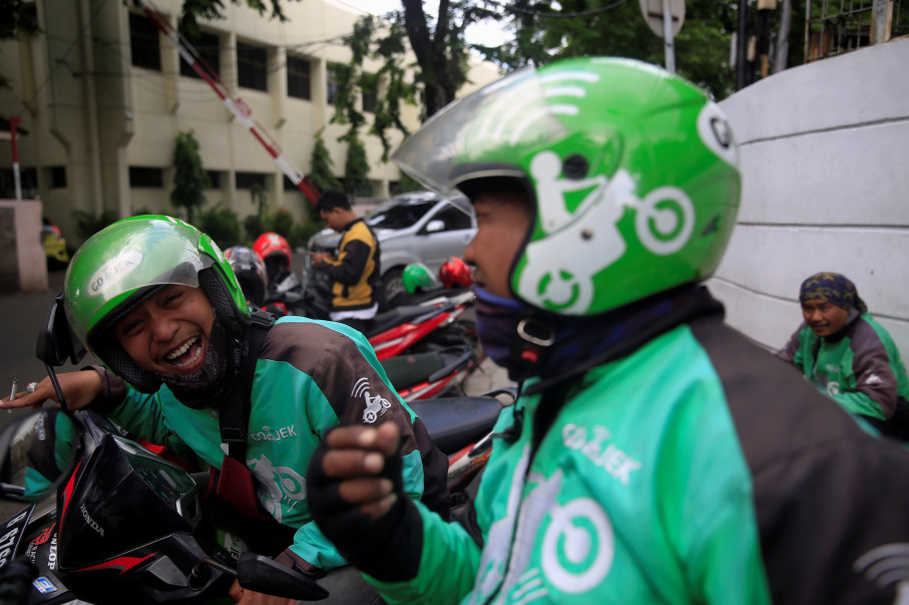
    Indonesian ride-hailing and online payment company Go-Jek is set to announce its first expansion to another country in Southeast Asia in the “next few weeks,”.

    Go-Jek also plans to expand to three other Southeast Asian countries by the middle of this year, the email quoting Go-Jek chief executive Nadiem Makarim said.

    News of the plans come after Uber Technologies agreed this week to sell its Southeast Asian business to regional rival Grab.

    The industry’s first big consolidation in Southeast Asia, home to about 640 million people, could put pressure on Go-Jek, which is backed by Alphabet’s Google and China’s Tencent Holdings.

    Nadiem described that Uber deal as a “great opportunity” because “fewer players means a smoother path to continued and deepened market leadership” for Go-Jek in Indonesia.

    Ride-hailing companies throughout Asia have relied heavily on discounts and promotions, driving down profit margins and increasing pressure for sector consolidation.

    Go-Jek, a play on the local word for motorbike taxis, has grown rapidly since the startup launched eight years ago in Indonesia, a county with a population of more than 250 million people.

    Customers can get drivers to deliver everything from meals and to cleaners and hairdressers, via a smartphone app – helping it become a crucial workaround in cities such as Jakarta with some of the worst traffic in the world.

    Nadiem did not name the countries targeted for expansion in the email, but Go-Jek’s chief technology officer has previously said it aimed to set up operations in the Philippines this year.

    “Preparations are well under way and within the next few weeks our first new country launch will be announced,” the email quoted Nadiem as saying.

    “This will be followed by three other countries in Southeast Asia by the middle of the year.”

    Citing the financial and strategic backing of its local and global partners, he added: “We are confident that we have more than enough support to take one of the most amazing growth stories in the world from being an Indonesian phenomenon to a global one.”

    Google, Singapore investor Temasek and China’s Meituan-Dianping are among investors in Go-Jek as part of a major fund-raising round.

    Makarim said that a “significant portion” of capital raised has been set aside for international expansion.

  • Grab agrees to increase drivers’ income

    Grab agrees to increase drivers’ income

    Grab Indonesia, a ride-hailing application provider, plans to take measures to increase the income of its drivers in response to their protest earlier this week.

    “We will study this. We all agree to make a joint effort to increase the income [of the drivers],” said Grab Indonesia managing director Ridzki Kramadibrata in Jakarta on Wednesday.

    Ridzki and a representative of Go-Jek, another ride-hailing application provider, were at the palace on the invitation of Presidential Chief of Staff (KSP) Moeldoko to discuss the issue, following the meeting between President Joko “Jokowi” Widodo and representatives of the protesting drivers on Tuesday.

    Jokowi received the drivers’ representatives after thousands of drivers hit the street on Tuesday morning to demand the tariff increase, which was Rp 1,600 (12 US cents) per kilometer.

    During the meeting, Jokowi promised mediation between the drivers and the ride-hailing application providers.

    Riszki said he would soon announce the results of the study and get ready to talk to government officials.

    “The government has shown goodwill by asking us to negotiate [with the drivers]. We have already understood the problem. It is about income. But the drivers have to understand that tariffs are not the only factor in increasing their incomes,” he said.

    Meanwhile, Moeldoko said the drivers demanded the tariff increase to Rp 4,000 per km from Rp 1,600.

    He said the Transportation Ministry had also made calculations about the new tariffs that would be proposed in the mediation meeting.

  • Jakarta hosts Southeast Asia pharmaceutical ingredients exhibition

    Lawmakers, professional associations and pharmaceutical industry players came together in Jakarta at the Convention on Pharmaceutical Ingredients Southeast Asia (CPhI SEA) 2018 from March 27 to 29.

    They are expected to get together; interact and exchange ideas on improving the pharmaceutical industry, said exhibition organizing agency PT UBM Pameran Niaga Indonesia president director Christopher Eve in Jakarta on Tuesday.

    He said the organizers expect 5,000 visitors to attend the event.

    “Through this event, pharmaceutical industry players can showcase their technological innovations, trade ideas and collaborate with each other,” Eve said.

    Meanwhile, Health Ministry pharmaceutical and health equipment director general Maura Linda Sitanggang expressed hope that the event would boost investment in the pharmaceutical industry.

    “Since this event allows people to interact with each other, I think it is possible for people to trade ideas and information regarding resources and technology,” she said at the opening ceremony of the event.

    The three-day event was held at the Jakarta International Expo Kemayoran and attended by 260 participants from Romania, Kuwait, Saudi Arabia, Cyprus, the Czech Republic, Austria and Ireland.

    The event features a conference, start-up forum, innovation gallery, technology updates and business matching program.

  • Uber Users Need to Transfer to Grab Platform Soon

    Uber Users Need to Transfer to Grab Platform Soon

    Uber ride sharing drivers and customers in Jakarta and other 50 Southeast Asian cities have until April 8 to transfer their accounts to Grab, following an announcement on Monday (26/03) that Uber will sell its business in the region to the Singapore-based Grab.

    Under the deal, Uber will hand over its operations and assets in Southeast Asia in exchange for a 27.5 percent stake in Grab — which according to latest valuation round put its value at $6 billion. Grab will also let Uber chief executive Dara Khosrowshahi join its board of directors.

    “Uber will be combining our operations with Grab to lead you in the next chapter of ridesharing in Indonesia and across Southeast Asia,” the company said in a statement to customers on Monday.

    “What this means for you: we will be transitioning our services over to the Grab platform by April 8, 2018, so all requests after that date should be made from the Grab app. However, you can still use the Uber app in more than 80 countries around the world,” the company said.

    Grab’s acquisition of Uber will challenge its main competitors, including Indonesia’s homegrown Go-Jek. Go-Jek is backed by Chinese technology giants Tencent Holdings.

    Grab said it will further develop an online-to-offline platform by creating GrabCycle, an offline marketplace for shared bicycle rent services, and GrabShuttle Plus, an in-demand platform to provide bus services for certain routes.

    As part of the acquisition plan, the GrabFoods service will further expand in Singapore and Malaysia. The food service integration is slated to finalize in the first half this year.

    Aside from food and online-to-offline services, Grab will also expand its payment services as it plans to offer micro-financing, insurance service deals and other financial services.

    “Together with Uber, we are now in an even better position to fulfill our promise to outserve our customers. Their trust in us as a transport brand allows us to look towards the next step as a company: improving people’s lives through food, payments and financial services,” said Anthony Tan, Grab Group chief executive and co-founder.

    The acquisition of Uber, which has forfeited its operations in eight countries in the region, is similar to the deal China’s Didi Chuxing made in 2016 that bought out Uber’s business and operations in the country for $35 billion, and its third retreat after selling its operations in Russia to local company Yandex in 2017.

    “It [the deal] will help us double down on our plans for growth as we invest heavily in our products and technology to create the best customer experience on the planet,” Khosrowshahi said.

  • Indonesia’s Citilink to start up to 3 new international routes in 2018

    Indonesia’s Citilink to start up to 3 new international routes in 2018

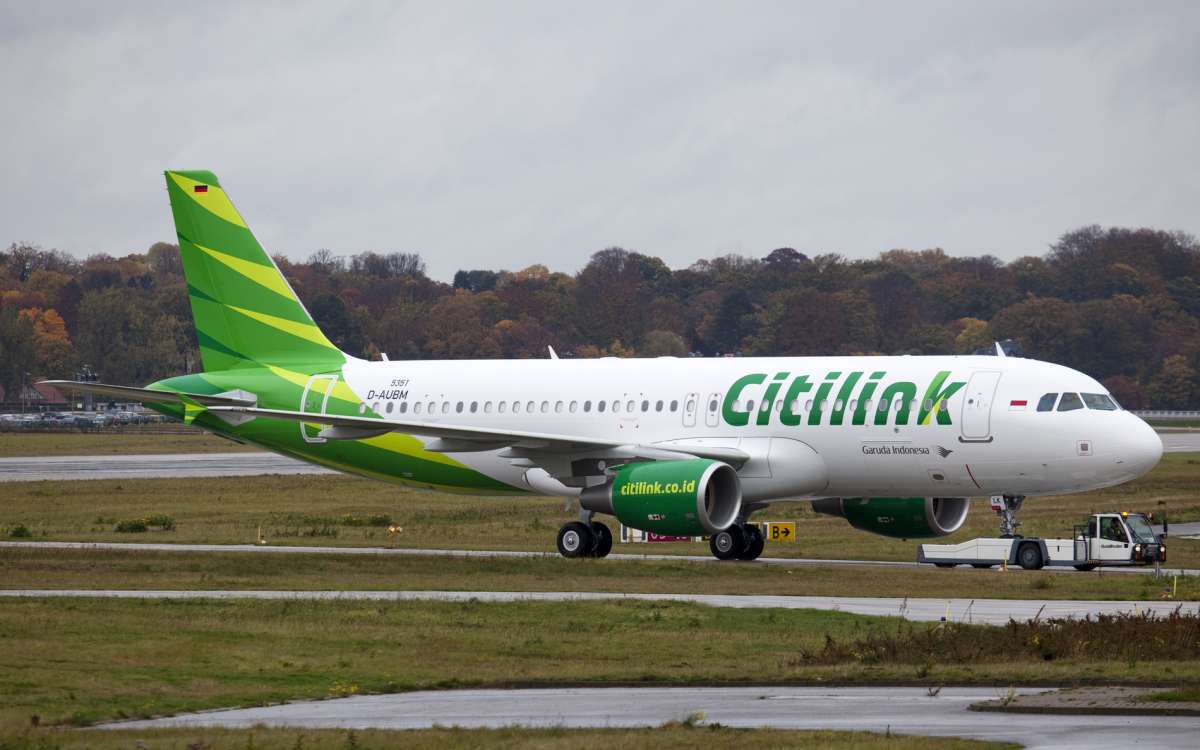
    Low-cost airline Citilink Indonesia has announced plans to serve two or three more international routes this year in addition to the Jakarta-Penang route that started operation on Sunday and the Jakarta-Dili route that has been in operation since May, last year.

    The company said it took into consideration several aspects before opening new routes, including the destination city’s gross domestic product (GDP), to assess the business prospects.

    “These [new routes] will benefit Citilink, because we can optimize the utilization of our fleet,” Citilink finance director Fransetya Hutabarat said on the Citilink flight to Penang on Sunday.

    Meanwhile, Andy Adrian Febryanto, Citilink Indonesia’s chief commercial officer, said the new routes would be within a range of four to five flying hours, a distance coverable by Airbus A320 planes.

    “We plan to expand our [route network] to a number of cities, but I cannot disclose the routes yet,” he said.

    Citilink’s inaugural flight to Penang recorded a seat occupancy rate of 97 percent, with 176 of the 180 available seats filled.

    Penang is considered an attractive destination for airlines, as it is a modern international island city that offers tourists attractions such as heritage buildings in George Town, the Gurney Drive tourist belt, Penang Hill and others.

    Planes on the route take off from Jakarta at 9:55 a.m. and from Penang at 2:50 p.m. local time. Fransetya said the firm might increase the flight frequency in the future if demand was high.

    AirAsia has served the same route for a longer time.

  • Indonesia sees maiden shipment of chicken nuggets to Japan

    Indonesia sees maiden shipment of chicken nuggets to Japan

    The Trade Ministry has seen the first export of 6 tons of chicken nuggets to Japan on last Wednesday. The nuggets were produced by PT Belfoods Indonesia, the subsidiary of publicly listed PT Sierad Produce.

    “I congratulate Belfoods for being the first company to export chicken nuggets to Japan and for its contribution to Indonesian national exports,” said Trade Minister Enggartiasto Lukita in a statement.

    Enggartiasto said the shipment was a milestone for Indonesia given that the Japanese market was long known as hard to penetrate for Indonesian producers owing to its strict quality standards.

    “We expect that this is a good start to develop the Indonesian processed chicken industry for the international market. If Indonesian chicken nuggets can enter Japan, then it will be easier for it to access other countries,” he said.

    The trade minister also said he expected Indonesian chicken exporters to train local chicken farmers because exports should also increase the livelihoods of local stock farmers while increasing the country’s foreign currency savings.

    The consumption of poultry-based processed foods in Japan reached US$2 billion a year, making Japan a potential choice for exports. China and Thailand are known as the major exporters for Japan.

    Meanwhile, PT Sierad Produce CEO Tommy Wattimena said Belfoods products’ taste had become accepted by the Japanese because the subsidiary had done some market research in the country.

    “Belfoods will still focus on the domestic market while keeping the quality of our products up to export standards to help export development,” he said.

  • Indonesia Wins Appeal Against EU Over Anti-Dumping Duty on Biodiesel

    Indonesia has won an appeal against the European Union in a dispute over the bloc’s anti-dumping duty on biodiesel, the Ministry of Trade said in a statement on Wednesday (21/03).

    The European Court of Justice, the EU’s highest court, ruled that the bloc must do away with anti-dumping duties of between 8.8 percent to 23.3 percent on imports of Indonesian biodiesel products.

    Indonesia is one of the world’s largest exporters of palm oil-based biodiesel.

    “With the elimination of these duties, businesses can once again export biodiesel to the EU,” said Oke Nurwan, director general of foreign trade at the ministry.

    He added that the elimination of duties was valid from March 16, 2018.

    The Indonesia Biofuel Producers Association welcomed the ruling.

    “We’re asking producers to prepare exports soon,” said Paulus Tjakrawan, vice chairman of the association.

    He declined to give an estimate on expected export volumes.

    The EU court ruling reinforces a decision made by the World Trade Organisation (WTO) earlier this year, which said the EU needed to bring its measures into conformity with WTO agreements.

    Indonesia also plans to challenge anti-subsidy duties in the United States in a US court and at the WTO.

    Indonesia has also been pushing domestic biodiesel consumption as part of an ambitious plan to develop its biofuels industry. It plans to expand biodiesel subsidies to cover palm-oil blended fuels for use by its huge mining sector in addition to the power sector.

  • Indonesia’s authority to start ticketing violators of ride-hailing app rules

    Indonesia’s authority to start ticketing violators of ride-hailing app rules

    The Transportation Ministry in April will start ticketing ride-hailing drivers who violate the rules as stated in Transportation Ministerial Regulation No. 108/2018 on non-route public transportation.

    The ministry will pay particular attention to drivers who do not have a driver’s license for public transportation (SIM A general) and the document that demonstrates the vehicle has passed a roadworthy test, said Transportation Ministry land road transportation director general Budi Setiyadi in Jakarta on Wednesday.

    He said there was no reason for drivers to violate the rules as the government had helped them and the vehicle owners by providing cheap driver’s licenses and free roadworthy tests.

    “Transportation Minister Budi Karya Sumadi instructed me to complete the issuing [of driver’s licenses and vehicle roadworthiness documents] in March so that in April we can start ticketing [violators],” said Budi.

    The ministry has started deploying officers on roads to advise ride-hailing drivers who do not have the two documents. The officers currently only issue warning tickets to the drivers.

    Budi said the ministry had recorded a high demand for the two documents as the deadline was approaching. He said in Jakarta alone, 18,000 roadworthy documents for ride-hailing vehicles had been issued and about 1,000 drivers had also obtained their new driver’s licenses.