Tag: Indonesia

  • Indonesia Improves Ranking on Global Intellectual Property Index

    Indonesia Improves Ranking on Global Intellectual Property Index

    Indonesia has increased its ranking on the United States Chamber of Commerce’s 2018 International Intellectual Property Index this year, which shows that the government’s efforts to protect copyrights are starting to bear fruit.

    The sixth edition of the annual report titled “Create,” published last month, shows the state of intellectual property rights in the world’s 50 biggest economies.

    The index uses 40 indicators in eight categories to evaluate which policies and efforts have been effective in protecting intellectual property rights.

    Indonesia scored 12.14 compared with last year’s 9.64, putting it in 43th place – just above India (44), but below Thailand (41), Vietnam (40), Brunei (35) and Singapore (9).

    Topping the list are the United States, Britain, Sweden, France and Germany.

    Patrick Kilbride, vice president of international intellectual property for the Global Innovation Policy Center at the US Chamber of Commerce, said music and film are two of the sectors that have improved the most in Indonesia.

    “Indonesia does well [in the creative industry]. I think copyright helps to preserve [intellectual property]. It’s a vehicle for cultural experience,” he said.

    The report also notes that Indonesia has improved measures to control copyright infringements through an online system. The government and the creative and advertising industry established the Infringing Website List to address such cases in the creative industry.

    The report lauds the government’s framework for intellectual property rights, which was established across ministries. It notes that over the past decade, the country has had an inter-ministerial group tasked with the enforcement of these rights.

    Through a 2006 presidential decree, the government also created a national intellectual property task force, which is responsible for designing policies and measures to enforce intellectual property rights.

    The task force, which consists of cabinet-level officials from the ministries of industry, trade, finance, foreign affairs, justice and home affairs, reports directly to the president.

    Biotech, Software

    However, Kilbride said the biotechnology and software sectors are still vulnerable in the country.

    “Foreign companies operating in that space [biotech and software] may be less inclined to bring their products to Indonesia and must be less inclined to invest in domestic innovation,” Kilbride said.

    The report further highlights certain weaknesses Indonesia still has to address, such as limited participation in international intellectual property treaties, copyright piracy and a 2016 law that has proven to be a barrier to foreign companies entering the country, as it requires them to transfer all patented technologies and processes.

    Kilbride said 80 percent of research and development in Indonesia is currently state-funded, but that it should be the exact opposite. Private companies are deterred from investing or expanding in the country if there are no clear regulations on intellectual property rights.

    “The private sector doesn’t have enough confidence in the domestic system to take risks. Intellectual property is to enable risk-taking. If you are in a sector with a high cost of entry, maybe it takes a long time to take a product to market, from research to development and testing. It costs a lot of money. You won’t want to spend a lot of money without rock-solid rights,” Kilbride said.

    He said Indonesia will do well in the coming years as it has a large population, dynamic economy, young workforce and abundant natural resources. However, innovation is key.

    “With strong intellectual property protections, the industry would be willing to invest in Indonesia; to invest in R&D. [This will] put Indonesia on the cutting edge of global technology and help it to overcome the middle-income trap,” Kilbride said.

  • Indonesian Energy Ministry Scraps Hundreds of Troubling Regulations to Boost Investment

    Indonesian Energy Ministry Scraps Hundreds of Troubling Regulations to Boost Investment

    Indonesia has revoked 186 regulations in the energy and mineral resources sectors that were considered troubling, as the country seeks to improve the investment climate, while improving the ease of doing business, a minister said.

    “This is important, as was instructed by the president; we have to be business- and investment-friendly to increase employment and boost economic growth,” Energy and Mineral Resources Minister, Ignasius Jonan said at a press conference in Jakarta on Monday (05/03).

    He explained that 90 general regulations and another 96 related to permits, certification requirements and government recommendation prerequisites for certain projects in the energy and mineral resources sectors have been revoked.

    Indonesia seeks to lure $50 billion in investment in the energy and mineral sectors this year alone.

    The regulation regulations were applied by different directorate generals in the ministry, including oil and gas, minerals and coal, and new and renewable energy.

    The Directorate General of Minerals and Coal saw the revocation of 32 general and 64 permit-related regulations.

    Ministry officials will start to inform the relevant stakeholders about the newly scrapped regulations in the coming weeks, Ignasius said.

    “We hope the cuts will have a quick impact, so that the business world will experience a better, less bureaucratic service,” he added.

  • RedDoorz Raises $11m to Fund Expansion in Indonesia, SE Asia

    RedDoorz Raises $11m to Fund Expansion in Indonesia, SE Asia

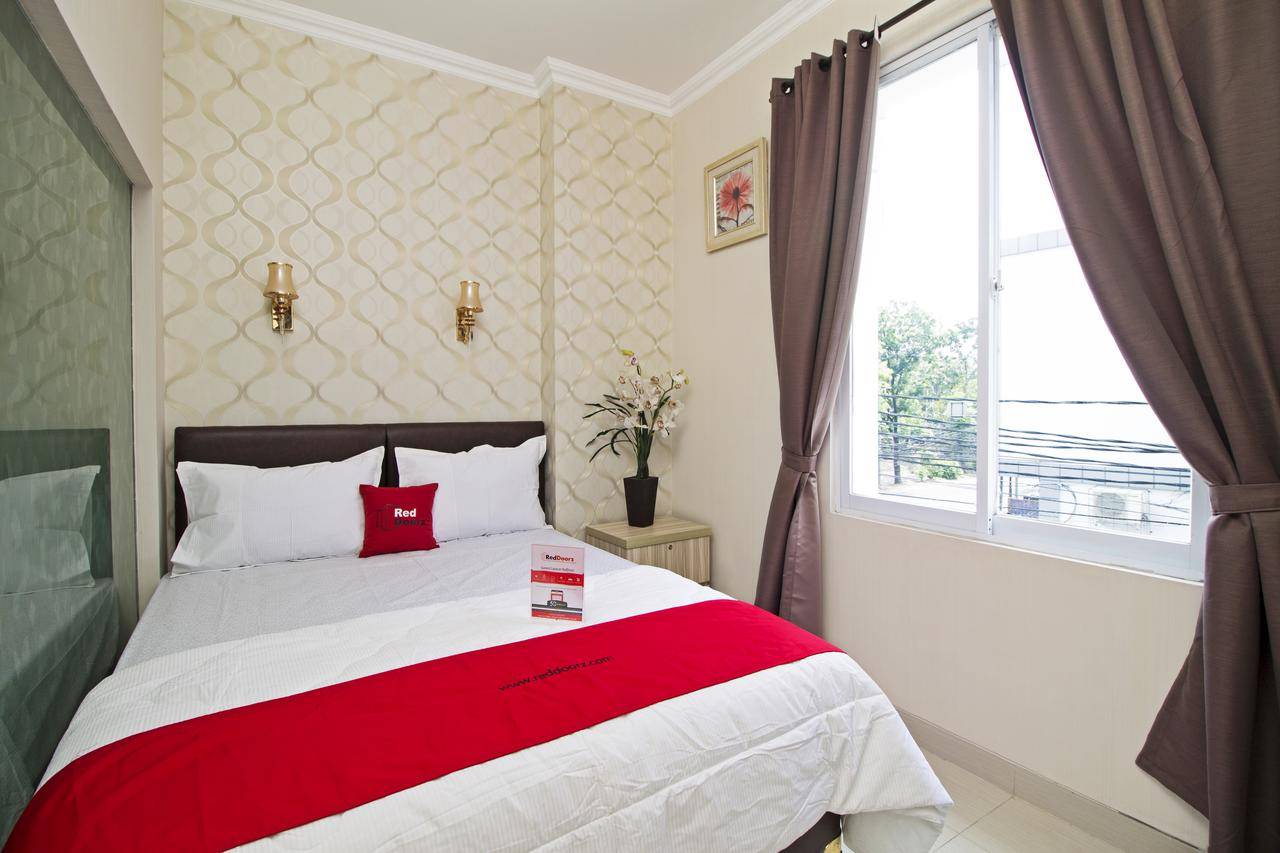
    Singapore-based online hotel booking platform RedDoorz announced on Tuesday (06/03) that it has secured $11 million in funding from several global investment capital firms as part of efforts to strengthen and expand its business in Southeast Asia.

    The company, established in 2015, received funding from several sources, including United States-based Susquehanna International Group, the International Finance Corporation (the World Bank’s investment arm), the Asia Investment Fund, Singapore’s InnoVen Capital and Jungle Ventures, which has been involved in previous funding.

    New investors also include Hong Kong-based DeepSky Capital and Hendale Capital, and Singapore’s Feng He Group, among other participants.

    “With a solid team, right investors and good market targets, we are confident that we will be able to grow greatly in the region,” Reddoorz founder and chief executive Amit Saberwal said in a statement.

    He said Indonesia has great potential as the country with the largest number of internet users in the region, along with a growing online and e-commerce market, citing a joint study by Google and Singapore’s Temasek Holdings, released in May 2016.

    The study projected that regional online travel accommodation market will increase to nearly $90 billion by 2025, compared with $5.6 billion in 2015. Indonesia is expected to account for about a third of that projected growth.

    The company said it will use the fresh capital to acquire 100 new properties fully operates by RedDoorz, and 1,000 properties managed by the company’s partners across Southeast Asia, within the next 18 months.

    RedDoorz currently has 500 properties in the region and it has served more than 700,000 customers since its establishment.

    In Indonesia alone, the company offers about 3,000 rooms in 16 cities for rent on its platform. The company currently employs 160 staff in the archipelago.

    RedDoorz recently launched a 65-room fully leased and operated property, located between East Coast Road and East Coast Park in Singapore.

  • Indonesian fashion e-commerce app LYKE shuts down

    Indonesian fashion e-commerce app LYKE shuts down

    Indonesian fashion e-commerce app Lyke is shutting down, and is encouraging its users to transfer to the JollyChick app.

    Lyke says most of its employees will be joining Chinese fashion and lifestyle e-commerce startup JollyChic, which entered the Indonesian market last year.

    CEO Bastian Purrer says the company has been struggling to survive on its sales revenue despite having secured 1.6 million users.

    He also says the popularity of bank transfers as a payment method has also contributed to the shutdown, as they are relatively costly for e-commerce platforms to maintain.

    While the company’s marketing and business team is set to join JollyChic, its developer team will stay with Lyke during the transition period.

    Launched in February 2016, Lyke is an aggregator app for online fashion and beauty stores. It also offers a personalised service so users can follow their favourite shops and brands.

    The company raised nearly US$4 million in series-A funding in August 2016.

  • Fewer sales, but more profit for Bonia

    Fewer sales, but more profit for Bonia

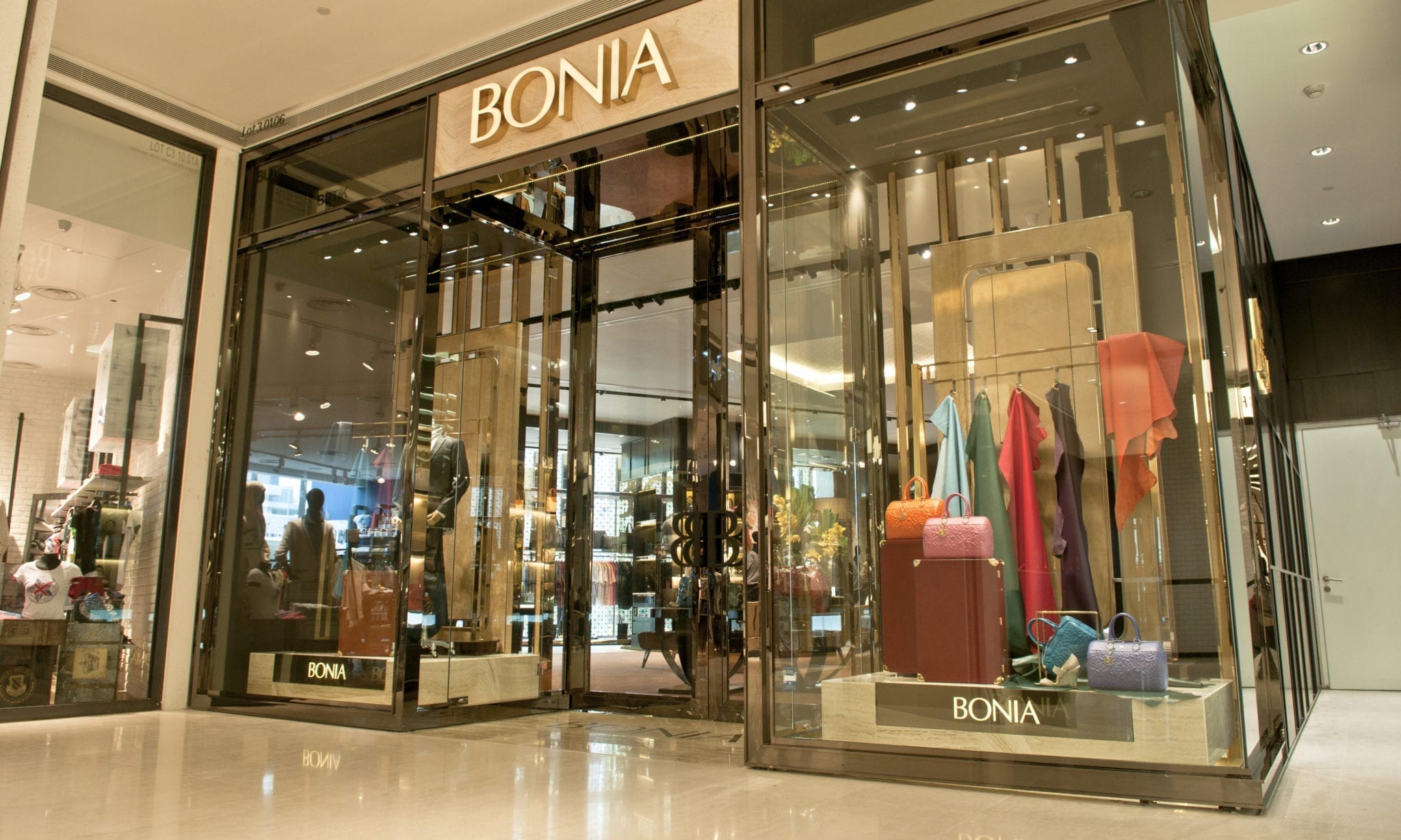
    While Malaysian fashion retailer Bonia sold fewer handbags in its second quarter, it did manage to grow its net profit.

    It achieved a net profit of RM11.99 million (US$3 million) for the period, to the end of December, up 8 per cent. It attributes the upswing to lower running costs and improved gross profit margins.

    Quarterly revenue dropped 7 per cent to RM160.34 million, Bonia saying this had been anticipated because of the closure of counters as part of a rationalisation process.

    However, the lower revenue was offset by improved gross profit margins, up 5 per cent.

    Year-end sales and the festive season boosted revenue and operating profit to RM15.35 million.
    Business in Indonesia, Singapore and Vietnam was hit by weak consumer sentiment.

    Still, the quarterly growth was not enough to stem the fall on its half-year earnings, which saw net profit slide 31 per cent to RM13.3 million. Revenue contracted by 10 per cent to RM279.23 million.

  • Parkson Holdings’s second-quarter looks bad

    Parkson Holdings’s second-quarter looks bad

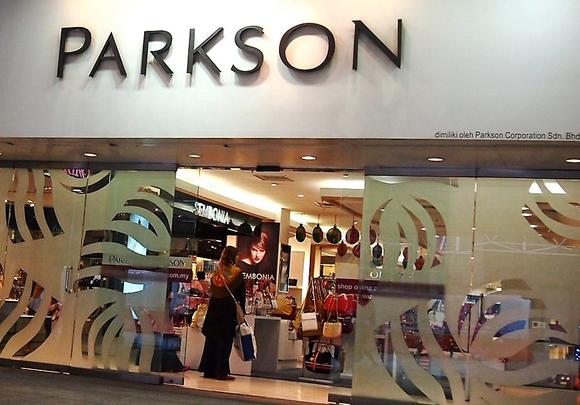
    Despite slight revenue growth, Parkson Holdings’ retailing division ended its second quarter with a loss.

    For the first half, its interim financial report shows there was 3 per cent growth in revenue to RM1.9 billion (US$485.9 million) with an operating loss of RM9 million.

    For the second quarter, to the end of December, the department store group’s revenue grew by 16 per cent to RM1 billion, mainly from higher consumer spending for year-end festivities and holiday seasons. The higher revenue coupled with continued business efficiencies enabled the group to move out of the red with an operating profit of RM27 million.

    After accounting for impairment losses of RM36 million, the group had a loss before tax of RM3 million for the quarter.

    Performance by location:

    Malaysia

    Parkson Malaysia had 4 per cent revenue growth to RM505 million for the six months thanks to the contribution of new stores. However, same-store sales shrank 4 per cent, attributed mainly to the absence of Hari Raya buying following a shift in the festive calendar. This meant the operating loss of RM20 million was higher than a year ago.

    Parkson Malaysia had 45 stores at the end of December after opening two stores and closing two underperforming stores.

    China

    Parkson China, the major contributor of the group’s retail business, had encouraging returns from its transformation strategies, says the company. Same-store sales growth was 3 per cent and 2 per cent respectively for the quarter and year to date, with revenue increasing by 4 per cent to RM1.3 billion for the first half.

    This enabled Parkson China to report an operating profit of RM32 million against a loss of RM85 million a year earlier.

    At the end of December, the group had a network of 48 stores in 30 cities.

    Myanmar/Vietnam

    Same-store sales growth for Parkson Vietnam sagged 5 per cent for the first half amid intense competition, while the contribution of the Myanmar business remained negligible.

    The group had six stores in Vietnam and one in Myanmar at the reporting date. However, the group is about to close its fourth location in Vietnam, Parkson Flemington in Ho Chi Minh City.

    This follows the closure of Parkson Keangnam (Hanoi) in 2015, and Parkson Paragon (Ho Chi Minh City) and Parkson Viet Tower (Hanoi) the following year.

    Indonesia

    Same-store sales were also negative for the first half in Indonesia, falling 8 per cent with revenue lower at RM86 million, largely impacted by the absence of festive spending following the shift in the Lebaran celebration. There was an operating loss of RM13 million.

    Following the closure of two stores in Jakarta during the first half, the group ended the year with 15 outlets in Indonesia.

  • Indonesia Governement to Slash Taxes on Electric Cars

    Indonesia Governement to Slash Taxes on Electric Cars

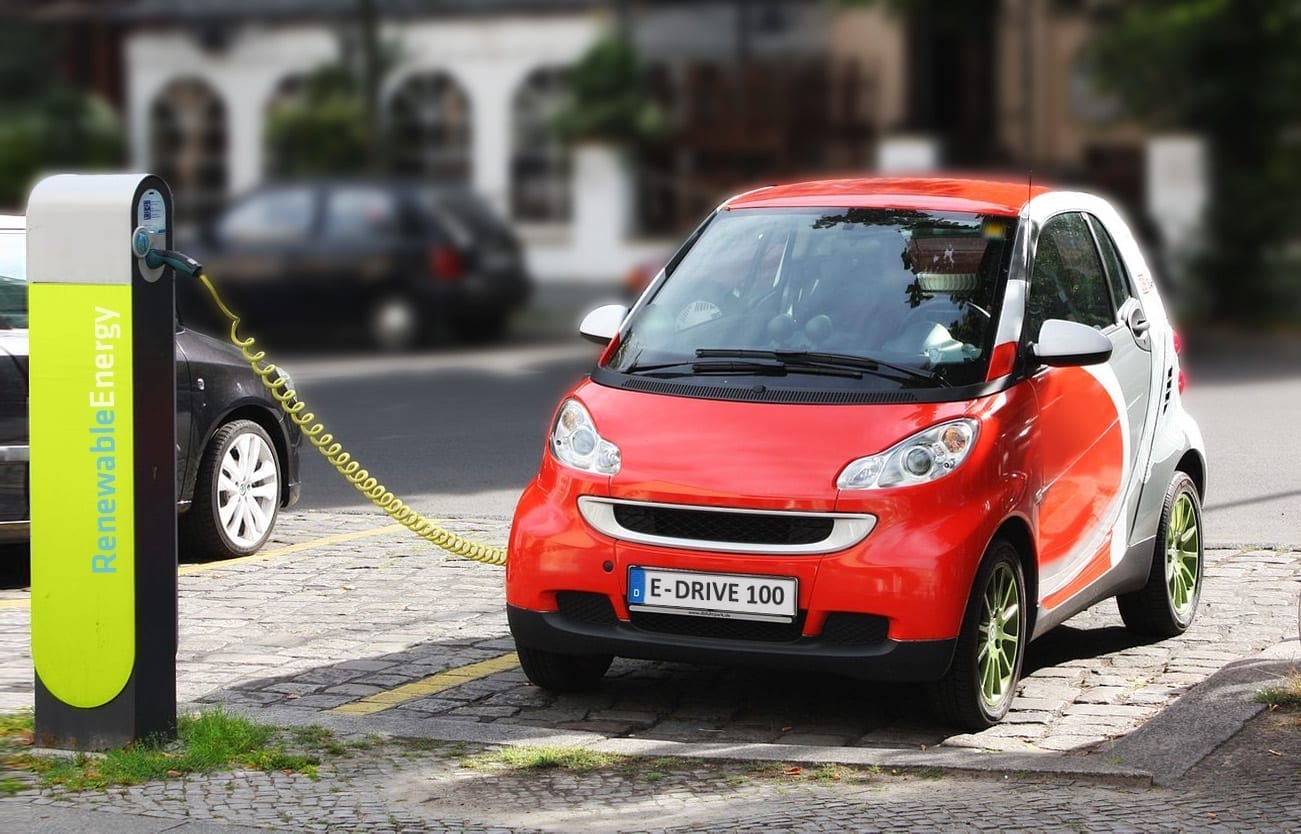
    Indonesia plans to scrap some taxes on electric cars as part of efforts to realize the country’s vision of low-emission models making up at least a fifth of all vehicles produced in the archipelago by 2025.

    Depending on the model, electric vehicles are currently subject to up to 40 percent luxury tax and up to 40 percent import tax.

    Prestige Image Motorcars, the importer of Tesla electric cars, is currently selling the Tesla Model X 75D sports utility vehicle for $200,000 in Indonesia – at almost double its price in the United States, due to the added taxes.

    This severely limits the adoption of electric vehicles in Indonesia, restricting it to a niche market, but the government is adamant that it wants to change this.

    “The luxury tax on electric vehicles will be zero percent and import tax will be 5 percent. But [it is not yet final], as we are still discussing it,” Industry Minister Airlangga Hartanto said on Monday (26/02).

    Lower-priced electric vehicles are expected to increase demand and encourage more people to purchase them. This may in turn convince automakers to establish production facilities here.

    Airlangga said the government is currently formulating a roadmap to encourage the local industry to produce more low-emission vehicles, including electric cars.

    “We have completed a stage where we produce cheap and energy-efficient cars. Now we need to move fast to build hybrid cars and electric vehicles,” Airlangga said.

    The minister said the government has set a target requiring 20 percent of all vehicles produced in Indonesia to be hybrid or electric by 2025.

  • IMF Chief visits Indonesia with some advices

    IMF Chief visits Indonesia with some advices

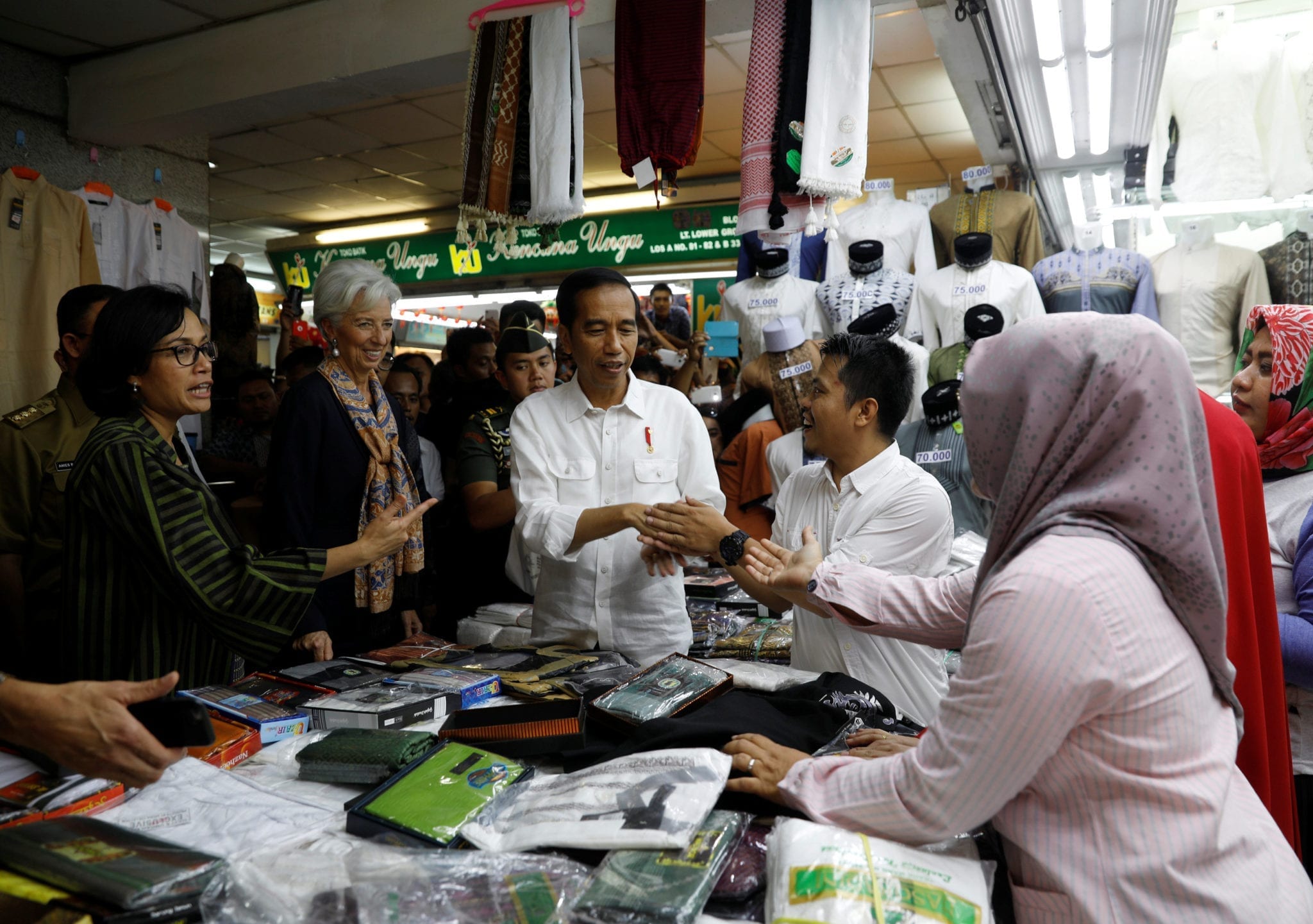
    Christine Lagarde, the managing director of the International Monetary Fund, said on Tuesday (27/02) the global economy was showing broad-based growth, but the landscape was shifting with heightened risks of trade disputes, monetary policy normalization and technological change.

    Lagarde, speaking to an IMF conference in Jakarta in preparation for the Fund’s annual meetings in Bali in October, said the IMF was expecting global growth to reach 3.9 percent in 2018 and 2019. This is unchanged from the IMF’s forecast in January and up from 3.7 percent in 2017.

    She said Asean countries were preparing for higher interest rates in advanced economies such as the United States and Europe, but cautioned that policymakers need to stay vigilant about its effect on financial stability and volatile capital flows.

    “We know this will have spillover effects across the world. We have known for some time that it’s coming,” Lagarde said. “It remains uncertain how this transition is going to affect other countries, companies, jobs, incomes.”

    Asean countries need to embrace new growth models that put a greater emphasis on domestic demand, regional trade and economic diversification and prepare for technological changes such as increased factory automation, artificial intelligence, biotechnology, new financial technologies and digital currencies.

    While these could eliminate some jobs, it was important for countries to boost efforts to educate workers to better prepare them to take advantage of new technologies.

    “Many jobs will be affected one way or another. Some of them will disappear, but many more will be affected because of automation. So we need to think about the future of work,” Lagarde said, adding that there was no single approach, and many countries will forge their own path.

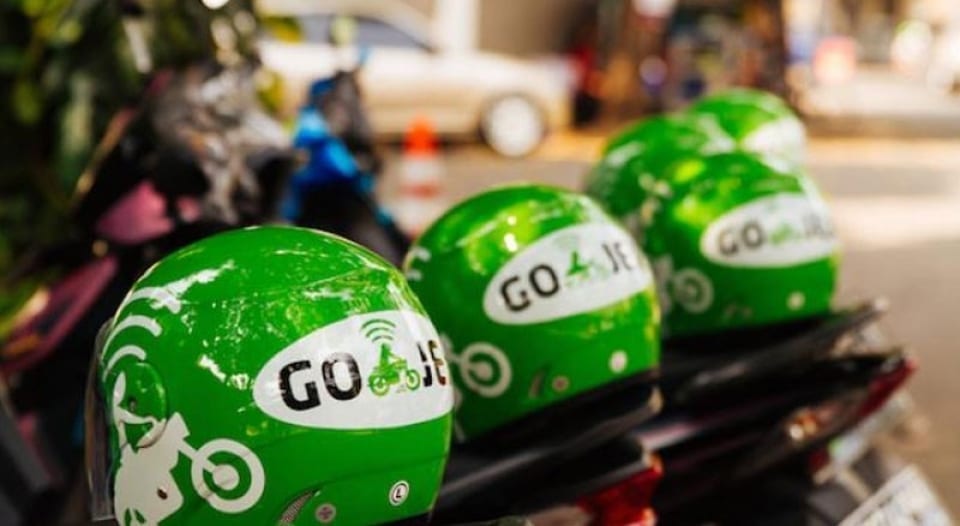
    She highlighted Go-Jek, the fast-growing ride-hailing and delivery service in Indonesia, as an example of a country-specific technology innovation targeted to the country’s needs and workforce.

  • More funding comes for Go-jek Indonesia

    More funding comes for Go-jek Indonesia

    Go-Jek has raised a higher than targeted $1.5 billion in a fundraising round from a dozen investors, including BlackRock and Google, as the Indonesian ride-hailing firm builds its war chest to fight deep-pocketed rivals.

    Go-Jek had planned last year to raise $1.2 billion, and, with the 25 percent extra funds it has received, it is now valued at about $5 billion.

    Reuters Breakingviews said last month that Go-Jek was valued at roughly $4 billion compared with over $6 billion for Grab, Southeast Asia’s largest ride-hailing firm.

    The additional funds and backing of well-known investors, including Singapore’s Temasek Holdings and Chinese technology giant Tencent Holdings, will help Go-Jek to better compete in Southeast Asia’s cut-throat market where incentives to drivers and passengers are used to build loyalty.

    Singapore-based Grab was expected to have raised $2.5 billion last year and Uber Technologies has pledged to invest aggressively in Southeast Asia – home to 640 million people – even though the US firm expects to lose money in the fast-growing market due to costly battles with rivals.

    Both companies are expanding in Indonesia, Southeast Asia’s most populous country, where Go-Jek, a play on the local word for motorbike taxis, is transforming the local economy, economists say.

    Go-Jek and Grab are also investing heavily in expanding their mobile payments platform.

    “Go-Jek is far beyond a ride-hailing app, it’s a digital platform that dominates consumers’ daily lives, including transportation, food delivery, logistics, and payment, etc.,” said Xiaofeng Wang, senior analyst at consultancy Forrester.

    “That’s also the key value that its key investors like Google and Tencent see. They know well about the power of the digital ecosystem, and Go-Jek has built it in Indonesia, like Google in the US and WeChat in China,” Wang said.

    Go-Jek told Reuters that some investments that came in this year were part of the funding round that kicked off last year but it declined to comment on the amount raised or the names of investors.

    It said the funding was aimed at developing technology for micro, small and medium enterprises in Indonesia.

    Go-Jek delivers everything from meals and groceries to cleaners, masseuses and hairdressers across Indonesia’s capital city Jakarta, all at the touch of a smartphone app – helping it become a crucial workaround in a city with some of the worst traffic in the world.

    Rumours said BlackRock and Temasek are investing about $100 million each in Go-Jek’s latest fundraising.

    BlackRock declined to comment. A Temasek spokesman confirmed participation in the fundraising but declined to say how much it had invested.

    This month, Indonesian conglomerate Astra International said it would invest $150 million in Go-Jek, while  Djarum Group’s Global Digital Niaga is putting in $100 million.

    Go-Jek’s payment system, known as Go-Pay, has emerged as one of the most popular mobile payment platforms in Indonesia. Grab, which bought Indonesian payment service Kudo last year, also sees its future in mobile payments as much as in transport.

    Go-Jek is expanding in other Indonesian cities and has said it plans to start operations in the Philippines this year, followed by other Southeast Asian countries.sou

  • Bali ready to welcome more tourists

    Bali ready to welcome more tourists

    Indonesian private-sector company Bandara Internasional Bali Utara plans to build a new international airport in northern Bali to accommodate growth in foreign tourist arrivals.

    The airport will be built offshore to avoid interference with rice fields, temples and villages.

    Bali receives around 6 million foreign tourists annually, with most visiting the southern part of the island where the only international airport is located.

    Bali Governor I Made Mangku Pastika has met with President Joko “Jokowi” Widodo on several occasions and they have agreed to build a new airport in Bali on a reclaimed island off Buleleng district.

    “One advantage of building an airport offshore is that we do not need to waste time on land acquisition, which is often very expensive,” Freddy Numberi, a former environment minister and now strategic advisor to Bandara Internasional Bali Utara (BIBU), said at a press conference in Jakarta on Thursday (22/02).

    The project is currently awaiting approval by the Ministry of Transportation.

    BIBU is partnering with Airports Kinesis, a Canada-based airport development consulting company, which also helped design Kertajati Airport in West Java.

    “Bali’s northern airport will be funded privately by investors from Canada and the Middle East, involving a total investment of $2 billion,” said Shad Serroune, chief technical officer at Airports Kinesis.

    Beside opening opportunities for overseas investors, BIBU also hopes to attract local investors who may be interested in the project.

    “Basically, we’re open to anyone who wants to inject money into this project, even the regional government,” BIBU operations director Tulus Pranowo said.

    “But at the moment, we’re purely a privately owned company,” he said, confirming that they plan to build the airport without funding from the state budget.

    Responding to a question of when the airport construction project will break ground, Tulus said BIBU was still waiting for the Transportation Ministry to stipulate the exact location before the company will proceed to the next step.

    According to the Transportation Ministry, Bali’s Ngurah Rai International Airport can only accommodate 17 million arrivals per year, while the provincial government hopes to attract 35 million to boost tourism development.

  • Ferrari optimistic about Indonesian sales

    Ferrari optimistic about Indonesian sales

    Citra Langgeng Otomotif, Indonesia’s authorized Ferrari distributor, is optimistic about its sales prospects this year as it continues to strengthen its presence within its specific target market, which has remained relatively immune to the sluggish growth of the the country’s automotive industry.

    The company’s CEO, Arie Christopher, said Ferrari had personally approached its existing and prospective customers to increase the exclusivity of its brand.

    One of the aspects of its exclusivity is maintaining the confidentiality of prices of Ferrari’s vehicles in Indonesia, which are discussed solely between the company and its customers.

    “So far, we are still on track in sales,” he told on Saturday, declining to disclose the sales value recorded in 2017.

    Indonesia’s car sales stood at 1.08 million units in 2017, a mere 1.6 percent growth over the previous year, according to data from the Indonesian Automotive Manufacturers Association (Gaikindo) show.

    On Saturday, Ferrari Indonesia showcased the California T “Superameric,” with livery number 16 and the 488 GTB “Test Driver” with livery number 63 to promote the manufacturer’s global tailor-made customization program.

    The tailor-made program allows customers to customize the interior and exterior appearances of their new Ferraris.

    Arie said the company had delivered 20 tailor-made customized Ferrari cars to Indonesian customers, with six of them agreeing to sign up with the program.

  • Vietnam auto imports plummet over Government’s Decree 116

    Vietnam auto imports plummet over Government’s Decree 116

    Automobile imports in Việt Nam plummeted in the first month of 2018, also the time before Tết (Lunar New Year) holiday.

    Only 337 cars of all kinds were shipped to the country, according to data of the General Department of Customs.

    Of the imports, there were only 17 passenger cars with nine seats or less, amounting to US$567,000. Notably, no cars were imported from Indonesia and India.

    In 2017, Indonesia was among the top countries after Thailand with the highest number of exported cars to Việt Nam. India too had a relatively large number of exported vehicles in 2016. However, in January this year, both the countries did not export any car to Việt Nam. Meanwhile, Thailand lost its recognition as the largest import car market in Việt Nam, with only 36 vehicles exported to the country since the beginning of the year.

    Among the automobile export markets to Việt Nam in January 2018, Russia suddenly rose to the top, with 159 vehicles being exported, worth VNĐ274 billion (US$12.03 million), equivalent to VNĐ1.7 billion each. Under a deal on autos signed between Minister of Industry and Trade Trần Tuấn Anh and the Russian Ambassador to Việt Nam Konstantin V.Vnukov in Hà Nội  in December last year, Russia’s joint ventures in Việt Nam are allowed to import duty-free 2,550 complete built-up units and 13,500 sets of automobile parts from 2018 to 2022 as a way of exploring the capacity and tastes of the market.

    China (65 cars) and the United States (42 cars) ranked second and third in exports, respectively.

    According to The Jakarta Post, Indonesia’s four-wheel car manufacturers face a bleak future in exports following a new regulation of Việt Nam, which is poised to build its own automotive industry.

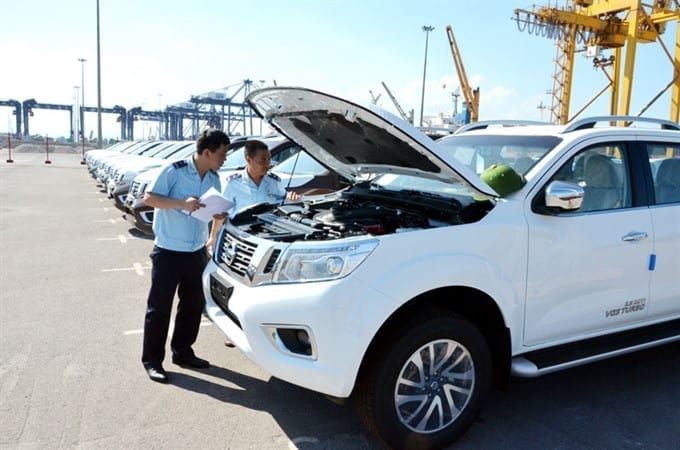
    The Vietnamese Government in November issued Decree No. 116/2017/ND-CP on car manufacturing, assembly, importation and warranty offering, a move that came into effect from January 1, 2018, and tightened car imports. According to Vietnamese Ministry of Industry and Trade (MoIT), Decree 116 is a supportive measure for domestic companies as it sets up a number of technical barriers to limit the import of cars. The decree comes at a time when the import tax of automobiles from within the ASEAN bloc is zero per cent, which also became effective from January 1, 2018.

    Under the decree, car importers in Việt Nam are required to obtain a Vehicle Type Approval (VTA) certification, which details the imported vehicles’ quality, safety and environmental protection. The VTA must be issued by authorities in exporting countries. In addition to this, one sample will be selected from every batch of imported cars for emission, quality and technical safety tests. The inspection will be repeated in the next shipment, even on the same car models.

    “The new rule creates additional costs; a complete inspection may take one to two months, while other cars from the shipment will have to stay at the port and be charged daily for storage,” Kukuh Kumara, Indonesian Automotive Manufacturers Association (Gaikindo) secretary-general said.

    The new rule prompted Gaikindo to send a letter to the MoIT on January 27. The letter claimed that four automakers—Toyota, Suzuki, Daihatsu and Hino—had stopped the planned production of 9,337 vehicles bound for Việt Nam. The units were supposed to be manufactured in the December-March period.

    Kukuh said that Indonesia sent some 30,000 cars to Việt Nam annually, with the four automakers being the biggest exporters.

    According to data of the Central Statistics Agency, Indonesian passenger car exports to Việt Nam from January to November last year was valued at $241.2 million, up significantly from $17.78 million in 2016. Indonesia is also ranked among the top three passenger car exporters to Việt Nam, along with Thailand and China, with a market share of 13.12 per cent.

    Oke Nurwan, international trade director general at Indonesia’s Trade Ministry, said if manufacturers were reluctant to export their cars to Việt Nam, Indonesia could lose some US$85 million between December and March.

    He said the Indonesian government had decided to take a soft approach on the matter by sending on February 26 a delegation to lobby with its Vietnamese counterpart.


  • Nature Republic opens store in Indonesia

    Nature Republic opens store in Indonesia

    South Korean cosmetics company Nature Republic opens its first outlet in Indonesia.

    Nature Republic speeds up to expand overseas market. The store is in a Jakarta shopping mall and registered 100 million won (US$94,000) in sales on its pre-opening day,  the Seoul-based company said.

    Indonesia is the fourth largest country in the world and is considered the next big thing after China.

    The economy continues to grow at a rate of 5% and has more potential to growth. As about 90% of the population is Muslim, the world’s largest Muslim country, the company plans to establish a bridgehead for the Middle East and other Muslim markets.

    In order to enter Indonesia, the company has been thoroughly prepared for one year including local market analysis and product pre-registration.

    The company focused on product selection, reasonable price, and all-round marketing strategy, and online marketing considering the characteristics of the country.

    Jakarta shopping mall, chose by Nature Republic to open the store, is main shopping area for Muslim Indians.

    In particular, young people from 10s to 20s who are interested in Korean culture such as K-pop and K-beauty visit the store. The company is targeting young customers to raise brand awareness and stabilize the local market.

    “We will expand our presence in the overseas market, including the Middle East and Europe, in the long-run, with Indonesia as our outpost,” the company said.

    Nature Republic plans to operate up to 10 outlets in Indonesia by the end of this year.

    The company has stores in 17 countries, including China and Vietnam.

  • The Bitcoin Party is Over. The Blockchain Party has just Begun.

    The Bitcoin Party is Over. The Blockchain Party has just Begun.

    Confidence in cryptocurrency markets may have taken a major hit in recent weeks, but the same cannot be said of the value of the technology it relies on – the blockchain. Bitcoin’s price plunged this week to less than US$11,000, from almost US$20,000 in mid-December, after South Korea announced that all anonymous accounts, foreigners without local banking services and minors would be banned from trading on exchanges from January 30.

    But, particularly in Southeast Asia, much confidence remains that the blockchain technology underlying bitcoin can be adapted to drive development in everything from bank remittances to electoral rolls and health care records.

    Essentially, a blockchain is a digital ledger – a continuously growing list of records, called blocks, that are designed to be resistant to modification. Blockchains enable information to be shared in peer-to-peer networks, and because the data in any given block cannot be altered without altering all subsequent blocks, they are secure against fraud.

    It’s this quality that has raised hopes it can be adapted for a wide range of uses beyond the financial sector. In Singapore, the monetary authority has launched extensive blockchain research efforts, while its members have formed a blockchain-based trading network with Hong Kong, to be rolled out early next year.

    Indonesia’s Central Bank is following Singapore’s lead with its own research programmes, according to Eni Panggabean, head of payment system policy and the oversight department.

    “There is nothing wrong with the blockchain technology and it can be utilised in various sectors,” she said, adding that research was still in its early stages.

    Malaysia, meanwhile, is seeking to develop global blockchain standards with industry groups predicting the technology will be in widespread use by 2025. In Australia, the government has invested A$8.6 million (US$6.9 million) into a blockchain project by Perth company Power Ledger, in which energy is exchanged between households during periods of excess or shortage.

    And even in the midst of South Korea’s clampdown on bitcoin, the science and technology minister Yoo Young-min has gone on record as saying that blockchain should be considered quite separately from the volatile trading scene.

    Rob Hanson, senior research consultant at Australia’s Commonwealth Scientific and Industrial Research Organisation (CSIRO), said blockchain’s potential was “fundamentally as an anti-fraud tool”.

    “Blockchain is a term charged with excitement and confusion,” Hanson said. “It is a technology that lets anyone record transactions in a way everyone can see and trust … For governments, the obvious areas to focus blockchain research on are those where it would produce the greatest public good.”

    Southeast Asia is ripe for such innovations.

    “In Vietnam, health care records are a key area that blockchain could disrupt in public services,” said Nicole Nguyen, head of corporate marketing at Infinity Blockchain Labs in Ho Chi Minh City. “Regulation technology is also an area that government is very excited about.”

    Blockchain technology could also be used to host government registries, improve supply chain visibility and efficiency – especially in archipelago countries like Indonesia and the Philippines – and speed up international remittance payments, according to a CSIRO research paper.

    And Steven Suhadi, chief executive of Jakarta-based blockchain start-up Blocktech, said it could boost traceability and transparency across governmental agencies, potentially helping with anti-corruption efforts.

    Even so, multiple challenges remain before blockchain can achieve widespread adoption.

    On a government level, Hanson said more research was needed to develop adequate regulation that ensured the technology was efficient and did not “erode trust and confidence in the democratic process – which ironically is what a blockchain would be trying to strengthen”.

    “Blockchain uses a lot of computer power in order to create the trust we value. These costs are hidden in systems like bitcoin because of the cryptocurrency reward paid to the people who provide their computers for this purpose,” he said.

    Hanson said authorities needed to decide whether they were going to use a public network of computers to support their blockchains, or run all the computers themselves.

    He urged governments not to act too hastily to adopt the technology.

    “The problem with the amount of excitement around blockchain is that people are treating it like a silver bullet and are more interested in finding a use for blockchain than in finding the best way to solve the problems they face,” he said. “There should be a good reason for using a blockchain, and that reason should not be because other people are using it and you don’t want to miss out.”

    For Nguyen, blockchain’s supporters must also overcome the uncertainty generated by the recent cryptocurrency trading frenzy – and the heavy-handed reaction from countries such as South Korea.

    The adoption of cryptocurrency, that would affect the blockchain industry,” she said. “But on the other hand, it could make more people intrigued by the ecosystem itself and deploy this tech for other applications. That’s where the magic of blockchain would kick in.”

  • Indonesia and Singapore to boost cooperation in investment and vocational education

    Indonesia and Singapore to boost cooperation in investment and vocational education

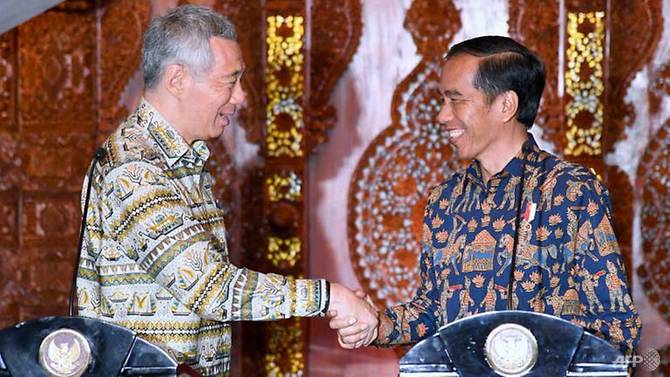
    Indonesia and Singapore have agreed to boost cooperation in investment and vocational education, especially in the industrial sector, with Indonesia offering the development of three industrial estates to Singapore.

    Indonesia’s Minister for Industry Airlangga Hartarto said on Monday (Feb 19) that Indonesia has encouraged Singapore to continue developing industrial parks in North Kalimantan, North Sumatra and North Sulawesi, with an integrated concept similar to that in Kendal Industrial Park in Semarang, Central Java.

    The park, which was launched by Prime Minister Lee Hsien Loong and President Joko Widodo in 2016, has attracted 39 companies so far, with a total investment of US$360 million, and employed more than 1,950 people. It is a joint venture between developers from Singapore and Indonesia.

    The companies are from various industries – from furniture to food packaging. A polytechnic in the industrial park to produce trained workers to support the project is also almost completed.

    “Singapore is one of the neighbouring countries that have a strategic role towards the interests of Indonesia and the region,” Minister Airlangga was quoted as saying.

    His comments came after a visit by Singapore Foreign Minister Vivian Balakrishnan last week, where he met several officials, including his Indonesian counterpart, Retno Marsudi, Jakarta Governor Anies Baswedan and the Industry Minister.

    Minister Airlangga said that during the visit, he discussed the Bilateral Investment Treaty and negotiated a renewal of the Double Taxation Agreement with Dr Balakrishnan.