Tag: Indonesia

  • Bangladesh Signs Deal With Indonesia for LNG Imports

    Bangladesh Signs Deal With Indonesia for LNG Imports

    Bangladesh signed an agreement with Indonesia on Sunday (29/01) to open talks on imports of liquefied natural gas, as the South Asian country turns to the supercooled fuel to fill a shortfall of domestic natural gas.

    A letter of intent was signed between two state energy companies, Petrobangla and Pertamina, after a meeting between Bangladeshi Prime Minister Sheikh Hasina and President Joko “Jokowi” Widodo, who arrived in Dhaka on Saturday.

    Bangladesh, a country of more than 160 million people, may import 17.5 million tons of LNG a year by 2025, as its domestic gas reserves dwindle and demand grows.

    Petrobangla is finalizing several floating storage and regasification units, the first of which is expected to commence operations in April 2018.

    In September, Bangladesh signed its first ever LNG import deal with Qatar, underscoring the rise of South Asia as a new market for the fuel.

    Jokowi’s visit comes as Bangladesh is struggling to cope with an influx of around 688,000 Rohingya refugees who have fled an army crackdown in Myanmar’s Rakhine state since last August.

    “He reiterated his country’s support to the safe, dignified return of the displaced persons to the Rakhine State,” a joint statement said after Jokowi visited a refugee camp in the Cox’s Bazar region of southern Bangladesh.

    Hasina “appreciated Indonesia’s supportive role, including the humanitarian assistance for the displaced persons from Rakhine State sheltered in Bangladesh,” the statement said.

    Myanmar and Bangladesh agreed earlier this month to complete a voluntary repatriation of the refugees in two years.

    The plan has sparked fears in refugee camps in Bangladesh that people may be forced to return despite a lack of guarantees around their security. Witnesses have reported killings, looting and rape after the Myanmar army cracked down in response to militant attacks on security forces in Rakhine.

    Many in Buddhist-majority Myanmar regard the Rohingya community as illegal immigrants from Bangladesh. The United Nations has described the crackdown as ethnic cleansing, which Myanmar denies.
  • Garuda Indonesia Eyes $2.4b From Singapore Airshow

    Garuda Indonesia Eyes $2.4b From Singapore Airshow

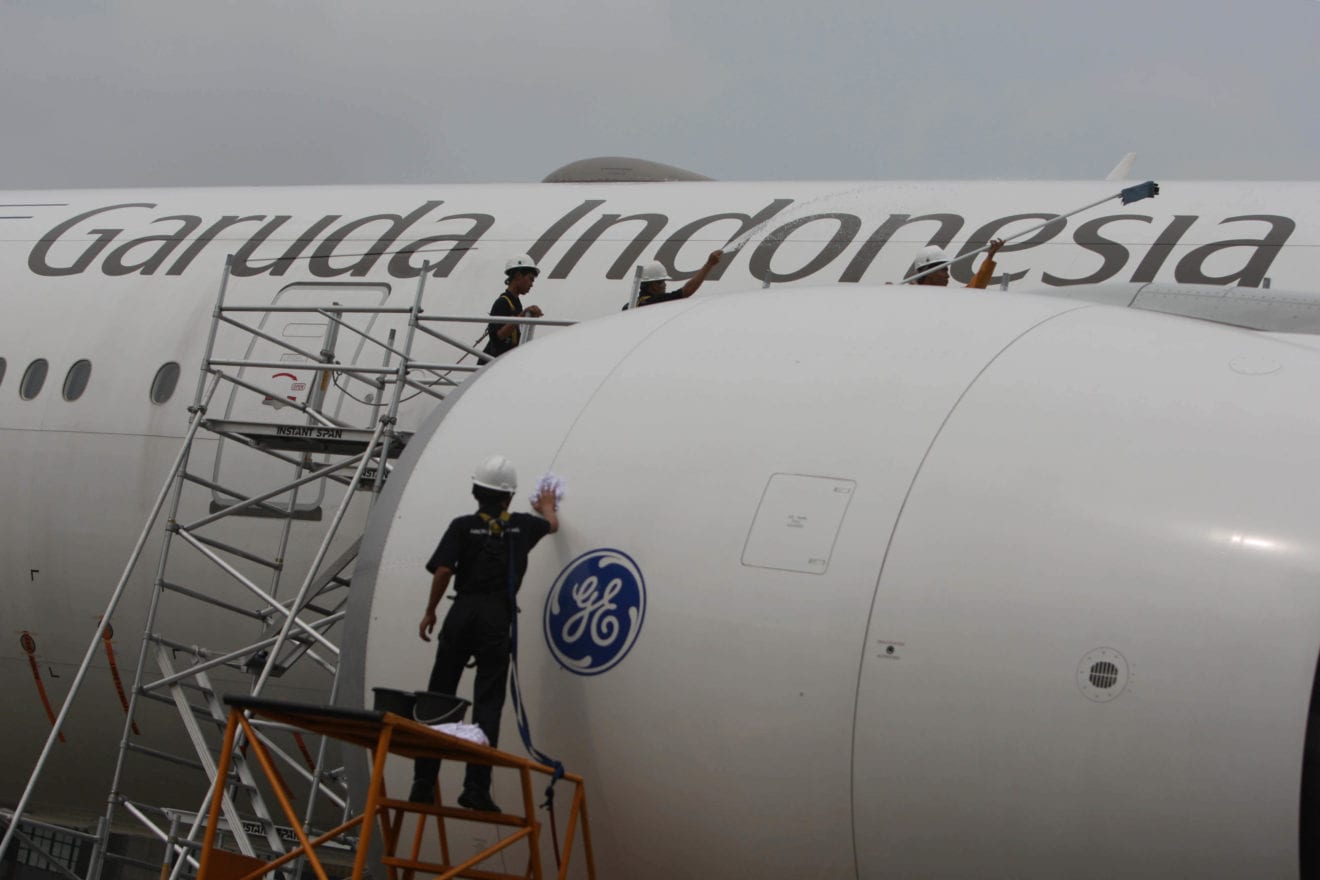
    National flag carrier Garuda Indonesia eyes $2.4 billion in transactions from the 2018 Singapore Airshow, which takes place at the Changi Exhibition Center on Feb. 6-11, the company said in a statement on Monday (05/02).

    The airshow, the biggest of its kind in Asia, gathers major stakeholders in the aviation industry.

    During last year’s edition, Garuda signed transactions worth $129 million. This year, it brings its subsidiaries, including maintenance, repair and operations (MRO) company GMF AeroAsia, budget airline Citilink Indonesia and operations support unit Aerowisata.

    “We’re trying to tell everyone that Garuda Indonesia is a giant in the aviation industry in region, and this event is the place for us to showcase our excellence,” Garuda Indonesia chief executive Pahala Mansury said in the statement.

    Pahala added that the group will be looking for partnerships to expand its business.

    “We’re aiming to penetrate the market this year,” GMF AeroAsia chief executive Iwan Joeniarto said.

    GMF AeroAsia says it has recorded significant growth in the past few years. Overseas investors have recently expressed interest in buying the company’s shares.

    In the third-quarter of 2017, GMF generated $310.5 million in revenue, which exceeded its initial projection by 102 percent, the company said on its website. Its net profit was $38.1 million, up 8.9 percent from the same period a year earlier.

    Meanwhile, Citilink Indonesia said it will take advantage of the event to open international routes. Last year, the company said it will inaugurate international flights in the Asean region in 2018.

    “With our participation in the Singapore Airshow, we try to prove that as a premium low-cost carrier we are ready to open international routes in the immediate future,” Citilink chief executive Juliandra Nurtjahjo said.

  • With Fastest Growth in Four Years, Indonesia Enters Trillion Dollar Club

    With Fastest Growth in Four Years, Indonesia Enters Trillion Dollar Club

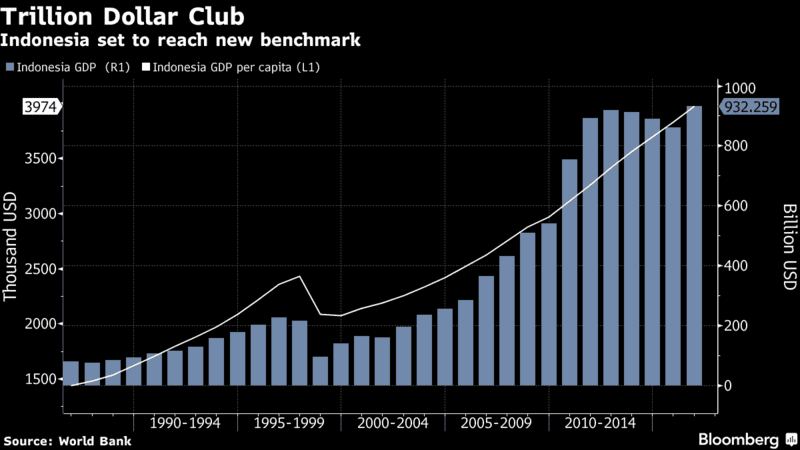
    Indonesia’s full-year gross domestic product growth last year accelerated at the fasted pace in four years, as robust exports and investment growth compensate for weak household consumption, the Central Statistics Agency, or BPS, revealed on Monday (05/02).

    The agency said the economic growth rate was 5.07 percent, the highest since 2014. In 2015, the economy grew only 4.88 percent, while in 2016 at a 5.03 percent rate.

    Indonesia’s nominal gross domestic product was Rp 13,558 trillion, or $1 trillion at the 2017 exchange rate. This places Indonesia in a group of countries with economies above $1 trillion, like Australia, South Korea and India.

    Coordinating Economics Minister Darmin Nasution said he is optimistic this year’s economic growth rate will meet the government’s target of 5.4 percent, as he expects domestic consumption to rise with the upcoming regional elections and the Asian Games in August.

    “[We are] still optimistic … As long as we maintain the investment and exports,” Darmin said.

    Darmin needed to put economic growth in a more positive light, as the 5.2 percent target from the revised 2017 state budget was missed, because consumers withheld spending.

    “The top 20 percent of consumers tended to postpone their spending. There were concerns about politics and aggressive tax policies. Meanwhile, the lowest 40 percent were hit by rising food prices,” said Bhima Yudhistira Adinegara, an economist at the Institute for Development of Economics and Finance (Indef).

    “The key now is in recovering the confidence of the upper class and ensuring timely disbursement of social aid,” Bhima said.

    Gundy Cahyadi, a Singapore-based economist at DBS, said infrastructure projects are expected to continue supporting economic growth in 2018.

    “And if commodity prices are to remain at current levels, we expect investment growth to be more broadly based this year, with possibly positive spillover impact to household consumption,” Gundy said, adding that he expects Indonesian economy to expand by 5.3 percent in 2018.

    In 2017, Indonesia posted a five-year high of $11.84 billion trade surplus, thanks to the recovering global economy and rising commodity prices, with an increase in exports and imports — 9.09 percent and 8.06 percent, respectively.

    Foreign direct investment grew 8.5 percent last year from the previous year.

    “Trade and investments increased, but [household] consumption was still at 4.95 percent. If we want the economy to grow above 6 percent, these three components have to go hand in hand,” BPS head Suhariyanto told reporters.g

  • Eight Firms Eye Q1 IPOs at Indonesia Stock Exchange

    Eight Firms Eye Q1 IPOs at Indonesia Stock Exchange

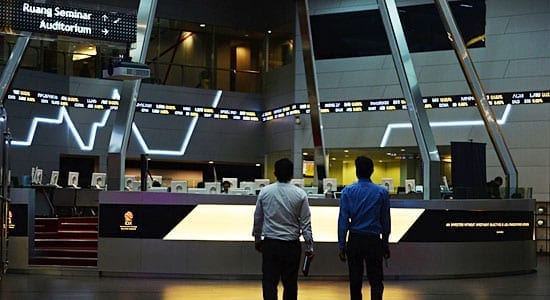
    Eight companies are currently preparing for initial public offerings in the first quarter this year, Samsul Hidayat, a director at Indonesia Stock Exchange said Monday (06/02).

    So far this year, only one company has completed an IPO at the exchange, which is aiming to list more than 35 new companies in 2018.

    Among the eight companies in the pipeline are power company Sky Energy Indonesia and BTPN Syariah, the Islamic banking unit of mid-size lender Bank Tabungan Pensiunan Nasional (BTPN), Hidayat said.

    He did not disclose the potential sizes of the new IPOs.

    In 2017, 37 companies launched IPOs, raising a combined 9.6 trillion rupiah ($710.06 million) in proceeds, according to data from Financial Service Regulator (OJK).

    That compared to 14 companies in 2016, which raised a combined 12.1 trillion rupiah.

  • ZALORA announces partnership with American brand J.Crew

    ZALORA announces partnership with American brand J.Crew

    Asian online fashion destination Zalora and J.Crew have announced they are forming a partnership to expand the US brand’s reach.

    From next month, a curated range of J.Crew’s women’s ready-to-wear and shoes as well as men’s apparel and accessories will be available at Zalora.

    It is J.Crew’s first online venture with a partner into Indonesia, Malaysia, Singapore, Taiwan and the Philippines, and will strengthen its store presence in Hong Kong.

    “Through our innovative platform and expansive logistics network, J.Crew will reach shoppers well beyond capital cities reaching a far wider network of potential customers than ever before,” says Zalora Group CEO Parker Gundersen.

  • 2018 rice export to hit 6m tonnes

    2018 rice export to hit 6m tonnes

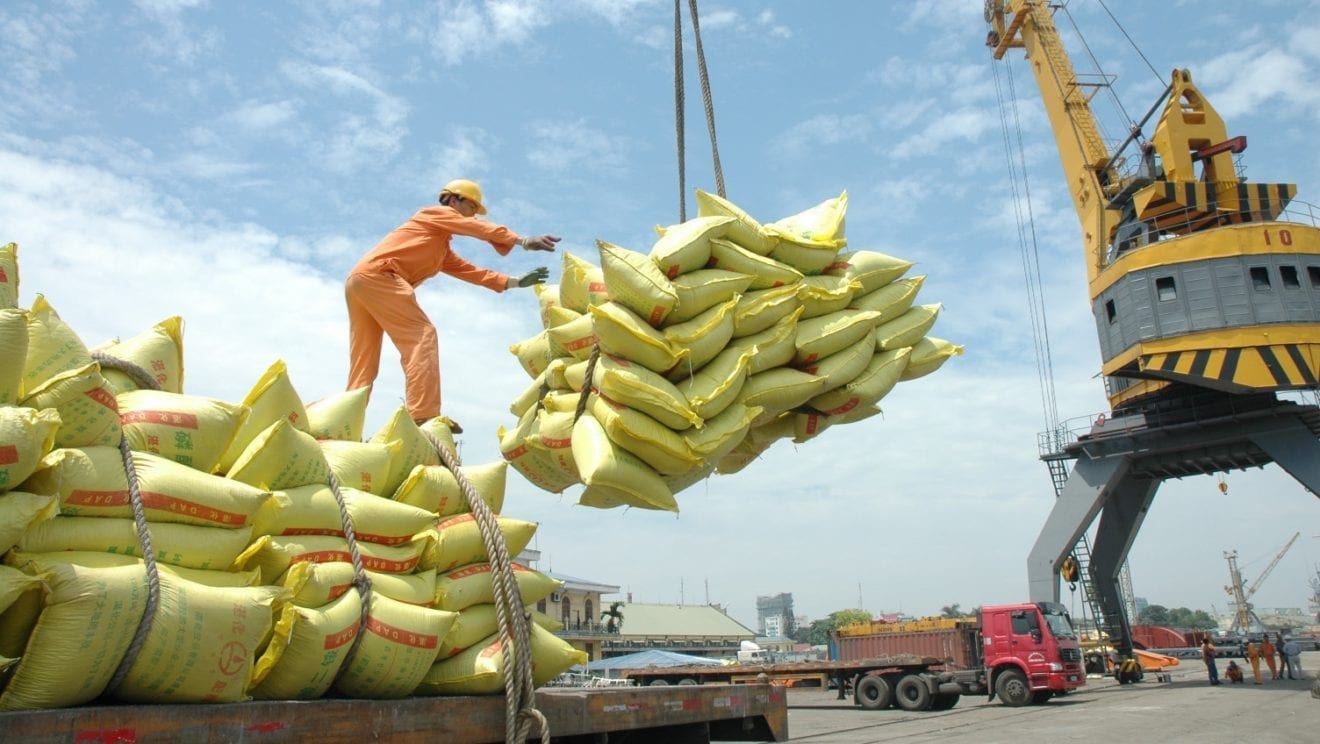
    Việt Nam’s rice export volume in 2018 is expected to increase by 400,000 tonnes from 2017 to reach 6 million tonnes, due to increased demand from Southeast Asia, especially from the Philippines, with China expected to be the country’s largest rice market.

    The Vietnam Food Association (VFA), in a report earlier in January, said countries in Southeast Asia will import a large amount of rice from Việt Nam, helping boost the country’s turnover this year.

    The VFA said Indonesia will import rice from Việt Nam and Thailand again in 2018 to increase reserves, as Indonesia’s rice price has been rising, almost double the floor price.

    Similarly, the National Food Board of the Philippines approved of up to 250,000 tonnes of imported rice to offset declining inventories, due to unfavourable weather in 2017.

    These developments are encouraging for Việt Nam’s rice export market, said the VFA’s report, with export price of 5 per cent broken rice rising to US$400 per tonne from $390.

    Domestic rice price also increased, with the average price between to $267 to $293 per tonne as of January’s end, having increased by $13 to $15 per tonne from December 2017’s price.

    According to the VFA’s data, throughout 2017, the country exported 5.7 million tonnes of rice worth $2.54 billion.

    As mentioned by the US Department of Agriculture (USDA)’s 2018 world rice production forecast, issued late 2017, the main factor behind this year’s rice trade expansion is increased output from Việt Nam, Pakistan and Myanmar, three of the world’s top six rice exporting countries.

    The USDA’s report stated that though 2017 global rice output fell by 20 per cent from 2016’s number, as a result of weak outlook for grain products, long, heavy rainfall and spring floods and other unfavourable weather, meaning there should be positive signals from traditional rice importing markets in Southeast Asia in early 2018.

    In Bangladesh and Sri Lanka, whose rice crops were heavily influenced by harsh weather, demand for rice imports will also increase in 2018. Rising import demand is supported by increased purchasing power in Africa and the Middle East, while China continues to be a leading importer of rice from neighbouring regions.

    As such, Việt Nam will witness an increase in revenue from rice exports to several large consumer markets.

    According to the Department of Crop Production under the Ministry of Agriculture and Rural Development, in early January 2018, the Mekong Delta’s rice producers harvested 860,000 hectares of rice, with an average yield of 5.3 tonnes per hectare.

    Nonetheless, problems remain for national rice production, the majority of which stem from farmers’ ignorance.

    Talking to Vietnam News Agency during a late 2017 agricultural conference in the Mekong Delta, Võ Tòng Xuân, former vice rector of Cần Thơ University and rice expert, emphasised growing competition in global rice markets.

    Xuân warned that Việt Nam needs to find ways to make its rice exports stand out if it wants to achieve export targets.

    Regarding export rice quality, he was convinced that since rice merchants often mix different batches from different farmers into one large batch, there is virtually no way to completely track the origin of any batch.

    Without clear origin, there are no certain product quality controls, and no major national rice brand for Việt Nam, Xuân added.

    He suggested issuing contracts between rice farmers and processing plants for sustainable production, via agricultural co-operatives instead of relying on middlemen.

    Xuân also said that there remain regulations acting as barriers to small and medium enterprises from entering the rice market. Exporting low quality rice and fragrant rice without a brand name is becoming increasingly difficult for Việt Nam, especially in finding niche markets to sell several thousand tonnes.


  • Indonesia to Start Implementing Stricter Regulation for Ride-Hailing Services in February

    Indonesia’s Transportation Minister Budi Karya Sumadi confirmed on Thursday (25/01) the government will start implementing its newly-revised regulation for app-based ride-hailing services in February.

    The new ministerial regulation for services like Uber and Grab was set in October last year. It has been trialled in some major cities including Jakarta, Bandung (West Java), Semarang (Central Java), Surabaya (East Java) and Medan (North Sumatra).

    The new regulation will impose operational area limits for app-based taxis and require their drivers to obtain a public transportation driver’s license. Each driver will also have to join up with a company or a co-operative with at least five members.

    Cars used by app-based taxis will have to undergo regular test to keep their certificate of roadworthiness, or KIR, and each car should have a sticker saying it is being used as a ride-hailing cab.

    “In England, Uber cars have that kind of sticker, that’s easily seen on the street,” Budi told reporters at Kuningan City Mall in Jakarta on Thursday (25/01).

    “The ultimate goal for this regulation is to provide better safety for passengers,” he said.

    Many online taxi drivers have been complaining about the new regulation since it was first introduced in October.

    According to them, the hardest requirement to meet in the new regulation is re-registering the car as a public transportation vehicle and doing the KIR test regularly.

    “The regulation has to be fair,” Budi said. “It’s for everyone’s benefit. But public safety is our top concern. The regular KIR test, for example, is to make sure the cars are in tip-top shape,” Budi said.

    Last Monday, hundreds of online taxi drivers marched to the Transportation Ministry headquarters in Jakarta.

    The drivers promised a bigger street protest next Monday, Jan. 9, in front of the presidential palace.

    The government has also said it will impose tiered sanctions for drivers who disobey the rules, from suspending their license, fines of up to Rp 500,000 ($37) to a two-month jail sentence.

  • PepsiCo Cuts Ties With Indofood’s Palm Oil Unit Over Labor Abuse Claims

    PepsiCo Cuts Ties With Indofood’s Palm Oil Unit Over Labor Abuse Claims

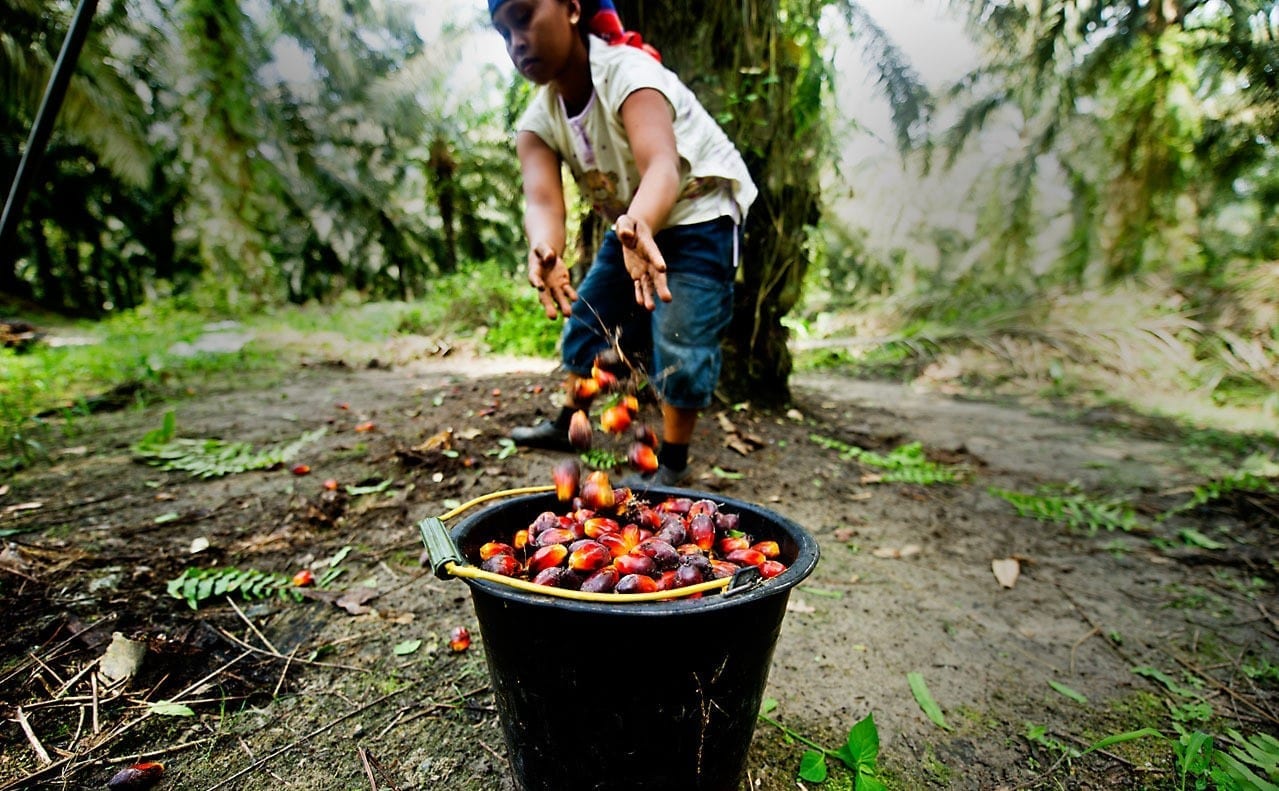
    Food and beverage giant PepsiCo has suspended procurement from a palm oil supplier over claims of labor abuses on its Indonesian plantations, a move hailed by campaigners on Wednesday (24/01).

    A 2016 probe by several campaign groups alleged there were child labor and worker exploitation, such as low wages and hazardous working conditions, on Indonesian plantations operated by Singapore-listed Indofood Agri Resources (IndoAgri).

    Although IndoAgri has taken action to address the complaints, PepsiCo said it decided to suspend ties “pending further progress and visibility around the issues” after it looked into the allegations.

    “PepsiCo is very concerned about the allegations that our policies and commitments on palm oil, forestry stewardship and human rights are not being met,” it said in a statement.

    Neither IndoAgri nor its parent company, Indofood, were immediately available to comment. IndoAgri said on its website that it has a sustainable palm oil policy which ensures human rights are respected.

    Businesses are facing increasing pressure from governments and consumers to disclose what actions they are taking to ensure their supply chains are free from modern-day slavery.

    Indonesia is the world’s largest palm oil producer but it has been regularly linked to the destruction of rainforests and wildlife habitats, as well as displacement of indigenous communities.

    IndoAgri is a subsidiary of Indonesian food manufacturer Indofood, which produces PepsiCo’s snacks in Indonesia under a joint venture partnership. The joint venture sourced palm oil from IndoAgri.

    The investigation was carried out by San Francisco-based Rainforest Action Network (RAN), Indonesian labor rights group OPPUK and Washington-based International Labor Rights Forum.

    “After years of denial, PepsiCo has admitted to the high risks associated with its palm oil supply chain and business partner,” RAN campaigner Robin Averbeck said in a statement.

    Palm oil, used in soap, cosmetics and food spreads, has been one of the fastest expanding crops in the last few decades.g

  • Indonesia Ranks Higher in 2018 Global Talent Competitiveness Index

    Indonesia Ranks Higher in 2018 Global Talent Competitiveness Index

    Indonesia improved its ability to attract professionals and keep the existing skilled workforce, the annual Global Talent Competitiveness Index showed on Wednesday (24/01).

    The report was released during the World Economic Forum by graduate business school Insead, which has campuses around the world.

    For the study Insead cooperated with staffing company Adecco Group and telecommunications services provider Tata Communications.

    Indonesia ranked 77th out of 119 countries, which is a leap from last year’s 90th position.

    According to the study, Indonesia has strong employability, as through vocational education and technical training it prepares domestic talents to match the skills needed by the economy.

    Despite the position rise, however, the largest economy in Southeast Asia still lags behind Singapore, which ranks second, Malaysia (27th), the Philippines (54th) and Thailand (70th).

    The Global Talent Competitiveness Index considers four “pillars” called “enable” (reflecting a country’s regulations and markets), “attract” (reflecting a country’s capability to lure resources), “grow” (reflecting the ability to improve self-competence through education and training), and “retain” (reflecting an ability to maintain domestic and overseas talent).

    The report said Indonesia has a lot of homework “to catch up on all the pillars” to cultivate a talent pool large and competitive enough to support its growth in the competitive global economy.

    The index drew data from public sources: the United Nations Educational, Scientific and Cultural Organization (Unesco) for quantitative data; the World Bank’s World Governance Indicators and Doing Business Report for composite indicator data; and the World Economic Forum’s Executive Opinion for survey data.

    This year’s report highlighted the critical role diversity plays in linking talent policies to innovation strategies to increase talent competitiveness.

    “Eventually, diversity has come to be understood as an essential enhancer of corporate productivity and performance. Recruiting the best talent is essential. But evidence shows that diversity can actually trump talent,” Alain Dehaze, chief executive officer of Adecco Group, said in a statement.

    According to the report, diversity can be a national resource, as it will create innovative and competitive working environments, especially in the era of automation, which makes people with different knowledge and experience join together in problem solving.

    “If there is a high diversity of social mobility … then the richness of knowledge, perspective and networks pushes economic performance even higher via increased innovation,” Insead said in the report.

    Developed, high-income countries continue to top the ranking, 15 of them being European countries with well-developed education systems, flexible business regulators, employment policies highlighting adaptability, social protection and internal and external openness.

  • Garuda Indonesia Workers’ Union Demands Revamp of Management

    Garuda Indonesia Workers’ Union Demands Revamp of Management

    Flag carrier Garuda Indonesia’s employees union urged the government to revamp the company’s management and board of directors, saying they feared the carrier will keep losing money in years to come if no change is forthcoming.

    The head of the union, Serikat Pekerja Garuda (Sekarga), Ahmad Irfan said rs on Tuesday (23/01) they had written a letter to President Joko Widodo outlining their demands, but have yet to receive any response.

    “We also want to discuss this with the State-Owned Enterprises Minister next month,” said Ahmad, adding that the union is confident the government will be on their side.

    Ahmad said the union made the decision to complain to the president directly after Garuda’s aircrew and employees repeatedly asked for a meeting with its board of directors but were turned away each time.

    The union has been demanding that Garuda reduces the size of its board of directors from nine directors to six.

    However, when the carrier appointed a new management team they actually added three new directors to the board.

    “Such a waste,” Ahmad said.

    Ahmad also questioned the directors’ ability to end Garuda’s financial problems since none of them has any experience in the aviation industry. He did not name the directors.

    The carrier reported a $222 million net loss in the first nine months of last year, more than five times the $44 million it lost in the same period in 2016.

    Garuda Indonesia president director Pahala Mansury said in September the losses were due to higher fleet costs and increasing fuel expenses.

    The union also criticized massive delays of Garuda flights from Denpasar, Bali, on Dec. 2. The poorly handled incident affected both domestic and international flights.

    He said the delays were not caused by the Mount Agung eruption, but due to a scheduling mishap stemming from teething problems with its new Sabre online system adopted in August last year.

    Garuda’s Response

    Garuda Indonesia’s vice president and corporate secretary Hengki Heriandono said he appreciated the union’s effort to help solve the carrier’s problems.

    “All of our employees are committed and care about the company’s future. We will listen to all their demands and suggestions,” Hengki said.

    He said safety will always be the carrier’s main priority.

    According to him, the government can revamp Garuda’s board of directors and management at any time as long as it is done according to the law and good governance principles.

    Hengki said Garuda has already talked to aircraft manufacturers to delay deliveries of new planes to help the company reduce costs by 25 percent.

    The carrier will also maximize the use of its aircraft in profitable routes.

    Reuters reported the carrier expects to turn around its financial performance this year, targeting $4.9 billion in revenue, up from an estimated $4 billion last year.

    It also forecasts a net profit of $8.9 million in 2018.

    The company plans to issue $750 million in global bonds to refinance its debt, and a separate bond issuance totaling Rp 2 trillion ($160 million) to fund business and operational expenses.glo

  • US Gov’t Shutdown Unlikely to Impact Indonesian Economy

    US Gov’t Shutdown Unlikely to Impact Indonesian Economy

    The United States government shutdown will not have a significant impact on the Indonesian economy if it lasts for only a short time, because export markets rely on the private sector, a minister said on Monday (22/01).

    US senators were unable to reach an agreement on a bill to fund federal agencies through Feb. 16, which forced hundreds of thousands of employees in non-essential sectors to be on unpaid leave and more than a million people in essential sectors to work unpaid until a funding deal is renewed.

    Essential workers are those dealing with public safety and national security, such as the military and hospitals.

    “If it is only for the short term; it will not [impact Indonesia],” National Development Planning Minister Bambang Brodjonegoro said.

    Bambang added that in the short term, the shutdown will not disrupt Indonesia’s exports to the United States as they are mostly dealt with the private sector.

    Central Statistics Agency (BPS) data shows Indonesian exports to the United States accounted for 11.2 percent of the country’s total, amounting to $17.1 billion annually and dominated by a combination of commodities, such as rubber and shrimps; and non-high-tech manufacturing products, such as furniture, textiles and footwear.

    Mohammad Faisal, an economist at Jakarta-based research firm CORE Indonesia, predicts that the shutdown will unlikely last for more than a month, based on previous shutdowns.

    The United States has had 18 federal government shutdowns since 1976, with the longest having been for 21 days between December 1995 and January 1996.

    Mohammad said the last shutdown in 2013 during Barack Obama’s administration lasted for 16 days and did not have a significant impact on the global economy, including developing countries such as Indonesia.

    Getting Ready

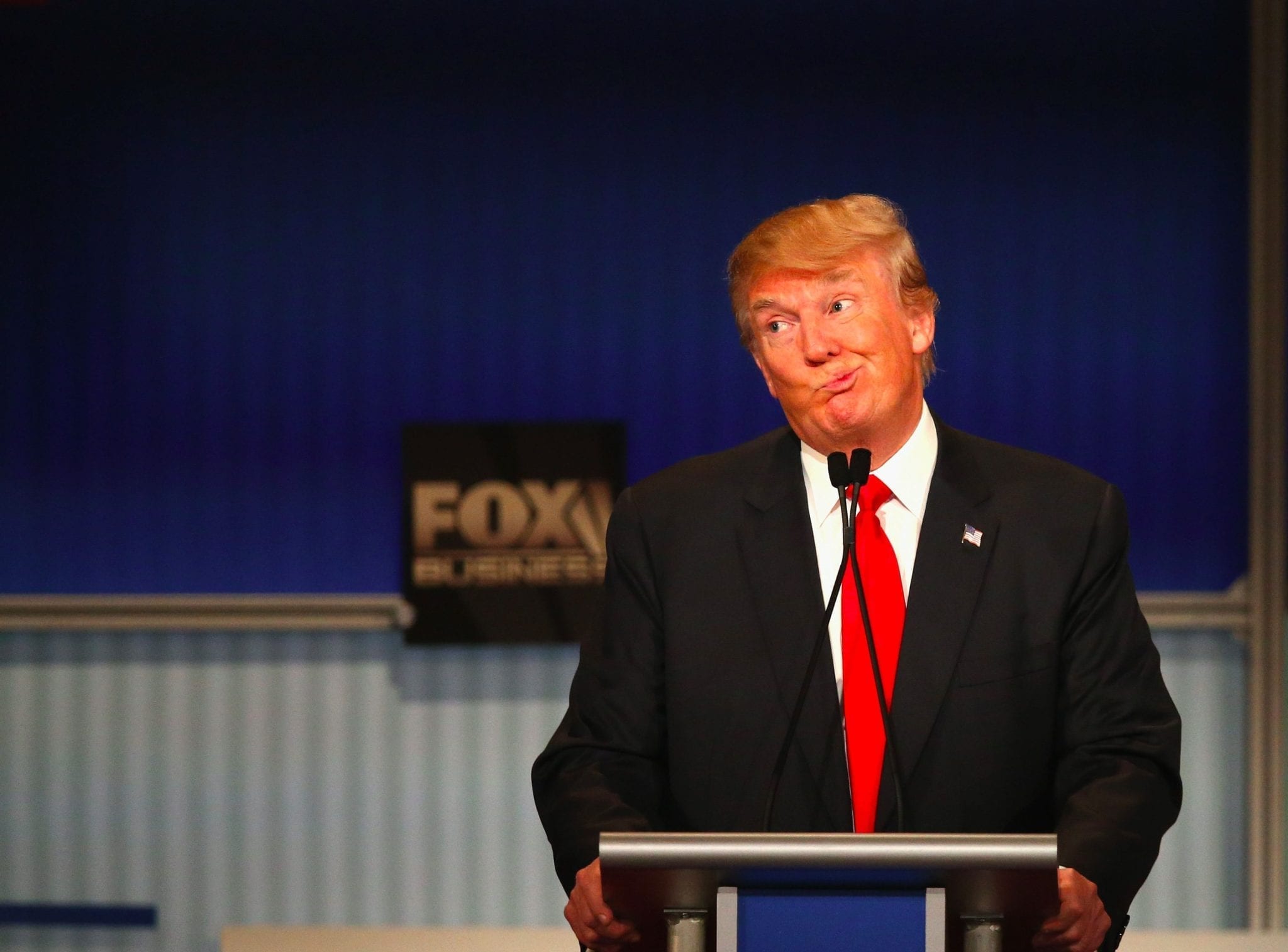
    Bhima Yudhistira Adinegara, an economist at the Institute for Development of Economics and Finance (Indef), said the government must start preparing for risk mitigation as President Donald Trump’s term in office will only end in 2021.

    “This is Trump’s first year of arranging the government budget … if these keep repeating, Indonesia must have a way to mitigate the risk,” Bhima said.

    If the current shutdown lasts less than 20 days, Indonesia’s foreign exchange reserves of $130 billion are still sufficient to stabilize the rupiah exchange rate, according to the latest figures.

    However, Bhima said Indonesia has to increase its foreign exchange reserves as a “safety net” against external influences by promoting non-oil and gas exports and tourism.

    He added that Indonesia should decrease its dependence on the US market by accelerating trade agreements with nontraditional trading partners, such as Chile, Russia and countries in Eastern Europe and Africa, to diversify the country’s markets.

    For the time being, Bhima said the US dollar exchange rate will have a minimal impact on the rupiah over the next two weeks as it is still within the controlled range of Rp 13,350 to Rp 13,400.

  • Telstra to invest in two HK-US cables

    Telstra to invest in two HK-US cables

    Australia’s Telstra has announced plans to invest in two new subsea cable systems connecting Hong Kong to the west coast of the US.

    The company will invest in a half fiber pair on the Hong Kong Americas (HKA) cable and the equivalent of 6TBps over the Pacific Light Cable Network (PLCN).

    The HKA cable is expected to be ready for service in 2020 and the PLCN to be complete in 2019.

    Once complete, the two cables will be able to act as more direct routes between the US and Asia than Telstra’s part-owned Asia-America Gateway (AAG) cable system, helping to reduce latency and meet increasing demand for connectivity between Greater China, ASEAN and the US.

    “As economic growth continues in China and South East Asia, so too does the demand for data. Together with the current AAG cable on which Telstra carries the most traffic today, these two investments will provide us with increased capacity across the important Hong Kong to US route, one of the fastest growing routes in the world for capacity demand,” Telstra group managing director of global services and international David Burns said.

    “Our investment in capacity on PLCN and HKA will also provide our customers with greater resiliency due to bypassing areas prone to natural disasters and offering two direct, alternative paths to the AAG cable which connects South East Asia to the US west coast via Hong Kong, Guam and Hawaii.”

    Meanwhile fellow Australian operator Vocus Communications has selected the ST Telemedia Global Data Centres (STT GDC) STT Tai Seng 1 data center to act as the point of presence in Singapore for its planned Australia Singapore Cable (ASC) subsea cable system.

    The 4,600km ASC will link Singapore with Perth in Western Australia via Indonesia. It is expected to be completed in the third quarter.

  • Vincent Yong Takes The Helm at DHL Global Forwarding Indonesia

    Vincent Yong Takes The Helm at DHL Global Forwarding Indonesia

    Southeast Asia logistics veteran Vincent Yong is the new Managing Director of Indonesia for DHL Global Forwarding. In a statement issued yesterday (24 July), DHL said that Yong was “no stranger to complicated situations”.

    The company explained: “As Chief Operating Officer of DHL Global Forwarding Thailand, Yong steered his team through political upheaval in 2006, catastrophic floods in 2011 and numerous changes to the country’s transport infrastructure – significantly expanding the business and consolidating operations in a 100,000-sqft Multimodal Hub at Suvarnabhumi Airport in the process.”

    Yong added: “My time in Thailand saw us go from one ‘adventure’ to another – which helped me develop a practical understanding of challenges; from air and ocean logistics operations to crisis management, security, and overall macroeconomic current affairs – and will prove particularly useful in managing our dynamic business operations in Indonesia.

    “In addition, my most recent role as Regional Head of Technology leads to my strong belief that technology will be a powerful proponent in propelling Indonesia to the next level.”

    “As Indonesia continues to invest in technology and infrastructure — like its Mass Rapid Transit network and expanded airport terminals — we expect the costs of trade and doing business to further ease. Moreover, as the world’s fourth most populous country, Indonesia still holds vast potential for growth in domestic consumption despite slowing growth in imports and exports alike. I’m looking forward to strengthening DHL’s competitive advantage in this fast-evolving market.”

  • Bitcoin Use Under Scrutiny in Indonesia

    Bitcoin Use Under Scrutiny in Indonesia

    Indonesian authorities are investigating the use of bitcoin in the holiday island of Bali, amid warnings by the central bank over the risks posed by virtual currencies, an official said.

    The probe started after the central bank on Dec. 7 issued a regulation banning the use of cryptocurrencies in payment systems, said Causa Iman Karana, head of Bank Indonesia’s representative office in Bali.

    “We found out from some postings on social media that Bali appeared to have become a haven for bitcoin transactions,” said Causa, adding that central bank officials and police went undercover at the end of 2017 to investigate scores of businesses in Bali advertising online that they offered bitcoin payment services.

    The team found two cafes still using bitcoin as a means of payment, but 44 businesses including car rental outlets, hotels, travel companies and jewelry stores, prevgiously offering the service, had now stopped, he said.

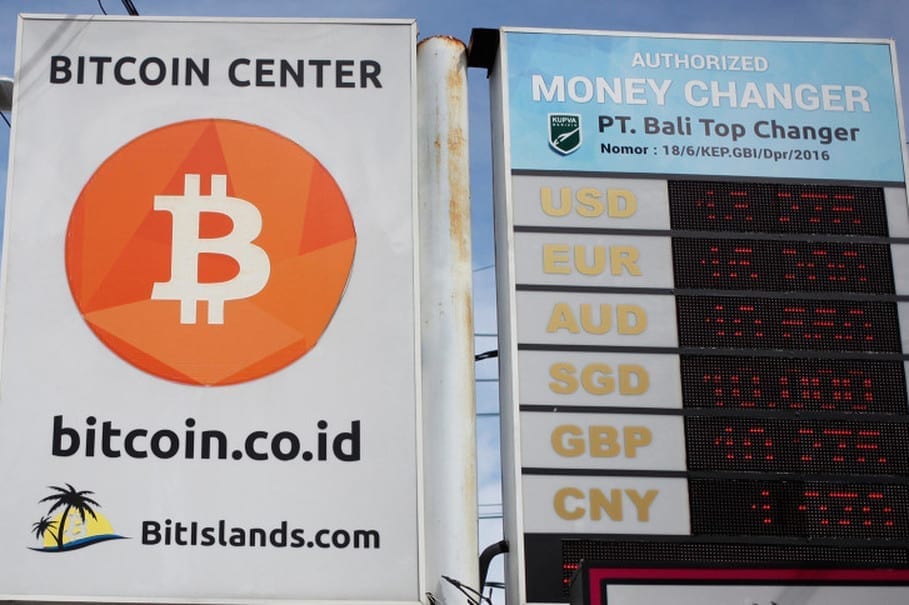
    A Bitcoin sign is seen in Kuta on the resort island of Bali, Indonesia January 18, 2018. Picture taken January 18, 2018. REUTERS/Nyimas Laula

    One of the cafes used bitcoin only for transactions of more than Rp 243,000 ($18), or about 0.001 bitcoin. A single transaction took about one and a half hours to be processed and included a fee of Rp 123,000 so this had discouraged its wider use for payments, Causa said.

    The official declined to name the businesses because he was still waiting for further instructions from Bank Indonesia in Jakarta.

    “The next step is we will ban them as mandated by the law. We ask them not to use it anymore. Along with the National Police’s Criminal Investigation Unit (Bareskrim), we will enforce the rule that all transactions in Indonesia must use rupiah.”

    Some locals in Bali said bitcoin was being used mainly by foreigners on the island, which is Indonesia’s tourism hub and has a large expatriate community.

    Bank Indonesia has called ownership of virtual currencies high risk and prone to speculation, because no authority takes responsibility or officially administers them and because there is no underlying asset to be the basis for the price.

    Virtual currencies could also be used in money laundering and terrorism funding, and could have an impact on the stability of the financial system and causes losses for society, it has said.

    While trading has not be regulated so far, the central bank has said it was looking into the issue.

    Regulators around the world have been grappling with how to address risks posed by cryptocurrencies, as bitcoin, the world’s most popular virtual currency, soared more than 1,700 percent last year.

    Prices have plummeted since South Korea said last week it may ban domestic cryptocurrency exchanges.

    Bitcoin.co.id, an Indonesian online cryptocurrency exchange, said on its website that bitcoin was trading at Rp 162.70 million per unit after losing around a quarter of it value this week.

  • Indonesian Gov’t to Lower Income Tax for Conventional, Online SMEs

    Indonesian Gov’t to Lower Income Tax for Conventional, Online SMEs

    Indonesia will cut final income tax on small and medium enterprises by half and also impose taxes on e-commerce businesses to even the playing field between traditional brick and mortar and digital businesses, Finance Minister Sri Mulyani Indrawati said on Friday last week (19/01).

    Under a current regulation, businesses earning less than Rp 4.8 billion ($360,600) a year are exempted from paying income tax and value added tax. They only have to pay a final tax of 1 percent of their total sales. The current income tax rate stands at 25 percent of profit, while the VAT is at 10 percent of sales.

    “We are currently formulating [the rules] with the players […] The basic principle is to have the playing of field on the same level,” Sri Mulyani told reporters.

    The minister said the government is planning to lower the income tax for small and medium enterprises (SME) to 0.5 percent of their sales. SMEs or individuals selling exclusively on e-commerce marketplaces will also be required to pay the tax.

    Sri Mulyani said the sales threshold will also be lowered.

    In the e-commerce roadmap rolled out in 2016 as part of the 14th economic policy reform package, the government expects up to $130 billion in e-commerce transactions in 2020.

    “The majority of supplier merchants [for the e-commerce business] are SMEs. We are planning to revise the government regulation to lower the level,” Sri Mulyani said, adding that the regulation will not burden businesses.

    The government has also included an income tax reduction for SMEs to be implemented in this year’s state budget.

    Sri Mulyani said the process of collecting the tax has not been decided yet.

    The Ministry of Finance is currently formulating details on future tax regulations on e-commerce businesses. The government aims to issue the regulation by mid-year, as it is still coordinating with other related ministries and agencies.