Tag: Indonesia

  • Common Myths About Doing Business in Indonesia

    Common Myths About Doing Business in Indonesia

    Some claims are so ingrained that even those who have lived in Indonesia for a length of time have trouble differentiating between what is true and false. The rumors shared through the expat community are not usually spread with bad intentions, but perhaps are based on misguided and outdated information. Many of these myths can be (and are) easily debunked below.

    The Local Shareholder Myth

    One of the most common misconceptions about doing business in Indonesia is that a local shareholder is required for starting a company. In reality, many business lines are open to full foreign ownership.

    Foreign investors are allowed to set up 100 percent foreign-owned trading and real estate companies in Indonesia. In the hospitality industry, that means hotels with three or more stars classification can be fully controlled by a foreign business entity. However, it’s the lesser rated hotels that requires percentage ownership with a cap at 67 percent for foreign holdings and the remaining stakes held by Indonesian shareholders.

    Foreign shareholding depends on your business classification. The document regulating restricted industries is the Negative Investment List or Daftar Negatif Investasi (DNI), and it is revised every three years. The purpose of the DNI is to protect local companies, especially smaller and aspiring businesses, from foreign competition.

    Business through Partnerships

    Another common misconception in Indonesia is that partnerships, specifically marital partnerships, allows business in Indonesia to be more conducive. Whether these partnerships are purely to secure residence permits, company registration or simply for further insight into the Indonesian business culture; it’s all speculative. And, although Indonesians do have a smaller capital requirement when starting a company, asset control is a huge issue–especially if the expat partner in question doesn’t legally hold any.

    For local perspective, it is oftentimes wiser to turn to a professional consultant or lawyer as regulations in Indonesia can change overnight and the information from a “trusted” advisor might become outdated or simply untrue. And, there are alternatives to partnerships for all other issues such as visas and company establishment,.

    Indeed, building a company under a local spouse’s name might seem like a good idea, but it carries high risks.

    Unsecure nominee agreements is one of the diciest ways of starting a business anywhere. As a foreigner in Indonesia, you would not have any legal claims to your business should the marriage go south.

    There are non-financial ways to contribute since paid up capital can be in the form of money or other assets. A personal nominee is only based on good will whereas professionally pledged shareholding agreements keep your assets safe.

    The Question of Marriage

    In Indonesia, religion plays a significant role. Foreigners who wish to marry an Indonesian partner often think they are required to convert to their future spouse’s religion, but there are ways around this statute. Most foreigners who change their faith do it because it is the wish of their spouse or their spouse’s family and they do it by choice, and perhaps a bit of obligation.

    Weddings conducted abroad are currently recognized in Indonesia. It takes a little bit of time and paperwork, but your marriage can be acknowledged by the Indonesian government. However, dual citizenship is not recognized in Indonesia so any move to change citizenship must be scrutinized with a fine-toothed comb.

    Land and Property Ownership

    The Basic Agrarian Law No. 5 Year 1960 dictates that foreigners are not allowed to own freehold land in Indonesia. The same law stipulates that foreigners can only obtain land under the following rights: Hak Guna Bangunan – Right to Build, Hak Guna Usaha – Right to Cultivate, and Hak Pakai – Right to Use.

    It is common practice among foreign investors to buy land or real estate using a local nominee, but this is a high risk maneuver that would waive any legal protection over your investment. Human relations have a tendency to change and there is no guarantee that your nominee won’t take over your land or property. The safest option to invest in property in Indonesia is through a foreign-owned company, which would allow legal ownership of the property.

    Conclusion

    Conducting business in Indonesia may seem arduous. Most businesses that struggle in Indonesia struggle for the same reason anywhere in the world–for lack of demand, high competition or poor management.

    The real issue here is red tape, so be prepared to invest a lot of time into your business venture. Seek advice from experienced people who have a proven track record in the relevant industry and try to ignore hearsay and horror stories. Investors entering Indonesia face entry barriers, but these obstacles are some of the reasons why the competition is relatively low. Opportunities abound, and playing it wisely can provide some lucrative rewards.


  • Banks need to Issue New Cards in Indonesia

    Banks need to Issue New Cards in Indonesia

    With the establishment of the national payment gateway Gerbang Pembayaran Nasional (GPN), banks need to distribute new debit cards that work using the gateway to help their customers reduce inter-bank transaction costs.

    The debit cards with GPN’s red eagle logo will be available to the public in January, said BI Governor Agus Martowardojo on Monday, adding that the new cards were accepted by all merchants’ automated teller machines (ATMs) and electronic data capture systems in Indonesia.

    However, BI transformation program head Onny Widjanarko said the GPN cards could not to be used for international transactions such as withdrawing money from foreign ATMs or processing payments in international stores.

    Onny said old debit cards could still be used, but interbank transactions will result in higher costs.

    Agus said banks charged a 2 to 3 percent fee if customers used other bank’s debit cards, but with the new cards the rate would only be about 1 percent.

    He said currently there were 140 kinds of debit cards in Indonesia and 90 percent bear foreign switching network logos.

    Meanwhile, transactions using debit cards in Indonesia reached Rp 17 trillion (US$1.26 billion) per day.

  • Indonesia to Restrict Bitcoin Trading

    Indonesia to Restrict Bitcoin Trading

    The list of countries that are hawkish of Bitcoin or outright ban it has something in common: up and coming economies that have just emerged from decades with a large grey sector. Russia is a prominent example, where cryptocurrencies saw years of outright repression. Morocco is the most recent country to consider an outright ban. Ecuador and Bolivia have long-standing bans, as well as Bangladesh and Nepal. The reasons for the ban vary, but the biggest concerns are about money laundering.

    Macedonia and Kyrgyzstan have similar stories- long years of economic struggle, a large grey sector and skepticism of anything related to potential financial scams.

    But now, a new batch of countries is joining in attempts to curb the spread of Bitcoin. Indonesia, a nation with a conservative streak, plans to ban all cryptocurrency transactions. Local Indonesian media, cited by FinanceMagnates, has pointed to a possible blockage for providing money services to cryptocurrency users.

    The refusal to provide a bridge to cashing out is nothing new in Southeast Asian countries, where a booming cryptocurrency community of exchanges and projects clashes with local banks, who are reluctant to provide accounts and see cryptocurrencies as competitive.

    Agus Martowardojo, Governor of Bank Indonesia, said the sovereignty of the Indonesian Rupiah will not be undermined, and the regulator will curb ” arbitrage opportunities, unhealthy business practices and business controls”.

    “Level playing fields with formal financial institutions need to be maintained, we require all financial technology activists who move in the payment system to register with Bank Indonesia, report on activities, and conduct trials in the regulatory sandbox,” said Martowardojo.

    In effect, the language of the ban means Indonesians who own Bitcoin will not have access to exchanges any time soon. Such a move may do what has happened in the past to other countries with limits on legal exchanges- owners would resort to LocalBitcoins for even more speculative and risky trading.

    So far, very few countries have gone directly after the Bitcoin network, walling off nodes or banning local mining. And experience has shown that when it comes to Southeast Asia, neighboring countries keep offering options.

  • Shopee giant leaps on its second year

    Shopee giant leaps on its second year

    Fast-growing e-commerce platform Shopee has released impressive statistics in marking just its second birthday.

    Combined annualised GMV from Taiwan and the six Southeast Asian markets where it operates has reached US$5 billion. It has more than 180 million active listings by more than 4 millions sellers, including 5000 leading brands and distributors. Its app has been downloaded more than 80 million time.

    In Singapore alone, where it has its own mall portal, the app has had more than 1 million downloads and features more than 70,000 sellers and brands.

    “Shopee has undergone tremendous transformation since we first launched, and while we are proud of all that we have achieved, this is only the beginning,” said Zhou Junjie, chief commercial officer of Shopee.

    “Shopee has always been committed to listening to the needs and preferences of our users, and has worked to create a platform that is tailored to exactly that. Whether it is providing a fuss-free and convenient shopping experience for buyers, or offering a reliable and secure platform for brands and budding entrepreneurs to expand their online presence, Shopee strives to continue improving the lives of the region’s consumers and businesses with technology,” said Zhou.

    “This year has been a great one for Shopee and we would like to thank our customers, sellers, and partners for their continuous support. Moving forward, we will continue to focus on improving our platform and diversifying our product assortment. We remain committed to helping brands and local entrepreneurs grow and continuously strive to push the boundaries of e-commerce to become the leading online shopping destination of choice in the region.”

    As part of its birthday celebration, Shopee Singapore will be holding a 10-day birthday sale until December 13, featuring promotions across over 10,000 items.

  • Hay pop-up by BWI Furniture launched in Jakarta

    Hay pop-up by BWI Furniture launched in Jakarta

    BWI Furniture has to introduced Danish designer furniture brand Hay to Indonesia.

    It launched a pop-up store in Pacific Place Jakarta today, running until December 10.

    Furniture such as chairs, sofas, tables, lamps and bookshelves are available at the pop-up along with accessories.

    Copenhagen couple Rolf and Mette Hay worked with businessman Troel Holch Povlsen to establish Hay in 2002. The following year they launched their first first collection at the international furniture trade show IMM Cologne.

    With a vision to create attractive furniture at an affordable price, Hay has also collaborated with such designers as Clara von Zweigbergk, Doshi Levien, Iskos-Berlin, Ronan and Erwan Bouroullec, Scholten & Baijing and Shane Schneck.

    With its main office in Copenhagen, Hay has a presence in 50 countries including 30 mini-markets.

  • AirAsia, Malaysia Airlines provide alternative arrangements for passengers affected by Bali volcano

    AirAsia, Malaysia Airlines provide alternative arrangements for passengers affected by Bali volcano

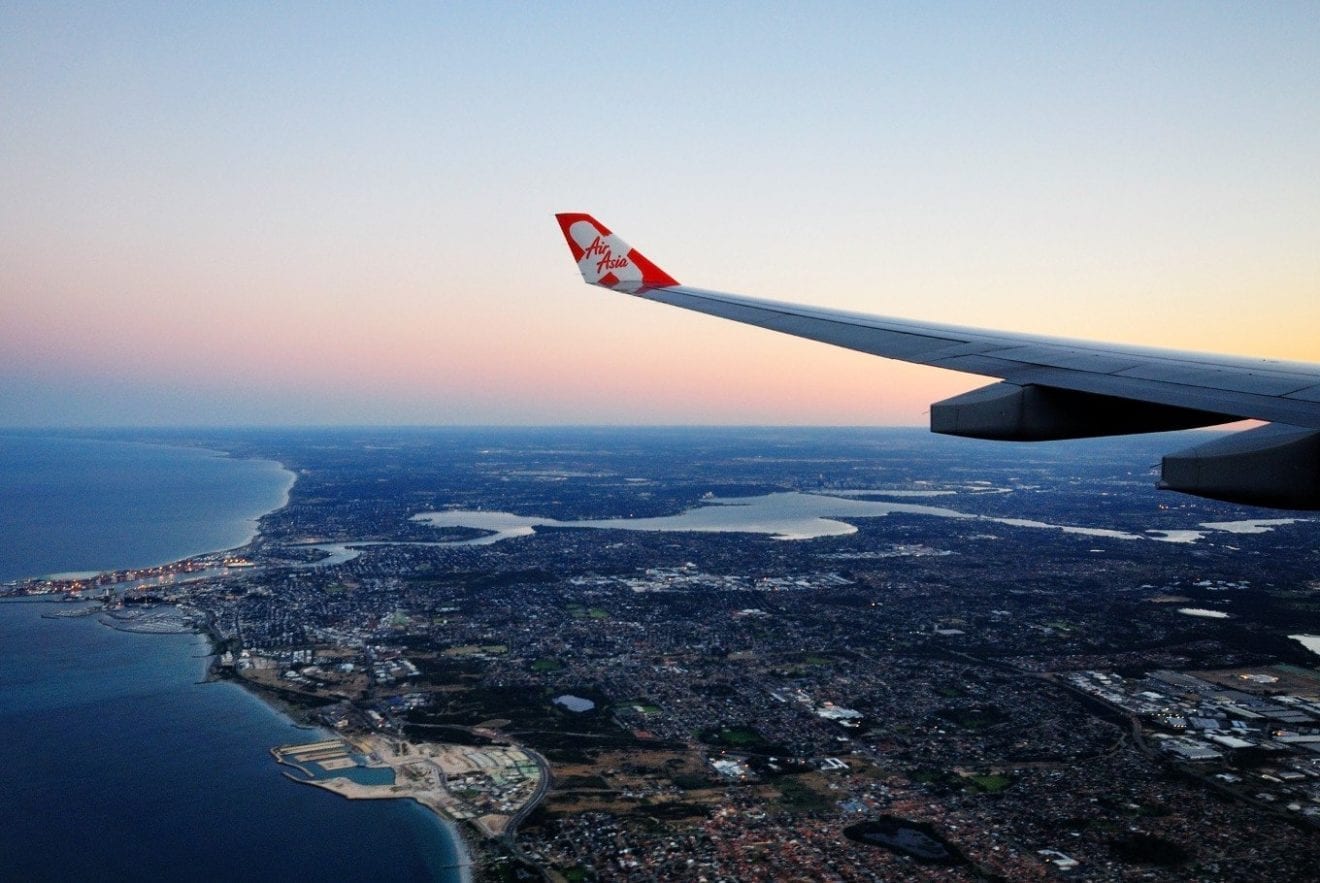
    AirAsia has provided alternative arrangements for travellers affected by the Mount Agung eruption in Bali.

    In a statement this evening it said all guests whose flights are affected will be entitled to choose one of the following service recovery options being offered:

    For flights to/from Bali and Lombok from Nov 25 2017 – Dec 25 2017:

    Option 1: Change to a new travel date on the same route within 30 calendar days from original flight date without additional cost and subject to seat availability; or,

    Option 2: Credit Account: Retain the value of fare in a credit account for future travel with AirAsia. The online Credit Account to be redeemed within 90 calendar days from the date of issue, for travel date of your choice; or,

    Option 3: Full Refund: Obtain a full refund in the amount equivalent to your booking. This can be done strictly via e-form available on support.airasia.com.

    For Flights to/from Bali and Lombok from Dec 11 2017 – Dec 31 2017:

    Option 1: Change to a new travel date on the same route up to Jan 31 2018 without additional cost and subject to seat availability; or

    Option 2: Reroute to other destination (within AirAsia network) with fare difference applicable, subject to seat availability; or,

    Option 3: Retain the value of fare in a credit account for future travel with AirAsia. The online Credit Account to be redeemed within 90 calendar days from the date of issue, for travel date of your choice.

    Guests are advised to check airasia.com and AirAsia’s social media pages for further announcements.

    AirAsia said it will continue to monitor the situation closely, and will keep guests informed of any developments.

    Meanwhile, Malaysia Airlines has arranged for alternative travel arrangements for its passengers stranded in Denpasar-Bali.

    The national carrier has arranged ground transport to Surabaya from the Ngurah Rai International Airport with onward connection to Kuala Lumpur.

    It urged affected passengers to register themselves at the airlines’ dedicated counter at Customer Service Desk, Level 3 at the airport.

    The journey from Bali to Surabaya will take approximately 12 hours, it said.

    “Malaysia Airlines will also be mounting rescue flights from Surabaya to Kuala Lumpur,” it said in a statement this evening.

    Malaysia Airlines said it will continue to monitor the situation and resume flights into and out of Denpasar as soon as it receives confirmation on improved weather conditions.

  • Cebu Pacific cancels Indonesia flights due to volcano eruption

    Cebu Pacific cancels Indonesia flights due to volcano eruption

    Cebu Pacific has announced the cancellation of its flights to and from Bali, Indonesia on Tuesday, Nov. 28.

    The statement was issued due to the eruption of Mount Agung volcano and the closure of the Ngurah Rai International airport in Denpasar.

    The affected flights are:

    • 5J 279 (Manila-Denpasar) ETD 350am / ETA 750am

    • 5J 280 (Denpasar-Manila) ETD 835am / ETA 1240pm

    “We sincerely apologize for any inconvenience this may cause,” the airline said.

    The company said guests with confirmed bookingswill be moved to the next available Cebu Pacific flight.

    The guests may also opt to rebook their flights within the next 30 days, or place the cost of the ticket in a Travel Fund for future use.

  • AirAsia cancels 32 Bali and Lombok flights

    AirAsia cancels 32 Bali and Lombok flights

    Low-cost carrier AirAsia has cancelled 32 flights and rescheduled two others from and to Bali and Lombok following the volcanic activity at Mount Agung in Bali.

    In a statement, AirAsia said affected passengers would be notified of their flight status and the options available to them via their registered e-mail addresses.

    It said passengers whose flights were cancelled could change to a new travel time on the same route within 30 days from the original flight without additional costs and subject to seat availability. They can also retain the value of their fare in a credit account for future travel.

    “The online credit account has to be redeemed within 90 days from the date of issuance,” it said.

    The airline said passengers are advised to visit www.airasia.com and AirAsia’s social media pages and also to check their flight status through the “Manage My Booking” feature on AirAsia’s website.

    AirAsia said it was in contact with the autho­rities and would continually conduct risk assessments to ensure the safety of its operations.

    “AirAsia will provide updates on the latest developments,” it said, advising passen­gers requiring assistance to contact the airline’s customer support team.

  • Non-retail business dents Metro Holdings

    Non-retail business dents Metro Holdings

    Despite a rugged first half, property development and investment group Metro Holdings has still managed positive results and has formed strategic partnerships in Indonesia.

    It had a net profit after tax of S$4.6 million (US$3.3 million) despite a net loss after tax of $13.6 million as the result of events not related to its retail developments.

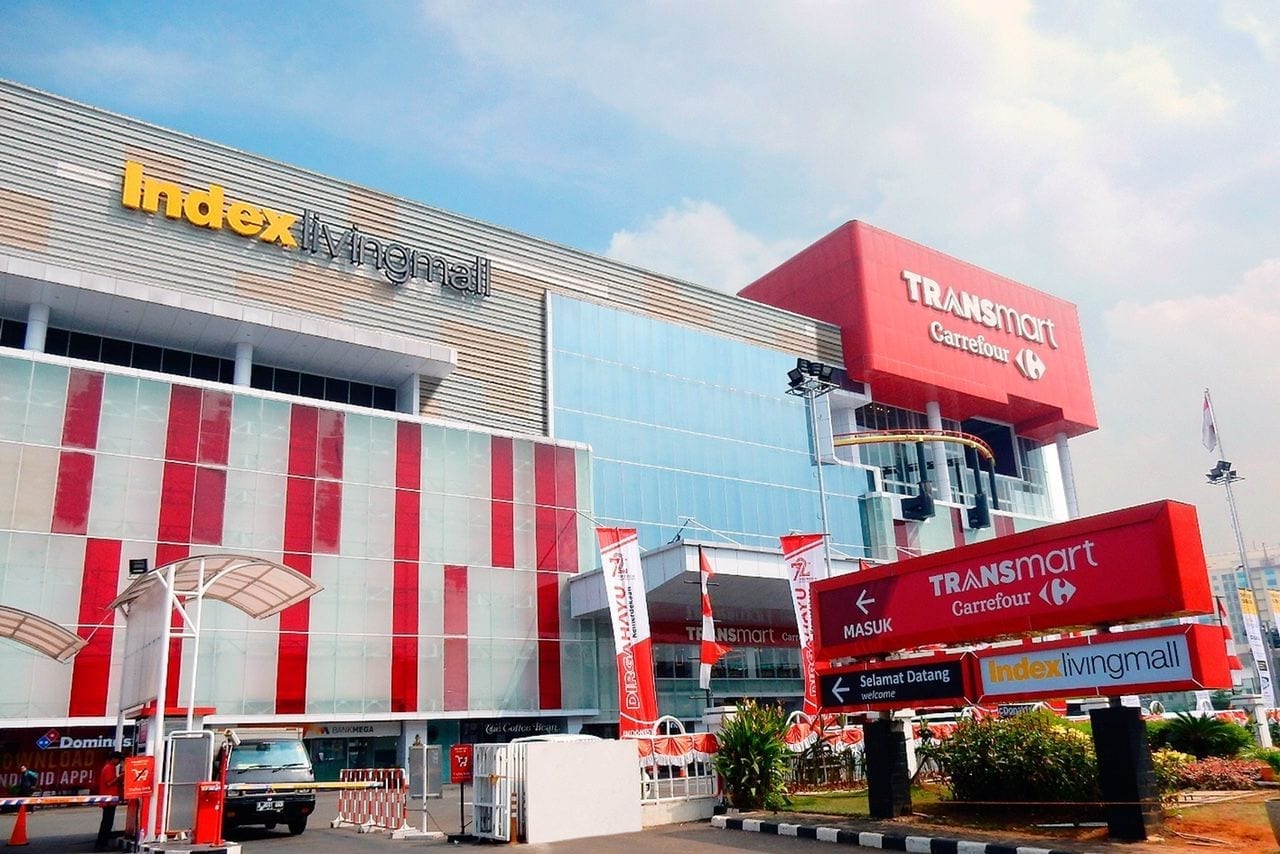
    Meanwhile, it is moving ahead with a IDR1.99 trillion (US$147.2 million) mixed project in Bekasi, Jakarta. For the retail component it is partnering with Trans Corp, while Lee Kim Tah Group will handle the residential side.

    Trans Corp will develop its trademark Transmart mall with a gross floor area of about 30,485sqm, including department stores, supermarkets and cinemas, as well as a theme park in conjunction with Kidcity and Snow Town.

    Metro chairman Winston Choo says the group has worked with Trans Corp since it took an initial stake in Metro Indonesia in 2008 to run Metro’s retail department store business.

    Metro’s retail arm runs three Metro department stores in Singapore and another nine in Indonesia.

  • Decathlon Indonesia opens nation’s largest sports store

    Decathlon Indonesia opens nation’s largest sports store

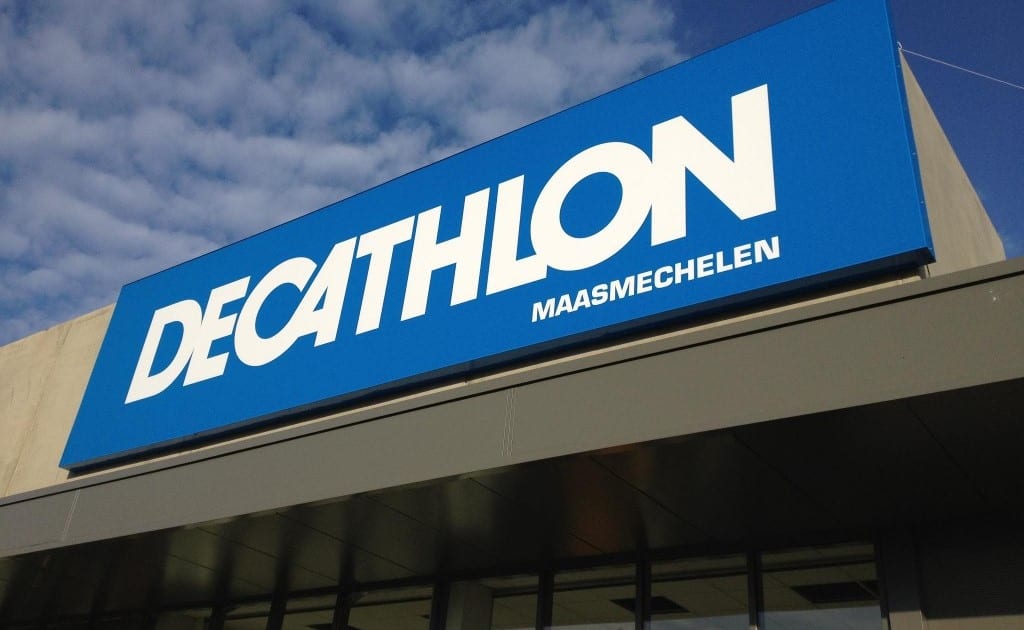
    French sports equipment retailer Decathlon Indonesia has opened its first store, along Alam Sutera Boulevard in Tangerang City.

    Offering 2000sqm of retail space and 500sqm of community playground, it is the nation’s largest sports store. Before setting up the store, Decathlon Indonesia opened an e-commerce site.

    “In the next 10 years the local content in the store is planned to reach 50 per cent,” says Decathlon Indonesia CEO Jeremie Ruppert. “We believe the advancement of Indonesian industry can help us to localise Decathlon products with good quality.”

    He says the country’s landscapes, mountains and ocean access plus a love of sports activities ensure a potential market for the French brand.

    Founded in 1976, Decathlon has more than 1200 stores in more than 35 countries.

  • Dairy Farm sales stagnate

    Dairy Farm sales stagnate

    Dairy Farm sales were described as “flat” in the third quarter to September 30.

    The Hong Kong-headquartered company said improved performances in health and beauty, Ikea, restaurants and Yonghui were offset by lower sales in the food and grocery division.

    “The lower food division sales, together with new store pre-opening costs in home furnishings, (Ikea) led to underlying profits being marginally below the same period in the prior year,” the company said in a statement issued in London, where it has a secondary listing. “Similar trading conditions are expected to continue for the remainder of the year.”

    Dairy Farm said the weakness seen in food and grocery sales was principally driven by difficult trading for the hypermarket and supermarket operations in Southeast Asia, where it operates Giant hypermarkets and Cold Storage supermarkets. It says reviews of “a number of the businesses” are being undertaken.

    The results from greater China (including its Hong Kong Wellcome supermarkets) showed improvement over the same period last year. Convenience store operations (including 7-Eleven stores in Hong Kong and Singapore) produced improved sales and profitability.

    Yonghui reported a strong 20 per cent  growth in revenue and 131 per cent increase in profit in the quarter.

    Improved sales in the health and beauty division (Manning’s, Guardian and Rose Pharmacy) were driven principally by a strong performance in Hong Kong and Macau. Home Furnishings (Dairy Farm has the Ikea franchises in Hong Kong and Taiwan) traded well, although profitability was reduced due to pre-opening expenses for the new store in Hong Kong.

    Maxim’s (which also includes Starbucks operations in Hong Kong, Vietnam and Cambodia) had a seasonally strong quarter in both sales and profit, benefiting from record mooncake sales during the Mid-Autumn Festival period. In September, Maxim’s acquired the existing business and exclusive rights to operate and develop Starbucks franchise stores in Singapore.

    In August, the group completed the acquisition of the remaining 34 per cent interest in Rustan’s in the Philippines from its joint venture partner.

  • Indonesia Posts Trade Surplus in October, Third Month in a Row

    Indonesia Posts Trade Surplus in October, Third Month in a Row

    Indonesia posted a trade surplus for a third straight month in October, the Central Statistics Agency said on Wednesday (15/11), as improved demand for commodities underpinned exports from Southeast Asia’s biggest economy.

    The trade surplus in October was $0.9 billion, the agency said. The surplus was supported by larger commodities shipments such as coal and metal, as well as manufactured goods.

    Demand from China continued to support Indonesian exports, the agency said.

    The surplus, however, shrunk from September’s surplus of $1.76 billion. Analysts polled by Reuters had expected a $1.63 billion surplus for the month.

    Exports rose 18.39 percent in October on an annual basis, compared with a 16.59 percent increase forecast in the poll.

    October exports were worth $15.09 billion.

    Meanwhile, imports jumped by 23.33 percent to $14.19 billion, picking up pace from a 13.13 percent rise in the previous month and compared to a forecast of 16 percent growth.

    The rise in imports was due to purchases of raw materials for industrial use.

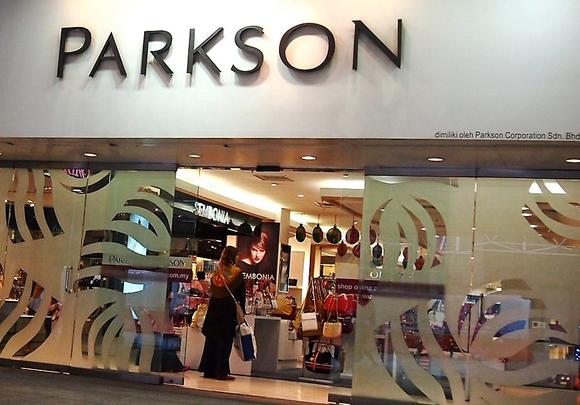
  • Parkson Retail Asia 1Q Net Loss Widens On Year As Sales Decline

    Parkson Retail Asia 1Q Net Loss Widens On Year As Sales Decline

    Parkson Retail Asia has had a lacklustre start to its fiscal year, its unaudited first-quarter figures show.

    Gross sales proceeds fell by 8.3 per cent year on year to S$202.4 million (US$148.9 million) for the quarter.

    Total merchandise sales generated $198.1 million, with concessionaire sales contributing 74.2 per cent, down from 77.9 per cent for the same period last year, and direct sales contributing the balance of 25.8 per cent.

    Attributable net losses to the owners of the company for the period, to September 30, reached $12.9 million. The group also had net current liabilities of $67.9 million at the end of September, the result of investments in new stores and ventures yet to reach optimal level. This was an increase of 22.5 per cent from its June 30 position.

    Same-store sales in Indonesia and Malaysia were impacted during the quarter by the absence of Lebaran/Hari Raya festival buying following a shift in the calendar.

    Malaysia remained challenging, with the country’s consumer sentiment index, at 77.1, continuing to register below the 100-point confidence threshold for the 13th consecutive quarter.

    Consumer spending appears to have also softened in Indonesia, where retail spending has been declining, while Parkson’s same-store sales in Vietnam dropped by 7.8 per cent. This is attributed to the “fading of novelty effects” arising from the entry into the market of such international players as H&M, Takashimaya and Zara.

    “Competition in Vietnam’s retail market remained intense,” says Parkson.

    In Myanmar, the group closed its store at FMI Centre, Yangon, in January with a new store at Junction Square in the city opening two months later.

    Parkson says its performance in the next quarter is expected to benefit from year-end school holidays and festive buying. However, it expects challenges with fragile consumer sentiment and stiff competition.

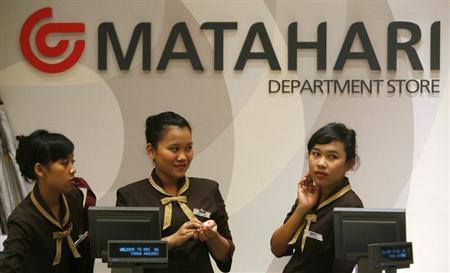
  • Matahari Wins Bronze in 2017 Retail Asia Pacific Top 500 Award

    Matahari Wins Bronze in 2017 Retail Asia Pacific Top 500 Award

    Matahari Department Store, Indonesia’s largest department store retailer of fashion, beauty and home products, received bronze medals in the 2017 Retail Asia Pacific Top 500 Award in the categories of top department store retailers and top three retailers in Indonesia, in an event held at Westin Hotel Kuala Lumpur on Tuesday (24/10).

    According to an official statement we received on Friday, the awards were presented to outstanding retailers from major countries across the Asia Pacific, including Australia, Hong Kong, Indonesia, Malaysia, the Philippines, South Korea, Thailand, China, India, Japan, New Zealand, Singapore, Taiwan and Vietnam.

    Retail Asia, auditing firm KPMG and Euromonitor International ranked retailers across 14 countries according to performance and categorized by outlet types. Matahari is included in the department store category.

    Matahari won the award for its ability to adapt to changing habits of customer who rely more on online shopping in the digital era.

    The retailer recently announced a partnership with Walt Disney Company  to increase the number of visitors coming to its chain of stores.

    Matahari currently operates 155 outlets across the country, and plans to open three new stores by the end of the year.

  • Giordano post a “quite okay” result

    Giordano post a “quite okay” result

    Third-quarter sales for apparel retailer Giordano International have been edging ahead in most markets, an exception being South Korea, a 48.5 per cent JV with an independent management team.

    While e-commerce sales jumped by 17.6 per cent in Mainland China, overall sales growth reached only 2.6 per cent, with a decrease of 2.5 per cent in directly run stores. The company closed 32 non-performing outlets.

    Comparative own-store sales grew by 8.4 per cent, with an 0.5-point decline in gross margin because of a change in channel mix as the contribution from the lower-margin e-business.

    In Hong Kong and Macau, sales for the three months to the end of September grew by 3.2 per cent.

    Gross margin fell 1.6 points as a result of sales promotions to counter an unusually hot and rainy summer and late autumn. These promotions pushed up sales volume by 13.8 per cent while reducing the average selling price by 9.2 per cent.

    Comparative-store gross profit rebounded in Taiwan, where sales and gross margin rose by 2.9 per cent and 1.1 points respectively. Giordano says the improvements are sustainable for the rest of the year. Gross margin also benefited from lower product costs on a strong local currency.

    In the rest of Asia Pacific sales increased by 5.4 per cent at constant exchange rates. The acquisition of Vietnam business in July contributed to 5.1 per cent of sales in the region.

    Unusually strong sales in Thailand last year resulted in an unfavorable year-on-year comparison for the quarter.

    Ramadan effect

    Indonesia sales rose by 3.5 per cent as a result of shop expansion. While comp-store sales fell by 4.1 per cent and gross profit eased 1.8 per cent as a result of the different timing of Ramadan, comp-store sales from June to September this year increased by 9.7 per cent against the same period last year.

    Early Ramadan also affected sales in Malaysia, which grew by 4.3 per cent. Comp-store sales rose by 2.6 per cent while gross profit eased 1.4 per cent. Comp-store sales for June to September strengthened 20.4 per cent compared with the same four-month period last year.

    Both comp-store sales and gross profit dropped in Thailand, by 4.9 and 6.3 per cent respectively, against an unusually high base in the same quarter last year.

    Sales fell 3.6 per cent in South Korea while gross margin improved by 0.7 points. The decline was mainly because of summer clearance sales and unusually hot weather in September hitting fall/winter merchandise sales.

    Overall group sales rose by 3.6 per cent to HK$1.2 billion (US$153.8 million). Group gross profit increased by 3 per cent on improved sales, partially offset by a 0.3-point decline in gross margin.

    Giordano attributes this partly to the change in channel mix and selective promotional activities. Group comparable-store sales and comparable-store gross profit for the quarter grew by 2.3 and 1.5 per cent respectively.

    At the end of September, the group’s distribution network comprised 2370 stores in more than 30 countries, about half of these being standalone stores. Most stores were in Greater China, South Korea and Southeast Asia.