Tag: Indonesia

  • Telkomcel launches 4G in Timor Leste

    Telkomcel launches 4G in Timor Leste

    Timor Leste’s Telkomcel has launched 4G services using equipment from technology partner Ericsson.

    Telkomcel has deployed Ericsson’s virtual EPC and LTE RAN Ericsson Radio System software to allow it to provide LTE services to its customer base.

    Ericsson also provided a hyperscale data center system for the deployment to deliver a network capable of supporting high-capacity environments and solutions.

    Telkomcel was established in 2012 by parent company Telin from neighboring Indonesia, and now has around 450,000 mobile customers from a total population of 1.2 million. The operator has been a longstanding Ericsson customer.

    “This cooperation represents a significant milestone as it further strengthens our partnership with Telkomcel and is another testament of our commitment to our customer’s success,” Ericsson president for Indonesia and Timor Leste Jerry Soper said.

    “With the availability of 4G subscriber services, the people of East Timor will be able to enjoy even more of the features of smartphones that have significantly influenced the way people live and do business.”

  • GreyOrange installs 50th Sorter at Pos Indonesia

    GreyOrange installs 50th Sorter at Pos Indonesia

    Automation and robotics company GreyOrange has announced its 50th installation of a high-performance, advanced Sortation System for Pos Indonesia, the national postal company which distributes parcels and mail across Indonesia, the largest and fastest growing e-commerce market in South East Asia. The third largest e-commerce market globally, behind China and India, its fast-growing e-commerce market is projected to reach US$130 billion by 2020.

    GreyOrange, headquartered in Singapore, is recognised as one of the world’s top 50 robotics companies by Robotics Business Review, and specialises in the design, manufacture and deployment of advanced robotics and automation systems for distribution and fulfilment centres.

    Gilarsi W. Setijono, CEO, Pos Indonesia said, “The growth in retail and e-commerce in Indonesia has been phenomenal and it is well-timed for the Logistics industry to adopt the newest technologies. The increasing demands for fulfilment and last mile delivery – which call for higher efficiency, accuracy and traceability – have grown steadily. We needed a Sortation system that lets us handle a bigger volume so that we are able to fulfil same or next day deliveries accurately and efficiently. The GreyOrange Sortation system lets us do that.

    Nalin Advani, CEO, GreyOrange Asia Pacific said, “We are pleased that Pos Indonesia has selected the GreyOrange Linear Sorter to handle its fast increasing volumes. This Sorter is our 50th installation globally in under four years, and quite special to us. We are proud to work with the team at Pos Indonesia to design and deploy a sortation system unique for the demands of Indonesia, to deliver the highest throughput and efficiency.”

    The GreyOrange Linear Sorter, comprising advanced software and a high-speed sorter, has been tried-and-tested for a wide variety of applications to handle high-volume sortation. Within three years of its launch, customers in the e-commerce, consumer goods, apparel and retail industries have commissioned these Sorters across Asia and Latin America.

    Pos Indonesia handles parcel and mail volume exceeding 500,000 pieces a day and provides fulfilment and last mile delivery for government, state-owned enterprises, online entrepreneurs, and major e- Commerce platforms – Lazada and BukaLapak among others. The GreyOrange Linear Sorter was selected as it combines a line of high-speed conveyor – capable of handling an assortment of parcels in various shapes and sizes including polybags, plus irregular packages – and advanced software customised to handle the volume and types of parcels and mail specific to Pos Indonesia.

    Agus F. Handoyo, Mail and Parcel Director, Pos Indonesia added, “This sortation system was prearranged using a technology-driven approach. Firstly, the end-to-end digitalisation results in a system which integrates seamlessly with data used by our shippers, e-commerce companies and customers; from reading barcodes to capturing gross and volumetric weights, and digital images, which leads to faster and easier parcel traceability. In addition, customers get a better experience in terms of accuracy of delivery.”

    Getting more parcels to their right destinations is important due to the high costs of reverse logistics for parcels returns, especially in Indonesia where locations are spread over 17,000 islands.

    Meet with GreyOrange and Indonesia distributor PT Global Prima Sakti at Stand B1 at Indonesia Transport, Supply Chain and Logistics, on 10-12 October, at Jakarta International Expo Kemayoran, to see the latest high-performance products and solutions.

  • Indonesia overtakes Thailand to become Vietnam’s top car supplier in August

    Indonesia overtakes Thailand to become Vietnam’s top car supplier in August

    Tariff cuts under a regional trade deal are making cars from Southeast Asia more affordable in Vietnam. Indonesia dethroned Thailand to dominate Vietnam’s car market in August, with Toyota and Ford among the most popular brands, according to Vietnam Customs.

    Nearly 3,000 made-in-Indonesia cars flooded into Vietnam in August, compared to 438 units during the same period last year, official data showed. Most of the vehicles had nine seats and below.

    Thailand was the runner-up, exporting 2,000 cars to Vietnam, followed by China with 800 units.

    The import tariff on cars from Thailand and Indonesia was cut to 30 percent from 40 percent at the start of this year, according to tax authorities. As a result, many imported cars are now 7 percent cheaper, ranging from $18,000-19,000.

    Vietnam’s car imports in August soared 13 percent from the previous month to about 7,800 units worth $190 million, customs data shows.

    However, Thailand still leads the way so far this year, followed by Indonesia and China.

    Vietnam imported at total of 65,485 cars in the first eight months, down 5 percent on-year. Over 60 percent of those came from Thailand and Indonesia.

    The surge in imports from Southeast Asian countries is expected to continue when the import tariff on cars is abolished at the start of 2018 under the ASEAN Trade in Goods Agreement.

  • Indonesia retail sales down first time in six years

    Indonesia retail sales down first time in six years

    Retail sales in Indonesia declined 3.3% in July 2017, compared to last year, according to a central bank survey released this week, marking the first drop in retail sales in nearly six years.

    Food and beverage sales, as well as home furnishing and electronic appliances were particularly weak in July, Bank Indonesia wrote in the survey report.

    The news follows a strong result in June for the month, were retail sales grew 6.3% on a yearly basis.

    The last month to show a contraction was September 2011, when sales were 5.9% below a year earlier, said BI.

    Compared to previous years, consumption has been weak in Indonesia.

    Typically, strong sales occur ahead of the holidays at the end of the Muslim fasting month, followed by a period of weak consumption. This year, the fasting month ended in late June.

    The same survey – made up of 700 retailers in 10 major cities – went on to project retail sales in August would make a come back for a 5.3% gain on last year.

    Prices are expected to increase in the next three to six months, followed by better sales in January 2018, the survey found.

  • Greyhound Cafe Jakarta opens in Grand Indonesia

    Greyhound Cafe Jakarta opens in Grand Indonesia

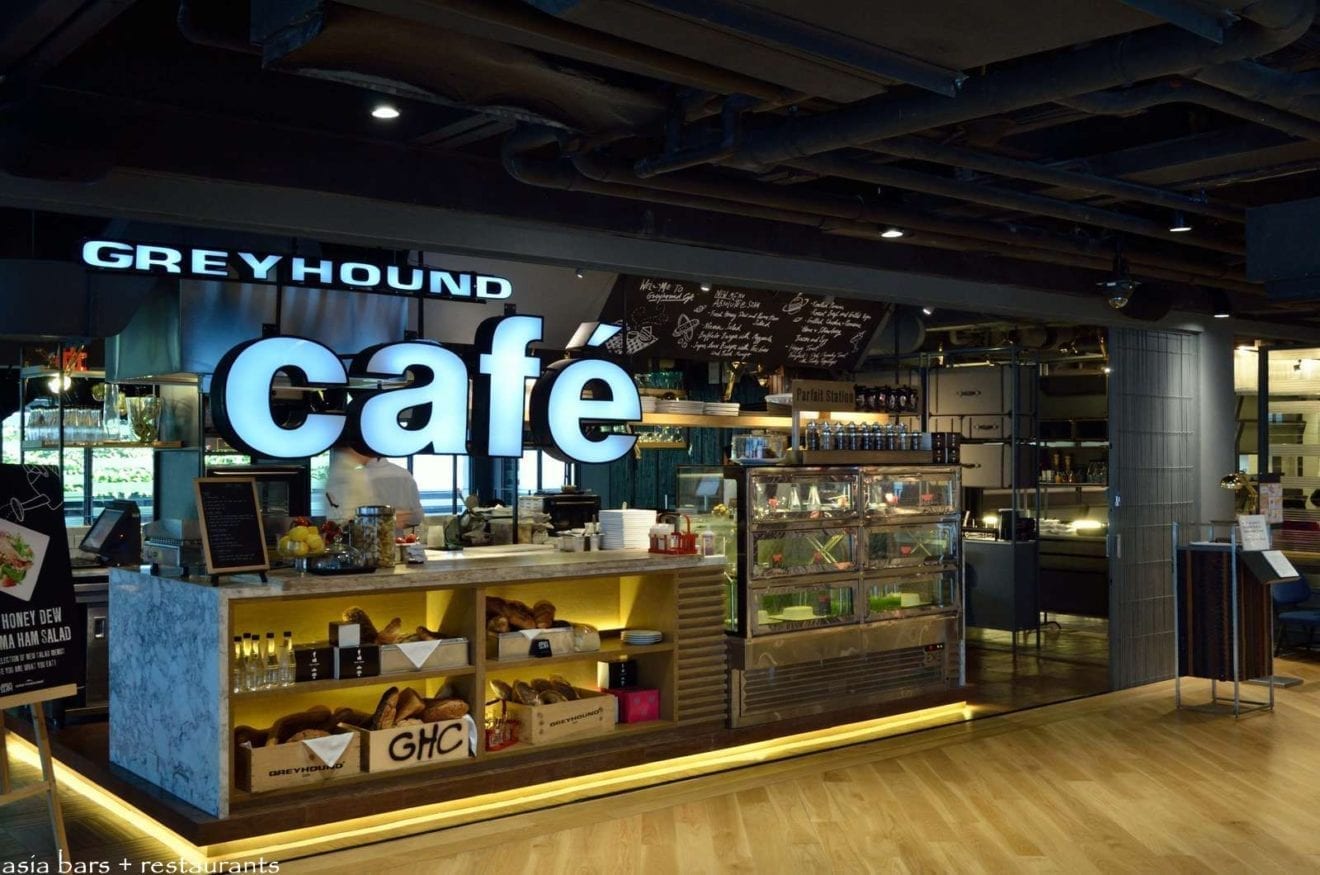
    Mainly Thai fusion dishes are offered at the new Greyhound Cafe Jakarta, in the Grand Indonesia mall. With a cactus display in its outdoor area, the ground-floor cafe has a mainly black-and-white theme and offers mainly Thai fusion dishes.

    A private dining area is available as well as a smoke area, and takeaway is possible.

    The Thai brand is being introduced in Indonesia by restaurant group Arena Corporation.

    Greyhound Cafe opened its 13th international outlet last December, marking its debut in Singapore.

    At the time it had 14 cafes in Bangkok plus outlets in Beijing, Hong Kong, Kuala Lumpur and Shanghai.

    For Greyhound, the cafe was actually an afterthought to complement to brand’s fashion line.

  • iflix team with Fortumo for direct carrier billing

    iflix team with Fortumo for direct carrier billing

    iflix and mobile payments firm Fortumo have launched direct carrier billing for iflix users, which number about 620 million people across Indonesia, Pakistan, the Philippines and Thailand.

    Users can now subscribe to iflix and enjoy access to unlimited video entertainment by using their airtime balance or monthly phone bill to pay for the service.

    Carrier billing for iflix via Fortumo has been made available for subscribers of the mobile operators Smartfren and 3 (Indonesia), Telenor and Zong (Pakistan), Smartand Globe Telecom (the Philippines) and DTAC (Thailand).

    iflix and Fortumo expect to announce support for more carriers in Asia as well as the Middle Eastern & African region over the upcoming months.

    In the emerging markets where iflix operates, less than 10% of people own a credit card while smartphone ownership is already around 40% of the population. This means direct carrier billing allows a significantly larger portion of people the ability to pay for iflix subscriptions.

    “As we continue rapid expansion into emerging markets globally, we are confident that Fortumo will provide seamless payment integration in our markets”, said Tim Whelan, iflix global head of payments.

    iflix has leveraged Fortumo’s Payments API to expand its payment reach across its Asian markets, allowing iflix to roll out direct carrier billing for multiple mobile operators at once using Fortumo’s pre-existing integrations with the carriers.

    iflix can simultaneously use advanced features of direct carrier billing such as free trials dynamic pricing with a fully iflix-branded payment flow to increase user acquisition and payment conversion.

  • Zilingo raises fresh funds for Indonesian expansion

    Zilingo raises fresh funds for Indonesian expansion

    Thai-headquartered fashion and lifestyle online marketplace Zilingo has raised US$17 million in a fresh investment round to fund expansion.

    Much of the funding came from Zilingo’s original investor, Sequoia India, with Burda Principal Investments (BPI), Venturra Capital, SIG, Wavemaker and Beenext also joining in.

    Zilingo is expanding across Southeast Asia and funds from this round are earmarked to strengthen its position in Indonesia.

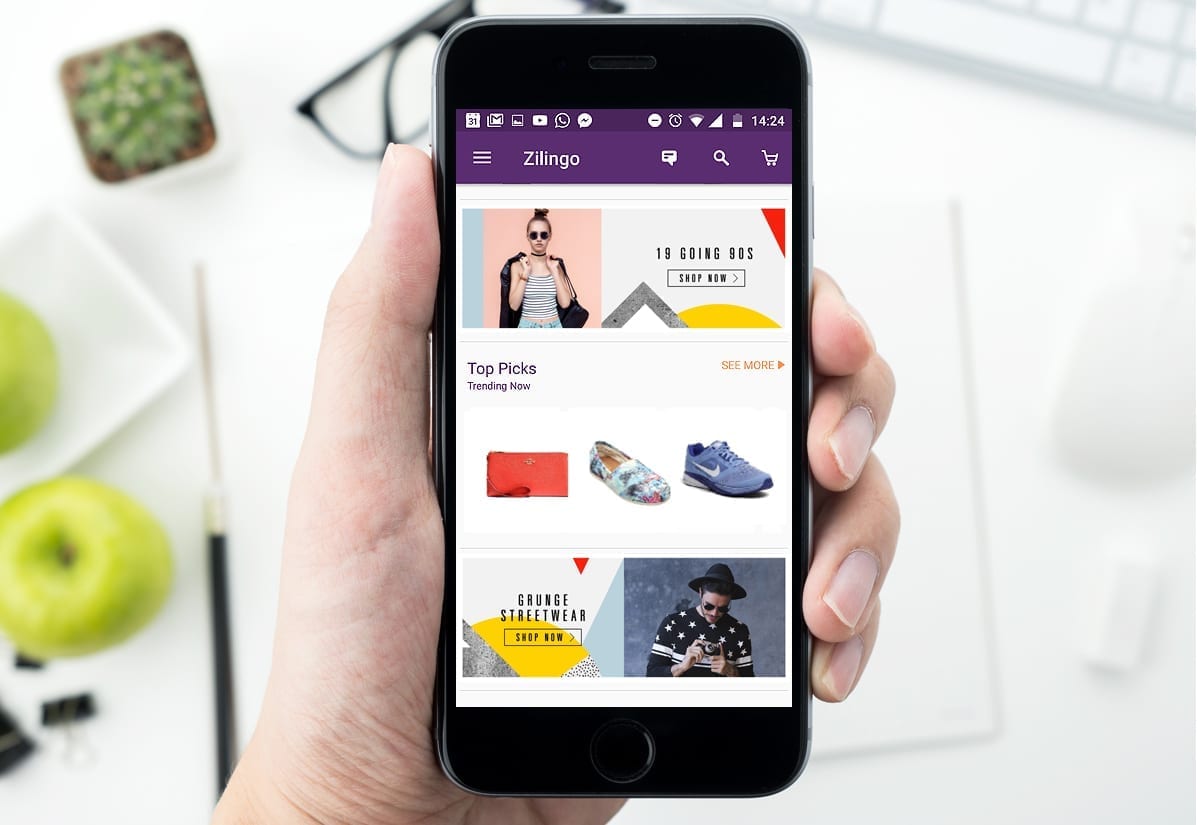
    The concept is essentially an app-based solution which allows people to find fashion items, chat with vendors and shop online, within a country or cross-border. It targets small fashion retailers and labels and SMEs without the resources or scale to build their own online stores.

    One of the investors, Albert Shyy, principal at Burda, said he was “extremely impressed” with Zilingo’s growth and its focus on strong unit economics.

    “We believe there is a massive opportunity to build the leading fashion marketplace in the region and are very excited to join their journey.”

  • IDX Again Wins Global Islamic Finance Award

    IDX Again Wins Global Islamic Finance Award

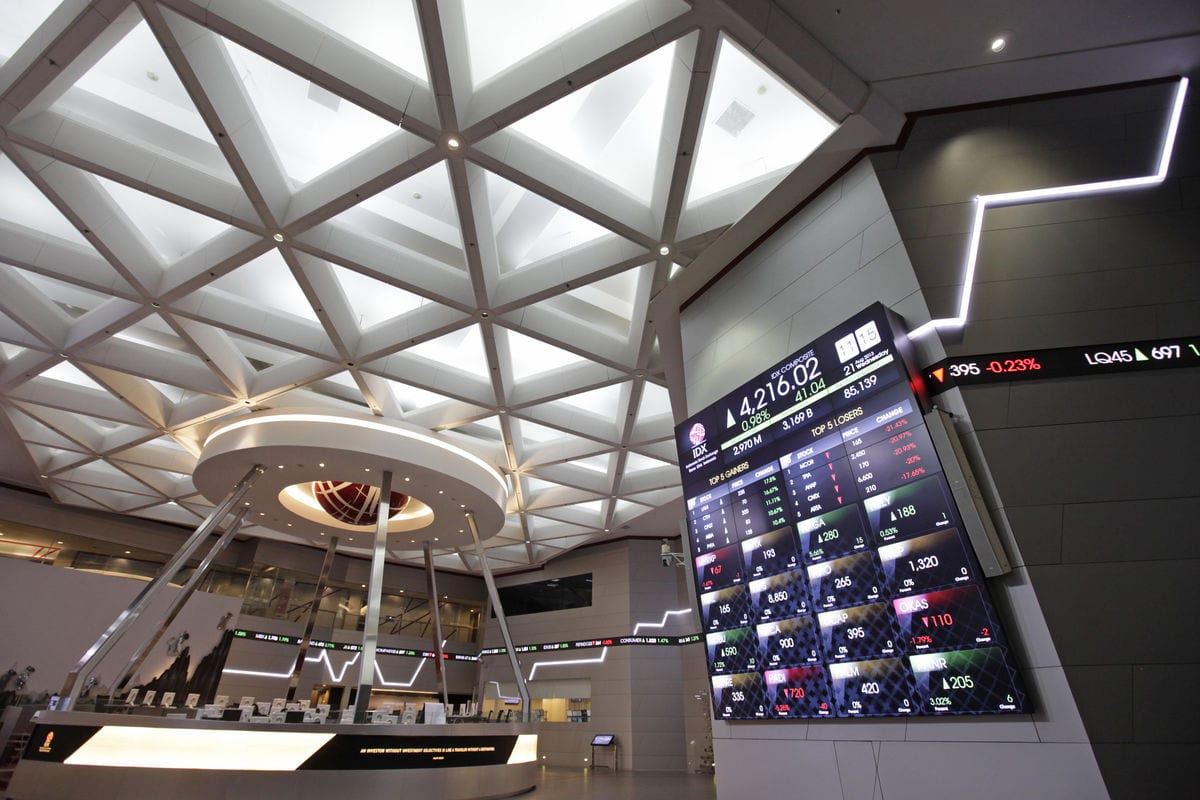
    The Indonesia Stock Exchange (IDX) was again awarded “The Best Supporting Institution for Islamic Finance of the Year 2017” from the Global Islamic Finance Award.

    Head of IDX Communication Division Yulianto Aji Sadono in an official statement in Jakarta, Sunday (9/10/2017) said that the bourse is the only institution from Indonesia that received the award from GIFA for two consecutive years.

    “This award is a benchmark for Indonesia to show that the Indonesian Sharia Capital Market has been able to compete at the international level,” he said.

    The award was handed over directly by Edbiz Consulting CEO Sofiza and received directly by the IDX Director Tito Sulistio in China on Saturday (9/9).

    The award, he added, is inseparable from the role of IDX which consistently encourages Indonesia’s sharia capital market industry to continue to advance and develop with world-level credibility, in accordance with the company’s vision and mission.

    He said that GIFA is one of the international awards in the world’s sharia financial industry organized by EdBiz Consulting, headquartered in London. GIFA 2017 is the seventh award.

    Yulianto Aji Sadono explained that since its establishment in 1997, Syariah Capital Market of Indonesia currently has two sharia indices namely Indonesian Sharia Stock Index (ISSI) and Jakarta Islamic Index (JII), 342 sharia shares, 16 fatwas from National Sharia Council-Indonesian Ulema Council (DSN-MUI), nine Regulations of the Financial Services Authority (OJK) and one Government Sukuk (SBSN) Law.

    By trade percentage, he also said that stock transactions in the IDX are dominated by sharia-based stocks. As much as 62 percent of the total shares traded on the IDX are sharia-based stocks, or about 55 percent of the market capitalization on the Stock Exchange.

    He said the market regulator expects the sharia capital market industry to be a safe investment alternative especially for Indonesian people who want to invest in accordance with sharia principles and can give real and optimal contribution in the growth and development of a sustainable national economy.

  • Indonesia Stock Market May Spin Its Wheels On Monday

    Indonesia Stock Market May Spin Its Wheels On Monday

    The Indonesia stock market has climbed higher in back-to-back sessions, collecting almost 35 points or 0.7 percent along the way. The Jakarta Composite Index now rests just above the 5,855-point plateau, although it may run out of steam on Monday.

    The global forecast for the Asian markets is mixed to slightly lower, with a decline in crude oil prices likely to weigh. The European and U.S. markets were roughly flat but mostly in the red, and the Asian bourses are expected to follow that lead.

    The JCI finished modestly higher on Friday following gains from the financial shares and resource stocks.

    For the day, the index advanced 24.81 points or 0.43 percent to finish at 5,857.12 after trading between 5,819.53 and 5,866.99. There were 159 gainers and 142 decliners, with 130 stocks finishing unchanged.

    Among the actives, Tiga Pilar Sejahtera Foods plummeted 5.03 percent, while Indofood Sukses perked 1.47 percent, Bumi Resources advanced 0.83 percent, Bank Pan Indonesia spiked 1.95 percent, Bank Danamon Indonesia collected 0.47 percent, Bank Mandiri jumped 1.92 percent, Bank MNC Internasional skidded 1.92 percent, Lotte Chemical added 0.78 percent, Jasa Marga shed 0.42 percent and XL Axiata gained 0.26 percent.

    The lead from Wall Street provides little clarity as stocks moved mostly lower on Friday, although the Dow eked out a modest gain.

    The Dow added 13.01 points or 0.1 percent to 21,797.79, while the NASDAQ fell 37.68 points or 0.6 percent to 6,360.19 and the S&P shed 3.67 points or 0.2 percent to 2,461.43. For the week, the NASDAQ tumbled 1.2 percent, the Dow slid 0.9 percent and the S&P lost 0.6 percent.

    The weakness came amid concerns about the economic impact of Hurricane Irma, which made landfall in Florida early Sunday. Irma followed close on the heels of Hurricane Harvey, which led to widespread devastation and flooding in Texas.

    In economic news, the Commerce Department said wholesale inventories rose more than expected in July, while the Federal Reserve said consumer credit jumped more than expected in July.

    Crude oil futures fell Friday but held onto weekly gains as data showed the U.S. oil rig count fell again in what is becoming a rough hurricane season. U.S. West Texas Intermediate light crude oil shed 2.04 percent or $1 at $48.09 a barrel.

  • Google brings free WiFi to Indonesia

    Google brings free WiFi to Indonesia

    Google is extending its successful Google Station program to Indonesia. The company is partnering with internet service providers (ISPs), venue owners, and system integrators in Indonesia to provide consumers with free access to Wi-Fi at railway stations, universities, and other public areas.

    The expansion of the program, which was first launched in India 18 months earlier, could bring more users online, expanding Google’s global footprint and bolstering its potential ad revenue. Google Station can, in effect, boost the country’s rising internet penetration. Internet users in Indonesia increased 51% year-over-year (YoY) in January 2017, however, internet penetration remains low, at 40%. 

    By extending the program to Indonesia, Google is likely seeking to replicate the success of its Google Station program in India:

    • Free internet access has resulted in an early uptick in daily internet usage in India.In 2016, it was found that, on average, consumers used 15 times more data each day on Google’s Wi-Fi network than they did on their cell networks.
    • Offering high-speed data for free could mean new users associate Google with fast internet. Each day, around 15,000 people use one of these stations in India to connect to the internet for the first time, according to Google India Head of Connectivity Gulzar Azad.

    Google Station is just the latest effort by the company to connect the next billion users by catering to the needs of those in emerging markets. Google has previously released products and services targeted toward these smartphone users. Just last week, Google began experimenting with a light version of its Search app in Indonesia. The company is also rolling out Android Go, a low-data and budget-friendly version of the upcoming version of Android for developing markets.

    However, Google is not alone in turning to Indonesia to build out a user base. In 2015, Facebook launched its connectivity initiative, the Internet.org mobile app, in Indonesia, to get more people online. The app includes numerous connectivity strategies, including the Free Basics app, which enables consumer access to certain

  • Indonesia focuses on attracting more Asia-Pacific tourists

    Indonesia focuses on attracting more Asia-Pacific tourists

    Indonesia is currently channeling its efforts to attract foreign tourists from Asia-Pacific countries. Deputy for Foreign Tourism Marketing Development of the Ministry of Tourism I Gde Pitana noted in a written statement in Jakarta on Friday that his office is focusing its foreign tourism marketing program this year on markets in the Asia-Pacific region.

    “Targeted countries include China, Australia, Japan, South Korea, India, and other markets,” he revealed.

    Several promotional initiatives have been prepared, for instance, by undertaking more activities in the form of exhibitions and sales missions.

    Pitana stated that from January to December 2017, his office has prepared 54 activities in the form of 30 exhibitions and 24 sales missions.

    Festivals will be promoted through 30 activities and familiarization trips of 51 activities.

    Meanwhile, promotional activities implemented in the Asia-Pacific markets until July 2017 include participation in the Incentive Travel Convention Meeting in China, Hanatour International Travel Show, International Travel Expo in Hong Kong, and ADEX Australia.

    Furthermore, in the second semester of 2017, Indonesia will participate in several important events, such as the PATA Travel Mart, JATA Tourism Expo, China International Travel Mart, and MATTA Fair.

    “The same activities were also held in the European, Middle East, American, and African markets to exploit their potential,” Pitana noted.

    It will participate in nine exhibition events, with one each in July, August, and September; as well as two exhibitions in October; and four in November 2017.

    Among the international exhibition events is the largest exhibition WTM London and World Halal Tourism Summit.

    Pitana expects to see an increase in participation and synergy among the local government, tourism business players, and other tourism stakeholders to support the international tourism marketing program in 2018.

    “Several activities involving collaboration with the local governments include with the Aceh government for the MATTA Fair and ITB in Berlin and with the Yogyakarta provincial government in the Vietnam Travel Mart. We hope that participation and synergy between the central and local governments would strengthen cooperation with associations and other elements, such as the media, academia, and community, in 2018 ” Pitana added.

  • Inflation in August estimated to be lower at 0.02 percent

    Inflation in August estimated to be lower at 0.02 percent

    The Central Java representative of Bank Indonesia (BI) predicted that the countrys inflation in August would be lower at 0.02 percent from 0.14 percent in July.

    “The decline in inflation was a result of a cut in the prices of a number of essential goods,” Rahmat Dwisaputra of the Central Java representative of the central bank said here on Tuesday.

    Rahmat said the inflation should be stable at a lower level, adding after Ied ul Fitr inflation would be as expected by the government.

    “In June and July inflation rates were quite high. That is the trend. We will stabilize the inflation that price hike is no longer high,” he said.

    In addition to the falling prices of essential goods especially volatile foods such as chili, garlic, and red onion, the cost of education is also expected to contribute to the decline in inflation in August.

    The time when the people have to pay extra for education has been over that there is less factors contributing to inflation.

    “In September, inflation is even expected to remain low with low consumption by the people,” Rahmat said.

    With the stability maintained the purchasing power of the people is expected to be unaffected, he added.

  • DBS launches digibank in Indonesia

    DBS launches digibank in Indonesia

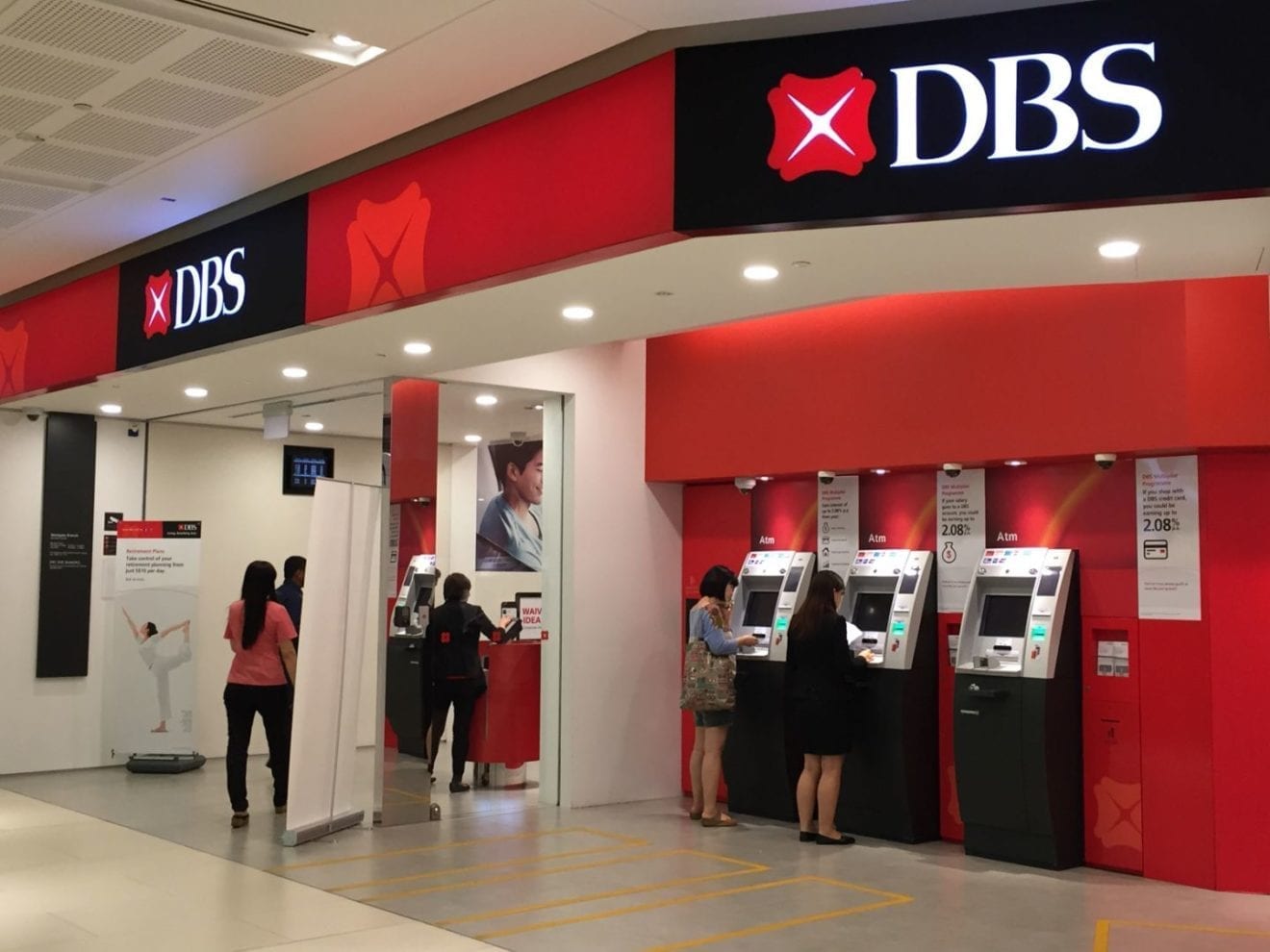
    DBS Bank has launched a mobile-led bank, or “digibank”, in Indonesia. The service is paperless , requires no signatures and brings together an entire suite of innovative technology – from biometrics to artificial intelligence (AI), DBS said yesterday.

    Customers using digibank Indonesia will be able to tap features such as biometric technology, customer service that is provided by a 24/7 AI-driven virtual assistant, an intelligent financial planning and monitoring service, and an in-built security system.

    DBS Indonesia president director Paulus Sutisna said: “Over the past few years, Indonesia has seen a rapid growth in the number of Internet and smartphone users. Along with this, we’ve witnessed a change in customer behaviour, and people increasingly want a simple, fast and effortless way to bank.

    “As a bank that is committed to shaping the future of banking, we’re excited to introduce digibank in Indonesia, giving customers the ability to bank any time, anywhere,” he said.

    The Indonesian government has said it expects the country’s digital economy to reach US$130 billion (S$175.7 billion), or about 12 per cent of its gross domestic product, in 2020, as the economy shifts from a commodity-led to service-based one. A recent survey found that Internet users in Indonesia make up 51.8 per cent, or 132.7 million people, of the population, while another poll noted around 91 per cent of Indonesian citizens have a mobile phone and 47 per cent own smartphones.

    Along with the growing Internet penetration, Indonesia’s Financial Authority Services said the number of customers using e-banking has grown from 13.6 million in 2012 to 54 million last year. The frequency of Internet banking transactions has also increased, from 150.8 million in 2012 to 406.6 million last year.

    “A few years ago, we would not have imagined that it would be possible to launch an entire bank in a mobile phone,” said DBS chief executive Piyush Gupta.

    “With digibank, we’ve built a bank that pulls together the power of biometrics, natural language, artificial intelligence and in-built security in one offering. We believe this mobile-led offering represents the future of banking.”

    The launch follows a similar roll-out in India last April, which enabled DBS to penetrate India’s retail banking market, with about 1.5 million new customers acquired to date.

  • AirAsia sets up new holding company for Indonesian ops

    AirAsia sets up new holding company for Indonesian ops

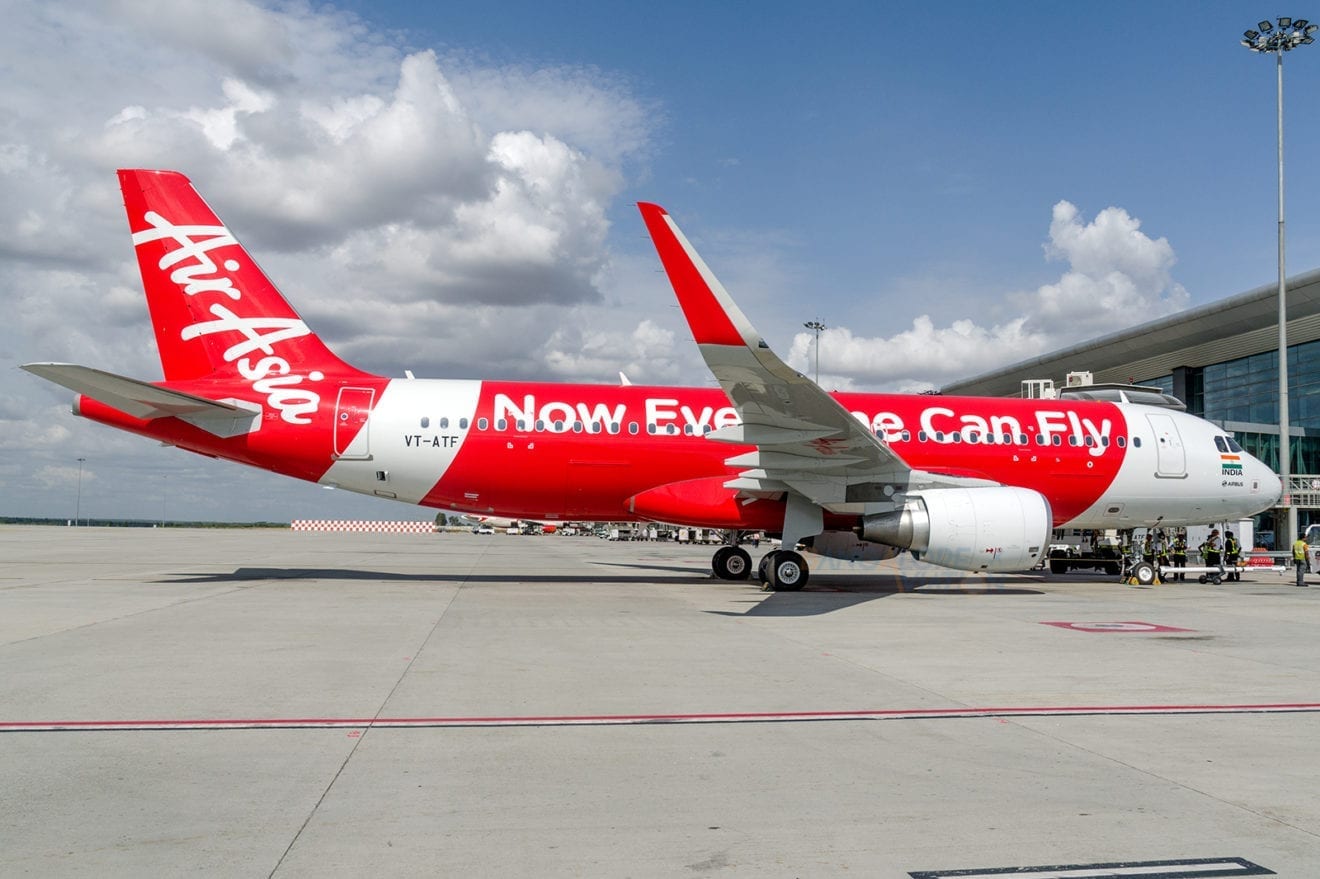
    AirAsia will partially dispose of and convert its perpetual securities investments in PT Indonesia AirAsia (IAA) into new shares in a company listed on the Indonesia stock exchange.

    The low-cost carrier said on Tuesday PT Rimau Multi Putra Pertama TBK (RMPP), will effectively become the new holding company of IAA, with 57.25% stake in the Indonesian carrier.

    At present, AirAsia has a 49% stake in IAA, while the remaining majority stake belongs to PT Fersindo Nusaperkasa (FNP) owing to a foreign ownership cap on Indonesian airlines.

    Subsequent to the exercise, AirAsia via its unit AirAsia Investment Ltd (AAIL) and FNP will own up to 48% and 49.96% equity interest in RMPP respectively.

    AAIL and FNP will subscribe for the remaining unsubscribed rights shares offered in the rights Issue after allotment for an amount up to 10.4 trillion rights issue shares in exchange for IAA perpetual securities with a nominal value of 2.6 trillion rupiah.

    Upon completion of the rights issue, the IAA perpetual securities will be converted into up to 241,067 newly issued common shares in IAA equivalent to 57.25% equity interest in the company.

    Assuming there is full public subscription to the rights issue, AirAsia will have a 21.05% indirect stake in IAA via RMPP. In the event of no public subscription it will have a indirect 27.48% stake in the Indonesian airline.

    In a separate announcement, AirAsia has proposed an internal reorganisation by exchanging the entire issued share capital of AirAsia Bhd with matching new ordinary shares in a new investment holding company called AirAsia Group Bhd.

    AirAsia Group will assume the listing status of AirAsia Bhd.

    Trading in AirAsia shares was suspended at 2.30pm on Tuesday for the remainder of the trading day. It was up two sen or 0.6% to RM3.33 on volume of 6.13 million shares done.

  • Pertamina boosts production with new technology

    Pertamina boosts production with new technology

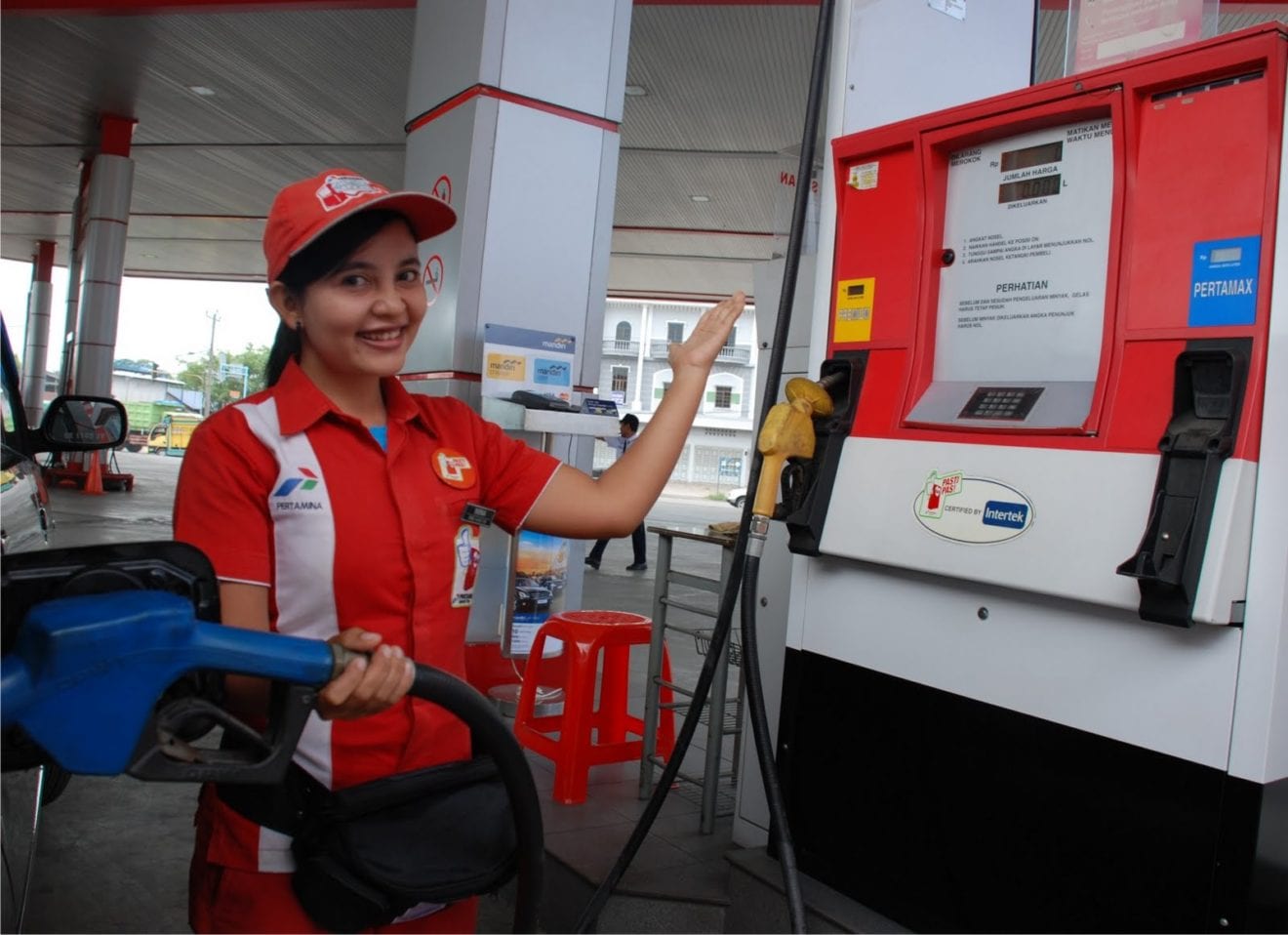
    State-owned oil company Pertamina EP (a subsidiary of Pertamina) is using the underbalance drilling new technology to boost its oil and gas production.

    The technology is being used as a new strategy and innovation to exploit production at the Jatibarang old oil field, which is being cultivated since 1972.

    The Jatibarang field includes both onshore and offshore fields, Jatibarang Oil Field Manager Herman Rachmadi said in Jatigarang, Friday.

    He revealed that the Jatibarang field was divided into nine structures, namely the Sindang, the Karangbaru, the Randegan, the Cemara, the Tugu Barat, the Gantar, the Waled Utara, the Kandanghaur and the X-ray structure for the offshore field.

    At the Jatibarang structure, the drilling work is done using the underbalance drilling technology. “The depth target of wells with this technology is 2,000 meters and will be done for a period of two months,” he affirmed.

    The other strategy and programs used in the Jatibarang field to increase oil and gas production is the repair program, fracturing, well maintenance, conversion lifting and stimulation.

    This year, Jatibarang is handling the maintenance of 30 wells, 59 intervention wells and 26 workover wells.

    PT Pertamina EP is also carrying out stimulation programs in wells that experience sedimentation and an increase in the water content.

    Currently, the average production of Jatibarang is 5,500 BOPD. The structure which significantly contributes to the production is the X-ray structure with a production of 2,100 BOPD, and the Jatibarang structure with a production of 1,000 BOPD.