Tag: Indonesia

  • Help for Singapore start-ups in Indonesia

    Help for Singapore start-ups in Indonesia

    Singaporean start-ups eyeing the Indonesian market can now look to a new innovation hub in its capital. Block71 Jakarta, a 1,500 sq m facility in the Kuningan district, officially opened its doors yesterday to 24 businesses from both countries. Operations had begun in March.

    The hub, a tie-up between the National University of Singapore’s entrepreneurial arm NUS Enterprise and Indonesia’s Salim Group conglomerate, will host conferences, business competitions and other start-up events.

    It is based on Singapore’s Block71 in Ayer Rajah Crescent.

    NUS Enterprise chief executive Lily Chan said: “Block71 Jakarta is open to all start-ups and entrepreneurs who are keen to explore the Indonesian market. In particular, we strongly encourage companies that are developing innovative technology solutions with the potential to scale globally to apply.”

    Start-ups are also expected to be able to tap the global networks of investors and industry players that NUS Enterprise and Salim Group are plugged into.

    The group’s executive director, Mr Axton Salim, said in a statement: “We have embarked upon this initiative as we want to support entrepreneurs as well as encourage new developments in Indonesia.

    “The Salim Group’s networks and experience will facilitate the entry of start-ups and innovations to the local market and benefit the community here.”

    His family business deals in a diverse array of sectors, with its units including real estate, telecommunications and manufacturing.

    Among the Singapore start-ups that have ventured into Block71 Jakarta is the pslove company, which sells heat patches to alleviate menstrual cramps. Founder Tan Peck Ying told: “As a consumer product company, we go where the demand is. For the past couple of months, we have been getting multiple requests from Indonesia and this is a natural move for us.”

    The Indonesian start-ups at Block71 Jakarta include 8villages, a social enterprise that provides rural farmers with a mobile information platform to communicate and do business.

    Minister for Trade and Industry (Trade) Lim Hng Kiang, who officiated the hub’s opening ceremony yesterday alongside his Indonesian counterpart, said: “Block71 Jakarta will be a launch pad for Singapore entrepreneurs and innovators to build ties with the Indonesian start-up community. We hope Block71 Jakarta will foster a healthy two-way exchange of ideas, innovation and expertise.”

  • Maybank Indonesia Patmi up 16.3% in 1H

    Maybank Indonesia Patmi up 16.3% in 1H

    Malayan Banking Bhd’s (Maybank) Indonesian unit PT Bank Maybank Indonesia Tbk (Maybank Indonesia) posted a 16.3% year-on-year (y-o-y) rise in profit after tax and minority interests (Patmi) to 998.5 billion rupiah (RM320.7 million) for the first six months ended June 30, 2017 (1HFY17), from 858.4 billion rupiah, on an overall improvement in its core banking business.

    In a statement yesterday, Maybank said Maybank Indonesia’s net interest income rose 7% y-o-y to 3.8 trillion rupiah in 1HFY17, from 3.6 trillion rupiah, mainly due to the bank’s discipline in loan pricing and active funding management.

    The net interest margin improved to 5.3% in June 2017, compared with 5% in June 2016, while fee-based income grew 9.1% to 1.5 trillion rupiah from 1.3 trillion rupiah.

    “I am pleased the bank continued to show encouraging improvement for the first semester despite the challenging macroeconomic environment,” Maybank group president and chief executive officer Datuk Abdul Farid Alias said. He is also Maybank Indonesia’s president commissioner.

    Maybank Indonesia’s global banking loans grew 18.9% to 27.3 trillion rupiah in June this year, as a number of key deals were successfully realised.

    Its community financial services (CFS) non-retail loans, which comprise micro, small and medium enterprises, and business banking, grew by 2% to 50.1 trillion rupiah. However, due to a slowdown in consumer spending, CFS retail loans declined 6.4% to 42.5 trillion rupiah, the banking group added.

    Maybank Indonesia’s asset quality was also maintained, with the consolidated non-performing loan (NPL) level remaining at 3.6% (gross) and 2.4% (net) as of June 2017, compared to a year earlier. Provision expenses declined by 15.7% to 835.8 billion rupiah in June 2017, from 991.1 billion rupiah in June 2016.

    The loan-to-deposit ratio (bank only) stood at a “healthy” 86.7%, while the loan-to-funding ratio (bank only) was at 85.9%. Total customer deposits grew 5%, from 114.1 trillion rupiah in 1HFY16 to 119.8 trillion rupiah in 1HFY17, with the current account and savings account ratio reaching 37.4%.

    Maybank said its Indonesian unit’s continuous focus on transactional banking and electronic channels, which include its Internet-based mobile banking facility Maybank M2U, also “contributed greatly” to the improved liquidity position.

    Syariah banking also continued to perform in 1HFY17, said Maybank, with net profit growing 95.9% to 384.9 billion rupiah in June 2017, from 196.4 billion rupiah in June 2016.

    “Total syariah financing rose 49%, reaching 16.2 trillion rupiah in June 2017, compared with 10.8 trillion rupiah in June 2016, while deposits jumped 41.4% to 13.5 trillion rupiah from 9.6 trillion rupiah,” Maybank said.

    Meanwhile, Maybank Finance reported a 20.4% rise in profit before tax to 174.9 billion rupiah in June 2017, from 145.2 billion rupiah in June 2016, with a 21.9% rise in consumer financing (stand-alone) to 6.7 trillion rupiah from 5.5 trillion rupiah. In terms of asset quality, gross and net NPLs stood at 0.4% and 0.3% respectively.

    “Our strong first-semester results clearly reflect the steady improvement in our core business performance as strong fundamentals, rigorous risk management practices, as well as a disciplined approach towards pricing and growth are well in place,” said Maybank Indonesia president director Taswin Zakaria.

    The bank is confident of seeing sustainable profit growth in the remainder of 2017, he added.

  • Tourism Ministry to Lure More Asia Pacific Tourists

    Tourism Ministry to Lure More Asia Pacific Tourists

    Tourism Ministry claimed that they will keep adding the number of international flight routes especially from Asia Pacific to Lombok, West Nusa Tenggara. One of the potential markets targeted is South Korean tourists.

    Tourism Ministry’s Asia Pacific deputy assistant Vincent Djemadu said that the potential tourists from Asia Pacific to Indonesia are high in number. They are mostly attracted to Indonesia’s nature and culture.

    Nationwide, in a year there are at least 350 thousand Korean tourists choose Indonesia to spend their holiday. Vincent mentioned that this year the figure will increase to 500 thousand tourists.

    “At present, nationally, the existing market is roughly 350 thousand tourists per year. It will most likely increase up to 500 thousand by the end of this year,” Vincent said in Praya on Saturday (29/7).

  • Telkom enters IoT alliance with Fujitsu

    Telkom enters IoT alliance with Fujitsu

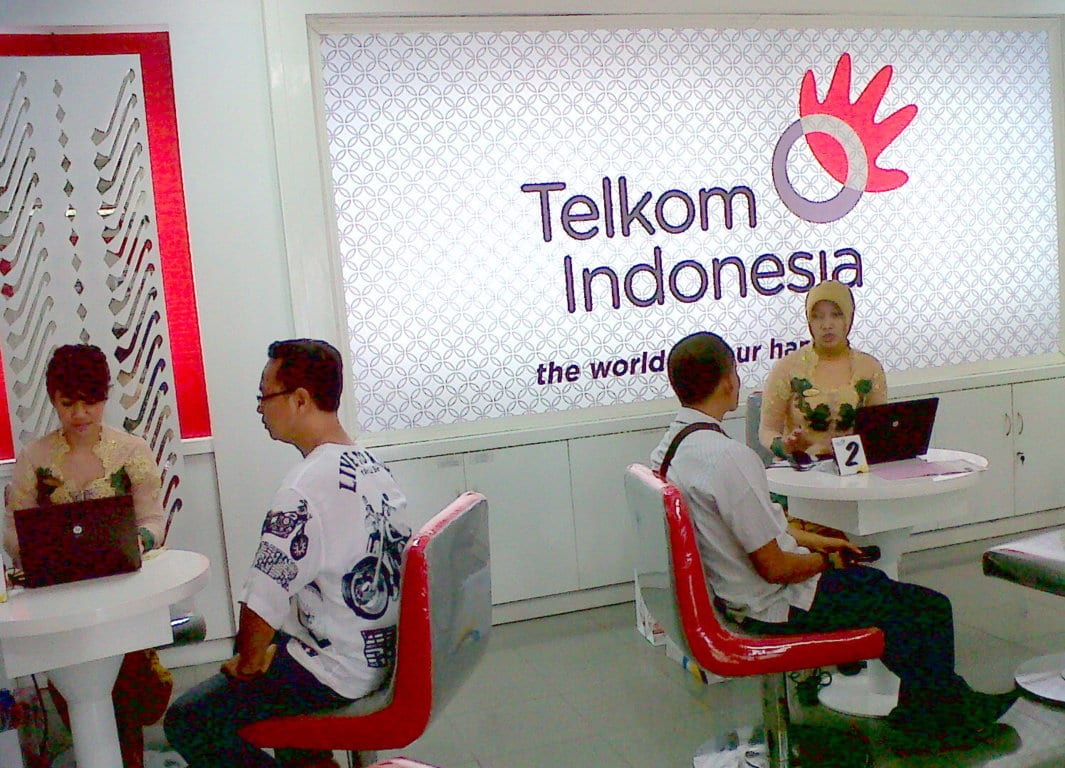
    Indonesia’s PT Telkom has entered a two-year strategic partnership with Japan’s Fujitsu to pursue the co-creation of businesses utilizing the IoT and other digital technologies and leveraging Telkom’s network infrastructure.

    Under the collaboration, the companies will seek to apply IoT and other advanced technologies to sectors including smart cities, healthcare, manufacturing and logistics.

    The companies will initially conduct market research and verification of technical specifications, systems and service performance, before moving on to concept verification and then service co-creation.

    The collaboration is aimed at Indonesia’s large population of over 250 million and catering to the rapid expansion in internet usage in recent years. The companies said they aim to develop a digital society in Indonesia, and support Telkom’s goal of building a digital economy in the nation.

    Telkom operates a 106,000km broadband backbone across the country as well as a satellite system capable of serving Indonesia’s islands. The company is Indonesia’s largest operator, and is majority-owned by the government.

  • Konecranes wins contract to supply a new customer in Indonesia

    Konecranes won a contract for the delivery of an Automated RTG (ARTG) system to a new customer, PT Prima Multi Terminal, a subsidiary of PT Pelabuhan Indonesia I. The ordered ARTG system includes eight ARTG cranes with associated software, interfaces and services. The new order also comprises three Ship-to-Shore (STS) cranes.

    The ordered ARTG system and the STS cranes will be delivered to the greenfield container terminal in Kuala Tanjung Port, North Sumatera. The terminal is prioritizing digitization right from the beginning and highlighted the importance of transparency, scalability and maintainability on top of the core function of handling containers cost-effectively.

    “We are delighted to collaborate with the world’s leading automated container crane supplier and are looking forward to executing the project successfully before starting to serve our customers in a most efficient way at the end of 2018,” says Hosadi Sikumbang, President Director of PT Prima Multi Terminal.

    Indonesia is a strategically important country for Konecranes, which has been operating there for 18 years. The government of Indonesia is carrying out a nationwide freight transport program to improve the movement of goods through the country’s vast waterways. With its products and services, Konecranes is poised to contribute to the country’s drive to become a global top ten economy by 2025.

    “We thank PT Prima Multi Terminal for placing their confidence in Konecranes and look forward to being part of their success story. The value our customers perceive from our automation system is delivered through elimination of unintended crane movements, reduced energy and maintenance bills, and increased productivity,” says Janne Eklund, Konecranes Sales Director, Port Cranes, Asia Pacific.

    The new ARTG system will be delivered at the end of 2018 and comprises:

    · Eight all-electric, automated Konecranes 16-wheel RTGs with Active Load Control and GPS Autosteering
    · Four Remote Operating Stations (ROSs)
    · Truck guidance systems
    · Intelligent gates for the container stacks
    · Interface for miscellaneous container yard infrastructure
    · Automation software, including the interface to the Terminal Operating System
    · TRUCONNECT® remote service, which gives the customer 24/7 access to Konecranes’ global network of crane experts

    The three Konecranes STS cranes of Post Panamax size will have an outreach of 48m and will be delivered 2 months before the ARTG system.

  • BTPN targets Indonesia’s growing m-banking userbase

    BTPN targets Indonesia’s growing m-banking userbase

    Respondents to the Pwc 2017 Indonesia Banking Survey reveal that 52% of Indonesian banks see technology as the main driver of bank transformation over the next 3-5 years. Respondents say that e-banking is their top investment priority.

    Surveyed banks also affirm that while branches continue to be the preferred channel for banking, customers are clearly moving towards mobile and internet channels. According to PwC, in this regard foreign banks enjoy greater traction with customers via their mobile and internet channels.

    Seeing this trend, PT Bank Tabungan Pensiunan Nasional Tbk. (BTPN) has embarked on a digital transformation strategy of its own, including enhancing how it targets and engage Indonesia’s growing mass affluent customers with its Jenius digital/mobile banking app solution.

    According to BTPN, Jenius is a hybrid implementation that is digital at the core but leverages the bank’s physical outlets in a targeted way. Jenius has already seen strong take up, overachieving on BTPN’s original app download goals. It also has significant potential to grow given the penetration of smartphones in the region and the large underbanked population.

    Peterjan van Nieuwenhuizen, Head of Digital Banking at BTPN said, “BTPN is committed to pioneering banking to suit customer lifestyles. We have built a system [Jenius] that enables our customers to complete basic banking processes without going to the branch. With an expanding middle class and growing mobile internet use here, we saw the significant opportunity this creates for financial services. Our philosophy is ‘do good, do well’ and we want to embody that in all aspects of the bank. Our customers look to us for innovation and fast, efficient services.”

    Powering Jenius is Finastra’s FusionBanking Essence Digital platform, which according to Finastra removes complex banking processes, enabling the bank to create highly personalized and easy digital experiences for its customers. Fast and secure sign-up and authentication make banking on the move simple.

    In addition to meeting customer demand for multi-channel digital banking experiences, FusionBanking Essence Digital enables BTPN’s Jenius to attract better-priced funding and more deposits from a new market segment as well as to bring products to market faster. Modern software architecture has enabled the bank to quickly transform digital solutions into powerful sales engines and increase revenue opportunities. It will also enable it to continue evolving alongside the broadening digital landscape in Indonesia.

  • BCA Wins Gallup Great Workplace Award for Second Time

    BCA Wins Gallup Great Workplace Award for Second Time

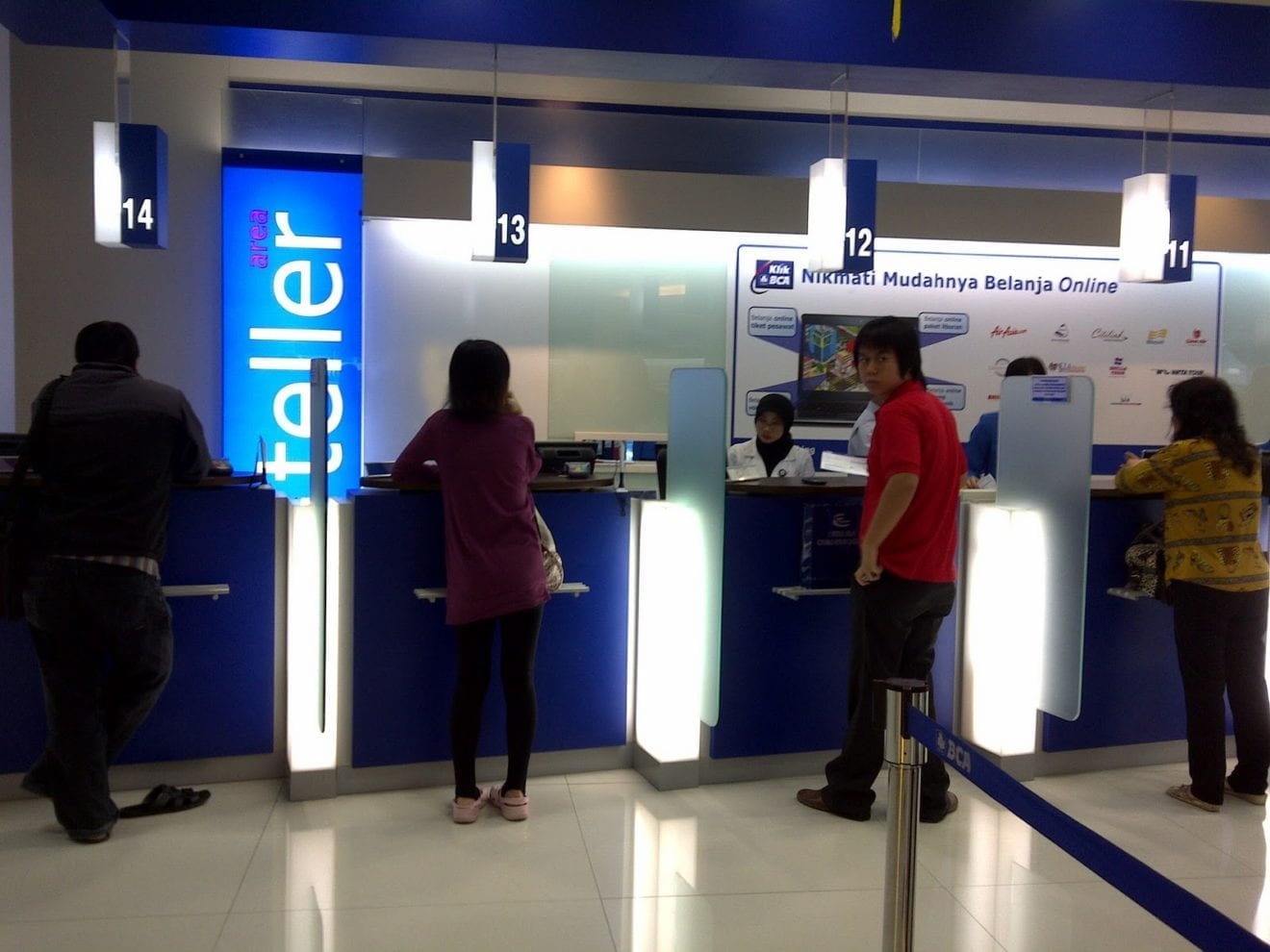
    Qualified and trained human capitals is an important aspect for Bank Central Asia, also known as BCA, in maintaining competitive advantage and in supporting business strategy.

    BCA constantly strives to improve human capital through a range of effective development programs and quality staff recruitment. On that commitment, BCA has again been chosen to be the only company from Indonesia to be awarded the Gallup Great Workplace Award.

    The award was presented by Head of Consulting Gallup, South-East Asia Taek Lee to BCA’s Vice President Director Armand Hartono at Hotel Indonesia Kempinski, Jakarta. Also present at the award ceremony was BCA Director Lianawaty Suwono and Head of Human Capital Management Division of BCA Hendra Tanumihardja.

    “Convenience, safety, and reliability are BCA’s top priorities when providing financial services to all BCA customers. We are determined to continue to be a leader in the national banking industry that contributes greatly to the Indonesian economy. BCA recognizes that the priorities and all of these business strategies rely on the support of qualified employees. To that end, BCA will continue to improve the competence of human capitals through coaching, training, and learning, “Armand said on Saturday (7/22).

    The company provides continuous training and development programs, instills performance-based work culture, and actively provides career development opportunities for 25,073 employees by 2016.

    These development programs are balanced with BCA’s efforts to build work-life balances to improve employee productivity and effectiveness. The Gallup Great Workplace Award received by BCA today is an appreciation of BCA’s commitment.

    The Gallup Great Workplace Award is an award initiated by Gallup’s strategic consulting firm. This award is an appreciation of the companies that succeeded in building a positive and productive work environment, helping the company achieve the best performance.

    It is also a differentiator between the Gallup Great Workplace Award with other awards, namely this award sees the relationship between engagement with the achievement of business companies/organizations.

    “The Gallup Great Workplace Award appreciates the company’s commitment to building workplaces that give employees energy and enthusiasm to work every day. We recognize that high engagement not only produces stronger business results, but also improves the welfare of every employee and their family. Employee wellbeing is the company’s essential contribution, “said Taek Lee, Head of Consulting Gallup, South-East Asia.

    Of companies worldwide meeting the criteria, only about 8 percent of companies are awarded the Gallup Great Workplace Award.

    This year, The Gallup Great Workplace Award is followed by companies from more than 30 industries, most of which come from the banking and insurance industries.

    In 2017 alone only 37 companies that get this predicate. Globally, the level of engagement among award winners is 70 percent and the ratio of between employees engaged with actively disengaged is 14:1.

    To achieve this award, companies follow the Employee Engagement Survey with employees of at least 50 employees with an 80 percent response rate. Companies earning an average grade of at least 4.4 out of 5, are eligible to be nominated for this award.

    Since its inception in 2007, BCA became the first indigenous Indonesian company to achieve GGWA in 2015 and maintain that achievement in 2017. BCA managed to get a response rate of 97 percent in Team Engagement Survey which is higher than the minimum response rate of 80 percent.

    BCA also managed to get the Team Engagement Survey score of 4.66, which is also higher than the minimum requirement of 4.4. In addition, the various Team Engagement programs conducted by the company helped boost business performance which is also one of the indicators of BCA’s victory.

    Various efforts were made by BCA to maintain a positive work environment. BCA will continue to refine human resource development programs in line with the development of the business environment and the needs of BCA.

    BCA will closely monitor the needs of human resources and continue recruitment and development efforts to prepare future generations of leaders as part of effective succession planning. BCA also consistently develops and introduces employee value proposition which is BCA’s values that emphasizes the principle of continuous improvement and friendly environment.

    “Investment in technology and infrastructure ensures BCA is able to provide reliable services through multi-channel network sharing while improving efficiency in various aspects of the business. Human capital investments are primarily in professional development and training programs, encouraging staff to work effectively and enabling BCA to provide customer service of the highest quality, “said Armand.

  • Modalku launches mobile app for lenders

    Modalku launches mobile app for lenders

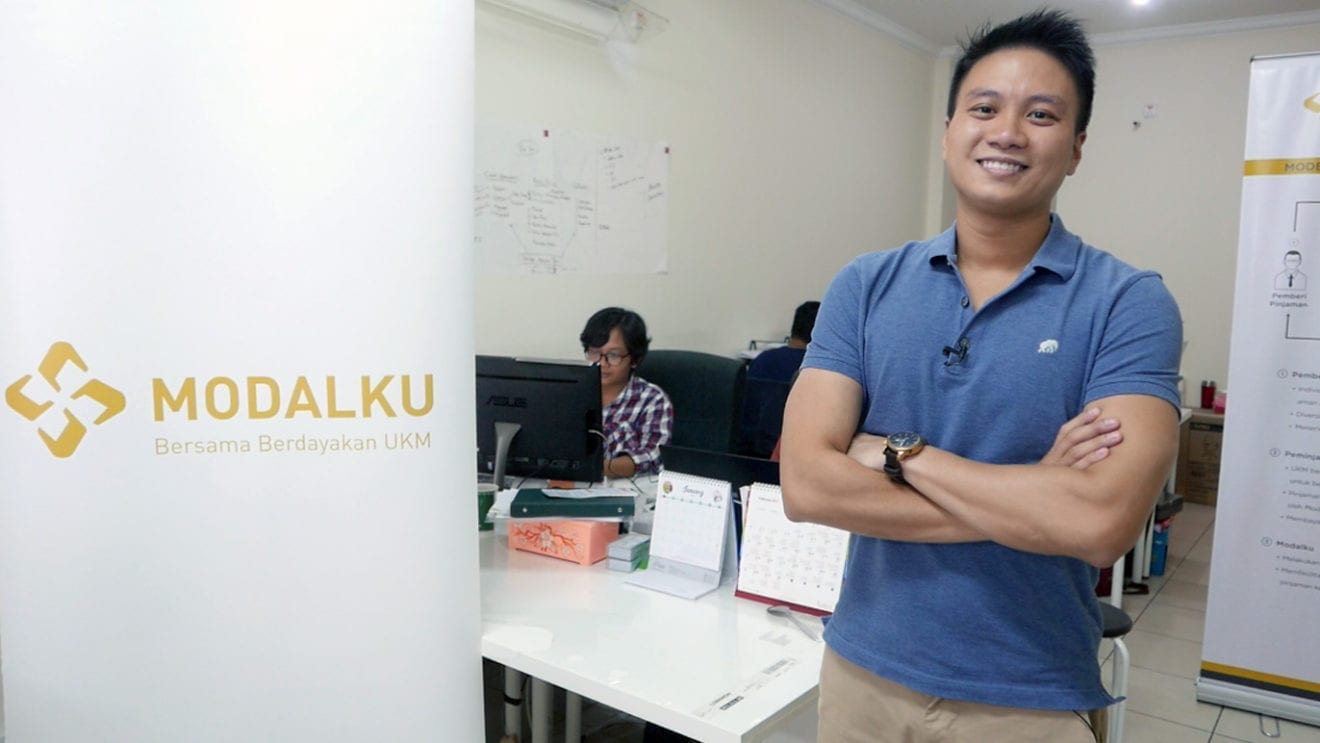
    Modaluku, a peer-to-peer (P2P) lending platform in Indonesia, has announced the launch of its mobile app for alternative investment.

    The app, named Modalku, offers more ease and practicality for lenders. All activities, beginning from sign-up to crowdfunding for alternative investments, can be done via smartphone anytime and anywhere. The app is available on iOS App Store and Google Play Store.

    Activated Modalku lenders can start crowdfunding for alternative investments straight away. The app has an ‘Auto Allocation’ feature, where lenders can crowdfund Small and Medium-sized Enterprise (SME) loans according to their personal preferences, based on criteria like return rates, loan duration, and allocation per loan.

    The Auto Allocation feature was designed with active lenders in mind. With it, the app generates hassle-free passive income without lenders having to manually allocate their funds every time an attractive alternative investment opportunity is available. The feature also maximises portfolio diversification and minimizes risk.

    New users can apply and sign up to become lenders with a semi-automated process. For example: the app will autofill address details from postal codes for easier application. Additional features, such as notifications for every SME loan ready for crowdfunding and low balance reminders, ensure that lenders will not miss an investment opportunity.

    As proof of Modalku’s commitment to consumer protection, the app incorporates state-of-the-art data security measures, including fingerprint login, advanced encryption, and auto-logout.

    “Modalku offers a win-win relationship for our users, both SME borrowers and lenders seeking alternative investment opportunities. In a diversified portfolio, P2P lending has proven to be an excellent investment alternative. Lenders can start from funding Rp1 million [US$75] for each SME loan, earning monthly repayments and good risk-adjusted returns. Our new app will give lenders greater access to peer-to-peer lending as an alternative investment option” said Modalku co-founder and CEO Reynold Wijaya.

    Financial Services Authority (OJK) Regulation, Licensing and Supervision of Financial Technology director Hendrikus Passagi added, “We warmly welcome the launch of Modalku’s mobile app as we believe the technology will support financial inclusion in Indonesia, along with the development of a cashless society.

    “Data from the Indonesian Internet Service Providers Association (APJII) shows that nearly 73% of Indonesian internet traffic happens on mobile devices and tablets. The app can increase the broader public’s interest in funding Special Needs Business (Puberku), such as Indonesian SMEs.

    David Ng, one of Modalku’s lenders added “I have gained attractive returns from my alternative investments in Modalku. Their products provide good risk-adjusted returns (through diversification), with a concept that is easy to understand. The Modalku app makes managing my portfolio even easier. I have activated the Auto Allocation feature to automate my alternative investments; all activities can practically be done via smartphone.”

    Modalku’s P2P lending business model connects SME borrowers with lenders through a digital marketplace. By financing SME loans, registered lenders gain an alternative investment with higher returns compared to term deposit and bonds.

    Modalku is the largest P2P lending platform in Indonesia, with loan disbursement totalling over Rp215 billion into 400 SME loans.

    This app follows the release of their Modalku Dana Usaha app, launched in January 2017 for SME borrowers.

    Modalku Dana Usaha is the first app to provide working capital loans in Indonesia, providing a quick, safe, and user-friendly process.

  • 60,000 Tourists Visit Bali by Cruise Ship

    60,000 Tourists Visit Bali by Cruise Ship

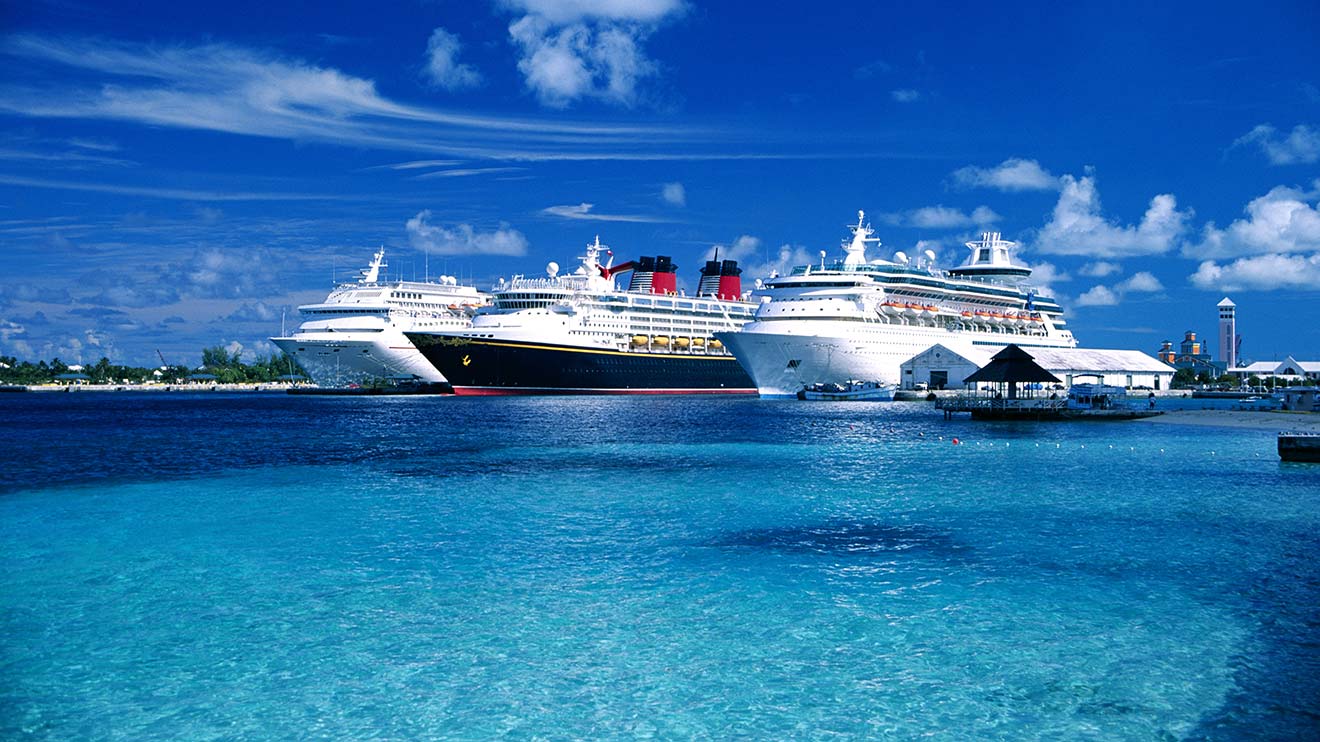
    A luxury cruise ship line Princess Cruises will bring more than 60,000 foreign tourists to experience the natural charm and culture of Indonesia.

    During the 2017-2018 holiday season, Princess Cruises will offer exciting travel plans to Bali, Lombok, Komodo Island, Makassar, Semarang, and Probolinggo. Bali is a favorite destination out of the 20 total destinations.

    “Princess Cruises continues to enhance tourism in Indonesia by dedicating five cruise ships that will have 26 trips to Indonesia.”

    The five cruise ships that have trips to Indonesia are Sapphire Princess, Diamond Princess, Golden Princess, Sun Princess, and Sea Princess.

    According to data from the Cruise Line INternational Assistance Association (CLIA), more than 2 million people were on the Continent of Asia cruise in 2015. This number is expected to double to 4 million by 2020.

    In 2014, CLIA also noted there were more than 18,000 yacht tourists coming from Indonesia, and that number doubled to 40,000 by 2015.

  • Jakarta shopping mall business ‘still promising’

    Jakarta shopping mall business ‘still promising’

    Jakarta shopping malls are still a promising business despite online retailing becoming more popular, says US real-estate service company Colliers International Group.

    It says the reason for this is a lack of entertainment options for family holidaymakers in the Indonesian capital.

    Twelve shopping centres with a total floor space of about 600,000 sqm are expected to be completed by 2020, with 38 per cent now under construction, Colliers Indonesia says in its latest retail property outlook report.

    With little choice for family entertainment, malls still appeal to locals as family destinations,” says senior associate for retail service Steve Subadi Sudijanto.

    Aeon Mall Indonesia is planning to open four more stores, three of which are being built, in Jakarta and its suburbs through 2020. The Japanese brand’s first shopping mall opened in Tangerang in Banten on the capital’s outskirts in May 2015.

    Colliers says F&B continues to be the main attraction. More new brands from Asian countries are arriving and expanding in Indonesia.

    “Tough competition requires developers to be more dynamic in attracting locals through renovation and tenant reshuffles on the back of a government measure to curb the number of new store openings in Jakarta,” says Colliers senior associate director of research Ferry Salanto.

    “In fact, hunting for new brands, particularly in fashion and food, is continuing to become a common habit for shoppers in Jakarta.”

  • The Boom Is Here As Indonesia Tourism Tops Asean Growth

    The Boom Is Here As Indonesia Tourism Tops Asean Growth

    Yahya has overseen new strategies to increase tourism in established areas and welcome foreign visitors from new target markets and countries, developing infrastructure in outer regions and rebranding dry marketing.

    The improvement can be seen with a massive increase in foreign tourists visiting the archipelago this year. Data from the Central Statistics Agency (BPS) shows 4.2 million foreign tourists visited Indonesia from January to June, a 19.34 percent increase from the same period a year earlier which saw 3.52 million visitors.

    Tourist visits in April skyrocketed with a 26.75 percent increase on the same period in 2016. Indonesia welcomed 1.14 million visitors this April, up from 902,000 recorded the year earlier.

    Indonesia is outpacing regional players – including tourism giant Thailand – in growth.

    Data published by The Business Times found growth in Singapore’s incoming visitors from January to April this year increased only 4.4 percent on the previous year. The slowing in growth contributed to a 2 percent decline in revenue for the local hotel industry in the same period, reaching just SGD$1.06 million (US$766,837).

    According to a report from Chinese state news agency Xinhua, foreign arrival figures in Malaysia contracted 0.5 percent so far in 2017 on a year on year basis. The result follows a push into Chinese and Indian markets from the Malaysian tourism authority and a target of 31 million visitors for the year.

    Thailand, which has long been a favourite of tourists from around the world, has continued to grow. Data from the Thai Ministry of Tourism and Sports shows foreign arrivals increased by 2.91 percent in the first four months of the year compared to the same period a year earlier. This translates to 12.02 million visitors from January to April 2017, up from 11.68 million foreign tourists a year earlier.

    In Indonesia’s industry, recent data from BPS shows foreign visitors increased 26.66 percent in May this year from the same month a year earlier. This equates to 1.16 million visitors in 2017 compared to 905,000 a year earlier.

    Booming growth in Chinese tourism is the highest contributor, making up 13.19 percent of all foreign tourists. Visitors from Singapore made up the second largest group with 9.83 percent, followed by Australian tourists contributing 7.91 percent. Indian visitors made up 4.19 percent of visits.

    Tourism Minister Yahya said 40 percent of all foreign tourists in Indonesia visit Bali, while 30 percent head for the capital city of Jakarta, 20 percent visit the Riau Islands and the remaining 10 percent holiday elsewhere in the archipelago.

    Bali has long been a favourite, with tourists flocking to the island’s beaches, resorts and inland jungles. Visitors to Jakarta typically come for business or shopping purposes.

    Increasing foreign tourism has been significantly assisted by a renewed effort in developing infrastructure in several regions with high tourism potential which have previously been underappreciated.

    Support for these regions includes the construction of new railways and roads and developing airports into international facilities to offer better access.

    The Ministry of Tourism has also established fresh branding strategies for key locales, including Medan, Bandung, Yogyakarta, Surabaya, Banyuwangi, Raja Ampat, Makassar and Lombok.

    The ministry hopes to welcome 20 million foreign visitors to the country by 2019, using the ‘3A’ principle which focuses on attention, accessibility and amenities. This principle reflects the ministry’s efforts to improve three key aspects of the industry, to provide better access and convenience with sufficient facilities and accommodation while also boasting excellent attractions to ensure each visitor enjoys his or her trip to Indonesia.

  • Trump Takes On Tanah Lot

    Trump Takes On Tanah Lot

    Property mogul turned President of the United States Donald Trump has a lot on his plate, but that hasn’t stopped him from setting his sights on a six-star resort development in the Tabanan Regency of Bali.

    Much like the man himself, the development remains controversial. What impact will the resort have on tourism to the island and will the unrest among the local community threaten its success?

    Specifics of the resort, such as how large it will be and how many jobs it will offer the local community, are still yet to be released which has caused some concern in the regency. The land on which the resort is planned was forcibly taken, according to reports of locals, during the Suharto era and eventually developed into the five-star Pan Pacific Nirwana Bali Resort. The plans for redevelopment are believed to include expansion of the 18-hole golf course.

    Construction of the Trump International Hotel and Tower Bali, in conjunction with local magnate MNC Group founder and expected future politician Hary Tanoesoedibjo, is expected to begin in early 2018 after years of deliberation.

    The project in Bali is one of two – the other slated for West Java, which is tipped to feature a theme park. The West Java project is also causing concern, particularly among environmental activists who fear the Gunung Gede Pangrango national park development will threaten many endemic animals and fauna, according to a report from the Associated Press earlier in the year.

    Like many Trump properties around the world, the resort will be managed and maintained by a firm, in this case the MNC Group, which has leased rights to the Trump brand.

    The news has upset many in the local community who are concerned with the resort’s proximity to 16th-century Hindu temple Tanah Lot temple – one of the resort’s major attractions.

    “I would strongly recommend against any new developments that impact the temple. These things are sensitive in Bali,” I Gusti Ngurah Sudiana, local head of the country’s peak Hindu group Parisada Hindu Dharma Indonesia, told Bloomberg.

    “The Balinese don’t tend to speak up, but these things related to the sacredness of the temple are very sensitive, only the enforcement is too weak.’’

    Indonesia Investments too noted concern in a January report: “according to local beliefs land nearby temples cannot be used for the purpose of leisure (such as a golf course). On the eastern side of the existing golf course there stands a small temple and therefore local people do not want to see an upgraded (expanded) golf course.”

    “Rumours have spread across the island over further forced land sales and the potential of Tanah Lot to be all but obscured by the hotel.”

    Rumours have spread across the island over further forced land sales and the potential of Tanah Lot to be all but obscured by the hotel. At this stage, a lack of details or open consultation from the government is doing little to smooth anxieties.

    A recent Four Corners programme, a long-running television documentary series produced by the Australian state news agency ABC, investigating the development as well as the business ties between Trump and Tanoesoedibjo and featuring a segment in which Tabanan regent Eka Wiryastuti dodged questioning has become emblematic of the difficulties in obtaining straight answers.

    “If anything’s been approved, it’s been done very privately and very quietly,” Mark Davis of Four Corners says during the programme.

    Bali remains a favourite among tourists because of the island’s ability to balance dream beach resort holidays and strong cultural experiences. A development which threatens that balance could threaten the unique drawcard Bali offers the world.

    But, obscured details aside, does Bali need a big name attraction like Trump?

    Maybe not, data from the National Statistics Bureau (BPS) suggests, with overall foreign tourist arrivals growing rapidly year on year. Over 4.2 million foreigners visited Indonesia between January and May this year, a 20.38 percent increase on the same period a year earlier.

    Of that number, 2.3 million touched down at Bali’s Ngurah Rai International Airport. This represents an increase of 23.66 percent from the 1.86 foreign visitors a year earlier. Bali is on track to reach the 5.5 million foreign tourists target, around a 30 percent increase from 2016.

    But the Trump brand may need a sure-fire hit like the iconic South Bali cliff face locale. With resorts, hotels and casinos around the world carrying the Trump name taking a financial hit as his presidency continues to garner controversy, a well-located luxury resort amid an ever-growing tourist base could buck that trend.

  • Mandiri aims to tap Singapore asset pool uncovered in tax hunt

    Mandiri aims to tap Singapore asset pool uncovered in tax hunt

    Bank Mandiri, Indonesia’s largest state-owned lender, on Wednesday said it is seeking to establish a private banking business in Singapore. The move comes amid a global crackdown on tax evasion that has exposed vast Indonesian wealth parked in the city-state.

    Indonesia’s nine-month tax amnesty program, in which the government allowed citizens to report previously hidden domestic or overseas holdings and pay a small penalty, turned up some 4,900 trillion rupiah ($367.5 billion) in declared assets. In a news conference on Wednesday, Mandiri President Kartika Wirjoatmodjo said around 700 trillion rupiah in declared cash and securities are still parked in overseas banks — mostly in Singapore.

    “It’s quite a sizable portion,” Wirjoatmodjo said. “We want to capture this market by giving them services in Singapore. We already have a complete range of products.”

    Indonesia has also pledged to join the Automatic Exchange of Information, a framework developed up by the Organization for Economic Cooperation and Development in which financial regulators will share information about foreign taxpayer accounts. “There will be no more space to place money that cannot be traced by tax authorities,” Wirjoatmodjo said, “so there will be a level playing field.” He explained that wealthy Indonesians have shunned state-owned banks like Mandiri to avoid scrutiny by authorities.

    At the moment, Mandiri can only serve corporate clients in Singapore. In order for the bank to serve wealthy individuals, it needs to be designated a “Qualified ASEAN Bank” by the Monetary Authority of Singapore under a bilateral agreement with Indonesia’s Financial Services Authority, according to Wirjoatmodjo. QAB status, a concept developed by Association of Southeast Asian Nations members, enables banks to operate as local lenders in ASEAN markets.

    Earlier in July, Mandiri became the first bank to obtain the QAB designation in Malaysia. Talks between Singapore and Indonesia, however, have not been officially announced.

    Mandiri is hardly the only bank targeting previously hidden assets. Oversea-Chinese Banking Corp., Singapore’s second-largest bank by assets, in May launched private banking operations in Indonesia to cater to high-net-worth Indonesians with assets of more than $1 million.

  • Facebook Seems To Open Local Unit in Indonesia

    Facebook Seems To Open Local Unit in Indonesia

    Facebook has received an in-principle approval to set up a domestic unit in Indonesia, said a senior government source from the Southeast Asian nation, home to the social networking giant’s fourth-largest user base.

    Indonesia has been pushing multinational technology firms to be locally incorporated, arguing that companies such as Alphabet Inc’s Google set up small business entities to provide “auxiliary” services and get away with minimal taxation, while booking most of their revenue from the country elsewhere.

    In fact, Google has been locked in a months-long dispute over allegations by Indonesia’s government that the search giant had not made enough annual payments. The outcome of this is expected to indicate how the government may pursue others such as Facebook and Twitter Inc for taxes.

    Facebook is now in the process of establishing a local unit in the country, said the senior government source, who has direct knowledge of the matter but declined to be identified as the information was not public. The social media giant currently operates in Indonesia through an office in central Jakarta.

    Facebook accidentally ‘leaks’ moderators’ identities to suspected terrorists

    Indonesia had 69 million monthly active Facebook users as of the first quarter of 2014, placing the country fourth globally after the United States, India and Brazil, according to data from the company.

    Facebook did not respond to requests for comment and has not provided an update on the number of its users in Indonesia.

    The office that Facebook opened in Indonesia three years ago allows it to work with advertisers as well as small and medium businesses “that need an education on how to market their products”, a Facebook executive told local media at the time.

    But according to an official at Indonesia’s communications ministry, “Facebook only appoints people in Jakarta when the need arises, no more than that. Whether they have a permanent office here or not, we don’t even know.”

  • Why did all 7-Elevens in Jakarta suddenly disappear?

    Why did all 7-Elevens in Jakarta suddenly disappear?

    The closure of global convenience chain ­7-Eleven in Indonesia underlines the tough economic and regulatory landscape that could deter future investors from taking over the iconic brand’s franchise in Southeast Asia’s biggest economy.

    The publicly listed PT Modern Internasional, ­7-Eleven’s franchise holder in the country, said in its statement to Jakarta’s bourse that a lack of resources was the main reason it ceased operations at all 7-Eleven outlets permanently as of June 30. The company also cited its failed deal to sell the franchise and other assets to Charoen Pokphand Indonesia, an affiliate of Thai conglomerate Charoen Pokphand Group, for 1 trillion rupiah (HK$585 million).

    But the debate over why 7-Eleven, widely known as “sevel” in Indonesia, closed down its stores continues to swirl. Analysts and industry watchers said that a combination of strong competition, an economic downturn and regulatory hurdles, including a 2015 nationwide ban on the sale of alcoholic drinks in mini markets, led to the brand’s closure.

    The termination of 7 eleven’s franchise agreement affects approximately 110 stores in and around Jakarta, and both parties are in talks to wind down the 7-Eleven business in all of Indonesia, including the de-branding of 7-Eleven stores, the American franchiser said.

    7-Eleven also had a role in developing Indonesia’s digital payment ecosystem by facilitating online transactions and utilities payments through clerks. Competitors, such as the country’s biggest mini market operators Indomaret and Alfamart, eventually followed 7-Eleven’s business concept by providing hot meals and small seating areas at some stores.

    They also now accept payment for utilities and an array of digital services, including e-commerce. Combined, Indomaret and Alfamart had nearly 90 per cent of the nation’s convenience store market last year, while 7-Eleven only had a 0.7 per cent share, according to researcher Euromonitor International.

    The chain’s glory days in the country didn’t last long. In the past two years, industry players noted Indonesians got thriftier as a sluggish economy and an oversupply of low-wage labourers lessened purchasing power.

    “The consumers’ behavioural change affected the overall retail industry. Many customers no longer stock up on groceries and only buy goods when they need them,” Mandey said. Indonesian shoppers also increasingly rely on online delivery services, reducing the chances of in-store impulse buying, he added.

    Modern Internasional shut down 45 stores over the past two years due to dwindling sales. According to its annual report, the struggling company recorded more than 630 billion rupiah in net losses last year, an increase from around 58 billion rupiah in 2015. Net sales for 7-Eleven, which contributed 75 per cent of the company’s total revenue, was 675 billion rupiah last year, a nearly 24 per cent drop year on year.

    “The problem was exacerbated by the lack of clear differentiation between the 7-Elevenconvenience stores and fast-food and medium-sized restaurants in Indonesia,” Olly Prayudi, associate director at credit ratings agency Fitch in Indonesia, said in a recent research note.

    Unfavourable regulations also added to the company’s woes. In 2015, a ban on the sale of alcoholic drinks in mini markets and convenience stores across Indonesia was a blow to company performance, as alcoholic drinks made up about 15 per cent of Modern Internasional’s sales, according to Fitch.

    Japan’s Seven & i Holdings, the global parent of the 7-Eleven chain, told it would search for another partner to revive the franchise in Indonesia.