Tag: Indonesia

  • Telkomsel trials FDD-LTE Massive MIMO

    Telkomsel trials FDD-LTE Massive MIMO

    Indonesia’s Telkomsel has completed Indonesia’s first FDD-LTE massive multiple input multiple output (Massive MIMO) field trial in collaboration with ZTE.

    The achieved a nearly four-fold increase in data throughput compared to existing 2×2 MIMO FDD-LTE networks to 468Mbps.

    It was conducted at one of the largest and most densely populated cities in eastern Indonesia – Makassar. The trial used ZTE’s FD-LTE Massive MIMO solution n existing commercially available handsets and MiFi units in a simultaneous 4 handsets / MiFi configuration.

    ZTE and Telkomsel have now agreed to continue with the next phase of FDD-LTE Massive MIMO field trials before a potential wider rollout to the Telkomsel LTE network.

    “We are constantly improving our technology and readiness of our next-generation networks to cope with the growing global trend,” Telkomsel VP of technology and system Indra Mardiatna said.

    “This is in line with our vision of digital transformation to always be at the forefront of implementing the latest mobile cellular technologies that will provide substantial benefits to the people of Indonesia in the future.”

    ZTE is currently collaborating with over 20 major operators worldwide on Pre5G development, trials and deployments, and has been conducting Pre5G Massive MIMO pilot projects since 2015.

  • Axiata, iflix sign non-binding MoU

    Axiata, iflix sign non-binding MoU

    Axiata Group and iflix, a subscription video on demand service provider, have inked a non-binding Memorandum of Understanding (MoU) relating to the expansion of their strategic collaboration to provide entertainment to Axiata’s more than 125 million customers in six countries.

    In a statement, Axiata said from two existing successful partnerships with Celcom in Malaysia and Dialog in Sri Lanka, the regional collaboration is intended to extend to Axiata’s customers at XL in Indonesia, Smart in Cambodia, Robi in Bangaldesh and Ncell in Nepal.

    “Axiata has always demonstrated a strong focus on customer experience and innovation, as we strengthen our position in new sources of value, specifically in digital entertainment products and digital content distribution platforms across the region.

    “The expansion of our collaboration with iflix is a testament to that commitment. We are thrilled to make iflix’s world-class service and content available to over 125 million customers in Malaysia, Indonesia, Bangladesh, Cambodia, Nepal and Sri Lanka,” Axiata group chief strategy and marketing officer Dominic Arena said.

    Axiata said the collaboration would further strengthen the group’s leading regional telecommunications position.

    Meanwhile, iflix group chief executive officer Mark Britt said it was committed to provide all Axiata customers with unlimited access to the world’s best TV shows and movies through an exceptional user experience and unparalleled service, already enjoyed by Celcom and Dialog customers.

    “Together with Axiata’s highly innovative and award winning Mobile Internet Fulfilment Exchange application platform and music service Yonder, we look forward to working with Axiata to further redefine media and entertainment for Axiata’s customers in Malaysia, Sri Lanka, Indonesia, Cambodia, Bangladesh and Nepal, over the coming months,” he said.

  • Singapore ready to exchange financial data with Indonesia

    Singapore ready to exchange financial data with Indonesia

    Indonesias finance minister Sri Mulyani said here on Thursday that Singapore was ready to provide information about the financial data of Indonesian citizens as part of the implementation of Automatic Exchange of Information (AEOI) program for tax purposes.

    “Singapore has stated that Indonesia has been considered as being eligible and included in their Multilateral Competent Authority Agreement (MCAA), meaning the AEOI agreement can automatically be carried out according to its timeline,” she said.

    Mulyani confirmed that Singapore would not only exchange information with Indonesia but also with other countries that have signed MCAA in connection with AEOI in the Netherlands in June 2017.

    In order to prepare for the information exchange, Indonesia will conduct improvement with regard to primary legislation issuance, information technology, data security, and business process renewal to match with the Common Reporting Standard.

    “We will continue to meet it and later in September, the OECD will review its aspects. If Indonesia is considered to have met the requirements set in the OECD global forum, it means we have met the requirements to implement AEOI with Singapore,” she asserted.

    On the sidelines of the Indonesia-IMF joint conference on Wednesday, Sri Mulyani met Singapores minister of law and finance, Indranee Rajah, to discuss a number of issues.

    Besides the implementation of AEOI, they also discussed revision of double taxation agreement for Singapore investors and Singapores offer as an international banking hub for Indonesias infrastructure projects.

    According to the Indonesian ministry of finances website, Singapore has confirmed its readiness to carry out AEOI with Indonesia to maintain equality in role and function and share responsibility along with other financial centers.

    Singapore has included Indonesia in the list of its partners that have participated in MCAA.

    The commitment is a form of agreement to provide standardization and efficiency scheme to facilitate for AEOI. Hence, bilateral agreement need not always be done.

    The reciprocal exchange of information will be started after the two jurisdictions introduce the regulations needed to implement CRS and to keep confidentiality and protect exchanged data.

    Confidentiality and protection of financial data being exchanged are international prerequisites set by Global Forum on Transparency and Exchange of Information for tax purposes.

  • Japanese investor to build cocoa factory in Gorontalo

    Japanese investor to build cocoa factory in Gorontalo

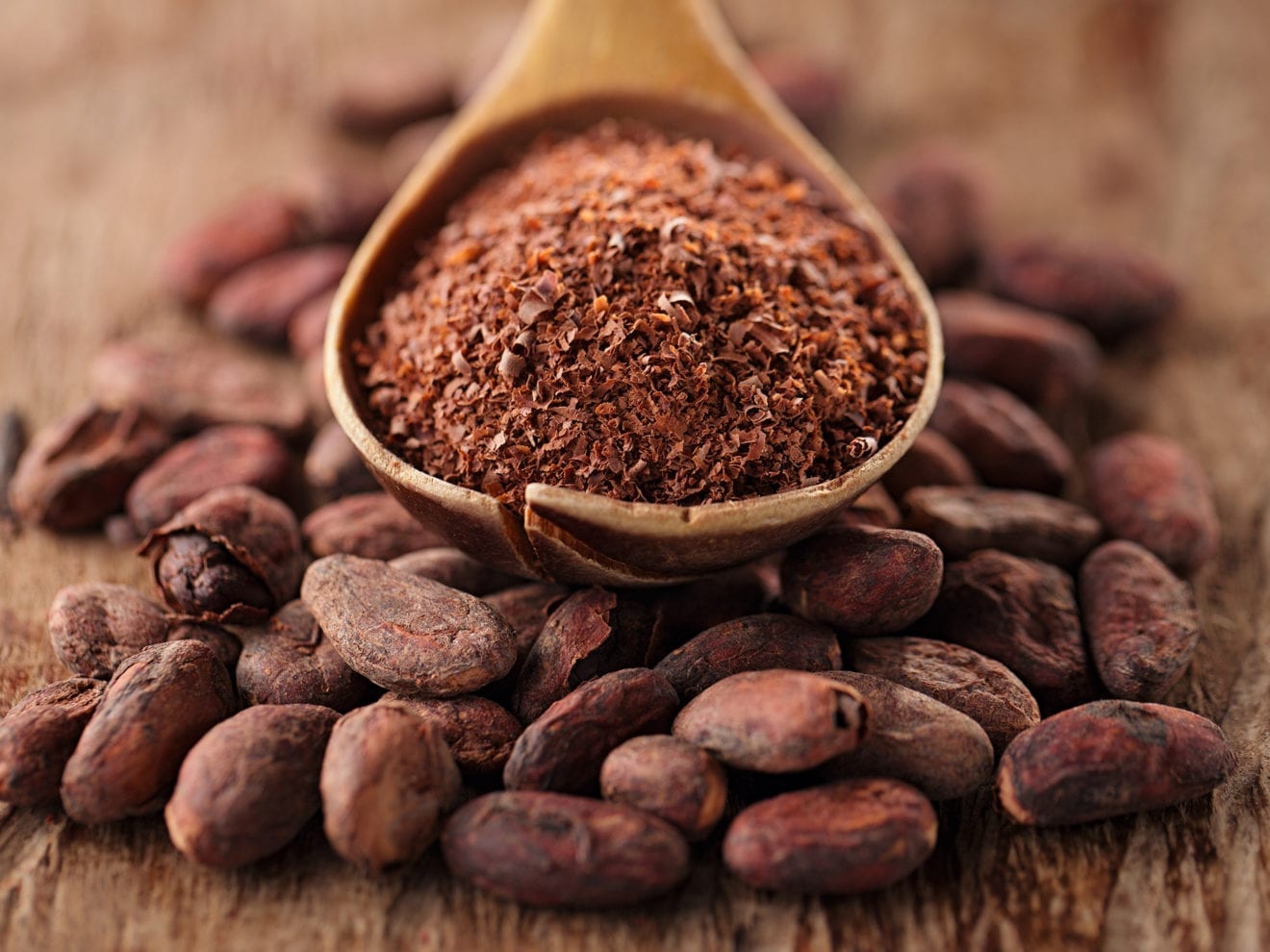
    Japanese investor Tokyo Food and Kanimatsu Corporation is keen to build a cocoa processing factory in Boalemo District, Gorontalo Province, Vice Governor of Gorontalo Idris Rahim stated.

    The Gorontalo provincial administration welcomes and supports the Japanese investors plans to process cocoa crops in the area, although the factory will be on a small scale, Rahim remarked here on Thursday.

    “The supply of cocoa beans will not come solely from Boalemo District but also from several districts in Gorontalo, such as Pohuwato, Bone Bolango, and Gorontalo,” he revealed.

    Cocoa beans will also be sourced from South Bolaang Mongondow and East Bolaang Mongondow, North Sulawesi Province, and Central Sulawesi, he added.

    He expressed hope that the factory would continue to develop in line with the increase in cocoa production in Gorontalo.

    “We hope the factory built by the Japanese investor would improve economic growth and prosperity of the locals,” the vice governor said.

  • Korean Air Charters Flight Directly to Lombok

    Korean Air Charters Flight Directly to Lombok

    Korean Air is set to open a chartered flight from Incheon airport to Lombok, West Nusa Tenggara (NTB), starting on July 29. According to Head of the NTB tourism agency, Lalu Moh Faozal, the South Korean airline has prepared seven flights up to October 9.

    “The flight will carry 200 passengers in each flight from Incheon,” said Faozal on Wednesday, July 12. Australian Jet Star will also open a flight from Sydney, Australia to Lombok.

    South Koreans have been attracted to Lombok ever since a Korean drama series shot an episode in gili Trawangan and several other locations in Lombok.

    Considering that Lombok has successfully grabbed the attention of international tourism community, Faozal urged the people of NTB to improve the quality of several aspects in NTB such as problems of traffic congestion and environmental problems.

    Tourism has been the fourth largest contributor for Indonesia’s economy, devoting 9.3 percent to the national income compared to other national industrial aspects. Tourism also contributes 10 percent of Indonesia’s total gross domestic product (GDP).

    Previously, South Korean ambassador, Taiyoung Cho met with the governor of West nusa Tenggara, Muhammad Zainul Majdi. “Lombok is really popular there,” said Taiyoung Cho. Korean businessmen will be diverted to invest in the property sector.

    Direct flights between Incheon and Lombok by the Korean Air are expected to help improve foreign tourist arrivals in NTB.

  • BNI`s profit grows 46.7 percent in first half

    BNI`s profit grows 46.7 percent in first half

    State lender Bank Negara Indonesia (BNI) saw its net profit in the first half of 2017 jumping 48.7 percent to Rp6.41 trillion, fueled by the distribution of credits.

    “Our credits grew 15.4 percent year-on-year to Rp412.1 trillion, contributing Rp15.40 trillion or 10.7 percent to the net interest income,” BNI Consumer Director Anggoro Eko Cahyo said in a press conference here, Wednesday.

    Most of the credits were channeled towards business banking, particularly corporations and state-owned companies, as well as small- and medium-business undertakings, he remarked.

    The credits channeled towards business banking totaled Rp296.1 trillion, accounting for 71.6 percent of the total credit portfolio in the first half of 2017, he added.

    “The distribution of credits to corporations was also fueled by many infrastructure and agricultural projects,” he affirmed.

    The infrastructure projects included toll roads built by state-owned construction companies in Java, he mentioned.

    He explained that the credits extended to the consumer sector reached Rp67.05 trillion, accounting for 16.3 percent of the total portfolio. The credits extended to overseas debtors in foreign currency stood at Rp25.92 trillion, accounting for 6.3 percent of the banks total credits.

    “The amount of credits channeled by the banks subsidiaries reached Rp23.09 trillion or 5.6 percent of the banks total credits,” he revealed.

    He stated the bank also recorded a 17.9 percent rise in non-interest income to Rp4.65 trillion, fueled by fee-based income which grew 17.9 percent.

  • Matahari Department Store Wins Best Wealth Creator Award

    Matahari Department Store Wins Best Wealth Creator Award

    The award assessed the performance of the best public companies in Indonesia and Southeast Asia based on Wealth Added Index (WAI), a calculation method developed by Stern Stewart. WAI is a metric used to measure the wealth created by a company for its shareholders.

    WAI is obtained by taking the adjusted total shareholder value minus the cost of equity, which is then multiplied by market value or market capitalization.

    The calculation found an increase in the number of local companies that were able to generate wealth for shareholders.

  • Indonesia to bring home tax money parked in Singapore

    Indonesia to bring home tax money parked in Singapore

    The government is to hunt down tax money from Indonesians who park their money in Singapore, following an offer from Singapore to allow Indonesia to access the financial data of Indonesians in the neighboring country.

    Singapore and Indonesia are soon to sign a Bilateral Competent Authority Agreement (BCAA) to implement the Automatic Exchange of Information (AEoI) between the two countries.

    Finance Minister Sri Mulyani Indrawati received the offer from Singapore on the sidelines of the G20 Summit in Germany last week.

    “This is a positive. I will follow up so that we can benefit from the agreement,” said Sri Mulyani.

    Sri Mulyani estimated that Indonesian wealth parked overseas amounted to about Rp 1 quadrillion (US$74.68 billion), 60 percent of which was in Singapore.

    Meanwhile, the Finance Ministry’s tax compliance expert Suryo Utomo said that of the Rp 835.7 trillion parked in Singapore that was declared during the tax amnesty, only Rp 84.52 trillion had been repatriated.

    Taxation Directorate General spokesman Hestu Yoga Saksama said that Sri Mulyani and Director General of Taxation Ken Dwijugiasteadi would visit Singapore sometime this month to follow up on the agreement initiated by Singapore.

    Indonesia and Singapore has an open exchange of information, said Hestu. He added that Indonesia should also seek a BCAA with Hong Kong, as well as stipulate confidentiality and data safeguards.

  • Quality blueberries the fruit of choice for Indonesians

    Quality blueberries the fruit of choice for Indonesians

    Australian fruit is proving popular with the Indonesian middle class. Premium fresh fruit is what seems to be in demand from Indonesia, especially that which has been grown for the Indonesian palate.

    Andrew Bell, director of Mountain Blue Farms in northern New South Wales, says the successful family-owned blueberry operation had been looking for export opportunities to expand beyond the domestic market, and eventually settled on Indonesia.

    The country has a population of more than 255 million, making it a potentially important market.

    “Indonesia has a significant population, right on our doorstep,” says Bell, whose company also runs its own breeding operation. “They also have a rapidly growing middle class who are a food and health conscious, and there happened to be existing protocols for getting blueberries into Indonesia.”

    He says the typical agribusiness approach into Indonesia had either been about bulk supply (wheat, sugar), or it had entailed lower grade fruit and vegetables for specific markets.

    “We saw a different market,” says Bell. “We wanted to be in the quality supermarkets that are being built for the middle classes. We have a premium product and that’s what we wanted to sell in Indonesia. We didn’t want to compromise on what we do.”

    The company representatives spent a week in Indonesia in early 2017, meeting supermarket operators, wholesalers and distributors.

    “They all dealt with Australian food imports, and their view of our produce was the clean and green image. It’s our image up there and that’s what the Indonesian operators are selling to consumers.”

    Health benefits

    It turns out that blueberries are a middle class food because of the number of health benefits associated with them. And with the Indonesian middle class already estimated at 50 million – and growing – that represented a market worth being involved in.

    The key, he says, was finding the right partners, which came in the form of a food distribution outfit in Java that was prepared to make specific recommendations about the Indonesian palate.

    “Blueberries come in many shapes and sizes,” says Bell. “The Indonesian palate goes for a large, crunchy, sweet blueberry.”

    Blue Mountain Farms has a breeding operation in Tabulam – on the Clarence River – and they set about breeding the Indonesian blueberry.

    Those samples are being fed into Indonesian supermarkets next month but the early feedback from the distributors has been positive.

    “It’s a very large market, for a product we can perfect and grow in regional Australia. We employ around a thousand people in the season and a core of between 60 and 70 staff, and we have a network of growers around the country who we use.”

    Bell says the chance to secure a foreign market is good for agribusiness employers and the towns they operate from. He also says that Indonesian business people are easy to deal with.

    “They know what they want and they know what works,” says Bell. “That makes it so much easier for us.”

    New tastes

    AsiaLink Business CEO Mukund Narayanamurti, says the example of Mountain Blue Farms is not an isolated one in Indonesia, as the health-conscious and food safety-aware middle classes of Indonesia develop new tastes for food.

    “The main food trade out of Australia into Indonesia is wheat, sugar, live cattle and boxed beef,” says Narayanamurti. “But this is large-scale or commodity trade. When the middle classes are growing – as they are very aggressively in Indonesia – you see rising demand for value-add premium foods, and for fresh fruit and vegetables.”

    He says Australia has a reputation in south-east Asia for its agricultural output, plus the Australian image for processed and value-add foods is one of quality.

    The demand from Indonesia is not only because middle class people have more disposable income, and higher standards for what they feed themselves and their children, says Narayanamurti. He says there are also new supermarket chains being built through urban Indonesia, where the value-add and premium foods are being sold.

    “In the Indonesian supermarkets there are Australian cherries, broccoli, avocados, Brussels sprouts, citrus fruits and kale.”

    He says Indonesia’s rising wealth and expectations is dramatic and the country is estimated to have a size of middle class in the world Top 10 by 2020. With the rising wealth comes the rising consumption of quality protein – Australian meat and dairy – and a focus on eating healthy and eating safe.

    Export opportunities

    Narayanamurti says one of the main reasons for Australian agribusiness operators to keep an eye on Indonesia is the export market itself.

    Australia’s involvement in the NZ-Australia-ASEAN zone gives exporters access to reducing-to-zero tariffs on beef, wheat and cheese and other trade goods that will be reducing.

    “The bigger picture is that this trade area covers 600 million people and a market of $US2 trillion ($2.6 trillion),” says Narayanamurti. “There is a trade liberalisation program meaning you’ll be able to land goods in one country and find it much easier to distribute them to other countries.

    “It’s early days in the south-east Asian market, but Australian agribusiness operators should be developing products and services that have cross border application, as the Australian breeding services and feedlot operators are already doing in the livestock sector.”

  • Qatar National Bank injects Rp 2.18t into QNB Indonesia

    Qatar National Bank injects Rp 2.18t into QNB Indonesia

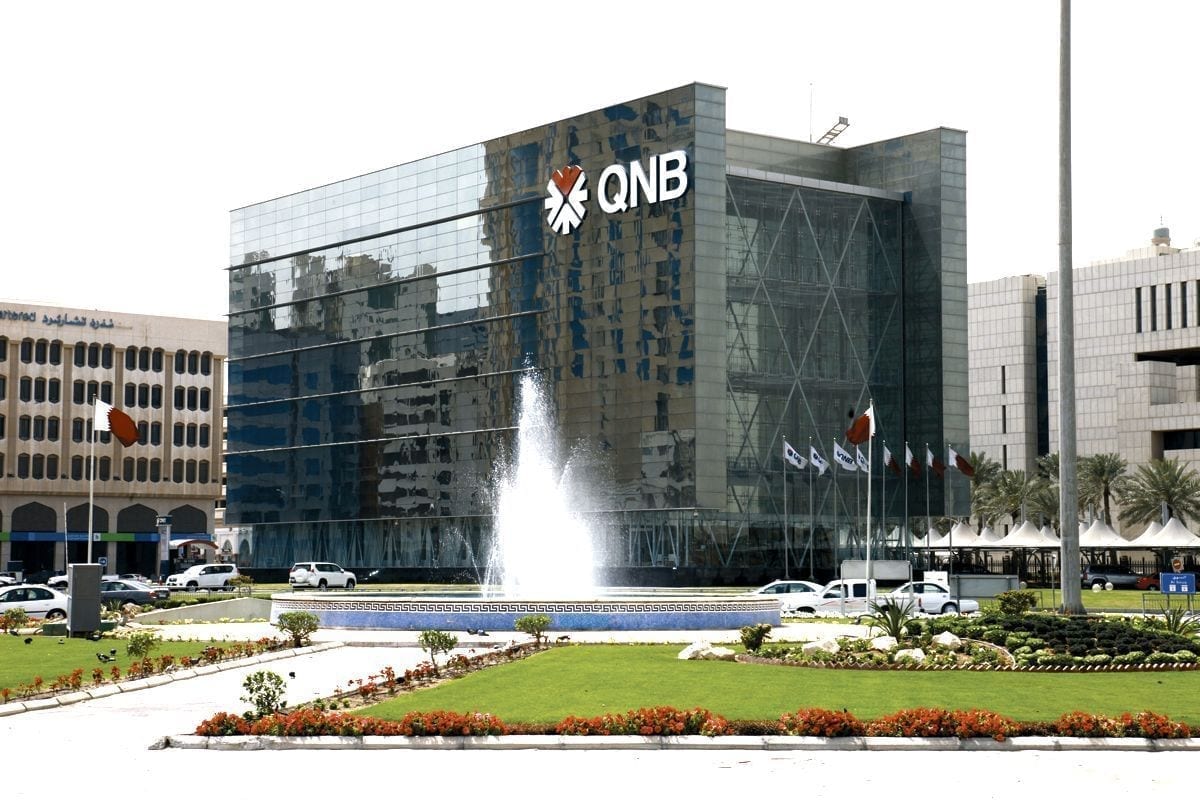
    The Qatar National Bank QPSC (QNB Group) as the controlling shareholder of Bank QNB Indonesia has injected Rp 2.18 trillion (US$162.72 million) into the bank as capital paid in advance as well as acting as standby buyer in the rights issue of Bank QNB Indonesia.

    The additional capital is the realization of QNB Group’s commitment to maintain the bank’s strong capital structure as well as maintain the bank’s business growth stability, the QNB Group said in a statement.

    From the total funds of Rp 2.18 trillion, Rp 2.06 trillion will be used to purchase HMETD offered during a rights issue and the remaining funds will be used for next year’s rights issue.

    Funds from the rights issue, after issuance costs, will be used by QNB Indonesia to increase productive assets, particularly in the form of loan disbursements.

    With the commencement of the rights issue and additional capital payments from QNB Group, the bank’s capital adequacy ratio (CAR) will be 16 percent, well above the Financial Service Authority’s (OJK) minimum requirement.

    On Monday, QNB Indonesia held an extraordinary shareholders meeting at the bank’s head office in Jakarta. The meeting approved Heba Ali Ghaith Al-Tamimi and Stephen Holden as commissioners and Adhiputra Tanoyo as director. The resignation of Grant Eric Lowen as a commissioner was also approved. (dea/bbn)

  • Paper dominates Indonesia`s export in 2016-2017

    Paper dominates Indonesia`s export in 2016-2017

    Paper products dominate Indonesias global exports in two years, which was worth US$13.95 billion of the total wood products’ exports of $11.83 billion in 2016-2017.

    “These value are wood-based products with V-Legal documents, namely SVLK and FLEGT licenses,” Director of Forest Products Processing and Marketing, Ministry of Environment and Forestry, Rufiie, said here on Monday.

    SVLK is Indonesias timber legality assurance system, while FLEGT is the EUs Forest Law Enforcement, Government and Trade.

    According to Rufiie, the export of wood products using the V-Legal and FLEGT system was just implemented in 2016. FLEGT was issued after Indonesia implemented SVLK.

    In 2016, Rufiie added that the total global export value of Indonesia’s timber products amounted to $9.26 billion. Wood products’ exports with FLEGT license, which is exported to the EU, amounted to $868.85 million.

    Of the total exports, paper products to all countries around the globe amounted to $3.11 billion, while paper exports to the EU amounted to $204.17 million.

    “There are two systems applied in wood products’ export, namely with SVLK for all countries outside the EU and FLEGT Licenses for the EU market,” Rufiie remarked.

    Up to March 2017, the export value of wood products to all countries was worth $2.57 billion, while that to the EU was worth $277.26 million.

    The global paper export value until March 2017 was worth $837.37 million, while export to the EU was worth $65.25 million.

    “Export of wood products in the form of handicrafts to all countries till March 2017 was worth $28.91 million, export of furniture was worth $368.05 million, export of panel was worth $567.48 million, export of pulp was worth $475.66 million, export of wood works was worth $265.04 million, and export of wooden chips was worth $ 28.91 million,” Rufiie revealed.

  • IDX datafeed disruption has no effect on investor confidence

    IDX datafeed disruption has no effect on investor confidence

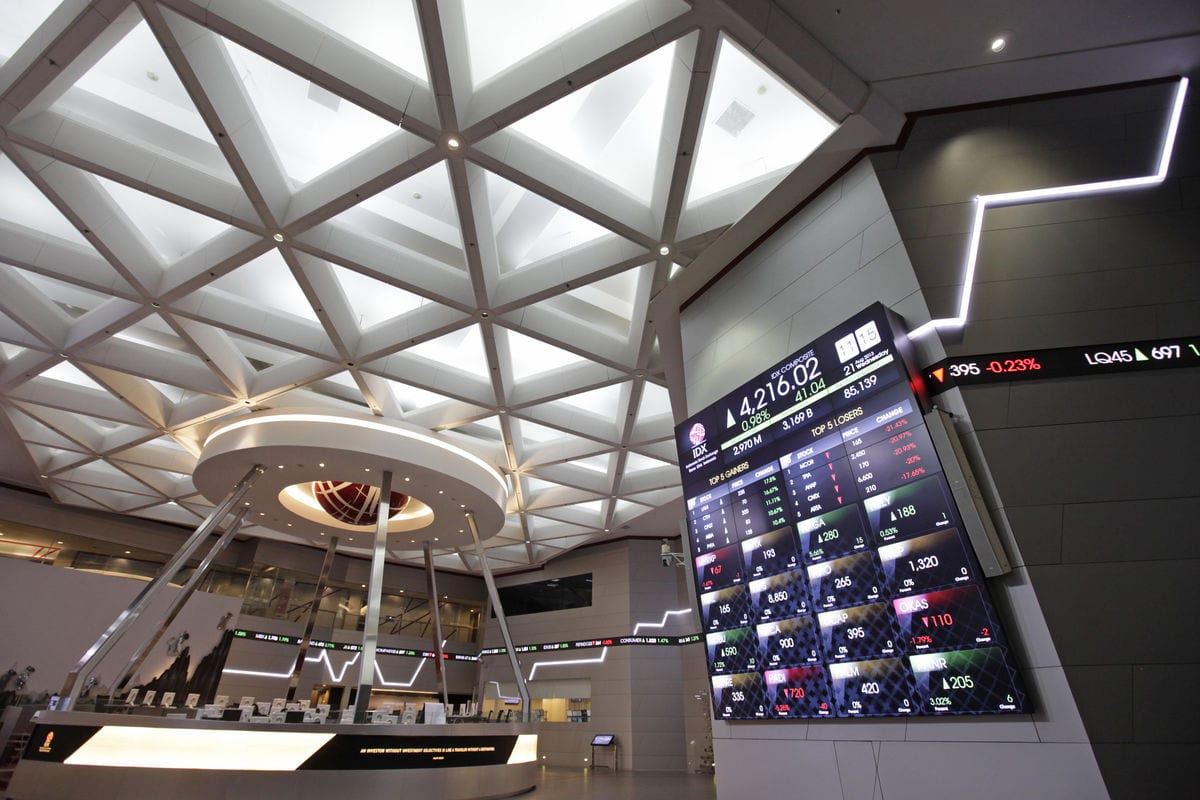
    The Indonesian Stock Exchange (IDX)s Datafeed disruption on Monday morning was claimed to have no effect on investors confidence.

    “We measured our Key Performance Indicator, and the result was still good,” IDX General Director Tito Sulistio stated here on Monday.

    To date, the disruption had been fixed, and IDXs information system has returned to normal; however, Sulistio added that IDX would continue to develop its information technology to upgrade their trade availability system in order to avoid and minimize disruption.

    He explained that the system had a maximum availability of 99.999 percent, and IDX already had 99.975 percent, which will be upgraded to 99.98 percent.

    “Every 0.05 percent hike may need US$20-25 million,” he remarked.

    At the same time, IDX is trying to upgrade its trade infrastructure system from Tier-2 to Tier-3.

    “Hopefully, we will be moving to the new Tier-3 system on August 30,” noted Sulistio.

    Separately interviewed, IDX Director of Information Technology and Risk Management Sulistyo Budi revealed that the disruption was caused by uneven distribution of information from Datafeed application.

    “During investors trading, information for public has to be provided. When it is not available, we have to suspend the trade in order to check the problem. Once it is resolved, activities return to normal,” he stated.

    Despite the IDXs claims, Indosurya Mandiri Securities analyst William Surya Wijaya explained that the bourse could anticipate more technical systems disruption that might affect investments plan from the stakeholders.

    “This could be a lesson for the stock market players, so that they should also anticipate systems disruption,” he explained.

    Wijaya was optimistic that the investors confidence in Indonesian market was still high as the domestic economy remained conducive, despite being overshadowed by some negative sentiment, especially current geopolitical situation.

  • DBS Indonesia’s net profit surges 75% in Q1

    DBS Indonesia’s net profit surges 75% in Q1

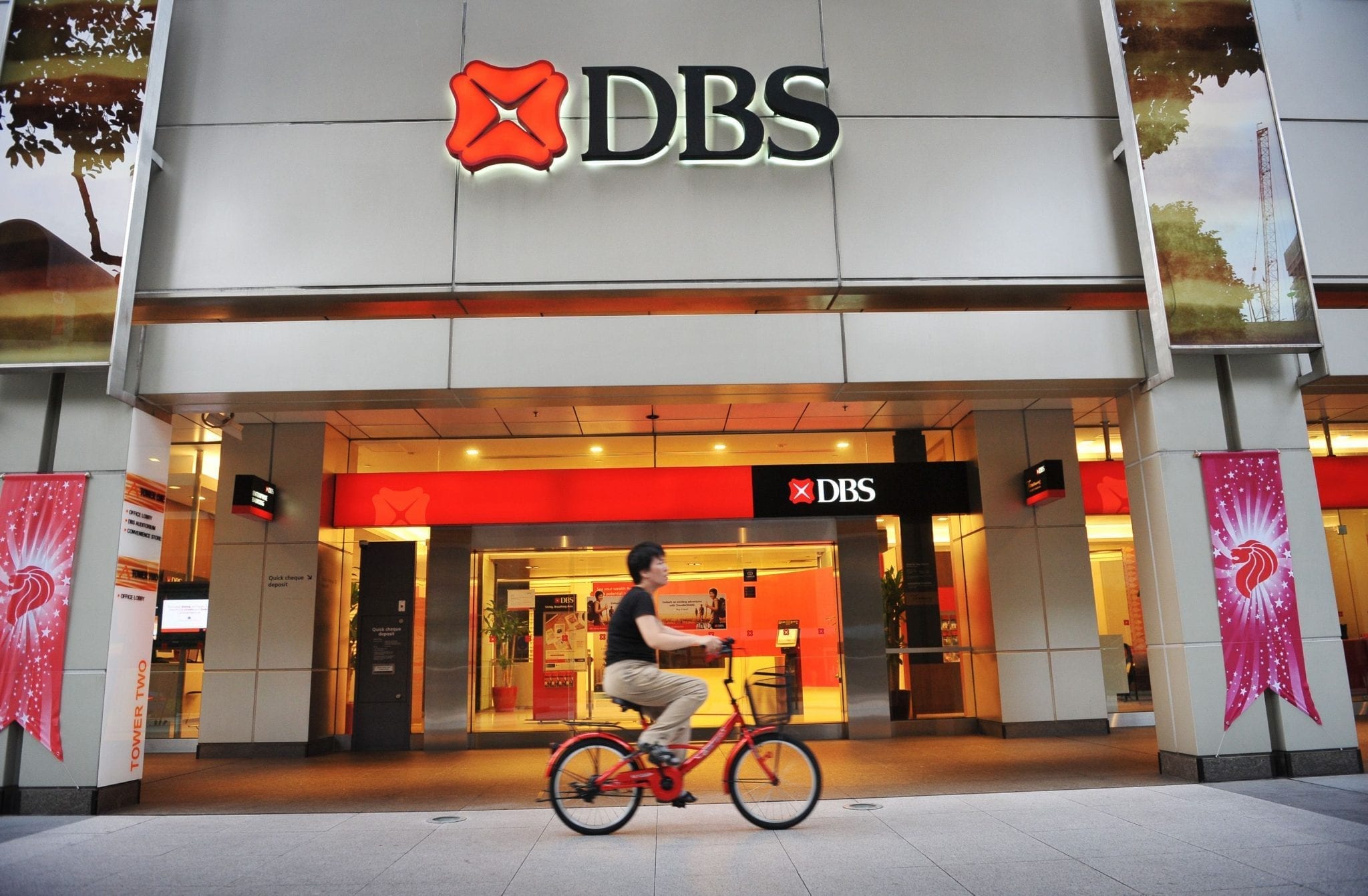
    PT Bank DBS Indonesia, a subsidiary of Singapore-based DBS Bank, has reported a 75 percent year-on-year (yoy) increase in its net profit during the first quarter of 2017 to Rp 263 billion.

    The net profit increase was supported by a 16 percent yoy increase in revenue, which reached Rp 1 trillion in the first quarter this year. Its net interest income rose 23 percent to Rp 740 billion.

    “The positive performance reflects our strong commitment in the corporate and consumer banking segment,” Bank DBS Indonesia director of strategy and planning Rudy Tandjung said in a press statement on Saturday.

    Focusing on corporate banking and small and medium enterprises (SME) banking segments, the lender booked increases in the return on assets (ROA) ratio and the return on equity (ROE) ratio to 2.16 percent and 13.45 percent, respectively.

    Rudy said the bank was on its way to transforming itself into a digital bank this year. “We are focusing in our […] agenda on becoming a digital bank. We started the transformation from the inside, by changing the mindset and behavior of our employees and also redefining their respective roles,” he said.

    In the first quarter of this year, DBS Indonesia issued a negotiable certificate of deposit (NCD) with a 7.1 percent annual interest rate. DBS Indonesia had also released a new bancassurance product in its Wealth Management portfolio during the same period, Rudy said.

  • 7-Eleven closes shop in Indonesia

    7-Eleven closes shop in Indonesia

    Indonesian retailer PT Modern Internasional has announced it is closing its 7-Eleven stores in Indonesia after just eight years in the country.

    The company cited “limited resources” for the closures, which will see around 161 stores stop operating.

    While PT Modern Internasional owns the 7-Eleven franchise in Indonesia, Japan’s Seven & I Holdings is the parent company of the convenience store chain which operates in 18 countries.

    A Seven & I Holdings spokesperson told that the company would search for someone else to take on the franchise in Indonesia.

    “Indonesia is an important country for us. This is not the end for 7-Eleven’s business,” they told the news agency.

  • Indonesian embassy promotes Balinese culinary in Beijing

    Indonesian embassy promotes Balinese culinary in Beijing

    The Embassy of the Republic of Indonesia in Beijing and Hotel Conrad has promoted Balinese cuisine to the guests staying at one of the five star hotels in the capital city of China from July 6 to 16, 2017.

    “This is the second event this year,” Indonesian Ambassador to China, Soegeng Rahardjo, stated in a press statement received by Antara here on Friday.

    To support the event titled A Taste of Indonesia, Conrad Beijing presented three chefs from Bali, namely I Made Semawan, Agus Feritude, and Agus Surya.

    They serve Balinese dishes of chicken, pork, fried rice, and satay, which tasted exactly the same as the ones found in the island.

    “With the growing recognition of Indonesias tradition, culinary taste, and beauty, it is expected that the number of foreign tourists visiting Indonesia will continue to increase,” the ambassador stated.

    The Embassy will continue to hold such culinary promotional events by involving several star hotels.

    Earlier, a similar event was also held by the Embassy in cooperation with Westin Beijing in mid-March.

    This year, the Ministry of Tourism expects 2.5 million tourists from China.

    In previous year, tourists from mainland China visiting Indonesia reached 1.5 million people. They still see Bali as a major tourist destination in the country.

    Garuda Indonesia has provided direct flights to Denpasar from Beijing, Shanghai, Guangzhou, and Chengdu. Several Chinese airlines also provide direct flights to Denpasar.