Tag: Indonesia

  • Indonesia, Malaysia Muslims call for Starbucks boycott over LGBT stance

    Indonesia, Malaysia Muslims call for Starbucks boycott over LGBT stance

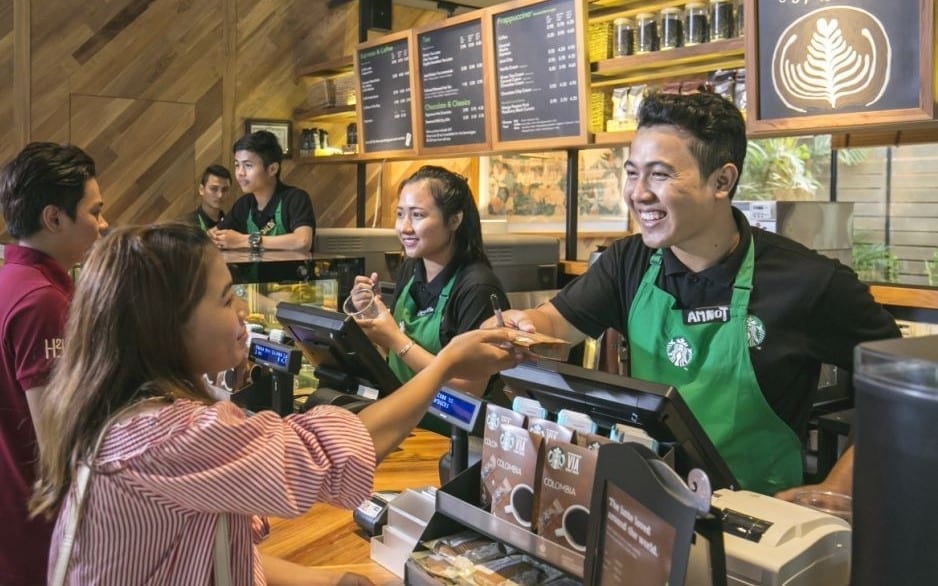
    Muslims in Indonesia and Malaysia were urged to boycott Starbucks on Tuesday (Jul 4) by major Islamic groups accusing the coffee chain of being pro-gay rights, as concerns grow over rising religious conservatism in both nations.

    Leaders from Muhammadiyah, Indonesia’s second biggest mass Muslim organisation, also urged the government to revoke the company’s business licence for its stance on lesbian, gay, bisexual and transgender (LGBT) issues.

    “The ideology, business and view that they support are against our ideology,” Anwar Abbas, Muhammadiyah’s head of economic affairs.

    Another Muhammadiyah leader, Yunahar Ilyas, said the group was calling on “Muslims to not drink in Starbucks so that the income is not used to strengthen LGBT campaigns”.

    The firm is among a slew of US companies to have spoken up against discrimination in the US, with representatives signing a letter to North Carolina’s Republican governor protesting legislation targeting transgender people last year.

    Hardliners and Islamic groups have led a growing backlash against Indonesia’s LGBT community over the past year, which activists believe was triggered by widespread media coverage of a decision in the United States to legalise same-sex marriage.

    The group Pribumi Perkasa Malaysia this week also called on the government to “re-evaluate the trading licence given to companies that support same-sex marriages and LGBT,” spokesman Amini Amir Abdullah said in a statement.

    The Muslim leaders said concerns about Starbucks arose after reading Starbucks chairman’s comment when tackling a shareholder’s complaint in 2013 that the company were losing customers due to the firm’s stance on LGBT.

    At the time, chairman Howard Schultzman, then the chief executive, responded by asking the shareholder to sell the shares.

    Homosexuality has long been taboo in Malaysia, where 60 per cent of the population is Muslim, and where sodomy is a crime punishable by up to 20 years in prison.

  • Bank Indonesia to issue commercial paper regulation July-end

    Bank Indonesia to issue commercial paper regulation July-end

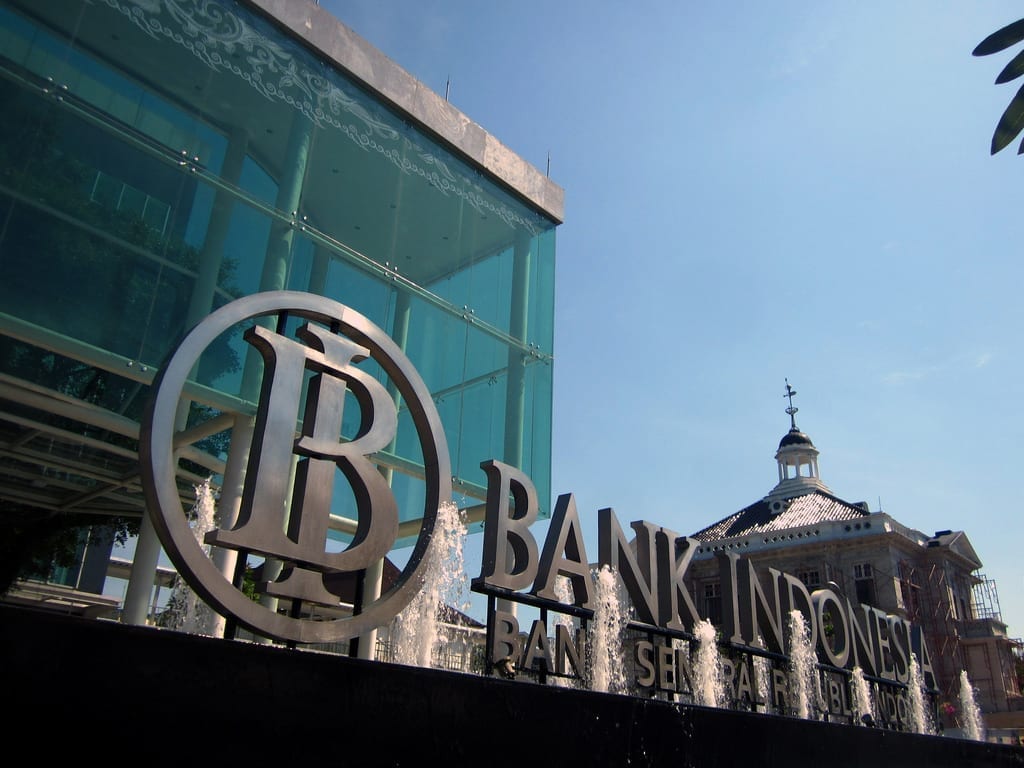
    Bank Indonesia (BI), Indonesias central bank, will issue a regulation related to the issuance of commercial paper (CP) within two weeks or by the end of July 2017.

    This is following the need by various non-bank corporations to publish the paper as short-term funding for working capital.

    The Head of BIs Finance Market Development Department, Nanang Hendarsyah, said here, Tuesday, that the regulation would regulate CP issuance and trading.

    For technical rules, BI will issue a derivative regulation that will manage the supporting institutions, such as rating agencies and public accounting firms.

    Once the supporting institutions are ready, Nanang remarked, BI would issue a technical regulation for non-bank corporations as issuing institutions.

    “Technical regulations for supporting institutions will be issued in September 2017, while for issuing agencies they will be issued in December 2017,” Nanang revealed.

    The commercial paper issuance is expected to increase this year. The number of non-bank corporations in Indonesia is over 500, and the demand for short-term funds through money market instruments is enormous.

    Previously, BI had also issued a regulation on issuance and trading of instruments for Negotiable Certificate Deposit (NCD).

    Although it is same as commercial paper, as a one-year short-term instrument, NCD is issued by a banking corporation.

    Banks can buy commercial paper in money markets. In addition to banks, investors who can absorb commercial paper include securities companies, individuals, investment managers, pension funds and insurance, through mutual fund products and foreign investors.

  • Garuda opens Kendari-Baubau flight route

    Garuda opens Kendari-Baubau flight route

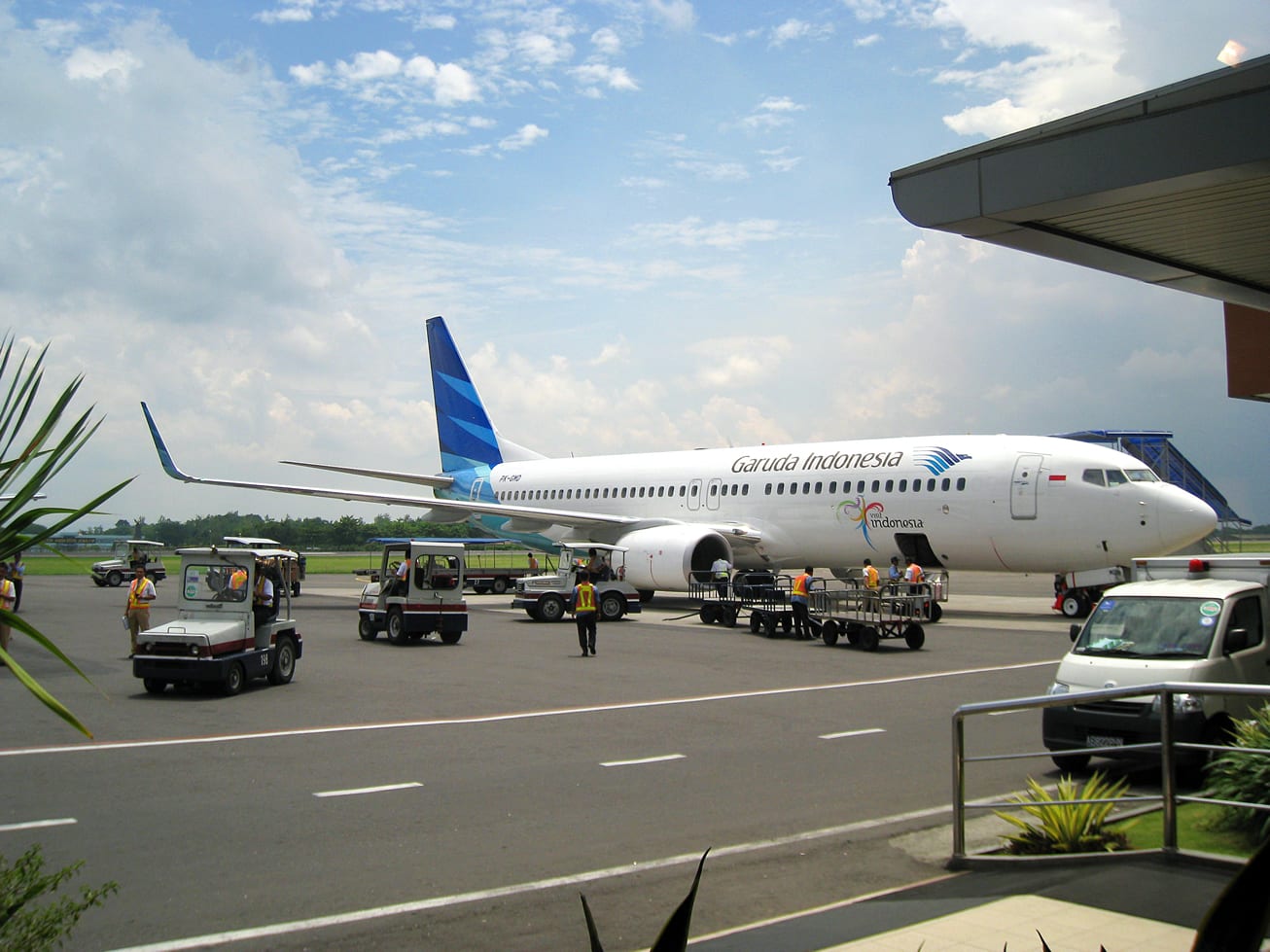
    The Indonesian flag carrier, Garuda Indonesia, opens a new flight route of Haluoleo airport in Kendari to Betoambari Airport in Baubau, Southeast Sulawesi.

    The first flight was made on Monday afternoon.

    Southeast Sulawesi Governor Nur Alam here on Monday appreciated Garuda for the flight route connecting Kendari and Baubau.

    “This will add and expand our access to air transportation and connectivity in Southeast Sulawesi,” he said.

    The Kendari-Baubau flight, Nur Alam added, will provide a fundamental trust for investors to invest in the province.

    “When Garuda opens flights in an area of course it is because there is great economic potential in that place,” he said.

    The Kendari-Bauban route is available roundtrip every day using ATR 72-600.

  • Donald Trump’s business dealings on Australia’s doorstep revealed

    Donald Trump’s business dealings on Australia’s doorstep revealed

    Donald Trump was running for the US presidency when he personally raised with senior Indonesian politicians the need to have a toll road completed in Indonesia to benefit a massive new resort development in which he later invested.

    A senior Indonesian politician who met Mr Trump in New York in 2015 has revealed that he made clear the project would only go ahead if the toll road was completed.

    “He was saying that it’s impossible without the toll road,” Fadli Zon, the deputy speaker of Indonesia’s Parliament, said.

    Mr Zon, together with the speaker of the Indonesian House of Representatives, Setya Novanto, met then presidential-hopeful Mr Trump at Trump Tower in New York in September 2015 during the presidential primary campaign.

    The meeting, unauthorised by the Indonesian government, was held with the direct assistance of Mr Trump’s new Indonesian business partner, Hary Tanoesoedibjo, known as Hary Tanoe.

    At the time, Mr Trump and Mr Tanoe were in negotiations over the development of a mega-resort and an associated theme park, sky train, and Formula One racing track on a 3000-hectare site on the island of Java, south of the capital Jakarta.

    “He said he really understood well about the situation. For example, this theme park in Bogor area that needs some highway … because sometimes it’s impossible to go there,” Mr Zon said.

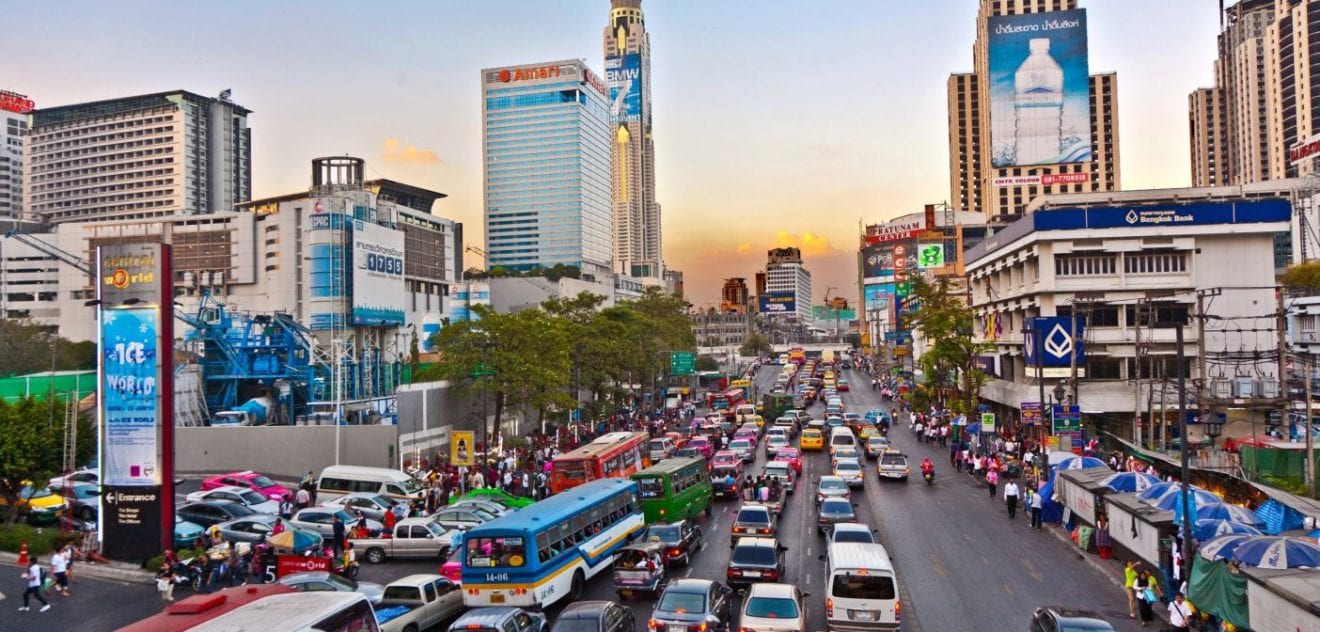
    Congested roads in the region can turn the 70-kilometre car ride from Jakarta into a nightmarish two-or-three-hour journey.

    One week after the New York meeting, Mr Trump signed the deal to develop the Trump International Hotel and Tower Lido.

    The construction of the toll road, which had been started then delayed in June 2015, resumed in November.

    The government took over the construction in June 2016 and the first section is due for completion by the end of the year.

    Mr Zon said he estimated that with the impending completion of the toll road, Mr Trump and Mr Tanoe had already tripled their value of the resort land.

    “Yeah. I think the price increase like three times,” he said.

    The President’s latest financial disclosure, released on June 14, stated that the management fees from the Indonesian companies tied to the Bali and Lido resorts had more than doubled.

    The latest disclosure puts the fees at $US380,000 ($A495,000), up from the $US167,000 ($A217,000) he reported in 2016.

    ‘This is a marriage between politicians and business people’

    The head of Human Right Watch Indonesia, Andreas Harsono, said he thought the meeting between the Indonesian politicians and Mr Trump was unethical.

    “It is not appropriate for any business to ask the government to pay for an access toll road into their property,” he told.

    “Unfortunately, it is common in Indonesia. You can change a road direction as you can extend a toll road or bridges or whatever to benefit people who have money, who have interest.

    “This is a marriage between politician and business people.

    “It is common, it is very common in Indonesia.”

    Mr Zon and Mr Novanto were both investigated by a parliamentary ethics committee over whether the meeting with Mr Trump violated strict Indonesian government codes.

    The result of that investigation has never been made public, but both walked away with only a warning.

    In November, two months after the New York meeting, Mr Novanto was embroiled in a massive corruption scandal, accused of attempting to extort a $US4 billion ($A5.2 billion) payment from American mining giant Freeport-McMoRan.

    Mr Novanto denied the accusation, claiming he was “just joking”.

    He was never formally charged.

    Donald Trump’s land in Bali

    Mr Trump and Mr Tanoe’s first controversial Indonesian venture was in Bali.

    The resort, planned as the largest on the island, will overlook one of the most iconic and sacred sites — the Temple of Tanah Lot.

    The existing low-scale Bali Nirwana golf course and resort will close at the end of the month.

    Hundreds of local workers will be laid off and demolition is due to start next month.

    MNC Group bought the Bali Nirwana resort in 2013 from the Bakrie Group, owned by one of the Suharto family’s business associates.

    The Trump Organisation signed up in August 2015 to the redevelopment of the site.

    Not a lot of detail is known about the plans for the second Tanoe/Trump development, Trump International Hotel and Tower Bali.

    When we confronted the local regional governor Ebu Eka Wiryastuti about what had been approved by the local government, she refused to answer questions.

    “I can’t talk about this. I cannot talk about this. At all,” she said.

    “It’s a big complex, more than 100 hectares, to build a hotel, villas, condominiums, also to build a country club — that is also with Mr Trump,” Mr Tanoe told the ABC in January.

    The Trump Organisation will manage the hotel, country clubs and golf courses with the Trump family heavily involved in the project.

    Mr Tanoe outlined the project to the ABC in March and said each of the family members had a different role.

    “Donald Jr is responsible for the overall project. Eric is more on the design and golf, and Ivanka is more on the detail, like the fit-out of the hotel,” he said.

    Mr Harsono has warned that doing business in Indonesia may come at a cost for Mr Trump.

    “I’m not going to say Donald Trump is unethical man, but he is dealing with the worse of Indonesia past, and he is going to deal with the worst of Indonesia future,” he said.

    “I think Donald Trump is going to get his businesses messier and also Indonesia messier.

    “This is going to be a messier place.”
  • Vietnam beats Thailand, Indonesia with big jump in global innovation ranking

    Vietnam beats Thailand, Indonesia with big jump in global innovation ranking

    The country, at number 47, is now only behind Singapore and Malaysia in Southeast Asia. Vietnam has been named the 47th most innovative economy in the world, its best performance to date, according to this year’s Global Innovation Index report.

    The country jumped 12 spots compared to last year, thanks to its efforts to improve business environment as well as competitiveness.

    Vietnam also ranked first among lower-middle income economies. Among Southeast Asian countries, it overtook Thailand to secure the third place, only behind Singapore and Malaysia.

    Global Innovation Index of Southeast Asian economiesSingapore (7th)Malaysia (37th)Vietnam (47th)Thailand (51st)Brunei (71st)Philippines (73rd)Indonesia (87th)Cambodia (101st)010203040506070Source: Global Innovation Index (GII)

    Knowledge and Technology Outputs, one of the main pillars of the index, was found to be Vietnam’s strong point.

    The country also performed well in Market Sophistication and in Creative Outputs. However, Vietnam’s performance was mediocre in the other pillars that measure institutional framework, human capital, infrastructures and business sophistication.

    “New Asian Tigers — such as Indonesia, the Philippines, and Vietnam — are emerging too, and they increasingly join not only Asian high-tech value chains but also other activities such as ICT offshoring. These and other countries in Asia are also active in improving their innovation performance,” the report said.

    The report, co-published by the World Intellectual Property Organization, Cornell University and the business school INSEAD, surveys the innovation performance of 127 economies around the world.

    Vietnam has been part of the index since its debut in 2007. The country has been climbing up since 2013, after several years of hovering just above the 70th place.

  • 7-Eleven outlets shutdown in Indonesia

    7-Eleven outlets shutdown in Indonesia

    The remaining 141 7-Eleven outlets in Indonesia will cease operations today (Friday), said franchise-owner of the 24-hour convenience store, Indonesia PT Modern Internasional.

    In a statement to the Bursa Efek recently, its Director, Chandra Wijaya, said the decision was taken given the limited resources to support operations and also to the sale and purchase of its shares.

    The company was reported to have agreed to sell the franchise to PT Charoen Pokphand Restu Indonesia but it was called off when both parties failed to reach a consensus on certain matters.

    There were some 175 7-Eleven outlets operating in Jakarta until September last year.

    At the end of 2016, more than 20 stores started closing down as they were not profitable.

    The chain outlets was first introduced in 2008 by PT Modern Internasional’s subsidiary, PT Modern Sevel Indonesia.

    However, PT Modern Internasional’s first quarter results for 2017 revealed that 7-Eleven stores incurred a a 37.17 per cent decline in total sales.

    Meanwhile, Indonesian Trade Minister Enggartiasto Lukita denied allegations that the shutdown in 7-Eleven’s operations displayed weakness in the Indonesian retail sector as many other 24-hour retail outlets were still operating as usual.

    He said the shut down was due to internal problems and the losses experienced by the company.

    Enggartiasto said he would meet the management to obtain more information on the closure of the franchise outlets.

  • The Challenges For Global Retail Franchises in Indonesia

    The Challenges For Global Retail Franchises in Indonesia

    Research company Spire in 2016 found Indonesia is viewed as the region’s largest franchise industry, with experts predicting at least 60 percent of franchise business operated in Indonesia last year with the majority of foreign franchises.

    Amir Karamoy, Chairman of the National Committee for Franchising and Licenses at the Indonesian Chamber of Commerce and Industry, said regional headquarters based in Indonesia should be encouraged as it benefits the country through taxes and human resource development. But at this stage, Indonesia’s complicated regulations regarding retail businesses and franchises limit foreign involvement, particularly for foreign businesses hoping to base a regional headquarters in the country.

    These regulations, as well as strong competition, can spell trouble for even the biggest global brands. The recent announcement that US convenience store giant 7-Eleven will close its doors in Indonesia has prompted speculation on further reforms.

    Modern Sevel Indonesia (MSI), the local arm of 7-Eleven Indonesia, opened its first store in Bulungan, South Jakarta, in 2009.

    “The business model that 7-Eleven implemented made underlying products such as snacks, beverages and cigarettes popular. This had made several other mini markets struggle to compete,” University of Indonesia academic and businessman Rhenald Kasali said.

    The chain introduced the hang-out concept to Indonesia, which saw young people gather to spend time together and snack, which in turn disrupt traditional models where customers would purchase food and then leave.

    Kasali speculated the Indonesian government does not support the business concept, which could have been a factor in MSI closing all stores by the end of June.

    He said government regulations typically ‘take sides’ in support of older retailers.

    “Sixty percent of 7-Eleven’s income came from youngsters who hang out at the store. 7-Eleven suffered because of bureaucracy and regulators that don’t understand the business model,” Kasali added.

    7-Eleven faced tough questioning from the Ministry of Trade when it first launched about the concept and whether the outlets were convenience stores or restaurants. A government regulation which prohibited the sale of alcohol at convenience stores is also believed to be a factor in the shutdown.

    The convenience store brand is not the first international giant to struggling to do business in Indonesia. Last year Swedish furniture retailer IKEA struggled to keep its franchise in Indonesia due to copyright problems with a firm called IKEA Surabaya.

    The Surabaya-based IKEA had registered the name in 2013, while the Swedish firm had registered in 2013. But Indonesian regulators defended the Surabaya business, saying the Swedish IKEA had been commercially inactive. As a result, Swedish IKEA paid a royalty to the Surabaya IKEA.

    Similarly, French fashion brand Pierre Cardin sued Jakarta businessman Alexander Satyo Wibowo who had been using the name for his brand in Indonesia. Like the IKEA case, the courts sided with the local business and ruled Pierre Cardin had lost the rights to the name due to inactivity.

    Although Pierre Cardin is a famous brand globally, the company registered its name in Indonesia in 2009 while Wibowo registered his brand in 1977. As a result, France’s Pierre Cardin no longer open outlets in Indonesia under that name.

  • Blibli.com acquires Tiket.com, expands into online travel

    Blibli.com acquires Tiket.com, expands into online travel

    Indonesian e-commerce company Blibli.com has acquired a pioneer Online Travel Agents (OTA) in Indonesia, Tiket.com. Blibli.com CEO Kusumo Martanto and co-founder and chief communications officer Gaery Undarsa, the of Tiket.com signed the documents finalising the acquisition recently. At the same event, George Hendrata was appointed Tiket.com’s new CEO.

    Since it was founded in 2011, Blibli.com has held on to a vision of expanding its business line through various innovations.

    In late 2016, Blibli.com introduced its online travel product category, Blibli Travel. Blibli Travel is a special category section that offers travel products on the Blibli.com website.

    Since then, online travel has become one of Blibli.com’s focuses in developing its business due to the size of this market.

    “Tiket.com has a good business track record. In a relatively short time, it grew into one of the biggest OTA in Indonesia. It has maintained its focus on customer satisfaction and has been consistent in running its business.

    “Moreover, we see that Tiket.com shares many similarities of vision, mission and corporate values with Blibli.com. We expect that this can ease the process of achieving synergy between the two. Based on this consideration, we are confident with this acquisition,” explained Kusumo.

    Tiket.com is currently one of the OTA with the biggest inventory of travelling-related and leisure products, namely airline and train tickets, hotel room bookings, car rental, concert tickets.

    Tiket.com has partnered with more than 35 international and domestic airlines, and with thousands of domestic and international hotels.

    Blibli Travel, newly-developed late last year, now has more than 1,000 travel product variants, including train tickets, hotel vouchers, and entertainment and lifestyle tickets.

    Blibli.com partners with various banks offering 0% interest instalment programs and offers a wide array of payment methods to customers.

    With the acquisition, Blibli.com is set to become an e-commerce group offering a one-stop shopping experience and added value to its customers.

    Business target and plan

    “The acquisition process started five months prior. We see this as an opportunity for Tiket.com to grow exponentially, in terms of the plan for synergy and from the point of view of market penetration. Seeing the future potentials and the similar business cultures and vision shared by both companies, we are very excited about the move to become part of Blibli.com” said Gaery.

    Blibli.com will provide full support to Tiket.com, both in the share inventory, sales programme, promotion, and social media penetration. Blibli.com will also help strengthen Tiket.com’s team.

    “Blibli.com is optimistic that from the business point of view we are looking at organic and non-organic growths which are to reach 2.5 times in the second semester of this year,” explained Kusumo about the target by the company for the second half of 2017.

    “With the acquisition, Blibli.com is ready to emerge as the biggest OTA player in the country and to become the only, or the first, B2C e-commerce player in Indonesia whose OTA business offers the most complete variety of travel products,” said Kusumo, who went on to explain that the money for the acquisition was from the internal sources set up by Blibli.com for its business development.

    Moving forward, Blibli.com sees no reason not to expand to other categories of products. The company, however, for the time being will concentrate on developing the two e-commerce companies to cater to the traveling and online shopping needs of its domestic and international customers.

  • Bali Travel Bureaus optimistic of Obama`s vacation boosting tourism

    Bali Travel Bureaus optimistic of Obama`s vacation boosting tourism

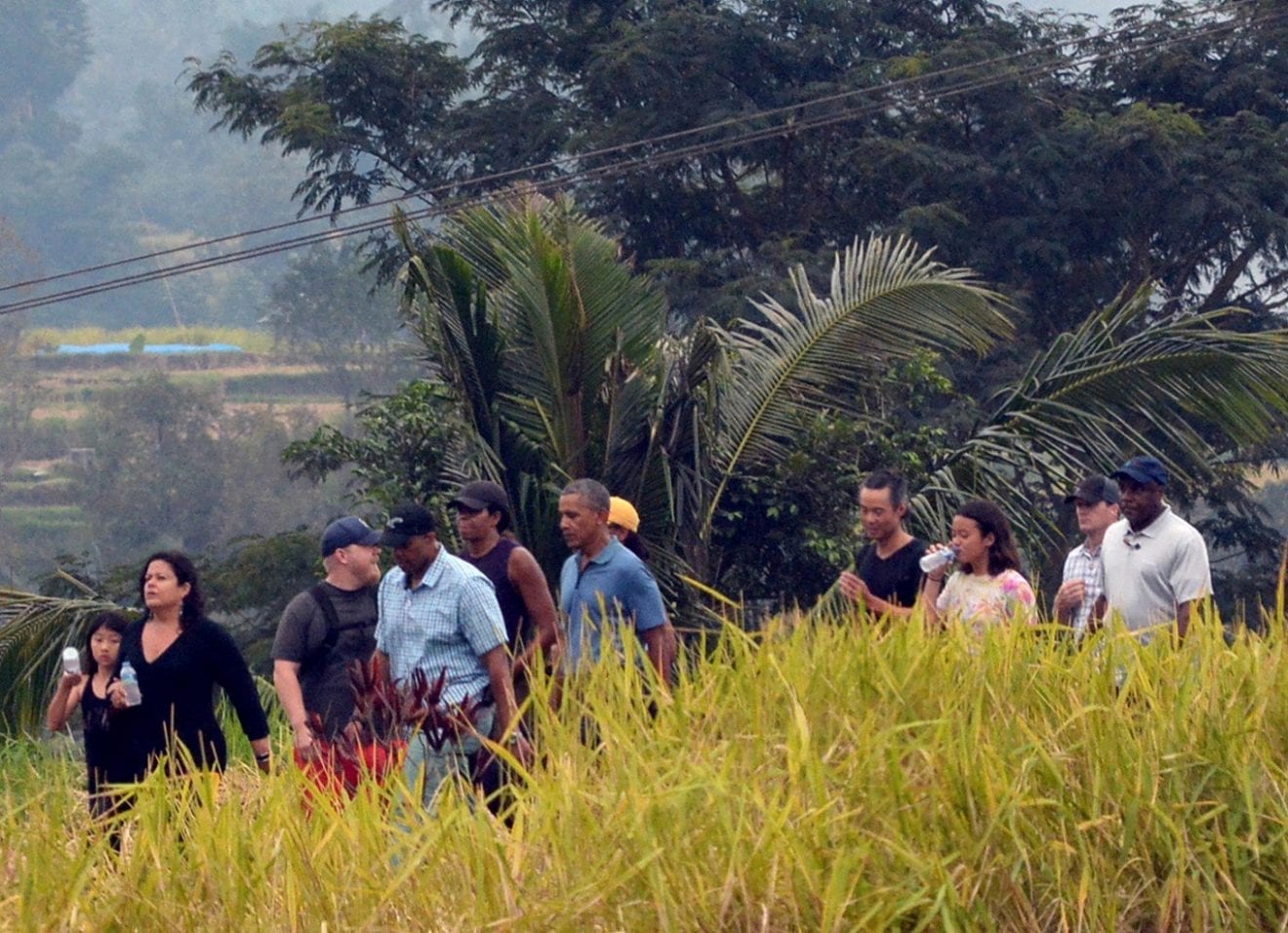
    The Indonesian Tourism Travel Bureau Association (Asita) has expressed hope that the visit of former US president Barack Obama to Bali would help attract foreign tourists to the island.

    “We hope the number of tourists from the US to Bali would increase,” Balis Asita Chairman Ketut Ardana stated here, Tuesday.

    The visits of world leaders to Bali help to promote Bali internationally since they are covered by the media, he said.

    Their visits to Bali will also draw other leaders to visit Bali for a vacation, he added.

    Tourists from the US usually stay for more than a week in Bali, and they prefer five-star hotels, he remarked.

    The number of US tourists to Bali had reached 64,042 during the January-April period, or an increase of 19.7 percent from that recorded during the same period last year.

    The US stands sixth among the list of 10 countries contributing the largest number of foreign tourists to Bali. From January to April 2017, a total of 1,817,772 foreign tourists had visited Bali.

    A total of 511 thousand tourists from China had visited Bali during the period between January and April, followed by 353 thousand from Australia, and 74 thousand from Japan.

  • ‘Customer-centric’ Giorgio Armani counter opens at Lotte Hotel

    ‘Customer-centric’ Giorgio Armani counter opens at Lotte Hotel

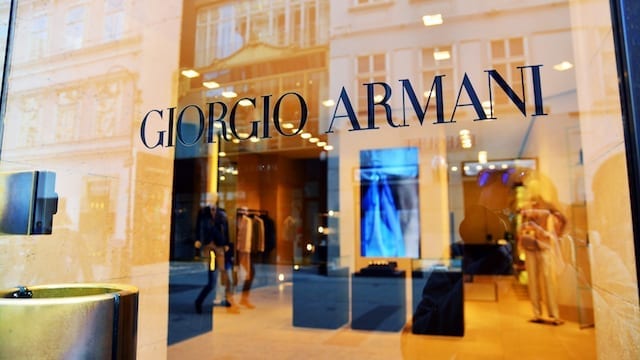
    L’Oréal Travel Retail has partnered with Lotte Duty Free to open a 23sq m counter at the Lotte Hotel in Seoul.

    The counter, based on Armani’s “from fashion dress code to beauty dress code” concept, is the first in travel retail to showcase the brand’s new retail expression. The space, which features curved lines and an open feel, allows customers to try the brand’s products and services.

    From fashion dress code to beauty dress code: The counter features splashes of red, inspired by the iconic lipstick colour Rouge #400.

    The counter enables customers to discover a complete beauty dress code through make-up and skincare (dress code for lips, dress code for face) and perfumes (fragrances dress code). Giorgio Armani Face Designers also offer customers tailor-made advice.

    Lotte Duty Free Merchandising Innovation Team Merchandising Director Jeffrey Davis said: “We are very pleased to open the very first Giorgio Armani Cosmetics beauty concept counter at Lotte Duty free. It breaks the rules of retail standards in travel retail as it is fully customer-centric enabling each customer to play with the products and indulge in the full universe of Armani.

    “The revolutionary design sets itself apart from all of the other beauty counters with its signature red and black design and fabric swatches above the foundation bar that ties back to Armani’s runway fashions. Sales have already improved since opening and you can see the smiles and joy from customers that love the new look and freedom to navigate in a more playful manner.”

  • Courts names new CEO in Indonesia

    Courts names new CEO in Indonesia

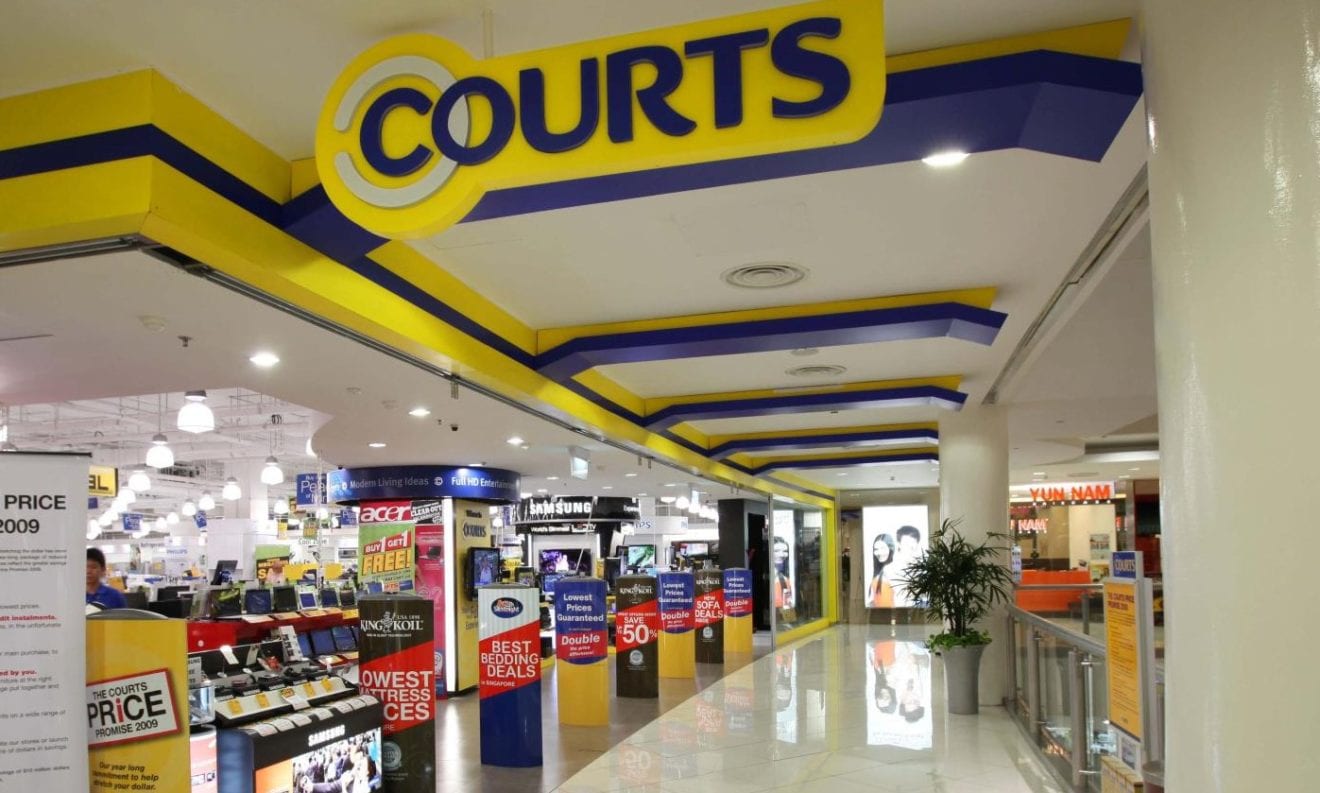
    Singapore-based tech retailer Courts has appointed a new boss for its operation in Indonesia. Joseph Greenway has been named as the new country CEO. Greenway rejoins Courts after two years as COO of Fantastic Furniture in Australia. Prior to that, Greenway spent 15 years at Courts in a variety of executive roles in Singapore and Malaysia. The appointment comes after Roy Santoso resigned from his role as Indonesia country CEO at Courts to pursue other career opportunities.

    Courts board stated: “Given his knowledge and experience of Courts business, Mr Greenway was shortlisted as one of the preferred candidates. He was put through various levels of interviews with senior management before the final selection. The board opined that he has the requisite experience to take the country CEO role.”

    Listed on the Mainboard of the Singapore Exchange in October 2012, Courts Asia is a leading electrical, IT and furniture retailer in South East Asia. The retailer’s expansion into Indonesia was led by the opening of a megastore in Kota Harapan Indah, Bekasi in October 2014. The second Courts megastore in Indonesia opened in BSD City, Tangerang in January 2016.

  • Soekarno Hatta Airport Now Have Tourist Information Center

    Soekarno Hatta Airport Now Have Tourist Information Center

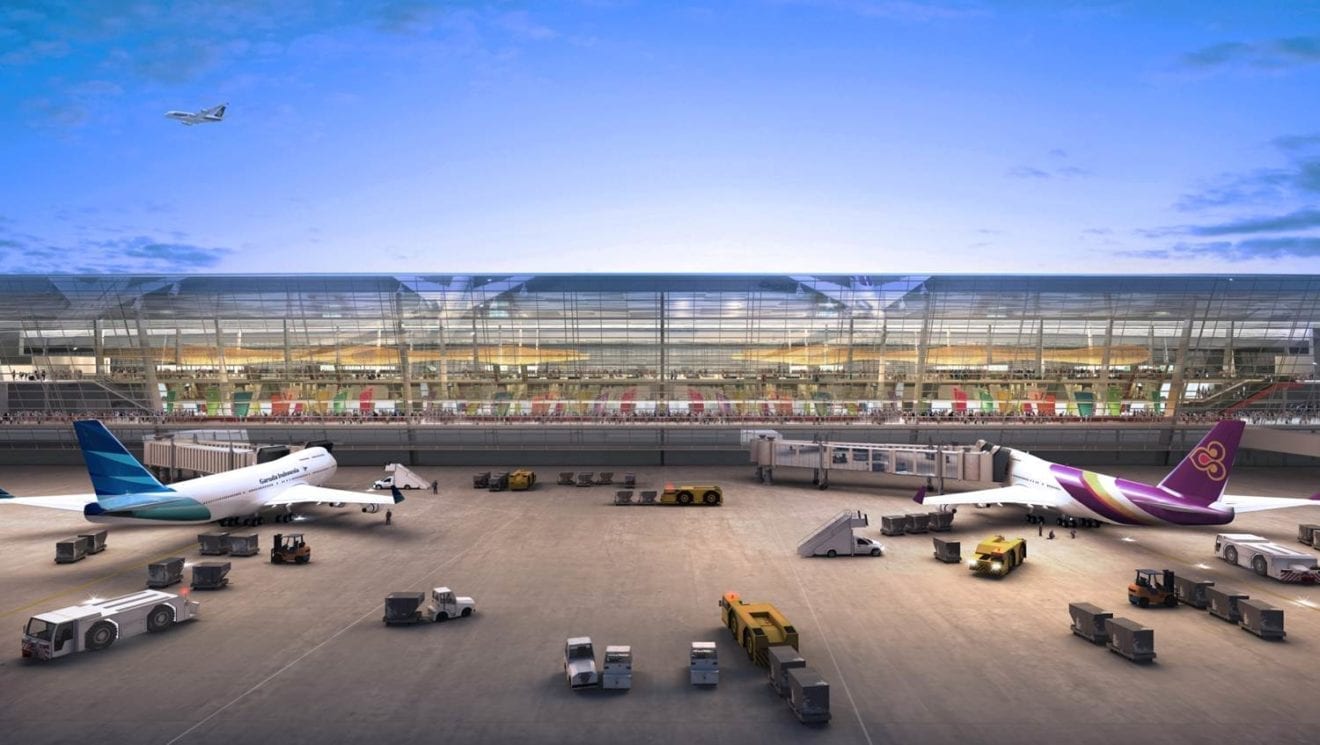
    State-owned operator Angkasa Pura II, Tourism Ministry and Transportation Ministry have launched Tourist Information Center at Terminal 3 of Soekarno Hatta International Airport.

    TIC services that have been operating since June 19 will serve to promote Indonesian tourism. “In order to achieve the full-year target of tourist arrivals,” Angkasa Pura II president director Muhammad Awaluddin said today in a written statement.

    Awaluddin said that Terminal 3 will serve international flights which allow TIC to promote Indonesia’s tourist destinations.

    Promotional contents at the TIC are a wide range of tourist destinations in Indonesia prepared by Tourism Ministry, particularly in relation to the branding ‘Wonderful Indonesia’ and ‘Pesona Indonesia’ (Indonesian Charm).

    The TIC will also enrich Terminal 3 digital contents. Angkasa Pura II is committed to turning Soekarno Hatta into a digital airport in line with the company’s vision of becoming the best smart connected airport operator in the region.

    Tourism Minister Arif Yahya expects TIC in Terminal 3 to become some kind of tourism supermall. Meaning that tourists may get information on tourist attractions, transportation, accommodation, etc. which can be accessed immediately by making reservations and paying for the best tourism experience.

    Angkasa Pura II and Tourism Ministry are committed to collaborating for the development of tourism sector. That includes enhancing international flight connectivity in all airports operated by the company, including Soekarno Hatta.

  • Piaggio Indonesia poised strongly against Honda’s challenge

    Piaggio Indonesia poised strongly against Honda’s challenge

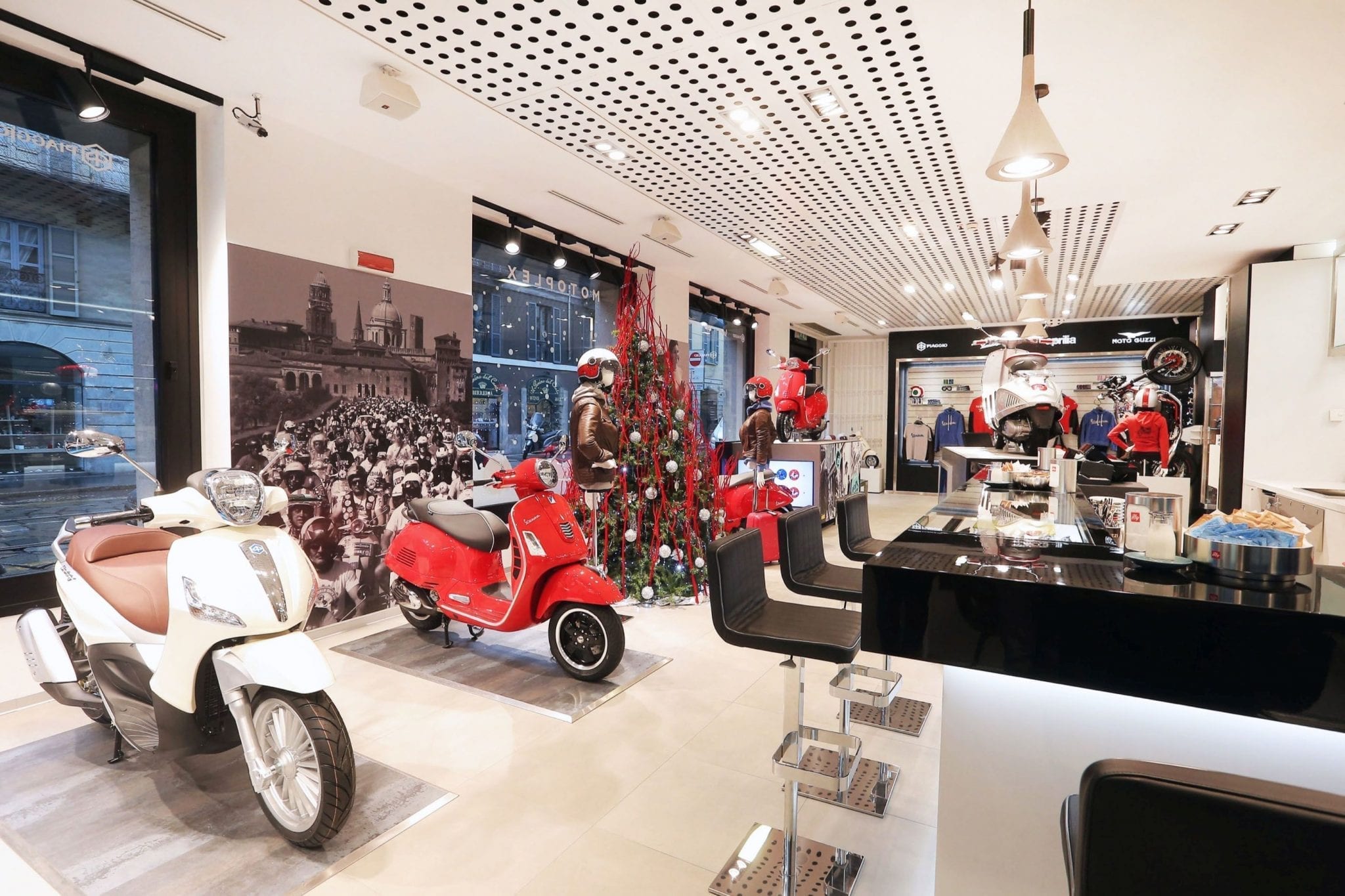
    PT Piaggio Indonesia, the principal and sole agent of Vespa and Piaggio in Indonesia, is not concerned by PT Astra Honda Motor’s introduction in April of the Honda SH150i as a new premium scooter competitor.

    Sales of the Vespa Medley, whose specifications are comparable with the Japanese counterpart, has not declined, even though they are in the same price bracket, said Piaggio Indonesia marketing director Andre Sanyoto.

    The Medley is marketed at around Rp 44 million (US$3,320), while the Honda SH150i is priced at Rp 44.9 million. “If they Honda can sell five to 10 units a month, we are seeing at least double-digit sales and have seen positive growth since the Medley’s launch in May 2016,” he said.

    Andre believes that Piaggio will not be affected by declining sales in the industry, as it relies on the premium scooter segment. It will introduce at least two more premium scooters this year, including the Vespa 946 (RED).

    ”We are sticking to the premium segment, with an audience who considers not only the functionality of our product, but also their emotional attachment to it,” he said. “The 946 (RED) model will be marketed at a similar price as the Vespa Armani, at Rp 196 million,” he said, adding that his company had already received orders for the new model from Vespa enthusiasts.

    Piaggio Indonesia’s sales is mainly supported by the Primavera and Sprint model, which are marketed at Rp 32.8 million and Rp 34.8 million respectively, and contributed 70 percent of total Vespa sales in Indonesia.

  • Indonesian P2P Fintech Startup Modalku Becomes Fully Registered With the OJK

    Indonesian P2P Fintech Startup Modalku Becomes Fully Registered With the OJK

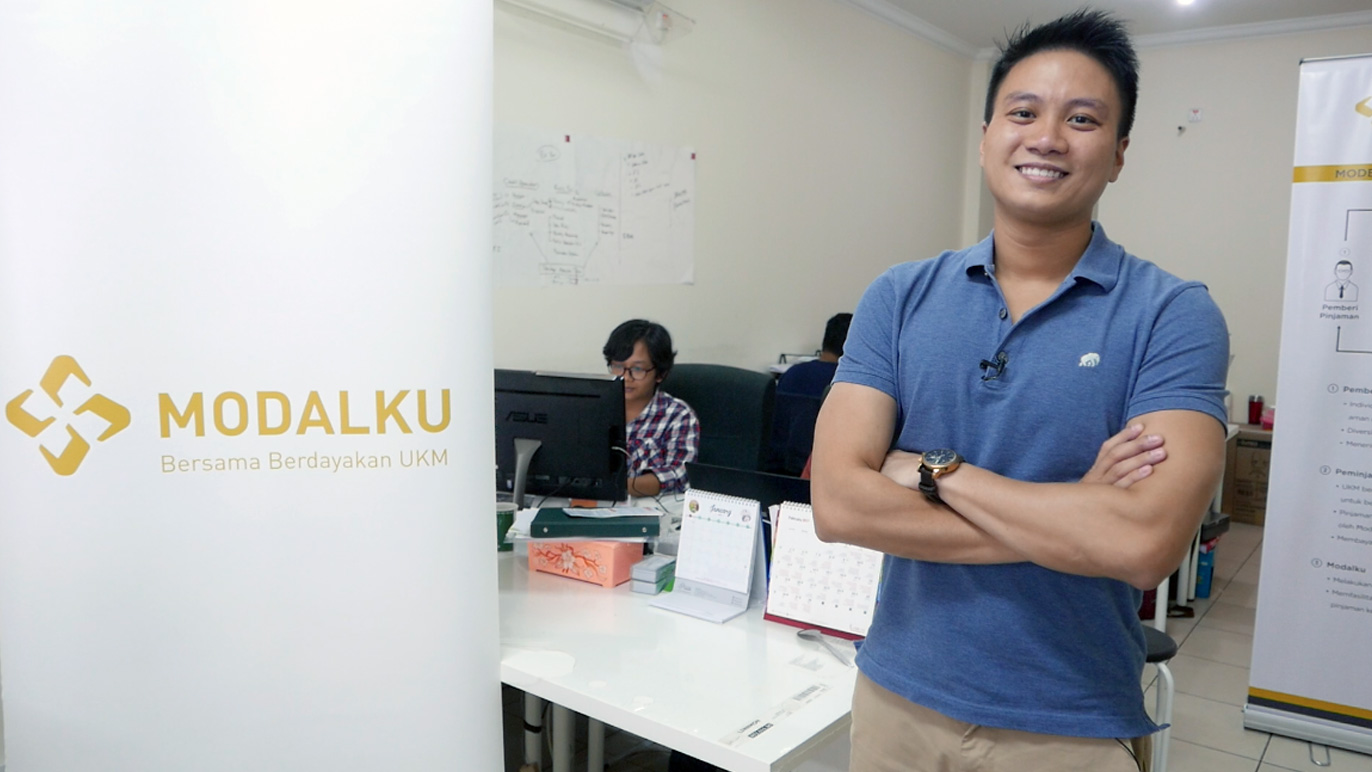
    Modalku, an Indonesia-based peer-to-peer lending fintech startup, announced this week it is now fully registered with the Otoritas Jasa Keuangan (OJK). Founded in 2016, Modalku describes itself as an online marketplace for small businesses to acquire loans and for lenders to fund small business loans to earn returns. The company revealed:

    Our technology-based approach enables borrowers to receive loans for the first time or at lower than market rates, while lenders will earn returns well above that of bank deposits, traditional fixed income products, and life insurance investment-linked products. This marketplace lending model is proven in countries such as USA, UK, China & Singapore.”

    Modalku also noted that SMEs are a key source of employment and economic growth in Indonesia, but seem to be structurally disabled by financial institutions to get the financing they need. According to Digital News Asia, Modalku has already disbursed loans totaling more than Rp175 billion (US$13.15 million) to 320 MSME loans. While discussing the OJK registration milestone, Modalku co-founder and CEO Reynold Wijaya revealed:

    “The fact that OJK focused on P2P lending regulations in Indonesia shows that the government sees the enormous potential of fintech in supporting financial inclusion. MSMEs have always been the backbone of the Indonesian economy, contributing 60.3% of national GDP and 97% of national employment. With solid regulation, underbanked MSMEs will have better access to financing and find it easier to grow their businesses.”

    OJK senior executive researcher Hendrikus Passagi added:

    “OJK supports and will continue to encourage borrowing and lending activities via P2P lending fintechs as an alternative to national financing products that require no collateral. We view the digital financial ecosystem built by P2P lending fintech platforms as ideal partners to support financial inclusion in Indonesia. With official registration at OJK, Indonesian P2P lending platforms are expected to increase borrowing and lending activities at a much larger scale for local MSMEs while still putting customer protection and stability of the Indonesian financial system first.”

    Modalku currently operates in Indonesia, Singapore, and Malaysia.

  • Garuda Indonesia reigns as world’s best airline cabin crew for fourth consecutive year

    Garuda Indonesia reigns as world’s best airline cabin crew for fourth consecutive year

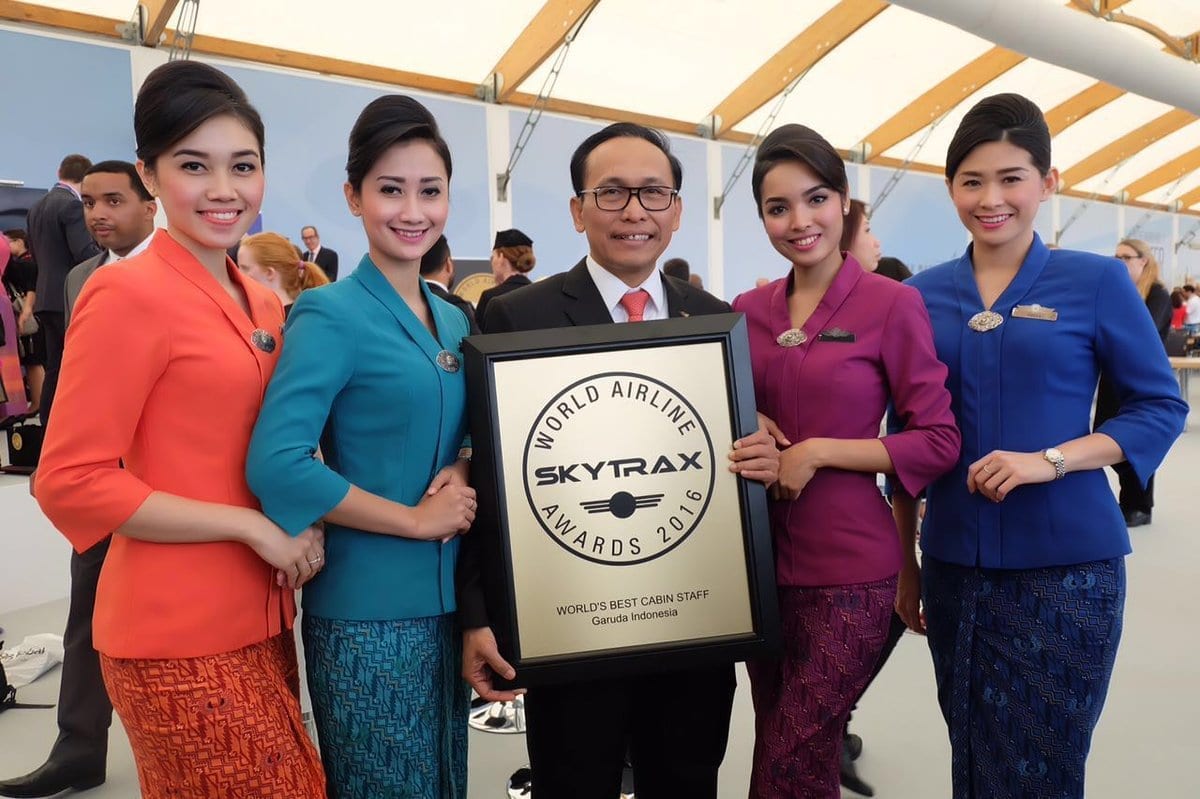
    Indonesia’s flag carrier Garuda Indonesia has won the world’s best airline staff award for the fourth year in a row according to a survey conducted by international rating organization Skytrax.

    Garuda Indonesia took first spot in the category at this year’s World Airline Awards, dubbed as the Oscars of the aviation industry, beating other prestigious airlines in the region such as Singapore Airlines and Thai Airlines.

    In the same category, Japan’s largest airline All Nippon Airways came second, followed by Taiwan-based international airline Eva Air and Thai Airways and Singapore Airlines.  The awards were announced at the Paris Air Show yesterday.

    According to Skytrax, the award “recognizes the highest all-around performance of an airline’s cabin staff” as well as the quality of staff members’ techniques and efficiency and their enthusiasm, attitude and overall hospitality.

    The survey was conducted from August 2016 to May 2017, involving 19.8 million votes.

    This year, Garuda Indonesia improved its position in the best airline category, climbing one spot to enter the top ten carriers on the world’s best airline list.

    The world’s best airline award for 2017 went to Qatar Airways, which took the title from fellow Middle Eastern carrier Emirates.