Tag: Indonesia

  • OJK to expand banking access to the Philippines

    OJK to expand banking access to the Philippines

    The Financial Services Authority (OJK) plans to expand banking access to the Philippines by signing a Letter of Intent (LoI) with the countrys central bank, Bangko Sentral ng Pilipinas (BSP).

    The cooperation will pave way for access to some Indonesian banks that already certified as “Qualified ASEAN Bank” (QAB), the authoritys Deputy Commissioner for Supervision, I Sukarela Batunanggar, said at a press conference in Jakarta on Friday.

    “Besides the positive trends in economy growth, the two countries also have similarities in the sectors of social and economy, mainly in their domestic credit ratios,” Batunanggar stated.

    Indonesia and the Philippines, he further remarked, also have great potential in terms of their population sizes.

    “The two countries still have more opportunities to continue flourishing,” he noted.

    The LoI that was scheduled to be signed on next Sunday is an initial measure for negotiating bilateral cooperation through the ASEAN Banking Integration Framework (ABIF).

    The framework, which is set by two main principles, including reciprocity and equality, is aimed at supporting the banks in expanding their business within the Southeast Asia region.

    In accordance with the framework, Batunanggar stated the authority has assessed several banks that seek to hold a QAB certification.

    Batunanggar hoped the negotiation between two countries could be completed soon, so it would enhance trade volumes between Indonesia and the Philippines.

    In 2016, the two countries trade volumes remained low, compared with other states.

    Indonesian exports to the Philippines reached less than 4 percent last year, while the imports were only about 1 percent.

    The authority had signed a similar LoI for bilateral financial cooperation with Bank of Thailand (BOT) in March last year.

    Another bilateral deal was implemented between the countrys financial authority and the Malaysian bank central in August last year.
  • Indonesia May motorbike sales up 15.2% yoy

    Indonesia May motorbike sales up 15.2% yoy

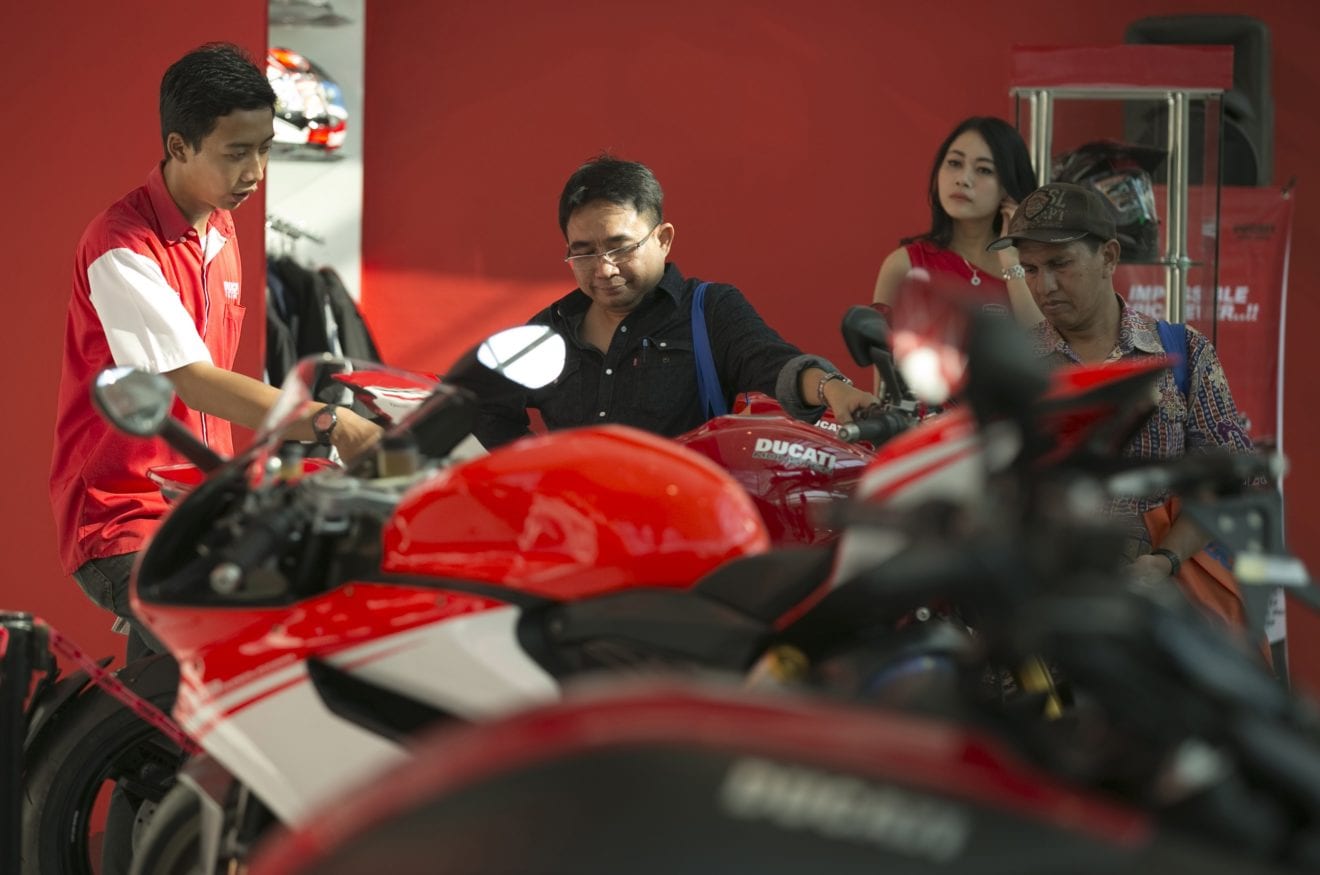
    Motorcycle sales in Indonesia rose 15.2% in May from a year earlier, data from an industry association showed on Monday.

    These sales are also the highest growth rate since August 2014.

    Sales stood at 531,496 motorbikes in May, up from 461,506 sold in the year-ago period.

    It was also higher than the 388,045 bikes sold in April. Motorbikes are hugely popular in Southeast Asia’s biggest economy and their sales are a key indicator of consumption.

    Sales in May were led by Honda Motor , Yamaha Motor Co Ltd and Suzuki, data showed.

  • Bank Mandiri Lends Rp1.5tn to Indonesia Infrastructure

    Bank Mandiri Lends Rp1.5tn to Indonesia Infrastructure

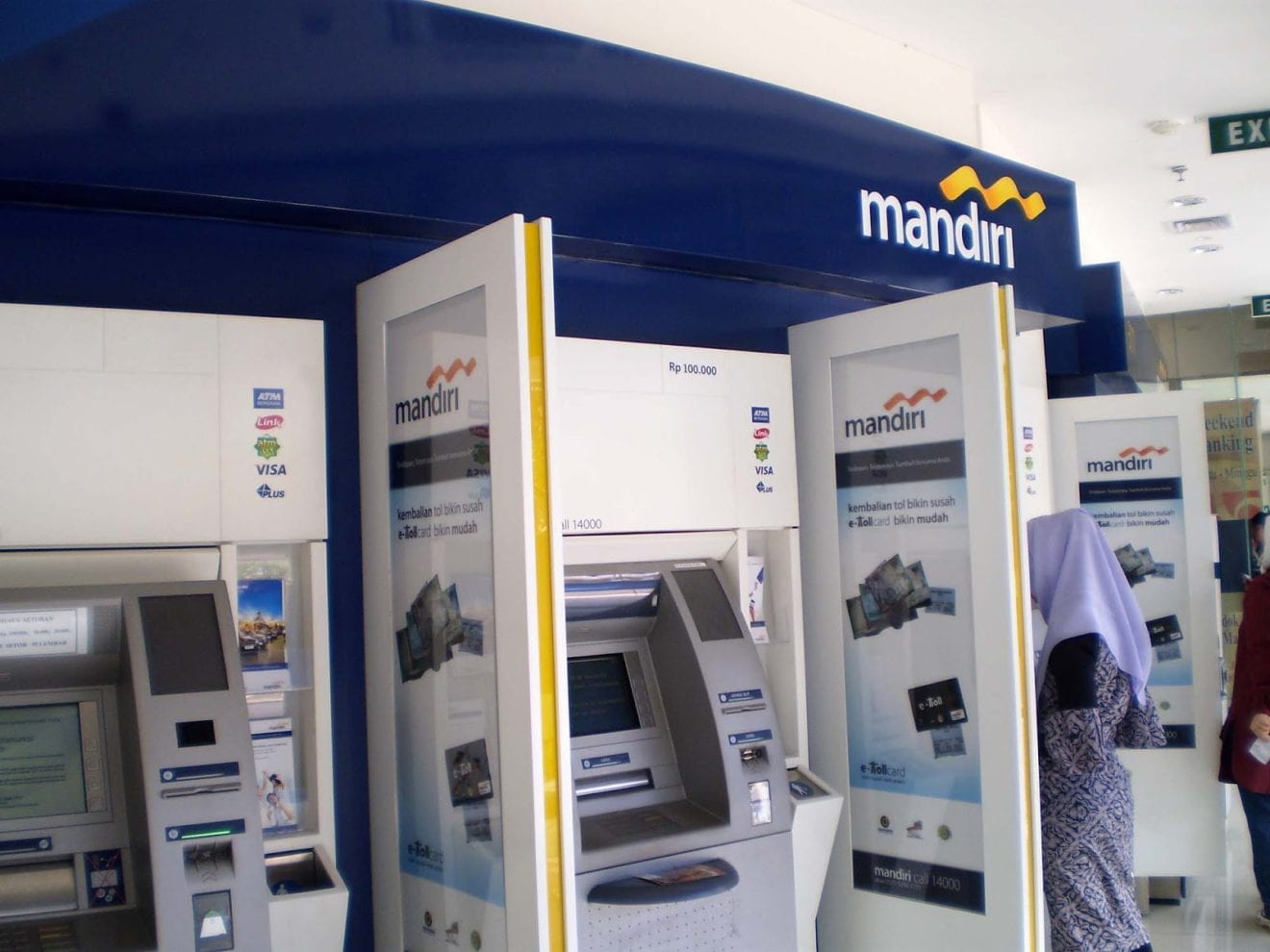
    State-owned Bank Mandiri is lending Rp1.5 trillion to Indonesia Infrastructure Finance (IIF) to help the non-bank financial institution support the acceleration of infrastructure development in Indonesia.

    IIF president director Arisudono Soerono said the loan will used to finance several infrastructure projects that are commercially viable and feasible.

    Bank Mandiri also gives IIF a treasury line facility with US$50 million limit to hedge the company’s transactions using foreign currencies.

    The bilateral term loan is a non-revolving credit with that will mature in three year.

    Bank Mandiri’s government & institutional director Kartini Sally said this is the second time the bank provided lending to IIF. In 2015, Mandiri disbursed Rp1 trillion loan to help IIF fast-track the completion of infrastructure projects in Indonesia.

  • Government to establish electronic toll collection consortium

    Government to establish electronic toll collection consortium

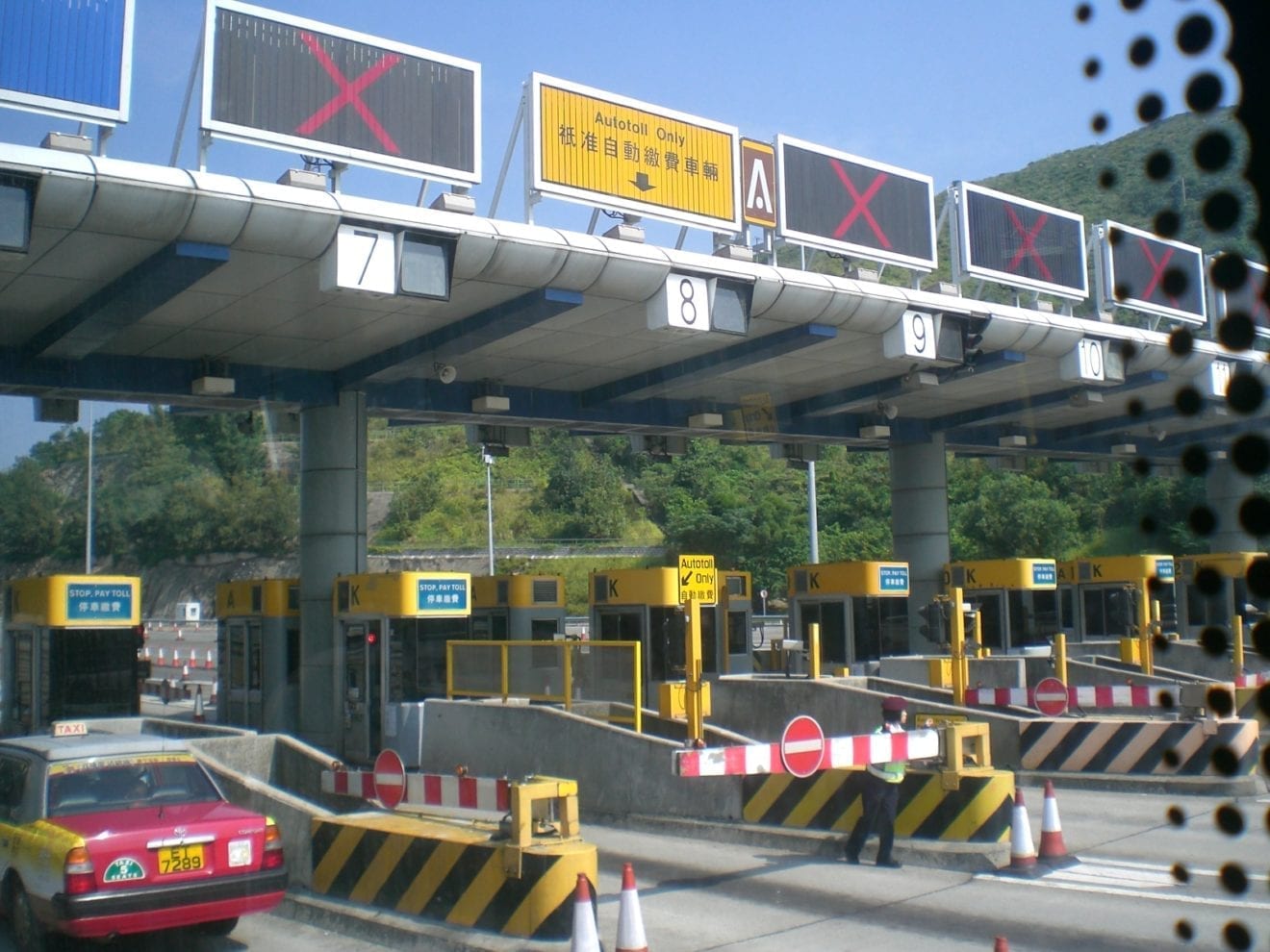
    The Public Works and Public Housing Ministry (PUPR), in cooperation with Bank Indonesia, will establish an electronic toll collection (ETC) consortium to set up a non-cash payment system on toll roads, which is targeted to operate thoroughly in Oct 2017.

    The shareholders of the consortium will consist of various stakeholders from bank companies, toll road enterprises, and switching companies.

    The consortiums role is to manage electronic payment facilities and infrastructure on toll roads, such as system and procurement of “reader,” data synchronization, and proportional profit sharing.

    “It will also play a major role in the integration of the toll road segments as well as in improving the business model and technical aspects of electronics,” BI Governor Agus Martowardojo told the press here on Wednesday.

    The establishment of the consortium is in line with governments target to change every payment in the toll roads using non-cash or electronic mechanism.

    BI has set a target to manage non-cash payment system in 35 toll roads in Oct 2017. Currently, only 25 percent of total payments in 35 toll roads in Indonesia are using non-cash payment.

    “Hence, this consortium is one of the required institutional aspects to be established,” Martowardojo noted.

    In addition to the institutionalization, electronicfication of all toll roads will also change the business model of various participating companies on the highways.

    Among some changes is the business commission that the bank must pay to the operator for the non-cash payment application of 0.3 percent, which will be replaced by a merchant discount rate (MDR) system. MDR will be implemented after the ETC consortium is officially established.

    To add incentives for banks to integrate, BI will also allow banks to charge additional commissions to customers when charging an electronic money balance used to pay for toll services. Such fee will be regulated in the revision of Bank Indonesia regulation concerning electronic money.

    Technically, BI and the PUPR Ministry divide the four stages of non-cash electronication including the electronification stage of the entire toll road in October 2017, the integration of the toll road system, the integration of toll roads and the establishment of the Electronic Toll Collection Consortium (ETC) as well as the implementation of Multi Lane Free Flow (MLFF), as a process of payment of tolls which not require the drivers to take a long stop.

  • Indonesia Eyeing Export Opportunities to Afghanistan

    Indonesia Eyeing Export Opportunities to Afghanistan

    Afghanistan has expressed interest to import Indonesian products. Indonesia and Afghanistan have already establish trade relations covering finished products albeit at a relatively small amount. Industry Minister Airlangga Hartarto said that the government has welcomed Afghanistan’s import proposal. The export will primarily include consumer goods.

    “Afghan President has come here, and now they said that they are interested in importing some commodities from Indonesia. Indonesia and Afghanistan trade volume is not quite significant yet,” Airlangga said yesterday after meeting Afghanistan Ambassador to Indonesia Roya Rahmani in Jakarta.

    Airlangga said that Afghanistan is one of Indonesia’s industrial product export destinations as the country imports almost 90 percent of its daily needs. Some products, according to Airlangga, have the potential to be exported to Afghanistan, such as textile, pharmaceutical, construction products, and food and beverages. Indonesian business delegates will be departing for Afghanistan in the near future.

    Data from the Industry Ministry show that electronics and its appliances make up the most of Indonesia’s industrial product exports to Afghanistan, reaching US$ 3.54 million last year.

    Other products with high export value are pharmaceutical, household products, cosmetics, mirror, tea and coffee, vegetable oil, rubber and chemicals. In 2016, Indonesia’s export to Afghanistan is valued at US$16.22 million.

    In the same period, imports from Afghanistan amounted to US$ 31.1 million, meaning that Indonesia posted a US$ 16.19 million surplus. Indonesia imported some commodities from the country such as processed fruit, electronics and steel products.

  • Garuda Indonesia soars above challenges, gears up for growth

    Garuda Indonesia soars above challenges, gears up for growth

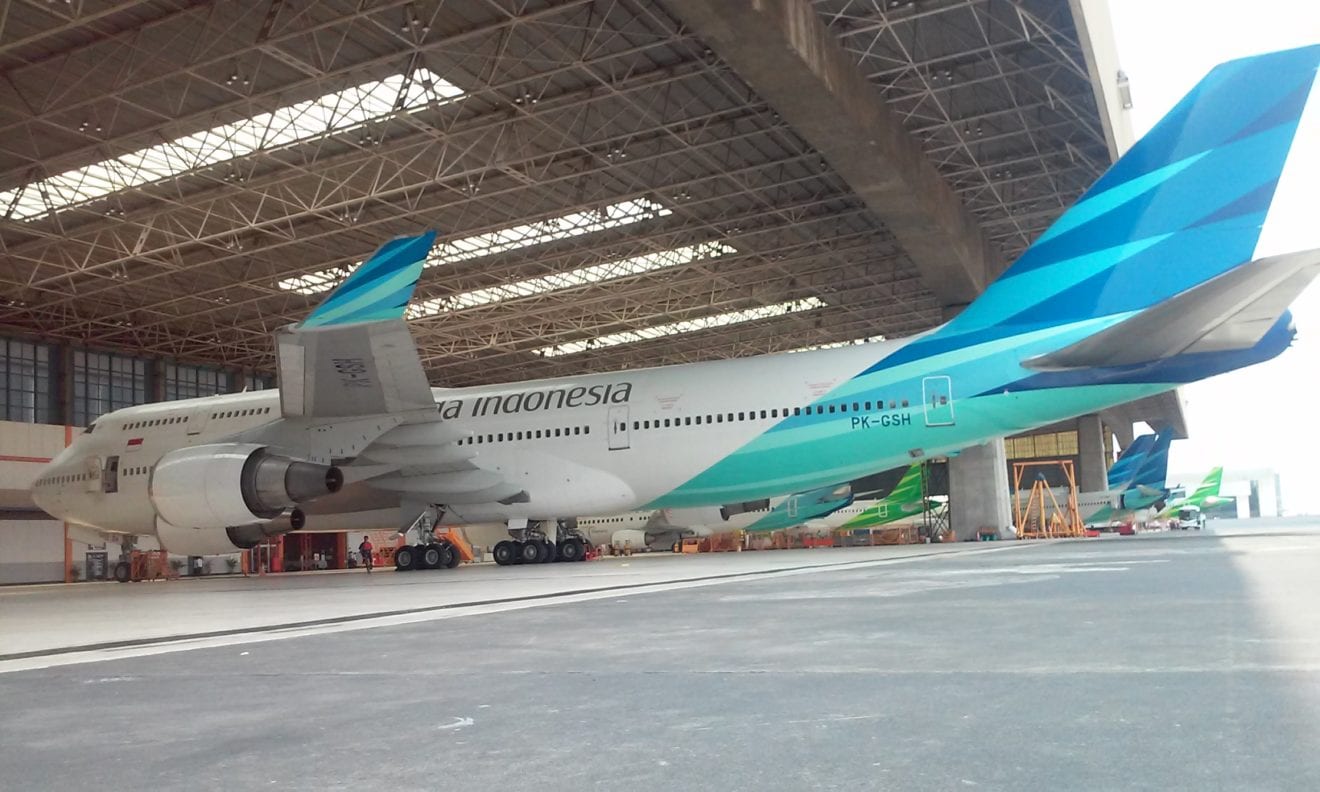
    Ready to face their business growth that is riddled with challenges, Garuda Indonesia is optimistic that both its operational and financial performances will experience sustainable and positive growth in the next two years. This will be attributed to their business strategy, which is to focus on financial performance transition.

    Antara News quoted Garuda Indonesia President Director, Pahala N Mansury, saying that the airline would focus on performance improvement by taking 10 financial and business performance initiatives in a manner that would improve both operational and financial conditions.

    The 10 financial performance strategy initiatives are optimising usage of their fleet, lowering fleet cost, improving service related to departure and arrival time as well as reforming the service user income management services. “We are quite optimistic about achieving it in one or two years time,” he said.

    Pahala said the company is currently in a good position in term of operation and services to the public. However, the main challenge the company is facing is to find ways to improve its financial performance in a sustainable way to ensure business continuity.

    “We have identified that the phase of the business cycle that the group is undergoing is temporary. Infrastructure, human resources and products, and all business lines have a good platform to support the performance improvement,” Pahala said.

    He also lauded all sides for their input and attention into improving the group’s performance and business dynamics.

    Meanwhile, state shipping company PT Pelayaran Indonesia (Pelni) has paired up with Patra Jaya, a subsidiary of state-owned energy firm PT Pertamina, to introduce a cruise ship to boost the tourism industry.

    PT Pelni Kupang brand Head Adrian on Sunday said a memorandum of understanding was signed between the two parties, where the MoU entails the construction of a cruise ship to support the nation’s tourism industry in 10 tourists destination.

    The ten tourists destinations include Labuan Bajo and Riung, East Nusa Tenggara. The ship is currently being built in South Korea and is expected to be completed and sailing by 2018.

    Both Pelni and Pertamina had initially planned to purchase a cruise ship but the plan was halted following a regulation banning government agencies to purchase second-hand goods from abroad.

    Pelni currently operates both passenger and transport ships.

  • BI launches food price information center

    BI launches food price information center

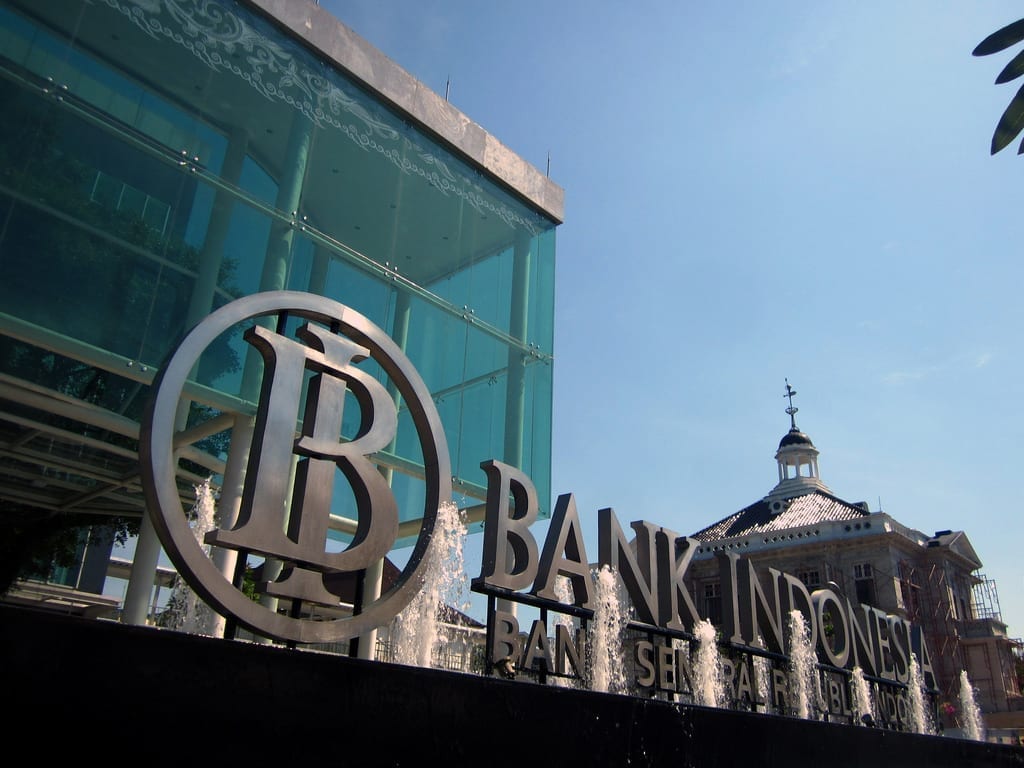
    The central bank of Indonesia, Bank Indonesia (BI), has launched a Strategic Food Price Center website (PIHPS) application which will serve as a reference of pricing information to help those in charge of making policy on inflation management.

    BIs Governor Agus Martowardojo said, at the PIHPS launch here on Monday, that data collection was one of important factor in controlling price to manage inflation.

    “The success of inflation policy application requires not only information but also supporting data. We follow the presidents directive, stated on April 11, 2016, to develop food information system center,” Agus stated.

    He explained that at an early stage, PIHPS will focus on 10 food commodities that contribute more than 50 percent to inflation of the volatile foods category.

    Referring to PIHPSs website at www.hargapangan.id site, the 10 strategic food commodities are rice, beef, chicken, chicken egg, red chili, cayenne pepper, onion, garlic, cooking oil, and sugar.

    Controlling the prices of these 10 food commodities has become the foundation of BI and the government to control inflation of volatile foods.

    Data presented by PIHPS is compiled from 164 traditional markets from 34 provinces. The data collected from 9.00 to 11.00 Jakarta time will be validated by BI at 10.00 to 12.00 and then published at 13.00 Jakarta time.

    PIHPS can be accessed at www.hargapangan.id or by downloading PIHPS National at android and Apple iOS operating system for free.

    In future, the Central Bank will develop the application by extending data coverage that includes modern markets, wholesalers, and producers, Agus remarked.

    “In 2018, we will collect data at the producer level for the 10 commodities, and we will also develop the site, hoping that wider access to food information will gradually lower the price fluctuations,” Agus revealed.

    Through PIHPS, the Central Bank wants to keep the inflation at 3-5 percent this year by paying particular attention to volatile foods, considering that its pressure from administered prices will be high following the energy subsidy adjustment policy that is applied this year.

    BI and the government want to keep volatile foods inflation in the range of 4-5 percent year on year from this year.

    The government has listed an overall inflation assumption of 4 percent in the 2017 State Budget.

  • Indonesia`s fresh pineapples enter Italian market

    Indonesia`s fresh pineapples enter Italian market

    Indonesian fresh pineapples can now be consumed by Italian consumers after a container holding 18 tons of the commodity arrived in Italys city port of Venezia over the weekend.

    The 18 tons of fresh pineapples were exported in a maiden shipment by PT Great Giant Food in cooperation with Italian importer SAMA SpA.

    SAMA is planning to import up to 20 containers of the commodity until the end of the year, Counselor Charles F. Hutapea of the Indonesian Embassy in Rome, told us in Jakarta on Saturday.

    Previously, the Italian consumers could only enjoy Indonesian pineapples in the form of canned product. The unloading of the maiden export of fresh pineapple was witnessed by Indonesian Ambassador to Italy Esti Andayani together with general manager of SAMA, Giorgio Masiero.

    Ambassador Andayani expressed happiness over the fact that Italian consumers are increasingly fond of Indonesian fresh pineapples which could compete with fruit from other countries.

    “So far, many kinds of Indonesian fruits are imported by countries in Europe and now Indonesian pineapples could also penetrate the Italian market,” she said.

    The Italian company previously imported pineapples from Caribbean and African countries with a length of delivery time of about three weeks.

    The length of time for the importation of pineapples from Indonesia is about four weeks.

    However, the longer period does not affect the quality of and shape of Indonesian pineapples. According to the agriculture attache, Yusral Tahir, in Rome, pineapple is one of the Indonesian mainstay types of fruit.

    Pineapple production is ranked third in the volume of Indonesias fruit outputs after bananas and mango. Almost all regions in Indonesia produce pineapples.

    Pineapple production centers in Indonesia included the provinces of Lampung, West Java, North Sumatra, East Java and Jambi.

    Indonesias pineapples production reaches 1.84 million tons with productivity of 117.5 tons per hectare.

  • Garuda aims to improve financial performance in two years

    Garuda aims to improve financial performance in two years

    Garuda Indonesia is optimistic its operational and financial performance will see sustainable positive growth in one to two years, fueled by business strategy focusing on financial performance transformation.

    “Garuda Indonesia will focus on improving its performance by taking 10 financial and business performance initiatives in such a way that its operational and financial conditions will be better and we are quite optimistic about achieving it in one to two years time,” Garuda Indonesia President Director Pahala N Mansury said here on Sunday.

    In the phase of business growth which is full of challenges, Pahala expressed gratitude to all sides for their attention and inputs to improve the financial performance and business dynamics of Garuda Indonesia.

    “Of course, this is worthy of out praise, particularly when it comes to the commitment and concern of all stakeholders to ensure that Garuda Indonesia as national flag carrier will always have good business performance,” he said.

    He said the company is currently in very good condition in terms of operations and services to the public.

    The challenge that the company must fulfill now is related to how to improve its financial performance in a sustainable way to ensure the continuity of its business, he said.

    “We ascertain that the phase of business cycle that Garuda Indonesia is going through is only temporary now that in terms of infrastructures, human resources and products, all business lines of the company have good platform to support the improvement of its performance,” he said.

    Among the 10 financial performance strategy initiatives are making optimum use of fleet, lowering the costs of fleet, improving services related to punctual departure and arrival time, and reforming the system of managing income from service users.

  • Qatar Airways Umrah Passengers Transferred to Garuda Indonesia

    Qatar Airways Umrah Passengers Transferred to Garuda Indonesia

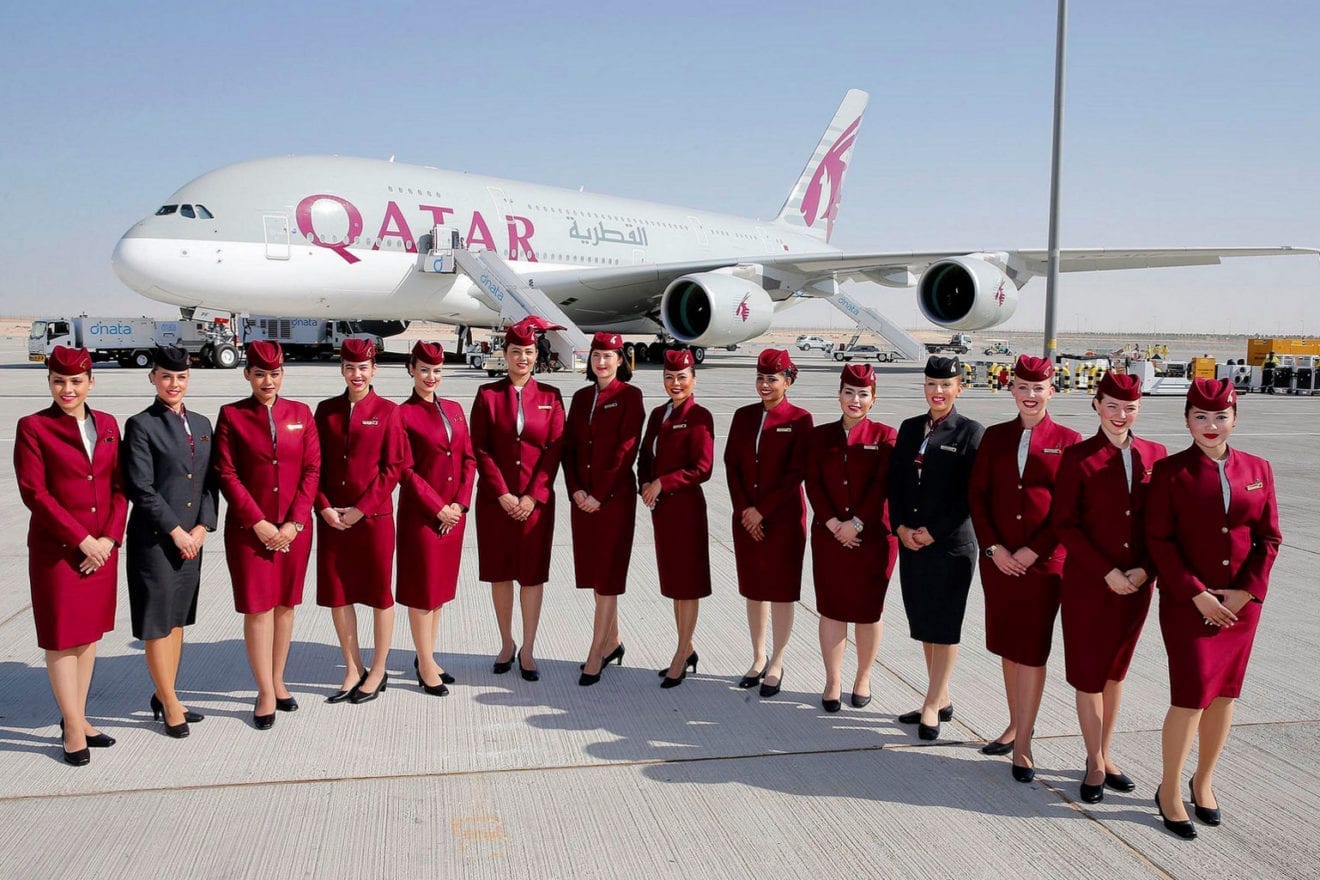
    Qatar Airways umrah passengers will be transferred to flag carrier Garuda Indonesia. “We have a partnership with Qatar Airways. Some passengers to be carried from Jakarta to Saudi Arabia will be transferred to Garuda Indonesia, it expected to happen in a short term,” Garuda CEO Pahala Mansyuri told us yesterday, June 8. According to Pahala, the opportunity will be exploited by Garuda Indonesia to introduce its highly potential umrah services. The first phase will see the transfer of 45 Qatar Airways passengers in Jakarta-Saudi Arabia route. In the phase, around 150 passengers will be carried in the routes previously operated by Qatar Airways.

    In a written statement issued Wednesday Transportation Minister Budi Karya Sumadi said that he has not revoked Qatar Airways flight license. The government will only transfer Indonesian umrah passengers using Qatar Airways to other airlines.

    Budi said that the transfer will be done in the wake of the diplomatic row between Qatar and some other Gulf countries. The conflict has resulted in a ban on Qatar Airways from flying above Gulf countries, including Saudi Arabia, which is the destination country of hajj and umrah.

    As for flights from and to Indonesia, Qatar Airways may still carry passengers as usual. “Qatar Airways can still serve flights from and to Indonesia and [passengers] may continue the travel to third countries aside from those having diplomatic issues with Qatar,” the minister said.

  • Pelni and Pertamina building a cruise ship

    Pelni and Pertamina building a cruise ship

    State shipping company PT. Pelayaran Indonesia (Pelni) will team up with Patra Jasa, a subsidiary of state-owned energy company PT. Pertamina, to build a cruise ship, to support the countrys tourism industry.

    “We already signed a memorandum of understanding (MoU) to build a cruise ship to support the countrys tourism industry especially in 10 tourist destinations,” head of the Kupang branch of PT Pelni Adrian said here on Saturday.

    The ship is being built in South Korea expected to be completed and to be operational in 2018, Adrian said.

    Earlier Pelni and Patra Jasa planned to buy a cruise ship, but the plan could not be realized with a regulation banning government agencies including state companies to buy second hand goods from abroad.

    “Therefore, Pelni and Pertamina decided to build one that would take a year for completion,” Adrian said, adding the cruise ship would serve transport to 10 tourist destinations recognized by the government.

    The ten tourist destinations include Labuan Bajo and under sea destination in Riung, East Nusa Tenggara.

    Currently Pelni operates not only passenger ships but it also has ship for the transport of cargoes and livestock and tourists.

    Business in passenger transport has declined as most passengers choose air transport which much faster.

    “Mr (Ignasius) Jonan , when he was transport minister, once told us that it was time for Pelni to focus on other lines of business, but business in passenger transport continues,” Adrian said.

    He said business in tourism industry is growing that cruise ships is important . The government has been more aggressive in developing its tourism industry to make use of the countrys tourism wealth .

    The government is set to double the number of foreign tourists visiting the country to around 20 million in 2019.

  • Yusen to strengthen contract logistics business in Indonesia

    Yusen to strengthen contract logistics business in Indonesia

    PT. Yusen Logistics Solutions Indonesia strengthens contract logistics business by relocating and expanding warehouse facilities in MM2100 Industrial Town, Jakarta, in November 2017.

    MM2100 Industrial Town is strategically located as a logistics hub, offering good access to Jakarta, the Port of Tanjung Priok, and Soekarno–Hatta International Airport. The surrounding area is also home to a large number of companies centered on manufacturing operations and is seeing ongoing infrastructure improvements, so the industrial town is expected to expand further.

    The company owns three warehouses in MM2100 Industrial Town and operates them independently. Warehouse No. 3 will relocate within the industrial town, doubling its warehouse space to 11,000 square metres. It will go into operation in this November. As a result, the total floor area of the three warehouses in MM2100 Industrial Town will increase to approximately 45,000 square metres, the largest of any logistics provider in the industrial town. Using our accumulated know-how, we will respond to increased demand for logistics services.

    Yusen Logistics has three Indonesian subsidiaries: PT. Yusen Logistics Solutions Indonesia, PT Puninar Yusen Logistics Indonesia, which also provides warehouse services, and PT. Yusen Logistics Indonesia, which provides ocean and air freight forwarding services. Yusen Logistics Group is working to strengthen internal collaboration, with D. Budijanto becoming president director of all three companies in April this year. It has also centralised PT. Yusen Logistics Solutions Indonesia as a contact window for contract logistics business and prepared a system for expanding the business.

    Yusen Logistics Group in Indonesia continues to combine its services across warehousing, ocean and air freight forwarding, road transport, and customs clearance, providing supply chain logistics to meet customer needs.


  • Largest Chinese firm to invest in power plants in Indonesia

    Largest Chinese firm to invest in power plants in Indonesia

    The largest Chinese power company “China Huadian Corporation” has the opportunity to invest in power plants in Indonesia. “The Chinese firm wants to invest in our power plants. I have suggested that it should find a good local partner,” Energy and Mineral Resources Minister Ignatius Jonan informed us in Beijing on Thursday night.

    According to Jonan, China Huadian Corporation is the largest power company in China, and its assets are about twice that of Indonesias state electricity company (PLN). Jonan said that with regard to investment matters, his ministry will not discriminate investors based on certain countries.

    “We do not differentiate, whether it is China, Japan, or any other country. What matters is that we are fit with it; that is all,” he said after the Eighth Ministerial Conference on Clean Energy (CEM8).

    One of the opportunities offered to China Huadian is the construction of power plants in the governments 35 thousand-megawatt power plant program.

    “This is in accordance with the directives of Joko Widodo during the OBOR Conference (One Belt, One Road), which encouraged Chinese investment in Indonesia. I am following up on it,” Jonan, who is a former minister of transportation, stated.

    Jonan made assurance that next year, all residents of the island of Sumba, East Nusa Tenggara, will have access to electricity.

    “Coincidentally, with the development of a steam power plant, Sumba may perhaps get an additional 50 megawatts of electricity,” the minister, who was accompanied by Indonesian Ambassador to China Soegeng Rahardjo, noted.

    The annual CEM event, held in Beijing, was attended by ministers and high-level officials from 24 countries.

    At the eighth CEM, Jonan got the opportunity to hold a bilateral meeting with China, as the host.

    On the occasion, Minister Jonan also encouraged several Chinese companies to increase their investment in the oil and gas sector in Indonesia.

    “Some Chinese oil and gas companies have been investing in Indonesia for the past 15 years, but the number is still small and needs to be increased,” Jonan added.

    He said that unlike Chinese companies, oil and gas companies from the US have been investing in Indonesia for quite a long time.

    “Chevron, which was known as Caltex in the past, and Exxon have been operating in Riau for about 100 years with a very big investment,” Jonan pointed out.

    In addition to working sessions for energy ministers and other high-level policymakers, CEM8 featured a public-private action summit with keynote speakers, thematic panel discussions, and opportunities for high-profile announcements of ambitious clean energy efforts.

    It also included a two-day technology exhibition demonstrating breakthrough clean energy technologies, products, and business models; and an Innovation Theater showcasing potentially game-changing clean energy innovations and inspirations.

  • Indonesian biodiesel producers turn to China

    Indonesian biodiesel producers turn to China

    Indonesian biodiesel producers are eyeing China as a new promising market amid negative sentiment in the European Union and the United states.

    Indonesian Biofuel Producers Association (Aprobi) chairman MP Tumanggor stressed Thursday that their members could no longer rely on their exports to the US and European Union.

    “Our production capacity reaches 11 million kiloliters per year, 4 million of which is absorbed by the domestic market. The remaining 7 million kiloliters are idle,” he said, adding that exports to European countries and the US account for just a portion.

    The negative sentiment was sparked by an anti-dumping campaign from both the European Union and the US commercial trade association National Biodiesel Boards (NBB).

    Aprobi secretary general Stanley Ma said that China was a potential market for Indonesian biodiesel because the country used B5 for its fuel, which consists of 5 percent biodiesel and 95 percent petroleum biodiesel. “China might need 9 million kiloliters of biodiesel a year. This could boost our exports,” he said.

    The Indonesian government is reportedly set to send a team to China on June 16 in an attempt to boost biodiesel exports to the country.

    Data from the association shows that in first quarter of this year, Indonesia produced 1.01 million kiloliters of biodiesel of which 761,519 kiloliters was absorbed by the domestic market.

  • PanaHome, Sojitz to develop ‘smart town’ in Indonesia

    PanaHome, Sojitz to develop ‘smart town’ in Indonesia

    PanaHome, a housing company under the Panasonic group, has teamed up with trading company Sojitz Corp. to build a sustainable “smart town” in the city of Deltamas outside Jakarta.

    The two companies’ Indonesian subsidiaries will establish a joint venture, PT PanaHome Deltamas Indonesia, in October to construct residential and commercial complexes as part of the Deltamas smart town plan, a comprehensive urban development project that includes commercial facilities, residential neighborhoods and an industrial park.

    The joint venture combine PanaHome’s expertise in building sustainable smart towns with the Sojitz group’s concept of a residential neighborhood proximal to business districts in the area of Deltamas.

    “The first phase of this project will involve construction of 520 housing units with costs up to ¥10 billion ($91 million). And we will continue other phases with 1,000 housing units,” said Kazuhiko Tanaka, managing director of PanaHome Asia Pacific Pte. Ltd., who is based in Singapore.

    The first phase will start in the beginning of 2018 and finish in 2019, followed by a final phase to be completed around 2026, Tanaka said. “We will start selling units in the middle of 2018.”

    “We will not only adopt Japanese quality, such as construction and after-sales service, but also adjust to Indonesia’s situation,” said Tanaka.

    “Nowadays, the development of Deltamas city has already reached 70 percent of its total 3,200-hectare area. In the near future, there will be schools and hospitals as well,” said Masahiro Koizumi, vice president of Sojitz’s local property developer, PT Puradelta Lestari Tbk.