Tag: Indonesia

  • Garuda to operate large aircraft to serve Lebaran travelers

    Garuda to operate large aircraft to serve Lebaran travelers

    Flag carrier Garuda Indonesia is preparing 61,324 flight seats through the operation of large aircraft for an extra flight in anticipation of an increase in passengers during the post-fasting Eid ul-Fitr or Lebaran 2017.

    President Director of PT Garuda Indonesia Pahala N. Mansury said the Lebaran is a period when flight operations peak, mainly coinciding with school holidays, so that seat capacity this year increased to 87.24 percent.

    “During the increase this year, there are additional seats of around 60 thousand for the Lebaran peak season. One-third of it is from the large aircraft, while the remaining two-thirds include additional frequencies for both domestic and international flights,” Pahala noted here on Saturday (May 27).

    There is also the use of wide-bodied aircraft (bigger aircraft) and extra flights consisting of 50,210 seats to 11,114 seats on domestic routes and international routes.

    Meanwhile, the type of aircraft to be operated are B737-800 (162 passengers), A330-200 (222 passengers), A330-300 (287 passengers), and entire economy class A330-300 (360 passengers).

    Previously, VP Corporate Communications Garuda Indonesia Benny S. Butarbutar remarked at the Lebaran peak season this year that Garuda Indonesia operates a total of 348 additional flights comprising 188 extra flights and 160 flights using large aircraft.

    “The addition of low-capacity Lebaran peak season this year increased by 87.24 percent of the total capacity of extra flights in the same period last year,” Benny stated.

    Homecoming of passengers are expected to take place from June 16 to July 9, 2017, for both domestic and international routes.

    Garuda Indonesia appealed to all service users to plan a trip as early as possible and use the city check-in facility at the sales offices of Garuda Indonesia or in the web check-in and phone check-in to avoid long queues at the check-in booths in the airport.

  • Indonesia aims for zero imports of garlic in 2018

    Indonesia aims for zero imports of garlic in 2018

    The government is looking to achieve its goal of zero garlic imports in 2018, following an expansion of garlic farms across the country.

    “We aim to see 100,000 hectares of garlic farms next year. If 1 hectare [ha] can produce 5 tons of garlic, we won’t need to import anymore,” Agriculture Ministry spokesperson Agung Hendriadi told over the phone on Tuesday.

    Annual garlic consumption for household and industrial needs reached 500,000 tons in 2015, but only 20,000 tons of it was planted domestically. The remaining 480,000 tons were imported from China and India, ministry data shows.

    Last year, the government expanded garlic farms, which jacked up the national production of garlic to almost 200,000 tons.

    Indonesia in the 1990s supplied most of its garlic to the domestic market, but gradually the farmers were discouraged from planting it due to a continuous decline in prices. Now, there are only 2,000 ha of garlic plantations, a massive decrease from the 28,000 ha of plantations in the 1990s.

    Agung also said that the Trade Ministry had set maximum price of Rp 38,000 per kilogram for garlic and would maintain the price to encourage farmers to cultivate garlic.

  • OCBC Bank subsidiary launches private onshore banking in Indonesia

    OCBC Bank subsidiary launches private onshore banking in Indonesia

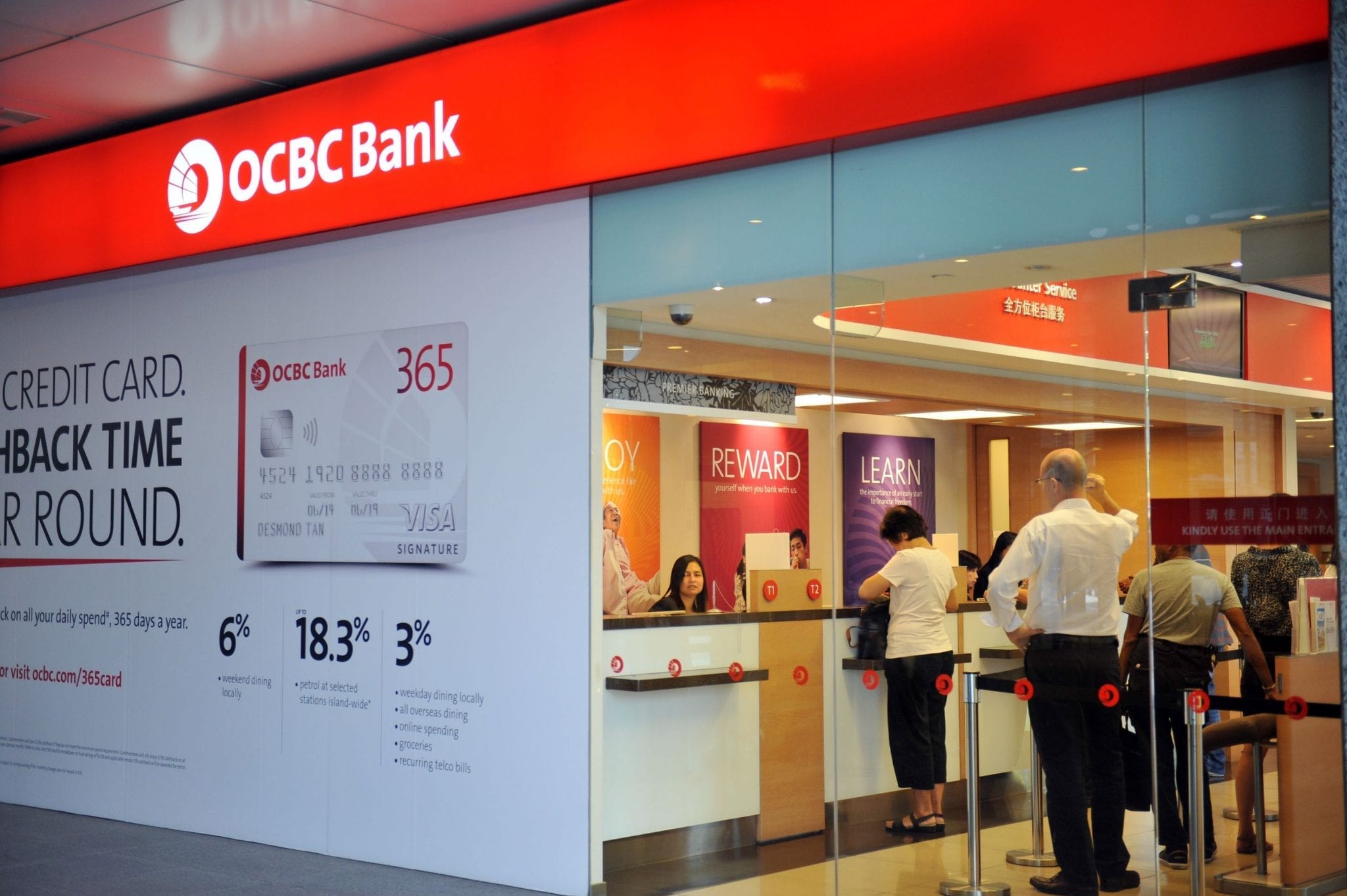
    OCBC Bank has launched onshore private banking in Indonesia through its 85 per cent-owned subsidiary, OCBC NISP, the company said on Monday.

    OCBC NISP has obtained regulatory approval to establish the private banking unit to manage the wealth of Indonesians with assets under management of more than US$1 million (S$1.38 million) with a comprehensive range of wealth management solutions.

    The unit will leverage OCBC Bank’s uniquely integrated wealth management platform that draws on the combined product expertise of the Bank and its subsidiaries – insurance products from Great Eastern Holdings, equities and bond funds from Lion Global Investors, brokerage services from OCBC Securities and private banking services from Bank of Singapore.

    The launch team includes four other private bankers who have an average of 18 years of onshore and offshore private banking experience and deep knowledge of regional markets. The team is expected to double in size by the end of the year.

    OCBC NISP private banking clients who are business owners will be able to draw on the commercial banking solutions offered by OCBC NISP and leverage OCBC Bank’s global network of more than 610 branches and offices across 18 countries and regions.

    “We are pleased to offer our wealthy clients alternative wealth management and investment options to help them manage their funds with the launch of our private banking business,” said Ms Parwati Surjaudaja, president director of OCBC NISP. “We will be introducing more sophisticated solutions that are tailored to our clients’ unique wealth planning and investment needs as we grow our business.”

    Calling the launch an important milestone in the expansion of OCBC’s wealth management franchise, Mr Samuel Tsien, group CEO of OCBC Bank, said the new business will help broaden client coverage of high net worth individuals. “We will leverage our strong product development, distribution and execution capabilities across the OCBC group to support this new customer segment in Indonesia.”

  • Unilever to Test New Packaging-recycling Tech in Indonesia

    Unilever to Test New Packaging-recycling Tech in Indonesia

    Consumer goods giant Unilever on Wednesday said it has opened a new facility in Indonesia as part of a pilot project for introducing a new technology for recycling sachets used to hold shampoos and other products.

    Single-use sachets are widely sold in developing and emerging markets such as Indonesia. The Anglo-Dutch company said billions of such packages — including its own — are sold every year, but that recycling them has long been a problem due to technological hurdles.

    To address this, Unilever said it has developed a technology it calls the CreaSolv Process together with the Germany-based Fraunhofer Institute for Process Engineering and Packaging IVV.

    “With this innovative pilot plant we can, for the first time ever, recycle high-value polymers from dirty, post-consumer, multilayer sachets,” said Andreas Maurer, head of the plastic recycling department at Fraunhofer.

    The facility, in Sidoarjo, East Java, will “test the long-term commercial viability of the technology.” If successful, it will be applied in other developing markets, especially in Southeast Asia, said Sancoyo Antarikso, director for governance and corporate affairs at Unilever Indonesia.

    The company plans to work with local waste collectors, waste banks and retailers to help collect used sachets. “Using this approach, we’ll be able to reduce our environmental footprint, while creating economic value and potential additional incomes for the communities, the recycling industry and other stakeholders,” Antarikso told reporters.

    Unilever Indonesia hopes the Indonesian government will promote the concept of separating household waste to make collecting sachets easier. Currently, most Indonesian households do not separate their recyclable and nonrecyclable waste, as the country’s outdated waste management system is not yet capable of accommodating the practice.

    Indonesia produces an estimated 0.5 million to 1.3 million metric tons of plastic marine debris every year, making it the second-largest producer of plastic waste polluting the world’s oceans after China, according to a study published at the Science journal in 2015.

    The new recycling facility will initially be able to process 3 tons of plastic sachets every day. Antarikso said once the operations prove viable from the business side, Unilever will let a “business partner” take over to handle commercial-scale production. He added that Unilever will use the end products as materials for packaging, which is expected to reduce costs.

    David Blanchard, chief R&D officer at the parent company, said: “We intend to make this tech open-source and would hope to scale the technology with industry partners, so others — including our competitors — can use it.” Unilever said it wants all of its plastic packaging to be “fully reusable, recyclable or compostable” by 2025.

  • Bisnis Travel Indonesia teams up with Zurich Indonesia

    Bisnis Travel Indonesia teams up with Zurich Indonesia

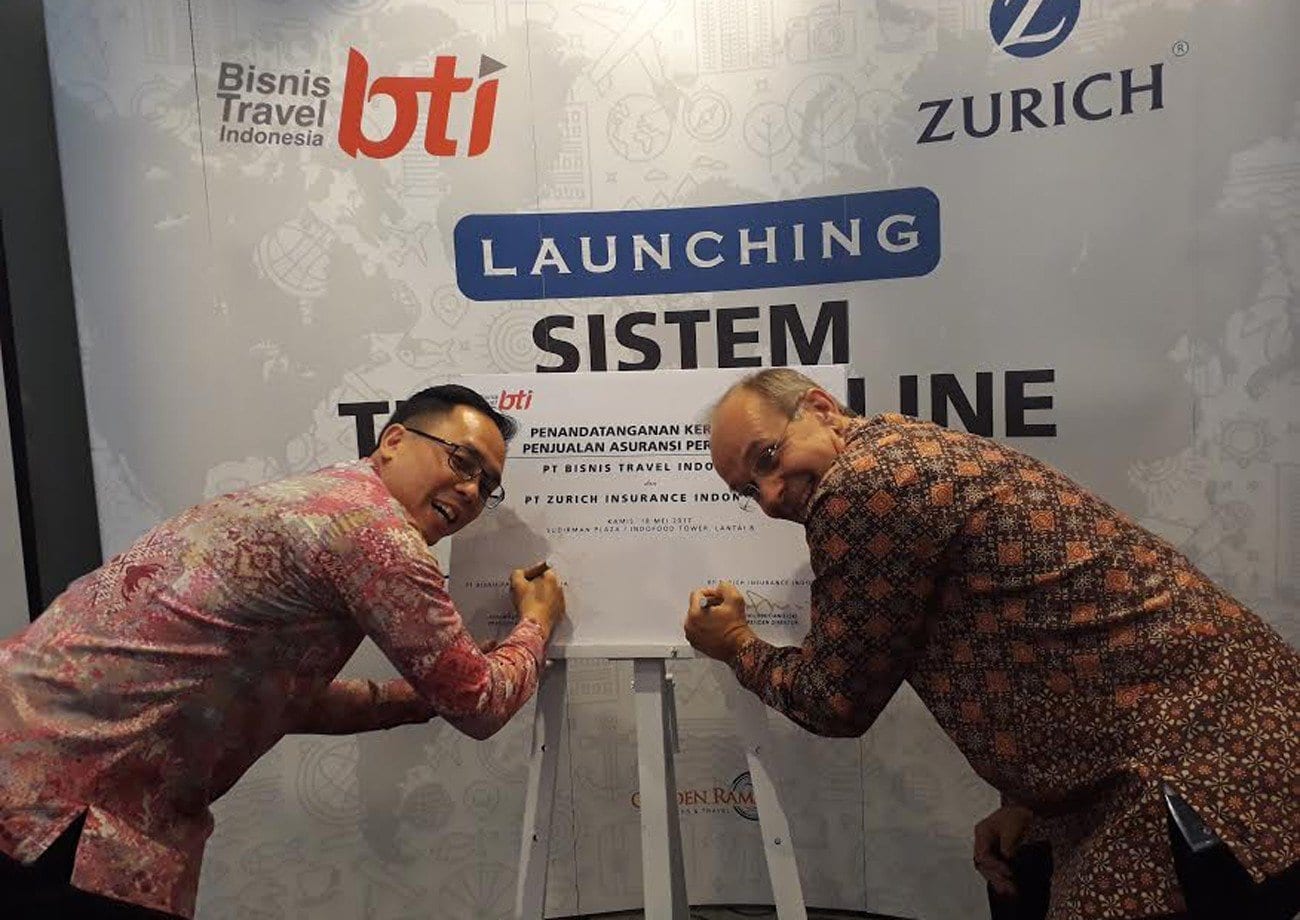
    Online travel portal Bisnis Travel Indonesia (BTI) is teaming up with Zurich Indonesia, the local unit of a Switzerland-based insurance company, by including Zurich Indonesia’s travel insurance on BTI’s list of products.

    Previously, BTI’s offered its members included airline tickets, hotel reservations and tour packages.

    “Through the partnership with Zurich, we want to expand options for our members,” BTI’s president director Johan Kurniawan told reporters during the partnership signing ceremony in Jakarta on Thursday.

    With the agreement, BTI’s portal will provide its members with three travel insurance products from Zurich Indonesia: Zurich Domestic Travel, Zurich Umrah/ Haj Travel and Zurich Passport.

    BTI aims to sell up to 600 travel insurance policies through its portal this year, Johan added.

    BTI is an online travel portal powered by Golden Rama Tours & Travel, a travel company established in Indonesia in 1971.

    About 90 percent of the portal’s members are individual travel agents, while the rest are office-based travel agents.

  • Sompo Japan to Release in Indonesia Weather Index Insurance for Farmers

    Sompo Japan to Release in Indonesia Weather Index Insurance for Farmers

    Sompo Japan Nipponkoa Insurance will start selling insurance products that compensate farmers hit by drought in Indonesia as early as this autumn.

    Earlier this month, Sompo Japan signed a memorandum to partner with BMKG, Indonesia’s meteorological bureau, to gather weather data. The Japanese insurer will provide weather index products that pay a certain amount to contract farmers when rainfalls drop below the forecast amount of the past three months.

    Such technologies and services provided by companies in disaster-prone Japan are likely to become promising exports to Southeast Asia. With an insurance premium of 50,000 rupiah ($3.76), contract farmers will be entitled to recuperate up to 500,000 rupiah if a drought occurs.

    Sompo Japan is narrowing down potential insurance agencies to partner with, such as local financial institutions. The company plans to test-run products in some areas as early as this autumn and go full swing in 2018.

    Sompo Japan started selling weather index insurance products for banana producers in Thailand in 2010 and in the Philippines in 2014. The company plans to release policies in Myanmar as soon as it gets government approvals.

    The company plans to boost its lineups of countries of sale and products to increase contracts fivefold to 30,000 in Southeast Asia by 2025.

    In the wake of increasing damage due to drought caused by unusual weather patterns, governments in Southeast Asia are taking measures to improve infrastructure, such as building irrigation facilities and providing financial coverage for damage claims.

    There are two major strategies for dealing with climate change. One is climate change mitigation, which is any action taken to reduce greenhouse gases such as carbon dioxide. The other is adaptation, which is the ability of a system to adjust to climate change to moderate any potential damage.

    The Paris Agreement, an international framework implemented to slow global warming, requires countries to set a goal of cutting greenhouse gases and taking adaptation measures. Emerging and developing countries — which are often hit by drought and heavy rains — are showing interest in the adaptation route.

    The United Nations Environment Programme, or UNEP, estimates the costs of adaptation could range from $140 billion to $300 billion a year by 2030, and between $280 billion and $500 billion a year by 2050.

    The market for adaptation solutions is expected to spread globally with the help of multinational funds and local governments. Some companies have started offering products and services catering to these demands.

    Japanese companies are well-positioned to help developing countries adapt to climate change, such as by contributing to better infrastructure, developing cultivation technologies so crops can withstand warmer temperatures, and increasing preparedness for power outages.

    However, Mari Yoshitaka, chief consultant of Mitsubishi UFJ Morgan Stanley Securities, said many Japanese companies have not shown much interest in the global adaptation business. But focusing on environmental measures needed to cope with the situation presents business opportunities.

  • Alfamart operator to expand chain in Philippines

    Alfamart operator to expand chain in Philippines

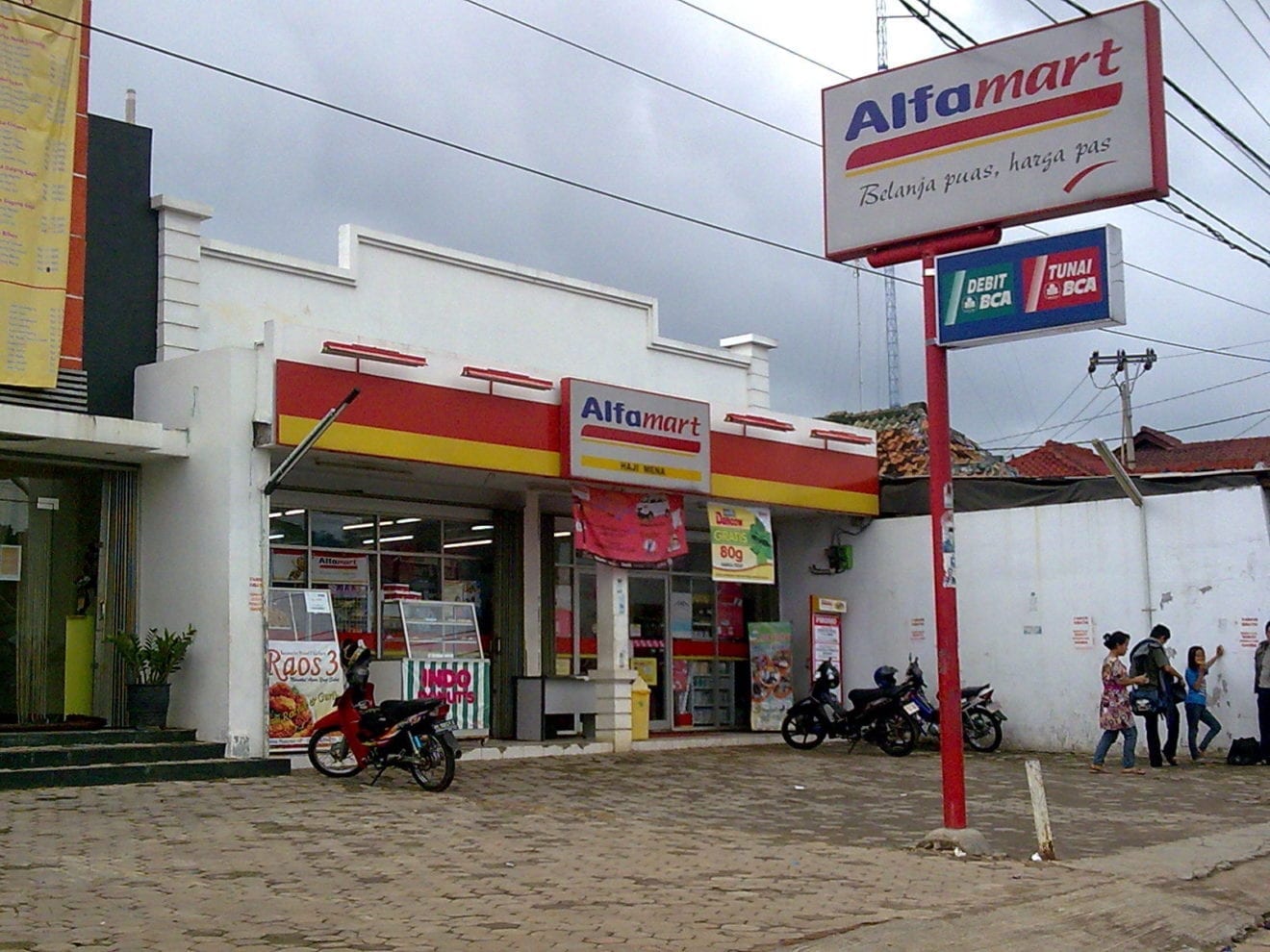
    Sumber Alfaria Trijaya, operator of Alfamart convenience stores in Indonesia, plans to add up to 200 units in the Philippines this year that will nearly double its presence there.

    SAT began its Philippine business in 2014 with a 35% stake in a joint venture with SM Investments, the Philippine banking, retail and real estate conglomerate. In a press conference on Thursday, SAT President Hans Prawira said the company’s concept of “minimarkets,” which are smaller than traditional convenience stores and that sell staples, is untapped in the Philippines.

    “The characteristics of the Philippines market are similar to Indonesia,” Prawira said. “The difference is that there are not many minimarkets in the Philippines. So it’s like a blue ocean.”

    SAT said it had 210 stores in the Philippines at the end of last year, and that about 60 of the planned 200 new outlets were already added in the January-March quarter. The JV is still loss-making but can become profitable once it reaches 400 outlets, something it aims to achieve in two years.

    Indonesian companies are increasingly targeting the Philippines, which has a large population, young demography and a growing middle class. Nippon Indosari Corpindo, Indonesia’s largest bread maker, set up a joint venture in the country last year.

    For SAT, the overseas expansion could help offset a slowdown in consumer spending at home, where the company runs some 13,000 stores across the archipelago. Sales of fast-moving consumer goods, including food and home care products, increased by 3.9% year-on-year in the first quarter, a major slowdown from 11.3% a year ago, according to Nielsen data presented by SAT. The company also faces cutthroat competition with rival Indomaret, which is controlled by the Salim Group conglomerate and has about 14,000 stores.

    “We experienced so many price increases … maybe this time there is this kind of stagnant period,” Prawira said.

    SAT still managed to log a 12% increase in revenue for the first quarter at 13.76 trillion rupiah ($1.03 billion). Prawira said he expected spending to pick up during the Ramadan fasting period that begins later this month. The company plans to open more than 1,000 stores in Indonesia this year, similar to last year’s expansion rate.

  • AirAsia and Terengganu join hands as the latter eyes 5.5 million tourist arrivals

    AirAsia and Terengganu join hands as the latter eyes 5.5 million tourist arrivals

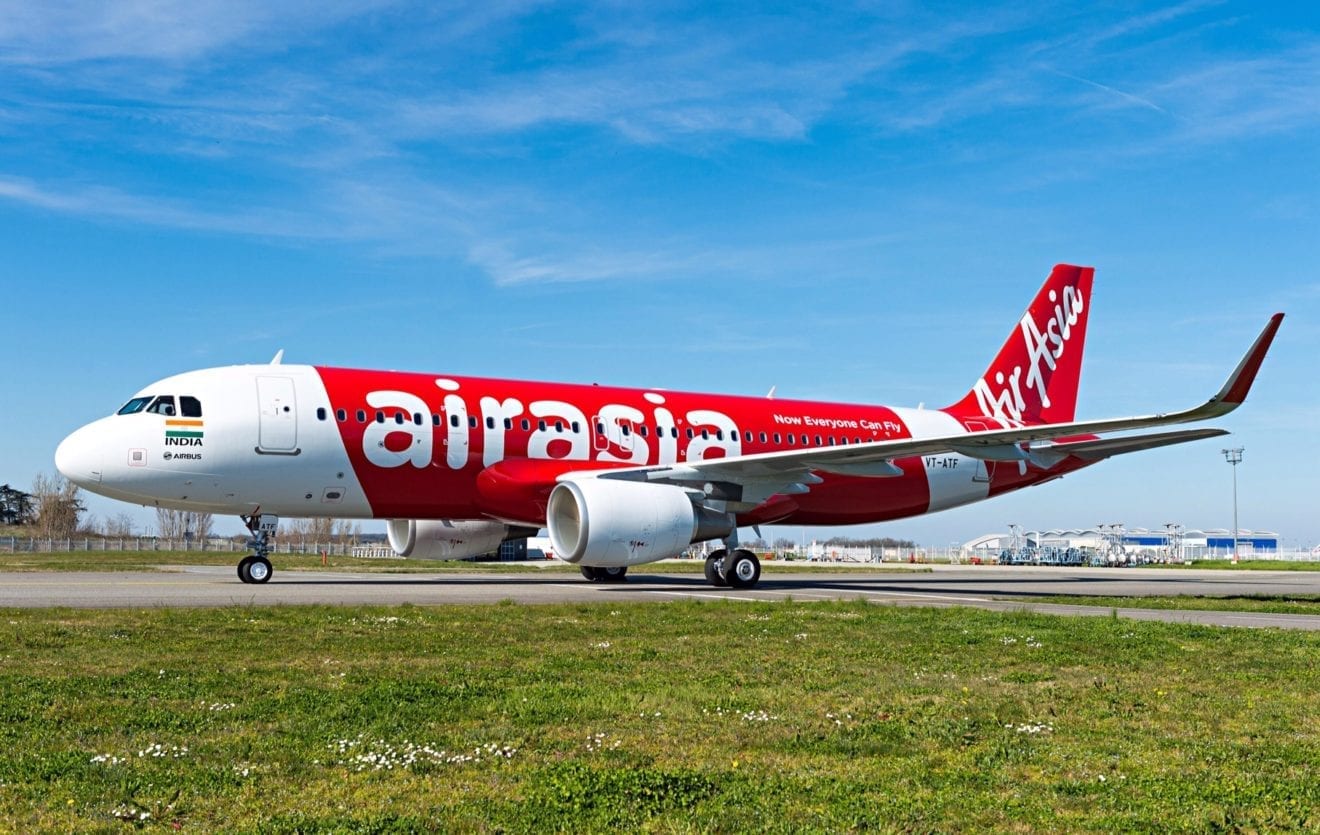
    AirAsia and Terengganu state government has signed a memorandum of agreement (MOA) which will see both parties collaborate to promote local tourism in Terengganu. AirAsia will add in new route, allowing travellers to fly directly from Johor Bahru to Terengganu starting 22 June 2017.

    “Terengganu is ready to be known as a tourism state with efficient land and air accessibility, with good services, modern infrastructures and treasures of nature, culture and heritage. The additional Johor Bahru to Kuala Terengganu direct flights will definitely boost the arrival of tourists into Terengganu,” Terengganu chief minister, Ahmad Razif bin Abdul Rahman said.

    “With this collaboration, we will drive our marketing efforts to promote Terengganu as a must-visit destination in Malaysia. We are confident this will contribute significantly in achieving the state government’s target of 5.5 million tourist arrivals in Terengganu for this year,” Aziz Bakar, who sits on AirAsia Berhad’s board of directors added.

    In August last year, the airline’s Singapore unit has also collaborated with the Indonesian Ministry of Tourism on a marketing campaign to promote Indonesia in the city state. As part of the campaign, it showcased travel-related content on various mediums such as radio, Yahoo, Facebook and also brought two top Singapore YouTubers: Night Owls Cinematics and Lepak One Korner) on board.

  • CIMB Research starts coverage of CCK with Add rating

    CIMB Research starts coverage of CCK with Add rating

    CIMB Equities Research has initiated coverage on CCK Consolidated Bhd with an Add rating and a 12-month target price of RM1.28. CCK controls about 35% of Sarawak’s poultry market making it the state’s biggest producer. Besides Sarawak, it also has exposure in the poultry markets of Sabah and Indonesia (Jakarta and Pontianak). The group also operates 57 retail outlets, mainly located in its captive market, East Malaysia.

    CIMB Research said the target price of RM1.28 was based on 15 times CY18F price-to-earnings (P/E), a 30% discount to CIMB Malaysia’s consumer sector target P/E of 21.6 times. 

    “The current valuation of 8.8 times CY18F P/E is a 18.5% discount to the stock’s five-year historical mean of 10.8 times. Institutional shareholding is low at less than 0.3% (end-2016). Downside risks to our call are sharp decline in poultry prices and spike in raw material costs,” it said.

    CCK’s key advantage is its retail arm and strong branding. While its peers have limited or no retail exposure, all its poultry products are sold through its strategically located stores.

    The research house said this further complements its integrated supply chain, as shown by its better margins due to stronger pricing power.

    In contrast, its peers rely on third-party distributors and their selling prices are dependent on supply-demand dynamics. Having a retail unit also alleviates oversupply concerns as any excess supply can be absorbed.

    Malaysia ranks fourth globally in terms of poultry consumption per capita. Demand for poultry goods in the country is set to rise, thanks to population growth and urbanisation, especially in East Malaysia.

    “CCK stands to be a key beneficiary of these macro trends as it has a monopoly in Sarawak. Expansion of F&B chains and new mall openings should translate to higher demand for its products, in our view. CCK is also expanding capacity across its integrated supply chain to cater to the expected demand growth.

    “We are of the view that the company is undervalued as the market has overlooked its key advantages such as: i) its wide distribution network of 57 self-owned retail outlets, leading to superior margins vs. its peers; ii) captive market in East Malaysia, with stronger-than-average demand growth spurred by urbanisation; and iii) stronger pricing power, leading to less cyclical and volatile earnings unlike its peers.

  • Sony Indonesia Appoints New President Director

    Sony Indonesia Appoints New President Director

    Sony Indonesia has announced the appointment of Kazuteru Makiyama as its new President Director. He serves as President Director starting on April 1, 2017, replacing Kikuo Okura.

    In a press release on Saturday (5/13), Sony Indonesia stated that Kazuteru Makiyama has been a part of Sony since 1998. He started his overseas sales and marketing career in 2007 in Dubai, and then took on new challenges in Saudi Arabia as head of Sony Saudi representative office in 2011.

    In 2014, Kazuteru was appointed Managing Director of Sony Eurasia (Turkey). During his tenure, he had to work in a very challenging and volatile Turkish business environment.

    “Indonesia is my fourth foreign assignment and the fourth Muslim-dominant country. In all my previous assignments, I always gave high priority to understanding the local culture at the beginning of the assignment, “said Kazuteru Makiyama, President Director of Sony Indonesia.

    He said, this year, Sony has a WOW surprise for all, including the latest Alpha cameras, new OLED televisions., Headphones with Noise Cancelling, PlayStation VR, and more.

    “Without understanding and adapting to the uniqueness of a culture, we will not be able to target consumers precisely in the right place and time,” he said.

  • Cyber attack not disrupting stock market at IDX

    Cyber attack not disrupting stock market at IDX

    WannaCry malware attack has not disrupted the countrys share market, Tito Sulistio, President Director, Indonesia Stock Exchange (IDX), stated here, Monday.

    “The stock authority performs a routine check two hours before opening at 9 a.m. I directly oversaw todays monitoring system; I hope the market is protected from any threats, including the virus (ransomware),” Sulistio said in Jakarta.

    Some 88 countries, including Indonesia, have adopted a multi-layered security system which was already being used by US-based Nasdaq stock market.

    “We have Nasdaqs JATS-NextG (Jakarta Automated Trading System Next Generation) in our security protocols,” Sulistio revealed, while adding that the stock authority would continue to protect the system from any upcoming threats.

    During a separate occasion, earlier, Adena T Friedman, Nasdaq President, remarked her agency had committed to support IDXs trading and monitoring systems.

    “We have been partnering with Indonesia Stock Market to provide technology application for improving supervision and trading activities,” Friedman affirmed.

    Concerning the malware threat, the Indonesian Internet Service Providers Association (APJII) had suggested several preventive acts to reduce the impact of ransomware WannaCry.

    As the malware has infected only Microsoft-based computers, users have been asked to update the system by downloading Security Update Patch MS-17-010.

    “If the users are not aware about system updates, they can disconnect from any internet wires (LAN), or Wifi, and download the security patch from a non-Microsoft computer.

    Rifan has also recommended that users back up their files in a separate flash drive (USB) or a portable hard disk, before updating the security system on the computer.

    He further revealed that WannaCry malware had attacked computers in some 200 countries, including Indonesia.

    The malware works by locking the computers internal system and encrypting the file, after which the users are asked to pay a “ransom” in exchange for their data.

  • Bank Indonesia Issues Regulation on Carrying Foreign Banknotes of at Least IDR1 Bln

    Bank Indonesia Issues Regulation on Carrying Foreign Banknotes of at Least IDR1 Bln

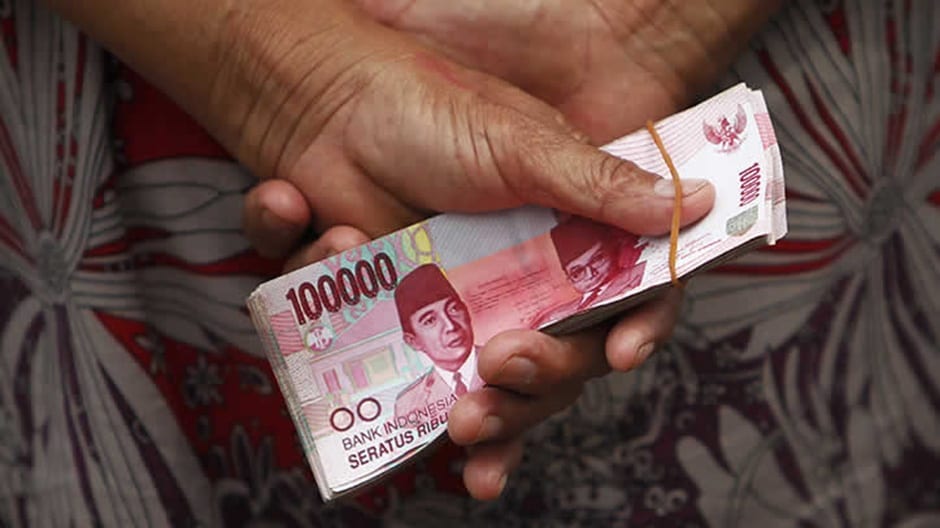
    There is a new regulation issued by Bank Indonesia (BI) on the carrying of foreign banknotes into and outside the country. This regulation is set forth in Bank Indonesia Regulation (PBI) No 197/7 / PBI / 2017 dated May 5, 2017.

    This regulation arranges that foreign banknote carriages within and outside the country of at least equivalent to IDR1 billion is only permitted by licensed entities, including banks and non-bank Foreign Exchange Business Activities that have obtained permits and approval from BI to carry foreign banknotes.

    In addition, a qualified Rupiah Money Processing Service Company (PJPUR) listed in BI may carry foreign banknotes across borders, but only as transporter.

    “The release of this regulation is in line with BI’s efforts to achieve and maintain the stability of the rupiah,” said Executive Director of BI’s Department of Foreign Exchange Management, Budianto at Thamrin Building, BI, Central Jakarta, Monday.

    The BI regulation is effective on March 5, 2018, but the imposition of new violation sanctions will be applied on May 7, 2018 or two months after the enactment of the PBI.

    The grace period for enforcement of the regulation to strengthen socialization aspects to the community before it is implemented.

    “This BI regulation is valid since March 5, 2018, the imposition of new sanctions will be effective on May 7, 2018. There is still a transition period of 10 months ahead,” said Budianto.

    This provision also relates to Law Number 8 Year 2010 concerning the Prevention and Eradication of Money Laundering Crime and Government Regulation No. 99 of 2016 concerning Cash Advance issued by the Financial Transaction Reporting and Analysis Center (PPATK). With the issuance of the new regulation, it will also strengthen the foreign banknotes cross country.

    As for sanctions provided if a party violates, ie prevention of the total number of foreign notes brought.

  • Thai Giant Rubber Maker’s Capacity in Indonesia Will be Raised by 60,000 Tons

    Thai Giant Rubber Maker’s Capacity in Indonesia Will be Raised by 60,000 Tons

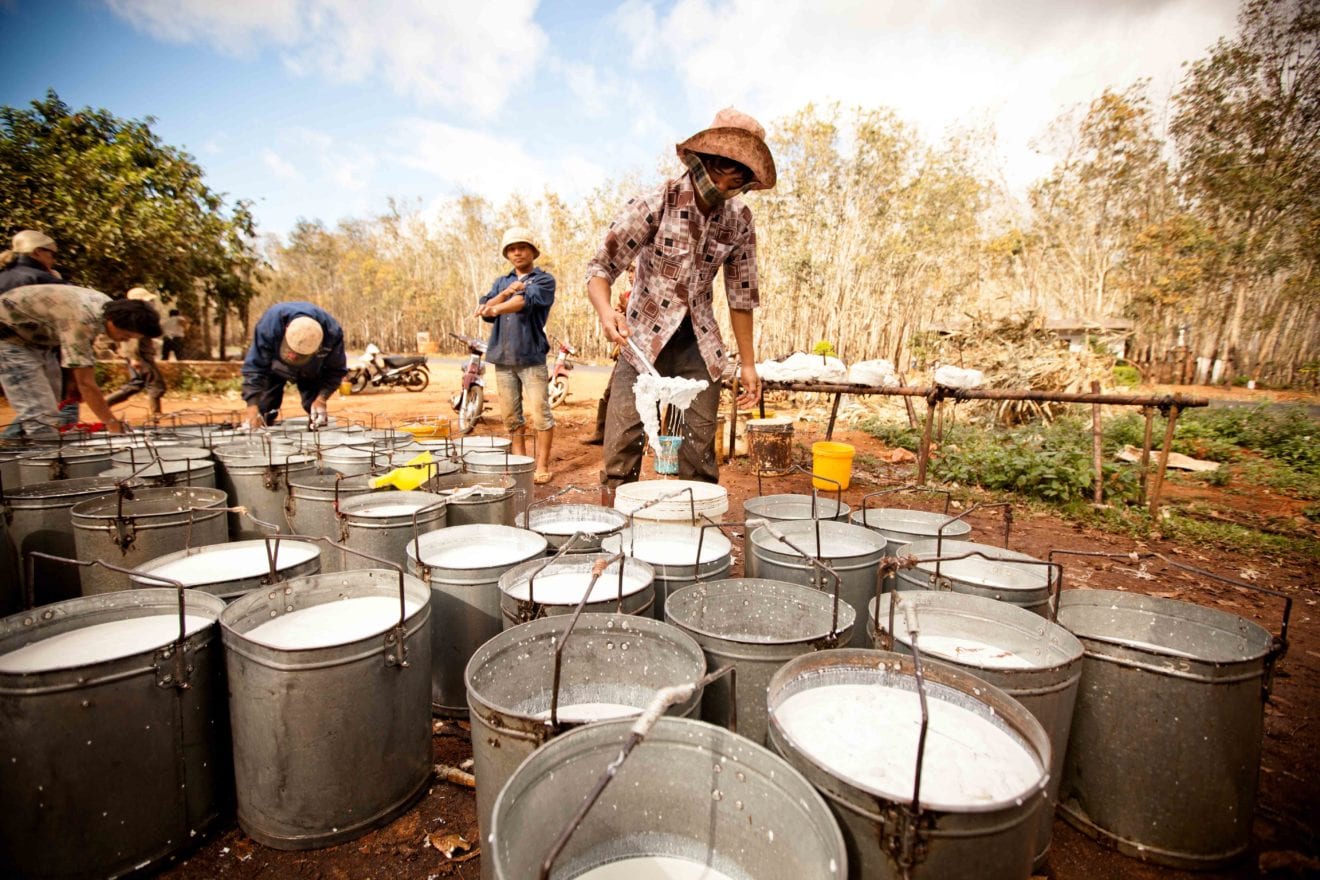
    Sri Trang Agro-Industry, the world’s largest producer of natural rubber, plans to increase annual capacity by 20% to 2.9 million tons by year-end to take advantage of a market recovery.

    The company accounts for about 30% of output in its home market of Thailand, the largest rubber-producing country. It aims to expand its global market share from 12% now to 20% in two to five years, said Veerasith Sinchareonkul, an executive director.

    Sri Trang will invest 2.5 billion baht to 3 billion baht ($72.1 million to $86.5 million) in new production lines, including new manufacturing facilities for sheet, block and liquid rubber in northeastern Thailand with annual capacity totaling 86,000 tons.

    Capacity at Indonesian facilities will be raised by 60,000 tons. The company also intends to step up output of medical gloves made from natural rubber, of which it is among the top five manufacturers worldwide.

    Sri Trang operates 35 plants and owns rubber plantations spanning 80 million sq. meters. Consolidated sales grew 26% on the year to 77.2 billion baht for the fiscal year ended Dec. 31. The company booked a net loss of more than 700 million baht, down from a 1.1 billion baht profit in fiscal 2015.

  • Boost for Sinarmas Land profit from Indonesian recovery

    Boost for Sinarmas Land profit from Indonesian recovery

    Propery developer Sinarmas Land saw its profits soar off the back of better sales from its joint venture developments. Net profit surged 136.6 per cent to S$37.2 million for the three months to March 31. This came off the back of higher revenue, which rose 31.8 per cent to S$237.1 million.

    It attributed its stellar performance to an increase in residential units handed over to home buyers in its mixed-use development BSD City in Indonesia, but said it was offset by lower sales of industrial land in Indonesia.

    It also recorded a share of profits in joint ventures of S$3.8 million for the first quarter, compared with a loss of S$3.1 million in the same period last year.

    Ms Margaretha Widjaja, executive director of SML and vice-chairman of Sinarmas Land Indonesia, said that Indonesia’s economic recovery has been aided by improved commodity prices, albeit at a gradual pace.

    While Indonesia’s property sector had been negatively impacted by extended periods of lackluster economic performance, consumer purchasing power is set to improve, she added.

    “The group is cautiously expecting a stronger recovering, following the Indonesian government’s larger infrastructure spending, increased direct investments, led by the implementation of economic stimulus packages,” she said.

    Earnings per share came in at 0.87 cents for the first quarter, compared with 0.37 cents for the same period a year earlier.

    Net asset value as at March 31 was S$0.44, down from S$0.47 three months earlier.

  • The Body Shop rolls out £10m digital transformation strategy

    The Body Shop rolls out £10m digital transformation strategy

    L’Oréal-owned cosmetics brand The Body Shop has launched a £10m, three-year digital transformation strategy in a bid to revamp its online appeal and boost the e-commerce channel.

    As part of the strategy, the British retailer has launched in 11 countries a new mobile-first e-commerce site which integrates content and commerce. The countries where the site is now live include the UK, US, Canada, France, Germany, Brazil and Indonesia, with 20 further countries expected to be added throughout the year.

    Given the scale of the business, The Body Shop has given regional variations to its new platform, which means its presence will be adapted to each relevant market according to consumer preferences for merchandising, payment and delivery fulfillment.

    The new website has a live appointment booking service for in-store consultations and a personalised skincare diagnostic tool. A click & collect functionality is also expected to launch later in the year.

    The Body Shop was founded in 1976 and quickly became a retail favourite with its colourful range of body butters, but in recent years it has struggled to remain relevant in a highly competitive market.

    The £10m investment to expand its global e-commerce footprint comes after the retailer saw a 19% increase in online sales in 2016 – double than the prior year’s figure. The share is expected to reach 20% this year.

    “With the successful launch of a responsive, content-rich digital platform, we have established a strong foundation to support our future innovation agenda and global rollout,” said chief digital officer Harriet Williams.

    “The Body Shop is a big business, operating in a large number of countries with both franchise and non-franchise markets. The platform needed to strike the right balance between global brand consistency and local relevance, being flexible enough to meet the needs of each individual market.”

    The Body Shop sells its nature-inspired products in more than 3,000 stores in 66 countries.