Tag: Indonesia

  • The Serious Fraud between Roll Royce with Countries Including Indonesia

    The Serious Fraud between Roll Royce with Countries Including Indonesia

    Rolls-Royce Holdings doesn’t expect to take a hit from the investigation into the company’s audits, according to finance chief Stephen Daintith. The Financial Reporting Council, the U.K. regulator for corporate governance and reporting, said Thursday it has commenced an investigation into the conduct of KPMG Audit PLC related to the auditing of financial statements for two company entities over a four year time period.

    The FRC decision follows an announcement by the Serious Fraud Office in January of a deferred prosecution agreement between the SFO and Rolls-Royce. U.K. fraud investigators said at the time Rolls-Royce engaged in illegal business practices over a period spanning three decades and would pay more than $800 million in fines. The SFO has done a “thorough piece of work”, Mr. Daintith said.

    In February, the company reported a record loss of £4.03 billion ($5.2 billion). KPMG said Thursday it was “confident in the quality of all the audit work” it performed for the aircraft engine maker.

    “It is important that regulators acting in the public interest should review high profile issues. We will co-operate fully with the FRC’s investigation, which follows the SFO’s investigations into Rolls-Royce,” said the auditor in a statement. Jimmy Daboo, partner at KPMG, said “we have confidence in the audits we’ve done.”

    The illegal payments would have been hard for an external auditor to spot, said Sandy Morris, an equity analyst at Jefferies International Ltd. in London. “Most of these payments were small and it is very unlikely KPMG would have selected these cash transactions to be tested during their audit,” Mr. Morris said.

    On average, Rolls-Royce made payments between $1 million and $4 million, he said. As KPMG only tested a proportion of Rolls-Royce transactions during its audit, chances are high it would have missed these payments, especially as they were often obfuscated and conducted by middle managers, Mr. Morris said.

    The Serious Fraud Office said the January agreement covers 12 counts of conspiracy to corrupt, false accounting and failure to prevent bribery. Wrongdoing took place in business dealings in Indonesia, Thailand, India, Russia, Nigeria, China and Malaysia, the U.K. government said.

  • Indonesia’s Uber rival Go-Jek raises $1.2 billion led by Tencent at a $3 billion valuation

    Indonesia’s Uber rival Go-Jek raises $1.2 billion led by Tencent at a $3 billion valuation

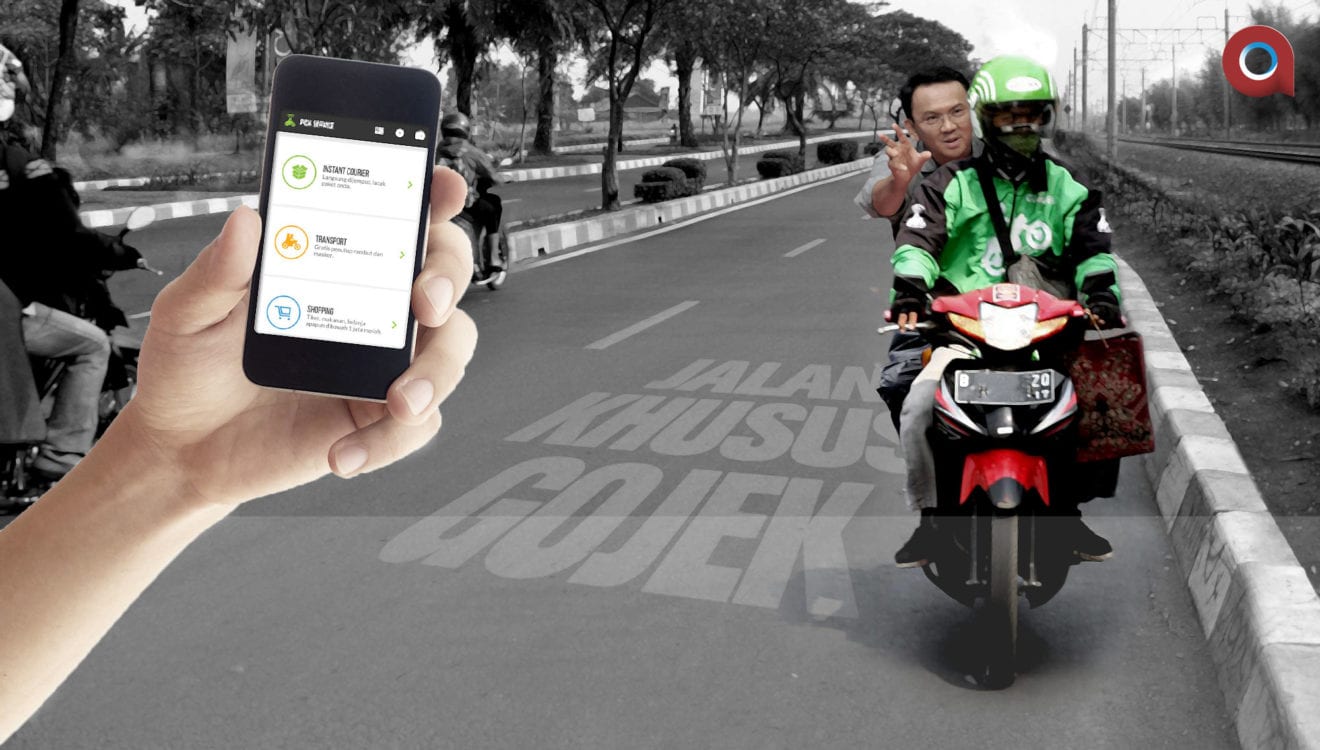
    Go-Jek, the motorbike on-demand startup that is battling Uber and Grab in Indonesia, has closed a new round of $1.2 billion led by Chinese internet giant Tencent, two sources close the company told. The deal, which we understand was signed last week, values the company at $3 billion post money. It is expected to be officially announced “soon.”

    Go-Jek raised $550 million as recently as August 2016, when it commanded a valuation of $1.3 billion so this new deal has pushed that figure up considerably over a short period of time. The Information previously reported that Tencent was considering an investment in Go-Jek. Other investors in the round are not clear at this stage, but we believe them to be from the existing pool of backers.

    One source told that Alibaba and its financial services spin-out Ant Financial held talks with the startup, but were ultimately unsuccessful. Ant Financial has since partnered with media firm Emtek to enter Indonesia. Alibaba and Tencent are fierce rivals that are not known for co-investing in deals, although both hold equity in Didi Chuxing after investing separately in Didi Kuaidi and Didi Dache which ultimately merged to create Didi (and is buying Uber’s China business).

    Go-Jek claims to have over 200,000 drivers across some 25 cities in Indonesia. It started out as a pure bike taxi player — because two wheels are an efficient way to navigate the congested streets of Asian mega-cities like Jakarta — but it has since expanded into four wheels with its GoCar private car service and a partnership with taxi firm Blue Bird. In contrast, Uber and Grab have both introduced motorbike taxi services in Indonesia to crank up the competition.

    Focused on the Indonesian market only, Go-Jek is involved in a dog fight with Uber and Singapore-headquartered Grab. Uber has, of course, raised more than $8 billion from investors — at a valuation that has surpassed $60 billion — while Grab is reportedly working on a new $1.5 billion funding round. Its most recent raise was $750 million at a $3 billion valuation in September 2016, but you can expect that figure to increase in the near future. Our sources told us that Go-Jek’s new fundraising is principally focused on increasing its war chest in order to continue to battle Uber and Grab on driver and passenger subsidies, develop its mobile payment business — Go-Pay — and expand its services business, which allows customers to get services such as shopping, massages and more on demand.

    Last year, Go-Jek hinted that it would expand its business overseas, but to date it has remained in Indonesia. One source told us that Go-Jek has considered partnerships or investments to expand to markets where other bike on-demand services exist, such as India or Sri Lanka, but it is staying focused on the battle in Indonesia. Aside from being Southeast Asia’s largest economy and population — Indonesia is home to over 250 million people — the country is tipped to be Southeast Asia’s largest internet economy by some margin.

    The region’s ride-sharing market itself is predicted to grow from $2.5 billion in 2015 to $13 billion by 2025, according to a report co-authored by Google. Indonesia’s share of that segment is forecast to jump from an estimated $0.8 billion to $5.6 billion over that same period.

    Grab is making a big push to win the opportunty. The company recently pledged to invest $700 million into its Indonesia operations, which includes building out its team, localizing its tech and making investments. Grab recently snapped up Kudo Payments in an undisclosed deal which sources told us is in the region of $80 million to $100 million. The acquisition is designed to boost Grab’s own payment platform, GrabPay, which is following GoPay’s footsteps and taking Grab into services beyond just car rides.

    The new Go-Jek deal also marks Tencent’s first investment in Indonesia, and the latest in a flurry of startup deals from the company, which is best known for operating China’s top messaging platform, WeChat. Tencent bought five percent of Tesla in March for just over $2 billion, and it has since done deals with Chinese streaming service Kuaishou and cross-border payment provide Airwallex.

  • Garena rebrands as Sea, plans to conquer Indonesian e-commerce

    Garena rebrands as Sea, plans to conquer Indonesian e-commerce

    Garena, widely considered to be Southeast Asia’s most valuable startup, has rebranded itself as Sea Ltd. as the first step in an expansion plan to compete with China’s Alibaba and gain some ground in the untapped, but lucrative, Indonesian market.

    The company’s new name is a popular acronym for Southeast Asia, but is also meant to represent Garena’s regional aspirations. Under the new name will be their existing businesses: online games brand Garena, e-commerce platform Shopee and AirPay, a digital payments service.

    News of the company’s name change follows the announcement of the company’s latest funding round, which helped them secure US$50 million from a handful of investors that include some of the region’s wealthiest dynasties, such as GDP Venture – led by Martin Hartono, son of Indonesia’s richest man – and JG Summit Holdings Inc. – founded by Philippine billionaire John Gokongwei.

    Other investors in the round include Farallon Capital Management, Hillhouse Capital, Cathay Financial Holding Co. and an investment arm of Taiwanese food conglomerate Uni-President Enterprises Corp.

    There are reports the company is preparing to list in the United States, a move that could value them at around US$1 billion. Word is that the company has engaged Goldman Sachs Group to help them oversee their IPO.

    The company got a huge boost when Chinese digital conglomerate, Tencent Holdings Ltd., began investing in the company in 2013. Tencent remains one of their biggest backers and its support has not only been financial. The Chinese techno-giant has given Garena a vision of how to expand out from gaming into other industries that could help it woo investors and get new users onboard with their diversity of services.

    Garena was founded by China-born entrepreneur Forrest Li in 2009. It has since grown to be one of the most significant e-commerce and gaming players in the region. It is estimated Southeast Asia’s gaming market will be worth US$4.7 billion in the next two years. Sea seems to be taking a similar strategy as Tencent, who started with a messaging software and quickly expanded into gaming, e-commerce and (now) artificial intelligence.

    Sea is paying particular attention to the increasingly competitive e-commerce market, where Alibaba and its competitor JD.com are duking it out for dominance. Huge consolidation and acquisitions are beginning to take place, with the latest being JD.com’s investment in Tokopedia, an Indonesian e-commerce platform. Rumors of Amazon’s arrival in the region are still swirling around, so you can be sure the market is only going to keep heating up.

    The big trophy everyone seems to be angling for is Indonesia’s largely untapped market. Though it’s not quite yet at the maturity levels of the Singaporean or Malaysian markets, Indonesia has an Internet-savvy population and a reputation for adopting innovative tech early on and quickly.

    Currently, the e-commerce market is expected to hit US$130 billion in value, only a third behind China and India’s markets – for comparison, Indonesia is home to around 250 million people, compared to China and India’s one billion each.

    The plan for Sea’s expansion into Indonesia includes using the new funds to build up Shopee’s infrastructure in Indonesia. According to the company, Shopee’s annual market value has more than doubled in the last nine months to reach US$3 billion. Other strategies include some significant Indonesia-related hires, such as former Singaporean foreign minister George Yeo, former Indonesian trade minister, Mari Pangestu and the director of an Indonesian coal producer, Pandu Sjahrir.

  • Garuda Indonesia Provides 45,000 Seats during Eid Holiday

    Garuda Indonesia Provides 45,000 Seats during Eid Holiday

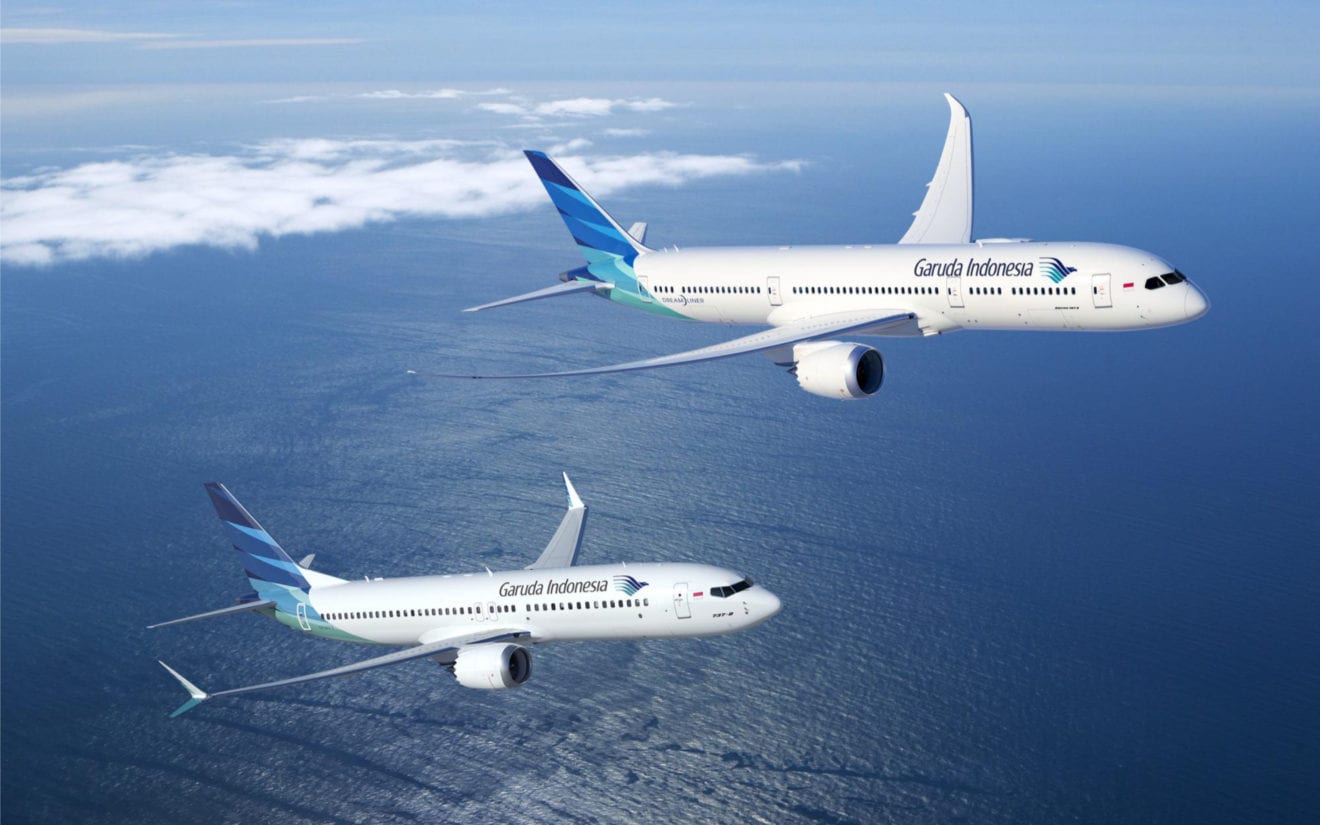
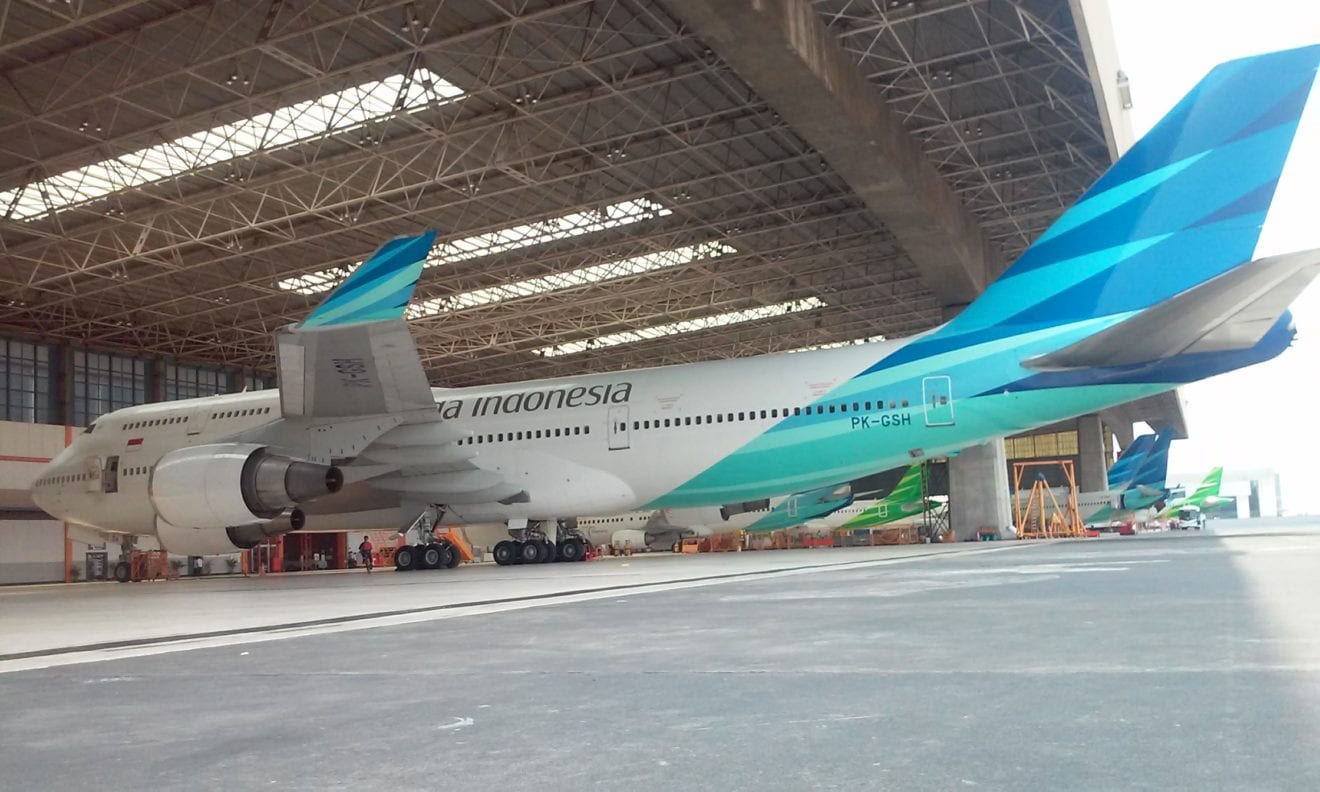
    PT Garuda Indonesia provides extra 45,000 seats to serve people for 2017 Eid al-Fitr.

    “This year we offer extra seats to people or consumers who travel before Eid al-Fitr and after the celebration,” PT Garuda Indonesia President Director Pahala N. Mansyuri said in Bali on Saturday (6/5).

    He added that the extra seats offered before and after 2017 Eid al-Fitr increase 39 percent compared to the previous year.

    “We offer the extra seats eight days before and after the celebration starting from 18 June to 3 July 2017,” he added.

  • Plug and Play Accelerator Program has officially started in Indonesia

    Plug and Play Accelerator Program has officially started in Indonesia

    In collaboration with Gan Kapital, a strategic investment advisory in Indonesia, Plug and Play is finally going to announce the 11 selected startups for its first batch of accelerator program in Indonesia. The announcement will be held at a coworking space where these startups will reside and learn during the 3-month program in Kuningan, South Jakarta. Based in Silicon Valley, Plug and Play Indonesia is part of the largest startup accelerator program in the world.

    Plug and Play Indonesia accepted more than 400 startups applied between the month of February and March. These applications came from Jakarta, Bandung, Yogyakarta, Bali, Malaysia, Singapore, Hong Kong, India, Brazil, and even Germany. Indeed, Plug and Play Indonesia accelerator program also welcomes foreign startups trying to enter Indonesia’s market. Plug and Play Indonesia proudly introduces the startups selected to be part of its first batch of accelerator program, that is Dana Didik, KYCK, Otospector, Bustiket, Karta Indonesia Global, Sayurbox, Brankas, Astrnt, Bandboo, Wonderlabs, dan Toucan.

    “Selecting these startups wasn’t an easy task because we met with so many high quality startups. We are positive that our months of rigorous selection process has led us the 11 best startups,” said Nayoko Wicaksono as the Accelerator Director of Plug and Play Indonesia. After carefully reviewing the online application and documents, 50 startups were invited for an initial pitch session on March 29 and 30.

    During this initial pitch, startups were asked to explain business model, traction, financial plan, as well as the team profile. The next step was another round of pitching in front of a panel judges from Plug and Play Indonesia, Play and Play Asia Pacific, Plug and Play Silicon Valley, as well as representatives from corporate members, such as Astra International and Bank Negara Indonesia. “Our Corporate Partners also have the right to vote for the startups who will be joining our accelerator program. This is one of the way to ensure that our startups will get the benefit of working with corporates,” said Wesley Harjono, President Director of Plug and Play Indonesia who was also a part of the final judging panel.

    Collaboration with corporate and seed funding are just some of the benefits received by the 11 selected startups. During the 3-month accelerator program, these startups will also be mentored closely by pool of experts united in Plug and Play Indonesia ecosystem. These startups will also have access to workshops of different topics that will be delivered by more than 60 experts from different areas. Among Plug and

    Play Indonesia pool of esteemed mentors are Kevin Darmawan from Coffee Venture, Sebastian Sieber from Lazada, Sukan Makmuri from KUDO, Anton Soeharyo from Touchten, Natali Ardianto from Tiket.com, Nikita Semenov from Zen Room, Norman Sasono from Bizzy, Mark. F Winkel from Prisma Public Relations, Rama Mamuaya from Daily Social, Wempy Dyocta Koto from Wardour and Oxford, and many more. The list doesn’t stop there, the selected startups will also have free access to a coworking space strategically located in elite are of Kuningan, South Jakarta. “With this holistic support from Plug and Play Indonesia, our startups can focus on developing their product to the market,” said Nayoko

    Wicaksono, Accelerator Director at Plug and Play Indonesia. At the end of the 3-month accelerator program, Plug and Play Indonesia will be holding a Demo Day. This Demo Day is meant to bridge Plug and Play startups with local and international customers and investors.

    The Demo Day is currently scheduled to be in August 2017.

  • Underserved Indonesian Areas to be Connected via Thaicom and Axiata Partners

    Underserved Indonesian Areas to be Connected via Thaicom and Axiata Partners

    The partners inked the deal for Axiata Business Services to purchase the remaining capacity on IPSTAR over Indonesia to deliver Axiata’s operating company, PT XL Axiata Tbk (“XL”), more than 1 Gbps High Throughput Satellite (HTS) capacity for the provision of broadband services in Indonesia. According to the terms of the agreement, Axiata Business Services will use capacity of up to seven Ku-band shaped and spot beams on the IPSTAR-1 broadband satellite located at 119.5°E for the provision of broadband services in Indonesia, including broadband access direct to residential and enterprise premises, and cellular network backhaul.

    The IPSTAR-1 satellite was launched in 2005 and was the first HTS ever launched into orbit. IPSTAR cellular backhaul and direct to premise broadband connectivity provides telecom operators with the ability to expand their networks, launch new broadband services and reach underserved areas quickly and cost-effectively.

    Asri Hassan Sabri, Group Chief Business Operations Officer of Axiata, reported that his company is leveraging on Thaicom’s capabilities in Asia to grow their enterprise business quickly and flexibly, all the while providing reliable broadband services to all potential customers, regardless of their location. Where terrestrial-based connectivity is limited or unavailable, HTS connectivity serves as an enabler to unlock the digital ecosystem for new market opportunities. As the world’s first ever HTS, launched in 2005, Thaicom’s IPSTAR helps us to connect users in remote and underserved areas of Indonesia cost-effectively.

    Dian Siswarini, Chief Executive Officer of XL, added that as the biggest archipelago in the world, there are many areas and islands in Indonesia that have not been served by Internet services as of yet.The availability of HTS will help to cover these unserved areas with considerable economic potential. On top of that, the company will be able to support the local community’s economic growth and Indonesian government’s vision to accelerate the national development of digital economy across Indonesia.

    Dominic P Arena, Group Chief Strategy Officer of Axiata, indicated that this HTS partnership is highly strategic for Axiata and the beginning of what all believe can become a core future broadband delivery platform for the operating companies to deliver broadband connectivity, media and entertainment, IoT and other digital services to enterprise and consumer home segments. More importantly, this partnership allows the firm to provide the best connectivity option and reach to underserved communities, in line with Axiata’s broader goal of advancing Asia by piecing together the best in innovation, connectivity and talent.

  • Indonesia Sees Unemployment Drops by 0.28 Percent

    Indonesia Sees Unemployment Drops by 0.28 Percent

    Institute for Development of Economics and Finance (Indef) Economist Dzulfian Syafrian positively welcomed the decline of the open unemployment rate (TPT) in February 2017 as much as 0.28 percent.

    This figure is lower compared to that of February 2016 with 0.17 percent. He also claimed that the drop indicates the increase of labor absorption.

    “However, the increase of workforce as much as 6.11 million people compared to August 2016 or 3,88 million compared to February 2016 has to be given a special attention from the government since it is a double-edged sword,” he said on Friday, May 5.

    Dzulfian explained that the high number of productive citizens is a good capital for development.

    “Nevertheless, if the government cannot manage it well, it can be a burden instead of an advantage,” he added.

    He further said that when this high number of citizens are unemployed, the government have to bear the consequences of a higher number of crimes, radicalism, and others.

    Therefore, Dzulfian urges the government to focus on creating employment opportunities and enhancing the quality of employment. He added that one of the policies that the government can implement to improve employment issues is the investment-oriented economy.

    “Economic and political stability and infrastructure support are two big agendas that the government needs to prepare in order to secure investment and improve the quality of employment for the people.”

  • Axiata to lease capacity on IPSTAR-1 for Indonesia

    Axiata to lease capacity on IPSTAR-1 for Indonesia

    Malaysia’s Axiata Group has signed a four-year agreement to lease capacity over Thaicom’s IPSTAR-1 satellite for the provision of broadband services in Indonesia.

    Subsidiary Axiata Business Services will purchase the remaining capacity on the broadband satellite, located at 119.5° east.

    Thaicom’s IPSTAR unit will provide multi-transponder 1Gbps high throughput satellite (HTS) capacity under the contract.

    As well as direct home and enterprise broadband access, Axiata plans to use the capacity for mobile backhaul.

    “We are leveraging on Thaicom’s capabilities in Asia to grow our enterprise business quickly and flexibly while providing reliable broadband services to all potential customers regardless of location,” said Axiata group chief business operations officer Asri Hassan Sabri said.

    “Where terrestrial-based connectivity is limited or unavailable, HTS connectivity serves as an enabler to unlock the digital ecosystem for new market opportunities… Thaicom’s IPSTAR helps us to connect users in remote and underserved areas of Indonesia cost-effectively. We are confident that the partnership will enable us to continue to grow our business faster without infrastructure limitations.”

    IPSTAR-1, also known as THAICOM-4, was the first HTS satellite launched worldwide in 2005, with a capacity of 45Gbps. It includes 87 Ku-band transponders and 10 Ka-band transponders.

  • AirAsia to launch Bali-Mumbai route

    AirAsia to launch Bali-Mumbai route

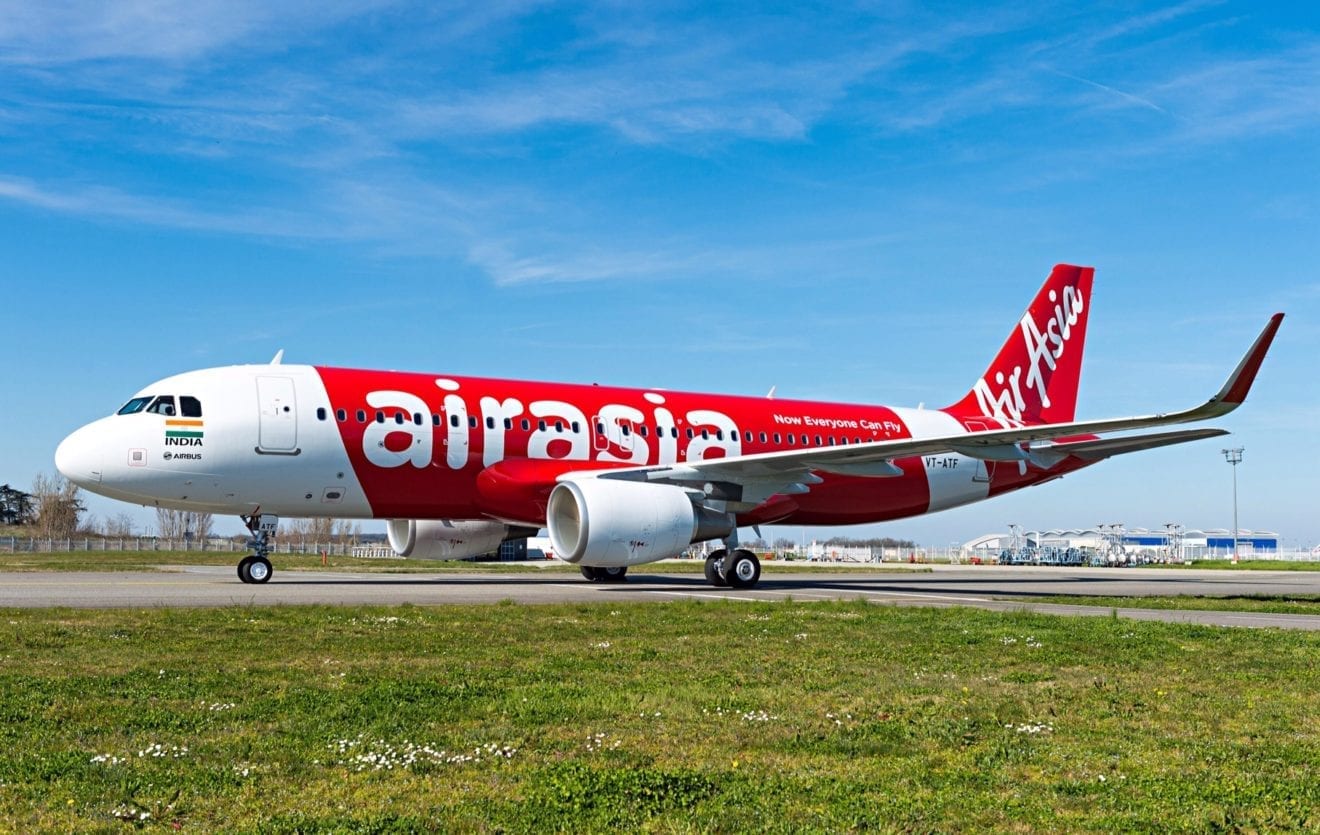
    AirAsia is launching a new route connecting Bali and Indian metropolis, Mumbai.

    The AirAsia X Indonesia service will kick off on May 19, operating seven times per week, using an Airbus A330-300 with 377 seats, 12 of which will be flatbed. Flights are already available for booking. 

    The route won’t be direct—there will be a stopover in KL, AirAsia’s hub, for 65 minutes.

    Dendy Kurniawan, AirAsia Group Chief Executive Officer (CEO) for Indonesia operations, says the Mumbai flight was added in response to an increasing demand amongst Indian tourists to holiday in Bali.

    The Indian and Chinese markets are two of the fastest growing, after all.

    The Mumbai service won’t be AirAsia’s only new route out of Indonesia. AirAsia Indonesia is also opening up a Jakarta to Macau flight starting August 7 later this year, beginning with three scheduled flights per week.

  • Japan’s Pokka Starts Making Soft Drinks in Indonesia

    Japan’s Pokka Starts Making Soft Drinks in Indonesia

    Pokka Sapporo Food & Beverage is ramping up Indonesian operations in soft drinks, switching to local production to strengthen its market foothold and save on costs.

    The Japanese beverage maker set up a production facility through a joint venture with local distributor Dima Indonesia and began shipments in late April. Pokka aims to sell 1.4 million cases in the first year.

    Since predecessor Pokka Corp. set up shop in Southeast Asia back in 1977, Pokka has become well-known in the region for its green tea, mainly in Singapore. The company has also shipped drinks produced in Singapore to Indonesia for sale.

    The first products coming out of the Indonesian plant include bottled jasmine green tea and lemon black tea. Pokka’s drinks are a little pricier than rival brands, costing the equivalent of 40 yen to 70 yen (36 cents to 63 cents) more per bottle. The company plans to use sales channels of Dima and expand sales through supermarkets and other volume retailers.

  • Indonesia-Denmark launch wind power map

    Indonesia-Denmark launch wind power map

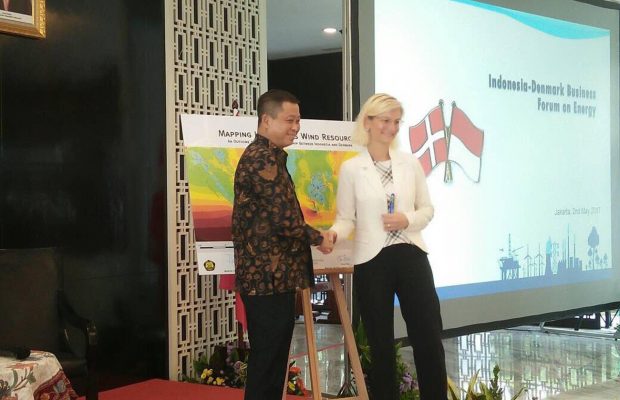
    The Energy and Mineral Resources Ministry and Denmark’s Development Cooperation Ministry launched on Tuesday a map pinpointing the wind power potential for electrification in Indonesia.

    Denmark Development Cooperation Minister Ulla Tørnæs said this was part of a six-month cooperative engagement between the two governments, during which they exchanged their experiences in developing renewable energy sources for electrification.

    “Today, we are launching a new wind map that shows the vast potential for utilizing wind in Indonesia,” Tørnæs said in her opening speech at the Energy and Mineral Resources Ministry in Central Jakarta on Tuesday.

    “A number of visits to Denmark by Indonesian officials over the past six months has deepened the discussion and insight into waste-to-energy solutions, the use of biomass and how to accommodate fluctuating markets.”

    The map displays the hot spots for wind power potential in Indonesia. It is expected to help the government and investors decide the best locations to develop wind turbines.

    The map was also launched alongside a book titled Integration of Wind Energy in Power Systems, which will serve as a guide for policymaking and the integration of electricity into state-owned electricity firm PLN’s existing system. The book was written based on Denmark’s experiences in wind power development.

  • Axiata taps Thaicom satellite to connect remote areas of Indonesia

    Axiata taps Thaicom satellite to connect remote areas of Indonesia

    The deal allows Axiata Business Services to purchase the remaining capacity on the IPSTAR-1 broadband satellite so that its operating company, PT XL Axiata Tbk (XL), can deliver more than one gigabit per second of High Throughput Satellite (HTS) capacity for broadband services in Indonesia.

    Axiata Business Services will use up to seven Ku-band shaped and spot beams on IPSTAR-1 located at 119.5 degree east to provide services including broadband access directly to residential and enterprise premises.

    “We are leveraging Thaicom’s capabilities in Asia to grow our enterprise business quickly and flexibly while providing reliable broadband services to all potential customers, regardless of location,” said Axiata group chief business operations officer Asri Hassan Sabri.

    “Where terrestrial-based connectivity is limited or unavailable, HTS connectivity serves as an enabler to unlock the digital ecosystem for new market opportunities,” he said. “As the world’s first-ever HTS, launched in 2005, Thaicom’s IPSTAR helps us connect users in remote and underserved areas of Indonesia cost-effectively. We are confident that the partnership will enable us to continue to grow our business faster without infrastructure limitations.”

    XL chief executive Dian Siswarini noted that many areas and islands in Indonesia are still without Internet access.

    “We believe the availability of HTS will help us to cover these unserved areas with considerable economic potential. On top of that, it will enable us to support the local community’s economic growth and the Indonesian government’s vision to accelerate the national development of digital economy across Indonesia.”

    Thaicom chief commercial officer Patompob Suwansiri thanked Axiata for its “trust” in inking the deal.

    “We are committed to working with leading mobile-network operators throughout Asia-Pacific to facilitate the growth of wireless broadband and other digital services in remote and underserved areas.”

  • Indonesia records inflation of 0.09% in April

    Indonesia records inflation of 0.09% in April

    After seeing deflation a month earlier owing to the harvest season, the country recorded monthly inflation of 0.09 percent in April on account of increases in the prices of most commodities.

    Inflation in April brought annual inflation to 4.17 percent year-on-year (yoy), the Central Statistics Agency (BPS) announced on Tuesday.

    “I think inflation at 0.09 percent in April remained in line with what the government is trying to manage because there will be bigger challenges in May and June,” said BPS head Suhariyanto in a press conference.

    The agency warned prices of food commodities could increase in May due to rising demand during Ramadhan.

    In June, Suhariyanto said, prices would rise as an effect of the second hike of electricity rates for 900 volt-ampere (VA) capacity in May.

    “The electricity rate increase will occur in May, but the impact will only be seen in June because most customers of 900 VA are post-paid type rather than prepaid,” he said.

    The price increases in April occurred in administered prices, particularly electricity and fuel, as well as in a number of food commodities such as garlic, chicken, tomato and dogfruit.

    Meanwhile, price decreases in April were seen in major food commodities such as red and green chili, rice, sugar, beef and chicken eggs. (bbn)

  • International Flight Services Launched in Terminal 3, Soekarno Hatta

    International Flight Services Launched in Terminal 3, Soekarno Hatta

    President & CEO Garuda Indonesia Pahala N Mansury and President & CEO of Angkasa Pura II Muhammad Awaluddin inaugurated Garuda Indonesia international flight operations service at Terminal 3 of Soekarno-Hatta Airport, Tangerang on Monday (1/5) by releasing flight GA 820 route Jakarta – Kuala Lumpur and welcoming the arrival of flight GA 823 route Singapore – Jakarta.

    Flight GA 820 from Jakarta to Kuala Lumpur destination, departed at 08.35 Local Time, while the arrival of flight GA 823 route Singapore – Jakarta landed at 08.15 Local Time. Both direct flights were greeted and released by the President & CEO from Garuda Indonesia and AP II.

    President Director & CEO Garuda Indonesia Pahala N Mansury said the official operation of Garuda Indonesia international flight service at Terminal 3 of Soekarno-Hatta Airport marked the companies ongoing effort to enhance service excellence commitment and increase the convenience of all passengers in enjoying Garuda Indonesia flight service.

    “We would also like to extend our greatest appreciation and gratitude to Angkasa Pura II who successfully provided an international airport service with modern facilities which surely will further support the operational service services that we provide to all passengers.”

    “With the vision of Garuda Indonesia-based Indonesian hospitality service that is also aligned with Angkasa Pura II’s vision of making Soekarno-Hatta the best smart-connected airport in the region, Garuda is optimistic that the presence of this international Terminal 3 service will not only be a concrete step towards the development of competitive infrastructure and transportation services Global, but also a milestone for the development of national tourism aspects in the eyes of the world,” concluded Pahala.

    Meanwhile, President Director of Angkasa Pura II Muhammad Awaluddin expressed “We are grateful for the support of the public, Ministry of Transportation, especially the Directorate General for Air Transportation and other stakeholders at Soekarno-Hatta Airport so that on May 1, 2017, international route flights can be served through Terminal 3 Where this special first stage is operated by Garuda Indonesia,” he explained.

    “AP II is optimistic that the operation of international flights in Terminal 3 can further make Soekarno-Hatta Airport one of the supporters of tourism growth, in addition to the increase of Indonesia’s economy,” said Muhammad Awaluddin.

    On the other hand, Angkasa Pura II completes the operation of international flights in Terminal 3 with facilities supporting parking facilities that can accommodate about 1,200 private vehicles for regular parking. Then as a form of familiarization of the service users towards the building of International Terminal 3 parking, for seven days or starting from 1-7 May 2017 regular parking users will be free of vehicle parking fee.

    As for the parking of the vehicle, Angkasa Pura II also provides 2 parking garage area that is East Inap Parking and West Inap Parking located in the office area in the middle of the airport area where passengers who want to invite the vehicle can make reservations first through the smartphone application “Orangapark Parking” which can be downloaded through Google Play.

    In addition, on 1-7 May 2017 all tenants including food and beverages in the area of Terminal 3 International in cooperation with Angkasa Pura II will be granted an additional 10% discount to all airline passengers or airport visitors, excluding any existing discounts.

    In line with Garuda Indonesia’s international flight service to Terminal 3 of Soekarno-Hatta Airport, Garuda Indonesia is optimistic that it will further strengthen the 5-star service and increase the capacity of pre-light and post-flight services provided to all passengers.

    International flight services in Terminal 3, Garuda Indonesia will further expand the capacity of its pre-post flight service to all users of the service users. At Terminal 3 later, Garuda Indonesia will operate 26 check-in counters as well as a significant increase in executive lounge capacity with an area of 2,100 m2 comprising 350 seats for business class and 56 seats for first class.

  • Hong Kong Investor Expresses Investment Commitment to Jokowi

    Hong Kong Investor Expresses Investment Commitment to Jokowi

    During a meeting with President Joko Widodo or Jokowi at Conrad Hotel in Hong Kong, CK Hutchison Holdings Limited owner Li Ka-Shing expressed investment commitment in Indonesia.

    “CK Hutchison Holdings Limited is one of the largest companies listed in the Hong Kong Stock Exchange,” Foreign Minister Retno Marsudi said in a press release on Monday, May 1, 2017.

    CK Hutchison Holdings Limited is one of the largest container terminal operators in the world with a total investment of US$10 billion. Retno explained that the company views Indonesia as a country with a huge potential. Therefore, Li Ka-Shing expressed his commitment to increasing the company’s investment in Indonesia.

    “A commitment to increasing investment in Indonesia has been made,” Retno added.

    During the meeting, President Jokowi also elaborated a number Indonesian government plans to improve the economic growth.

    “Indonesia’s economic reform was one of the topics raised by President Jokowi,” Retno said. “President Jokowi also explained Indonesia’s infrastructure development plans.”

    In addition to Retno, attending the meeting were Trade Minister Enggartiasto Lukita, Cabinet Secretary Pramono Anung, and Investment Coordinating Board head Thomas Lembong.