Tag: Indonesia

  • Rupiah Climbs on Forex Reserves Increase

    Rupiah Climbs on Forex Reserves Increase

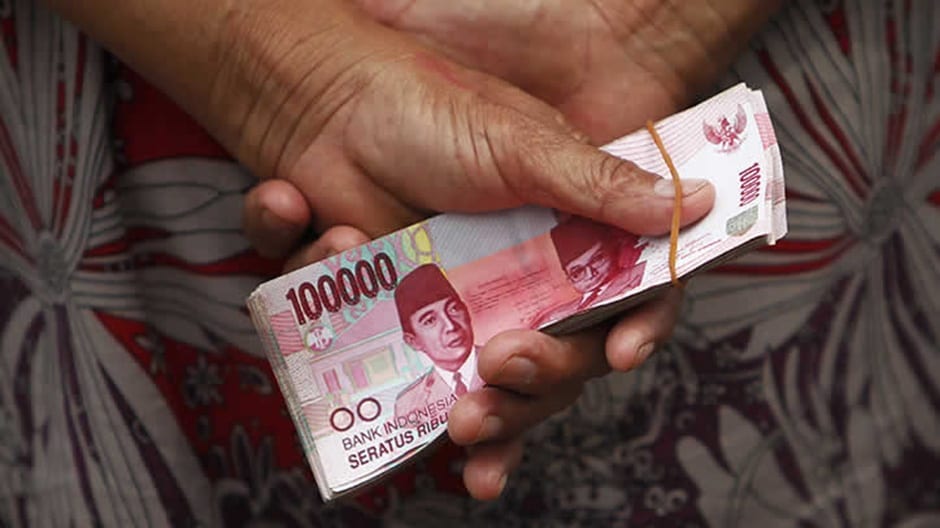
    The rupiah climbed 20 bps this morning at the Jakarta Interbank Spot Dollar Rate. The rupiah now trades for Rp13,278 per US dollar, from what analysts said to be the impact of Indonesia’s foreign exchange (forex) reserves’ increase.

    Samuel Sekuritas economist Rangga Cipta said on Friday, June 9, that the forex reserve increase in May to US$124.95 billion helped the rupiah strengthened. But the gain is relatively limited as the US dollar is also on an uptrend over speculations that the Federal Open Meeting Committee will result in a Fed Fund Rate hike.

    Meanwhile, money market observer from Bank Woori Saudara Indonesia, Rully Nova, said the forex increase is expected to help maintain the rupiah stability on the long run.

    “With stable fluctuations, the domestic economic activities will be able to increase, and eventually provide investors’ with comfort and security when making investments,”

  • Semen Indonesia records 10 percent growth in sales

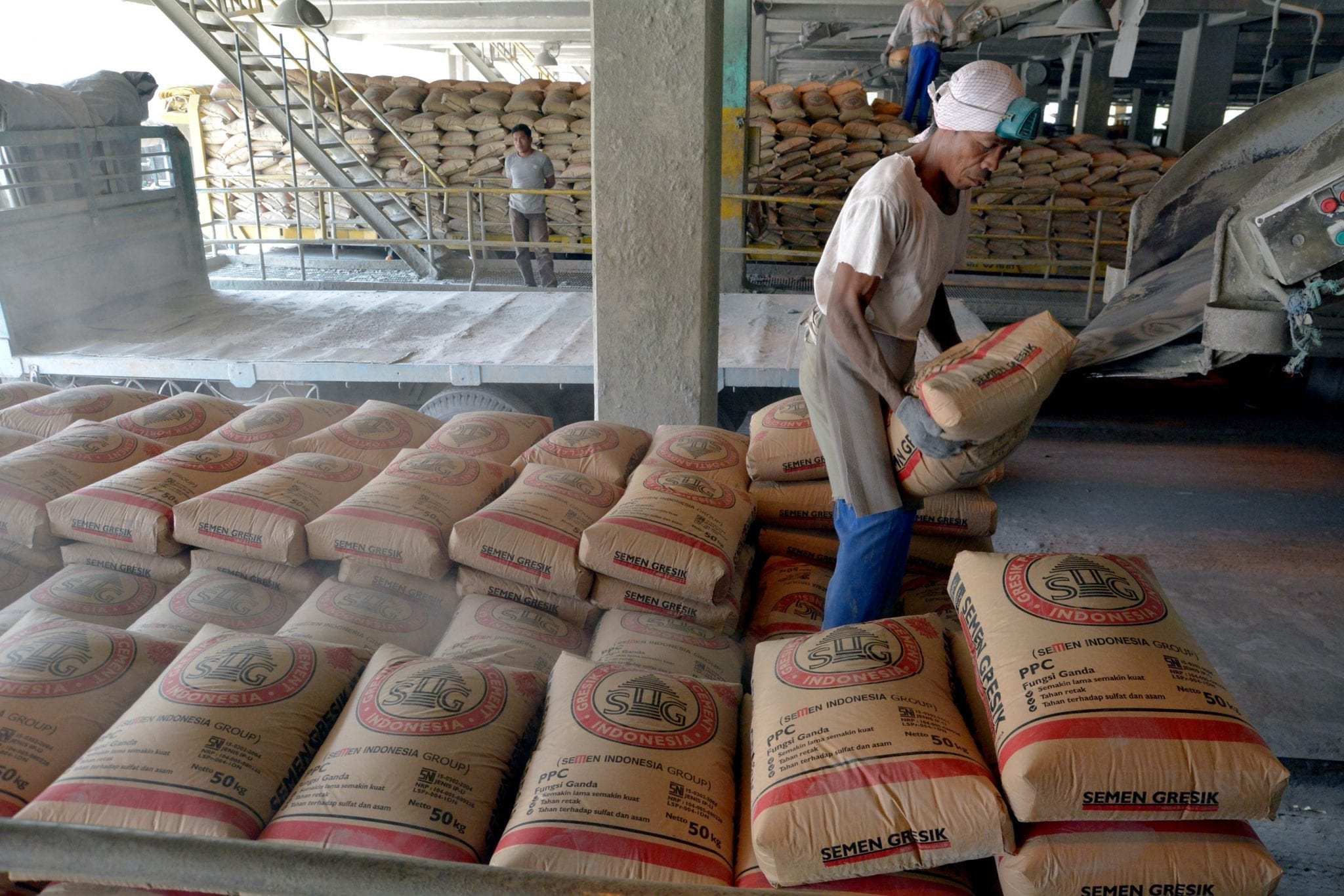
    Semen Indonesia records 10 percent growth in sales

    Cement company PT Semen Indonesia is still able to record an increase of up to 10 percent in sales in the midst of current tight competition and growth of infrastructure projects which has not been as expected.

    “Sales in the period from January to May 2017 were up 10 percent from last year,” the companys head of communication bureau, Sigit Wahono, said here on Friday.

    He said sales in May were recorded at 2.9 million tons to make the total in the first five months of this year to reach 11.5 million tons.

    He admitted that although the cement market has been over supplied due to the increasing number of players including foreign industries, Semen Indonesia is still able to record significant growth.

    Regarding Semen Indonesias control of around 43 percent market share, he said that it has been relatively the same in the past five years.

    On market absorption, Sigit said that in general it was still the same as last year which was dominated by retail (bag) sales for household market segment and housing development.

    “In the first semester you see there were not many big projects nationwide including from the government. So sales are still dominated by retail sales,” he said.

    Regarding the cement factory in Rembang, Central Java, whose progress is still hampered, Sigit said that it did not affect much as it was not included in the Cost Budget and Work Plan.

    He said however that Semen Indonesia has set a target of contribution from the factory at 1.1 million tons out of its capacity which is up to 1.5 million tons.

    “Indeed the factory in Rembang has not been included in the production or sales plan. However, we are optimistic it will contribute 1.1 million tons as its capacity is 1.5 million tons. That will be the target for the second semester this year,” he said.

    Sigit said Semen Indonesia would abide by the decision by not conducting development in the factory area pending the result of the second round of environmental study.

  • Air Asia X‘s Direct Flights from Bali Reduce Passengers Going through KL

    Air Asia X‘s Direct Flights from Bali Reduce Passengers Going through KL

    he number of tourists from China and India has seen huge improvements after e-visa services were made available, said Tourism Malaysia chairman Datuk Dr Siew Ka Wei.

    According to Siew in a statement, between March 2016 and April 2017, total of 284,606 and 323,173 Chinese tourists have applied for e-visa (electronic visa) and eNTRI (Electronic Travel Registration and Information), respectively. As for India, its tourists’ visas application also shot up by 91.1 per cent from 36,442 approved in March to 69,635 visas approved in April.

    “Following the green light from Prime Minister Datuk Seri Najib Razak to approve e-visa applications for multiple entries, the Home Affairs Ministry is working on the final details of the two-week multiple entry visa-free visit to Malaysia, which will boost this number even further.

    “In addition, they are also allowed to transit in Malaysia without a visa, on specific terms and conditions. “This improved facility is expected to help attract larger numbers of tourists from China and India to Malaysia who are looking for a holiday experience that offers diversity at an affordable price,” he said.

    He added that Chinese and Indian nationals can now apply for e-visa, eNTRI or VOA (Visa on Arrival), depending on the purpose of their visit to Malaysia. “These improvements have come at an opportune time to encourage more Chinese and Indian tourists to visit Malaysia.

    “Considering that visa arrangements are critical for the convenience of travellers, these facilities are expected to ease travel preparations, especially since it has the following features, namely online application system, faster processing time and reasonable fees,” he added.

    Meanwhile, Malaysian Association of Tours and Travel Agents (Matta) Inbound and Domestic vice president Datuk KL Tan said the number of tourists from China and India saw a drop lately due to aggressive promotions from neighbouring countries such as Indonesia, Thailand and Singapore.

    “These countries have increased their promotions and are targeting the Chinese and Indian tourists. “Indian tourists have dropped significantly as more countries such as Indonesia had extended free visa on arrival to Indian nationals. Thailand too had extended a similar policy until end of this year.

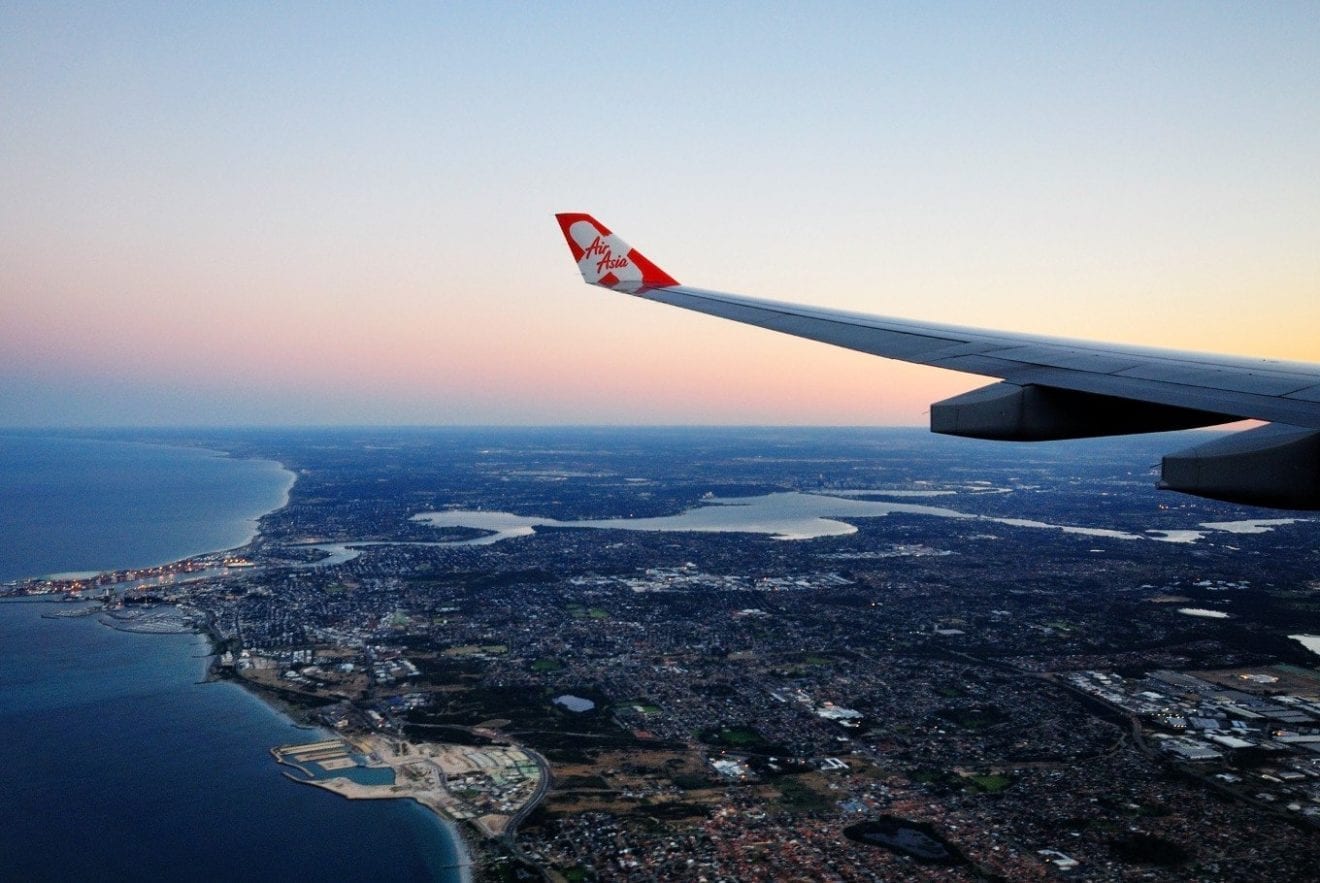
    “Their airlines have started to fly direct. Air Asia X Indonesia started direct flights from Bali to Mumbai and Bali to Kochi. These have reduced chances of passengers going through Kuala Lumpur,” said Tan.

    Tan added that most country’s tourist market have dropped especially in the ASEAN region.“Foreign tourists’ arrival such as those from Singapore, Thailand, Brunei and Indonesia has seen a decrease.“But for long haul markets, we are quite dependent on Chinese tourists.”

    He however applauded the improvements made by the government saying that an increase of visitors from any country is always good. “But India visitors dropped 35.1 per cent during the first quarter in 2017 compared to 11.6 per cent for whole of last year.

    “The visa fee is slightly on the high side. We would like to see for the government’s review on the visa fees, especially for India. “If everything goes right, we could get six million Chinese visitors and 1.5 million from India by 2020. Growth from the nine ASEAN nations will be steady, rising to 23.5 million by 2020 and the rest of the world, five million,” Tan said.

  • Indonesia’s Mandiri eyes Singapore private banking business

    Indonesia’s Mandiri eyes Singapore private banking business

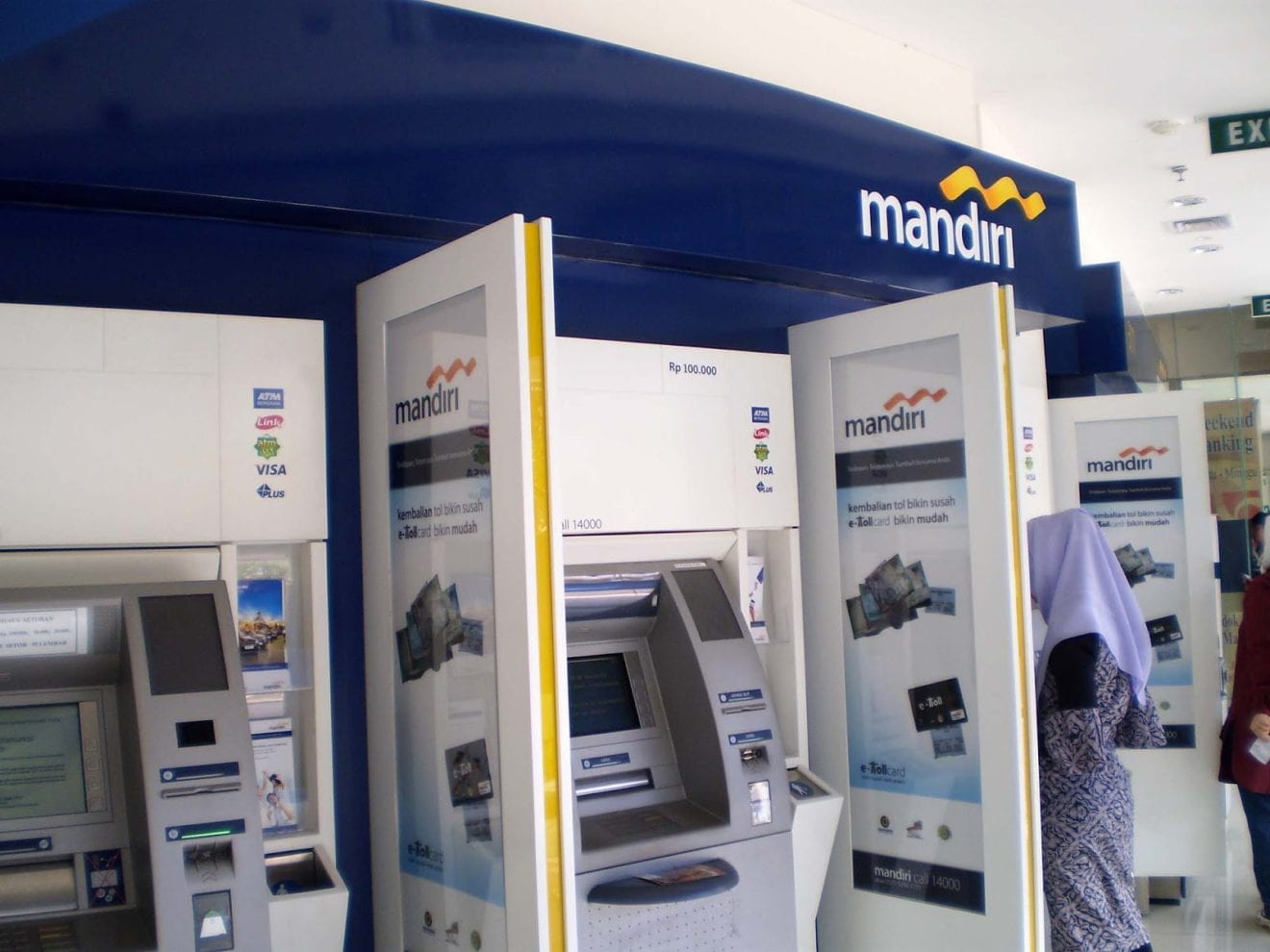
    Indonesia’s largest lender Bank Mandiri wants a piece of the lucrative private banking business in Singapore, particularly the accounts of wealthy Indonesian clients.

    Recent reforms in Indonesia, including a successful tax amnesty, have made ultra-rich citizens less averse to banking with state-owned institutions, said Mandiri chief executive Kartika Wirjoatmodjo.

    “In the past, they were worried that their undeclared wealth will be reported,” he told recently.

    “After the tax amnesty, everything is transparent so Indonesians who put money in Singapore are no longer worried about having us, a state-owned bank, as their banker.”

    Many wealthy Indonesians are believed to bank much of their fortune abroad and the local tax authorities believe some do so to avoid scrutiny and paying taxes.

    Finance Minister Sri Mulyani Indrawati said Indonesians have stashed about US$250 billion (S$346.5 billion) worth of assets overseas, of which a whopping 80 per cent is kept in Singapore.

    The tax amnesty, started in July last year, was introduced to encourage these rich citizens to come clean with the taxman on their assets at home and abroad by offering tax rates as low as 2 per cent.

    More than 4,000 trillion rupiah (S$417 billion) – about a third of Indonesia’s gross domestic product – of newly declared assets were recorded at the end of the scheme in March, with a small portion of the wealth repatriated from overseas.

    Mandiri, which operates in Singapore under an offshore bank licence granted by the Monetary Authority of Singapore (MAS), plans to apply for another licence to run private banking operations. This follows the opening of its securities subsidiary Mandiri Securities Singapore last October.

    Mr Kartika said Mandiri’s move into Singapore’s private banking sector will require a “limited retail banking licence” so that it can serve high-net-worth Indonesians there. “So we don’t want to deploy 200 ATMs in Singapore, perhaps just a couple of branches would do.”

    Mandiri also wants to make Singapore a hub for its corporate clients, most of whom have offshore financing, either bilateral bank loans or fund raising via capital markets, to access global investors.

    “Many investors operate their Asian accounts from Singapore, so by giving them access to the Singapore market, we automatically have global exposure,” said Mr Kartika.

    Besides growth in Singapore, the bank has been expanding its retail banking business in Malaysia and the Philippines.

    After long negotiations, Mandiri is set to get a full retail banking licence in Malaysia within the next two months which would allow it to open retail branches across the country, said Mr Kartika.

    In the Philippines, where the banking industry is less mature and saturated compared with Indonesia, Mandiri is betting on the country’s strong economic growth and is in talks with local banks for possible acquisitions of minority stakes.

    Analysts said Mandiri’s “Singapore strategy” will pave the way for it to become a regional player, just like DBS Bank or Malaysia’s CIMB.

    “It is a positive move if Bank Mandiri starts investing more in its international business,” said Mr Harry Su, head of strategy and research at stockbroker Bahana Sekuritas.

    But Mr Su added that while this is a part of the bank’s strategy to be a bigger player in South-east Asia, it is still early days as “contribution from such efforts will remain minimal to their overall earnings performance in the next three to five years”.

    Another analyst, who declined to be named because he is from a competing bank in Jakarta, said the top four banks control the majority of Indonesia’s total banking assets so the room for others is restricted.

    “This would make Malaysia, Singapore and the Philippines more competitive markets for Mandiri,” he said.

    “But it also means returns or profit margins from doing business there would be less, but as the biggest bank in Indonesia, Mandiri has to expand there.”

  • i-City to have own lifestyle retail mall

    i-City to have own lifestyle retail mall

    The fast developing i-City in Shah Alam will have its own lifestyle retail mall – Central i-City Mall – which will introduce Thailand’s retail experience to the growing local retail market.

    Set for opening in October 2018, the mall, which has allotted 940,000 sq ft for rent, will showcase many interesting brands that are not available in the country.

    I-Bhd, the developer of i-City, is collaborating with Thailand’s CPN Group to introduce the unique Thai retail landscape to Malaysian shoppers.

    In addition, I-Bhd aims to offer a new retail landscape and innovative retail experiences for shoppers given that Thai mall concepts have captivated many visitors.

    CPN Ventures Sdn Bhd chief operating officer Anthony Dylan said the Asian Economic Community (AEC) and Malaysia’s bustling tourism industry will create a strong business proposition for the mall.

    “We will bring in some significant tenants from Thailand that have not expanded outside their home country before,” he added.

    Among the mall’s main attractions are its unique retailers and its cosy ambience. It will have 3,000 parking bays and is located close to the Padang Jawa KTM station.

    i-City is an ultrapolis development where the commercial, residential and recreation elements are integrated.

    The community here would enjoy the ease of having a multitude of amenities within one location.

    Dylan said more than 3,000 residences in i-City, including Hill10 residences above DoubleTree by Hilton hotel, will be linked to the first floor of Central i-City Mall, heralding a new lifestyle haven.

    To showcase I-Bhd’s tech-furbished residences such as Hill10 Residence, 8Kia Peng, Parisien Tower, Hyde, Liberty Tower and i-Suite, the three-day StarProperty.my Fair (i-City Edition) will be held from June 10 to 12 at the I-Gallery at i-City.

    I-Bhd has completed more than 1,000 properties, encompassing various commercial and residential units, with plans to hand over another 3,000 units of mainly residences in the next 12 months.

    The projects featured at the fair have set a benchmark for technologically-incorporated homes.

    Participants at the fair stand a chance to win a home at the Petaling Jaya Midtown development located at Section 13 here, worth RM557,800, by taking part in the StarProperty.my Win A Home (WAH) contest.

    The fair will also feature renowned speakers on property investments and smart home technology.

    There will also be a lucky draw for purchasers during the fair, including two return air tickets on economy class to Tokyo, Paris and London.

    During the fair, all purchasers will be entitled to free sale and purchase agreements and loan legal fees.

  • YouAppi expands offices in Indonesia, the Philippines and Thailand

    YouAppi expands offices in Indonesia, the Philippines and Thailand

    YouAppi, a leading mobile growth marketing platform for premium mobile brands, today announced the expansion of the company’s Indonesia office led by Southeast Asia Country Manager Anna Mareta.

    YouAppi, founded in 2011, is a leading global growth marketing platform, enabling marketers to find the right mobile users at the right price. From brand awareness to user acquisition, brand and rewarded video, and re-engagement of inactive users, all with advanced anti-fraud functionality, YouAppi’s OneRun provides an all-inclusive mobile growth solution.

    YouAppi has been working with Indonesian marketers, agencies and publishers since early 2016, and now, with an expanded local office in Jakarta, the company will exceed expectations by an even greater amount in supporting the needs of local partners in the region.

    Anna Mareta, YouAppi’s Southeast Asia Country Manager, will lead YouAppi’s Indonesia office. She joined YouAppi in April 2016 from Adknowledge Asia Pacific. Anna’s team will also manage YouAppi’s activities in Southeast Asia, including Indonesia, Malaysia, the Philippines, Singapore, Thailand and Vietnam.

    The 700% growth rate achieved in 2016 in Southeast Asia has made the region one of YouAppi’s leading global markets in terms of app installs, made possible by premium global, Asian and Indonesian marketers. Clients in Southeast Asia include Blanja, a marketplace joint venture between eBay and Telkom Indonesia, Hooq, a video on demand streaming service backed by Sony Pictures Entertainment, Warner Bros. and Singtel, and Tokopedia, a marketplace backed by SoftBank and Sequoia Capital. Other YouAppi clients in Southeast Asia are in telecommunications, utilities, entertainment, news and other categories. YouAppi also works with leading publishers in Southeast Asia including PicMix and 8Elements.

    “Streaming service Hooq turned to YouAppi seeking qualified Android users in Indonesia, establishing a high registration rate as the target KPI for the campaign. Tapping into YouAppi’s extensive direct inventory sources utilizing OneRun’s predictive algorithms and machine learning technology, the company was able to exceed Hooq’s KPI and deliver a 130% achievement ratio,” said Sandro Simanjuntak, Head of Digital Marketing Hooq Indonesia.

    “YouAppi fulfilled our KPI, which enabled us to stay the #1 Shopping app in Indonesia on Google Play while also providing collaborative & passionate success management,” said Ignasius Igor Rendy, Internet Marketing Lead, Tokopedia.

    “What attracted me to YouAppi is the company’s commitment to Asia in general, and to me and my team in Indonesia specifically,” said Anna Mareta, the Country Manager for YouAppi Indonesia. “From a superior technology platform – YouAppi’s OneRun – to technology, media and support teams around the globe ready to answer any question 24 x 7, 365 days a year, YouAppi is the growth marketing solution for Asia.”

    “With Southeast Asia being one of YouAppi’s strongest global markets in terms of user installs, I’m thrilled with the work Anna has done, which is why we’ve expanded her team to better support this important market for YouAppi,” said Moshe Vaknin, CEO & co-founder, YouAppi. “We began 2016 by committing to Asia, and after generating over 700% growth last year, we’re supporting our commitment by re-investing revenue generated in Southeast Asia to grow our team.”

    By improving the mobile experience for marketers and publishers around the world, YouAppi is enjoying strong global revenue growth driven by the company’s success in Asia. Proof of the company’s success can be found in the 16,700 campaigns run for 485 leading advertisers via 110 billion monthly impressions served around the world over the last four years. YouAppi’s OneRun Platform offers one single point to streamline mobile media buying, combining the power of machine learning with the company’s proprietary predictive algorithms, which analyze over 250 terabytes of data every day.

  • Indonesia Offers Ease of Business in Tourism Sector

    Indonesia Offers Ease of Business in Tourism Sector

    The Indonesian Government provided a guarantee in the ease of business for the investors who plant their assets in special economic zones.

    In the tourism sector, Tourism Minister Arief Yahya explained that the government plans to restore a number of infrastructures such as the airports, the network of highways that lead to the tourist spots, and other public facilities.

    “The ease of business will be for the ones in the economic zones,” Arief said on Thursday, May 25.

    The government will also attempt to fix the management system in tourism areas. This is corroborated by the fact that, in a number of cases, investments are not able to enter a location because of overlapping regulations which are a direct result of mismanagements.

    Ideally, according to Arief, a tourist location should only be managed by one authority. He viewed that it would slash the bureaucracy process and affect the process of managing a tourist location.

    “Regarding the Bunaken area, we will have a meeting to discuss the resolution of the special zone with the Coordinating Minister of Maritime Affairs,” Arief explained.

  • Indonesia’s Salim Group Re-enters Banking with Local Takeover

    Indonesia’s Salim Group Re-enters Banking with Local Takeover

    Indonesia’s largest conglomerate, Salim Group, has acquired a majority stake in a local bank, marking its first return to the banking business since the 1998 Asian financial crisis.

    Through various affiliated entities, the group bought at least 51% of Bank Ina Perdana by subscribing to new shares issued by the Indonesia-listed lender. The acquisition value is estimated at 570 billion rupiah ($42 million). The bank has 22 branches in Java and had 2.3 trillion rupiah in assets as of December 2016.

    Salim took over Bank Central Asia in the 1970s and developed it into the country’s largest private lender on the back of deregulation policies under then-President Suharto, who had close ties with group founder Sudono Salim.

    But after the bank’s ownership was transferred to the government in the wake of the Asian financial crisis, the group focused on rebuilding its other operations, mainly through its core food company, Indofood Sukses Makmur. It has interests in the retail, automotive, telecommunications, infrastructure and other sectors across Indonesia and the Philippines.

    In recent years, the smartphone boom has created a new wave of demand for financial services such as electronic payments and peer-to-peer lending. Salim decided that operating its own bank and building a financial backbone would be crucial for running an end-to-end digital business, which it has been developing since 2013.

    “It makes sense for us to refocus on banking because the transactions carried out by the banks are becoming quite big,” said a Salim executive.The conglomerate may have targeted a smaller player because it wanted to venture into digital banking without spending a fortune.

    Developing digital services at large banks entails the risk of having reduce the number of employees and branches, according to a person familiar with Salim’s strategy. The group remains one of the biggest customers of Bank Central Asia, currently owned by another local conglomerate.

    Anthoni Salim, the group’s CEO, owns a small stake in Bank Central Asia but is not involved in its management. Salim will begin testing new services internally for its 500,000 employees during the second half of 2017.

    The trial will involve Bank Ina and various Salim Group companies, including Indomaret, a convenience store chain with 14,000 outlets nationwide. The trial will use fingerprint-recognition technology being developed by a joint venture between Salim and Tokyo-based startup Liquid.

    In one test case, Salim employees will open a bank account at Bank Ina and pay for goods at Indomaret using a fingerprint reader linked to their accounts.

    The group is also eyeing peer-to-peer money transfers and loans using Indomaret stores as a bank branch. Edy Kuntardjo, Bank Ina’s president, said the bank expects to roll out some of these services in 2018, subject to regulatory approval. Bank Ina is currently revamping its core banking system with the aim of improving processing transactions carried out at Indomaret stores.

    Not alone

    Salim’s return to banking follows a broader trend in which Indonesia’s biggest groups are moving back into the sector after recovering from the financial crisis. Lippo Group, which has focused on property and retailing since losing its flagship Lippo Bank in the financial crisis, acquired Bank Nationalnobu, a small local player, in 2010.

    “We must have inward creative disruption so that we can be transformed into a new area of growth, which is the digital economy,” James Riady, Lippo’s CEO, told  in November.

    Sinarmas Group, a paper and palm oil conglomerate, acquired a local bank in 2005 and has since renamed it Bank Sinarmas. The bank will reportedly funnel the bulk of its capital spending this year toward developing digital services.

    Industry observers will be watching closely to see how traditional family-owned businesses work with local and foreign startups, which have established a lead in emerging financial technology. Lippo is an investor in Grab, a Singapore-based ride-hailing app, and the two companies are co-developing an e-payment service.

  • Rupiah Weakens with Asian Currencies

    Rupiah Weakens with Asian Currencies

    The rupiah exchange rate at the Jakarta Interbank Spot Dollar Rate this morning fell by 8.0bps to trade for Rp13,332 per US dollar. The rupiah is corrected along with most Asian currencies.

    “Rupiah weakens along with Asian currencies depreciation against the US dollar,” Samuel Sekuritas economist Rangga Cipta said in Jakarta, May 18.

    However, Rangga said the rupiah correction is relatively limited as the Indonesian state bonds (SUN) yields improve amid prospects of inflation ahead of the Ramadan, raising expectations that of a possible credit ratings upgrade by Standard & Poor’s (S&P).

    “Increasing optimism in the bond market and expectation of commodity price improvement can secure the rupiah from plunging too deep,” he said.

    Binaartha Sekuritas analyst Reza Priyambada said the rupiah and other Asian currencies weaken because of an increasing interest among market players to invest in safe havens.

    Reza hopes that Indonesia’s well-guarded economic fundamentals and the government’s infrastructure projects will be responded well by the market, allowing the rupiah to rebound.

  • Tanjung Api-Api Port to start operation in December

    Tanjung Api-Api Port to start operation in December

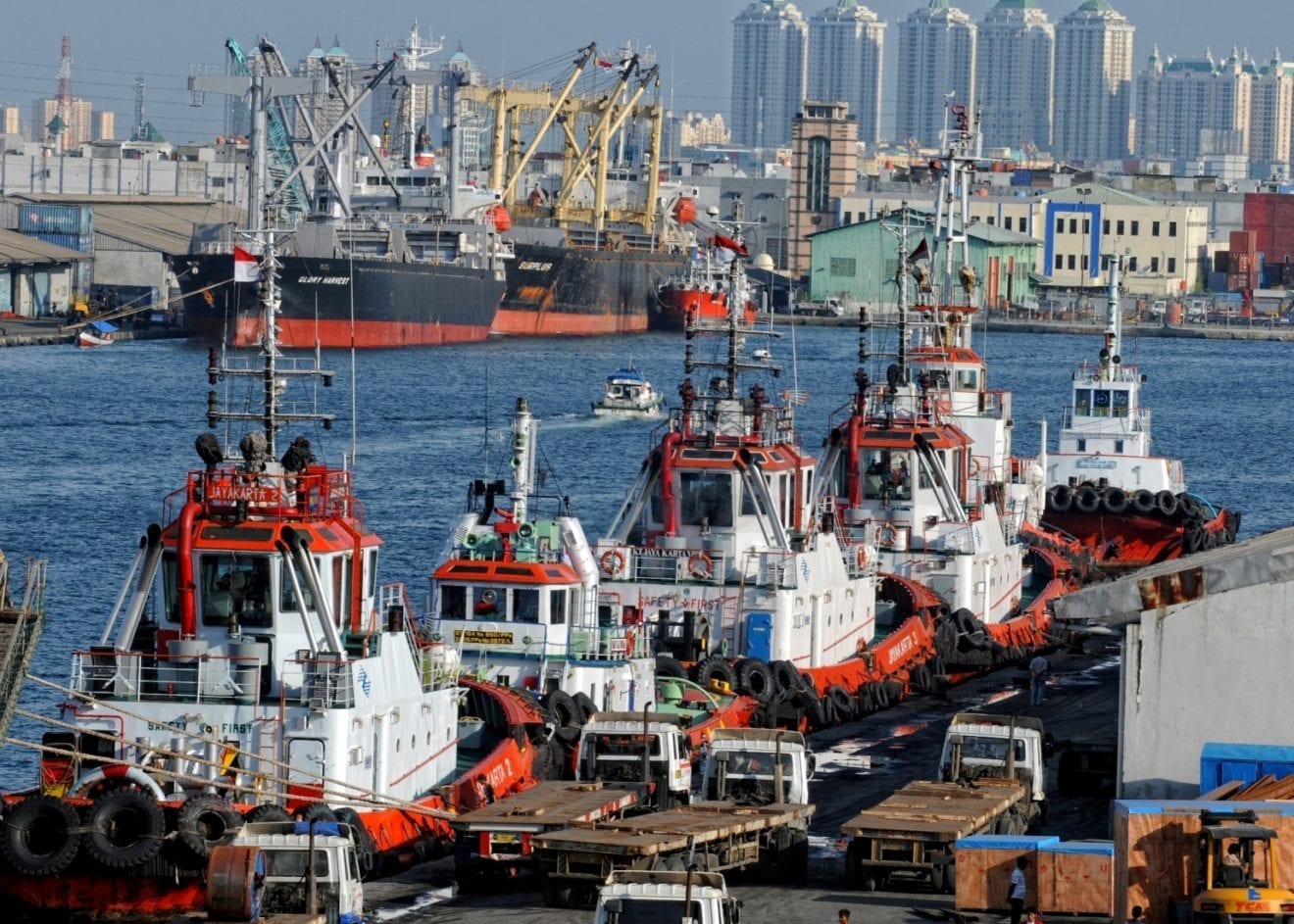
    Transport Minister Budi Karya Sumadi said the Port of Tanjung Api-Api in the regency of Banyuasin, South Sumatra, is to be operational in December, 2017.

    Physical construction of the project is already completed, but the port basin is not yet safe for big ships, Budi said after a meeting on the port and the progress made in the construction of Light Rail Transit project (LRT) in the city of Palembang on Saturday.

    The minister said the port basin is only 3.5 meter deep, therefore it still needs to be made deeper to be safe for big ships.

    He said South Sumatra Governor Alex Noerdin also agreed with the decision to operate the new international seaport in December.

    In addition the 60-kilometer long provincial highway linking the new port with the provincial city Palembang still needs repairs here and there, he said.

    He said later Tanjung Api-Api will need to be linked with toll road and railways to facilitate the transport of cargoes to and from the international port.

    The minister expressed optimism the port would help accelerate industrialization in South Sumatra and neighboring province of Jambi as it would serve as hub port for goods from the two provinces to be transported to Jakartas Tanjung Priok on the way to export market or other regions in the country.

    Meanwhile, Sea Transport Director General A Tonny Budiono said the port would be able to accommodate 464 death-weight ship that could carry 50 TEUs of container cargoes.

    Tonny said in the beginning the port would be operated by the Transport Ministry but later by phases it would be handed over to PT Pelindo II, the state-owned port operator based in Jakarta.

    He said the port has yet to be equipped with cranes to load and unload cargoes including containers. Normally ships already have their own cranes , but work would be faster if the port would also have cranes, he added.

    The quay of the port is 50×20 meters, the trestle is 118 X 8 meters and the causeway is 100 X 8 meters .

    Construction of the port project cost around Rp178 billion with fund from the state budget.

    The South Sumatra provincial administration contributed Rp48 billion for the construction of land supporting facility.

    Palembang will co-host the next Asian games in 2018, therefore, the government hastens the completion of infrastructure including the sea port and the LRT project.

  • Bank Indonesia is seeking to integrate electronic payment

    Bank Indonesia is seeking to integrate electronic payment

    Bank Indonesia (BI) is seeking to integrate electronic payment system of various banks and issuers on toll roads during the Eid al-Fitr homecoming in June.

    BI Transformation Center Executive Director Onny Widjanarko said that the central bank has done the trial on the electronic payment integration on the toll road between Surabaya and Sidoarjo. The next trial will be implemented in Cikopo-Palimanan (Cipali) toll booths.

    Onny added that the central bank has options to integrate electronic payment system on toll roads during homecoming. The use of hybrid cards is one of the options.

    The option will be taken if the integration of technical infrastructure for toll payments could not be realized in time before the homecoming season. However, Onny said that BI would need to consult with industry working group and another regulator i.e. the Public Works and Public Housing Ministry.

    “We had wanted to implement the integrated payment systems during lebaran (Eid) but we are still discussing it in the working group whether select toll gates could adopt hybrid cards but we have to consult with the government,” he said.

    Santoso, the director of private lender Bank Centra Asia (BCA), the issuer of BCA Flazz cards in Cipali, said the bank would allow other banks to join its toll road payment system.

    “In Cipali and Gresik, BCA has encouraged [other] banks to integrate their payment systems. Meanwhile, other toll roads which are operated by Bank Mandiri must first be discussed because Mandiri has a special partnership with other state-owned lenders and state-owned toll operator Jasa Marga,” Santoso.

  • Airbnb eyes expansion in Indonesia

    Airbnb eyes expansion in Indonesia

    Global hospitality marketplace Airbnb will expand its business in Indonesia as it considers the country to be one of the most important markets in the Asia-Pacific.

    Airbnb’s country manager for Southeast Asia, Hong Kong, and Taiwan, Robin Kwok, said that Indonesia is one of the fastest growing countries in terms of inbound travel, with nearly 38,000 local homes currently listed on its rental website.

    “Indonesia is such an important country, not only in Southeast Asia, but also for the rest of APAC,” Kwok told in Jakarta on Monday.

    Kwok said her company had developed teams to educate local hosts on how to use the app.

    “We also do a lot of marketing. We want to drive more people to Indonesia,” she said.

    She said her team had also discussed with government officials about how the company could help the government gain a better understanding of the services required by visitors to Indonesia.

    Airbnb also looks forward to cooperating with local partners, Kwok said, adding that her company had high expectations for the potential partners to boost brand awareness of the company.

    Founded in 2008, Airbnb is currently present in 65,000 cities in 191 countries across the world, with 160 million guest arrivals, according to the company’s data.

  • Uber Join Hands with Trafi App

    Uber Join Hands with Trafi App

    App-based transportation services Uber has joined hands with multimodal transport app Trafi to help residents in Greater Jakarta, or Jabodetabek, combine public transport and ridesharing services.

    Head of Public Policy and Government Affairs of Uber Indonesia John Colombo said that the partnership will allow Uber users to choose various types of public transport in Trafi app. As a result, efficiency will be greater and people will be able to pick their preferred transportation mode.

    John said yesterday, May 29, that the integration is aimed at offering more choices and comfort in travel plan and selection of transportation modes.

    John said he is confident that Uber will see an increase in the number users. However, the latest service can only be enjoyed by users around Jabodetabek.

    Trafi Indonesia Country Manager Dimas Dwilasetio said that the company has the data of 600 public transport routes across Indonesia and 95 Transjakarta routes in Jabodetabek. “We are optimistic that the partnership can provide a solution for people to get public transport services,” he said.

  • Korean Air to fly to Lombok Island

    Korean Air to fly to Lombok Island

    The South Korean airline and flag carrier company Korean Air is ready to fly to Lombok Island, West Nusa Tenggara, Indonesia, in July and Aug 2017.

    “The Korean Air will open a charter flight for seven times,” Lombok International Airports General Manager I Gusti Ngurah Ardita stated in Mataram District, the capital of West Nusa Tenggara Province, on Monday.

    Ardita confirmed the information to journalists after a meeting with the Korean Airs Network and Sales General Manager of South East Asia/Oceania, Bae Sang Wook, and Regional Manager of Indonesia Park Kee Hyun in Mataram, Lombok.

    The Gonghang-dong, Gangseo-gu, Seoul-based airline companys aircraft would arrive at the Lombok International Airport (LIA) from July 29 to the end of Aug 2017, Ardita noted.

    “This charter flight is, of course, expected to open a fixed route for Korea-Lomboks flights,” he noted.

    Ardita explained that the arrival of Korean Air to Lombok Island was a result of the last meeting between the LIA and the Korean Air company on April 25, 2017, which was also supported by the regional government and the Tourism Board of West Nusa Tenggara.

    Earlier in a separate interview, West Nusa Tenggara Governor TGH Muhammad Zainul Majdi remarked during a visit by South Korean Ambassador to Indonesia Cho Tai Young and his wife Madame Cho Gye Young that the flight charter from South Korea to Lombok in Aug 2017 could be continued into a regular flight.

    Majdi expected that a regular flight would increase the number of South Korean tourists and ease the investment inflow to West Nusa Tenggara.

    The Indonesian government is hopeful of attaining 20 million foreign tourists annually by 2019 amid concerted efforts to make the archipelago a world-class tourism destination, one of which is in Lombok Island.

  • BI predicts surplus of balance of payment in 2017

    BI predicts surplus of balance of payment in 2017

    Indonesias balance of payment will still enjoy a surplus this year but it will decline to US$3-4 billion from US$12 billion last year, Bank Indonesia Governor Agus Martowardojo has predicted.

    The drop will be the result of declining capital and financial account, along with the conclusion of the tax amnesty program on March 31, 2017, reducing the inflow of repatriation fund to the financial market, he said here on Monday night.

    “Last year we saw the boost came from the tax amnesty program which has an impact on capital account,” he said.

    The projected surplus of the balance of payment at the end of this year will remain the same as the surplus of the balance of payment in the January-March 2017 period which was mostly fueled by capital and financial account at US$7.9 billion, he said.

    The balance of payment reflects transactions between the Indonesian population and foreign nationals. The balance of payment includes current account (including goods, services and income) and capital and financial account.

    Agus said the declining surplus of the balance of payment is also caused by a deficit of the countrys current account which is projected to reach 1.8-1.9 percent of the national gross domestic product (GDP). The figure is the same as the deficit of the current account in 2016.

    Despite the deficit, the current account is still under control. The improving export performance this year is expected to help improve the current account, he said.

    In the first quarter of 2017, the current account saw a deficit of US$2.4 billion, accounting for 1 percent of the GDP. The rising deficit of the current account was mostly fueled by the rising deficit of trade balance from oil and gas which reached US$2.1 billion and primary income which saw a deficit of US$7.4 billion.