Tag: Indonesia

  • Fast Retailing to open first Uniqlo shop on Indonesia’s Sumatra Island

    Fast Retailing to open first Uniqlo shop on Indonesia’s Sumatra Island

    Japanese casualwear manufacturer Fast Retailing will open a Uniqlo shop on Sumatra Island, its first outlet outside Indonesia’s most populous main island of Java.

    The shop will open at the Sun Plaza shopping mall in Medan this week, in the northern part of the island. It covers about 2000sqm.

    Fast Retailing Indonesia president Michiaki Tanaka says the Sumatra opening will be followed by another outlet outside Java, in Makassar on Sulawesi Island, in May.

    Two more shops are planned for Jakarta and Yogyakarta before August, taking the number of outlets in the country to 18. Tanaka says brand recognition has been boosted through the store expansions.

    Uniqlo first opened in Indonesia in 2013.

  • SOS Carved Into former Indonesian Palm Oil Plantation remind People

    SOS Carved Into former Indonesian Palm Oil Plantation remind People

    A Lithuanian artist has carved a giant SOS message into an Indonesian palm oil plantation to draw attention to the damage done by deforestation.

    Ernest Zacharevic curated the “Save Our Souls” project as part of a campaign on the impact palm oil plantations have on tribal communitieglobes and endangered species such as the orangutan.

    “We, as consumers, are so detached from the source of our commodities that we are no longer able to see the consequences of our daily choices,” Zacharevic said.

    “I wanted to communicate the magnitude of the problem.”

    The giant SOS signal, which he completed last month, runs for about half a kilometer inside a plantation in North Sumatra, and can be seen from the air. The land will be replanted with native tree species, he said.

    Environmentalists say land-clearing for agricultural plantations in Indonesia, the world’s biggest palm oil producer, is responsible for forest destruction. Forest cover has dropped by nearly a quarter since 1990, according to World Bank data.

    Zacharevic’s SOS comes amid growing pressure on corporations to adopt sustainable practices. PepsiCo and British cosmetics firm Lush have committed to ending the use of palm oil – which is found in products from soap to cereal – or ensuring their supply is ethical.

    Last month, consumer goods giant Unilever said it had laid bare its palm oil supply chain to boost transparency.

    Indonesia has been a focus of global efforts to rein in greenhouse gas emissions caused by the deforestation of swampy, carbon-rich peatlands to make way for plantations for industries such as palm oil, pulp and paper.

    These forests are often in remote areas long inhabited by indigenous peoples, who might not have documents proving ownership or be able to contest land acquisitions in the resource-rich Southeast Asian nation.

    The forests are also home to dwindling wildlife populations. There are only about 14,600 orangutans remaining in the wild in Sumatra, conservationists estimate.

    The Splash and Burn campaign – a play on the slash and burn method used to clear forests for plantations – is supported by the charity, Sumatran Orangutan Society, and Lush.

    “We are all contributing to the destructive effects of unsustainable palm oil, whether it is by consuming products or supporting policies that affect the trade,” Zacharevic said.

    “This project is an effort to appeal to the consciousness of a wider audience.”

  • Indonesia Will Call Trump’s Trade War Bluff

    Indonesia Will Call Trump’s Trade War Bluff

    Indonesia will not back away from a potential trade war with the United States, should US President Donald Trump decide to carry out his plan to increase tariffs on some imported commodities, Vice President Jusuf Kalla said on Thursday (08/03).

    Trump announced last week that his administration plans to impose a 25 percent tariff on imported steel and a 10 percent tariff on imported aluminum, on the grounds that imports endanger American national security by harming domestic production.

    The plan unsettled even the United States’ close allies, fearing a full-blown global trade war that could derail delicate global economic growth.

    “If Trump’s trade war eventually escalates, it can drag agricultural countries in. If the US blocks our palm oil, we will block their soybean exports to Indonesia; we can be self-sufficient,” Kalla said in a speech at the fourth Jakarta Food Security Summit.

    Eleven percent of Indonesia’s total exports, or $17 billion, were destined for the United States last year. This makes it Indonesia’s second-largest export destination.

    Southeast Asia’s largest economy also enjoyed a $9.3 billion trade surplus with the United States last year.

    Indonesia’s palm oil exports to the United States amounted to $939 million last year, which represents around 5 percent of its total exports of the tropical oil, Central Statistics Agency (BPS) data showed.

    According to the US Department of Commerce’s International Trade Administration, the United States exported 2.6 million metric tons of soybean last year, worth $994 million.

    Indirect Blow

    Only 1 percent of Indonesia’s steel exports go to the United States, so Trump’s proposed steel and aluminum import tariffs would not inflict a direct blow to local steel producers, said Hidayat Triseputro, executive director of the Indonesian Iron and Steel Association.

    But he warned of the possibility that Chinese steel exports destined for the US market may flood the Indonesian market.

    Indonesia is a member of a free trade arrangement between the Association of Southeast Asian Nations (Asean) and China that came into effect in 2010. The agreement resulted in Chinese exports to Indonesia spiking to $30.5 billion in 2014 from only $3.4 billion in 2004.

    According to World Steel Association data, China was the world’s largest steel producer in 2017, at 831.7 million metric tons, while Indonesia produced only 4.8 million tons of the alloy.

    “The government should secure the domestic market with strict regulation and take sides with local products … as it can make investors lose interest in the Indonesian market due to the policy being not affirmative to the domestic market,” Hidayat said.

  • Indonesia Snack and Noodle Makers Face Salt Import Muddle

    Indonesia Snack and Noodle Makers Face Salt Import Muddle

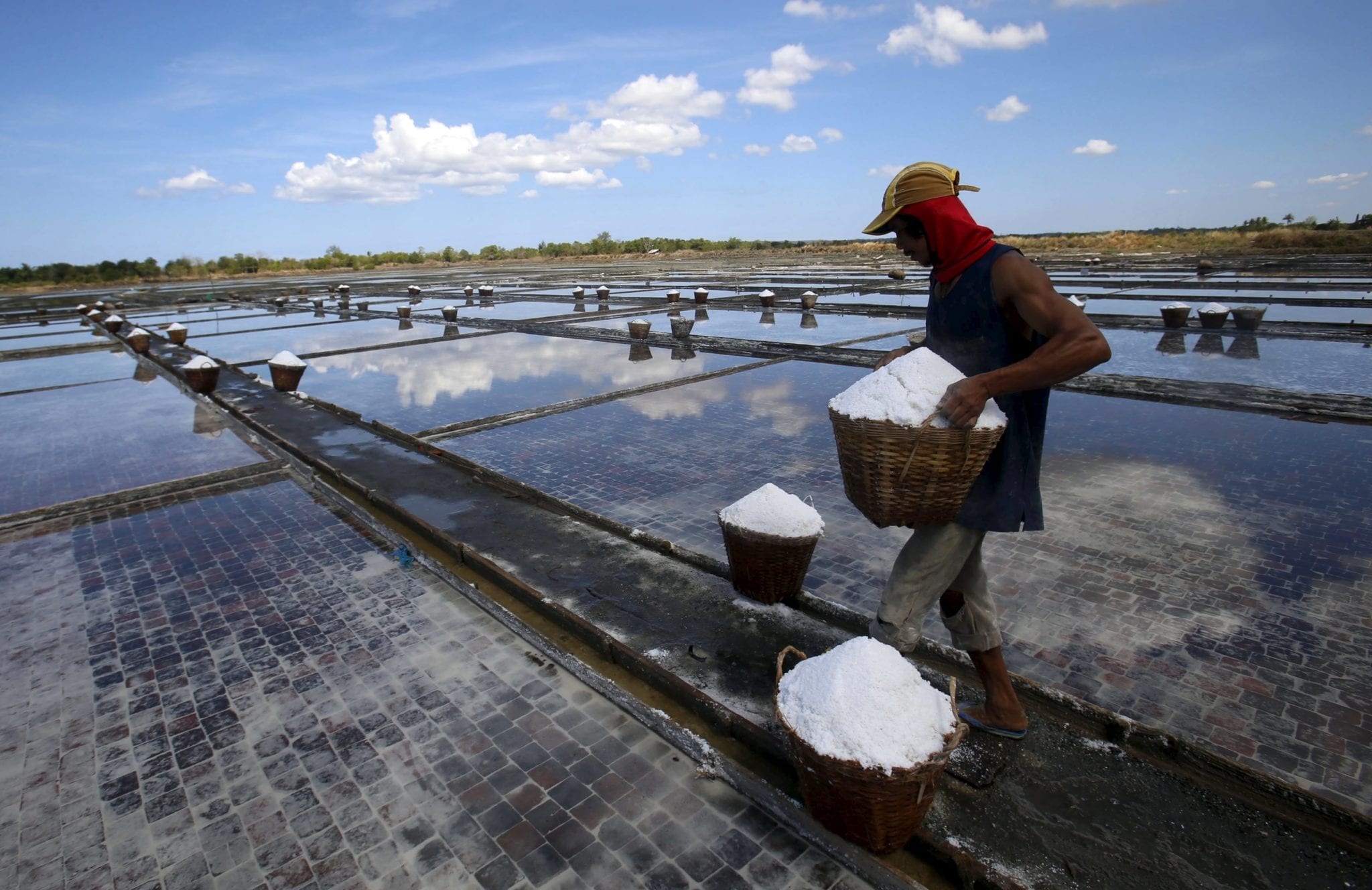
    Several of Indonesia’s noodle, biscuit and snack makers are facing shortages of quality salt as they have been unable to import the ingredient and local supplies are insufficient, an industry association said.

    “We received reports several industries will stop production next week because of shortages of salt,” said Adhi S. Lukman, chairman of the Indonesia Food and Beverage Association (Gapmmi), referring to several instant noodle producers, without naming the specific companies affected by the shortages.

    The government has not approved salt imports for food processors for 2018 despite a quota of 460,000 metric tons of salt imports issued by the Coordinating Ministry for the Economy this year, Adhi said.

    Food companies require salt with a maximum water content of 0.5 percent and sodium chloride above 97 percent, but not all domestic suppliers can meet those levels, Adhi said.

    State salt producer Garam is “very small” and lacks the right quality stock, particularly in the wet season, he said.

    Indonesia’s food and beverage industry is expected consume 550,000 tons of salt in 2018, up 12 percent from the 490,000 tons consumed in 2017, Adhi said. Last year only around 50,000 metric tons of salt was supplied domestically to the food and beverage industries, with the remainder from imports.

    Foreign Trade director general Oke Nurwan said the food and beverages industry needed a recommendation from the Ministry of Fisheries before the 2018 salt imports could take place.

    Brahmantya Satyamurti Poerwadi, director general of sea territory management at the Ministry of Fisheries said a recommendation had been issued to all industries for imports of 1.8 million tons of salt in 2018.

    It was up to the Ministry of Trade to provide specific import allocations to different industries, he said.

    The Ministry of Fisheries estimates Indonesia’s total salt demand will reach 3.9 million tons in 2018, of which around 3.6 million metric tons would be used in manufacturing, including the food and beverages industries.

    Indonesia’s total salt production is expected to be around 1.5 million tons this year, with a carry over stock from 2017 of 349,000 tons.

    Indonesia’s demand for noodles, biscuits and snacks like burgers and doughnuts has climbed steadily in recent years in a creeping westernization of diets, underpinned by the country’s rising middle class.

  • Dairy Farm International’s plan after hitting bottom line

    Dairy Farm International’s plan after hitting bottom line

    Poor trading by Dairy Farm International’s Southeast Asian grocery business hit the company’s bottom line last year, with underlying profit falling 13 per cent.

    But every other one of the company’s divisions traded strongly throughout the year, according to the results just released.

    Full-year profit was US$403 million, after allowing for $64 million of costs relating to business restructuring. Sales by Dairy Farm’s wholly-owned subsidiaries totalled $11.3 billion, largely unchanged from 2016’s $11.2 billion. But total sales, including 100 per cent of associates and joint ventures, at $21.8 billion were up 7 per cent year on year, reflecting strong growth at both supermarket operator Yonghui and cafe-restaurant operator Maxim’s, which owns the Starbucks business in Hong Kong, Vietnam, Cambodia and now Singapore.

    “After a disappointing year… for our food businesses in Southeast Asia, actions are being taken to improve their long-term performance,” explained chairman Simon Keswick. “All of the group’s other formats and markets are trading well and growth opportunities are being pursued, in Mainland China and elsewhere.”

    In Dairy Farm’s food division, sales were down and profits were “significantly lower” than in 2016, primarily due to poor performances in the supermarket and hypermarket businesses in Malaysia, Singapore and Indonesia.

    “A number of underperforming stores are being closed and prices lowered to clear or write off discontinued and slow moving stock.

    “In Hong Kong, sales were more resilient, although profits were marginally down due to increasing rents and labour costs. Positive sales growth seen in the Philippines reflected the ongoing investments being made to improve the business,” said Keswick.

    Elsewhere in the company there was brighter news.

    The convenience store format (including 7-Eleven in Hong Kong and Singapore) produced increased sales and profit. “In part, this reflected a consumer shift to more convenient retail formats, as well as a positive reception to the service and range enhancements introduced for customers,” said Keswick.

    The convenience stores division reported $2 billion in sales, an increase of 4 per cent over the previous year – but operating profit surged 16 per cent to $85 million.

    In the health and beauty division, (led by Guardian and Mannings), sales and profit were higher, principally due to strong performances in Hong Kong, Macau and Indonesia, together with improvements in Mainland China.

    Keswick said this was led by an increasing focus on the beauty category and the continued development of the division’s house brands.

    The home furnishings division (Ikea in Hong Kong, Taiwan and Indonesia) recorded higher sales and trading profit, but the reported profit declined, mainly due to costs associated with the opening of the fourth Ikea Hong Kong store in October. Sales and profits increased in Taiwan and Indonesia and there was solid growth in the e-commerce business.

    Maxim’s enjoyed good sales growth and profit expansion during the year, in large part due to strong performances from its branded products, particularly mooncakes, and its business in Mainland China. The company also acquired the Starbucks Singapore business last year.

    The group’s 19.99 per cent-owned associate in Mainland China, Yonghui Superstores, opened a net 292 new stores last year, which underpinned a 19 per cent growth in revenue. Ongoing supply chain optimisation and shrinkage improvement resulted in improved margins, which together with better capital use, led to a 45 per cent growth in profit.

    Convenience focus

    Keswick said Dairy Farm International will focus on increasing its convenience store operations in the year ahead through expansion and enhancement of the store network. New smaller-store formats are being piloted in some markets.

    The group will also continue to develop its e-commerce presence, focusing on a number of initiatives in its home furnishings, food, and health and beauty operations introduced last year.

    Dairy Farm International added a net 633 stores last year. At year end, it had 7181 stores in operation in 11 countries and territories, including its interest in 779 Yonghui stores in mainland China and 1210 Maxim’s stores.

    Besides the Starbucks Singapore deal, Maxim’s also acquired the existing businesses and franchises of Genki Sushi in Singapore and Malaysia. It opened its first The Cheesecake Factory in Hong Kong in May, which Keswick said is trading well, and this year will introduce American casual restaurant format Shake Shack in Hong Kong and Macau.

    In the Philippines, Rustan became a wholly-owned subsidiary following the acquisition of the remaining 34 per cent interest from the group’s joint venture partner.


  • RateX expansion plan after latest investment

    RateX expansion plan after latest investment

    Singapore-based payments startup RateX has raised S$3 million (US$2.3 million) in a pre-series A funding round.

    RateX is a free browser extension that automatically provides shoppers with the lowest exchange rate without transaction fee for overseas purchases through e-commerce platforms. It also allows users to automatically apply coupon codes upon checkout.

    RateX seamlessly integrates with such e-commerce platforms as AirAsia, Amazon, Expedia, Lazada, Singapore Airlines and TaoBao. It also works with payment processors Adyen and Alipay. It works as a browser add-on to Google Chrome and Firefox.

    RateX says its users have saved more than S$264,000 through lowered exchange rates and transaction fees, and $396,000 through discount coupons.

    “At a time when online commerce is booming, we want shoppers to pay less for their overseas purchases,” says RateX CEO/co-founder Jake Goh. “We are doing this by solving e-commerce and financial inefficiencies inherent in cross-border commerce. These include markups around transaction fees and foreign-exchange rates.”

    Research firm Frost & Sullivan says Southeast Asia is the world’s fastest-growing internet market. The gross merchandise value of e-commerce will rise to US$65.5 billion by 2021, up from $14.3 billion in 2016. Meanwhile, about 89 per cent of Singapore shoppers use websites beyond Singapore, with the average online shopper in Singapore spending around US$1066 each year on e-commerce transactions.in

    “Our users can now save up to 20 per cent on their purchases.” says Goh. “We are achieving this while bringing affiliate sales to our merchant partners – a win-win situation for all.”

    RateX is currently available for Singapore users on Firefox and Google Chrome desktop browsers. It has also just launched its mobile app (RateS).

    Its latest funding will be used to drive the launch of RateX’s mobile app in Singapore and Taiwan this month, as well as RateX’s expansion into Taiwan and Indonesia this year.

    Participating investors include Alpha JWC Ventures and Insignia Ventures Partners alongside other angel investors.

  • E-business of Giordano International looks good

    E-business of Giordano International looks good

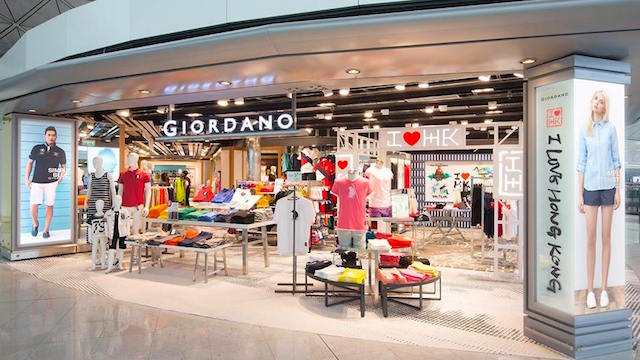
    E-business last year was particularly strong for apparel retailer Giordano International.

    Overall, consolidated sales reached HK$5.4 billion, up 5.2 per cent. Group comparable-store sales and comparable-store gross profit rose  by 5.2 and 5 per cent respectively.

    Consolidated gross margin edged up by 0.1 points to 59.5 per cent.

    Profit after income taxes attributable to shareholders of the company was $500 million,
    an increase of 15.2 per cent over 2016.

    Operating profit rose by 21.3 per cent, with most regions having double-digit growth, particularly Southeast Asia, Mainland China and Taiwan. The group’s business in Vietnam was acquired on July 1.

    With an improved merchandise assortment, Indonesia and Malaysia delivered good results.

    Operating profit increased by 18.6 and 26 per cent for Indonesia and Malaysia respectively. In Singapore, operating profit increased by 31.2 per cent, attributable mainly to the gross margin improving by 1.7 points to 63.7 per cent.

    Unusually strong sales from Thailand in 2016 resulted in an unfavourable year-on-year comparison. Operating profit declined by 20.1 per cent in local currency terms.

    A surge in net profit for South Korea – a 48.5 per cent JV under an independent management team – resulted from better cost control, closure of non-performing stores and enhancement in gross margin.

    Giordano had a network of 2414 stores at the end of December, of which 1268 were standalone outlets. Most stores were in Greater China, South Korea, Southeast Asia and the Middle East.

    Meanwhile, the group’s e-business is directly managed and derived mainly from third-party platforms as well as its own proprietary website in Greater China. This channel generated $310 million in revenue at a 31.4 per cent growth rate.

    Accounting for 93.2 per cent of the group’s e-business sales, Mainland China continued its momentum and recorded a 28.2 per cent increase in sales on various platforms combined.

    Giordano’s e-business in Taiwan was revamped during the year to become its second-largest online presence.

  • Indonesia’s Go-Jek Considering IPO, Timeframe Undecided

    Indonesia’s Go-Jek Considering IPO, Timeframe Undecided

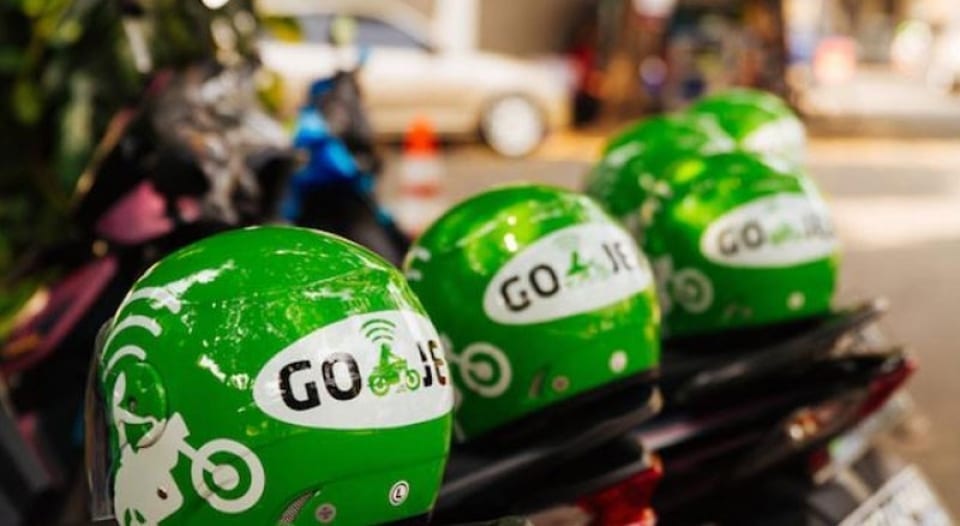
    Indonesian start-up Go-Jek is considering an initial public offering, president Andre Soelistyo said on Monday (05/03), but details on timing and float size haven’t been decided yet.

    Andre met with Indonesia Stock Exchange chief executive on Monday to discuss the potential share sale, including a regulatory requirement to be profitable within two years of listing.

    “We discussed what technology companies need [to do an IPO] and how [the exchange] can provide access,” he said.

    Andre also raised the possibility of a dual-listing after Indonesia, but said a decision on where hasn’t been made.

    Go-Jek is yet to appoint an underwriter for the plan, Andre said, in a sign that details around IPO size, company valuation and how much of the firm will be listed are some way off.

    Go-Jek delivers everything from meals and groceries to cleaners, masseuses and hairdressers across Indonesia’s capital city Jakarta, all at the touch of a smartphone app — helping it become a crucial workaround in a city with some of the worst traffic in the world.

    Bankers have listed Go-Jek’s potential IPO as a key float to track in Asia’s ride-hailing and mobile payments market, which has caught the attention of global investors.

    Go-Jek raised a higher than targeted $1.5 billion in a fundraising round from several investors including Google, Temasek Holdings and Chinese technology giants Tencent Holdings and JD.com, sources said last month.

    The latest round of investments valued Go-Jek at about $5 billion, the sources said.

    Rivals Grab and Uber are backed by Japan’s SoftBank Group.

    Go-Jek plans to expand its business beyond Indonesian borders by setting up operations in the Philippines in early 2018, with other Southeast Asian countries to follow later that year, it’s chief technology officer said in December.

    On top of that, Go-Jek has said it will roll out new services soon, including installing charging stations in retail outlets that users can access through their app. The company also plans to launch a laundry pick-up and delivery service to their already extensive services.

  • Indonesia Improves Ranking on Global Intellectual Property Index

    Indonesia Improves Ranking on Global Intellectual Property Index

    Indonesia has increased its ranking on the United States Chamber of Commerce’s 2018 International Intellectual Property Index this year, which shows that the government’s efforts to protect copyrights are starting to bear fruit.

    The sixth edition of the annual report titled “Create,” published last month, shows the state of intellectual property rights in the world’s 50 biggest economies.

    The index uses 40 indicators in eight categories to evaluate which policies and efforts have been effective in protecting intellectual property rights.

    Indonesia scored 12.14 compared with last year’s 9.64, putting it in 43th place – just above India (44), but below Thailand (41), Vietnam (40), Brunei (35) and Singapore (9).

    Topping the list are the United States, Britain, Sweden, France and Germany.

    Patrick Kilbride, vice president of international intellectual property for the Global Innovation Policy Center at the US Chamber of Commerce, said music and film are two of the sectors that have improved the most in Indonesia.

    “Indonesia does well [in the creative industry]. I think copyright helps to preserve [intellectual property]. It’s a vehicle for cultural experience,” he said.

    The report also notes that Indonesia has improved measures to control copyright infringements through an online system. The government and the creative and advertising industry established the Infringing Website List to address such cases in the creative industry.

    The report lauds the government’s framework for intellectual property rights, which was established across ministries. It notes that over the past decade, the country has had an inter-ministerial group tasked with the enforcement of these rights.

    Through a 2006 presidential decree, the government also created a national intellectual property task force, which is responsible for designing policies and measures to enforce intellectual property rights.

    The task force, which consists of cabinet-level officials from the ministries of industry, trade, finance, foreign affairs, justice and home affairs, reports directly to the president.

    Biotech, Software

    However, Kilbride said the biotechnology and software sectors are still vulnerable in the country.

    “Foreign companies operating in that space [biotech and software] may be less inclined to bring their products to Indonesia and must be less inclined to invest in domestic innovation,” Kilbride said.

    The report further highlights certain weaknesses Indonesia still has to address, such as limited participation in international intellectual property treaties, copyright piracy and a 2016 law that has proven to be a barrier to foreign companies entering the country, as it requires them to transfer all patented technologies and processes.

    Kilbride said 80 percent of research and development in Indonesia is currently state-funded, but that it should be the exact opposite. Private companies are deterred from investing or expanding in the country if there are no clear regulations on intellectual property rights.

    “The private sector doesn’t have enough confidence in the domestic system to take risks. Intellectual property is to enable risk-taking. If you are in a sector with a high cost of entry, maybe it takes a long time to take a product to market, from research to development and testing. It costs a lot of money. You won’t want to spend a lot of money without rock-solid rights,” Kilbride said.

    He said Indonesia will do well in the coming years as it has a large population, dynamic economy, young workforce and abundant natural resources. However, innovation is key.

    “With strong intellectual property protections, the industry would be willing to invest in Indonesia; to invest in R&D. [This will] put Indonesia on the cutting edge of global technology and help it to overcome the middle-income trap,” Kilbride said.

  • Indonesian Energy Ministry Scraps Hundreds of Troubling Regulations to Boost Investment

    Indonesian Energy Ministry Scraps Hundreds of Troubling Regulations to Boost Investment

    Indonesia has revoked 186 regulations in the energy and mineral resources sectors that were considered troubling, as the country seeks to improve the investment climate, while improving the ease of doing business, a minister said.

    “This is important, as was instructed by the president; we have to be business- and investment-friendly to increase employment and boost economic growth,” Energy and Mineral Resources Minister, Ignasius Jonan said at a press conference in Jakarta on Monday (05/03).

    He explained that 90 general regulations and another 96 related to permits, certification requirements and government recommendation prerequisites for certain projects in the energy and mineral resources sectors have been revoked.

    Indonesia seeks to lure $50 billion in investment in the energy and mineral sectors this year alone.

    The regulation regulations were applied by different directorate generals in the ministry, including oil and gas, minerals and coal, and new and renewable energy.

    The Directorate General of Minerals and Coal saw the revocation of 32 general and 64 permit-related regulations.

    Ministry officials will start to inform the relevant stakeholders about the newly scrapped regulations in the coming weeks, Ignasius said.

    “We hope the cuts will have a quick impact, so that the business world will experience a better, less bureaucratic service,” he added.

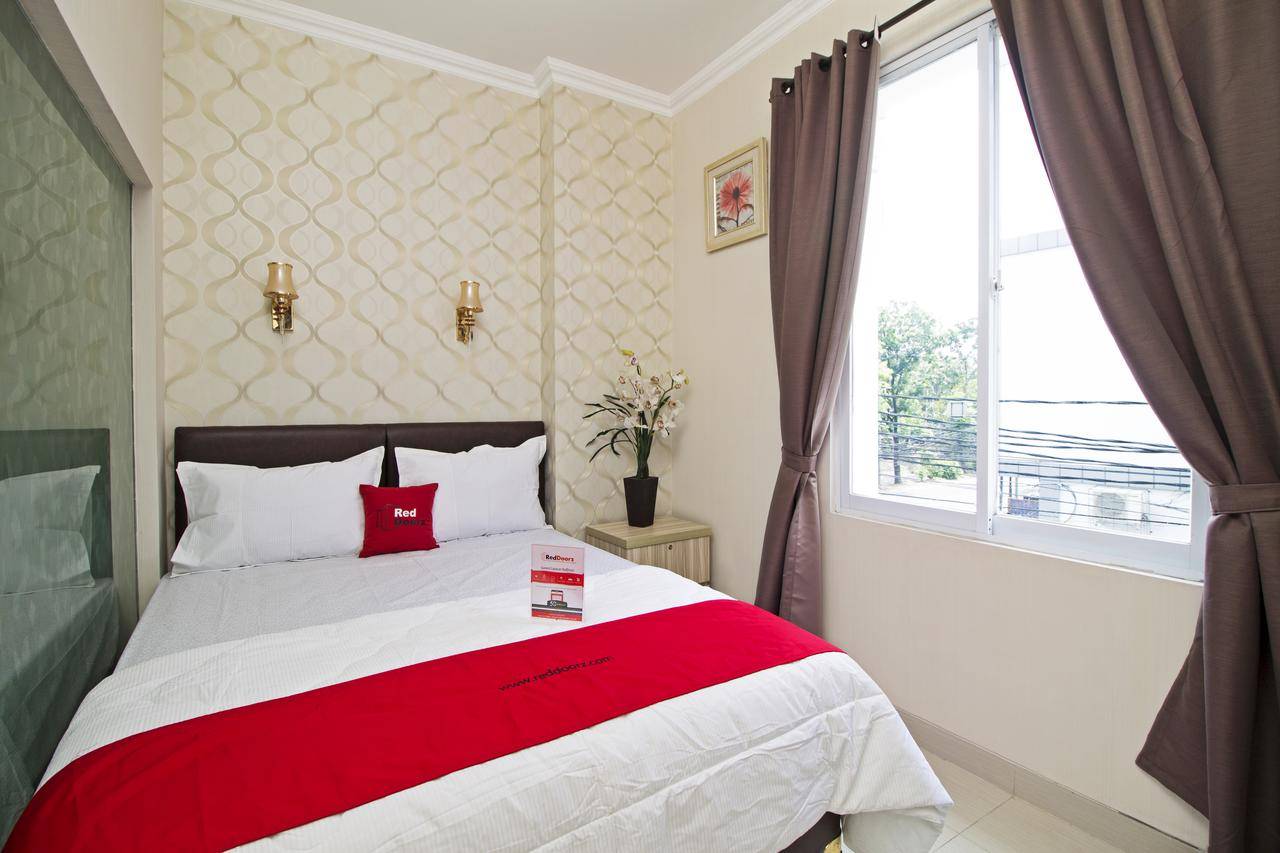
  • RedDoorz Raises $11m to Fund Expansion in Indonesia, SE Asia

    RedDoorz Raises $11m to Fund Expansion in Indonesia, SE Asia

    Singapore-based online hotel booking platform RedDoorz announced on Tuesday (06/03) that it has secured $11 million in funding from several global investment capital firms as part of efforts to strengthen and expand its business in Southeast Asia.

    The company, established in 2015, received funding from several sources, including United States-based Susquehanna International Group, the International Finance Corporation (the World Bank’s investment arm), the Asia Investment Fund, Singapore’s InnoVen Capital and Jungle Ventures, which has been involved in previous funding.

    New investors also include Hong Kong-based DeepSky Capital and Hendale Capital, and Singapore’s Feng He Group, among other participants.

    “With a solid team, right investors and good market targets, we are confident that we will be able to grow greatly in the region,” Reddoorz founder and chief executive Amit Saberwal said in a statement.

    He said Indonesia has great potential as the country with the largest number of internet users in the region, along with a growing online and e-commerce market, citing a joint study by Google and Singapore’s Temasek Holdings, released in May 2016.

    The study projected that regional online travel accommodation market will increase to nearly $90 billion by 2025, compared with $5.6 billion in 2015. Indonesia is expected to account for about a third of that projected growth.

    The company said it will use the fresh capital to acquire 100 new properties fully operates by RedDoorz, and 1,000 properties managed by the company’s partners across Southeast Asia, within the next 18 months.

    RedDoorz currently has 500 properties in the region and it has served more than 700,000 customers since its establishment.

    In Indonesia alone, the company offers about 3,000 rooms in 16 cities for rent on its platform. The company currently employs 160 staff in the archipelago.

    RedDoorz recently launched a 65-room fully leased and operated property, located between East Coast Road and East Coast Park in Singapore.

  • Indonesian fashion e-commerce app LYKE shuts down

    Indonesian fashion e-commerce app LYKE shuts down

    Indonesian fashion e-commerce app Lyke is shutting down, and is encouraging its users to transfer to the JollyChick app.

    Lyke says most of its employees will be joining Chinese fashion and lifestyle e-commerce startup JollyChic, which entered the Indonesian market last year.

    CEO Bastian Purrer says the company has been struggling to survive on its sales revenue despite having secured 1.6 million users.

    He also says the popularity of bank transfers as a payment method has also contributed to the shutdown, as they are relatively costly for e-commerce platforms to maintain.

    While the company’s marketing and business team is set to join JollyChic, its developer team will stay with Lyke during the transition period.

    Launched in February 2016, Lyke is an aggregator app for online fashion and beauty stores. It also offers a personalised service so users can follow their favourite shops and brands.

    The company raised nearly US$4 million in series-A funding in August 2016.

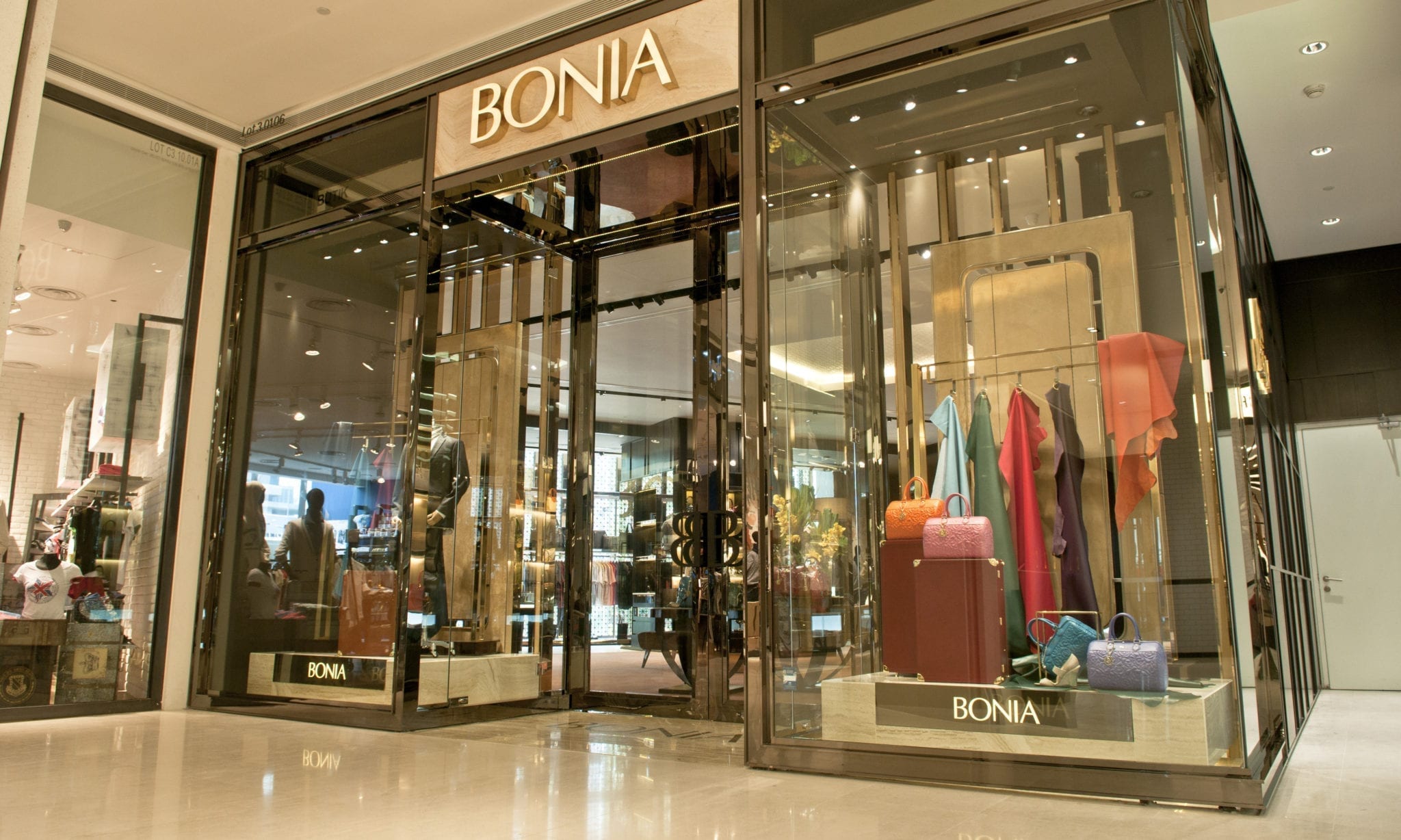
  • Fewer sales, but more profit for Bonia

    Fewer sales, but more profit for Bonia

    While Malaysian fashion retailer Bonia sold fewer handbags in its second quarter, it did manage to grow its net profit.

    It achieved a net profit of RM11.99 million (US$3 million) for the period, to the end of December, up 8 per cent. It attributes the upswing to lower running costs and improved gross profit margins.

    Quarterly revenue dropped 7 per cent to RM160.34 million, Bonia saying this had been anticipated because of the closure of counters as part of a rationalisation process.

    However, the lower revenue was offset by improved gross profit margins, up 5 per cent.

    Year-end sales and the festive season boosted revenue and operating profit to RM15.35 million.
    Business in Indonesia, Singapore and Vietnam was hit by weak consumer sentiment.

    Still, the quarterly growth was not enough to stem the fall on its half-year earnings, which saw net profit slide 31 per cent to RM13.3 million. Revenue contracted by 10 per cent to RM279.23 million.

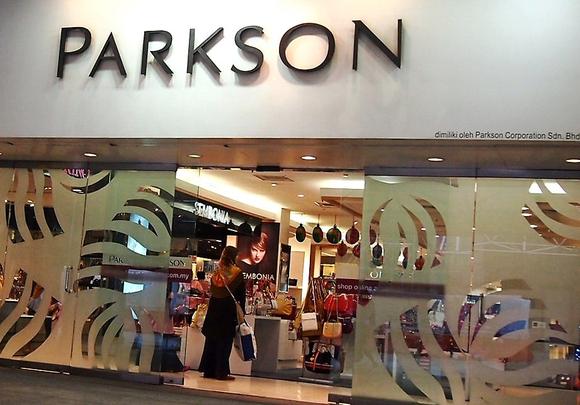
  • Parkson Holdings’s second-quarter looks bad

    Parkson Holdings’s second-quarter looks bad

    Despite slight revenue growth, Parkson Holdings’ retailing division ended its second quarter with a loss.

    For the first half, its interim financial report shows there was 3 per cent growth in revenue to RM1.9 billion (US$485.9 million) with an operating loss of RM9 million.

    For the second quarter, to the end of December, the department store group’s revenue grew by 16 per cent to RM1 billion, mainly from higher consumer spending for year-end festivities and holiday seasons. The higher revenue coupled with continued business efficiencies enabled the group to move out of the red with an operating profit of RM27 million.

    After accounting for impairment losses of RM36 million, the group had a loss before tax of RM3 million for the quarter.

    Performance by location:

    Malaysia

    Parkson Malaysia had 4 per cent revenue growth to RM505 million for the six months thanks to the contribution of new stores. However, same-store sales shrank 4 per cent, attributed mainly to the absence of Hari Raya buying following a shift in the festive calendar. This meant the operating loss of RM20 million was higher than a year ago.

    Parkson Malaysia had 45 stores at the end of December after opening two stores and closing two underperforming stores.

    China

    Parkson China, the major contributor of the group’s retail business, had encouraging returns from its transformation strategies, says the company. Same-store sales growth was 3 per cent and 2 per cent respectively for the quarter and year to date, with revenue increasing by 4 per cent to RM1.3 billion for the first half.

    This enabled Parkson China to report an operating profit of RM32 million against a loss of RM85 million a year earlier.

    At the end of December, the group had a network of 48 stores in 30 cities.

    Myanmar/Vietnam

    Same-store sales growth for Parkson Vietnam sagged 5 per cent for the first half amid intense competition, while the contribution of the Myanmar business remained negligible.

    The group had six stores in Vietnam and one in Myanmar at the reporting date. However, the group is about to close its fourth location in Vietnam, Parkson Flemington in Ho Chi Minh City.

    This follows the closure of Parkson Keangnam (Hanoi) in 2015, and Parkson Paragon (Ho Chi Minh City) and Parkson Viet Tower (Hanoi) the following year.

    Indonesia

    Same-store sales were also negative for the first half in Indonesia, falling 8 per cent with revenue lower at RM86 million, largely impacted by the absence of festive spending following the shift in the Lebaran celebration. There was an operating loss of RM13 million.

    Following the closure of two stores in Jakarta during the first half, the group ended the year with 15 outlets in Indonesia.

  • Indonesia Governement to Slash Taxes on Electric Cars

    Indonesia Governement to Slash Taxes on Electric Cars

    Indonesia plans to scrap some taxes on electric cars as part of efforts to realize the country’s vision of low-emission models making up at least a fifth of all vehicles produced in the archipelago by 2025.

    Depending on the model, electric vehicles are currently subject to up to 40 percent luxury tax and up to 40 percent import tax.

    Prestige Image Motorcars, the importer of Tesla electric cars, is currently selling the Tesla Model X 75D sports utility vehicle for $200,000 in Indonesia – at almost double its price in the United States, due to the added taxes.

    This severely limits the adoption of electric vehicles in Indonesia, restricting it to a niche market, but the government is adamant that it wants to change this.

    “The luxury tax on electric vehicles will be zero percent and import tax will be 5 percent. But [it is not yet final], as we are still discussing it,” Industry Minister Airlangga Hartanto said on Monday (26/02).

    Lower-priced electric vehicles are expected to increase demand and encourage more people to purchase them. This may in turn convince automakers to establish production facilities here.

    Airlangga said the government is currently formulating a roadmap to encourage the local industry to produce more low-emission vehicles, including electric cars.

    “We have completed a stage where we produce cheap and energy-efficient cars. Now we need to move fast to build hybrid cars and electric vehicles,” Airlangga said.

    The minister said the government has set a target requiring 20 percent of all vehicles produced in Indonesia to be hybrid or electric by 2025.