Tag: Indonesia

  • Google, Temasek Coming in as New Investors in Indonesia’s Go-Jek

    Google, Temasek Coming in as New Investors in Indonesia’s Go-Jek

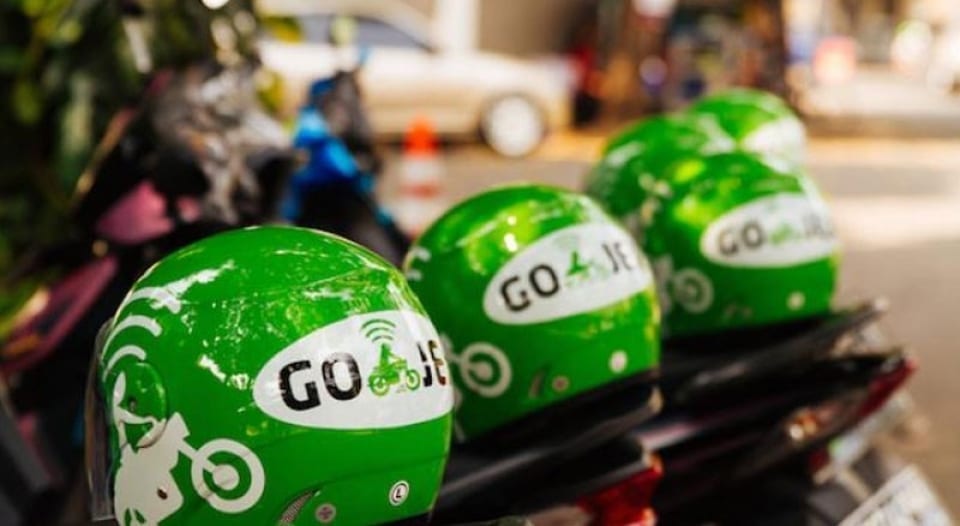
    Google, Singapore state investor Temasek Holdings and Chinese online platform Meituan-Dianping are investing in a fundraising round of Indonesian ride-hailing startup Go-Jek, sources familiar with the matter said.

    Go-Jek’s existing investors, such as global private equity firms KKR & Co and Warburg Pincus, are also participating in the funding round, which is raising about $1.2 billion in total, the sources said.

    They said the funding round opened last year and is expected to close in a few weeks.

    The funding by prominent investors including Google gives Go-Jek greater firepower to tackle competition at home from Grab and Uber Technologies, which are viewing Indonesia, Southeast Asia’s most populous country, as a large potential market.

    “As a strategic investor, Google can add a lot to Go-Jek’s business,” said one source.

    It was not immediately clear how much the investors are pumping in individually.

    Google, KKR, Warburg and Temasek declined to comment. Meituan-Dianping and Go-Jek did not immediately respond to requests for comment. The people declined to be identified as they were not authorized to speak to the media.

    Go-Jek, which began as a ride-hailing app for motorcycle taxis, operates mainly in Indonesia but is developing a food delivery business. Its mobile payment business, Go-Pay, is also growing rapidly.

    Reuters reported last year that JD.com was investing about $100 million in Go-Jek. This followed an investment by Chinese social media and online entertainment firm Tencent Holdings, which is also an investor in JD.com.

  • Pertamina Needs Up to $70m to Support National Single-Price Fuel Scheme

    Pertamina Needs Up to $70m to Support National Single-Price Fuel Scheme

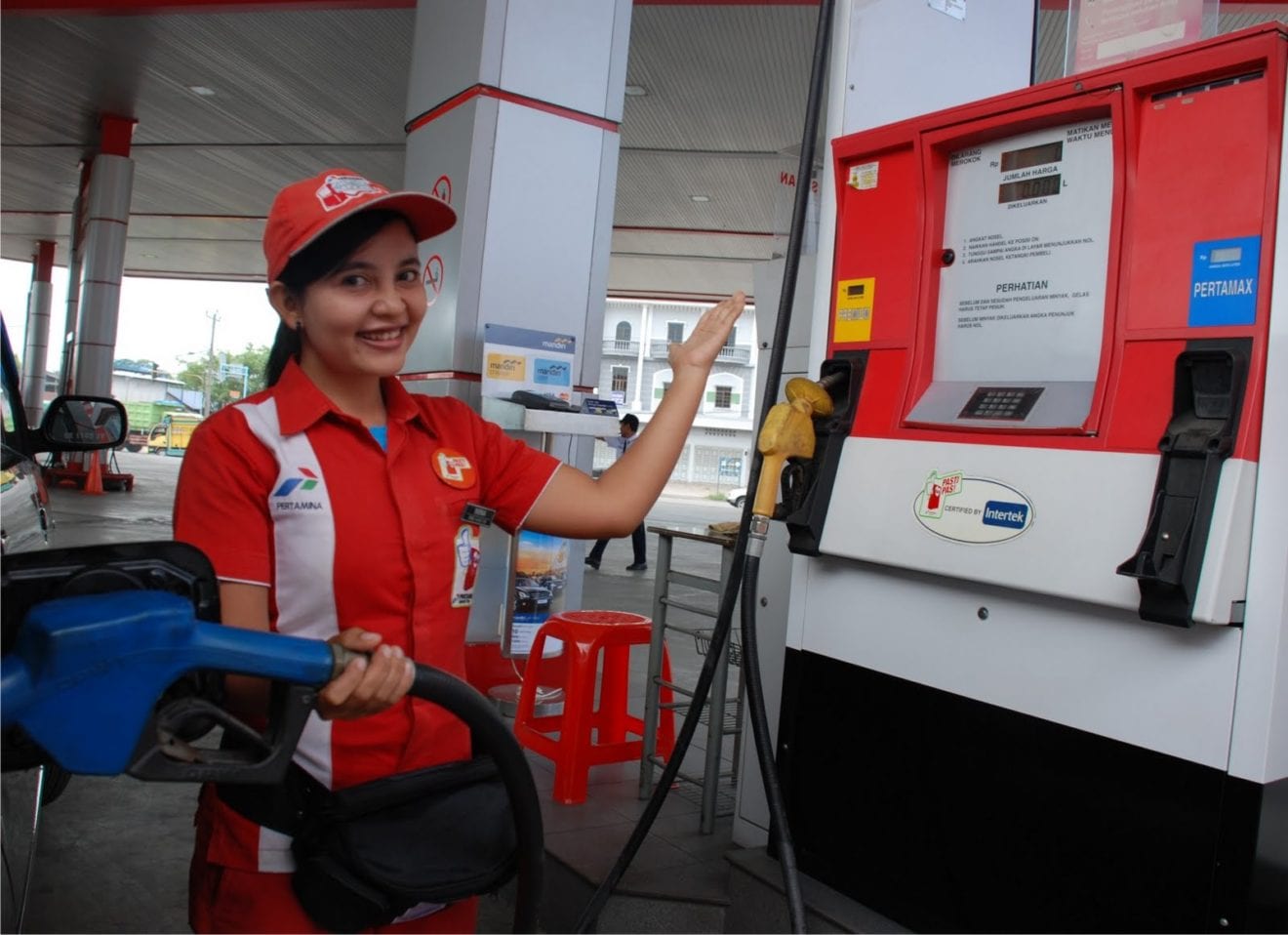
    State-owned energy company Pertamina needs to spend around Rp 800 billion to Rp 1 trillion ($70 million) this year to support the government’s single-price fuel scheme in 54 of the country’s most remote areas, a minister said on Monday (08/01).

    The administration of President Joko “Jokowi” Widodo initiated the single-price fuel scheme in October 2016 to provide cheap, subsidized fuel in remote areas to help spur growth.

    According to Energy and Mineral Resources Minister Ignasius Jonan, Pertamina needs as much as Rp 1 trillion to help fund logistical, operational and development costs to distribute the fuel in the country’s hard-to-reach districts.

    Pertamina has been tasked with developing a total of 150 fuel distribution facilities by the end of 2019, estimated to cost about Rp 3.8 trillion in total. The government targets to offer the same fuel prices across the country at Rp 5,150 per cubic meter for subsidized diesel and Rp 6,450 per cubic meter for low octane “Premium” gasoline.

    “[Subsidized] fuel products are very important, especially in the frontier, outermost and most remote areas, in which the disparity [with big cities] is pretty high. This is a three-year program as [reaching] the areas is not easy,” Jonan said in a press conference on Monday.

    Since former President Susilo Bambang Yudhoyono’s administration, the government has continuously liberalized fuel distribution businesses to the private sector from, previously, Pertamina.

    Last year, the state-controlled company, along with privately owned chemical distribution company AKR Corporindo, built a total of 57 fuel distribution facilities: Pertamina developed 54 of those facilities. In total, the new facilities have a combined distribution capacity of 48,000 kiloliters per year.

    However, last year, distributors from Pertamina and AKR only distributed 11,000 kiloliters of Premium gasoline and 6,000 kl of subsidized diesel.

    For the 2018-2022 period, the government has appointed Pertamina and AKR to procure subsidized fuel products in the country.

  • The Golden Gaytime skips Indonesia market

    The Golden Gaytime skips Indonesia market

    Under social-media fire in Indonesia over its Golden Gaytime ice-cream brand, Unilever has issued a statement to say the brand is not even sold in the country.

    Protesters say the name and design promote LGBT rights, a big issue in Indonesia. The outrage follows social-media posts featuring a Rainbow Gaytime ice-cream bar that is not an official product but a tribute concept created by an Australian fan for Sydney’s Mardi Gras festival. The posts went viral, followed by ugly comments and calls to boycott Unilever subsidiary Wall’s.

    Unilever Indonesia clarified that the ice cream was not a product of Wall’s Indonesia. It said it has been in Indonesia for 84 years and respected and upheld the cultural and religious values and norms of the country. It also said Wall’s brand was halal certified in Indonesia, and had won an award for its efforts in this area.

    Golden Gaytime first released in Australia in 1959, keeping its name despite the change in connotation of the word “gay”. In recent years, as with the rainbow edition, it has embraced the modern use of the word.

  • Indonesian Gov’t to Modernize Thousands of Traditional Markets

    Indonesian Gov’t to Modernize Thousands of Traditional Markets

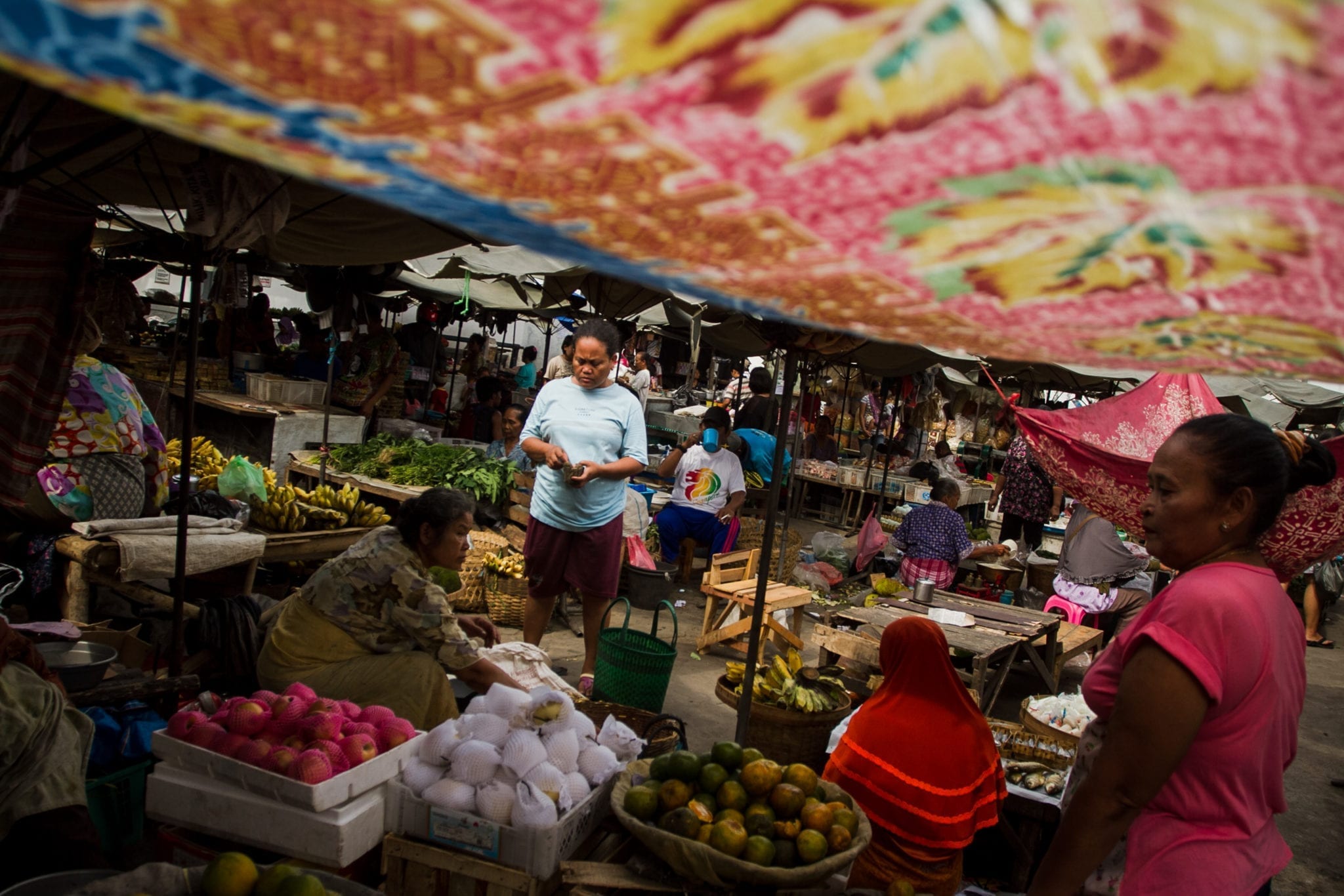
    Indonesia will refurbish 1,592 traditional markets across the country this year as part of President Joko “Jokowi” Widodo’s nine-pronged and domestic-focused Nawacita development program, its Trade Minister Enggartiasto Lukita said on Thursday (04/01).

    A total of Rp 5.5 trillion ($409 million) will be made available to modernize 267 markets through co-administration funding (TP), 1,275 markets through special allocation funding (DAK) and 50 markets under the management of the Cooperatives and Small Businesses Ministry.

    Enggartiasto said the government faces many challenges in trying to modernize traditional markets, ranging from budget limitations to protests from market sellers.

    “It’s not easy to rebuild or move [traditional] markets. Moving an old market always raises problems… even if we only move it 500 meters away from its original site. The sellers never want to move,” Enggartiasto told reporters during a press conference in Jakarta.

    The ministry’s director general of national export development, Tjahya Widayanti, warned regional administrations to treat sellers fairly when they refurbish a market.

    “Don’t abandon the old merchants. [City administrations] should reserve stalls at the new market for them, not just for new sellers coming in,” Tjahya said.

    The government will focus on refurbishing traditional markets in the suburbs this year — mostly markets that are open at least twice a week and comprising at least 50 sellers in a 500-square meter area.

    It will also refurbish some weekly markets with at least 500 sellers in a 500-square meter area.

    The government has already refurbished 2,715 traditional markets since 2015 till last year, out of an eventual target of 5,000 markets by 2019.

  • AirAsia to close Surakarta-Kuala Lumpur route

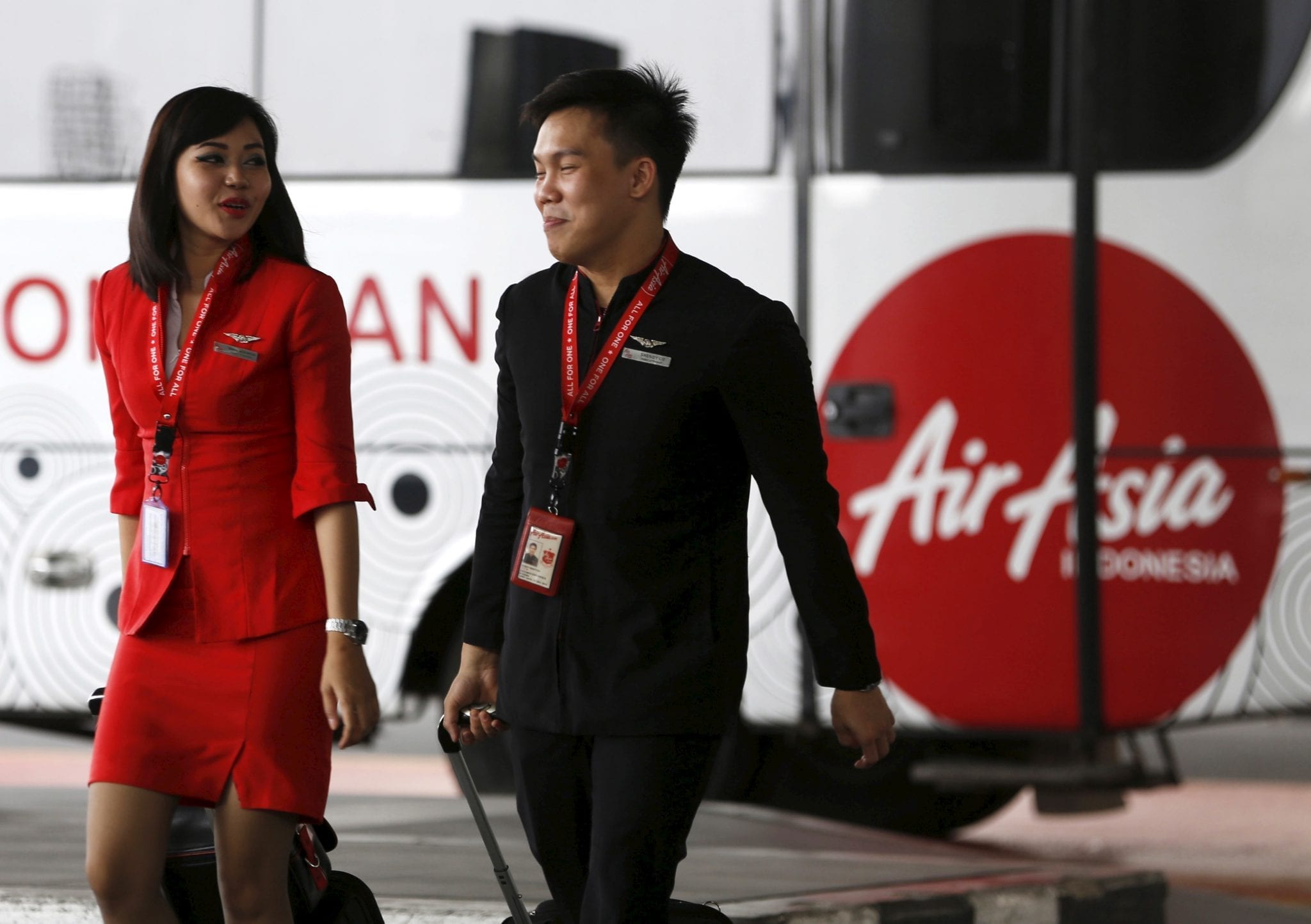
    Low-cost carrier AirAsia is set to close on Jan. 16 its route from Surakarta in Central Java to Kuala Lumpur.

    AirAsia Berhad commercial head Spencer Lee told Antara news agency that the closure was due to commercial reasons.

    The airline is currently spreading the news among passengers through email and text messages. Those affected by the closure will receive a full refund or be allowed to change their flight by taking off from Semarang, Central Java, or Yogyakarta.

    Despite the move, Lee assured the carrier was still committed to adding more flights to Indonesia this year.

    Meanwhile, Purwanto, operation and service department manager of state-owned airport operator PT Angkasa Pura I at Adi Soemarmo International Airport in Central Java, said the operator had heard about the news, but has yet to receive an official confirmation from the carrier.

    “Based on our data, the average number of passengers for the route is relatively high, up to 70 percent capacity,” Purwanto said.

  • AirAsia’s Indonesian arm becomes part of AirAsia Indonesia

    AirAsia’s Indonesian arm becomes part of AirAsia Indonesia

    PT Indonesia AirAsia (IAA), the Indonesian arm of Malaysia-based low-cost carrier AirAsia Bhd., has officially become part of publicly listed company PT AirAsia Indonesia (AAI) following the completion of a recent acquisition.

    The former acquired a 57.25 percent shareholding in the latter on Friday.

    Jakarta-listed PT Rimau Multi Pratama (RMPP) was renamed AAI after the conclusion of its rights issue and divestment of its coal trading and transportation business on the same day.

    In the rights issue, IAA’s shareholders, namely PT Fersindo Nusaperkasa (FN) and AirAsia Investment Ltd (AAIL), acted as standby buyers of the new stocks issued by AAI.

    Overall, the transactions have allowed IAA to control the majority stake in AAI, while FN and AAIL hold the remaining 42.75 percent.

    AirAsia Group CEO Tony Fernandes said its move in Indonesia followed the listing of AirAsia business entities in the stock markets in Malaysia and Thailand.

    “The corporate deal will bring us closer to the One AirAsia vision with which we plan to list all of our business units in ASEAN on the stock market,” said Fernandes in a press statement on Friday.

    AirAsia said in August that it opted for a backdoor listing through publicly listed firm RMPP to expand its business in Indonesia. The decision was made to avoid lengthy and costly procedures that normally result in an initial public offering (IPO).

  • Bukalapak teams up with TIKI to ease delivery

    Bukalapak teams up with TIKI to ease delivery

    E-commerce platform Bukalapak kicked off on Wednesday the expansion of its partnership with courier service and logistics company TIKI to facilitate small and medium enterprises (SMEs) in selling their products.

    The new partnership will enable vendors to accelerate product delivery.

    For instance, TIKI provides a “booking code” feature in which vendors can fill in the data of senders and receivers online before sending the packages. When vendors arrive at a TIKI branch, they do not need to wait for TIKI employees to fill in the information anymore.

    “There will be [system] integration between Bukalapak and TIKI. The new features will be launched soon,” Bukalapak co-founder and chief financial officer Muhammad Fajrin Rasyid told at its headquarters in Kemang, South Jakarta.

    Another new feature offered to vendors is pick-up service that allows TIKI couriers to pick up goods from the vendors’ locations. Bukalapak has more than 1.7 million vendors with more than 38 million products offered on its online marketplace. About 500,000 vendors at Bukalapak use TIKI’s services.

  • Indonesian Retail Sector Sees More Growth

    Indonesian Retail Sector Sees More Growth

    Despite the expected sluggish economic growth this year, Indonesian food and clothing retailers are gearing up for expansion to capture a greater share of the middle class and its higher income.

    “Expansion is crucial for the retail industry to boost sales turnover, other than renovating old branches,” said Tutum Rahanta, executive at Indonesian Retailers Association (Aprindo), adding he estimated sales turnover from the nation’s retailers to grow between 10 percent and 12 percent this year.

    Last year, Aprindo’s data showed turnover at Rp 150 trillion ($12.75 million).

    Tutum added that competition between retailers is intensifying, so companies must take risks by expanding.

    He said if expansion is delayed, a retailer may lose its market share.

    One retailer eager to expand is Hypermarket operator Matahari Putra Prima, which plans to open 20 new branches over this coming year.

    The company, which is controlled by the Lippo Group, has set aside Rp 700 billion for capital expenditure this year, an increase of 7 percent from 2013, most of which will be used for financing expansion of outlets in eastern Indonesia.

    Danny Kanjongian, corporate communication director at MPP said in January the company plans to open up to 22 outlets this year, mostly in the eastern islands of the country.

    “The company’s cash generation capability is strong, so it can support expansion plans,” Danny told reporters on Friday on the sidelines of an inauguration ceremony of a Foodmart Gourmet outlet in Cilandak Town Square, South Jakarta.

    As of the end of last year, MPP operated 99 Hypermart outlets in as well as 97 Boston Health & Beauty stores and 30 Foodmart outlets.

    Other retailers in different segments, including supermarket chain operator Indomarco Prismatama, department store Ramayana Lestari Sentosa, fashion retailer Mitra Adi Perkasa and electronic retailer Ace Hardware are also in expansion mode.

    Indomarco, controlled by Salim Group through Indoritel Makmur Internasional, the operator of Indomaret, plans to spend Rp 1.3 trillion adding 1,300 new outlets.

    Ramayana, which sells clothes to low-income consumers, plans to spend Rp 350 billion adding six branches this year.

    Mitra Adi Perkasa, which sells a number of well-known fashion brands, is also keen on a massive expansion with previous reports suggesting plans to spend up to Rp 600 billion opening 250 new outlets across the country.

    Despite increasing competition and ballooning expenses, retail businesses in Indonesia will continue to grow over the next few years, according Maybank Kim Eng Securities analyst Janni Asman.

    The country’s growing purchasing power and living standards are the catalyst to that growth, Janni said.

    Indonesia, over the past few years, has been the darling of the investment community, with economic growth of around 6 percent each year since 2007 to 2012 though it is predicted to slow in 2014.

    Gross domestic product has increased five times within 10 years and GDP per capita has increased four times to around $5,000 now.

  • The McDonald’s rendang burger lands in Indonesia

    The McDonald’s rendang burger lands in Indonesia

    McDonald’s Indonesia has introduced the rendang burger to celebrate the country’s 72nd anniversary of independence and being the burger and fast-food lovers that we are, we just had to try it.

    After all, what better way to honor Indonesian culture than bring one of its top dishes—which has even been regarded as the world’s most delicious food—in fast-food burger form to the masses? While the fast-food giant has released similar short-term specials, this rendang burger in its latest iteration, is sold as part of a special menu titled “Ini Rasa Kita” (this is our flavor). The menu is available from July 28 til September 10, 2017.

    The special menu includes three rendang burger options: your classic rendang burger with a single patty, the double rendang burger, and the rendang burger special, which has one patty and a fried egg on top. There’s also a limited edition soda belimbing (starfruit) you can order as a part of a meal package if you’re feeling particularly adventurous. 

    We’ve comprehensively tasted and reviewed Bali’s best burgers so we feel pretty confident about our ability to give you the 411 on McDonald’s ‘culturally adapted’ new number. Just sayin.

    Going in to Bali’s Jimbaran Ngurah Rai By Pass McDonald’s with a ‘go big or go home’ mentality, we ordered ourselves the rendang burger special, which set us back Rp 40k (USD2.99) a person since we went for the meal combo. Gotta get those salty McD fries, after all. 

    Upon unboxing the special rendang burger, we’ve got to tell you it’s a bit smaller than we expected since McD’s promotional photos make it look like a juiced up burger compared to their standard menu—but it turns out the rendang burger is just your classic McD cheeseburger with special toppings. Same nice greasy, cheesy taste, just nothing amped up quality-wise. Another thing we immediately noticed were the giant slices of onion on top. While those appeared a bit off-putting at first, they’re a nice textural addition to the greasy fried egg and thin standard beef patty.

    As far as the actual rendang seasoning goes, please don’t expect the tastiest slow cooked rendang from your favorite padang kitchen. Have you had Indomie rendang before? Because the spice packaging that comes with the instant noodles is exactly what the McDonald’s rendang sauce recipe tastes like. MSG-filled and a bit too ‘instant mix’ on the tongue to be that slow-cooked, creamy and rich coconut-milk spiced sauce that’s earned rendang world fame.

    That said, we loved the rendang special burger as a quick bite and anticipate some late night McDonald’s visits in the next couple of weeks to get our MSG and fast food fix.

  • Jollibee to open 15 more outlets in Singapore, eyes 150 in Indonesia

    Jollibee to open 15 more outlets in Singapore, eyes 150 in Indonesia

    The famous Philippine chicken joy is spreading its wings across Asia as home-grown fast-food chain Jollibee announced Friday its plans for expansion in Singapore and Indonesia.

    Dennis Flores, Jollibee president and head of international business in Europe, Middle East, Asia and Australia, confirmed that 15 more outlets will be opened in Singapore in the next five years.

    He also revealed the company’s long-term expansion plans in Indonesia.

    “We’re looking at putting up no less than 150 stores in Indonesia over the next 10 years,” Flores told ABC-CBN News.

    Jollibee opened its first outlet in Singapore in 2013 located at Lucky Plaza, a known hub for overseas Filipino workers. Flores said, a 6th outlet will open at Jurong East in April 2018.

    He said the growing number of Singaporean patrons is proof that “Jollibee’s offerings have greatly appealed to the taste buds of the locals.”

    Aside from Indonesia and Singapore, Jollibee is looking into growing its international store network in Malaysia and Macau.

  • Is e-commerce taking over sales in Indonesia?

    Is e-commerce taking over sales in Indonesia?

    The growth rate for retail stores is now at single-digit levels, falling from above 10% in recent years. Online shopping is shouldering part of the blame, but the main culprit is a slowdown in overall consumer spending — long the driver of Indonesia’s economy — due to sluggish wage growth.

    Since the busy Ramadan shopping season ended in the summer, Indonesian consumers apparently have tucked away their wallets, at least at brick-and-mortar establishments. Retail store sales in October 2017 grew by an anemic 1.3% from a year earlier, according to preliminary data released by Bank Indonesia, the country’s central bank.

    This is causing store closures across the country, where the modern retail business model had entrenched itself over the years. At the end of June, all Indonesian 7-Eleven convenience stores closed their doors. In September 2017, Matahari Department Store, the nation’s largest department store chain, shuttered two southern Jakarta stores.

    Same-store sales of the chain over the first nine months of the year fell 2.7% from the same period last year.

    The recent lack of foot traffic at a major Jakarta department store typified the trend. As some 40 clerks stood idly chatting away, a nearby supermarket swarmed with shoppers.

    Many of the vacant store fronts in the country’s commercial centers are due to the increase in e-commerce. According to one survey, online sales surged 22% in 2017 from the previous year to around $7 billion.

    A bevy of powerful e-commerce sites — among them Tokopedia, one of Indonesia’s largest online marketplaces, and Alibaba Group Holding’s Lazada — are siphoning shoppers away from stores, a trend that shows no sign of abating. Online sales are projected to keep climbing at a brisk annual rate of around 20% for the foreseeable future.

    The growth in smartphone usage has also spurred online shopping, especially in rural areas where modern retail shops are still few and far between.

    But the rise in online shopping tells only part of the story. The main reason for tepid consumer spending is weak wage growth. The minimum wage growth rate will slow to 8.71% in 2018, the lowest in recent years, according to the government, noting that relatively low-income earners will be hit particularly hard.

    As recently as 2013, minimum wages had soared more than 40%, fueling the country’s free-spending ways. Now, consumers are being forced to cut back in order to save for future outlays, such as on housing and education. This has put a crimp on spending for even daily products.

    With a population of over 250 million, Indonesia is the largest consumer market in Southeast Asia. Many economists say the country’s consumption will continue to rise over the long term.

    There is little doubt, however, that Indonesian’s retail industry is facing a crisis of sorts, and the government is not helping with the situation.

    If this trend continues, the ensuing shock waves may hit other sectors of the economy, possibly dampening foreign direct investment in the country’s consumer market.

  • Indonesian Pizza Hut Operator Plans $150 Million IPO

    Indonesian Pizza Hut Operator Plans $150 Million IPO

    The company that runs Pizza Hut Indonesia plans an IPO that could raise as much as US$150 million.

    Sriboga Raturaya has taken on advisers for a listing of its foodservice and restaurant franchising unit, which also runs the Japanese noodle chain Marugame Udon.

    Shares could go on sale in Jakarta in the first half of next year, insiders say.

    Indonesia’s pizza market is forecast to expand to IDR8.81 trillion ($650 million) by 2021, up from IDR5.76 trillion last year, according to Euromonitor International. Pizza Hut had more than 70 per cent of the market last year, followed by Domino’s with 6.1 per cent.

    First-time stock sales in Southeast Asia’s largest economy raised $683 million this year, down from $1.03 billion for the same period last year, according to Bloomberg.

    Sriboga Raturaya, which started as a producer of wheat flour in 1995, also has interests in education, logistics and making food ingredients.

  • BP to expand in Indonesia

    BP to expand in Indonesia

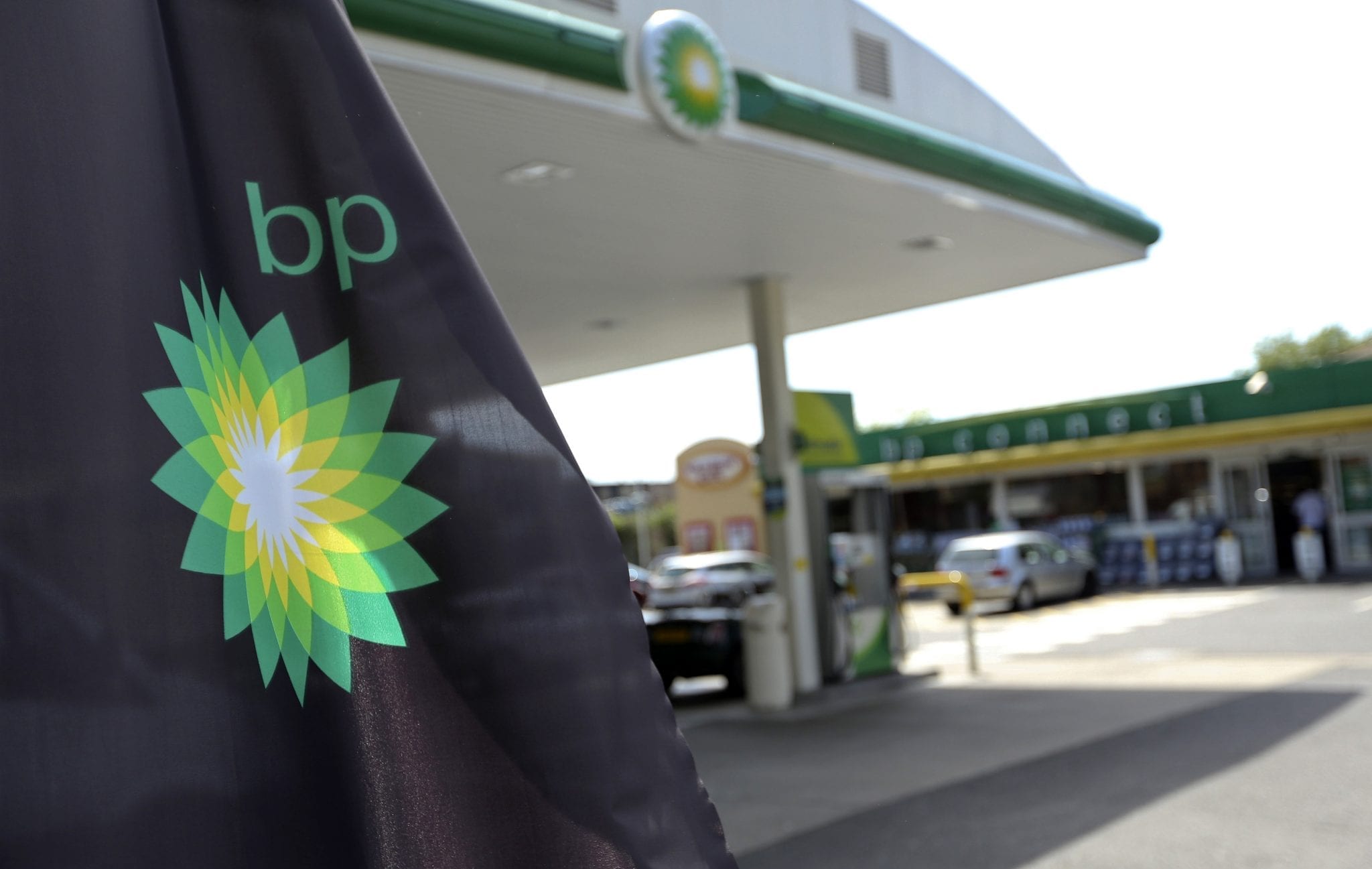
    Oil giant BP is hoping to open around 350 petrol stations and convenience stores in Indonesia over the next decade, teaming up with Indonesian petroleum and chemicals logistics company AKR Corporindo to cater for drivers in Asean’s largest market.

    The joint venture would form a company, PT Aneka Petroindo Raya, to operate as BP AKR Fuels Retail, BP said.

    The Indonesian partner is due to take a majority slice of the joint venture, with initial plans for 14 directly managed sites from the third quarter of 2018, said AKR chief executive Haryanto Adikoesoemo. Franchises would be added later.

    AKR operates around 130 Indonesian gas stations under its own brand and Adikoesoemo said the firm wanted to benefit from BP’s brand appeal and convenience store expertise. Indonesia only had about 6,000 petrol stations, he said, with many more needed to meet growing demand.

    “We are delighted to be working with AKR to help meet Indonesia’s growing demand for fuels and provide superior convenience offers,” BP’s regional chief Tufan Erginbilgic said.

    BP specialises in products like high-octane fuel and lubricants. It hopes to tap the archipelago’s growing market with food, drinks and groceries.

    This year, BP bought the retail service station business of Australian retailer Woolworths and widening its Asia-Pacific interests, according to a spokesman.

    BP is reportedly hoping that combining fuel and retail will help increase its potential in Indonesia.

    Most Indonesian petrol stations are currently run by state-owned Pertamina, preventing international firms making much headway. UK-Dutch oil giant Royal Dutch Shell runs about 80 Indonesian petrol stations.

    Meanwhile, Taiwanese state petrol corporation, CPC Corporation Taiwan, says it will be partnering with Pertamina on a new joint refinery operation in Indonesia.

    Suggested refinery sites include the Regency of Situbondo in East Java, Lampung Province or possibly Kalimantan on Borneo.

    A decision was expected by the end of January, it was reported.

    A former consultant at Pertamina, Bayu Kristano, said Indonesia was refining enough oil to meet demand and was relying on imports. It was hoped, with Taiwanese expertise and cooperation, that Indonesia would be able to boost its petrol output in the coming years.

    Multinational partnerships are a growing trend across Asean’s road networks.

    Japanese retailer Lawson is working with petrol station operators in Thailand and the kingdom’s FamilyMart does the same in the Philippines.

  • Indonesia Bourse May Snap Losing Streak

    Indonesia Bourse May Snap Losing Streak

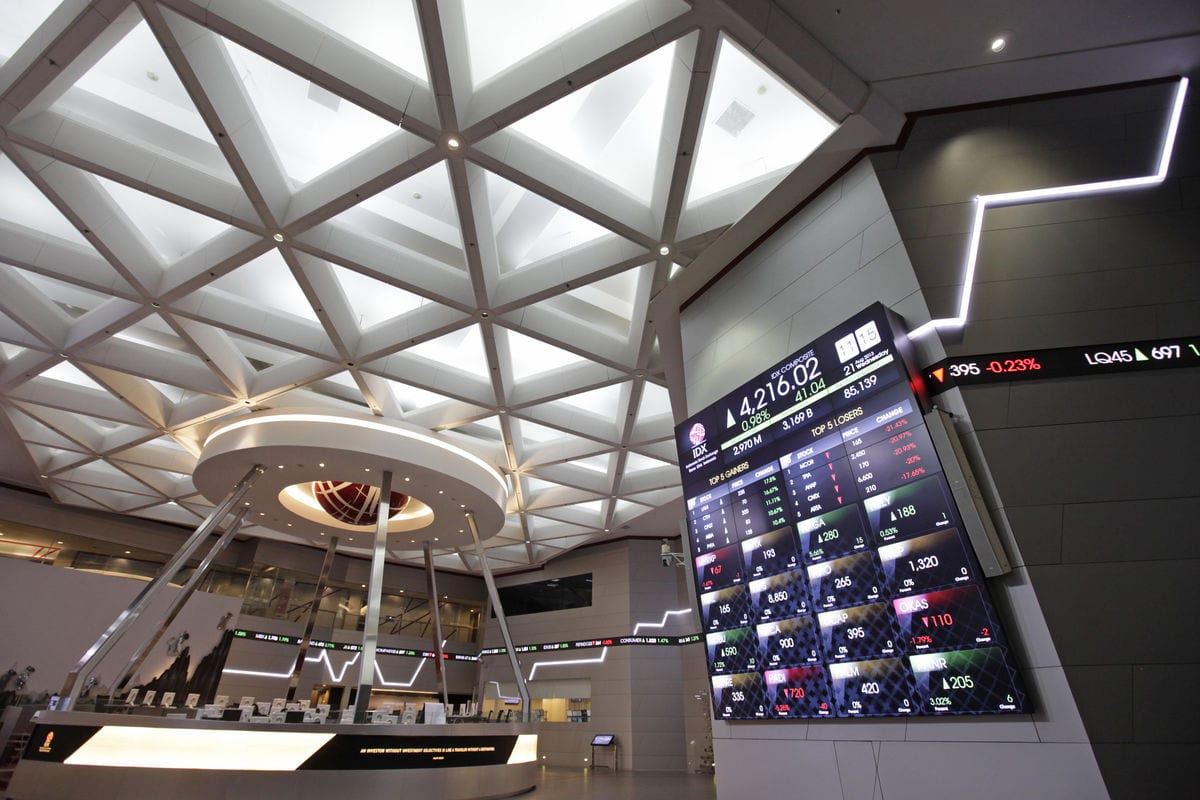
    Ahead of Friday’s holiday, the Indonesia stock market had tracked lower in back-to-back sessions – surrendering almost 120 points or 2 percent. The Jakarta Composite Index now rests just above the 5,950-point plateau, although it may tick higher on Monday as it catches up on missed positive sentiment.

    The global forecast for the Asian markets is soft thanks to political concerns in the United States, although a spike in crude oil prices should limit the downside. The European and U.S. markets were down and the Asian bourses figure to follow suit.

    The JCI finished sharply lower on Thursday following losses from the food and resource sectors.

    For the day, the index plummeted 109.23 points or 1.80 percent to finish at the daily low of 5,952.14 after peaking at 6,058.60. There were 215 decliners and 131 gainers, with 120 stocks finishing unchanged.

    Among the actives, Bank Pan Indonesia skyrocketed 13.68 percent, while Bank Danamon Indonesia plummeted 5.19 percent, Tiga Pilar Sejahtera Food plunged 5.19 percent, Jasa Marga tumbled 1.92 percent, Lotte Chemical skidded 1.62 percent, XL Axiata dropped 1.60 percent, Voksel Electric shed 0.68 percent, Bumi Resources retreated 1.96 percent, Vale Indonesia lost 0.72 percent, Indofood fell 3.62 percent and Bank MNC Internasional and Bank Mandiri were unchanged.

    The lead from Wall Street is negative as stocks opened sharply lower on Friday. They recovered in afternoon trade but still finished firmly in the red as they backed off recent record closing highs.

    The Dow slipped 40.76 points or 0.17 percent to 24,231.59, while the NASDAQ fell 26.39 points or 0.38 percent to 6,847.59 and the S&P 500 dipped 5.36 points or 0.20 percent to 2,642.22. For the week, the NASDAQ slid 0.6 percent, the Dow surged 2.9 percent and the S&P jumped 1.5 percent.

    The late-morning sell-off came on news that former National Security Adviser Michael Flynn has agreed to cooperate with prosecutors in the investigation of Russian meddling in last year’s election.

    However, stocks regained ground as Senate Majority Leader Mitch McConnell, R-Ken., declared that Republican leaders have won over enough reluctant lawmakers to pass their tax reform bill.

    In economic news, the Commerce Department reported a bigger than expected increase in construction spending in October, while the Institute for Supply Management noted a modest slowdown in the pace of growth in manufacturing activity in November.

    Crude oil futures rallied Friday after OPEC producers voted to extend supply cuts through 2018. January WTI oil climbed 96 cents or 1.7 percent to $58.36/bbl. Prices dropped 1 percent for the week.

    Closer to home, Indonesia will release November inflation data later today, with forecasts expected to show an increase of 0.3 percent on month and 3.45 percent on year following the 0.01 percent monthly increase and the 3.58 percent yearly gain in October.

  • Garuda Indonesia Cancels Flight Due to Lack of Pilots

    Garuda Indonesia Cancels Flight Due to Lack of Pilots

    National flag carrier Garuda Indonesia canceled a flight from Singapore Changi Airport to Soekarno-Hatta International Airport on Sunday due to a lack of available pilots. The plane was scheduled to depart at 10 p.m. Singapore time.

    Garuda spokesman Ikhsan Rosan said the pilots who were meant to fly that evening had flown for nine hours on Sunday – the maximum number of hours a pilot is permitted to fly in one day.

    “The pilots should fly for a maximum of nine hours a day after having flown five times but, due to delays, the pilots had reached the flying limit,” Ikhsan told on Sunday night, adding that the pilots were not immediately replaced as all available ones were in Jakarta.

    As a result, hundreds of passengers were forced to reschedule their flights on Monday as all Sunday flights were fully booked.

    One of the passengers, Rudy Bani, 39, said he was frustrated with the airlines because he had a meeting on Monday afternoon.

    “I am a frequent flyer of Garuda and this kind of thing had never happened before. This is the worst,” Rudy said.

    Passengers trying to book morning and afternoon flights on Monday reportedly had a difficult time finding available seats.