Tag: Indonesia

  • Unilever Lays Bare Palm Oil Supply Chain in Rare Industry Move

    Unilever Lays Bare Palm Oil Supply Chain in Rare Industry Move

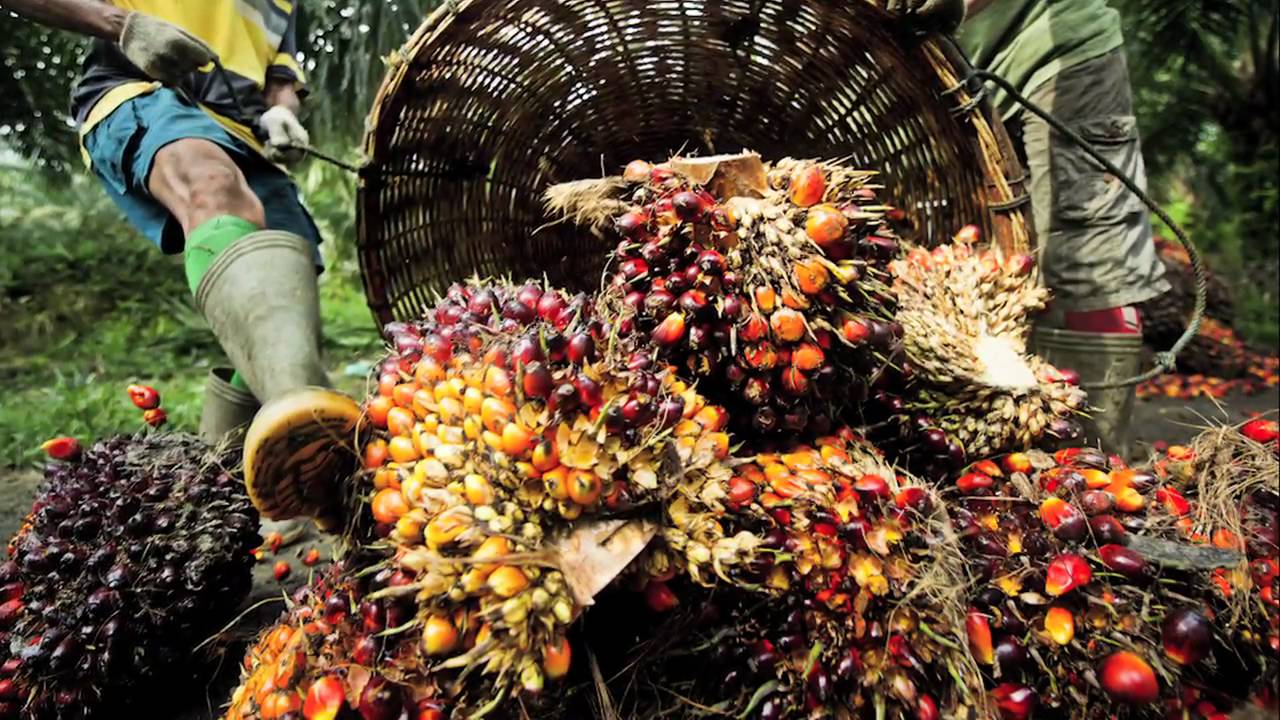
    Consumer goods giant Unilever said on Friday (16/02) it had laid bare its entire palm oil supply chain, including all the suppliers and mills it sources from, to boost transparency in a rare industry move.

    Unilever said it was the first consumer goods company to publish such details, having disclosed the location of more than 1,400 mills and over 300 direct suppliers of the oil used in products from snacks and soaps to cosmetics and biofuels.

    The $62 billion palm oil industry has been plagued by concerns about deforestation and human rights abuses in countries such as Indonesia, the world’s biggest producer.

    Marc Engel, Unilever’s chief supply chain officer, said the company hoped sharing the information would be the start of a new industry-wide movement toward supply chain transparency.

    “Unilever believes that complete transparency is needed for radical transformation,” Engel said in a statement posted on Unilever’s website.

    “This is a big step toward greater transparency, but we know there is more work to be done to achieve a truly sustainable palm oil industry and we will continue our efforts to make this a reality.”

    Unilever said transparency and the ability to trace palm oil are vital in addressing deforestation and human rights abuses.

    Palm oil supply chains are complex as the fruit changes hands many times from farmers to agents before it reaches a mill. It is then transported via traders to refineries for further processing, when it enters a company’s supply chain.

    Over the past decade, consumer activist groups have pressed big palm oil buyers such as PepsiCo, Unilever and Nestle with supermarket boycotts and other protests over palm oil’s perceived links to deforestation and human rights abuses.

    PepsiCo last month suspended procurement from a palm oil supplier over claims of labour abuses on its Indonesian plantations.
  • Indonesia Not Yet Ready for the Automated Era

    Indonesia Not Yet Ready for the Automated Era

    The government must prepare Indonesia’s workforce to be competitive to anticipate future challenges associated with coming technological advancements, especially in business, a former deputy foreign minister said on Sunday (18/02).

    The 4th Industrial Revolution (4IR) will inevitably bring changes in the economy and social structure due to exponentially expanding technological advancements, said Dino Patti Djalal, the former deputy foreign minister and also the founder of the Foreign Policy Community of Indonesia (FICP).

    According to Dino, jobs will face the greatest disruption from technology and is one of the major challenges expected to come about as a result of the advent of the 4IR. Automation, advanced robotics and artificial intelligence are expected to replace millions of existing jobs.

    Recently, around 10,000 toll road personnel in Jakarta were laid off after the government began to employ cashless transactions on major roads in the capital city.

    “Based on data from [global consultant] McKinsey, by 2050, hundreds of millions of people around the world will lose their jobs; that will occur mostly in China, which is expected to lose over 200 million jobs,” Dino said in a speech at the 21st Supermentor event hosted by FICP in Jakarta.

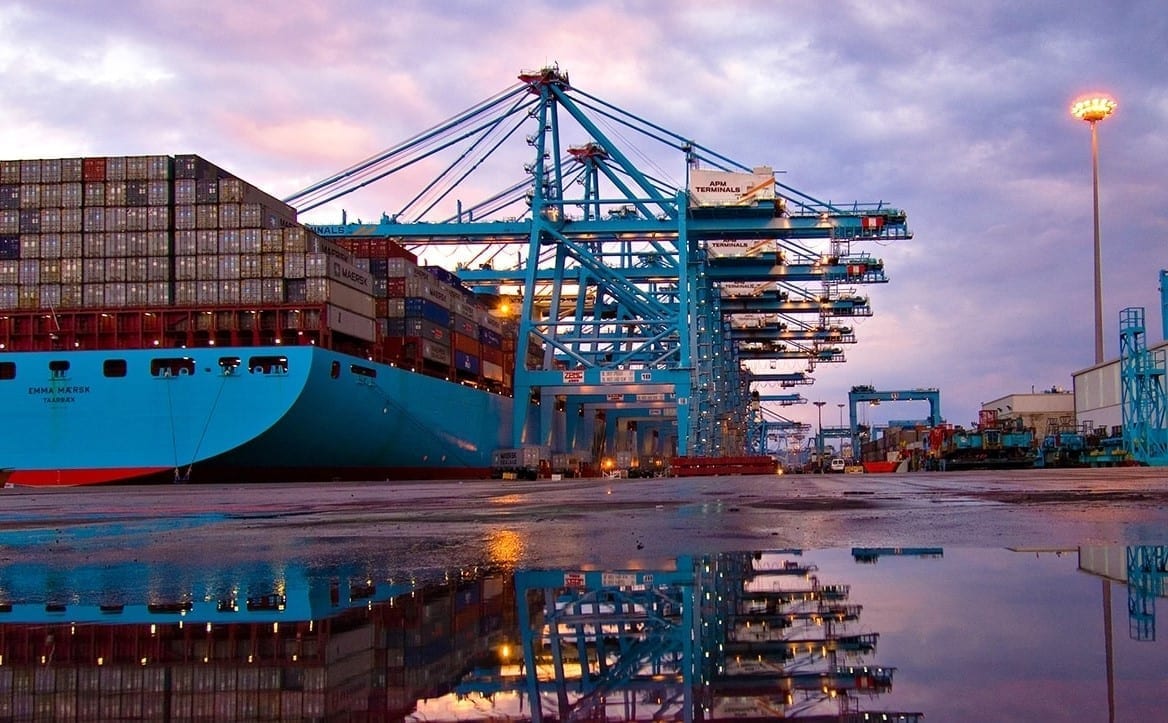
    According to state-owned China Central Television news network, Yangshan deepwater port in Shanghai, the world’s busiest container port, in December last year conducted trials on 100 pieces of intelligent equipment, including 50 driverless automatic guided vehicles, to handle cargo.

    Qingdao New Qianwan Container Terminal in China became Asia’s first automated port terminal in May last year. The port reduced the amount of workers required to unload a cargo ship from 60 to nine.

    Highly skilled workers will benefit from the technological changes but low skilled workers will have to compete with automated processes, Dino said.

    While Indonesia seems to have a long way to go before a fully automated workplace becomes commonplace, the government should start preparing to create a balance between the workforce and profitability to avoid job loss. New approaches to education are expected to rein more innovative solutions to 21st-century workplaces.

    “Nothing will change much regarding community empowerment if there is no change in education to adapt to the technology, which is currently thriving at full speed,” Dino said.

    Erik Meijer, president director of telecommunications company TelkomTelstra, said the technology utilization in jobs will increase safety as it reduces the risk of human error.

    According to Erik, jobs available over the next 10 years will be divided into “personal areas,” such as nurse practitioners, physical therapists and personal financial advisers, and “science,” which will include jobs like cybersecurity experts, developers and network engineers. Meanwhile, assembly line workers, service jobs and administrative jobs will ultimately be replaced.

    “We must be aware of the skill shifts needed in the digital era to get opportunities from technology and not be sidelined,” Erik said.

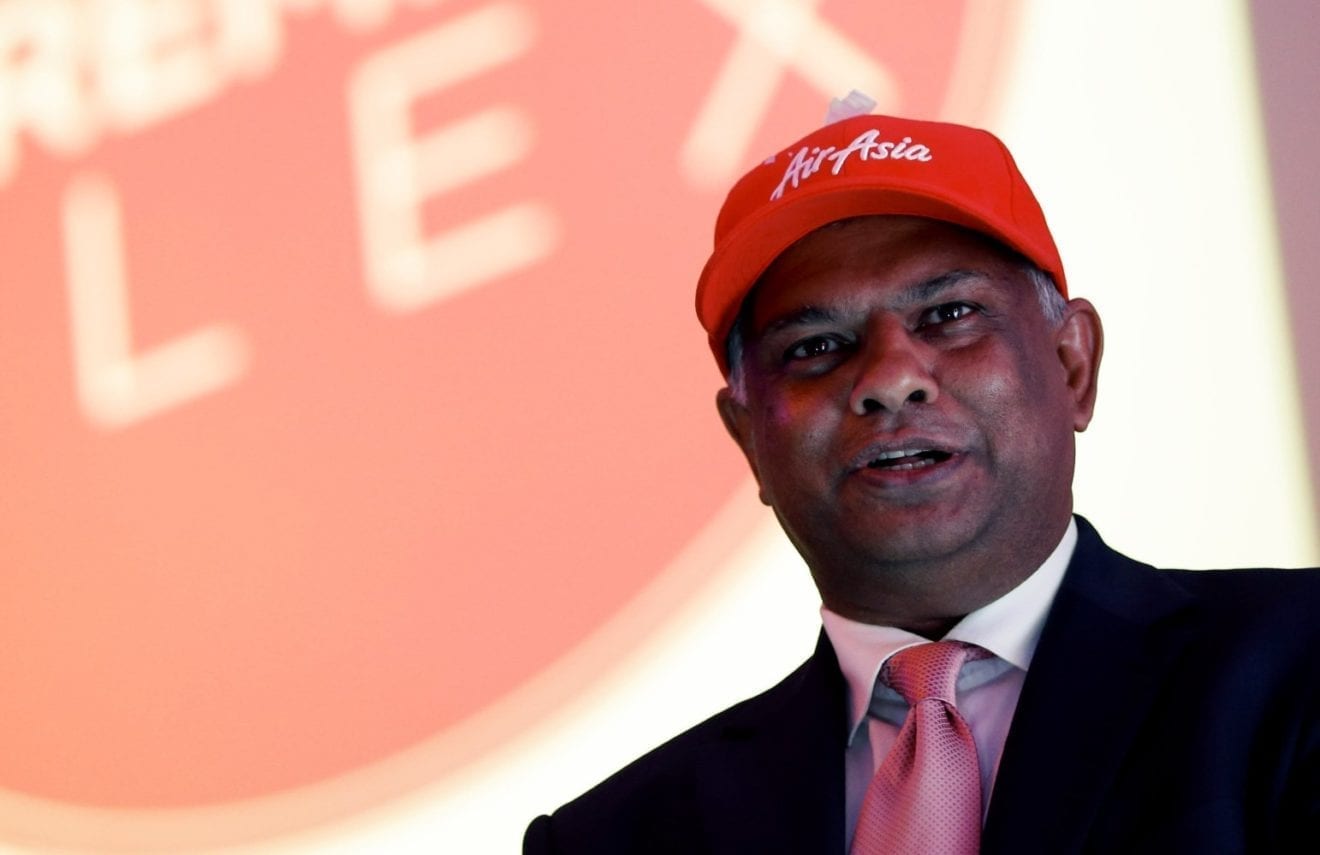
    Speakers at the event included other influential figures, including Dato Sri Tahir, founder of Mayapada Group and Tahir Foundation, and Tony Fernandes, chief executive of budget airline group AirAsia.

  • Indonesia Posts 670m Trade Deficit January highest since april 2014

    Indonesia Posts 670m Trade Deficit January highest since april 2014

    Indonesia posted a $670 million trade deficit in January as increased exports were offset by higher imports of raw materials by manufacturers, the Central Statistics Agency, or BPS, reported on Thursday (15/02).

    The deficit is the highest since April 2014, having increased from December’s $220 million deficit, which was revised down from $270 million. Indonesia only posted trade deficits in July and December last year.

    Exports increased 7.86 percent year on year in January to $14.46 billion, compared with 6.93 percent year on year in December, thanks to mining and manufactured goods. This figure however, is down 2.81 percent from December.

    According to BPS head Suhariyanto, prices of some commodities, such as copra and palm kernel oil, have declined, undermining export gains from rising coal and nickel prices.

    Imports jumped 26.44 percent year on year in January to $15.13 billion, compared with 17.83 percent year on year in December, due to purchases of electrical and mechanical machinery. This figure is 0.26 percent higher than in December.

    The imports of raw materials increased 2.34 percent in January, compared with a month earlier, while imports of consumer and capital goods declined by 1.46 percent and 7.39 percent, respectively.

    However, the imports of consumer goods, capital goods and raw materials showed double-digit growth on an annual basis, at 32.98 percent, 30.9 percent and 24.76 percent, respectively.

    Indonesia had its biggest trade deficits with China ($1.83 billion), Thailand ($211.4 million) and Australia ($178.2 million).

  • All International Flights From Jakarta Move to Soekarno-Hatta’s Terminal 3

    All International Flights From Jakarta Move to Soekarno-Hatta’s Terminal 3

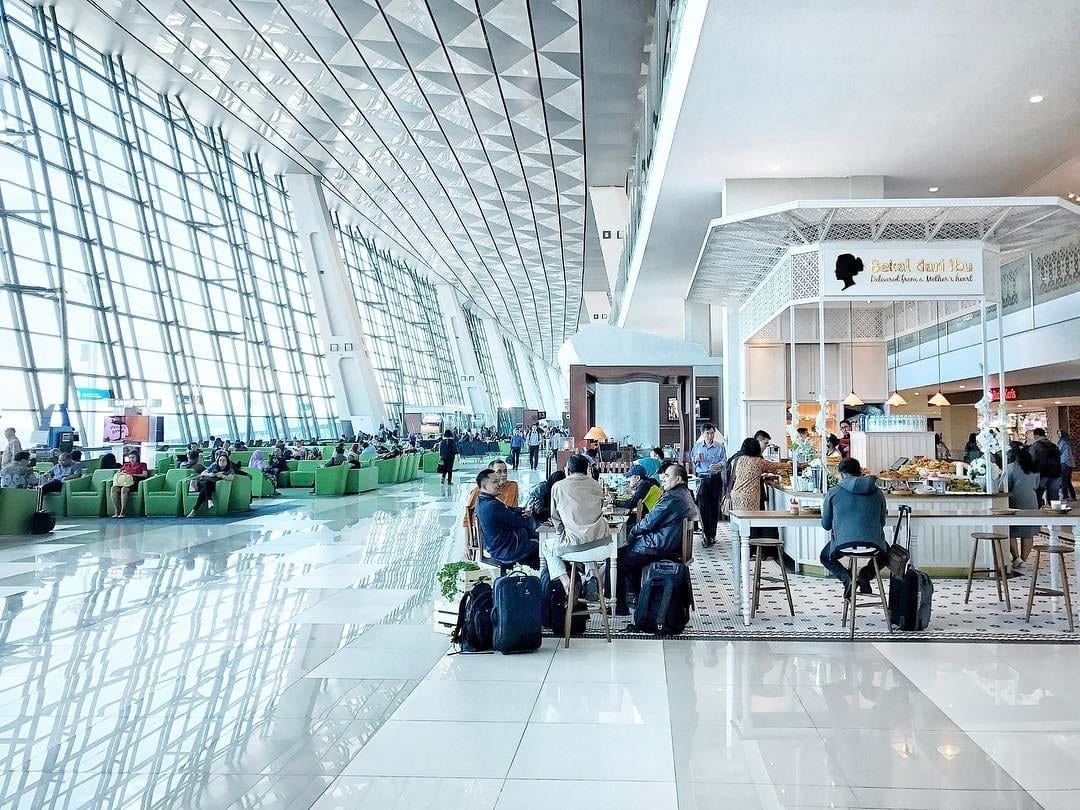
    Soekarno-Hatta International Airport, Indonesia’s largest and busiest hub near Jakarta, by June will move all international flights to Terminal 3.

    The terminal was opened in August, after three years of construction works to expand it, which cost Rp 7 trillion ($516 million). It is now significantly bigger than the other two terminals.

    It can serve up to 25 million flights a year, spans 420,000 square meters and is 2.4 kilometers long.

    “We’re are going to have all international flights moved to Terminal 3 by June,” Yado Yarismano, vice president of the airport’s operator Angkasa Pura II (AP II), said on Wednesday (14/02).

    He added that now, when all expansion works are complete, the terminal needs to be assessed by the Transportation Ministry’s directorate general of civil aviation to serve all international flights.

    Revamp of Terminal 1 and Terminal 2

    The airport’s Terminal 1 and Terminal 2 will also be expanded to accommodate together 36 million passengers a year — twice more than before.

    Contractors will soon be invited to bid to partake in the Rp 3.2 trillion project.

    “The bidding for Terminal 1 starts in March, while for Terminal 2 in May, so construction works at the first one will start sooner,” AP II president director Muhammad Awaluddin said.

    He added that both terminals will be finished by August 2019.

    “The revamp won’t disrupt our operations, as it will be done in sections, so the terminals will still serve passengers. We also won’t change their architecture, we will just add more room,” Awaluddin added.

    AP II is now also preparing to build Terminal 4 of the size and capacity of Terminal 3.

  • Aidijuma Colors Group, Hijup, acquire majority stake in United Kingdom’s e-commerce retailer, Haute Elan

    Aidijuma Colors Group, Hijup, acquire majority stake in United Kingdom’s e-commerce retailer, Haute Elan

    Aidijuma Colors Group of Companies — which owns the popular Malaysian ‘Bawal’ hijab range under the Aidijuma label — together with its modest wear e-commerce site Hijup have acquired a majority stake in UK-based modest fashion and e-commerce company Haute Elan ahead of Hijup’s expansion into the UK market.

    Established in 2012, modest fashion brand Aidijuma adopts the creative business model of online merging offline to offer the best possible experience to customers.

    With its omnichannel strategy, Aidjuma is the only brand in Malaysia that offers online shopping and owns 12 retail concept stores nationwide, complemented by 12 Scarf Machine.send.sell.story mobile concept stores to provide a seamless experience for consumers.

    With plans for listing by 2020, the latest venture capital investment for Aidijuma Colors Group is in Haute Elan, which is also the organiser of the London Modest Fashion Week – the UK’s very first modest fashion week — that was held for the first time last year that brought together more than forty designers from countries including the United Arab Emirates, Saudi Arabia, Egypt, Turkey and -Malaysia.

    Modest fashion has become increasingly popular among millennial Muslim women worldwide who see it as a way to dress stylishly.

    “Modest fashion is a growing trend that offers women options, choices and freedom to express themselves while being fashionable which mass-market retailers and designers are already taking notice of the market’s potential so we are investing in the future by taking a stake in it now. We look forward to build strategic business partnerships around the world to expand this business model for Modest Fashion globally,” said Aidijuma Colors Group Chief Executive Officer and founder, Datin Norjuma Habib Mohamed.

    The latest investment in Haute Elan brings Aidijuma Colors Group’s total venture capital investment amount to date to US$20 million, which includes stakes in Brunei’s event organising company and retailer BIFASH, Singapore e-retailer MODESTyle, Malaysian cosmetic and skincare brands Simplysiti and Zawara, as well as Indonesia’s Hijup.com in which it also controls.

  • Indonesia signs US$1b deal to buy 11 Russian jets

    Indonesia signs US$1b deal to buy 11 Russian jets

    Indonesia has inked a billion-dollar deal to buy 11 Sukhoi Su-35 jets from Russia, an official said Saturday.

    The contract, signed by both countries’ representatives in Jakarta on Wednesday, is worth a total US$1.14 billion (RM4.43 billion), Indonesia defence ministry spokesman Totok Sugiharto said.

    The deal comes after Indonesia said in August that it would seek to trade palm oil, coffee and tea for Russian fighter jets, saying it wanted to capitalise on international sanctions on Moscow.

    The EU and US have targeted Russia with sanctions for alleged meddling in the US presidential election and its annexation of Crimea.

    However, Indonesia’s trade minister said the sanctions could be good news for his country as Russia is forced to seek new markets to import from.

    Indonesia and Russia signed a memorandum of understanding to exchange 11 Russian-made Sukhoi fighters for key commodities in Moscow early August.

    It was not announced Saturday in what form payment would be made.

  • DHL appoints Skerry Palanga as new Country Manager in Papua New Guinea

    DHL appoints Skerry Palanga as new Country Manager in Papua New Guinea

    DHL Global Forwarding, the leading international provider of air, sea and road freight services, has appointed Skerry Palanga as Country Manager, Papua New Guinea. With the appointment, Palanga will lead and manage the country’s operations and be responsible for driving its business growth.

    Prior to this appointment, Palanga was the National Operations Manager where he was instrumental in the set-up and transportation of telecommunication equipment for the first mobile network in Papua New Guinea. While directing the mammoth project, Palanga managed the entire logistics solution which covered numerous sites across the country. During his 14-year tenure in DHL Global Forwarding, Palanga had also successfully established the operations in Port Moresby and Lae which has remained sustainable today.

    Kelvin Leung, CEO, DHL Global Forwarding, Asia Pacific, said, “A veteran freight forwarding professional, Skerry has built a wealth of experience and first-hand knowledge of day-to-day operations — having risen through the ranks in DHL over the last 14 years.  His appointment to this new role is a valuable addition to DHL, as we continue to expand our footprint in Asia Pacific. With his strong knowledge of the country, I’m confident that Skerry will bring with him the agility and flexibility needed to help us realize this market’s full potential, amid the anticipated growth in freight volumes.”

    Based in Port Moresby, Papua New Guinea, Palanga will report to Tony Boll, CEO, DHL Global Forwarding, South Pacific.

    Tony Boll, CEO, DHL Global Forwarding, South Pacific, said, “We are delighted to welcome Skerry onboard as we further our growth momentum in Papua New Guinea. We have every confidence that Skerry will continue to drive great business outcomes — supported by his extensive industry experience and in-depth knowledge of the local business culture. We look forward to achieving new and greater heights in this market, as we continue to capitalize on rich growth opportunities within the South Pacific region.”

    Skerry Palanga, the newly-appointed Country Manager for Papua New Guinea, DHL Global Forwarding said, “I am excited to lead the charge in nurturing our business in Papua New Guinea — a market that presents tremendous opportunities. I believe that my keen appreciation of the local culture and business practices will be a strong asset in guiding DHL’s growth in the country. Our biggest achievements are ahead of us — and I look forward to delivering the highest standards of excellence to our customers, with the support of a talented and committed team.”

    A citizen of Papua New Guinea, Palanga brings over 16 years of industry experience across various roles within the logistics industry. Since starting with Danzas AEI in 2001, Palanga has accumulated 14 years of experience with DHL. In his various roles at DHL that included Air Freight Export Supervisor and Air Freight Export Manager, Palanga has been involved in different aspects of the business — operations, sales, finance and human resources.

  • Indonesia AirAsia adds two Singapore services on same day

    Indonesia AirAsia adds two Singapore services on same day

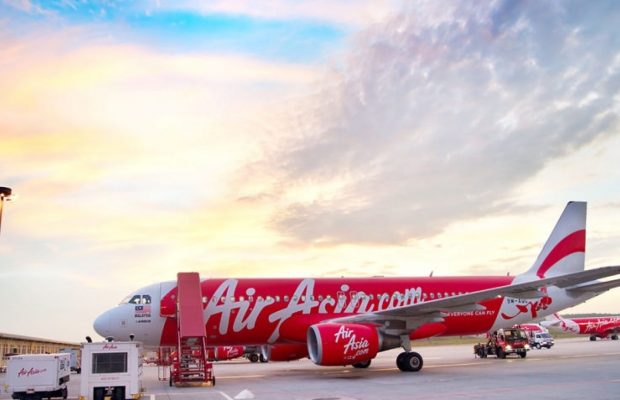
    Indonesia AirAsia added two new Singapore (SIN) services from Medan (KNO) and Padang (PDG) on 9 February. The 621-kilometre Medan link and the 472-kilometre Padang connection will both be served with daily flights operated by A320s.

    The LCC faces incumbent competition on the Medan-Singapore airport pair which is already served by SilkAir with double-daily flights, Jetstar Asia, which has 12 weekly frequencies, and Garuda Indonesia which operates daily flights. However there is no direct competition on the Padang route.

    AirAsia Singapore CEO Logan Velaitham said: “The inaugural flights to Padang and Medan emphasise our commitment to expand Singapore’s network as one of AirAsia’s hubs by linking up to new cities in Indonesia. In 2017, AirAsia Group carried a total of 4.3 million passengers to and from Singapore, an increase of 1.8% from the previous year.”

  • Newcomer Logistics Firm Iruna eLogistics Seeks to Empower E-Commerce

    Newcomer Logistics Firm Iruna eLogistics Seeks to Empower E-Commerce

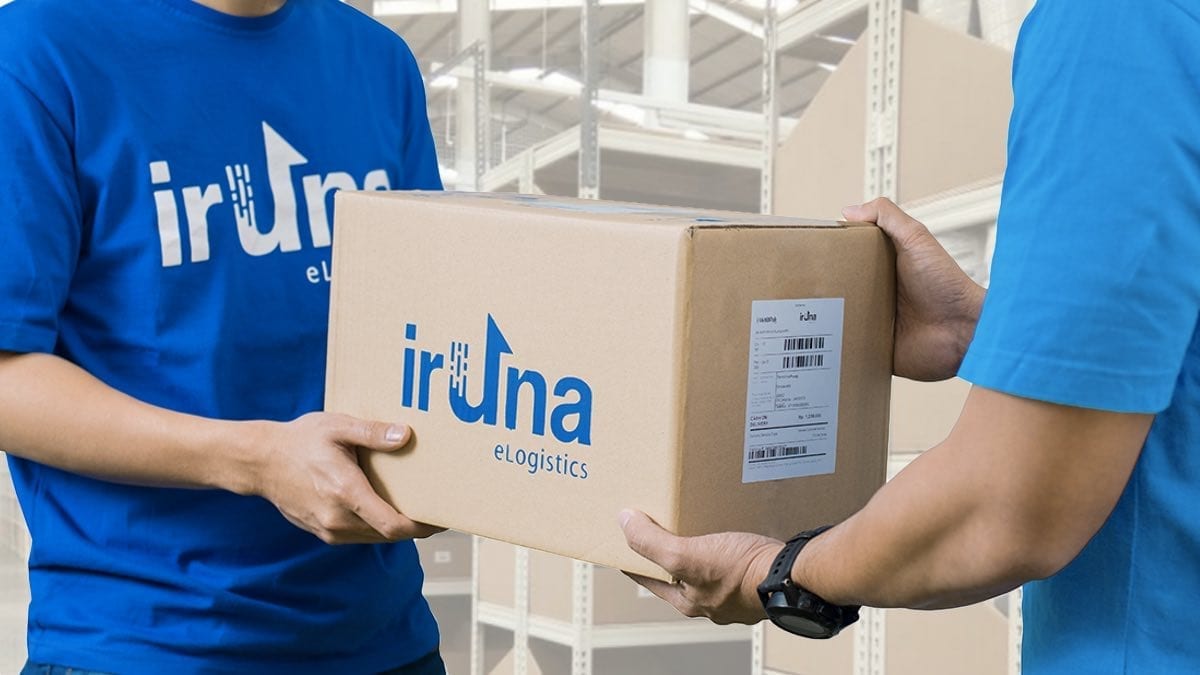
    Iruna eLogistics, a logistics startup company, plans to open two new fulfillment centers in Surabaya and Medan by the end of this year as part of its rapid expansion to provide back-end logistics services to Indonesia’s small and medium-sized enterprises.

    Indonesia’s small and medium-sized businesses have embraced e-commerce and digital marketing platforms to boost sales in the last two years. However, they often find high warehousing and transportation costs expensive and experience complications in tracking inventory, which in turn hinder growth.

    Iruna, which was founded by logistic veteran Yan Hendry Jauwena last December, tries to address the problem by offering integrated logistics solutions which manage the storage, packaging, handling and delivery of items for small business.

    “We wanted to improve the ecosystem by taking care of the back-end issues involved in online commerce. That way the small and medium-sized businesses can focus only on the production and marketing of their products,” Maria Bebasari, Iruna’s vice president for marketing and communication, said on Tuesday.

    Currently, Iruna handles delivery of more than 1,000 types of items a day, ranging from tiny soaps to bulky furniture from its 5,000-square-meter space in Sunter, North Jakarta. The facility is equipped with freezers and coolers to handle food and beverage delivery as well as secured storage for items worth more than Rp 5 million ($374), Maria said.

    Still, the company is not yet able to transport gold — which requires a separate license — or living plants or animals, she said.

    Iruna plans to open similar facilities in Surabaya next month and in Medan by the end of the year, occupying an area of 2,000 to 3,000 square meters each, Maria said.

    Maria said e-commerce consumers are concentrated in big cities despite vendors being spread out across the archipelago, making it costly for individual item delivery.

    “It’s more economical for both the producers and consumers if the delivery is done from our warehouse,” Maria said, adding that their storage and handling facilities differentiate the company from existing logistics firms like state-owned Pos Indonesia, Tiki or JNE.

    Maria said that Iruna targets to deliver 1 million different types of items and add six more fulfillment centers across the archipelago over the next three years, fully confident in the country’s e-commerce prospects.

    Indonesia e-commerce market is projected to reach $130 billion in sales by 2020, according to an estimate from the Ministry of Communication and Information Technology.

  • Indonesia Central Bank to Prepare Fintech Regulatory Roadmap

    Indonesia Central Bank to Prepare Fintech Regulatory Roadmap

    Bank Indonesia is currently preparing a roadmap of regulations for financial technology, or fintech, products in an effort to support the rapid change of the global financial system in the digital era, the central bank’s official said on Thursday (08/02).

    “This is a response to the shift from physical to virtual as it presents risks and challenges […] There will be a roadmap to regulate fintech to follow its dynamic development,” Sukarelawati Permana, director of the policy and payment department at the central bank, said at an economic forum.

    The central bank is collaborating with Financial Services Authority, or OJK, to create the regulatory roadmap.

    Sukarelawati, however, did not reveal the details of the framework or when it will be released.

    The regulations, according to her, will mitigate risks presented by the sector’s development, while still supporting the shift of traditional payment systems into the digital realm.

    “As we surely cannot block innovation, we as the authorities will try to balance the digital economy,” Sukarelawati said.

    The central bank previously issued a provision to support innovation in the fintech sector that benefits the economy while maintaining the principles of consumer protection, risk management and prudence, Sukarelawati said.

    A 2017 Bank Indonesia regulation regarding financial technology implementation dictates that fintech providers register with the central bank.

    The regulation excludes payment system service providers (PJSP) who have obtained a license from Bank Indonesia and providers who are under other authorities. But the providers must still inform the central bank regarding new products, services, technologies and business models.

    Bank Indonesia is currently also conducting a study on the feasibility of issuing digital currency.

  • AirAsia Opens 3 New Routes in Indonesia

    AirAsia Opens 3 New Routes in Indonesia

    AirAsia Indonesia, a budget carrier based in Tangerang, Banten, announced on Friday (09/02) it has opened three new routes, two international and one domestic, to tap into the increasing demand for air travels.

    The carrier, an affiliate of Southeast Asian low-cost airline AirAsia, opened new routes to Singapore from Medan, North Sumatra, and Padang, West Sumatra, and from Jakarta to Medan.

    The flights are served on Airbus A320 airchraft with 180 seats.

    “The opening of the new routes from Padang and Medan showed that AirAsia’s network expansion in Indonesia is not centered in Jakarta and Bali only,” AirAsia Indonesia Dendy Kurniawan chief executive said in a statement.

    Dendy said AirAsia Indonesia expects that the direct flights to Singapore from the capitals of two provinces of the Sumatra island, coupled with low-cost tickets, will attract more visitors from the city-state.

  • Asia boosts growth for L’Oreal

    Asia boosts growth for L’Oreal

    French cosmetics giant L’Oreal reports “spectacular” growth for last year, particularly in Asia.

    It had growth acceleration of 5.5 per cent in the fourth quarter with sales exceeding €10 billion (US$12.2 billion) in the ‘new markets’, which include Asia Pacific.

    Operating margin reached a record 18 per cent.

    Sales were €26 billion, up 4.8 per cent like-for-like, 2 per cent at constant exchange rates and 0.7 per cent on reported figures.

    Representing a record 18 per cent of sales, the operating profit was €4.68 billion.

    “L’Oreal had a good year with sustained sales growth momentum and robust profits,” says chairman/CEO Jean-Paul Agon.

    The second half accelerated compared with the first, particularly in the fourth quarter.

    Sales grew in all divisions, especially L’Oreal Luxe in Asia. The Active Cosmetics Division achieved more than €2 billion of sales for the first time.

    The new markets exceeded more than €10 billion in sales for the first time ever. The Asia Pacific zone had growth of 12.3 per cent like-for-like and 9.2 per cent reported. In Northern Asia, Chinese consumers are driving growth, particularly for the L’Oreal Luxe Division in China and Hong Kong. China’s growth was fuelled by strong e-commerce results. In Southern Asia, India is proving dynamic, while Malaysia and Thailand are also growing strongly.

    Overall, operating profit, at €4.6 billion, has grown by 3 per cent and amounts to 18 per cent of sales, representing an increase of 40 basis points. Excluding exchange rates, operating profit grew by 4.4 per cent.

  • Here’s Why Pre-Owned Luxury Fashion Are Growing In Asia

    Here’s Why Pre-Owned Luxury Fashion Are Growing In Asia

    Asia’s pre-owned luxury fashion market is continuing to grow, with shoes and t-shirts gaining ground, according to multichannel retailer Reebonz.

    Although bags continued to dominate, with an average of 77 per cent of total transactions in 2016 and 2017, both shoes and apparel achieved steep sales growth throughout the region, according to Reebonz’s now annual Asia Luxury Index.

    In Hong Kong, for example, sales of used branded sneakers rose 48 per cent last year, while “luxury t-shirt” sales soared six-fold.

    The report is based on Reebonz’s own trading data across Australia, China, Hong Kong, Indonesia, Malaysia, New Zealand and Singapore, along with unspecified “industry reports”.

    Reebonz says millennials are driving the sector’s growth, “tilting the scales in favour of a pre-owned luxury market that continues its growth trajectory”.

    Chanel, the most-purchased pre-owned brand by millennials, recorded more than double the total sales value on Reebonz last year over 2016.

    The report said the changing perceptions towards pre-owned luxury have altered the state of resale and how consumers shop today, contributing to 40 per cent sales growth in the pre-owned category at Reebonz.

    “The growing demands of buying from the resale market cleverly gives rise to a community of individual sellers, injecting the luxury ecosystem with products that meet these needs,” said Reebonz cofounder Daniel Lim.

    Louis Vuitton, Hermes and Chanel were the three top-selling brands on Reebonz last year, fetching resale values as high as 125 per cent of their original retail price in the secondary market. Gucci, Celine and Dior were also among the top 10.

  • Coal buyers spooked by Indonesia’s new shipping rules

    Coal buyers spooked by Indonesia’s new shipping rules

    Buyers of Indonesian coal are holding back orders of the fuel after the government issued new shipping rules for coal and crude palm oil that would restrict exports to Indonesian vessels, an industry association said today.

    Jakarta issued rules in October requiring coal and palm oil exporters to use Indonesian-flagged vessels and Indonesian insurance companies, to boost the role of the archipelago’s shipping industry in its export market.

    However, guidelines on implementing the rules and possible exemptions have not been released, raising concerns among shippers in Indonesia, the world’s top thermal coal exporter and palm oil producer.

    The regulation will take effect at the end of April.

    “There was some information, several potential buyers from abroad put on hold making any new contracts,” Hendra Sinadia, executive director of the Indonesia Coal Mining Association said.

    Describing the new rules as “dangerous”, Sinadia said they could affect export volumes and state revenues if shipping contracts had to be renegotiated to shift to so-called cost,
    insurance and freight (CIF) contracts from free-on-board (FOB) contracts.

    Under CIF contracts, the seller is responsible for the shipping arrangements and must buy insurance to protect the cargo against losses during the voyage. Under FOB contracts, the buyer procures the vessel and is responsible for all shipping costs.

    The industry is worried that time is running out to make adjustments before the rules come into effect, Sinadia said, noting that it would be difficult to do so without the
    guidelines.

    Indonesia Palm Oil Association secretary-general Togar Sitanggang said in an interview on Jan 24 that there were several problems with the new rules, noting there were not enough Indonesian-flagged food-grade tankers, and that Indonesian insurers may lack capacity.

    “If we’re selling CPO (crude palm oil), free-on-board at Belawan port, does this mean our buyer has to use Indonesian vessel? That is ridiculous.”

    The palm oil industry is awaiting guidance on when foreign vessels can be used if local vessels are unavailable, he said. “There should be no obstacles, but if we must do this and that, it could hold up exports.”

    The new rules could add to freight costs, Sitanggang said, if shipping companies were unable to find cargo for their return trips to Asia. “If their ships are empty, of course they’ll ask for a higher price from us.”

    According to Oke Nurwan, director-general of foreign trade at the Ministry of Trade, while most domestic shipping uses Indonesian-flagged vessels very little is exported on Indonesian ships.

    “It can’t be like that any more,” Nurwan said on Jan 25, adding that the government wanted the domestic shipping sector to compete more with multinationals.

    “If (the government) didn’t intervene there would be no trigger, so we made it mandatory,” he added.

  • Quick Serve to expand Texas Chicken in Indonesia

    Quick Serve to expand Texas Chicken in Indonesia

    Quick Serve Indonesia, the new franchisee for US quick-service chicken chain Texas Chicken, has launched its first two stores.

    The first is in Surabaya, East Java, in the Tunjungan Plaza 3 (TP3), with a second a signature stand-alone restaurant in Kertajaya, East Java. The two-storey restaurant seats 175 guests.

    As well as items from Texas Chicken’s international menu, the two outlets offer chicken and rice dishes with international and Asian sauces.

    “The Surabaya location is in a culinary hub for our region, which gives the brand an opportunity to solidify its base in Indonesia,” says Quick Serve Indonesia MD Julius Evan Kritianto.

    Texas Chicken already has 60 outlets in Indonesia run by another franchise group, Cipta.

    Quick Serve says it plans to move quickly to expand the brand primarily in the Java and Bali regions.