Tag: Indonesia

  • Infested Chinese Garlic Imports Kick Up a Stink in Indonesia

    Infested Chinese Garlic Imports Kick Up a Stink in Indonesia

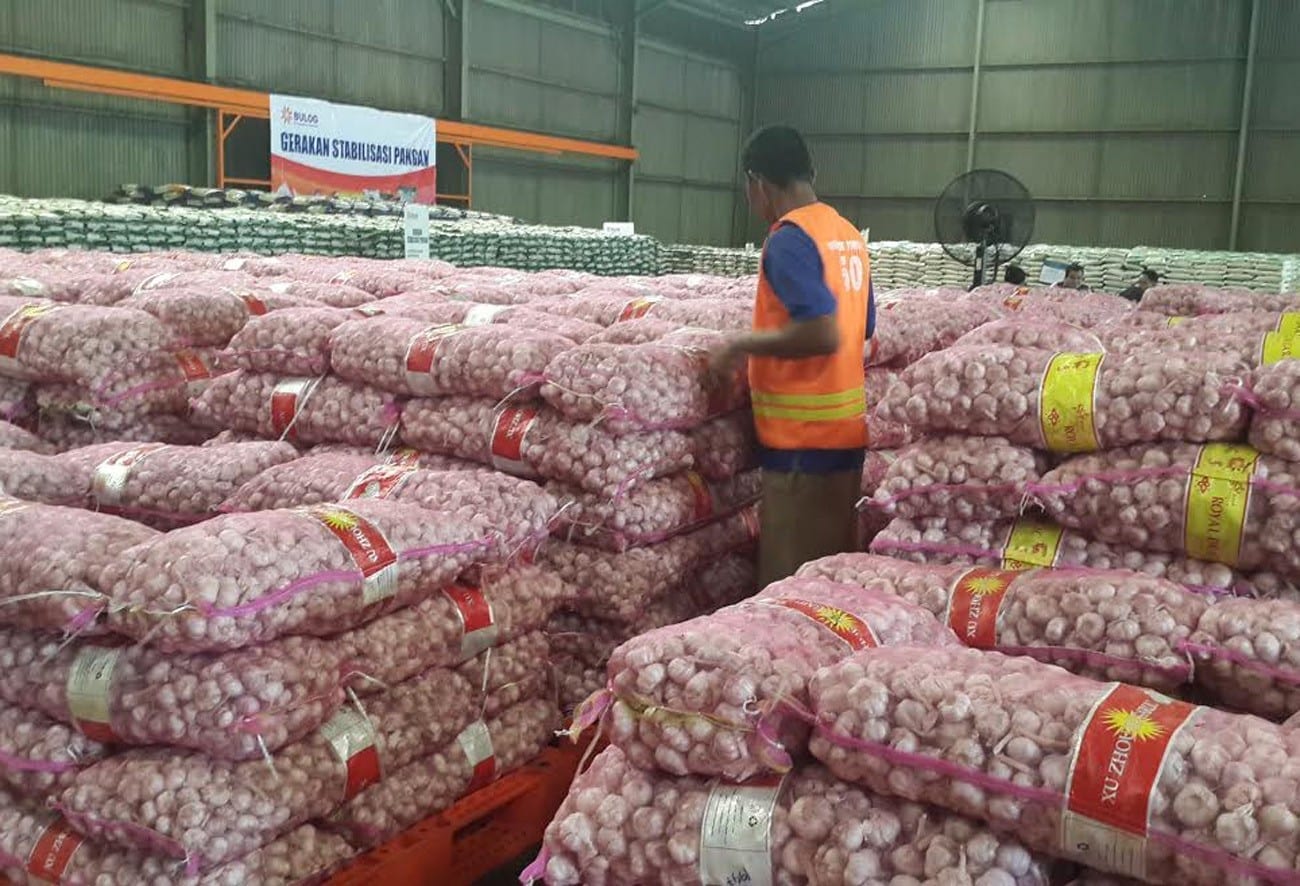
    Indonesia has impounded more than 200 tons of garlic imported from China, warning that a microscopic worm infestation found in the shipment could put at risk plans by the Southeast Asian country to boost its own garlic crop.

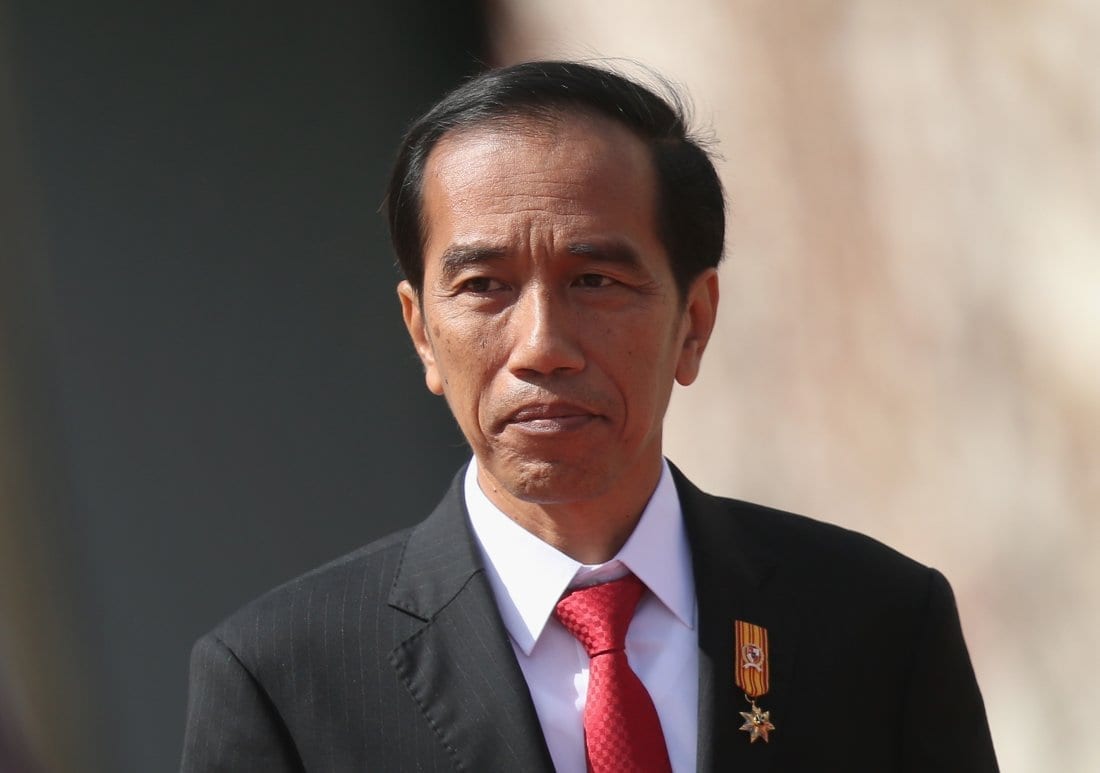
    Since coming to power in 2014, Indonesian President Joko “Jokowi” Widodo has pursued self-sufficiency policies to protect farmers, but efforts to rely on domestic supplies of everything from beef to rice have at times caused shortages and price spikes.

    Chinese food imports have previously proved sensitive in Indonesia. In 2016, Beijing’s embassy in Jakarta expressed alarm at media reports accusing China of using a “biological weapon” against Indonesia, after four Chinese nationals were arrested for planting imported chilli seeds contaminated with a bacteria.

    The 232 metric tons of garlic were imported from China in mid-February and after arriving at Jakarta’s port were shipped to the island of Sumatra, the Ministry of Agriculture said.

    This could be “very damaging to our garlic farming when we are trying to achieve self-sufficiency,” the ministry said in a statement on March 12.

    Despite being certified as free of pests in China, samples of the shipment contained ditylenchus dipsaci, a microscopic worm that infects onions and garlic, the ministry said.

    The nematology department at the University of Nebraska-Lincoln describes the worm as “one of the most devastating plant parasitic nematodes.”

    When quarantine officials reported the discovery to the importer, the garlic had already been sent to North Sumatra, the agriculture ministry said.

    The controversy even stirred a heated debate in parliament this week when a member of Jokowi’s ruling party called for a police investigation.

    Soetrisno, the chief executive officer of Tunas Sumber Rejeki, the company that imported the garlic, could not immediately be reached for comment.

    The Chinese embassy in Jakarta declined to comment.

    The garlic is currently being stored at a warehouse in Belawan Port, Sumatra, that has been sealed by police and the quarantine agency.

    Banun Harpini, the head of quarantine at the agriculture ministry, said on Wednesday the importer would be blacklisted. It was not immediately clear what other penalties would be levied.

    Indonesia plans to be self sufficient in garlic in 2019 by increasing the growing area for the crop by more than 70,000 hectares, but this may be an ambitious target since last year the country imported 434,000 tons of garlic, more than ten times the amount grown domestically.

    This year, the agriculture ministry expects 392,000 tons will be imported, mostly from China and India.


  • Tumi acquisition lead Samsonite to good numbers

    Tumi acquisition lead Samsonite to good numbers

    Samsonite Asia sales lept 16 per cent last year, a rate slower than the Hong Kong-listed company’s global growth, and predominantly driven by the acquisition of Tumi.

    The world’s largest travel luggage company achieved global sales of US$3.49 billion, up 23.3 per cent, with Asia accounting for $1.19 billion of that. Samsonite Asia sales excluding the Tumi effect grew by a much more modest 4.8 per cent, while sales in Japan grew by 32 per cent, or 12 per cent excluding the Tumi business, driven by the Gregory, American Tourister and Samsonite brands.

    In the first half of last year, Samsonite assumed direct control of the wholesale and retail distribution of Tumi products in South Korea, Hong Kong, Macau, China, Indonesia and Thailand.  Net sales in China increased by 11.9 per cent year-on-year, (7.2 per cent excluding Tumi), due to increased sales of the Samsonite and American Tourister brands. Net sales in South Korea increased by 15.7 per cent, but fell 2.5 per cent excluding Tumi, due to fewer shoppers visiting from China and weak consumer sentiment.

    Net sales in Hong Kong increased by 34 per cent year-on-year, driven by the addition of Tumi, but by just 1.5 per cent excluding Tumi.

    Net sales in India increased by 4.6 per cent, despite a temporary disruption during the year due to the Indian government’s introduction of a goods and services tax that took effect in the third quarter of last year.

    Strong direct-to-consumer growth

    Samsonite showed solid progress on its move towards increasing its direct-to-consumer sales, aided by the acquisition of online luggage retailer eBags last May.

    Net sales rose 57.4 per cent overall, by 32.1 per cent excluding Tumi and by 12.2 per cent after 1 further excluding eBags.

    Dollar reported profit attributable to the equity holders increased by US$24.1 million, or 12.1 per cent.

    “We saw very satisfying growth last year, further driven by a strong performance from the Tumi and eBags businesses following their integration into the group,” said chairman Tim Parker.

    “In particular, we made solid strides in improving Tumi’s performance and as a result it was accretive to earnings in its first full year post acquisition. Now that we have strategically expanded into the highly attractive premium segment, and established a firm foothold in e-commerce, we look forward to more aggressively expanding our presence in the direct-to-consumer channel worldwide, especially direct-to-consumer e-commerce, where we see strong growth opportunities.”

    CEO Ramesh Tainwala said that while the company continued to benefit from the buoyant growth in travel and tourism worldwide, its strong performance was also driven by continued investment in brands, especially in the form of increased marketing support, as well as the expansion of direct-to-consumer e-commerce and brick-and-mortar retail operations.

    “Looking ahead, we will continue to implement our multi-brand, multi-category and multi-channel strategy, while leveraging our decentralised management structure and investment in marketing, in order to capitalise on the many exciting opportunities ahead of the group,” he said.

  • Epiphany Cafe plans to invade Asia

    Epiphany Cafe plans to invade Asia

    A rural New Zealand donut maker is set to expand into Asia, initially targeting the Philippines, Indonesia, Malaysia and Singapore.

    Epiphany Cafe started just two years ago as a single family-owned store in the Waikato city of Hamilton, in the heart of New Zealand’s largest dairy-farming region. Since then it has expanded to five stores in Auckland and Hamilton under a franchise model it is now looking at expanding into other New Zealand towns and cities before heading offshore.

    “We believe there is a need we can fulfil in Asia,” GM for sales and marketing, Suzanne Gaier, said in an interview published on Stuff.co.nz.

    Gaier hopes to have the first Asian stores operating within 12 to 24 months.

    “Our idea is also to bring our core staff members from New Zealand into Asia and inject Kiwiana that way too. The whole idea is to take our Kiwi brand over there and be the Fonterra of sweet treats… as well as provide Kiwi expats with a little slice of home.”

    Epiphany Cafe developed its donut recipe over six months and now boasts 29 flavours regularly rotated.

  • Indonesia lures US to invest more

    Indonesia lures US to invest more

    The administration is revising regulations on tax incentives for investment and seeks to pass them by the end of this month.

    Speaking to 41 US-based companies grouped under the US-ASEAN Business Council on Tuesday morning, the President underlined the significance of investment into Indonesia from the world’s top economy.

    “American investment into Indonesia has been sizeable and plays an important role in the Indonesian economy,” Jokowi said during a meeting with the council at the Merdeka Palace.

    Realized foreign direct investment (FDI) in Indonesia by US firms surged by 71.5 percent to US$1.99 billion last year, driven by 625 projects. That is significantly higher than the 30 percent growth to $1.16 billion seen in 2016, spread across 540 projects.

    The US stood still as the sixth-largest foreign spender in the archipelago over the 2016-2017
    period.

    Jokowi also noted that the US brought high-quality investment into Indonesia through companies with powerful brands, state-of-the-art technology and a broad international network, including gold and copper miner Freeport-McMoRan, technology giants Google and Facebook and entertainment giant Walt Disney.

    Consequently, he expected US companies to jack up their investment although he was also aware of the many challenges of doing business in Indonesia, from policies regarding digital payment and patents to complicated export-import procedures.

    “Give me two months and I’ll bring you some positive [progress] on economic policy reforms,” Jokowi said.

  • Bank of Indonesia Expects Rupiah to Strengthen

    Bank of Indonesia Expects Rupiah to Strengthen

    Bank Indonesia expects the rupiah to continue to strengthen and currency market volatility to subside as market price in expected US Federal Reserve’s interest rate hikes, a senior official said on Wednesday (14/03).

    “The fundamental level of an exchange rate is not a fix level, but I can say that the current level is not [the rupiah’s] fundamental and it should be stronger than now,” said Doddy Zulverdi, who heads the monetary management department at Bank Indonesia (BI) and is also one of the candidates to become a member of BI’s board of governors.

    Doddy reiterated BI’s commitment to intervene in the market to guard the rupiah against volatility. He said the recent weakness has had limited impact on exports, but has likely had a bigger effect on holding back imports.

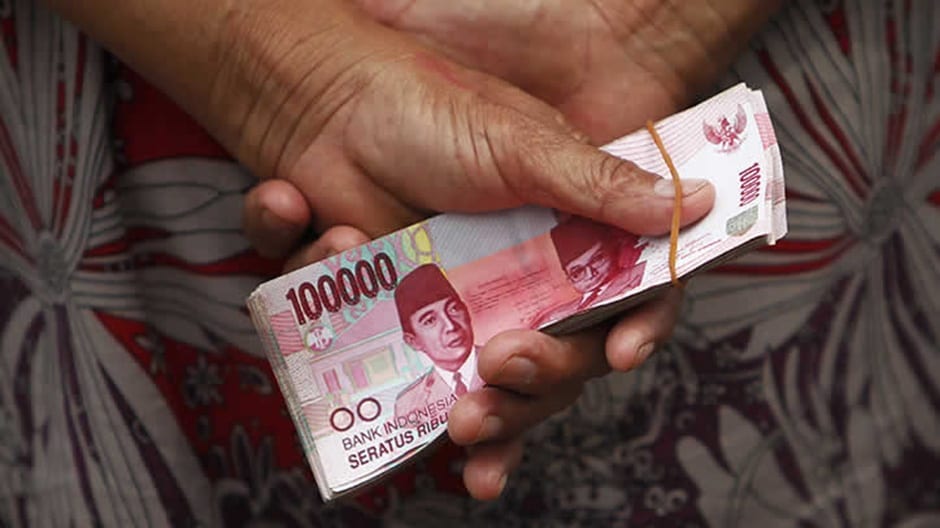
    The rupiah touched a two year low of 13,800 a dollar earlier this month. It was trading at 13,731 per dollar on 0400 GMT Wednesday.

  • Indonesia Eyes Fintech Regulation to Avoid ‘Loan Shark-Like’ Practices

    Indonesia Eyes Fintech Regulation to Avoid ‘Loan Shark-Like’ Practices

    Indonesia’s financial regulator said it was considering setting a cap on interest rates and the size of loans offered by fintech firms, in a move aimed at minimizing the risk of defaults.

    The emergence of these peer-to-peer (P2P) lending platforms, offering loans ranging from as little as a few hundred dollars to several thousands, has so far been welcomed by Indonesia, Southeast Asia’s biggest economy where tens of millions of people have little or no access to bank credit.

    More than 300,000 people have borrowed from these firms, with total loan distribution reaching 3 trillion rupiah ($218 million) as of January, versus 247 billion in December 2016, according to data from the Financial Services Authority (OJK).

    Meanwhile, annual growth in bank lending has slowed to under 10 percent, from over 20 percent in the commodity boom years. ‎

    “We support P2P lending so the people can have an easier access [to financing]. But when the access has been easier, the P2P companies feel the need to offer a high rate,” Eko Ariantoro, the director of the financial inclusion development directorate at the OJK, told reporters on Tuesday (13/03).

    “We don’t want these developing fintechs to become loan shark-like businesses‎,” he said.

    Ariantoro said the proposed maximum lending rate was still under discussion.

    There are 36 registered fintech firms operating in Indonesia and the OJK said 42 others were in the process to be approved.

    The OJK plans to also issue a new regulation for crowdfunding platforms this year as part of efforts to protect customers’ funds, Eko said.

    “We are trying to regulate the mechanism to acquire and collect funds. There should be a form of responsibility to the fund owner,” he said.

  • Lazada comes with idea to simplify selling system

    Lazada comes with idea to simplify selling system

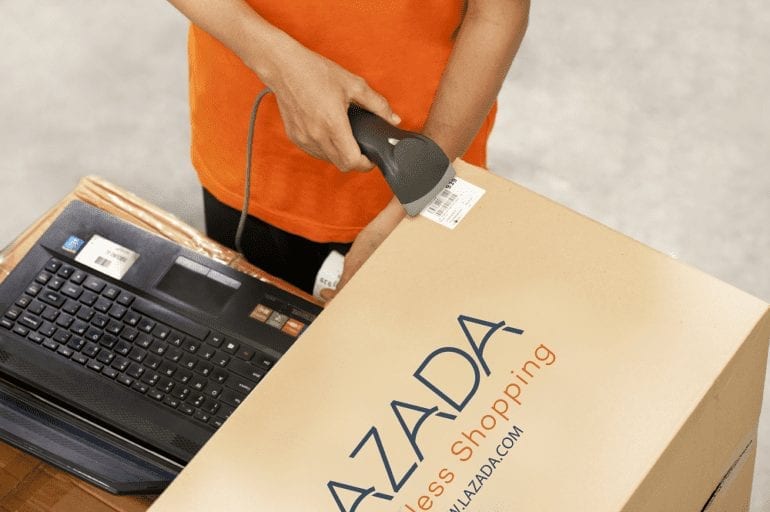
    To help Southeast Asian entrepreneurs ride the e-commerce boom, Lazada has rolled out measures to make doing business online easier, faster and more financially rewarding.

    Already in effect, the moves benefit new sellers and about 135,000 merchants already on Lazada’s platform.

    One of the highlights is Seller Rewards, a powerful framework that recognises sellers for outstanding performance. The higher the ratings, the more rewards or benefits the seller enjoys such as:

    ● Higher visibility of products when users search and browse the site
    ● Access to shipping services and price subsidies extended by Lazada
    ● Access to promotional campaigns spearheaded by Lazada
    ● Access to preferred sellers programs; or premium seller program in Malaysia and Seller Prioritas program in Indonesia.

    Customers can rate sellers based on how they apply best practices to deliver a positive customer experience, such as quality checks on products sold, using recommended packing materials to avoid damage, and preventing purchase cancellations through third-party negligence.

    As another plus, sellers will no longer be financially penalised for policy breaches. However,  errant sellers may be delisted by Lazada.

    Instead of three to four days for anyone to start their business on Lazada, the process can now be completed in mere minutes. The simplified sign-up form requires registrants to provide just their email address, telephone number and address. They can start logging up sales 15 minutes after creating an account.

    Lazada group chief operations officer Aimone Ripa di Meana says the seller-friendly initiatives are part of the company’s efforts to empower entrepreneurs to grow their business online. “By incentivising sellers and giving them more leeway to sell efficiently and effectively, we want to ensure Lazada’s marketplace is the best place for sellers to reach out to more consumers.”

    Launched in 2012, Lazada is present in Indonesia, Malaysia, the Philippines, Singapore, Thailand and Vietnam. It helps more than 135,000 local and international sellers as well as 3000 brands serving 560 million consumers. Lazada Group is majority owned by Alibaba Group Holding.

  • Fast Retailing to open first Uniqlo shop on Indonesia’s Sumatra Island

    Fast Retailing to open first Uniqlo shop on Indonesia’s Sumatra Island

    Japanese casualwear manufacturer Fast Retailing will open a Uniqlo shop on Sumatra Island, its first outlet outside Indonesia’s most populous main island of Java.

    The shop will open at the Sun Plaza shopping mall in Medan this week, in the northern part of the island. It covers about 2000sqm.

    Fast Retailing Indonesia president Michiaki Tanaka says the Sumatra opening will be followed by another outlet outside Java, in Makassar on Sulawesi Island, in May.

    Two more shops are planned for Jakarta and Yogyakarta before August, taking the number of outlets in the country to 18. Tanaka says brand recognition has been boosted through the store expansions.

    Uniqlo first opened in Indonesia in 2013.

  • SOS Carved Into former Indonesian Palm Oil Plantation remind People

    SOS Carved Into former Indonesian Palm Oil Plantation remind People

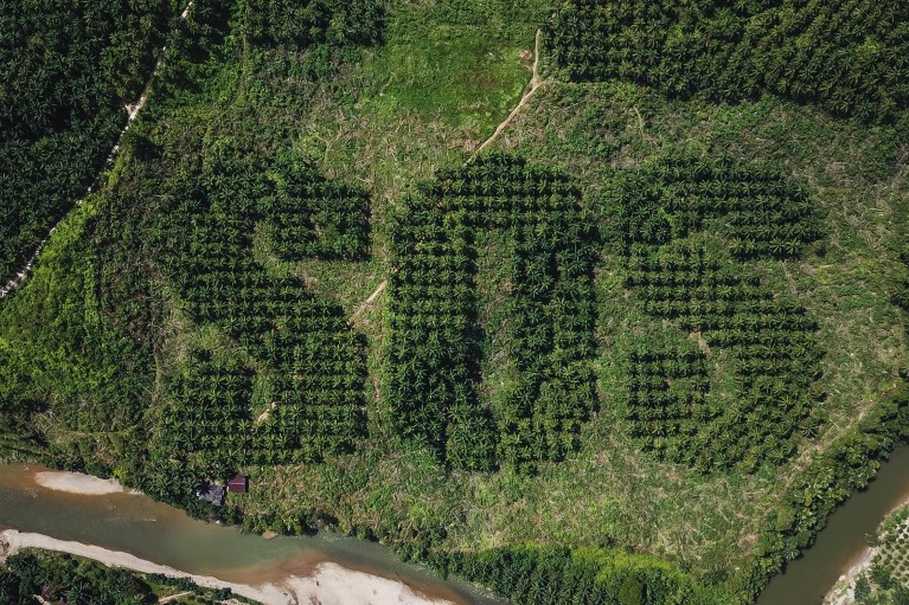
    A Lithuanian artist has carved a giant SOS message into an Indonesian palm oil plantation to draw attention to the damage done by deforestation.

    Ernest Zacharevic curated the “Save Our Souls” project as part of a campaign on the impact palm oil plantations have on tribal communitieglobes and endangered species such as the orangutan.

    “We, as consumers, are so detached from the source of our commodities that we are no longer able to see the consequences of our daily choices,” Zacharevic said.

    “I wanted to communicate the magnitude of the problem.”

    The giant SOS signal, which he completed last month, runs for about half a kilometer inside a plantation in North Sumatra, and can be seen from the air. The land will be replanted with native tree species, he said.

    Environmentalists say land-clearing for agricultural plantations in Indonesia, the world’s biggest palm oil producer, is responsible for forest destruction. Forest cover has dropped by nearly a quarter since 1990, according to World Bank data.

    Zacharevic’s SOS comes amid growing pressure on corporations to adopt sustainable practices. PepsiCo and British cosmetics firm Lush have committed to ending the use of palm oil – which is found in products from soap to cereal – or ensuring their supply is ethical.

    Last month, consumer goods giant Unilever said it had laid bare its palm oil supply chain to boost transparency.

    Indonesia has been a focus of global efforts to rein in greenhouse gas emissions caused by the deforestation of swampy, carbon-rich peatlands to make way for plantations for industries such as palm oil, pulp and paper.

    These forests are often in remote areas long inhabited by indigenous peoples, who might not have documents proving ownership or be able to contest land acquisitions in the resource-rich Southeast Asian nation.

    The forests are also home to dwindling wildlife populations. There are only about 14,600 orangutans remaining in the wild in Sumatra, conservationists estimate.

    The Splash and Burn campaign – a play on the slash and burn method used to clear forests for plantations – is supported by the charity, Sumatran Orangutan Society, and Lush.

    “We are all contributing to the destructive effects of unsustainable palm oil, whether it is by consuming products or supporting policies that affect the trade,” Zacharevic said.

    “This project is an effort to appeal to the consciousness of a wider audience.”

  • Indonesia Will Call Trump’s Trade War Bluff

    Indonesia Will Call Trump’s Trade War Bluff

    Indonesia will not back away from a potential trade war with the United States, should US President Donald Trump decide to carry out his plan to increase tariffs on some imported commodities, Vice President Jusuf Kalla said on Thursday (08/03).

    Trump announced last week that his administration plans to impose a 25 percent tariff on imported steel and a 10 percent tariff on imported aluminum, on the grounds that imports endanger American national security by harming domestic production.

    The plan unsettled even the United States’ close allies, fearing a full-blown global trade war that could derail delicate global economic growth.

    “If Trump’s trade war eventually escalates, it can drag agricultural countries in. If the US blocks our palm oil, we will block their soybean exports to Indonesia; we can be self-sufficient,” Kalla said in a speech at the fourth Jakarta Food Security Summit.

    Eleven percent of Indonesia’s total exports, or $17 billion, were destined for the United States last year. This makes it Indonesia’s second-largest export destination.

    Southeast Asia’s largest economy also enjoyed a $9.3 billion trade surplus with the United States last year.

    Indonesia’s palm oil exports to the United States amounted to $939 million last year, which represents around 5 percent of its total exports of the tropical oil, Central Statistics Agency (BPS) data showed.

    According to the US Department of Commerce’s International Trade Administration, the United States exported 2.6 million metric tons of soybean last year, worth $994 million.

    Indirect Blow

    Only 1 percent of Indonesia’s steel exports go to the United States, so Trump’s proposed steel and aluminum import tariffs would not inflict a direct blow to local steel producers, said Hidayat Triseputro, executive director of the Indonesian Iron and Steel Association.

    But he warned of the possibility that Chinese steel exports destined for the US market may flood the Indonesian market.

    Indonesia is a member of a free trade arrangement between the Association of Southeast Asian Nations (Asean) and China that came into effect in 2010. The agreement resulted in Chinese exports to Indonesia spiking to $30.5 billion in 2014 from only $3.4 billion in 2004.

    According to World Steel Association data, China was the world’s largest steel producer in 2017, at 831.7 million metric tons, while Indonesia produced only 4.8 million tons of the alloy.

    “The government should secure the domestic market with strict regulation and take sides with local products … as it can make investors lose interest in the Indonesian market due to the policy being not affirmative to the domestic market,” Hidayat said.

  • Indonesia Snack and Noodle Makers Face Salt Import Muddle

    Indonesia Snack and Noodle Makers Face Salt Import Muddle

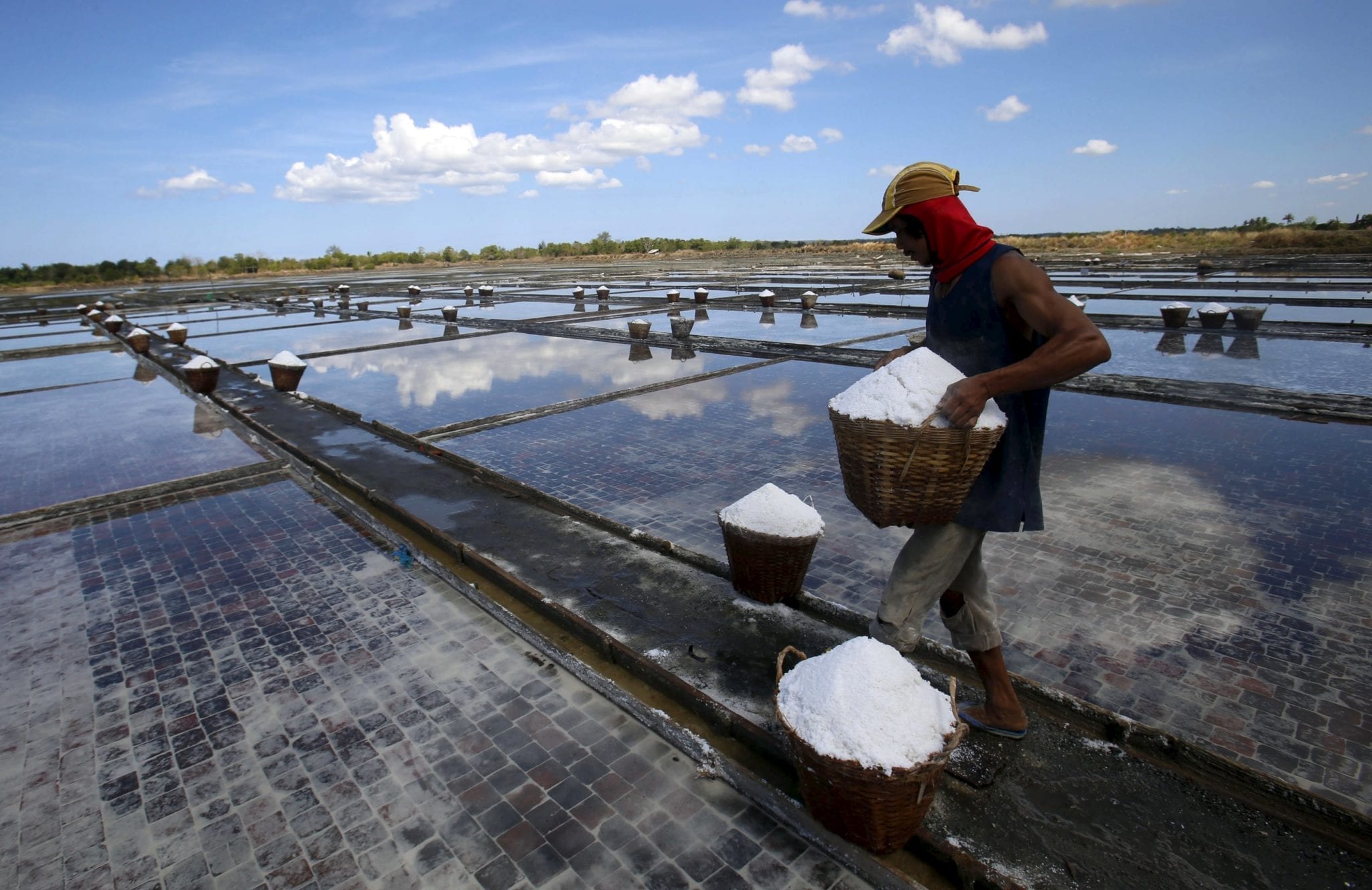
    Several of Indonesia’s noodle, biscuit and snack makers are facing shortages of quality salt as they have been unable to import the ingredient and local supplies are insufficient, an industry association said.

    “We received reports several industries will stop production next week because of shortages of salt,” said Adhi S. Lukman, chairman of the Indonesia Food and Beverage Association (Gapmmi), referring to several instant noodle producers, without naming the specific companies affected by the shortages.

    The government has not approved salt imports for food processors for 2018 despite a quota of 460,000 metric tons of salt imports issued by the Coordinating Ministry for the Economy this year, Adhi said.

    Food companies require salt with a maximum water content of 0.5 percent and sodium chloride above 97 percent, but not all domestic suppliers can meet those levels, Adhi said.

    State salt producer Garam is “very small” and lacks the right quality stock, particularly in the wet season, he said.

    Indonesia’s food and beverage industry is expected consume 550,000 tons of salt in 2018, up 12 percent from the 490,000 tons consumed in 2017, Adhi said. Last year only around 50,000 metric tons of salt was supplied domestically to the food and beverage industries, with the remainder from imports.

    Foreign Trade director general Oke Nurwan said the food and beverages industry needed a recommendation from the Ministry of Fisheries before the 2018 salt imports could take place.

    Brahmantya Satyamurti Poerwadi, director general of sea territory management at the Ministry of Fisheries said a recommendation had been issued to all industries for imports of 1.8 million tons of salt in 2018.

    It was up to the Ministry of Trade to provide specific import allocations to different industries, he said.

    The Ministry of Fisheries estimates Indonesia’s total salt demand will reach 3.9 million tons in 2018, of which around 3.6 million metric tons would be used in manufacturing, including the food and beverages industries.

    Indonesia’s total salt production is expected to be around 1.5 million tons this year, with a carry over stock from 2017 of 349,000 tons.

    Indonesia’s demand for noodles, biscuits and snacks like burgers and doughnuts has climbed steadily in recent years in a creeping westernization of diets, underpinned by the country’s rising middle class.

  • Dairy Farm International’s plan after hitting bottom line

    Dairy Farm International’s plan after hitting bottom line

    Poor trading by Dairy Farm International’s Southeast Asian grocery business hit the company’s bottom line last year, with underlying profit falling 13 per cent.

    But every other one of the company’s divisions traded strongly throughout the year, according to the results just released.

    Full-year profit was US$403 million, after allowing for $64 million of costs relating to business restructuring. Sales by Dairy Farm’s wholly-owned subsidiaries totalled $11.3 billion, largely unchanged from 2016’s $11.2 billion. But total sales, including 100 per cent of associates and joint ventures, at $21.8 billion were up 7 per cent year on year, reflecting strong growth at both supermarket operator Yonghui and cafe-restaurant operator Maxim’s, which owns the Starbucks business in Hong Kong, Vietnam, Cambodia and now Singapore.

    “After a disappointing year… for our food businesses in Southeast Asia, actions are being taken to improve their long-term performance,” explained chairman Simon Keswick. “All of the group’s other formats and markets are trading well and growth opportunities are being pursued, in Mainland China and elsewhere.”

    In Dairy Farm’s food division, sales were down and profits were “significantly lower” than in 2016, primarily due to poor performances in the supermarket and hypermarket businesses in Malaysia, Singapore and Indonesia.

    “A number of underperforming stores are being closed and prices lowered to clear or write off discontinued and slow moving stock.

    “In Hong Kong, sales were more resilient, although profits were marginally down due to increasing rents and labour costs. Positive sales growth seen in the Philippines reflected the ongoing investments being made to improve the business,” said Keswick.

    Elsewhere in the company there was brighter news.

    The convenience store format (including 7-Eleven in Hong Kong and Singapore) produced increased sales and profit. “In part, this reflected a consumer shift to more convenient retail formats, as well as a positive reception to the service and range enhancements introduced for customers,” said Keswick.

    The convenience stores division reported $2 billion in sales, an increase of 4 per cent over the previous year – but operating profit surged 16 per cent to $85 million.

    In the health and beauty division, (led by Guardian and Mannings), sales and profit were higher, principally due to strong performances in Hong Kong, Macau and Indonesia, together with improvements in Mainland China.

    Keswick said this was led by an increasing focus on the beauty category and the continued development of the division’s house brands.

    The home furnishings division (Ikea in Hong Kong, Taiwan and Indonesia) recorded higher sales and trading profit, but the reported profit declined, mainly due to costs associated with the opening of the fourth Ikea Hong Kong store in October. Sales and profits increased in Taiwan and Indonesia and there was solid growth in the e-commerce business.

    Maxim’s enjoyed good sales growth and profit expansion during the year, in large part due to strong performances from its branded products, particularly mooncakes, and its business in Mainland China. The company also acquired the Starbucks Singapore business last year.

    The group’s 19.99 per cent-owned associate in Mainland China, Yonghui Superstores, opened a net 292 new stores last year, which underpinned a 19 per cent growth in revenue. Ongoing supply chain optimisation and shrinkage improvement resulted in improved margins, which together with better capital use, led to a 45 per cent growth in profit.

    Convenience focus

    Keswick said Dairy Farm International will focus on increasing its convenience store operations in the year ahead through expansion and enhancement of the store network. New smaller-store formats are being piloted in some markets.

    The group will also continue to develop its e-commerce presence, focusing on a number of initiatives in its home furnishings, food, and health and beauty operations introduced last year.

    Dairy Farm International added a net 633 stores last year. At year end, it had 7181 stores in operation in 11 countries and territories, including its interest in 779 Yonghui stores in mainland China and 1210 Maxim’s stores.

    Besides the Starbucks Singapore deal, Maxim’s also acquired the existing businesses and franchises of Genki Sushi in Singapore and Malaysia. It opened its first The Cheesecake Factory in Hong Kong in May, which Keswick said is trading well, and this year will introduce American casual restaurant format Shake Shack in Hong Kong and Macau.

    In the Philippines, Rustan became a wholly-owned subsidiary following the acquisition of the remaining 34 per cent interest from the group’s joint venture partner.

  • RateX expansion plan after latest investment

    RateX expansion plan after latest investment

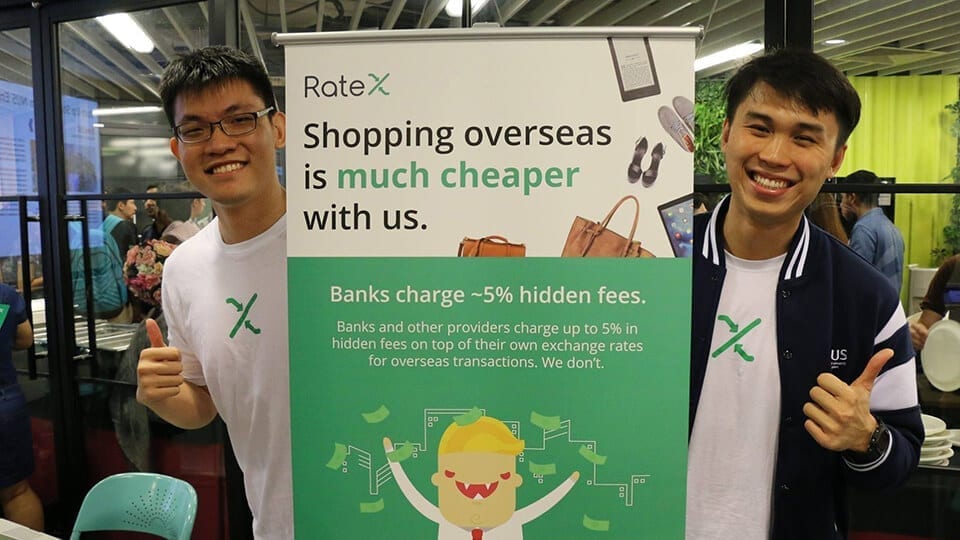
    Singapore-based payments startup RateX has raised S$3 million (US$2.3 million) in a pre-series A funding round.

    RateX is a free browser extension that automatically provides shoppers with the lowest exchange rate without transaction fee for overseas purchases through e-commerce platforms. It also allows users to automatically apply coupon codes upon checkout.

    RateX seamlessly integrates with such e-commerce platforms as AirAsia, Amazon, Expedia, Lazada, Singapore Airlines and TaoBao. It also works with payment processors Adyen and Alipay. It works as a browser add-on to Google Chrome and Firefox.

    RateX says its users have saved more than S$264,000 through lowered exchange rates and transaction fees, and $396,000 through discount coupons.

    “At a time when online commerce is booming, we want shoppers to pay less for their overseas purchases,” says RateX CEO/co-founder Jake Goh. “We are doing this by solving e-commerce and financial inefficiencies inherent in cross-border commerce. These include markups around transaction fees and foreign-exchange rates.”

    Research firm Frost & Sullivan says Southeast Asia is the world’s fastest-growing internet market. The gross merchandise value of e-commerce will rise to US$65.5 billion by 2021, up from $14.3 billion in 2016. Meanwhile, about 89 per cent of Singapore shoppers use websites beyond Singapore, with the average online shopper in Singapore spending around US$1066 each year on e-commerce transactions.in

    “Our users can now save up to 20 per cent on their purchases.” says Goh. “We are achieving this while bringing affiliate sales to our merchant partners – a win-win situation for all.”

    RateX is currently available for Singapore users on Firefox and Google Chrome desktop browsers. It has also just launched its mobile app (RateS).

    Its latest funding will be used to drive the launch of RateX’s mobile app in Singapore and Taiwan this month, as well as RateX’s expansion into Taiwan and Indonesia this year.

    Participating investors include Alpha JWC Ventures and Insignia Ventures Partners alongside other angel investors.

  • E-business of Giordano International looks good

    E-business of Giordano International looks good

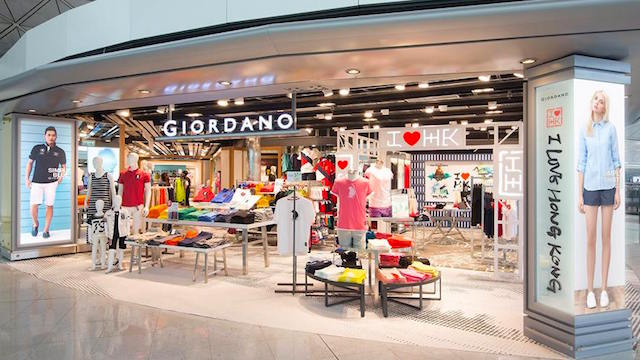
    E-business last year was particularly strong for apparel retailer Giordano International.

    Overall, consolidated sales reached HK$5.4 billion, up 5.2 per cent. Group comparable-store sales and comparable-store gross profit rose  by 5.2 and 5 per cent respectively.

    Consolidated gross margin edged up by 0.1 points to 59.5 per cent.

    Profit after income taxes attributable to shareholders of the company was $500 million,
    an increase of 15.2 per cent over 2016.

    Operating profit rose by 21.3 per cent, with most regions having double-digit growth, particularly Southeast Asia, Mainland China and Taiwan. The group’s business in Vietnam was acquired on July 1.

    With an improved merchandise assortment, Indonesia and Malaysia delivered good results.

    Operating profit increased by 18.6 and 26 per cent for Indonesia and Malaysia respectively. In Singapore, operating profit increased by 31.2 per cent, attributable mainly to the gross margin improving by 1.7 points to 63.7 per cent.

    Unusually strong sales from Thailand in 2016 resulted in an unfavourable year-on-year comparison. Operating profit declined by 20.1 per cent in local currency terms.

    A surge in net profit for South Korea – a 48.5 per cent JV under an independent management team – resulted from better cost control, closure of non-performing stores and enhancement in gross margin.

    Giordano had a network of 2414 stores at the end of December, of which 1268 were standalone outlets. Most stores were in Greater China, South Korea, Southeast Asia and the Middle East.

    Meanwhile, the group’s e-business is directly managed and derived mainly from third-party platforms as well as its own proprietary website in Greater China. This channel generated $310 million in revenue at a 31.4 per cent growth rate.

    Accounting for 93.2 per cent of the group’s e-business sales, Mainland China continued its momentum and recorded a 28.2 per cent increase in sales on various platforms combined.

    Giordano’s e-business in Taiwan was revamped during the year to become its second-largest online presence.

  • Indonesia’s Go-Jek Considering IPO, Timeframe Undecided

    Indonesia’s Go-Jek Considering IPO, Timeframe Undecided

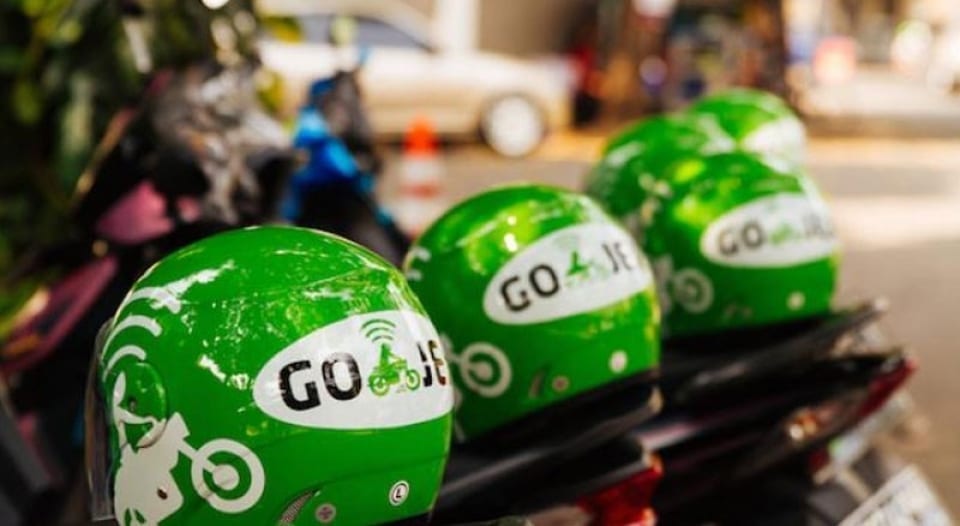
    Indonesian start-up Go-Jek is considering an initial public offering, president Andre Soelistyo said on Monday (05/03), but details on timing and float size haven’t been decided yet.

    Andre met with Indonesia Stock Exchange chief executive on Monday to discuss the potential share sale, including a regulatory requirement to be profitable within two years of listing.

    “We discussed what technology companies need [to do an IPO] and how [the exchange] can provide access,” he said.

    Andre also raised the possibility of a dual-listing after Indonesia, but said a decision on where hasn’t been made.

    Go-Jek is yet to appoint an underwriter for the plan, Andre said, in a sign that details around IPO size, company valuation and how much of the firm will be listed are some way off.

    Go-Jek delivers everything from meals and groceries to cleaners, masseuses and hairdressers across Indonesia’s capital city Jakarta, all at the touch of a smartphone app — helping it become a crucial workaround in a city with some of the worst traffic in the world.

    Bankers have listed Go-Jek’s potential IPO as a key float to track in Asia’s ride-hailing and mobile payments market, which has caught the attention of global investors.

    Go-Jek raised a higher than targeted $1.5 billion in a fundraising round from several investors including Google, Temasek Holdings and Chinese technology giants Tencent Holdings and JD.com, sources said last month.

    The latest round of investments valued Go-Jek at about $5 billion, the sources said.

    Rivals Grab and Uber are backed by Japan’s SoftBank Group.

    Go-Jek plans to expand its business beyond Indonesian borders by setting up operations in the Philippines in early 2018, with other Southeast Asian countries to follow later that year, it’s chief technology officer said in December.

    On top of that, Go-Jek has said it will roll out new services soon, including installing charging stations in retail outlets that users can access through their app. The company also plans to launch a laundry pick-up and delivery service to their already extensive services.