Indonesias tourism brand “Wonderful Indonesia” won “The Best Exhibitor 2017” title at the worlds biggest tourism exhibition in Berlin, Germany.
Indonesias tourism minister Arief Yahya hailed the award announced at around 2.30am on March 12.
“This is a pride achievement. ITB (International Tourismus Borse) Berling is the worlds biggest tourism exhibition attended by 187 countries, 10,000 exhibitors, 180,000 visitors in Messe, Berlin. All tourism industries, tour and travel agencies, airlines, cruise service, hotels, resorts, attractions, governments, associations gathered at ITB Berlin. Wonderful Indonesia has shown its class at the world level,” he said.
This is the second title after the one Indonesia won in 2016 when Wonderful Indonesia successfully came out as the Best Exhibitor 2016 beating “Imagine” of South Korea which was placed second, “Incredible of India at the third place, followed by Maldives, Sri Lanka and the Philippines.
This year Wonderful Indonesia topped South Koreas “Imagine” and Thailands “Imagine”.
Malaysia was ranked 10th out of 75 countries and 1,466 exhibitors taking part in the event.
Indonesias participation along with a number of delegations in the event from year to year has proven able to increase transactions significantly.
In 2015 Indonesia was able to record transactions worth Rp4.2 trillion and in 2016 it increased to Rp6.5 trillion. “The target for 2017 was set at Rp10 trillion,” the minister said.
Next year he wished Indonesia would be able to win the Best of the Best title and become the champion of five continents.
This year Indonesia set up a 487 square meter pavilion to present various art exhibitions including dances from Papua, Bali, Betawi and Aceh.
At the event Indonesia raised the theme of maritime and cultural diversity which was expected to be able to give the public in Europe a full picture of Indonesia.
Deputy for overseas tourism marketing I Gde Pitana said he had promoted Wonderful Indonesia more intensively at ITB Berlin by cooperating with Indonesian industry players.
“We brought a delegation consisting of 135 travel agencies, hotel and regional tourism service representatives,” he said.
The Indonesian pavilion at Hall 26 A Number 120 was storied in the form of a traditional Phinisi ship and Wae Rebo traditional house of Flores.
He said the two icons represented the theme of Wonderful Indonesia which was “Maritime and Cultural Diversity.”
Pitana hoped Indonesias tourism brand Wonderful Indonesia would become more popular following the participation in ITB Berlin to make more foreign tourists to come to the country.
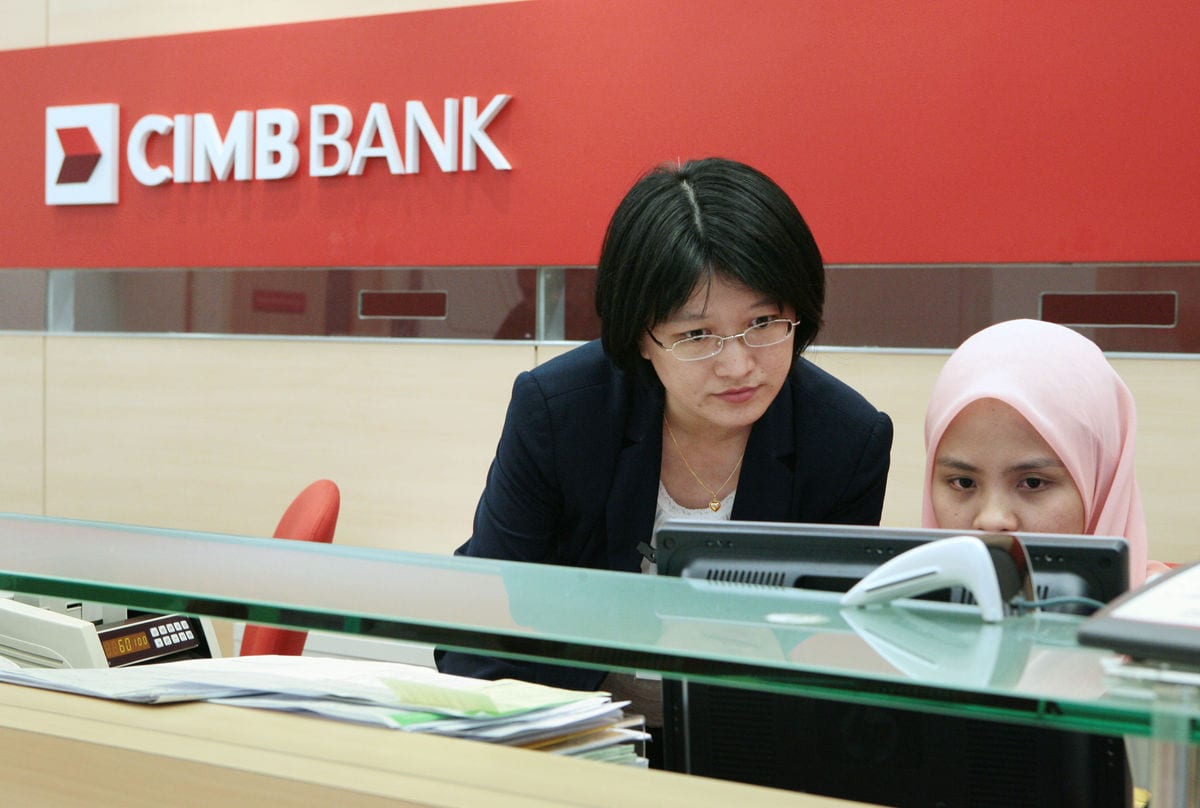
CIMB Niaga Syariah, the sharia unit of PT Bank CIMB Niaga Tbk recorded a 165.5 percent increase in its net profit to Rp305.43 billion in 2016 from Rp115.03 billion in the previous year.
Director of the sharia unit of CIMB Pandji P. Djajanegara attributed the surge in profit to 40.2 percent rise in sharia financing to Rp10.21 trillion in 2016 from Rp7.28 trillion in 2015.
“An increase was recorded in all business segments,” Pandji said here on Monday.
He said the non performing financing (NPF) of the sharia unit of the bank dropped to 1.15 percent from 1.86 percent despite the surge in financing.
“The performance of the sharia unit was in line with the management adoption of prudential banking principle while expanding its financing portfolio,” he said.
In 2017, apart from expanding consumer financing, CIMB Niaga Syariah wanted to increase financing of business segment including corporation, micro, small and medium enterprises (UMKM) and commercial financing, he said.
He said the sharia business is expected to account for 10 percent of the credits to be provided by PT. CIMB Niaga Tbk.
The third party fund held by CIMB Niaga Syariah rose 40.2 percent to Rp10.63 trillion in 2016 from Rp7.58 trillion in 2015.
Pandji attributed the increase in the third party fund partly to the status of the unit as a recipient of hajj pilgrimage payments including regular hajj and special hajj pilgrimage.
CIMB Niaga Syariah has a product of hajj saving that includes hajj plan saving, and hajj pahala (merit) saving and iB Mapan Wakaf saving.
With the financing and the third party funds , the assets of CIMB Niaga Syariah rose 40.34 percent to Rp12.78 trillion in 2016 from Rp9.11 trillion in 2015.
The sharia unit contributed 5.45 percent to the total assets of Bank CIMB Niaga in 2016 , up from 3.90 percent in 2015.
PT CIMB Niaga is the countrys fifth largest bank in assets controlled by the CIMB Group of Malaysia.
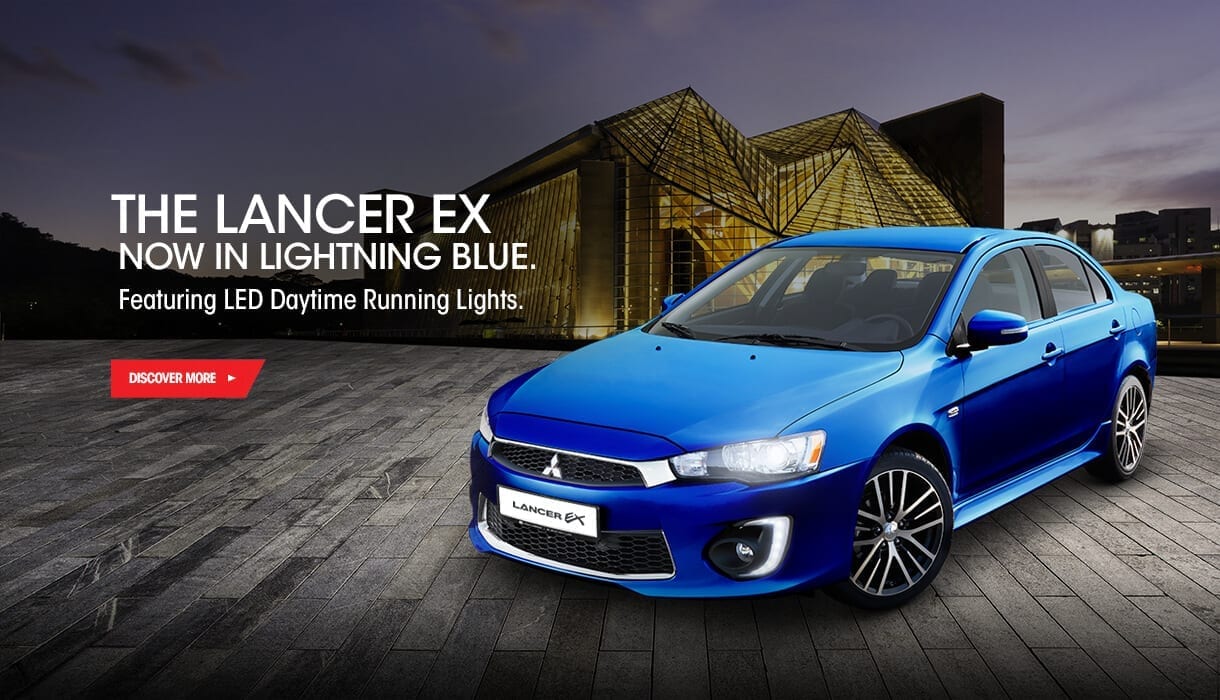
Mitsubishi Motors and its new parent Nissan are studying joint production of pickup trucks in Southeast Asia as they look for savings within the broader Renault-Nissan alliance, a senior executive told.
The Japanese groups may pool technical underpinnings and production of future replacements for the Thai-built Nissan Navara and Mitsubishi Triton, Mitsubishi Chief Operating Officer Trevor Mann said in an interview at the Geneva car show.
Mitsubishi’s pickup architectures are likely to become the basis for future alliance models, said Mann, who was despatched by Chief Executive Carlos Ghosn to help turn Mitsubishi around after Nissan paid US$2.3 billion for a 34 percent controlling stake in the scandal-hit company last October.
“If you look at our cost performance in that region, we are the benchmark within the alliance,” Mann said. “Our four-by-four technology, our cost base on pickups is better than Nissan’s.”
Nissan snapped up Mitsubishi last year after the company admitted in April it had falsified fuel consumption data, triggering a sales slump and steep losses expected in the current fiscal year, which ends this month.
Mitsubishi expects sales to bounce back above 1 million vehicles next year, Mann said, almost reversing their 8 percent decline from 1.05 million before the outcry. Nissan and Mitsubishi currently produce frame-based pickups and cars – which have fundamental design and manufacturing differences – on separate lines at each of their Thai plants.
Moving to common architectures could potentially allow the Mitsubishi factory to specialize in pickups while the Nissan plant builds cars and SUVs, increasing productivity at both sites, Mann said, while stressing that nothing had been decided.
Cooperation will rapidly extend to other countries in the region including Indonesia and the Philippines, where the companies have plants, Mann said. But pickups are likely to stay based in Thailand, where they account for 40 percent of sales.
The current Navara and Triton models were launched in 2014 and are not due for replacement before 2022, which means development and production decisions may still be two or more years away. In the meantime, Nissan and Mitsubishi are already pooling car transport and other logistics while stepping up efforts to find more savings from joint purchasing.
Renault and Nissan, whose 18-year-old alliance is cemented by reciprocal minority shareholdings, are also likely to use Mitsubishi’s plug-in hybrid technologies, Mann added. “That’s an obvious opportunity.” But Renault may have to wait longer than its alliance partner for the market access and savings that their new affiliate can bring.
“What we have to do is prioritize,” Mann said. “We have the capital share with Nissan, so it’s logical to start there.” Under Nissan ownership, Mitsubishi is still “cleaning house” in the wake of the fuel-economy data scandal, he added.
“We’re introducing a proper delegation of authority, risk control and business ethics in the company,” Mann said. “If we did uncover anything (else) which was not correct, we would disclose in an appropriate manner.”
While its direct-selling model echoes brands like Avon and Tupperware, Indonesia’s MindStores gives the approach a modern twist—with augmented reality.
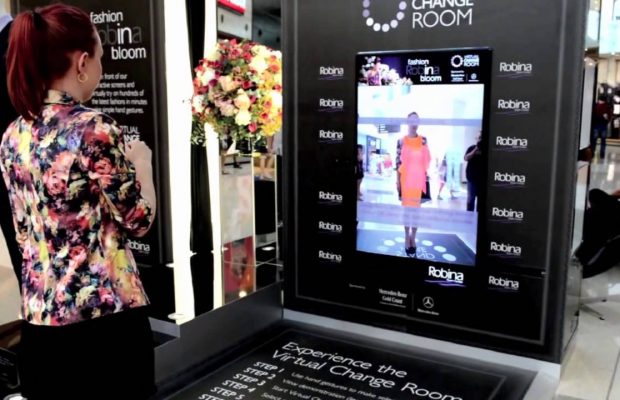
Recognized as the first partnership store network to use augmented and virtual reality, MindStores equips its store owners with their own unique partner cards which customers use to access the stores virtually. The whole process is relatively simple, and takes place in-person only.
A store owner, who can be located anywhere—from their living room to a public coffee shop—shows a customer their partner card. Using a dedicated app on their own smartphone, that customer scans the card to see a 3D retail store appear on their screen. From there, the customer enters that partner’s virtual store and can browse and purchase merchandise to have shipped to them. The store owner then gets a cut of the sale.
Slingshot, the Indonesian technology and media company that operates MindStores, announced this week that the store network has opened more than 7,000 stores in Indonesia since its launch last June. They estimate that they will have more than 150,000 active stores by the second quarter of 2017, with the potential to open more than 4 million new stores in the country over the next two years.
As part of the pilot program, MindStores partnered with Alfamart, a large Indonesian convenience store chain, to have their wares sold through branded Alfamind virtual stores by individual store owners. However, augmented reality gives MindStores the potential to expand their retail partnerships to other companies, with many stores appearing side by side on each scanned store owner card.
“The future will be an augmented reality city that is working flawlessly with people, with stores, with consumers,” said Daniel Surya, CEO of Slingshot and its parent company, WIR Group, in an interview with NextReality. “Now is just the first phase. We’re looking at a data-driven city using augmented reality.”
Surya noted that MindStores already has an agreement with one of the largest insurance companies in Indonesia, Astra Life, in collaboration with UK-based Aviva, as their next retail partner. Eventually, MindStores will also give its store owners the ability to sell their own merchandise and crafts—not just partner brands—like on Etsy.
The company expects to expand to China and India by the end of the year, Latin America and Africa next year and, eventually, the United States. Each expansion will require recruiting partners that resonate with consumers in those markets.
Working in emerging markets presents challenges in rendering AR and VR animations, since most consumers are equipped with lower-end phones running on processors two or three generations old.
The stores are designed to render smoothly through its Android or iOS app. To ensure consistent operation, the company built the stores on their own engine, which is compatible with more modest hardware. For instance, minimum requirements to run on Android include OS version 4.2 Jelly Bean, quad-core 1.8 GHz CPU, and 2 GB RAM.
“We need to be able to present this technology on the simplest, most modest phone available on the market,” said Surya. The app is also optimized to compensate for available connectivity in the emerging markets. According to a spokesperson, the app is designed to allow for offline browsing, though an internet connection is required to place an order.
Nonetheless, they are also testing the experience with smart glasses, namely Vuzix and HoloLens, and their research and development team maintains relationships with the leading hardware makers so that they are familiar with the next wave of devices.
Empowering Women Through Community-Based Selling
Along with the eye-catching AR and VR aspects, community-based selling has been a significant component of the company’s success.
The direct selling model appeals to mothers of single-income families as supplemental income, according to Surya. Since brand loyalty is low in Indonesia, the ability to offer goods at a discount to friends and neighbors gives store owners and their partner retailers an advantage.
Through Mindstores we’ve used innovative technology to create something as equally innovative as it is meaningful, through its proven ability to make a positive impact to empower women worldwide. Slingshot will continue enhancing the Mindstores experience, for the benefit and futures of an often-overlooked population: women in less developed regions of the world.
Compared to the cost of opening a brick-and-mortar store or securing a franchise license, the start-up cost for MindStores is relatively modest. Store owners invest a minimum fee (the equivalent of about $100) to serve as capital to purchase inventory credit from Alfamart, the partner retailer.
Their customers order products through the store and pay the customer in cash. The retailer applies the purchase towards the inventory credit and ships to the customer. Customers pay the store owners directly in cash. Store owners can purchase additional credits once the initial investment is exhausted.
The store owners receive about 15% of each sale for most of Alfamart’s product categories, such as fashion and household goods, which have 30-40% margins. MindStores takes a 2% cut, with the remainder of the proceeds going to Alfamart. Slingshot reports that participants average $900–$1,200 per month in sales.
Next Stop: SXSW
Slingshot is one of five Indonesian companies appointed by BEKRAF (Indonesian Government Agency for Creative Economy) to attend the South by Southwest (SXSW) Conference and Festival, taking place March 10–19 in Austin, Texas. The companies will exhibit in the Indonesian section named Archipelageek.
“It is a tremendous honor to represent our Country at such a prestigious event,” said Surya. “We’re proud to showcase the creative and innovative technological achievements from Indonesia, which we believe are highly relevant in today’s worldwide marketplace.”
In addition to its MindStores business unit, Slingshot also operates AR&Co., which specializes in augmented reality content development, and DÄV, an AR media placement company. Founded seven years ago as the AR Group, Slingshot has offices in New York, Los Angeles, Silicon Valley, Jakarta, Singapore, Barcelona, and Malta.
Slingshot has completed more than 500 projects in 20 countries, working with brands such as Disney, Cartoon Network, Samsung, LG, Intel, Lenovo, and Sony, to name a few.
Among their notable campaigns include AR-enabled ads for the successful Nigerian presidential campaign of Muhammadu Buhari, holographic Star Trek collectible pins, and the first AR children’s books in Spain.
“We’ve always been excited about the possibilities of augmented reality and the power it has as an engaging and immersive platform,” said Surya.
The Tourism Ministry, in cooperation with Chinese provincial tourism administrations, aims to raise the number of tourist arrivals from China by 50 percent to 2.1 million in 2017 from 1.4 million last year.
The ministry’s director for Asia-Pacific tourism promotion, Vinsensius Jemadu, said that this year’s increase would be part of Indonesia’s target to attract 10 million Chinese visitors by 2019.
“China is our strategic partner and main market for tourism. Therefore in the Tourism Ministry, China gets more than 50 percent of its budget for promotion,” he said in a meeting with Hubei tourism administration in Jakarta on Friday.
Vinsensius further said that aside from cooperation with the Hubei tourism administration, the ministry had also established cooperation with China’s Hainan tourism administration.
“Next month, Hainan Airlines and Capital Airlines can fly to Jakarta three times a week,” he said.
Citilink, a subsidiary of national flag carrier Garuda Indonesia, was expected to fly to 17 cities in China from Tanjung Pinang in Riau Islands and Manado in North Sulawesi, based on the memorandum of understanding (MoU) signed by the Indonesian tourism minister in Beijing last year, Vincensius said.
The ministry offers an incentive of US$15 (Rp200,895) or $20 per passenger to airlines and wholesalers bringing visitors to Indonesian destinations outside of Bali and Jakarta. In addition, the Transportation Ministry will provide licenses of direct flights and offer free parking and landing to aircraft from Chinese airlines.
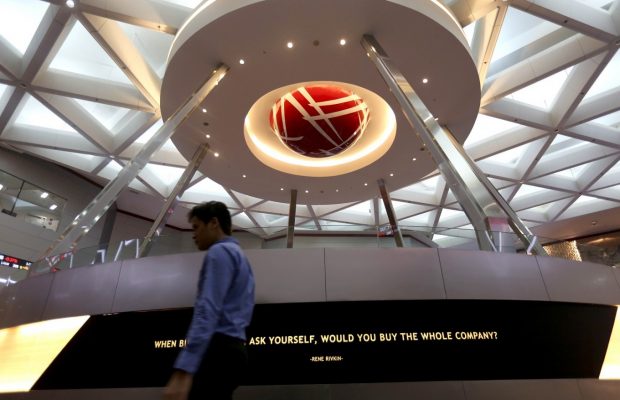
The Indonesian Stock Exchange (IDX) has inaugurated the 250th Investment Gallery located at the Faculty of Economy and Business of Udayana University in Denpasar, Bali. The galleries are spread in 240 universities in Indonesia.
IDX President Director Tito Sulistio said investment gallery is a means to introduce the capital market to academicians. It is established in collaboration between the IDX, universities, and companies that are Members of Exchange (AB).
“It is hoped that academicians will not only know the capital market from the theoretical aspect only but can also directly implement the practice,” Tito said in Bali on Friday (10/3).
The Investment Gallery provides all publications and printed materials about capital market published by the IDX, including regulations and laws on the capital market.
Academicians can use information and the data for academic purposes and research. The materials can also be used as a reference in decision making when doing share transactions.
Tito hopes that those galleries can disseminate information on the capital market, not only among academicians but also economists, investors, capital market observers or the public in the regions.
Tito added that this year, IDX inaugurated 10 Investment Galleries this year, seven of which are located Bali and five of them are in Denpasar.
Digital media group REV Asia is on the lookout for local partners for its operations in Indonesia and the Philippines, says managing director Voon Tze Khay.
The group’s initial plan, which was to grow its market share in social media advertising revenue in those markets, hit a snag one-year into operations, leading it to seek home-grown partners.
“We thought if we could run Malaysia at such a successful pace over the last three years, why not try it ourselves? However, after 12 months, we realised that the opportunities in these markets are plenty but the right way and more strategic way to do it is through a local partner, either in the form of merger and acquisition (M&A) or joint venture (JV),” Voon told in an interview.
He said the group faced operational challenges in both markets, in terms of understanding the local business culture, dealing with local advertising agencies and brands as well as challenges in working style and expectations in the delivery of campaigns.
“Running a business in these two countries is very different to how we run it in Malaysia simply because the understanding of local and business culture is a fairly important tool. We have not seen it grow in the way that we expected,” he added.
Voon said it has identified certain players that could be potential partners but talks have not begun as it is still mapping out how to grow with a local partner. The group entered both markets in 2015 with their Says.com and 8share.com brands. These markets contribute about 5% to total group revenue and there are no plans to expand its other brands there in the immediate term.
“In the next 24 months, we are looking at international revenue (contributing about) 5-8% because our focus is going to be Malaysia. We are expecting Malaysia to grow in the double digits year-on-year in both revenue and bottom line.
“For international markets, there’s still a lot more groundwork to be done for local business understanding and a lot more research to be done from data point of view. That doesn’t mean we are not putting in efforts to grow it. But growth compared with Malaysia will be a lot smaller,” said Voon.
In 2017, the group aims to grow in terms of audience and revenue in Malaysia, through organic growth and M&As, by shifting its focus to videos and small and medium enterprises (SMEs).
Voon said consumption of videos on mobile has grown tremendously and will continue to grow. It also aims to tap into the 700,000 SMEs in Malaysia by offering them specific packages to promote their services across the group’s platforms.
In 2016, total video revenue contributed 10% while total SME revenue contributed only 2%. This year, it aims to grow contribution from these two products to 25% and 12% respectively.
In terms of M&A, Voon said, REV Asia is always on the lookout for opportunities within the three main languages in Malaysia.
“We will continue to seek out M&A opportunities but we will be selective. It has to be a digital media product with a sizeable audience already visiting the site and we will look at how that particular brand fits within the entire REV Asia set-up,” he said.
Recall that the group acquired two Chinese websites, Viralcham and Rojaklah, in 2015 and last year it acquired three Malay-language websites, namely Siraplimau.com, Myresipi.com and Kongsiresepi.com.
Meanwhile, REV Asia Bhd (holding company of REV Asia) saw its shareholding in iCar Asia Ltd diluted to 17.28% in September last year and in November shareholders approved the transfer of its shareholding into a special purpose vehicle (SPV).
“The process is underway, we are waiting for the finalisation of a court order to reduce the share capital and to fully formalise the transfer of the shares of iCar Asia out from REV Asia Bhd into an SPV. We hope to complete the transfer by first quarter this year,” said Voon.
President Joko Widodo has revealed that global competition in the furniture and handicraft industry is increasingly rapidly. Moreover, changes in mode of creative industries are on the rise, as well as providing an alternative for its own market.
The President also claimed to have become more satisfied with the changes that occur in the furniture and handicraft industry in Indonesia to move the industry forward. However, he added that this time, the toughest competitors in the international furniture industry for Indonesia are Vietnam and Malaysia.
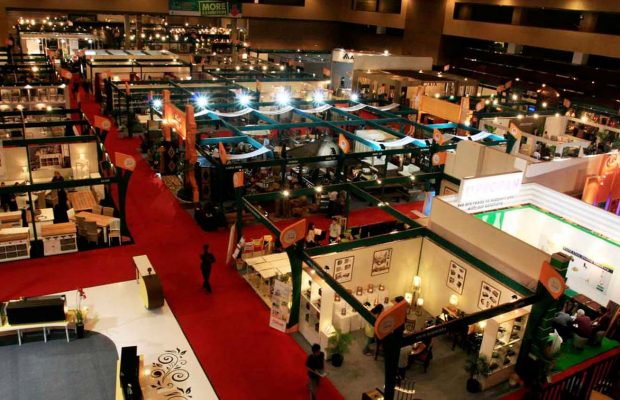
“If we do not follow, then we will be left behind. The furniture and handicraft products’ design are good enough. What needs to be done now is on how to market the products so we can compete internationally,” he said at the Jakarta International Expo (JIExpo) in Kemayoran, Jakarta, on Saturday (3/11).
He stressed that if the domestic furniture industry is not able to adjust to global challenges that exist today, then Indonesia’s furniture industry will be undermined by other countries’ furniture products.
“The designs of existing products from rattan, wood, bamboo, and metal have been changed. These are the changes that need to be done, because the world changes rapidly,” President Joko Widodo added.
“Our toughest competitors are now Vietnam and Malaysia. I think with good designs like these we can improve,” he continued.
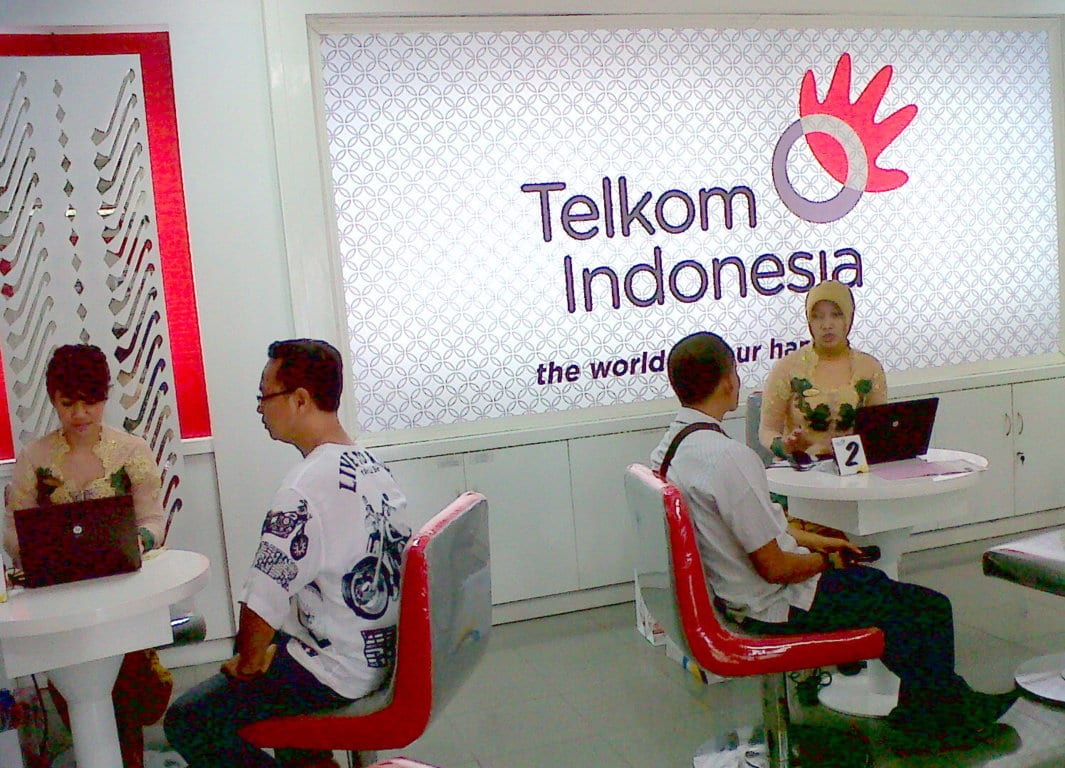
Indonesia’s PT Telkom has reported a 24.9% increase in net profit for FY16 to 19.35 trillion rupees ($1.45 billion), on the back of a strong performance in the company’s data and internet businesses.
Total revenue grew 13.5% to 116.33 trillion rupees, with revenue from the company’s data, internet and IP business growing 31.5% from 2015 to account for 37% of total revenues.
Fixed broadband subscribers grew 8.8% to 4.3 million, which includes 1.6 million subscribers to its IndiHome fiber broadband services.
Wireless subsidiary Telkomsel, in which Telkom owns a 35% stake, reported a net income of 9.79 trillion rupiah, up from 7.818 trillion in 2015. Total users grew 13.9% year-on-year to 173.92 million, with mobile broadband users up 37.1% to 60 million.
Telkom’s capex grew 10.6% year-on-year as the company spent heavily on fixed and mobile network expansion, mainly focused on access and backhaul infrastructure.
The company said it had deployed nearly 25,000km of terrestrial and subsea fiber during the year, including with its participation in the recently-completed SEA-ME-WE 5 subsea cable project, which links 16 nations in Southeast Asia, the Middle East and Africa.
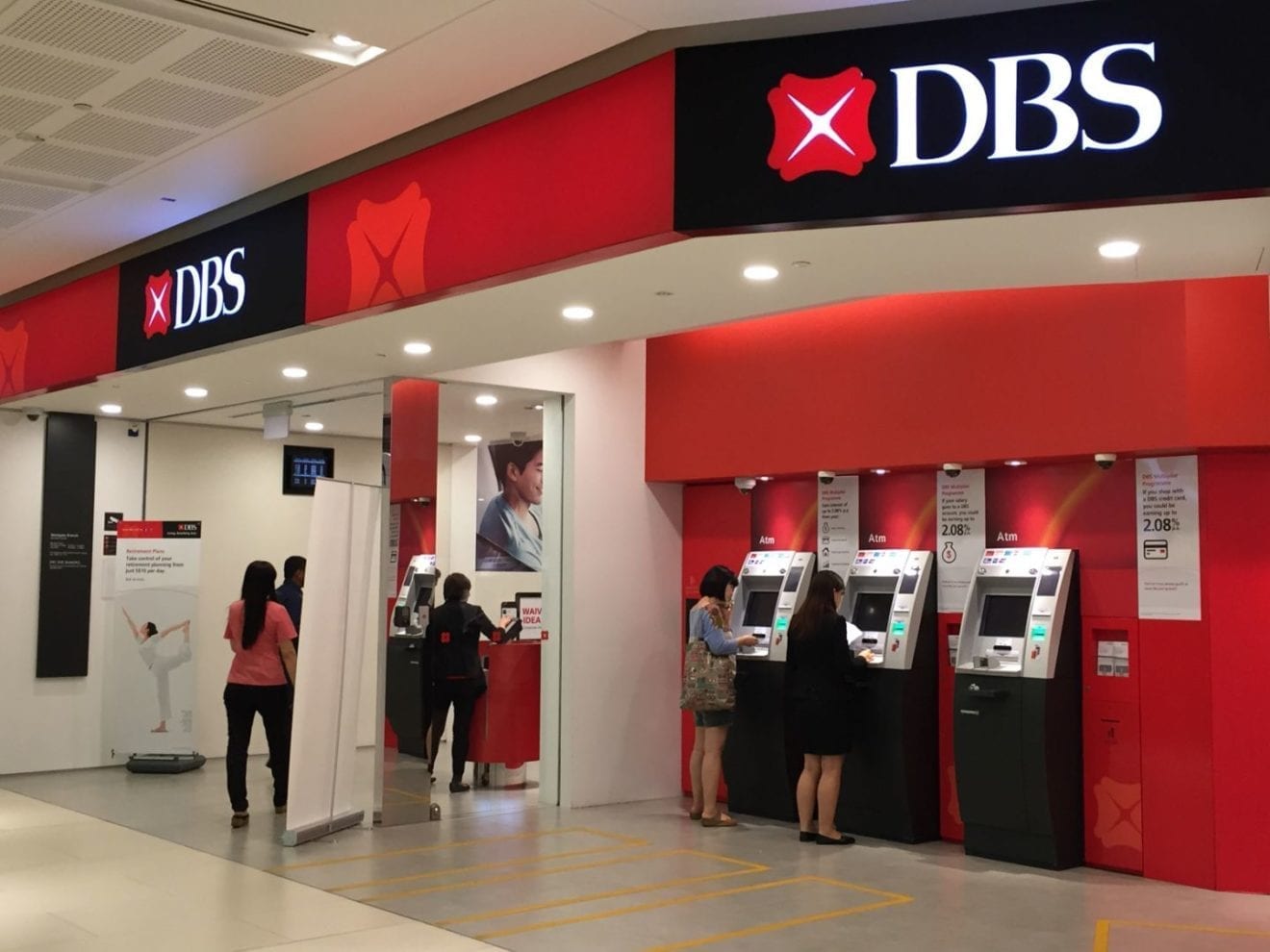
The Development Bank of Singapore (DBS) plans to introduce a smartphone-based mobile banking option for the Indonesian market as a way to further digitalize the banks’ operations and utilize digital innovation to its advantage.
Digital transformation is part of a larger agenda for DBS, seeing that the need for digitalization is no longer seen by the banking industry as a threat to its business but as a tool of cooperation to innovate services, said Bank DBS Indonesia’s head of digital banking, Leonardo Koesmanto.
DBS will open a new mobile-only bank in Indonesia in the early part of the second quarter of 2017 to promote a more digital, branchless and signature-less experience for its customers in this market. The system will function through biometrics and will require the presence of an electronic ID (e-KTP) to register or use its operations.
“We are taking the more scalable digital route because these days, bigger banks are shrinking their number of branches. With this investment we can serve more people more effectively,” Leonardo said on Wednesday.
It is likely that DBS’s mobile-only banking option in Indonesia will be rolled out through a soft launch around next month, in order to assess the feasibility of the technology and root out teething faults. The idea has already been tried by DBS in India.
DBS currently has around 30 physical branches in Indonesia. Leonardo commented that in order for banks to truly achieve growth in a market, they would need 300 to 400 branches.
Visa will soon be expanding its QR-based mobile payment service to ten more markets, including Indonesia, Pakistan and Vietnam.
The service, named mVisa, is now live in India, Kenya and Rwanda, and will soon be available to merchants and consumers in the three new APAC markets, as well as Egypt, Ghana, Kazakhstan, and Nigeria.
mVisa, a mobile solution, aims to provide easy and secure digital commerce to financial institutions, merchants and consumers in emerging markets.
The service is designed to help merchants overcome infrastructure issues by allowing consumers to use their mobile phones to make cashless purchases at merchant outlets, pay bills remotely and send money to friends and family members by securely linking their Visa debit, credit or prepaid account to the mVisa application.
mVisa digitizes the underlying account and allows consumers to transfer funds from their account to the retailer’s account reliably and securely by scanning a QR code.
Use cases of mVisa include the allowing subscribers of Tata Sky, a direct-to-home service provider in India, to recharge their account by using their mobile phones to scan the WR code directly from the TV screen or online. This function allows Tata Sky customers to order and pay for monthly or one-time services from home without having to visit a physical retail outlet.
Mahanagar Gas Limited, a utility provider in Mumbai, also issues customer bills printed with the mVisa QR code. Customers scan the QR code on the bill, as they would at a merchant outlet, and complete their transaction at their leisure.
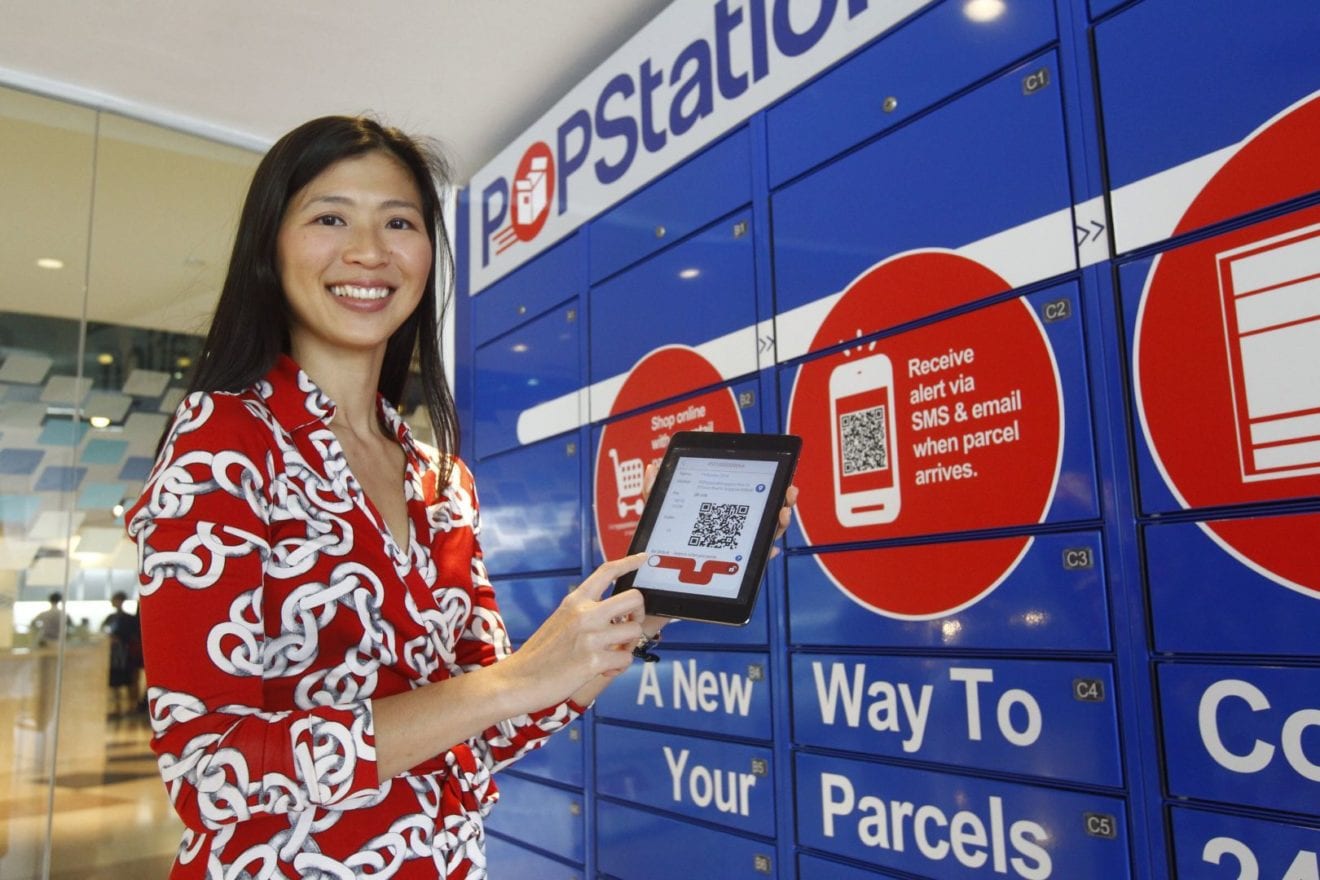
It will benefit from the growing e-commerce market in the country. Singapore Post announced just recently that it will be upping its stakes in an Indonesian entity through Quantium Solutions International Pte Ltd.
According to OCBC Investment Research, QSI has entered into a share purchase agreement with PT Rantai Bumi Laut (RBL) to acquire 1,800
ordinary shares, representing 18% of the issued share capital of PT Quantium Solutions Logistics Indonesia (QSLI) for a cash consideration of US$54k.
QSI is a JV between SingPost (66% stake) and Alibaba Investment Limited (34% stake) whereas QSLI is in the business of e-commerce logistics fulfilment in Indonesia.
“Recall that QSI set up QSLI with RBL in Jan 2014 with an initial paid-up capital of about S$375k, of which 49% was subscribed by QSI. According to a study by Google and Temasek last year, 18m people in Indonesia fell into the category of online buyers, representing about 7% of the population. By 2025, it is expected that Indonesia will dominate 52% of all e-commerce activity in SE Asia, due to its huge population and island geography,” OCBC said.
Minister of Communications and Informatics Rudiantara says financial technology, or fintech will be used as an effort to expand access of financial services to public, or financial inclusion. This relates to the use of mobile technology amid Indonesia society.
Rudiantara revealed in Indonesia there are 170 million people own mobile phones and 130 million people access the internet. Of the figure, as many as 100 million people access the internet via mobile phones. However, a number of people in Indonesia who have a bank account, based on data from Bank Indonesia, only reach 90 million.
“This means there are 80 million people have cell phones but are not given access of application related to finance and banking. Incredible,” said Rudiantara as quoted from the official page of Communications Ministry, Saturday (3/4/2017).
Based on the fact, Rudiantara said, the banking sector in Indonesia now needs to formulate new technology-based business model.
He said this in ‘Cooperation of National Movement of 1000 Digital Startups’ event initiated by PT Bank Bukopin Tbk (BBKP) at the Ministry of Communications, Jakarta, last week.
“For Indonesian banking it is only a matter of time to think of new business model, especially for consumer banking. Bank management must think to integrate itself to the new banking technology wave, that is, financial technology (fintech),” he explained.
The application of technology in the banking aspects is very diverse. Therefore, the Minister of Communication and Informatics expects the banking world to understand the characteristics of consumer.
“Fintech is diverse, but that much developing is virtual lending which relates to consumer banking. Why, people prefer to use fintech to borrow money rather than go to the bank? The reason is that in terms of time, because the process is fast,” Rudiantara explained.
He said that currently there are more or less 140 facilities of fintech services that have been registered. Indeed, the cost or interest is higher than that of traditional banking. But it is much better than moneylenders.
“This indicates that SMEs that borrow can count, although getting larger interests but there is assurance to be able to get a loan more quickly to develop business,” he explained.
He also expressed his appreciation for bank role, especially Bank Bukopin Tbk, which helped develop the startups and joint fintech.
“Because there remain few banks that want to get involved. This is a national program, not a program of Communications and Informatics Ministry. In 2020 we expect to reach 1000 qualified startups that go through a phase that has been determined,” he concluded.
Uber may have a reputation for steamrolling its competitors, but it can be conciliatory at times. In 2015, a year before its retreat from China via the sale of its Chinese business to rival Didi, the U.S. company agreed to a non-compete deal with Go-Jek, a fast-growing on-demand service from Indonesia that’s valued at over $1 billion, TechCrunch has learned.
In a bid to strengthen their collective battle against Grab, the Singapore-based firm represent in six countries, the two companies floated a collaboration that would ensure they didn’t compete directly in Indonesia, the largest economy in Southeast Asia, according to a person who was involved in discussions. In practical terms, it meant Uber would stick to offering private cars in the country, while Go-Jek would focus only on two-wheeled motorbikes on-demand.
The agreement fell apart when Uber CEO Travis Kalanick was made aware of the arrangement. Our source said the Uber chief didn’t want to miss out on potential marketshare and thus scrapped the deal. It wasn’t long before they did invade each other’s spaces: Uber introduced ‘Motor,’ its bike taxi service, in Indonesia in April 2016, while Go-Jek announced its GoCar service the following month.
Uber declined to comment. Go-Jek did not respond to multiple requests for comment.
Indonesia, and its capital city Jakarta, has become a hot battleground for Uber, Grab and Go-Jek. The country is the largest in Southeast Asia with a population of 250 million people, and it is currently estimated to account for one-third of the region’s ride-sharing market based on revenue, according to figures from a report co-authored by Google. The same study predicts that ride sharing across Southeast Asia will grow by more than five-fold to reach $13.1 billion by 2015, with Indonesia alone worth $5.6 billion.
Agreeing to an alliance might have made sense for a young Go-Jek, but times have changed. The company, which specializes in motorbike taxis on-demand, had a breakout 2016 in which it attracted investment dollars from major firms Warburg Pincus, DST and Sequoia Capital, all of which took part in its recent $500 million financing round. Now valued at $1.3 billion, the company’s stock has continued to soar as it fends off the challenge from Grab and Uber, two vastly larger companies that have raised billions of dollars more. Today, Go-Jek is arguably Indonesia top ride-sharing firm, and it is reported to be in talks with Chinese tech giant Tencent over a new investment that could bring in as much as $1 billion at a pre-money valuation of $2 billion.
Beyond imitating its business by expanding into motorbikes, Uber and Grab have also taken a leaf out of its monetization playbook. Grab has copied Go-Jek’s by introducing non-transportation services via motorbike and developing its own mobile payments service, which is designed to seed its platform beyond the initial early adopters that have registered and used it thus far.
Bank Indonesia (BI) and the Bank of Korea signed a bilateral currency swap arrangement (BCSA). Through the deal, both central banks will be able to swap currencies for a value of KRW 10.7 trillion or Rp115 trillion.
The agreement was signed by BI governor Agus D.W. Martowardojo and Bank of Korea governor Lee Ju-Yeo, March 6. Agus said the BCSA extension will economic ties between the two nations through the use of their respective currencies.
“The goal is to reduce our dependency on using a certain currency,” Agus said on Monday, March 6, 2017.
According to Agus, the BCSA is part of the government’s initiative to deepen the financial market and support economic defense “especially in facing today’s economic uncertainties,” Agus said.
The BCSA also guarantees the use of Indonesia and South Korea’s currencies in trading, to support the regional financial stability.
Agus said the deal is valid for three years and can be extended if the two countries agree.
The first BCSA between BI and Bank of Korea was signed on March 6, 2014, based on economic ties—especially in trade—between the two nations.
South Korea is Indonesia’s fourth import destination with an average market share of 6.5 percent a year from 2010-2015. Korea is also Indonesia’s sixth export destination, with an annual market share of 6.8 percent in the same period.
However, most transactions are denominated in US dollar. “That’s why we need to diversify the use of our own currency when trading with regional countries, to stabilize the rupiah,” Agus said.