Tag: Indonesia

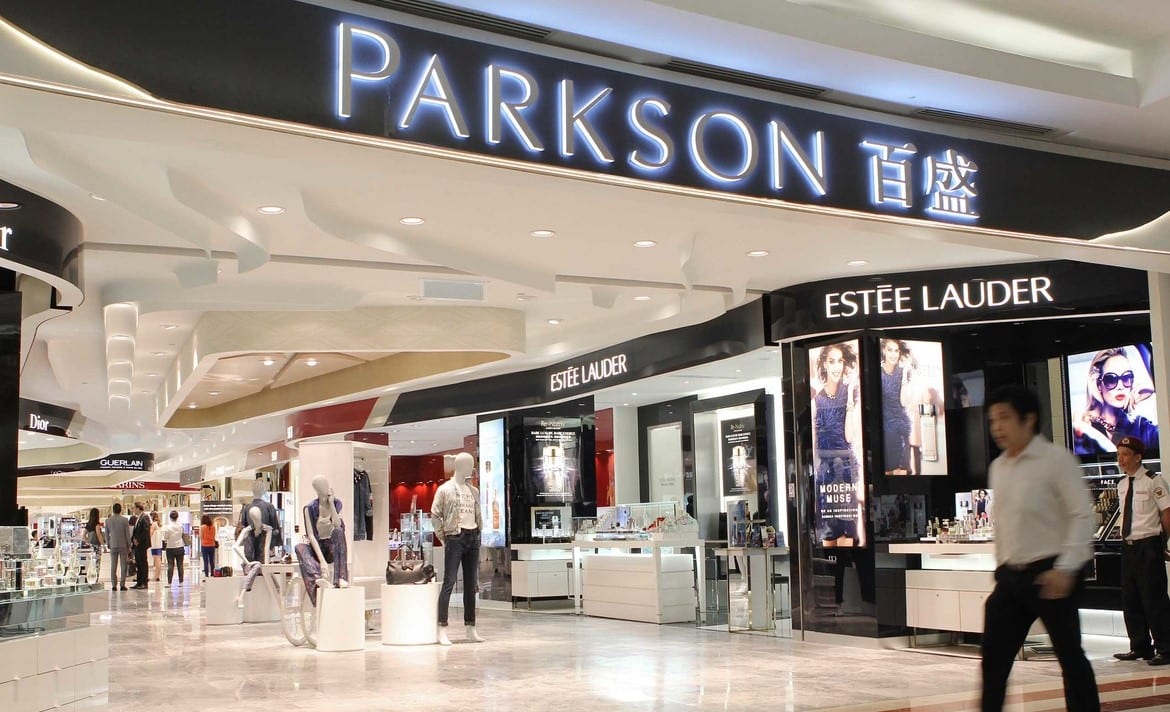
  • Parkson Retail sales continue to slide

    Parkson Retail sales continue to slide

    Parkson Retail Asia has flipped from a S$2.9 million (US$2 million) net profit a year ago to a net loss of $2.23 million for its second quarter.

    This is despite a 7.4 per cent year-on-year rise in revenue to $111.14 million, with Parkson attributing its red ink to weak same-store sales growth as well as losses by some new stores and businesses.

    For the six months to December 31, the department-store group had a net loss of S$7.42 million, compared to a net profit of $52.36 million for the same period the previous year. Revenue rose 4.2 per cent to $204.48 million.

    Parkson Retail Asia says its performance in Malaysia will remain muted because of “fragile” consumer sentiment, while rising competition will make Vietnam challenging.
    Meanwhile, its business in Indonesia could be affected by the changing retail landscape in Jakarta, it says.

    In Myanmar, its store at FMI Centre in Yangon will be closed in the third quarter for property redevelopment by the landlord, with a replacement store scheduled to open later in the year.

  • Garuda to Launch Jakarta-Moscow Flight in August 2017

    Garuda to Launch Jakarta-Moscow Flight in August 2017

    The Indonesian flag carrier, Garuda Indonesia, will launch its Jakarta-Moscow direct flight route A330-200 aircraft, which is expected to be operational in August this year.

    The inaugural flight plan was established in a memorandum of understanding signed by a representative of the Indonesia Russia Business Council, Mikhail Kuritsyn, and the Director of Garuda Indonesia, Arif Wibowo, in the presence of Russian Ambassador to Indonesia, Mikhail Galuzyn, and Indonesian Ambassador to Russia, Wahid Supriyadi, on Tuesday (Feb 14).

    “We are trying to accelerate the plan to be realized in August. The flight will be available three times a week,” Arif said.

    He added that since the tourist traffic between the two countries continues to increase, the direct flight plan is expected to support Russias efforts to increase tourist arrivals from Indonesia to more than 100 thousand in 2017.

    The number of Russian tourist arrivals in Indonesia in the first half of 2016 increased by 14 percent, while the number of Indonesians visiting Russia was about 14,000 in 2015.

    Arif stated that the launch of the new flight route marks the beginning of a series of international flight network expansion programs by Garuda Indonesia in 2017.

    In addition to Moscow, Garuda Indonesia will also launch a flight from Jakarta to Los Angeles (USA) via Tokyo, Japan, by mid-2017.

    Meanwhile, Galuzyn noted that the direct flight would further boost the economy and tourism sectors of the two countries.

    “The direct flight has become one of our main priorities in the effort to enhance the number of tourists visiting Russia,” he asserted.

    We are optimistic that the new plan will open a positive opportunity not only for the tourism sector but also for the economic, social, and cultural sectors.

    In 2014, Garuda Indonesia officially joined the SkyTeam global airline alliance, in which the Russian airlines Aeroflot is also a member.

    Through the SkyTeam airline alliance network, all passengers can enjoy the Garuda Indonesia flight network services to more than 1,062 destinations around the world in 177 countries with 17,343 daily flights.

    SkyTeam airline network services currently serve more than 655 million passengers every year.

  • The Trade Desk launches in Indonesia to capitalise on digital ad potential

    The Trade Desk launches in Indonesia to capitalise on digital ad potential

    The Trade Desk has launched into Indonesia, a market it believes has huge potential for growth in programmatic ad trading. The company has launched alongside partnerships secured with Unruly, Grapeshot, Spotify, Tapad and Mobilewalla.

    Matt Harty, SVP of Asia and Australia at The Trade Desk, told The Drum that with Zenith numbers claiming that Indonesia will be in the top 10 ad markets in the world within the next three years, it was important to establish local operations.

    “It’s compelling stuff, there’s a huge growth in middle class and it’s a boat I can’t see us wanting to miss. Boston Consulting figures suggest there will be 141 million Indonesian middle class by 2020, adding 8 or 9 million consumers buy big ticket items each year. I don’t think other markets will see a demand for 9 million new bikes each year, as first time buyers. It couldn’t be more exciting as a market,” he said.

    The office, which will be located in Jakarta’s central business district, will be the sixth for the ad tech company in Asia Pacific region. The office will launch with two members of staff, with the Singapore office still acting as its regional headquarters.

    The timing of the launch has been set to ensure that brands and agency planners have strategies in place ahead of Ramadan, which takes place in late May this year. Harty said that after taking a year to work out the Indonesian market last year, ahead of launch, a key learning was how important it was to plan ahead of the religious holiday.

    “Last year was the first year of real scale doing business in Indonesia, but from Singapore. We were taken by surprise about key things around Indonesian planning, so now we have boots on the street and are very well prepared and we time to be in place for Ramadan,” he added.

    The office marks one of the first new Asian markets for the company since it publicly floated on the stock markets last year. The company hit the headlines after its IPO was widely considered to have been a success.

  • Lippo Malls Indonesia Retail Trust posts 7.6% rise in Q4 DPU

    Lippo Malls Indonesia Retail Trust posts 7.6% rise in Q4 DPU

    Lippo Malls Indonesia Retail Trust (LMIRT) posted a distribution per unit of 0.87 cents for its fourth quarter 2016, an increase of 7.4 per cent from a year ago.

    Its net property income went up 10.9 per cent to S$44.6 million. For the full year ended 2016, LMIRT’s net property income rose 8.4 per cent to S$171.9 million.

    For Q4 2016, total gross revenue went up 9.1 per cent to S$48.7 million year on year, mainly due to positive rental reversion within the existing malls.

    The trust recently completed the acquisition of Lippo Mall Kuta, expanding its portfolio to 27 properties and asset size to S$1.9 billion.

    Viven Sitiabudi, executive director of the Reit manager, said: “With our shopping malls registering a consistently high occupancy rate of 94.3 per cent, we expect a stable stream of rental income going forward.”

  • Indonesia to attend International Yoga Festival in India

    Indonesia to attend International Yoga Festival in India

    Through its Wonderful Indonesia brand, Indonesia will promote its vast tourism potential at the annual International Yoga Festival, due to be held in the Indian city of Rishikesh on March 1-7, 2017.

    To this end, the Indonesian Tourism Ministrys Deputy for International Marketing I Gde Pitana will be sent to head a delegation attending the event, the ministry noted in a press statement here on Tuesday.

    Pitana said promoting the archipelagos tourism sector in this “City of the Divine” of India is a strategic move, as Indonesia also has several interesting destinations for practicing the art of yoga, and India is a potential market, which has yet to be tapped optimally.

    At present, with its growing number of outbound tourists, India has become an important contributor of foreign visitors to Indonesia, he pointed out.

    Several factors that may have attracted them to visit Indonesia are related to the two nations cultural similarities and the archipelagos diverse tourist destinations. The increasing trend of Indian travelers visiting the archipelago is also driven by Garuda Indonesias Mumbai-Jakarta flight.

    With its diverse tourist destinations, Indonesia has plenty to offer to Indian travelers. Hence, it is necessary to implement various promotional strategies to attract more outbound tourists from the country, Pitana stated.

    “One of our efforts is promoting the Wonderful Indonesia brand in India,” he revealed.

    For the International Yoga Festival, Indonesia is sending a delegation, setting up a pavilion, as well as displaying and distributing the Wonderful Indonesia promotional materials, Pitana remarked.

    The Tourism Ministry is offering support to singer Ayu Laksmi from Balis Svara Semesta (Sound of the Universe) to perform at the worlds largest yoga festival in which yoga lovers from 110 countries are expected to participate.

    Laksmi and Semesta will perform at the opening and closing sessions of this annual event. During the festival, Indra Udayana, an artist and envoy of peace, and yoga instructor Anjasmara will also join the performers.

    “This event is expected to help boost the image of Indonesias tourism industry to offer greater exposure in India. This is indeed a good opportunity to attract more outbound tourists from India and other countries,” he noted.

    Meanwhile, the Tourism Ministrys Deputy Assistant of the Asia Pacific Market Development Vinsensius Jemadu stated that an awareness campaign package of the Wonderful Indonesia brand will be prepared for Indias electronic media.

    “We shall also dispatch a Wonderful Indonesia team and prepare attractive souvenirs for the visitors at the Indonesia Pavilion,” he noted.

    Bali will be highlighted at the event, as it is the main destination offered to Indians who have known the resort island as a popular place for yoga and spas.

    Promoting the Wonderful Indonesia brand in India is expected to strengthen the positive image of the archipelagos tourism sector and to attract more Indian travelers to visit Indonesia, Jemadu remarked.

    The Indonesian Tourism Ministry has noted that the biggest contributors of foreign tourists to Indonesia in 2015 were Singapore, with 1,571,982 visitors; Malaysia, with 1,247,270; China, with 1,141,330; Australia, with 1,051,141; Japan, with 528,465; South Korea, with 359,468; India, with 293,415; the UK, with 280,198; the US, with 263,429; and Taiwan, with 211,528.

    Referring to the countries of origin and number of foreign tourist arrivals during the period between January and October 2016, the five main contributors were Singapore, with 1,177,695 visitors; China, with 1,221,422; Australia, with 1,011,077; Malaysia, with 989,739; and Japan, with 434,352.

    As one of the largest economies of the G-20, India is regarded as a huge potential source of foreign tourists.

    The Ministry of Tourism is targeting 15 million international tourist arrivals in 2017.
  • Indonesia urges Facebook to open local office

    Indonesia urges Facebook to open local office

    The Communications and Information Ministry has urged Facebook to open a proper local office to enable it to adequately tackle complaints about fake news and negative content that spreads through the social media platform.

    Minister Rudiantara conveyed the request during a meeting with the Asia Pacific-based delegation led by Facebook’s head of global policy management, Monika Bickert, on Tuesday, saying that the existence of an official office in Indonesia would enable the firm to better respond to content complaints and improve communication with the government.

    Facebook, which has up to 96 million users in Indonesia, runs a small local representative office, while its regional office is located in Singapore.

    “The minister Rudiantara asked Facebook to step up its service agreement in Indonesia and suggested that a good way to ensure better quality service was to open up an official office here,” said the ministry’s director general for applied informatics, Semuel Abrijani Pangerapan.

    “This way, it will be able to familiarize itself with the Indonesian perspective and cultural context.”

    The Facebook logo is displayed on an iPad in Philadelphia. Facebook is taking new measures to curb the spread of fake news on its huge and influential social network, focusing on the “worst of the worst” offenders and partnering with outside fact-checkers to sort honest news reports from made-up stories that play to people’s passions and preconceived notions.(AP/Matt Rourke)

    Semuel added that while Facebook would be responsible for content management, the legal process in relation to the content itself would be carried out by the police and relevant institutions.

    Posts promoting terrorism, for example, will require consultation and assessment by the National Counterterrorism Agency (BNPT).

    Both the public and the ministry’s monitoring team are able to flag inappropriate content.

    Fake news, including those related to the racially charged Jakarta gubernatorial election, and overall air of discrimination exhibited by members of the public online, has been plaguing the Indonesian internet recently.

    In the past few months, the government has stepped up its battle against the distribution of false information. The police is committed to prosecuting any party behind the spread of the “cancer of democracy.”

    To address the fake news and negative content issues, the ministry is set to hold a meeting with Twitter on Feb. 20.

    The ministry’s spokesperson, Noor Iza, noted the importance of setting up an official local office, comparing how Twitter, which also has a sizeable number of users in Indonesia, and Facebook manage problems.

    “Twitter’s responses toward the complaints and the negative content management are a lot quicker than Facebook because they have an official office here. Therefore, it has an established understanding on what impacts the country negatively,” she said.

    The government views that the take down response time for hoax news is ideally less than 24 hours, but the quicker, the better.

    From late 2016 to the beginning of 2017, the ministry has received 1,572 complaints in relation to the negative content on social media, including hoax news on Facebook and Instagram, with 197 occurring in the first two months of this year.

    The ministry said it was only able to respond to around 60 percent of all complaints in that period.

    Complaints about Twitter’s content in the same period reached 3,252, with those related to pornography topping the list.

  • Bank Mandiri`s net profit falls by 32.1 percent

    Bank Mandiri`s net profit falls by 32.1 percent

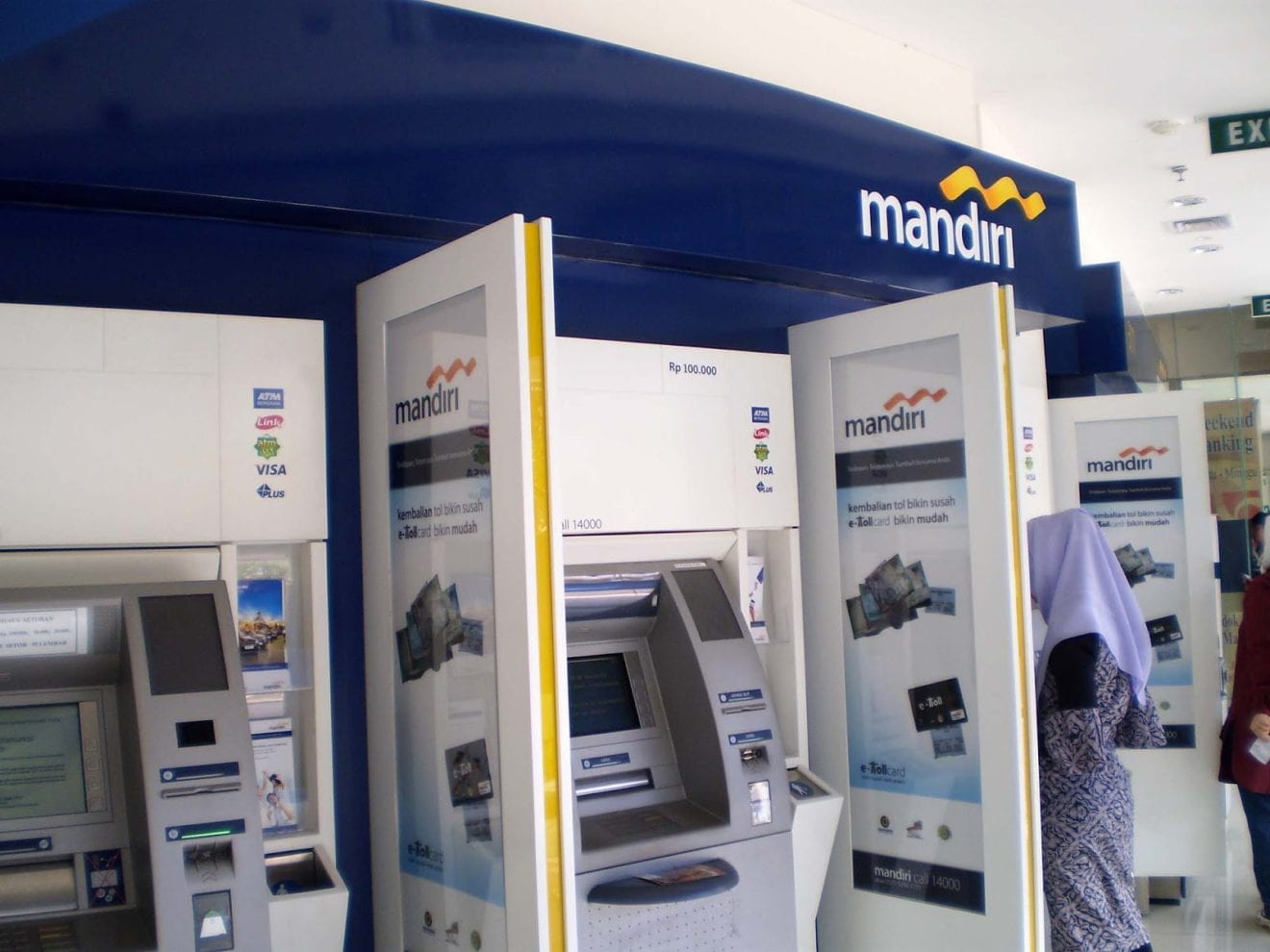
    State lender Bank Mandiri saw its net profit plunging by up to 32.1 percent to Rp13.8 trillion in 2016 from Rp20.3 trillion in 2015. The net profit fell, as the bank set aside its operating income to raise its provisions for loan loss coverage, following the rising ratio of non-performing loans (NPLs) to total gross loans, Bank Mandiri President Director Kartika Wirjoatmodjo said in a press briefing here on Tuesday.

    The provisions for loan loss coverage ratio against NPLs rose to 125 percent, as the ratio of NPLs to total gross loans increased by 1.4 percent to 4 percent in 2016 from 2.6 percent in 2015, he added.

    “We put much of the income into the provisions. Before we put it in the provisions, our pre-provision operational profit (PPOP) stood at Rp43.3 trillion,” he stated.

    With the NPLs rising 4 percent, Bank Mandiri has set aside Rp24.6 trillion of its funds for loan loss provisions, he noted.

    After all, the bank recorded positive growth for all of last year, he remarked.

    In 2016, the bank channeled credits worth Rp662 trillion, up 11.2 percent from a year earlier, while third-party fund placement in the bank reached Rp762.5 trillion, up 12.7 percent from the previous year.

  • Sriwijaya Air Opens Direct Flight to Eastern Indonesia

    Sriwijaya Air Opens Direct Flight to Eastern Indonesia

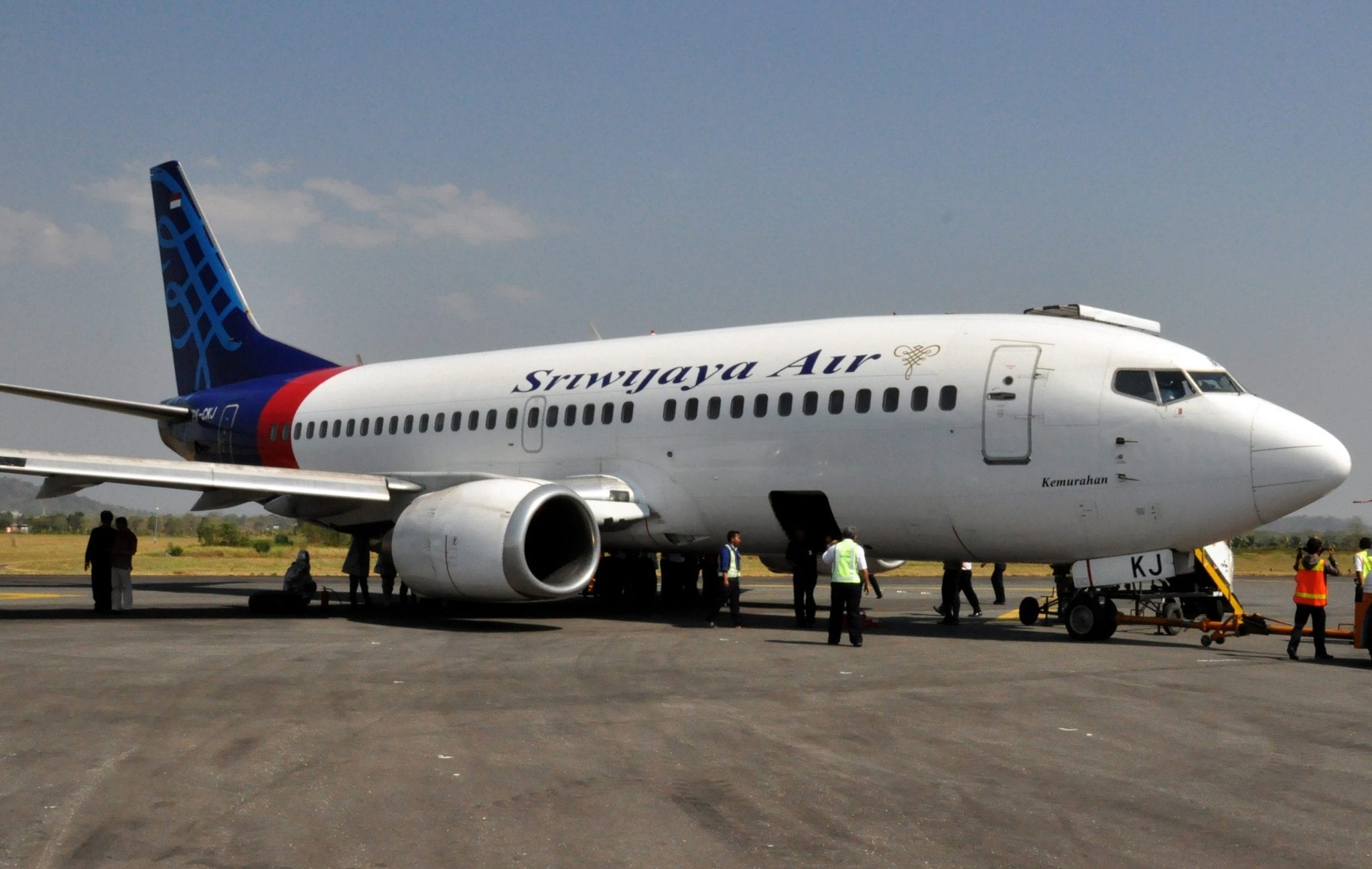
    Sriwijaya Air this year expands its market share to eastern Indonesia by opening a direct flight from Surabaya to Jayapura in Papua. Sriwijaya Air commercial director Toto Nursatyo said that eastern regions of Indonesia have a huge potential even more so because the government has planned to step up development in the regions.

    He added that Sriwijaya also pointed to a trend in Indonesia’s aviation industry which has grown 15 percent in the past few years, way above other countries with less than 5 percent growth. The airline plans to serve 4 flights a week in Surabaya-Jayapura route with a load factor target of 85 percent. The ticket for a flight will cost starting from Rp1.4 million.

  • Construction of Kertajati Airport reaches 64.2%

    Construction of Kertajati Airport reaches 64.2%

    Kertajati Airports construction project in Majalengka, West Java, comprising access, drainage, interchange ramp, and parking lots has reached 64.2% on Jan 29, PT. Bandarudara Internasional Jawa Barat Director Virda Dimas Ekaputra stated.

    The construction of the Kertajati Airport comprises three working packages, Ekaputra noted.

    Package 2 encompasses the construction of the main passenger terminal building in cooperation with PT. Wijaya Karya and PT. PP, with a contract value of Rp1.39 trillion.

    Meanwhile, Package 3 comprises the construction of facilities for supporting operations, such as a cargo terminal and regional electrical connection by PT. Waskita, with a contract value of Rp416 billion.

    “The work on Package 2 has reached 19.94%, while that on Package 3 has reached 35%,” Ekaputra stated.

    Hence, he noted that the overall progress of the Kertajati airports construction project has reached 30% on February 5, 2017.

    Ekaputra pointed out that the cost for Phase 1 reaches Rp2.1 trillion of the total development investment of Rp4.5 trillion.

    He expressed optimism that the infrastructure work would be completed on July 3, 2017; the building to support operations on August 8, 2017; and the terminal building on December 6, 2017; while the initial operations will begin in January 2018 and full operations in March 2018.

  • Indonesia launches Telkom 3S satellite successfully

    Indonesia launches Telkom 3S satellite successfully

    The Indonesia’s biggest telecommunication company Telekomunikasi Indonesia (Telkom) has successfully launched its Telkom 3S satellite from Arianespace’s spaceport in Kourou, French Guiana, at 6.39 p.m. on February 14 local time or Wednesday at 4.39 am Jakarta time.

    The US$215 million worth satellite carries 24 C-band, eight extended C-band, and 10 Ku-band transponders, which intends to provide high-definition television services, faster mobile communications and Internet applications across the sprawling archipelago of over than 17,000 islands.

    “With Telkom 3S, Telkom will have a total of three satellites. The launching intends to increase the coverage since Telkom 1 and Telkom 2 has the same coverage with Telkom 3S. The reason is that our capacity is not enough; we still rent [transponders] from other countries,” Telkom’s president director Alex J. Sinaga said.

    Telkom 3S will first travel to 135.5 degrees east for testing purposes; then it will reach the final orbital position at 118 degrees east. The US$215 billion worth satellite is fitted with 24 C-band, eight extended C-band and 10 Ku-band transponders.

    Alex said that it would take ten days from the satellite launched until it could reach 135.5 degrees orbital position for testing purposes. After that, the spacecraft would be moved one degree a day to reach its fixed orbital position at 118 degrees east, he added.

    Top executives from PT Telekomunikasi Indonesia including president director Alex J. Sinaga (center), chief technology officer Abdus Somad Arief (second from right) and satellite project head Tonda Priyanto (right) pose after the successful launch of Telkom 3S on Tuesday. The satellite was launched according to plan at 6.39 p.m. from Kourou, French Guiana.(JP/Winny Tang)

    Arianespace has successfully orbited two satellites: Telkom 3s for Telkom Indonesia, together with SKY Brasil-1 for the operator AT&T/ DirectTV.

    “Arianespace is delighted to announce that SKY Brasil-1 and Telkom 3s have been separated as planned on the targeted geostationary orbit,” Stéphane Israël is the Chairman and CEO of Arianespace said in the satellite viewing site named Jupiter control room on Tuesday night local time.

    Replacing the position of Telkom 2, the Telkom 3S, which has a lifespan of 15 years, will cover Indonesia and a part of neighboring Malaysia.

    Apart from Indonesia, other countries, such as Brazil, Mexico and other South American countries, have also launched their satellites from the country.

  • Liverpool FC Indonesia support could bring investment to the city

    Liverpool FC Indonesia support could bring investment to the city

    Liverpool FC ’s massive fanbase in Indonesia could help bring investment to Liverpool according to Britain’s ambassador to the Asian giant.

    The Reds have millions of fans in the South East Asian nation. And that, says Moazzam Malik, could help the club’s home city as Indonesia looks to invest money around the world.

    Reds fan Mr Malik has been the UK ambassador to Indonesia since 2014 and is working to grow links between the UK and Indonesia in business, the creative industries, higher education, and sport.

    Asked what Liverpool meant to Indonesians, he said: “They know about Liverpool football, music and its port. They’re the three things that make Liverpool stand out for Indonesians.”

    And he added: “There’s so much potential in this market through football, not only to push football but to push a wider range of business partnerships and relationships.”

    Liverpool FC has an estimated 66.1 million followers in Indonesia according to research by SportsDNA in 2014. The club last visited the country on tour in 2013 when 90,000 people watched the Reds beat the Indonesia XI.

    It has one central Official Supporters Club in Indonesia, with 24 sub branches, which is one of the largest in Asia.

    The club’s Indonesian language website was launched in May 2013. Its Indonesian Facebook page launched in June 2013 and now has nearly 3 million likes.

    Mr Malik said: “They’re football-mad. There’s Liverpool alongside Manchester United, then Chelsea and Arsenal have big fanbases.

    “They (Liverpool) have got fan clubs in all the big cities. Membership is going great guns. They’ve got people in very prominent positions in Government and politics who follow LFC.”

    Mr Malik said LFC’s sponsorship deal with Indonesian airline Garuda had also “cemented Liverpool’s place in the popular psyche”.

    Why Indonesia?

    Mr Malik says Indonesia “is going to be a driver of the 21st century”.

    Indonesia is made up of more than 17,000 islands, including Java – home to the country’s capital, Jakarta – and the popular holiday destination of Bali.

    It’s the 4th most populous country in the world, with a population of more than 250m, and is the world’s largest majority Muslim country.

    A report this week from accountancy giant PricewaterhouseCoopers said Indonesia could grow to become the fourth-largest economy in the world by 2050.

    That means Britain is going to want to do deals with it, particularly after Brexit – and Liverpool is well placed to benefit.

    Mr Malik said Indonesians are interested in Liverpool’s experience in sectors including ports and logistics, advanced manufacturing, renewable energy and the creative industries. And he said Indonesia’s second city, Surabaya, was particularly keen to strengthen its relationship with Liverpool.

    He said: “Surabaya is a huge port city, Indonesia’s second-largest port. There are things they can learn from Liverpool. They can partner with Liverpool. In sports, creative industries and higher education, there’s a lot we can do.

    “I’m speaking to Mayor Risma, and she says she’s keen to come to Liverpool in spring.”

  • Yakult Indonesia still relies on imported milk for dairy drinks

    Yakult Indonesia still relies on imported milk for dairy drinks

    Yakult Indonesia Persada, one of the major producers of fermented milk products, still relies on imported raw materials for its production in Indonesia.

    Yakult Indonesia vice president and director Hiroyuki Kawada said the company had to import ingredients because local milk had yet to meet the standards for the company’s fermented milk |production.

    “We mostly import the skimmed milk from Australia, and the rest is from Belgium,” he said.

    Yakult Indonesia Persada, a subsidiary of Japan-based Yakult Honsha, was established in1990. The company operates a factory in Sukabumi, West Java, and another in Mojokerto, East Java.

    The factories can produce 6.6 million 65-millilitre bottles of cultured dairy drink a day. The company sells its fermented milk through supermarkets and through “Yakult Lady”, a sales force of women who sell the product door-to-door in many parts of the country.

    “There are 7,600 Yakult Ladies now, and they can reach 30 houses per day each,” said Antonius Nababan, the companies marketing communication and commercial (MCC) director. Zulkarnain, the MCC’s senior assistant manager, said sales averaged 5 million bottles a day.

    Indonesia was the second-biggest market for Yakult products after Japan, which has 10.18 million consumers.

  • BEI of Jayapura office opens share investment clinic

    BEI of Jayapura office opens share investment clinic

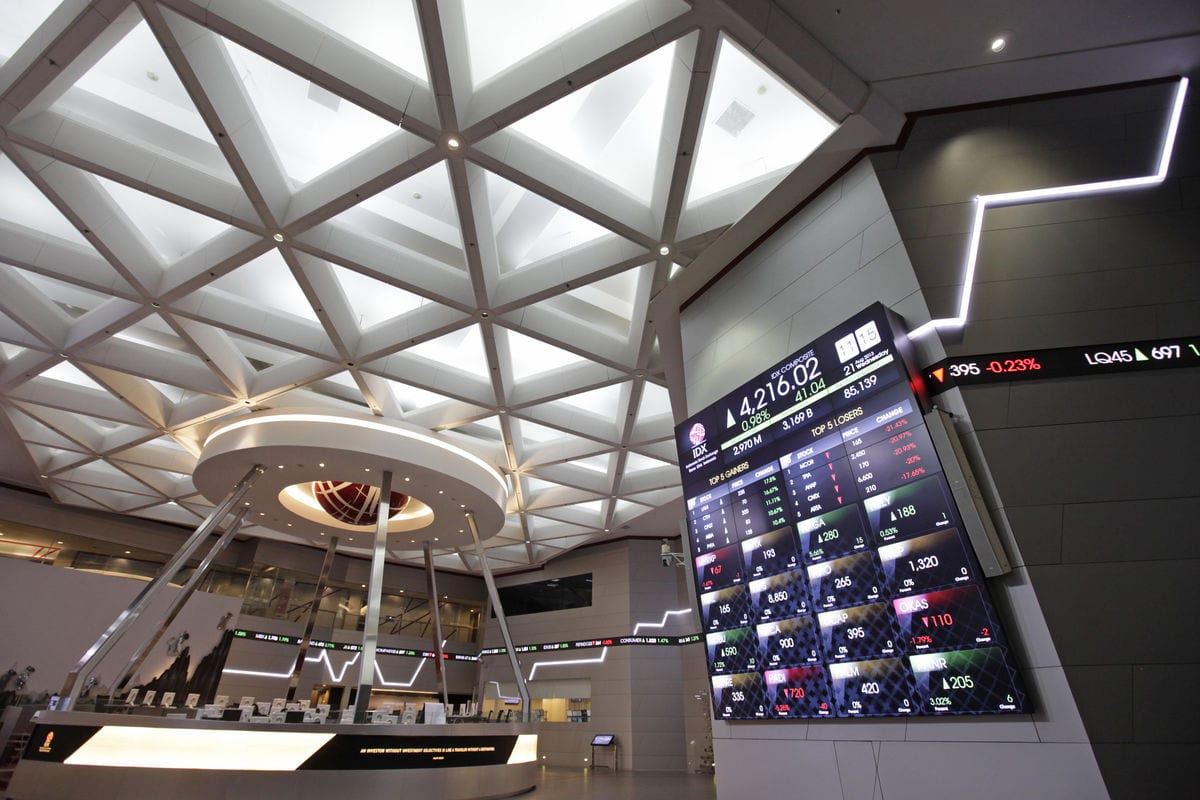
    The representative office of the Indonesian Stock Exchange (BEI) in this Papua capital city has opened a clinic class for non active registered share investors.

    “They need guidance especially as the share customers are different in type. Therefore, we open share investment class for them,” head of the BEI representative office of Jayapura Kresna Aditya Payokwa, said here on Tuesday.

    Participants are told how to buy and sell shares, and how to analyze the marker trend, Kresna said.

    “We open the share investment clinic every Monday, Wednesday and Friday . Now it is already the fifth group,” he said.

    From the class it could be seen who among the investors more active in the share trade, he said, adding a prize is given to the most active traders.

    The clinic is part of the program to promote share trading in a bid to increase the number of investors in BEI.

    By January , 2017, BEI recorded 2,391 investors , up from 1,300 investors a year earlier.

    The number of investors in Papua has continued to increase. Transactions in 2016 were valued at Rp1.3 trillion. Monthly transactions average Rp100 billion, he said.

    Many of the investors at the Jayapura representative of BEI are not active, he said.

    “Transactions in January 2017 were valued at Rp70 billion with active participants making up only 60 percent of the total number of registered investors,” he said.

    Most of the people do not understand share trading. “BEI is new for them , therefore, we need to intensify socialization,” he added.

  • InMobi sees gold in Indonesian ad market

    InMobi sees gold in Indonesian ad market

    InMobi, an India-based mobile advertising platform provider, will invest up to US$50 million within the next five years to expand its business in Indonesia.

    InMobi founder and chief executive officer Naveen Tewari said in Jakarta on Monday that the company would focus its investment on developing a mobile video advertisement and customer-relationship management platforms.

    “We are going to expand our business, also use the money for team resources, product customization, and partnerships,” Naveen told a media briefing.  “We are also going to bring our team from India, as well as hire local [human] resources in Indonesia,” he added.

    The mobile advertisement market in Indonesia is quite promising because of the shift in advertisement placement from conventional media such as television to mobile devices and the increasing number of smartphone users, according to InMobi.

    The company’s survey showed that in 2016, video-based advertisement on mobile devices in Indonesia rose by 380 percent.  InMobi is a mobile advertising platform, which was established in Indonesia in 2008, marking its first office outside India.

    “By 2016, our platform has reached 90 percent of smartphone users, or approximately 69 million users in Indonesia. We offer an ads platform that can reach a larger scale than television advertising,” Naveen added.

  • Indonesia Uses Big Data Digital Technology To Boost Tourism Performance

    Indonesia Uses Big Data Digital Technology To Boost Tourism Performance

    Indonesia is now using big data Mobile Positioning Data (MPD) digital system in a bid to boost up performance of the nation’s core business sector, tourism, China’s Xinhua news agency reported.

    The MPD to support the tourism activities is operated by Indonesia’s central statistic agency of BPS by detecting the cellular phones used by visitors entering Indonesian territory from several gates, including from land borders with neighboring countries.

    Besides in big cities’ airports, the system is also applied in 19 regencies and 46 subdistricts which host Indonesia’s border areas to neighboring countries as well.

    The MPD digital system have been operated since October last year and is scheduled to serve until 2019.

    Indonesian marketing guru from University of Indonesia (UI) Rhenald Kasali said that option to ultimately use the MDP digital system is a correct move to respond the ongoing digital lifestyle adhered by people globally with smart phone.

    “The official data provided by the BPS would not only be useful in analyzing tour markets and outlining policies in the sector. The data is also essential for those indulging in tourism business to expand their businesses,” Kasali said.

    The tourism ministry would breaking the data down into more specific information about the visitors, including their length of stay, frequency of their visits, spending and even their tour activity preferences during their holiday in Indonesia.

    Head of ASITA (Association of Indonesian Tours & Travel Agencies) Asnawi Bahar said that with processed information resulted from data, travel agents and hotels would be able to prepare resources and proper accommodations for the visitors.

    “It would be very useful for us as we can digitally learn plans of the visitors’ movements since their departures,” Bahar said recently.

    He added that most of foreign visitors have now booked their travel packages in Indonesia through digital applications in advance, including the payments, through their gadgets.

    Indonesia has been taking herculean efforts to develop its tourism sector, replacing the previous oil and gas, coal and palm oil sectors.

    The current government expects to see 20 million foreign visitors with earnings gained from the sector at over US$24 billion the time its service term ends in 2019.