Tag: Indonesia

  • Indonesian Tourism Industries Support Visa-free Policy

    Indonesian Tourism Industries Support Visa-free Policy

    Indonesian tourism industries have expressed support to the adoption of visa-free policy by the government so far, citing positive impact on the tourism sector.

    The general chairman of the Association of Indonesian Tourism Industries (GIPI), Didien Junaedy, said here on Saturday (Feb. 4) that the adoption of the policy is essential to boost tourism in the country.

    He said that the policy has been proven to significantly increase the arrival of foreign tourists in their countries.

    Through Presidential Regulation Number 21, 2016, the Indonesian government has provided visa-free facility to visitors from 169 countries for a short visit.

    The regulation was produced in March 2, 2016, and so it is not yet a year old. According to me, the evaluation should be done after two years of its implementation,” he said, adding that it would take several months to familiarize.

    Junaedy added that tourism industrialists grouped in GIPI have seen and felt the positive impacts of the policy.

    He stated that consistency in the implementation of the policy would be needed with regard to building public trust in foreign countries.

    Supervision on the other hand, however, is also needed to minimize possible violations of the regulation, he noted.

    “GIPI has planned to gather tourism industrialists eight times in the first semester this year to strengthen its support for the implementation of the Presidential Regulation Number 21,” he asserted.

    Junaedy admitted that there had also been negative excesses coming from the policy, such as visa overstay problem and illegal worker problems.

    “Their number however is relatively small compared to millions of foreign tourists visiting Indonesia legally, like in other countries that implement the same policy,” he added.

    He also said that the negative impacts of the policy must be overcome, and solution to the problems must be found through joint efforts.

    “We must not blame each other over trivial problems but must cooperate to overcome them,” he stated.

    He said that the visa-free policy has so far been one of the strong factors that has played a major role in meeting the target of foreign tourist arrivals, which was set at 15 million this year and 20 million by 2019.

  • Time International introduces Sweet Monster

    Time International introduces Sweet Monster

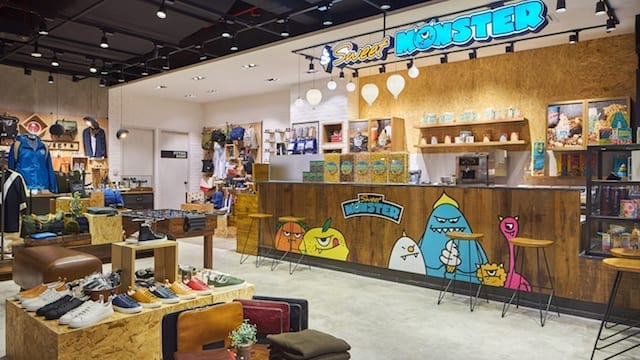
    Korea’s popcorn soft-serve ice cream brand Sweet Monster has arrived in Indonesia as the first F&B retail venture of Indonesian brand group Time International.

    It has launched stalls in Project X Plaza Indonesia and Pondok Indah Mall 2 in Jakarta, featuring its range of characters, EggMon, CookieMon, BlueMon, LeMon, PinkMon, OrangMon, ChocoMon and PopMon.

    SM_IG_Photo Product

    Inspired by confectionery sold at American carnivals and festivals, the brand attracted queues when it opened outlets in China, Hong Kong, Singapore and Thailand.

    Sweet Monster’s offerings are based on its ice cream, made fresh daily at each store from its own formula of milk powder. The flavour line-up includes Popcorn Ice Cream and Signature Ice Cream in Real Deep Milk, Original Tiramisu, Peanut Butter Pretzel, Caramel Macchiato, Cookie Mountain and Green Tea Mountain.

    There is also the full-cream Monster Shake, inspired by American milkshakes made only from ice cream and milk. Flavour options include Pure Milk, Cookie & Milk, Caramel Cafe au Lait, Strawberry Cake and Ferrero Nutella.

    Using only non-GMO corn, Sweet Monster’s popcorn is popped by air. It does not contain trans or saturated fats or artificial colouring, but does have dietary fibre.

    The PopMon characters represent the flavours of the popcorn: salt caramel, combination, strawberry, chocolate or tangerine.

    sweet-monster-project-x-2

  • Does your fish burger contain mercury-tainted shark meat?

    Does your fish burger contain mercury-tainted shark meat?

    A study of shark meat in Indonesia – the world’s largest shark fishery – has found dangerously high levels of mercury build-up in catches bound for overseas fish markets.

    Research conducted at the Seafood Inspection Laboratory in Bali found that mercury concentrations in processed, export-ready shark tissue exceeded twice the commonly accepted safe consumption limit.

    This is the first time that mercury levels have been tested in Indonesia-caught sharks bound for markets overseas, where importers and consumers are unaware that the fish that goes into fish burgers and fish and chips meals is shark.

    Bull shark meat tested on 26 January 2017 was found to contain 2.431 parts per million (PPM) of mercury. The consumption limit for predatory fish species in key Indonesian export markets such as Australia, Singapore and New Zealand, and also Indonesia, is 1.0 PPM.

    Bronze whaler meat – commonly sold as “flake” in Australia and cooked in batter for fish and chips dish- tested a week earlier was found to have a mercury concentration of 1.829 PPM.

    Bull shark meat sourced from the same location just a year ago was found to contain a significantly lower concentration – 1.368 PPM.

    Green School of Bali taking shark samples at Jimbaran fish market, Bali, Indonesia. Image: Bali Shark Rescue Center

    “Consumers are being deceived and are unaware of the type of fish being sold and ultimately ingested,” commented Paul Friese, founder of Bali Shark Rescue Center, whose non-government organisation partnered with sustainability college Green School of Bali to conduct the study.

    In Indonesia, most sharks are harvested for their valuable fins and liver first, and those parts sold to specialist buyers. The animal is then skinned, beheaded and the meat is filleted and moved back into the fish market unmarked.

    Shark fin can fetch up to IDR 2,500,000 (US$200) for a set, but locally sold shark meat sells for as little as IDR 25,000 (US$2) per kilo, and is used in street foods such as sate, fish cakes and meat balls. Overseas, shark meat is typically breaded and deep fried as fish burgers or used in the classic fish and chips dish.

    The sale of shark meat is also masked by transshipping, the process of transferring fish caught at sea from ship to ship, which makes the source harder to trace.

    Shark is particularly risky to eat because mercury bioaccumulates – the concentration of the heavy metal increases as it passes along the food chain, from plankton to shellfish, to small fish and onto larger predatory species.

    Mercury has entered marine ecosystems as a result of discharge from coal-fired power stations, residential heating systems, waste incinerators and mining, and also from volcanic activity.

    The main health risk from mercury consumption is damage to the nervous system. Unborn babies are particularly at risk from mercury pollution and, if exposed, may suffer impaired cognitive thinking, memory, attention, language, and fine motor and visual spatial skills in childhood.

    Meanwhile, shark populations in Indonesia have been under increasing pressure, as more than three million sharks are killed every year for their fins alone. Sharks are a tempting target for fishermen, particularly in remote island areas where the fins of the predators can bring lucrative returns.

  • Email Users in Indonesia Check Inboxes Hoping for a Retail Promo

    Email Users in Indonesia Check Inboxes Hoping for a Retail Promo

    Email has long served as a reliable beast of burden for marketers —a bankable but unexciting way for brands to tap into a dedicated audience that has opted-in to communication. The same holds true in Indonesia, but on steroids.

    A survey of email users in the country conducted by research firm JakPat in January 2017 found that a significant portion were interested in receiving marketing communications. Interestingly, 30.6% of respondents named receiving shopping promotions as one of the main reasons they used email.

    Marketers looking to craft messages for email users in Indonesia should be aware that the vast majority of respondents, more than 80%, primarily used mobile phones to check their email, according to the survey. That means that to effectively reach consumers in Indonesia, mobile-optimized email design is a must.

    Mobile phone email users also overwhelmingly relied on a dedicated email app over a web browser. Fully 86% of respondents used an app, compared with just 14% who checked email on a browser.

    A March 2016 survey of mobile device owners in Indonesia from Experian Marketing Services underscores how effective email ads can be. It found that 57% of respondents had been influenced to make a purchase by an email ad—more than had been swayed by either website banner ads or search ads.

  • Indonesia`s Rice Production Experiences Surplus after 9 Years

    Indonesia`s Rice Production Experiences Surplus after 9 Years

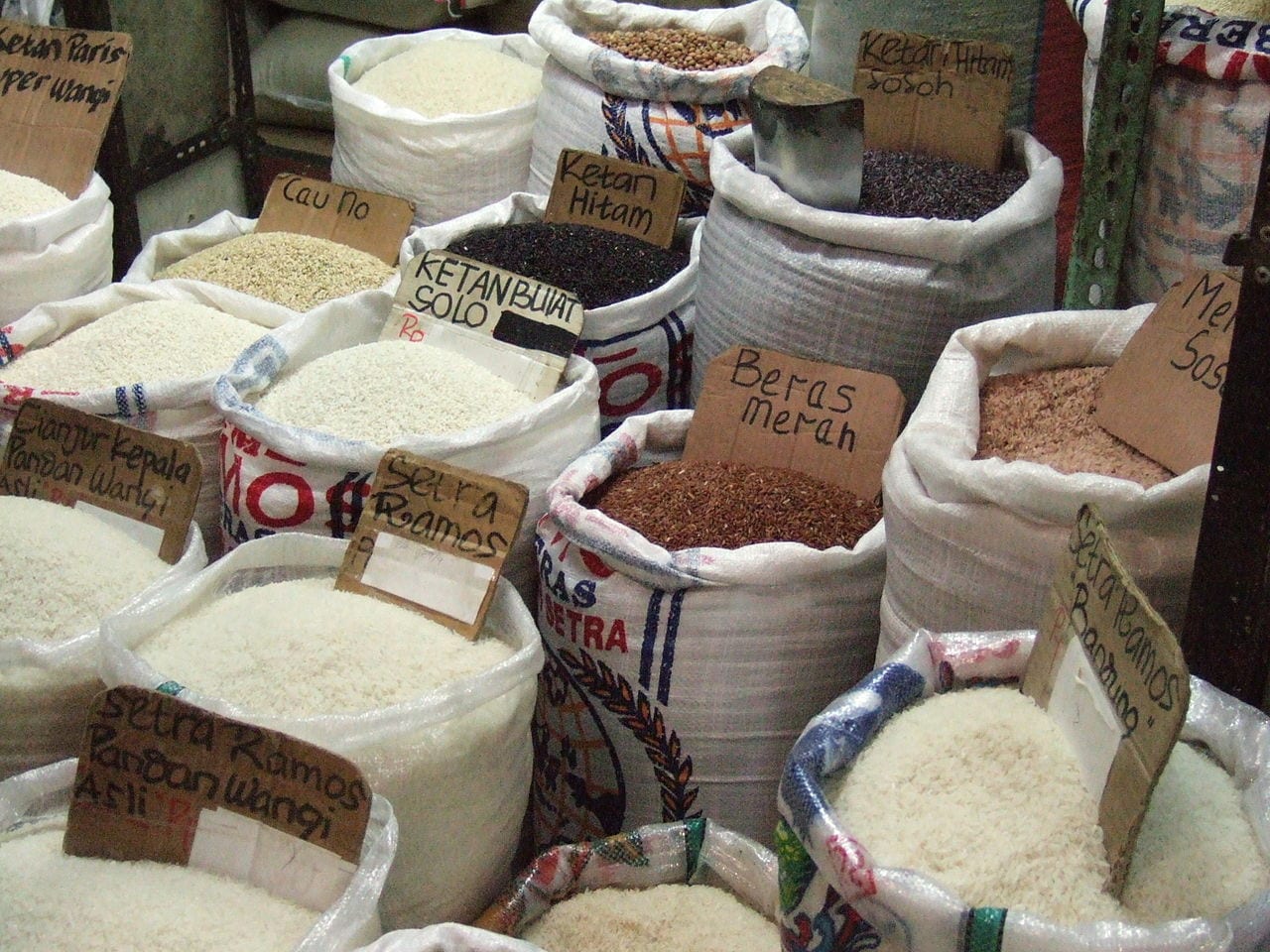
    Agriculture Minister, Andi Amran Sulaiman, claims that Indonesia has experienced a rice production surplus in 2016 after nine years past. “After nine years, 2016 was the moment when Central Java, East Java, and West Java, sent rice supplies to Kalimantan,” he said on Thursday, February 2, 2017.

    Minister Amran explained that rice supply warehouses in Central Java and West Java are currently in full-stock. “Warehouses in Central Java and West Java are full. The supplies keep increasing while the warehouses are full, last year it was empty. This is great progress,” he said.

    Other than rice supplies, according to Amran, garlic prices have also declined due to over stock. Therefore, the government plans to export garlic. “We’ll prepare the export earlier.”

    Based on the report from farmer’s association dubbed Kelompok Kontak Tani Nelayan Andalan, prices of rice in seven districts are below Rp3,700 per kilogram. “We had a coordination meeting until late at night, we’ll move quicker for the farmers. We won’t let them experience a loss,” the Minister said.

    In May, the Agriculture Ministry will hold a National Week (Penas) for Farmers and Fishermen in Aceh for six days; on May 6-11, 2017. President Joko “Jokowi” Widodo will inaugurate the event and it will be participated by 35,000 participants consisting of farmers, researchers, instructors representatives, and other stakeholders.

    A number of events will enliven the National Week which opens the opportunity to develop partnerships and open an agricultural product trade among ASEAN farmers.

  • Garuda Indonesia Announces Change in Citilink Director Board

    Garuda Indonesia Announces Change in Citilink Director Board

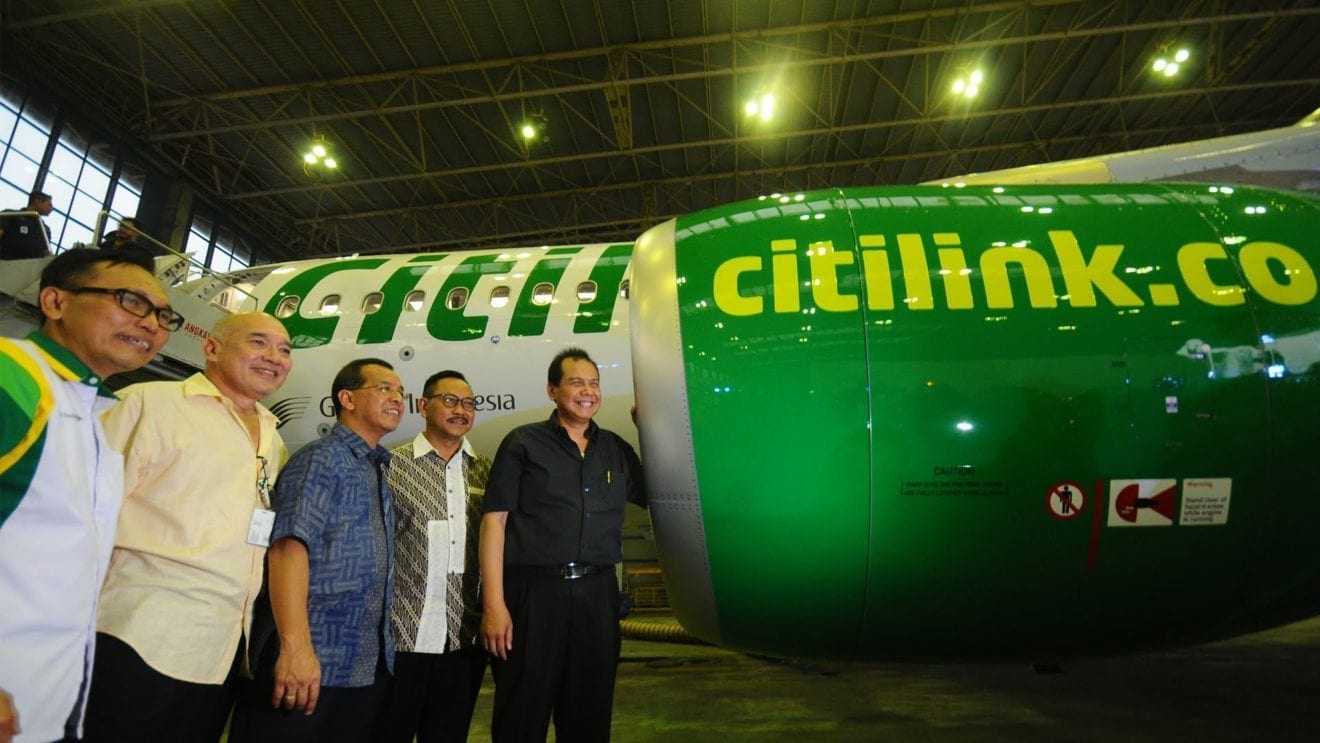
    PT Garuda Indonesia Tbk (GIAA) changes the composition of board of directors of its subsidiary, PT Citilink Indonesia.

    The change in the composition of board of directors was made after Chief Executive Officer (CEO) of Citilink Albert Burhan submitted resignation at the end of December 2016.

    Albert resigned following the case of Citilink airline’s pilots who allegedly drunk when he was about to fly Surabaya-Jakarta plane on Wednesday (12/28/2016).

    In a public expose before the Indonesia Stock Exchange (IDX), Thursday (2/2/2017), the company reported that resignation of Citilink’s CEO or President Director Albert Burhan and Operation Director Hadinoto Soedigno was approved by the company.

    The Annual General Meeting of Shareholders (AGM) of PT Citilink Indonesia approved the change in the composition of Citilink’s board of directors by January 30, 2017.

    Additionally, PT Citilink Indonesia’s current Director is Mega Satria.

    “General Meeting of Shareholders of Citilink Indonesia has approved the change in Citilink’s Board of Directors, which is effective as of January 30, 2017,” the public expose said.

  • RoRo To Connect Indonesia-Philippines As Part of ASEAN Connectivity

    RoRo To Connect Indonesia-Philippines As Part of ASEAN Connectivity

    New economic and trade opportunities are in sight with the opening of the Davao-General Santos-Bitung (D-G-B) Shipping Service, which is one of the target priorities for the Philippines Chairmanship of the ASEAN in 2017.

    Philippine Ambassador to Indonesia Maria Lumen B. Isleta and members of the Philippines and Indonesia Inter-Agency Task Force for the Operationalization of the D-G-B Roll-on/Roll-off (RoRo) Route gathered in Jakarta on Jan 17, 2017, to discuss preparations for the maiden voyage of the RoRo, which will connect Davao and General Santos City to Bitung in North Sulawesi, Indonesia, the Philippine embassy said in a statement here on Thursday.

    The D-G-B RoRo Route under the ASEAN RoRo Initiative aims to enhance maritime connectivity in ASEAN and maximize the use of regional sea lanes.

    The opening of the route is a more cost and time-efficient alternative to the usual Manila-Jakarta-Bitung route, which would take about three to five weeks of shipping time.

    In contrast, direct shipping through the D-G-B route will take only one day and a half of sailing (excluding port stay).

    The route is also expected to spur trade between Mindanao and the Sulawesi provinces in Indonesia. It is also expected to provide greater access for local businessmen to engage in international trade, as well as stimulate other areas of development such as joint tourism promotion, establishment of direct linkages, and increase in investment inflows, among others.

    On Jan 18, Isleta and leaders of the RoRo project task force paid a visit to Manado and met with North Sulawesi Governor Olly Dondokambey to discuss the maiden voyage of the RoRo.

    Meanwhile, The Philippine News Agency (PNA) reported that Philippines President Rodrigo R. Duterte and Indonesian President Joko Widodo will launch the ASEAN RoRo Project on April 28, 2017.

    New economic and trade opportunities are in sight with the opening of the Davao-General Santos-Bitung (D-G-B) Shipping Service, which is one of the target priorities for the Philippines Chairmanship of the ASEAN in 2017.

    Philippine Ambassador to Indonesia Maria Lumen B. Isleta and members of the Philippines and Indonesia Inter-Agency Task Force for the Operationalization of the D-G-B Roll-on/Roll-off (RoRo) Route gathered in Jakarta on Jan 17, 2017, to discuss preparations for the maiden voyage of the RoRo, which will connect Davao and General Santos City to Bitung in North Sulawesi, Indonesia, the Philippine embassy said in a statement here on Thursday.

    The D-G-B RoRo Route under the ASEAN RoRo Initiative aims to enhance maritime connectivity in ASEAN and maximize the use of regional sea lanes.

    The opening of the route is a more cost and time-efficient alternative to the usual Manila-Jakarta-Bitung route, which would take about three to five weeks of shipping time.

    In contrast, direct shipping through the D-G-B route will take only one day and a half of sailing (excluding port stay).

    The route is also expected to spur trade between Mindanao and the Sulawesi provinces in Indonesia. It is also expected to provide greater access for local businessmen to engage in international trade, as well as stimulate other areas of development such as joint tourism promotion, establishment of direct linkages, and increase in investment inflows, among others.

    On Jan 18, Isleta and leaders of the RoRo project task force paid a visit to Manado and met with North Sulawesi Governor Olly Dondokambey to discuss the maiden voyage of the RoRo.

    Meanwhile, The Philippine News Agency (PNA) reported that Philippines President Rodrigo R. Duterte and Indonesian President Joko Widodo will launch the ASEAN RoRo Project on April 28, 2017.

  • Grab rides up Indonesia with $700M investment

    Grab rides up Indonesia with $700M investment

    Grab has announced plans to invest US$700 million in Indonesia over the next four years, as part of efforts to increase its footprint in a market where it has seen growth.

    The Southeast Asian ride-sharing operator said Thursday the new investment would support the Indonesian government’s ambition of becoming the region’s largest digital economy by 2020. It would include plans to set up a research and development (R&D) facility in the capital city of Jakarta, focused on developing technology innovations for the local market.

     Latest news on Asia

    A US$100 million funding initiative also would be introduced to support startups and entrepreneurs keen on driving “financial inclusion” in smaller communities.

    Grab added that its investment followed “a strong year of growth” in the country, with its GrabCar and GrabBike businesses each clocking more than 600 percent growth in 2016. Its range of ride-sharing services were available in several Indonesian cities, including Bali, Bandung, Medan, and Surabaya.

    According to Grab, one in three of its customers in the country used more than one of its services. It said its drivers earned 40 to 70 percent more per hour than the average transport or delivery driver in Indonesia, where it helped generate more than US$260 million in income for its driver partners.

    Indonesia’s Minister of Communication and IT Rudiantara said: “We want all Indonesians to benefit from IT to improve their lives, develop new skills, and build the next wave of global leaders in technology. Grab’s investment to train and hire more ICT professionals and mentor young entrepreneurs will accelerate the growth of Indonesia’s digital economy. This kind of app has to be positioned as a tool to spur and empower people and the economy.”

    Coordinating Minister for Maritime Affairs Luhut Binsar Pandjaitan added that Indonesia’s growth would require the continued development of its infrastructure, including its public transport network. Stressing the role of technology, he said services that tapped data analytics would better enhance the efficiency and reliability of the national transportation infrastructure.

    According to Grab, the R&D facility in Jakarta would hire 150 engineers over the next two years and focus on developing localised services, including algorithms to support new road regulations as well as a bike-pooling service for nearly 1.4 million commuters in the city. Engineers also would be offered training in Grab’s other R&D centres in Singapore, Beijing, and Seattle.

    By pumping up to US$100 million into the investment fund, Grab said it hoped to nurture Indonesian startups and technopreneurs focused on mobile and financial services, with the aim to better serve smaller cities and communities that had yet to experience the digital economy.

    The ride-sharing operator also would be looking to launch mobile services to bolster access to mobile payments across Indonesia, expanding its own mobile payment services through GrabPay Credits.

    This would further build on its announcement last July to extend its partnership with Indonesian consumer services company, Lippo Group, and enable the payment of retail goods and services its mobile app. With more than 50 million customers between the two companies, the new e-payment platform would allow these consumers to tap their mobile phones or the Grab mobile app to pay for goods and services under Lippo’s retail network, which included department stores, hypermarts, cinemas, coffee shops, and e-commerce portals. Nobu Bank also was participating in this initiative.

    Grab currently operated a network of more than 630,000 drivers across the Southeast Asian region.

  • BNI plans to set up subsidiary in Malaysia

    BNI plans to set up subsidiary in Malaysia

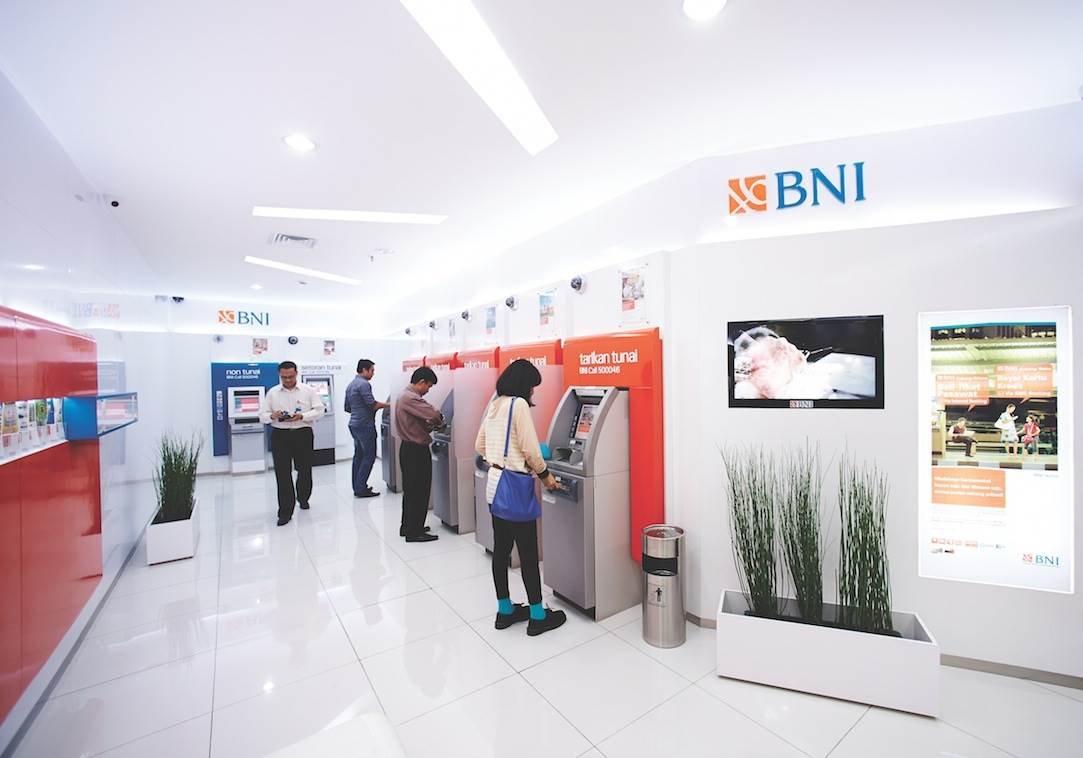
    State lender Bank Negara Indonesia (BNI) plans to set up a subsidiary in Malaysia this year after the two countries signed an agreement on reciprocity-based banking business.

    BNI is waiting for the holding company of state-owned companies in the banking sector to issue a policy, which is currently under process, BNI Director for Treasury and International Affairs Panji Irawan said at the Indonesia Stock Exchange here on Thursday.

    To set up the subsidiary, BNI is considering involving other state lenders, including Bank Mandiri and Bank Rakyat Indonesia, to shore up its business capacity and efficiency, he added.

    “Whoever is interested in it, can cooperate with us. We cannot do it alone,” he noted.

    In view of its financial capacity, BNI is likely to set up a subsidiary rather than establishing a branch office in the neighboring country, he revealed.

    “The subsidiary will not serve as a branch. It will be locally incorporated and must have a board of directors,” he explained.

    Under the Malaysian law, BNI must have a paid-up capital of US$66 million to US$75 million to set up the subsidiary, he informed.

    BNI President Director Achmad Baiquni wanted the bank to strengthen its network in the neighboring country in the first half of this year.

  • XL Axiata swings back to profit in FY16

    XL Axiata swings back to profit in FY16

    Indonesia’s XL Axiata swung back to a 376 billion rupiah ($28.1 million) profit in 2016, as the company benefited from its $250 million tower sale and a stronger rupiah.

    The sale of 2,500 telecoms towers to local tower operator Protelindo, announced in March, helped the operator recover from a 25 billion rupiah loss the year before.

    But service revenue declined 4% to 19.19 billion rupiah due to the ongoing shift from legacy services to data. As a result of this rebalancing, data grew to account for 53% of the operator’s service revenue as of the fourth quarter, up from 35% a year earlier.

    Data traffic also surged to 515,304 terabytes, up from 196,341 terabytes a year earlier. The surge was driven by a 21 percentage point increase in smartphone penetration among XL’s subscribers to 63%, totalling 29 million customers at the end of FY16.

    During the fourth quarter, service revenue grew for a second consecutive quarter, albeit a slim 1% sequentially.

    XL Axiata’s results show that the company rolled out over 25,000 new base stations during the year, taking its total to 84,484 by the end of the year. Of these, 8,204 are 4G e-Node base stations, 38,731 are 3G node base stations and 37,549 are 2G sites.

  • Telkom Indonesia to launch third satellite this month

    Telkom Indonesia to launch third satellite this month

    Telkom Indonesia plans to launch a third satellite in less than two weeks as part of efforts to reduce its dependence on foreign satellites.

    The state-owned operator will launch the Telkom 3S from the Guiana Space Center on February 14. The satellite was constructed by Thales Alenia Space and will be launched abord Arianespace Europe’s Ariane 5 rocket.

    Once operational the Telkom 3S will carry 24 C band, 8 extended C band and 10 Ku band transponders. The satellite will substitute for the Telkom 3, which failed to reach orbit in 2012, and will take the orbital slot of the current Telkom 2.

    In turn the Telkom 2 will be moved to another orbit, and is expected to remain operational until 2021.

    The Telkom 1 and Telkom 2 satellites have a combined 140 transponders, but according to the report, Telkom said at least 300 transponders are needed to serve the operator’s consumer and business customers. The new Telkom 3S will cut down on the satellite capacity the company needs to source from foreign satellites.

  • Japanese leasing firm expands in Indonesia

    Japanese leasing firm expands in Indonesia

    Mitsubishi UFJ Lease & Finance Company Limited (MUL) has announced its subsidiary in Indonesia, MULI, has opened a branch in Bandung, in a bid to capture new business as the country’s economy improves.

    The Bandung Branch is MULI’s second branch in Indonesia following the opening of its Surabaya Branch in October 2014. Since establishing a subsidiary in Jakarta in 1995, MUL has provided financing services focusing on mechanical equipment leasing and other activities for over 20 years.

    MUL says it aims to tap into growing demand in Indonesia, which is experiencing high economic growth in the ASEAN region, and expand the business opportunities. To this end, MUL is actively working to develop its business through such measures as acquiring an auto lease company, diversifying funding sources with the issuance of Indonesian rupiah-denominated notes, and providing asset management services that attract strong demand in Indonesia.

    Located about 150 km southeast of the capital Jakarta, Bandung, site of the latest branch, is the third largest city in Indonesia where the manufacturing and fiber/sewing industries are thriving. As a growing number of domestic and foreign companies are setting up their business there, growth is expected in the region. Through the establishment of the Bandung Branch, MULI will expand business bases in the West Java area and provide tailor-made services to meet the diverse needs of companies in Bandung and the surrounding areas.

  • Southeast Asian ride-hailing firm Grab hires former Indonesian police chief

    Southeast Asian ride-hailing firm Grab hires former Indonesian police chief

    Southeast Asian ride-hailing firm Grab said on Monday (Jan 30) it has appointed Indonesia’s former national police chief to oversee corporate governance and long-term plans for its biggest market.

    Grab said it plans to expand to more cities in Indonesia, grow its transport services and invest in a mobile payments platform.

    Badrodin Haiti, who was Indonesia’s chief of the National Police from April 2015 to July 2016, “brings extensive experience working with government stakeholders and ensuring aligned interests among different stakeholders,” the company said in a statement.

    Grab and its competitors, Uber of the United States and homegrown company Go-Jek, have faced regulatory obstacles in Indonesia.

    The government has ordered ride-hailing service providers to pass vehicle safety tests and get local partners, among other conditions.

    “As the technology and ride-hailing sectors evolve in Indonesia, Mr. Haiti will play a guiding role to ensure Grab contributes constructively to the implementation of new transport regulations and safety guidelines,” Grab said.

  • Indonesian govt to embrace IoT

    Indonesian govt to embrace IoT

    By 2019, 20% of local and regional governments in Indonesia will use IoT devices to turn infrastructure like roads, street lights, and traffic signals into assets instead of liabilities, IDC predicts.

    This year, however, it said 90% of Indonesian cities will fail to take full advantage of smart city data and digital assets due to a lack of process, project management, and change management skills.

    “In Indonesia, digital transformation is still not adequately represented within the enterprise, and this disparity in leadership will lead towards a delayed response towards market changes that will adversely impact business,” IDC Indonesia country manager Sudev Bangah said.

    Timing is critical, and archaic thinking of riding out trying economic times is no longer relevant and should be addressed with process-led innovation.”

    These insights are among the top technology predictions announced recently by IDC Indonesia at the IDC FutureScape Media Briefing.

    The research firm highlighted that digital transformation will attain macroeconomic scale over the next two to three years in the country, changing the way enterprises operate and reshaping the global economy. IDC calls this as the dawn of the “DX Economy.”

    “As digital transformation reaches macroeconomic levels, a DX economy will emerge and will become the core of what industry leaders do and operate,” IDC Indonesia research manager for consulting Mevira Munindra said.

    “Essentially, to succeed, Indonesian enterprises must begin to think of the relevancy of their business in 10 years, and how they should react in the face of disruptive forces.”

    In the enterprise sector, IDC’s predictions are as follows:

    1. By 2019, 50% of IT organizations will create new customer-facing and ecosystem-facing services to meet the business DX needs.
    2. By 2018, lack of vision, credibility, or ability to influence will keep 80% of IT executives from attaining leadership roles in enterprise DX.
    3. By 2020, Indonesian firms will use open innovation to allocate expertise to 15% of new projects, aiming to increase their new product introduction success rates by over 50%.
    4. By 2020, nearly 20 percent of operational processes will be self-healing and self-learning — minimizing the need for human intervention or adjustments.
    5. By 2018, online brand ambassadors and social media influencers will have more marketing power than traditional digital advertising, yet this will subside through 2019 and beyond.
    6. By 2019, digital transformation investments will double, drawing funds away from store capital and profoundly changing the retail industry.
    7. By 2019, only 30% of manufacturers investing in digital transformation will be able to maximize the outcome; the rest will be held back by outdated business models and technology.
    8. By 2019, cloud adoption will reduce infrastructure spend by 25% among top-tier banks.
  • China interested in establishing direct flight to West-Java

    China interested in establishing direct flight to West-Java

    The Executive Director of PT Bandara Internasional Jawa Barat, Virda Dimas Ekaputra, said that the Chengdu administration of China has stated its interest in establishing direct flight to Kertajati Airport of West Java Province.

    “They were excited when they knew that the West Java administration was to build a new international airport in Kertajati of Majalengka District,” Ekaputra said here on Tuesday.

    According to the director, the Chengdu administration has proposed the direct flight to Soekarno-Hatta Airport of Tangerang City.

    However, Soekarno-Hatta Airport could not accept their proposal due to the flight slot being full.

    Ekaputra stated that all ASEAN countries, except Indonesia, have maintained connection of their cities with Chengdu.

    He hoped that the establishment of the airport in West Java Province could develop the tourism sector in the area.

    Thus, the company will cooperate with West Java Cultural and Tourism Service to promote tourism in the region.

    “West Java would be one of the tourism destinations. The development would contribute to achieve 20 million foreign tourists,” Ekaputra added.