Tag: Indonesia

  • Raja Ampat to organize various festivals to lure tourists

    Raja Ampat to organize various festivals to lure tourists

    The district administration of Raja Ampat in West Papua Province will organize various festivals to lure tourists to the island.

    The planned festivals will be part of the tourism campaign for the region, according to the Head of Raja Ampat tourism office, Yusdi Lamatenggo, on Saturday (Jan. 21).

    This years list of festivals include a maritime festival, a flute and drum festival, the Wonderful Misol festival, the Wonderful Salawati festival, the Wonderful Waigeo festival, a fish cooking festival and a Red and White festival.

    There will also be a spiritual festival, a blue sea festival, the Raja Ampat Fair and the Raja Ampat childrens reading festival.

    The events are also intended to preserve and promote the regions local culture and arts, he added.

    In an effort to improve transportion access to Raja Ampat, the government has also launched several key infrastructure projects on the islands.

    Regular transportation will be made available from the regional capital of Waisai to other islands, including Misol Island.

    “Foreign and local tourists will now be able to visit the islands without having to hire expensive speedboats,” explained Lamatenggo.

    The Wing Air Lion Group will also operate direct return flights from Jakarta to Manado and Waisai to improve the access to West Papua from outside the region, he said.

    “At the moment, tourists wishing to visit Raja Ampat have to take a long flight from Jakarta to Sorong,” he added.

    The Indonesian archipelago of Raja Ampat, fondly called the Living Eden or Paradise on Earth, was a lesser-known tourist destination and was familiar only to intrepid travelers and avid divers.

    Considered to be a crown jewel in Indonesia, Raja Ampat has crystal clear turquoise waters and islands covered by dense green forests and mangrove swamps.

    Located in an area called the “Coral Triangle” between the Pacific and Indian oceans in eastern Indonesias West Papua province, the world is now taking notice of Raja Ampat after the Indonesian government intensified its tourism campaign to promote the region.

  • Indonesia’s cooperative kicks off smart phone production

    Indonesia’s cooperative kicks off smart phone production

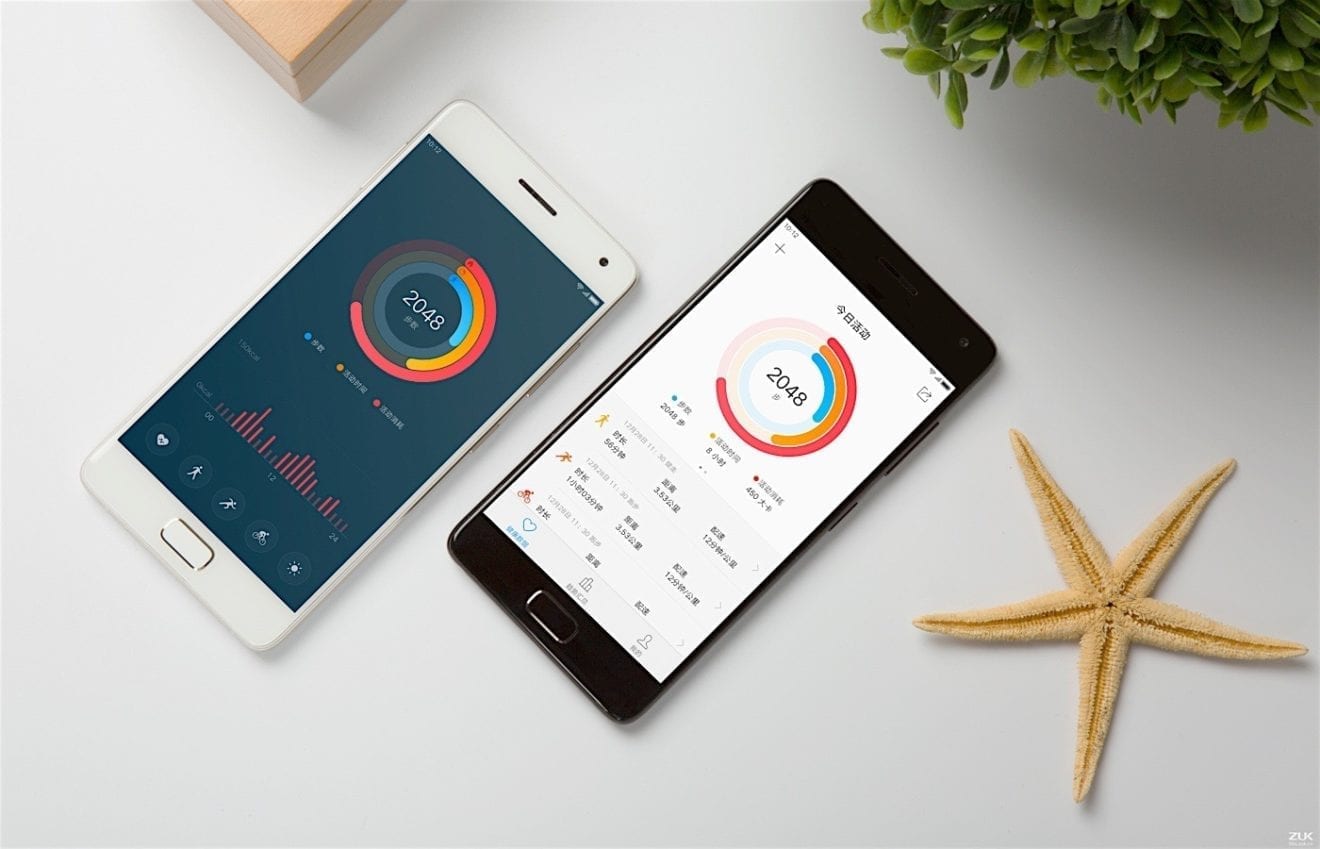
    Jumping on the bandwagon of local cell phone production, newly-founded cooperative Koperasi Digital Indonesia Mandiri (KDIM) on Friday started the production of a locally built smartphone under the brand of Digicoop.

    The smartphone is set to bolster the domestic cell phone market currently dominated by big players, especially foreign manufacturers.

    The initial model comes with a 4.7 inch-screen, a 1.5 Ghz quadcore processor, 1 GB of RAM, two cameras, two SIM card slots and 4G LTE compatibility.

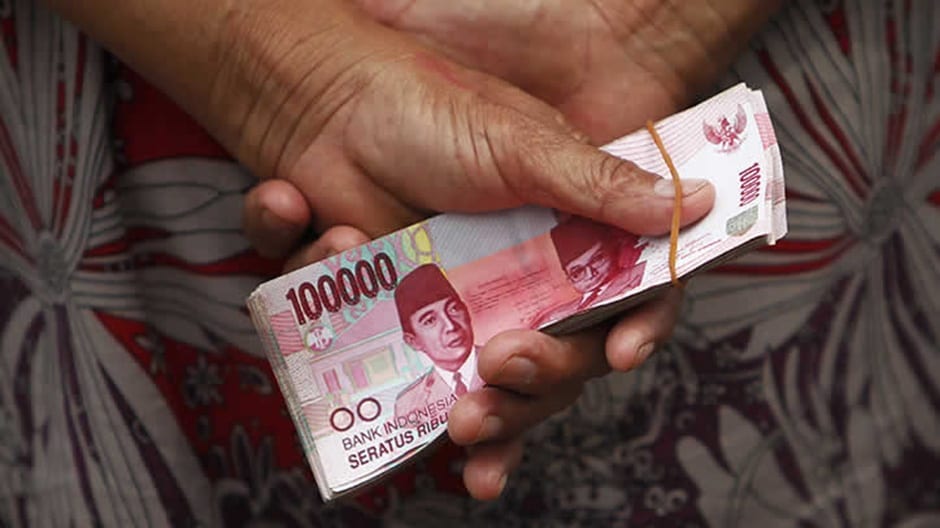
    Unlike commercially distributed phones, this smartphone can only be obtained by becoming a member of the cooperative via its website, after which one needs to pay Rp 100,000 (US$7.48) per month for one year. Delivery occurs after two month of subscription.

    KDIM chairman Henry Kasyfi Soemartono said the cooperative would produce 5,000 units in the initial phase, with pre-orders currently running at 1,500 units.

    Henry further said the basic idea of the cooperative was to maximize people’s power to create a strong local information technology business.

    “A cooperative is the ideal format for crowdfunding in Indonesia,” said Henry during the event to kick off production. “It is neutral and everybody has the same say. It also provides benefits to its members.”

    KDIM was set up in June last year by the Associations of Indonesian Internet Providers (APJII) and Indonesian Information and Telecommunications Society (Mastel).

    It aims to bring the cooperative format to Indonesia’s information technology (IT) business currently saturated by giants.

    The cell phone is the result of collaboration with a team of experts from the Bandung Institute of Technology (ITB) and is made in the factory of electronics manufacturer PT VS Technology in Cikarang, West Java.

    Indonesia has seen its domestic phone industry rise in recent years, with some manufacturers, like Polytron, already running local factories.

    Communications and Information Technology Minister Rudiantara, who was present during the event, said the economic model of a cooperative could be a solution for the IT business, including the ride-sharing business based on mobile phone applications.

    “The Uber and Grab Car drivers need entities to operate, while both companies have yet to register as transportation companies. So, we’ve suggested that they form cooperatives for the drivers,” he said.

    Rudiantara said the government would support the development of KDIM, such as by facilitating synergy with cooperatives for ride-sharing.

    Henry said KDIM had ambitions beyond smartphone-making, namely to buy a satellite and run an internet provider business. To do this, members interested in participating in the satellite purchase could deposit Rp 5 million and in return access internet for free for a lifetime.

    “We need to find at least 500,000 people who want to participate, so that we can buy a satellite for the people,” Henry said, adding that a satellite would cost between $200 million to 250 million.

    The plan would materialize in the next three years as preparations were still underway, he added.

    Based on the latest APJII survey, Indonesia has 132.6 million internet users, the highest number in Southeast Asia and the fourth-highest globally. Half of its more than 260 million population still cannot access the Internet.

    KDIM digital equipment head Teguh Prasetya said KDIM was preparing for designs for middle and high-end models. In the meantime, the cooperative tried to increase its local content, including applications, from 20.2 percent at present to 30 percent by the end of this year.

  • Bali expected to lure 40% of 2017 tourist arrivals

    Bali expected to lure 40% of 2017 tourist arrivals

    Bali is expected to attract 40 percent of the total target of 15 million foreign tourists to Indonesia in 2017.

    The province has been given a bigger portion than other regions because it still remains the prime destination for foreign tourists, according to the Assistant Deputy for Tourism Human Resource Development, Wisnu Bawa Tarunajaya, on Saturday (Jan. 21).

    “Bali is still number one compared to the other regions in Indonesia,” he said.

    The capital Jakarta is expected to attract 30 percent, while Batam in the Sumatran province of Riau Islands is expected to get 20 percent. All other regions of the country are expected to get the remaining 10 percent.

    The three major regions will play important roles in meeting the targets for attracting foreign tourism in Indonesia, added Tarunajaya.

    In order for the other regions to compete, the Ministry of Tourism is also planning to develop new tourist destinations. These include Toba Lake in North Sumatra, Tanjung Klayang in Bangka-Belitung province, Thousand Islands in Jakarta and Tanjung Lesung in Banten province, West Java. Mandalika in Lombok in West Nusa Tenggara, Labuhan Bajo in East Nusa Tenggara, Wakatobi in Southeast Sulawesi and Morotai in North Maluku are also listed for potential development.

    Through careful planning and sustainable development, the Ministry of Tourism is hoping to boost the promotion of new tourist destinations to attract more foreign visitors, said Tarunajaya.

    He also mentioned that most of the foreign tourists that are expected to visit this year are likely to come from China and other ASEAN countries, as well as Australia.

  • Lippo explores investment possibilities in border with Timor Leste

    Lippo explores investment possibilities in border with Timor Leste

    Lippo Group is exploring investment possibilities in the eastern province of Nusa Tenggara, which borders Timor Leste, to generate development and improve living standards in the region.

    “Increased investments in the border region is very important as it can help to improve the welfare of the local population. We are now studying the regions investment potential,” said Lippo Group President Theo L Sambuaga on Saturday (Jan. 21).

    He added that explorations to see if the region had any investment potential would be done in the districts of Timor Tengah Utara, Belu and Malaka.

    Businesses under the Lippo Group include those in education, health and the retail sector.

    Sambuaga stated there are possibilities of establishing a world-class health service, as well as a BPJS (government-subsidized health insurance scheme) scheme for poor people that live along the border region.

    With regards to the education sector, he added that Lippo are planning to provide scholarships for promising university students from the region.

    “We have already offered scholarships to students at State Timor University (Unimor) in Kafemenanu totaling Rp150 million, this was announced to the university on Friday,” he said.

    The Lippo Group also has an education division that was involved in the building of 340 schools across the country, as well as a health division that has built several general hospitals.

    “We have one hospital in East Nusa Tenggara province and also one in Kupang and another one in Labuan Bajo. We are still exploring the possibilities of building others in the border regions, such as in Timor Tengah Utara and Belu,” said Sambuaga.

    With regards to the retail sector, Lippo Group includes a chain of Hypermarts and Matahari Department Stores, which they claim to be a boost for local economies.

    Its chain of Hypermarts are located across the region, totaling up to 120 stores. There is also a possibility that the company may set up more in Kafemenanu in Timor Tengah Utara or Atambua in the Belu district. The group also has 150 department stores across the country.

    “The investment possibilities are there in view of our capacity, in addition to the positive impact our investments will bring for the development of the welfare of the people in the border region,” added Sambuaga.

    As one of its major stakeholders, he also stated that the Indonesian government shares the same level of responsibility with Lippo in improving the welfare of the local people.

    “This is about shared responsibility and I hope that this could motivate other parties to join our efforts. Cooperation between the government and the public is a must,” he said.

  • Lingerie Maker Victoria’s Secret Looks to Uncover Supply Chain Issues in Indonesia

    Lingerie Maker Victoria’s Secret Looks to Uncover Supply Chain Issues in Indonesia

    Lingerie giant Victoria’s Secret, famed for its racy bras and thongs, has pledged to trace the sources of its wood-based fabrics, joining the ranks of fashion companies addressing human rights and deforestation, its parent company said. In a new policy statement, parent company L Brands said it aimed to eliminate sources of wood pulp, used to make rayon, viscose and modal, that contribute to rainforest destruction or violate the rights of local people.
    L Brands is the latest in a growing number of US fashion companies to commit to investigate its supply chain for products from destructive regions and stop using those sources by the end of 2017, according to Rainforest Action Network (RAN). Ralph Lauren, whose designs are popular on Hollywood’s red carpets, adopted a similar policy earlier this month. “Our Forest Products Procurement Policy is written to reduce threats to ancient and endangered forests and to avoid products that contribute to deforestation or human rights abuses,” said L Brands’ policy statement published on its website.
    “We will report on our progress publicly.” Production of wood pulp can involve clearing forests to build eucalyptus plantations and taking land traditionally used by indigenous communities, campaigners say. The issue is particularly acute in Indonesia, a major producer of wood pulp. The Victoria’s Secret catalog features voluptuous models clad in tiny thongs, push-up bras and “cheekini” panties, and its top models who appear in its popular fashion shows are known as its Angels. It is one of several companies owned by L Brands. Its other well-known brands include Henri Bendel, Pink and Bath & Body Works. L Brands did not respond to a request for comment.
    RAN said the new policy was posted on the company website late on Wednesday. RAN, which helped develop the sourcing policies for L Brands and Ralph Lauren, has been waging an “Out of Fashion” campaign to publicize the impact of forest-based fabrics and call on major US brands to adopt stringent sourcing systems. “It’s encouraging to see brands beginning to take responsibility for their supply chains,” said Brihannala Morgan, senior forest campaigner with RAN. “
    L Brands’ commitments and actions, following right behind Ralph Lauren and among more than 60 other brands who have developed policies, can have a real positive impact for forests and the people that depend on them.” H&M, Zara, Levi Strauss & Co and British fashion designer Stella McCartney have adopted similar policies, RAN said. Last year Stella McCartney partnered with environmental non-profit Canopy to encourage clothing companies to stop sourcing fabric from ancient and endangered forests.
  • UCWeb to invest R200 cr in India, Indonesia over 2 yrs

    UCWeb to invest R200 cr in India, Indonesia over 2 yrs

    UCWeb, part of Alibaba Mobile Business Group, plans to invest R200 crore over the next two years in India and Indonesia. The funds will primarily be used to make use of user-generated content in India via its news distribution and content platform, UC News.

    Jack Huang, president of overseas business, Alibaba Mobile Business Group said, “India is the most critical overseas market for UCWeb and this investment will help bring in the global mobile internet to an era of ‘GUF’ (Google, UCWeb, and Facebook).” UC News, a product of UCWeb Inc is a content distributor of trending and curated news content covering all kinds categories including news, cricket, technology, entertainment, movies, lifestyle, health, humor, etc.

    UCWeb plans to add more than 30,000 self-publishers, bloggers and key opinion leaders to its platform in 2017.

  • Indonesia’s CT launches cinema blitz to boost retail chain

    Indonesia’s CT launches cinema blitz to boost retail chain

    Indonesia’s CT Corp. is partnering with cinema operators to open movie theaters in its commercial complexes. The retail and media conglomerate hopes to tap growing demand for entertainment and gain an edge over other retailers.

    On Wednesday, CT retail arm Trans Retail announced a partnership with Graha Layar Prima, operator of the CGV cinema chain (formerly known as Blitz Megaplex), to develop cinemas at CT’s Transmart Carrefour stores across Indonesia.

    CT officially launched its Transmart centers, which feature restaurants, apparel stores and supermarkets, in 2016 and currently operates 13 outlets across the archipelago. It plans to invest $3 billion to expand the number to 100 by 2019.

    “For the next three years, we will deliver [a] minimum of 500 [cinema] screens” to Transmart centers, CT founder and Chairman Chairul Tanjung told the Nikkei Asian Review on the sidelines of a recent business conference in Hong Kong.

    GLP will open CGV cinemas in four Transmart centers in Java and Sumatra in May, with plans to add four more by the end of the year. Each cinema will have five screens. CGV theaters stand out for their 4-D entertainment systems, sofa-type seating for couples and VIP spaces that serve drinks and snacks. CT is targeting the country’s growing middle class, which is expected to account for nearly half the population by 2030, compared with 19% in 2010, according to a 2012 report by McKinsey Global Institute.

    Mall operators have been keen to invest in the growing entertainment market to set themselves apart amid stiff competition from convenience stores and online retailers. Lippo Group, the largest mall operator in Indonesia, is aggressively expanding its own cinema business, with plans to have 2,000 screens across 85 cities by 2024.

    The relative scarcity of entertainment facilities and scorching temperatures in Indonesia have made movie theaters an increasingly popular destination there. GLP said its cinemas attracted over 10 million visitors in 2016, up 150% from 2012. The top-grossing domestic film this year raked in a record 205 billion rupiah ($15.3 million), according to local media.

    GLP aims expand its network of cinemas to 40 from the current 27. The partnership with CT provides it a major retail platform for increasing its footprint at a time when cinema operators are bracing for fiercer competition amid a wave of deregulation. In 2016, the government removed film projection, production and distribution from its list of businesses with foreign investment caps. In December, Singaporean sovereign wealth fund GIC announced that it will acquire an undisclosed stake in Nusantara Sejahtera Raya, Indonesia’s largest cinema operator, for 3.5 trillion rupiah.

    Satria Hamid, a spokesperson for Trans Retail told that the company signed a deal in December to install NSR’s Cinema XXI movie theaters in at least four Transmart stores in 2017.

    Even as cinema and mall operators take steps to gain an edge over traditional and online retailers, a new wave of competition is emerging in the form of online streaming services, such as Netflix.

  • Bank Indonesia Keeps Benchmark Rate

    Bank Indonesia Keeps Benchmark Rate

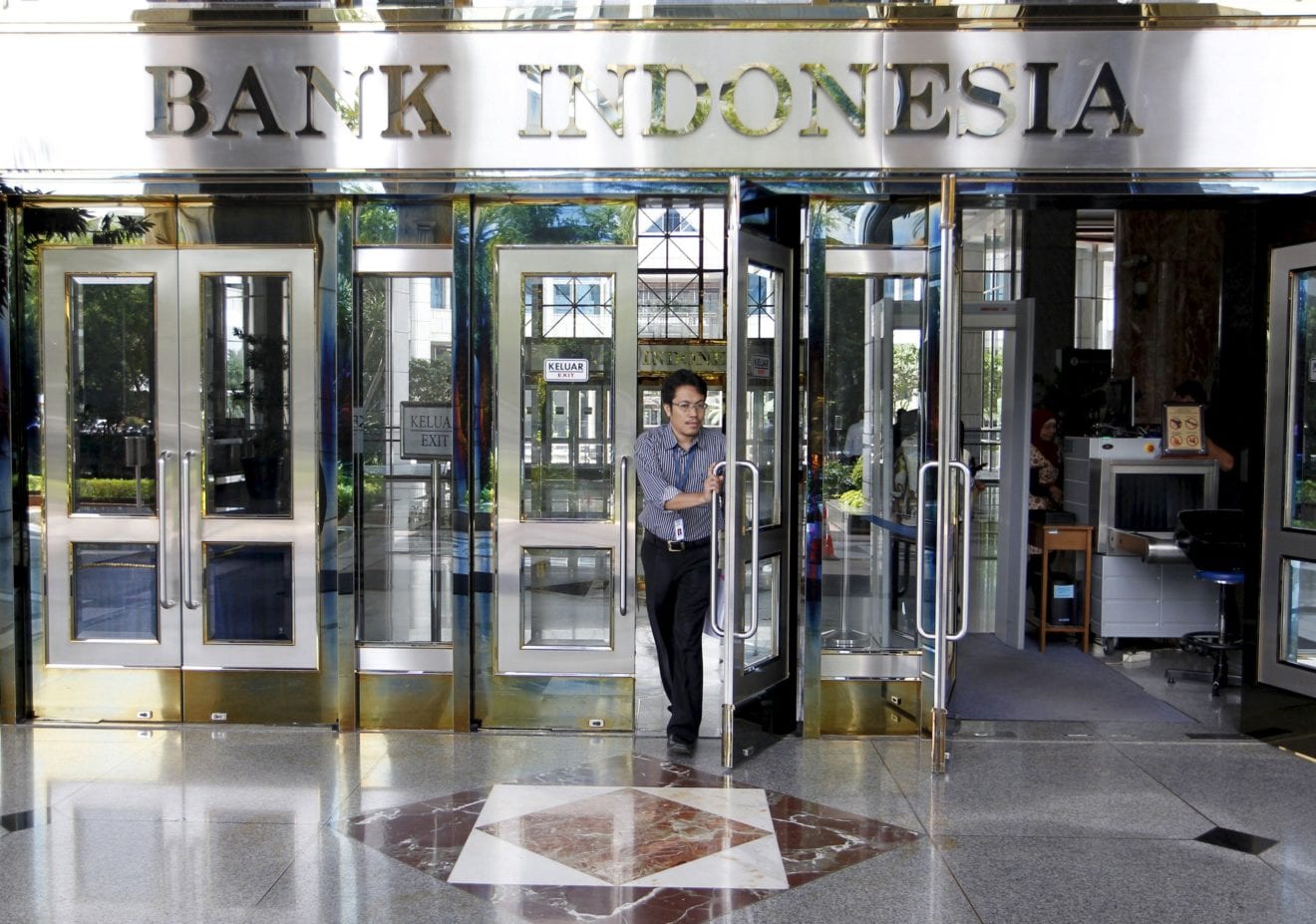
    Bank Indonesia (BI) has kept its 7-days reverse repo rate at 4.75 percent. Other monetary benchmark rates such as deposit facility rate and lending facility rate have also been kept at 4 and 5.5 percent. “The decision was made by BI to preserve domestic macroeconomic stability,” Bank Indonesia spokesman Tirta Segara said yesterday.

    As such, the BI has maintained its benchmark rate since October 2016. Tirta did not deny that economic policy uncertainty in the United States future following Donald Trump’s victory in the US presidential election in November have also come into play. However, he said that domestic inflation rate is positive at around 3.02 percent.

    Indonesian economy will also be affected by China’s economy. The United States and China are Indonesia’s major trade partner. “BI and the government will continue to collaborate to monitor every development,” Tirta said.

    Finance Minister Sri Mulyani Indarwati said global economic outlook may not improve this year. “Economic growth in developed countries, such as the United States, Japan and European countries, may not be as rapid as expected,” Minister Sri said.

    Sri said the United States is the only developed country that may recover from the economic downturn. However, at the same time, the US economic recovery may pose new problems to the global economy. The Fed, according to Sri, may increase interest rates should the US manages to achieve economic growth.

    The Fed itself had said that it plans to increase interest rates. However, it would await Trump’s policy on tax cuts and increased infrastructure and defense spending that may lead to increase in inflation.

  • Greenpeace Claims HSBC Helped Financing Deforestation

    Greenpeace Claims HSBC Helped Financing Deforestation

    Greenpeace International launched a new report on Tuesday, January 17, 2017, accusing British HSBC of supporting deforestation. The report stated that British HSBC provided financial services to palm oil companies that are causing rainforest destruction and human rights abuses in Indonesia.

    The report titled “Dirty Bankers: How HSBC is financing forest destruction for palm oil“, claimed that HSBC has been involved in arranging US$16.3 billion of loans and credit facilities to six palm oil firms. In addition, the is also said to have raised US$2 billion bonds for these firms.

    The palm oil companies listed in the report are Malaysian firm IOI; Indonesian Bumitama Agri and Salim Group; Singapore incorporated Goodhope Asia; Hong Kong-based and Singapore-listed Noble Group; and Korea’s Posco Daewoo Corporation.

    Greenpeace argued that HSBC has violated its policies of responsible lending by helping to finance the above-mentioned companies.

    Annisa Rahmawati, Greenpeace Southeast Asia senior campaigner said that although HSBC claimed to be a respectable bank with responsible policies on deforestation, “somehow these fine words get forgotten when it’s time to sign the contracts.”

    Not only HSBC, the report also listed several other banks claimed to be related to case studies in the report, including Japan’s Sumitomo and Tokyo Mitsubishi banks; Singaporean bank DBS; and the Australia and New Zealand Banking Group (ANZ).

    Despite the heavy criticism, the report did acknowledge HSBC as a “relatively progressive” bank that has shown a willingness to engage with criticism, and noted that the bank has a responsibility to set high standards for the rest of the sector.

  • EazyDiner plans to dig into online restaurant booking in Indonesia, Thailand

    EazyDiner plans to dig into online restaurant booking in Indonesia, Thailand

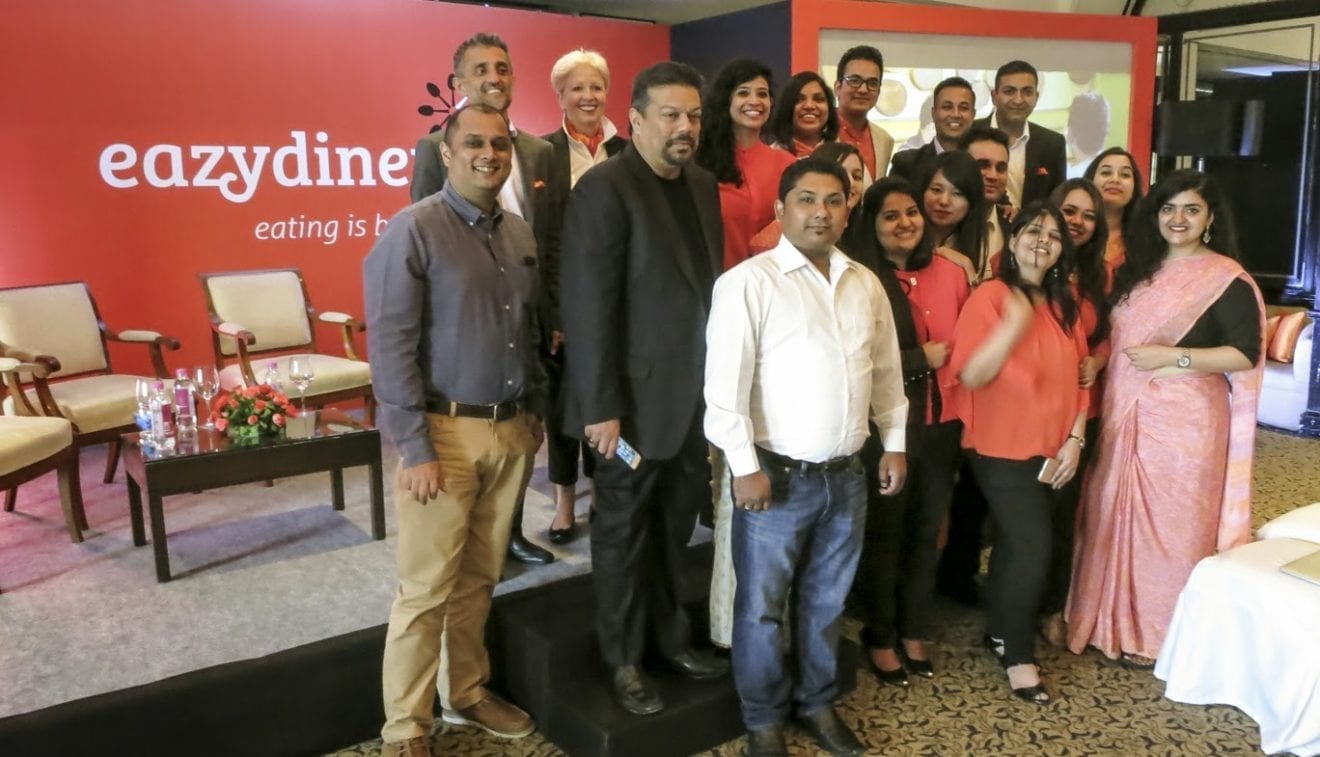
    EazyDiner, a restaurant booking and reviews platform, is in talks with potential investors to raise a fresh round of funding to expand its international footprint in the New Year.

    The two-year-old company, which was co-founded by media personality Vir Sanghvi and six professionals with a background in food, beverages and hospitality sectors, has targeted Indonesia and Thailand as its next two markets.

    While company officials declined to share details of the upcoming equity financing round, they confirmed plans of entering the South East and South Asian markets over the next 12 months.

    EazyDiner launched services in Dubai in December. The startup, which combines the services of Google-owned dining guide Zagat, NYSE-listed restaurant review firm Yelp and Priceline-owned restaurant booking service OpenTable, is also backed by two consumer-focused venture capital firms, DSG Consumer Partners and Saama Capital.

    The funding and expansion come when investor interest in India’s broader foodtech space has waned, with the startup ecosystem littered with the still-smoking embers of ventures that promised to deliver exceptional dining experiences to the notoriously fickle-minded and priceconscious Indian consumer.

    The combination of wafer-thin margins on offer, coupled with low entry barriers and lack of sustainable business models, saw investors curtail their appetite for the ventures.

    EazyDiner has charted a different path for itself. The platform, which also provides content and reviews, operates one of the country’s largest dining loyalty programmes as well. “We were never, and in fact, will never get into food delivery. The economics just don’t make sense, at least in a market like India…We believe it requires a very different skill-set,” pointed out Aman Kapur, one of the cofounders.

    EazyDiner has raised about $4 million in funding till date and counts Gurpreet Kohli, former managing director of Chrys Capital, as one of its early backers. The company operates in seven locations – the National Capital Region, Mumbai, Bengaluru, Kolkata, Pune, Chennai and Goa.

    “The focus is to go deeper into our existing markets and really establish our footprints in each of them rather than just go on an unrestrained growth across geographies,” pointed out Shruti Kaul, another cofounder.

    The platform lists about 2,000 restaurants, with more than 500 spread across NCR. EazyDiner has provided most establishments with its proprietary SaaS-based table reservation platform and has a guaranteed inventory with the rest, enabling them to provide bookings to consumers on an immediate basis.

    Gurgaon, where the company is headquartered and where it first launched operations, has played a critical role. The NCR’s startup hub, which rivals Bengaluru in its concentration of the country’s new economy ventures, has played a significant part in its growth.

    “Gurgaon, possibly, deserves its own mention alongside Mumbai and Delhi. It’s the third-largest contributor after the two metros,” said Kaul. According to her, Gurgaon contributes 15% of the company’s business across the country, outpacing Bengaluru. “For a small suburb, it’s huge. We have about 275 restaurants in Gurgaon on our platform, ranging from luxury establishments to budget restaurants,” Kapur said.

    According to both founders, emergence of the Haryana city as a startup destination has played a role in defining, as well as evolving, consumer behaviour, particularly when it comes to dining habits. “The ability to experiment there is phenomenal and probably much more than the other metros… We also see that people living to working in Gurgaon, while traveling, indulge in a lot more cross-dining than any other city in India,” Kaul said.

    Analyses drawn from consumer behaviour in one of its earliest markets has prompted the founders to look for similar characteristics in every new area it enters. “We’ve actually learned alongside the consumer and the company’s grown even as the consumer has evolved and experimented,” Kapur said.

  • Indosat Ooredoo ready to launch 4.5G technology

    Indosat Ooredoo ready to launch 4.5G technology

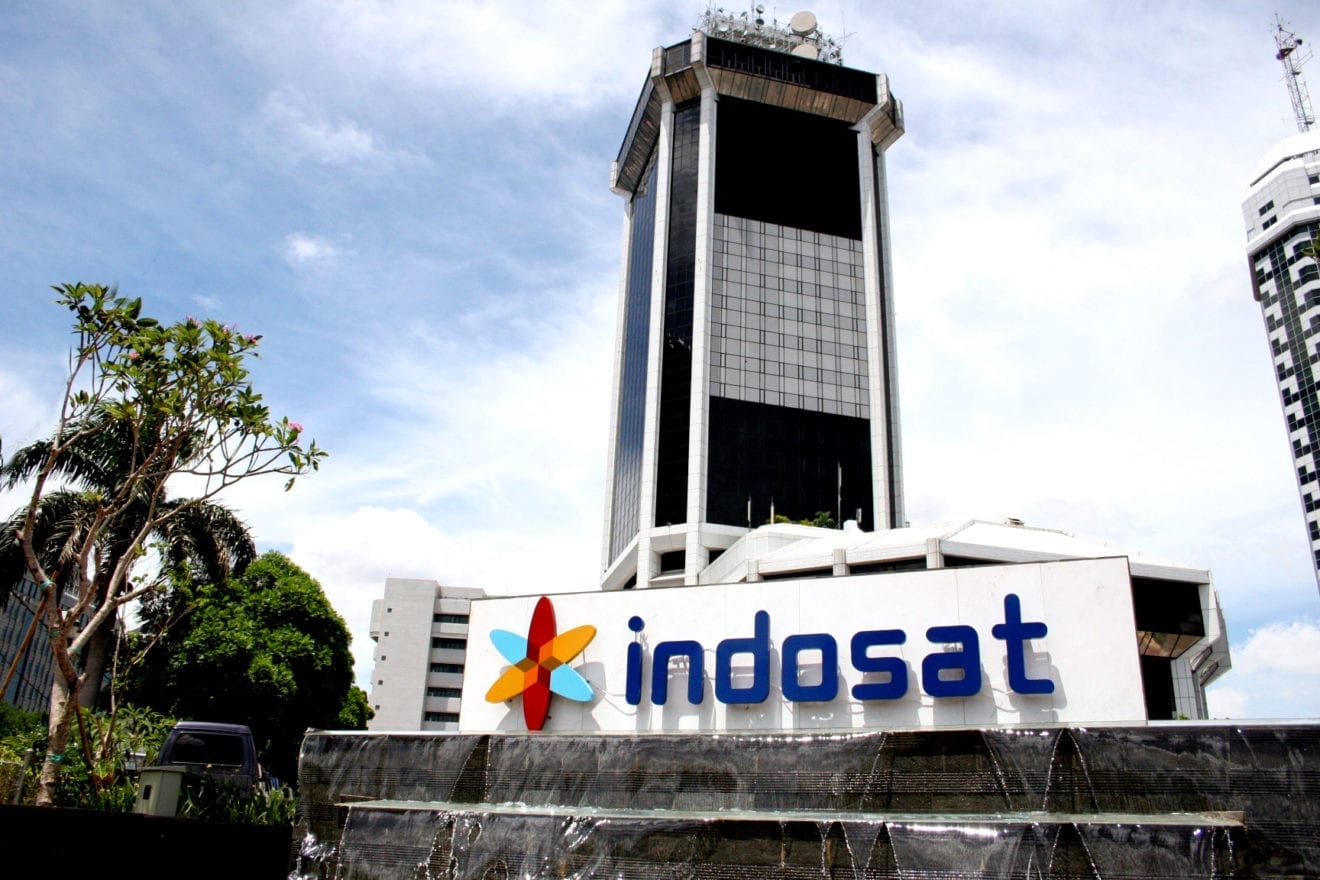
    PT Indosat Ooredoo is ready to launch its 4.5G technology in 2017 that is two times faster than its 4G predecessor, said a company spokesman.

    “We have been developing the 4.5G technology since 2012 and we are ready to launch this year, starting with the introduction of new technological infrastructures such as modernized BTS (Base Transceiver Station) in several regions,” according to its Group Head of Network Strategy and Solution, Yune Marketatmo, on Wednesday.

    Singapore and Malaysia are already ahead of Indonesia in launching the 4.5G technology, along with some European and Middle Eastern countries.

    Marketatmo also noted that in order to prepare for its introduction, the company has been working to place 4.5G data centers in several areas around Java since 2016, while the headquarters will be in Jakarta.

    “The data centers will be built in strategic locations close to customers so they can communicate easily and take advantage of this new technology,” he added.

    Marketatmo further explained that existing customers who are currently using 4G would be automatically upgraded to 4.5G. This will also apply to mobile devices that are compatible with the 4.5G technology.

    Indosat Ooredoo currently has 81.6 million customers and the company saw an increase of their data usage by 114.2 percent compared to previous years.

  • KBank keen to buy Indonesian banks

    KBank keen to buy Indonesian banks

    The regulations require foreign banks to buy more than one bank, and that the targets must not be strong institutions.

    KBank president Pipit Aneaknithi said yesterday that the bank currently had partnerships with two banks in Indonesia, and was prepared in terms of facilities and capital to establish its own footprint in the Indonesian market.

    While Indonesia has very high potential for KBank and the takeover of local banks is an option, the requirement that foreign banks have to purchase more than one bank is something that it might not be particularly comfortable with, he said.

    The Bank of Thailand acknowledges this concern, he said, adding that market entry via the Qualified Asean Banks (QAB) scheme is another potential solution for KBank.

    The bank is therefore interested in applying for QAB status if the scheme’s framework is implemented.

    Meanwhile, the establishment of a physical branch in Indonesia is likely to be more difficult than doing so in Vietnam, which is another focus country for KBank, the president said.

    The best solution right now for KBank is therefore seen as the continued partnership with two local banks in Indonesia, he explained.

    Elsewhere in Asean, KBank currently has physical branches in two markets, one each in Cambodia and Laos.

    The Cambodian branch will be officially opened on February 8, with the Vientiane branch in Laos due to be opened later this year.

    With the presence of a physical branch in a foreign market not always the best solution, and the cost of establishing such an operation today a major matter, partnering with local banks is a tangible way to conduct business, he said.

    However, the difficulty is whether the bank and its partners have the same policy direction and share a similar interest in accommodating clients, he added.

    KBank, meanwhile, has been active in terms of international banking business in the past seven years by focusing on China, where it is upgrading to local banking this year.

    The market share of KBank in trade finance between Thailand and China has risen from 5 per cent to 15 per cent in seven years, Pipit said.

    He said the next step for KBank in tapping a regionalised trade-finance market dominated by China would be for the bank to facilitate financial services to Thai clients for business between one foreign country and another. “We should open a letter-of-credit service to our clients in China who want to run a business in Myanmar,” he said by way of example.

    Furthermore, KBank must embrace the digital platform in order to integrate its regional operating model.

    Under its banking-platform plan for 2016-2017, KBank must be able to service cross-border mobile transfers, multicurrency transactions and cross-border direct settlement, he stressed.

    KBank yesterday reported a 2016 net profit of Bt40.17 billion, some 1.77 per cent higher than the previous year’s level.

    The bank and its subsidiaries set aside a loan-loss reserve of Bt33.75 billion at the year’s end, up 28 per cent from Bt26.37 billion the year before.

    The higher reserve reflects the rise in non-performing loans last year, from 2.7 per cent to 3.32 per cent.

    Lending growth, meanwhile, supported net interest income, for which KBank recorded year-on-year growth of 5.5 per cent to Bt89.67 billion.

  • Tax office to summon Google to clarify data on revenue

    Tax office to summon Google to clarify data on revenue

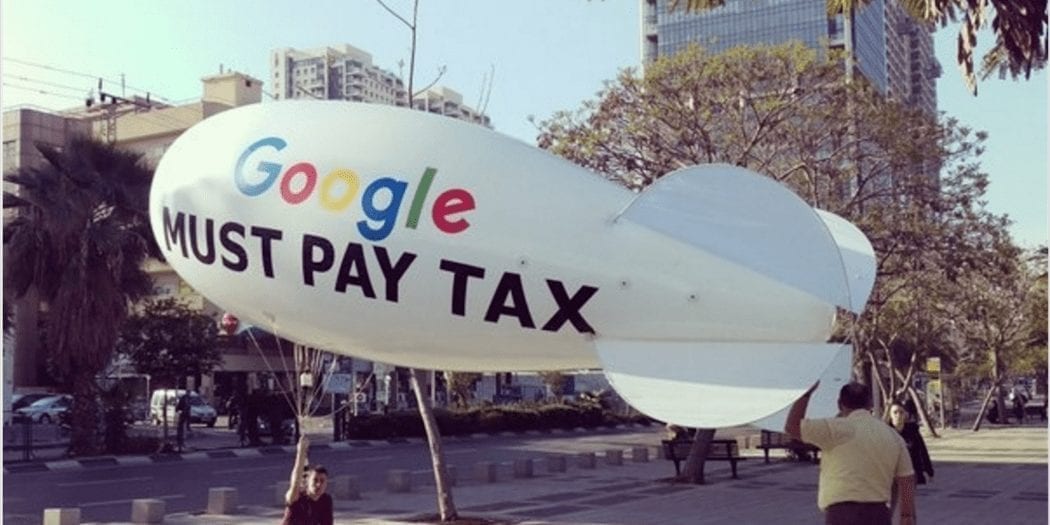
    Director General of Tax Ken Dwijugiasteadi gave an assurance on Wednesday that he would summon Google representatives to confirm data that it submitted regarding the companys revenue in Indonesia.

    “I have the data, so I will ask for their confirmation on whether the figures that they submitted are accurate,” said Dwijugiasteadi.

    He did not mention when the summons would be made, but the agenda for the meeting has been decided due to Googles history of tax avoidance. The authorities have requested for a copy of electronic data relating to revenues from advertisements.

    He also hoped that Google will respond to the summons so the process of paying income tax on their revenues, which had already been significantly delayed, can be completed quickly.

    Dwijugiasteadi said that every company that operate and collect revenues in Indonesia are obliged to meet their tax obligations and contribute appropriately by paying the correct taxes to the state.

    “Regulations must be met and my job is to enforce them accordingly. I do not threaten or use force,” he added.

    The head of the Jakarta regional office of the Directorate General of Tax, Muhammad Haniv, said that Google has yet to submit additional financial reports that they requested regarding revenue collected in Indonesia.

    “We cannot fully trust their statements as we are still waiting for further supporting documents. Their income from sources such as pay per click and other applications are yet to be accounted for,” he added.

    He further questioned Googles reluctance to be listed as a permanent company in Indonesia as the company is already operating many of its servers in the country.

    “They already have servers in Indonesia. That is the physical evidence. Being permanently established requires a physical presence,” said Haniv.

    According to the Directorate General of Tax, Google was registered as a legal entity in Indonesia at Tanah Abang Tax Office III in Central Jakarta as a foreign investment company in September 15, 2011 as subsidiary of Google Asia Pacific in Singapore.

    Based on Indonesian income tax law, Google must be declared as a permanent company and all its revenue or income within Indonesia must be taxed.

    However, Google has rejected further tax inspections from the authorities and it will not take the status of a permanent company, despite its revenue being in the trillions with the majority coming from advertisements.

  • University of Hong Kong sees increase in Indonesian student applications

    University of Hong Kong sees increase in Indonesian student applications

    Shopping, entertainment and leisure may be the three words synonymous with Hong Kong. However, those are no longer the only reasons for Indonesians to visit the region as it has become a destination to pursue higher education.

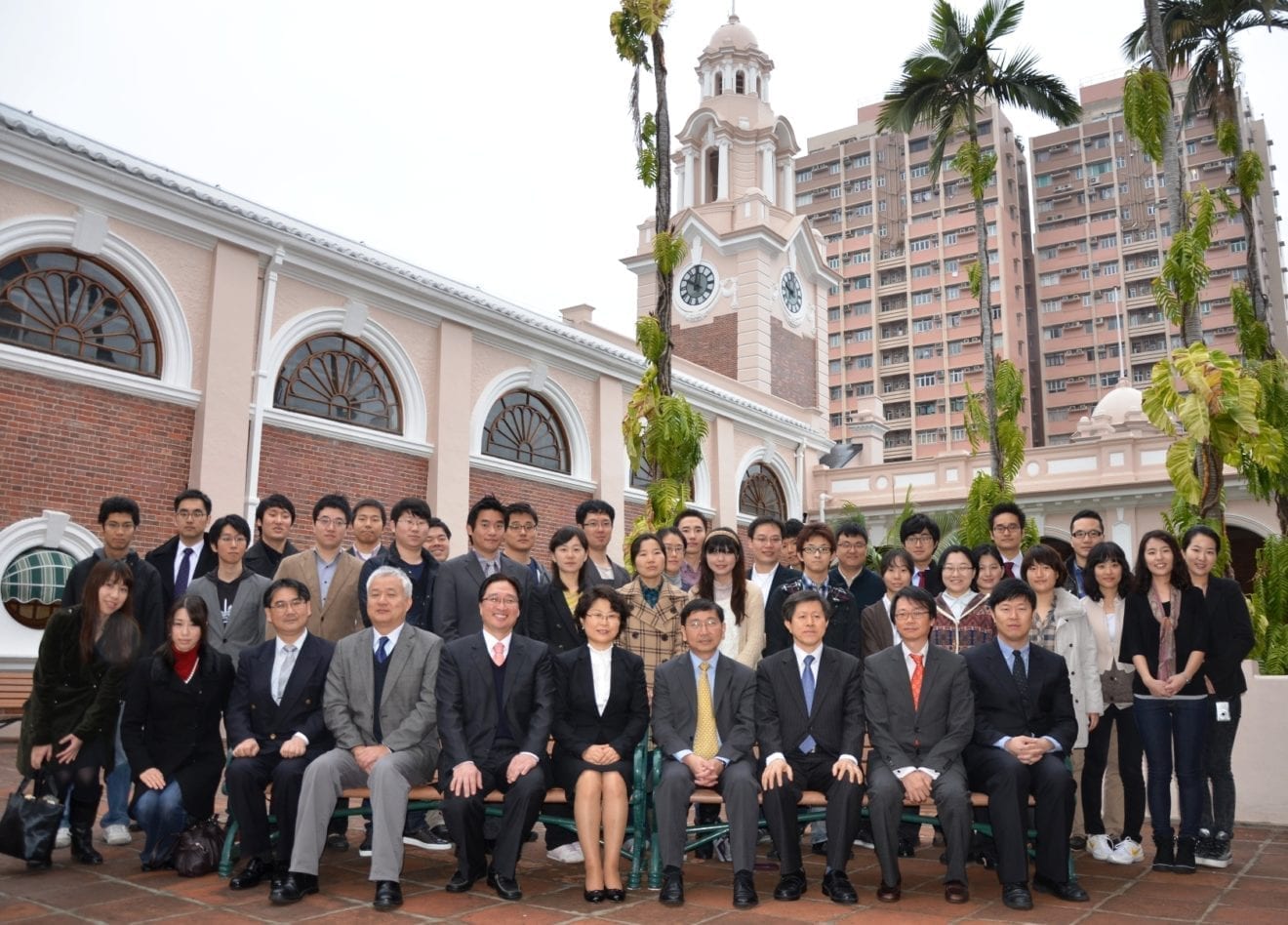
    Phillip Beh, chairman of the University of Hong Kong (HKU) Undergraduate Admissions Committee told on Saturday that the university had seen an increase in applications from Indonesian students since it opened its first undergraduate admission interviews in Indonesia in the academic year of 2014/15.

    Beh said on average 200 applications are received from Indonesian students annually. However, applicants face tight competition as only 400 international students are accepted into the university each year. At present, there are about 90 Indonesian students enrolled in HKU, mostly majoring in Food and Nutritional Science and Risk Management.

    Pinto ‘Pipin’ Rasika Tasdyata (center-left) and Jelita Amidjaja (center-right) talking with other Indonesian students who act as observers in HKU’s open house, undergraduate admission interviews at South Jakarta, Saturday.(JP/Masajeng Rahmiasri)

    Jelita Amidjaja, alumni of BPK Penabur 1 High School Jakarta currently studies Actuarial Science in HKU. She chose Hong Kong mainly because of its reputation as the melting pot of Asian and Western culture, besides its proximity to mainland China which allows her to study Chinese culture. “Right now, China is a strong country, so you would want to learn about the culture,” she said.

    Pinto “Pipin” Rasika Tasdyata studies Business Administration (Internal Business and Global Management) in HKU.  She said that what appealed to her about Hong Kong apart from its culture was the business prospects of the region. “It is the business hub that people recognize. I know Hong Kong and China will grow,” she said.

    Global university ranking publication, QS World University Rankings ranked HKU at 27th place in its 2016 world rankings, while UK-based education publication, Times Higher Education puts HKU in third position in its international outlook in 2016. Apart from its academic reputation, Indonesian students Pipin and Jelita also aim to gain future opportunities via HKU’s connections.

    “It is a very connected university. There are opportunities that I can get from there, from internships, overseas partners, and many more,” Pipin said, adding that the university also sends daily emails to students containing news about internships and various opportunities.

    Indonesian parents who send their children to HKU take into consideration the relative tuition fees. Taman Djojomitro, a parent who accompanied his son to HKU’s open house last Saturday highlighted the study cost comparison with the United States, “It’s quite expensive to study in America, especially when the exchange rate is Rp 13,000 to the dollar now.”

    Yearly tuition fees for international students in HKU start from HK$146,000 (US$18,824). With accommodation fees within the range of HK$12,000 to HK$26,000 plus living costs of approximately HK$40,000 per year, it is a significant difference to what normally constitutes average spending when studying abroad. According to QS World University Rankings, the average total cost of studying in a public university in the US currently averages $39,890 for international students.

  • Indonesia seen holding rates on rupiah, inflation concerns

    Indonesia seen holding rates on rupiah, inflation concerns

    Indonesia’s central bank is widely expected to keep its benchmark policy rate unchanged on Thursday as it monitors the rupiah’s movement at a time of global uncertainty and price pressures at home.

    Bank Indonesia (BI) cut its benchmark six times last year, by 150 basis points, to 4.75% to aid economic growth. During 2016, the inflation rate was low, current account deficit comfortable and the rupiah relatively stable.

    All 22 analysts in a Reuters poll predicted the central bank will leave the main rate unchanged on Thursday.

    “BI’s monetary policy easing cycle may have come to an end,” the World Bank said in a report published on Tuesday.

    It said the space for easing is more constrained than in October – when BI made its last trim – “given US interest rate normalisation and downward pressure on the rupiah”.

    Capital Economics said BI is also likely to consider risks of higher inflation due to government plans to hike some liquefied petroleum gas prices and electricity tariffs.

    “BI expects this to push inflation towards the top of its target range, weakening the case for further monetary loosening,” the consultancy wrote on Monday.

    Higher Inflation Seen

    Earlier this month, BI deputy governor Perry Warjiyo said that although the central bank has room for more easing, it needs to “calibrate” an expected acceleration in inflation when deciding its main rate.

    He said inflation may rise to 4.6% in 2017 due to adjustments in administered prices, from 3.02% in December.

    Warjiyo, hinting at a hold on Thursday, said BI may prefer to use liquidity management tools to support economic growth, while its main policy rate will be used to maintain financial market stability.

    Some analysts said South-East Asia’s largest economy still needs loosening to lift sluggish growth, which slowed to 5.02% in the third quarter and may slow again to 4.97%, according to BI’s forecast.

    Out of seven analysts who gave views for the benchmark at the end of March, three saw BI making a 25-basis-point cut to 4.50% while the other four projected no change.

    Taimur Baig, Deutsche Bank’s chief Asia economist, said “Indonesia’s economic turnaround, which seemed apparent in the first half of last year, appears to have stalled” and that might prompt BI to cut before April.

    DBS economist Gundy Cahyadi also sees a cut, but not until 2017’s second half.