Tag: Indonesia

  • Insurer Sun Life Indonesia values qualified agents

    Insurer Sun Life Indonesia values qualified agents

    Life insurer Sun Life Indonesia aims to have more qualified agents to market their products rather than just make the numbers, the company top executive has said.

    The firm gathered on Friday 1,000 of its most high-achieving agents for the annual “Year Start” event in Jakarta to brief them of the insurer’s vision this year and to ensure them to be ready to face a more competitive insurance industry.

    “We are launching several new initiatives in 2017, which are designed to improve our marketing agents’ productivity and to also encourage them to develop their skills and capacity,” Sun Life president director Elin Waty said.

    She added that the agency’s contribution reached around 55 percent of the firm’s insurance distribution last year and the company planned to have a similar share this year.

    The insurer uses a contract maintenance system, which obliges its agents to achieve certain targets or their contracts will be terminated to ensure the company has capable agents.

    “If this contract maintenance system wasn’t implemented, my agents would probably number 100,000,” Elin said.

    Currently, Sun Life has around 10,100 agents nationwide, a steady increase from its 9,000 agents in 2015.

    “We aim to do better in 2017 by focusing on our human resources, technology and brand,” said Sun Life Asia president Kevin Strain.

  • Chinese tourists visiting Bali up 41.28 percent in number

    Chinese tourists visiting Bali up 41.28 percent in number

    The number of visits by Chinese tourists to Bali rose 41.28 percent to 907,028 in the first 11 months of 2016 from 642,000 in the same period in 2015.

    “Most of them flew directly to Bali via the Denpasar International Airport of Ngurah Rai with only 886 of the visits by sea as passengers of tourist boats, head of the Provincial Central Bureau of Statistics (BPS) Adi Nugroho said here on Thursday.

    He said Chinese made up 20.22 percent of the total number of 4.48 million visits by foreign tourists to Bali in the January-November period of 2016.

    China is now the second largest country of origin of foreign tourists to Bali after Australia.

    Adi Nugroho said the number of visits by Australian tourists to Bali in the same period totaled 1.04 million, up 19.46 percent from 876,748 visits in the same period in the previous year.

    Australia accounted for 23.35 percent of the total number of visits by foreign tourists to Bali topping other countries, he added.

    Meanwhile, tourism observer Tjokorda Gde Agung said Chinese, who had come in throngs for holidaying in Bali could soon overtake Australians in number.

    “It is very likely especially with the growing number of direct flights between Denpasar and Chinese cities,” Tjokorda said.

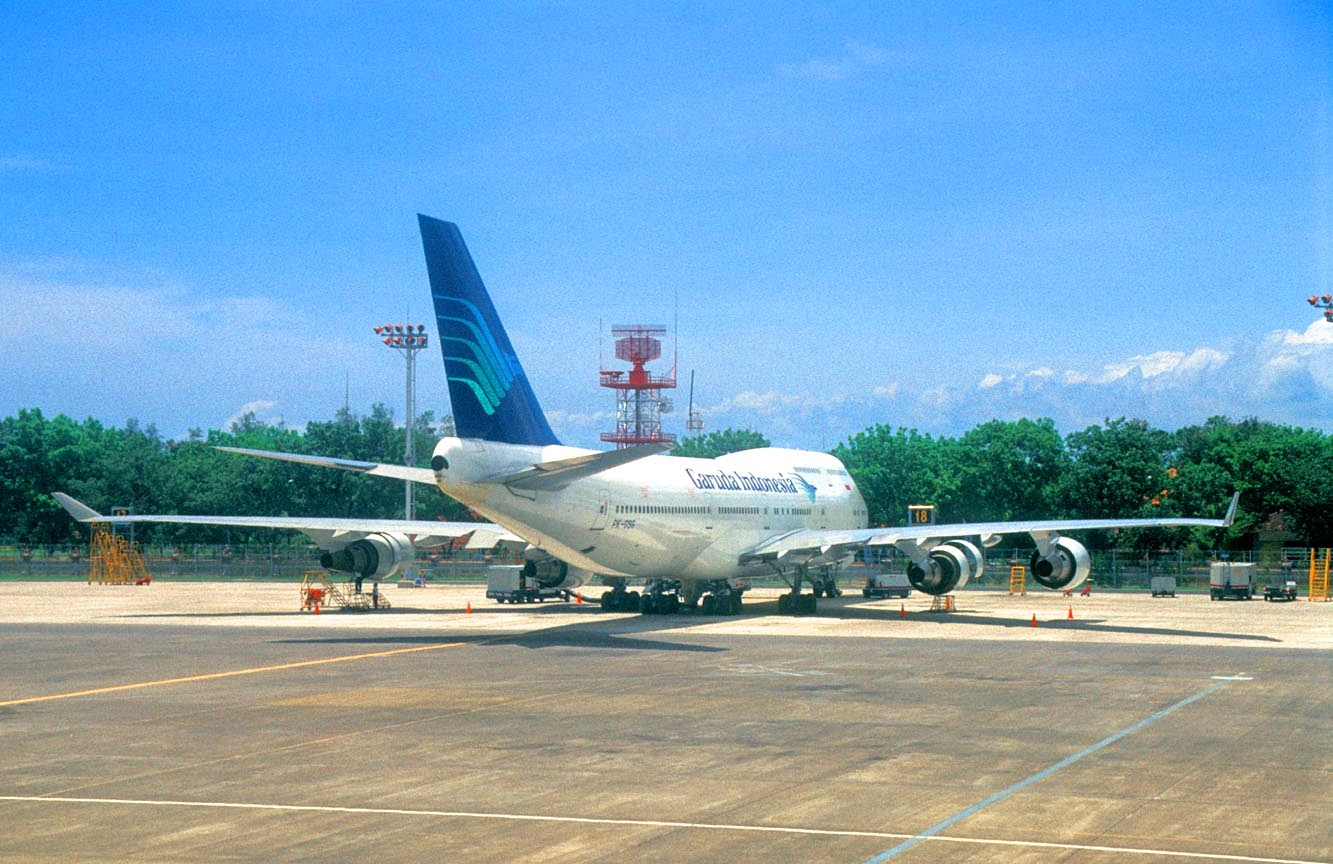
    The nations flag carrier Garuda Indonesia itself already served regular flights directly between Bali and China, he said.

    “The direct flights would certainly contribute greatly to growing number of Chinese tourists to Bali,” he said.

    The 41.28 percent increase was the second highest after a 60.59 percent increase recorded in the number of Indian visitors to Bali in the same period.

    The number of visits from 10 largest countries of origin all increased excepting from Malaysia and South Korea.

    With the trend , the target of 5.5 million visitors to Bali set for 2017 is expected to be easily reached.

    Indonesia hopes to draw more Chinese tourists to meet its target of 20 million visits by foreign tourists in 2019 from the target of 12 million in 2016.

    China has become a potential tourism market. A record high of 133 million Chinese tourists were estimated to make outbound trips by the end of 2016, according to the report released by the China Tourism Academy and the financial services company UnionPay International.

    The figure would mark an 11.5 per cent rise from 2015.

    Hong Kong, Macau and Taiwan remain the top choices for mainland tourists, according to a report.

    Chinese tourists are increasingly getting involved in leisure activities and learning about local lifestyles when traveling overseas rather than just shopping, according to the report.

    Chinese tourists spent US$104.5 billion overseas in 2015, up 16.6 per cent from 2014, and a growing number of foreign countries including Indonesia are relaxing their visa requirements for Chinese tourists to tap their purchasing power.

    Tourists from China along with many other countries are offered visa free travel by Indonesia.

  • Trump’s Indonesian Business Partner to Attend Inauguration

    Trump’s Indonesian Business Partner to Attend Inauguration

    The Indonesian business partner of President-elect Donald Trump will be attending next week’s inauguration and also plans business meetings with Trump family members, his spokesman said Friday.

    Trump’s ties to Hary Tanoesoedibjo are among the many conflicts of interest he could face as the 45th U.S. president. The property billionaire’s presidency is shaping up to have unprecedented potential to muddy U.S. national interests with his personal business interests.

    Tanoesoedibjo, usually known as Tanoe, is the founder of media and real estate conglomerate MNC Group and also has political aspirations in Indonesia.

    The ethnic Chinese and Christian businessman has founded a political party and has said he wants to be president, though that is unlikely in Muslim-majority Indonesia because of historical antipathy to its tiny Chinese minority and the country’s current climate of rising religious intolerance.

    MNC’s corporate secretary Arya Sinulingga said that Tanoe and his wife were invited to the Jan. 20 inauguration and before that will have business meetings including with Trump’s two oldest sons.

    “He will meet his business partners ahead of the inauguration to bolster some business deals,” Sinulingga said.

    Tanoe’s company plans to start building two resorts in Indonesia this year that Trump’s business is associated with through management and licensing deals.

    A planned “six star” luxury resort on the tourist island of Bali would be the first hotel in Asia under the Trump Hotel brand. The second planned resort is in West Java’s Sukabumi, about 100 kilometers (62 miles) southwest of the capital Jakarta.

  • Household consumption key to achieving economic growth in 2018

    Household consumption key to achieving economic growth in 2018

    The head of Indonesias National Development Planning Agency (Bappenas), Bambang Brodjonegoro, has said household consumption and inflation will be the key to achieving higher economic growth in 2018.

    “To ensure consistent growth, the best recipe is to maintain the rise in household consumption, while keeping the growth at five percent or more,” Bambang said as he provided directives at a Bappenas consultation gathering in Jakarta on Friday.

    According to Bambang, household consumption will rise only when consumers have confidence about economic outlook and spend money.

    Bamang stressed that the central and regional governments should be able to ensure a perception of a normally-running economy so that people are willing to spend money.

    “If people spend money (to shop), it means household consumption is increasing, which boosts economic growth. When people shop, retail trade increases, large trade also rises, and the economy registers growth,” explained Bambang.

    Meanwhile, inflation itself should be kept as low as possible. According to Bambang, controlling inflation was the most effective way of maintaining purchasing power.

    If inflation is allowed to erode purchasing power, he added, the growth in household consumption will also be affected.

    When it comes to inflation itself, three factors can have an impact. These are a rise in food prices, change in government-set (administered) prices and core inflation. As far as core inflation is concerned, it is the task of Bank Indonesia to control the availability and demand for money. The administered price falls under the central governments authority.

    Bambang reminded that at times, two aspects can be controlled but food prices can become volatile. As a result, inflation seems higher than it should be.

    “This becomes a matter of concern in the region. Of course, there are no specific instances in the region about dealing with inflation, and response should be coordinated. But it needs to be consistently ensured that inflation should be kept as low as possible by maintaining food price stability and meet the peoples food needs,” Bambang concluded.

  • Indonesia expects more investment from Japan

    Indonesia expects more investment from Japan

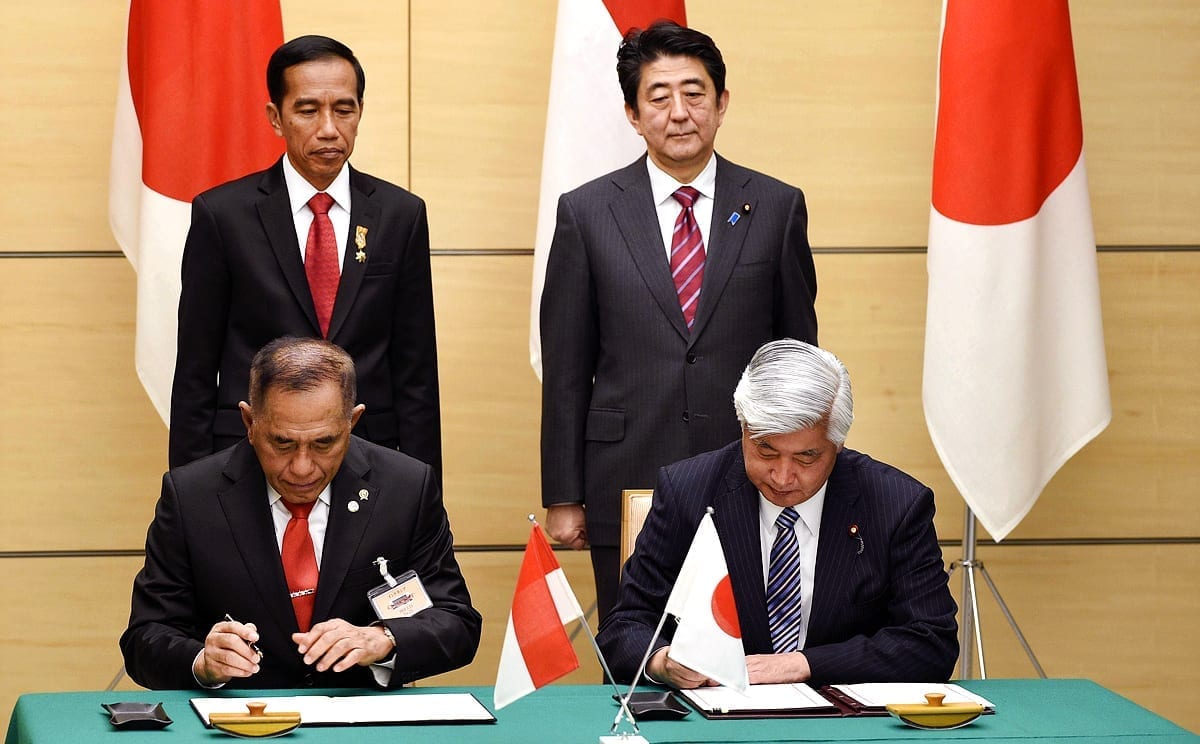
    Indonesia is hoping for more investment from Japan after the scheduled meeting between President Joko Widodo and Japans Prime Minister Shinzo Abe.

    This was said by Thomas Lembong, the chief of the Indonesian Investment Coordinating Board (BKPM), here on Friday.

    Shinzo Abe is scheduled to arrive in Indonesia for a two-day state visit on Sunday and Monday.

    The BKPM chief said Japan has so far been the countrys second biggest investor, focusing mainly on the infrastructure sector.

    “Projects such as power plants and Jakartas mass rapid transport system are funded by Japanese investment. In terms of investment, Japan is indeed one of our important clients,” he said in a press statement.

    Thomas Lembong said investment relations between the two countries have so far been going very well.

    “I think the Japanese premiers visit will be good for us. I also visited Japan five weeks ago and met with Japanese representatives from their chamber of commerce as well as many investors. Both countries have close relations. Japan has been an investor in Indonesia for decades now, and has been the second or the third biggest investor in the country,” he added.

    He stressed that Japanese investors have been involved in many infrastructure projects in 2016, such as power plants and the Surabaya-Sorong sea toll road project, both operational now.

    In 2017, Japanese investors plan to also invest in the real estate and property sectors.

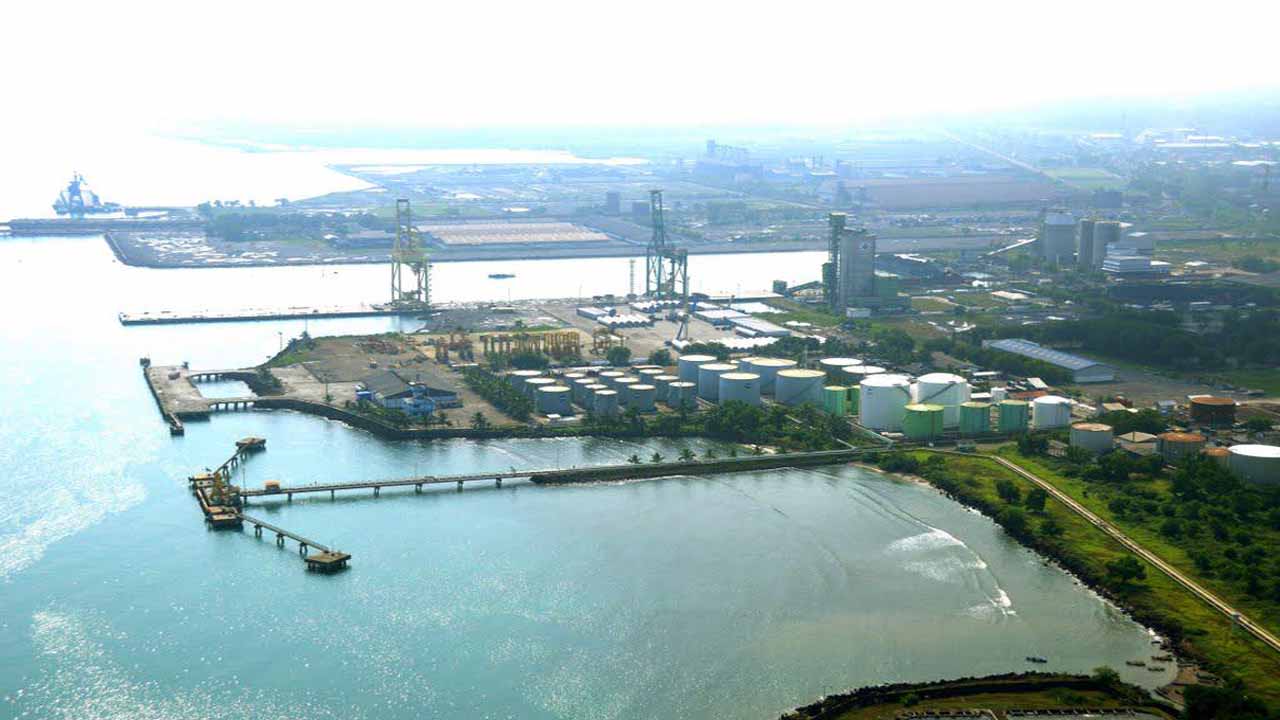
    “Discussions have been also on about starting a medium-express train service from Jakarta to Surabaya in East Java and Japan seems interested in it. A Patimban port development project located towards the east of Jakarta and close to the automotive industrial cluster is also on the anvil. All Japanese automotive industries are there. If a big port is available there, it will make our automotive exports more efficient. The Patimban project will also be funded by the Japanese investment,” he revealed.

    Saribua Siahaan, the BKPM Japan investment promotion official, explained that a Japanese company operating in the property sector is cooperating with a local partner to realize its plan to develop housing projects across Indonesia.

    The low-cost residential development program will cater to low-income people and will match the governments one-million houses development program.

    He pointed out that Japanese investors entering the real estate and property sectors will have different market targets.

    “Some plan to carry out property development particularly catering to expatriates and middle-class and higher strata, while others target workers in industrial zones. Right now, we are still coordinating with the BKPM office in Jakarta to facilitate a big Japanese group that has signed an agreement with a housing company in Indonesia,” he informed.

    Besides discussing investment in the manufacturing sector, Japanese Prime Minister Abe would also discuss investment in the Indonesian governments other prioritized sectors.

    PM Abe plans to bring along a number of executives from companies wishing to invest in Indonesia.

    Based on BKPM data, Japan had invested US$1.6 billion in 425 projects until the third quarter in 2016 to make it the second biggest investor in Indonesia.

    This was a significant increase from US$917.27 million in 399 projects in the same period in 2015.

    Cumulatively, from January to September 2016, Japans total investment realization had reached US$4.4 billion.

  • Banten`s exports up 28.43% in value

    Banten`s exports up 28.43% in value

    Banten recorded a 28.43% increase in exports to US$941.27 million in November 2016 from the same period a year earlier.

    The increase was attributable mainly to 27.08 percent in the exports of commodities other than oil and gas, according to the regional office of the Central Bureau of Statistics (BPS).

    The exports in November also rose 20.01% from US$784.34 million in October that year, head of the regional BPS office Agoes Soebeno said here on Friday.

    Cumulatively, exports in the first 11 months of 2016 were valued at US$8,387.89 million, up 0.91% from the same period in 2015. Exports of oil and gas rose 89.82% and those of commodities other than oil and gas rose 0.71%.

  • Bank Indonesia forecasts current account deficit at 1.8% of GDP

    Bank Indonesia forecasts current account deficit at 1.8% of GDP

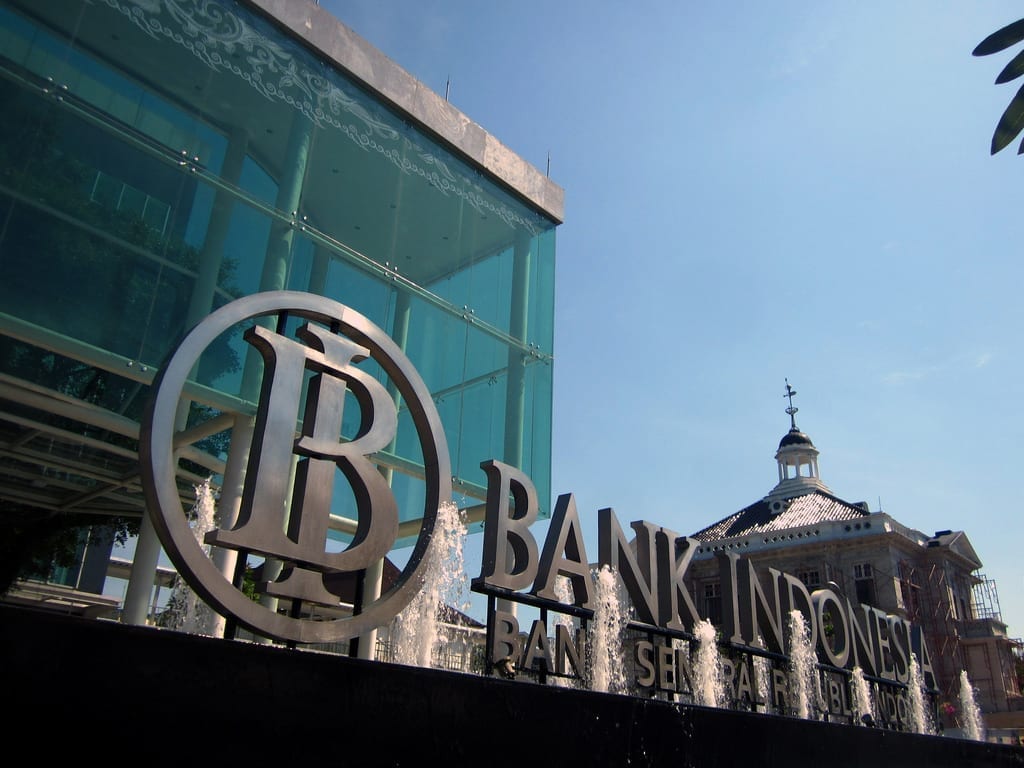
    Bank Indonesia (BI) had forecast that the countrys current account deficit last year would fall to 1.8 percent of the national gross domestic product (GDP) as compared to 2.06 percent a year earlier.

    The decline in the current account deficit would chiefly be the result of steady trade surplus, BI Deputy Governor Perry Warjiyo stated here on Friday.

    According to the Central Statistics Agency, the country had recorded a trade surplus of US$840 million in November 2016, although it fell from $1.21 billion a month earlier.

    “Hence, we forecast the current account deficit in the fourth quarter of 2016 to reach 1.9 percent of the GDP,” Warjiyo remarked at the BI Head Office.

    Current account is an indicator of the exports of goods and services from a country to other nations and vice versa. Current account is divided into current accounts of goods and services.

    When current account is in deficit, it means that imports are larger than exports. If the current account deficit steadily falls, exports and imports are improving.

    On the other hand, the declining current account deficit will improve the balance of payment (NPI), which comprises current account, capital and financial account, and foreign exchange reserves.

    “Indonesias foreign exchange reserves at the end of December 2016 rose to $116 billion, suggesting that the NPI will be positive (surplus), coupled with large foreign capital inflows,” Warjiyo added.

  • Indonesia’s seaweed exports estimated to shrink 30 percent in 2016

    Indonesia’s seaweed exports estimated to shrink 30 percent in 2016

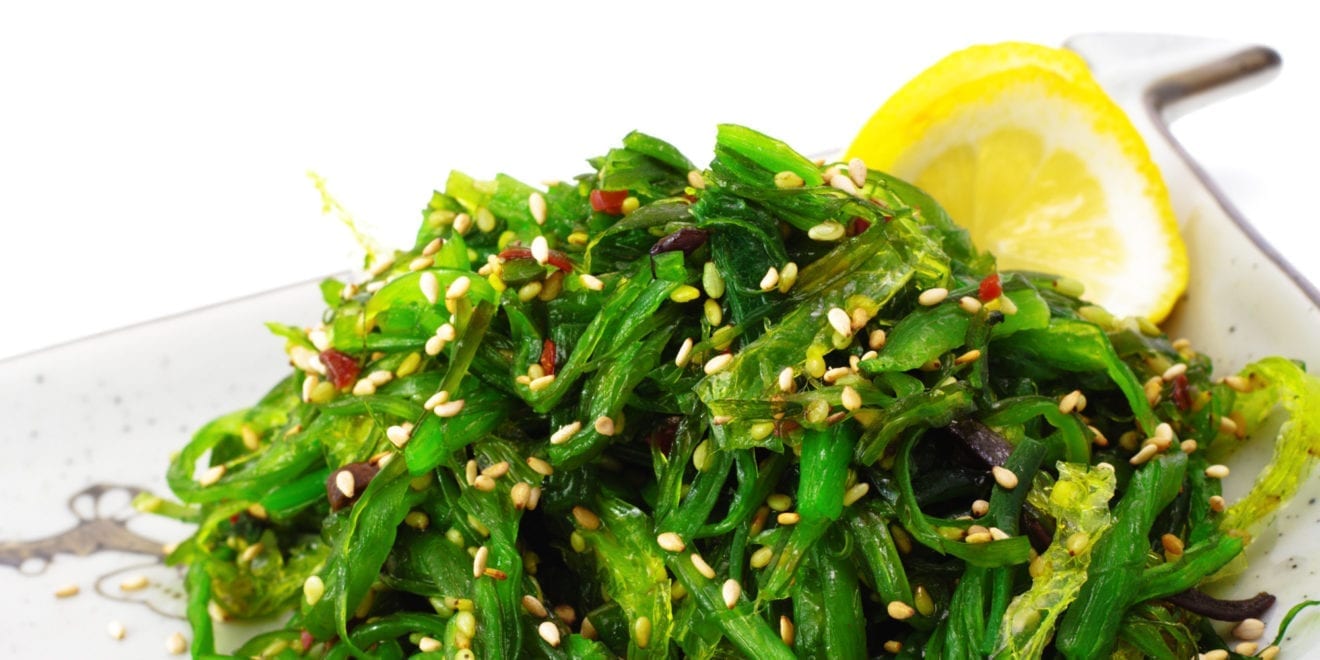
    The Indonesian Seaweed Association (ARLI) estimated that the countrys exports of seaweed shrank 30 percent in value from US$205.4 million in 2015.

    ARLI general chairman Safari Azis attributed the decline to weak demand amid the global economic crisis and U.S. policy in organic products.

    “In 2016, (seaweed exports) dropped around 30 percent . There was issue in 2016 that the United States would exclude processed seaweed from its list of organic products,” Safari said in a discussion here on Tuesday.

    Based on statistic data at the Marine and Fisheries Ministry, the countrys production of seaweed totaled 1.12 million tons in 2015. Around 21 percent or 236,900 tons of the production were exported to various countries including 97 percent in raw material and 3 percent in processed products.

    The exports of raw seaweed were valued at US$160.4 million and exports of finish products of seaweed was worth US$45 million or 22 percent of the total value.

    In 2016 , in the first 8 months , exports of raw seaweed totaled 121,500 tons valued at US$80 million ; and exports of processed products of seaweed totaled 4,000 tons valued at US$25.4 million.

    Apart from the report that the United States would exclude processed products of seaweed from its list of organic products, there are many factors hampering exports of that commodity, such as export restriction and plan to slap export tax on seaweed.

    “The government plans to impose an export tax of 20-40 percent on raw seaweed . The plan, however, has been shelved. The export tax was planned without consultation with the business players,” Safari said.

    The government is expected to offer incentives for the business players especially investors in seaweed cultivation and industry, he said.

    ARLI predicted that in 2017, exports of seaweed would increase both in raw material and processed products.

    ARLI also hopes more support from the government to develop and boost business in seaweed in the upstream as well downstream asn integrated industry.

  • Unilever Indonesia stocks see tenfold increase in 35 years

    Unilever Indonesia stocks see tenfold increase in 35 years

    Publicly listed consumer goods giant Unilever Indonesia has seen it stock value skyrocket by more than a thousand percent over the 35 years it has been listed on the bourse.

    If an investor bought 1,000 shares at our initial public offering IPO, which [at the time] were worth Rp 3,175 (24 US cents) apiece, its current investment value would be worth Rp 5 billion today, Unilever Indonesia president director Hemant Bakshi said before opening the bourse’s trading day on Wednesday.

    “We truly believe that our fortune has been closely linked with the country,” he said.

    Shares of Unilever Indonesia, the local arm of—Anglo-Dutch multinational company Unilever NV and Unilever Plc, opened the trading day at Rp 40,500, an increase of almost 1 percent from its previous close.

    The firm’s assets stood at Rp 16.75 trillion as of September last year compared to Rp 140.4 billion recorded during its initial public offering (IPO) in 1982, while sales had soared to Rp 30.1 trillion from Rp 159 billion.

    “We believe we will be in the country for more than the 35 years we have reached now, doing even better and bigger business,” he said.

    The Jakarta Composite Index (JCI), the IDX’s main gauge, opened at 5,316.15 on Wednesday or 0.12 percent higher than its previous close.

  • Citilink Serves 745,187 Passengers during Xmas and New Year Holidays

    Citilink Serves 745,187 Passengers during Xmas and New Year Holidays

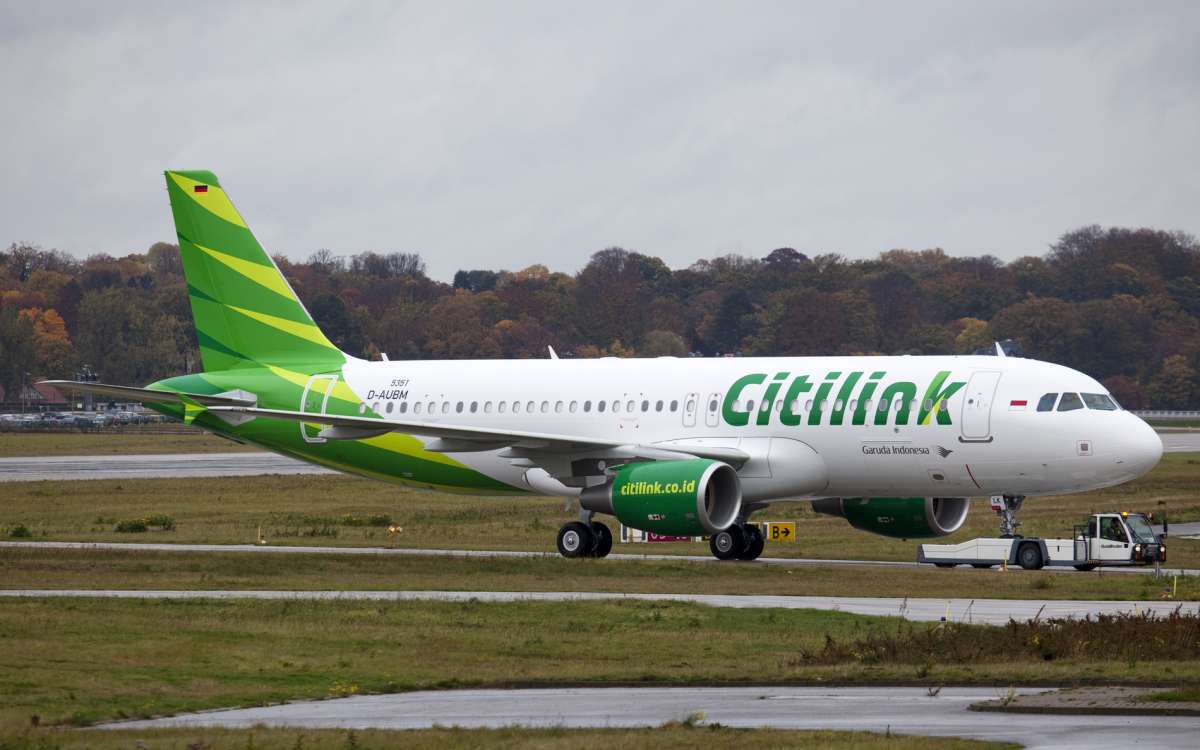
    Low-cost carrier Citilink Indonesia carried 745,187 passengers during Christmas and New Year holidays, a 2% increase compared to the same period last year of 730,925 passengers.

    Citilink Indonesia president director Albert Burhan said that the increase was made possible thanks to Citilink’s proposal for extra seats ahead of the peak season at the end of 2016.

    “Amid heavy passenger traffic in airports during the peak season, Citilink was capable of scoring high percentage of on-time departure, i.e. above 88% percent,” he said on Tuesday.

    Citilink noted the most popular flight routes during Christmas and New Year holidays were Jakarta-Surabaya v.v., Jakarta-Medan v.v. and Jakarta-Denpasar v.v.

    “We would like to express our gratitude to all customers for their thrust to fly with Citilink Indonesia,” Albert said.

    Citilink claims that it carried 11.08 million passengers in 2016, or a 16.6% increase compared to the preceding year figure of 9.5 million.

    In the same period, Citilink also served 58 flight routes, of which 9 are new routes opened in 2016. Citilink also served carter flight from Indonesia to Jeddah in Saudi Arabia and China.

    Meanwhile, Citilink is set to fly above Papua sky on January 23 this year in a bid to expand connectivity in eastern Indonesia, having failed to do so last year.

  • Indonesia`s palm oil exports down 2 percent in 2016

    Indonesia`s palm oil exports down 2 percent in 2016

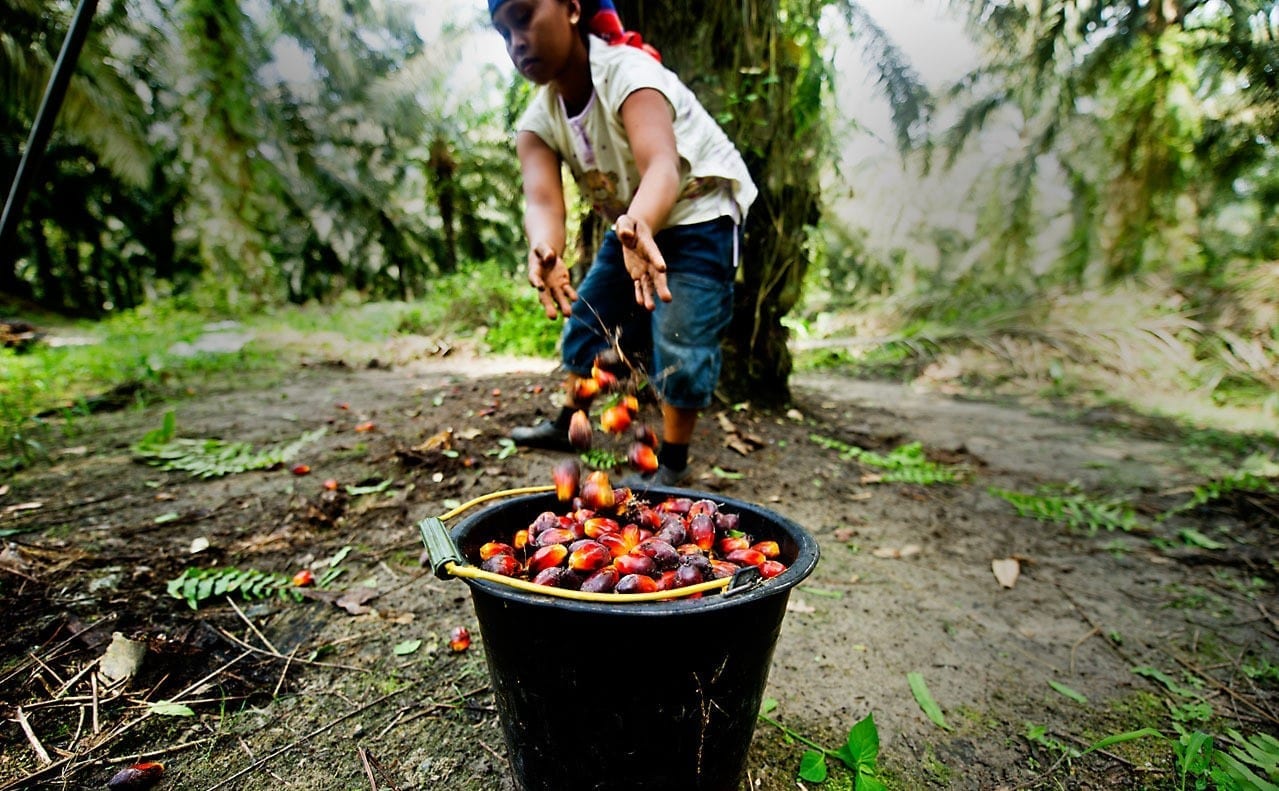
    Indonesias export of crude palm oil (CPO) and its derivatives fell by nearly 2 percent to 25.7 million tons in 2016 from 26.2 million tons in 2015 from after-effects of the El Nino weather phenomenon.

    “At the end of 2015, oil palm fruit production fell due to the El Nino-induced drought for all of 2015. Exports fell 2 percent by volume as production dropped by 7 to 30 percent,” President Director of the Oil Palm Plantation Fund Managing Board (BPDP) Bayu Krisnamurthi said at a press conference here Tuesday.

    Although the export volume of CPO, palm kernel oil (PKO) and their derivatives went down by 2 percent, the export value of palm oil rose by 8 percent to US$17.8 billion or Rp240 trillion from $16.5 billion or Rp220 trillion a year earlier, he said.

    The increase in the export value was caused by the improving global CPO prices which increased by 41.4 percent in 2016. The CPO prices stood at $535 per ton in June 2015, rose to $558 per ton in January 2016 and further moved up to $789 per ton in December 2016.

    Yet, the BPDP has asked exporters to pay attention to the latest CPO price which is too high because it can reduce Indonesias competitive edge in the vegetable oil market.

    “We know that Indonesian palm oil has to compete with soybean oil, so if the palm oil price is too close to the soybean oil price, our competitive edge will decline,” he said.

    Indonesia is currently the worlds biggest CPO producer.

    In 2015, Indonesias CPO production reached 32.5 million tons, with exports reaching 26.4 million tons. The export value went down from $21.1 billion in 2014 to $18.6 billion in 2015.

  • Trans Retail Indonesia eyes expansion

    Trans Retail Indonesia eyes expansion

    Grocery retailer Trans Retail Indonesia plans to open dozens of stores this year in a challenge to the online retail industry.

    This year it will open 30 stores under the Transmart Carrefour brand, says corporate communications GM Satria Hamid, without revealing costs.

    Trans Retail Indonesia, part of business tycoon Chairul Tanjung’s CT Corp, has decided to go head to head with the burgeoning eCommerce scene, reports The Jakarta Post.

    The retailer says it is determined to be more creative by way of promotional activities, intensive marketing and fresh products to lure customers to its stores.

    “We will refresh several stores with a new concept,” says Satria, citing a combination of retail and culinary experiences, and play areas for children.

    Trans Retail has 94 Carrefour stores nationwide, of which 15 stock the Transmart Carrefour brand. The house brand will be gradually rolled out to the other stores.

  • Marikina-made shoes a hit in Indonesia

    Marikina-made shoes a hit in Indonesia

    Filipino fashion retail brand Rusty Lopez recently opened its newest store in Jakarta featuring comfortable sandals and casuals made from Marikina, the Philippines’ shoe capital known for producing durable and high-quality footwear.

    According to a recent report of the Department of Trade and Industry’s Philippine Trade and Investment Center – Jakarta, the store in Sogo Lippo Mall Puri located in the St. Moritz Central Business District is the brand’s 9th outlet following the opening of stores in Seibu Grand Indonesia, Sogo Emporium Pluit, Sogo Central Park, Sogo Alam Sutera, Lotte Shopping Avenue, Metro Plaza Senayan, Metro Gandaria City, Metro Taman Anggrek.

    In a statement, Philippine Commercial Attaché to Indonesia Alma Argayoso said the sales of the newest collection during the opening were brisk. The other stores also received positive feedback.

    “It is exciting to bring to the Indonesian market the Philippines’ world-famous Marikina-made shoes. This affirms our belief on the potential of fashion retail products in Indonesia, Southeast Asia’s biggest economy,” Argayoso said.

    The first overseas store of Rusty Lopez opened in Jakarta on March 6, 2016 at the Seibu Department Store of Grand Indonesia Mall and featured carefully selected designs suited to the Indonesian market.

    DTI noted that increased interest in Philippine-made shoes abroad helps revive the local shoe industry and is expected to open more opportunities for small enterprises to generate employment within their communities.

    As part of the DTI’s Industry Promotion Group, the Philippine Trade and Investment Center (PTIC) in Jakarta will continue to support and assist Filipino homegrown brands in globalizing their products and accessing regional markets by continuously looking for potential partnerships.

    Aside from Rusty Lopez, other Filipino fashion retail brands in Indonesia include Karimadon, Penshoppe, Gingersnaps and Ann Ong Jewelry.

  • Indonesia seeks to boost tourist visits from Europe

    Indonesia seeks to boost tourist visits from Europe

    Indonesia is seeking to lure more European tourists to visit the country by promoting its national tourism industry in the Matka-Nordic Travel Fair 2017 that will be held from January 19-22 in Messukeskus, Helsinki, Finland.

    “Indonesia has set the target of attracting at least 2.1 million European tourists to Indonesia,” Deputy Assistant of Europe, Middle East, America and Africa Market Development of the Tourism Ministry Nia Niscaya said here Monday.

    Pointing out that the travel fair will be held in Finland, Niscaya stated the Nordic countries, including Denmark, Finland, Iceland, Norway and Sweden, offered great potentials for the countrys tourism industry.

    In 2015, the official data showed that as many as 98,960 tourists from the Nordic countries had visited Indonesia.

    “The number is predicted to be more in 2016, as until October itself, the number of tourists from the Nordic nations visiting Indonesia had reached 95,196,” Niscaya revealed.

    During the largest travel exhibition in Northern Europe, Indonesia will showcase several industries that will present and promote the countrys tourism potential at the Pavilion Indonesia booth.

    Several Indonesian traditional dances will also be performed during the travel fair. Visitors would also be invited to taste Indonesias traditional drink in the exhibition booth, Niscaya mentioned.

    “Using the tagline Wonderful Indonesia Explore Further, we want to showcase its biodiversity, unique handicrafts, music, variety of culinary delights, tourism destinations and most importantly, its diversity and the hospitality of the people,” Niscaya explained.

    The government of Indonesia has set a target of increasing the number of tourist visits from 9.5 million in 2014 to 20 million in 2019.

    The country has also developed 10 prioritized destinations, namely Lake Toba in North Sumatra, Tanjung Kelayang in Belitung, Mandalika in South Lombok, Wakatobi in Southeast Sulawesi, Morotai in North Maluku, Seribu Islands in Jakarta, Tanjung Lesung in Banten, Borobudur Temple in Central Java, Mount Bromo in East Java, and Labuan Bajo in East Nusa Tenggara.

    The government has also provided short stay free visa on arrival for tourists from 169 countries, including Finland, to increase the number of tourist visits.

  • Indonesia to import 1.5 million tons of sugar in first half

    Indonesia to import 1.5 million tons of sugar in first half

    The government has decided to allow imports of 1.5 million tons of raw sugar to meet domestic demand in the first half of the year.

    Trade Minister Enggartiasto Lukita said 11 companies had been appointed to import the commodity, adding that it was not yet known when the sugar would arrive in Indonesia.

    He said his ministry would change the distribution of sugar to prevent oversupplies in the market.

    Enggar said one of the requirements for firms to import raw sugar was to demonstrate a commitment to develop sugarcane plantations.

    The regulation to develop sugarcane had existed for a long time, and the government would monitor the commitment of each company, he added.

    “The government will always remind the companies to show their commitment. If they fail to meet their commitment, we will not allow them to import raw sugar,” said the minister.