Tag: Indonesia

  • Indonesia to boost nutmeg exports to Germany

    Indonesia to boost nutmeg exports to Germany

    The Indonesian government intends to encourage local exporters in North Sulawesi to sell nutmeg to Germany, as the country was the number one buyer of the spice in 2016.

    “The (nutmeg) demand from the Germans is high, with exports occurring every week,” said Secretary of Trade and Industry Department Darwin Muksin here on Tuesday.

    According to the North Sulawesi Trade and Industry Department, the export volume of nutmeg to Germany had reached 29 tons and earned US$234,725 in revenue by the end of 2016.

    Muksin added, the demand from Germany showed a positive trend that tended to increase occasionally, with imports arriving almost every month.

    “The export volume to and revenue from Germany is proof that food commodities have not been shaken by the global financial crisis that started in Europe,” he noted.

    The government is optimistic that the exports from North Sulawesi will continue to increase in December 2016, as no postponement of the trade contract has been reported.

    Besides nutmeg, North Sulawesis prime commodities are coconut powder, crude coconut oil, and fisheries products.

  • Bank Mandiri disburses Rp1.2 trillion for double-track railway

    Bank Mandiri disburses Rp1.2 trillion for double-track railway

    State-owned Bank Mandiri has disbursed Rp1.2 trillion to state-owned railway firm PT KAI for the development of a double-track railway in South Sumatra.

    Senior Executive Vice President of Bank Mandiri Alexandra Askandar in the signing of the agreement with KAI on Tuesday said the special transaction loan has a term of 10 years.

    “The development of a double-track railway in South Sumatra will accelerate the delivery of coal to the coal-fired power plant in Suralaya,” he noted.

    The double-track railway line links the mining area of Bukit Asam in Tanjungenim Baru to Tarahan, Lampung.

    The special loan transaction agreement was signed by Askandar and KAI Finance Director Didiek Hartantyo.

    Askandar said the disbursement of the loan was a form of support for the development of strategic infrastructure projects nationwide, one of which is the transport sector.

    By October 2016, Bank Mandiri had provided Rp37.1 trillion to the transport sector. This is the largest financial commitment in the infrastructure segment which totalled Rp96.9 trillion, or an increase of 53 percent on an annual basis.

    Besides the railway sector, Mandiri has also provided financing for power plants amounting to Rp32.1 trillion.

    Infrastructure financing is included in the corporate loan segment. Mandiri disbursed corporate loans until the third quarter of 2016, amounting to Rp212.4 trillion, up 14.3 percent year on year.

  • President says high electricity prices due to unnecessary costs

    President says high electricity prices due to unnecessary costs

    President Joko Widodo (Jokowi) revealed on Tuesday that the price of electricity in Indonesia was higher compared to other countries because power companies were saddled with unnecessary costs.

    “Our electricity is expensive because players are burdened by too many unnecessary costs,” the president said when inaugurating a geothermal power plant (PLTP) in Tomposo, Minahasa, on Tuesday.

    He was inaugurating Lahendong PLTP, Unit 5 and 6 and Ulubelu PLTP, Unit 3, which is located in Lampung.

    Jokowi said the price of electricity was also high because there were too many brokers involved in one project. “There are too many people who become brokers,” he said.

    He said that in many countries the price of electricity was lower and electricity management was efficient.

    “Why can they do that while we cannot? There must be something wrong,” the president stressed.

    He also expressed concern over the fact that many districts/municipal cities in the country still often face power outages.

    Electricity concerns competitive edge; it has to meet the peoples and industrial needs so that it should not be more expensive than in other countries, he stated.

    “In Serawak, Malaysia, the price of a hydro power plants (PLTPs) electricity is only two cents while in Indonesia it is seven cents.

    “Electricity from a solar power plant in the United Arab Emirates is only 2.9 cents while in Indonesia it is 14 cents although we are rich in abundant water resources and rivers,” he said.

    He said if large rivers such as the Mahakam, the Musi, and the Bengawan Solo can be utilized to produce electricity, which could be offered at 2 cents, then Indonesias competitiveness will rise.

    “Why are there middlemen between state-owned enterprises? Why should there be middlemen between the private company and the state-owned electricity firm PLN? What are they for? Our country needs efficiency in all sectors or else it will be left behind in the competition era,” Jokowi noted.

  • Aprindo Foresees 10% Increase in Retail Sales Volume for 2016

    Aprindo Foresees 10% Increase in Retail Sales Volume for 2016

    Indonesian Retailers Association (Aprindo) said that this year’s retail performance has been better than last year. Aprindo chairman Roy Mandey is confident that volume of retail sales will increase 10 percent this year.

    “We are confident of ending 2016 with 10 percent increase in volume of retail sales compared to last year,” Roy Mandey said in Jakarta on Wednesday.

    Roy explained that the figure of 10 percent is equal to Rp200 trillion. Last year, with national economic growth at 4.7 percent, the volume of retail sales reached 8 percent or equal to Rp181 trillion. “Adding processed food and beverages into the equation would take the sales volume to Rp1,630 trillion.”

    Roy said that sales volume increased significantly in November and December, despite some rallies staged during that period.

    As for next year, Aprindo is confindent of achieving similar figure of sales volume because Indonesian economic growth is predicted at 5.4 percent, which will help the growth of retail industry.

    Roy revealed that the growth of Indonesia’s retail industry is better compared to that of other countries. The United States, for instance, only saw 0.1 percent increase in retail industry. “Indonesia’s [retail sector] is better [in terms of growth], more so because inflation rate is low.”

  • Air cargo transport in Asia to double by 2035

    Air cargo transport in Asia to double by 2035

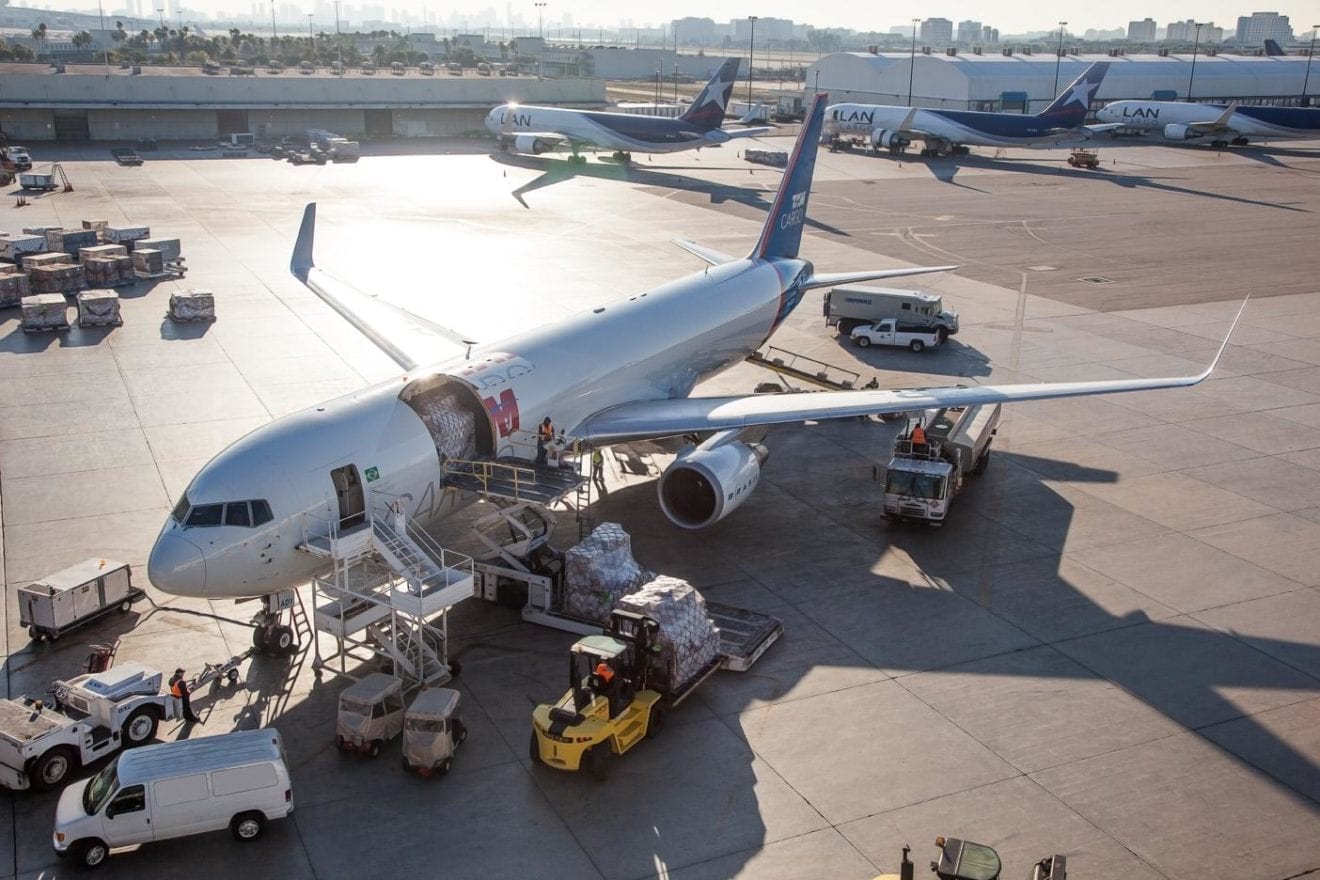
    Airborne logistics networks are expanding in Asia as demand for air cargo delivery in the region is forecast to roughly double in volume over the next two decades.

    Garuda Indonesia and budget carriers are rapidly expanding operations to capitalize on the increase of goods traded via e-commerce as well as electronic products and parts. But with other transporters, including global leaders, stepping up competition, the industry may undergo a shake-up.

    Indonesia has more than 13,000 islands, and Garuda, the country’s national airline, plans to establish an airborne logistics network connecting the core islands. As a first step, Garuda is eyeing a 40% increase in the number of its domestic freight bases to 100 by the end of 2017.

    Domestic demand for airfreight delivery is strong due to Indonesia’s growing middle class, Muhammad Arif Wibowo, president and CEO of Garuda, said. With the increase in e-commerce giving consumers faster access to goods and growing demand for fresh food, land and maritime transportation alone cannot handle the increased freight volume, Wibowo added.

    In the first nine months of 2016, Garuda chalked up $155 million in sales in its freight business, up 13% from a year earlier. While this accounts for 5% of Garuda’s consolidated sales, the carrier intends to raise the ratio to more than 10% as its initial target, Wibowo said.

    Flying high

    Global routes for air cargo transportation are roughly divided into five major networks: Asia/Pacific-Europe, Asia/Pacific-North America, Asia/Pacific, Europe-North America and North America.

    Asia is leading the sector’s growth. Japan Aircraft Development Corp., a consortium of Japanese commercial aircraft developers, forecasts that demand for airfreight services in the three Asia/Pacific networks will grow on average 3% per year and roughly double from the 2015 level by 2035. The average growth of demand on the Europe-North America route and within North America is projected at around 1% each.

    Ocean shipping in Asia is currently slowing. According to the Japan Maritime Center, the volume of ocean cargo transportation dropped 3% in terms of the 20-foot equivalent unit in 2015 from the previous year and logged a 2% year-on-year fall in the January-October period of 2016.

    The slowdown in ocean shipping possibly reflects the consolidation of plants and increased local production by manufacturers.

  • Lippo Malls Indonesia Retail Trust Has A Yield Of 9%: 3 Things Investors Should Know

    Lippo Malls Indonesia Retail Trust Has A Yield Of 9%: 3 Things Investors Should Know

    Lippo Malls Indonesia Retail Trust was listed over nine years ago on November 2007. It was the first real estate investment trust that focused on Indonesian retail malls in Singapore’s stock market.

    Today, LMIRT remains the only REIT in Singapore with that focus. The REIT currently has a portfolio of 19 retail malls and seven retail spaces that are all located in Indonesia. At end-2015, LMIRT’s portfolio had a total net lettable area of over 765,000 square metres.

    At its current price, the REIT has a distribution yield of 9%. For perspective, this is nearly three times higher than the SPDR STI ETF‘s yield of 3.2%. The SPDR STI ETF is an exchange-traded fund that tracks Singapore’s market barometer, the Straits Times Index.

    Here are three things that current and prospective investors in LMIRT may want to know about now:

    1. Performance in the first nine months of 2016

    In the first nine months of 2016, LMIRT saw growth in a number of important metrics in Singapore dollar terms. Its gross revenue, net property income, unitholders’ distribution, and distribution per unit saw year-on-year growth of 8.6%, 7.5%, 13.2%, and 10.9%, respectively.

    2. Historical growth

    lmirt-results-chart
    Source: LMIRT 7th annual general meeting presentation

    From the two charts above, we can see that LMIRT has managed to grow its revenue, net property income, and distribution income over the past five years from 2011 to 2015 in rupiah terms. The growth rates have been strong, with the REIT’s revenue and net property income more than doubling and distribution income climbing by 80%.

    There’s growth in Singapore dollar terms as well for LMIRT, but the depreciation of the rupiah against the Singapore dollar over the past few years has left its mark. For instance, the REIT’s distribution income has stepped up by only around 30% from 2011 to 2015 in Singapore dollar terms.

    This highlights the fact that investors in LMIRT are subject to currency risks.

    3. The diversity of the REIT’s income sources

    It is important that a trust does not depend too heavily on any particular trade sector for its rental income so as to prevent high concentration risk.

    The chart below shows the trade sector breakdown for LMIRT’s property portfolio by rental income and net lettable area:

    lmirt-trade-sector-breakdown
    Source: LMIRT 2016 third quarter earnings presentation

    We can see that the REIT does not depend on any individual trade sector for more than 17.6% of its rental income.

    But, LMIRT is still exposed to some form of concentration risk since all its assets are related to the retail industry in Indonesia. So, any downturn in Indonesia’s retail scene could affect the REIT’s earnings.

    Investors can perhaps rest a little easy for the time being given that Indonesia’s economy is forecast to grow by 5% in 2016 and 5.1% in 2017, according to data from the Asian Development Bank. From 2011 to 2015, the country’s economy has expanded at an annual rate of between 4.8% and 6.2%.

  • Indonesia initiates an anti-dumping investigation of Vietnamese steel

    Indonesia initiates an anti-dumping investigation of Vietnamese steel

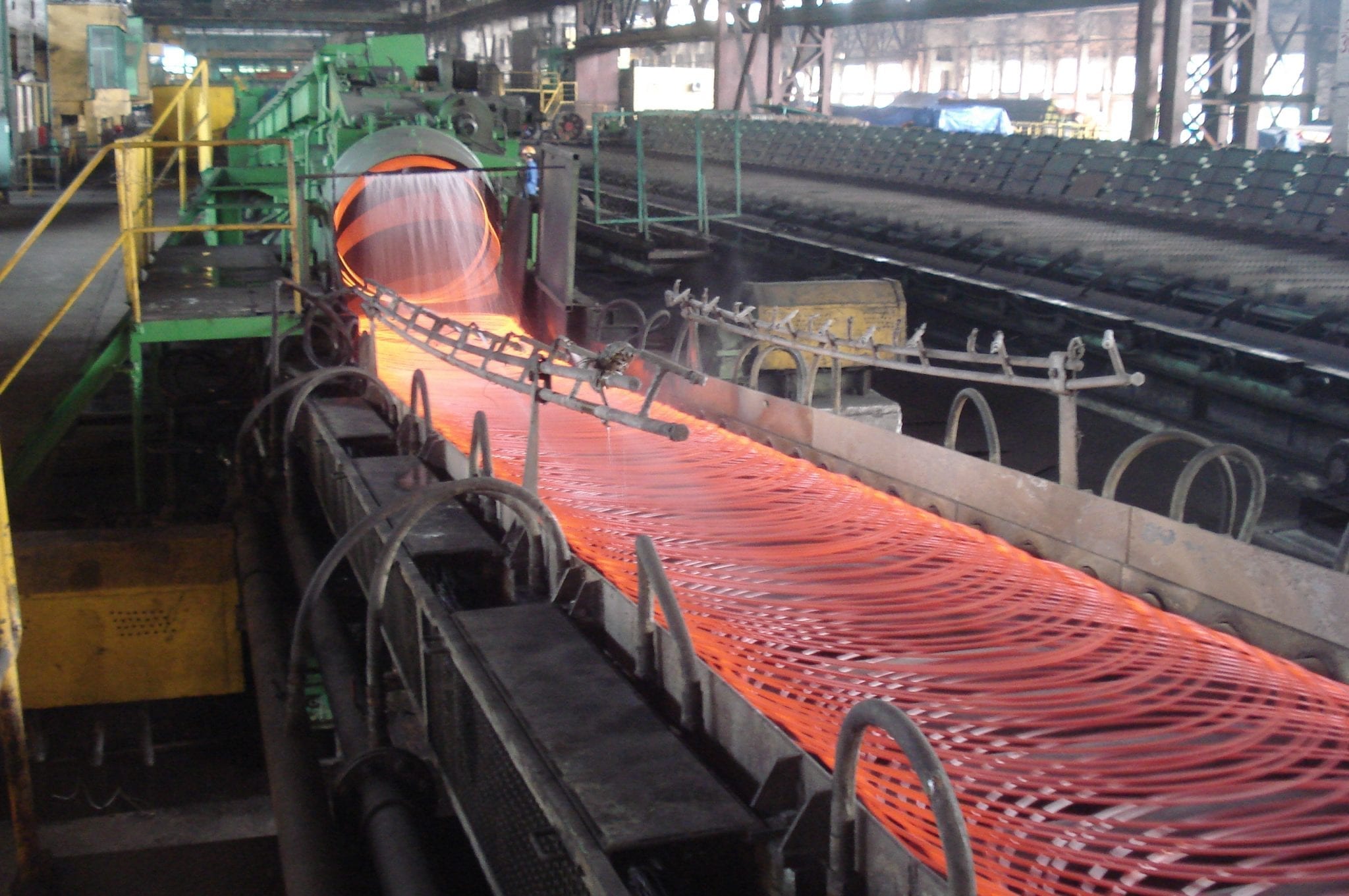
    Indonesian Anti-Dumping Committee (KADI) has initiated an anti-dumping investigation of relevant colour-coated steel sheet imports from China and Việt Nam.

    This was revealed by the Việt Nam Competition Authority (VCA) under the Ministry of Industry and Trade.

    VCA said the investigation could be implemented for 12 months and extended to 18 months if required.

    The decision was made following the complaint by PT NS BlueScope Indonesia alleging that repeated illegal trade practices have devastated production and employment and are causing irreparable harm to the Indonesian steel industry. The colour-coated steel being investigated have HS codes of 7210.70.10.00, 7212.40.10.00 and 7212.40.20.00.

    Large Indonesian steelmakers are seeking an anti-dumping investigation and the imposition of tariffs on steel imports from both Việt Nam and China.

    KADI said from July 2015 to June 2016, Indonesia imported 224,120 tonnes of colour-coated steel, of which, imports from Việt Nam and China were 196,191 tonnes, accounting for 87.5 per cent of the country’s total steel imports.

    VCA said Vietnamese colour-coated steel has been also under investigation by Thailand following the complaint of the NS BlueScope Company. The product can be levied anti-dumping taxes of 4.51 to 60.26 per cent in Thailand.

  • President Jokowi wants Jakarta to become world sharia financial center

    President Jokowi wants Jakarta to become world sharia financial center

    President Joko Widodo (Jokowi) has said Jakarta should aim to become the global sharia financial center as Indonesia has the worlds largest Muslim population.

    “Ive ever conveyed (it) to chairman of the Financial Services Authority (OJK) that it is natural if we make Jakarta as the world sharia financial center,” Jokowi said, at a gathering of stakeholders related to the eight-year issuance of state sharia-based bonds at the state palace here on Friday.

    According to Jokowi, he had heard that an effort to make Jakarta as the world sharia financial center was being discussed by the OJK.

    “We have the potential and power, why we do not use (that), not only sharia financial services such as banks, insurance companies, I think many other things that can be developed, including sharia travel, and halal restaurants,” the president pointed out.

    The president stated that Indonesia should focus on its great market potential.

    “It will trigger economic growth in our country and eliminate issues that often appear such as rumors of 10 million to 20 million Chinese laborers coming into Indonesia, while actually it was only 21,000 of them,” he explained.

    On state sharia-based bonds for the national state budget, the president said that the essence of the budget is that it will be used for the welfare of the people, meaning to eradicate poverty, reduce unemployment, and social inequality.

    “Therefore, the government uses various ways to strengthen the state budget such as strengthening the tax base for instance through the tax amnesty, state sharia securities (SBSN) or the state bonds,” he disclosed.

    The president also declared that Indonesia should be proud that it is the issuer of the largest state bonds in US dollars.

    Up to November 2016, the issuance of SBSN in the international market reached US$10.15 billion with outstanding US$9.5 billion.

    “This means that we have huge potential and it plays an important role in the development and improvement of the welfare of the Indonesian people,” he cited.

    The president further said that Indonesia has a variety of sharia-based bonds (Sukuk), so there are many alternatives to invest.

    Jokowi also pointed out that in 2015 and 2016 as much as Rp20.8 trillion of Sukuk has been used to construct railway lines, including bridges that are beneficial for the people.

    “Then (the sukuk) is also to construct facilities of higher learning institutes and rehabilitate various buildings including those for preparation of Hajj Pilgrimage rituals” Jokowi added.

  • Bank Negara signs MoUs with Indonesian, Thai counterparts

    Bank Negara signs MoUs with Indonesian, Thai counterparts

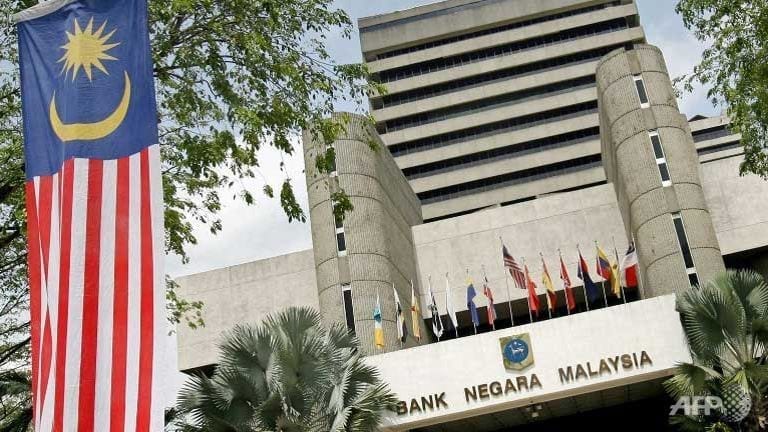
    Bank Negara Malaysia, Bank Indonesia and the Bank of Thailand (BoT) signed two bilateral memoranda of understanding (MoUs) yesterday to facilitate the use of local currencies for settlements of trade and investments.

    A joint statement said Bank Negara and BOT, respectively, signed MoUs with Bank Indonesia on a framework of cooperation to promote the settlement of bilateral trade and direct investment in their local currencies.

    “Following the successful implementation of a similar arrangement between Bank Negara and BoT earlier this year, these bilateral arrangements will efficiently facilitate economic and financial activities among the three countries,” the statement said.

    “The enabling environment will benefit businesses by reducing transaction costs and enhancing efficiency of trade and investment settlements. Amid the current volatile global financial market conditions, this will offer businesses more options in choosing currencies for trade settlement.”

    The local currency settlement framework is expected to pave the way for wider usage of local currencies in the Asean Economic Community and spur further development of the regional foreign exchange and money markets, in support of wider economic and financial integration.

    The bilateral MoUs were signed by Bank Negara governor Datuk Muhammad Ibrahim, Bank Indonesia governor Agus D.W. Martowardojo, and BoT governor Veerathai Santiprabhob.

    Muhammad said in a separate statement that the arrangements signed yesterday were part of their continuous efforts to provide the institutional and policy framework to promote orderly financial market conditions and support the efficient management of financial risks.

    “In particular, these arrangements will enable exporters and importers in our countries to better manage foreign exchange risks by using local currencies to settle trade and investment activities,” he said.

    “In addition to improving cost efficiencies for businesses, the increased demand for local currency financial products will also contribute towards deepening the region’s financial markets.”

  • Bali`s economy  grows faster than national average

    Bali`s economy grows faster than national average

    Balis economy grew 6.17 percent in the third quarter of this year, exceeding the national average growth of 5.02 percent year-on-year in the third quarter of this year.

    “The growth, however, was slowed than 6.54 percent in the previous quarter,” head of the Bali representative office of Bank Indonesia Causa Iman Karana said here on Saturday.

    Iman Karana attributed the slower growth in the third quarter of this year to poor performance in government, non profit agency and household consumption, and investment, as well as in construction and in mining sector.

    Decline was also recorded in the procurement of electricity, gas and water, in whole sale and retail trade, in information , communication , financial and health services, he said.

    Iman Karana predicted that in the fourth quarter of this year Balis economy would grow 6.06-6.46 percent.

    The tourism sector is expected to grow in the last quarter of this year especially toward the end of the year.

    Winter in Europe would cause more holiday makers from that continent to visit Bali.

  • Hong Kong is the new target for J.Co Indonesia

    Hong Kong is the new target for J.Co Indonesia

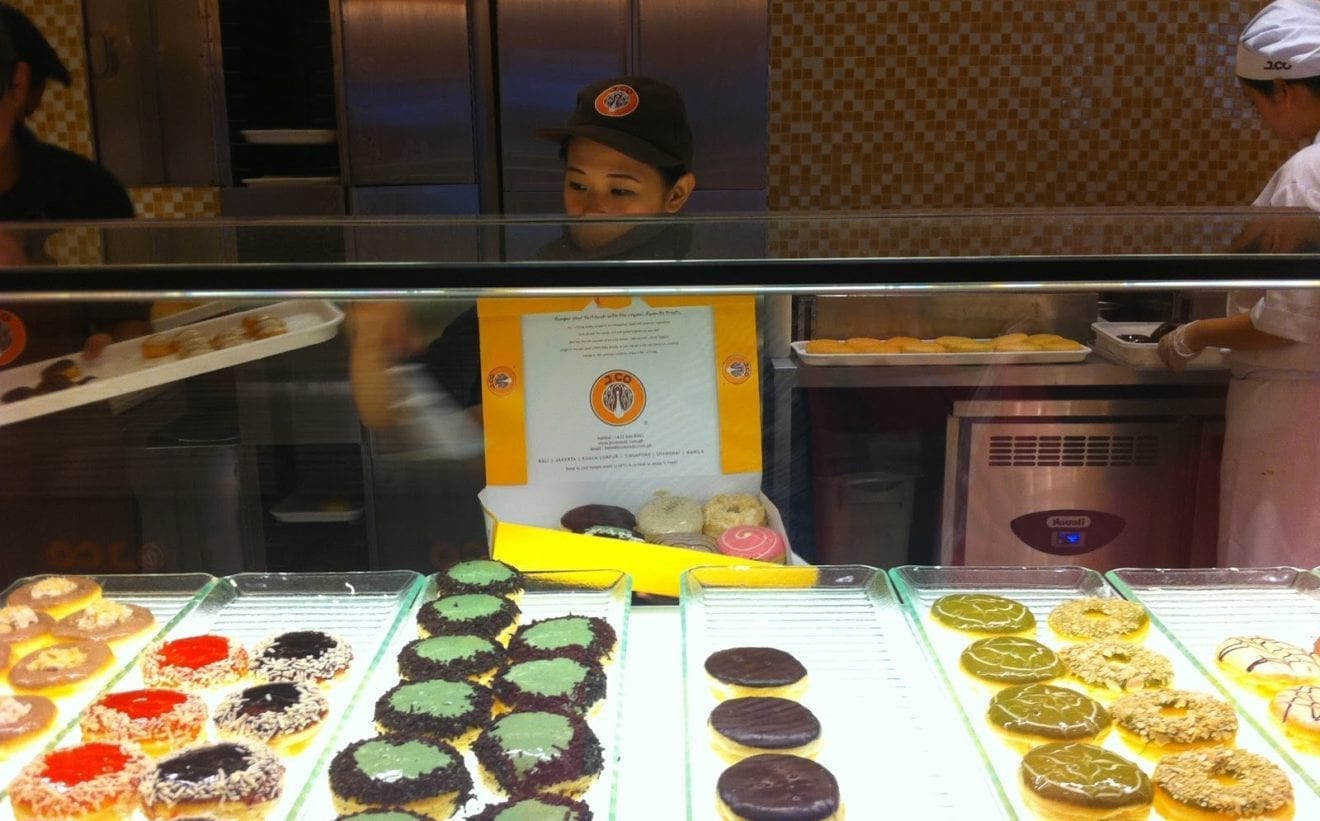
    J.Co Donuts & Coffee, the Indonesian ‘lifestyle cafe’ chain has further expanded its Asian footprint, opening its first store in Hong Kong this week.

    The 11 year-old brand now has 250 stores in its home market,Malaysia, Singapore and the Philippines – and now on Hennessy Road in Wan Chai.

    A review in Coconuts Hong Kong describes the new store as “an indecisive person’s worst nightmare”, because customers can either select their own combinations or let the staff suggest donut-coffee pairings, “like wine pairings, but actually acceptable for children and teetotallers”.

    The store has a core range of 24 flavours – and the indecisive can order a box of mini donuts (one of each flavour) to take away fro HKD98. Standard-sized ones sell for HKD15 each, or HKD88 for six.

    In keeping with the brand’s quirky, unique market positioning which sets it apart from US donut store brands, the food comes in celebrity-inspired names, such as strawberry-and-cream cheesy Berry Spears, the nutty, chocolate Jackie Chunk and the fruity Blueberrymore.

    J.Co Donuts & Coffee also offers an extensive coffee menu, frappes and even a ‘Hot Tiramisu’ drink.


  • Foreign tourist arrivals in Bali reach 4.07 mln

    Foreign tourist arrivals in Bali reach 4.07 mln

    The tourist resort province of Bali, which had received 4.07 million foreign tourist arrivals up to October, is expected to have attracted more than 4.4 million more tourists by the end of the year.

    “Foreign tourist arrivals account for 40 percent of the national target of about 15 million tourists,” said the Head of the Bali Provincial Tourism Office, A.A. Yuniartha Gede Putra, here on Friday.

    He added that the foreign tourist arrivals in Bali are expected to go up to 5.5 million in 2017.

    Putra said foreign tourists in Bali mainly came from ten countries, namely Australia, China, Japan, Britain, France, India, Malaysia, the United States, Germany and South Korea.

    “Given the uniqueness of Balinese art and culture, it attracts tourists from various countries around the world,” Putra noted.

    He noted that he promoted the region in various countries to lure more travelers to Bali. The Ministry of Tourism also made similar efforts.

    Besides, steps were taken to improve cultural tourism as Bali has a regional identity.

    He urged everyone to ensure that the local tourism department works well so that tourists in Bali feel safe and comfortable as they enjoy their holidays.

    Referring to Australian governments travel advisory, tourism observer Putu Gede Perma claimed it will not affect tourist visits to Bali.

    “Based on our observations and the results of the academic studies on the impact of this travel advisory, we have deduced that the advisory did not have any impact on the number of Australian tourists visiting Bali,” Putu Gede Perma informed here on Thursday.

    Australian tourists were of the view that bomb attacks can happen anywhere in the world and were not unique to Bali, he stated.

    “They will not delay or cancel their planned trips to Bali,” remarked Gede.

    Gede, who is also an academician at the Ganesha Education University, hoped that Australian tourists would not blindly follow their governments recommendation.

    “We found that Australian tourists had continued to come to Bali, irrespective of how serious the advisory was,” he recalled, adding that the situation was unlike what had happened more than a decade ago when Bali was crippled by bomb attacks.

    “Yes, it did affect tourism. After the Bali 1 and Bali 2 bombings, a travel advisory had significantly reduced the influx of Australian tourists,” he conceded.

    He called upon the police and military officers to remain alert to terror threats, particularly after the arrest of terrorists in South Tangerang, Banten, by the polices anti-terror squad, Densus 88, on Wednesday (Dec 21).

    “Bali will always remain a target. Security officers and the people should, therefore, continue to maintain security and order. We should be watchful of suspicious visitors,” the tourism observer stressed.

  • Ethiopian Airlines to enter Indonesian aviation market in 2017

    Ethiopian Airlines to enter Indonesian aviation market in 2017

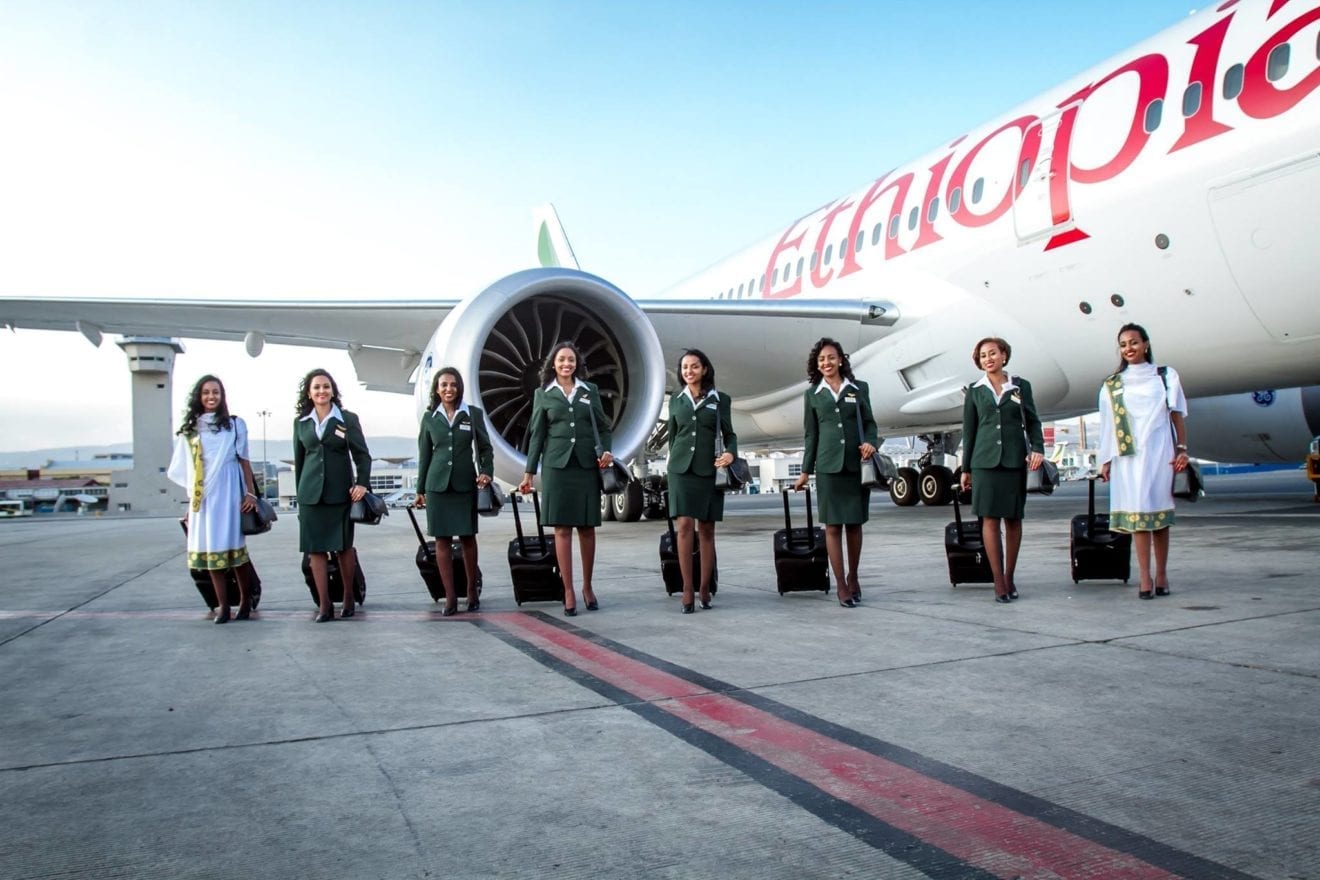
    Africa’s largest airline group, Ethiopian Airlines, on Wednesday announced its plans start scheduled flight services to Jakarta, the Indonesian, in June 2017. According to a statement released on behalf of Ethiopian Airlines by Jedidah Promotions, a travel consulting group, the African aviation giant, will be using the ultra-modern Boeing 787-800 to link up its numerous customers with Jakarta, which is Indonesia’s economic, cultural and political center.
    Indonesia, which is made up over more than 13,000 islands is the 4th most populous country in the world and, with this new service, Ethiopian Airlines will be rendering service to all five of the most populous countries on earth. Ethiopian is a multi-award winning airline, registering an average growth of 25 percent in the past seven years.
     “As the fastest growing airline in Africa, Ethiopian is pleased to offer the opportunity to business people as well as tourists to explore Jakarta’s potential both for investment and leisure. This move will further increase our presence in Asia, connecting Africa to the Asia region and in turn strengthening the tourism and trade ties between the peoples of Africa and Asia,” said Tewolde GebreMariam, who is the Group CEO of Ethiopian Airlines.
    According to him, Ethiopian Airlines is working very hard to connect Africa with the major trading centers of the world and Jakarta, Indonesia is one of them. “Moreover, pilgrims and the West African community residing in Indonesia will be enjoying hassle-free connections to Ethiopian’s vast African network via its hub at Addis Ababa,” said GebreMariam.
    Ethiopian is touted by its management as a global carrier that operates the youngest and the most modern fleet on the African continent, with an average aircraft age of less than 5 years, serving more than 90 international destinations across 5 continents through over 240 daily departures.

    The company is the fastest growing Airline in Africa and, in its seven decades of operation, Ethiopian has become one of the continent’s leading carriers, unrivalled in efficiency and operational success.

    Ethiopian commands the lion’s share of the pan-African passenger and cargo network, operating the youngest and most modern fleet to 95 international destinations across five continents. 
    Its fleet includes ultra-modern and environmentally friendly aircraft such as Airbus A350, Boeing 787, Boeing 777-300ER, Boeing 777-200LR, Boeing 777-200 Freighter and Bombardier Q-400 double cabin. It is also the first airline in Africa to own and operate these categories of aircraft.
    Ethiopian is currently implementing a 15-year strategic plan called Vision 2025, which it projects to see it become the leading aviation group in Africa with seven business centers, including the Ethiopian Domestic and Regional Airline, the Ethiopian International Passenger Airline, Ethiopian Cargo and the Ethiopian MRO.
    Others are the Ethiopian In-flight Catering Services, and the Ethiopian Aviation Academy and the Ethiopian Ground Service.
  • Toby’s Estate Indonesia Launches with North Jakarta Flagship

    Toby’s Estate Indonesia Launches with North Jakarta Flagship

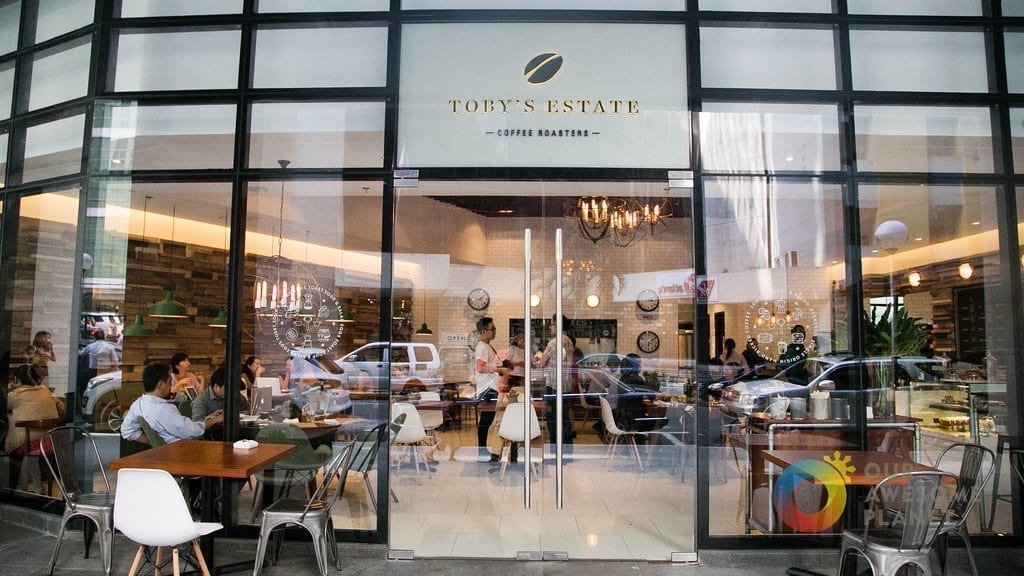
    The 15-year-old Australian-born specialty coffee powerhouse Toby’s Estate has expanded its roasting and retail presence to Indonesia, opening a flagship location in Jakarta on Dec. 10.

    Founded by Toby Smith in Sydney in 2001, the company has since expanded to New York and the Philippines, with each market receiving its own roasting division and brand under the Toby’s Estate umbrella. The company has primary Australian retail outposts in Chippendale, Brisbane and Melbourne, and the New York division has four current locations, with at least one more on the way.

    The Jakarta location is naturally the company’s second within a producing region, with Indonesia being the fourth largest producer in the world. Offering a range of single-origin coffees from throughout the world, Toby’s does source from Smith’s own Toby’s Estate farm — Finca Santa Teresa in Panama — while the Jakarta location has opened with at least one single-origin coffee from Mandheling, Indonesia.

    Toby's Estate Indonesia photo.

    In addition to a full food menu with items such as buttermilk fried chicken and Brioche French Toast — along with other Aussie café staples such as avocado toast — the Toby’s team pulled no punches on gear, with a Mavam setup and a Kees van der Westen Spirit helping to power the espresso program.

    Toby’s Estate Indonesia is now open at Pik Avenue Ground Floor, #E2 in North Jakarta.

  • Four big banks support Bank Indonesia’s National Payment Gateway

    Four big banks support Bank Indonesia’s National Payment Gateway

    In order to support Bank Indonesia’s (BI) plan for an integrated payment system called National Payment Gateway (NPG), four banks inked an agreement on interoperability and interconnectivity of debit cards and electronic money on Wednesday.

    The agreement was signed by state-owned lender Bank Rakyat Indonesia (BRI), Bank Mandiri, Bank Negara Indonesia (BNI) and the country’s largest private lender Bank Central Asia (BCA) that act as acquirers and represent 75 percent of debit transactions in the country.

    Besides the four banks, three switching companies, namely Artajasa Pembayaran Elektronis, Rintis Sejahtera and Alto Network also support BI’s plan to implement NPG.

    “NPG is expected to solve problems and increase efficiency of Indonesia’s payment system nowadays. Currently, the payment system infrastructure is deemed inefficient due to limitation of interoperability and interconnectivity between principals,” BI executive director of communications Tirta Segara said in a press statement.

    NPG is a system that processes payment transactions electronically through a variety of instruments, such as ATM cards, electronic money and credit cards. With NPG, people are able to carry out non-cash transactions from any bank in the country, using any kind of instrument or channel.