Tag: Indonesia

  • BRI posts net profit of Rp25.8 trillion

    BRI posts net profit of Rp25.8 trillion

    State-owned lender Bank Rakyat Indonesia (BRI) last year posted a net profit of Rp25.8 trillion, up 2.18 percent from a year earlier.

    The profit growth was attributable to the banks prudential efforts as indicated by a rise in the ratio of reserves to non-performing loans to 170.53 percent in 2016 from 151 percent in 2015.

    The 2016 income was mostly contributed by fee-based income which grew 25.2 percent to Rp9.2 trillion, BRI President Director Asmawi Syam said in a press conference here on Tuesday.

    Meanwhile, net interest income increased 16.2 percent to Rp65.7 trillion, he added.

    “The interest income was fueled by credit growth which reached 13.8 percent or Rp635.3 trillion,” he said.

    BRI Vice President Director Sunarso said the banks net profit grew only 2.18 percent as it adopted prudential principles amidst economic downturn and an upward trend of the banking industrys non-performing loans.

    “The profit did not fall short of target. It continued to grow positively,” he said.

    By adopting the prudential principles, the bank managed to keep down its non-performing loan ratio in 2016 to 2.03 percent from 2.02 percent (gross), while its reserve ratio rose to 170 percent from 151.5 percent.

    He said the banks loan-to-deposit (LDR) ratio reached 87.7 percent and its capital adequacy ratio (CAR) stood at 22.9 percent.

  • Indonesia Eximbank to boost SME exports

    Indonesia Eximbank to boost SME exports

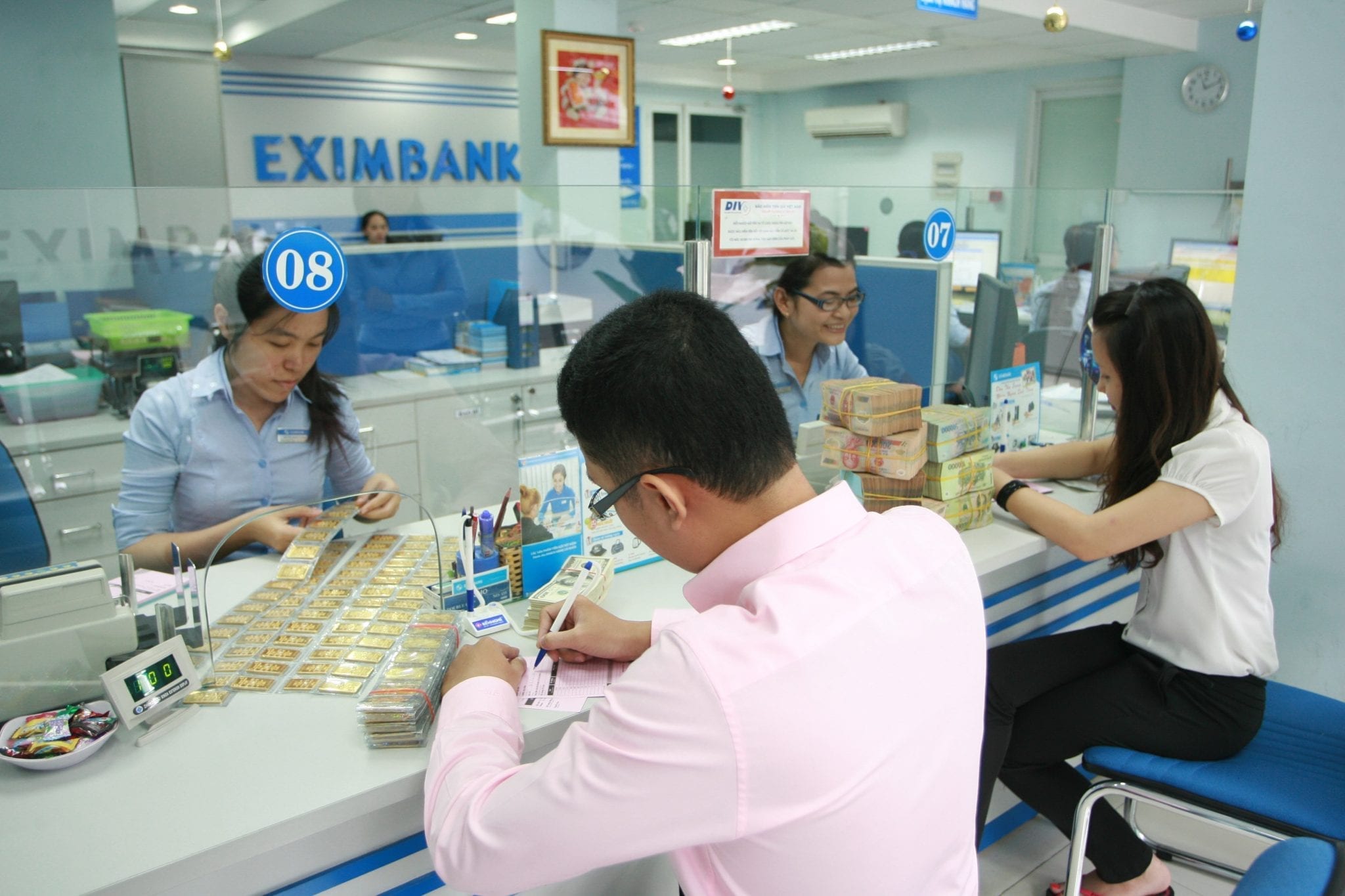
    State-owned Indonesia Eximbank will play a pivotal role in boosting small and medium enterprise (SME) exports through export based people’s business credit (Kurbe) and an incubator program.

    Indonesia Eximbank acting president director Suswijono Moegiarso said it already disbursed Rp 1 trillion (US$74.95 million) Kurbe in 2016, a cross subsidy between big debtors and SMEs.

    For 2017, the Financial Service Authority (OJK) has recommended the bank to the Economic Coordinating Ministry for channeling government’s Kurbe, he said.

    “The Kurbe will help boost SMEs exports this year, we are really thankful to OJK for the recommendation,” Suswijono said during the Export Purposed Import Facility (KITE) event in Tumang Village, Boyolali, Central Java, on Monday.

    There are five SMEs that already have Kurbe from the Eximbank with a total value of Rp 13.3 billion, namely UD Daffi Art,  CV Inducomp, CV Yudhistira, PT Banyan International and PT Bali Tangi.

    Those five SMEs also have a KITE import facility from the customs office.

    The bank would also provide mentoring and an incubation program for the export oriented SMEs called coaching programs for new exporters (CPNE).

    Indonesia Eximbank managing director Indra Wijaya Supriadi said that in 2016 the program already created five export oriented SMEs. “These SMEs successfully exported modified cassava flour (mocaf), broomsticks, room insulators, catfish fillets and frozen beef,” Indra said.

  • Garuda Indonesia to operate Boeing B-737-800 to serve Sorong-Jakarta route

    Garuda Indonesia to operate Boeing B-737-800 to serve Sorong-Jakarta route

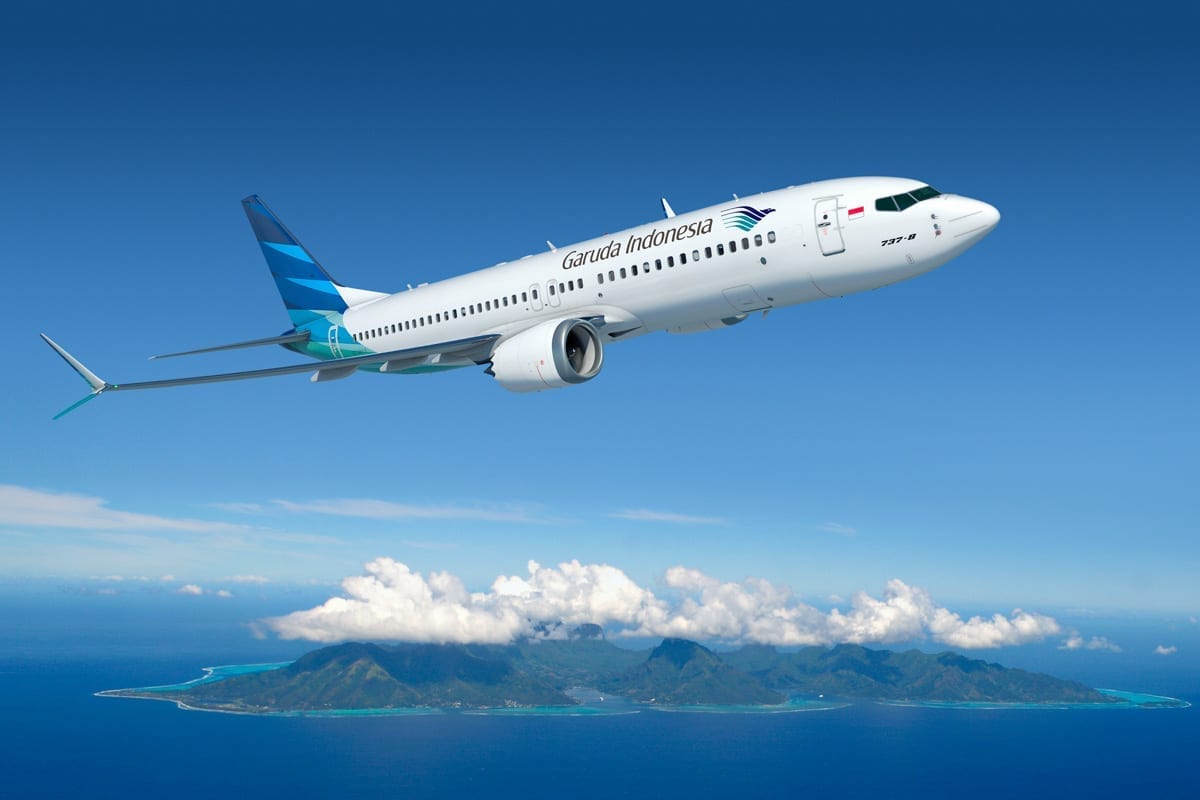
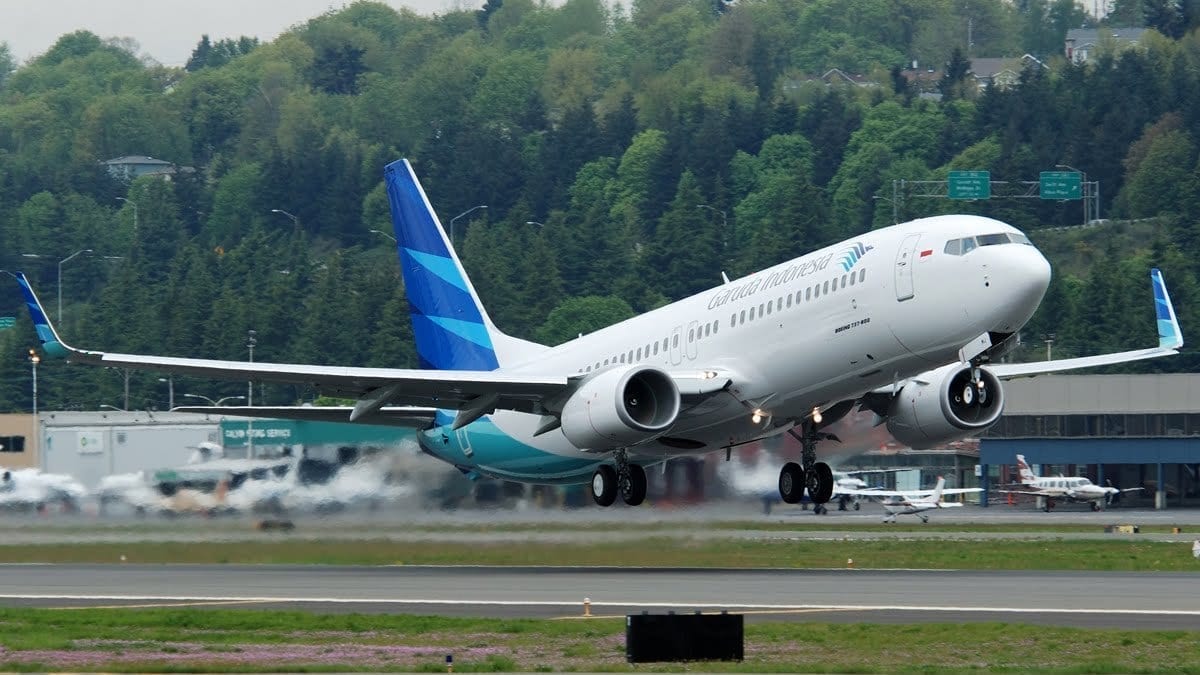
    Garuda Indonesia will operate Boeing 737-800 to serve Sorong-Jakarta route, in order to increase its service to the people in Papua.

    The state-owned airline company’s Sorong sales manager Radhitya Prastanika said here on Monday that the service is scheduled to begin early in April.

    He stated that Garuda Indonesia wished to support the government in opening an easier access to Raja Ampat tourist destination by operating the wide-body aircraft.

    “We are now waiting for an official letter from the security authorities of Sorongs Domine Eduard Osok airport regarding the safety of the airport for the landing of the aircraft,” he remarked.

    He noted that Boeing 737-800 has 162 seats, consisting of 150 seats in the economy and 12 seats in the business class.

    “Garuda Indonesia wishes to provide comfort to people in Sorong by providing a Boeing aircraft and adequate facilities,” he added.

    He said Garuda Indonesia plans to increase the number of planes and new routes to Papua and West Papua provinces this year.

  • Bank Indonesia warns illegal money changers to apply for license

    Bank Indonesia warns illegal money changers to apply for license

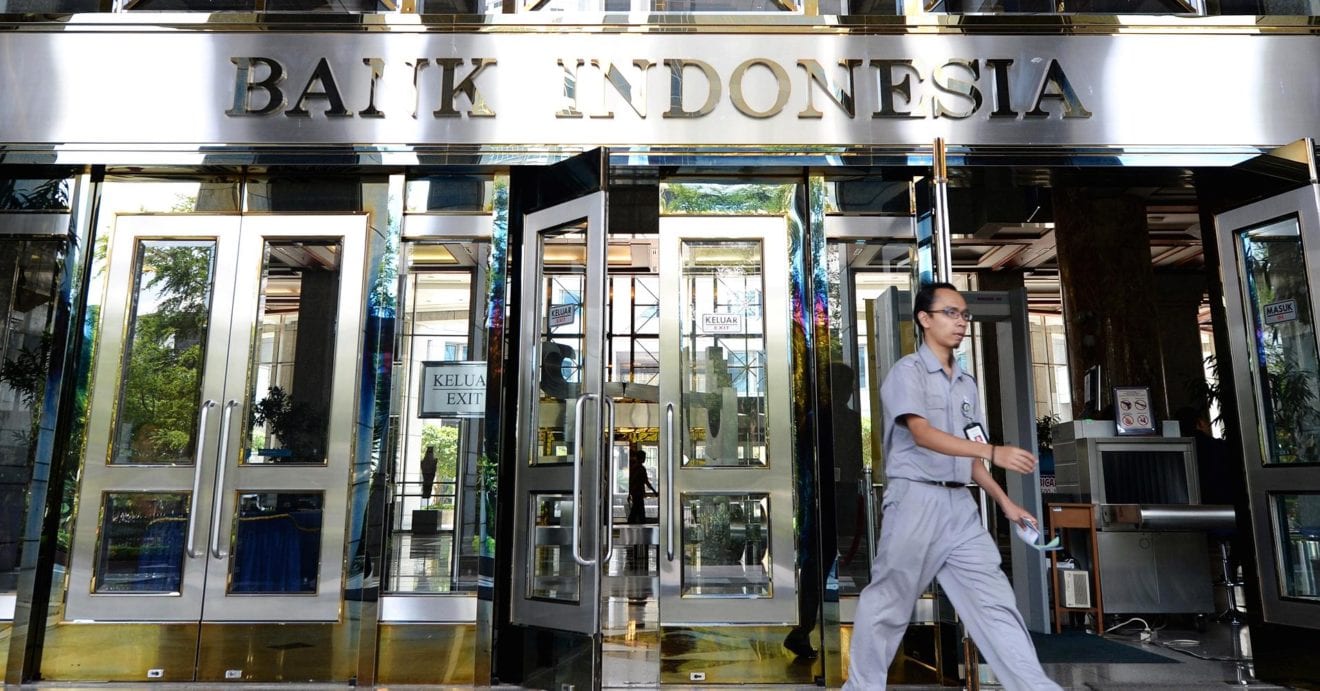
    Bank Indonesia (BI) has warned unlicensed non-bank money changers to apply for a license during the ongoing transition period as a requirement to operate legally.

    The central bank has imposed the transition period since Oct. 6 last year when it issued a regulation and circular concerning the licensing requirement. The unlicensed money changers were given until April 7 to submit applications.

    BI will work together with the National Police, the Financial Transaction Reports and Analysis Centre (PPATK) and the National Narcotics Agency (BNN) to crack down on illegal money changers that fail to comply with the regulation after the transition period ends.

    “Applicants need only to submit a written application attached with several documents to Bank Indonesia. It is free of charge,” said BI executive director of payment system policy and supervision Eni V. Panggabean in a press briefing on Monday.

    Money changers, formally called non-bank foreign currency exchange businesses, comprise transactional activities related to currency exchange through a trading mechanism of foreign currency banknotes as well as the purchase of traveler’s checks.

    “One of the requirements for non-bank money changers to apply for a license is to become a limited company that should be fully owned by Indonesian citizens,” Eni said.

    The central bank’s warning came following findings by the National Police, the PPATK and the BNN regarding the rising trend of money laundering activities involving illegal money changers, which were used for transactions related to graft, narcotics and terrorism.

  • Garuda Indonesia Focused on Contract Renegotiation, GCG

    Garuda Indonesia Focused on Contract Renegotiation, GCG

    The national flag carrier Garuda Indonesia Airlines has continued to focus on renegotiating contracts and implementing Good Corporate Governance (GCG), despite an alleged involvement of the airline’s ex-president Emirsyah Satar in aircraft engine purchase graft case. “It doesn’t interfere because Garuda had been focusing on GCG, contract renegotiation and cost efficiency since the last two years,” President and CEO of PT Garuda Indonesia Tbk Arif Wibowo said here on Tuesday.

    The airline had conducted major renegotiation of contracts, including the contract on airplane procurement from 2004 to 2014, a period during which Satar ran the enterprise, Wibowo added. “If the graft case is proven, it would be a good lesson for the management,” he noted.

    The contract renegotiation has resulted in a major cost efficiency for the company, he pointed out, adding that Garuda has redesigned its fleet plan every 10 years.

    “Now we are focused on how the three cost components, namely leasing cost, insurance cost and maintenance cost could be renegotiated,” Wibowo remarked. Minister of State-owned Enterprises expected Garuda Indonesia to have high integrity and good corporate governance in its operation.

    “These have become our foundations in running the enterprise,” he added. Earlier, the Corruption Eradication Commission (KPK) had named Satar as a suspect in the graft case.

    Satar had allegedly received 1.2 million euros and US $180,000, or a total of Rp20 billion, in bribes. He also received goods worth $2 million in Singapore and Indonesia from the UK-based manufacturing giant Rolls Royce for the purchase of 50 Airbus SAS aircraft engines during the period from 2005 to 2014 for PT Garuda Indonesia Tbk.

  • Indonesia eyeing slice of Singapore’s market

    Indonesia eyeing slice of Singapore’s market

    The government and state owned enterprises have sent a strong signal that they will strengthen the role of Tanjung Priok Port as an international trade hub, taking over a slice of the transshipment market currently dominated by Singapore.

    Transportation Ministry Director General for Sea Transportation Antonius Tonny Budiono said the government and state-owned port firms, Pelindo I, II, III and IV, were discussing the so-called Indonesia Integrated Chain Port plan, which would consolidate the export of cargoes from various domestic ports nationwide, including Bitung Port in North Sulawesi and Sorong Port in West Papua, with the country’s busiest port.

    Such consolidation is aimed at making the transshipment more efficient and “attractive” for both local and global shipping lines.

    “The transshipment sector has long been dominated by Singapore. But If the commodities originate in our country, why can’t we handle them?” he said over the phone on Tuesday.

    Tonny said the ministry would prepare technical and regulatory matters for the system, while also laying out the business plans with the State-Owned Enterprises (SOE) Ministry.

    The system, including IT management, is set to become effective in the second half of this year.

    “It’s already settled. The only remaining concern is the business plans of each Pelindo,” Tonny said, claiming that infrastructure-wise, Tanjung Priok was ready to play a bigger role as an international hub.

    The ministry sparked controversy when it recently revised the national ports plan (RIPN) through Transportation Ministerial Decision No. KP 901/2016 and introduced Tanjung Priok as the country’s new international port hub in Indonesia.

    Deep-sea Patimban Port in West Java, construction of which is being carried out jointly by an Indonesia-Japan consortium, is set to complement the future hub.

    Tanjung Priok Port has long been Indonesia’s largest container port, handling more than half the country’s externally traded goods.

    It received an annual 1.5 million total equivalent unit (TEU) capacity boost for imports and exports with the operation of the New Priok Container Terminal 1 ( NPCT1 ) last September, from the previous 7 million TEU capacity.

    Its container traffic rose to 5.4 million TEUs last year from 5.2 million TEUs in 2015.

    Of that figure, international traffic represented 3.8 million TEUs in 2016, up from 3.7 million TEUs in the previous year.

    The Transportation Ministry has anticipated a 11.1 percent surge in freight traffic in the country’s ports to 929.8 million tons annually by 2020, from 836.5 million tons annually in 2015. The figure is expected to jump to 1.1 billion tons each year by 2030.

    However, Port of Singapore is the one to beat as its container terminal handled 30.59 million TEUs of containers in the past year alone. The port, also dubbed the world’s busiest transshipment hub, currently accounts for almost one seventh of the world’s total container transshipment throughput.

    The maritime industry also currently contributes about 7 percent to Singapore’s GDP.

    Pelindo II president director Elvyn G. Masassya said the operational details would be discussed next week.

    “We aim for it to be efficient, productive and competitive,” he said.

    Pelindo II published data that forecast a Rp 1.5 million (US$112.59) cost-saving for transshipment from Boom Baru Port in Palembang, South Sumatra, via Tanjung Priok, and even Rp 1.6 million from Trisakti Port in Banjarmasin, South Kalimantan, compared to via Singapore.

    In response to the plan, publicly listed shipping line Samudera Indonesia managing director Bani M. Mulia expressed his pessimism, citing the geographical location of Jakarta.

    “As shippers we’d be happy if Jakarta could be a hub, but just be realistic. How much time deviation will containers have if they must pass through Jakarta first before going to Europe or China? It just doesn’t make sense,” he stressed.

    Bani said the government should focus on increasing Tanjung Priok capacity for export and import activities as well as enhancing its efficiency amid existing problems like labor costs.

  • Mercedes-Benz begins local assembly of CKD E-Class

    Mercedes-Benz begins local assembly of CKD E-Class

    Mercedes-Benz Distribution Indonesia (MDI), the local distribution arm of German car manufacturer Daimler AG, launched on Tuesday the fifth generation of its mid-size luxury sedan E-Class.

    The sedan is assembled from the completely knocked-down (CKD) version in its Wanaherang plant, following an earlier move to introduce the completely built-up (CBU) version last August.

    MDI president director Roelof Lamberts said the local production of the E-Class was expected to help boost sales of the model in Indonesia.

    “The E-Class contributed to a quarter of our sales last year. We hope with the new generation, this contribution can be increased to a third of total sales this year,” he said during the launch ceremony.

    MDI last year saw its sales rise slightly by 3 percent to 3,371 vehicles.

    The pricing of the new model will be listed at the upcoming auto show in April, Lamberts added.

    Currently, the CBU version of the E-Class is sold for Rp 1.3 billion (US$97,600) per vehicle.

    There are two types of CKD E-Class vehicles that will be introduced into the domestic market, namely the luxury E-250 Avantgarde and the sportier E-300.

  • Trump’s 6-Star Bali Hotel Project Meets Resistance

    Trump’s 6-Star Bali Hotel Project Meets Resistance

    The lands and waters we now know as Indonesia used to be under the influence of Hindu empires (prior to the expansion of Islam in the Archipelago after the 1200s). However, on most Indonesian islands this Hindu chapter has been erased, either by time or conquest, from the Archipelago’s history. The only exception being the island of Bali. Until today most inhabitants on this resort island (known as ‘island of the Gods’) practice Balinese Hinduism (and its rituals and art also form reasons for foreign tourists to visit this island).

    In Balinese Hinduism the worshiping of gods plays a central role. Not only the traditional Hindu gods (Brahma, Vishnu and Shiva) are worshiped but also a range of other deities. These gods need to be respected fully (like in monotheistic religions). One of the local rules is that buildings are not allowed to be taller than the highest (nearby) coconut tree. If this rule is ignored, then it would anger the gods. This is one of the key issues surrounding the Trump Organization’s new 6-star hotel project in Bali’s Tabanan regency.

    The Trump Organization and its Indonesian partner business tycoon (MNC Group founder) Hary Tanoesoedibjo acquired an existing hotel (the 20-year-old Pan Pacific Nirwana Bali Resort) about two years ago. This resort is located nearby the Pura Tanah Lot temple. The structure of the existing property is, in line with local beliefs, not taller than the surrounding coconut trees. However, the Trump Organization “thinks big” and wants to expand the existing structure by building a tower with ocean view and an upgraded golf course.

    Besides the height, another issue is the additional land that is required. The MNC Group said the project requires about 34 hectares of additional land. Surrounding the existing property there is only farmland, implying local farmers need to sell it to the developers. However, based on information in local media few farmers want to sell their land. Moreover, according to local beliefs land nearby temples cannot be used for the purpose of leisure (such as a golf course). On the eastern side of the existing golf course there stands a small temple and therefore local people do not want to see an upgraded (expanded) golf course.

    Land acquisition is always a costly and time-consuming affair in Indonesia. The property, which will be named the Trump International Hotel and Tower Bali, would become the most luxurious resort on Bali. Construction is planned to start in early 2018.

    Meanwhile, I Gusti Ngurah Sudiana, Chief of Parisada Hindu Dharma Indonesia (Indonesia’s largest Hindu organization), is against any property development that would impact on the 16th century Hindu pilgrimage temple Pura Tanah Lot, a UNESCO-listed World Heritage Site.

    Hary Tanoesoedibjo’s MNC Group, however, said the height of the planned property on Bali is not yet determined.

  • Panasonic targets 50% sales jump for TVs in Indonesia

    Panasonic targets 50% sales jump for TVs in Indonesia

    Electronics giant Panasonic Corp. is seeking to sell up to 50 percent more TVs in Indonesia this year by offering online shopping and a greater variety of models. The company’s TV sales have been stagnant for three years.

    “We hope this year we can sell around 250,000 to 300,000 units,” said Erwin Lim, a Panasonic Gobel Indonesia product manager. The figures represent increases of 25 to 50 percent from 200,000 TVs sold last year.

    As part of its goal, Panasonic launched a website designed to help consumers select TV models according to their needs and budgets.

    “We want to strengthen our relationship with our customers and make it easy for consumers to choose products effectively and efficiently according to their needs and budgets,” Panasonic Gobel President Hiroyoshi Suga said.

    Lim said one challenge is that TVs are not a primary need for consumers in Indonesia.

    “Therefore, we will also innovate (our marketing) in order to increase sales,” Lim said. “We will begin to focus marketing on digital means, seeing a trend in today’s society.”

    Referring to Panasonic’s medium-term target over the next three years, Lim said the company wants to move to the No. 2 or No. 3 position by boosting its market share to 14 percent or 15 percent from the current 11 percent.

    Panasonic, currently No. 4 in the market, is seeking to catch up with third-ranked Sharp, a Japanese firm owned by Taiwan’s Hon Hai Precision Industry.

  • CT Corp moving to open cinemas

    CT Corp moving to open cinemas

    Indonesia’s retail/media conglomerate CT Corp is partnering with cinema companies to open movie theatres in its retail complexes.

    CT retail arm Trans Retail has announced a partnership with Graha Layar Prima, which runs the Korean-owned CGV cinema chain (formerly known as Blitz Megaplex), to develop cinemas at CT’s Transmart Carrefour stores across Indonesia. Launched last year, the Transmart centres feature restaurants, apparel stores and supermarkets. There are presently 13 outlets, with a US$3 billion plan to expand the number to 100 by 2019.

    CT founder/chairman Chairul Tanjung says that over the next three years a minimum of 500 cinema screens will be opened in Transmart centres.

    GLP will open CGV cinemas in four Transmart centres in Java and Sumatra in May, with plans to add four more by the end of the year. Each cinema will have five screens and include 4D entertainment systems, sofa-type seating for couples and VIP spaces that serve drinks and snacks.

    GLP says its cinemas attracted more than 10 million visitors last year, a 150 per cent increase from 2012. It aims expand its network of cinemas to 40 from the current 27.

    Meanwhile, Singaporean sovereign wealth fund GIC is to acquire an undisclosed stake in cinema company Nusantara Sejahtera Raya (NSR) for 3.5 trillion rupiah (US$262.9 million).

    Trans Retail has just signed a deal to install NSR’s Cinema XXI movie theatres in at least four Transmart stores this year.

    Meanwhile, mall management company Lippo Group is expanding its own cinema business, with plans to have 2000 screens across 85 cities by 2024.

  • Indosat Ooredoo enters alliance with Thuraya

    Indosat Ooredoo enters alliance with Thuraya

    Indonesia’s Indosat Ooredoo has entered an alliance to provide a range of enterprise services combining its products with satellite connectivity from Thuraya.

    Under the agreement, new services will be developed using Indosat SIMs roaming on the Thuraya network, as well as satellite services bundled with Indosat Ooredoo digital applications.

    In the near future, the partners said they plan to expand this alliance to cover new services for the fast-growing IoT market.

    Indosat will target the bundled products at market segments that benefit from remote connectivity extending beyond the reach of terrestrial networks and in a range of extreme environmental conditions. Examples include oil and gas, mining, military and police as well as boating and fishing.

    “We look forward to working with Thuraya to offer communication services beyond terrestrial reach,” Indosat Ooredoo director and chief of wholesale and enterprise Herfini Haryono said.

    “The cooperation will expand the reach of our digital services such as unified communications, and provide a truly seamless experience. By adding satellite connectivity from Thuraya to the Indosat Ooredoo Business portfolio we continue to deliver on our strategy to lead in digital transformation.”

    Thuraya chief commercial officer Bilal Hamouri added that the agreement is an important step towards a long-term collaboration between the two companies.

  • Indonesian mall integrates tech in the shopping experience

    Indonesian mall integrates tech in the shopping experience

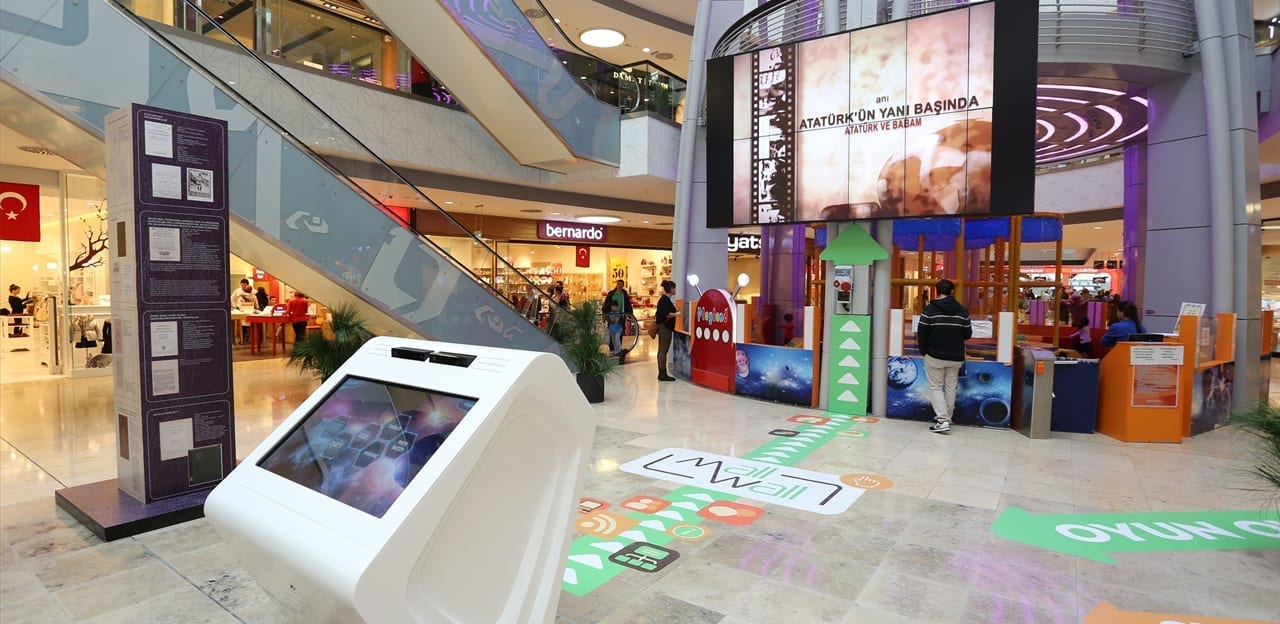
    Supermal Karawaci, one of the largest mall entertainment center in Western Jakarta, has launched an interactive mobile application that would allow retailers to offer personalized content and engage with customers better.

    The 125,000-square-meter retail destination in Banten Province, West of Jakarta has over 1,000 retail stores and outlets, three cinemas and the largest Timezone arcade in Southeast Asia.

    The app, which was built on the shopper engagement platform of Singaporean technology firm Sprooki, is integrated with Supermal Karawaci’s touchpoints and mobile apps. Using location and contextual data, retailers would be able to offer individualized content such as vouchers, special offers, event alerts and store information.

    The system allows social sign-in and content sharing on platforms, including Facebook, which has more than 76 million users in Indonesia as of end 2016 and projected to grow to 86.4 million by end of 2017, according to eMarketer. The service will also be available in both English and Bahasa.

    Pipih Tjandra, Supermal Karawaci Marketing and Leasing General Manager, said the Sprooki platform would help keep the shopping hub at the cutting edge of technology, which customers had come to expect.

    “Supermal Karawaci works every day to be in tune with what today’s consumers want and expect through innovative marketing strategies. By implementing the Sprooki platform, our mall will be one of the first shopping precincts in Indonesia to incorporate a data-driven mobile platform to improve shopper experience, helping our tenants to increase in-store traffic and sales,” he said in a news release.

    Pablo Amante, Sprooki’s Head of Marketing, said in an email interview that the Indonesian market is ready to start adopting location-based and engagement technologies to help retailers and business to engage their shoppers, making the Indonesian retail industry much more competitive.

    The latest report from eMarketer shows that the number of smartphone users in Indonesia will rise from 55 million in 2015 to 92 million in 2019 and would be the third largest smartphone market in the Asia-Pacific.

    According to Lee Kang, the Vice Chairman of the Indonesian Cellular Phone Association (APSI), number of smartphone users in Indonesia has been growing between 30 and 50 percent each year and this growth momentum will remain intact due to the availability of affordable 4G smartphones on the Indonesian market and further development of Indonesia’s 4G network.

    “Based on these figures, retailers, shopping malls, and all companies focused on engaging their customers through mobile will see in our software a powerful tool to optimize their sales and marketing strategies, based on real data about their customers’ behavior,” Amante said.

    Cloud-based platform

    The Sprooki software is a cloud-based platform that analyzes physical and digital shopper behavior detected inside and outside stores. The platform is an analytics and contextual engine that algorithmically analyzes digital and physical data and predicts what shoppers are most likely to respond to, offering shoppers most relevant products at the best moments and locations.

    “Mall’s retailers benefit most from Sprooki platform, which gives them the possibility of engaging mobile shoppers in context and personalized ways; driving footfall to their stores; rewarding their top customers; making data and insights actionable through integrated reporting and predictive recommendations, and all these by using only one platform, saving time and efforts, so retailers and malls can focus on their marketing and sales strategies,” Amante explained.

    The software can be integrated either in mobile apps or websites. In these environments, consumers are always able to opt out or not sign in. The challenge, however, is to provide highly targeted and relevant content in a way that shoppers appreciate the added value of having access to these offers, campaigns or rewards.

    “When our customers provide to its shoppers with contextual and personalized offers, general response by consumers is very positive, as the shopping experience is different for each one and it’s relevant according to their likes and what they are looking for,” Amante added.

    While this is the first implementation of Sprooki technology in Indonesia, its customers are already spread across Southeast Asia.

    Amante said some of its customers include the 313@somerset iconic mall at Orchard Road in Singapore where the company implemented Sprooki Campaigns module, which allows shoppers to access to exclusive offers and coupons through vouchers. At Far East Organization /Shop Far East Asia (Singapore), it has also implemented Sprooki Rewards, a module that allows the mall to offer a card-less loyalty program to its shoppers.  In Vietnam, the technology allows location-based features and beacon technology to work both outside and inside the Crescent Mall to collect strategic data, providing a unique experience to shoppers.

    At this stage, Supermal Karawaci shoppers are exploring this new way of access to exclusive offers, and the response has been more than positive, with a high rate of voucher downloads since its launch last December 15.

    “Sprooki is delighted to enable Supermal Karawaci with the most advanced technology for engaging with customers and understanding their behavior. Our mobile platform will give the precinct’s retail tenants an effective way to drive frequency of visits and increase sales conversions,” said Sprooki CEO and Co-founder Michael Gethen in a media statement during the launch.

    Retail challenges ahead

    Sprooki is confident that location-based, data-driven mobile services are the present and the future for the retail industry.

    “After the struggles that retailers have suffered in the last years due to the e-commerce and online shops, the game is again on for big retailers and shopping malls that want to bring shoppers back to the physical stores. And the only way to make this happen is by providing a new shopping experience, based on offering what the digital world already offers (personalization, analytics, related purchases, recommendations, rewards, etc.),” Amante said.

    Shoppers nowadays also expect more from their brands in terms of product offerings, customer services, efficiency, and engagement. That is the reason why features such as ‘click and collect’, digital voucher redemption, scan receipts, faster and easier payment methods are raising, in order to meet consumers’ expectations.

    Taking a look at the region and the challenges that retailers are facing in Southeast Asia, Sprooki sees a lot of opportunities.

    “Retailers nowadays have a big gap in terms of what they know about their shoppers, and how they behave in their shopping journey. Even the most advanced retailers that work already with big data haven’t found an effective and sustainable way to manage all these data without the need of investing a lot of money and time,” Amante said.

    Sprooki today is currently based in Singapore, and has offices in Hong Kong and Australia, with local contacts in Indonesia, Malaysia, Philippines, and Vietnam.
  • Digital transformation and what it means for Indonesia

    Digital transformation and what it means for Indonesia

    Digital transformation will attain macroeconomic scale in Indonesia over the next 2-3 years, according to new predictions from IDC.

    The analyst firm says this will change the way enterprises operate and reshape the global economy. IDC calls this as the dawn of the DX Economy.

    “As digital transformation reaches macroeconomic levels, a DX economy will emerge and will become the core of what industry leaders do and operate,” says Mevira Munindra, research manager, Consulting of IDC Indonesia.

    “Essentially, to succeed, Indonesian enterprises must begin to think of the relevancy of their business in 10 years, and how they should react in the face of disruptive forces,” Munindra explains.

    Munindra also revealed the strategic top predictions that will unfold in 2017 and beyond and make the biggest impact to organisations in Indonesia:

    1. By 2019, 50% of IT organisations will create new customer-facing and ecosystem-facing services to meet the business DX needs.

    2. By 2018, lack of vision, credibility, or ability to influence will keep 80% of IT executives from attaining leadership roles in enterprise DX.

    3. By 2020, Indonesian firms will use open innovation to allocate expertise to 15% of new projects, aiming to increase their new product introduction success rates by over 50%.

    4. By 2020, nearly 20% of operational processes will be self-healing and self-learning — minimising the need for human intervention or adjustments.

    5. By 2018, online brand ambassadors and social media influencers will have more marketing power than traditional digital advertising, although this will subside through 2019 and beyond.

    6. By 2019, digital transformation investments will double, drawing funds away from store capital and profoundly changing the retail industry.

    7. By 2019, only 30% of manufacturers investing in digital transformation will be able to maximize the outcome; the rest are held back by outdated business models and technology.

    8. By 2019, cloud adoption will reduce infrastructure spend by 25% among top-tier banks.

    9. By 2019, 20% of local and regional governments will use IoT to turn infrastructure like roads, street lights, and traffic signals into assets instead of liabilities.

    10. By 2017, 90% of Indonesian cities will fail to take full advantage of Smart City data and digital assets due to a lack of process, project management, and change management skills.

    “In Indonesia, Digital Transformation is still not adequately represented within the enterprise, and this disparity in leadership will lead towards a delayed response towards market changes that will adversely impact business,” says Sydev Bangah, country manager at IDC Indonesia.

    “Timing is critical, and archaic thinking of riding-out trying economic times is no longer relevant, and should be addressed with process-led innovation,” Bangah  adds.

  • Bitcoin penetrates deeper into Indonesian market

    Bitcoin penetrates deeper into Indonesian market

    Bitcoin, a cryptocurrency that uses cryptography to make transactions anonymous, has penetrated deeper into the Indonesian market even though there is currently no legal umbrella for the currency’s use in the country.

    Bitcoin Indonesia currently has 250,000 members, up from 80,000 at the end of 2015, with a daily transaction value of Rp 20 billion (US$1.48 million).

    Bitcoin Indonesia business development manager Suasti Atmastuti Astaman said it was natural to see such a positive trend as Bitcoin had successfully gained global trust, especially following the recent Russian government’s decision to legitimize Bitcoin as an official currency at the end of November 2016.

    “Bitcoin’s value completely depends on supply and demand in the market. At present, as more and more countries have relaxed their stances on digital currency, including the United States, China and Russia, more and more people are putting their trust in it. That’s why Bitcoin’s value has been rapidly surging,” Suasti said.

    However, Suasti also said the Indonesian government might need more time to learn the know-how of Bitcoin, while waiting for its real impact in other countries that had legitimized the digital currency. “So, if someone asks when will Indonesia make Bitcoin an official currency, only God knows,” she said.

    As of Monday, Bitcoin was priced at $1,018 with a market capitalization of $16.36 billion, seeing an annual increase of 151.7 percent, according to CoinMarketCap.

  • Citilink to concentrate on flights to eastern Indonesia

    Citilink to concentrate on flights to eastern Indonesia

    Chief Executive of Citilink Indonesia Albert Burhan said the airline would focus on expanding flights to eastern Indonesia this year.

    Albert said there are potential routes to eastern Indonesia, which have not attracted other airlines.

    “There will be plan to open routes to other areas in Papua, but we start from Jayapura. In 2017 we want to focus on expanding flights to eastern regions of the country,” he said.

    He said he knew not all airports in eastern Indonesia could take wide bodied aircraft like Airbus, the main aircraft of the subsidiary of the nations flag carrier Garuda Indonesia.

    “Only a few could be used for Airbus A320. We might have to rely more on ATR aircraft to be safe,” he said.

    He said eastern Indonesia still needs more airlines to serve flight to and from eastern Indonesia.

    He said he was optimistic Citilink could chalk up quite high load factor in flights between Jayapura and Jakarta, although there are already a number of other airlines serving the route.

    “Our target is a load factor of 80 percent. In our first flight from Jakarta to Jayapura the load factor was almost 100 percent,” he said.

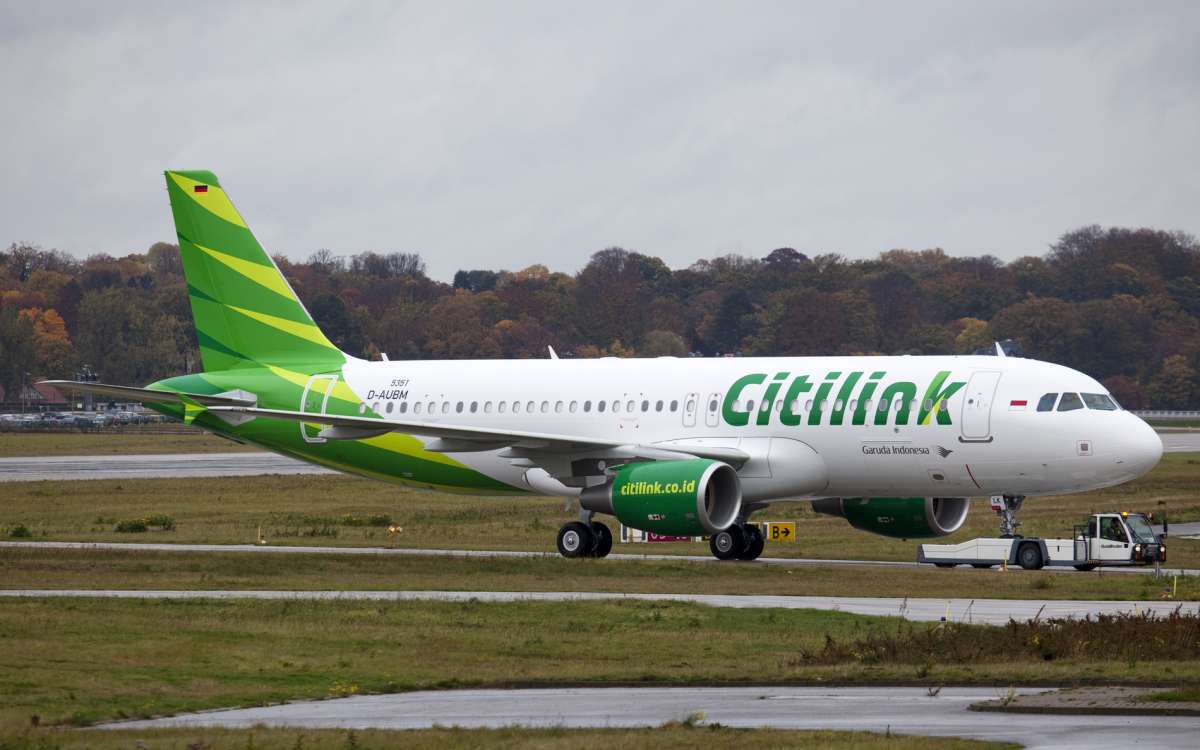
    Citilink Indonesia officially started serving the Jakarta Jayapura route on Monday using Airbus A320 with a seat capacity of 180 passengers.