Tag: Indonesia

  • Garuda Indonesia plans to connect Mumbai with Jakarta

    Garuda Indonesia plans to connect Mumbai with Jakarta

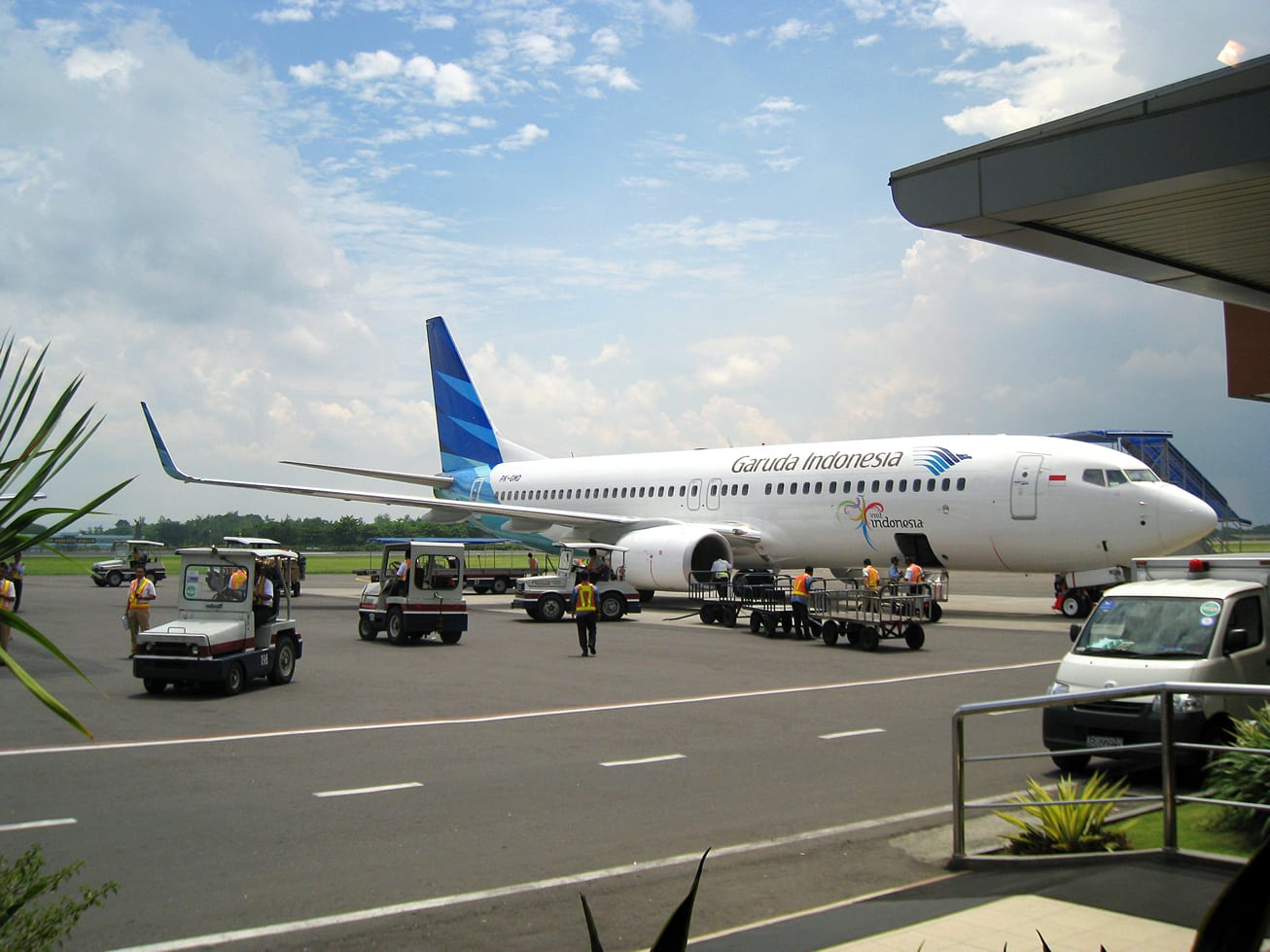
    Garuda Indonesia plans to expand its service to India at the end of this year by opening a new route from Mumbai to Jakarta.

    Garuda Indonesia’s vice president of corporate communications Benny S. Butarbutar told that the airline had received support from the Transportation Ministry and the new service would use Airbus 330 and Boeing 777 aircraft. “We are currently planning the route, and considering factors like is it going to be a direct flight or will there be a transit, will it be a daily service or several flights per week,” said Benny in Jakarta on Wednesday.

    The potential of tourist arrivals from India to Indonesia was quite significant, said Benny. “This is a growing market that we should tap into in order to attract more visitors.”

    Indian tourists visiting Indonesia in 2014 amounted to 223,607 people, an upsurge from the previous year’s figure of 201,009, according to the Central Statistics Agency.

  • Multi-brand boutique Project X launches

    Multi-brand boutique Project X launches

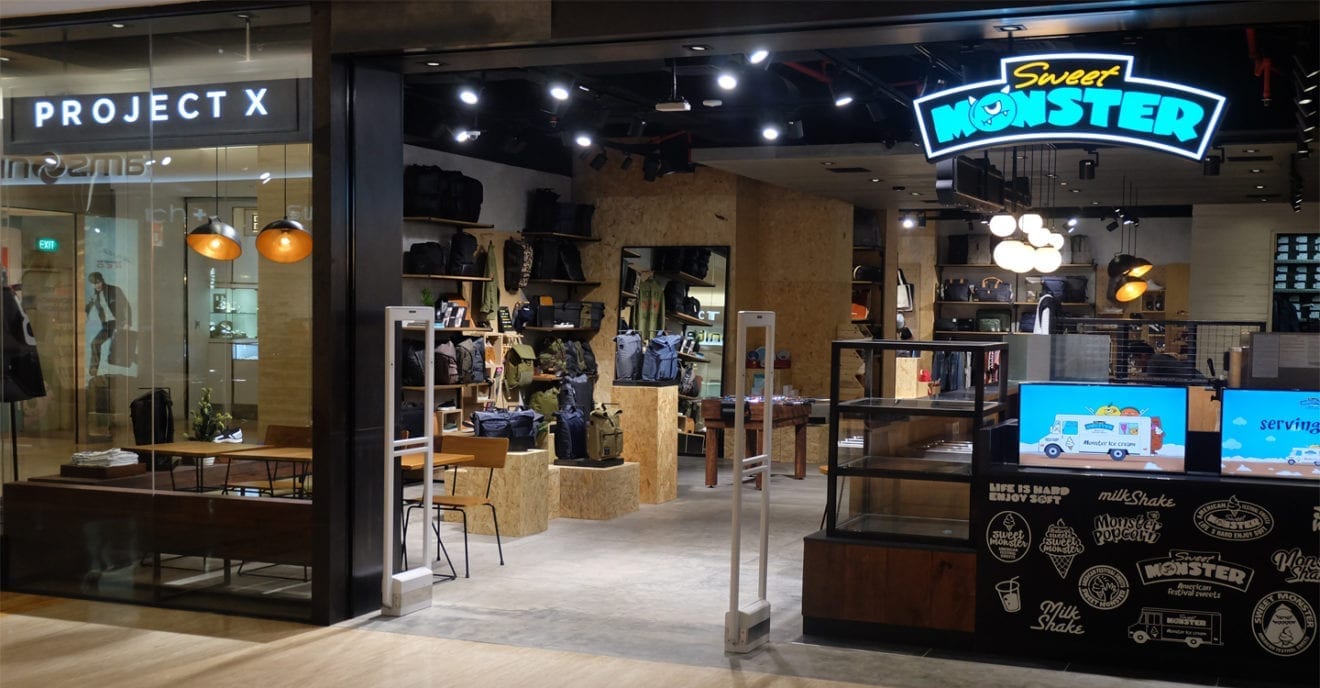
    Project X, a multi-brand boutique that caters to young creative minds, has launched at Plaza Indonesia in Jakarta.

    From Time International, Project X offers a new take on men’s and unisex casual fashion and lifestyle. Its curated retail concept introduces 22 international brands and includes innovative designs in apparel, bags, shoes and accessories such as sunglasses and watches.

    project-x


    From Australia, Japan, South Korea and the US, the products are displayed in fun and creative surroundings, including a dessert stall, Sweet Monster, which features popcorn soft ice cream.

    The store has a palette of white and grey with wooden accents.

    “People like to shop and discover edgy pieces, and they like to hang out. It is a lifestyle,” says Time International president director/CEO Irwan Danny Mussry. “We see an opportunity here.”

    A second Project X is planned for Pondok Indah Mall 2.

    Featured brands at the boutique are Andersson Bell (South Korea), Beyond Closet (South Korea), Blankof (South Korea), BLC & BLC Gray (South Korea), Buddy Happy (Japan), Kapten & Son (Australia), Kiruna (Japan), Lapiz+ (South Korea), Luccica (South Korea), Mascolanza (South Korea), Miel Homme (South Korea), Monofold (South Korea), National Publicity (South Korea), PKG (Canada), Rawrow (South Korea), Riokairyu (South Korea), Salad Bowls (South Korea), Supercomma B (South Korea), Thank You Studios (South Korea), Thread Etiquette (US) and Ul: Kin (South Korea), United by Blue (US).

    Founded in the 1960s, Time International manages and runs both multi-brand retail stores – including @Time, InTime, The Time Place and Urban Icon – as well as mono-brand boutiques for such brands as Cartier, Chanel, Chopard, Diesel, Fendi, Fossil, Liebeskind, Poney, Rolex, Tag Heuer and Tory Burch.

  • Lenovo may release more Motorola smartphones in Indonesia

    Lenovo may release more Motorola smartphones in Indonesia

    Lenovo started marketing on Thursday the latest Motorola-branded phone in Indonesia that targets the middle- and high-end market.

    The Moto E3 Power will be marketed under the Lenovo brand as Motorola is now a subsidiary of the Beijing-based tech company following an acquisition in 2014.

    Lenovo Indonesia mobile business group country lead Adrie R. Suhadi told last Wednesday that the two brands would have different segmentation, with Lenovo targeting  the middle and affordable market.

    Despite the higher target market, Moto E3 Power is priced at Rp 1,899,000 (US$146). Among its highlighted features is a 5-inch display, dual SIM, Android OS v6.0 Marshmallow, quad-core 1.0 GHz Cortex-A53 CPU, 16 GB and 2GB RAM internal memory, 8MP front camera and removable Li-ion 3500 mAh battery.

    Regarding the possibility of other Motorola-branded phones entering the country, Lenovo Indonesia mobile business group 4P manager Anvid Erdian said the company might launch the more premium Moto Z.

  • Taiwan seeks more business opportunities with Indonesia

    Taiwan seeks more business opportunities with Indonesia

    Taiwan expects to boost its bilateral trade with Indonesia through the introduction of the so-called “New Southbound Policy” by its new government.

    The policy, adopted under the leadership of President Tsai Ing-wen, who was inaugurated in May, aims to strengthen Taiwan’s cooperation with nations in South and Southeast Asia, as well as Australia and New Zealand, in multiple sectors.

    During his maiden visit to Indonesia this week, Taiwan’s Deputy Minister of Economic Affairs Yang Wei-fuu brought along executives from Taiwanese state-owned enterprises representing various industries, including sugar, salt, aerospace, steel, oil and gas.

    “We’re looking for cooperation opportunities, to examine the needs in Indonesia and how we can help with our expertise and technology,” he said in Jakarta on the sidelines of an Indonesia-Taiwan business forum on Thursday evening.

    Experts from Taiwan, for example, can train sugar companies here to produce better and more sugar using its machines and methods, so Indonesia can import machines afterward, Yang said.

    The minister and his entourage will conclude their four-day visit on Saturday.

    Trade between Indonesia and Taiwan has seen a decline in recent years as a result of the global economic crisis as well as a lack of trade cooperation agreements.

    Indonesia’s exports to Taiwan consist mainly of natural gas, coal, copper and gold, timber and rubber and other raw materials. Imports consist largely of oil products, iron and steel products, textile raw materials, machinery parts, chemicals and other products.

    Indonesian Chamber of Commerce and Industry (Kadin) Taiwan Committee chairman SD Darmono said that to effectively boost trade between the two parties, Indonesia needed to have another logistics hub in the country’s eastern part, nearer to Taiwan.

    “All this time, they [Taiwan’s businesses] need to stop by in Singapore before entering Jakarta. That’s an extra 1,000 kilometers by sea,” he said.

    Darmono suggested Morotai Island in North Maluku province as a potential new hub, however, progress in building the island’s infrastructure has been slow. The island located near the Philippines also has potential for marine tourism. It has a population of only 60,000 although its size is three times that of Singapore.

    “Businesspeople in Taiwan and Indonesia signed commitments to invest in the island two years ago but progress has been too slow while we cannot also depend on the limited state budget to build it,” he said.

    He added that the hub could improve Indonesia’s trade with Taiwan, especially in value-added products, like food and clothing.

    Besides trade, Taiwan is also eyeing investing in Indonesia’s ambitious infrastructure boost, especially in solar and biomass-fueled power plants.

    “Both governments have been discussing [which power plant] projects we can invest in and how sustainable the project is once it’s done,” Deputy Minister Yang said.

  • Government issues permit to import 123,800 feedlot cows

    Government issues permit to import 123,800 feedlot cows

    Indonesias Trade Ministry has issued a license to import 123,800 feedlot cows in the third semester of this year after feedlot businesses committed to import 20 percent heifers of the total cattle imports.

    “For the third semester of 2016, the import agreement letter (SPI) has been issued for 32 importer companies to import 123,800 heads of cows,” Director General of Internal Trade of the Trade Ministry, Oke Nurwan, told a press conference here on Friday.

    The director general said the permits should have been issued in September but the government issued these in October only after feedlot importers made a commitment to import 20 percent heifers when they import cows. The government has made it obligatory upon importers to also include heifers while importing feedlot cattle.

    According to Oke, a license for importing cows is given to importers for shipment until the end of December 2016.A limited cabinet meeting held previously had agreed to allow import of 150 thousand heads of cattle in the third semester.

    Indonesia needed to import one million heads of cows this year to meet the domestic need for beef. The Ministry of Agriculture and the Ministry of Trade, therefore, require importers to include heifers while importing feedlot cattle.

    “We hope that some 20 percent of the 700 thousand imported feedlot cattle are heifers,” Agriculture Minister Amran Sulaiman had pointed out in Yogyakarta on October 6.

    To expedite cattle production, the Ministry of Agriculture and the Ministry of Trade have made it obligatory for importers to include mother cows in their feedlot cattle imports.

  • No more rice imports this year

    No more rice imports this year

    President Joko Widodo (Jokowi) has assured that Indonesia will not import rice at the end of this year because the countrys rice stock is adequate until May 2017.

    Rice production has increased dramatically from some 1,030,000 tons during September to October 2015, to 1,990,000 tons in October 2016.

    The increase was merely thanks to prime paddy seed utilization and adequate rainfall.

    The government will focus on increasing the rice stocks before deciding to export rice later, he said, after witnessing a grand harvesting of Super Jajaran Legowo-type paddy in Trayu village, Banyudono sub-district, Boyolali.

    Boyolali is also a pilot project for Inpari 32 paddy variety.

    “Later, if it is successful, we will expand it and multiply it in order to significantly increase the national rice production,” the president said.

    At noon, President Jokowi and First Lady Iriana were scheduled to observe the 36th anniversary of World Food Day to be held at the Boyolali square.

    Boyolali is known as a region which has successfully implemented the food production diversification program. The district produces among other things Tongkol 2 Prolific hybrid maize and Jajar Legowo-type paddy.

    Home Affairs Minister Tjahjo Kumolo and Head of the Presidential Staff Teten Masduki joined the presidential entourage.

    FAO celebrates World Food Day each year on October 16 to commemorate the founding of the Organization in 1945.

    Events are organized in over 150 countries across the world, making it one of the most celebrated days of the United Nations (UN) calendar.

    These events promote worldwide awareness and action for those who suffer from hunger and for the need to ensure food security and nutritious diets for all.

    FAOs global message for World Food Day 2016 is “Climate is changing. Food and agriculture must too.”

    It resonates with the crucial time in which the day will be observed, just before the next UN Climate Change Conference, COP 22, from November 7 to 18, 2016 in Marrakech, Morocco.

  • Iran, Indonesia talk banking ties

    Iran, Indonesia talk banking ties

    An Iranian banking and financial delegation has paid a visit to Indonesian capital city of Jakarta to discuss facilitating banking ties between the two countries.

    During the visit, the sides called for removing the obstacles hindering the expansion of banking ties between the two countries, IRNA news agency reported Oct. 29.

    The Iranian delegation, headed by Ahmad Azizi, a high advisor to Governor of the Central Bank of Iran Valiollah Seif, pointed to the existing capacities for cooperation between the two countries and urged for broadening the ties, particularly in banking and financial spheres.

    The sides further laid great stress on the need for establishing direct banking relations between the banks of the two countries aimed at deepening trade ties.

    The delegations also agreed to keep in touch as long as banking ties are restored between Iran and Indonesia.

    Although the nuclear related sanctions on Iran were lifted following the implementation of the Joint Comprehensive Plan of Action on January 16, Iran still has difficulty establishing banking ties with leading banks as they are worried about running afoul of US regulations.

  • President Jokowi leaves for Boyolali to commemorate World Food Day

    President Jokowi leaves for Boyolali to commemorate World Food Day

    President Joko Widodo (Jokowi) and First Lady Iriana left for Boyolali District, Central Java Province, to attend a function commemorating World Food Day.

    They left by the presidential plane Indonesia-1 from Halim Perdana Kusuma Air Force Base, East Jakarta, at 7:50 a.m. local time.

    They would first join a paddy grand harvesting activity in Banyudono Sub-district Boyolali, and later visit a Technological Innovation Expo.

    At noon, the 36th anniversary of World Food Day was scheduled to be held at the Boyolali square.

    Boyolali is known as a region which has successfully implemented the food production diversification program. The district produces among other things Tongkol 2 Prolific hybrid maize and Jajar Legowo-type paddy.

    Home Affairs Minister Tjahjo Kumolo and Head of the Presidential Staff Teten Masduki joined the presidential entourage.

    FAO celebrates World Food Day each year on October 16 to commemorate the founding of the Organization in 1945.

    Events are organized in over 150 countries across the world, making it one of the most celebrated days of the United Nations (UN) calendar.

    These events promote worldwide awareness and action for those who suffer from hunger and for the need to ensure food security and nutritious diets for all.

    One of the biggest issues related to climate change is food security. The worlds poorest – many of whom are farmers, fishers and pastoralists – are being hit hardest by higher temperatures and an increasing frequency in weather-related disasters.

    At the same time, the global population is growing steadily and is expected to reach 9.6 billion by 2050.

    To meet such a heavy demand, agriculture and food systems will need to adapt to the adverse effects of climate change and become more resilient, productive and sustainable. This is the only way that we can ensure the wellbeing of ecosystems and rural populations and reduce emissions.

    Growing food in a sustainable way means adopting practices that produce more with less in the same area of land and use natural resources wisely. It also means reducing food losses before the final product or retail stage through a number of initiatives including better harvesting, storage, packing, transport, infrastructure, market mechanisms, as well as institutional and legal frameworks.

    This is why FAOs global message for World Food Day 2016 is “Climate is changing. Food and agriculture must too.”

    It resonates with the crucial time in which the day will be observed, just before the next UN Climate Change Conference, COP 22, from November 7 to 18, 2016 in Marrakech, Morocco.

    FAO is calling on countries to address food and agriculture in their climate action plans and invest more in rural development.

    By strengthening the resilience of smallholder farmers, we can guarantee food security for the planets increasingly hungry global population and also reduce emissions.

  • Ride-hailing app Grab brings GrabBike services to Bali

    Ride-hailing app Grab brings GrabBike services to Bali

    Watch out Gojek, competitor GrabBike has come to Bali. Ride-hailing app Grab has announced that it launched both GrabBike and GrabExpress services in Bali, as of Oct. 22. 

    Like Gojek, GrabBike allows you to order motorbike taxis, while GrabExpress is Grab’s courier service. Also in common with Gojek, the app’s drivers use black and green colors.

    Similar to Uber, the app has provided its GrabCar driver services in some time in Bali (they launched in 2015)—to the frustration of competing taxi and other drivers operating on the island. 

    As with GrabCar, the GrabBike and GrabExpress options will be most available in Badung and Denpasar. 

    Grab started in Malaysia but has quickly spread throughout the region, with notable success in Jakarta, its first Indonesian city. 

    “Bali is dominant in growth and tourism potential, so we saw an opportunity to improve the quality of daily trips in Denpasar and Badung. The launching of two-wheel services in Bali will complement GrabCar, which previously launched in 2015.

  • Hokkaido Baked Cheese Tart heads to Australia

    Hokkaido Baked Cheese Tart heads to Australia

    Food enterprise ST Group has launched Japanese-style Hokkaido Baked Cheese Tart outlets in Australia.

    Using a traditional recipe involving three cheeses from Japan’s dairy heartland of Hokkaido, the tarts have already been introduced in Brunei, Indonesia, Malaysia, Shanghai and Singapore. Six outlets are planned for Australia, three in Melbourne to be followed by three in Sydney next year.

    The first Hokkaido Baked Cheese Tart stores launched in Malaysia this year, selling up to 20,000 units a day.

    Designed by Eat Architects, Hokkaido Baked Cheese Tart kiosks are compact with a luxury aesthetic, featuring marble benchtop displays and low-slung designer lighting. The tarts are displayed like precious gems.

    ST Group MD Tatt Ghee Saw says Australia’s multicultural society is continually evolving, along with its palate and cuisine preferences. “At ST Group we are passionate about sharing the foods we love in Southeast Asia. ”

    Tatt Ghee Saw

    He established the group in 2011, recognising the need for comforting cultural eateries, much like the hawker’s markets and corner laksa stores of his native Kuala Lumpur.

    His first venture was PappaRich in Melbourne, which attracted long queues. It is now a major franchise enterprise with 26 stores throughout Australia and New Zealand. The group’s other brands are NeNe Chicken, Gong Cha (New Zealand only) and iDarts Australia.

  • Oysho lingerie arrives in Indonesia

    Oysho lingerie arrives in Indonesia

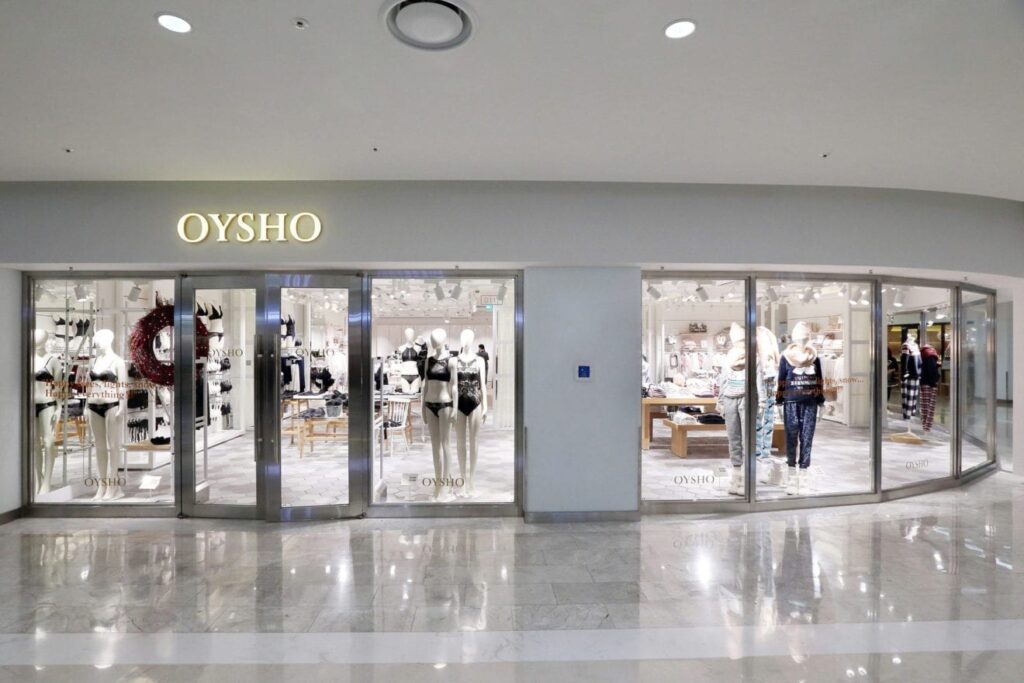
    Spanish lingerie brand Oysho, owned by Inditex, continues its international expansion with the opening of its first store in Indonesia.

    In Jakarta’s centre, the 300 sqm shop is in Plaza Indonesia, a shopping centre that is also home to other Inditex brands such as Zara, as well as luxury labels including Burberry, Chanel, Hermes and Louis Vuitton.

    oysho-store

    Since launching in 2001, Oysho has expanded its presence to 44 countries with more than 600 stores. The brand specialises in lingerie, sleepwear, loungewear and footwear. It generated 229 million euros (about US$252 million) in the first quarter of this year, representing an 8 per cent increase year-on-year.

  • HSBC plans to inject $1 billion into Indonesia business

    HSBC plans to inject $1 billion into Indonesia business

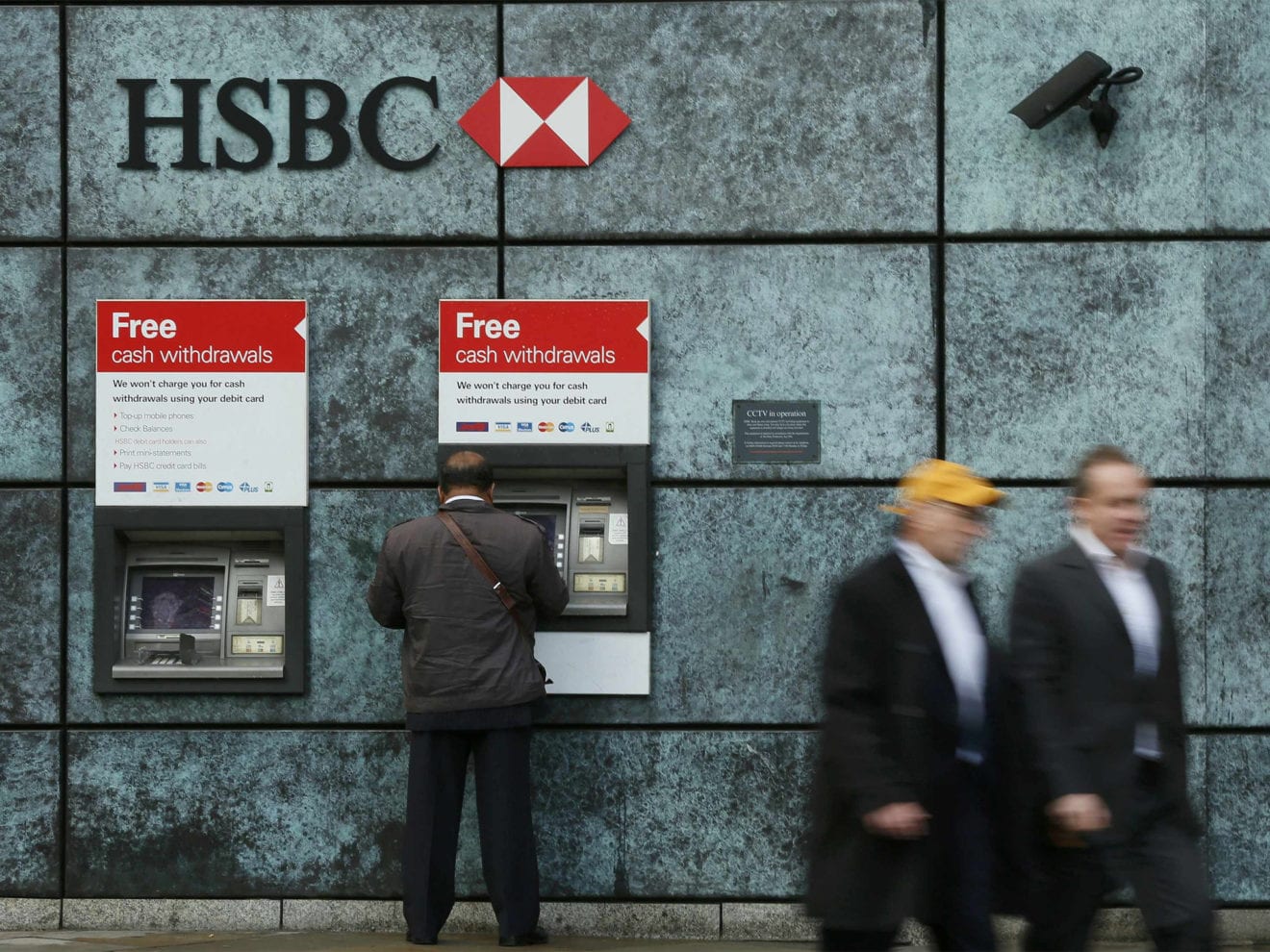
    HSBC plans to inject $1 billion of additional capital into its combined Indonesian business with PT Bank Ekonomi Raharja, an official at the Indonesian financial regulator, Ariastiadi, said on Thursday.

    HSBC separately said it would integrate its Indonesian business with Bank Ekonomi, but a bank spokeswoman in Indonesia declined to comment on the planned capital injection.

    The move would help to resolve a long-running issue for HSBC in Indonesia, where the government has encouraged banks in the country to operate via a single locally incorporated entity.

    Since the 2008/09 global financial crisis, local regulators have encouraged banks in their jurisdictions to incorporate themselves locally in order to make them easier to police and to ring-fence them from external shocks.

    Before the integration, HSBC operated its own branch on top of having a controlling stake in Bank Ekonomi.

    HSBC last year offered to buy out the minority shareholders of Bank Ekonomi and delist the Indonesian lender from the Jakarta stock exchange.

    Under the integration process, all the assets and liabilities of HSBC Indonesia will be transferred to the combined entity, which will be called PT Bank HSBC Indonesia, said HSBC’s Indonesian legal consultant, Kemal Siregar.

    HSBC shares were down 1 percent in London by 0940 GMT, while the benchmark FTSE 100 index () remained flat.

  • Industry risks startup bubble

    Industry risks startup bubble

    Kaskus co-founder Ken Dean Lawadinata has broken his silence after marching out of one of Indonesia’s most prominent technology platforms, citing higher “risk” in the industry and even “a little bit of a bubble”.

    “I think right now the IT market is in a bit of a bubble in Indonesia, with everyone asking ridiculous valuations without any signs of profit in the near future,” local media quoted the 30-year-old, who brought Kaskus to fame in 2008 with his cousin Andrew Darwis.

    This — just days after Go-Jek co-founder Michaelangelo Moran also announced he had quit his popular company — has generated concerns over the state of Indonesia’s young and thriving startups, companies that have seen many investments flow in with little details and no guarantees about their revenues and profitability.

    “There is a marginal bubble forming because of the involvement of foreign investors, hence the global nature of the industry’s fears,” says Naveen Menon, head of communications, media and technology practice at A.T. Kearney.

    Foreign investors are flocking into startups operating in the country, with the biggest funding ever for a local startup rounded up by Go-Jek in August worth US$550 million from American private equity firms KKR and Warburg Pincus.

    “Indonesia’s startup scene is starting to look crowded, but compared to other markets such as India or the USA, it’s relatively small and still generating huge interest among investors,” he added.

    There are over 2,000 startups in Indonesia, most of which are valued at less than $10 million, according to a Google-Temasek report. The middle-income segment of the country is flourishing and internet users are expected to double by 2020 from over 100 million users at present, the world’s fifth largest figure.

    Even if startup investors are running higher risks, Naveen explained that it was very common for them to invest in unprofitable companies due to a scale effect, or a network effect.

    “Basically, investors in the startup system are giving up short-term gains for massive long-term gains. They just need one of their invested startups to become successful in order for them to say that they have succeeded,” he said.

    Startups and venture capitalists (VCs) have told that they see no bubble bursting in the near future as they are banking on the growth potential of the young industry.

    “I would see it not as a bubble, but more of a challenge of market and price adjustment,” said Sebastian Togelang, founding partner of Kejora, a local VC firm that focuses on building companies.

    The technology industry is well prepared to prevent bubbles from bursting because of lessons learned from the 2000 dotcom bubble burst, when tech firms in developed countries crashed and burned after going public based on unrealistic valuations, he said.

    “Everyone is being cautious and that’s a good thing for both parties,” Sebastian added.

    These days, fewer tech companies are going for initial public offerings (IPOs) and when they do, it takes more time and more maturity to do so, according to data from McKinsey Indonesia.

    Over 50 companies in the US are targeting IPOs in 2014, versus 371 in 1999, while median years to IPO stood at 11 years in 2014 from four years in 1999. In terms of networks, there are now 14 billion connected devices worldwide from half a billion in 1999.

    Metra Digital Innovation (MDI) Ventures CEO Nicko Widjaja said Indonesia was far from a bubble because many startups were funded by corporate ventures with big scales that had yet to reach their optimum levels.

    Local corporate ventures into the digital startup sector include those operated by Bank Mandiri and Bank Sinarmas, along with Telkom Indonesia’s Indigo Accelerator program, which Nicko and MDI are aligned with.

    The concerns over a bubble burst in the tech scene may have emerged in the first place because of a perceived “winter” for venture capital in Indonesia. For almost a year, fundraising has been more difficult due to a more cautious approach taken by both investors and startups in seeking profitability, VCs said.

    Startups admit that their focus is indeed on growth and eventual profitability, but the main aspect of their operations revolves around the effects of their business in changing the way people shop, travel, transact and use a wide range of services online.

    “From the start, one of our main focuses has always been on growth,” Go-Jek’s chief marketing officer Piotr Jakubowski said, admitting that satisfying investor returns on investment remained a “process”.

    “Our best takeaway is the fact that we continue to inspire new businesses and we are also innovating and growing in a way that’s beneficial for consumers.”

    E-commerce firm Blibli.com is of the view that the startup scene will continue to grow so long as enterprises serve to benefit the public.

    “In the end, it’s about educating the market, especially in e-commerce, which is something relatively new. It’s teaching people to try online shopping,” Blibli.com senior marketing manager Deny Agsana said.

  • Loyalty Program Pointo Aims to Manage Points Across Region

    Loyalty Program Pointo Aims to Manage Points Across Region

    “For points issuers, the Pointo system will help them limit their budget on marketing and add more value to its customers. Meanwhile for point receivers, it would help them generate more revenue as it would increase transactions,” Pointo Point Exchange chief executive Ari Stefanus said on Wednesday.

    Pointo now registers issuers including grocery stores Ranch Market and Farmers Market, home appliances retailer Electronic Solutions, national flag carrier Garuda Indonesia, Lippo Group’s theater chain Cinemaxx, ice cream shop Haagen-Dazs and many more.

    In the near future, Pointo targets to have at least 150 brands collaborate with them, including merchants in Asia, such as Universal Studios and Gardens by the Bay in Singapore, Ocean Park and Disneyland in Hong Kong and Japan.

    The company also wants financial companies, such as banks, flight carriers and telecommunication operators to join Pointo.

    Loyalty Program Indonesia is an information technology developer established in 2008. It built expertise on customer loyalty programs, serving clients from the retail sector, including convenience store chain operator Indomaret, retailer Centro Department Store, as well as shopping malls Grand Indonesia and Pacific Place.

  • Opportunity Grows in Indonesia as Tourism Sector Blooms

    Opportunity Grows in Indonesia as Tourism Sector Blooms

    The government’s ‘Wonderful Indonesia’ campaign (which began in 2011) has transformed Indonesian tourism into a vibrant, lucrative, and rapidly growing industry. Alongside national ‘gems’ like the ancient Borobudur Temple, the divers’ haven of Raja Ampat, and the Komodo National Park, a host of new destinations are becoming established – among them Bintan, Maluku, and Lombok.

    Tourism is responsible for creating close to 10 million jobs, and last year the government allocated a further Rp.1.3 trillion (US$98.4 million) to promote tourism. That year it contributed 9.6% of total GDP – behind Indonesia’s top earners of oil, gas, coal, and palm oil.

    Minister of Tourism Arief Yahya announced that in 2019, tourism would be Indonesia’s biggest foreign exchange earner. By that time, he wants tourism’s contribution to national GDP to have doubled, bringing in US$24 billion annually.

    The objective to reach 20 million tourists by 2019 is equally ambitious. This year’s target is 12 million; the total last year was 9.73 million. To support these targets, the Asian Development Bank agreed to lend Indonesia US$10 billion over the next five years.

    Business tourism lags behind leisure tourism: in 2014, total business tourists (3.16 million) were half that of leisure tourists (6.27 million). Events like the 39th PATA (Pacific Asia Travel Association) Travel Mart, recently hosted in Greater Jakarta, reflect the potential for business tourism. That event attracted 1358 delegates from 63 countries, and the tourism ministry must work with businesses to bring more events like this to Indonesia in the future.

    Business tourism could facilitate the expansion of the hospitality industries, particularly high-class hotels and restaurants (and other venues suitable for conferences and exhibitions). The government recently altered its ‘Negative Investment List’ such that foreign investors have greater access to (and ownership of) strategic businesses – including in the tourism and hospitality industries. Substantial cash injections should boost economic growth, creating more jobs and facilitating more creative enterprise, to ensure Indonesia remains globally competitive.

    Travel outside of Bali remains challenging, and the infrastructure is in need of a significant revamp. The government has responded to this increased demand by announcing plans to expand current airports as well as construct new ones. This is an essential strategy: after the upgrade of Labuan Bajo airport, Komodo Island, home of the endangered Komodo dragon, is able to accommodate 1.5 million tourists annually (before, the number was 150,000).

    Potential hotspots: Bintan and Maluku

    Bintan, the largest island in the Riau Archipelago, is known for its natural beauty, boasting long stretches of pristine, white-sand coastline. It is near Singapore and the Malaysian state of Johor, and is primarily marketed at people living in, or visiting, Singapore. Bintan thus profits from the international traffic running through Singapore’s world-class Changi airport.

    Julia Suryakusuma notes that development of Bintan has been slow, and a substantial cash injection is needed to transform Bintan to the level at which it is able to compete with Bali. So as not to appear hollow, sterile and just ‘another’ island resort, she recommends that Bintan markets itself as an ecotourism destination, based around the indigenous community of Orang Laut, in Tanjung Berakit (to the northeast of the island). After all, the incorporation of local culture is what lies behind Bali’s success. Ecotourism is a growing sector in the tourist industry with huge business potential, although difficulty is sometimes faced in getting the locals to participate. It is increasingly popular with American tourists, an important market which has long eluded Indonesia.

    The far-flung region of Maluku, albeit a popular diving destination, is being promoted in a broader capacity as a key tourism site for eastern Indonesia. With this it has the potential to open up the regional economy, for the more remote islands of eastern Indonesia are relatively undeveloped in comparison to the western regions. Within Maluku, the Buru regency has been spotlighted as one of Indonesia’s ‘tourist icons’. Here, the Ministry of Tourism recently launched the Bupolo tour festival, where various cultural events were showcased, in a bid to attract more tourism.

    Lombok and Halal tourism

    Lombok, in West Nusa Tenggara, is also in the midst of a significant transformation. Mandalika Resort in Lombok is a vast complex being developed by the Indonesia Tourism Development Corporation (ITDC), the state-owned company responsible for the Nusa Dua complex in Bali.

    The government has allocated Rp.1.8 trillion (US$138.57 million) to develop Mandalika. Mandalika is now a special economic zone (SEZ), which means investors will be granted tax and fiscal incentives, as well as other business-related benefits; a factor which will undoubtedly encourage the proliferation of hotels, restaurants and bars over the next few years, as well as better and stronger infrastructure. According to the ITDC, it will be ready by 2018.

    However, Lombok is becoming known for a different reason. At the 2015 World Halal Travel Summit and Exhibition in Abu Dhabi, Lombok was recognised as the World’s Best Halal Tourism Destination and Halal Honeymoon Destination.

    Halal tourism is a growing sector, given the increasing number of Muslim tourists, and as the world’s most populous Muslim country Indonesia is strongly positioned to exploit that industry. The government has officially listed West Nusa Tenggara, West Sumatra and Aceh as Halal tourism destinations.

    The government announced it would be targeting more Arab tourists, particularly from Saudi Arabia. Saudi Arabia is the largest tourism contributor to Indonesia from the Middle East, with 147,074 visits in 2014. It was recently added to the list of countries for which visa entry is no longer required. The government also signed agreements with key Gulf airlines, including Qatar Airways and Emirates Airlines, to increase the frequency of direct flights to the archipelago.

    Given Indonesia’s determined promotion of tourism, economic opportunity is rife and investors should be aware.