BlackBerry’s decision to license software and outsource handset production globally represents a win for the Canadian company’s biggest market, Indonesia, which is seeking a larger share of the smartphone value chain.
BlackBerry’s new venture signed last month with an affiliate of PT Telekomunikasi Indonesia, the country’s largest wireless carrier, will see its Indonesian partner produce, promote and distribute all BlackBerry-brand devices in Indonesia.
The venture comes as international phone vendors gear up to comply with the latest “made in Indonesia” regulations to tap growth in what is poised to become the world’s fourth-largest smartphone market by 2020, with total annual sales of nearly $US1 billion ($1.31bn) by then, according to research firm Euromonitor International.
Adopted in July, the latest rules give producers more options when it comes to meeting next year’s 30 per cent quota for “local content” — which previously focused on local manufacturing but can now include software or investment — in their 4G-enabled tablets and smartphones sold in Indonesia, up from 20 per cent this year. The requirement will rise to 40 per cent in 2018.
BlackBerry’s joint venture was “created in support of the Indonesian government’s effort to promote manufacturing of locally sourced products”, said Ralph Pini, general manager of devices at the Waterloo, Ontario-based firm, which said last month it would stop making phones and focus on software.
Indonesia is a crucial market for BlackBerry. Its BBM messaging service is the top messaging platform in the country of 250 million people with nearly 60 million monthly active users as of June, BlackBerry said. WhatsApp and Facebook Messenger trail with about 50 million active users for each app, according to estimates from Britain-based social media consultancy We Are Social.
In 2012, Indonesia introduced regulations requiring importers of mobile phones to set up assembly plants in the country by the end of 2015. In September 2014, the government issued regulations requiring all 4G devices sold in Indonesia to include at least 30 per cent locally-sourced components by 2017.
Analysts say the more-flexible regulations passed in July make it easier for handset makers to meet requirements, given that they allow the quota to be reached via other options in addition to manufacturing.
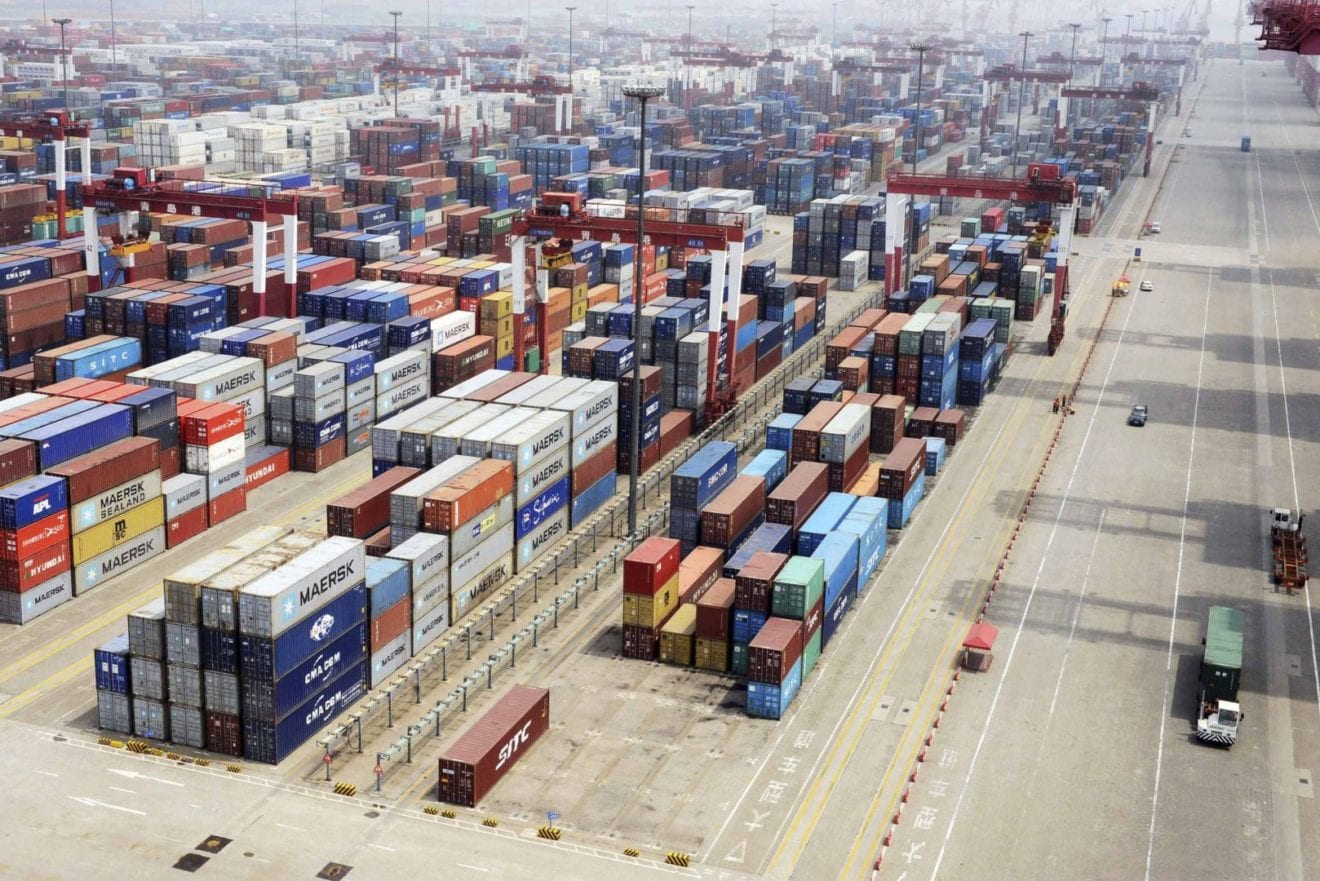
The value of imports in September, which amounted to US$11.30 billion, has dropped by 8.78 percent compared with the previous month, which was US$12.38 billion, the Central Bureau of Statistics (BPS) has said.
“Indonesias imports in September 2016 amount to US$11.30 billion, down 8.78 percent from August, or down 2.26 percent if compared to September 2015,” BPS chief Suhariyanto said at a press conference in Jakarta on Monday.
Suhariyanto said non-oil-gas imports in September were valued at US$9.55 billion, down 9.77 percent compared to the previous month. Compared to September 2015, these imports dropped by 0.95 percent.
Oil and gas imports in September stood at US$ US$1.74 billion, down 2.97 percent compared to the previous month, and down 8.88 percent compared to last September.
In September, cereal commodities such as wheat touched the highest value in import items at US$39.0 million, or 19.17 percent, while the steepest drop was in the machinery and mechanical equipment category, whose value was US$98.9 million or 5.17 percent.
The cumulative value of imports from January to September crossed US$98.69 billion, down 8.61 percent compared to the same period last year. The cumulative value of oil and gas imports was US$13.74 billion, down 29.19 percent; non-oil imports were valued at US$84.95 billion, down 4.10 percent.
The top three countries for non-oil imports in the January-September period were China with a value of US$21.99 billion, or 25.88 percent; Japan with US$9.48 billion, or 11.16 percent; and Thailand with US$6.64 billion or 7.81 percent. “Non-oil imports from ASEAN countries touched 21.82 percent, while from the European Union it was 9.17 percent,” Suhariyanto said.
The import values of auxiliary raw materials from January to September decreased by 9.8 percent and capital goods by 12.66 percent. However, imported consumer goods shot up by 12.80 percent.
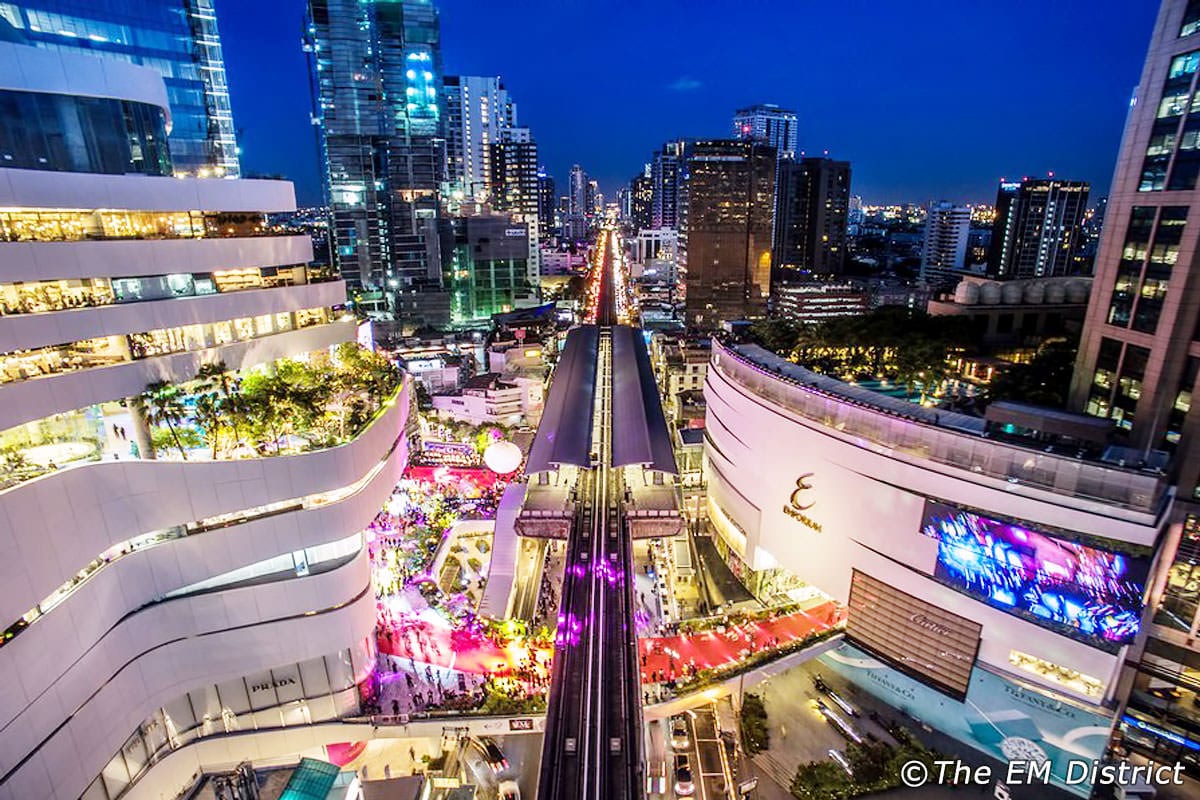
Asia is home to more than half the world’s most dynamic retail hubs, according to new research that reinforces images of the region’s mall-strewn megacities.
The research, by professional services and investment management company JLL, says 12 of the fastest-growing retail cities are in Asia, with eight in China alone — another indication that global economic growth is increasingly driven by the Asia-Pacific region.
JLL lists Dubai as the world’s fastest-growing retail destination, with Shanghai second and Beijing third. Places 9 to 13 are occupied by Bangkok, Chengdu, Kuala Lumpur, Jakarta and Manila, respectively. Only two European cities make the top 20 — Moscow and Istanbul — with none from Africa. Mexico City is the sole city from the western hemisphere, sitting at number 19.
Overall, JLL lists London as the “most attractive” city for retailers, with Hong Kong second and Paris third. Dubai, Singapore, Shanghai, Tokyo and Beijing all make the top 10, with Bangkok, Taipei, Seoul and Osaka in the top 20.
Shanghai at night. The Chinese megacity is projected to be one of the world’s retail hubs in the coming years (Photo: Simon Roughneen)
The study looks at the presence of 240 international retail brands in 140 cities — which altogether make up 36% of the world’s gross domestic product, 13% of the global population and a third of total worldwide consumer spending.
“The search for growth is escalating the penetration of international brands across the world’s most attractive retail cities, especially in Asia,” said David Zoba, chairman of JLL’s Global Retail Leasing Board.
Asia catching up
Many Western economies continue to suffer from slow growth — in stark contrast with Asia, where the International Monetary Fund predicts overall growth of more than 5% in 2016-17 and describes the region as “the engine of the global economy.”
Asia is urbanizing rapidly as economies develop and incomes rise, meaning that big global brands will increasingly look to Asia as a source of consumers. World Bank research shows that nearly 200 million people in the East Asia and Pacific region –excluding India and its heavily populated neighbors such as Pakistan — moved from the countryside to cities during the decade after 2000.
In 1800, only 3% of the world’s population lived in cities, a figure that rose to 13% by 1900. Now more than half the world’s population is urbanized, with projections that 70% or more of the world will live in urban areas by 2050. And while in the 19th and 20th centuries urbanization was mainly a Western and Japanese phenomenon, developing countries are catching up fast, particularly in Asia.
Despite the steady rural-urban shift, only 36% of East Asia’s population had moved to urban areas by 2010, with only Japan, Malaysia, South Korea and Taiwan having larger urban than rural populations.
While China had by far the largest absolute numbers of people moving to cities, smaller countries such as Cambodia, Laos and Vietnam showed higher rates of urbanization. Laos more than doubled its small urban population, while high-growth economies such Cambodia and Vietnam both had between 4% and 4.5% annual urban population growth rates. Retail investors are noticing opportunities even in smaller cities such as Phnom Penh, where Japanese mall operator Aeon opened the city’s first large shopping mall in 2014.
Asia’s cities will continue to grow over the coming decades as the region becomes wealthier. McKinsey Global Institute expects that in the next 15 years, “the center of gravity of the urban world will move south and, even more decisively, east.” According to MGI, half of global GDP in 2007 came from 380 developed world cities, with the 22 biggest cities in developing countries contributing a mere 10%.
However, MGI predicted that by 2025 half of the cities in its 2007 rankings will not make the list, with 136 developing world cities entering its ranking of the 600 biggest urban economies — including 100 from China alone.
“By 2025, developing-region cities of the City 600 will be home to an estimated 235 million middle-class households earning more than $20,000 a year at purchasing power parity (PPP),” MGI reported. The figure is larger than the 210 million such households expected in the cities of developed regions.
Thinktank Oxford Economics said that cities such as Chengdu, Hangzhou and Wuhan “will become as prominent in 2030, in economic terms, as cities like Dallas and Seoul are today.”
Shift east
The thinktank predicted that by 2030 eight European cities will drop out of the global top 50 cities ranking, measured by GDP, while nine Chinese cities will join that group, taking the Chinese total to 17, which will be more than North America and four times more than Europe.
In turn, the thinktank said, this will mean more Asian consumers with money to spend. “Starting from a comparatively low base today, China will boast some 45 million high-income urban households (exceeding $70,000 per annum at 2012 prices and exchange rates) by 2030, putting it well ahead of Europe and hot on the heels of North America. Shanghai will jump from a rank of 69th today to 8th for its number of high-income households in 2030,” Oxford Economics said.
Otherwise, however, the seven megacities with the most high income residents will remain the same as today, with Tokyo leading New York, London, Osaka, Los Angeles, Paris and Chicago.
But Asian cities are set to add tens of millions of middle-income households (incomes between $10,000 and $70,000) to their ranks by 2030. Jakarta will be home to 9.4 million, with 7 million to 9 million more in each of Chongqing, Shanghai, Tokyo and Beijing, the projected top five cities ranked by population of middle-income households, according to the thinktank.
JLL said that for retailers, vying for market share in emerging economies is sometimes risky, but the potential prize — market access to vast populations and rapidly expanding middle classes — outweighs any perils.
For example, China’s anti-corruption crackdown has had “a knock-on effect” on the luxury goods market in the world’s second-biggest economy, said James Hawkey, JLL’s head of retail for China. But retailers are nonetheless “increasingly comfortable dealing with these risks, and generally have their eyes on the long-term prize of establishing a strong position in major world markets.”
Although incomes and spending power remain lower in many Asian countries and cities than in the West, part of the attraction of smaller, less-developed markets is relatively low rental costs.
“Places like Ho Chi Minh City, Jakarta and Bangalore present an opportunity for retailers to establish their brands at rents of less than $2,000 per square meter per year with projected in-store sales increasing by 8% to 10% until 2019,” JLL reported.
Wealthy mid-sized cities or trade-oriented city-states such as Singapore and Hong Kong also benefit from high numbers of visitors such as tourists or business travelers.
But Asia’s urbanization will not mean that rural dwellers will be ignored by retailers, particularly in China.
“Retail potential in Asian hubs is strongly influenced by what is happening in their hinterlands — what is happening in nearby provinces and/or countries,” Steven McCord, JLL’s head of research for northern China, told the Nikkei Asian Review.
“Shanghai exerts a ‘gravity effect’ over its surrounding cities and provinces due to its size and the wealth of its retail offer. Therefore, close to 80 million people within day-trip distance to Shanghai will regularly travel to that city for large shopping sprees,” McCord added.
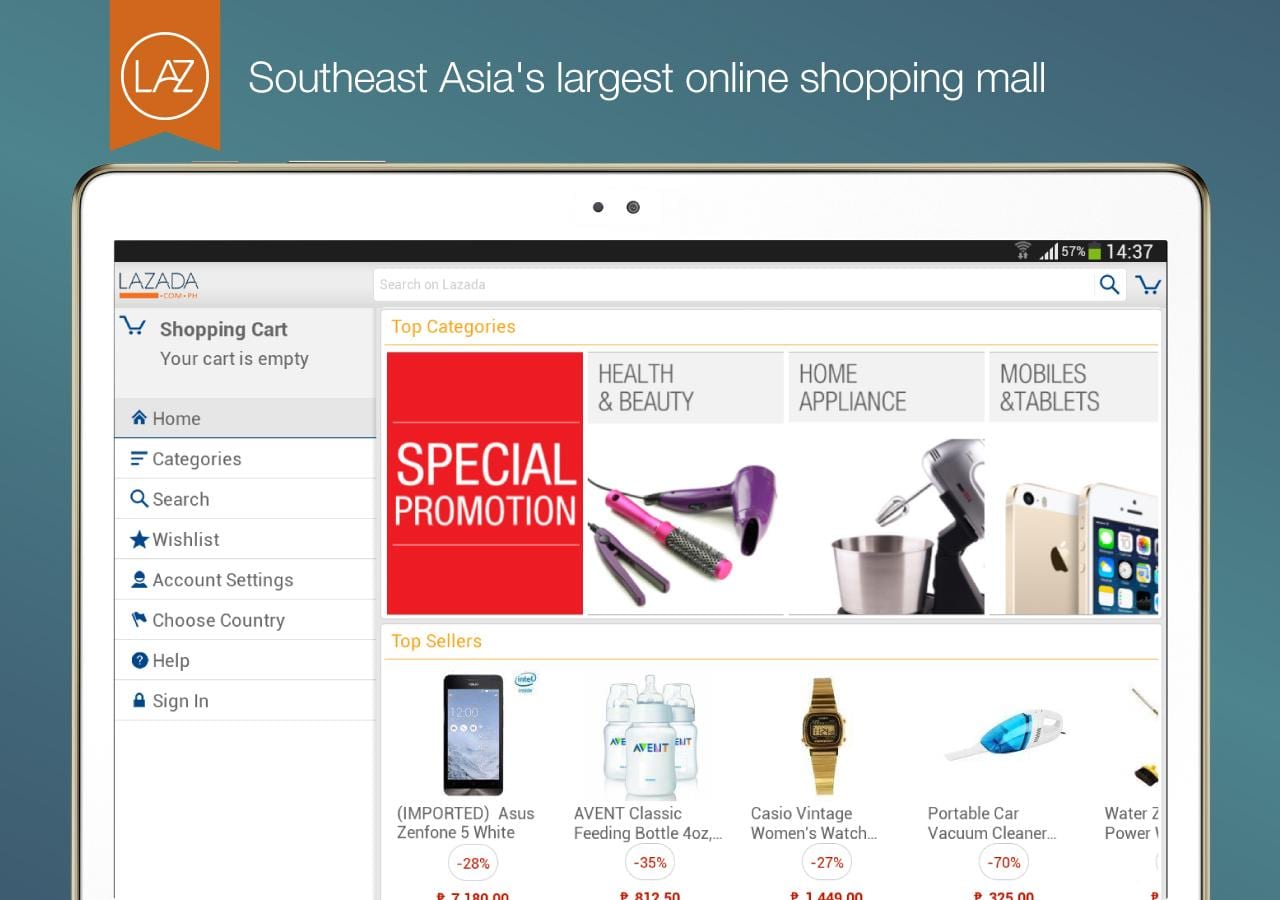
While some global e-commerce giants, including Amazon Inc, are planning to build brick-and-mortar convenience stores, Lazada Malaysia will focus on things it does best — selling inventory to customers from its warehouses through its online platform.
Its chief executive officer (CEO) Hans-Peter Ressel said Lazada Malaysia will concentrate on strengthening its online shopping business, rather than building physical stores to complement its online services.
“We can’t comment on their (Amazon’s) strategy because we focus only on our products,” Ressel said in an interview last week. “We have decided to go this way, and if other players are doing other things, I’m happy to learn and observe how this works for them, but it doesn’t change our strategy.”
Citing unnamed sources, The Wall Street Journal last week reported that Amazon stores will sell perishable goods, including milk and meats. The Seattle-based retail giant will also build drive-in locations for consumers in a rush where online grocery orders will be brought to the car, the newspaper said.
Lazada Malaysia, which has achieved more than five million app downloads, is part of the Lazada Group which operates online shopping platforms in Indonesia, the Philippines, Singapore, Thailand and Vietnam. Its product offering covers diverse categories, including electronics, fashion, health & beauty, sports & travel, and groceries.
Vienna-born Ressel, who is of Austrian and Filipino descent, had served as Lazada Malaysia chief commercial officer and chief operations officer since August 2012, before he became its CEO in March 2015.
Lazada Malaysia, he said, would continue to collaborate with brand retailers, hypermarkets and offline flagship stores to sell their products.
“If you want [to operate your own] store, how many stores do you need? What do you want to put on these stores? We don’t believe in doing everything by ourselves. We have partners; we have brands, and it is crucial to have their collaboration, that’s our focus,” he said.
Notably, Lazada Malaysia this year brought in top brands such as L’oreal, Levi’s and Samsung. It also formed partnerships with giant retailers such as Tesco, Watsons and Senheng.
Ressel believes e-commerce is the way forward, considering that two-thirds of Malaysians have Internet access, with most of them spending more than four hours a day online.
“If we didn’t believe in the future growth of e-commerce, we won’t be here. Today, 20 million out of 30 million Malaysians are online. The [Malaysian] e-commerce market will definitely grow towards a size that is similar to Western countries, China and Korea. It’s just a matter of time,” he said.
According to an estimate by statistics portal Statista, total revenue for the Malaysian e-commerce market this year will hit US$894 million (RM3.75 billion) and revenue is expected to see an annual growth rate of 23.7% in the next five years, to reach US$2.58 billion by 2021.
Currently, the market’s largest segment is electronics and media, with a market volume of US$380 million. User penetration is at 61.7% this year and is expected to hit 76.8% in 2021.
Recent research has highlighted the potential increase in digital ad spend in Indonesia over the next five years. Brands yet to venture into Indonesia’s booming digital ecosystem must expedite their entry strategies to ensure getting a share of this lucrative pie.
A report has highlighted the growing potential of digital retail from Indonesia. This is attributed to the increasing use of mobile devices, especially with cheaper smartphones enabling a greater population to access the digital sphere. This rapid growth projects digital ad spending to increase to 20.4% of all media ad spending by 2018, up from 10.7% in 2016. This report illuminates the expanse of Indonesia’s digital ad market that could be further developed, and have an emergent interest in the technology amongst local advertisers.
With the largest population in Southeast Asia, an exponential increase in digital adoption, and a seemingly insatiable appetite for e-commerce and social media, Indonesia is the puzzle every brand wants to solve.
However, does this mean the death of the traditional advertising and offline retail? Are you as a marketer confident in leaving your brand in the hands of the bots?
While digitisation has revolutionised the marketing function in Indonesia, brands cannot assume that a digital presence is the solution to building market share. Because of the increase in digital ad spending cited above, the question of effective brand engagement is more crucial than ever.
So what can brands do to continue engaging their consumers beyond their finger-tips and into their hearts and minds? And more importantly, how can you build loyalty in a competitive market like Indonesia?
Going beyond Digital
The consumer journey is not limited to just the digital sphere. Rather than situating offline and online as extreme entities, they should be treated as a continuum. Take the example of Zalora. Marketed as the leading online apparel retailer in Asia, Zalora launched several pop-up stores in order to let consumers try their items before buying, thereby reducing return rates.
Strategic alliances between logistic services and e-commerce consumer brands like Zalora are revolutionising the customer experience. The traditional is not dead. It is revamped with renewed excitement. Digital is an essential medium for marketers to reach out to their audience. This is more so imperative in the emerging scene of digital marketing in Indonesia to start with the right foot in.
To take a first-hand look at how leading marketers are tackling Indonesia’s digital frontier, be involved in Digital Marketing Indonesia that is happening on 24th and 25th November at Mandarin Oriental, Jakarta.
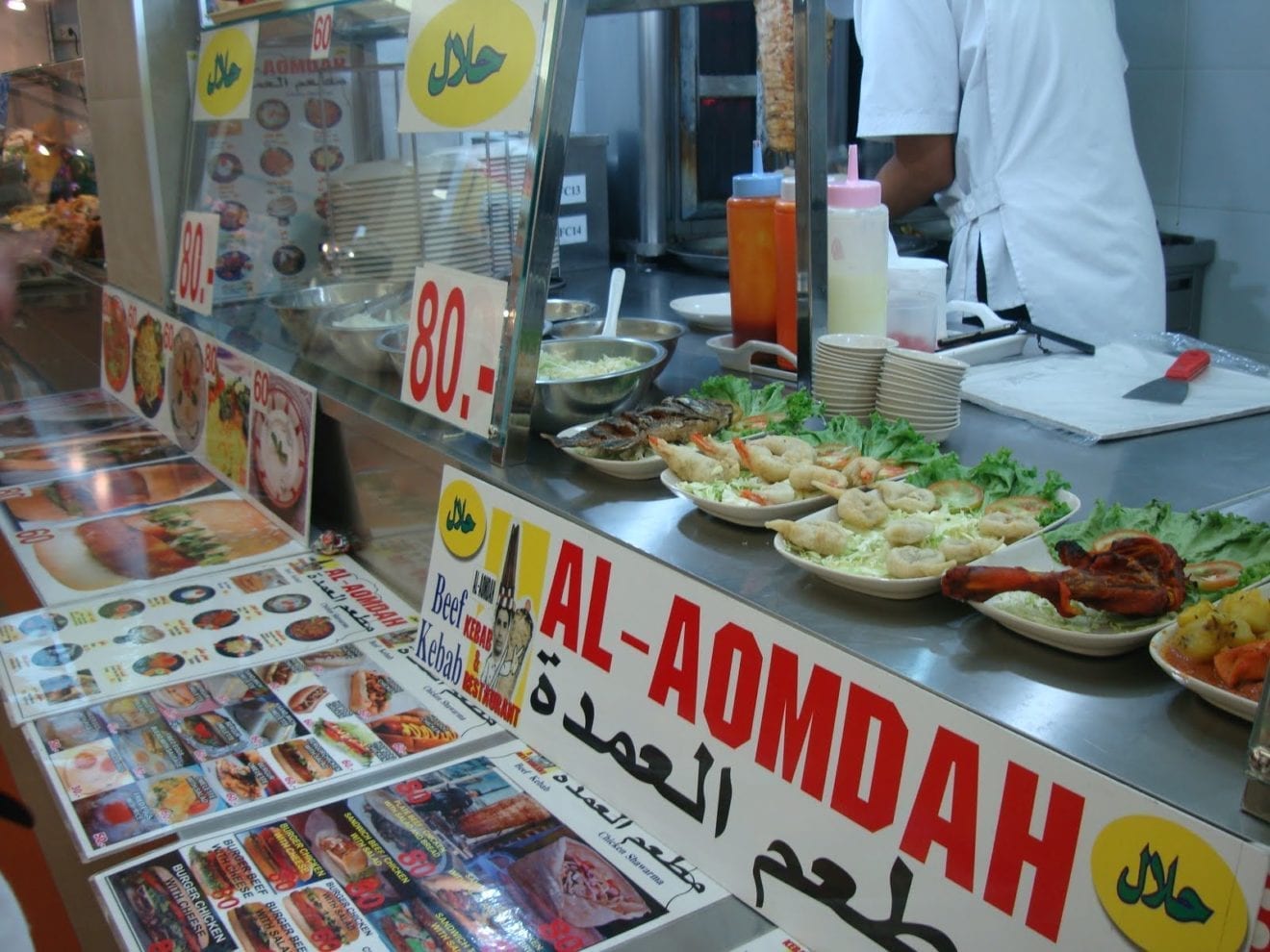
Brazil has filed a complaint against Indonesia to the World Trade Organization (WTO), challenging Indonesia’s halal certification requirements for imported meat.
The trade dispute has been registered in Indonesia-Measures Concerning the Importation of Chicken Meat and Chicken Products No. DS:484. The second substantive meeting was held on October 11-12 at the headquarters of the WTO in Geneva, Switzerland.
Ahmad Firdaus Sukmono, head of Trade Advocacy Bureau, the Trade Ministry, said that the policy is implemented as part of the government’s consumer protection efforts. “The dispute is focused on Indonesia’s rights to ensure compliance with food safety and halal requirements,” he said on Friday.
Brazil has also lodged claims against Indonesia for its import restrictions, namely the positive list, usage requirements, transportation modes in import and suspension of sanitation requirement approval. Brazil claims that such policies have hampered Brazil’s export to Indonesia.
Being the world’s largest chicken exporter, Brazil sees that the access to Indonesian market has been shut down in the past seven years. Because Indonesia only allows exported halal whole chickens which are slaughtered individually in henhouses. “We suspect that Brazil has yet to implement it,” Firdaus said.
Firdaus said Indonesia has responded to Brazil’s claims. “Indonesia has been very transparent in import regulations and requirements.”
Malaysia had also filed complaints about the difficulty in obtaining halal certification in Indonesia even though Malaysia has got its products halal certified by Jabatan Kemajuan Islam Malaysia, according to Malaysia’s International Trade and Industry Minister Dato’ Sri Mustapa Mohamed. However, Indonesia requires imported products to be halal certified by the Indonesian Ulema Council.
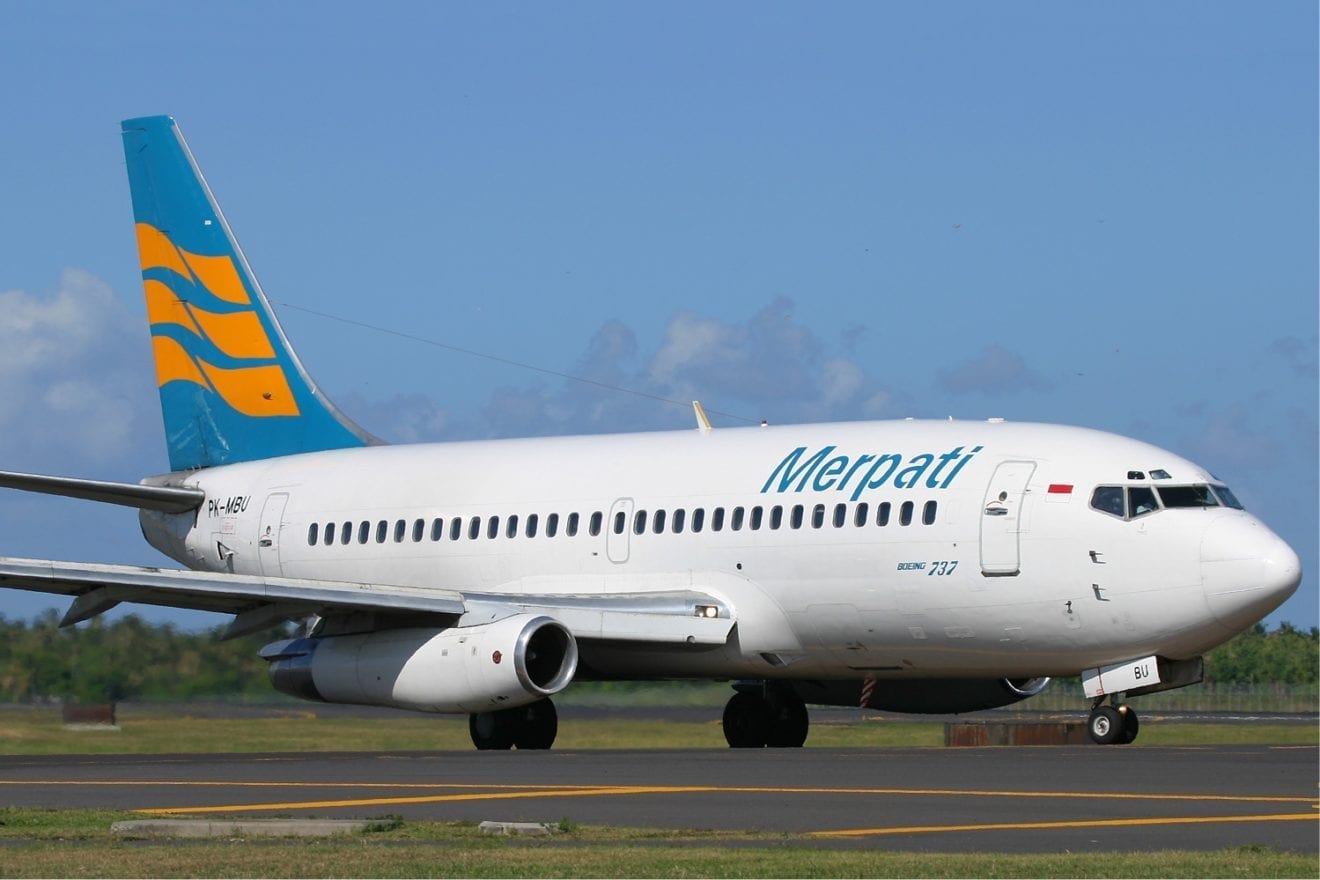
Merpati (MZ, Jakarta Soekarno-Hatta) is planning to resume commercial operations during the course of 2017 the Deputy for Restructuring and Business Development in the Indonesian Ministry of State Owned Enterprises, Aloysius K. Ro, has announced.
Merpati ceased operations in February 2014 after it failed to service nearly IDR7 trillion worth of debt owed to other parastatals including airport operators Angkasa Pura I and Angkasa Pura II and energy company Pertamina among others. It specialized in serving the more remote areas of the Indonesian archipelago using B737 Classics, MA-60s, and DHC-6 Twin Otters.
Speaking to the Tempo news agency, Ro said the relaunch would coincide with the completion of the defunct carrier’s restructuring programme. Thus far, majority shareholder, government, has injected IDR500 billion rupiah (USD38.3 million) into Merpati to cover its debt portfolio while laying off 1,500 staff.
“We hope it can resume operations in 2017 if in the remaining one year it receives a privatization permit from the Finance Minister and investors are ready to invest in it,” he said. “But it is not easy to find investors to invest in air transport business under normal condition, let alone in a difficult one as experienced by Merpati.”
Initial operations will likely focus on Papua, Indonesia’s largest and easternmost province, using a fleet of twenty-seater turboprops.
Indonesia’s promising property market has attracted multinational real estate firms to collaborate not only with domestic peers but also international partners. An alliance between the Astra group, Hongkong Land and Modernland Realty shows this well.
Astra Land Indonesia and Mitra Sindo Makmur have created a joint venture to acquire 70 hectares of land in Cakung, East Jakarta, worth Rp 3.4 trillion. The collaboration was marked under an agreement inked on Oct. 12 in Jakarta.
Astra Land is a joint venture between Astra International (ASII) and Hongkong Land, while Mitra Sindo Makmur is a subsidiary of Modernland Realty (MDLN). The new entity will develop the land for a project dubbed Jakarta Garden City.
This should provide positive sentiments for Modernland, given the fact that the new partners are well-known firms in Asia. Astra is a well-known Indonesian conglomerate while Hongkong Land is a leading property investment, management and development group in Hong Kong, Singapore and mainland China.
They are indirectly affiliated companies as Jardine Matheson sits as the main shareholder, owning more than 50 percent of shares in the two companies.
While Astra has only three years of experience in the real estate business, Hongkong Land has laid foundations in Indonesia for over 30 years. Currently managing US$32 billion of assets in Asia, it has been operating in Indonesia since the 1970s.
Under a collaboration with Central Cipta Murdaya, Hongkong Land built the WTC Complex in Sudirman, Jakarta, as its first project. It has also developed two other big projects in Indonesia, namely Nava Park (joint venture with Sinarmas Group’s Bumi Serpong Damai) and Anandamaya Residence (joint venture with the Astra group).
Financially beneficial
In its latest research report, Mandiri Sekuritas appraised the joint venture as it will provide security for Modernland in terms of marketing sales and earnings, in light of Hongkong Land’s established track record and experience.
Furthermore, this action could benefit Modernland as the cash inflow from the transaction could reduce its debt ratio, especially as it was sealed amid the economic slowdown.
* Bloomberg estimate
As of the first half of 2016, Modernland had booked Rp 1.1 trillion in revenue, down by 18 percent year-on-year from Rp 1.35 trillion last year, due to fewer projects launched this year. This brought down net income by 88 percent to Rp 26 billion.
Therefore, the newly formed joint venture with Astra and Hongkong Land in Jakarta Garden City will give better prospects for Modernland. As for Jardine Matheson group, the joint venture will augment its portfolio in the largest property market in Southeast Asia.
The government will likely need to review its strategy in promoting its priority tourist destinations, as data shows that recent tourism investment mainly headed to just two popular regions.
During the first six months of this year, the country has seen investment worth US$858.7 million coming into the tourist sector. The tourism Ministry’s deputy for destination and tourism industry development Dadang Rizki Ratman, however, said most of the investment only went to Jakarta and Bali, the country’s two main international gateways.
“This is our challenge — to encourage investors to invest outside those two places,” he said recently.
Dadang highlighted the importance of infrastructure development and upgrades in many other tourist destinations as it would become a key factor to attract investors to put their money to the industry.
The government is targeting the arrival of 20 million foreign tourists in 2019. This year, 12 million foreign tourist arrivals has been targeted, with almost half achieved in the first semester.
To level out the popularity of other places with that of Bali, the country’s most popular resort island, the government has selected 10 destinations to develop to 2019.
They include Lake Toba in North Sumatra, Mount Bromo in East Java, Mandalika resort area in West Nusa Tenggara, Labuan Bajo in East Nusa Tenggara, Wakatobi in Southeast Sulawesi, Cape Kelayang in Bangka Belitung, Cape Lesung in Banten and Morotai in Maluku.
Dadang said infrastructure, such as roads, airports and power plants were in the works to support tourism activities and attract more investors. The Kualanamu-Tebing Tinggi toll road, for example, was in progress and scheduled for completion next year. The road would give more access to Lake Toba, the world’s largest volcanic lake.
Besides accessibility, intensive promotion was also necessary, said Babar Suharso, the head of regional Investment Coordinating Board (BKPMD) of Banten province.
“People can access Cape Lesung wthin only three hours but we still haven’t got any investors so we’ve asked Kadin [Indonesia Chamber of Commerce and Industry] to introduce us to their network,” he said.
BKPMD Banten said a number of South Korean investors had expressed their interests to invest in the location, but none have further approached the regional administration. Investors from Kuwait will visit the cape in November for a potential deal, Babar said.
Meanwhile, Indonesian Tour and Travel Agencies Association (Asita) chairman Asnawi Bahar emphasized accessibility as an important point to attract more investors.
“It is understandable that investment is still concentrated in Bali and Jakarta because the two have international airports with many international routes. One thing for sure to attract more investors is accessibility,” Asnawi told The Jakarta Post over the phone.
Recently, the government announced a $300 million loan from the World Bank to expedite infrastructure development in and around Borobudur Temple, Mandalika and Lake Toba.
Nevertheless, the natural beauty of sites in Indonesia has inevitably swayed a group of businesspeople in Perth, Australia to invest in Manado, North Sulawesi, whose Bunaken island is famous for its diving spots.
“[The investment plan in] Manado is a very large ambition. It is a big tourism area so this group of companies running different businesses plan to turn it into a new destination,” said Debnath Guharoy, president of Australian Indonesian Business Council (AIBC) said via phone.
The group will present its detailed plan to North Sulawesi administration in the next few weeks. They are planning to build hotels, power plants and a waste management system, as well as a conservation area for Bunaken underwater park.
Indonesia boasts 17,000 islands blessed with beautiful coastline and inland potential, plus a big market of more than 259 million people. To propel its tourism industry, the country has also offered free visas to 169 countries and simplified yacht and cruise arrival rules.
In 2017 turnover in Indonesia’s processed food and beverage industry is expected to grow by 8 percent (y/y) to IDR 1,400 trillion (approx. USD $108 billion) from an expected IDR 1,300 trillion in 2016. Meanwhile, the nation’s modern retail industry is projected to expand in the range of 10 – 15 percent (y/y) to IDR 225 trillion (approx. USD $17.3 billion).
Tutum Rahanta, Deputy Chairman of the Indonesian Retailers Association (abbrev. Aprindo), says the combination of accelerating macroeconomic growth and controlled inflation are the main supporters for growth of Indonesia’s modern retail sector. In 2016 Indonesia’s gross domestic product (GDP) is expected to expand by 5.1 percent (y/y) up from the realization of 4.79 percent (y/y) in 2015. Recently, the World Bank announced it sees the Indonesian economy growing further by 5.3 percent in 2017 and 5.5 percent in 2018.
Aprindo Chairman Roy Nicholas Mandey added that after several years of economic slowdown, the retail sector of Indonesia has been recovering in 2016 on the back of low domestic energy prices (electricity, gas and fuel), the stronger rupiah exchange rate (versus the US dollar), rising government spending (on infrastructure development), low inflation (around 3 percent y/y), and accelerating economic growth. Due to these factors members of Aprindo have been eager to expand their businesses this year.
Based on a Bank Indonesia (BI) survey, Indonesia’s retail sales grew 14.4 percent (y/y) in August 2016, supported by sales of non-food items, extending the promising trend recorded in the preceding month (retail sales growth at +15.7 percent y/y). However, this survey also signals that retailers expect retail sales to slow in November 2016 due to rising inflation (a seasonal phenomenon).
Adhi Lukman, General Chairman of the Indonesian Food and Beverage Association (GAPMMI), agrees and expects the processed food and beverage Industry of Indonesia to rise by at least 8 percent (y/y) provided the government will not implement any policies that could undermine this growth (for example, the government once uttered the idea to implement a plastic excise tax). Besides the five above-mentioned factors, Lukman added that rebounding commodity prices also boost people’s purchasing power.
Lukman is also optimistic that direct investment in Indonesia’s processed food and beverage industry will surpass IDR 50 trillion in 2016, up 16 percent from IDR 43 trillion in 2015. However, investors urge authorities to lower interest rates as that would make business expansion much more affordable. Lukman emphasized that Indonesian authorities need to be consistent and committed (for example through effective implementation of the economic policy packages) in order to support this industry and thus be able to compete with counterparts in Malaysia and Thailand.
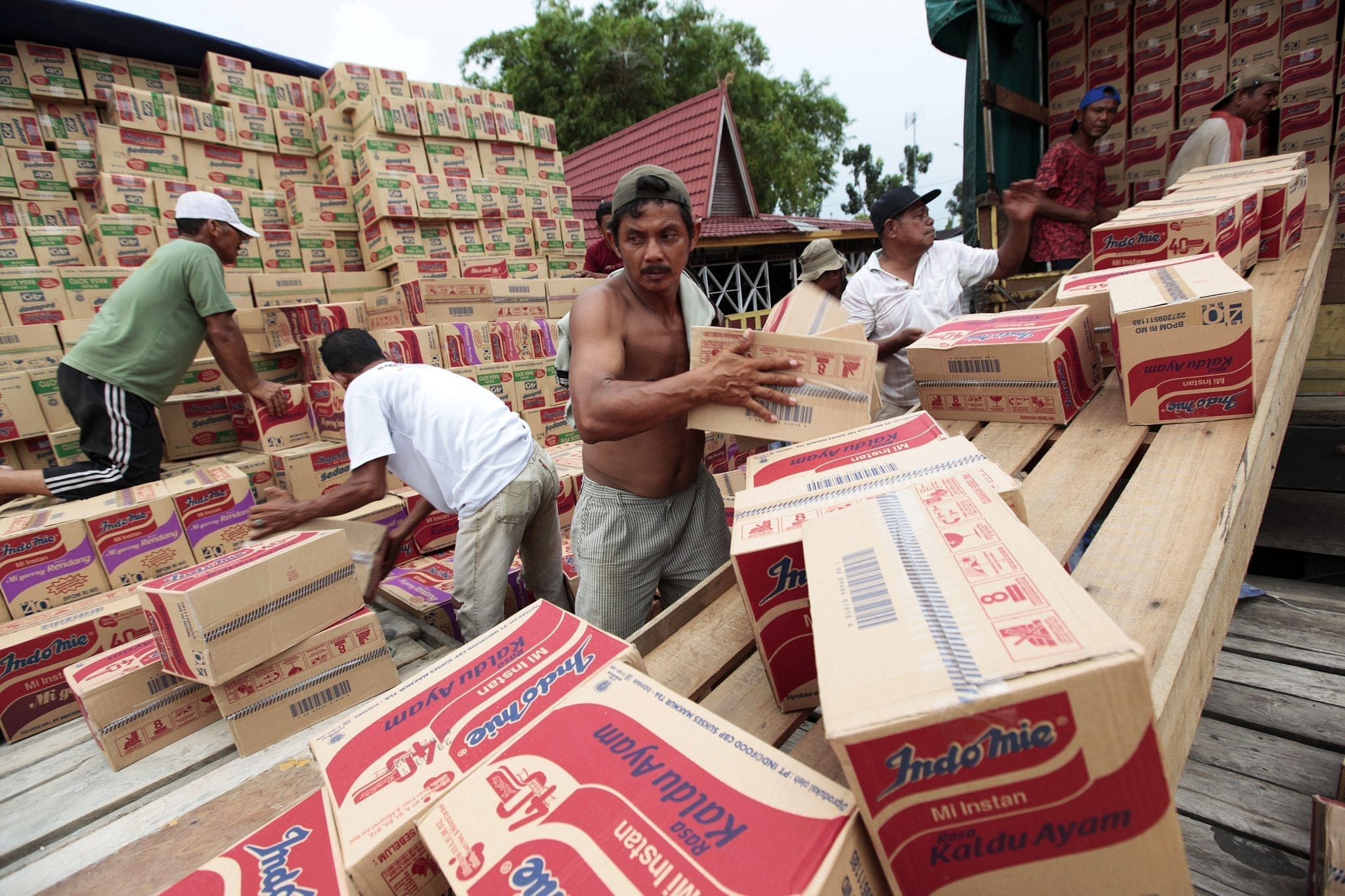
Amid allegations of widespread abuses on its plantations, including the use of child labor, three NGOs this week lodged a formal complaint against Indonesian palm oil giant Indofood, calling for two of its subsidiaries to be suspended from the industry’s largest certification scheme.
The complaint, signed by Rainforest Action Network (RAN), Indonesian labor rights advocacy group OPPUK and the International Labor Rights Forum (ILRF), was filed with the Roundtable on Sustainable Palm Oil (RSPO) on Tuesday.Citing numerous violations of the roundtable’s principles and Code of Conduct,the complaintcalls for Indofood subsidiaries PT London Sumatra and PT Salim Ivomas Pratama to be suspended from the RSPO “until transparent actions are taken” to resolve the issues.
The complainants also raise doubts over the RSPO’s own credibility in detecting and responding to labor violations on member plantations —not the first timethis has been called into question.
“It is time for the RSPO to act in the interest of palm oil workers. The evidence is clear: Indofood is systematically violating the fundamental rights of workers on its palm oil plantations,” OPPUK director Herwin Nasution said in a statement.
Indofood, which operates a joint venture with global snack food brand PepsiCo, is the largest private oil palm plantation company in Indonesia that has yet to adopt a commitment to use only responsibly produced palm oil.
The complaint comes four months after the NGOs released theresults of an investigationinto abuses on two Indofood plantations in North Sumatra.
Theirreport,The Human Cost of Conflict Palm Oil, included detailed allegations of child labor, exposure to hazardous chemicals, a reliance on temporary workers, below minimum-wage payments and the suppression of independent unions.
In response to the accusations, an assessment was conducted by the RSPO’s accreditation body, Accreditation Services International (ASI), on a third Indofood operation, the Gunung Mas palm oil mill and supply base in North Sumatra.
ASI’sreport, released last month, found similarly widespread violations of Indonesian labor law and evidence of unsafe practices. Several of the violations had already been identified in a previous audit, but had never been addressed.
In total, Indofood has violated more than 20 Indonesian labor laws, according to the complaint filed this week, which also highlights violations of the RSPO Code of Conduct requirement that members “commit to open and transparent engagement with interested parties and actively seek resolution of conflict”.
Indofood’s head of public relations, Stefanus Indrayana, told Mongabay he was out of the office and unable to provide comment. Other Indofood representatives did not respond to questions about the RSPO complaint.
The company previously said the allegations were unsubstantiated. In a June interview with Indonesian newspaper The Jakarta Post, Indofood director Franciscus Welirangrespondedto claims that children as young as 12 were working on the plantations.
“Plantations in Indonesia are usually close to villages and thus there’s a plantation culture based on targets. It’s standard for families to ask for help from their children,” he said.
“There’s a law in Indonesia and we are in compliance but there’s also a culture that cannot be perceived as the same as Western culture.”
Emma Lierley, forests communications manager at RAN, said the NGOs hoped Indofood’s suspension from the RSPO, the world’s largest association for ethical production of palm oil, would “force the company to take these findings seriously…and endeavor to clean up its business practices.”
She added that if Indofood fails to take action, “buyers, business partners and investors must enforce their own policies by suspending relationships” with the company, citing its ties with global brands including PepsiCo, Nestle and HSBC.
PepsiCo, which is a joint venture partner with Indofood but does not otherwise buy its palm oil, said it was discussing the issues with the company.
“Are we completely aligned? No, not at this minute. But the conversations are going on. Indofood has been very responsive,” a spokesperson told Mongabay earlier this year.
But, the spokesperson claimed, the nature of PepsiCo’s relationship with Indofood made it more difficult to force changes.
“You can be much more demanding with a supplier. A joint venture is much more delicate, especially because the joint venture preceded any discussion about sustainability and what was needed regarding that.”
Beyond Indofood and the companies it has relationships with, the complaint says the RSPO’s own credibility is at stake.
“The RSPO’s ‘sustainable’ label means nothing without enforcement. If the RSPO is not willing to uphold its own standards, it threatens its credibility on the market and the brand reputations of all its members,” explained Lierley of RAN.
“Its standards still have major shortcomings…but this complaint provides an opportunity for the RSPO to demonstrate that it can, and will, take actions to enforce compliance with its standards,” she added.
Eric Gottwald, legal and policy director at the ILRF, said there is a “culture of non-compliance” on many RSPO-certified plantations regarding both Indonesian labor laws and the RSPO’s own policies.
“As a first step toward addressing the issues, Indofood should sit down with the RSPO and complainants to discuss the report, audit findings, and necessary reforms to its employment practices,” he said.
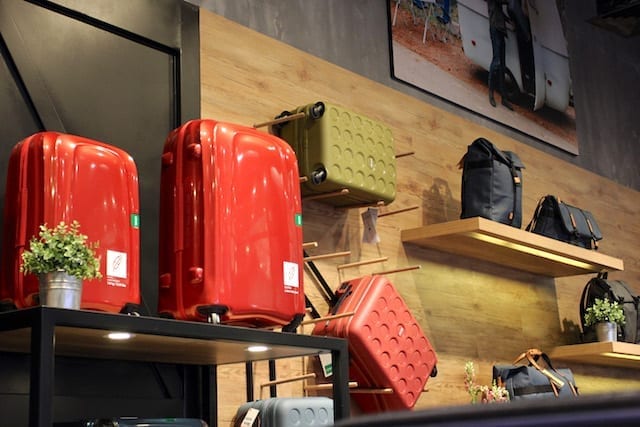
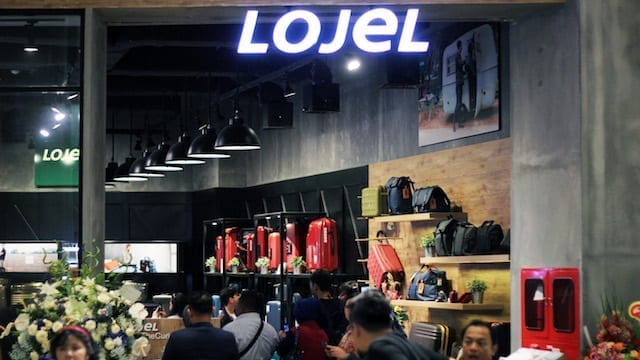
The first Lojel Indonesia store, it is located on the ground floor of the Lotte Shopping Avenue.
Founded in 1989, Lojel is now an international brand producing high-quality luggage and travel accessories. It is sold in 30 countries across five continents.
The Lojel Indonesia flagship opened with an exhibition of photography by Jacky Soeharto, to help reinforce the brand’s affiliation with travel.
“Lojel put its space with a hint of industrial style interior and a warm light display of its colorful products,” observed local blog Neighbourlist.
“Lojel has always connected to every modern travelers and adventurers with a young spirit and Indonesia seems to have taken its grasp.”
See more photos of the new store and its Indonesian range at Neighbourlist.
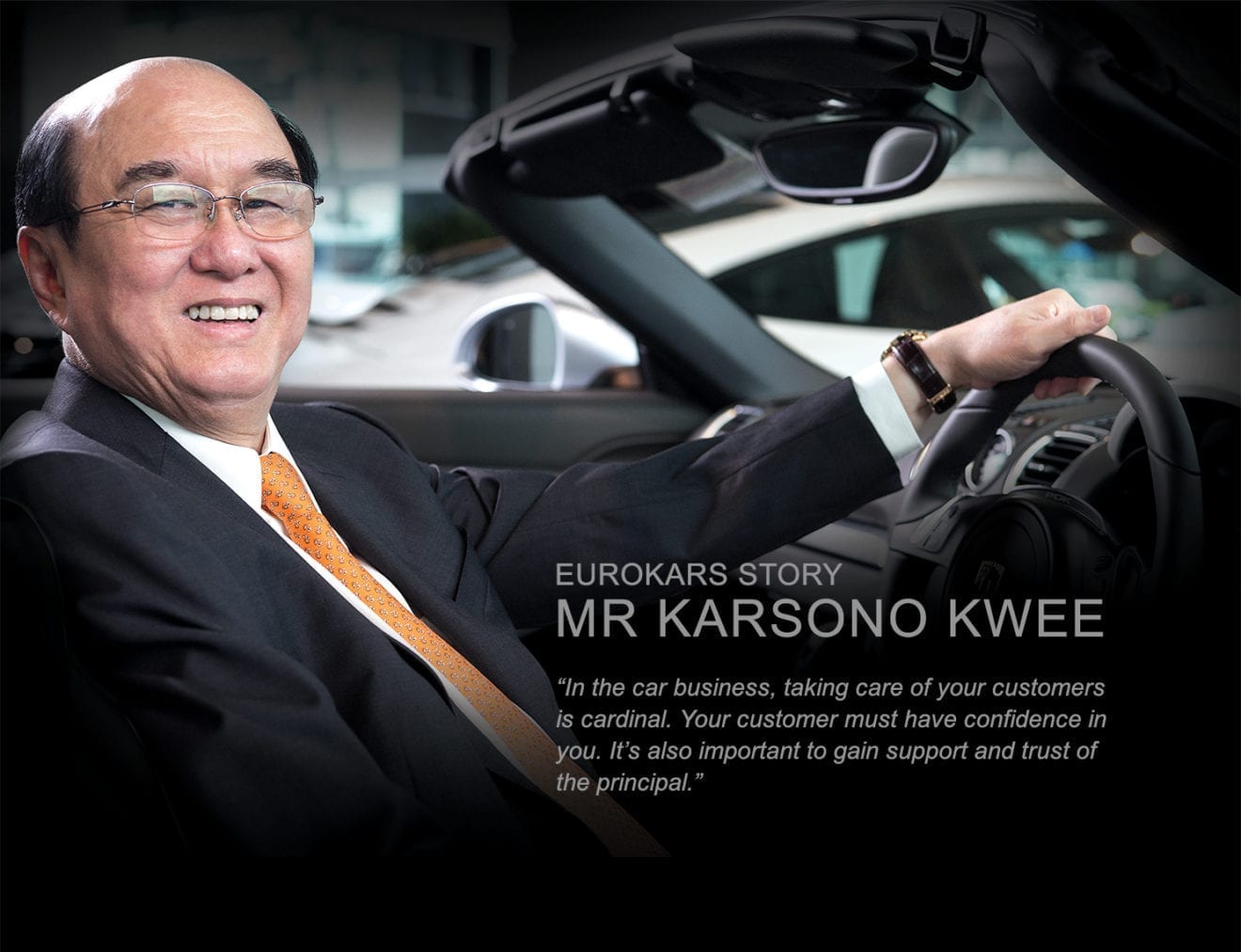
Mazda Motor Corporation has appointed Eurokars Motor Indonesia, a member of Eurokars Group, as the distributor of Mazda vehicles in Indonesia following its decision to leave the country.
Eurokars Group spokesperson Angeline Tan said Mazda’s distribution network of 45 dealers would be officially transferred from Mazda Motor Indonesia to Eurokars Indonesia in February.
“This appointment represents a significant milestone for Eurokars Group. It also reflects the synergistic partnership between Mazda Motor Corporation and Eurokars Group, which is well-positioned to run the distributorship,” she said in a press statement in Jakarta on Friday.
Following the official transfer, she added, Eurokars would take over existing staff members and dealers currently under Mazda Indonesia. It will also be responsible for after-sales including the warranties of all Mazda vehicles sold by Mazda Indonesia prior to the transfer.
Founded in 1985, Eurokars was a dealer for Mazda cars in Indonesia in 2007 and took over the distribution of Mazda vehicles in Singapore in 2011.
From November, Mazda Indonesia’s business entity will be changed from a sole distributor to an importer of the Japan-based Mazda Motor Corporation’s products in related to the business decision.
Indonesia`s creative industry is considered to have the potentials to contribute to national economic growth, according to Head of Research and Industry Development of Industry Ministry Haris Munandar.
“Currently, the contribution of t creative industries is still relatively small, which is 7 percent of the national industrial growth of 18-20 per cent, but they have great potentials,” Haris said in Jakarta, Friday, October 14, 2016.
Haris added that the potential can be seen from the various opportunities to develop creative industries in Indonesia, among them an increasing number of middle class Indonesia as potential consumers of creative products.
“In recent years, the middle class is growing rapidly. This becomes a great opportunity,” said Haris.
In addition, socio-cultural diversity and natural resources of Indonesia can inspire creative industries to continue to innovate.
Kaskus founder Ken Dean Lawadinata has resigned from his position as chairman of PT Darta Media Indonesia, the operator of the Kaskus online community. Ken plans to invest in property and commodities instead of Information Technology (IT).
Ken released his shares in Kaskus to GDP Ventures.
“That’s right, I have left Kaskus. I released all my shares to GDP,” he said on Saturday as quoted by kompas.com.
Ken was one of the founders of Kaskus and elevated Kaskus to its current status as the biggest online community in Indonesia.
Ken said that after Kaskus, he was not interested in the IT industry anymore. He has his eyes on property and commodity investments such as mining and timber.
He said the IT industry in Indonesia was still growing and demand was healthy and new ideas kept emerging. However, Ken said the risks in IT were now too high.
“IT was a sector with low-risk, high-return, but it has now become a high-risk, high-return sector. In this industry, US$10 million is now meaningless,” Ken said.
Ken also founded Smartmama, a media company for mothers, and Tororo, an online baby products shop. He plans to hold on to these companies.
“In IT, I will focus on Smartmama and Tororo,” Ken went on to say.
Another Kaskus founder, Andrew Darwis, who is still chief commercial officer of Kaskus, offered his thanks to Ken for Ken’s dedication in growing Kaskus. He stated that Ken’s resignation would not disturb the company’s performance.
“Kaskus is focusing on its mission to become the biggest social commerce platform in Indonesia,” Andrew said.
Kaskus was founded in 1999 by Andrew, Ken and two other friends.