Tag: Indonesia

  • OJK to Expand Banking Industry, Aims for Thailand

    OJK to Expand Banking Industry, Aims for Thailand

    Financial Services Authority (OJK) Chairman Muliaman D. Hadad said that the OJK is in the process of exploring the possibilities of expanding Indonesian banking industry overseas.

    “The most possible [cooperation] is with Thailand, because there have been two or three meetings,” Muliaman said.

    Muliaman said that similar cooperation will also be established with other countries. Muliaman explained that Thailand serves as an important stepping stone to establish cooperation with Cambodia, Vietnam, Laos, and Myanmar. “Why Thailand? Because Thailand has dominant business [partnership] with its neighbouring countries,” Muliaman added.

    Muliaman said that there are lots of possibilities for Indonesia to expand its financial industry to Thailand. Moreover, several of Indonesian business sectors have started to expand to Thailand, including property and trade.

    Aviliani, an economist from the Institute for Development of Economics and Finance (Indef) praised OJK’s plan to integrate the national banking industry with ASEAN. Aviliani said that the integration is important to allow Indonesian banks to open branch offices and conduct business activities in neighbouring countries. However, Aviliani asserted that the policy may not always favour the banking industry. “Banks will always reflect on market potential,” Aviliani said.

    Aviliani added that the potential for overseas banking market is not quite as large as the domestic market. “Opening [branch offices] overseas will be difficult if [banks] cannot profit. But when foreign banks expand to Indonesia they will reap benefits because [Indonesia] has a large market potential,” Aviliani said.

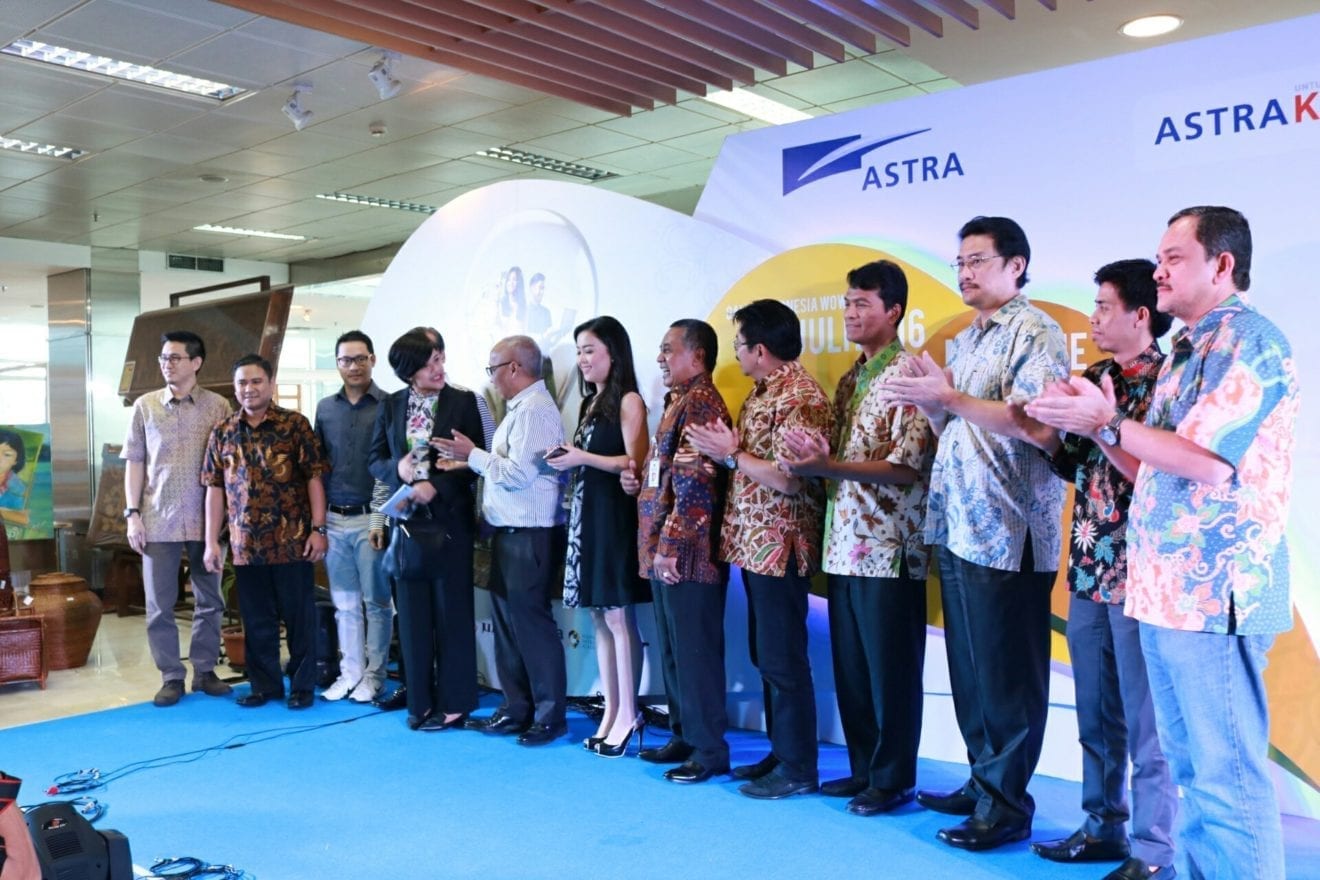
  • Astra named best Indonesian company of past decades

    Astra named best Indonesian company of past decades

    PT Astra International has added one more award to its collection after Hong Kong-based magazine FinanceAsia named the widely diversified business group the best non-financial company in Indonesia for the past two decades.

    The magazine’s publisher, Jonathan Hirst, presented the award to Astra International president director Prijono Sugiarto at a ceremony in Hong Kong on Thursday evening.

    The award was based on polls conducted annually on the company’s performance over the past 20 years. As many as 115 financial and non-financial companies in Asia received such awards this year.

    Other large corporations named as best non-financial companies in their respective countries include Samsung Electronics of South Korea, China Telecom of China, PTT of Thailand and SingTel of Singapore.

    Meanwhile, in the Indonesian financial sector, five companies won similar awards. They include Bank Mandiri, which was named the best domestic bank, Mandiri Sekuritas as the best domestic investment bank and as the best domestic bond house, Danareksa Sekuritas as the best domestic equity house, HSBC as the best foreign bank and Credit Suisse as the best foreign investment bank.

    “On behalf of the Astra management, we thank all the stakeholders who have participated in the survey for their support for Astra during its 59 years of operations,” Prijono said after receiving the award.

    “Obviously, we hope that this achievement also brings pride to the Indonesian people, “ he added.

    According Prijono, as a national asset, Astra wants to continue to contribute to economic and social development for the Indonesian people through its 202 subsidiaries and affiliated companies, which employed more than 200,000 people. The business group was working with at least 2,500 vendors employing more than one million employees, he said.

    Astra is engaged in six business lines, namely automotive, financial services, heavy equipment and mining, agribusiness, infrastructure, logistics and IT.

    Astra was listed on the Indonesian Stock Exchange in April 1990 and has become a blue chip stock with a market capitalization of about Rp 337 trillion (US$25.8 billion) as of Oct. 12.

    FinanceAsia has presented awards to leading Asian companies every year since its establishment 20 years ago. Winners are determined by surveys among investors and analysts in Asia on a range of criteria, such as corporate performance, corporate governance, investor relations, corporate social responsibility (CSR) and leadership.

    Astra has received at least 13 awards from the magazine, in addition to numerous awards from other organizations. Unlike in previous years, this year’s award was given for the achievement over a 20-year period.

    In 2010, Astra management under the leadership of Prijono adopted a comprehensive business strategy it calls the Triple P Roadmap, according to which the company’s portfolio, people and public contribution should all ensure sustainable growth.

    Prijono attributed the success of the business group in maintaining sustainable growth to the company’s long-term business concept.

    Based on that concept, Astra had implemented concrete programs that clearly highlight the position of Astra in the long-term, including by creating new opportunities to diversify sources of revenue, to improve the competency of human resources and to expand the reach of the company’s corporate social responsibility (CSR) activities.

    Prijono explained that Astra carried out CSR activities through all of its subsidiaries and nine foundations, which include the foundation of Toyota and Astra, the foundation of Dharma Bhakti Astra, the foundation of Astra Bina Science, the foundation of Astra Honda Motor, the foundation of Amaliah Astra, the educational foundation of Michael D. Ruslim, the foundation of Karya Bhakti UT, the foundation of Astra Agro Lestari and the foundation of Insan Mulia Pama.

  • Indonesia fishery sector losing its bite

    Indonesia fishery sector losing its bite

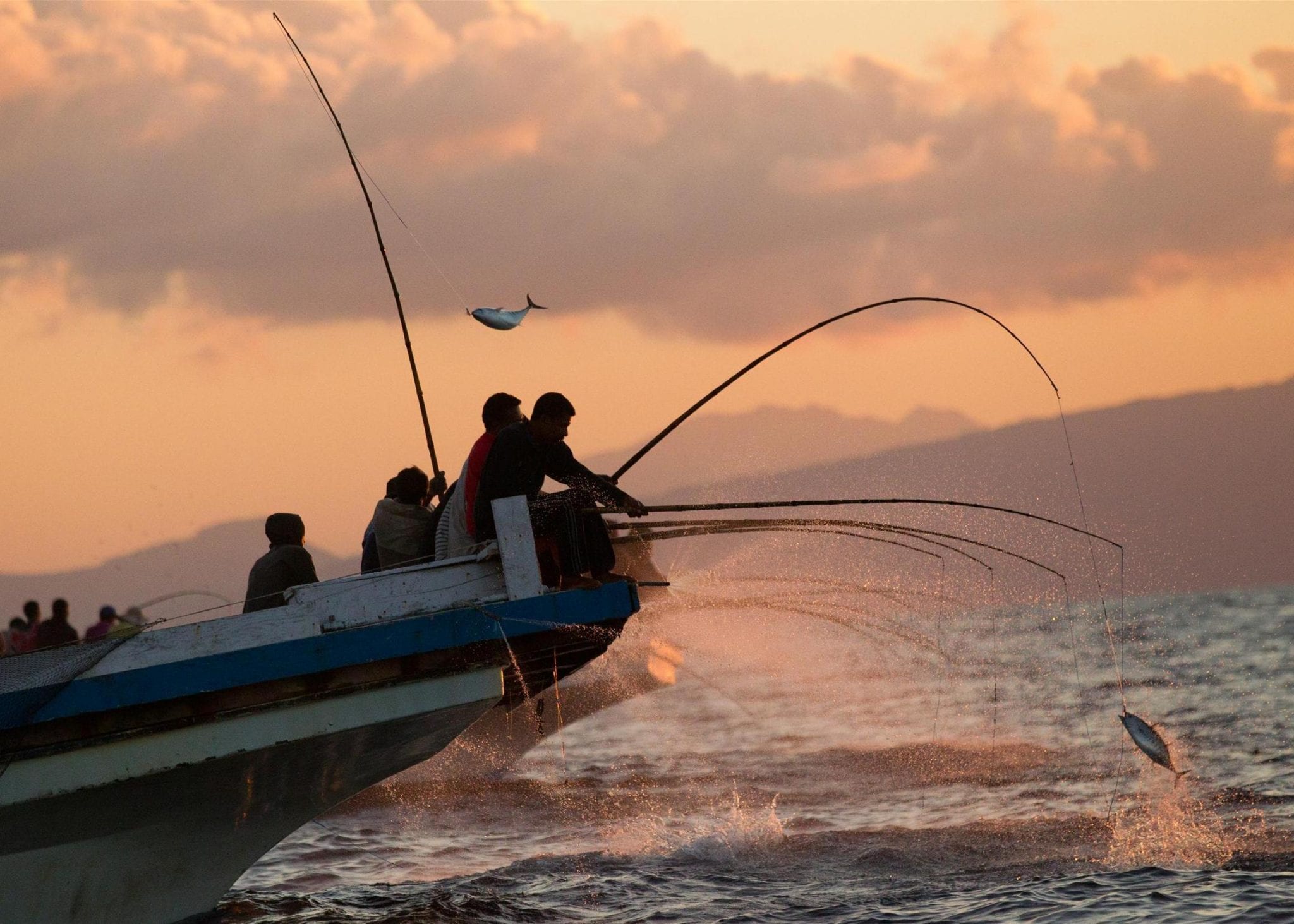
    Fishing captain Wahyu Sumantri used to helm a 700-tonne vessel that sailed the Celebes Sea from North Sulawesi. These days, he can be found peddling mie ayam, or chicken noodles, from a push cart in his home town of Kerawang, in West Java, about two hours from Jakarta.

    “Hopefully, this is just like a long break for me and I will land a job at sea again soon,” he told The Sunday Times. The 38-year-old, who has a degree in fishery technology, lost his job last year after the government deemed his vessel illegal because it was not locally built.

    The move was among a series of tough measures introduced by Maritime Affairs and Fisheries Minister Susi Pudjiastuti in late 2014 to tackle illegal fishing across Indonesia.

    It is also a key plank in President Joko Widodo’s bid to transform Indonesia into a maritime power and also improve the livelihoods of its 2.4 million fishermen.

    Pudjiastuti also banned fishermen from unloading their catch out at sea because the other boat, especially if it is a foreign vessel, often bypassed local ports and port controls by taking the fish elsewhere.

    This practice is known as at-sea trans-shipment, but illegal trans-shipment has reportedly caused annual losses of US$20 billion to Indonesia’s fishery sector.

    Sumantri’s fishing boat is now one of the many such vessels lying idle in Bitung, North Sulawesi. Similar scenes can be seen in nearby Ambon, Maluku.

    Bitung is home to the country’s largest fish processing firms, which include tuna canneries and processing plants, employing tens of thousands of locals.

    Industry players there, however, say they have been hit hard by Pudjiastuti’s tough policies against illegal, unreported and unregulated (IUU) fishing. The ban on trans-shipment and use of foreign fishing boats, in particular, has led to a severe cut in fishing resources for these firms.

    What this means is that they do not have enough boats to bring in sufficient fish stocks for export.

    The utilization of total tuna cannery capacity in Bitung, for instance, has fallen to just 6 percent — or 90 tons a day — from 50 percent two years ago, said Bitung’s fish processing firms’ association chief Basmi Said.

  • President Jokowi opens Sail Karimata 2016 main event

    President Jokowi opens Sail Karimata 2016 main event

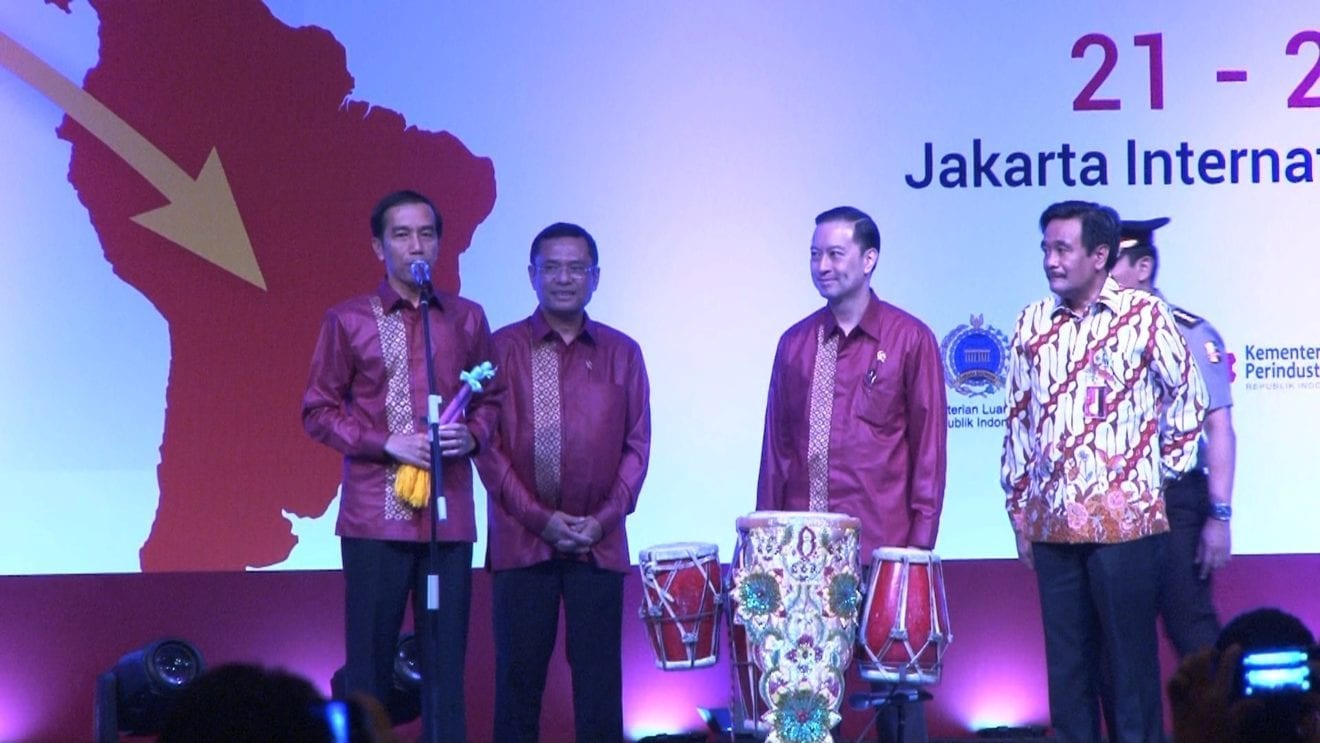
    President Joko Widodo (Jokowi) on Saturday opened the main event of Sail Karimata 2016 which took place at Pulau Datuk beach in Sukadana, North Kayong District, West Kalimantan.

    “I want to remind that 71 percent of Indonesian territory is made up of sea water which serves not only for our feature but also to hold more than 17 thousand islands in our country. In addition, the sea does not separate us but unites us together,” President Jokowi remarked in his opening address.

    In the company of among others Coordinating Minister of Maritime Affairs Luhut Binsar Panjaitan as the chairman of Sail Karimata national committee, Tourism Minister Arif Yahya, and West Kalimantan Governor Cornelis, the head of state opened the Sail Karimata main event by pressing a siren.

    On the occation, Jokowi conveyed a sense of joy and gratitude to friendly countries, participating in such an international maritime event which is organized every year.

    “This international maritime event should not be stopped or restricted with a mere ceremony, but I want it to continue to be organized to properly keep our marine resources and to return our maritime culture,” Jokowi said.

    He mentioned that the ocean must be protected from illegal fishing and pollution because it is the driver of national economy.

    “We are currently developing our marine tourism such as that of Bunaken Marine Park, Tomini Bay, Karimata Strait, Raja Ampat, and many more. We are building marine tourism supporting infrastructure and facilities with intensive promotion to introduce beautiful places in Indonesia worldwide,” the president noted.

    In the meantime, Maritime Affairs Minister Panjaitan explained that eight provinces in Indonesia took part in the Sail Karimata international maritime event 2016.

    “It aims to encourage and accelerate the development of disadvantaged areas. We will evaluate and try to make it a sustainable program,” Panjaitan said.

    The maritime affairs minister added that to encourage the tourism sector, numerous supporting infrastructure and facilities such as public toilets have been built.

    “In addition, some 200 units of houses have been built for fishermen, and we will continue to follow it up,” the minister said, adding that Sail Karimata 2016 is also participated in by 36 participants from foreign countries and most of them are from the United States.

  • Axiata has no plans to downsize regional operations

    Axiata has no plans to downsize regional operations

    Axiata Group has no plans to downsize its operations in any of its eight markets, according to CEO Jamaludin Ibrahim.

    Last months, reports suggested that the company is considering selling stakes in its Indonesian, Cambodian and Sri Lankan operations, leading to speculation that the company may seek to exit the markets.

    But Kamaludin said Axiata Group is a long-term investor in each of its operating countries, the Khmer Times reported. Regardless of if the company does plan to reduce its stakes in the regional operations, the group will maintain majority ownership.

    He also told  that if the company does decide to reduce its 83.3% stake in Sri Lanka’s Dialog Axiata, money raised will be reinvested back into Sri Lanka for another venture.

    We quote Axiata’s group chief strategy officer repeating the same sentiment for funds raised through any divestment of Cambodia’s Smart Axiata.

    According to last month’s reports, Axiata was said to be seeking buyers for stakes worth up to $700 million in the regional subsidiaries. The reports indicated that the potential sales are part of efforts to reduce the group’s debt, although Axiata executives are declining to comment on this aspect.

    But Kamaludin said Axiata Group invests around $600 million to $700 million per year in expanding its regional operations.

  • Daimler Trucks to increase its sales activities in core market Indonesia

    Daimler Trucks to increase its sales activities in core market Indonesia

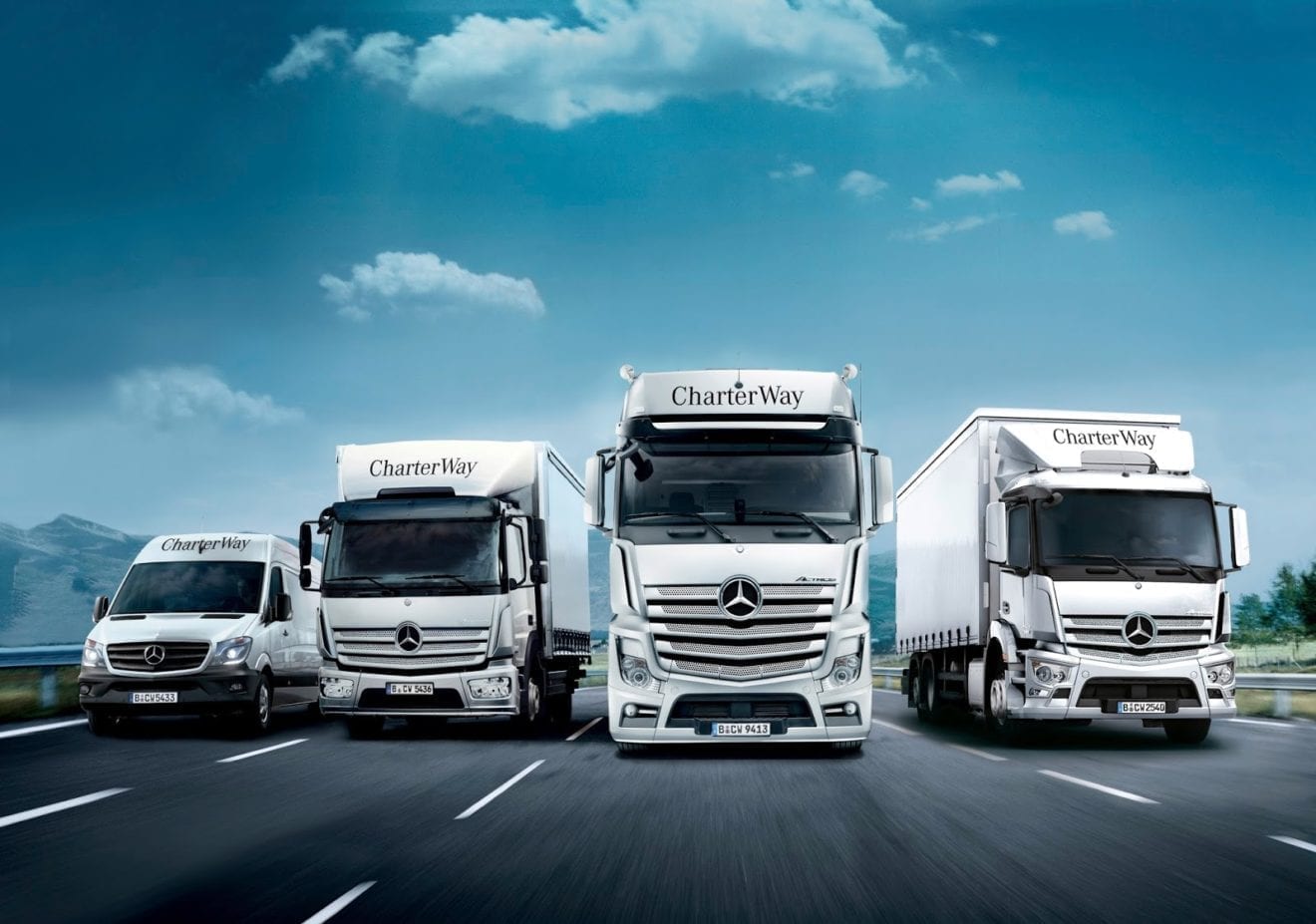
    Daimler Trucks, the world’s leading truck manufacturer with a strong foothold in Asia, is enhancing its position in commercial vehicles in its core market Indonesia. The Daimler Trucks subsidiary FUSO (Mitsubishi Fuso Truck and Bus Corporation, MFTBC), Mitsubishi Corporation (MC), Mitsubishi Motors Corporation (MMC), and the Indonesian company PT Krama Yudha (KY) have signed a respective framework agreement. As part of this agreement, the Indonesian trade and sales partner PT Krama Yudha Tiga Berlian Motors (KTB) will focus exclusively on selling FUSO brand commercial vehicles. KTB’s passenger car business will be transferred to an independent legal entity. At the same time, FUSO will increase its stake in the newly structured company KTB from 18 to 30 percent.

    Dr. Wolfgang Bernhard, Member of the Board of Management of Daimler AG for Daimler Trucks & Buses: “By increasing our stake in our partner KTB, we are underlining the importance of the Indonesian market and can be even more active locally. Concentrating our sales activities completely on the commercial vehicle market fits perfectly into our Daimler Trucks strategy of consistently focusing on the needs of our customers. With this shift, we as market leader are positioning ourselves in order to continue to tap market potential in Indonesia in the best way possible.”

    Marc Llistosella, President and CEO of Mitsubishi Fuso Truck and Bus Corporation and Head of Daimler Trucks Asia: “With our FUSO brand we have been the clear market leader in Indonesia for over 40 years. By increasing our stake in KTB, we can expand on our position even further.”

    With a current market share of about 47 percent, FUSO has been leading the Indonesian market for 46 years in a row since 1970. The country is the largest export market for the FUSO brand. The light duty truck Fuso Canter, which is sold under the name FUSO Colt Diesel, is the absolute top-seller in Indonesia.

    The current restructuring of KTB results in the following shareholder composition: FUSO (MFTBC) holds 30 percent, Krama Yudha (KY) 40 percent and Mitsubishi Corporation (MC) 30 percent. The overall transaction is subject to customary conditions precedent including merger control clearances.

    KTB will serve as dedicated wholesaler and distributor of FUSO vehicles in the Indonesian market and will continue to hold its stake in the related production business, which is responsible for vehicle assembly in Indonesia.

    For Daimler Trucks, this transaction is another important step forward in implementing its strategy of global and consistent orientation towards the requirements of commercial vehicle customers. To this end, Daimler Trucks is partially repositioning its sales and service organizations around the world with a clear focus on the commercial vehicle business. Daimler Trucks is thereby putting regional and national customer orientation at the center of its operations.

    Indonesia has a population of about 250 million people, of which 70 percent are under the age of 40. In 2016, the annual GDP growth rate is at 5.1 percent. The middle class is forecasted to expand to more than 140 million people by the year 2020. Indonesia is the world’s fourth most populous country with growth prospects, which are expected to be supported by a large number of infrastructure projects in the near future. It can be assumed that the infrastructure sector will expand further and result in an increasing demand for commercial vehicles.

  • New Mitsubishi Distributor to Boost Sales Operations in Indonesia

    New Mitsubishi Distributor to Boost Sales Operations in Indonesia

    Mitsubishi Motors Corporation (MMC) and business partners Mitsubishi Corporation (MC), PT Krama Yudha (KY) and Mitsubishi FUSO Truck and Bus Corporation (MFTBC) reached a basic agreement on restructuring MMC-brand vehicle sales operations in Indonesia in order to strengthen their Indonesian operating base.

    Under the basic agreement, the current distributor PT Krama Yudha Tiga Berlian Motors (KTB) will be split into MMC and MFTBC brands and a new distributor dedicated to the MMC brand will be set up. The new distributor will enhance MMC’s passenger car sales organization in Indonesia through promoting areas such as branding, sales personnel training, improving the quality of after-sales services and building up the dealer network. The new company is due to start sales operations in April 2017.

    MMC, in partnership with MC and KY began automobile production and sales in 1970 and since then business has grown focusing mainly on commercial vehicle sales.

    To meet further expected growth in the Indonesian passenger car market, MMC is preparing to commence production in April 2017 in a new factory at Mitsubishi Motors Krama Yudha Indonesia (MMKI). In October 2017, MMC also plans to start production of a new compact MPV segment model for which there is a large demand in Indonesia.

    MMC will work to further expand profits in Indonesia through expanding its model lineup, moving its focus from small commercial vehicles to passenger vehicles, strengthening the sales aspect with the new MMC brand-focused distributor in addition to production through the new factory at MMKI and new product.

  • BNI posts net profit of Rp7.72 trillion in Q3

    BNI posts net profit of Rp7.72 trillion in Q3

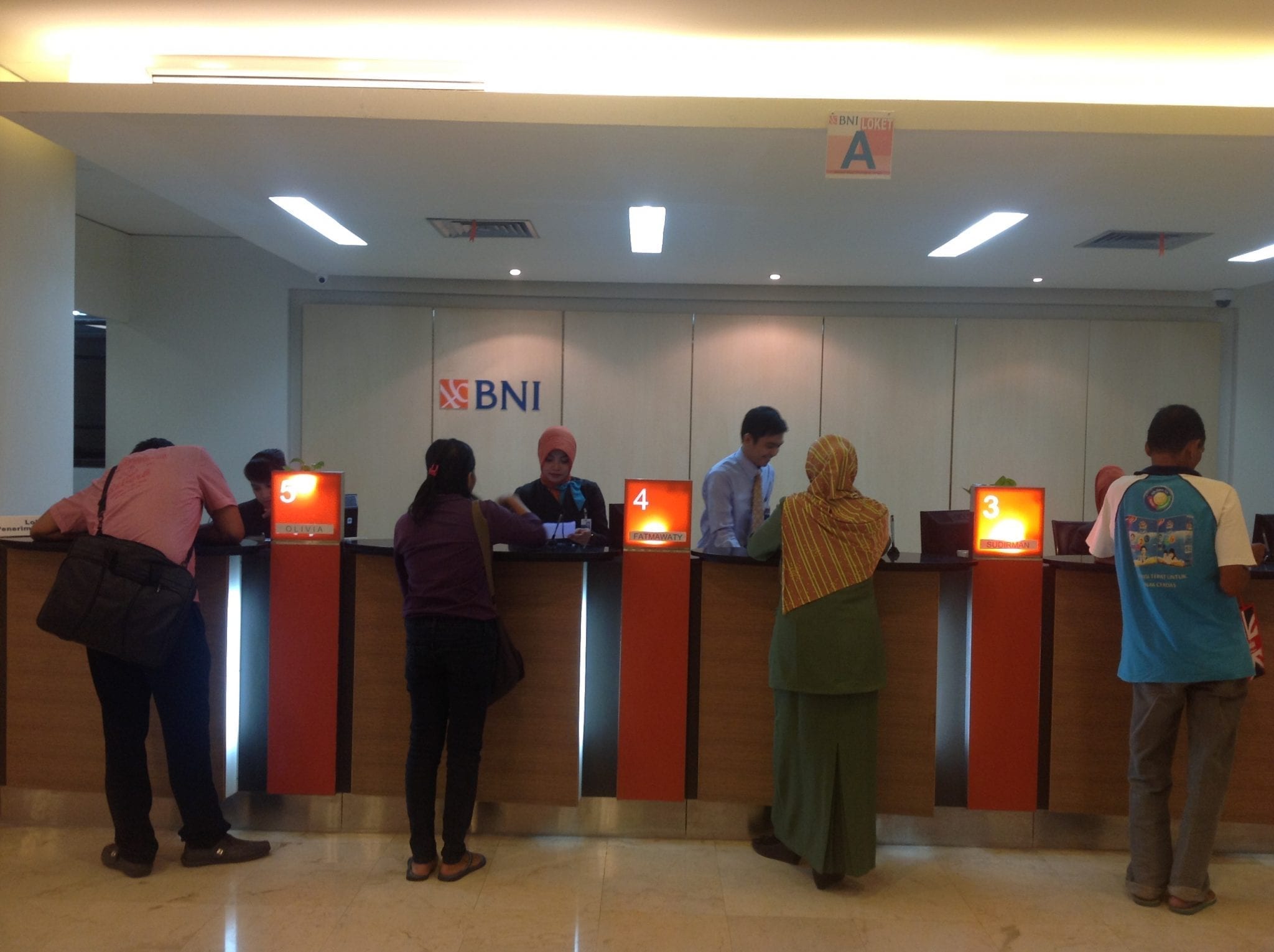
    State lender Bank Negara Indonesia (BNI) posted a net profit of Rp7.72 trillion in the third quarter of 2016, up 28.7 percent from the same period last year.

    The double-digit profit growth was fueled by net interest income after credits grew by 21.1 percent or Rp372.02 trillion year on year, BNI President Director Ahmad Baiquni said here on Thursday.

    The net interest income grew 15 percent to Rp21.87 trillion in the July-September 2016 quarter, up from Rp19.02 trillion in the same quarter a year earlier, he noted.

    Fee-based income, meanwhile, rose 20 percent from the same quarter last year, he added.

    He informed that the BNI recorded a 6.2 percent net interest margin from the amount of credits channeled in the third quarter of 2016 .

    The bank also saw its non-interest income rising 20 percent to Rp6.24 trillion in the third quarter of 2016, fueled by a rise in commission on trade financing, account management and insurance marketing cooperation.

    The amount of credits extended in the third quarter of 2016 grew 21 percent as the bank focused on financing infrastructure projects run by state-owned companies, he pointed out.

  • Trade Expo Indonesia buying mission generates deals worth US$186.69 million

    Trade Expo Indonesia buying mission generates deals worth US$186.69 million

    Now into its second day, the Trade Expo Indonesia event has generated a total of US$186.69 million worth of transactions in the form of trade contracts.

    “Transactions worth US$178.7 million were signed on the first day while US$7.99 million worth of deals were signed on the second day,” informed the Trade Ministrys Head of National Export Development Arlinda in Jakarta, on Thursday.

    On the second day of the Expo, the buying mission contract signing was dominated by importers of food and beverage products from Australia.

    The signings were witnessed by Suprapto Martosetomo, Indonesias Ambassador to South Africa as well as the Kingdom of Lesotho, the Kingdom of Swaziland and the Republic of Botswana. The deals were signed by six importers from three countries, including Nigeria, Australia and South Africa, and eight local export businesses.

    In the pharmaceutical sector, Nigerias Jeijosh Pharma signed a deal with PT. Phapros, while Sony Trading Pty. Ltd signed a deal with PT. Mayora Indah.

    In the food and beverage products sector, PT. Pondan Pangan Makmur and PT. Sarimunik Mandiri signed a deal with Eastern Cross Trading Pty. Ltd and CV. Intrafood, while Hean Corporation and PT. Dua Kelinci signed a partnership in the same sector.

    Grein Australia Pty Ltd and PT. Sayap Mas Utama signed a deal for food and beverage products as well as consumer goods.

    Lastly, Wemco Investment & Trading Ltd and PT. KMI Wire and cable Tbk. signed a contract for wire products.

    A total of 37 trade contract signings were carried out between 30 importers from 16 countries and 34 local exporter companies based on the buying mission on the Expos second day.

    Essential oils and coconut milk were among the most sought after products and generated the most transactions, along with skilled workforce contracts from the services field.

    Other commodities that were also coveted by foreign importers included coffee, tea, cement, furniture, wires, food and beverage products, seafood, anti-fatigue mats, floor mats, cutting boards and modular tiles.

    Arlinda believes that this event has broadened Indonesias export opportunities in a number of markets, especially non-traditional ones.

    “We continue to work so that the Indonesian trade representatives contribute more overseas, while at the same time encouraging business makers to enhance the quality of their products because export opportunities are now very vast,” Arlinda remarked.

    The Trade Ministry aims for the goods trade transactions to reach US$800 million by the end of this Trade Expo, excluding the investment opportunities and services related transactions.

    It is hoped that overall, the total transactions signed can reach US$1 billion, exceeding the previous year’s figure of US$909 million of deals.

  • Iran’s first LPG cargo for Pertamina arrives in Indonesia

    Iran’s first LPG cargo for Pertamina arrives in Indonesia

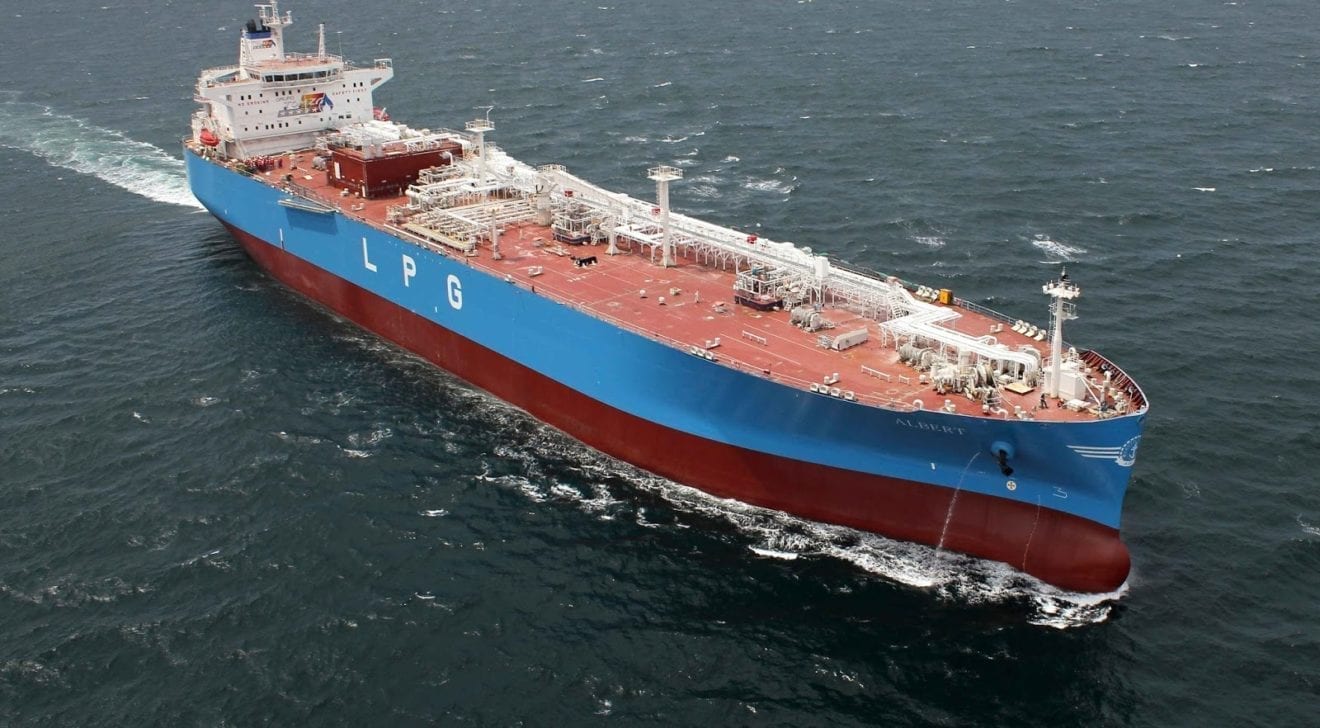
    State-run energy giant Pertamina officially received a cargo of liquefied petroleum gas (LPG) from Iran on Thursday, marking Iran’s first shipment as a new supplier of LPG to Indonesia.

    Pertamina president director Dwi Soetjipto welcomed the 44,000 metric tons of LPG transported from Asaluyeh Port in Iran 13 days ago by its VLGC Pertamina Gas 2 vessel, at Kalbut Port in Situbondo, East Java.

    According to him, the LNG shipment from the National Iranian Oil Company (NIOC) would open up other business development opportunities between Pertamina and the NIOC, in both the upstream and downstream sectors.

    “It marks a new chapter of cooperation between Pertamina and the NIOC and makes trade cooperation between Indonesia and Iran more significant,” Dwi said in a statement on Thursday.

    Earlier, the NIOC agreed to supply Pertamina with a total volume of 600,000 tons of LPG for 2016 and 2017.

    Following the arrival of the first cargo, the NIOC will immediately send the next cargo, which is expected to arrive on Nov. 20.

    In addition to the LPG purchase, the two state-run companies signed an agreement to conduct a preliminary study of two giant oil fields in Iran, namely Ab-Teymour and Mansouri, which have an oil reserve of more than 5 billion barrels.

  • Discovery Japan Mall opens online

    Discovery Japan Mall opens online

    Tokyo-based craft products retailer DigitalStudio has launched Discovery Japan Mall, a cross-border eCommerce venture.

    Specialising in Japanese brands, the mall’s initial catalogue includes mainly toys, fishing gear, cosmetics, food, watches and fashion. About 100 Japanese companies have opened stores on the mall, offering about 15,000 items.

    Shipping is available to more than 120 countries and regions, and as part of the opening campaign free international shipping is offered for orders worth JPY 20,000 (US$190) or more until the end of this month.

    As well as credit cards, the mall supports payment by AliPay, PayPal, UnionPay and WeChat. The website is available in English, simplified and traditional Chinese, Indonesian, Korean and Thai. Purchases can be made by smartphone, and all orders include tracking and shipping insurance, plus delivery from Japan.

    Discovery Japan Mall representative Norio Itabashi says many hidden Japanese products do not reach the overseas market, and the mall is working with craftsmen and manufacturers to sell unique products.

    DigitalStudio was established in 2003 with the aim of “continuing to bring Japan to the world”.

  • FJ Benjamin granted Casio Indonesia rights

    FJ Benjamin granted Casio Indonesia rights

    Singapore-listed fashion and lifestyle group FJ Benjamin has had a celebration to mark it gaining the Casio Indonesia rights to retail the full range of the Japanese watch brand’s watches.

    The brands include Baby-G, Edifice and G-Shock.

    While Casio distributes products to retailers in Indonesia already, only FJ Benjamin has the full range as exclusive retailer for all categories, CEO Nash Benjamin said at a Casio media event at a Jakarta nightclub venue attended by more than 1000 guests.

    He expects the watches to be sold at about 60 sales outlets in the first year. Associate Gilang Agung Persada is setting up G-Shock boutiques and stand-alone counters in malls across Indonesia, as well as selling Casio brands in 30 stores under its two multi-label watch chains, Watch Engine and Watch Zone.

    A G-Shock boutique opened at the end of August at the new St Moritz mall complex, which also houses high-end apartments.

    Benjamin says his company contacted Casio as it has an interest in G-Shock. “Casio came to Indonesia, saw our network of retail stores and was satisfied we could do a good job.”

    Casio senior executive managing officers and senior GM Shigenori Itoh says the company has had double-digit growth in Asia for the past three years.

    Meanwhile, Benjamin says his company could have up to 80 “or maybe even 100” stores in Indonesia in the next four to five years.

    FJ Benjamin has also won exclusive distribution rights in Indonesia for US fashion brand Marc Jacobs.

  • Huawei Marine to build backbone network for PNG

    Huawei Marine to build backbone network for PNG

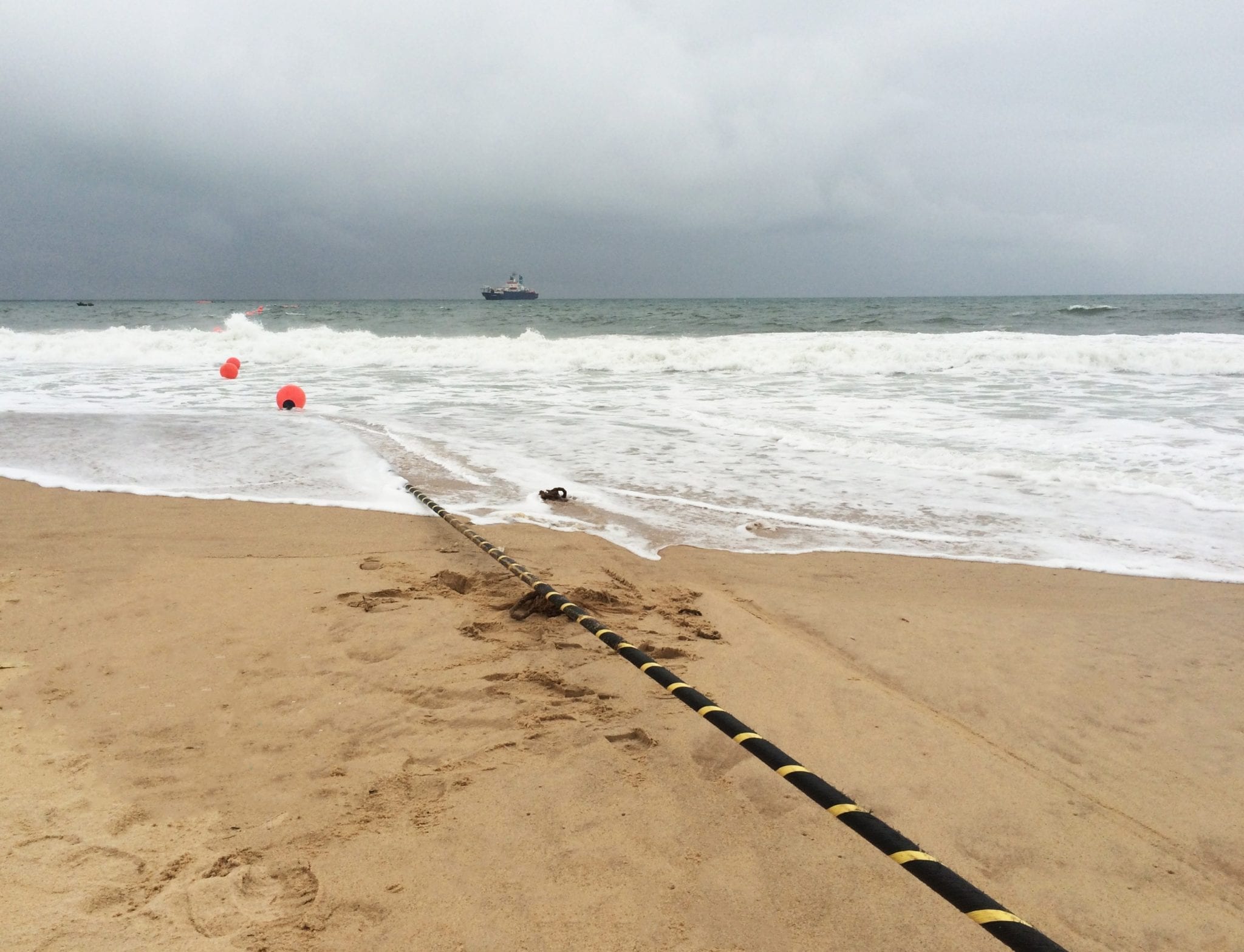
    Huawei Marine has secured a contract to build a national subsea cable backbone network for the Papua New Guinea government.

    The company will work with PNG DataCo, an operator established by the Papua New Guinea government, to construct a national backbone network linking major coastal centers and islands in the nation.

    The 5,457km cable network will provide domestic connectivity across the nation’s 14 largest cities, as well as international connectivity via a link to Jayapura in Indonesia.

    With a design capacity of 8Tbps, the cable will be designed provide more than 70% of Papua New Guinea’s domestic bandwidth requirements. Currently domestic telecoms capacity largely relies on satellite and microwave communications due to the country’s unique geography.

    “This new system is very important to Papua New Guinea as it not only includes a new submarine cable network but also provides internet gateways and data centers,” DataCo managing director Paul Komboi said.

    “This will improve the whole ICT infrastructure in the country and greatly increase network coverage, capacity and the availability of Internet and broadband services to end users.”

    He said Huawei Marine was selected for the project through a competitive tender process.

  • Mobile Banking Users in Indonesia Remains Low

    Mobile Banking Users in Indonesia Remains Low

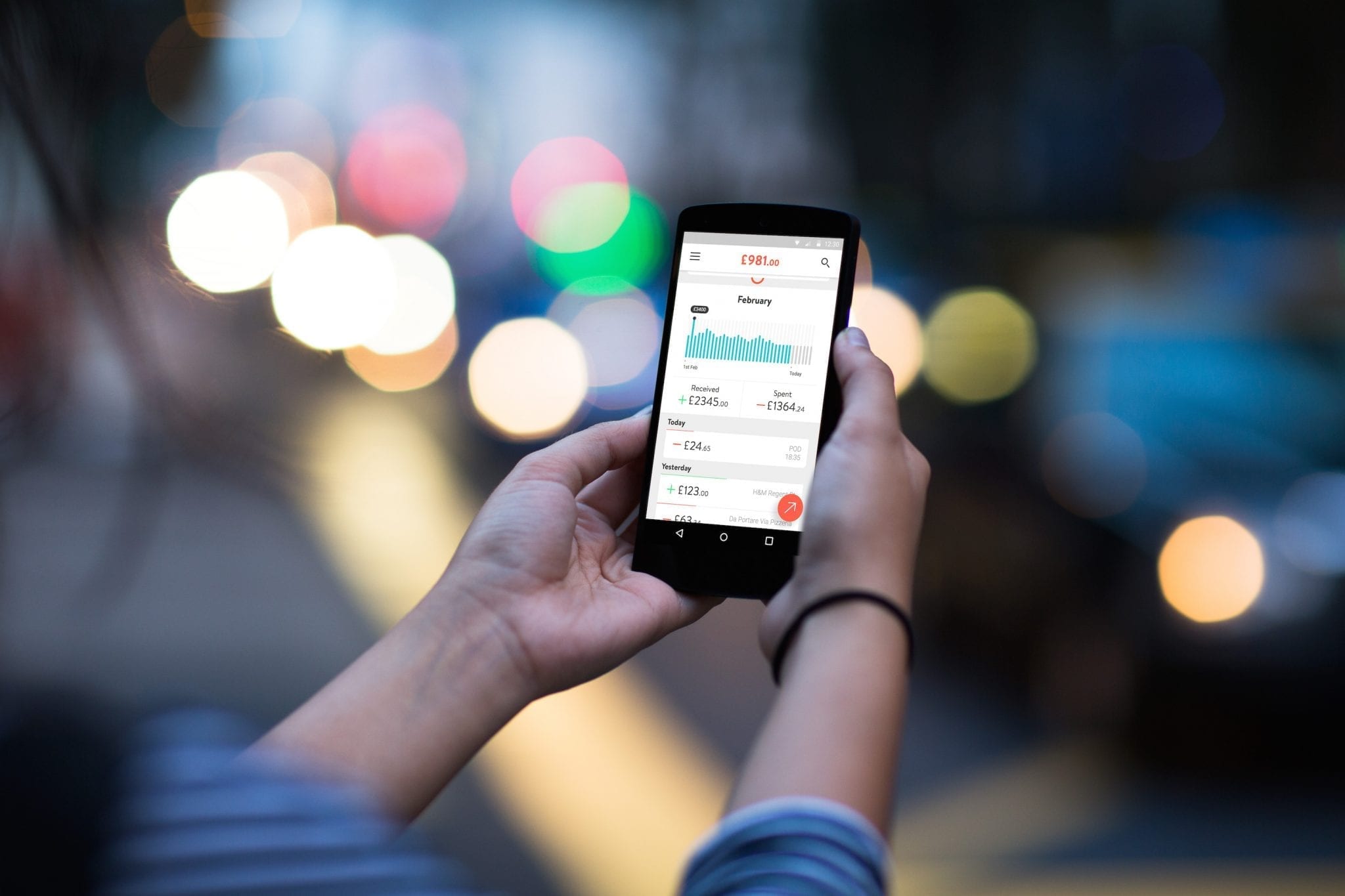
    Research institute Microsave reported that only 0.73 percent of cellphone users in Indonesia have utilized online financial services.

    “The figure is lower than those of Malaysia with 5.79 percent and Cambodia with 2.73 percent,” Microsave Country Development Senior Manager Grace Retnowati said on Wednesday, October 12, 2016.

    Grace revealed that the number of SIM card users in Indonesia stands at almost 200 million. At least 20 percent of them are cellphone users.

    “Mobile device utilization for financial services remains low, although the Internet network coverage has reached 90 percent,” Grace added.

    In addition, Grace pointed out that only 36 percent of Indonesian people own bank accounts.

    “The awareness level for mobile banking services is only 0.3 percent,” Grace went on.

    According to Grace, the digital financial literacy is important for middle-class and low-income people.

    “The digital financial services are expected to boost the annual GDP by US$3.7 trillion in 2025 or six percent when compared to the conventional financial services,” Grace said.

    Grace suggested that payments made via smartphone would reduce the cost of financial services by 80 to 90 percent.

    “The cost efficiency will allow financial institutions to provide low-cost services,” Grace said.

  • Number of Indian tourists to Bali rises by 61.57%

    Number of Indian tourists to Bali rises by 61.57%

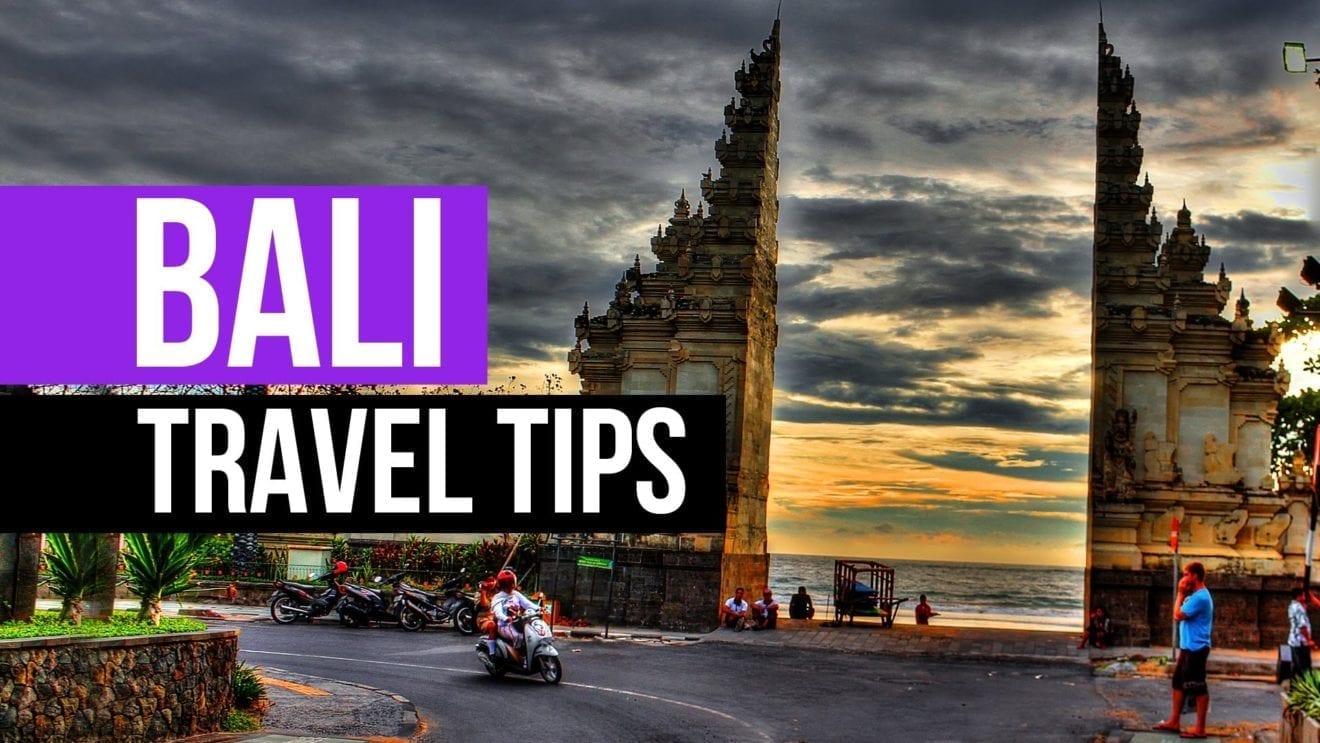
    The number of Indian tourists visiting Bali has increased by 61.57 percent — the highest rise among all countries — compared to the same period last year, from 72,969 to 117,897 people.

    “India ranks fifth among the top 10 countries visiting the island, after Australia, China, Japan and the UK,” Adi Nugroho, head of Balis Central Statistics Agency (BPS), said on Wednesday.

    Indian tourists constitute 3.69 percent of the total foreign tourists visiting Bali. About 3.19 million tourists have visited the destination in the first eight months of 2016. This figure is by 22.76 percent higher than the number of visitors seen during the same period last year, which was 2.6 million.

    India tops the list of countries that have seen the highest rise in the number of visitors to Bali, followed by the UK (42.56 percent) and China (35.06 percent), Nugroho said. The number of German tourists has risen by 35.05 percent, French by 31.48 percent, Australian by 18.51 percent and Japanese by 7.98 percent.

    Bali tourism practitioner Made Sudana said Bali is seeing an increasing number of Indian tourists because of the similarity between both places in terms of art, culture and Hinduism. Improved cooperation between India and Indonesia has also had a positive effect. Bali has actively pursued this as it expects more and more Indian tourists to visit the island.

    Earlier, Indonesian Ambassador to India, Rizali W Indrakesuma, said the Indonesian government is seeking direct flights to India and vice-versa. Direct flights are important as they will help increase the number of Indian tourists as well as facilitate business and investment opportunities between both countries.