Tag: Indonesia

  • 30 percent of Egyptian coffee from Indonesia

    30 percent of Egyptian coffee from Indonesia

    Indonesia’s Ambassador to Egypt, Helmy Fauzy, said that some 30 percent of the coffee in Egypt comes from Indonesia, which is the leading coffee importer in Egypt.

    “This is the reason we bring potential investors from Egypt to Gorontalo, to meet the coffee suppliers, especially to see Robusta coffee,” said Helmy at the “Indonesia Middle East Update (IMEU) 2016”, held in Gorontalo on Oct 9, 2016.

    He explained that Indonesias relationship with Egypt has always been very close, as there are about 4,500 Indonesian students studying in Egypt.

    According to Helmy, Indonesian products have superior penetration in some markets in Egypt, though the volume remains small, at about 1.42 percent. Conversely, imports from Egypt to Indonesia are just 0.09 percent, but volume continues to increase sharply.

    “In the first half year, the trade volume between the two countries has almost reached one billion US dollars and continues to increase,” he said.

    An official of the Ministry of Foreign Affairs, Ridwan Yasin, explains that IMEU is a concrete form of cooperation between the Ministry of Foreign Affairs and the Middle East Directorate of the Ministry of Foreign Affairs, in cooperation with local governments.

    “This is a concrete manifestation of cooperation between the foreign ministry and the local government, to improve the economy in this area,” he explained.

    He said he hoped this year that the IMEU could provide great benefits and a real contribution to economic development in Gorontalo province, and cooperation with countries in the Middle East.

    He added that the Ministry of Foreign Affairs, through Indonesian embassies abroad, never stops scheduling promotions, which provide an opportunity for the region to offer a variety of investments.

    “But the most important thing to keep the investment climate in the area is changing society’s mindset, so they can accept foreigners and work together here, for the mutual benefit of both sides,” he said.


  • Mastercard Appoints President for Indonesia, Malaysia and Brunei

    Mastercard Appoints President for Indonesia, Malaysia and Brunei

    Now he will also be in charge of encouraging the implementation of digital payment technology.

    Previously based in Kuala Lumpur, Khan and his division will now be headquartered in Jakarta. Mastercard considers this a move towards recognition of Southeast Asia’s developing countries, whose economy has been predicted to be worth billions of dollars.

    The move was also triggered by the formation of ASEAN Economic Community (AEC), where the ongoing economic integration gives a potential for Mastercard to gain influence.

    “AEC stands as a landmark to integrate the region’s economy. Safdar Khan’s appointment would serve as evidence of Mastercard’s focus in building a strong, relevant and influential business in Southeast Asia. This appointment shows our continuing commitment to empower the great leaders who can encourage innovations and inclusion in a meaningful and interconnected way,” Mastercard Asia Pacific co-president Ari Sarker said.

    Sarker also appreciated Khan’s profound knowledge about the customers, regulators and government bodies.

  • Assets of sharia banks increase to Rp305.5 trillion

    Assets of sharia banks increase to Rp305.5 trillion

    The assets of sharia banks rose 18.49 percent year-on-year to Rp305.5 trillion by July, 2016 on growing third party funds.

    Third party funds held by sharia banks rose 12.54 percent to Rp243 trillion in the same period, Chairman of the Board of Commissioners of the Financial Service Authority (OJK) Muliaman Hadad said in a news release received here on Sunday.

    “The rise in third party fund resulted in an increase of 7.47 percent in sharia financing to Rp220.1 trillion from Rp204.8 trillion,” Muliaman Hadad said at a seminar on sharia financing in Washington, the United States, organized by the World Bank and the Islamic Financial Services Board.

    The rise in sharia financing contributed to increase sharia share of the banking market to 4.81 percent in July, 2016 from 4.6 percent in July 2015. The market share rose to 5.13 percent if conversion of the Aseh Development Bank to Sharia bank was taken into account.

    Muliaman said sharia finance could be an instrument to achieve Sustainable Development Goals (SDGs) as called for by the United Nations.

    “The typical principles of sharia finance which give emphasis on equitable income and is oriented to environmental social activities, make development of sharia financial system very relevant with the SDGS goals,” he said.

    Sharia finance covers not only poverty aspect but also health care, education, gender equal treatment, infrastructure development, economic development, anticipation of climate change, etc, he said.

    He said sharia banking industry has grown in Indonesia as indicated by the decline in Non-Performing Financing (NPF) ratio to 4.81 percent by July 2016.

    Return on Assets (ROA) rose to 1.06 percent by July, 2016 from 0.91 percent by July 2015. As for the ratio of operating cost to operating income has improved to 92.78 percent from 94.19 percent.

    In addition, there was an increase in capital adequacy of sharia banks as reflected in the Capital Adequacy Ratio (CAR) to 14.86 percent in July 2016 from 14.47 percent last year.

    The assets of sharia non bank finance industry rose 23.18 percent to Rp80.1 trillion by July 2016.

    Global sharia bonds contributed 23.3 percent or US$10.15 billion to the total value of international sovereign bonds.

    Indonesia is the first country to issue sharia retail bonds.

    Muliaman said sharia capital market could also play a significant role in financing the governments infrastructure projects.

    Separately a member of the OJK board of commissioner Firdaus Djaelani said in Semarang, the country had sharia banks, 22 conventional banks having sharia units and 165 sharia people financing banks.

    Firdaus said based on data in September, 2016, there were 36 investment managers issuing sharia mutual fund (Reksadana), 12 securities companies issuing sharia on line trading system, 326 issuers and public companies with sharia shares and 51 series of corporate sharia bonds and 53 series of state sharia bonds have been issued.

    Assets in sharia products in the stock exchange were valued at Rp3,272.84 trillion consisting of market capitalization of sharia shares, sharia mutual funds and corporate sharia bonds.

  • North Sumatra`s rubber exports down 20 percent

    North Sumatra`s rubber exports down 20 percent

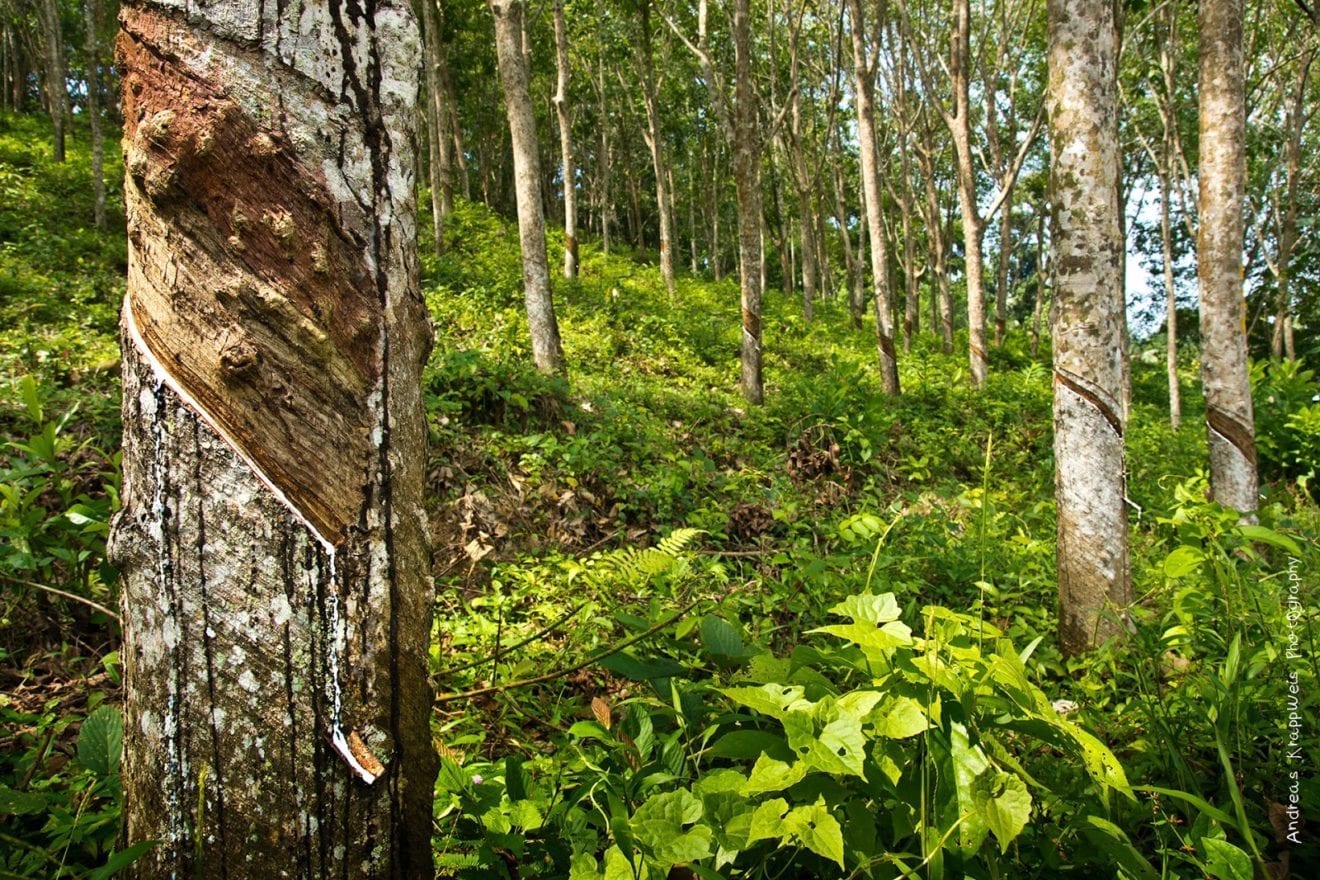
    North Sumatras rubber exports in the year to August 2016 plunged 20.84 percent compared to the same period last year.

    “By August 2016, North Sumatras rubber and rubber product exports fell to US$633.996 million from US$800.864 million in the same period last year,” chief of the production statistic section at the Central Statistics Agency (BPS) office in North Sumatra, Bismark SP Sitinjak said here on Saturday.

    The shortfall in foreign exchange earnings was the result of lingering global crisis, leading to low demand for the commodity in the global market. he said.

    With the decline, the provinces rubber exports will most likely drop throughout this year compared to a year earlier, he said.

  • Importing gas will not help deal with rising prices

    Importing gas will not help deal with rising prices

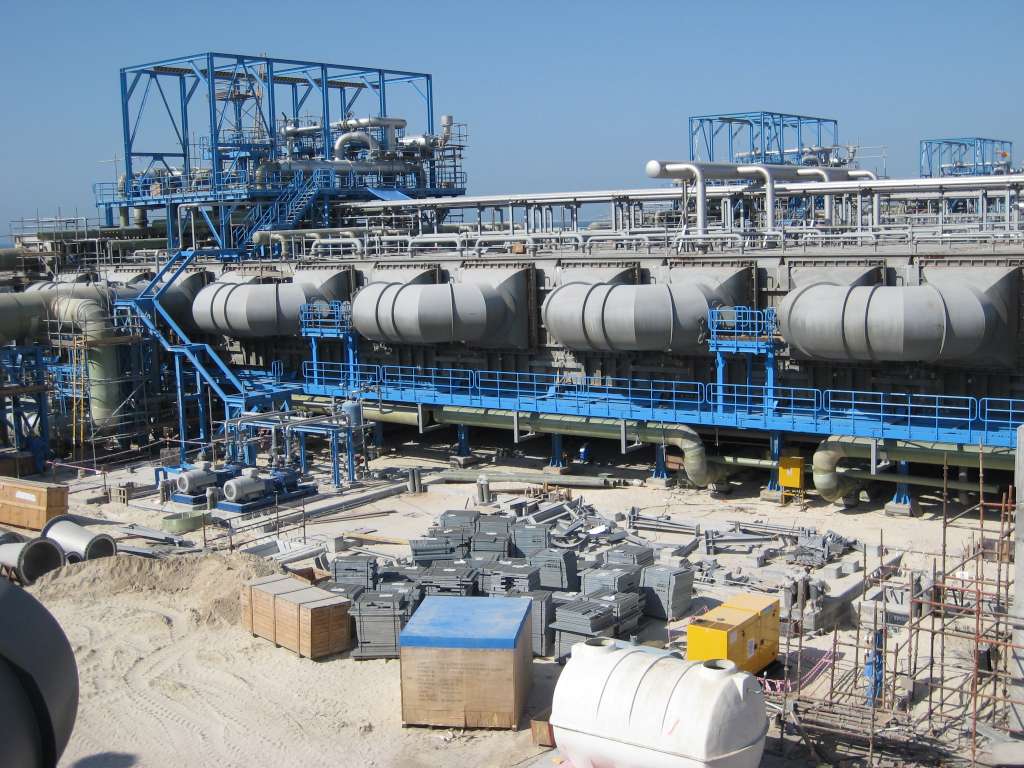
    The Energy and Mineral Resources Ministry has stated that the proposal of the Indonesian Petroleum Association (IPA) to import gas will not help the governments effort to curb gas prices applicable to the industry.

    The proposal is one of the many options to cut gas prices for industries, Director General of Oil and Gas at the Energy and Mineral Resources Ministry, IGN Wiratmaja Puja, said here on Monday.

    “There are many options to bring down the gas prices, from upstream, midstream to downstream levels. But we have to look at the data in detail,” he noted.

    Purchasing gas from other countries will not significantly affect the global gas prices, he added.

    If Indonesia intends to import gas, it must be far cheaper than the locally produced gas. In addition, the nation must also consider additional charges accrued in transporting gas from abroad and the cost to change it into liquefied natural gas (LNG), he reminded.

    “Admittedly, when bought from Qatar, gas will be slightly cheaper, but if the cost of transportation is added to the price, then it will not be much different from that of local gas. The US gas is currently being sold at US$2.5 per mmbtu but we need to study the cost to change it into LNG to facilitate its shipment to the rest of the country. Clearly, it will not be able to help us very much,” he pointed out.

    He underlined that the policy to import gas must consider the situation on the domestic production front. The concept of supply and demand will prevail. Besides, the policy gas import will not be allowed in case of overproduction.

  • Japan to possibly take part in East Natuna gas exploitation

    Japan to possibly take part in East Natuna gas exploitation

    Indonesias state-owned energy company, PT Pertamina, has hailed a senior minister for proposing to invite Japan to participate in the East Natuna Block gas project in the province of Riau Islands.

    Pertamina, ExxonMobil and PTT Thailand have formed a consortium to develop the gas field in the border region.

    “This is a big investment. The consortium is still to discuss it. I think in view of the big investment needed, it will be good if a number of parties participated. Certainly, the issue will be discussed by the consortium,” Pertaminas President Director Dwi Soetjipto said at the office of the Coordinating Minister for Maritime Affairs here on Monday.

    Coordinating Minister for Maritime Affairs Luhut Binsar Pandjaitan has invited Japan to participate in the project to exploit the East Natuna block in the Sumatran province.

    Dwi pointed out that the profit sharing concept was the crucial point to discuss.

    “What is important now is the formula to share the profits so that the project’s economic value can be realized,” he added.

    The Director General of Oil and Gas of the Ministry of Energy and Mineral Resources, IGN Wiratmaja Puja, underlined that the consortium was still discussing the production sharing contract.

    He admitted that Japan and Malaysia (Petronas) have also been invited to develop the block.

    “Japan has been invited and also Malaysia, and we hope they will be interested,” he noted.

    Malaysias Petroleum Nasional Berhad (Petronas) had indeed been a member of the consortium but later withdrew.

    Petronas joined the East Natuna consortium when the Principle of Agreement for the exploration and exploitation of East Natuna was signed on August 19, 2011.

    At the meeting with Malaysias Deputy Prime Minister Ahmad Zahid Hamidi in Malaysia early in September, Minister Luhut had invited Petronas to participate in the oil and gas exploitation in East Natuna.

    The East Natuna Block plans to first produce oil while gas production will be undertaken after a study in view of the fact that its carbon dioxide (CO2) content can reach up to 72 percent.

    The production sharing contract of the East Natuna Block could be signed even though it was expected to happen in September last year since no agreement was reached regarding the profit sharing formula.

  • BlackBerry Phones Will Live On for Die-Hard Fans in Indonesia

    BlackBerry Phones Will Live On for Die-Hard Fans in Indonesia

    BlackBerry Ltd. may have decided to stop making its iconic handsets, but that doesn’t mean the gadgets will disappear, especially in places where they’re still popular. Case in point: an Indonesian wireless company is already hatching plans to introduce its own version of the keyboard-equipped smartphone for those who can’t live without the device.

    PT Tiphone Mobile Indonesia Tbk, an affiliate of operator PT Telekomunikasi Indonesia Persero Tbk, has struck the first deal with BlackBerry to form a local joint venture called PT BB Merah Putih to make its devices in Indonesia. While the Canadian company is shifting its focus to software, Indonesia remains one of BlackBerry’s biggest markets. BlackBerry in the past launched dedicated phones and apps for the Indonesian market, home to 240 million people.

    Under the preliminary deal, Blackberry phones will be manufactured at a factory owned by a subsidiary of Tiphone Mobile for domestic sales, said Tan Lie Pin, Tiphone’s chief executive officer. Another local company is in talks to join the venture and details are being negotiated, she said in an interview.

    “More than six million people still use BlackBerry in Indonesia and we believe that BlackBerry can still grow in the Indonesian market,” Tan said. “We are very optimistic and excited.”

    BlackBerry CEO John Chen said this week the company would stop making phones and focus its attention on the more profitable and growing software business. The company plans to negotiate manufacturing agreements with multiple overseas partners. While Tan said Tiphone will manufacture phones for the Indonesian market, discussions on the venture are continuing with BlackBerry.

    BlackBerry’s popularity in Indonesia stems from its hugely popular instant-messaging app, BlackBerry Messenger, known as BBM. Many Indonesians still stick to BBM in order to connect with their curated groups of friends and family, even though some of them no longer use BlackBerry devices.

    BBM for iOS and Android devices ranked No. 1 in terms of downloads among chat apps in Indonesia in August, ahead of rival WhatsApp and Line, according to market researcher App Annie. Emtek Group, one of Indonesia’s biggest media and technology companies, signed a licensing agreement with BlackBerry in June in order to bring video content onto BBM and begin developing new applications and services for the messaging app.

  • Garuda Indonesia expects US$25 million from intl cargo

    Garuda Indonesia expects US$25 million from intl cargo

    The Indonesian flight carrier, Garuda Indonesia, is expecting US$25 million from international cargo service by the end of 2016.

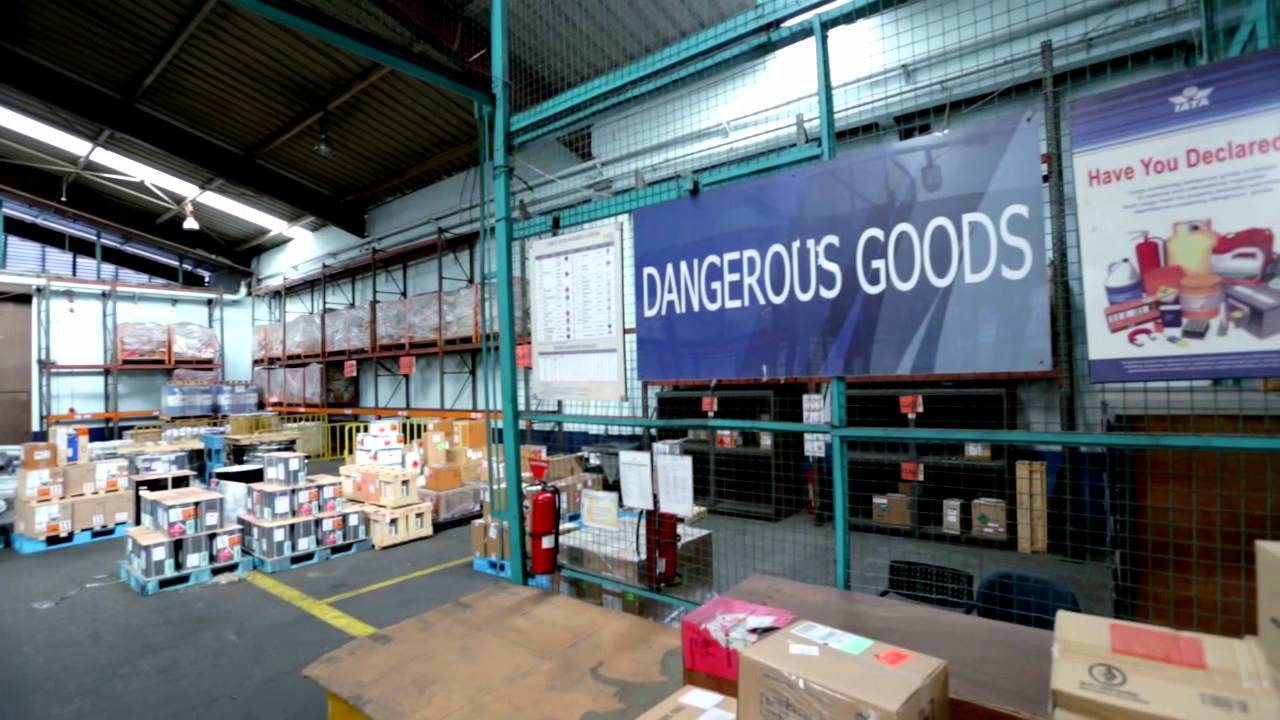
    “Currently, the average income from cargo per month is US$21 million. Business cargo, mainly catering to the international market, will continue to support the company’s revenue stream,” President Director of Garuda, Arif Wibowo, said here on Tuesday.

    According to him, one of the strategies developed by the company to increase the cargo capacity is to open international flights.

    “We should explore international markets and also enlarge our cargo capacity on overseas flights,” he added.

    He pointed out that the largest component of cargo business of Garuda currently comes from China, covering Canton and Shanghai, reaching about 20 tons per day.

    Meanwhile, the cargo capacity from Tokyo and South Korea is about 20 tons per day, and from Europe is around 14-15 tons per day.

    To capture the growth opportunity in the cargo business, in particular in the international market, Garuda is opening new routes and adding frequencies of domestic flights to a number of foreign countries.

    For instance, he stated, the Jakarta-Madina flight will be available in December 2016. Also, the Surabaya-Madina route will be opened.

    To support its flight expansion plans, Garuda provides 50 units of Boeing737 MAX, while its subsidiary, Citilink, provides 50 units of Airbus A320.

    Regarding the business expansion to China, Garuda will soon open an international flight on the Denpasar-Chengdu route in January.

  • BlackBerry still exceedingly popular in Indonesia

    BlackBerry still exceedingly popular in Indonesia

    BlackBerry may have decided to stop designing its iconic handsets in-house, but that doesn’t mean the gadgets will disappear, especially in places where they’re still popular.

    A case in point is the Indonesian wireless company that is already hatching plans to introduce its own version of the keyboard-equipped smartphone for those who can’t live without the device.

    PT Tiphone Mobile Indonesia Tbk, an affiliate of operator PT Telekomunikasi Indonesia Persero Tbk, has struck the first deal with BlackBerry to form a local joint venture called PT BB Merah Putih to make its devices in Indonesia.

    While the BlackBerry is shifting its focus to software, Indonesia remains one of the Waterloo company’s biggest markets. BlackBerry in the past launched dedicated phones and apps for the Indonesian market, home to 240 million people.

    Under the preliminary deal, BlackBerry phones will be manufactured at a factory owned by a subsidiary of Tiphone Mobile for domestic sales, said Tan Lie Pin, Tiphone’s chief executive officer. Another local company is in talks to join the venture and details are being negotiated, she said.

    “More than six million people still use BlackBerry in Indonesia and we believe that BlackBerry can still grow in the Indonesian market,” Tan said. “We are very optimistic and excited.”

    BlackBerry CEO John Chen said Wednesday that the company would stop designing phones and focus its attention on the more profitable and growing software business.

    The company plans to negotiate manufacturing agreements with multiple overseas partners. While Tan said Tiphone will manufacture phones for the Indonesian market, discussions on the venture are continuing with BlackBerry.

    BlackBerry’s popularity in Indonesia stems from its hugely popular instant-messaging app, BlackBerry Messenger, known as BBM. Many Indonesians still stick to BBM in order to connect with their curated groups of friends and family, even though some of them no longer use BlackBerry devices.

    BBM for iOS and Android devices ranked No. 1 in terms of downloads among chat apps in Indonesia in August, ahead of rival WhatsApp and Line, according to market researcher App Annie.

    Emtek Group, one of Indonesia’s biggest media and technology companies, signed a licensing agreement with BlackBerry in June in order to bring video content onto BBM and begin developing new applications and services for the messaging app.

  • IDX Suspends Bumi Citra Permai

    IDX Suspends Bumi Citra Permai

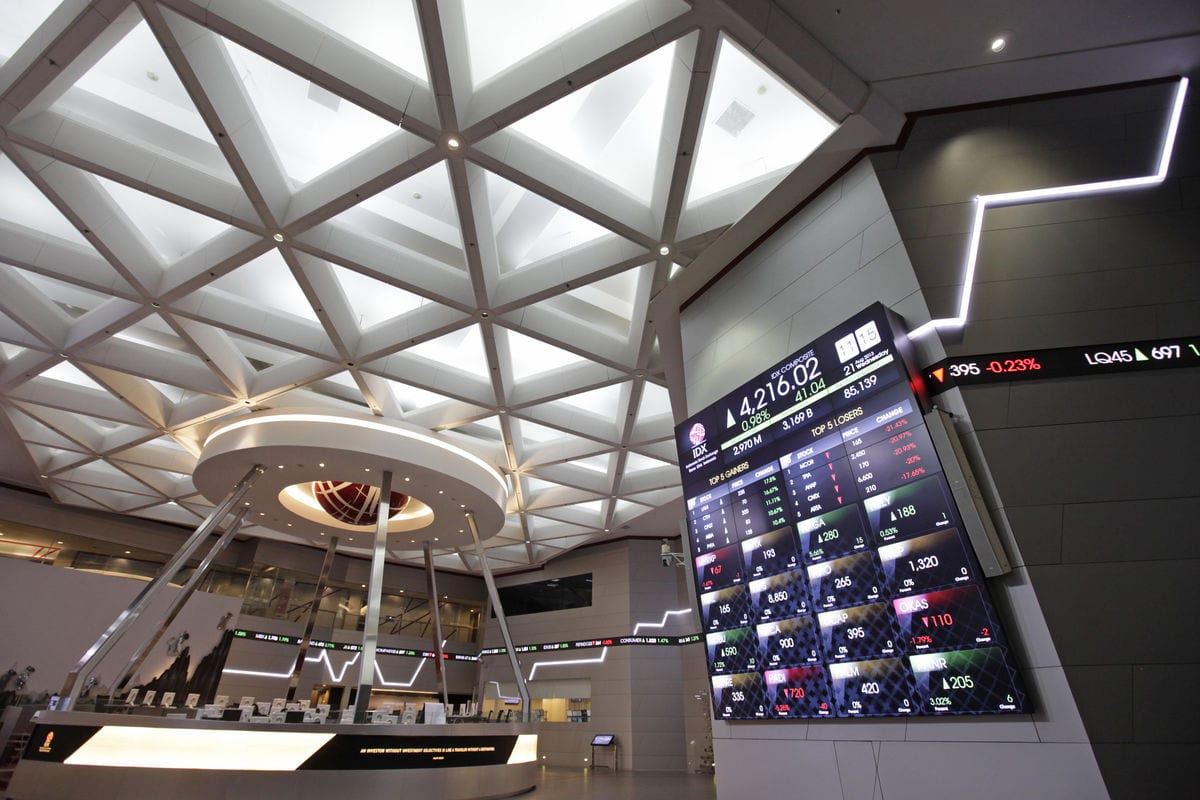
    The Indonesia Stock Exchange (IDX) has suspended the Bumi Citra Permai (BCIP) from trading because of significant, cumulative stock price declines.

    BCIP opened at Rp478 per share before plunging 46 bps (9.62%) to Rp432.

    “With regards to BCIP’s significant, cumulative price drops, the IDX deems it necessary to suspend the stock from being traded,” IDX head for transaction supervision Irvan Susandy said in an exposure on Friday, October 7.

    BCIP is not only suspended from trading in the regular market but also in the secondary market, starting today, October 7. The suspension is aimed at giving investors enough time to make thoughtful considerations in deciding what to do with their BCIP stocks.

    BCIP is an issuer engaged in the field of real estate, construction, trading, mining, services, transportation, publishing, and agriculture. The company’s main businesses are real-estate and water management, operated by subsidiary Milwater Pratama Mandiri.

    BCIP also has two real estate subsidiaries Millenium Power and Citra Permai Pesona.

  • Surge in Coal Prices Buoys Miners’ Shares

    Surge in Coal Prices Buoys Miners’ Shares

    A recovery in coal prices in recent months has buoyed shares of local coal companies and returned confidence to a sector that has long struggled with low demand.

    Indonesia’s thermal coal benchmark price rose to $63.93 per metric ton in September — its highest in 17 months — continuing a five-month rally after bottoming out in May, according to the latest data compiled by the Ministry of Energy and Mineral Resources.

    China, traditionally Indonesia’s main coal market, has capped its domestic coal mining output, forcing electricity producers to start importing coal once more. Limited stocks from the main exporters, such as Australia and Indonesia — due to a prolonged wet season — also stoked the commodity’s price in the global market.

    Against that setting, shares of Bumi Resources, Indonesia’s largest coal producer, surged by as much as 23 percent this week after the Indonesia Stock Exchange (IDX) lifted a suspension on the company’s shares on Wednesday. The suspension began on June 30 after Bumi failed to submit its first-quarter financial report.

    NH Korindo Securities head research analyst Reza Priyambada said positive sentiment from the commodity’s price has buoyed even a debt-ridden company such as Bumi.

    Shares of state-controlled miner Tambang Batubara Bukit Asam, have risen 70 percent in the past five months. Indo Tambangraya Megah, the local coal mining unit of Thailand’s Banpu, rose 47 percent in the same period.

    However, Reza warned that in the longer term, miners’ share prices would depend on their own fundamental performance.

    “It all depends on how the coal miners are making their next moves. For example, extending or renewing their coal contracts, or diversifying their businesses,” Reza said.

    Indonesia’s coal production fell 14 percent to 241.1 million tons of oil equivalent last year compared to a year earlier, as demand from China and other markets decreased, according to the BP Statistical Review of World Energy 2016.

    For coal producers, the power sector is another business alternative to mitigate their losses from last year’s weak coal prices. The power sector is attracting several coal producers because the government wants to add 35,000 megawatts to the national power grid to boost investment.

    Adaro Energy, whose shares surged 164 percent so far this year, diversified its business from coal production to power generation. Construction of the company’s 2,000-megawatt coal-fired power plant in Batang, Central Java, has finally started and it is expected to generate $80 million per month for the consortium that built and operates it, when it starts operations in 2020.

    Coal will remain the main supply for power plants, which will eventually boost domestic consumption of the resource and provide long-term benefits to miners and producers.

    Oil and gas giant British Petroleum also noted that coal consumption in Indonesia — now the eight-largest coal user in the world — will continue to grow as most of the country’s power under President Joko “Jokowi” Widodo’s 35,000-megawatt program would come from coal.

  • Nusantara Batik Week expected to see sales of Rp6 billion

    Nusantara Batik Week expected to see sales of Rp6 billion

    The ongoing Nusantara Batik Week is expected to record sales of Rp6 billion, a local official said.

    The target increased from Rp4.5 billion last year, said Supriono, head of the Pekalongan industry, trade and cooperatives and SMEs office, speaking on Tuesday.

    The Eighth Nusantara Batik Week, held Oct. 4-9, offers various kinds of batik and traditional culinary from Pekalongan and other regions.

    The batik expo is organized to celebrate National Batik Day, which falls on Oct. 2.

    Pekalongan is dubbed as “the city of batik” because it is one of the countrys centers of batik production.

    Indonesias batik, along with the Tango of Argentina and Uruguay, the traditional Ainu dance of Japan, and Frances aubusson tapestries, were among the 76 representatives included in UNESCOs Representative List of the Intangible Cultural Heritage of Humanity published ,on September 30, 2009.

    “The techniques, symbolism, and culture surrounding hand-dyed cotton and silk garments, known as Indonesian batik, permeate the lives of Indonesians from beginning to end. Infants are carried in batik slings decorated with symbols designed to bring the child luck, and the dead are shrouded in funerary batik,” is how Indonesian batik has been described by UNESCO.

  • No Solution yet to Google Tax Issues

    No Solution yet to Google Tax Issues

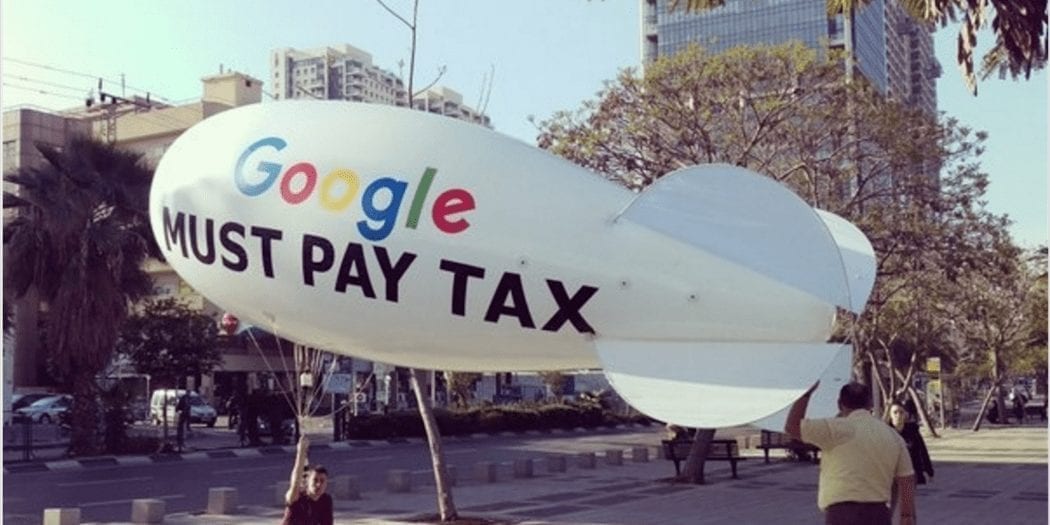
    The Communications and Informatics Ministry said that it has not come up with the best solution in relation to the endeavor of collecting taxes from giant tech company Google, as the regulation on foreign app companies (over the top or OTT) has not been realized yet.

    “No solution yet, and I’m still coordinating with the Finance Ministry. But I keep on pushing to have a playing field level between the national OTT and the International OTT,” Communications and Informatics Minister Rudiantara said in Jakarta on Friday, October 7, 2016.

    Earlier, Rudiantara said that Google Indonesia was not running an advertising business. In addition, Google has not set up a permanent local entity (BUT) in Indonesia, making it difficult for the government to collect taxes from Google.

    Rudiantara called on Google to show its good will to discuss the issue.

    “However, the amount of taxes to be paid by Google remains Finance Ministry’s jurisdiction,” he said.

    Rudiantara had also set a target to finalize regulations on OTT companies in the third quarter of 2016. However, the realization remains sluggish since the Ministry cannot issue a regulation that is not applicable and enforceable.

    Google Singapore, as Google Indonesia’s holding company, refused to be audited by the Tax Directorate General, following a finding that Google gains income from Indonesia, although it has not yet established a permanent local entity in the country. The Tax DG found an indication of criminal offenses and conducted investigation into the company.

    Finance Minister Sri Mulyani has not provided details about steps to be taken to collect taxes from Google. However, Sri said that the government would continue to demand Google to fulfill its tax obligations.

  • Governement expects food self-sufficiency in 2018

    Governement expects food self-sufficiency in 2018

    Food self-sufficiency is expected to be realized in 2018, and there will be no imports in 2016, Vice President Jusuf Kalla asserted.

    “Food-sufficiency is expected to be realized within three years for which the efforts have started a year ago,” Kalla said here Friday.

    In order to reach the target several steps have been implemented, including improvement of irrigation methods, and seedling and fertilizer preparation, he added.

    Food security and resilience have been an issue for Indonesia for some time now. It was once a major rice exporter in Asia but is now relying quite heavily on rice imports to meet peoples staple food requirements.

    Food security is also an important social objective.

    Therefore, relying on food markets outside the country in order to meet the needs of Indonesias growing population is critical.

  • Indonesia offers Japan Jakarta-Surabaya rail project

    Indonesia offers Japan Jakarta-Surabaya rail project

    Indonesia has officially offered Japan the opportunity to take part in the semi high-speed rail construction project connecting Jakarta to Surabaya in East Java, a senior minister said.

    Coordinating Maritime Affairs Minister Luhut Binsar Pandjaitan delivered the official letter offering the project to the Japanese government during his working visit to Tokyo on Friday, according to a statement released by the ministry’s office.

    “Personally, I am sure Japanese technology is suitable for this project,” he said in the statement released on Friday. The semi high-speed railway would have trains running between 180 and 200 kilometers per hour and would shorten the travel time between Jakarta and Surabaya to 3.5 hours, Luhut added.

    The government planned a double track railway so that it could be utilized to support the transfer of containers in dry port between Jakarta, Semarang and Surabaya.

    Should Tokyo accept the offer to work on the project, Luhut further said he hoped that Japan would implement technology transfers with Indonesia and comply with the country’s regulations that prioritized the use of Indonesian-made products.