Tag: Indonesia

  • BRI Syariah plans to conduct IPO

    BRI Syariah plans to conduct IPO

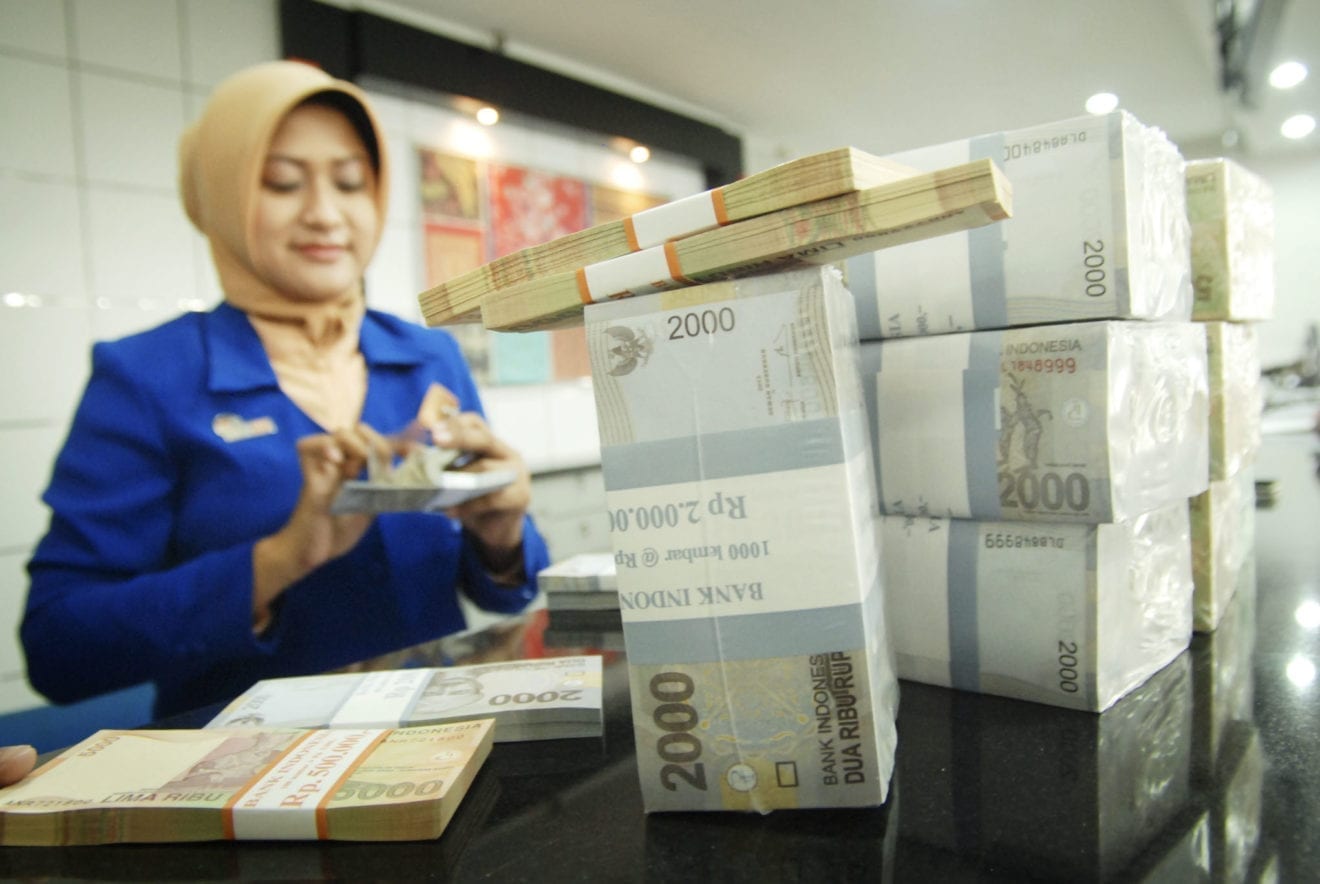
    PT Bank BRI Syariah, a sharia compliant subsidiary of state lender Bank Rakyat Indonesia, plans to conduct an initial public offering (IPO) of its shares in 2018 to boost alternative funding sources.

    “During the IPO we will float our shares worth Rp1 trillion to the stock exchange,” BRI Syariah President Director Moch. hadi Santoso said after a press conference here on Wednesday.

    The decision to turn the bank into a publicly listed company was taken to strengthen capital structure particularly at “Tier 1”, he said.

    The bank wants to strengthen its capital through various funding sources to expand its financing business. Moreover, the bank wants to expand its financing portfolio from retail and business segments to infrastructure financing, he said.

    “After the IPO, we will continue to expand our business. This year we have been engaged in infrastructure financing,” he said.

    Also this year, the bank has explored several commitments for infrastructure financing. But its amount is not yet significant to boost the business growth of PT Bank Rakyat Indonesia Ybks subsidiary,” he said.

    The BRI Syariah has set itself the target of boosting its financing growth at 13 percent year on year from to Rp18.8 trillion from Rp16.5 trillion at the end of this year.
  • Jokowi Visits Trade Expo Indonesia

    Jokowi Visits Trade Expo Indonesia

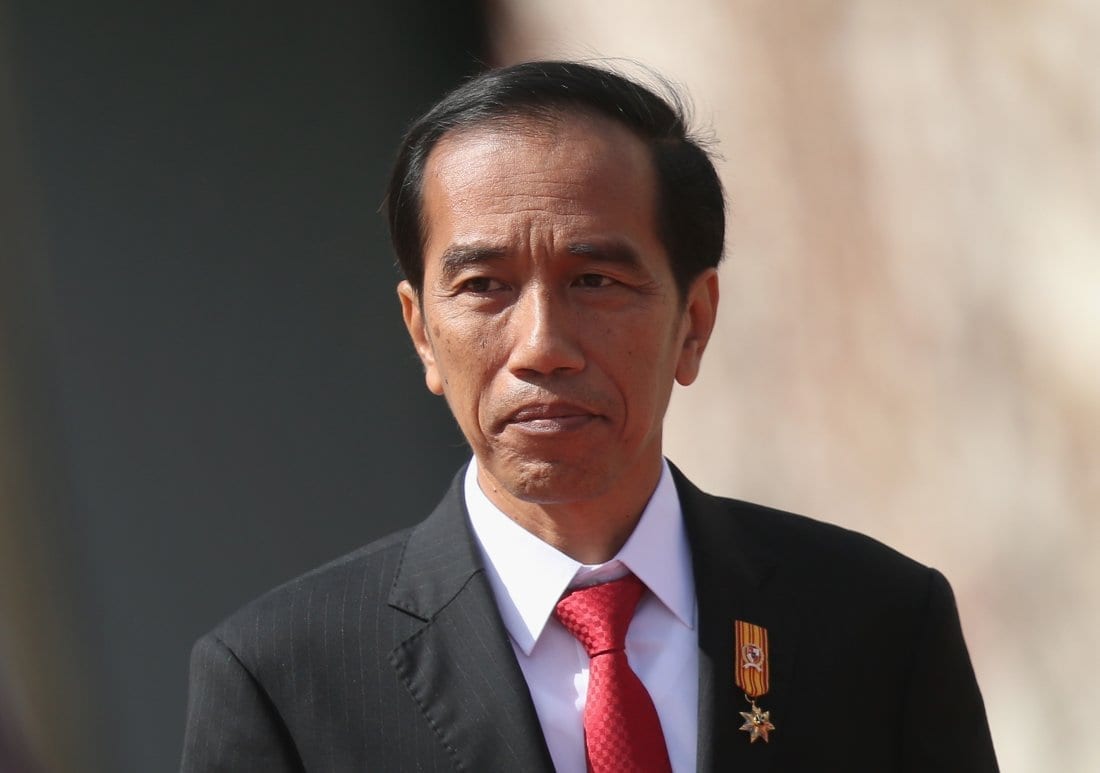
    President Joko Widodo has attended the 2016 Trade Expo Indonesia (TEI) at the Jakarta International Expo, Kemayoran, Jakarta. Jokowi delivered a warm welcome and opened the event.

    Trade Minister Enggartiasto Lukita, also delivering a speech, said that the expo was meant to help boost trade relations. “We aim to gain direct transactions,” he said October 12, 2016.

    Moreover, Enggartiasto said that Indonesia has to have other top products in export, in light of the weakening global economy.

    There are over 1,100 national corporates in the expo, and around 14,700 buyers. The buyers are also coming from abroad, namely from some African countries and the Middle East. The government expects that the buyers can conduct business transactions which the expo aims to score at around Rp2 trillion.

  • Trade Expo lures visitors with prime Indonesian products

    Trade Expo lures visitors with prime Indonesian products

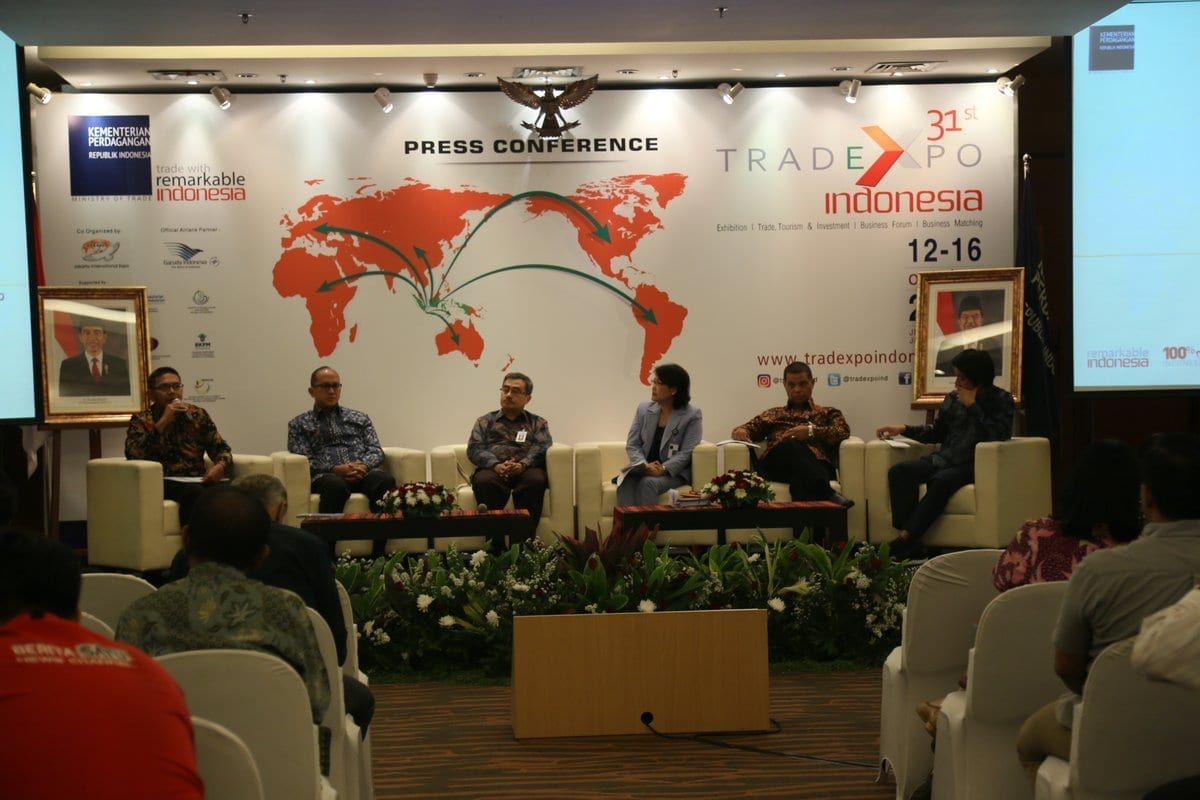
    Visitors to the 31st Indonesia Trade Expo are sounding out the possibility of buying Indonesian products they consider to be of good quality.

    Visiting the Trade Expo on Wednesday, Syrian Mohammed Khair Hadiaf said he was looking for Indonesia-manufactured pharmaceuticals.

    “I work in the medical sector and my specialty is cancer. I came here to seek more information about Indonesia’s medical technology and products,” he told us through a translator application on Wednesday when he visited a booth at the expo, held at the Jakarta International Expo (JIExpo) venue in Kemayoran, Central Jakarta, from Oct.12 to Oct.16 . It was the first time Hadiaf had come to Indonesia.

    In another booth, Palestinian Shokri Zahedah and an Iranian calling himself only Amir were looking for snacks and sweets they could sell in their respective countries. Shokri and Amir frequently visit Southeast Asia to buy products from countries in the region, including Malaysia, but it was the first time they had looked at Indonesian products.

    “You have good products. In Iran, snacks mainly come from Malaysia. Indonesian products need more promotion,” Amir said. He said if he found interesting products he would return on Thursday to make a deal.

    The Foreign Ministry through its diplomatic missions invited 1,200 potential buyers from 70 countries to the expo, including those from small countries.

    Foreign Minister Retno LP Marsudi said 225 buyers from Middle Eastern countries attended the expo, followed by African and South Asian countries, which sent 49 buyers each, Eastern Europe ( 48 ), Afghanistan ( 42 ), Palestine ( 42 ), Latin America ( 35 ) and Fiji ( 22 ).

    Poor communication skills appeared to be the biggest obstacle for buyers from small countries to make deals at the Trade Expo. Most of them could not speak English well while the expo lacked liaison officers who can speak foreign languages besides English, especially Arabic.

  • Indonesia, Romania strengthen economic ties

    Indonesia, Romania strengthen economic ties

    Indonesia and Romania have agreed to boost economic ties through the signing of a cooperation agreement between the chambers of commerce and industry of the two countries during the visit of Romanian Foreign Minister Lazăr Comănescu to Jakarta.

    “The fact is, last night, upon my arrival to Indonesia, the chambers of commerce and industry from both Indonesia and Romania have signed a memorandum of understanding on their cooperation. The agreement has opened up the path for both chambers to diversify contact between business players from both countries,” Comănescu said following a bilateral meeting with his Indonesian counterpart, Foreign Minister Retno LP Marsudi, in Jakarta on Wednesday.

    Comănescu brought a team of business delegates from various industries, including energy, construction, customer goods and agriculture. While in Indonesia he is also participating in the Trade Expo Indonesia 2016. Trade between Indonesia and Romania reached US$117.64 million in 2015.

    Comănescu’s visit to Indonesia is the first from a Romanian foreign minister since relations between the two countries were established 66 years ago.

    Both Retno and Comănescu highlighted the potential for strengthening cooperation in infrastructure development.

    “There is a possibility for our two countries to strengthen bilateral relations in infrastructure because it is one of the priorities of the Indonesian government,” Retno said.

    Comănescu is set to meet with Transportation Minister Budi Karya Sumadi to discuss possible forms of cooperation.

    The two countries have expressed mutual support for a non-permanent seat on the UN Security Council. Indonesia hopes to secure a seat for the 2019-2020 term, while Romania is eyeing a seat for the 2020-2021 term.

  • Indonesian President Inaugurates Trade Expo Indonesia (TEI) 2016

    Indonesian President Inaugurates Trade Expo Indonesia (TEI) 2016

    President Joko Widodo inaugurated Trade Expo Indonesia (TEI) 2016, which opened today at the Jakarta International Expo Kemayoran. Accompanied by Enggartiasto Lukito, Minister of Trade, and Djarot Saiful Hidayat, Vice Governor of Jakarta, the President also awarded the Primaduta Award and Primaniyarta to the best 30 Indonesian exporters.

    Widodo also urged Indonesian exporters to expand to new markets, such as African countries and India, despite the unpredictable global economic conditions. “We have to start to turn our heads to the markets we used to overlook, the markets like India and Africa that offer a huge business opportunities from populations that reach over 60 million people,” stated the President at the opening ceremony.

    Not only Africa and India, which provide lucrative opportunities for Indonesian products, the President also noted that other developing markets like South Asia and Latin America hold great potential for Indonesian exporters to expand markets and distribution of their products. “I urge Indonesian exporters to make moves toward the markets we have previously overlooked,” added President Widodo.

    The President also mentioned that design and packaging play an important role in grabbing the consumer’s attention. “I highly appreciate the Ministry of Trade and the Creative Economy Agency’s initiatives in helping our SMEs to design attractive packaging for their products,” stated Jokowi.

    In addition to showcasing the quality Indonesian export products, TEI 2016 also serves as a trade making platform for businesses, both local and foreign. Trade Minister Enggartiasto said that the event would see approximately 1,100 exhibitors, including SMEs, and expects 15,562 potential buyers from 152 countries. He added that business commitments already sealed totaled Rp 2.6 trillion from 14 countries.

  • Indonesia’s Indosat Ooredoo & XL Axiata Suspected of Cartel Practices

    Indonesia’s Indosat Ooredoo & XL Axiata Suspected of Cartel Practices

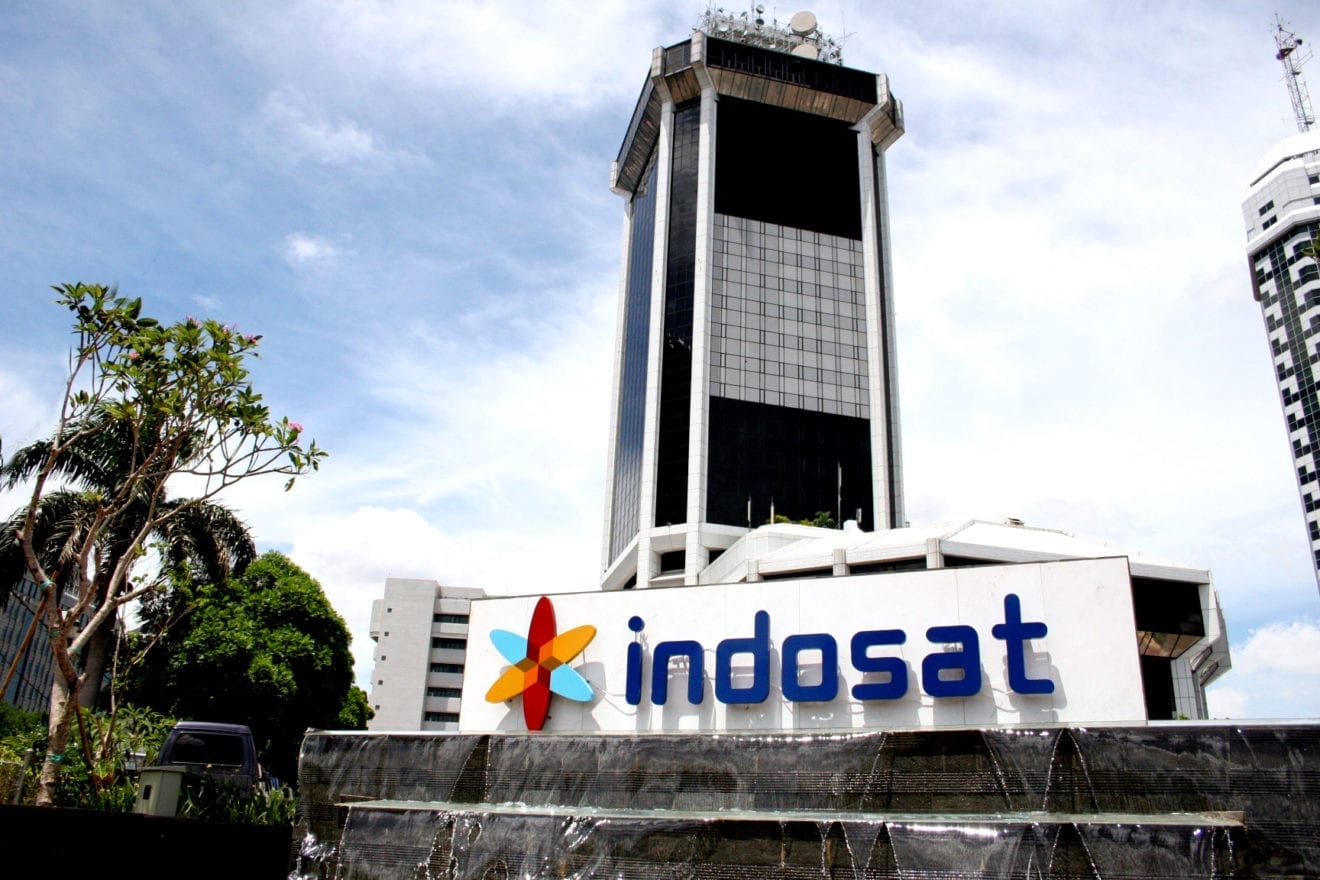
    Muhammad Syarkawi Rauf, Chairman of the KPPU, informed that there are indications that both telecommunication operators – both listed on the Indonesia Stock Exchange (IDX) – are (1) coordinating to determine prices, (2) coordinating to divide geographical areas for their products, and (3) coordinating to restrict the output of their products. These allegations are the result of the establishment of their joint venture One Indonesia Synergy.

    Turina Farouk, Vice President Corporate Communication of XL Axiata, said the company cannot respond yet to the KPPU’s summon as XL Axiata is yet to receive the full details of the case. However, regarding One Indonesia Synergy Farouk said this joint venture is not a vehicle used to engage in cartel practices but is part of cost efficiency efforts for the development of their 4G LTE network. Farouk added that One Indonesia Synergy is not operational yet as it awaits several permits from authorities.

    Cooperation is a strategy of Indosat Ooredoo and XL Axiata to make their operations more efficient in the future. Indonesia’s telecommunication sector is dominated by state-controlled Telekomunikasi Indonesia.

    Indosat Ooredoo and XL Axiata each own a 50 percent stake in joint venture One Indonesia Synergy. Alexander Rusli, President Director and CEO of Indosat, said One Indonesia Synergy will offer consultation services for both companies’ cooperation in telecommunication networks, for example the so-called multi operator radio access network.

  • South Korea’s Largest Retailer Joins Hands With Sinar Mas Land in Indonesia

    South Korea’s Largest Retailer Joins Hands With Sinar Mas Land in Indonesia

    South Korea’s largest retailer, GS Retail, opened its first supermarket in Cibubur, East Jakarta, on Friday (07/10) in partnership with Indonesian property developer Sinar Mas Land, to target the country’s upper-middle class.

    “We decided to choose Legenda Wisata for GS Retail’s first supermarket because Cibubur is home to middle- and high-income families,” GS Retail  senior executive Won Yong Kim said in a statement.

    The supermarket offers a wide range of food, household, electronic, beauty and hygiene products, as well as the popular South Korean bakery shop Tous le Jours and Indonesian café Bengawan Solo Coffee.

    The 2,913 square-meter supermarket, which is located inside the Legenda Wisata housing estate, was constructed by Sinar Mas Land.

    In October 2014, Sinar Mas Land was assigned to build a megastore for one of the Southeast Asia’s largest retailers, Courts Asia Limited, in Kota Harapan Indah residential estate in Bekasi, West Java, and in January 2015, to build another in BSD City in Tangerang, Banten.

    Established in 1971, GS Retail has 11,000 convenience stores and 290 supermarkets in South Korea. It booked $5.7 billion in revenue last year.

    The company has had a presence in Indonesia since March 2014.

  • Hang Nadim Airport to serve flights to China, Korea

    Hang Nadim Airport to serve flights to China, Korea

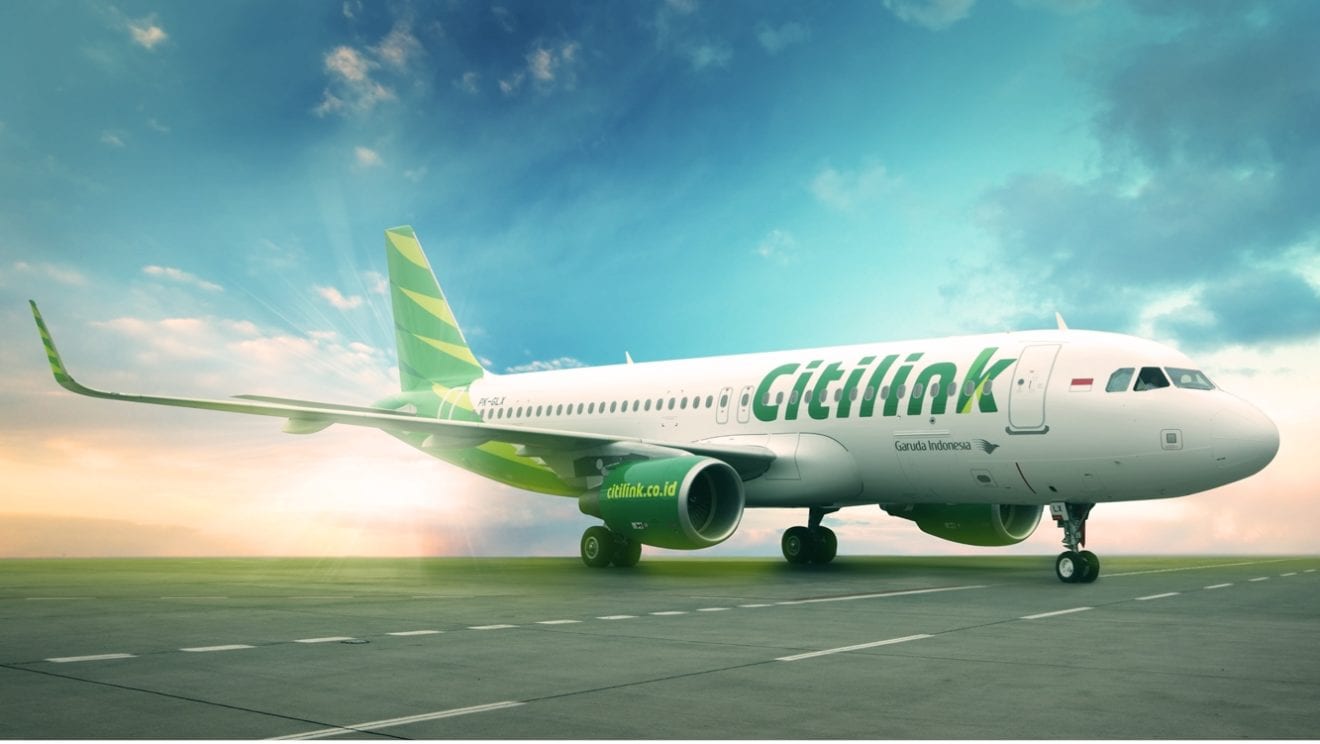
    The Citilink airline company will soon serve flights from Hang Nadim International Airport here to China and South Korea, according to the airports general manager, Suwarso.

    “Two international flights from Batam to China and South Korea have been approved and will soon be launched early next year, probably in February 2017,” Suwarso remarked here on Tuesday.

    According to him, the opening of two routes is part of an effort by the Riau Islands provincial government to increase the number of tourist visits, especially from East Asia.

    With the two new international flights, the Riau Islands provincial government hopes tourist arrivals will increase to enjoy the great tourism potential in the province.

    He said Citilink will operate Airbus A320 aircraft, with the capacity to accommodate 180 passengers, to transport tourists from China and South Korea to Riau Islands Province.

    “The Riau Islands province has formed a partnership with the tour and travel associations in China and Korea. So, with this partnership, these Batam-China and Korea routes could run smoothly,” stated Suwarso.

    He added that Indonesias free visa policy is also applicable to China and South Korea, so tourists from these countries will not need visas when visiting Indonesia.

    “Hang Nadim International Airport is open 24 hours and ready to serve international flights, so there is no problem anymore,” Suwarso noted.

    He said the airport had an international flights lounge area, with a capacity of up to 600 seats.

    International flights from this airport are currently served only by Malindo Air, travelling to Malaysia once per day.

    “If the international flights area becomes crowded, we are ready to increase the capacity of the international waiting room,” remarked Suwarso.

  • Jakarta-Surabaya rapid train to use existing track

    Jakarta-Surabaya rapid train to use existing track

    Coordinating Minister for Maritime Affairs and Acting Minister of Energy and Mineral Resources Luhut Binsar Panjaitan has said the development of the Jakarta-Surabaya rapid train will use the existing track.

    “For the rapid train, we will use the existing network. We will strengthen the bearing pads and make the crossings run over or under, so there will not be any gates that can harm anyone,” stated the minister at the State Palace complex in Jakarta, Tuesday.

    He mentioned that there are a thousand crossing points on the Jakarta-Surabaya railway network.

    The minister hoped the project survey, due to be conducted in partnership with Japanese representatives, could be done in the first quarter of 2017.

    “The Jakarta-Surabaya rapid train, which runs up to 200 kilometers per hour, will have an immense impact on the nations economy,” he remarked.

    The projects investment value is considerably large, reaching US$2.5 to 3 million.

    Minister Panjaitan explained that the agenda of his meeting with President Joko Widodo today includes reporting the results of his trip to Japan, which was a follow-up to the presidents agreement with Japans Prime Minister Shinzo Abe.

    “I met the prime minister along with his ministers and other officials,” he reiterated.

    He pointed out that the notions agreed upon by both country leaders included the Maritime Economic Cooperation, which was initiated last year.

    “We are now pursuing cooperation in a number of locations, including oil explorations in Natuna, economic development in Sabang, Patimbang harbor development in West Java, and farming advances in Merauke, Papua,” he remarked.

    He also mentioned cooperation in the education sector, where Japan will help with vocational training, while sending their professors to a number of technology corporations in Indonesia.

    “Partnerships in strategic industries are also included, which covers the rapid train project to be discussed with the minister of state-owned enterprises,” he continued.

    He added that from the string of agreements, those that will potentially be carried out during the first quarter of 2017 include the development of Patimbang Harbor.

    “Then, we will proceed with a joint survey for the Jakarta-Surabaya rapid train,” he concluded.

  • Trade ministry encourages small, medium industries to utilize e-commerce

    Trade ministry encourages small, medium industries to utilize e-commerce

    Indoensias Ministry of Trade has said it has been encouraging small and medium industries (SMIs) to take benefit of online trade (e-commerce) to market their products.

    “We are pushing the small and medium industries to take their products to various e-commerce platforms. Websites like Tokopedia, Bukalapak, Blibli and Lazada are all local e-commerce platforms and we encourage the SMIs to use them,” the Minister of Trade, Airlangga Hartarto, stated in Jakarta on Tuesday.

    He hoped that once the SMIs start fully utilizing the e-commerce platforms, the industry will start expanding.

    The fourth industrial revolution era hinges on embracing the internet and integrating it with products and services, he added.

    The minister further explained that internet usage is now part of people’s daily lifestyle and it has now become integral to the industrial world also.

    “Germany began doing it in 2013. If we start this year, we will make sure that we are not left behind,” he remarked.

    Additionally, the Ministry of Trade also encourages professional vocational training to enhance the quality of human resources.

    The minister mentioned the importance of undertaking research and forging collaborations with universities in the industrial sector.

    Minister Hartarto also pointed to the progress made in basic materials, and highlighted the fact that natural energy resources cannot last forever.

  • Credit Growth in Indonesia Remained Flat in September 2016′

    Credit Growth in Indonesia Remained Flat in September 2016′

    Slowing credit growth will also make it highly difficult for Indonesia’s overall macroeconomic growth to accelerate more markedly this year (the nation’s GDP is expected to expand by 5 percent this year, up from a growth pace of 4.7 percent last year). Juda Agung, Executive Director at the Economic and Monetary Policy Department of Bank Indonesia, said privately-held companies are now focusing on consolidation rather than on business expansion.

    But on the other hand, Agung added, the nation’s banks have also been more careful to disburse loans as the non-performing loan (NPL) ratio has increased. However (conflicting with Agung’s statement), in a recent Bank Indonesia survey the business community of Indonesia actually indicated that it was easier to obtain credit in Q3-2016 compared to the preceding quarter.

    Bank Indonesia expects credit growth to accelerate in the fourth quarter of the year on the back of the lower interest rate environment, the government’s successful tax amnesty program as well as the easier loan-to-value (LTV) ratio.

    The lender of last resort cut its benchmark interest rate (the 7-day Reverse Repo rate) to 5.00 percent in September 2016, while in late August 2016 it cut the LTV ratio requirement by lowering the minimum down payment that is required for first home purchases (when using credit) to 15 percent for houses sized larger than 70 m2 (from 20 percent previously). Meanwhile, the minimum DP for the purchase of a second home was lowered to 20 percent (from 30 percent previously), while that for a third home was lowered to 25 percent (from 40 percent previously).

    Nelson Tampubolon, Commissioner for Banking Supervision at Indonesia’s Financial Services Authority (OJK), informed that slowing credit growth is actually caused by slowing corporate credit. Consumer credit, on the other hand, has continued to grow, he stated.

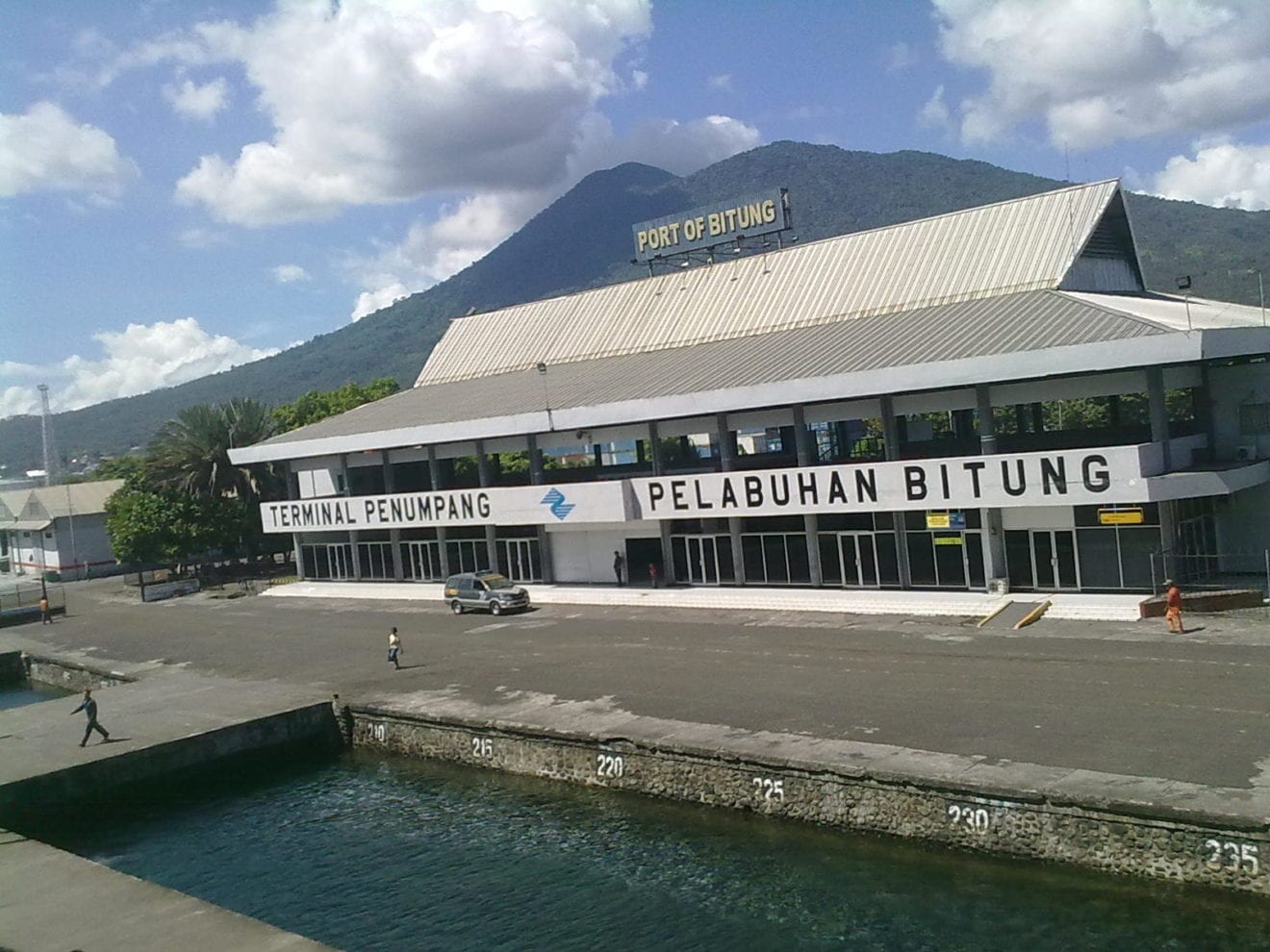
  • Bitung ready to play role of Asia Pacific gate

    Bitung ready to play role of Asia Pacific gate

    Bitung Mayor Maximilian Jonas Lomban said he had a vision to make the city into a modern city serving as an Asian Pacific gate for Indonesia.

    The city could play the role of Asian Pacific gate for Indonesia, Lomban said at a meeting on the occasion of the 26th anniversary of the port city here on Tuesday.

    The port city is strategically located on the Pacific rim in North Sulawesi, he said at the meeting attended by the city leaders.

    “The position of the city would be more potential with the governments plan to provide it with facilities and supporting infrastructure that would make it competitive in the Asia Pacific region,” he said.

    He said Bitung would be a knot of various national strategic projects and there would be many national and international investors want to utilize the citys facilities and infrastructure.

    The mayor said among big projects being built and to be built in that area around and in the city include Special Economic Zone (KEK), Manado-Bitung toll road, Bitung International Ocean Going Ship Port and rail track Makasar-Bitung, which will automatically make the city the gate to the Pacific region.

    “The idea of Bitung as a Pacific gate for Indonesia would come to reality especially if Bitung is promoted into one of Indonesia tourist destinations,” Max said.

    Chairman of the Bitung City Council Laurents Supit, Bitung has been awarded a number of tokens of appreciation including from the finance ministry for good financial report and from the Transport Ministry for good service by its container terminal.

    Supit attributed the achievement to the ambition of the city people to transform Bitung into modern marine city.

  • Launch of Indonesia’s First Samsung Galaxy Studio Experience Center

    Launch of Indonesia’s First Samsung Galaxy Studio Experience Center

    The latest Samsung gadgets that can be connected to handsets are available for customers to view and purchase. Not only Galaxy smartphones and tablets are on display, but also the entire Galaxy ecosystem, such as the Gear VR and Gear S2, as well as other Samsung products. Data packages are also available to provide internet access as well as digital content to make it easier for customers to access the digital world.

    The Galaxy Studio Experience Center, located at Indosat Ooredoo’s store at Sarinah in Central Jakarta, has a new design that has never been used by other network operators. It is also more spacious to allow better interaction between customers, who can enjoy experience a digital lifestyle, such as iflix video streaming on a big screen and music streaming on Spotify.

    IM3 Ooredoo subscribers can also purchase data packages such as Freedom Combo, Freedom Postpaid and Super Plan, to watch TV shows and films on iflix for hours without using their main data quota.

    The experience center is a strategic cooperation between the two companies to support retail sales. Indosat Ooredoo and Samsung both have the vision of giving customers an enjoyable and satisfactory experience with the Studio Experience Center.

    Indosat Ooredoo director Joy Wahjudi said the experience center was established to provide a one-stop service for Indonesians.

    The two companies are both committed to establishing experience centers to enable customers to obtain information and try out the latest products and services.

    “We aim to also establish studio experience centers in other Indosat Ooredoo stores,” Joy said.

  • Indonesia to Extend Ban on Shark Fin Exports

    Indonesia to Extend Ban on Shark Fin Exports

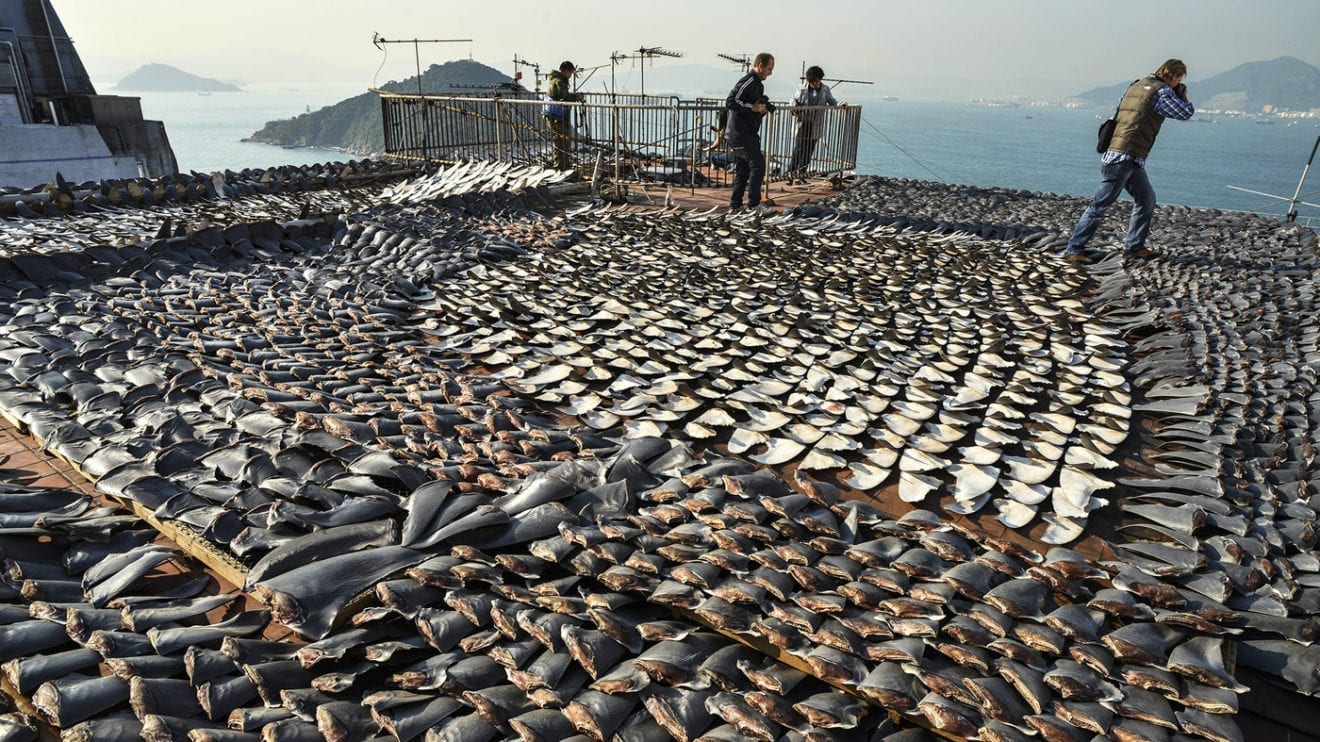
    Marine Affairs and Fishery Ministry will extend the ban on shark fin exports, said the ministry’s directorate general secretary of marine space management Agus Dermawan. “It may be extended, but I don’t know when,” he said Saturday.

    Shark fin export has officially been suspended after Marine Affairs and Fishery Minister Susi Pudjiastuti issued on December 10, 2014, Regulation No. 59/2014 regarding a ban on hammerhead and oceanic whitetip sharks until November 2015. It had since been extended with Marine Affairs and Fishery Ministry Regulation No. 34/2015, which is effective until December 31, 2016.

    According to Agus, Indonesia was the world’s largest shark fin exporter. In 2012, for example, Indonesia exported 434 tons of shark fin worth over US$6 million, the Central Statistics Agency (BPS) recorded.

    He said that the ministry has joined hands with researchers to count the number of endangered shark species left in Indonesia. The regulation about the ban on export and hunting will be based on the outcome of the research. Despite the export ban, hunting and trade of certain shark species for domestic consumption are still allowed.

    Agus said since 2013 five shark species have been listed as endangered, four of which hailed from Indonesia, including hammerhead and oceanic whitetip sharks. Hammerhead sharks include Sphyrna lewini, Sphyrna zygaena, dan Sphyrna mokarran, whereas oceanic whitetip sharks include Carcharhinus longimanus.

    Despite the official export ban, rare shark fin smuggling continues to happen. In February, Directorate of Customs and Excise of Finance Ministry Tanjung Perak office, Surabaya, foiled an attempt to smuggle 20 tons of shark fins and jellyfish to Hong Kong.

    Therefore, Marine Affairs and Fishery Minister Susi Pudjiastuti vows to enhance the Task Force 115, who are tasked with eradicating illegal fishing practices. “We will deploy Custom & Excise and the Task Force personnel to monitor smuggling,” Minister Susi Pudjiastuti said.

    Meanwhile, Oceans Campaigner of Greenpeace Indonesia Sumardi Ariansyah has urged the government to do more than just banning shark imports. According to him, shark fin consumption in Chinese restaurants has also contributed to the declining population of the species, although not as high as foreign demand. “The government must set up and establish better and more comprehensive policies,” he said.

  • Kimia Farma builds pharmaceutical raw material factory

    Kimia Farma builds pharmaceutical raw material factory

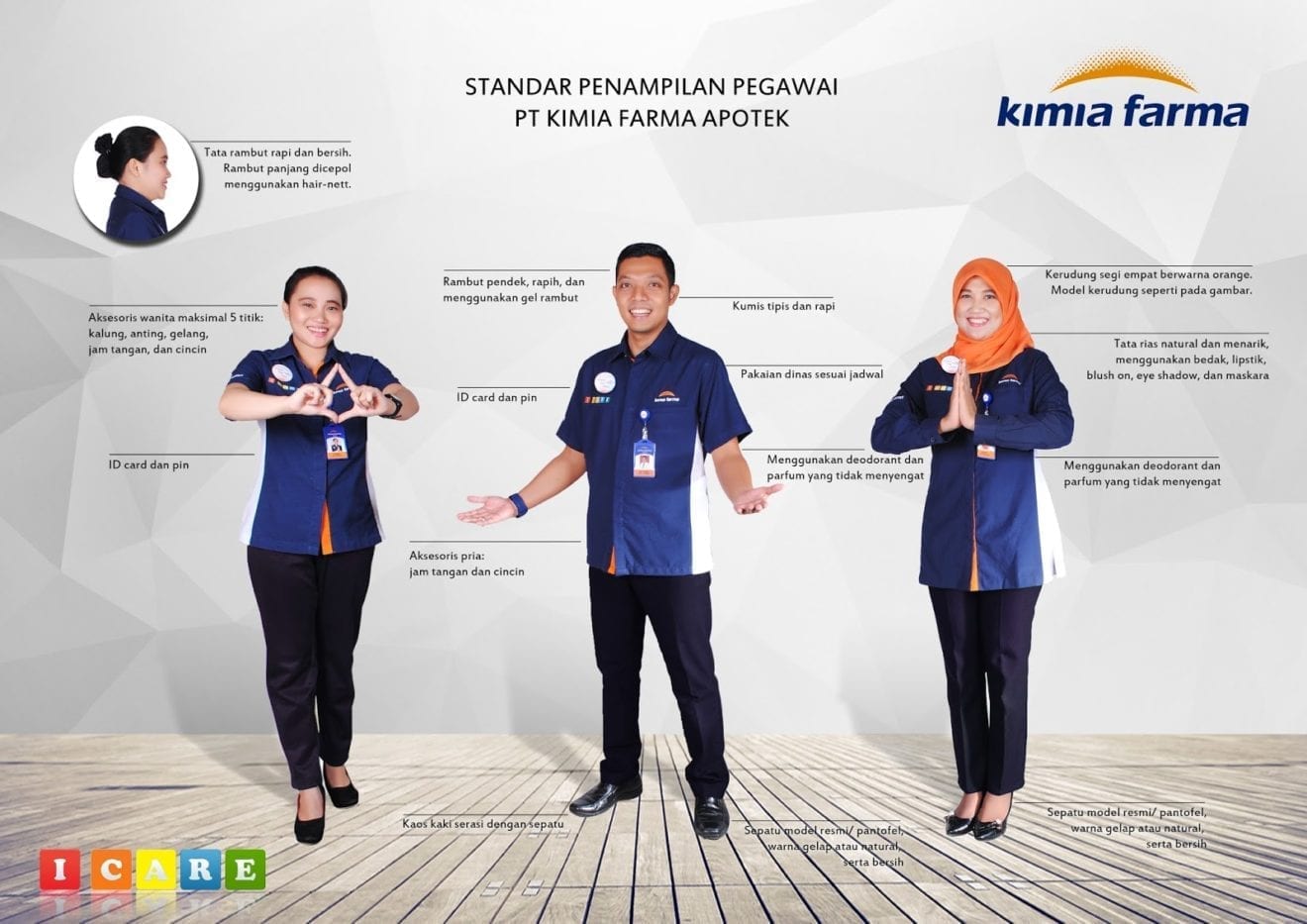
    In cooperation with Sungwun Pharmacopia of South Korea, Indonesias state-owned pharmaceutical company PT Kimia Farma will build the first factory for pharmaceutical raw materials to meet the needs of medicine producers in the country.

    The construction of the pharmaceutical factory was inaugurated on Monday by Health Minister Nila F Moeloek, in the company of Kimia Farma President Director Rusdi Rosman, Food and Drug Regulatory Agency (BPOM) Chief Penny Lukito, and House Commission-IX Chairman Dede Yusuf.

    Rusdi Rosman said the factory, located at the Lippo industrial area in Cikarang, Bekasi, will be built in stages on a six-hectare plot of land and at a cost of Rp132 billion.

    In building the first factory for pharmaceutical raw materials, Kimia Farma will cooperate with Sungwun Pharmacopia Co. Ltd, because of their experience in producing raw materials for medicines.

    Further, the Kimia Farma president director noted that the factory will be built in accordance with the standard of Good Manufacturing Practice (GMP) and is expected to be completed by the end of 2017, while the selling of Active Pharmaceutical Raw Materials (API) is planned to begin in early 2018.

    Rusdi noted that the factory will produce eight types of raw materials, including Simvastatin, Atorvastatin, Rosuvastatin, Pantoprazole, Esomeprazole, Rabeprazole, Clopidogrel and Sarpogrelate, with a production capacity of 30 tons per year.

    Production of the raw materials is to meet 100 percent of the needs of the pharmaceutical industry in Indonesia, as well as for market export.

    Kimia Farma will also manufacture seven types of raw materials that can be used for cosmetics and dietary supplements, and to be exported to Korea, Japan and America.