Tag: Indonesia

  • Electricity consumption up 7.85 percent: PLN

    Electricity consumption up 7.85 percent: PLN

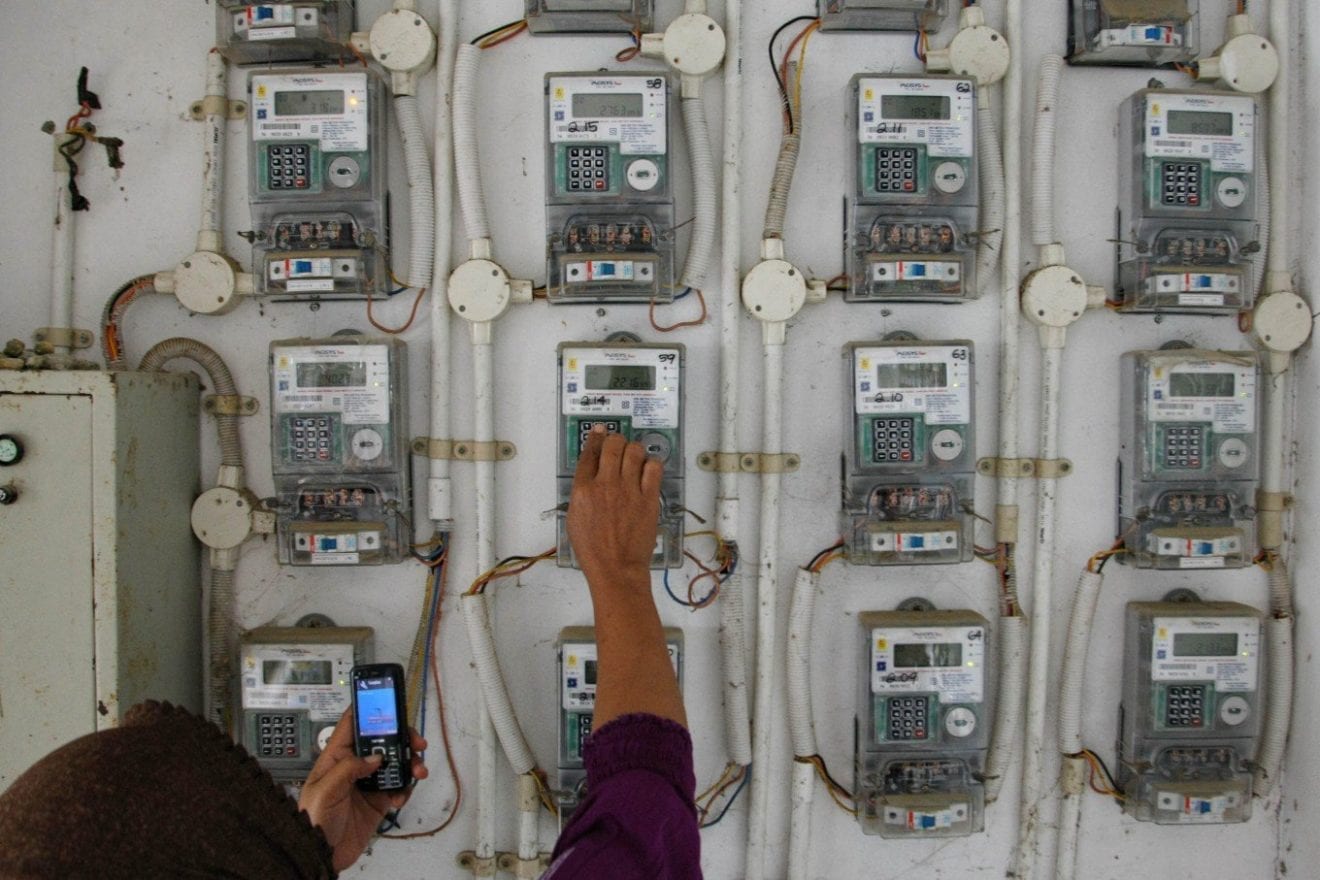
    The countries electricity consumption in the first half of 2016 reached 107.2 Terra What hour (TWh), up 7.85 percent from 99.4 TWh in the same period in 2015, state-owned electricity company PLN said.

    Senior Public Relations Manager of PLN Agung Murdifi said in a release here on Sunday that the consumption growth raised electricity sales revenue during the six months of 2016 by Rp3.2 trillion, or 3.15 percent, to Rp104,7 trillion over the same period in 2015 which amounted to Rp101,5 trillion.

    “The Increased consumption is in line with the increase in the number of subscribers to 62.6 million in June 2016 or additional 1.4 million customers from 61.2 million subscribers at the end of 2015,” he said.

    The Increase in the number of customers, he added, also raised the national electrification ratio of 88.3 percent in December 2015 to 89.5 percent in June 2016.

    Agung said operating expenses rose by Rp1.9 trillion (1.66 percent) to Rp119,7 trillion over the same period in 2015 which amounted to Rp117.8 trillion.

    Meanwhile, fuel expenses (BBM) fell by Rp8.4 trillion to Rp10.4 trillion, due to the decline of fuel consumption by 0.6 million kiloliters to 2.2 million kiloliters until June 2016.

    Realization of electricity subsidies in the first half of 2016 reached Rp26.6 trillion, down by Rp891 billion compared to the same period in 2015 amounting to Rp27.5 trillion.

    Agung added that in the first half of 2016 the EBITDA (earnings before interest, taxes, depreciation and amortization) was recorded at Rp30,2 trillion, up 3.3 trillion compared to the same period in 2015 which amounted to Rp26.9 trillion.

    “Net profit in the first half of this year reached Rp7,9 trillion,” he said.

    However, public accounting firm Tanudiredja, Wibisana, Rintis & Partners still awarded the PLN the qualified opinion rating for its June 2016 financial report.

  • Mandiri prepares syndicated loans of Rp4 trillion

    Mandiri prepares syndicated loans of Rp4 trillion

    State lender Bank Mandiri is preparing a syndicated loan of Rp4 trillion to build five airports in Indonesia in the fourth quarter of 2016, the banks corporate banking director, Royke Tumilaar, said.

    Bank Mandiri will lead the syndication of loans to state airport operator PT Angkasapura I which will develop the five airports, Royke stated here on Monday.

    “Syndicated loans worth Rp4 trillion will be extended for the purpose. The Kulonprogo airport in Yogyakarta will be among these five airports,” he added.

    The loans will be used to build new airports and expand the existing ones. The five airports include Ahmad Yani in Semarang, Syamsudin Noor in Banjarmasin and Kulonprogo in Yogyakarta. Also, the Terminal 3 at the Juanda Airport in Surabaya and Sultan Hasanuddin Airport in Makassar are to be developed with these loans.

    Other debtors that will be involved include Sarana Multi Infrastruktur (SMI), PT Bank Central Asia Tbk (BCA), PT Indonesia Infrastructure Finance (IIF) and PT Bank Rakyat Indonesia Tbk (BRI).

    Royke further syndicated loans will also be given in the fourth quarter of 2016 for the construction of toll roads in and around Jakarta.

    “We hope the process can be started in the fourth quarter of 2016, the construction of a new airport in Kulonprogo also begins by then,” he noted.

    Overall, the demand for loans to finance infrastructure development in the second semester of 2016 continued to increase, he noted.

    The state bank has also prepared loans worth Rs 20 trillion for the construction of power plants in the fourth quarter, he disclosed.

    As per the bank’s target, the credit extended to infrastructure development will grow 20 percent year on year by the end of this year.

  • Indonesia raids Google office after warning on tax audit refusal

    Indonesia raids Google office after warning on tax audit refusal

    Google’s Jakarta office was raided by Indonesian authorities after they warned the company for refusing a tax audit.

    Officers visited Google’s office in central Jakarta “many times” in the past two weeks to collect data and repeatedly sought meetings with senior company officials, Muhammad Haniv, the head of special taxpayers at the Finance Ministry, said in a phone interview Thursday. Google has “paid all applicable taxes in Indonesia,” Taj Meadows, a spokesman, said by e-mail, adding the company is cooperating with the government.

    “Everyone must comply, whoever they may be,” Haniv said. “If you refuse to be audited, then we will keep chasing you.” The government had earlier written to the company warning it for refusing a tax audit, which can result in criminal punishment, he said.

    President Joko Widodo’s government is following in the footsteps of European authorities in pushing Google to pay more taxes as it steps up efforts to earn more revenue from internet companies. He’s under pressure to do so as this year’s state revenue is set to suffer an estimated 218 trillion rupiah ($17 billion) shortfall, while earnings from a tax amnesty program are set to miss his target.

    Indonesia May Block Websites of Tech Companies Avoiding Tax

    Indonesia has been asking internet companies to set up permanent local entities for tax purposes since as early as April. It’s also promising lower rates compared to the 30 percent corporate income tax and 25 percent value-added tax that would otherwise apply to Google’s sales of advertisement to local companies, according to Haniv.

  • Indonesia To Participate In Manila Fame Expo

    Indonesia To Participate In Manila Fame Expo

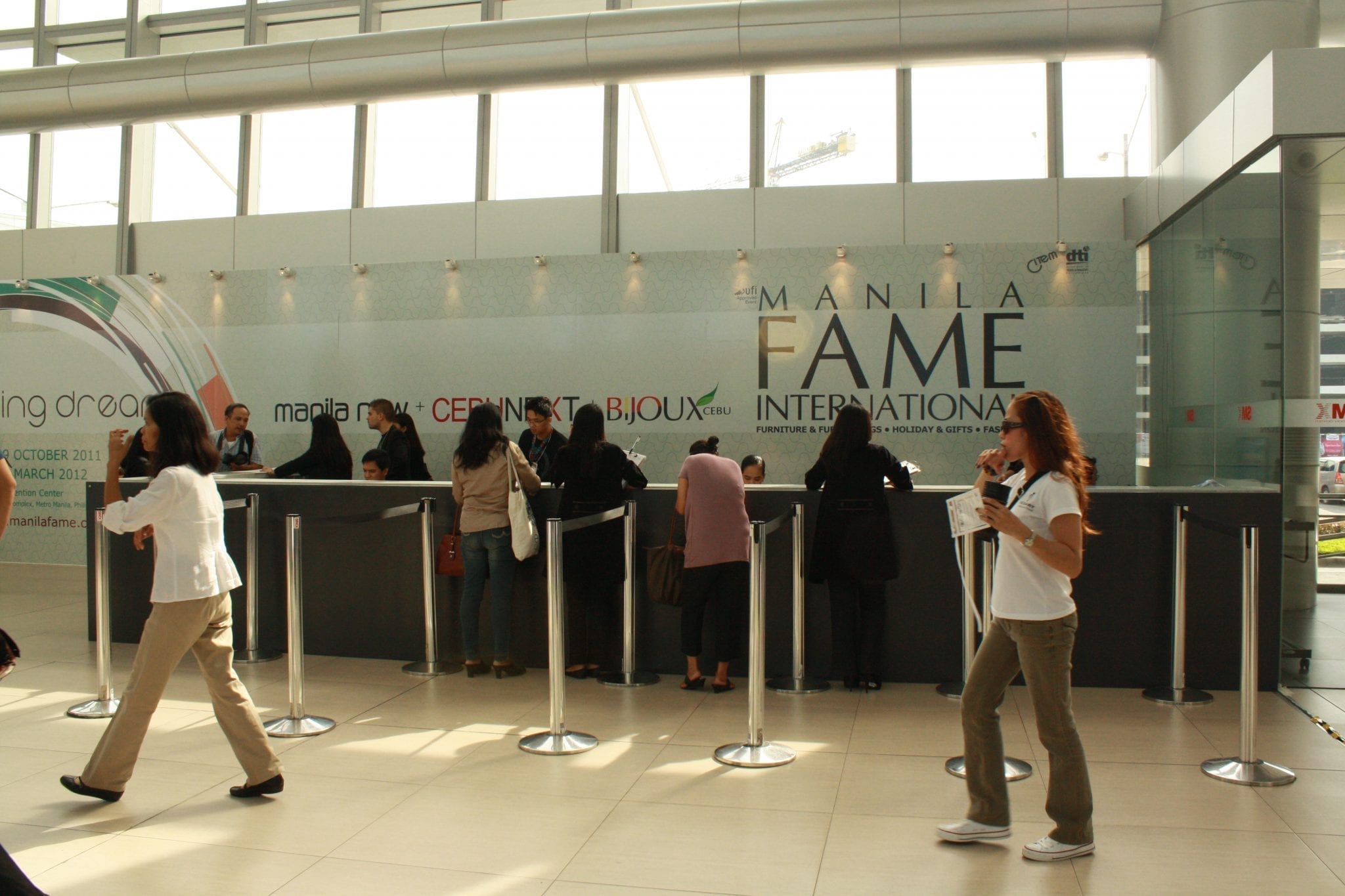
    Several Indonesians will be among the master craftsmen from selected ASEAN countries to participate in Manilas premier design and lifestyle event in Pasay City, the Philippines, from October 20 to 22, 2016.

    The ASEAN Master Craft Design Festival, titled Manila FAME, which is being held at the World Trade Center and the Philippine Trade Training Center, will feature an exhibition called ASEAN Crafts to the World that will unveil the first collection of crafts developed through the project “Improving the Current Status of ASEAN Mastercraft Designers”, Alma Argayoso, the Philippine Embassys Trade Representative to Indonesia, said here recently.

    Another highlight of the festival is an exhibition that will feature the works of the first group of ASEAN Master Craftsmen Lim Masulin from Indonesia, Roselyn Long Lah from Malaysia, Al Valenciano from the Philippines, Tuong Phi Duc from Vietnam and Rush Pleansuk from Thailand.

    Lim Masulin, the featured artist from Indonesia is an entrepreneur, inventor and avid connector of the creative industry. He is best known as managing partner of Poiema Creative Group with brands like BYO Living, Chamero Couture and others.

    Indonesias craftsmanship will be highlighted in this years Manila FAME as it will feature not only Lim Masulin but also Indonesian architect Cosmas Gozali, who will curate the ASEAN Master Craftsmen exhibition.

    Fourteen Indonesian companies are also set to participate in the expo with the support of the Ministry of Small and Medium Enterprises (SMESCO), Argayoso added.

    The project is organized by the ASEAN Handicraft Promotion and Development Association (AHPADA) and funded by the ASEAN – Republic of Korea Future Oriented Cooperation Program.

    “The project aims to strengthen and enhance the use of design in reinforcing cultural identity in design development, merchandising, packaging, and marketing of ASEAN products by supporting and sustaining the Master Craftsmen in the region,” according to Argayoso.

    The group will showcase home furnishings, gifts and housewares, garden accessories, and fashion merchandise.

    Meanwhile, the Master Craftsmen from the second set of ASEAN countries – Brunei, Cambodia, Laos PDR, Myanmar, and Singapore will observe the exhibition and prepare for the projects next phase which will then feature their collection of crafts.

  • Sarinah Celebrates National Batik Day

    Sarinah Celebrates National Batik Day

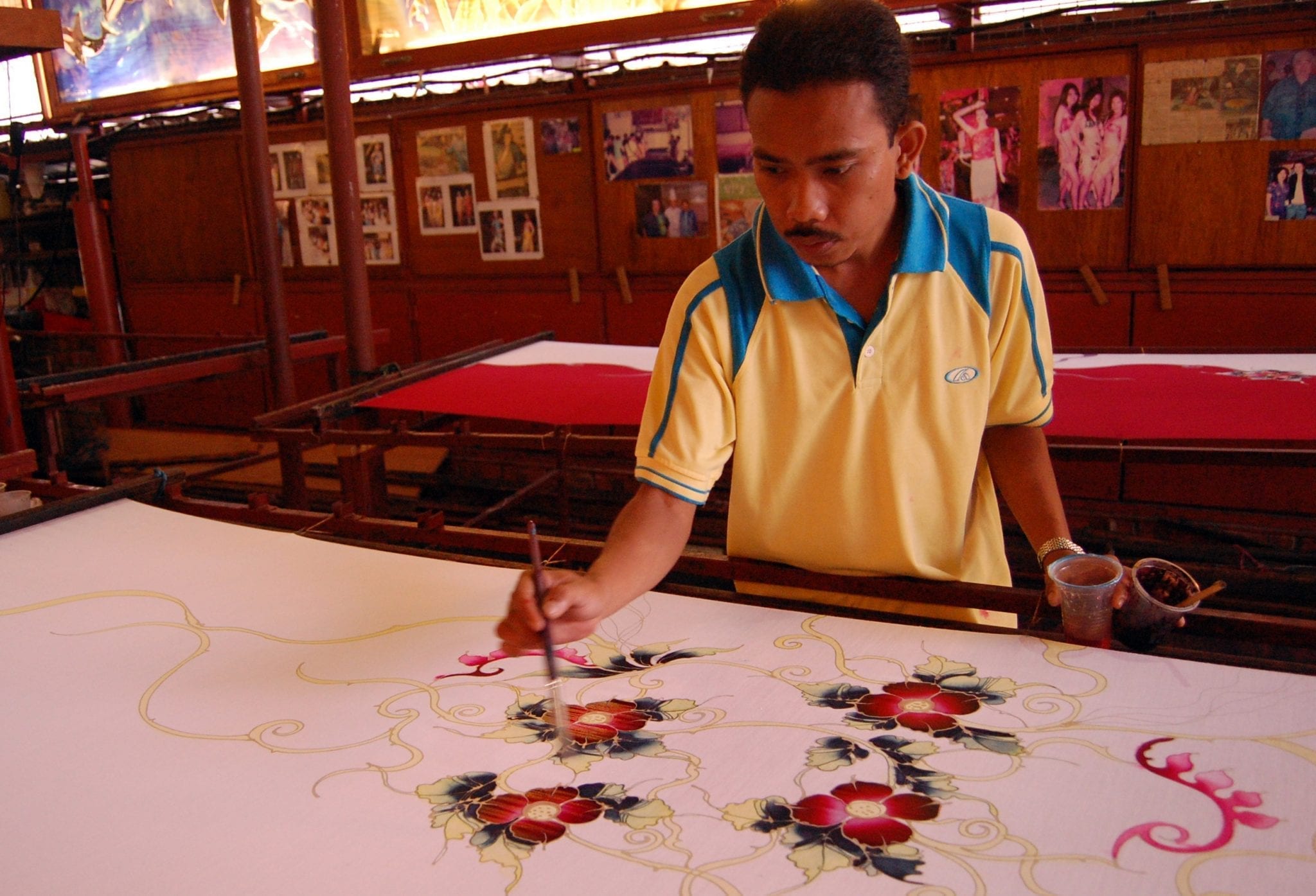
    Renowned retailer of traditional Indonesian products, Sarinah will celebrate National Batik Day on Sunday, 2nd October 2016 which will commence from 6:30 A.M. – 10 A.M. at its Thamrin department store location. As a leading state-owned enterprise with immense pride in its local heritage, Sarinah has also partnered with the Indonesian Batik Foundation as well as the Indonesian Scout Movement. Furthermore, Sarinah is also working alongside the Ministry of Law and Human Rights and will thus makes available a bazaar showcasing a range of locally-made products.

    During the “Batikmu, Batikku, Batik Kita Beda, Tapi Kita Indonesia” (Your Batik, My Batik, Our Batik is Different, But We are Indonesia) event, Sarinah’s Board of Directors will be joined by 1,000 members from the Indonesian Scout Movement for a wall signing ceremony which reiterates both parties’ dedication to preserving batik as an ancient Indonesian artform. In keeping with its role as a modern retailer, Sarinah will additionally host a fashion show featuring budding Batik fashion designers from Indonesia. This opportunity will enable guests and visitors to gain better understanding of the wide array of batik clothing styles and its position in the country’s increasingly trend-savvy society. To further provide an all encompassing shopping experience, Sarinah is set to further provide live entertainment for visitors.

    Sarinah’s participation in celebrating National Batik Day is an effort that demonstrates the company’s unsurpassed commitment to maintain traditional crafts and heritage as part of its business operations. As such, Sarinah exemplifies its standing as highly-regarded retail of modern and traditional products as well as its role as the Home of Indonesian Heritage.

  • Digital Revolution to Add $150b to Indonesia’s Economy by 2025

    Digital Revolution to Add $150b to Indonesia’s Economy by 2025

    Digitalization is expected to boost productivity, especially in five major sectors: manufacturing, retail, transportation, mining and agriculture.

    “Just as an example, a digital procurement system can predict demand for equipment in a factory and suggest replacements when necessary. Predictive maintenance can reduce machine downtime by 25 percent to 70 percent,” Tan said.

    According to McKinsey’s estimation, the manufacturing sector in Indonesia can earn an additional $34 billion from digitalizing its operations over the next decade, while mining and agriculture can see up to $15 billion and $11 billion in additional output respectively.

    Better stock and route management enabled by technologies like Google Maps can provide an extra $24 billion to Indonesia’s retail industry and $16 billion to the transportation sector. Other sectors like telco and media, healthcare, utilities and finance can boost their earnings by up to $21 billion, McKinsey claims.

    To unlock these potentials, Indonesia needs to improve its information technology infrastructure, broadband affordability and regulatory support.

    The study shows that Indonesia — although it has the second cheapest internet among the 20 countries studied — still struggles with poor connection, narrow bandwidth and slow speed. Overall, Indonesian is ranked 18 on a list that includes Malaysia, Singapore and other Asean states — all ranked above it.

    “E-commerce in Indonesia is growing rapidly but is constrained by limited access to technology, lack of tech-savviness and not enough credit cards,” Agung Nugroho, an e-commerce expert, said as quoted by McKinsey.

    According to McKinsey, Indonesian businesses should create cross-channel business models to encourage online and offline sales.

    Other strategies include establishing a two-fold cyber protection system, leveraging big data to drive real-time access across value chains and focusing on a customer-centric experience — coming up with innovative products and services to keep customers loyal.

    The study also suggests that digitalization can happen quicker if companies build strong and dedicated technology departments that integrate operations in all divisions of their businesses.

  • Sharia Finance Sees Promising Future

    Sharia Finance Sees Promising Future

    The Financial Services Authority (OJK) says that the sharia finance still sees promising future despite the slowing down of global economic growth.

    “I’m optimistic on the promising future of the sharia finance industry. However, there will be many challenges and uncertainty,” said Sarjito, OJK Deputy Commissioner for Capital Market Supervision, Thursday, September 29, 2016.

    The challenges and uncertainty include the difficulty in expanding the business in a different jurisdiction that gets hit by local regulations and also the interpretation of sharia itself.

    Sarjito continued, the other challenge is the weak of the sharia finance management and its governance. “The last one is the lack of human resources that are competent enough and having the adequate capacity in sharia finance,” he said.

    The sharia finance industry in Indonesia has shown an unbelievable progress. Based on the report of the Indonesian Islamic Finance, the asset of the sharia finance industry has a 10% growth, and reached Rp617 billion in 2015.

    The number has exceeded the conventional finance asset’s growth. The same trend is also seen in other countries that are also developing the sharia finance.

  • Indonesia receives awards at South Africa Tourism Fair

    Indonesia receives awards at South Africa Tourism Fair

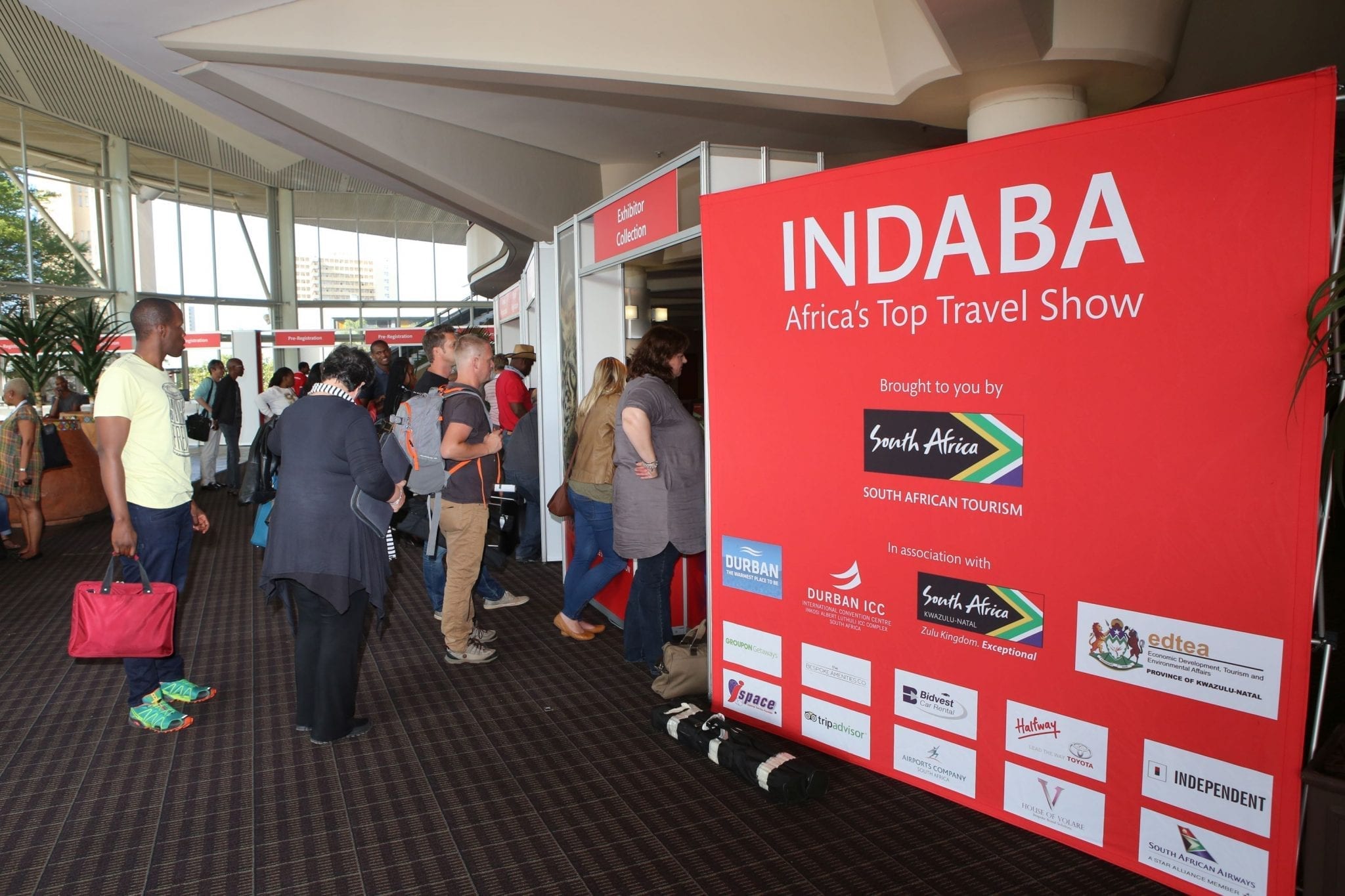
    Indonesia won two prestigious awards at the largest tourism market and exhibition, entitled “the Gateway Show”, in Johannesburg South Africa, which ran from September 23-25, 2016.

    Deputy Assistant of European, Middle East, America and Africa Market Development at the Ministry of Tourism, Nia Niscaya, said, here on Friday, that the two awards included the Best International Destination, building a booth modelled after a Phinisi traditional ship.

    The other award received by Indonesia was The Highest Award; the Spirit of Gateway 2016.

    “This award is expected to open the eyes of the international public, especially in Africa, about Indonesias tourism potentials,” Nia said.

    Also, Gateway Show organizers praised the Indonesian promotions team for its work at the exhibition, in which they presented a variety of attractions and delicious culinary treats.

    At the Gateway Show, the Wonderful Indonesia booth showcased Indonesia’s unique foods and coffee, offering samples to visitors.

    The sellers who participated in the Wonderful Indonesia Team were Nusa Dua Beach Hotel Bali, Holiday Inn Bandung, Maya Resort Bali, Bhara Tours Bandung, Singapore Airlines and a local travel agency, Afronesia Tours dan the Facets.

    The Gateway Show is an international tourism market and fair, participated in by industries, media, and visited by South Africans.

  • Indonesian coffee potential grows unlimited

    Indonesian coffee potential grows unlimited

    The Australian Ambassador to Indonesia, Paul Grigson, who is also a coffee connoisseur, said the potential in unlimited for the Indonesian coffee agriculture and industry.

    In a press release from the Australian Embassy in Jakarta on Friday, the ambassador said the Australians and Indonesians enjoy drinking coffee, often in cozy cafes.

    “As the third largest coffee producer and exporter in the world, Indonesia is a haven for coffee addicts,” he said.

    He added the Australian Rural Development Program (PRISMA), which is part of the Australia Indonesia Partnership For Rural Economic Development (AIP-Rural), has helped more than 2,200 farmers and is expected to reach 10,000 coffee producers in 2018.

    “I was amazed by the incredible coffee culture, where coffee can be cold fusion, pour-over or tubruk. And there’s also some inspiring latte foam art,” Grigson said.

    “Tubruk” coffee is Indonesian-style coffee, in which coarse coffee grounds are boiled, along with solid sugar, resulting in a thick drink.

    According to Grigson, during his stay in Indonesia, almost all coffee grown in the country was enjoyed by him, including Gayo coffee from Aceh, Toraja coffee from South Sulawesi, and Bajawa Flores coffee from East Nusa Tengggara.

    “Jakartas thriving coffee culture not only makes it easier for me to get my coffee, but it opens up more opportunities for young people to enter the business. With many Indonesian baristas learning their art in Australia, this is a fusion of cultures we can all enjoy,” the ambassador said.

    Along with the increase in coffee consumption worldwide, Indonesia, as the third largest coffee producer after Brazil and Vietnam, has a great opportunity to improve the quality and volume of coffee production, in order to meet the international demand for specialty coffee.

    East Java province is estimated to have 54,300 coffee farmers, and a coffee production land area equivalent to 8.1 percent of the nation’s production area.

    Meanwhile, East Nusa Tenggara province has about 51,752 coffee farmers and its area for coffee production reaches 57 percent of the nation’s production area.

  • Rupiah weakens 43 points against USD

    Rupiah weakens 43 points against USD

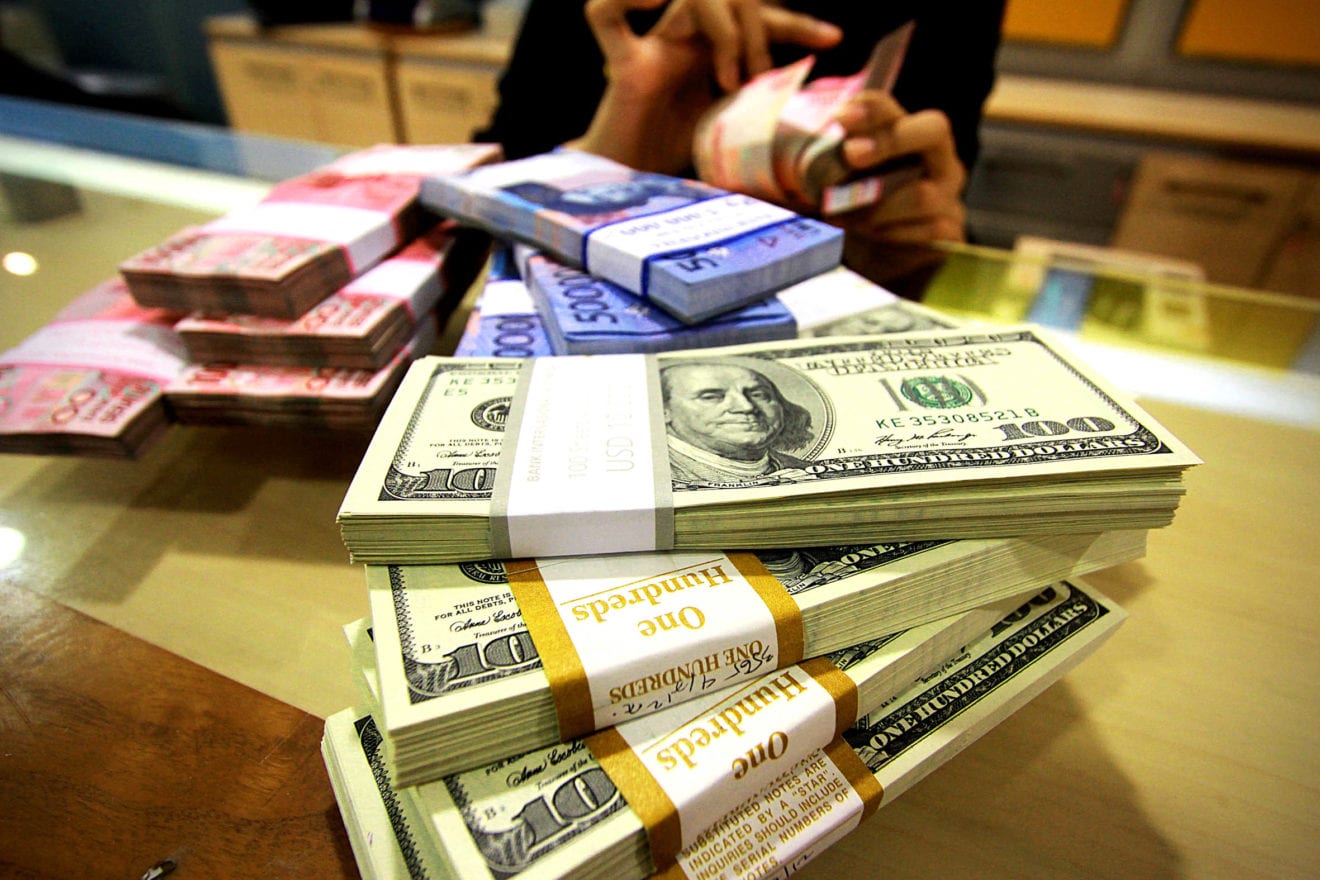
    The rupiah weakened 43 points to close at 13,015 per US dollar in the Jakarta interbank spot market on Friday evening, compared with the previous close of 12,972.

    “The rupiahs exchange rate depreciated against the US dollar along with the weakening of exchange rates in Asia,” economist Rangga Cipta of Samuel Sekuritas said.

    He said sentiment towards the upward revision of the US second-quarter gross domestic product growth was one of the factors causing the dollar to appreciate against several global currencies.

    Data for US inflation rate, which is projected to increase, has boosted the dollar to move into the positive zone, Rangga explained.

    After all, the relatively stable and rising crude prices and domestic optimism about the tax amnesty program has prevented the rupiah from falling further, he added.

    “The condition will make the rupiah depreciate against the dollar only in a short term,” he said.

    Money market expert Rully Nova of Bank Woori Saudara Indonesia Tbk said the rupiahs depreciation is relatively limited following the market expectation of a low inflation rate in September this year.

    “It is expected the data for inflation rate will be released early next week (Monday),” he said.

  • Government raises excise taxes on tobacco

    Government raises excise taxes on tobacco

    The government of Indonesia has raised the excise tax tariffs on tobacco. The Finance Ministers Regulation, No.147/PMK.010/2016, was issued in this respect.

    In the new policy, the highest tobacco excise duty hike of 13.46 percent was for machine-made white cigarettes (SPM) and 0 percent for category IIIB hand-rolled clove flavored cigarettes (SKT). The average increase was 10.54 percent.

    Besides raising the excise tax rates on tobacco, the government also increased the retail prices of cigarettes by about 12.26 percent.

    The tobacco tariff rates have been raised to control production, regulate manpower, end sale of illegal cigarettes and enhance revenue in the excise sector.

    “The government realizes that cigarette is a commodity harmful to health. Therefore, consumption needs to be limited. The increase in the tobacco tariff is aimed to control cigarette consumption and circulation,” Finance Minister Sri Mulyani told a press conference at the Directorate General of Customs and Excise Office here on Friday.

    The minister hoped that the increase in the tobacco customs tax tariff would contribute positively to the governments revenues in the customs sector.

    In 2017, the government set a revenue target from the customs sector at Rp149.8 trillion, which is about 10 percent of the total tax revenues.

    “Though it has slightly declined, it still contributes significantly. The government and the people should back the policy because if it misses its target, it will affect the state budget, which, in the end, will affect the national development programs,” Minister Sri Mulyani added.

    Sri Mulyani stated that the policy was discussed with various stakeholders, including those concerned with health and employment, tobacco farmers, tobacco companies and associations.

    Meetings were also held with local governments, foundations and universities to discuss the matter.

    Following the meetings and discussions, it was concluded that the excise duty needs to be increased in order to control consumption and production.

    However, such an increase must be balanced so that it does not affect job opportunities and survival of small industries.

    In the meantime, a youth community group, Smoke Free Agent (SFA), has backed the governments move to raise cigarette prices, arguing that the number of young smokers in Indonesia has been rising at an alarming rate.

    “In addition to reducing the number of adult smokers, cigarette price hikes may also discourage new smokers, who are mostly children and adolescents,” Ricki Cahyana of the Anti-Smoking Indonesia Community stated in a press release issued by the SFA on Wednesday.

    Ricki noted that on an average, adults started smoking by the age of 16, and 30 percent of Indonesian children began smoking before the age of 10.

    Hasna Pradityas, one of the initiators of the SFA, remarked that the tobacco industry is currently aggressively targeting children as potential consumers to replace adult smokers in the future.

    “Without young smokers and children, the tobacco industry would become bankrupt when adult smokers no longer exist,” he pointed out.

    If the government really raises the price of cigarettes, then it will be like a breath of fresh air for Indonesia.

    Prospective new smokers, mostly children, will no longer find it easy to buy high-priced cigarettes.

    In the long run, it will help reduce the number of child smokers and make the next generation of Indonesians a golden one, capable of competing at the global level.

    “We hope the government will really go ahead with its plan to hike the price of cigarettes, thus reflecting its serious commitment to protecting the health of young people and creating a golden future generation,” Yosef Rabindanata, an SFA activist, observed.
  • Philippines interested in Indonesian medical support ship

    Philippines interested in Indonesian medical support ship

    After purchasing two Strategic Sealift Vessel (SSV) warships from PT PAL Indonesia, the Philippine government is considering putting in another order for a medical support vessel from Indonesia’s state-owned shipbuilder.

    During the 2016 Asian Defense & Security (ADAS) exhibition in Manila, Philippine Secretary of National Defense Delfin Lorenzana held a discussion with Brig. Gen. Jan Pieter Ate from the Indonesian ADAS delegation on Indonesian defense products.

    “The Secretary of National Defense and the Philippines Navy chief of staff are impressed with the medical support vessel that will be fit for humanitarian assistance and disaster relief (HADR) operations,” Jan Pieter, the Defense Ministry’s director of the defense industry and technology.

    According to Jan Pieter, the Philippine secretary of defense had shown a deep interest in the 123-meter vessel and spent a lot of time looking at the vessel’s mock-up.

    It was reported that the Philippines had also put in an order for the CN235-200 and N212i aircraft from state-owned airplane maker PT Dirgantara Indonesia in 2015.

    The three-day ADAS 2016 exhibition ends on Friday.

    According to its official website, ADAS 2016 attracts exhibitors from around the world and works closely with the Armed Forces of the Philippines (AFP), the Office of Civil Defense (OCD) and the Philippine Coast Guard (PCG).

  • Foreign guests of star rated hotels in Manado stay longer

    Foreign guests of star rated hotels in Manado stay longer

    Foreign guests of star-rated hotels stayed longer in Manado, North Sulawesi, the provincial office of the Central Bureau of Statistics (BPS) said on Friday.

    In July, 2016, the length of stay of foreign guests of star rated hotels averaged 3.81 days , up from 3.25 days in the previous month, head of the provincial BPS Moh Edy Mahmud said here.

    Edy said the steady increase in the length of stay from month to month indicated growing number of foreign visitors to the province.

    “The more foreign visitors to the province the better for us,” he said, adding, the trend is expected to continue as the impact would be positive for the economy of the province.

    Spokeswoman of the Sintesa Peninsula Hotel Julita Wowor said the number of foreign visitors to Manado was growing especially from China.

    The number of foreign guests in the city center in Manado remained low but the length of stay is higher, she said.

    Most visitors chose to stay in suburban areas where they enjoy the natural beauty, she added.

  • Indonesia Sees Decline in Number of Cigarette Factories

    Indonesia Sees Decline in Number of Cigarette Factories

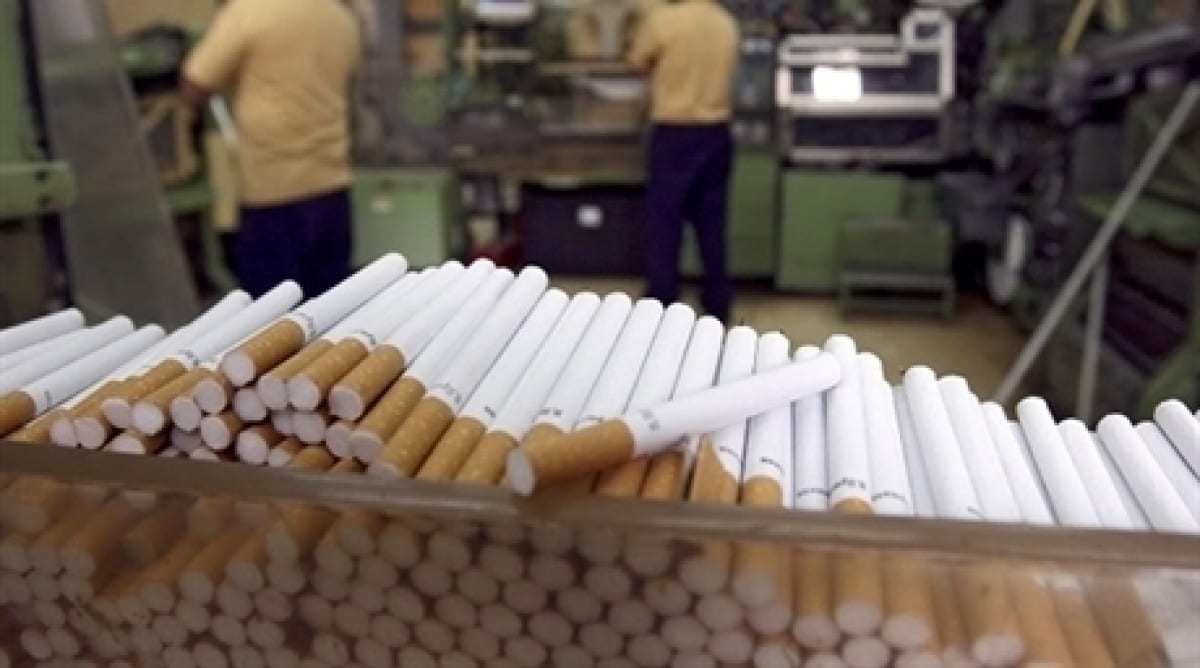
    The Director General of Customs and Excise for the Finance Ministry, Heru Pambudi said the number of cigarette factories in Indonesia continues to fall significantly over the past years. There were 4,669 cigarette factories in 2007, which had fell to 754 by 2016

    According to Heru, the better tobacco control measures taken by the Directorate General of Customs and Excise has resulted in the decline of cigarette factories. “Both through administrative and physical control [measures],” he said in a written statement Wednesday, September 28, 2016.

    Heru said the Directorate General of Customs and Excise has been taking rigorous approach to issuing permit to manufacture tobacco products. In addition, the Directorate General had shut down the non-compliance factories. “Non-compliant factories will be closed,” he said, adding that the measure will be continued.

    The measure, according to Heru, aims to improve compliance of cigarette factories, as well as to supress illicit tobacco trade, which is one of the directorate’s remit which include monitoring tobacco distribution.

    Indonesian Cigarette Manufacturers Association (GAPPRI) chairman Ismanu said strict tobacco control policies by the Directorate General of Customs and Excise have been adequate, “GAPPRI fully supports the measures taken by the government in developing tobacco industry,” he said.

  • LeEco India ready to roll out 1000 stores

    LeEco India ready to roll out 1000 stores

    Chinese tech firm LeEco India plans to open 1000 outlets across the subcontinent by the end of this year.

    Expecting half of its revenue in India to come from physical stores, LeEco filed an application five months ago with the Foreign Investment Promotion Board (FIPB) to open single-brand retail stores.

    These will be a mix of company-owned stores as well as franchise outlets, says LeEco India COO for smart electronics business Atul Jain. “This is in line with our aim to be among top three brands in the country by 2018.”

    LeEco, which also has an offline presence in China, has not revealed the cost of setting up the stores. However, it will be spending nearly US$10 million on marketing in the three months starting October.

    Already the company has tied up with multiple distributors across organised and unorganised channels in India and is already available in about 3000 outlets in cities including Bengaluru, Chennai, Delhi, Mumbai, Pune and Varanasi. It expects to reach 65 cities and have a presence in 6000 to 8000 outlets by December.

    No longer exclusive

    Launched exclusively on Flipkart, LeEco’s products will now be available on other eCommerce marketplaces such as Amazon India and Snapdeal. Flipkart has contributed nearly 75 per cent of LeEco’s sales in India.

    LeEco has invested Rs.50 crore (US$500 million) in setting up a smartphone assembly plant in the Greater Noida area, in partnership with Compal Electronics. The factory has an initial capacity of 60,000 units a month but this will be ramped up to 200,000 by the end of December.

    By the second half of next year, the company plans to start exporting products to Hong Kong, Indonesia, Malaysia, Russia and Singapore, says Jain. LeEco sold more than 70,000 phones and 2000 televisions last month alone.

    Other plans include a partnership with Hungama to offer music services from next month.
    Founded by billionaire Jia Yueting in 2004, LeEco positions itself as the Apple, Netflix and Tesla of China. Apart from smartphones and online content, the company sells TVs, electric vehicles and virtual-reality headsets.