Tag: Indonesia

  • Arrivals of European tourists in Bali up 59.4%

    Arrivals of European tourists in Bali up 59.4%

    The number of European tourists arriving in Bali in this summer season increased 59.4 percent from 76,822 in June to 122,455 in July 2016.

    “The increase of European tourist arrivals is the fruit of the efforts made by the government and tourism industries in promoting Indonesia, especially Bali, in Europe and Asia,” tourism observer Dewa Nyoman Putra said here on Tuesday.

    Besides the impact of the intensive promotions and expanded security, the increase in European tourist arrivals is also triggered by the visa-free facility the Indonesian government provides for a number of countries.

    The tourism service of Bali recorded the average European tourist arrivals in Bali at some 76,000 per month.

    However, it rose to 122,455 in July, so that in the January-July 2016 period, the number of foreign tourist arrivals from Europe reached 583,463.

    Thus, European tourist arrivals in Bali account for 21.17 percent of the total foreign tourists arriving in Bali in the same period, in which 2.7 million foreign tourists visited Bali.

  • Standard Chartered probed by US over Indonesia ‘bribes’

    Standard Chartered probed by US over Indonesia ‘bribes’

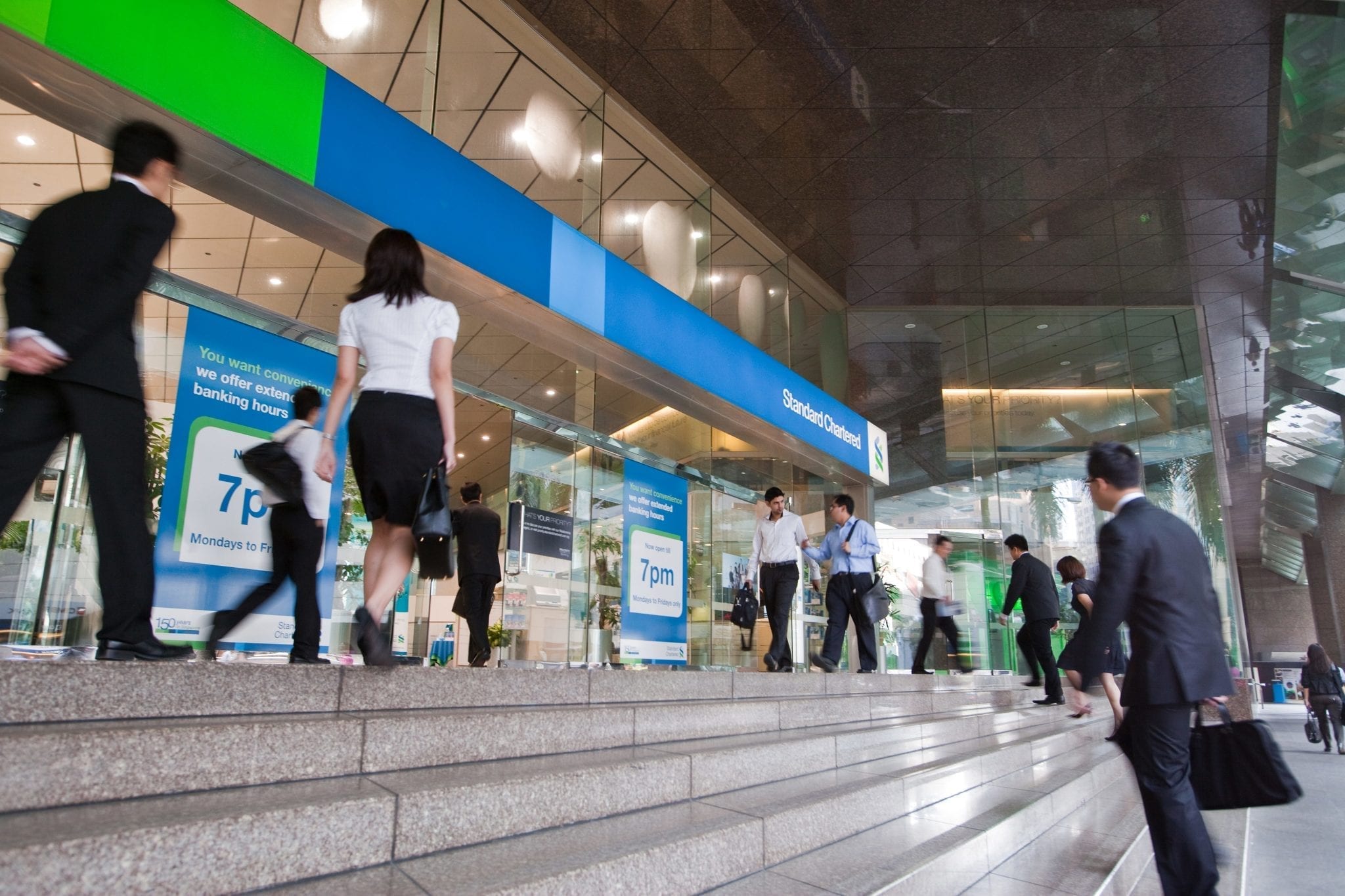
    Standard Chartered acknowledged on Tuesday (Sep 27) it was being investigated by the US Department of Justice over claims that an Indonesian subsidiary had paid bribes to secure contracts.

    The London-based, Asia-focused bank said in a statement that it had referred the matter to the “appropriate authorities” and launched its own review.

    The Wall Street Journal newspaper said that an internal audit at Indonesian energy company Maxpower Group found evidence of possible bribery and US prosecutors were examining whether Standard Chartered was culpable for not stopping it.

    “Standard Chartered takes very seriously allegations of impropriety in any of our private equity investments,” the bank told AFP in a statement when asked about the report.

    “We proactively referred this matter to the appropriate authorities and have conducted our own review.

    “When we receive allegations of improper behaviour in an investee company, we pursue those allegations vigorously and act appropriately, including sharing information and cooperating fully with government authorities and addressing any issues of internal conduct and accountability.”

    The Department of Justice did not comment when contacted by AFP.

    The Wall Street Journal said the Maxpower internal audit found that more than US$750,000 in cash advances needed to be examined as possible bribes, while lawyers who reviewed the audit found indications that employees made inappropriate payments to Indonesian government officials between 2012 and 2015.

    Standard Chartered began investing in Maxpower in 2012 and is the majority shareholder. There was no immediate comment from Maxpower.

    But a source close to the case told AFP the US authorities were indeed examining whether Standard Chartered, via its representatives on the Maxpower board, was aware of alleged bribes to win government contracts.

    The investigation would also look at why the bank’s alert procedures for spotting such matters had not been triggered.

    But the probe will focus on whether Standard Chartered has violated the terms of its 2012 deferred prosecution agreements with the Department of Justice.

    Standard Chartered paid US$667 million in 2012 to settle charges it violated US sanctions by handling thousands of money transactions involving Iran, Myanmar, Libya and Sudan.

    In August 2014, the bank was hit by US regulators with a US$300 million fine and restrictions on its dollar-clearing business for failing to detect possible money-laundering.

  • Indonesian Retailers Prepares for ASEAN Market

    Indonesian Retailers Prepares for ASEAN Market

    Deputy Chairman of the Indonesian Retailers Association (Aprindo) Tutum Rahanta, said that the Association is currently aiming for the ASEAN market, specifically countries like Vietnam, the Philippines, Laos, Myanmar, and Cambodia.

    Tutum predicted that hundreds of millions can be gained if Indonesian retailers can tap into international markets. “I think if we can penetrate the market, it would be like serving 600 million people, and it is three times bigger than Indonesian market,” Tutum said on Monday, September 26, 2016.

    Tutum said that Indonesian retailer has plenty of open chances and opportunities to tap into the ASEAN market, especially in terms of expansion costs, which according to Tutum, would be similar to expanding their business in Indonesia. In addition, Indonesian retailers would have better chances at expanding in ASEAN with the recent establishment of the ASEAN Economic Community.

    “It would be much different if retailers wanted to expand to Japan, opening one outlet there equals opening 30 outlets [in Indonesia], it doesn’t make sense,” Tutum said.

    Tutum added that despite retailers’ readiness to expand to ASEAN, Aprindo expected the government to show support by facilitating bureaucratic affairs and adapting regulations.

    “The government can lobby the foreign country’s government to see if there are any obstructing regulations, then they can inform retailers,” Tutum said.

  • Pupuk Indonesia intensifies research to strengthen food security

    Pupuk Indonesia intensifies research to strengthen food security

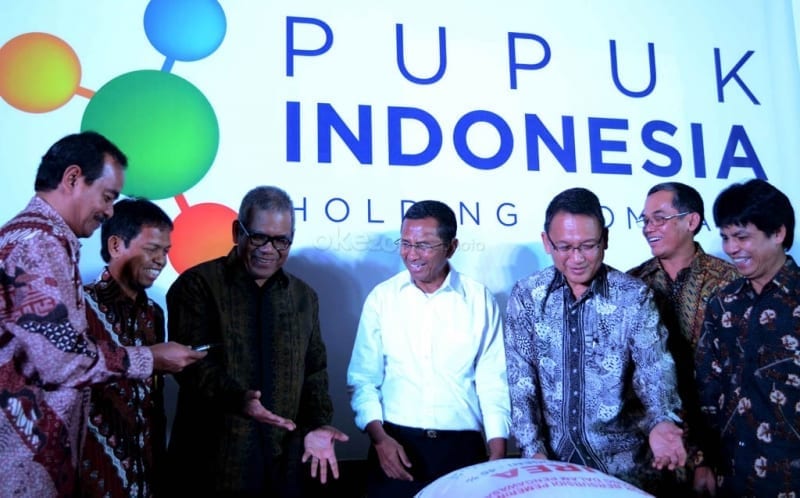
    State-owned fertilizer producer Pupuk Indonesia is intensifying agriculture research through its subsidiary, Pupuk Indonesia Pangan, in its effort to strengthen national food security.

    Pupuk Indonesia investment director Gusrizal said his office had contributed to food security through its research and development programs nationwide since 2013.

    “We have conducted research programs in Kapuas [Central Kalimantan], Ketapang [West Kalimantan] and Merauke [Papua],” Gusrizal said in a statement on Monday.

    He further said Pupuk Indonesia had prepared Rp 30 billion (US$2.3 million) to conduct research on upstream product development and fertilizing, land cultivation and for marketing programs conducted under the assistance of agriculture experts from various institutions this year.

    “The research has helped farmers increase their harvest yields for the last three years,” Gusrizal claimed.

    He further said the company would focus on researching downstream products, such as ammonia and urea fertilizers.

  • Australia Introduces Premium Dairy Products to Indonesian Chefs

    Australia Introduces Premium Dairy Products to Indonesian Chefs

    Australia’s Victorian Agricultural Minister Jaala Pulford collaborated with Podomoro University’s culinary students, Indonesian vocational schools and Dairy Australia to showcase Victorian  premium dairy products during a cooking demo held at Podomoro University in Jakarta.

    Victoria State’s Commissioner to Indonesia Brett Stevens said that Indonesian chefs are expected to acquire skills to creatively and innovatively process dairy products since demands on such products from domestic and foreign markets are increasing.

    “Therefore, we are happy to support this event,” Stevens said in a press release received by Tempo on Tuesday, September 27, 2016.

    The event was held as a part of Victoria State administration’s commitment to work with Indonesia’s education and hospitality sectors to develop both sides’ competitiveness and to transfer skills and knowledge.

    Minister Pulford’s visit to Indonesia was aimed to strengthen trade cooperation and investment between the two countries, in addition to improve cooperation in major sectors, such as education and professional service.

    Victora State is the largest Australian dairy producer well-known for its safe and high-quality products.

    The cooperation is expected to improve the quality of Indonesian professionals in the culinary sector by introducing them to new culinary techniques.

  • Indonesian minister encourages digital-technology based railway operations

    Indonesian minister encourages digital-technology based railway operations

    Indonesia needs to focus on exploring new digital technologies in its railway operations to make its services more accessible.

    The railway management needs to work towards more efficiency, higher productivity and better security for both, the industry and passengers.

    “Indonesias railway industry has a long history, going back over 150 years. It significantly contributed to the countrys development and growth, especially in the Java and Sumatra areas. Now, it needs to focus on developing digital technologies,” Minister of Transportation Budi Karya Sumadi told a symposium organized by PT Kereta Api Indonesia (Indonesian Railway Corp.) and GE Transportation in Jakarta on Monday.

    The symposium, held to boost the countrys railway operations, was attended by over 200 senior executives and officials from the Ministry of Transportation, the Ministry of Trade, the Ministry of Industry, the Indonesian Railway Corp, GE Transportation, Jakarta Mass Rapid Transit, PT Transportasi Jakarta (TransJakarta), the Transportation Organization Board for the Jakarta, Bogor, Depok, Tangerang and Bekasi (Jabodetabek) Area and the Mandiri Bank.

    “Indonesian railway has become the backbone of the land transportation system in the country, carrying over 200 million passengers and almost 30 million tons of cargo every year,” the minister revealed.

    As per available data, Indonesia currently operates approximately 5,000 kilometers of active railway tracks.

    As part of the National Railway Master Plan, Indonesia will extend its railway tracks for another 12,100 kilometers by 2030, including 3,800 kilometers dedicated solely to the urban railway network, serving Bali, Batam, Kalimantan, Papua and Sulawesi.

    “With an abundance of natural resources, massive population and solid economic foundation, Indonesia is predicted to become one of the seven countries in the world with the strongest economy by 2030. To actualize that vision, Indonesias railway system surely needs to be expanded and modernized to make it much more efficient,” the minister remarked.

    Meanwhile, the President of the Indonesian Railway Corp, Edi Sukmoro, pointed out that in todays world, all means of transport, including land, water and air, need to be optimally operated to provide high quality services to the customers while, at the same time, offering a high investment value for the stakeholders.

    “For the Railway Corp, this means optimizing the use of all of our assets from railway tracks to rolling stocks and other supporting facilities. We believe that the digital technology will help us in reaching that goal,” Sukmoro stated.

    In terms of technology utilization, the Railway Corp has also undergone various innovations to maximize services made available to the customers including a renewal of the ticketing system. Customers no longer need to queue up at the station to obtain their railway passes as the company makes use of information technology.

    The facility of e-ticketing and e-gate as well as the railway restoration services have also seen technology based solutions being applied.

    The passengers will be able to pre-order tickets through a website.

    CEO of GE Indonesia Handry Satriago said the company has helped resolve the toughest challenge in the global railway industry through the use of software and data analysis, bringing down locomotive emissions, ensuring lower fuel consumption and enhancing speed and security.

    GE Transportation networks software is able to optimize the mainline train network, classification yard and inter-model terminal in such a significant way that it boosts the railway systems efficiency and productivity to a level like never before.

    On top of that, GE Transportations software solution helps its customers in optimizing the railways operations while at the same time lessening the use of energy. This ultimately leads to lowering of emissions and fuel costs.

    “Our digital technology has been successfully implemented by our customers, despite the fact that some of them are operating in economically and geographically challenging conditions. The same technology can also be implemented in Indonesia to boost the countrys railway operations to the next level,” he concluded.

  • Despite problems at home, SMRT eyes Indonesian market

    Despite problems at home, SMRT eyes Indonesian market

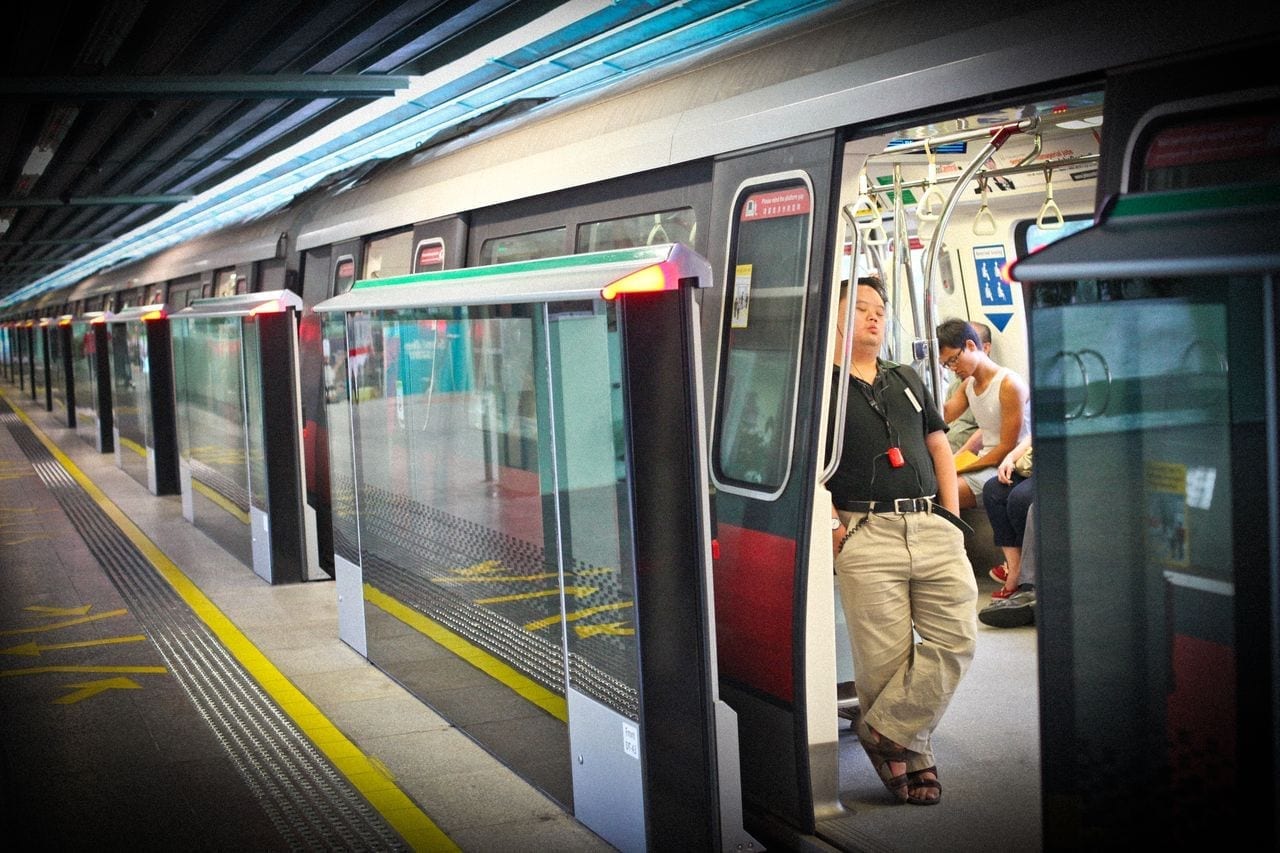
    Transport operator SMRT has been awarded the tender for the construction of a public rail project in Bandung, the Mayor of Indonesia’s third-largest city said, a development that has elicited a thumbs-up from analysts.

    Local media in Indonesia had reported in recent days that SMRT will be the project operator for the Light Rail Transport (LRT) in Bandung. Bandung Mayor Ridwan Kamil was quoted in the reports as saying that in the initial stage, SMRT will build the LRT Corridor 1, a 10.2km route from Babakan Siliwangi to Leuwipanjang.

    In a Facebook post last Monday (Sept 19), Mr Kamil wrote SMRT had been awarded the tender for Corridor 1 and that construction would begin by next year if everything went well.

    In the wake of those reports, SMRT on Monday (Sept 26) said in a regulatory filing with the Singapore Exchange (SGX) that its wholly-owned subsidiary, SMRT International, had on Sept 9 submitted together with T-Files Indonesia a formal bid to participate in a tender for the construction of a public rail project in Bandung, about 180km from Jakarta.

    SMRT said in its filing that it had not received official notification of the tender award and that no agreement had been reached on any of the terms with regard to the construction and implementation of the project. It declined to comment beyond the SGX filing.

    Assistant Professor Yang Nan, Department of Strategy & Policy at NUS Business School, said: “Obviously this is an interesting project. Even if it doesn’t promise immediate high returns, SMRT is eyeing the future. As the largest economy in Asean, Indonesia has very underdeveloped transport infrastructure but is ready to catch up quickly.”

    He added: “Getting an early and strong foothold in these new markets is crucial for rail expansions and SMRT’s move is in this direction. I’m optimistic about SMRT’s perspective in winning this and future tenders, for its specialties and experiences operating in the Asean market.”

    CMC Markets Singapore analyst Margaret Yang said: “Indonesia is a fast-growing emerging economy, with a large population and high demand for infrastructure upgrading. This would be a good opportunity for SMRT to explore new business in Asean’s largest economy.”

    The latest development comes two years after SMRT International joined a consortium to provide consultancy services and secured first rights to operate and maintain the Jakarta Eco Transport monorail, due to commence operations next year.

    At home, SMRT has come under heavy criticism in recent years as frequent train disruptions and delays on its various lines held up passengers on their daily commutes.

    In March, two employees carrying out routine maintenance work on a track near Pasir Ris MRT Station were killed after they were hit by a train approaching the platform. In July, SMRT said it had sent back 26 China-made trains to the manufacturer for repairs after cracks were found in them.

    Earlier this month, SMRT said it had not been able to determine the source that caused the intermittent loss of signalling communications on the Circle Line last month, which led to days of train service delays.

    Transport analyst Park Byung Joon, who lectures at SIM University, said that any operator with a long-enough history in operations will have its own record of mishaps. “As a train operator, it has a responsibility to the public, of course, but as a commercial entity there is nothing wrong for a business expansion opportunity,” he said.

    “Despite some recent operational hiccups suffered by SMRT, it is still a very strong operator of trains. As an operator of trains, it can bring in its knowledge on how to oversee the construction project and what kind of considerations you have to have for safety concerns. This kind of knowledge can be very useful for the consortium.”

    This Thursday, SMRT shareholders will vote on state-owned investment fund Temasek Holdings’ proposed buyout of the public transport company and experts have mixed views on how news of the Indonesian tender will affect the vote.

    Temasek’s wholly-owned subsidiary Belford has proposed to buy the 46 per cent of SMRT shares that the state-owned fund does not already hold, by way of a scheme of arrangement at S$1.68 per share.

    More than 50 per cent of shareholders present in person or by proxy must vote to approve, and they have to hold at least 75 per cent of the value of SMRT shares among those present. This excludes shares held by Temasek, which is not eligible to vote.

    SMRT said in Monday’s filing that the company does not expect the Indonesian bid to have a material impact on its net tangible assets per share or earnings per share (EPS) for the current financial year.

    “There shouldn’t be a material impact on shareholder’s decision due to the uncertainty surrounding the bid, and no material impact on its tangible assets or EPS in the near term,” said Ms Yang.

    However, Mr Yang disagreed.

    “The shareholders may vote for SMRT to remain publicly-listed as they see this announcement as something that can boost the future stock value of SMRT, and an opportunity to receive higher future dividends,” he said.

  • Indonesia’s health care industry is on the rise

    Indonesia’s health care industry is on the rise

    Data from WHO Global Health Expenditure Database has revealed that, in 2014, Indonesia’s spending on health care totaled only 2.8 percent of GDP. Compared to the global average of 9.9 percent, it goes without saying that our nation’s total expenditure for health is among the lowest in the world.

    Full implementation of National Health Insurance (JKN) is targeted for 2019 and was initially been seen as the main catalyst to the country’s growth in the health care industry.

    Nevertheless, the initiative saw a challenging launch and, thanks to regulation disparities, poor infrastructure, inadequate medical staff and ultimately funding shortfalls, many analysts maintain their doubts that the program can achieve its main objective, covering 260 million Indonesians by 2019.

    While the pain experienced by the majority of Indonesians dealing with Indonesia’s health care may continue to grow for some time, this is a necessary journey toward success and all the bumps can be read as signposts on the road that the nation must travel to higher-income status.

    The government has maintained the JKN program as a top priority; hence, the challenges will eventually be overcome.

    Moreover, the spark generated by the government’s boost to the health care sector is creating abundant opportunities for all to prosper.

    Substandard health care service in Indonesia represent investment opportunities and records have shown surging demand for health and medical services since the JKN program rolled out.

    In recent years, Indonesia’s conglomerates have started consolidating and investing heavily in the hospital business.

    The likes of Siloam (backed by Lippo Group) and Mitra Keluarga (affiliated with Kalbe Farma) are leading players in Indonesia’s hospital industry. Both have aggressive growth strategies.

    According to a report by the Oxford Business Group, Siloam plans to reach total capacity of 10,000 beds with 22 new hospitals coming online by 2017, while Mitra Keluarga has raised US$372 million through one of the largest initial public offerings (IPO) in recent years, the funds will be used to expand its hospital network to 18 by 2020.

    Foreign players also find Indonesia’s market very captivating. Foreign investment limits in the hospital business have recently been revised to a level of 67 to 70 percent, so more international hospital groups can be expected to leave their footprint in Indonesia soon.

    The limits in the pharmaceutical industry are even higher: 85 percent, and given the estimation that 20 percent of total health expenditure will be allocated to pharmacy products, it was not an exaggeration when in 2015 Frost and Sullivan named Indonesia as “the most promising emerging market for pharma”.

    Another area that represents an exciting prospect for investment is stem cell therapy, already an important health commodity in countries like Russia, China and India.

    While this is certainly a new area for most investors, the potential revenue is huge, surpassing $18 billion according to a study by the Prodia Group.

    Along with economic incentives, this area will promote greater international collaboration that will be useful in the advancement of medical technology in Indonesia.

    Perhaps the talk of positioning Indonesia as one of the world’s leading destinations for medical tourism is not a wild dream anymore.

    Indonesia may be playing catch up for now to the likes of Singapore and Malaysia in ASEAN, nonetheless, it is not too late to start gaining credibility in international markets like Australia, where higher medical costs may force patients to search for more affordable, but still reliable, treatment overseas.

    Indonesia’s health care providers, hence, must prepare themselves to conform to international standards in order to win the hearts of potential foreign patients.

    Indonesia’s health care industry is expected to be worth more than $50 billion by 2020. With the influx of foreign players and the race of local players to shift gear in preparation for faster growth, the government must take an active role to ensure the upgrades to the nation’s health care are beneficial for all people of all statuses.

    Various investments in the industry must make health care more affordable and accessible, especially for those in less developed parts of Indonesia.

    In addition to the primary benefit of delivering adequate health care to the people, the government must also ensure the “side effects” that could potentially also have a larger impact on society in the long run.

    Multinational medical companies operating in the domestic market should be persuaded to develop in-country research and development centers and collaborate with local universities to train capable future human resources.

    Even the tech and startup industry can make the most of this bloom by exploring various value-added services that offer faster information access, easier interaction, better and strong enough to disrupt the industry.

    This wave has already started with the creation of medical portals, real-time health trackers and even the utilization of artificial intelligence that can help medical practitioners diagnose patient health.

  • Multi Bintang Cancels Factory Expansion

    Multi Bintang Cancels Factory Expansion

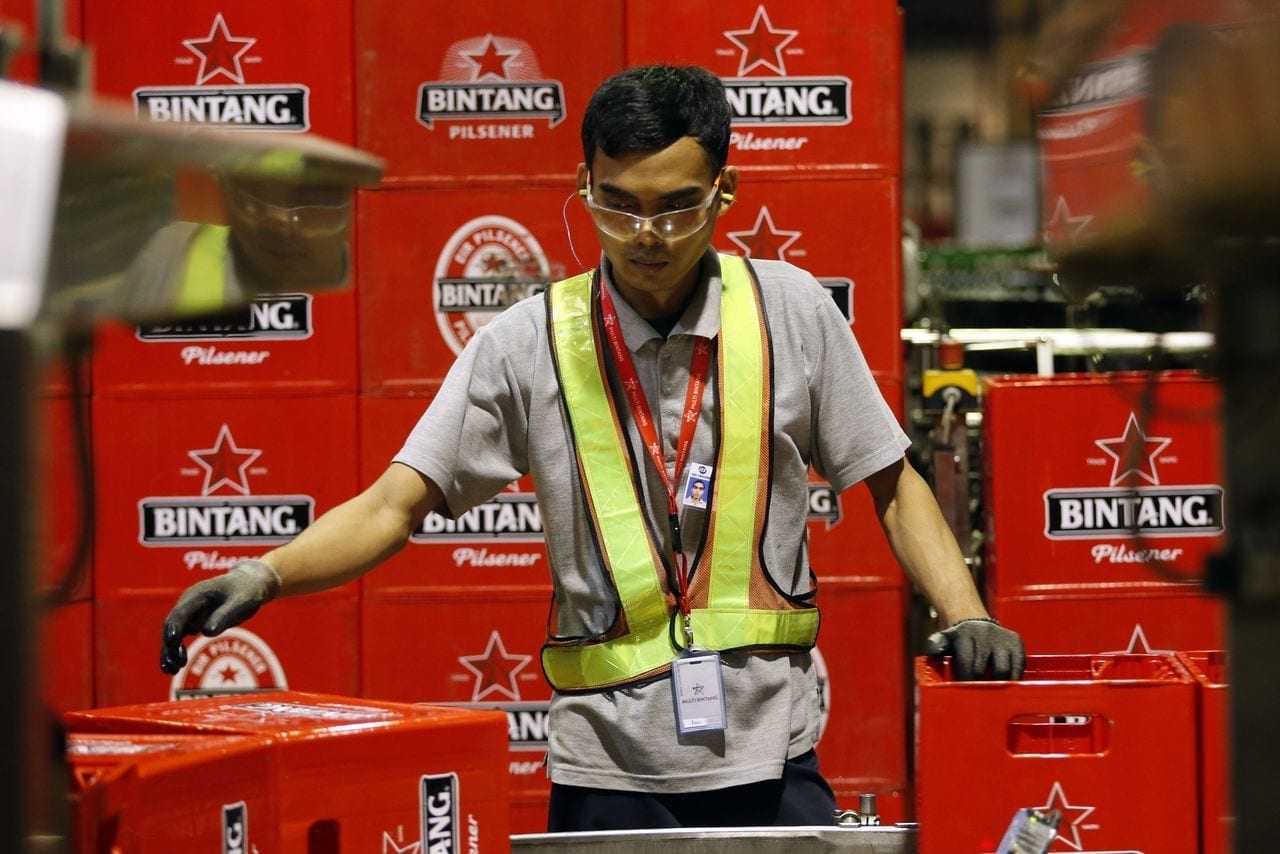
    PT Multi Bintang Indonesia (MLBI) has decided to postpone plans to expand its factory in Mojokerto. The decision was made as the company faced difficulties with Trade Minister Regulation on the distribution of alcoholic beverages and the Draft Bill on alcoholic beverages, which is still being discussed by the House of Representatives.

    Bambang Britono, Director of Corporate Relationship of the company said that the Trade Minister Regulation No. 6/M-DAG/PER/1/2015 on the Control and Supervision on Procurement, Distribution and License for Alcoholic Beverages have forced the company to reschedule its plant to expand production facilities.

    “It is actually depends on time and supply. Previously [our sales] had dropped because of the Trade Minister Regulation. So we have decided to do a reschedule,” Bambang said on Friday, September 23, 2016.

    In addition, the government’s plan to pass the Draft Bill on Alcoholic Beverages, which bans the production, distribution and consumption of alcoholic beverages with an alcohol level of one up to 55 percent have disrupted the company’s distribution activities. Nevertheless, Bambang is certain that the government will be able to come up with a just policy for alcoholic beverages company.

    “Because the [alcoholic beverages] industry has quite large [contribution], not only in terms of levy and taxes revenue, but also multiplier effect on other industries, such as tourism. So the government will consider its own discretion,” Bambang said.

  • Aceh wins three prizes in halal tourism category

    Aceh wins three prizes in halal tourism category

    Aceh Province has won three prizes in the National Halal Tourism Competition (KPHN) 2016, an official said.

    The three awards were in the categories of Muslim Friendly Airport–given to Sultan Iskandar Muda International Airport in Banda Aceh, as well as best Muslim friendly cultural destination, and best tourist attraction for Baiturrahman Grand Mosque, said Reza Fahlevi, head of the Aceh cultural and tourism office, on Thursday.

    He expressed his gratitude to the people of Aceh for helping develop halal tourism in the province, and to the Central Government for supporting Aceh in its participating in the World Halal Travel Awards 2016 in Abu Dhabi, the United Arab Emirates.

    “Alhamdulillah (Thank God), Aceh won prizes for three categories in competition with 117 nominees in 15 categories,” he remarked.

    The results of the competition were announced in Jakarta on Wednesday.

    The Aceh provincial administration seeks to improve its tourism industry to meet its 3As – Amenity, Accessibility, and Attraction– in order to transform the province into a world-class tourism destination.

  • DBS to offer digibank service in Indonesia

    DBS to offer digibank service in Indonesia

    DBS Bank plans to launch a mobile-only banking service in Indonesia by the end of the year.

    DBS Group chief executive Piyush Gupta told the Sweden-Southeast Asia Business Summit on Wednesday that the bank is targeting Indonesia to capitalise on the young, tech-savvy consumers among its 260 million population.

    “Indonesia is an important market with its size and scale, and the economic reforms taking place in the country,” he said. “There is great potential for business as we see a pickup in the country’s economy under the leadership of President Joko Widodo.”

    DBS’s digibank offering, which includes an e-wallet and a savings account, will be available to customers in addition to its consumer and corporate banking services at its 34 branches in 13 Indonesian cities. DBS opened its first branch in Indonesia – an outlet in Jakarta – in 1989.

    DBS hopes to replicate the success it is seeing in India since it started its digibank service there in April – the first mobile-only banking facility in the sub-continent, said a DBS spokesman.

    The service has attracted more than 250,000 new clients in the first four months of its operation.

    A digibank account can be opened in India with just a 12-digit Aadhaar number, which provides a unique biometric identification for all resident Indian citizens.

    More than a billion Indians have been issued with Aadhaar cards by the government. With over 200 million smartphone users in the country, the market for digibank is huge.

    The service’s e-wallet can be used for making payments, including telephone and electricity bills. Customers can also use a Visa virtual debit card to shop at over 100,000 online merchants.

    “While we continue to invest in growing our existing network in India, we also believe that with the digital revolution, the future of banking will be very different,” said the spokesman.

    “Increasingly, many customers want to be able to do their banking digitally and on the go. A successful digital banking strategy will meet changing customer needs, while enabling us to accelerate our reach in large geographies without the need for a large brick-and-mortar footprint.”

    Indonesian clients will be able to use their biometric national identity card to open digibank accounts.

    DBS said it intends to launch digibank in other markets after its introduction in Indonesia.

  • Garuda targeting Rp386 billion transactions during travel fair

    Garuda targeting Rp386 billion transactions during travel fair

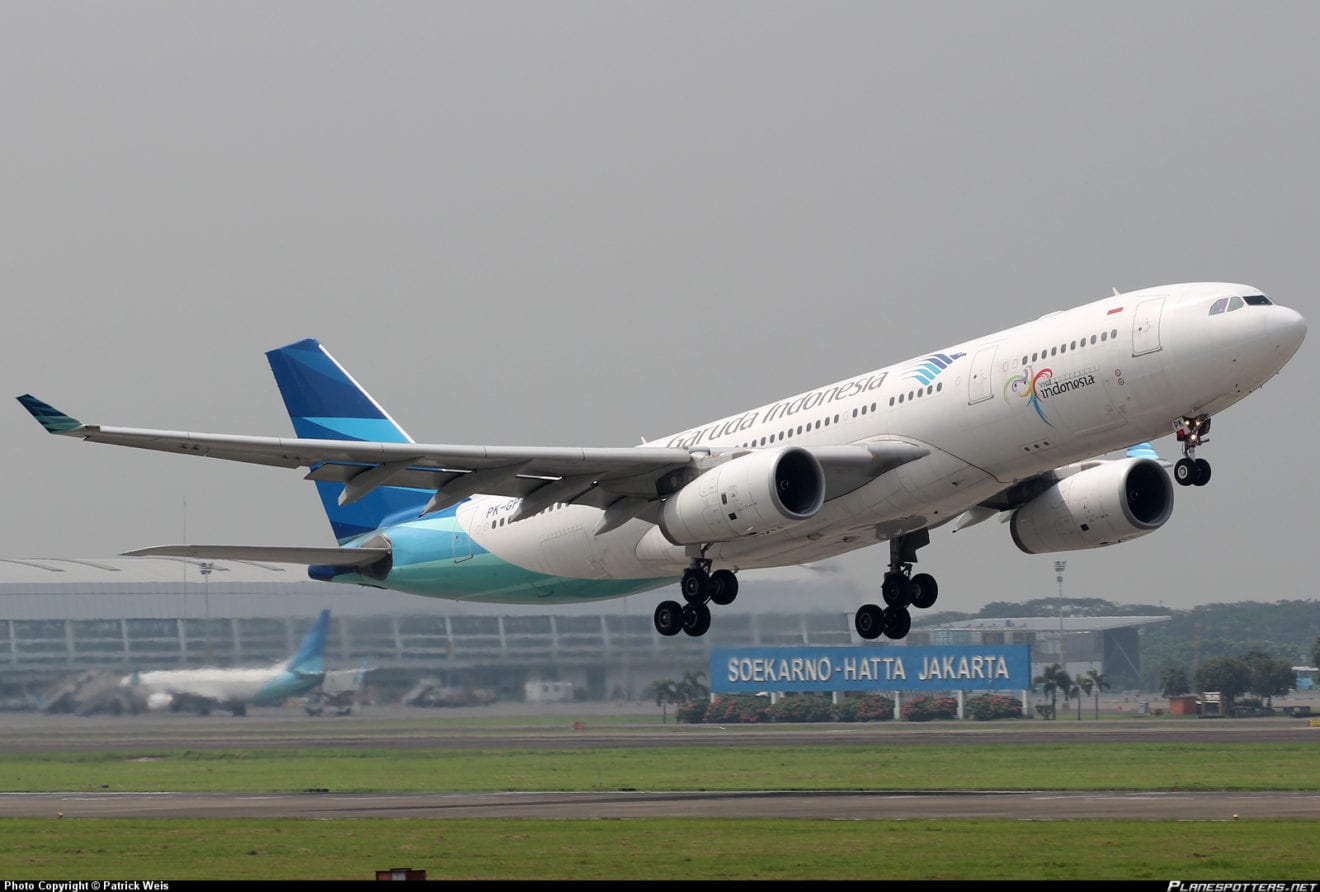
    PT Garuda Indonesia is targeting transactions of up to Rp386 billion in ticket sales during the Garuda Travel Fair (GATF) Phase II in 2016, to be held in 18 cities in Indonesia.

    Commercial Director of Garuda Indonesia A. Toni Soetirto said at a press conference here on Thursday that for Jakarta alone, the company targets sales transactions amounting to Rp225 billion and 80 thousand visitors.

    “The implementation of GATFs second phase provides an opportunity for service users to receive attractive offers,” he stated.

    In addition, he targeted a 3 to 4 percent increase in occupancy rate (load factor) compared with the off-season or low season.

    “In the third quarter, the interest of the public is higher,” he remarked.

    The overall target for transactions, he added, was higher than that of GATF Phase I, which raised Rp350 billion, and in Jakarta alone raised Rp179 billion, with 69 thousand visitors.

    Soetirto said GATF Phase II will be held in 18 major cities: Jakarta, Bandung, Medan, Lampung, Palembang, Semarang, Solo, Yogyakarta, Surabaya, Denpasar, Lombok, Kupang, Balikpapan, Makassar, Manado, Ambon, Timika, and Jayapura.

    “Through this travel fair, the customers get the best prices and attractive packages,” he stated.

    Soetirto said Garuda Indonesia is also working with its subsidiary, Citilink Indonesia, as well as a number of travel agents to participate in the exhibition being held at the Jakarta Convention Center for three days from October 7 to 9.

    For the seventh time, Garuda will collaborate with Bank Negara Indonesia (BNI) as its bank partner in organizing the exhibition.

    On the same occasion, Director of Consumer Banking BNI Anggoro Eko Cahyo said BNI would offer a variety of promotions and convenient services for customers at the exhibition.

    Among them, BNI credit card holders will receive 600 cashback tickets per day with a value up to Rp1 million, while the banks debit card holders will have a similar offer.

    “We appreciate Garuda Indonesias invitation to partner with them again and share profits, values, and so on,” Cahyo noted.

  • DHL Express has opened its Jakarta Gateway 530 facility

    DHL Express has opened its Jakarta Gateway 530 facility

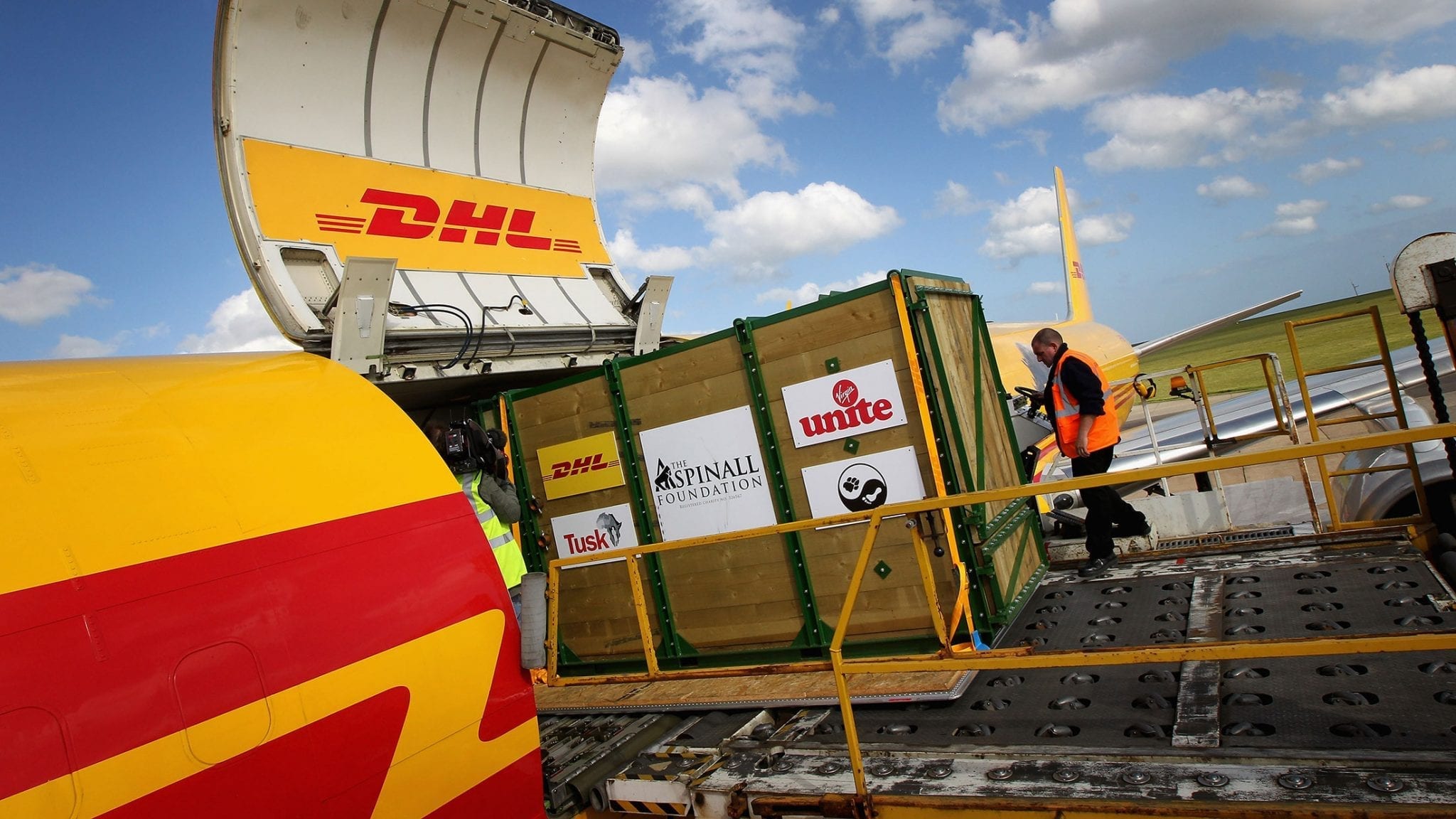
    DHL Express has opened its Jakarta Gateway 530 facility at Soekarno-Hatta International Airport to support Indonesian trade.

    According to DHL, the new 1,353-square-metre facility is an addition to the existing Gateway 510, which is at full capacity. Gateway 530 is capable of handling up to 2 million shipments per year and is equipped with dual-view X-ray screening, an explosive trace detector system and 103 CCTV cameras.

    “Our new Jakarta Gateway 530 will enable local businesses to trade seamlessly with customers around the world,” said Ken Lee, CEO of DHL Express Asia Pacific. “SMEs play a vital role in the Indonesian economy, contributing close to 58% of Indonesia’s GDP and Indonesia remains a key pillar in supporting South East Asia’s economic growth. This new facility allows DHL to continue supporting the growing export and import needs in Indonesia by providing greater access to international markets.”

    The facility offers direct airside access and in-house customs. Major trading partners that will benefit from Gateway 530 include mainland China, Germany, Japan, Hong Kong, Singapore and the US, according to DHL.

  • Pre-owned category booms, notes Asia Luxury Index

    Pre-owned category booms, notes Asia Luxury Index

    Pre-owned luxury items are becoming more popular, according to the 2016 Asia Luxury Index, compiled by Singapore-based online luxury retailer Reebonz.

    Drawing on industry reports and its sales data, the index reveals 30 per cent sales growth in the pre-owned category over the last year, with bags and shoes the most popular items.

    While 62 per cent of online transactions on Reebonz involve bags, the index says timepieces and shoes are primed to be the next growth-drivers for luxury in Asia in both the new and pre-owned categories. Spending on timepieces increased by 39 per cent, whereas shoe shopping ballooned by 87 per cent.

    Meanwhile, Chanel emerges as the top performer in Asia, with Burberry, Givenchy and Prada trailing close behind in the new luxury products category.

    “The group of luxury consumers is evolving and expanding – luxury is no longer just for the select few,” says Reebonz co-founder/CEO Samuel Lin. “With growing affluence and accessibility, more consumers can readily buy luxury goods.”

    A key finding from the index is that while there is still a growing demand for luxury goods, consumers are splurging more on higher-value new products. Expenditure growth has increased by 50 per cent while there have been only 37 per cent more transactions.

    “People are overlooking popularity for quality and exclusivity these days,” says Reebonz regional GM Benjamin Han.

    Blue-chip brands also command the pre-owned luxury category, with Chanel, Hermes and Prada posting strong performances across all product categories.

    Online luxury shopping continues to grow in Asia, with Hong Kong and Indonesia charting the biggest growth when it comes to high-end goods. Singapore is still firmly in first place for online shopping.

  • Garuda Indonesia opens new flight route in E. Nusa Tenggara

    Garuda Indonesia opens new flight route in E. Nusa Tenggara

    The national airline Garuda Indonesia launched a new flight route here to expand connectivity in East Indonesia, said Director of Garuda Indonesia Cargo Sigit Murhartono on Thursday.

    “The two new routes are Maumere-Denpasar, round trip, and direct flights on Kupang-Jakarta, round trip,” he said in a press statement in Kupang.

    The inauguration of the new flight path for Garuda Indonesia was conducted at the Frans Seda Airport in Maumere, Sikka District, and was attended by Sikka Regent Yoseph Ansar Rera.

    Murhartono said the new flight service to and from the NTT is part of the expansion of the flight network, which continues to be conducted by Garuda Indonesia.

    In addition, the opening of the new route is part of the continued commitment of the state-owned airline to support the programs of the Presiden Joko Widodo (Jokowi) administration.

    “We have a commitment to always support government programs to improve connectivity between the island and the city, especially in developing the tourism industry to realize the target of 272 million tourists visiting Indonesia and to make NTT Province a new tourist destination,” he noted.

    He also expected the opening of the new routes would allow Garuda to increase the flow of tourists and businesspeople between Kupang City, as the capital of the province, and Maumere, which has many tourist spots.

    Murhartono explained that the Maumere-Denpasar route will be served by Garuda Indonesia four times a week — Tuesday, Thursday, Friday, and Sunday — with scheduled flights from Maumere departing at 10.55 a.m. and arriving in Denpasar at 00.55 p.m.

    Meanwhile, the Denpasar-Maumere trip will depart at 7 a.m. and will arrive in Maumere at 9 a.m. The Maumere-Denpasar round trip flight route will be served by an ATR 71-600 aircraft with a passenger capacity of 70 economy seats.

    The Kupang-Jakarta round trip flight will be served by a Bombardier CRJ 1000 NextGen aircraft, which is touted as being reliable and environmentally friendly with cost-efficient operations.

    “For the daily Kupang-Jakarta, round trip, service departure from Jakarta will be at 5 a.m., arriving in Kupang at 8.55 a.m. and then returning from Kupang at 6.55 p.m. and arriving in Jakarta at 8.10 p.m.,” he stated.

    With the opening of the new routes, Garuda Indonesia will serve up to 39 flights to and from NTT Province every week.