Tag: International

  • Ermenegildo Zegna acquires Thom Browne

    Ermenegildo Zegna acquires Thom Browne

    The Italian company Ermenegildo Zegna Group has acquired 85 percent of the business at a $500 million valuation. Browne is the sole other shareholder.

    The American designer label, best known for its intellectual and imaginative take on silver-spoon tropes — most notably, its signature shrunken grey suits — is partnering with a strategic investor on a bold expansion plan that will likely broaden its customer base and reach.

    Today, Thom Browne announced that Italian menswear stalwart Ermenegildo Zegna Group has acquired an 85 percent stake in the company, valuing the business at approximately $500 million. Browne, the label’s founder and chief creative officer, is the only other remaining shareholder.

    The transaction marks a brisk, successful exit for private equity firm Sandbridge Capital, which has held a majority stake in the brand since 2016.

    “Thom and I took great care in choosing a new partner who would continue to both honor and celebrate Thom’s uniquely visionary approach to marrying the highly conceptual with the beautifully commercial,” Ken Suslow, founding managing partner at Sandbridge, said in an email to BoF. “It was readily apparent from the very beginning that Gildo and the Zegna Group constituted this ideal partner in every important respect.”

    Chief executive Rodrigo Bazan, who joined Thom Browne in 2016 from Alexander Wang, will continue in his role. According to a report, Thom Browne generated $100 million in sales in 2016 and was on track to reach $120 million to $125 million in 2017.

    In July 2018, Bazan said the company is still growing, with 31 directly owned retail stores in New York, London, Milan, Tokyo, Hong Kong, China, South Korea and Singapore. (A store in Miami is set to open in October.) “If anything, we’re containing the growth,” Bazan said.

    “My goal is to keep Thom Browne independent,” Ermenegildo Zegna, chief executive of the Zegna Group said. “It’s a good company, a good organisation, a good business and profitable. The company has to stay autonomous from Zegna with support and help from the group. It will be a gradual approach. If something is working, don’t change it, just support it.”

    In addition to leveraging Zegna Group’s global reach to expand the Thom Browne retail footprint, the New York-based fashion house will also benefit from Zegna’s expertise in fabrics and manufacturing. While Browne has volleyed between manufacturing in the US and Italy, most of his clothing is now produced in Europe.

    Browne said that he was “proud” of the new partnership. “I think the most important thing is that Zegna represents the best quality,” he said. “As conceptual as my collections may be, the quality is the most fashionable part of what I do across the board.”

    In return, Thom Browne will provide a contemporary fashion play for the family-owned textiles giant, whose current portfolio includes its flagship luxury menswear brand, sister-line Z Zegna and womenswear label Agnona. Zegna described the Thom Browne brand as one that appeals to consumers with a “millennial mindset.”

    “I never put an age to it,” added Browne. “I think it’s just because of the way I approach design. It’s the youthful sensibility and spirit.”

    Zegna also cited Thom Browne’s “thriving” women’s business — which launched in 2011 and now makes up 35 percent of sales — and its resonance with younger generations as proof that the brand will offer long-term value for the group. The deal also marks Zegna’s first notable investment in an American brand in recent history. “Both Thom Browne and Zegna have not fully utilised the opportunity of the US market, which is growing very very well, second only to China,” he said. “We believe in the market, and we can do much better with both brands.”

    In July, he announced a partnership with Spanish football club FC Barcelona as the team’s official off-field outfitter. Most recently, the company has been working on signaling that Thom Browne is about more than runway showpieces and suiting. “That’s one of the reasons we bought Thom Brown,” Zegna said. “He’s the master of fun casualisation.”

    Relaxed, yet still stylised, pieces — from sweatpants to quilted jackets — now play a starring role in the line’s commercial collections. At the time of the Barcelona announcement, Bazan said that that the brand will “continue to expand the product pricing architecture to touch more consumers, while continuing to prioritise quality.”

    For Browne, the deal marks natural progression. While it was adamant on maintaining a financial stake — “I founded the business and it was just really important to know that I still had a piece of it,” he said — the series of investors he has brought on over the years, from Japan’s Stripe International to Sandbridge and now Zegna, have helped to continue building the business in the way he wants to build it: led by creativity.

    “The most important thing for me that there was a real personal connection to all of them. It’s the reason why they worked,” he said. “With Ken and Sandbridge, it worked because we had a really close friendship. It’s refreshing to know that you can grow a successful big business and still be a gentleman. Sitting down with Gildo, I saw in him a true gentleman.”
  • DHL Birmingham (UK) Facility Becomes 300th TAPA-Certified Site

    DHL Birmingham (UK) Facility Becomes 300th TAPA-Certified Site

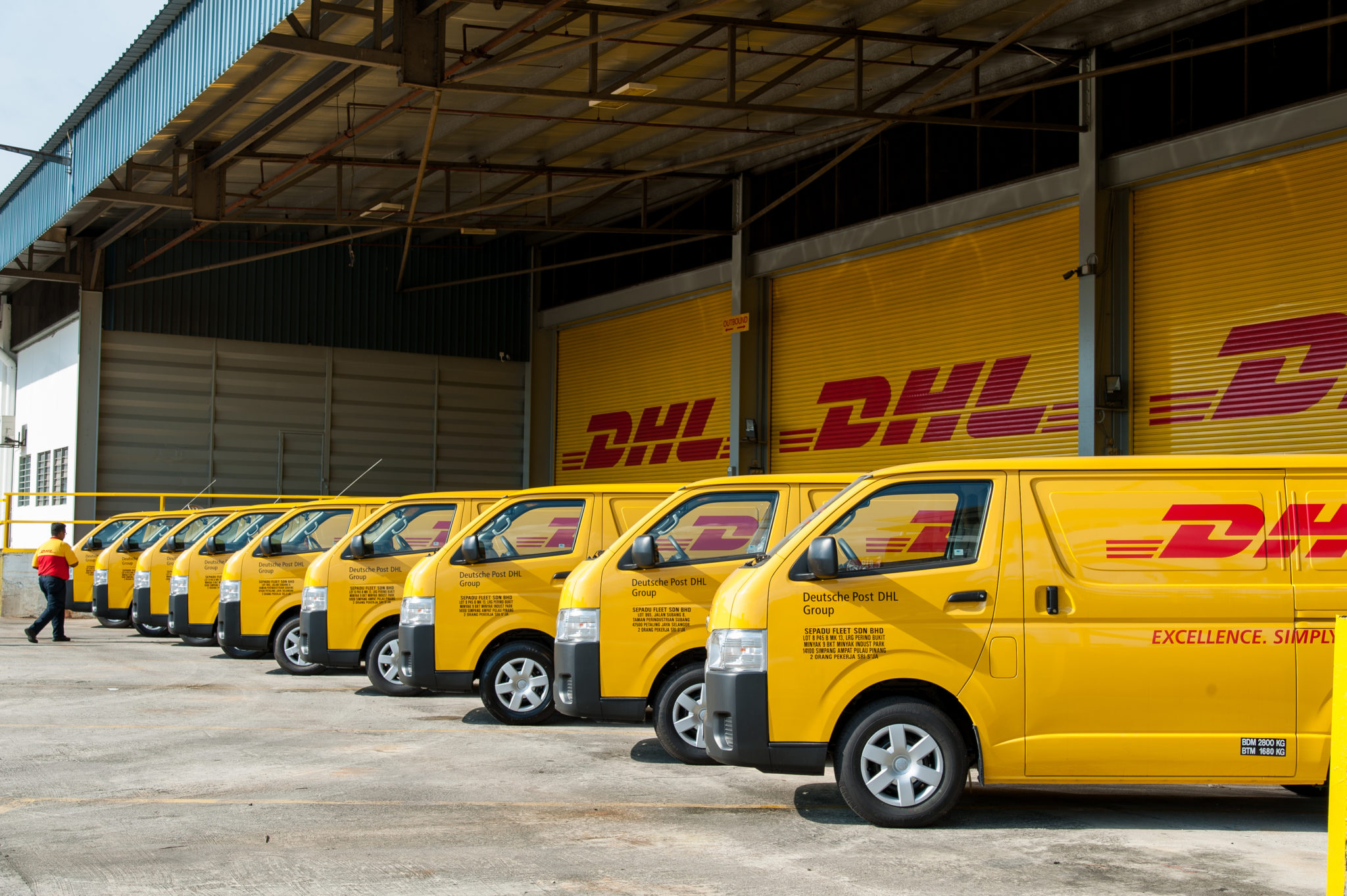
    DHL Express Birmingham (UK) achieves TAPA “A” certification, becoming the 300th TAPA-certified site in the DHL Express global network.

    The Birmingham Service Centre of DHL Express in the UK, has become the 300th facility worldwide to be awarded with the Transported Asset Protection Association (TAPA) security certification.

    This independent recognition confirms that DHL Express has implemented the highest security standards for transporting shipments through the supply chain.

    This milestone for the DHL Express global network demonstrates the company’s commitment and tireless efforts to meet the highest TAPA Freight Security Requirements (FSR) worldwide.

    The internationally recognized TAPA certification is one of the most rigorous logistics and supply chain security certifications.

    This independently audited certification is widely respected as the leading security standard in this sector, and focuses on the way in which high-value goods are handled, warehoused and transported.

    As the global leading logistics provider DHL Express ensures that its processes and services provide the highest standards possible in the industry.

    DHL is Global Leader in TAPA Certified Facilities

    With 300 certified TAPA Level A and B sites, DHL Express is the global industry leader with the number of TAPA certified facilities.

    The accredited facilities now span 82 countries, with 96 DHL Express facilities located in Europe, 87 in Asia-Pacific, 25 in China, 43 in the Americas, 30 in Sub Saharan Africa and there were 19 certificates obtained in the Middle East and North Africa.


  • The Children’s Place growth is satisfying

    The Children’s Place growth is satisfying

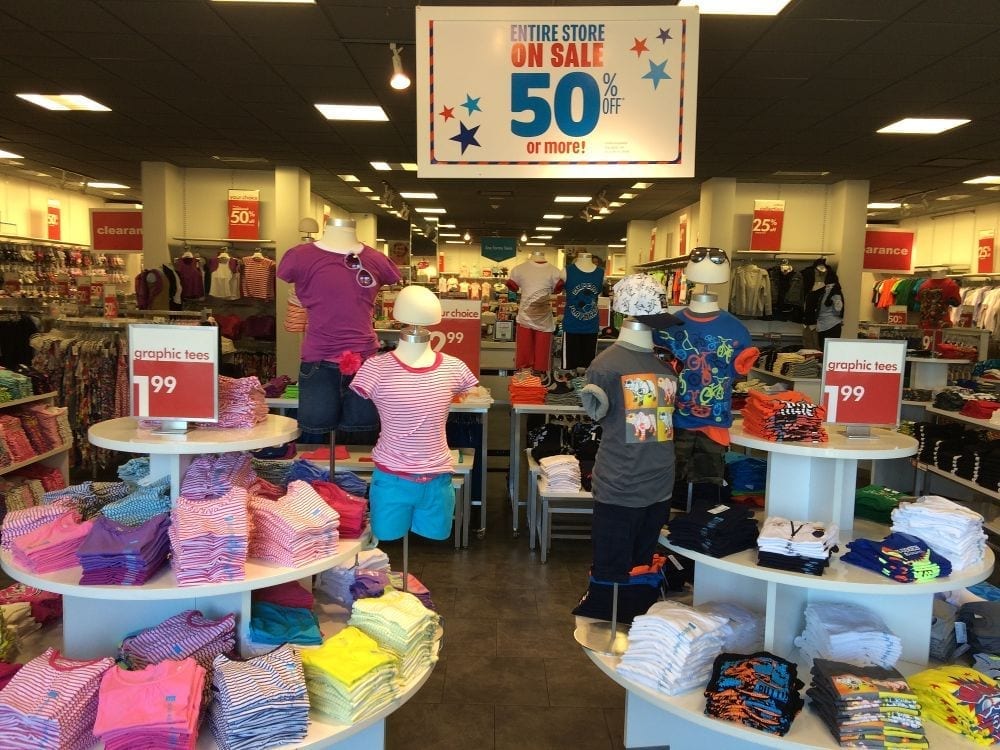
    US apparel chain The Children’s Place has recorded same-store sales growth of 13.2 per cent – its highest ever comparable sales gain.

    Five years ago, The Children’s Place revealed plans to close 300 stores across the US and focus its efforts on stores located in the best malls. To date it has closed 191.

    Second-quarter sales rose to from US$373.6 million to $448.7 million, well above analysts estimates of $428 million.

    The company reported net income of $7.5 million in the quarter to August 4, which was down from $14.3 million, due to higher interest payments and tax provisions.

    “We delivered positive brick-and-mortar sales comps and positive digital-sales comps every month in the second quarter,” said CEO Jane Elfers. “Additionally, we drove positive brick-and-mortar traffic comps every month of the quarter resulting in a positive mid-single digit traffic increase. Our mall traffic was exceptional.”

    Elfers said the increased sales continued into August.

  • Uniqlo takes on H&M in its home market Sweden

    Uniqlo takes on H&M in its home market Sweden

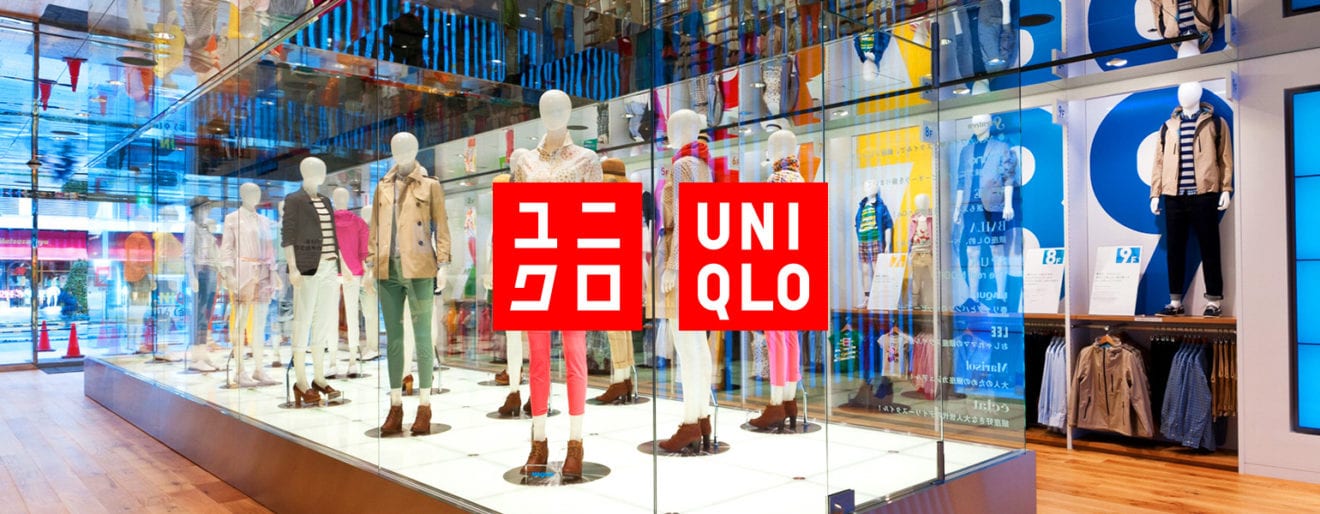
    Fast Retailing, the world’s third largest apparel company behind the brand Uniqlo, threw down the gauntlet against world number two Hennes & Mauritz on Friday, opening its first store in H&M’s home market of Sweden, as it makes further inroads in Europe.

    “This is a big step toward becoming a global brand,” Chairman and CEO Tadashi Yanai said. He usually spends his summer in Hawaii through the end of August but this year he has been in Stockholm to prepare for the store opening.

    More than 1,000 people lined up at the store in Sweden’s capital. “I was impressed with the variety of items anyone can wear regardless of age,” said a 20-year old college student who bought a sweater.

    The store highlights Fast Retailing’s clear focus on Europe of late. The company last fall opened its first store in Spain, the home of world number one clothier Inditex, known for its Zara brand.

    Uniqlo generates only 4% of its global sales in Europe. And Fast Retailing has had a bitter experience in the region. It opened its first overseas store in the U.K. back in 2001 riding a boom for fleece clothing and quickly increased the U.K. store count to over 20, only to shutter 16 locations in 2003 due to continued losses.

    “We were arrogant and took the challenge lightly,” Yanai said in retrospect.

    Fast Retailing has since cultivated its European presence steadily, making its debut in Germany in 2014. But the store count in Europe was a mere 75 at the end of July.

    Three quarters of the 2,057 Uniqlo stores are in Japan, China, Hong Kong and Taiwan. And 186 are in South Korea.

    The company is expected to log sales of over 2 trillion yen ($17.9 billion) in the year ending August. Much of Uniqlo’s revenue is concentrated in Asia.

    Given the similar body types and climates in the neighboring markets, it is more efficient for Fast Retailing to put in resources there than in Europe.

    But establishing a solid presence in Europe, the fashion capital of the world, is a vital step for Fast Retailing to enter a new stage of growth.

    Fast Retailing is confident of its offerings, including the quick dry and heat retention features. But the challenge is to have people in Europe exposed to Uniqlo clothes so they can pick up and feel the clothes in person.

    Uniqlo found a powerful supporter in this endeavor: the tennis legend Roger Federer. The Swiss athlete has become a Uniqlo brand ambassador and sported the Uniqlo logo on his match wear in the Wimbledon tournament in July, switching from Nike.

    Fast Retailing has also collaborated with Finnish design house Marimekko — known for its dot designs on women’s apparel — and former Hermes designer Christophe Lemaire to develop new products.

    The business landscape presents an opportunity for Fast Retailing to make it big in Europe. Although Inditex has performed well, H&M’s sales have declined as consumers increasingly feel that the design and quality do not measure up to the price.

    Uniqlo disrupted the apparel industry back in the 1990s by mass-producing clothes through contractors abroad and selling products in its own stores. The new approach pushed the company to surpass traditional apparel makers that sell their offerings at department stores.

    But as it moves ahead in the digital age of today, there is no guarantee for success, amid competition not only from the big rivals but also from new players like direct-to-consumer brands — sold exclusively online and thus saving costs by skipping physical stores.

    British brand boohoo is one example that has undergone rapid growth. In the year ended February, the operating company logged sales growth of 97% on the year to 579 million pounds ($673 million). And in Japan, a new business model is forming in the apparel industry as services that match amateurs with sewing professionals allow virtually anyone to open an apparel business. One-of-a-kind items made in small volumes may gain traction in this environment.

  • Trinity blooms under Shandong Ruyi

    Trinity blooms under Shandong Ruyi

    Menswear retailer Trinity has announced double-digit same-store sales growth in its first half year.

    The period coincides with Shandong Ruyi International Fashion Industry Investment Holding taking a controlling interest in the group last April.

    During the review period, the group’s total revenue increased by 3.2 per cent compared to the same period last year to HK$890.1 million (US$113.4 million).

    Retail sales and same-stores sales recorded a growth of 8.1 per cent and 10.1 per cent respectively year-on-year. The increment was partly offset by the decrease in wholesale revenue as a result of the strategic shift from wholesaling to licensing to improve the long-term profitability of the group.

    The gross profit margin remained stable at 69.6 per cent as a result of the continued discounting trend.

    Trinity chairman Qiu Yafu said: “The recent licensing arrangements between Trinity and Ruyi will further strengthen the presence of our premium brands, Cerruti 1881, Kent & Curwen and Gieves & Hawkes, in key European markets and enable the group to refocus its resources to develop its core business in the greater China region. Capitalising on Ruyi’s international exposure and experience, we are confident Trinity will further consolidate its position globally and further penetrate the Chinese Mainland market.”

  • GAP is struggling figure out next strategy

    GAP is struggling figure out next strategy

    At headline level, Gap’s second-quarter results look strong: Total group sales are up by 7.5 per cent, while US sales rose by 9.3 per cent.

    However, these gains are inflated by a change in the way revenue is recognised and when this is accounted for, sales increased by a more subdued 4 per cent. Growth falls still further, to around 3.4 per cent, when currency fluctuations are taken into account. While such adjustments may seem pedantic they are important as they help give a true picture of how Gap is actually trading.

    Regardless of the various financial mechanics, two things stand out from this quarter’s numbers. First, growth has slowed since the prior quarter – even though the consumer economy has strengthened. Second, growth is not evenly balanced across all parts of the business.

    One of the notable areas of weakness is the Gap brand in the US. Here, total sales rose by a very modest 1.2 per cent. While there were some store closures, they were not so numerous as to drag down the growth rate significantly. Moreover, global comparable sales at Gap were down by 5 per cent, off the back of a 1 per cent decline in the prior year. That the Gap brand cannot deliver, even over a period of very robust consumer spending, is evidence that it is still broken. A rising economic tide does float all retail boats, but it cannot float those with holes in them and, in our view, the Gap brand is still a very leaky vessel.

    The main problem is still the range. As much as Gap claims this has improved, there is scant evidence on the ground. The assortment continues to look samey and boring, with little effort being made to create newness or points of interest. This creates two problems. First, it discourages people from visiting and purchasing. Second, it means Gap struggles to charge full price and has to resort to continuous discounting to try and stimulate sales. Neither of these things are healthy.

    In our opinion, management needs to press the Gap brand’s reset button. The brand is adrift and needs a much clearer identity and sense of purpose. This is now an urgent requirement as a lot of other apparel brands – like J Crew, American Eagle, and Abercrombie & Fitch – are all upping their game and producing more consumer-centric collections. While the market is moving forward, Gap is, at best, standing still. This shows in our data, which indicates satisfaction with Gap’s proposition is still declining.

    Old Navy “superstar”

    Fortunately for the group, the superstar Old Navy has come to the rescue. Its results are the direct opposite of its troubled sister brand. Total sales growth accelerated over the prior quarter, rising by a stellar 13.7 per cent, while comparables rose by a solid 5 per cent off the back of a good increase in the prior year. There is definitely evidence that the strong consumer economy aided Old Navy, especially among families who were willing and able to spend more. However, the fact that the division continues to produce nice fashion edits at good price points is key to its success. Furthermore, we are encouraged by upcoming initiatives, such as the addition of plus sizes into the range.

    Even Banana Republic managed to put in a better showing, although with a modest 2 per cent rise in comparables there is clearly more work to do in refining the offer. The jury is still out on whether the current recovery is sustainable.

    Overall, the group has made some progress. However, the deep-seated problems at the Gap brand need to be resolved. And soon.

  • La Perla appoints Pascal Perrier as its new CEO

    La Perla appoints Pascal Perrier as its new CEO

    Following its acquisition by investment firm Sapinda earlier this February, the luxury underwear brand La Perla appointed Pascal Perrier as its new CEO. The company also promoted Alessandra Bertuzzi as head creative designer for the brand to take over Julia Haart.

    With over 30 years of experience in the luxury fashion sector, Sapinda Holding’s Chief Executive Lars Windhorst commented very few people have Pascal’s background and exceptional know-how. Those qualities will enable him to navigate La Perla through the opportunities brought by the rapid pace of change with which consumers and other cultural stakeholders are now engaging with luxury brands, he said.

    Pascal Perrier joins from Burberry Group where he held various roles since being brought on as executive vice president of business development.In his 13-year tenure, Perrier played a key role in developing the Burberry brand in Asia-Pacific, now one of the company’s most lucrative market.

    Prior to his career at Burberry, Perrier served in senior management roles at other luxury fashion players, including Gucci Group where he executed the acquisition and subsequent integration of Yves Saint Laurent as well as that of Balenciaga.

    Since its acquisition of the Italian luxury fashion and lingerie label, Sapinda has been carrying out a full restructuring and turn-around of the business and its operations to drive growth. To put the turnaround plan into place, the investment firm hired an experienced executive team, supported by management consultants Bain & Co with the aim of improving La Perla’s profitability and transforming it into a leading luxury player.

    Mr. Windhorst now counts on Mr. Perrier to “lead La Perla into a new era of growth”.

  • True Religion’s Back Thanks to Bella Hadid

    True Religion’s Back Thanks to Bella Hadid

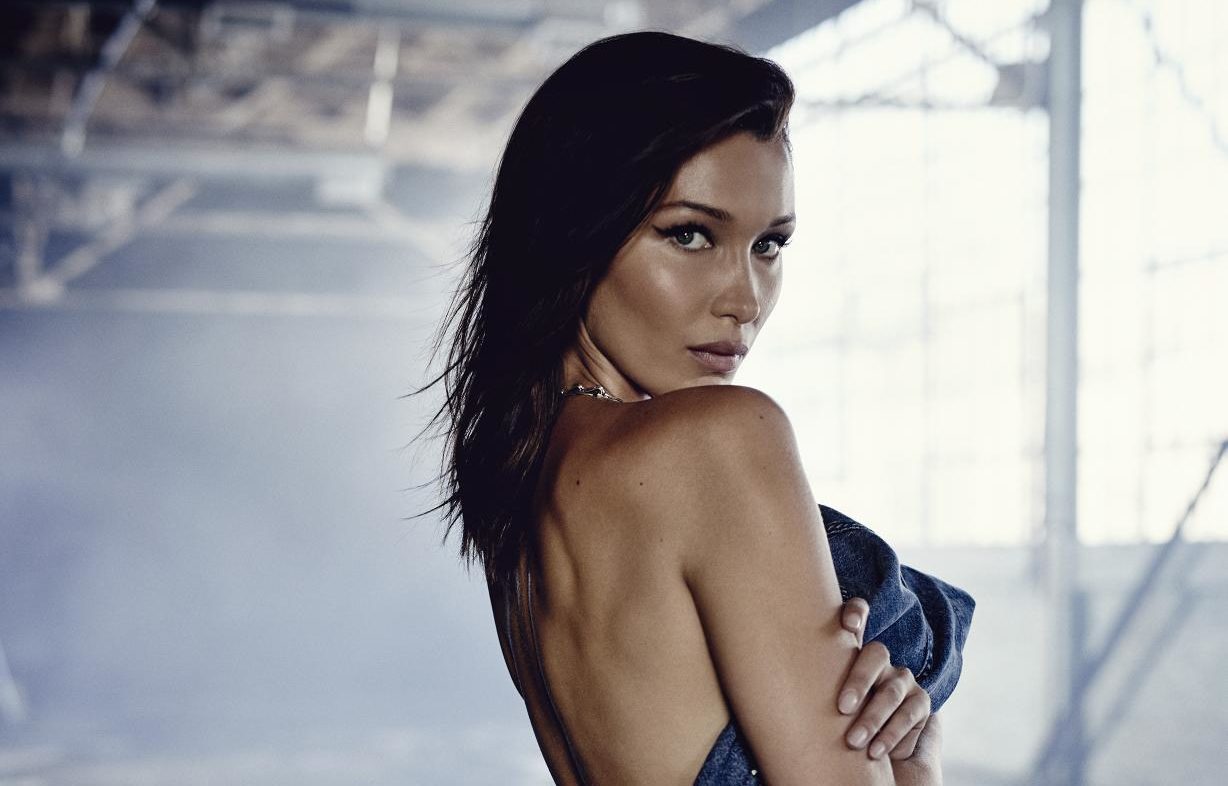
    Californian model Bella Hadid is the new face of True Religion Jeans.

    The popular supermodel’s signing marks a deliberate pitch by the denim brand to appeal to a younger consumer market as the brand continues to rebuild after a four-month spell in bankruptcy protection last year.

    Hadid “embodies all things True Religion, past, present and future; iconic, edgy and everlasting,” the company said in a statement announcing the appointment.

    “An inherit fan of the brand, Bella was the natural choice to meld the iconic essence of the brand with the modern view of its future.”

    Hadid, 21, the daughter of former Dutch-born model Yolanda Hadid and Palestinian-American real-estate developer, has previously been engaged by Dior makeup, Givenchy, Victoria’s Secret’s Pink brand, Fendi and Tag Heuer, among many others.

    For her True Religion Jeans debut, Hadid was photographed by Boo George and styled by Mimi Cuttrell to create a series of images and complementary looks “that usher True Religion into a new era that honours the heritage of the brand”.

    Despite its boasts of “heritage”, True Religion Jeans is a relatively young brand, founded in 2002. After its bankruptcy, which had the support of lenders and came with an exit strategy pre mapped out, the company emerged with a streamlined store network and a stronger financial position.

    Now, with “a quintessential, confident LA girl” as the new face of True Religion Jeans, the brand is looking to expand not just in the US, but internationally.

    “Bella’s voice was not only an inspiration, but an integral part in imagining this campaign, envisioning the brand through her eyes for the next generation of True Religion fans,” said the company.

  • What to know about Monica Vinader’s brand positioning

    What to know about Monica Vinader’s brand positioning

    Monica Vinader, founder of the namesake British jewellery brand, always said her goal was to become a £50 million ($64 million) business by 2019.

    Her unaudited sales for the financial year ending July 2018 were £43.2 million — or about $55.1 million — representing year-on-year growth of 21 percent. With plans to add to her 15 standalone stores across the UK, America and Asia-Pacific, she’s confident the business will surpass that next year. Having cornered the market for accessible fine jewellery and built a healthy, profitable supply chain, she now has her sights set on the next target: £200 million ($255 million).

    It is an impressive trajectory for a business she and her sister Gabriela began from a converted forge at Monica’s home in Norfolk in 2007. Their aim was to “plug the gap between fine and fashion jewellery,” and that remains her raison d’etre.

    So-called “demi-fine” jewellery is a growing category in the industry; so much so that Net-a-Porter launched a subsection devoted to it in October 2016. While many jewellers use 14- or 10-karat gold and pavé diamonds, Monica Vinader jewellery is forged in sterling silver coated with 18-karat gold vermeil, using primarily semi-precious stones. Prices start at £35 ($45) for a mini sterling-silver pendant, and most pieces are priced between £65 and £495 ($83 to $631): a sweet spot for both gifting and self-purchasing.

    “We are the ultimate accessible luxury brand. It’s the constant driver of everything we do,” Vinader says. Expanding into fine, solid-gold jewellery and larger diamonds is not on the cards. “We’ve helped people understand what a quality product vermeil can be and that’s what we want to focus on.”

    That said, her upper price point has gradually increased, to £3,495 ($4,458) for a pair of cocktail earrings with 966 pavé-set diamonds totalling 2.62 carats. The use of vermeil means it offers customers far more bling for their buck than other demi-fine brands, which at Net-a-Porter range from plain 14-karat gold pieces at £40 ($51), to a choker dotted with four tiny stones by New York-based brand Wwake at £3,815 ($4866).

    “Demi-fine jewellery sales are performing incredibly well — we’re constantly reordering as so many styles sell out,” says Elizabeth von der Goltz, Net-a-Porter’s global buying director. “We still see a lot of opportunity within our demi-fine business and we are growing our investment in this sector.”

    The popularity of accessibly priced jewellery is in part due to a loosening of formality in the industry, Vinader believes. “Across all categories, luxury is more approachable and instant. People no longer think about keeping jewellery in the safe or saving it for a special occasion. They want something that fits with their everyday life, and our lives nowadays are quite informal,” she says.

    Self-gifting has been a huge driver of growth; women now buy jewellery as an accessory, in the same way as shoes or bags. Vinader capitalises on what she calls this “millennial mindset” by regularly introducing new, fashion-forward designs and engaging with customers via social media. The brand’s Instagram feed became shoppable this spring (it says sales driven through this channel are difficult to trace), and it works with influencers to raise brand awareness. Its customers also act as authentic advocates, tagging the brand in their own social-media posts.

    Vinader isn’t the only jeweller to target millennials. Under new creative director Reed Krakoff, Tiffany has directed its attention towards a younger audience by enlisting 20-year-old actress Elle Fanning to advertise its dainty new Paper Flowers collection (starting at £2,325, or $2,966), and De Beers has launched a range of “starter” diamonds, priced from £700 ($893) for a single 0.07 ct diamond on a white gold bracelet. New diamond brand Vashi, meanwhile, has positioned itself as the engagement ring supplier of choice for millennials, thanks to its casual-seeming stores (walls are covered with graffiti from happy couples who #saidyes) and focus on easy customisation: customers can select a diamond and design their own ring from a set menu of options.

    Vinader clocked the potential in personalisation early on — firstly through the ability to stack and style her jewellery (at £85, or $108, for a colourful cord friendship bracelet, why not buy two, or three?), and then via engraving. The company developed an app that allows every member of staff, not just a specialist engraver, in every store and shop-in-shop to fulfil any order. The trend isn’t going anywhere. “It’s more popular every day,” Vinader says, showing off a new charm bracelet that capitalises on this appetite for individuality.

    “Monica Vinader continues to own the ‘everyday luxury’ trend of essential pieces that most women want to build into their jewellery wardrobe,” says Ruby Chadwick, accessories and jewellery buyer at Liberty. “The brand has continued to be a significant part of our jewellery business, so much so that later this year we are expanding its space in the jewellery hall and maximising the personalisation service to meet consumer demand.”

    Having last received investment in 2016 (£14 million from Piper Private Equity, with £6 million from Winona Capital to fund the first US store), growth is now self-funded. Vinader’s workforce stands at 220 worldwide, with 48 staff in London and 54 in Norfolk – where she has taken over 16,000 square foot of converted farm buildings on the Holkham Estate – and the rest split between offices in Hong Kong and New York, plus the global network of sales associates. Hiring, coaching and retaining the right people has been one of her biggest challenges, as has the transition from start-up to larger corporation. “If you can foster that entrepreneurial instinct in the teams then they retain some of that [start-up] ethos,” she says.

    It’s an ethos she also encourages with her workshops in Jaipur, Mumbai and Bangkok. Bringing them closer to the planning and giving them visibility on volumes and growth has been essential in ensuring the scalability of her supply chain. “The most important part has been driving the psychological alignment: we see them as partners. We understand them, they understand us, and we’re all going after the same goal.”

    Her team sources rough stones, which are cut in Jaipur to fit designs, helping to keep costs down and improve scalability. Stones, she says, are “a real time drain, but something we invest a lot of time and energy in because they’re key to what we do.” She’s not interested in lab-grown diamonds, even though they would fit her accessible luxury ethos, priced from 30 percent to 80 percent below natural stones. “I’d never say never, but it’s not in our DNA. We’re obsessed with natural stones.”

    She doesn’t rule out expanding beyond jewellery eventually, but for now, she’s focusing on growing within the UK and worldwide. Having recently opened a fifth London store in Bicester Village, she’s planning to expand outside of the capital in the near future, as well as adding more outlets in the US, UAE and Asia. The brand’s US presence has been bolstered by a partnership with Nordstrom which comprises 55 fully branded shop-in-shops across the country. Increasing e-commerce, which currently accounts for 50 percent of sales, is a huge driver towards that £200 million goal. “Our online business is growing tremendously and there’s still a lot we can do to capitalise on it. We’ve always been web first; that’s how people shop nowadays.”

    Vinader’s creativity is matched by her sister’s Type A rigour. She talks a lot about the importance of data, analysis and planning. But the last decade is summed up best by the qualitative stories of the women who wear her jewellery.

    “To celebrate the anniversary, we decided to use real customers in our digital marketing campaign. We did the casting over Instagram and had an overwhelming response from women telling us what the brand means to them. Sitting with my sister watching the videos was one of the most moving things I’ve ever done. We laughed, we cried – to hear that community advocate for us in such a generous, genuine, unscripted way has been truly humbling. I’m looking forward to seeing what the next 10 years holds.”

  • Uber hires CFO on the road to IPO

    Uber hires CFO on the road to IPO

    Uber on Tuesday named a news chief financial officer as the smartphone-summoned ride service remained on the road to a stock market debut next year.

    Nelson Chai came on board from Chicago-based insurance firm Warranty Group, where he was chief executive, according to Uber.

    “I’m incredibly excited to bring on someone as experienced and thoughtful as Nelson,” Uber chief executive Dara Khosrowshahi said in a release.

    “He will be a great partner for me and the entire management team as we move towards becoming a public company.”

    Uber, which operates in 65 countries and has disrupted local transport in many locations despite regulatory hurdles and resistance from taxi operators, has expressed plans for an initial public offering of shares late next year.

    Chai has more than a decade of experience at firms including CIT Group financial holding company and Merrill Lynch & Co, according to Uber.

    “I look forward to working closely with Dara and team as we build on the company’s strong growth and forward momentum,” Chai said in the release.

    Uber last week disclosed that its second-quarter loss jumped despite taking in more money, as it invested in scooters and other “big bets.”

    The San Francisco-based smartphone ride star reported it lost US$891 million on net revenue of US$2.8 billion, while overall bookings rose to US$12 billion.

    He added that Uber is investing in “big bets” including restaurant take-away delivery service Uber Eats and “environmentally friendly modes of transport” including e-bikes and scooters.

    The company, with a valuation by investors of more than US$60 billion, is also devoting resources to what it sees as high-potential markets in India and the Middle East, according to Khosrowshahi.

  • McDonald’s makes big change in store face

    McDonald’s makes big change in store face

    McDonald’s newest restaurant is making a bold statement about the future of the chain.

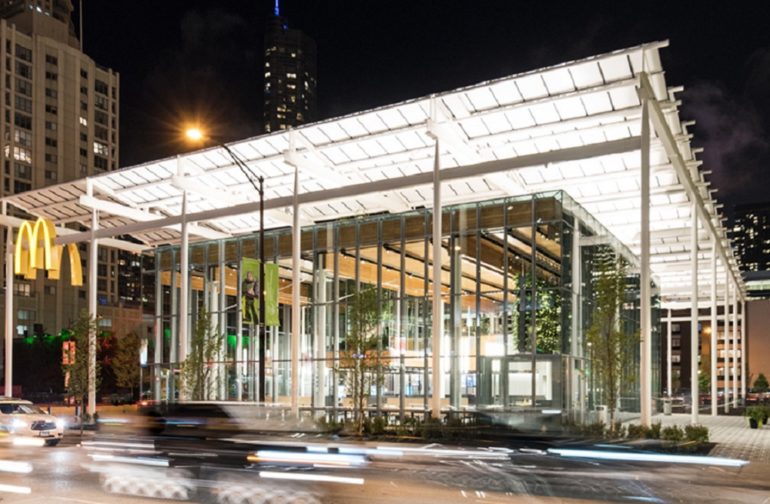
    McDonald’s has just opened a new flagship restaurant in Chicago. It is a glassy, 19,000-square-foot building that looks more like an Apple Store than a fast-food restaurant — and that is exactly what the company intended.

    “We are proud to open the doors to this flagship restaurant, which symbolizes how we are building a better McDonald’s for our customers and the communities where they live,” McDonald’s President and CEO Steve Easterbrook said in a statement.

    While the structure may be different, the Golden Arches are still present at the restaurant, which will be open 24 hours a day, seven days a week.

    The restaurant features self-order kiosks, table service, mobile order and pay, and delivery — services that are becoming increasingly mainstream at McDonald’s locations across the US. Table service and increased digital ordering options are part of McDonald’s “Experience of the Future” revamp.

    Currently, roughly 5,000 restaurants fit the qualifications, and McDonald’s plans to transform almost all restaurants by 2020. The restaurant also highlights something else McDonald’s is pushing in an effort to remake its image: sustainability. It has more than 70 trees at the ground level, as well as on-site solar panels.

    The restaurant was designed by the Chicago-based firm Ross Barney Architects. While not every McDonald’s is going to look quite so classy and glassy, the combination of more tech, table service, and an emphasis on sustainability provides a blueprint of what the fast-food giant wants to roll out across America.

  • Wikipedia launched clothing line with LA label

    Wikipedia launched clothing line with LA label

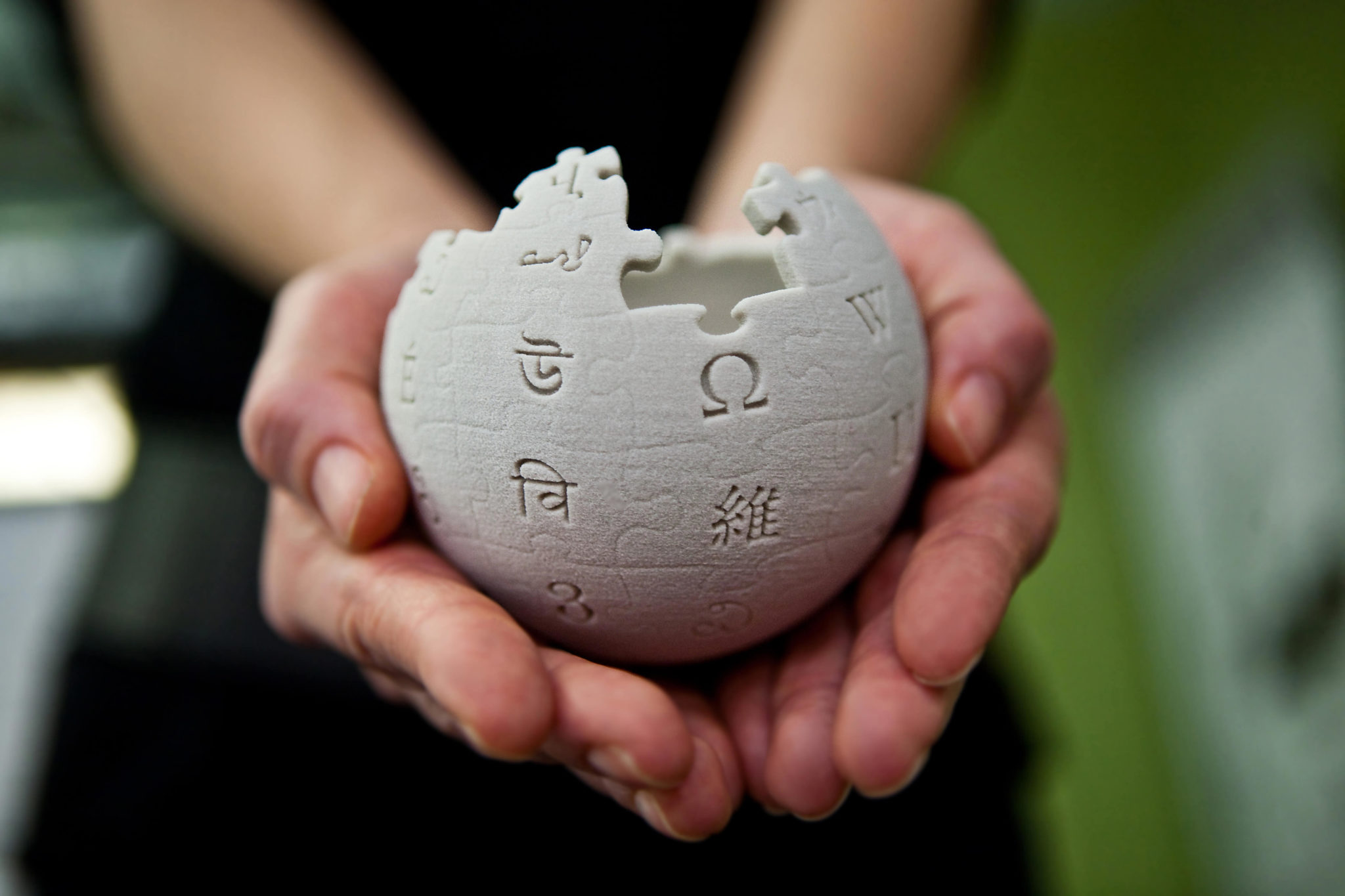
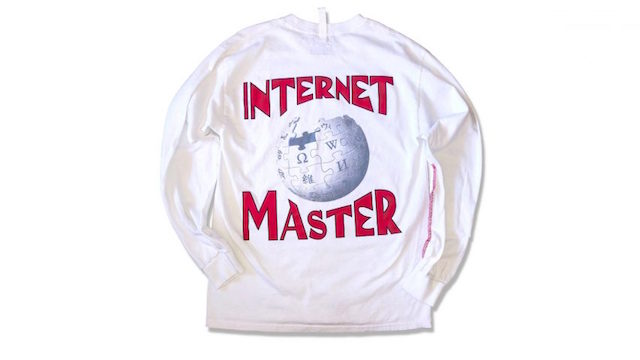
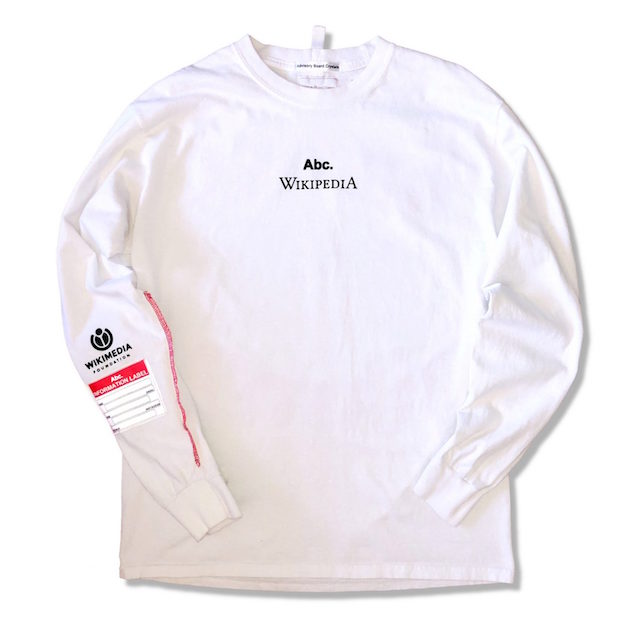
    Online encyclopedia Wikipedia has partnered with Los Angeles-based fashion label Advisory Board Crystals to launch a Wikipedia fashion item.

    The Wikipedia x Advisory Board Crystals collaboration features a long-sleeved tee with iconography from the website, retailing for US$85. All proceeds from sales will be donated to the Wikimedia foundation in support of free information.

    The fashion label’s website reads: “As a nonprofit, Wikipedia and the Wikimedia Foundation’s related free knowledge projects are powered primarily through donations. Help us keep knowledge free.

    “Knowledge is power and awareness is survival. In addition to being a large source of inspiration and information for our projects, Wikipedia leads us to a place in which you can imagine a world where every single human being can freely share in the sum of all knowledge.”

  • Best Buy surprising acquisition after years

    Best Buy surprising acquisition after years

    The surprise Best Buy acquisition of GreatCall marks the electronics retailer’s first takeover in more than six years.

    Best Buy will spend US$800 million on GreatCall, one of the US’ largest providers of communications technology aimed at helping older adults live independently and more safely in their homes.

    San Diego-based GreatCall now has 900,000 subscribers to its service, which uses mobile technology and easy-to-handle devices to connect older adults with family members or with trained call centre operators who can answer questions or call emergency personnel if necessary.

    The move marks a strategic move away from Best Buy’s core retail business at a time when electronics has become much of a commodity market with thin margins and widespread online competition.

    Neil Saunders, MD of GlobalData Retail, says the investment marks “a logical evolution” for the company.

    “Over recent years there have been significant changes to the electronics market, including fierce competition from the rise of online. However, Best Buy has successfully navigated this new landscape – in large part because it has adapted its proposition and approach.

    One of the main changes has been the move from simply selling products to trying to help consumers select and get the best use out of new devices. In a sense, Best Buy now sees its role as helping consumers to improve their lives through technology.”

    Saunders says GreatCall gives Best Buy a relevant service, driven by technology, that it can offer to consumers.

    “In our view, it also helps counterbalance the pressure on both sales growth and margins of electronics products. The focus on health, and in particular health services aimed at the elderly, puts Best Buy squarely into a market with high demand and strong growth. Moreover, we see this as a good fit as Best Buy is a known and trusted brand name among older shoppers. This should enable the company to grow the GreatCall service.”

    Saunders said that long term, the move should be seen as part of Best Buy’s continued adaptation to a provider of services rather than a pure retailer of things.

  • Michael Kors Holdings Limited Announces Strong First Quarter

    Michael Kors Holdings Limited Announces Strong First Quarter

    Luxury fashion group Michael Kors delivered better than anticipated revenue, operating margin, and earnings per share growth in its Q1 FY19 results, with total revenue increasing 26.3 per cent to US$1.2 billion.

    Total operating margin reached 17.9 per cent, up from last years 15.7 per cent for the period, while earnings per diluted share were US$1.22 on a reported basis, an increase of 52.5 per cent compared to the prior year.

    The Jimmy Choo brand exceeded expectations due to strong performance in footwear.

    “Our fashion leadership remains strong, which drove consumers to respond favourably to both new fashion introductions and core products,” said chairman and CEO John D. Idol.

    “Our global fashion luxury group continues to see the benefits of our long term growth strategy which is driven by both the Michael Kors and Jimmy Choo brands. Looking ahead we remain optimistic about our business for the remainder of fiscal 2019 and beyond.”

    These strong results must be seen in the context of lackluster results in the prior year, according to analyst, which saw revenues drop by a “disastrous” 8.2 per cent in the US.

    “Admittedly, the 26 per cent uplift in total revenue continues to be flattered by the addition of Jimmy Choo, but even when this is excluded, revenue still rose by a solid 8.1 per cent,” said Saunders.

    “One of the vehicles helping create a better impression on consumers are stores. Here, Michael Kors has invested a significant amount in renovating older outlets to create a more luxurious experience.

    “Early results are encouraging with a much better revenue performance coming from the refurbished shops than the rest of the chain.”

    Due to the positive result, the company raised full year adjusted earnings per share guidance from US$4.90 to US$5, and expects full year total revenue to reach US$5.125 billion.

    Michael Kors also revealed it expects second quarter to bring total revenue of approximately US$1.26 billion, with retail revenue to grow by low-single digits.

  • Tommy Hilfiger launches a smart clothing collection

    Tommy Hilfiger launches a smart clothing collection

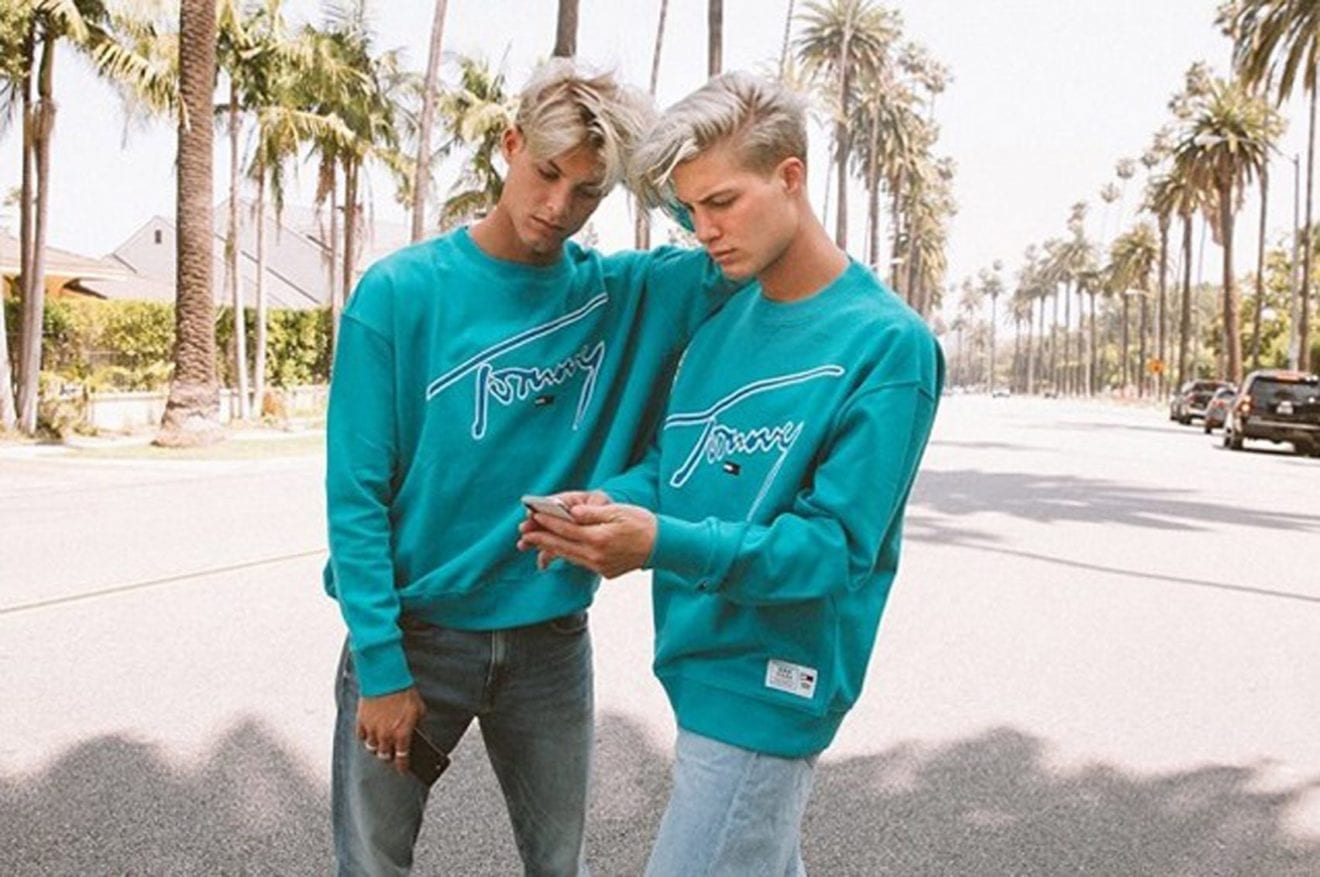
    Luxury-apparel retailer Tommy Hilfiger has released a “smart clothing” collection equipped with Bluetooth.

    The new Tommy Jeans Xplore smart-clothing range has Bluetooth chips embedded in the fabric, allowing the garment’s movements to be tracked by an app and wearers to be rewarded for having them on while physically visiting locations marked by branded icons on a map. Points earned in the game can be exchanged for gift cards, signed merchandise, runway shows and concert tickets, product discounts, and charity donations.

    A statement released by the brand read: “We’ve always been at the forefront of digital innovation, using technology to deliver what our customers are looking for – unique experiences and instant gratification… Tommy Jeans Xplore is the next evolution of our vision, reaching consumers where they are and inviting them to be a part of the brand experience.”

    Liron Slonimsky, CEO of technology at Awear Solutions (which developed the Bluetooth technology in the items) added: “Never before has a brand been able to understand how the consumer truly uses the product after it leaves the store. Tommy Hilfiger’s innovative history has shown that they understand what consumer engagement truly is and we knew they would be the perfect partner to launch Awear Solutions to the market.”

    Not all reviews of the new clothing concept are positive, with various articles dubbing the product line “creepy” and “ridiculous”. A Techradar.com review observed “The Tommy Hilfiger brand is usually quick to embrace new technology, but this isn’t exactly a big innovation. It’s essentially just a tracker to keep an eye on how often you wear the clothes, making it a glorified loyalty scheme.

    “Perhaps the even bigger question is how much data Tommy Hilfiger will be recording from those who are wearing the clothes and how will that be used?”