Tag: International

  • Hermès’ marketing strategy revealed

    Hermès’ marketing strategy revealed

    On a sticky autumn day in Manhattan’s Meatpacking District, pedestrians walking down 10th Avenue and turning left on 14th Street might have clocked a velvet rope, bathed in glowing red light emanating from a gallery space.

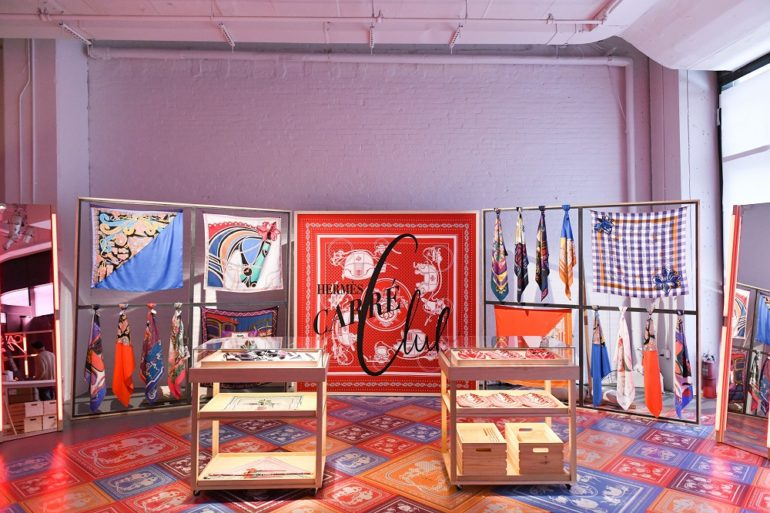
    Inside, the curious were greeted by a smiling concierge welcoming them to the Hermès Carré Club, a magical makeshift pop-up dedicated to one of the French luxury brand’s more accessibly priced, high-volume products: silk scarves.

    After submitting their personal “membership details” on an iPad, including name and email, visitors were encouraged to peruse stations where a handful of the artists who create the prints that cover Hermès scarves were on-hand, sketching out new creations in a demonstration of the craftsmanship that is a key pillar of the company’s approach. A gentleman painted portraits rendered in signature Hermès orange, while two handsome Central Saint Martins graduates swirled designs onto their hand-made, wrought-iron “drawing machine.”

    On the walls were vintage Hermès colour swatches, which guests were prompted to name. (Suggestions included “Bill Cunningham Blue,” “First Husband” — for a muted taupe — and “Gin,” a silvery grey.) There was a “Carré-oke booth” — get it? — and a café that served free coffee and staged jazzy concerts each evening. And yes, should you want to buy something, there was a capsule collection of scarves designed especially for the event.

    This open-to-the-public, four-day experience — which is also traveling to Toronto, Singapore, Los Angeles and Milan — was designed to help position Hermès not as stiff, snobby, or exclusive, but playful, engaging and inclusive. Sure, the company sells five-figure Birkin bags, but it also sells “Twilly” tie-neck scarves for $160, underscoring one of the company’s core skills: conjuring a halo of perceived exclusivity over a wide range of products, while balancing an image rooted in both high luxury status symbols and a young-at-heart whimsy.

    Category segregation is critical to the company’s strategy. Hermès confines iconic, core-category products like bags to high-end price ranges, while offering other categories, like scarves, at lower price points to aspirational consumers. But so is brand storytelling. And yet, curiously, the 181-year-old house, majority-owned by the Hermès family and run by sixth generation heir Axel Dumas, does not have a marketing department. Instead, it employs a communications team to manage press and media buying and a creative team to conceive seasonal campaigns. (This year’s theme is “Let’s Play.”)

    “You know, we don’t do marketing,” explains Bali Barret, artistic director of the women’s universe at Hermès, who oversees ready-to-wear, shoes, accessories and scarves. Both Pierre Hardy and Nadège Vanhee-Cybulski — who shows her latest ready-to-wear collection in Paris on Saturday — report to her. Barret also serves as the liaison between the company and the hundreds of artists that design its scarves.

    “The scarf represents the fantasy and humour of Hermès; it’s an affordable object compared to most of the things we’re doing and that makes it younger,” she adds. “There’s a lot of freedom in it. Sometimes, the image can feel conservative, so we have to keep updating, telling again and again that it’s still creative, contemporary.”

    The company sold its first scarf in 1937. In the first half of the 2018 fiscal year, sales in the silk and textiles category were €249 million ($292 million), up from €246 million ($289 million) in the first half of 2017. Across the board, sales were €2.9 billion ($3.4 billion), up from €2.7 billion ($3 billion), with jewellery and home, ready-to-wear and perfume enjoying double-digit growth. And last year, the company posted record profitability.

    It was Barret who oversaw the conception of the Carré Club, recruiting several of her star scarf makers to join the travelling band in each city. Sitting at one of the on-site cafe’s tiny tables, the floor of the space skinned with a scarf print, Barret is wearing one-of-a-kind Hermès merch — a grey sweatshirt embroidered with “Hermès Club” in cursive — with a navy blue and red-striped scarf wrapped securely around her neck like a choker. In today’s streetwear-fuelled fashion cycle, customers would pay a good price for one of those sweatshirts. But it’s not for sale. “We have lots of requests,” Barret says, noting that she did have one made for Vanhee-Cybulski.

    The Manhattan leg of the Carré Club tour was also a testing ground. Next spring, Hermès plans to open a flagship in the neighbourhood, which is flooded with tourists thanks to The High Line — an elevated park on old freight railway tracks — the Whitney Museum of American Art and an impressive mix of restaurants and retail stores and close enough to the West Village to attract a local clientele too. The bits of data collected at the “membership desk” will help sales associates begin to forge relationships early on.

    “It creates a one-to-one, personal relationship,” said Florian Craen, Hermès’ executive vice president of sales and distribution. “We want to re-engage people.”

    In many ways, Hermes’ “anti-marketing marketing” approach checks many of the boxes of a traditional marketing strategy. Hermès still wants to engage customers and find new ones through communication. And it’s certainly a major investment. In 2017, the company spent €275 million ($323 million) on “communication expenditure.” (The company declined to clarify exactly what that encompasses.) But its approach is less clinical than most: there’s a sense of humanity and humour.

    At Hermès, the structure of the organisation adds another layer of employee accountability. The heads of each region choose whether or not they want to host one of these projects, instead of Paris dictating where it will be staged. (It mirrors the way in which the company merchandises its stores: buyers from each outpost attend an event twice per year in Paris, where they place orders customised to their clientele.) “We want people to experience something different in every store,” Craen said.

    “It’s about emotions and sensitivity, but not being too serious,” Barret added. “It’s just scarves.”
  • J Crew to develop new brand for younger shopper

    J Crew to develop new brand for younger shopper

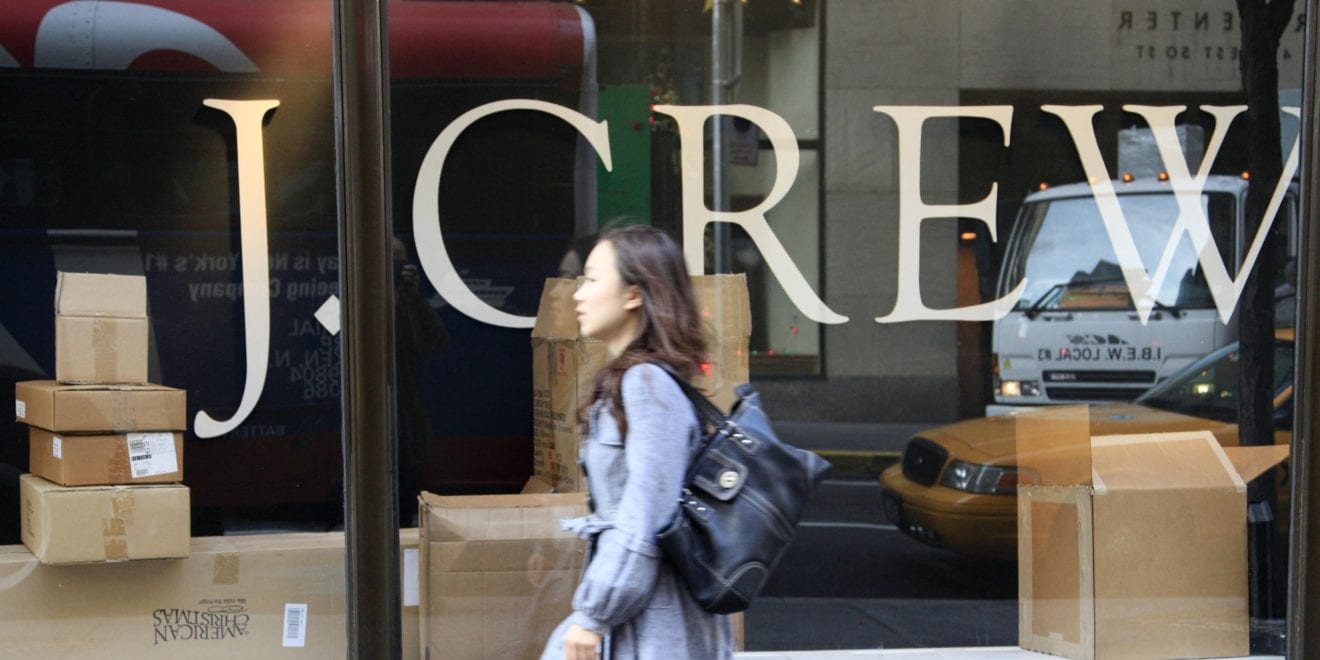
    A new J Crew brand is under development as the US fashion house seeks to broaden its appeal to younger female shoppers.

    In an interview, J Crew CEO Jim Brett says the company sees itself as having more than two brands.

    “In fact, we’ll be announcing one new brand this year. It is aimed at women, and it’s younger than any of our existing brands.”

    While he declined to reveal any further details of the new J Crew brand, commentators say the move will help it broaden its audience away from the staple “preppy” style it is currently associated with. It is part of a broader strategy to lift lacklustre sales.

    The new J Crew brand would be its third, the second being denim-driven Madewell, targeting millennial women with what described as “more of a tomboy style”.

    Its core brand is being relaunched with broader range of sizes and improved styling.

    Brett says the strategies are already paying off, evidenced by two consecutive quarters of same-store sales growth. But he cautions new brands must target new customer demographics.

    “It’s very important to maintain distinction between the brands,” he said. “It wouldn’t do the portfolio any good to cannibalise itself.”

  • NIKE, Inc. reports fiscal 2019 first quarter results

    NIKE, Inc. reports fiscal 2019 first quarter results

    NIKE, Inc. has reported fiscal 2019 financial results for its first quarter ended August 31, 2018. For the quarter, double-digit revenue growth was driven by the continued success of the Consumer Direct Offense, which fueled growth across all geographies as well as wholesale and NIKE Direct, led by digital.

    “NIKE’s Consumer Direct Offense, combined with our deep line up of innovation, is driving strong momentum and balanced growth across our entire business,” said Mark Parker, Chairman, President and CEO, NIKE, Inc. “Our expanded digital capabilities are accelerating our complete portfolio and creating value across all dimensions as we connect with and serve consumers.”

    Diluted earnings per share for the quarter were US $0.67, an increase of 18 percent driven by strong revenue growth, gross margin expansion, selling and administrative expense leverage, and a lower average share count, partially offset by a higher effective tax rate.

    “We are delivering stronger global growth and profitability than we anticipated entering this fiscal year,” said Andy Campion, Executive Vice President and Chief Financial Officer, NIKE, Inc. “While foreign exchange volatility has increased, our underlying currency-neutral momentum continues to build as we transform how NIKE operates, drives growth and creates value for our shareholders.”

    First Quarter Income Statement Review

    – Revenues for NIKE, Inc. increased 10 percent to US $9.9 billion, up 9 percent on a currency-neutral basis.

    Revenues for the NIKE Brand were US $9.4 billion, up 10 percent on a currency-neutral basis driven by double-digit growth internationally and in NIKE Direct, strong momentum in North America, and growth in almost every category led by Sportswear.

    Revenues for Converse were US $527 million, up 7 percent on a currency-neutral basis, mainly driven by growth in Europe and Asia.

    – Gross margin increased 50 basis points to 44.2 percent primarily due to higher average selling prices, favorable full-price sales mix and margin expansion in NIKE Direct, partially offset by higher product costs.

    – Selling and administrative expense increased 7 percent to US $3.1 billion. Demand creation expense was US $964 million, up 13 percent primarily driven by sports marketing investments, brand campaigns and key sports moments. Operating overhead expense increased 5 percent to US $2.1 billion driven by investments in capabilities to drive the Consumer Direct Offense, particularly in NIKE Direct and global operations.

    – The effective tax rate was 14 percent, which reflects the new U.S. statutory rate and implemented provisions of the U.S. Tax Cuts and Jobs Act.

    – Net income increased 15 percent to US$1.1 billion driven primarily by strong revenue growth, gross margin expansion and selling and administrative expense leverage while diluted earnings per share increased 18 percent from the prior year to US $0.67 reflecting a 2.5 percent decline in the weighted average diluted common shares outstanding.

  • Walmart Canada launches grocery delivery in Metro Vancouver with Food-X

    Walmart Canada launches grocery delivery in Metro Vancouver with Food-X

    Walmart Canada has announced the launch of sustainable grocery delivery for Metro Vancouver consumers in collaboration with Sustainable Produce Urban Delivery (SPUD)’s food delivery platform, Food-X Urban Delivery (Food-X). Metro Vancouver residents can now shop on walmart.ca/grocery or via the Walmart app and have their grocery orders delivered to their door by Food-X. Food-X helps Walmart with home delivery through shared warehousing and consolidation of orders.

    “It’s never been easier for customers to shop for fresh groceries – however and whenever they want,” said Daryl Porter, Vice President, Omnichannel Operations and Online Grocery. “Consumers are seeking out options to save time and money and Walmart is proud to offer more choices – including sustainable delivery.”

    Walmart remains committed to making everyday easier for busy families. This new grocery shopping option is faster and more affordable for customers in urban centres like Vancouver where there may not be convenient access to a Walmart Supercentre, and for customers who prefer to shop online.

    Customers can shop at walmart.ca/grocery or via the Walmart app. When done, they simply pay by credit card a then select a delivery window and their order will be delivered by Food-X right to their door in reusable totes as early as the next day. Customers can fill their cart with fresh groceries, including Canadian No. 1 grade fruits and vegetables such as BC-grown produce as well as an expanded selection of organic produce, Canadian beef, chicken and pork, dairy, baked goods, frozen foods and pantry items. They can also add health and beauty products, household supplies, pet food, baby food, diapers and lots more. All fresh groceries come with a 100 percent satisfaction, money-back guarantee. Minimum order is US $50 before taxes and delivery is US $9.97.

    The 74,000 sq. ft. sustainable warehouse features proprietary technology SPUD has been refining for the past 20 years to minimize the environmental impact of grocery delivery from reducing food waste to ensuring trucks are making fewer trips on the road. The Food-X warehouse has technology, several bio-digesters used to compost meat, produce, and compostable packaging bringing their food waste to 0.5 percent, which is leading the retail industry.

    Earlier this year, Walmart announced a commitment to achieve zero food waste by 2025 in its Canadian operations. The company’s journey to zero food waste in Canada by 2025 was announced in April 2018 with a three-part strategy that includes improving operational efficiencies, as well as increasing food donations and providing philanthropic support.

    “Our strategic collaboration with Food-X supports our belief that environmental and business sustainability go hand-in-hand,” said Porter. “Food-X is a leader in sustainability in Vancouver and we are proud to partner with a like-minded, environmentally-conscious operation.”

    “Consumer demand for online grocery shopping is growing and that means more trucks on the road,” said Peter van Stolk, CEO of Food-X. “We have built a best-in-class platform to get fresh food and groceries from the supplier to the kitchen while reducing waste and lowering emissions. We are very proud that Walmart is committed to zero food waste by 2025, and we are excited to be partnered with them on this goal.”

  • Michael Kors-Versace deal confirmed

    Michael Kors-Versace deal confirmed

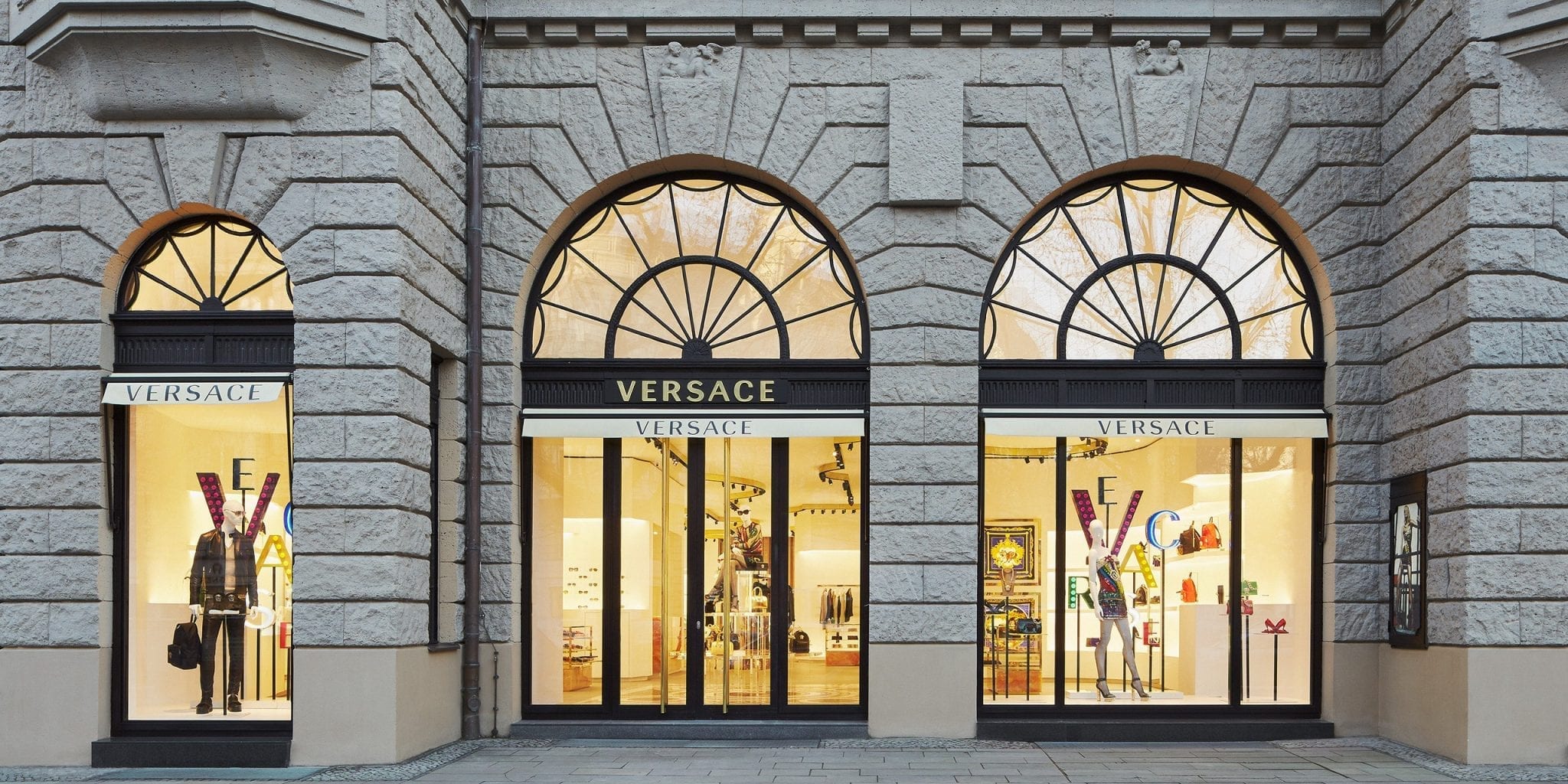
    Michael Kors Holdings LTD confirmed earlier reports that it would buy all outstanding shares from Versace for around $2.1 billion.

    It also announced the group will officially be called Capri Holdings Limited, named after the island of Capri, which the company referred to as an iconic, glamorous destination.

    The renaming of the group was expected, given that keeping its name would perhaps confuse many customers who wouldn’t be able to separate the brand from the holding company, much like Coach Inc. did when the group renamed itself as Tapestry. Donatella Versace will stay on as creative director of the house, and will also be a shareholder in the new group, along with her brother Santo and daughter Allegra. “This demonstrates our belief in the long-term success of Versace and commitment to this new global fashion luxury group,” Donatella said in a statement. Versace CEO Jonathan Akeroyd will also remain with the company.

    John D. Idol, chairman and CEO of Capri Holdings Limited, also put out a statement acknowledging the Italian brand’s history and future prospects. “We are excited to have Versace as part of our family of luxury brands, and we are committed to investing in its growth. With the full resources of our group, we believe that Versace will grow to over US$2.0 billion in revenues,” he said.

    In a move that would give Michael Kors Holdings LTD a stronger foothold in the luxury fashion space, the company, which already owns Jimmy Choo, is reportedly inking a deal to buy Gianni Versace SpA that values the Italian company at $2.35 billion. Both parties are set to announce the deal as early as this week, according to sources.

    For Kors, best known for his affordable luxury handbags and his appearance as a judge on the hit design competition show Project Runway, this buyout is a significant step towards building a larger, more efficient holding business that would rival that of French heavyweight conglomerates LVMH (who owns Louis Vuitton, Fendi and Givenchy) and Kering (Gucci, Balenciaga and Saint Laurent). While there hasn’t been a similar American conglomerate that compares in terms of scale and resources, this could perhaps be the start of a new power-playing entity stateside.

    There have even been guessing games as to what Michael Kors would rename his holding company, should he choose to do so. While Coach owner Tapestry has made moves to adopt a similar model (it has acquired Kate Spade and Stuart Weitzman in recent years), owning a European luxury fashion brand like Versace would give considerable clout and star power to an American fashion portfolio.

  • Zalora Group appoints new CMO

    Online fashion retailer Zalora Group has appointed a new chief marketing officer to help boost its Asia-wide profile.

    Elias Pour joins Zalora Group from Red Bull, where he was head of digital managing the brand’s digital marketing, content production and e-commerce sales in Asia-Pacific. At Zalora, he will lead a team of more than 150 people, overseeing the online fashion retailer’s entire marketing operations.

    Prior to his time with red Bull, Pour worked in both Sweden and Denmark, holding key management positions for Volvo, Danske Bank and Telenor. He has been based in Sydney, Australia, for the last eight years, working for Adobe and Commonwealth Bank of Australia before joining Red Bull.

    Patrick Schmidt, Co-CEO of Zalora Group’s parent Global Fashion Group, said Pour would help the company as it enters a new period of growth.

    “I am confident that under his leadership, Zalora will continue to provide fashion consumers in Asia, the best online and mobile shopping experience possible and achieve its full potential as the region’s fashion retail powerhouse.”

  • Dunkin’ Donuts reveals new brand identity

    Dunkin’ Donuts reveals new brand identity

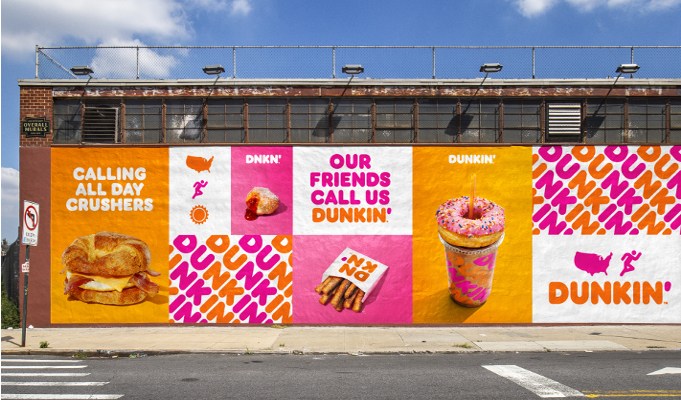
    Dunkin’ Donuts has been on a first-name basis with its fans long before the introduction of its iconic tagline, America Runs on Dunkin’, with customers around the world naturally and affectionately referring to the brand as Dunkin’. In recognition of this relationship, and as one of many steps to transform itself into the premier beverage-led, on-the-go brand, the company has unveiled its new branding at its Global Franchisee Convention that officially recognizes its name as simply Dunkin’. The change will officially take place in January 2019.

    The new branding conveys the company’s focus on serving great coffee fast, while embracing Dunkin’s heritage by retaining its familiar pink and orange colors and iconic font, introduced in 1973. Beginning the first of the year, the new branding will appear on packaging, as well as the company’s advertising, website and social channels. Going forward, the new Dunkin’ logo will also be featured on exterior and interior signage on all new and remodeled stores in the U.S. and, eventually, internationally. The brand tested the new logo extensively, including on exterior signage at Dunkin’ locations featuring its next generation design concept over the past year.

    According to Dunkin’ Brands’ CEO and Dunkin’ U.S. President David Hoffmann, “Our new branding is one of many things we are doing as part of our blueprint for growth to modernize the Dunkin’ experience for our customers. From our next generation restaurants, to our menu innovation, on-the-go ordering and value offerings, all delivered at the speed of Dunkin’, we are working to provide our guests with great beverages, delicious food and unparalleled convenience. We believe our efforts to transform Dunkin’, while still embracing our incredible heritage, will keep our brand relevant for generations to come.”

    “By simplifying and modernizing our name, while still paying homage to our heritage, we have an opportunity to create an incredible new energy for Dunkin’, both in and outside our stores,” said Tony Weisman, Chief Marketing Officer, Dunkin’ U.S. “We are bringing the iconic name Dunkin’ to the forefront in a bold way that brings to life how we refill optimism with each cup and bring fun, joy and delight to our customers each and every day.”

    Brand Refresh part of the Dunkin’ Blueprint for Growth

    The new branding, developed in partnership with new creative and branding agencies Jones Knowles Ritchie (JKR), BBDO New York and Arc Worldwide, is one part of Dunkin’s multi-faceted blueprint for growth, a plan designed to transform the company into the premier beverage-led, on-the-go brand. Recent initiatives have included a simplified menu, a greater emphasis on beverages like Cold Brew Coffee, Nitro Coffee and Iced Teas, the introduction of unique products like Donut Fries, an increasing emphasis on On-the-Go Mobile Ordering, and most importantly, the introduction of Dunkin’s next generation design concept.

    Specifically designed to meet the needs and demands of today’s on-the-go consumer, the next generation store design offers new and innovative elements to make running on Dunkin’ faster and more convenient than ever before. The key in-store elements include an eight-headed tap system for cold beverages encouraging crew members to serve guests like bartenders, a glass bakery case putting donuts in the forefront within arm’s reach of guests, and more prominent and engaging mobile-order pick up areas, as well as the first-ever mobile order drive-thru lane to allow mobile users to speed past the line.

    Dunkin’ to Remain Sweet on Donuts

    Although the word ‘donuts’ will no longer appear in the logo or branding, donuts will remain a significant focus for the brand. As the #1 retailer of donuts in America, selling more than 2.9 billion donuts and MUNCHKINS® donut hole treats annually worldwide, each Dunkin’ restaurant is required to make the most popular donuts available every day, along with local favorites, so that guests know they will be able to find the top-selling donuts and fun seasonal varieties no matter which Dunkin’ location they visit.

    Earlier this season Dunkin’ brought back its popular Pumpkin Donut and MUNCHKINS® donut hole treats for a sweet taste of fall. The brand will be revealing this year’s lineup of Halloween-themed donut varieties early next month.

    From Open Kettle to Dunkin’

    The story of Dunkin’ began in 1948 with a donut and coffee restaurant in Quincy, Massachusetts called ‘Open Kettle’. Founder William Rosenberg served donuts for five cents and premium cups of coffee for ten cents. After a brainstorming session with his executives, Rosenberg renamed his restaurant “Dunkin’ Donuts” in 1950. His goal was to “make and serve the freshest, most delicious coffee and donuts quickly and courteously in modern, well-merchandised stores,” a philosophy which still holds true today. In 1955, the first Dunkin’ Donuts franchise opened, and, in just 10 years, the number of restaurants had grown to over 100 shops. Since 1950, the number of Dunkin’ restaurants has increased to more than 12,600 restaurants worldwide in 46 countries.

  • Jollibee UK launches soon

    Jollibee UK launches soon

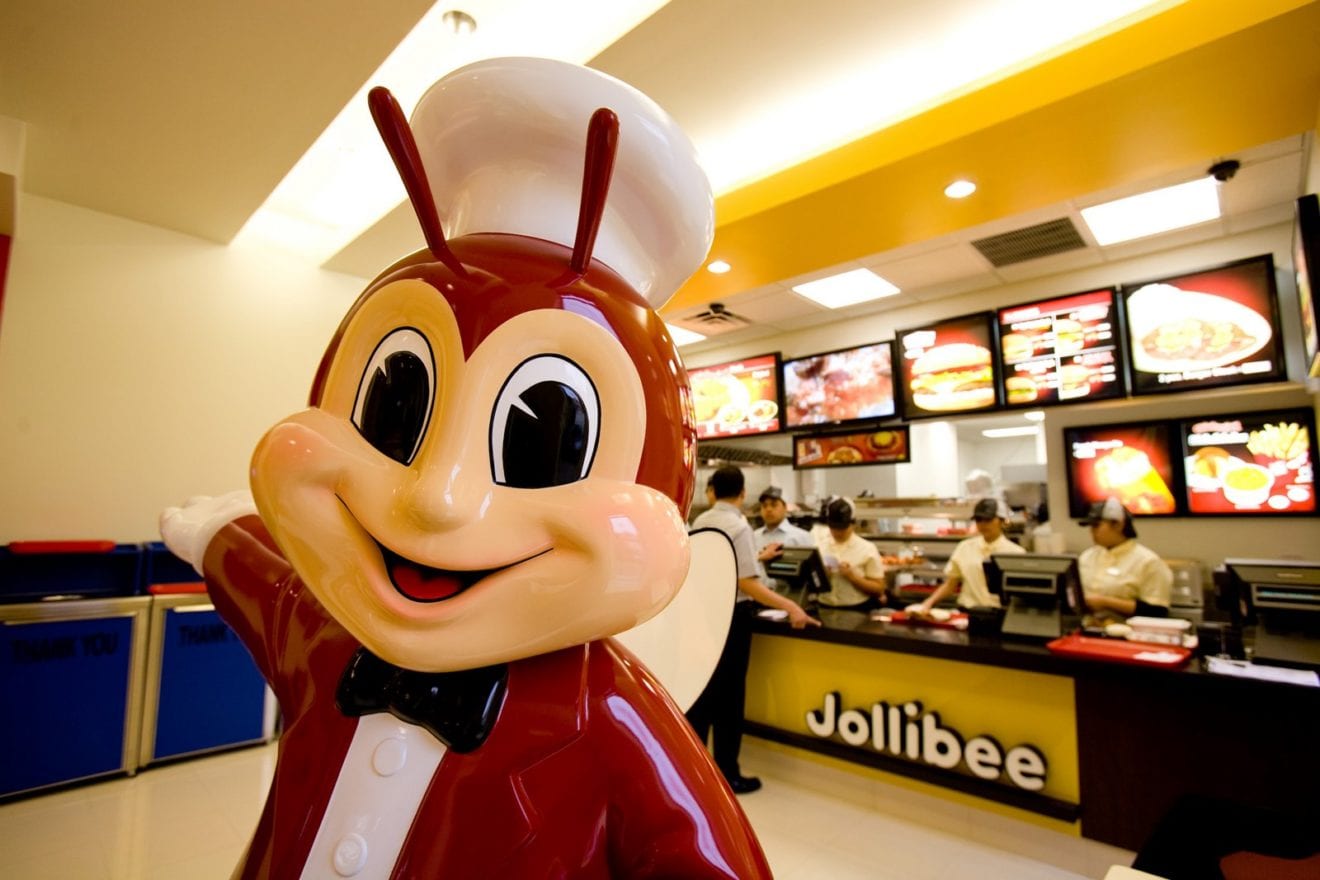
    Philippine fast-food chain Jollibee has hinted at opening its first store in the United Kingdom.

    The potential of a Jollibee UK debut was revealed in a tweet featuring a photo of its mascot bee with British Ambassador to the Philippines Daniel Pruce, hashtagged #JollibeeLondon and #1stJollibeeInUK.

    The ambassador had previously said Jollibee would open in Britain this year in a TV interview, during which he professed his love for the brand’s fried chicken.

    The opening will expand Jollibee’s footprint in Europe, which was initiated in March this year with the opening of a store in Milan. It has previously targeted mainly Filipino communities in the US, the Middle East and Southeast Asia.

  • Harvey Nichols bucks high street trend with profit rise

    Harvey Nichols bucks high street trend with profit rise

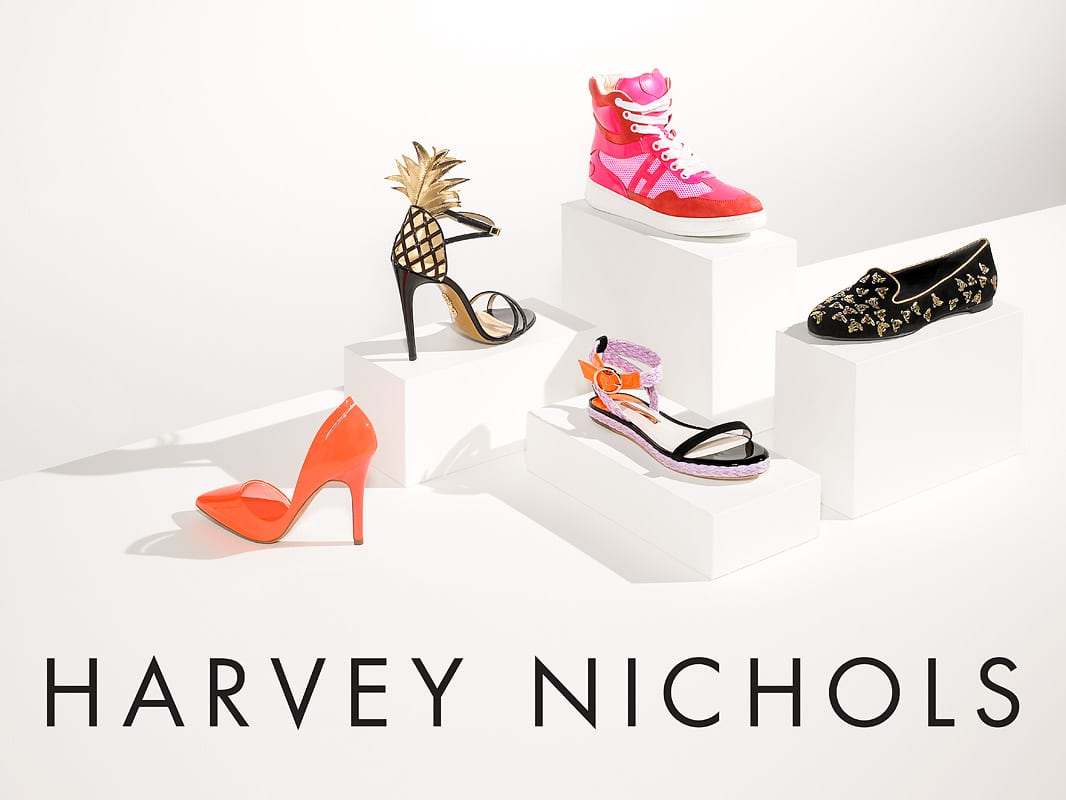
    Upscale UK department store Harvey Nichols doubled its pre-tax earnings this year to £14.7 million – a stark contrast to rival chains.

    Group sales rose 9 per cent to £210 million during the year to March 31, the retailer’s high-end positioning seemingly shielding it from the challenges facing companies like House of Fraser, John Lewis and Debenhams, all struggling to achieve growth or profitability.

    Harvey Nichols says its Kensington flagship store delivered a “strong performance” following refurbishment, but that trading generally remained tough.

    “We are extremely pleased to see a strong financial performance last year, and our ambitious Knightsbridge store refurbishment plans have had a positive impact,” said joint COOs Manju Malhotra and Daniela Rinaldi.

    “However, the retail environment remains challenging and competitive. With this uncertain outlook, we are focused for the remainder of this year on continuing to drive sales and delivering an omnichannel experience for our customers.”

    The revamp of the flagship commenced two years ago with the menswear department and the company has just completed the womenswear international section.

  • UK shoppers prefer self-serve checkouts

    UK shoppers prefer self-serve checkouts

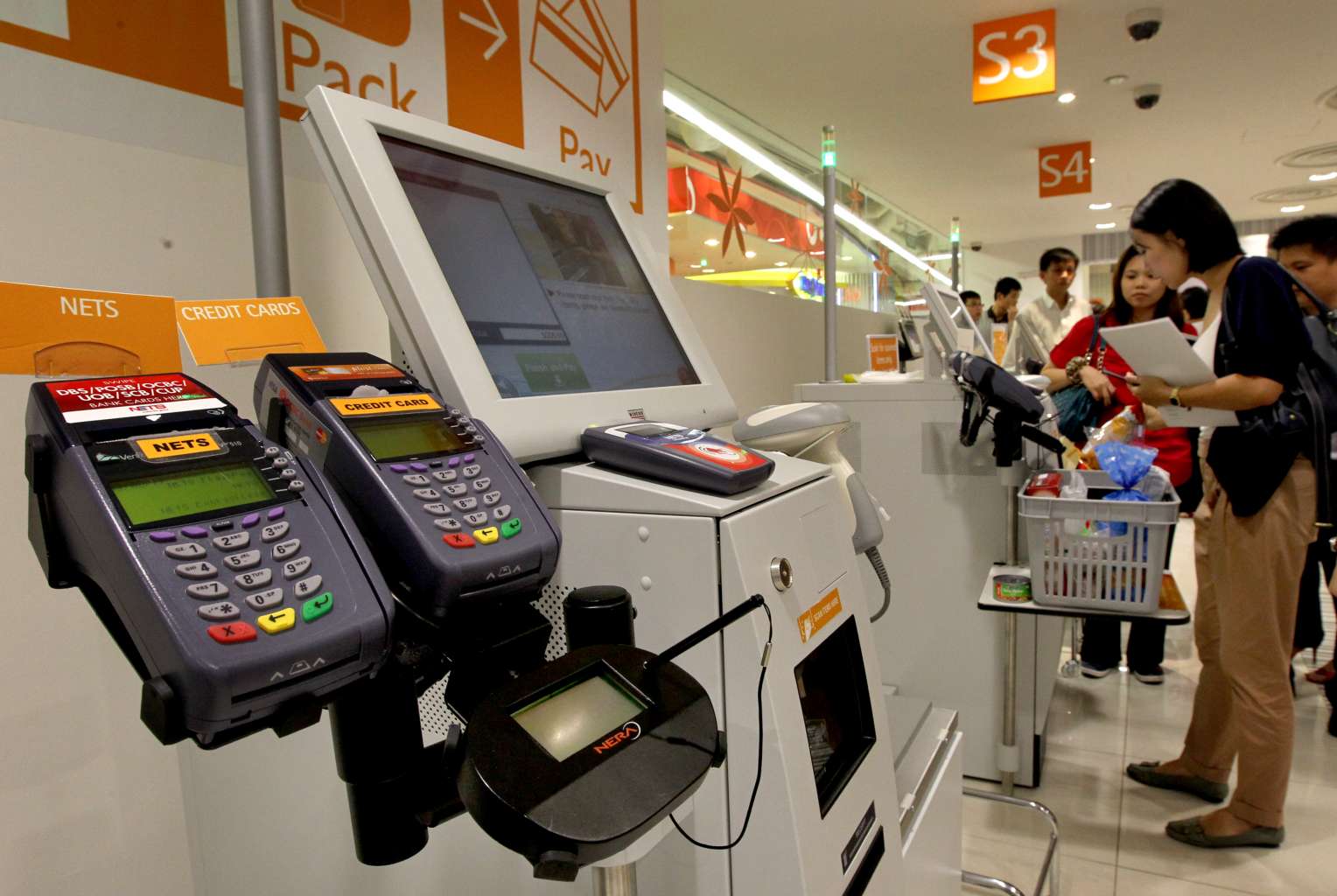
    Brits are increasingly turning to retailers who offer self-service payment options, with 57 per cent preferring to avoid human interaction while shopping, new research shows.

    Research by delivery management company Whistl found that when it comes to buying groceries, only 17 per cent consider human interaction important.

    The over 45s still prefer old-fashioned service with 70 per cent of this age bracket preferring to deal with real people, compared to just 25 per cent of 18-24 year-olds.

    It seems men are more likely to opt for a self-service payment option with 53 per cent admitting this is their preferred choice, compared to 47 per cent of women.

    The tables turn however when it comes to customer support, with more than half of Brits preferring to speak to a real person when they have an issue.

  • Chanel buys stake in F.P. Journe parent company

    Chanel buys stake in F.P. Journe parent company

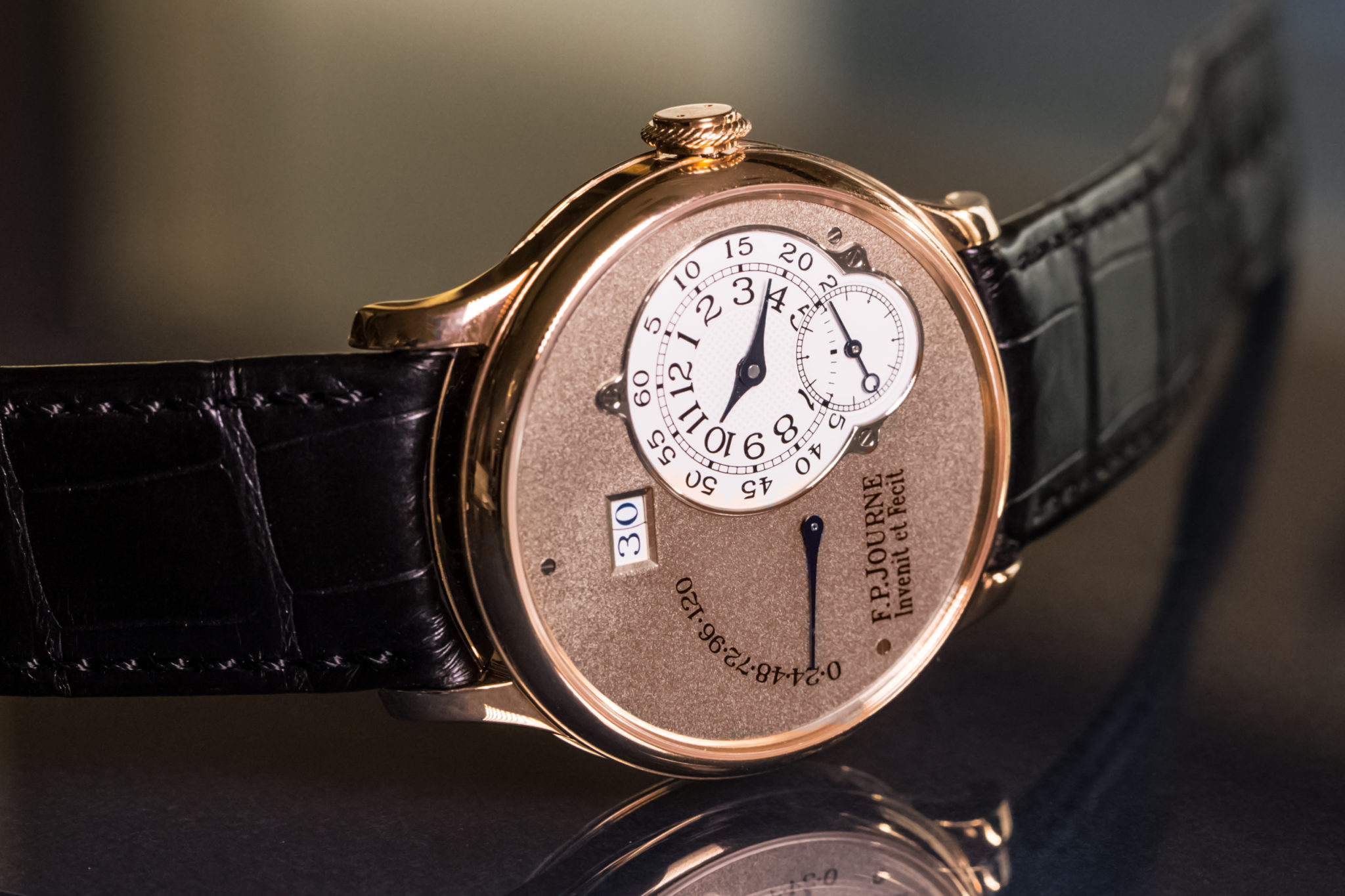
    International fashion brand Chanel has acquired a 20 per cent stake in the parent company of luxury Swiss watch brand F P Journe.

    The investment, the value of which has not been disclosed, follows the purchase of holdings in Romain Gauthier several years ago and Bell & Ross back in 1998.

    A statement by Chanel read that the purchase “is part of the desire to preserve and develop expertise and to support independent watchmakers who share the same values of creation and excellence as Chanel”.

    The sale, according to parent, watchmaker Francois-Paul Journe, was made to preserve the brand given that the watch manufacturing business would not be continued by his descendants.

  • US fashion label Henri Bendel to close after 123 years in business

    US fashion label Henri Bendel to close after 123 years in business

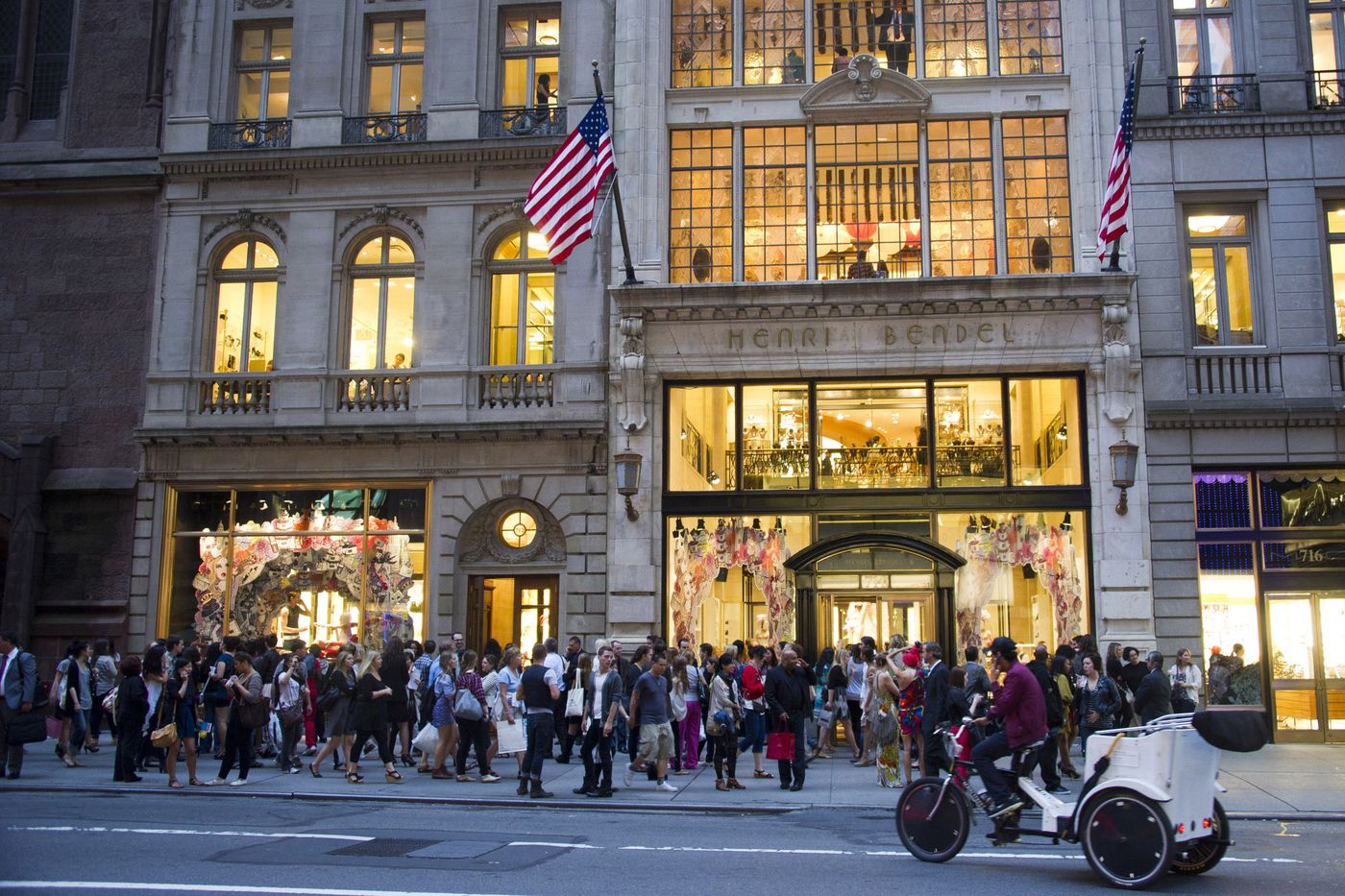
    L Brands is to close down its 123-year-old luxury womens fashion brand Henri Bendel.

    “We are committed to improving performance in the business and increasing shareholder value,” said L Brands CEO and chairman Leslie Wexner. “As part of that effort, we have decided to stop operating Henri Bendel to improve company profitability and focus on our larger brands that have greater growth potential. This decision is right for the future growth of our company, but not easy because of the impact to our L Brands family.”

    Henri Bendel has 23 stores operating in 11 US states, including a flagship on Fifth Avenue. It also has an e-commerce site.

    The company will implement a staged close-down, with new stock shipped for the peak holiday season and stores shuttered in January.

    L Brands predicts Henri Bendel sales to reach US$85 million this year, with an operating loss of $45 million. That figure excludes closedown expenses.

    L Brands is the parent company of Victoria’s Secret, Pink and Bath and Bodyworks.

  • DHL e-Commerce to launch Cash-on-delivery service

    DHL e-Commerce to launch Cash-on-delivery service

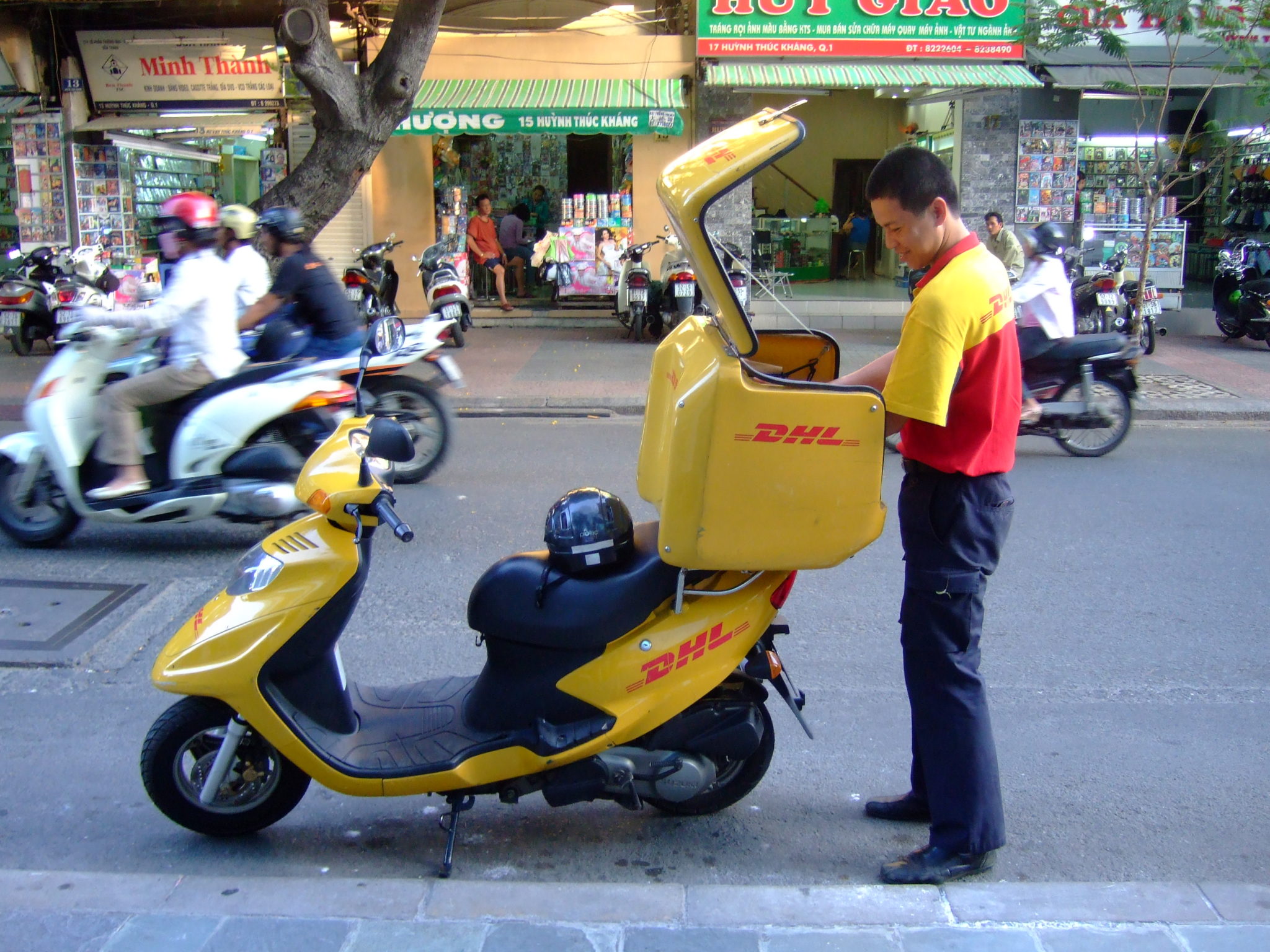
    DHL eCommerce has launched a cross-border cash-on-delivery service for Southeast Asian customers.

    The service will allow sellers in China and Australia to target consumers in Malaysia, Thailand and Vietnam who do not have credit cards or even a bank account – an estimated 73 per cent of the region’s population. It enables cash collection from buyers in these regions upon delivery.

    Collected cash will be remitted to a local bank account at the destination or the billing country based on the local destination currency. Remittance will be made to sellers every fortnight and tracking visibility of the status of COD is available on the DHL portal.

    CEO of DHL eCommerce Charles Brewer said that despite growing credit card adoption in Southeast Asia, the low level of credit card penetration has forced e-commerce retailers to offer alternative modes of payment methods such as cash on delivery, digital payments and in some cases paying in-store.

    “This opens up a huge potential by reaching out to a new group of unbanked consumers and also meeting the needs of consumers who prefer to pay in cash.

    “China and Australia are huge e-commerce export markets and our DHL Parcel International Direct product provides a direct entry into high demand markets with excellent transit times of three-to-five business days with economical shipping prices. With our fully-owned domestic delivery network in Malaysia, Thailand and Vietnam, we are able to deliver on-time with secure features like cash-on-delivery.”

    CEO of DHL eCommerce’s new Vietnamese partner Sendo, Tran Hai Linh, added: “Being a home-grown company allows Sendo to have a deep understanding of the Vietnamese local market and culture. Sendo aims to support over 300,000 individual vendors, micro-entrepreneurs, and small businesses to sell their goods online and deliver them affordably throughout Vietnam. With our collaboration with DHL eCommerce, we will provide not only the sellers but also several million buyers on our platform with an international quality delivery experience in Vietnam.”

    DHL operates more than 300 ServicePoints across Vietnam accessible to Sendo, meaning buyers can choose to have their parcels dropped off at these locations instead of waiting for a pick-up and enjoy discounts of up to 20 per cent.

    DHL eCommerce Vietnam’s MD Thomas Harris said Micro, small, and medium-sized enterprises continue to play a major role in Vietnam, accounting for 98 per cent of all enterprises, 40 per cent of GDP and 50 per cent of employment.

    “However, they face unique challenges such as access to finance and international partners. DHL is passionate about supporting small businesses and we are excited to work with Sendo to support their sellers with an excellent, high quality domestic delivery network.”

  • Burberry to stop burning unsold items after green criticism

    Burberry to stop burning unsold items after green criticism

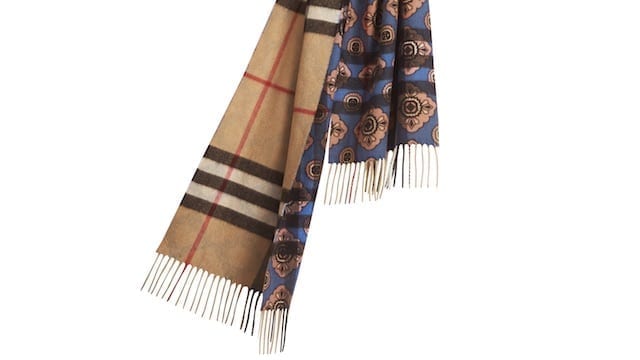
    Luxury retailer Burberry on Thursday said it will no longer destroy unsold goods, but rather expand existing efforts to reuse, repair, donate or recycle items. The retailer will also stop using real fur and angora in products.

    The move comes after Burberry revealed in a presentation to investors in July that it had destroyed £28.6 million ($51.4 million) worth of unsold product in the previous year.

    The admission created a PR nightmare for Burberry, which suddenly became the poster child for the controversial yet fairly common practice among luxury retailers of destroying unsold goods, rather than allowing discounted items to diminish brand value.

    Burberry’s decision to end the practice is in keeping with steps other retailers have taken to operate more responsibly – whether that relates to the environment, use of low-wage labour, or internal diversity – in response to consumer pressure.

    Burberry CEO Marco Gobbetti said this is the new reality for brands today.

    “Modern luxury means being socially and environmentally responsible. This belief is core to us at Burberry and key to our long-term success,” he said.

    Five-year agenda

    Last year, the retailer launched a five-year responsibility agenda that focuses on three goals: driving positive change through 100 per cent of Burberry’s products, becoming carbon neutral and revaluing waste and positively impacting one million people.

    Since then, Burberry has become a core partner of the Make Fashion Circular Initiative and partnered with sustainable luxury company Elvis & Kresse to transform 120 tonnes of leather offcuts into new products over the next five years.

    The retailer also established the Burberry Material Futures Research Group with the Royal College of Art to invent new sustainable materials.

    Animal rights

    Alongside its decision to stop destroying unsold goods, Burberry announced on Thursday that it will no longer use real fur, which had been restricted for many years to rabbit, fox, mink and Asiatic racoon.

    The company said it will ban these materials as well as angora from future Burberry collections.

    Fashion retailers Asos and Gorman stopped using mohair this year, following pressure from animal-rights groups.

  • Starbucks Announces Global Greener Stores Commitment

    Starbucks Announces Global Greener Stores Commitment

    Following strong consumer demand and internal support, global franchise coffee giant Starbucks has committed to designing, building and operating 10,000 “Greener Stores” globally by 2025.

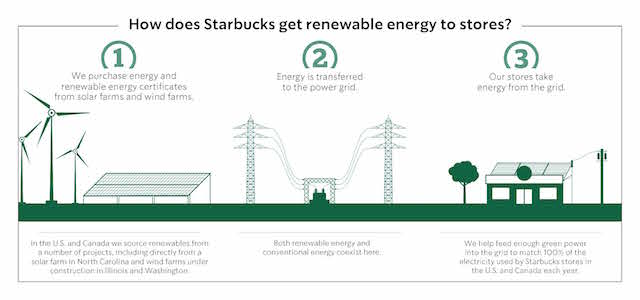
    The brand has teamed up with sustainable building experts SCS Global Services and World Wildlife Fund to help with the implementation of the new initiative, which focuses on reducing waste, saving water and powering stores through 100 per cent renewable energy.

    The announcement was made overnight at The Global Climate Action Summit in San Francisco, and promises to deliver consumers a new standard in green retailing.

    The latest initiative will see the brand audit all existing company-operated stores in the US and Canada over the coming years, serving as a trial period for the proposed framework, before encompassing all remaining existing stores, new builds and renovations.

    “Simply put, sustainable coffee, served sustainably is our aspiration,” said Kevin Johnson, president and CEO of Starbucks.

    “We know that designing and building green stores is not only responsible, it is cost effective as well. The energy and passion of our green apron partners has inspired us to find ways to operate a greener store that will generate even greater cost savings while reducing impact.”

    The move is anticipated to save the company an incremental US$50 million in utilities over the next 10 years, building on the brand’s current decade long commitment to greener practices, which already equates to approximately $30 million in saved annual operating costs.

    Erin Simon, director of R&D at World Wildlife Fund, US praised Starbucks’ decision to open source the framework, enabling other retailers to engage in the initiative.

    “This framework represents the next step in how Starbucks is approaching environmental stewardship, looking holistically at stores and their role in helping to ensure the future health of our natural resources,” Simon said.

    “When companies step up and demonstrate leadership, other businesses often follow with commitments of their own, driving further positive impacts.”

    As a leader in the retail coffee space, the announcement is set to highlight the importance of sustainability in Australian outlets and competitors, many of whom recently established partnerships and green operations to curb growing consumer demand.

    Starbucks is also encouraging other businesses to get on board with the latest sustainable initiative.