Tag: International

  • Bankrupt US retail giant Sears owes Vietnamese firm $4 million

    Bankrupt US retail giant Sears owes Vietnamese firm $4 million

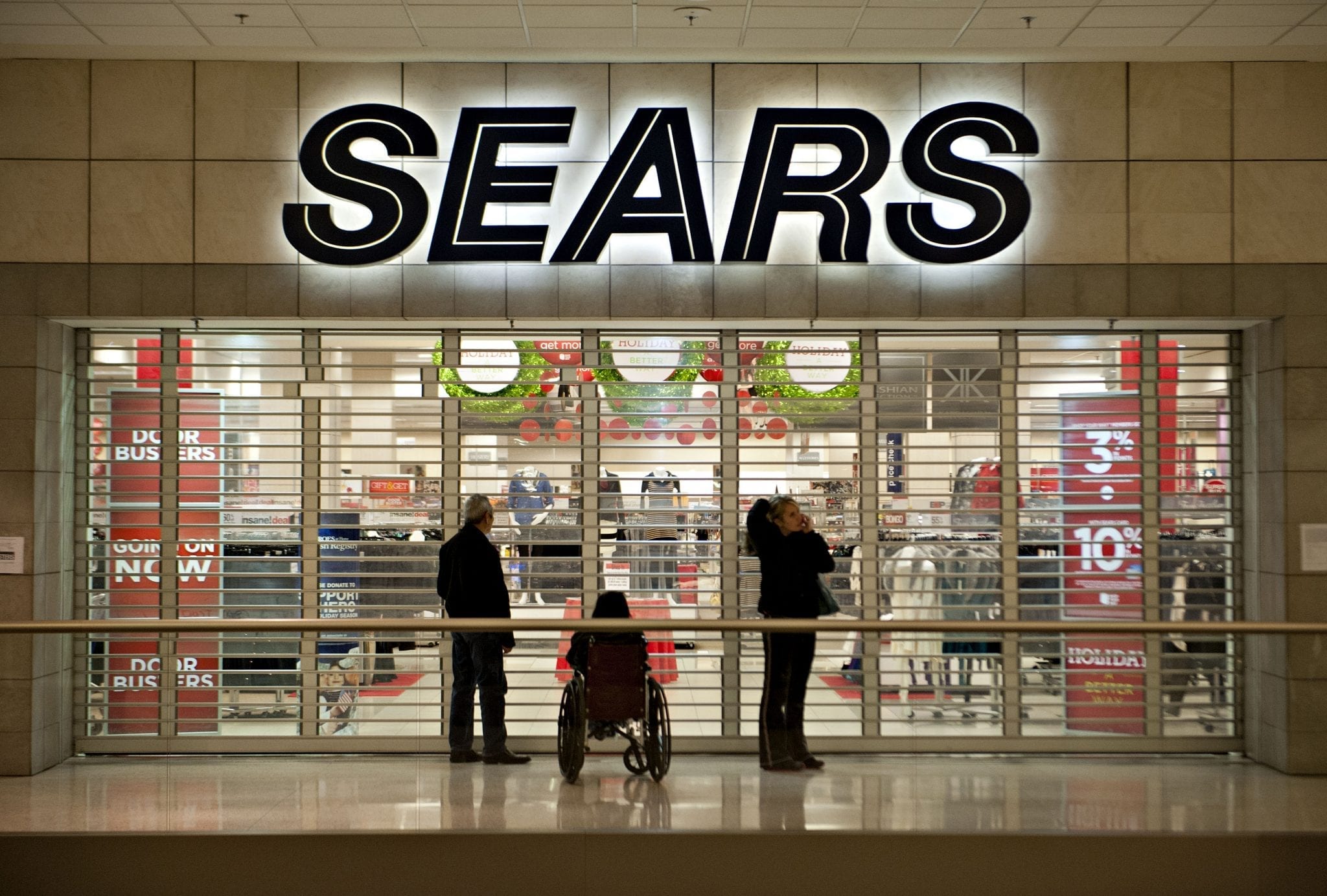
    Sears, a U.S. retail titan that has filed for bankruptcy, owes a Vietnamese textile company upwards of $4 million. Sears Holdings filed for bankruptcy on October 15 after failing to make a $134 million debt payment tranche. Its subsidiaries, Sears, Roebuck and Kmart are partners of Vietnamese textile firm Thanh Cong, contributing about 7 percent to the textile firm’s revenue every year.

    Last year, Sears contributed VND220 billion ($9.38 million) to Thanh Cong’s revenues of VND3.2 trillion ($136.5 million). Sears remaining debt to Thanh Cong is VND95 billion ($4 million), or 3 percent of the textile firm’s total assets, according to Vietnamese company’s  third quarter report.

    Thanh Cong CEO Lee Eun Hong said that his company was seeking to participate in the process and retrieve its money.

    The hearing is scheduled for November 15.

    Thanh Cong Textiles, established in 1967, has reported accumulated revenues of VND2.82 trillion ($120.3 million) in the first nine months of this year, up 15 percent year-on-year.

    Exports account for 88 percent of the firm’s revenue.

    The bankruptcy filing by Sears follows a decade of revenue declines, hundreds of store closures, and years of deals by billionaire Eddie Lampert in an attempt to turn around the company he acquired in 2005 for $11 billion.

  • Hamleys no longer under ownership of China’s C.banner

    Hamleys no longer under ownership of China’s C.banner

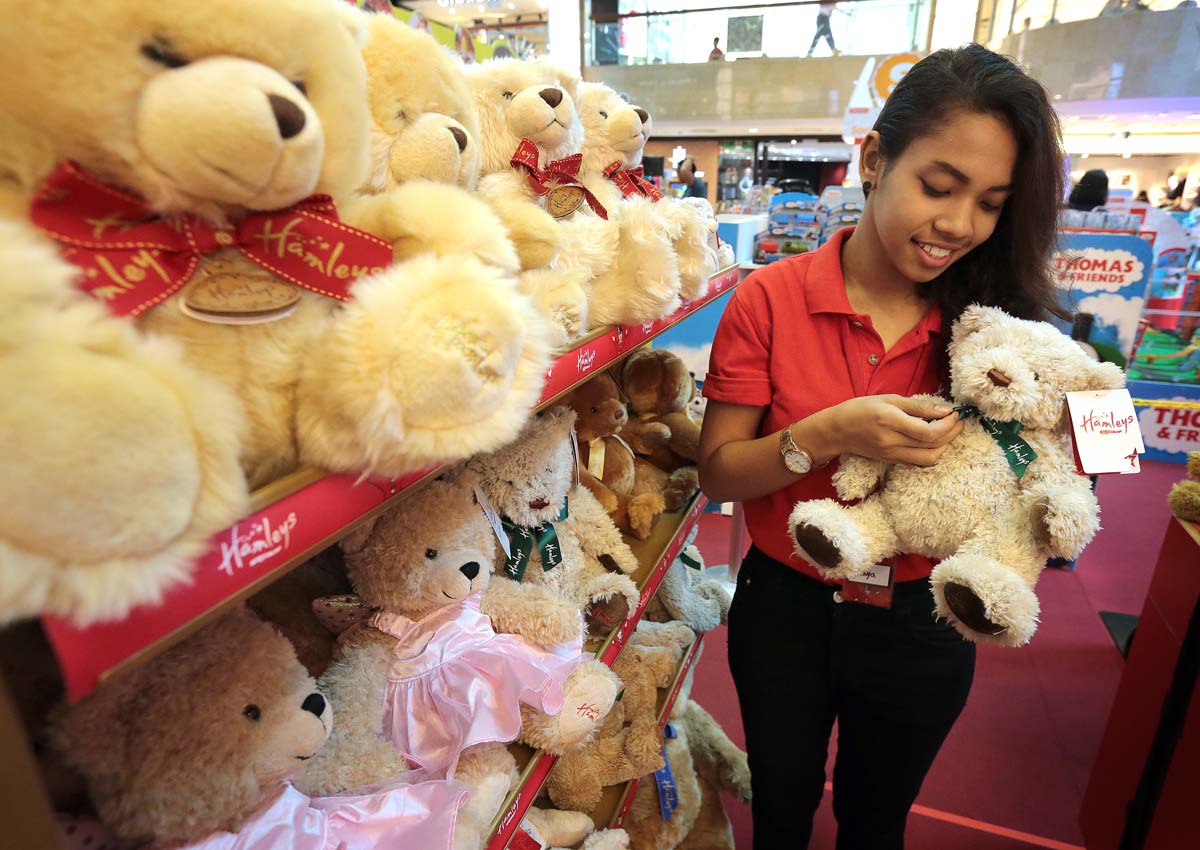
    Toy retailer Hamleys looks likely to be sold by Chinese owner C.banner International. The company has launched a strategic review of options for Hamleys’ future after receiving several expressions of interest from would-be buyers. C.banner International has owned Hamley’s for just three years, but the Chinese company has suffered a massive decline in its share price leading to an aborted bid for UK department store House of Fraser.

    At the time the Hong Kong-listed company planned a share issue to raise funds to acquire House of Fraser, it expected to receive between HK$2.40 and $3 per share. In August, when it dropped the plan, its shares were trading at 71 cents and today they are trading at just 56 cents each.

    The prospective bidders have not been named and talks are at a preliminary stage. C.banner has appointed Vermillion Partners to oversee discussions.

    In the year to December 31, Hamley’s recorded a loss of £12 million, a heavy reversal from a profit the previous year of £2.6 million. Sales fell 2.5 per cent to £66.3 million.

    But the company said it was on track to return to profitability and during the first eight months of this year it achieved 2.7 per cent like-for-like sales growth.

  • Nissan Leaf approved for vehicle-to-grid use in Germany

    Nissan Leaf approved for vehicle-to-grid use in Germany

    Nissan’s Leaf is the first electric vehicle to secure regulatory approval as an energy backstop for Germany’s electricity grid. So-called vehicle-to-grid (V2G) technology is a connection between the EV and the grid through which power can flow from the grid to the vehicle and vice-versa, potentially enabling car owners to sell energy to the network. This would allow utilities to use EVs as a backstop if demand rises.

    Nissan said it would initially target corporate clients with fleets of more than 60 electric vehicles, adding that services based on V2G technology would be offered in Germany starting next year.

    “We strongly believe in an emission-free future,” said Guillaume Pelletreau, Vice President and Managing Director, Nissan Center Europe. “Leaf batteries could make an important contribution to energy transition in Germany and a sustainable future.”

    The initiative was also supported by Daimler-backed The Mobility House, local utility Enervie and German transmission system operator Amprion, which is co-owned by RWE and infrastructure investors including Munich Re, Swiss Life and Talanx.

    Nissan is relying on the CHAdeMO charging standard, which has been jointly developed by several Japanese companies as a competitor to Tesla’s supercharger system and the European-backed Combined Charging System (CCS).

    That puts Nissan at odds with European automakers, including BMW and Volkswagen, who are pushing to have the CCS, which is also capable of V2G services, established.

    “Nissan is ahead for now but other technologies, including Tesla’s supercharger can theoretically do the same thing,” said Thomas Raffeiner, chief executive and founder of The Mobility House.

    Nissan has so far sold about 370,000 electric vehicles and, along with top shareholder Renault, has been very active in exploring how car batteries can be integrated into the wider power system.

    While a mass uptake of EVs is expected to put a major strain on the power grid and require billions of euros in infrastructure investments, car batteries have already proven that they can become part of the network.

  • Mastercard and HKTaxi teamed up for clients’ Rewards Program

    Mastercard and HKTaxi teamed up for clients’ Rewards Program

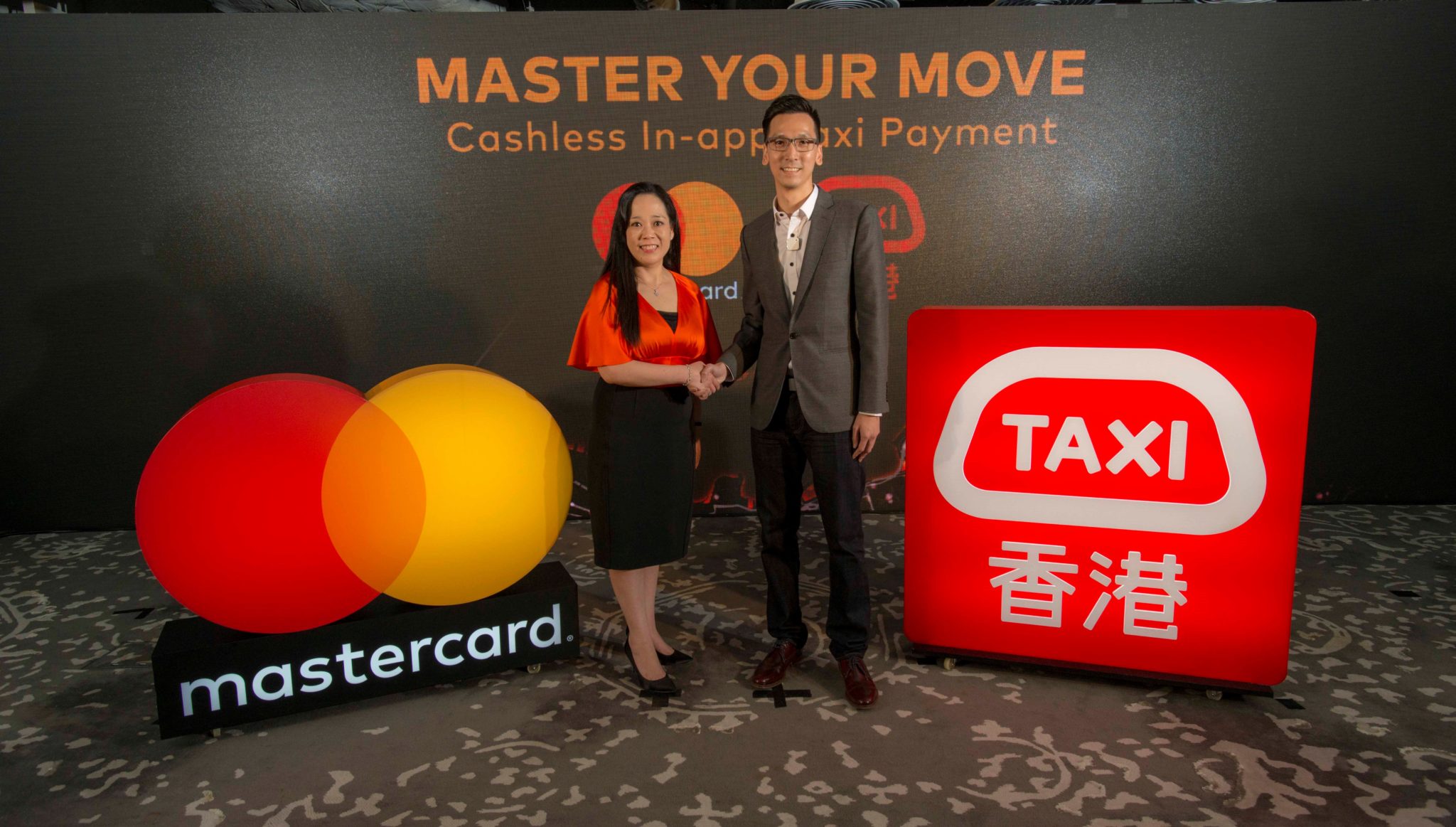
    Mastercard and local taxi-hailing app HKTaxi bring a new rewarding experience to Hongkongers by introducing the city’s first taxi ride rewards program, creating more value and excitement for passengers to enjoy safe, fast and convenient cashless payment all over the city. While earning rewards through dining and shopping are not uncommon in the city, the concept of earning rewards through taxi rides marks a breakthrough in the taxi industry.

    As part of the ongoing collaboration, Mastercard cardholders can exclusively earn a 5% rebate in “Taxi Dollars” when paying for taxi rides with Mastercard via HKTaxi from now until December 31, 2018. The earned Taxi Dollars can be used to pay for future HKTaxi rides, which will surely make travelers look forward to every journey they take.

    “HKTaxi shares the same vision with Mastercard in building a cashless society and making Hongkongers’ lives more secure and convenient through technology,” said Kay Lui, co-founder, HKTaxi. “We are proud to launch the city’s first taxi ride rewards program that endows passengers with Taxi Dollars, an enthralling and breakthrough concept that not only benefits the Hong Kong people but also takes the taxi industry to a whole new level.”

    “Mastercard aims to take care of cardholders’ needs and provides them with the best service every day,” said Helena Chen, managing director, Hong Kong and Macau, Mastercard. “Mastercard continues to bring safe, fast and convenient in-app digital payments experience to Hongkongers through its technology. The launch of the pioneering Taxi Dollars privilege enables taxi riders to further enjoy the secure and cash-free experience. More importantly, Mastercard aspires to push forward the development of digital payments in Hong Kong.”

    With the world’s fastest and most reliable global payments network, Mastercard cardholders can enjoy safe, fast, convenient, and rewarding journeys with the city’s first taxi ride rewards program.


  • DFS launches 10th anniversary edition of Masters of Time

    DFS launches 10th anniversary edition of Masters of Time

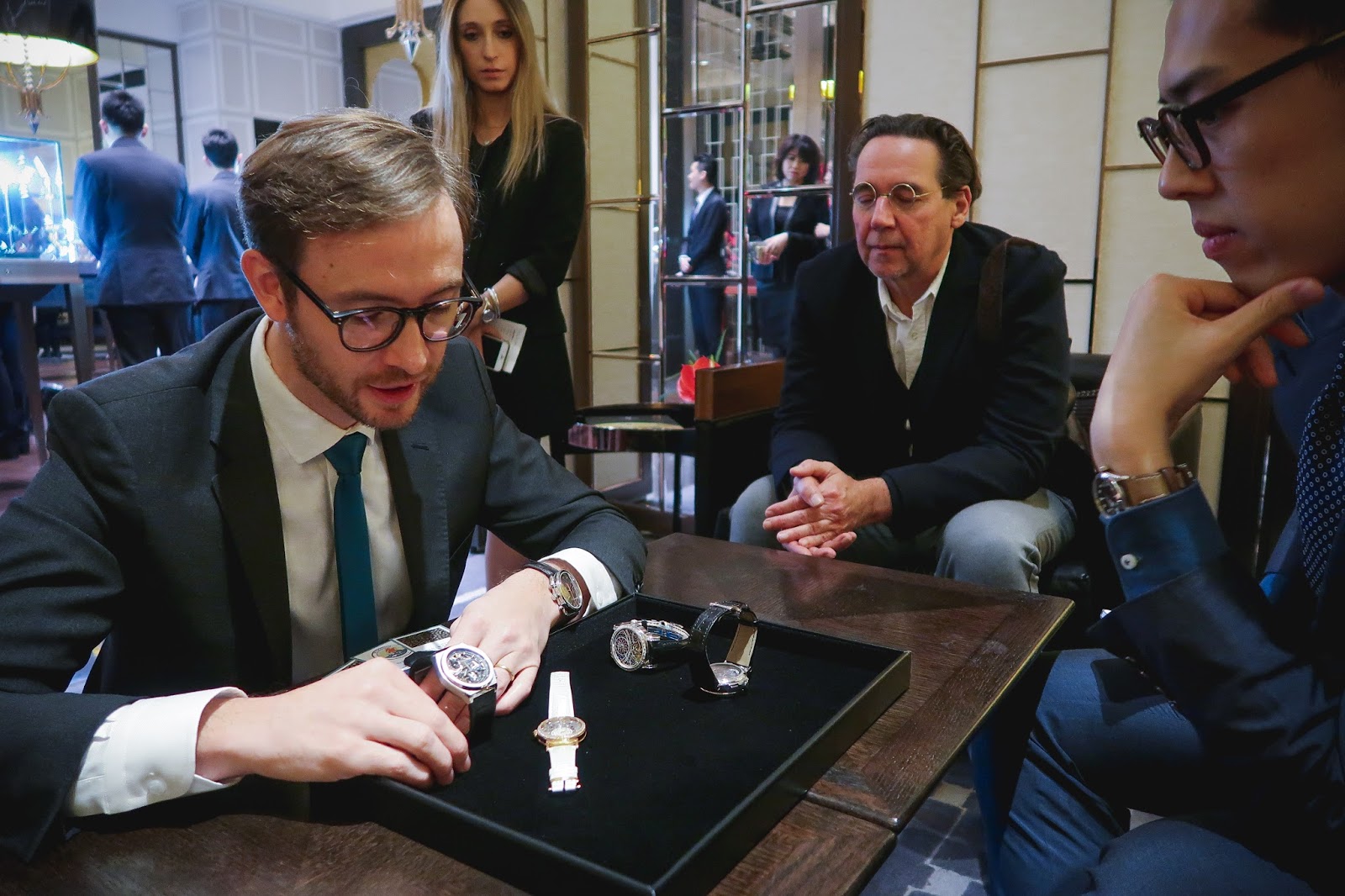
    DFS Group (DFS), the world’s leading luxury travel retailer, is launching the tenth edition of its world-leading Masters of Time exhibition this December, with a special anniversary collection that highlights craftsmanship, design and innovation. This year’s exhibition, titled “Masters of Time X”, will be unveiled during a two-day gala weekend at T Galleria by DFS, Macau, Shoppes at Four Seasons, featuring the finest watches and jewelry from some of the world’s most renowned brands including several pieces created especially in celebration of the event.

    Masters of Time is recognized as the world’s premier retail exhibition of luxury timepieces and jewelry, and is a signature event in DFS’ Masters Series, which showcases DFS’ leadership and innovation in curating and creating exceptional experiences across its five pillars of luxury: Wines and Spirits, Beauty and Fragrances, Watches and Jewelry, Fashion and Accessories, and Food and Gifts. Created by DFS in 2008 to bring the very best brands in the world of watchmaking, and their ambassadors, together with enthusiasts and collectors alike, the event is traditionally hosted each year in the exciting shopping enclave of Macau.

    The anniversary Masters of Time X collection represents the most exclusive selection of watches and jewelry that DFS has ever presented to its customers, with each piece chosen by its expert merchant teams after more than a year of meticulous searching. Masters of Time X showcases the height of craftsmanship as well as the best of design and innovation for both men and women, featuring over 450 exceptional, rare watches and exclusive jewelry masterpieces from 30 world-famous brands including Bulgari, Franck Muller, Hublot, IWC, Jaquet Droz, Piaget, Roger Dubuis, Tag Heuer, Ulysse Nardin and Zenith. This year, in commemoration of the milestone tenth edition, several pieces have been created especially for DFS and Masters of Time.

    A curated selection of fine jewelry will also be featured as part of the Masters of Time X collection. Highlights include Bulgari’s “Diva’s Dream” set, Tiffany “Paper Flowers” necklace, Piaget’s “Sunny Side of Life Golden Spirit” cuff bracelet, Boucheron’s “Plume de Paon & Hopi” set and Tasaki’s “Ritz Paris Par Tasaki ‘Elégance’” necklace.

    “As we enter our tenth year of DFS’ Masters of Time, the desires of our customers have never been more central to our carefully curated collection. We have worked with some of the most famous brands in the world to create and select masterpieces to captivate experienced collectors and first-time buyers alike,” said Matthew Green, DFS Group Senior Vice President, Watches and Jewelry. “This is a collection worthy of this milestone anniversary, and we are delighted to welcome new and existing customers to discover something truly unforgettable at Masters of Time X.”

    The Masters of Time X collection will be unveiled during a two-day gala weekend at T Galleria by DFS, Macau, Shoppes at Four Seasons from December 7-9. The collection will be available for viewing and purchase in Macau from December 7, 2018 until end-February 2019.

    In commemoration of Masters of Time’s tenth anniversary, new locations have been added to the event’s agenda to reach DFS customers outside of Macau. In September, Masters of Time X was pre-launched to European customers at DFS’ flagship store in Venice, T Fondaco dei Tedeschi, followed by immersive dinners in Chengdu and Shanghai in October, all featuring a selection of bespoke and rare watch and jewelry pieces. In 2019, the Masters of Time X collection will travel to a selection of DFS T Galleria stores around the world.

  • BMW expands recall on fire risk to 1.6 million diesel vehicles

    BMW expands recall on fire risk to 1.6 million diesel vehicles

    BMW is recalling about 1.6 million diesel cars to fix a potential fire hazard in their engines, expanding repairs from just under half a million vehicles in Europe and Asia. The voluntary service action follows a BMW investigation that found coolant could leak from the car’s exhaust recirculation unit. The defect can lead to sparks while driving and cause fires in “in extreme cases,” the automaker said Tuesday in a statement.

    South Korea’s government, after reports of 40 fires this year, asked drivers to keep vehicles off roads until undergoing checks. Police also raided the automaker’s office in Seoul to probe the safety issue, after videos of cars engulfed by fire went viral.

    The vehicles affected — diesels with four- and six-cylinder engines — were produced between 2010 and 2017, BMW said.

    After the initial recall announced in August, BMW’s internal investigation found more vehicles with similar technical setups. The company said it will replace the components as necessary.

    BMW last month cut its profit forecast, blaming an increase in warranty provisions alongside trade tensions and pricing pressure.

  • Skechers achieves record third quarter 2018 sales

    Skechers achieves record third quarter 2018 sales

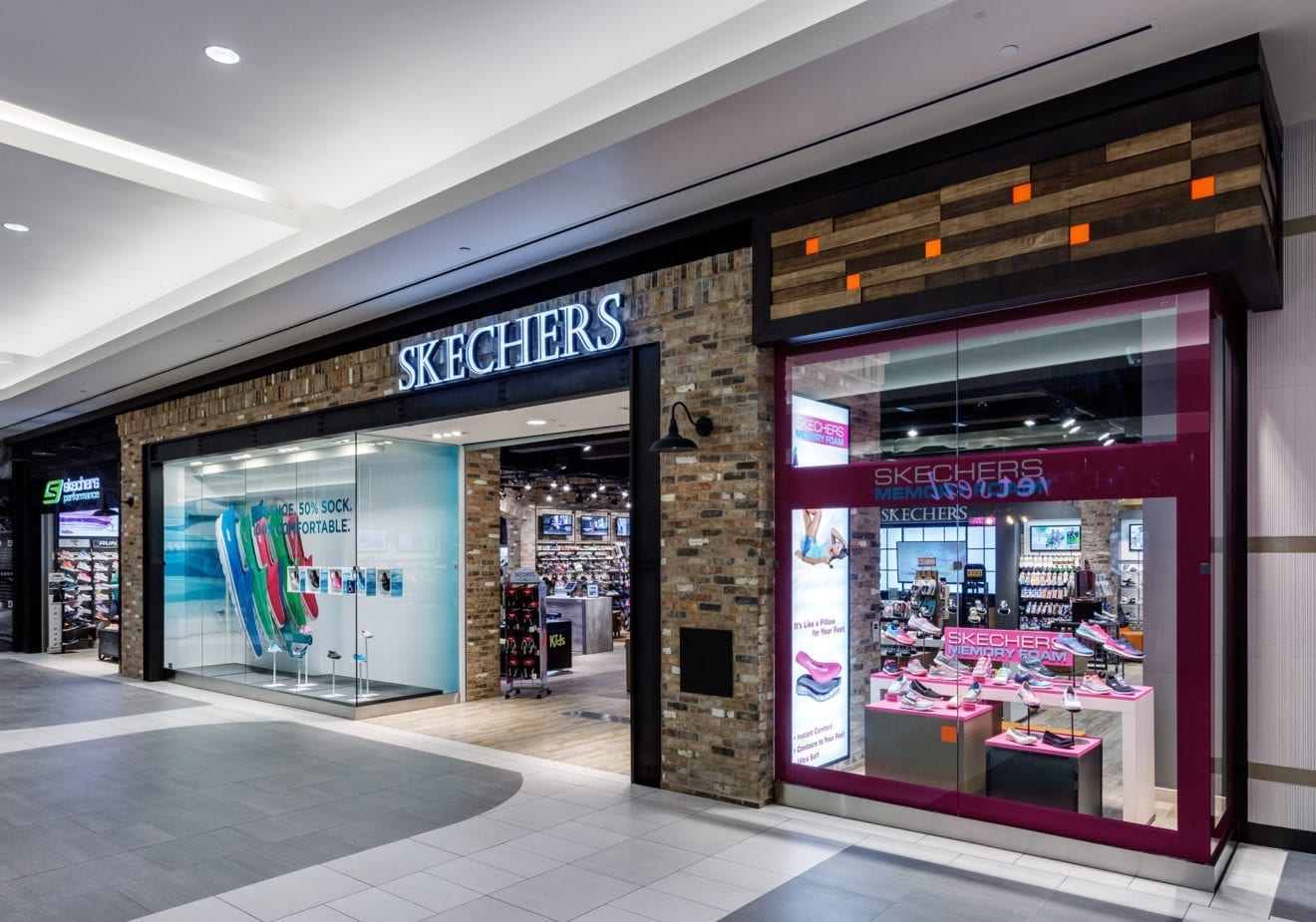
    Skechers USA, a global footwear leader, has announced financial results for the third quarter ended September 30, 2018. “Achieving record third quarter sales is a notable accomplishment given the strength of our third quarter 2017 sales,” began Robert Greenberg, Chief Executive Officer, Skechers.

    Greenberg added, “Both our domestic and international businesses grew, and we remained the leader in walking, work, casual lifestyle and sandals footwear in the United States. We experienced strong product successes across multiple divisions around the world, which was evident by our double-digit growth in both our international wholesale and worldwide Company-owned retail businesses. Skechers D’Lites, our heritage chunky style that has seen great success over the last two years in Asia, is now an in demand style across North America and Europe, and is poised for growth in South America, India and the Middle East. Through Skechers D’Lites, we are reaching a younger, more fashion-savvy audience, and getting press—from Marie Claire and Elle to HypeBae and Highsnobiety—and social media influencers are embracing this signature look. Further, we are seeing renewed acceptance of this chunky style by men. Our core footwear categories for men, women, work and golf are also performing well. We are achieving this growth with the right product mix combined with a balanced approach to marketing spend. As we continue to invest in our international infrastructure, we believe there is significant opportunity to grow our brand further through both wholesale, and Company-owned and third-party retail stores, which now stand at 2,802 locations worldwide. We’re looking forward to fourth quarter growth across both our domestic and international channels and a new annual sales record.”

    “As we near the close of 2018, we believe the direction of our business is on target with our record sales in the third quarter, continued international growth and strong gross margins,” stated David Weinberg, Chief Operating Officer of Skechers.

    Weinberg added, “With three record sales quarters in 2018 and brand acceptance around the globe, we achieved a new record for the first nine months of US$ 3.56 billion, an 11.5 percent increase over last year. In the third quarter, our international distributor business returned to growth, increasing 11.6 percent over the same period last year, and combined with our international joint venture and subsidiary business, our total international wholesale sales increased 11.8 percent for the period. International wholesale along with international retail now represents 55.5 percent of our total business. We expect our business in the United States—both wholesale and retail—to grow in the fourth quarter. We remain committed to efficiently and profitably growing our global footwear business.”

    Sales grew 7.5 percent as a result of an 11.8 percent increase in the Company’s international wholesale business, and a 10.6 percent increase in its Company-owned global retail business. Its domestic wholesale business decreased 3.0 percent. The Company’s total international business grew 12.5 percent and its total domestic business grew 1.8 percent. Third quarter comparable same store sales in Company-owned retail stores worldwide increased 1.9 percent, including an increase of 3.0 percent in the United States offset by a decrease of 0.8 percent in its international stores.

    Gross margins slightly increased as higher domestic margins from improved retail pricing and product mix were partially offset by the impact of negative foreign currency exchange rates.

    SG&A expenses increased 9.5 percent in the quarter. Selling expenses increased by 0.7 percent, but improved 50 basis points as a percentage of sales from 8.2 percent to 7.7 percent for the third quarter 2018. The US$ 37.8 million increase in general and administrative expenses was primarily the result of the Company’s continued commitment to build its international brand presence and direct-to-consumer channels. General and administrative expenses in China grew US$ 7.5 million to support continued expansion, including preparation for next month’s Single’s Day, and US$ 13.3 million associated with operating 58 additional company-owned Skechers stores worldwide, of which 13 opened in the third quarter. General and administrative expenses also included US$ 11.1 million related to corporate and domestic operations, of which US$ 4.8 million was for increased domestic warehouse and distribution costs.

    Earnings from operations increased US$ 7.4 million, or 6.4 percent.

    Net earnings were US$ 90.7 million and diluted earnings per share were US$ 0.58. In the third quarter, the company’s income tax rate was 13.7 percent reflecting its continued assessment of the impact of the recently enacted tax reform legislation. As a comparison, the company’s income tax rate for the three months ended September 30, 2017 was 9.4 percent.

    Sales grew 11.5 percent as a result of an 18.9 percent increase in the company’s international wholesale business, and a 13.7 percent increase in its company-owned global retail business. For the nine-month period, its domestic wholesale business was essentially flat compared to the same prior year period. The company’s combined international wholesale and retail business grew 19.7 percent and its combined domestic wholesale and retail business increased by 3.4 percent.

    Gross margins increased due to strength in the Company’s international wholesale and Company-owned international retail businesses.

    SG&A expenses increased 17.3 percent. This increase was due to an additional US$ 176.3 million in general and administrative expenses. Selling expenses increased by US$ 25.3 million.

    Earnings from operations increased US$ 26.9 million, or 8.2 percent.

    Net earnings were $253.7 million and diluted earnings per share were US$ 1.62. For the nine months, the company’s income tax rate was 13.0 percent. As a comparison, the company’s income tax rate for the nine months ending September 30, 2017 was 12.9 percent.

    For the fourth quarter of 2018, the company believes it will achieve sales in the range of US$ 1.100 billion to US$ 1.125 billion, and diluted earnings per share of US$ 0.20 to US$ 0.25. The guidance is based on expected growth in each of the company’s three segments. The company now expects its effective tax rate to be between 13 and 15 percent, which implies a fourth quarter tax rate of between 17 and 20 percent.

  • Rebranding for luxury resale site Vestiaire Collective

    Rebranding for luxury resale site Vestiaire Collective

    Vestiaire Collective is refreshing its image as the luxury resale site looks to grow sales in Europe and Asia. The branding changes involve a new, black-and-white logo, that will feature on updated packaging. Vestiaire Collective is also launching a campaign which promotes resale as a modern alternative for the luxury and sustainability-conscious consumer. It will roll out in Europe and Asia Pacific spanning television, print, digital and social media.

    Vestiaire Collective’s new look comes after a US$62 million funding round last year, which the company is using to expand internationally. The past 18 months have seen the company enter Asia, open logistics hubs in France and Hong Kong. This month the company is opening a new head office in Paris, on the back of 100 new hires in 2018.

    “It will allow us to speak to a wider audience,” said chief marketing officer and vice president for EMEA Ceanne Fernandes-Wong of using traditional forms of advertising — including black cabs in London and television in France — alongside digital.

    “Resale is not new, it’s not niche, and we want to bring that education that resale is chic and cool… and bring people who would otherwise say, ‘it’s luxury and not for me.’”

    However, Vestiaire Collective faces increased competition from other players in the luxury resale market, which is on track to hit $6 billion in global sales this year, according to Bain.

    Competitors have piled into the space in recent years, including ThredUp, Poshmark and Grailed. The biggest is TheRealReal, which opened its first permanent retail and consignment space in New York in November 2018, after hosting a pop-up a year earlier, and has raised $173 million funding.

    “We want to extend the category in the right way,” said chief operating officer Olivier Marcheteau. “There is €250 billion worth of luxury product sold every year — we’ve probably only scratched that surface.”

  • More brands join anti-fur movement

    More brands join anti-fur movement

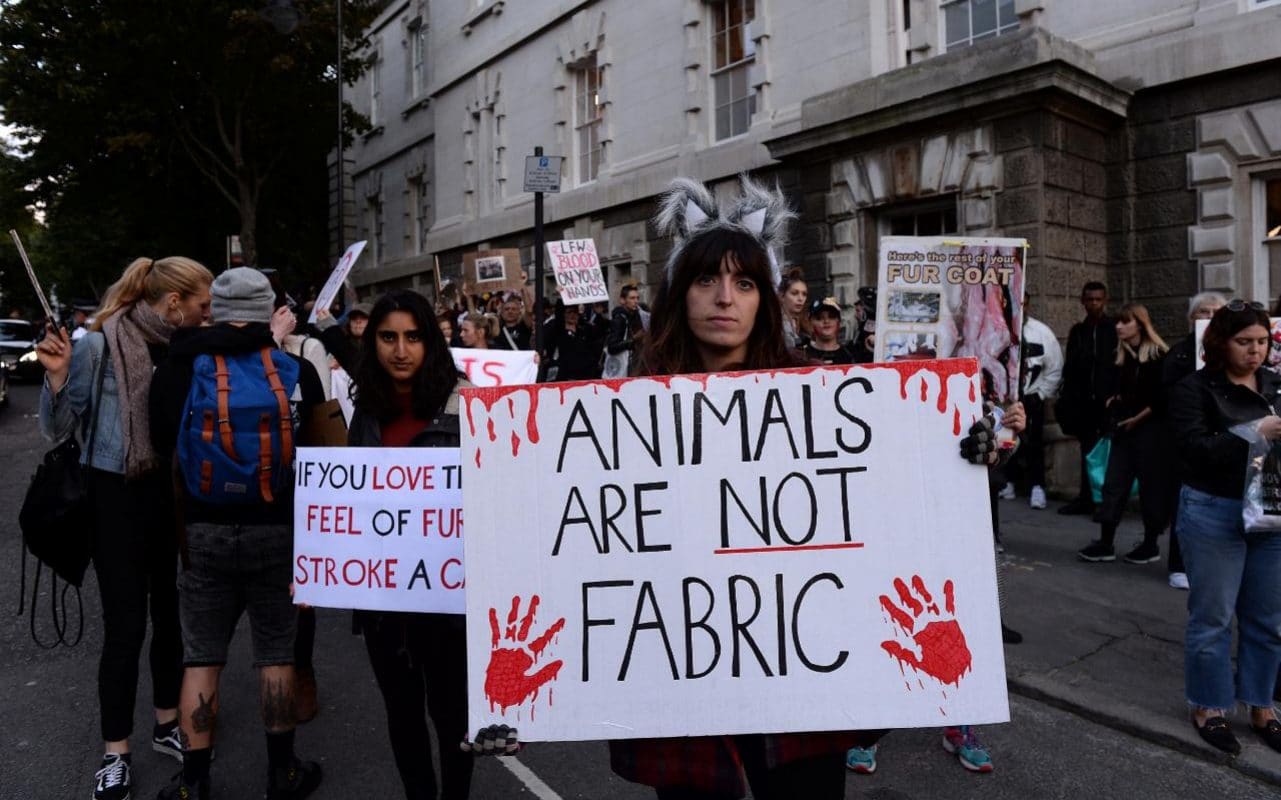
    Among the investors who snapped up shares in luxury e-commerce marketplace Farfetch after its September IPO was one buyer with little interest in operating profits or projected revenue. People for the Ethical Treatment of Animals pounced on shares in the newly public company so it could make its case directly to ban fur sales on the platform. They needn’t have bothered.

    Farfetch quietly committed to going fur free in May, inserting a promise in the terms and conditions section of its website to stop selling items made with fur by the end of next year.

    Farfetch joins a growing list of luxury brands and retailers turning their backs on animal fur.

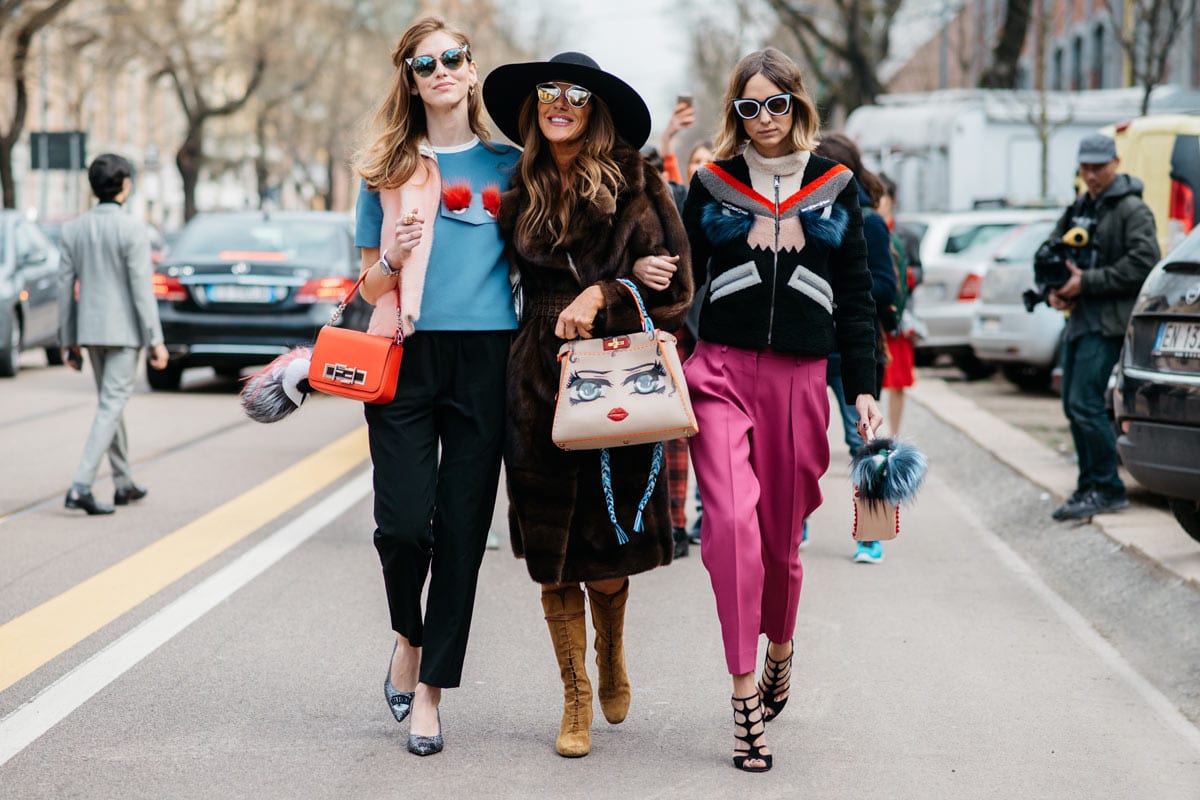
    Within the past 18 months, Yoox Net-a-Porter, GucciMichael Kors, Versace, Furla, Burberry and DVF have all announced anti-fur policies, while this year’s September London Fashion Week became the first of the major fashion weeks not to show any fur on the catwalk.

    Within the luxury space, the balance has tilted against fur.

    In the 1980s, fur was synonymous with luxury, representing a status symbol for many women.

    The global fur trade is valued at $40 billion, but today fur is central to the image — and revenue — of only a handful of major brands.

    Meanwhile, anti-fur messaging is being amplified by social media and a millennial customer base that is paying closer attention to the values represented by the products they buy.

    For brands like Gucci, the goodwill generated by banning fur outweighs the sacrifice of a few million dollars in sales of fur-trimmed loafers.

    “[It’s about] being more modern in our thinking and our approach to business and how we talk and engage with our consumer and our community of women,” Sandra Campos, chief executive at DVF, said of the decision earlier this month to stop using fur, exotic skins, mohair and angora in upcoming collections.

    “No one really wanted to associate the brand with [fur]. We don’t need real fur to have a status symbol anymore.”

    The anti-fur movement has ebbed and flowed for decades.

    Calvin Klein stopped using fur in 1994, the same year Peta ran a campaign featuring supermodels including Naomi Campbell and Christy Turlington, who claimed they would “rather go naked than wear fur.”

    Ralph LaurenTommy Hilfiger and Selfridges barred fur in the mid-2000s.

    More recently, Hugo Boss joined the no-fur list in 2015, followed by Armani the following year.

    Gucci kicked off the latest wave of brands announcing fur bans in October 2017.

    Winning over luxury’s hottest brand was a coup for animal-rights activists who had been targeting specific companies for almost a decade via a mix of behind-the-scenes talk and public protest.

    In July 2017, more than 20 animal rights activists heckled Michael Kors during a speech, while in September 2017, Burberry’s London Fashion Week show was disrupted by about 250 anti-fur protesters.

    Michael Kors agreed to ban fur in December, Burberry last month.

    The rise of social media has provided the general public with a direct line of communication to companies and a platform for opinions and protest, making it harder for brands to ignore targeted activism.

    It’s also given animal rights organisations a platform for mobilising consumers into action.

    The global fur industry is fighting back, launching its own campaign making the case for fur as a natural, sustainable product that is better for the environment than alternatives, which are often made from plastic.

    One recent campaign featured Fendi and Oscar de la Renta, among other brands.

    “Brands are under huge pressure to respond to social media and avoid any controversy,” says Mark Oaten, chief executive of the IFF.

    “Even in a five year period that has changed … the fear of reputational damage is increased at the moment.”

    Studies show activism is impacting purchasing decisions.

    Prior to announcing its fur-free policy last June, Yoox Net-a-Porter surveyed 24,000 customers: 72 percent said social or environmental considerations drove their purchasing decisions at least some of the time, while 58 percent said having more information about the ethics and sustainability of a product would influence their shopping choices.

    Indeed, the idea of what luxury means to consumers today has evolved.

    “It’s become synonymous with social responsibility and innovation,” said PJ Smith, fashion director at the Humane Society US.

    “Companies that want to position themselves as corporate social responsibility leaders are seeing the marketing potential of going fur free, especially with new luxury consumers.”

    For a brand like Michael Kors or Burberry, going fur free won’t have much impact on the bottom line, while providing a marketing boost.

    For DVF, fur was “a very minimal percentage” of the overall business, said Campos.

    “It wasn’t something we relied on heavily at all,” she said. “It made sense for us to walk away from it in total.”

    Similarly, Gucci’s decision to bet on animal rights activism wasn’t much of a trade-off, as the brand sold only €10 million ($12 million) in fur products last year, less than 0.2 percent of revenue.

    Gucci’s Instagram post announcing the news was among the brand’s top performing posts at the time of the announcement, amassing 179,524 likes.

    Even brands that still use fur are acknowledging shifting attitudes.

    Fendi, which started as a furrier in 1925, rebranded its Couture Week show this past July as haute couture, rather than the haute fourrure description it used in recent seasons.

    And while fur was still present in the label’s Spring 2019 collection, it was less prominent than in past seasons.

    Prada, too, has been decreasing its use of fur.

    Recently the brand has come under pressure as a result of a targeted campaign spearheaded by the Fur Free Alliance, a coalition of 40 animal rights groups.

    According to the company, thousands of e-mails demanding it bans animal fur have been sent to the Prada Group and personal addresses of employees.

    However, the company has not announced plans to stop using fur.

    “We believe it is important to stress that all the advertising campaigns of the Group’s brands, together with the fashion shows and displays in the shop windows, have not been presenting these products for some time, in order to discourage demand from consumers,” the Italian house said in a statement.
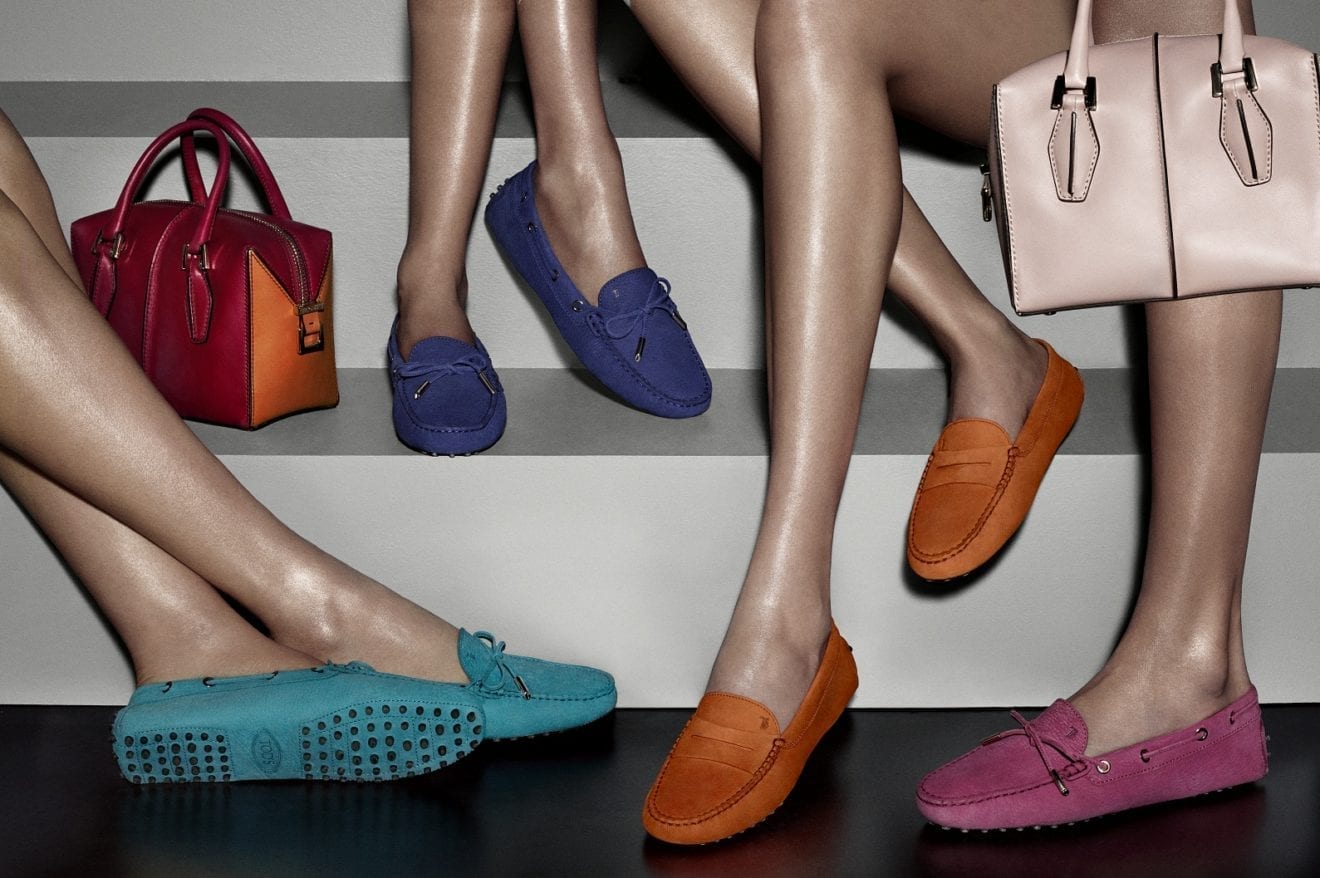
  • Tod’s chairman denies rumours about a possible sale

    Tod’s chairman denies rumours about a possible sale

    Speaking at the 2018 Milano Fashion Global Summit, Tod’s Chairman and CEO Diego Della Valle denied rumours surrounding a possible sale of the Tod’s group, reports WWD. The report quoted Della Valle saying: “This rumor is a “recurring” one, but “if we really had to do an operation, it would be to buy, not to sell. “We are preparing the company for the next 10 years, when we will surely be attentive to new consumers, but carefully avoiding going overboard in chasing trends. We must not lose sight of who we are,” he added.

    Speculations followed after an Italian newspaper reported on Monday that Della Valle’s reorganization of the family’s holding companies may be an indication to a future sale of the group.

    The Della Valle family currently owns majority 60 percent of the Tod’s group through two separate holding companies – the Di.Vi. Finanziaria vehicle and the Diego Della Valle & C.

    For the first six months, Tod’s reported a 2.8 percent decline in its net profit to 33.7 million euros, while sales decreased 1.3 percent to 477 million euros compared to 483 million euros in the first half of the previous year but increased 1.8 percent at constant exchange.

  • Karen Millen helps Coast recover

    Karen Millen helps Coast recover

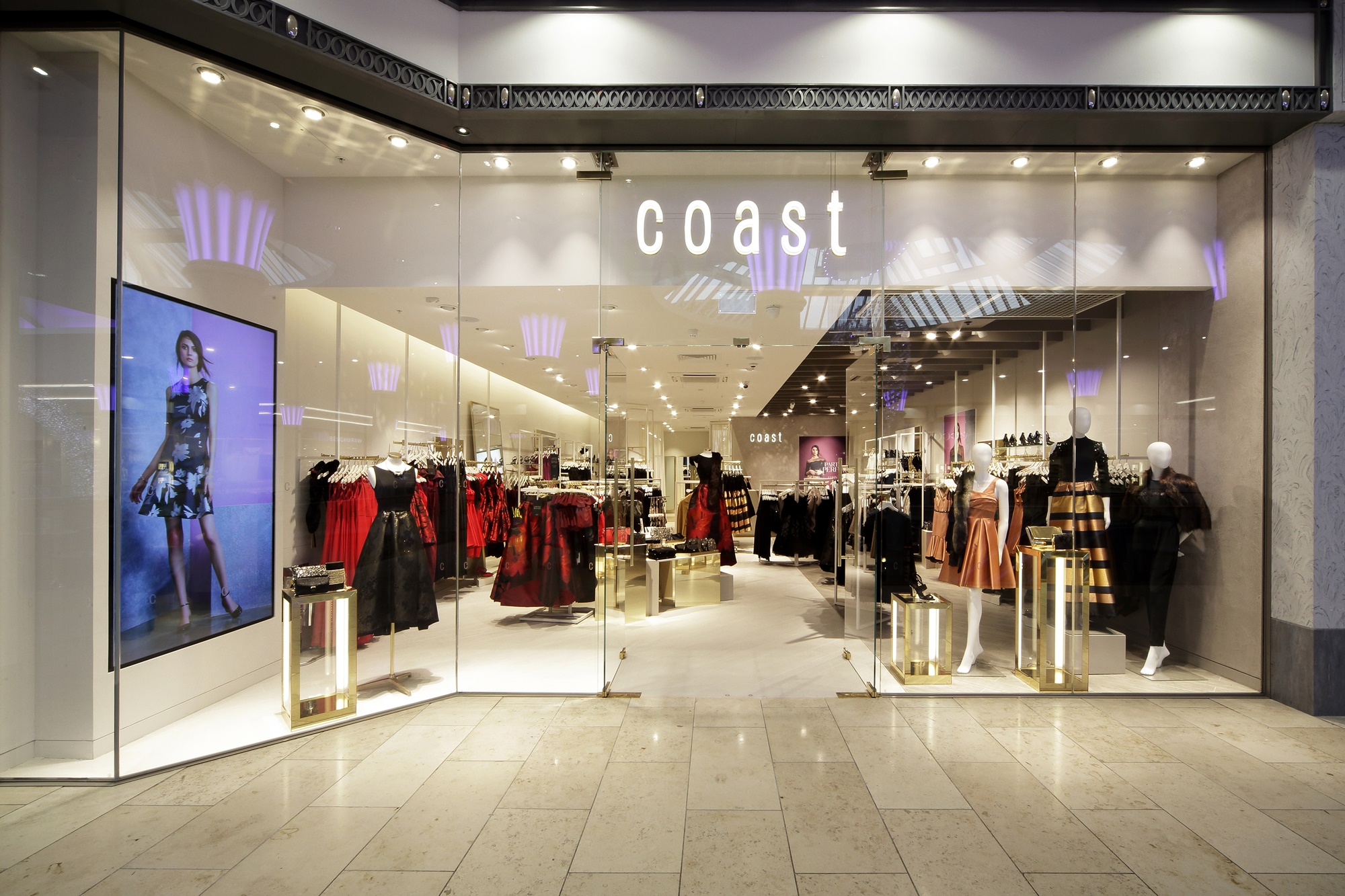
    British clothing retailer Karen Millen has bought a stake in fashion label Coast following the brand’s administration by PwC. The purchasing company has agreed to take on Coast’s UK concessions portfolio and online businesses, saving 600 jobs in the ailing firm. It will be trading through cooperating wholesale and franchise businesses. Coast’s standalone stores were excluded from the deal.

    Karen Millen CEO Beth Butterwick said: “We are excited to be welcoming over 600 Coast employees to the family. With its beautiful fabrics, stunning colours and signature designs, Coast is a much-loved fashion brand that has dressed women for all occasions since 1996. Our expertise and infrastructure puts us in a unique position to create a lean and profitable business, ensuring it remains a thriving destination in department stores and online.”

    Coast was originally part of a group owned by Karen Millen’s parent company, Icelandic bank Kaupthing.

    Coast gift cards and returns will be honoured by its new owners.

  • LVMH names Sophie Brocart as CEO of Jean Patou

    LVMH names Sophie Brocart as CEO of Jean Patou

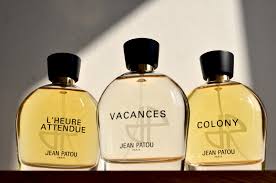
    Last month, LVMH named Guillaume Henry new Creative Director of Jean Patou. Guillaume Henry is coming back to Fashion Week, resurrecting the Jean Patou maison with LVMH’s backing. The former creative director of Carven and Nina Ricci was handpicked by LVMH’s Sidney Toledano for the role and is expected to debut his vision for Jean Patou in 2019.

    To support Guillaume Henry, LVMH has announced Sophie Brocart as CEO.

    These changes are in preparation of a global brand transformation.

    “Jean Patou is a very exciting project. It is just at the beginning, but we are all there to support Guillaume Henry’s creativity,” Brocart said to FashionNetwork.com.

    Born in 1880 in Normandy, Jean Patou, the son of a tanner and nephew to a furrier was well experienced in the area of design before deciding to venture out on his own and open a small dressmaking salon in Paris in 1912 . Success came quickly to Patou who sold his entire 1914 collection to a single American buyer, however, he was forced to put his craft on hold when he was mobilized in August of the same year for World War I. Reopening his salon in 1919, Patou began to work on eliminating the flapper look and on improving the design for sportswear.

    Patou began the tradition of previewing his fashion collections to the press and it was also Patou who invented the first designer label—the pockets of his creations were embroidered with the letters “J” and “P”.

    Brocart will leave her position at Kirkwood and LVMH will announce her substitute.  She will keep her position as head of mentoring at LVMH, as she believes that talents need to be cultivated and it is very interesting to see people growing.

    Brocart joins Patou from Nicholas Kirkwood, where she has been CEO of the London shoe designer for the past four years. The appointment marks a meteoric rise for Brocart, who has been the mentor in chief of young talent within the LVMH orbit, notably guiding the winners the LVMH Prize. She also worked with Jonathan Anderson, after LVMH took a substantial stake in the Northern Irishman’s signature business, J. W. Anderson.

    While at Kirkwood, she was instrumental in developing the fledgling house, which last month staged its debut show in London Fashion Week. A brilliant piece of staging entitled Evidence, a vision of a dystopian universe on a set crammed with laptops, fridges, graffiti and monitors on which an 18-year-old “positive hacker” from California showed 360-degree images of Kirkwood’s new footwear – notably his new floral posh punk boots. In a word, Brocart is an out-of-the-box-thinking executive.

    Her appointment is very much on-trend with LVMH, which likes to move around and promote decision-makers from within its own ranks. Also last month, the group named Jenny Galimberti, the former communications director of Louis Vuitton, to be the new CEO of J.W. Anderson.

  • Ferragamo CEO announced

    Ferragamo CEO announced

    Salvatore Ferragamo has officially found its new chief executive officer.

    The luxury Italian brand’s CEO and general manager, Micaela Le Divelec Lemmi, will relinquish her dual title to take on the sole position of CEO in November.

    The general manager position will be made obsolete, as reported by the Italian press.

    After joining Ferragamo from Gucci in April, where Le Divelec Lemmi was chief financial officer, the executive was named Ferragamo’s CEO in July, a role taken ad interim by group president Ferruccio Ferragamo, following the departure of Eraldo Poletto in March.

    Ferragamo looks to lift dwindling sales across the globe with Le Divelec Lemmi, who has 20-plus years experience in luxury, namely at Gucci.

    For the first-half 2018, the company said revenues were down 3.4% currency-neutral or 6.2% on a reported basis to €674 million, lower than the €685 million that analysts had predicted.

    Retail sales fell 5.2% and wholesale revenues were down 7.6%.

    By region, Asia Pacific revenues fell 5.5%, lead by China down 1%, while Hong Kong sales rose 32% currency-neutral.

    Overall, net profit dropped 23.1% to €59 million.

  • Bank proposals value Uber at US$120b in possible IPO: Report

    Bank proposals value Uber at US$120b in possible IPO: Report

    Uber Technologies Inc could be valued at US$120 billion (RM498 billion) when it finally goes public next year according to recent proposals made by US banks, citing people familiar with the matter. The ride-hailing company’s most recent valuation was pegged at US$76 billion, following a US$500 million investment from Toyota Motor Corp in August.

    As reported in late September that Goldman Sachs and Morgan Stanley were in pole position to secure top roles in Uber IPO.

    Goldman Sachs and Morgan Stanley last month delivered the valuation proposals to Uber, the report said.

    Uber and smaller rival Lyft have been actively preparing to go public next year. While Lyft has hired IPO advisory firm Class V Group LLC, Uber is behind in its preparations.

    Uber hired Nelson Chai as its chief financial officer in August, filling a long-standing vacancy and clearing the way for its much-anticipated IPO.

  • Amazon is preparing its private lingerie label

    Amazon is preparing its private lingerie label

    Inside the Aerie pop-up shop in Soho, the body positive, post-Victoria’s Secret message that has become the brand’s calling card since it released its first photoshop-free campaign in early 2014 is perfectly packaged up and displayed on walls covered in bralettes or one-piece bathing suits. “No Retouching. No Makeup. No Problems,” reads one sign, next to a cushion-covered banquette.

    By the checkout counter, pins reading “Keep it Real!” and “Can’t Retouch This” fill colourful buckets. They are free to shoppers who donate to the National Eating Disorders Association.

    Aerie, just a small slice of parent company American Eagle’s overall business, is resonating with a consumer base that’s growing tired of traditional, sexy lingerie brands like Victoria’s Secret.

    Aerie grew sales revenue by 20 percent year-over-year in 2015 and 23 percent year-over-year in 2016.

    Meanwhile, Victoria’s Secret — the goliath which still dominates the lingerie market, worth at least $12 billion in the US alone — has struggled to maintain momentum.

    Sales decreased 13 percent in March, year-over-year, as the company continues to feel the impact of discontinuing its non-athletic apparel and swimwear ranges in 2016.

    The business has since been reorganised around three buckets — lingerie, the Gen Z-targeted Pink range and beauty — and pulled back on promotions.

    As Victoria’s Secret has stumbled, a series of disruptive niche lingerie brands — such as Lively, Naja, Negative Underwear and Third Love — have also entered the playing field, peddling a new kind of inclusive, female-centric identity that’s more about the wearer and less about who might be looking at her.

    They also offer a broader swath of nude shades — serving a wider range of ethnicities — and aim to undercut competitors on price with direct-to-consumer distribution.

    Mass market brands like Aerie and Madewell, which launched intimates in February, have taken notice.

    In March, Phillips Van Heusen acquired True & Co, a vertically integrated online brand that prides itself on fit, for an undisclosed amount.

    “The category has been so overlooked for so long,” says Michelle Cordeiro Grant, founder of direct-to-consumer niche brand Lively, who previously worked at Victoria’s Secret. “It still is run by old-school retailers.”

    Now, Amazon is entering the market with a private label lingerie brand. The line, called Iris & Lilly has already launched in the UK with a limited assortment of sizes and colours.

    Amazon has several advantages. The sophistication level of its data operation allows the company to birth and swiftly iterate its private labels in response to market feedback. And once a label gets traction, Amazon’s scale means it can negotiate the lowest prices from suppliers.

    The company is already offering bras costing as low as $8 while competitor Target’s offerings average about $15 and Victoria’s Secret’s average around $40.

    Amazon also has an estimated 63 million registered Prime member households, a group dominated by households earning over $112,000 a year meaning its lines have the potential to gain market share fast.

    The question becomes: will Amazon disrupt lingerie’s disruptors before they have a chance to reach significant scale? And what are they doing to defend themselves?

    “It’s something we talk about every day,” says Aerie global brand president Jennifer Foyle. “The Aerie Real platform has certainly set us apart and there are so many ways to utilise that platform.”

    For one, Aerie is doubling down on physical stores, aiming to have a total of 200 standalone locations by the end of the year as a way to further differentiate itself from online-only players — including Amazon.

    Still, 40 percent of Aerie’s sales take place online.

    “I think what’s important today is to really leverage this omni-channel customer… The nice thing about a fit intensive category, like intimates, is that a lot of women do want to go into the store and get the experience,” says Foyle.

    Fit is just one of the many challenges of both making and selling lingerie, specifically bras — the more structured of which can have anywhere from 18 to 25 components.

    “Because lingerie is such a technical product… you can’t just take a mold from a size 36D and scale it up and think that it’s going to hold,” explains explains Catalina Girald, chief executive and co-founder of Naja.

    Predicting demand across the range is another challenge. “We would love to carry a broader range of sizes, but from an inventory management perspective… the capital costs of carrying that much investors at once are prohibitive,” she says.

    The popularity of bralettes has come at a great time for lingerie retailers looking to appease price-conscious shoppers.

    For one, they often come in traditional sizes of small, medium, large, reducing complexity.

    “They are a more value-oriented product, sort of cheap and cheerful, fun fashion,” says Aerie’s Foyle.

    Cordeiro Grant says the bralette category is here to stay, but that current growth will plateau at some point. “Skinny jeans are a mainstay, not a trend,” she says. “I think bralettes are the same way.”

    Amazon has a history of tackling complicated and expensive categories, but will the particular challenges of lingerie prove tricky?

    “People do tend to want a level of service or insight or knowledge or instruction around lingerie,” says Kit Yarrow, a consumer psychologist and professor at Golden Gate University in San Francisco.

    “Women are willing to pay for solutions that are comfortable and are going to last with quality,” says senior vice president of marketing Kimberly Grabel. The retailer, which carried third-party brands and private label, is parent company Chico’s healthiest business.

    “Aerie is a brand that we’re proud of, and when you think about Amazon, they probably couldn’t have an Aerie Real campaign and stand for something,” adds Foyle