Tag: International

  • Canada Goose shares jump on smaller-than-expected loss

    Canada Goose shares jump on smaller-than-expected loss

    Luxury parka maker Canada Goose reported a smaller-than-expected first-quarter loss on Thursday, amid growing revenue from its direct-to-consumer business.

    The Toronto-based company reported a net loss of $18.7-million, or 17 cents, in the quarter ended June 30, narrower than analyst expectations for a loss of $22.3-million, or 21 cents. It posted a loss of $12.1-million, or 11 cents, a year earlier.

    Canada Goose shares surged as much as 6.5 per cent in Toronto in early trading and were up 4.6 per cent at $76.07 at 9:34 a.m. ET (1334 GMT).

    The maker of $900-parkas has been focused on expanding margins by taking more control of its manufacturing and retail sales. Largely cushioned from the retail industry’s struggles by its luxury pedigree, it is opening more of its own stores, pushing into China and Hong Kong, and has expanded into new product lines including knitwear.

    The company’s gross margin jumped to 64 per cent in the quarter from 47 per cent a year earlier.

    Canada Goose maintained forecasts for its 2019 fiscal year of annual revenue growth of at least 20 per cent and adjusted net income per share expansion of at least 25 percent.

    Investors have rewarded the company, with its shares up 83 per cent this year, versus a minuscule gain of 0.6 percent in the Toronto Stock Exchange’s S&P/TSX composite index.

    The company operates seven stores around the world, with another three set to open in North America by year-end.

    It said in May it will open a store each in Beijing and Hong Kong with partner ImagineX Group this fall, and will start e-commerce sales in China through Alibaba Group’s Tmall. It has said it plans to open up to 20 stores by the end of 2020.

    “Productivity across our retail store network in this off-peak period was exceptional, reducing the loss impact of our strategic growth investments and giving us a favorable tailwind for the rest of the year,” Chief Executive Officer Dani Reiss said in a regulatory filing.

    Revenue grew 58.5 per cent to $44.7-million in the first quarter, driven by the direct-to-consumer division — its own stores and online sales — which rose to $23.2-million from $8.3-million a year earlier. Wholesale revenue increased to $21.5-million from $19.9-million.

  • Brookstone files for bankruptcy for the second time

    Brookstone files for bankruptcy for the second time

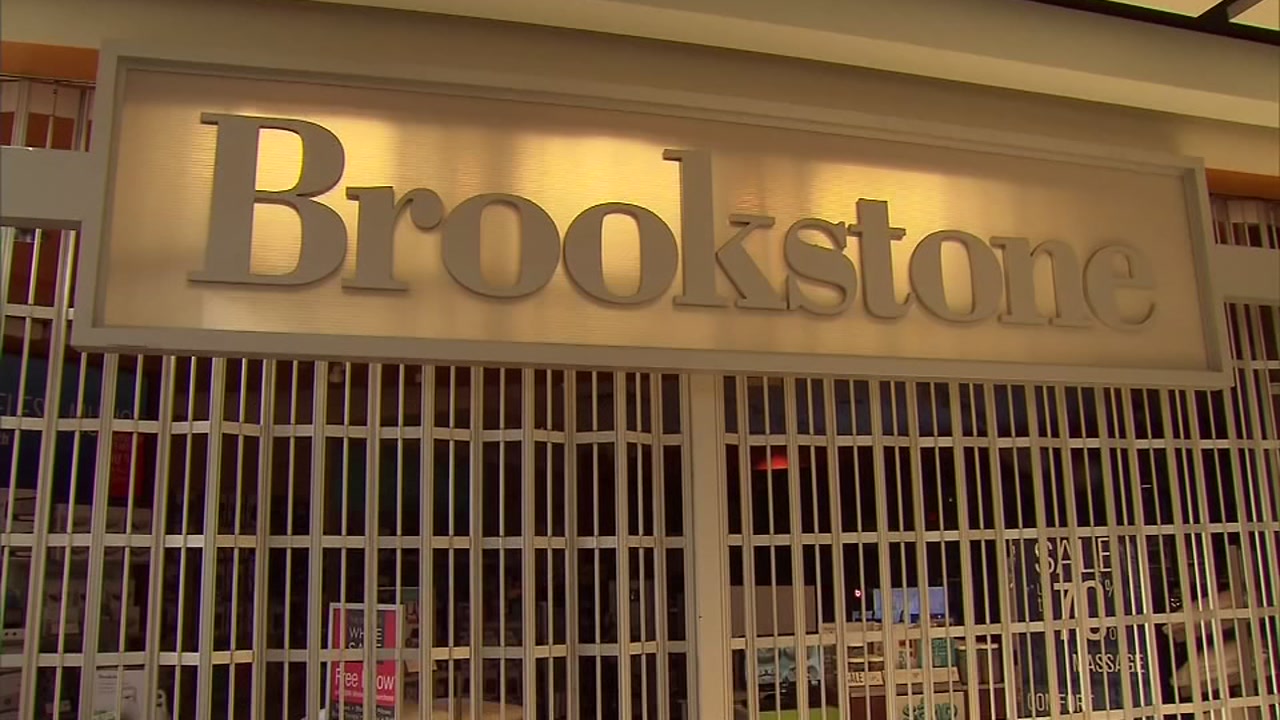
    Quirky gadget retailer Brookstone has filed for Chapter 11 bankruptcy protection – again.

    But the company has a clear strategy for its survival: closing its 101 remaining mall-based stores in favour of focusing on expanding its airport retail concept – which now numbers 35 stores – selling goods online and wholesaling.

    Brookstone has secured US$30 million in bankruptcy financing from Wells Fargo and Gordon Brothers. It said the mall-based store business was no longer viable “following continued deterioration of traditional retail mall traffic”.

    But its airport, online and wholesale operations are “operating successfully and should prove attractive to a buyer with the financial resources and vision to carry our company into the future,” said CEO Piau Phang Foo in a statement.

    Brookstone was founded in 1965, selling “hard-to-find tools” through Popular Mechanics magazine as a direct-marketing business. It opened its first brick-and-mortar store in 1973.

    In 2014 it was placed in Chapter 11 before being rescued by China’s Sailing Capital and Sanpower Group for $174 million.

  • Prince’s building welcomes Chanel’s COCO Neige Pop-Up Store

    Prince’s building welcomes Chanel’s COCO Neige Pop-Up Store

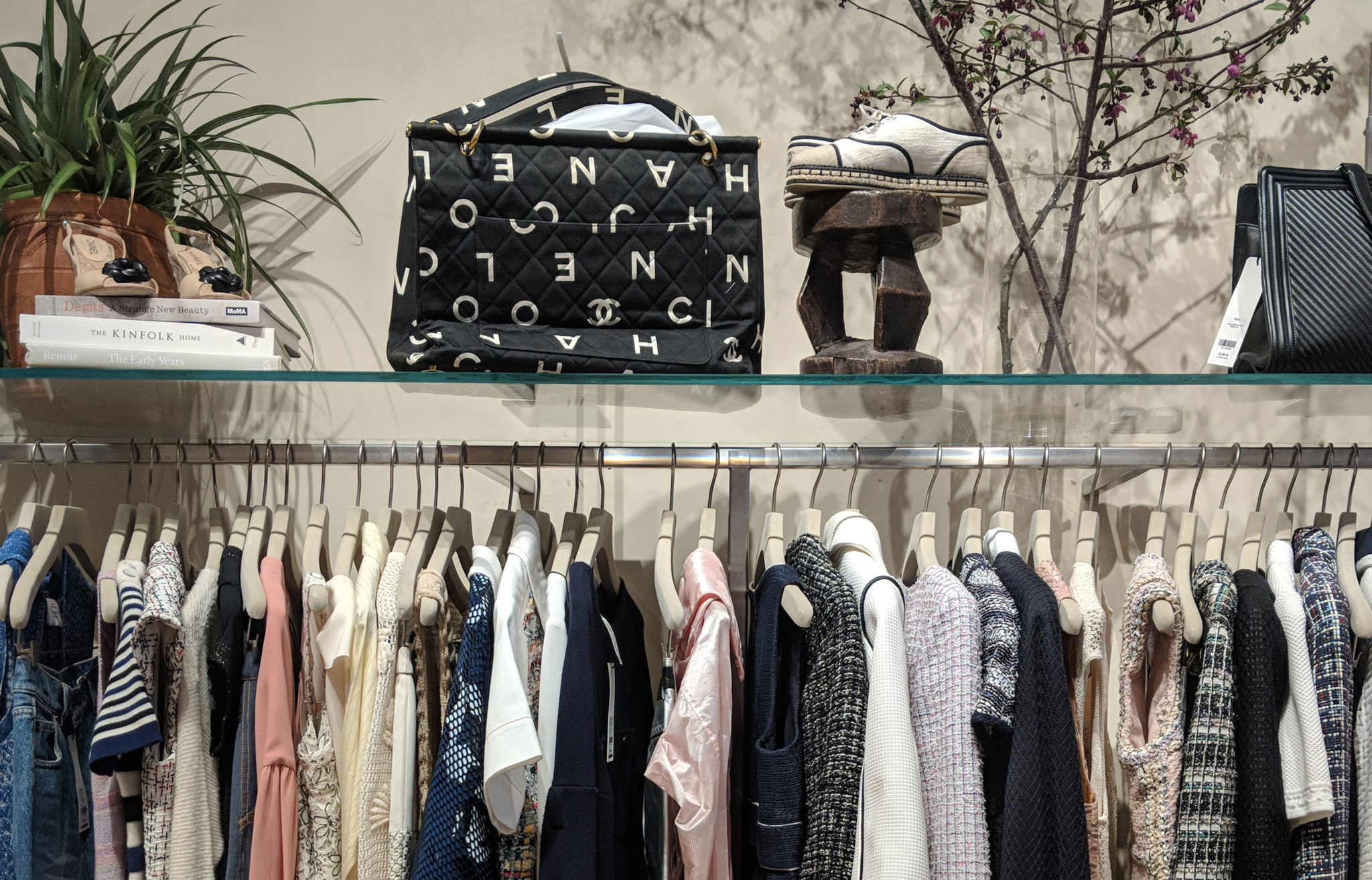
    It’s freezing at Prince’s Building with Chanel’s COCO Neige Pop-up store.

    Chanel has just launched its very first collection of sportswear dedicated to winter sports featured in its new pop-up store at Prince’s building.

    Australian actress Margot Robbie, new ambassador of the French fashion house, embodies Chanel’s first ever ski and après-ski collection, COCO Neige.

    Designed and shot by Karl Lagerfeld, the line combines high-tech clothing and winter-ready-to-wear for the sporty fashion conscious.

    COCO Neige incarnates both the worlds of skiing and the codes of the House.

    From multicolor tweeds and classic handbag quilting to Norwegian-inspired sweaters and mountain accessories sporting the double C, Chanel’s most iconic symbols and elements have been brightly incorporated into the sportswear wardrobe.

    This collection comes a few year after the launch of Chanel’s own line of skis and snowboards a few years ago.

  • Esprit shares shrinks after earning decrease

    Esprit shares shrinks after earning decrease

    After another profit warning, the Esprit share price tanked to just US 25 cents yesterday.

    The ever-shrinking, one-time fashion giant has delivered more bad news to beleaguered shareholders with an “update on profit warning” foretelling even greater losses this year.

    In June, Esprit said it expected a loss of HK$2.2 billion (US$280 million) based on write-downs, market exit costs – and a continuation of falling sales as customers turned their back on its overpriced product and off-point designs.

    Now the company says a preliminary review of accounts shows a loss before interest and tax of about HK$2.25 billion – loosely in line with its June projection – and a further HK$328 million write-down relating to taxation in Germany as a result of continually declining sales. That takes the projected loss out to $2.55 billion, (US$324.9 million).

    The news further battered the ailing retailer’s share price in Hong Kong trading this morning. It fell to just $1.99, a far cry from 52-week peak of $4.93, let alone the $15.86  of five years ago. The company’s market capitalisation now is just $3.9 billion (US$496.9 million).

    Final audited results for this year will be released next month.

    In June, Esprit said just over half of its projected loss results from non-cash items and one-off costs due to store closures, including the axing of its Australia-New Zealand business. It expected to post an operating loss as high as $950 million due to plummeting sales, commenting that a “decline of customer traffic” to its brick-and-mortar stores was higher than it expected.

  • JD Sports launches entertainment platform

    JD Sports launches entertainment platform

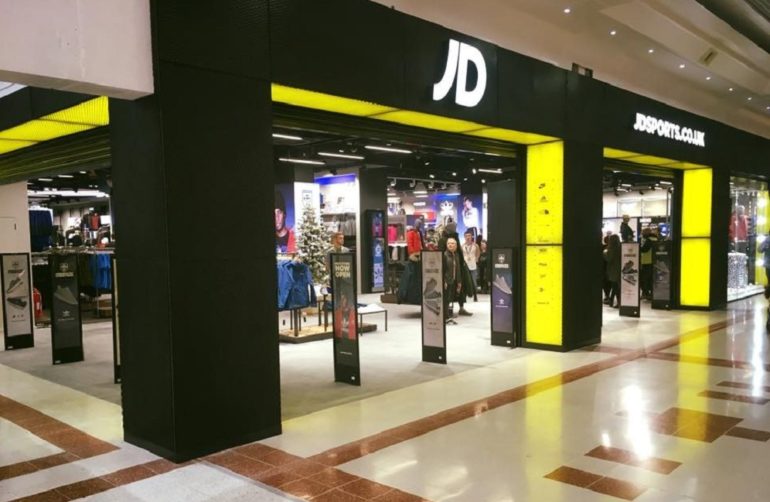
    The company is working with multichannel in-store and digital production company Immedia on the 24-hour service which is clearly seen as a key development for the retailer.

    It was officially launched at with a VIP party, with an exclusive live performance by Anne-Marie.

    It’s part of “a larger programme of added benefits designed to enhance the experience of JD consumers.” These include unlimited next day delivery, priority access to exclusive events, early product launch access and other “money-can’t-buy experiences.”

    JD-X is being rolled out now to all JD UK stores and with Immedia providing language-specific channels on a global basis, there are plans for the platform to be available in other European countries too. Ireland, France, Belgium, Spain, Portugal, Germany, Italy, Netherlands, Sweden, Denmark and Finland are all on the hitlist.

    So what do consumers actually get with JD-X? A main Live channel featuring DJs, guest artists and other “exclusive and relevant content”, plus “20 other bespoke streams with specific playlists to cover genres and trends.”

    The JD-X Live channel focuses on “the biggest tracks popular with the JD audience.” Core artists include Drake, Ramz, Mabel, Stormzy, Anne-Marie, Calvin Harris, J Hus, Dua Lipa, Post Malone and Kendrick Lamar.

    The genres and activities on the 21 channels include UK Reppin’, featuring tracks from the stars of the UK Grime and RnB scenes. And there are other playlists to listen to when in the gym or out running.

    JD-X also provides content relevant to consumer interests including sport, clubs, gaming, gigs, relaxation, and TV. There are videos too, such as the latest content from JD, including celebrity exclusives and features on new products, all available to view inside the app.

    Immedia CEO Bruno Brookes said: “Live entertainment channels offer an incredible way for brands, facing the dual threat of declining advertising response rates and the increase in ad blocking technologies, to establish unique connections with consumers that deliver excellent experience and business results.”

  • Jamba Juice tempted to expand after good sales

    Jamba Juice tempted to expand after good sales

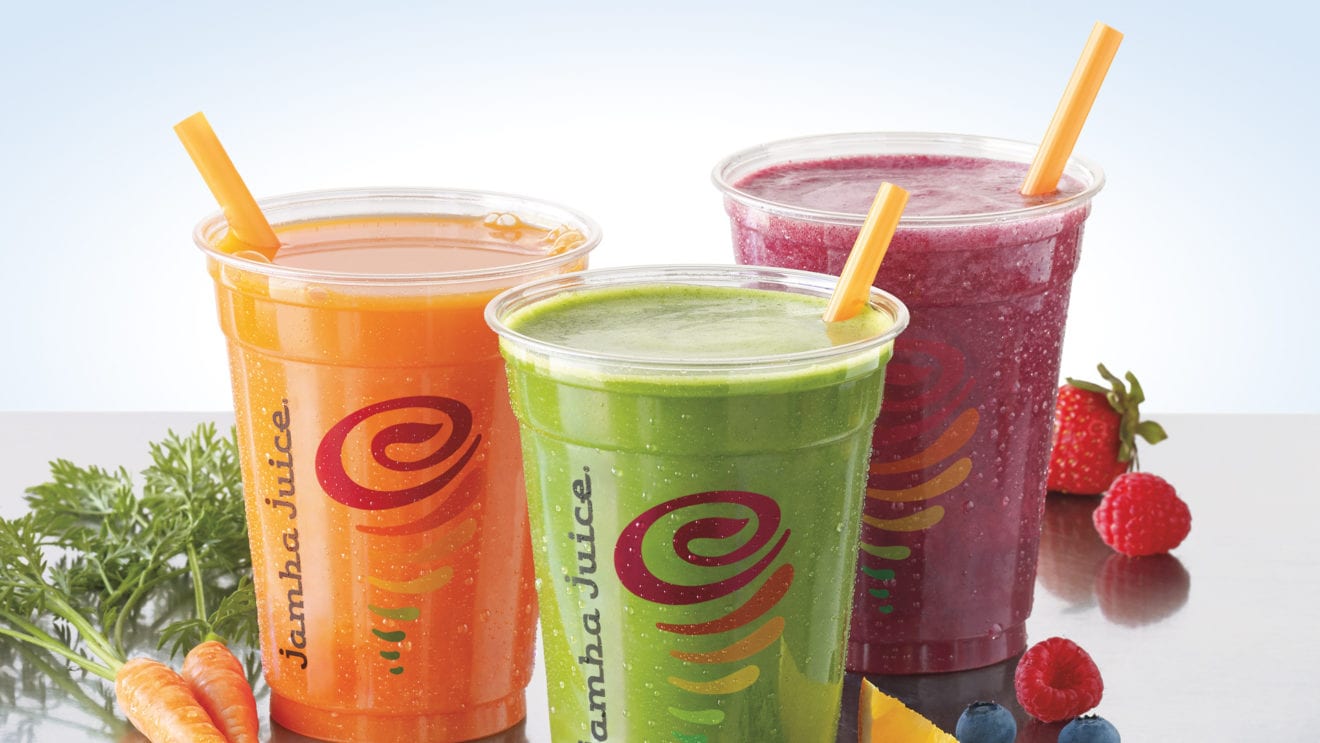
    US chain Jamba Juice has been bought for US$200 million by Focus Brands.

    Already, there is speculation that the Jamba Juice sale may lead to the brand being expanded overseas. The reason: Focus is owned by private equity firm Roark Capital and the parent of some high-profile food retail concepts.

    Focus already operates more than 5000 eateries in the US, Puerto Rico and 50 other countries under brands including Carvel, Cinnabon, Schlotzsky’s, Moe’s Southwest Grill, Auntie Anne’s, McAlister’s Deli and Seattle’s Best Coffee. So it has established partnerships in many international markets, including in Asia.

    “We are delighted to have reached this agreement with Focus Brands and are confident that it will result in a positive outcome for our guests, our franchisees and our employees,” Jamba Juice CEO Dave Pace said in a statement. “Over the last few years, we have worked hard to strengthen our foundation and reposition this iconic brand for the future. Partnering with Focus Brands will allow us to build on this work and further accelerate the company’s growth.”

    The deal is expected to close in the third quarter of 2018.

    Once Jamba Juice is acquired, it will operate as a privately held subsidiary of Focus and an independent brand.

    Jamba Juice was founded in California in 1990 and has expanded to more than 800 retail stores but only a small number outside the US.

  • The RealReal store showcases newest O2O innovation

    The RealReal store showcases newest O2O innovation

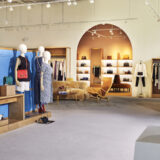
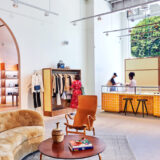
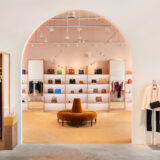
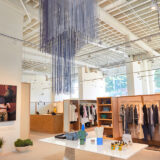
    Luxury consignment retailer The RealReal has opened a brick-and-mortar concept store on the US West Coast.

    The 12,000sqft Los Angeles store encompasses The RealReal’s entire brand offering, from one-of-a-kind luxury goods through to accepting consignment through to face-to-face consultations with its luxury experts. It includes a separate 5500sqft men’s department featuring a “sneakerdome”, watch bar and tailoring area, as well as a 1500sqft “handbag vault”.

    The concept store has installed a proprietary technology solution called RealReal 360, which provides a unified view of all inventory and customer behaviour across channels – brick-and-mortar, desktop, mobile, e-commerce centers, and luxury consignment offices.

    RealReal CEO and Founder Julie Wainwright said, “With the continued success of our SoHo flagship and pop-up shops, we’re excited to expand our brick-and-mortar footprint and give The RealReal another permanent home – on the West Coast. We’re excited to give shoppers and consignors in LA and surrounding areas access to our omnichannel business, unique brick-and-mortar experience and services, and team of experts.”

    The store offers free valuations, seamless consignment drop-offs, personal styling services, expert workshops, item repairs, alterations, and authentication of all luxury goods.

    View the gallery below (4 images) :

  • Vans released collection featuring Van Gogh Museum

    Vans released collection featuring Van Gogh Museum

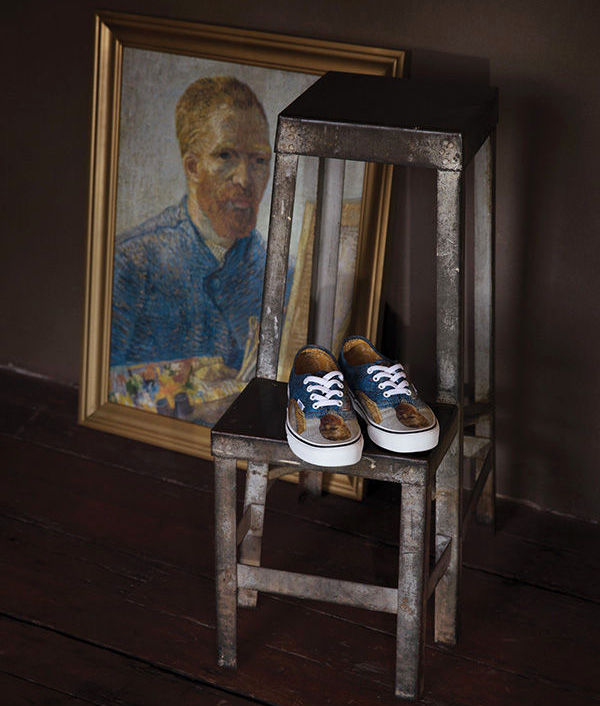
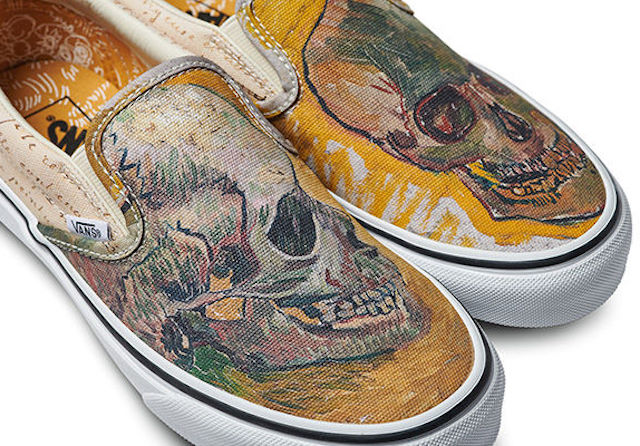
    Skateboarding fashion retailer Vans has partnered with Van Gogh Museum to launch a new range inspired by Vincent van Gogh’s artworks.

    Vans’ shoes will feature custom footbed art bearing van Gogh brushstrokes and the Amsterdam museum’s logo, as well as a tag with historical facts about the works featured.

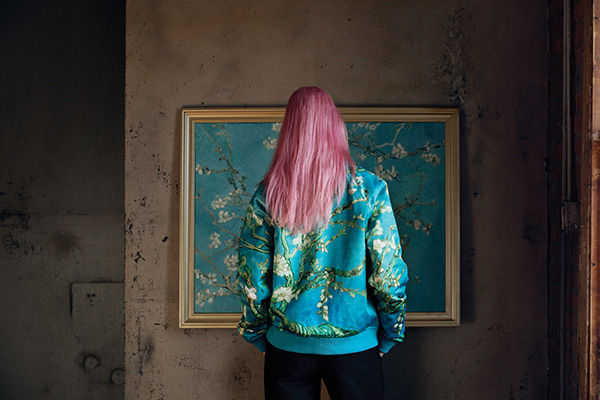
    Other works by the artist will feature on a bomber jacket, a backpack and a hoodie, as well as various T-shirts and baseball caps.

    The Vans x Van Gogh Museum collection goes on sale today, August 3, at the museum, online and at select retailers.

    Partial profits will be used in the preservation of van Gogh’s legacy and art collection.

  • Riccardo Tisci revealed Burberry’s new identity

    Riccardo Tisci revealed Burberry’s new identity

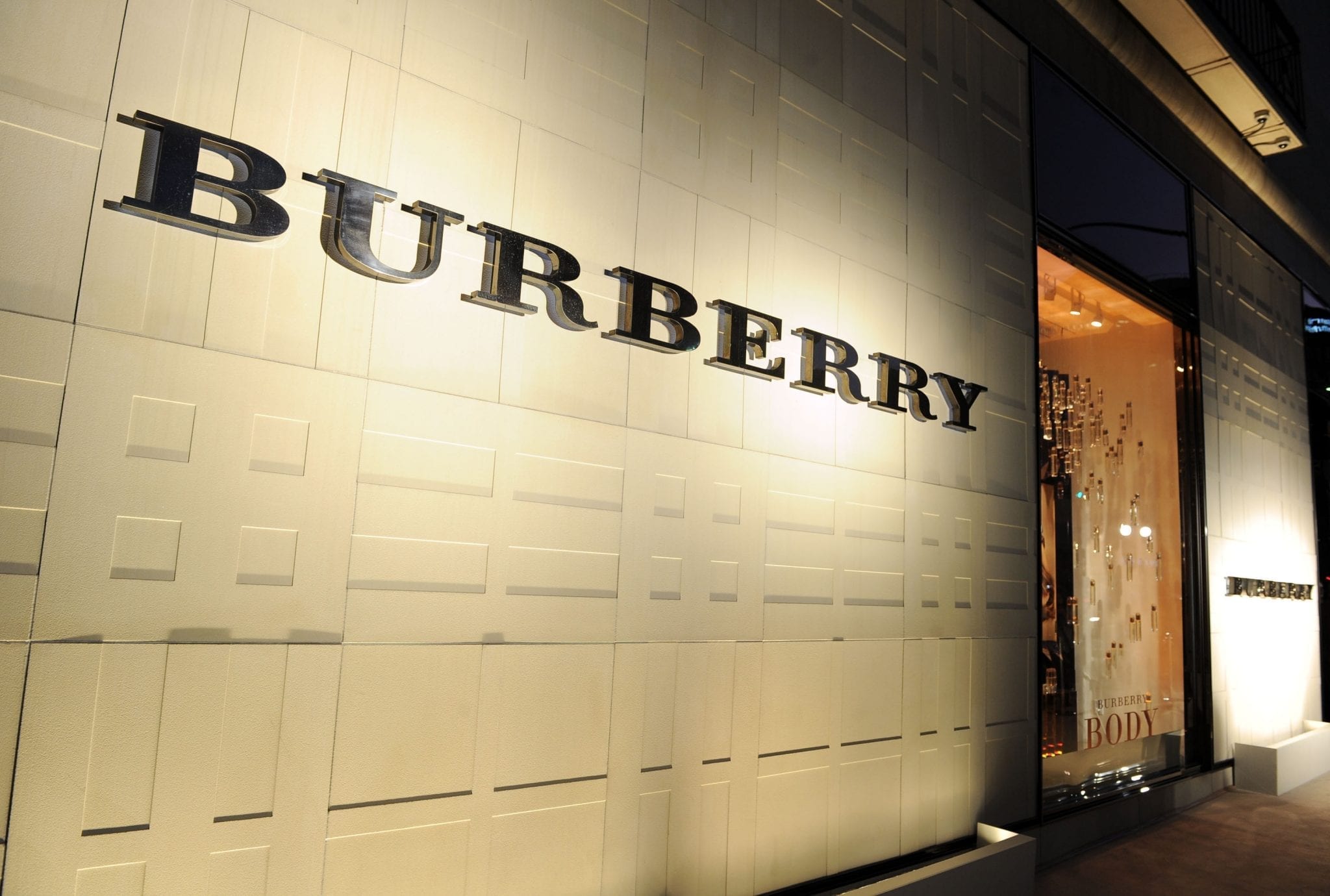
    Burberry has a new graphic identity. The British megabrand’s chief creative officer Riccardo Tisci took to his personal Instagram Stories to unveil a new logo — stark capital letters saying “Burberry London England,” replacing the previously softer, rounder font — and monogram — the founder Thomas Burberry’s initials “TB” interlocked across a honeyed background — on Thursday.

    It marks the first time the brand has changed its logo in almost 20 years (the previous logo, which saw Burberry drop the “S” from its name, was designed by Fabien Baron in 1999).

    Developed in collaboration with the renowned British art director and graphic designer Peter Saville — best known for his New Order and Joy Division record sleeves, and more recently, his work for Calvin Klein under Raf Simons — the brand’s new logo was inspired by Tisci’s visit to the house’s archive, “especially a logo from 1908 and a Thomas Burberry monogram,” according to an email correspondence between the two creatives, which Tisci shared on social media.

    The logo and monogram print will appear across all Burberry channels and in a new advertising campaign.

    The new visual identity comes five months after Tisci took the creative helm at Burberry, replacing Christopher Bailey. Chief executive Marco Gobbetti, who joined the company in July 2017, is nine months into his 5-year plan to reposition Burberry as a genuine luxury player and re-energise a brand whose sales growth has significantly lagged rivals LVMH and Kering. Core to the strategy is a renewed focus on leather goods, which currently account for less than 40 percent of revenue, and will presumably leverage the new monogram.

    After the 2008 financial crisis, fashion that so conspicuously screamed commercialism and consumption fell out of favour. Even Louis Vuitton changed tack, reserving its signature stamp for only limited-edition goods. After all, decreasing availability means increasing exclusivity — and for luxury brands, this means increasing demand.

    But now, luxury brands are returning to logos. As part of his maximalist revolution, Gucci creative director Alessandro Michele resurrected the brand’s interlocking G motif from its ’90s heyday, reinterpreting it for a younger, modern audience by adorning it with flowers or pairing it with playful motifs. Dior’s Maria Grazia Chiuri reintroduced the house’s logo print on handbags for her first ready-to-wear show. Fendi, too, has been reviving its black and brown double ‘F’ logo print across its clothing and accessories.

    Tisci previously revealed on social media the news that Burberry and Vivienne Westwood would be collaborating on a limited-edition collection, launching in December 2018.

    Tisci will show his first full collection for Burberry in September 2018.

  • Providing agile recovery solutions for Marks & Spencer

    Providing agile recovery solutions for Marks & Spencer

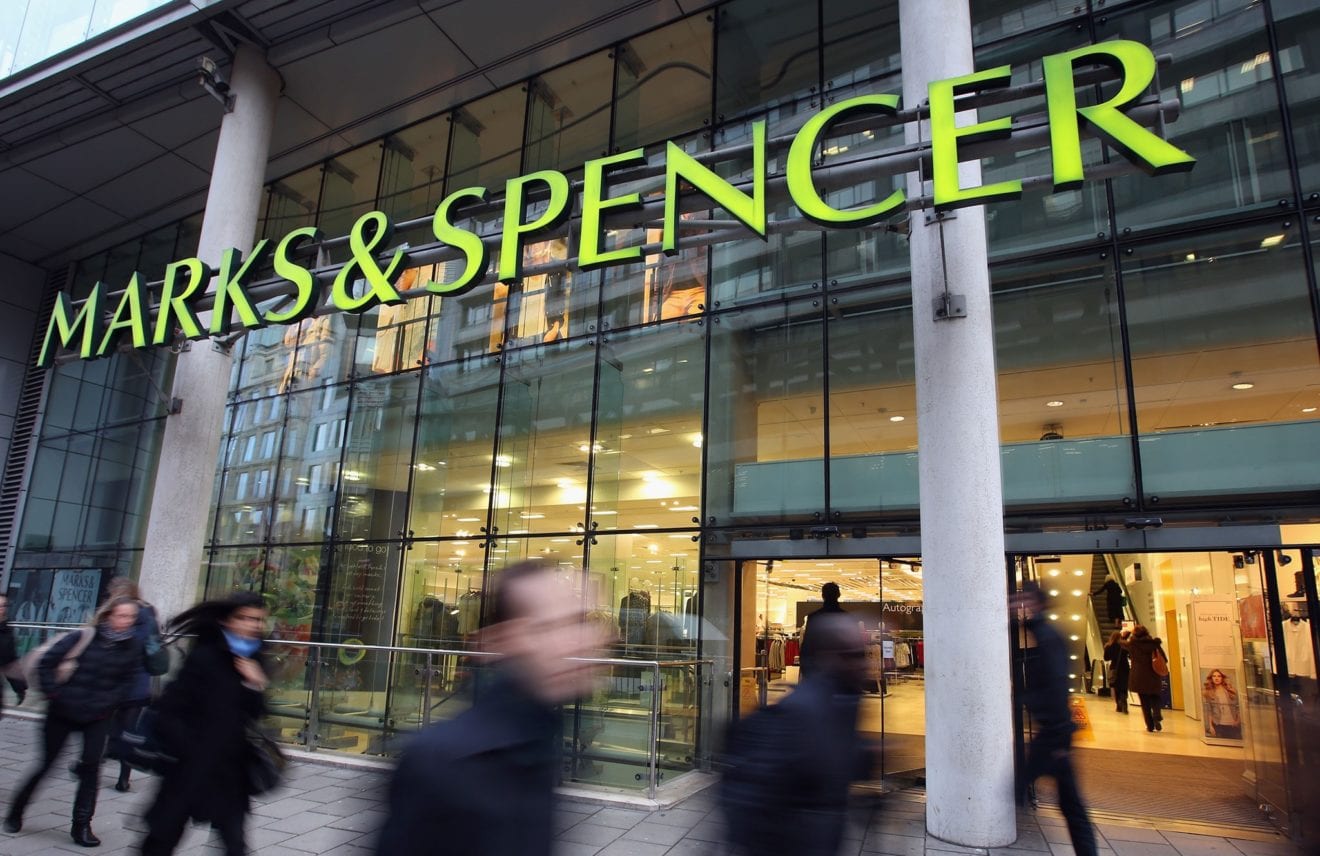
    Marks & Spencer (M&S) is a British multinational retailer which households across the world. With an annual turnover of over £10.6 billion and global operations, keeping such a large business moving requires a balancing act of behind-the-scenes logistics and planning. To ensure they can deliver the quality items its customers expect even in the event of a business emergency like inclement weather or political unrest, M&S partners with flexible workspace provider Regus for business continuity solutions utilising their workplace recovery services.

    Regus offers M&S’s critical business functions, such as payroll and logistics, the security of having somewhere to go if they couldn’t access their normal offices due to interruptions, including natural disasters, fire, flood and/or cyberthreat. M&S kicked off an international partnership with Regus in 2015, covering back office functions located worldwide, and are now expanding their business continuity partnership in the UK.

    This partnership allows M&S to recover in an agile way, and test their recovery processes at their convenience – just a few of the benefits of using flexible workspace providers for such a service.

    Workspace recovery: a retail necessity

    Retail businesses like M&S play an important role in UK infrastructure and the day-to-day lives of people living in the country. From food to clothing, M&S deliver the necessities. What’s more, because these products often need to be delivered fresh and sold quickly, if critical business functions go down in a company like M&S, it has less than 24 hours before the delivery of these services are compromised for the general public. Nobody likes to run out of bread and milk. Workplace recovery is one way that retail businesses like M&S can make sure its operations can continue running.

    Cambodia – workplace recovery in action

    When union protests – unrelated to M&S – broke out near one of the company’s infrastructure support offices in Cambodia, employees felt unsafe to go into work for two weeks. Given the risk to critical business functions managed by that location, such as paying employees and managing the supply chain, M&S relocated staff to Regus centres.

    Regus immediately supported M&S in secure offices, hosting 15 employees while the protests continued – just one example of the backing that Regus provides M&S with internationally.

    Mindset change – finding an agile solution

    While most large organisations have a workplace recovery plan in place, few have made the shift from a traditional provider to a flexible provider like Regus. Historically, workplace recovery firms operated by having empty space available, ready for the company that needs it. However, this led to long periods of buildings going vacant, and if for some reason multiple companies needed the space at once – a local flood, for instance – they would be overbooked.

    Flexibility is one of M&S’ core values, so the company was looking for a more agile approach that matched its business strategy and current corporate thinking. Regus doesn’t require all client employees to reach one central location, but can accommodate staff across a city, in multiple centres, or even multiple cities and countries if required.

    John Frost, Head of Business Continuity at M&S said: “For us, turning to Regus for workplace recovery was part of our whole business shift towards being more agile. The Regus approach has allowed us to support our head office “smarter working initiative” in London and our multiple-location approach fits the issues we face in the modern world. Their dynamic and fluid approach to recovery fits our purpose and our mindset, allowing our staff to be safe while at work during a crisis event and continue business as usual.”

    Testing

    Another benefit for M&S of this new partnership was an easy-to-use testing system. Any partnership needs checks and balances, which is why M&S and Regus work together to trial their workplace recovery process at least once a year in several locations. Tests are standard protocol, Regus provides free annual test time and makes it very simple to book through their dedicated Workplace Recovery Operations Team.

    During a test, Regus provides the client private office space, laptops, and IT capabilities – just like they will have if a crisis happens. Additionally, Regus can also offer day-to-day access to business lounges so that employees can experience a Regus workspace. These services help employees to ensure they are prepared and to feel more familiar with their surroundings before they need to use it in a real-life recovery scenario.

    Frost adds, “Internationally the service really worked for us and they have made the testing process genuinely enjoyable – a first for our industry! Their team knows me. I’m not just a number – I’m a customer and the service is personal. Regus have always been proactive about testing, and will check in about whether we require a service even before we’ve had to ask for an activation. In recovery scenarios, being able to work quickly in this way and have people who understand you and your business is crucial.”

  • Asia leads Prada’s sales growth

    Asia leads Prada’s sales growth

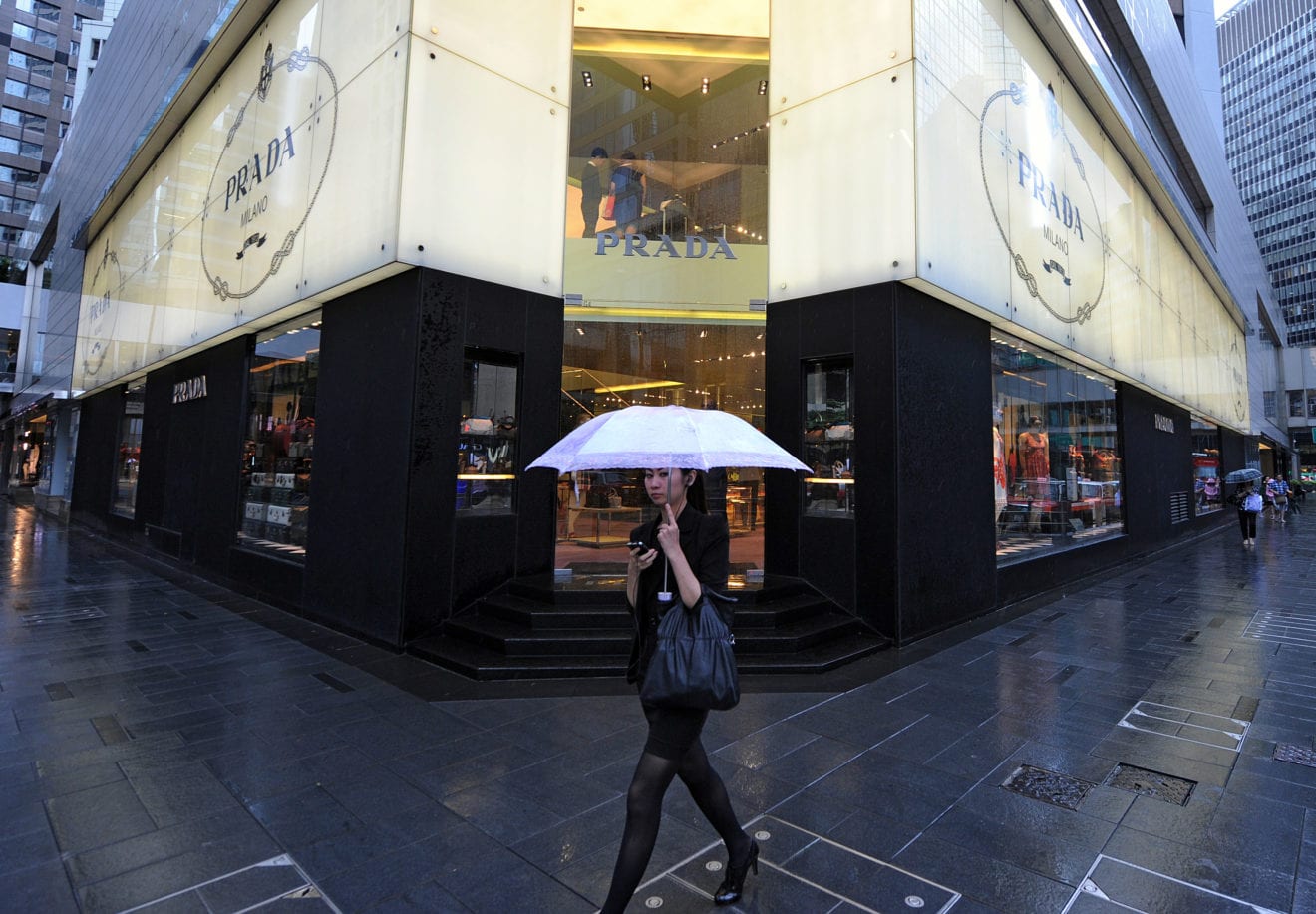
    Asia has once again energised luxury fashion label Prada’s sales in the first half year.

    The company has reported net revenue up 9.4 per cent in the six months to June 30 (although a lesser 3.3 per cent at current exchange rates).

    However Prada Asia-Pacific sales surged 13.8 per cent at constant exchange rates, or 6.6 per cent at current rates, most of that growth coming from company-owned stores.

    Prada, which is listed on the Hong Kong stock exchange, singled out a recovery of inbound tourist flows into the city from the mainland as the primary contributor to Asia’s strong performance.

    Greater China sales rose 17.2 per cent at constant exchange rates, or by 9.2 per cent at current rates, to €344.4 million, while sales in Japan rose by 9.1 per cent at constant exchange rates.

    Global sales totalled €1.535 billion and net profit €105.7 million, up 10.7 per cent on the same period last year.

    By category, clothing sales increased by 19.5 per cent, with both both Prada and Miu Miu achieving double-digit growth at constant exchange rates. Sales of leather goods rose by 8.4 per cent at constant exchange rates.

    Prada group’s namesake brand achieved a 10.1 per cent improvement in sales, while

    Miu Miu made a return to positive growth across all product categories, net sales rising 8.2 per cent.

    The only poor performances were the Church’s brand, where sales were down 3.9 per cent, and income from royalties, which slipped 3.2 per cent with a healthy increase in fragrance sales offset by falling eyewear demand.

    “The [Church’s] decline was nearly entirely attributable to the results of the wholesale channel, which has still not recuperated from its reorganisation process,” said Prada in its earnings release.

    The Marchesi 1824 patisserie chain achieved double-digit growth.

  • Apple is now a $1 trillion company

    Apple is now a $1 trillion company

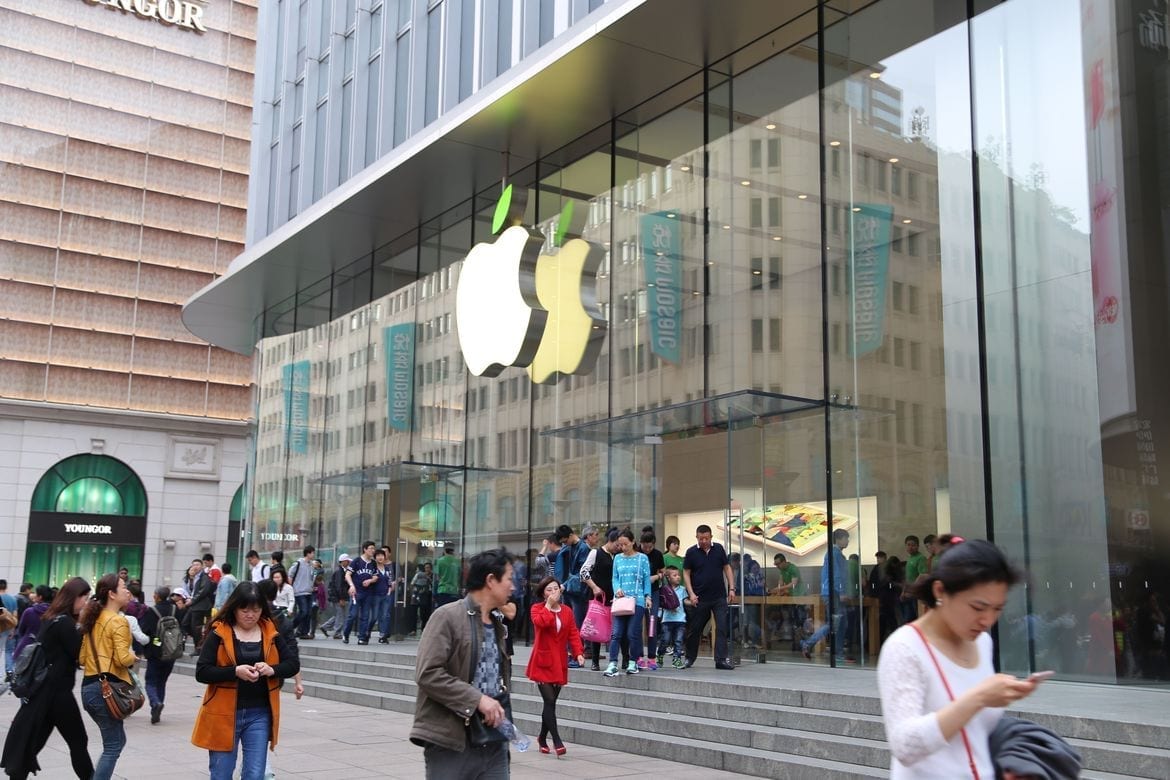
    Apple has become the first US company with a market cap of more than US$1 trillion overnight, with a jump in stock prices pushing the company past the historic milestone.

    Following the tech giants Q3 earnings report in which it found a quarterly revenue of US$53.3 billion, the “best June quarter ever, and our fourth consecutive quarter of double-digit growth”, according to Apple CEO Tim Cook, stock prices jumped from approximately US$190 to approximately US$200, continuing to climb to a high of US$207.

    The large jump was enough to push the company over the line faster than Amazon, which is on track to reach a US$1 trillion market cap soon, currently sitting at approximately US$885 billion.

    Given the nature of the stock market, it is entirely possible the company will fluctuate below and above US$1 trillion mark, but the feather is now well in Apple’s cap.

    The company is not the world’s first US$1 trillion company though, with PetroChina having briefly reached the coveted position in 2007.

  • First standalone Princi store in U.S. opens in Seattle

    First standalone Princi store in U.S. opens in Seattle

    Take a look at a map of Italy and you’ll find the region of Calabria at the toe of the boot, its rugged mountains jutting into a turquoise sea. Rocco Princi grew up in a small village here, surrounded by hillsides scented by wild herbs and groves of olives, figs and lemons. It was here that he discovered the art of artisanal bread-making as an apprentice at the local bakery.

    In 1986, Princi opened his eponymous boutique bakery and café in Milan at the historic Piazzale Istria. It was a feast for the senses, with crispy round loaves of sourdough bread leaning in rows, baskets of ciabatta bread alongside jars of olive oil and bins of flour. Princi uses the term ‘Spirito di Milano,’ the essence and energy of Milan, to capture the feeling from that first bakery, and infuses it into everything he creates.

    Over the next three decades Princi built a legacy, expanding to five more locations across Milan and London. In 2016, Starbucks became an investor and global licensee of the business and opened the first Princi location in the United States inside the Starbucks Reserve™ Roastery in Seattle, where his artisanal baked goods are served alongside the freshly roasted small-lot Starbucks Reserve™ coffees. Starbucks made Princi the exclusive food purveyor in its Roasteries and Starbucks Reserve store locations, and since then, new Princi bakeries have opened in the Shanghai Roastery and Starbucks Reserve store at the company’s SODO headquarters (and coming soon to future Roastery locations in Milan and New York).

    Now, the first Princi standalone store in the United States is opening in the north end of downtown Seattle on Westlake at 9th Avenue. Starbucks store design team worked closely with Rocco Princi and his team to design the new location.

    “When you first walk into a Princi bakery, you’re suddenly hit by the energy, the theater, the smell,” said Christian Davies, Starbucks Vice President, Creative Global Design & Innovation. “Your first impression is the abundance and seduction of food. That’s what we’re trying to create with a distinctly Italian look and feel to bring that passion to life.”

    Davies and the design team took inspiration from Princi’s original Milan bakery and the nearby Starbucks Reserve Roastery, using natural materials and earth-colored stone. In every element of the space, the team tried to express Princi’s commitment to craftsmanship, from the hand-blown glass light fixtures to the hand-rubbed plaster on the walls.

    “We kept the palate neutral. The food becomes a ribbon of color and light that ties the whole space together,” Davies said.

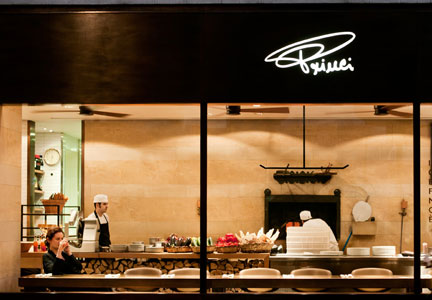
    The oven is the centerpiece of the space, with fresh baking onsite throughout the day. A brightly-lit food case stretches along the width of the space, enough for a visual landscape of freshly baked cornetti, brioche and focaccia, pizzas and desserts. Commessas, Italian for ‘shop assistant,’ act as a guide through the journey of food.

    “We wanted to make sure every one of these elements is created with the same level of detail that Rocco puts into his food,” Davies said.

    The new store features the full Princi menu of artisanal baked goods, prepared with the highest quality ingredients sourced from Italy to Seattle, starting at breakfast with steel-cut oats with Italian jam, baked eggs in a spicy tomato sauce and cornetti sandwiches made with prosciutto cotto and fontina. At lunchtime, the menu offers soups, salads, focaccia sandwiches, pizza, and hot entrees. Afternoons expand to a wider selection of Italian cakes, tarts and other desserts. Starbucks Reserve Princi™ Blend is the signature coffee offering, along with handcrafted espresso beverages made on a manual espresso machine.

    Take a look at a map of Italy and you’ll find the region of Calabria at the toe of the boot, its rugged mountains jutting into a turquoise sea. Rocco Princi grew up in a small village here, surrounded by hillsides scented by wild herbs and groves of olives, figs and lemons. It was here that he discovered the art of artisanal bread-making as an apprentice at the local bakery.

    In 1986, Princi opened his eponymous boutique bakery and café in Milan at the historic Piazzale Istria. It was a feast for the senses, with crispy round loaves of sourdough bread leaning in rows, baskets of ciabatta bread alongside jars of olive oil and bins of flour. Princi uses the term ‘Spirito di Milano,’ the essence and energy of Milan, to capture the feeling from that first bakery, and infuses it into everything he creates.

    Over the next three decades Princi built a legacy, expanding to five more locations across Milan and London. In 2016, Starbucks became an investor and global licensee of the business and opened the first Princi location in the United States inside the Starbucks Reserve™ Roastery in Seattle, where his artisanal baked goods are served alongside the freshly roasted small-lot Starbucks Reserve™ coffees. Starbucks made Princi the exclusive food purveyor in its Roasteries and Starbucks Reserve store locations, and since then, new Princi bakeries have opened in the Shanghai Roastery and Starbucks Reserve store at the company’s SODO headquarters (and coming soon to future Roastery locations in Milan and New York).

    Now, the first Princi standalone store in the United States is opening in the north end of downtown Seattle on Westlake at 9th Avenue. Starbucks store design team worked closely with Rocco Princi and his team to design the new location.

    “When you first walk into a Princi bakery, you’re suddenly hit by the energy, the theater, the smell,” said Christian Davies, Starbucks vice president, Creative Global Design & Innovation. “Your first impression is the abundance and seduction of food. That’s what we’re trying to create with a distinctly Italian look and feel to bring that passion to life.”

    Davies and the design team took inspiration from Princi’s original Milan bakery and the nearby Starbucks Reserve Roastery, using natural materials and earth-colored stone. In every element of the space, the team tried to express Princi’s commitment to craftsmanship, from the hand-blown glass light fixtures to the hand-rubbed plaster on the walls.

    “We kept the palate neutral. The food becomes a ribbon of color and light that ties the whole space together,” Davies said.

    The oven is the centerpiece of the space, with fresh baking onsite throughout the day. A brightly-lit food case stretches along the width of the space, enough for a visual landscape of freshly baked cornetti, brioche and focaccia, pizzas and desserts. Commessas, Italian for “shop assistant,” act as a guide through the journey of food.

    “We wanted to make sure every one of these elements is created with the same level of detail that Rocco puts into his food,” Davies said.

    The new store features the full Princi menu of artisanal baked goods, prepared with the highest quality ingredients sourced from Italy to Seattle, starting at breakfast with steel-cut oats with Italian jam, baked eggs in a spicy tomato sauce and cornetti sandwiches made with prosciutto cotto and fontina. At lunchtime, the menu offers soups, salads, focaccia sandwiches, pizza, and hot entrees. Afternoons expand to a wider selection of Italian cakes, tarts and other desserts. Starbucks Reserve Princi™ Blend is the signature coffee offering, along with handcrafted espresso beverages made on a manual espresso machine.

    As the day fades in the afternoon, Bar Mixato offers traditional Italian aperitivo, including cocktails, beer, wine and spirits accompanied by complimentary small plates. Customers can relax on the patio, which will open up to a planned new city park later this year. The smell of rosemary from nearby plantings evokes the hills of southern Italy where Princi’s journey began.

    “When you go to Italy, you’ll always find people on the patio,” Davies said. “I hope customers will come here and find the spirit of Milan.”

    The standalone Princi store makes Seattle the first city in the world to offer the full suite of experiences from Starbucks Siren Retail business, dedicated to its premium Reserve™ brand, which includes a Reserve Roastery, a Reserve store, Starbucks stores with a Reserve coffee bar, and now Princi stand-alone stores. Additional standalone Princi locations are expected to open this fall in Chicago and New York.

  • Leonardo DiCaprio invests in sustainable footwear brand Allbirds

    Leonardo DiCaprio invests in sustainable footwear brand Allbirds

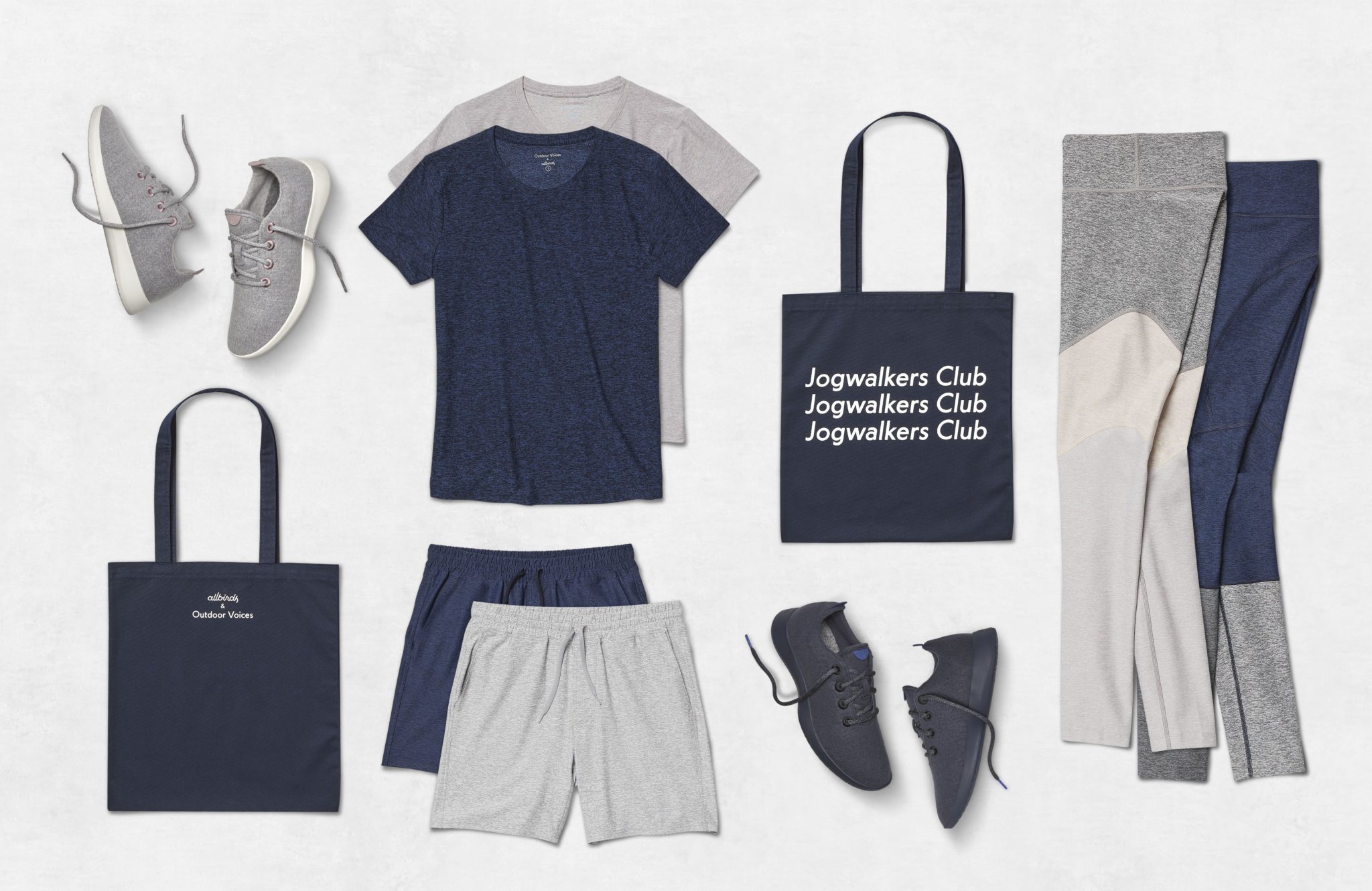
    Actor Leonardo DiCaprio’s latest investment will help in making sustainable, eco-friendly fashion more mainstream with his sustainable footwear company ‘Allbirds‘.

    The environmentally conscious actor has been active towards the battle against climate and environmental changes, and has now invested in an eco-friendly footwear company, reports People.com

    “Creating sustainable consumer products requires a deep commitment from brands that understand the role they have in helping solve our environmental crisis,” DiCaprio said in an exclusive statement.

    DiCaprio, 43, donated US $1 million to help protect marine life in Seychelles from his foundation, and in the year 2017, he announced that his foundation would be donating a US $20 million grant to help combat climate change.

  • Kroger launches direct-to-customer e-commerce platform Ship

    Kroger launches direct-to-customer e-commerce platform Ship

    The Kroger Co. has announced the introduction of Kroger Ship, its new direct-to-customer e-commerce platform.

    “Kroger Ship is our next step in creating a seamless experience that allows our customers to shop when and how they want,” said Yael Cosset, Kroger’s Chief Digital Officer. “Our new service is just one more way we are redefining the customer experience as part of Restock Kroger, bringing more convenience and options to shoppers across America. Kroger Ship complements and joins our 2,800 grocery stores, 1,250 curbside pickup locations, and delivery service from 1,200 locations.”

    Kroger Ship is launching in four markets: Cincinnati, Houston, Louisville, and Nashville. The retailer anticipates quickly rolling out the ship service to additional markets over the next few months. During the first phase of Kroger Ship, customers can shop from a curated selection of 4,500 our brands products, which are not available anywhere else online, and more than 50,000 center-aisle groceries and household essentials that matter the most, influenced by 84.51° data and insights.

    The service offers competitive ecommerce pricing and fast and free doorstep delivery by a package carrier on orders over US $35, otherwise shipping is US $4.99 per order. Ship customers will experience exclusive money-saving opportunities, including promo codes and pricing deals along with the convenience of a set-and-save subscription model. During the launch phase, customers will receive free shipping—no minimum purchase required—and 15 percent off their order with a one-time-use promo code.

    “Kroger Ship brings together the best of our digital, technology, logistics, 84.51°, merchandising, and Our Brands teams to deliver our customers convenient and curated food inspiration,” added Cosset. “Kroger’s ecommerce platform expands our offering beyond the physical store to include even more products. Along with staples and customer favorites, Kroger Ship will carry bulk and additional sizes, and focus on Our Brands, local and international food and flavors, specialty items, and health and wellness products – making it easier than ever before to be your family’s hero at mealtime, or anytime.”

    “Kroger is building on our expansive logistics and fulfillment infrastructure to support the rapid rollout of Ship,” said Frank Bruni, Vice President of Supply Chain and Procurement. “With the support of Our Brands, and Kroger’s manufacturers and suppliers, our vision is to build a seamless e-commerce system that offers our customers an ever-growing number of products and allows Kroger to ship nationwide, serving America through food inspiration and uplift.”