Tag: International

  • Know more about Amazon’s 5-minute shopping trip

    Know more about Amazon’s 5-minute shopping trip

    Thanks to Amazon and Whole Foods, a new kind of locker talk could be sweeping the grocery sector, and it centers on how much can be bagged in a five-minute window.

    Micro-shopping trips, defined as trips that take less than five minutes, are becoming increasingly common thanks to grocery services that let customers order online and pick up in-store. The development made national news when such trips were reported to have climbed 8.7% at Whole Foods stores after Amazon acquired the grocery chain in August 2017, according to research by data-analyzing firm InMarket. The increase is attributed to its Amazon Lockers, where shoppers can pick up preordered items.

    These super-short trips can result in higher-proportioned revenue because shoppers who place pickup orders, encouraged by the prospect of a quick in-and-out visit, remain prone to split-second purchase decisions.
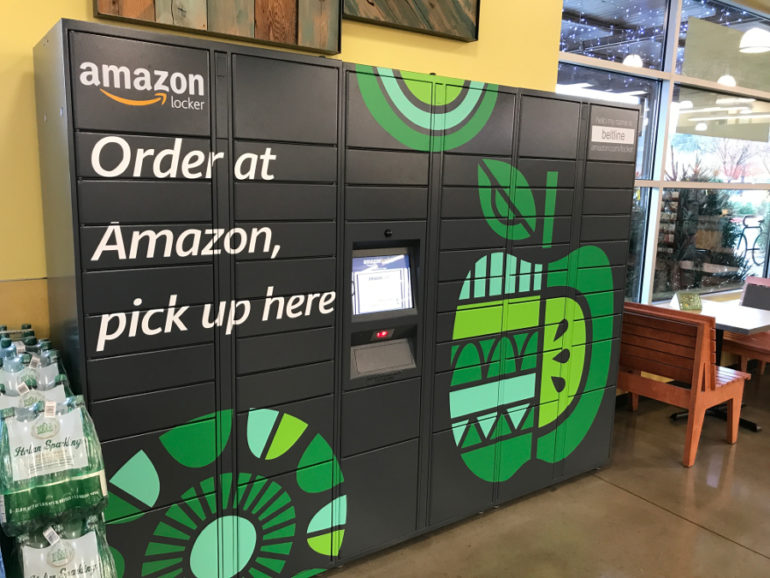
    “As good as delivery is getting — one-day delivery, sometimes one-hour delivery — that still can’t compete with the one-second immediacy of being in store and picking up that avocado … because I thought about it in that moment,” explained Todd Dipaola, chief executive and founder of InMarket.

    This explains why retailers from Walmart to Kroger are adding pickup options to attract time-strapped shoppers.

    Evidence that shopper lockers and similar pickup options lead to shorter trips exists in the breakdown of micro-trips at Whole Foods. Micro-visits at stores with Amazon Lockers rose by 11%, according to InMarket. At stores in the same cities without lockers, such trips rose by 7%.

    It counters what retailers strive for, which should be longer trips, but when shoppers have at their fingertips the means to shop wherever and however they want, food sellers are forced to acquiesce. However, smart merchants can find advantages in the micro-trips, from more efficient store formats to improved targeted marketing.

    Consider: 34% of shoppers who use click-and-collect shopping features (order online, pick up in-store) buy more than intended, according to research by WSL Strategic Retail. More important: 89% of those who use it are satisfied with the experience, largely because of the convenience.

    How big a segment is this? Right now, about 40% of U.S. shoppers use click-and-collect for groceries, according to Nielsen research, and the figure is expected to increase as the service becomes more available. Nielsen and the Food Marketing Institute estimate that Americans’ total online grocery spending will reach $100 billion between 2021 and 2023.

    Walmart Towers Over Convenience, Target and Kroger Click On

    As click-and-collect options expand, shopper loyalty shifts from brand to service, which often means ease. Among the services aimed to attract shoppers:

    Walmart Towers. In the first quarter of 2018, the superstore chain generated nearly $3.2 billion in e-commerce sales, according to its earnings report, and it is prioritizing online sales growth over that from new stores. Walmart operates 1,100 online grocery pickup locations and plans to add 500 pickup kiosks, or towers, by the end of 2018. It installed nearly 200 of the towers, which shoppers access by scanning barcodes into the kiosk computers, in 2017.

    Kroger’s ClickList. Online sales rose 66% in the first quarter of 2018, Kroger reported, crediting its ClickList in-store pickup service. The chain is even retrofitting some stores to accommodate ClickList, which enables users to retrieve orders at designated drive-thru areas. Among its features is a “favorites” list that tracks a shopper’s most commonly purchased items for faster reordering.

    Target Drives Up. Target is aiming for micro-parking with its Drive Up service, which it recently extended to 270 locations in the South. Through the app-enabled option, customers can place orders and wait to have their items brought directly to their cars by a store team member. Orders arrive within two minutes of the consumer pulling into the store parking lot.

    The 5-Minute Window Is Open for Business

    But how can a parking lot encounter, or any of these designated pickup options, translate to added purchases? It all hinges on understanding what the shopper is trying to accomplish.

    Here are ways merchants use what they offer to better cater to shoppers in a five-minute window.

    Be complementary. In addition to tracking frequently ordered items, Kroger can change suggestions week by week based on the items its ClickList shoppers purchase. With this history, it can alert shoppers if they will soon need to replenish detergent or benefit from complementary products. Promotions sent while the shopper is online can translate to larger digital baskets, while special promotions timed for at-store pickup can encourage the shopper to run in for a discounted item (particularly when those items are near the pickup area and can be easily retrieved).

    Shorten other causes for a trip. Shoppers do not always enter a store to pick up an order or even fulfill a list. Sometimes they have to return or exchange a purchase, grab a cup of coffee or simply use the restroom. Beauty vending machines that sell lipstick, cologne, shaving items and hair accessories can be placed by the restroom (two birds; one stone). As for transforming the pesky return process into an easy, quick shopping trip, Walmart’s Mobile Express Returns app allows shoppers to make super-fast returns in dedicated express lanes — and it gets them into the store, perhaps to buy a few dinner ingredients.

    Cover the last foot. This is where retailers really are tasked with understanding the shopper’s pain when picking up an online order, because they often have a lot going on. If a consumer is saddled with kids who are hungry after a day at school and a lengthening mental to-do list, she simply does not want to traverse the store for another thing. So retailers can bring the things she needs to her. Nearby grab-and-go snacks, prepared meals and even wine could find their way into her bag — if an easy payment option is available.

    Necessary for any of these efforts to work is understanding the shopper’s pain points and remembering that while convenience is essential for micro-tripping, not all shoppers insist convenience be fleeting. Lockers may help retailers bag sales, but they won’t capture loyalty — that takes locking in on shopper lifestyles.

  • Vashi redefines the fine jewellery model

    Vashi redefines the fine jewellery model

    Shopping for diamonds at Vashi is not a typical fine-jewellery purchasing experience.

    Entering the brand’s location on Piccadilly, opposite London’s famed Fortnum & Mason store, there are no security guards in sight.

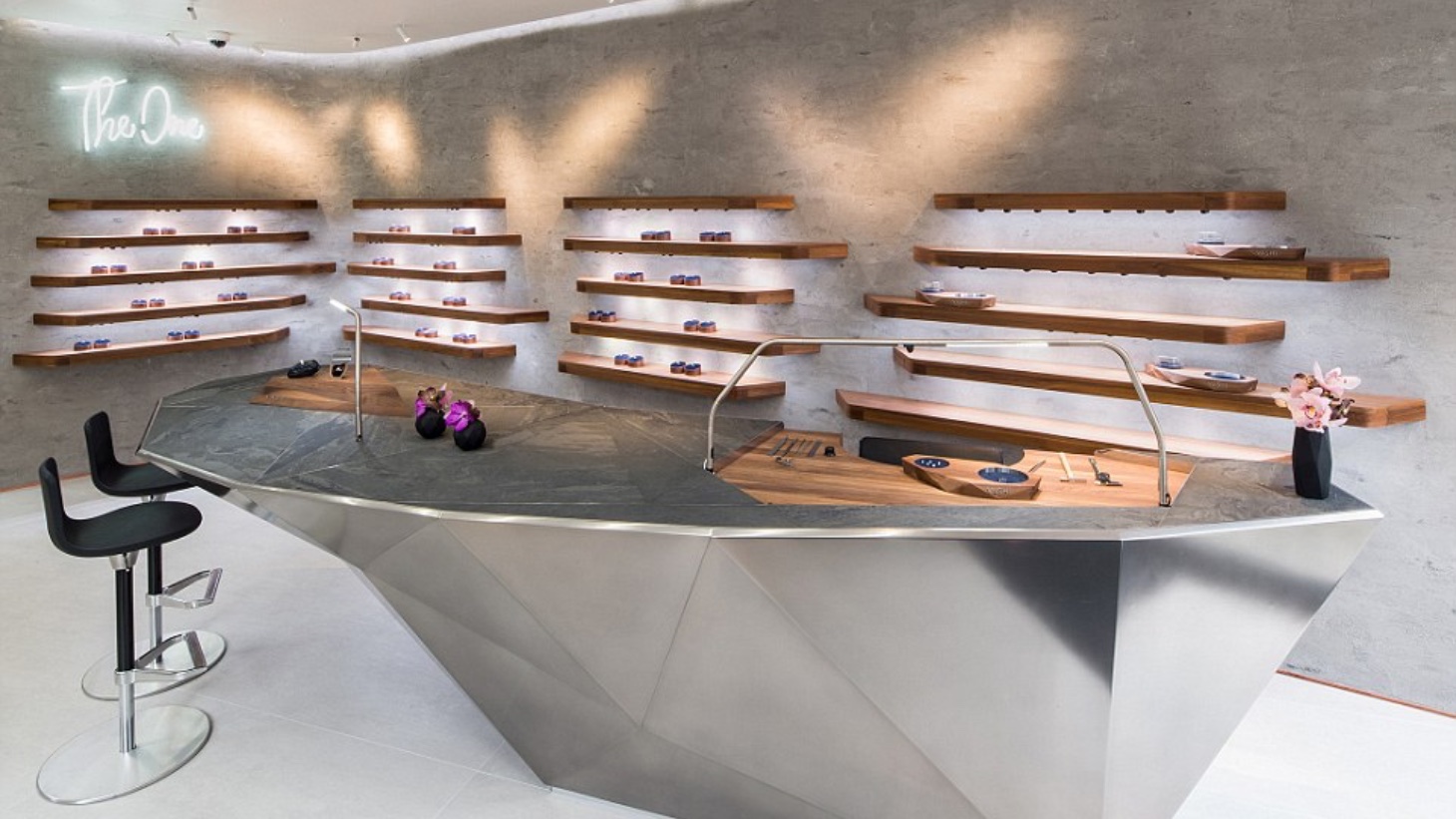
    Customers are welcomed into the diamond emporium by smiling shop staff, and met by a modern, sparsely furnished shop space. Instead of pieces on display being housed in large glass units, diamond rings sit on shelves, free of any casing and ready to be touched — no white gloves required.

    The vibe is meant to appeal to Vashi’s millennial customers.

    The brand got its start selling direct-to-consumer diamonds online in 2007. Vashi.com was established in 2013, growing over the next five years as more consumers have come around to the idea of buying engagement rings and necklaces online rather than in luxuriously appointed showrooms.

    Today, bespoke or customised product makes up 70 percent of the company’s business.

    Vashi remains a minnow in the global jewellery business — its 2017 revenue of £8 million ($10.6 million) last year is less than Tiffany & Co. sells in a single day. But unlike its bigger competitors, Vashi has a relatively young clientele. It’s also growing, with the company predicting sales of £20 million ($26.5 million) this year.

    Founder and chief executive Vashi Dominguez said the company’s growing network of stores — three locations in London, a 1,200 square foot space at Selfridges London set to open in August and a US expansion in the works for next year — is meant to cement the brand’s status as an antidote to traditional high-end jewellers, which Dominguez says can often become intimidating places to make a purchase.

    “[Today’s millennial-minded customer] is looking for an experience. Great product and beautiful service are not enough,” he continued. “We are centring the experience around [the customer], versus I think most companies are centring around the product.”

    The drive to open physical locations was partly an acknowledgment that, while online fine jewellery sales are on the rise, the majority of transactions still occur in-store. Despite brick-and-mortar locations still being relatively new, Vashi sales are roughly balanced between online and in-store.

    “Retail is just an extension today, it’s just another channel,” said Dominguez. “There is the internet, there are department stores, there is mobile, there is social, and customers are going to shop however [they want to], so you’ve got to make sure you create an omni-channel experience.”

    Developing the in-store model took three years, as translating the brand’s online customisation service into an in-store experience proved a challenge, Dominguez said. “I wanted to give people access to jewellery workshops, but jewellery workshops are generally very dusty environments.”

    The result: an on-site “diamond lab,” akin to a workshop where customers can be involved in the creation process — one at each location. Now, production for all online and in-store orders happens in the diamond labs, so customisation doesn’t slow down the purchasing process.

    “[Millennials are] quite impatient, they want things now,” Dominguez said. “So we engineer our supply chain and build our production in house, so that if you create something and you want to have it today, you can have it today, versus come back in three months.”

    As the majority of pieces sold are made-to-order, prime real estate space can be dedicated to furthering customer experience, rather than used to store ready-to-sell inventory.

    One such example is the Piccadilly store’s “VIP rooms,” which are, in fact, open to everyone. Plush sofas, art on the walls, plants, coffee table books and even a record player give the room a more intimate feel.

    “Even if you have just come in and you want to learn about the brand, we bring you in, you can have a Corona beer or a glass of champagne,” says Dominguez.

  • Farfetch acquires Curiosity China

    Farfetch acquires Curiosity China

    Fashion “unicorn” Farfetch has acquired digital marketing agency CuriosityChina in a bid to boost its presence in the world’s second-largest luxury market.

    CuriosityChina will enable the fashion e-commerce platform to offer additional services to luxury brand partners operating in the country’s fast-moving and unfamiliar digital marketing environment. The terms of the transaction were undisclosed.

    “With this partnership, Farfetch can now provide plug-and-play access for luxury brands to expand rapidly in China via an integrated platform servicing Chinese consumers via web, app, WeChat store and mini-programs,” explained Farfetch founder José Neves.

    CuriosityChina’s employees will join Farfetch, including co-founders Judy Liu, Alexis Bonhomme and Arthur Shui, who will take on the titles of managing director, China; vice president of commercial, China; and head of technology innovation, China, respectively.

    The move follows a 2017 deal between Farfetch and JD.com, China’s second largest e-commerce player, which invested $397 million into the platform. Farfetch launched in China three years ago but the market currently accounts for only 10 percent of the company’s revenue, according to Cowen & Co, a financial services firm.

    In 2016, Farfetch — a technology platform which connects consumers with a curated network of fashion boutiques and, increasingly, brands — cleared $800 million in gross merchandise value, generating an estimated $150 million in revenue (Farfetch takes 20 to 25 percent commission from partners).

    The acquisition of CuriosityChina is the latest in a series of strategic moves by the Farfetch, which has raised over $700 million in funding and is seeking scale as it gears up for an IPO. Neves has been reluctant to lay out a specific timetable for the flotation, but according to a source close to the deal, the company is planning to IPO in New York in September 2018 at a valuation greater than $5 billion.

    So far this year, the platform has inked a strategic partnership with Chanel to enhance the French luxury house’s boutique experience; entered into a joint venture with Chalhoub Group, one of the biggest distributors of fashion and luxury goods in the Middle East; and struck a deal with Burberry to expand its global e-commerce distribution and launch a “show to door” London delivery service.

  • First time’s charm – Amazon’s Prime Day success in Singapore

    First time’s charm – Amazon’s Prime Day success in Singapore

    Prime day, Amazon’s own one-day-only retail holiday, was introduced in 2015 to overtake the well-established Black Friday and Cyber Monday and become the sales event of the year.

    The student has now surpassed the master as the number of ordered items by prime members in Singapore went through the roof for the exclusive shopping event surpassing those of Cyber Monday, Black Friday and the launch of Prime Now.

    Prime Day is a one-day only global shopping event exclusively for Prime members. Amazon Prime is a paid membership programme currently charged S$2.99 a month, with the option of a 30-day free trial. It offers members free international shipping, exclusive shopping and entertainment benefits. Crucial benefit of the program in Singapore is the free two-hour delivery service on a wide range of products for orders over S$40.

    This year, Amazon welcomed the Singaporean market to celebrate Prime Day. The kickoff was given at midday on July 16 where prime members were given 36 hours to shop with exclusive advantages.  Members enjoyed deals on a variety of categories including groceries, beauty products, consumer electronics and home appliances. Coca-Cola Zero, Kleenex toilet tissue and Play-Doh playsets were among the best-selling items for the event. Members also received thousands of units of free gifts and samples and enjoyed significant savings through credit card promotions.

    Henry Low, director of Prime Now Asia-Pacific said they “were excited to bring Amazon’s epic shopping event to Singapore for the first time this year to say “thank you” to our members”. A very-well received thank you as more members in Singapore joined Prime on 17 July than on any other single day since its launch.

    Prime Day is now officially Amazon’s biggest global shopping event in its history, another notch on the company’s belt.

  • Q2 revenue hikes for eBay

    Q2 revenue hikes for eBay

    US e-commerce platform eBay revenue rose by 9 per cent during the second quarter to June 30, to US$2.6 billion.

    Gross merchandise volume (GMV) rose 10 per cent, reaching $23.6 billion, or 7 per cent on a foreign-exchange neutral basis. Net income was $638 million.

    “In the second quarter, we continued to execute our strategy, making improvements to the core eBay experience,” said president and CEO Devin Wenig. “At the same time, we pursued significant opportunities in advertising and payments.

    “As we look ahead to the second half of 2018, we expect acceleration in our core business and continued strong growth in earnings.”

    eBay says the number of active buyers on its platforms increased by 4 per cent globally to 175 million.

  • StreetTrend buys majority interest in Italian footwear retailer P448

    StreetTrend buys majority interest in Italian footwear retailer P448

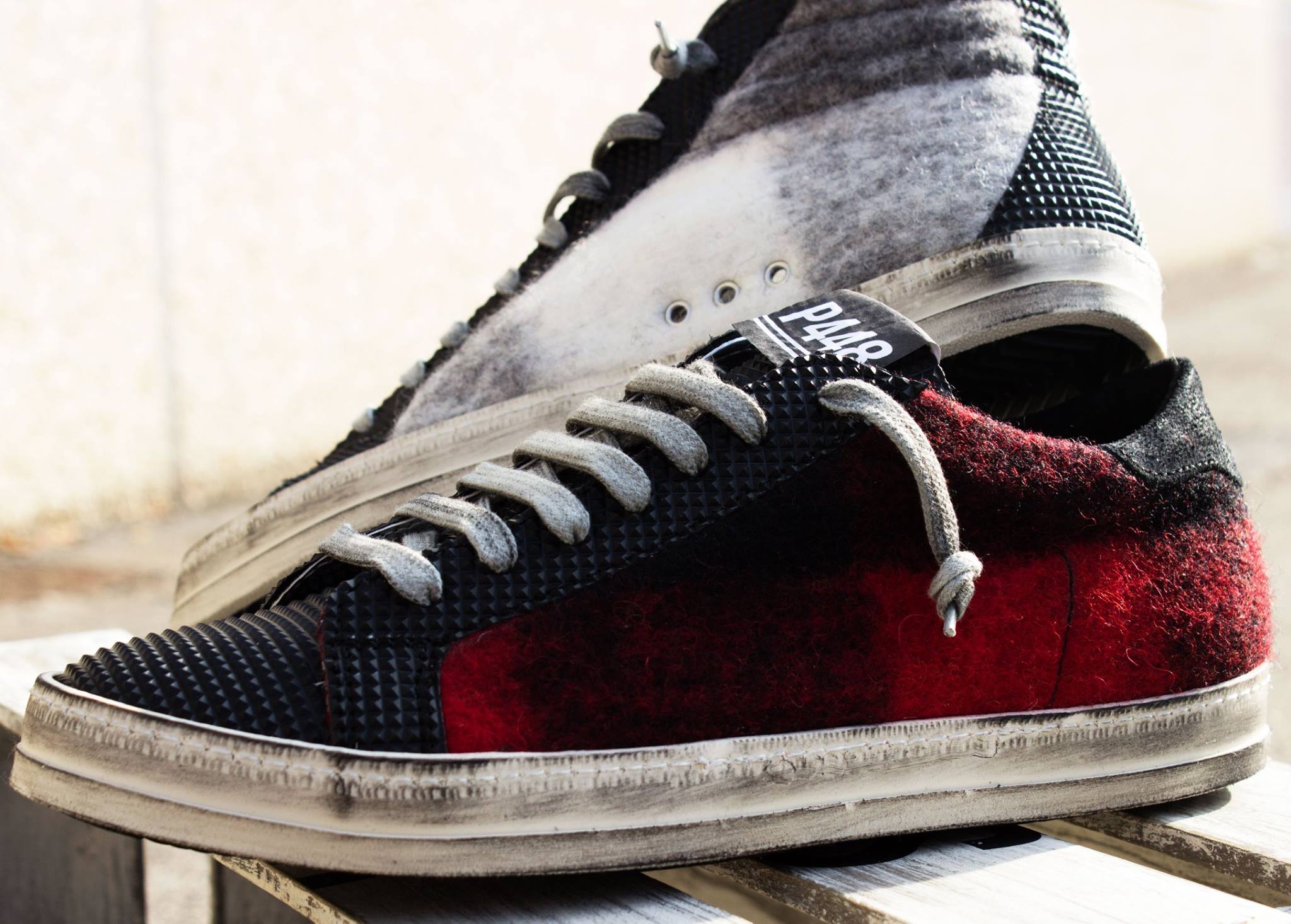
    US-based footwear holding company StreetTrend has signed a joint venture agreement with Italy-based investment firm Panda to purchase a majority interest in luxury sneaker and footwear retail brand P448.

    The deal covers all creative design, manufacturing operations and brand assets of the footwear brand in Forli.

    Following the acquisition, P448 founders Marco Simone and Andrea Curtis will maintain an equity stake and continue to operate the business.

    StreetTrend chairman Kulkin said: “When we launched StreetTrend last year it was very clear that we had to include P448 in our portfolio of luxury sneakers.

    “The feedback about the product design and quality coming out of Europe was amazing and I was thrilled to sign an exclusive distribution agreement to market the brand in North America, the UK, Hong Kong, and China.”

    Following the transaction, Panda CEO Paolo Griffo will serve as the CEO of P448 and lead the new management team of the brand. He will also continue to run Panda.

    Kulkin will serve as non-executive chairman of P448, while Simone and Curtis will serve as co-creative and design directors.

    As part of the deal, StreetTrend will assist the P448 brand to expand its current global distribution footprint.

    The company is also planning to open a new P448 store at the Palazzo Serbelloni in Milan, Italy, in October.

    Griffo said: “The company will continue to grow by being innovative and executing on our vision of offering a unique Italian spin on shoes that reflect streetwear, including looks that capture the surf, skate and music culture.”

  • Marks & Spencer UK plans to cut 351 management jobs

    Marks & Spencer UK plans to cut 351 management jobs

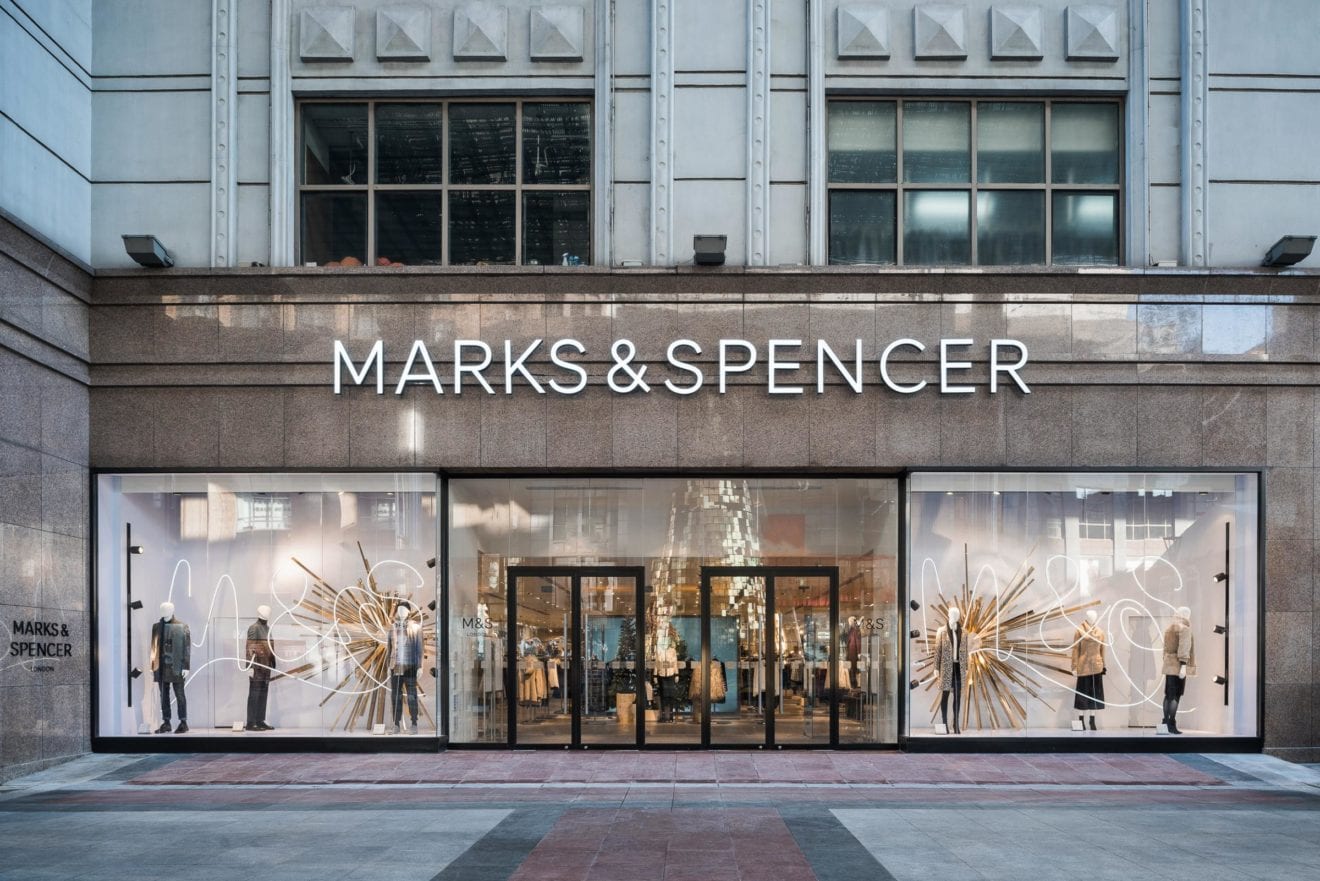
    Marks & Spencer UK reportedly plans to axe more than 300 jobs across the UK as it continues its restructure to counter falling sales.

    As reported seeing documents proposing 351 job cuts, almost all of them in management roles, including operations, section managers and “visual managers”.

    Marks & Spencer, which is flourishing in Asia under a franchise agreement with Middle Eastern-based Al Futtaim, has seen sales fall by 7.5 per cent in its home market over the last two years, which has reduced store profitability. That decline is behind a plan announced in May to close 100 stores by 2022.

    Earlier this month, chairman Archie Norman and CEO Steve Rowe warned there may be further closures, with Norman describing the scale of the Marks & Spencer store network as “a drag” on performance.

    Rowe is eyeing savings of £350 million by 2021, a target likely to lead to more redundancies. However to date, the company says 86 per cent of staff affected by the closure of stores so far have been relocated to new positions within the company.

    Marks & Spencer’s pre-tax profit nin the year to March 31 fell 62.1 per cent to £66.8 million, largely the result of £321.1 million in costs associated with store closures.

  • Dalziel & Pow creates immersive retail space for Pieces

    Dalziel & Pow creates immersive retail space for Pieces

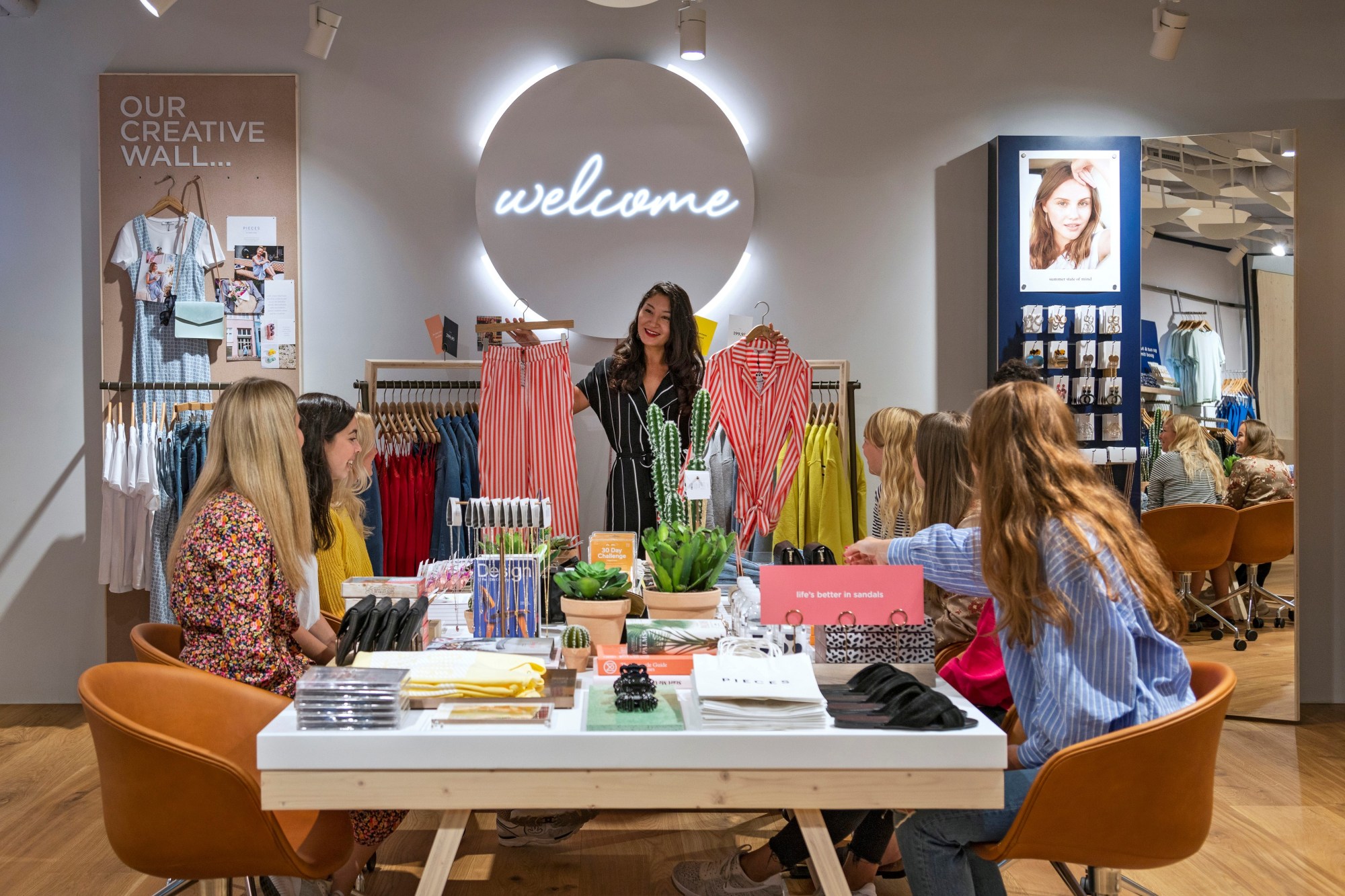
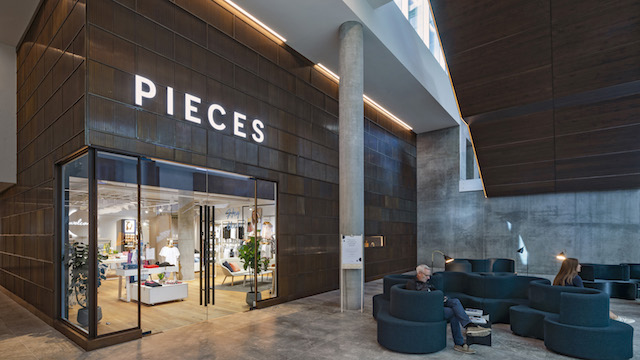
    Design firm Dalziel & Pow – which designed Dubai-based Lifestyle’s revamped store in The Dubai Mall – also created an immersive concept store, ‘Her Social Studio’, for Danish fashion brand Pieces. Located within the office headquarters of parent company Bestseller in Aarhus, Denmark, the concept store immerses customers in a multi-faceted hub for co-creation and brand storytelling.

    Fusing classic retailing with a working studio, the space is multi-purpose and houses a myriad of brand activations and engagements, from staff training to trialling products and merchandising to customer workshops and styling sessions. The aim, to give any visitor, be it franchisee, partner, supplier or staff member an opportunity to ‘buy into the brand’ through a totally Immersive experience.

    The flexible showroom is broadly divided into two zones – ‘Her Wardrobe’ and ‘Her Studio’.

    The retail space ‘Her Wardrobe’ exudes a contemporary Scandinavian aesthetic, reflecting the world of Pieces’ customers – celebrating and empowering them to look good and share their looks in a warm welcoming setting. It’s designed to be a flexible shoppable space, featuring a “coming soon” panel for sneak peeks at future product collections and collaborations. As well as showcasing the store concept it can be used to trial merchandisng and visual merchandising ideas and accommodate a constantly changing programme of events and classes.

    ‘Her Studio’ is designed as a co-working space, giving insight into the brand and its creative processes. Customers and partners can relax on informal lounge seating, or access complimentary drinks and gift-wrapping from a concealed ‘Hosting Cupboard’. Perimeter walls throughout act as a vibrant canvas for expressing brand inspiration and charting the creative process – such as a pin board showcasing ‘works in progress’, an upcoming events calendar, a lifestyle mood board and a bold brand manifesto.

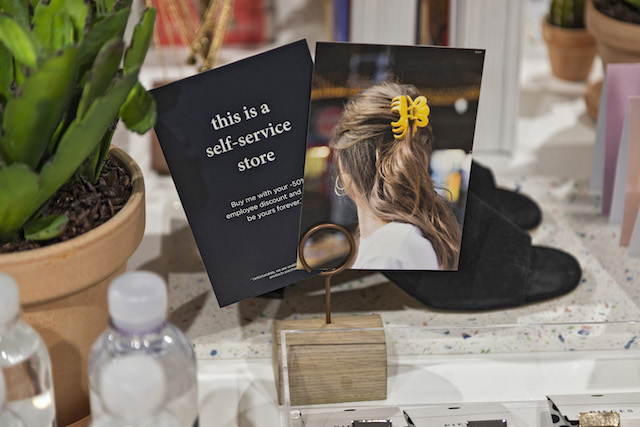
    The showroom is 100% self-service – it’s cashless, card-less and most of the time unstaffed. Visitors and staff can make purchases through via their own mobile device. The whole space allows the brand story and retail concept to be told in a truly immersive and seamless way.

  • Walmart to boost digital footprint

    Walmart to boost digital footprint

    Aiming to make shopping faster and easier for millions of customers, cash-and-carry major Walmart on Tuesday announced a five-year strategic partnership with Microsoft.

    Already using Microsoft services for critical applications and workloads, Walmart will now embark on a broad set of Cloud innovation projects that leverage Machine Learning (ML), Artificial Intelligence (AI) and data platform solutions for a wide range of external customer-facing services and internal business applications.

    “Walmart’s commitment to technology is centred around creating incredibly convenient ways for customers to shop and empowering associates to do their best work,” Doug McMillon, CEO, Walmart, said in a statement.

    “Whether it’s combined with our agile cloud platform or leveraging machine learning and artificial intelligence to work smarter, we believe Microsoft will be a strong partner in driving our ability to innovate further,” McMillon added.

    Walmart has selected full range of Microsoft Cloud solutions, including Azure and Microsoft 365, for enterprise-wide use to help standardise across the company’s family of brands.

    “The world’s leading companies run on our Cloud, and I’m thrilled to partner with Walmart to accelerate their digital transformation with Microsoft Azure and Microsoft 365,” said Satya Nadella, CEO, Microsoft.

    Under the partnership, Walmart and Microsoft engineers will collaborate on the assessment, development and support phase of moving hundreds of existing applications to Cloud native architectures.

    To grow and enhance the online experience, the company will migrate a significant portion of walmart.com and samsclub.com to Azure, including its Cloud-powered check-out, thus, enabling Walmart to grow and reach more global markets than before.

  • Adidas pledges to use only recycled plastic by 2024

    Adidas pledges to use only recycled plastic by 2024

    Global sportswear maker adidas announced that it has committed to using only recycled plastic by 2024. The pledge to eliminate the use of virgin plastic includes using polyester, a popular material in sportswear for its sweat resistant properties and because it weighs less.

    adidas said on Monday that it would stop using virgin plastic in its offices, retail outlets, warehouses and distribution centres, a move that would save an estimated 40 tonnes of plastic per year, starting from 2018.

    It also said its apparel line for the spring and summer of 2019 will contain around 4 percent recycled polyester.

    adidas is the latest in a series of global companies that have pledged to reduce plastic use.

    In 2016, the brand had completely done away with the use of plastic bags in all its stores.

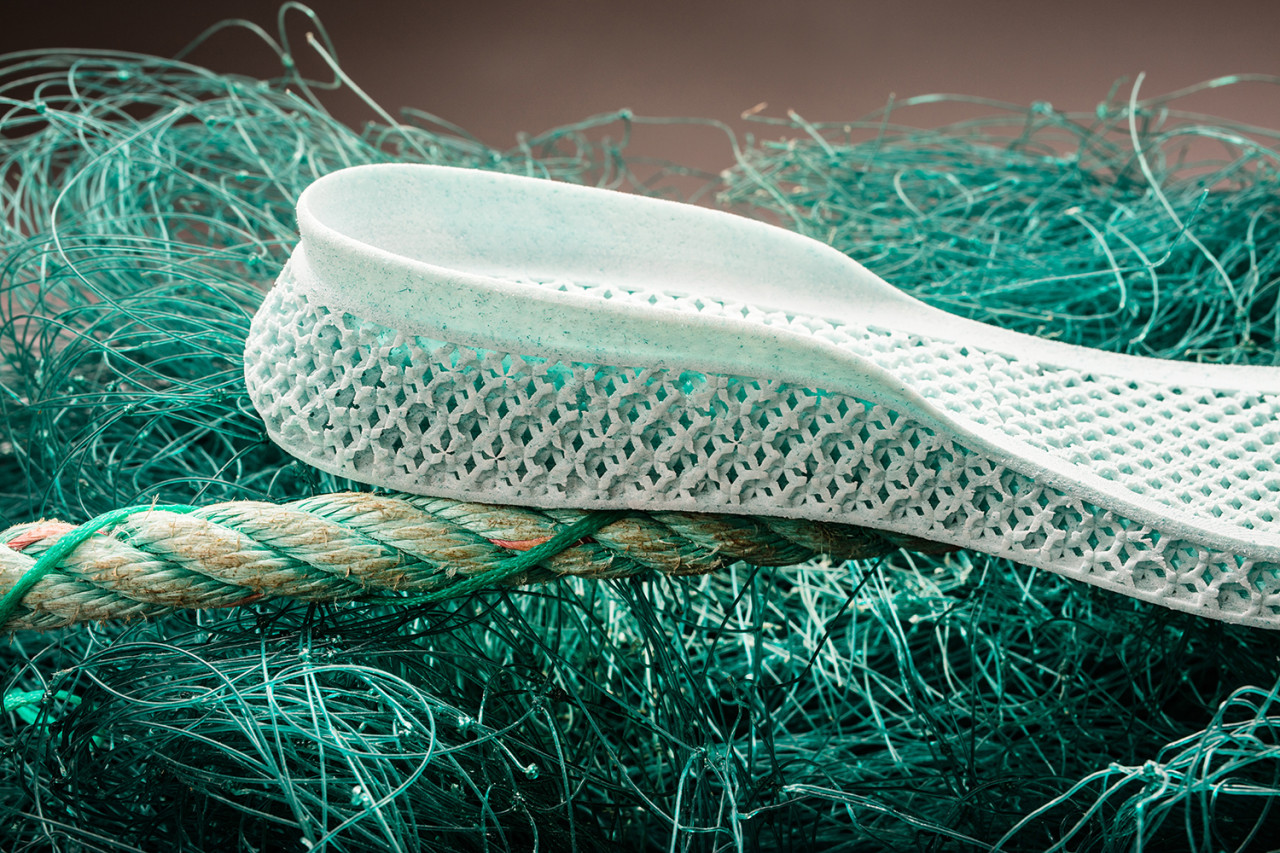
    In the same year adidas collaborated with environmental group Parley and decided to lead the way with an ‘eco-innovative’ design. They mass produced shoes made from recycled water bottles found in the world’s oceans. The shoe was named UltraBOOST Uncaged Parley, but is more popularly known as Ocean Plastic Shoe.

    This year, with awareness growing, the German company is expecting a sharp increase in sales of its Parley shoes, which are made with plastic waste that has been intercepted before it reaches the ocean.

    While still a small share of its global sales, adidas expects purchases to jump to 5 million pairs this year compared to 1 million in 2017.

    Coffee retail giant Starbucks also plans to eliminate plastic straws from its stores, and McDonald’s is trialing a similar programme in the UK and Ireland.

    Swedish furniture major IKEA is also phasing out single use plastic from its stores and restaurants.

    Global use of plastic has increased 20-fold over the past 50 years and is expected to double again in the next 20 years.

    The material is cheap and versatile, but governments and consumers are increasingly aware of its huge environmental costs.

    Research shows there will be more plastic than fish by weight in the world’s oceans by 2050. On a global basis, only 14 percent of plastic is collected for recycling.

  • 4G investments impacting ratings of APAC telcos

    4G investments impacting ratings of APAC telcos

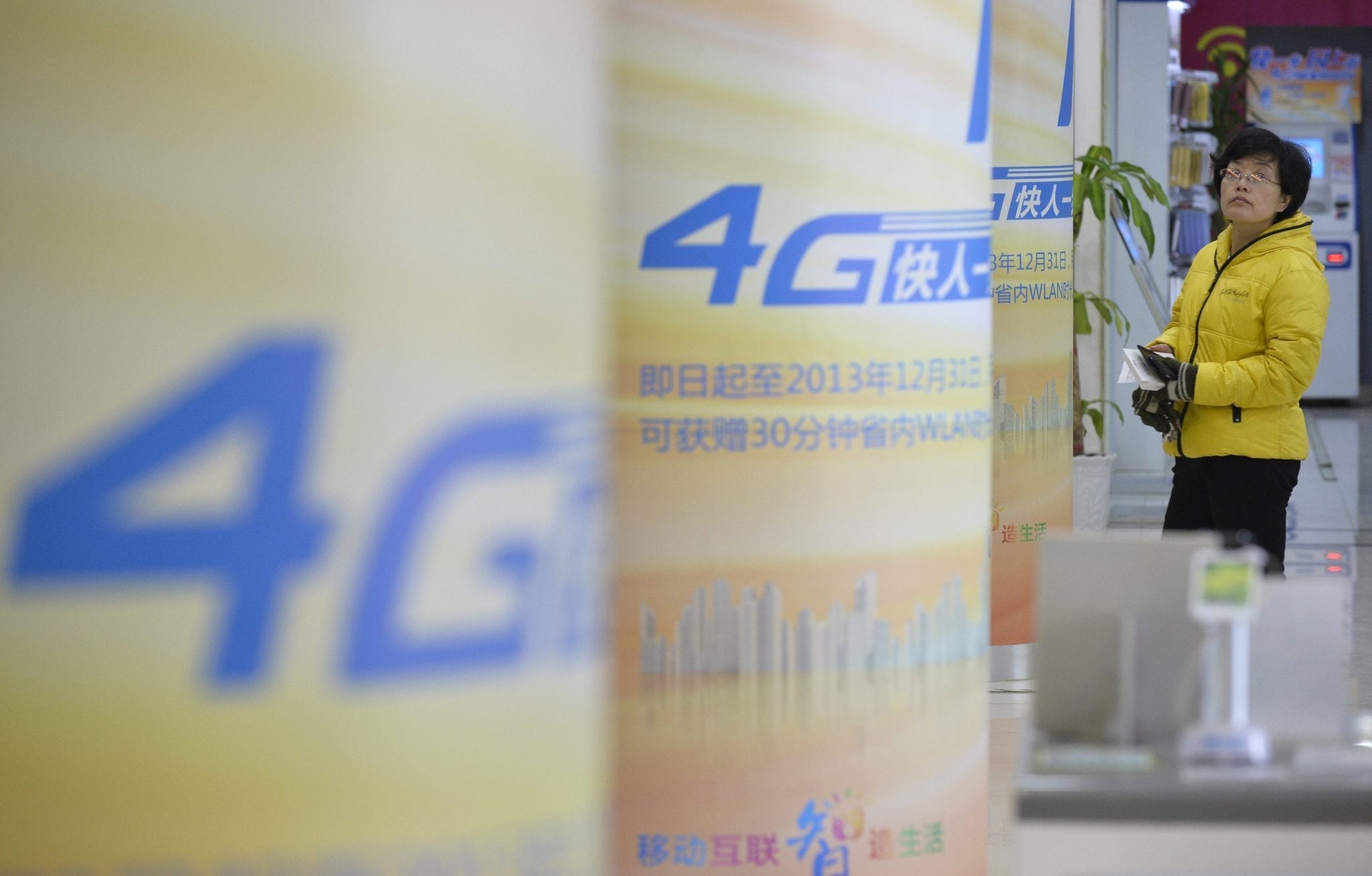
    Half of the companies covered in Fitch’s APAC Telecommunications – Peer Comparison report now have limited rating headroom based on our downgrade guidelines, after investments to roll out 4G networks and, in most cases, higher dividend commitments caused net leverage to rise in recent years.

    The ratings agency noted that only PT Telkom achieved high rating headroom, while PLDT, Telekom Malaysia, SK Telecom and Singtel have the least.

    Some companies have gained temporary relief through cost management, asset disposals and dividend reduction, which also reflect their commitment towards deleveraging. PLDT and Advanced Info Service Public Company reduced dividends to manage their cash flows.

    Rating triggers are typically less stringent for companies with strong business fundamentals and supportive market structures, which present a lower business risk profile.

    Fitch considers competitive position and financial structure as key differentiating factors for APAC telcos, attaching high importance to these two sub-factors.

    Competitive position captures the significance of scale benefits, strong market position and low competitive intensity in driving a robust business risk profile. Meanwhile, an issuer’s capital allocation and debt capacity underpin its financial structure.

  • Facebook scandal creates opportunity for cellcos

    Facebook scandal creates opportunity for cellcos

    The Facebook and Cambridge Analytica data harvesting scandal has eroded trust in digital service companies, which has opened a window of opportunity for mobile operators, according to new research from Openet.

    A survey of consumers in the Philippines, the UK, US and Brazil found that more than 50% of consumers are now less likely to share personal data with digital services companies.

    Consumers now see their mobile operator as more trustworthy than both social media platforms and digital services companies such as Netflix, Spotify and Skype.

    More than nine in ten (92%) consumers would be happy to consider mobile operator delivered digital services as an alternative.

    In addition, 66% would now prefer to pay for services if it means more control over their data, which could even signal the beginning of the end of the Freemium era, Openet said.

    Openet CEO Niall Norton noted that despite having an abundance of subscriber data, mobile operators have traditionally had a much more conservative approach to making use of this data compared to digital service providers.

    “For a long time, this conservative approach to data use has been used as an unfavorable measure for operators’ digital efforts, especially in comparison to other digital-first companies. But times are changing and it’s clear that consumers expect more if they are to hand over personal data in exchange for services,” he said.

    “Mobile operators have earned the right to answer this call. But to be successful, they must learn from the mistakes made by social media and digital service companies alike. Transparency around data collection and opt-in processes are now top priorities for consumers. Operators must bear this in mind when seizing new digital opportunities.”

  • Nike new concept revealed

    Nike new concept revealed

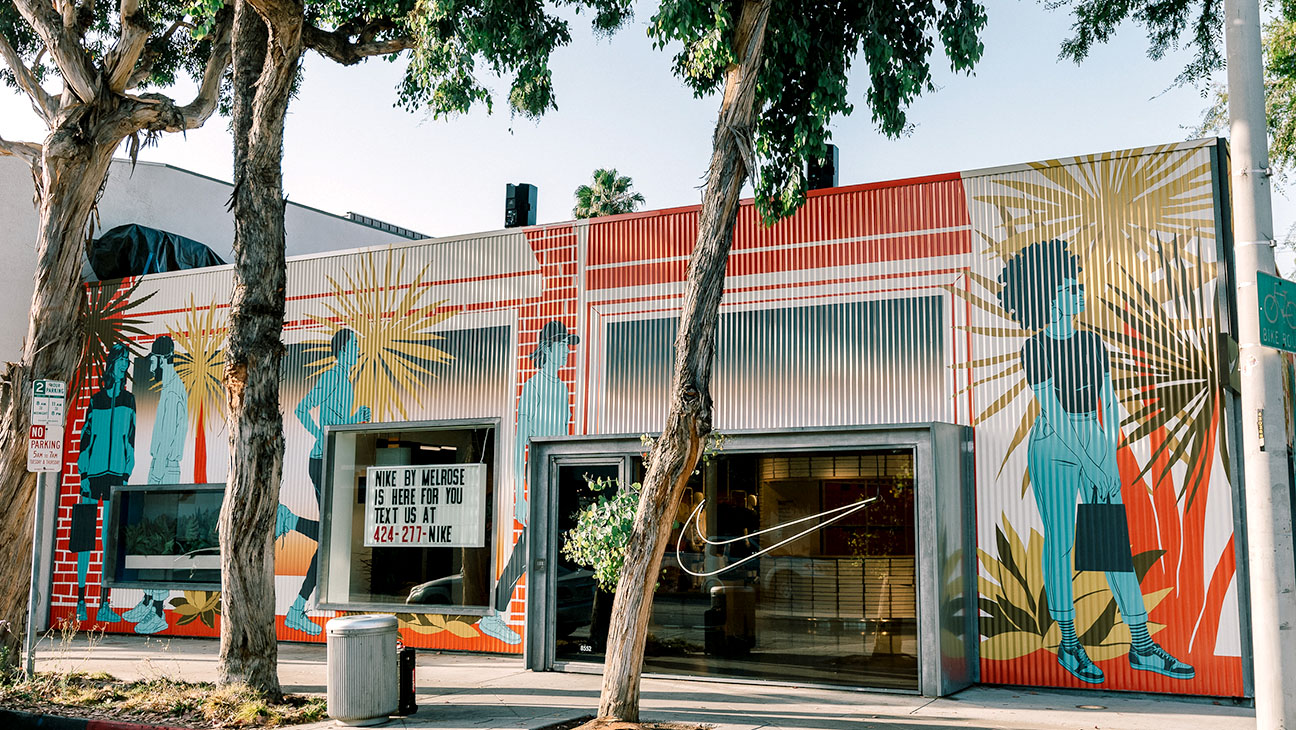
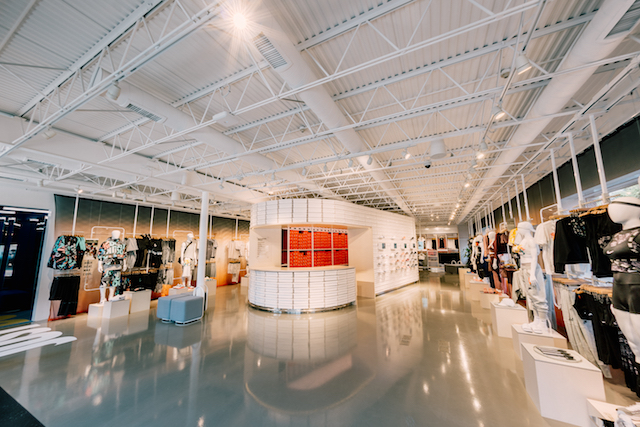
    Nike has opened its newest store concept, Nike Live, in Melrose Avenue, Los Angeles.

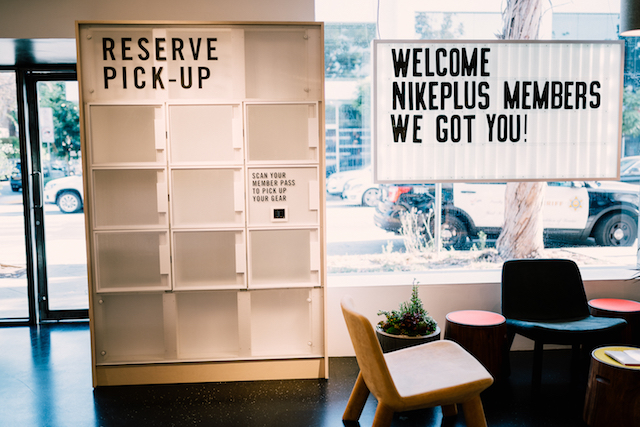
    The store, “powered” by the insights and engagement of thousands of nearby NikePlus loyalty program members, features a lockbox pick-up service where members may secure unique offerings reserved via the Nike App or through Swoosh text.

    President of NikeDirect Heidi O’Neill said: “Nike Live stores are specifically designed to be a service hub for local NikePlus members… as well as being the first Nike Live destination, we will also test services that can then roll out to other Nike stores, combining digital features with a unique physical environment to create the future of Nike retail.”

    The new concept was created in support of Nike’s efforts to unite digital and physical shopping experiences for its consumers, and to further personalise the NikePlus Member in-store journey. Both the location and the product assortment of the store was selected using insights gained from NikePlus member activity and buying patterns.

    When walking in the store, shoppers can make a first stop for service at the Nike Sneaker Bar. There they can talk with a Nike Expert about the lifestyle and performance footwear available, request to try-on an item on the spot, purchase and go.

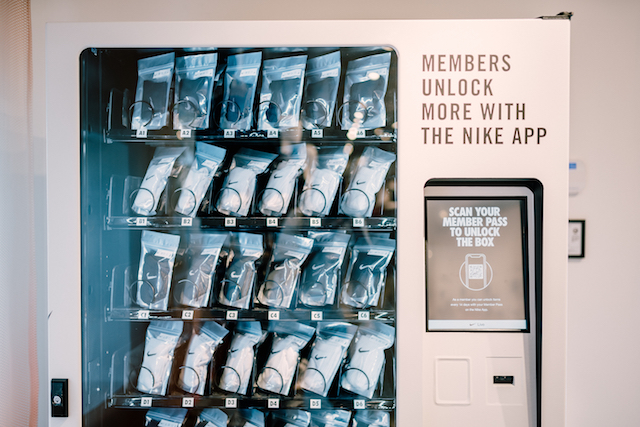
    Members have access to the NikePlus Unlock Box, where they can scan their member pass every two weeks for unique Nike products and goods. The store also uses Nike’s Nike App at Retail service, allowing them to reserve product to in-store digital lockers; scan product barcodes to learn more (i.e. product availability in nearby stores or online, and available colorways); book Nike Express Session appointments for one-to-one personal service; and access new features and content in the app.

  • Virtual influencers : what about moral and legal issues?

    Virtual influencers : what about moral and legal issues?

    We all know that spokespeople and endorsers can be erratic. Wild antics can generate negative PR and damage brands. What if you could eliminate the threat of a spokesperson going rogue while still tapping into the massive influencer audiences?

    Although swapping the Kardashians for virtual influencers might sound like a dream come true, the reality is that virtual influencers and their creators bring their own set of PR and legal challenges.

    Meet Shudu Gram and Miquela Sousa. Shudu is billed as the world’s first digital supermodel while Miquela, also known as Lil Miquela, is a virtual influencer. As unreal as Max Headroom, they are merely online personas fashioned out of the imaginations of artists. Shudu was invented by a photographer, and Miquela’s creators are cloaked in secrecy.

    In a matter of months, they have collectively amassed more than a million followers on Instagram. Shudu is being positioned more as a piece of art like a mannequin, but Miquela is put forward as a normal girl. “She” (through her creators) posts pictures of herself with purported friends on Instagram, claims to support Black Lives Matter and participates in media interviews.

    Virtual influencers operate online much like real-life ones do. Brands want to team up with them to tap into their fan base. Even if they aren’t originally designed to be a brand ambassador, with enough popularity, they will almost surely attract companies seeking endorsement deals. Shudu recently rocked Rihanna’s Fenty Beauty lipstick in an Instagram post that went viral, and Miquela pushes Prada and Chanel, among other brands.

    You are probably asking yourself: If virtual influencers are so lifelike and intriguing that they are going viral, do I really need to hire human influencers to market my products?

    Whether this trend has staying power or whether virtual influencers will prove boring in the long run is one issue. After all, it’s the unattainable assets mixed with the fatal flaws in real-life human beings that sustain the public’s interest. Celebrity has a cycle. Consumers are known to lift them up, tear them down and cheer their comeback. It’s the imperfection that ultimately creates connection.

    But, setting aside longevity issues, there are many business and legal issues to consider before we can declare that virtual influencers will put the humans out of business.

    Substituting digital constructs for real-life people simply creates different challenges, as we are seeing with Shudu and Miquela. If you want to experiment with creating your own digital construct or if you want to tap into an existing creation, here are some of the business and legal issues you need to consider.

    Virtual influencers are the expression of an idea in the form of a product. As such, whoever created the intellectual property will want to protect it as well as anything generated by the virtual influencer. For example, Miquela is promoting Prada and has her own music on Spotify.

    With serious money on the line, questions need to be considered in contracts, such as who owns the creation? Is it the brand whose product the virtual influencer is pushing or the artist who dreamed up the virtual influencer? If the IP was created internally, will that affect how legal agreements take shape versus it being created externally? You should consider the intellectual property issues when deciding whether to work with an outside artist or hire someone in-house.

    You still need to include morals clauses in contracts, which may cover not only the virtual identity but also the creator (even if they haven’t been publicly identified at the time of entering into the contract). Amongst other things, these clauses help provide protection and recourse related to PR issues of reputation, tarnishment (blurring), appropriation and authenticity.

    Issues of anonymity are particularly important to address contractually, especially in this information age. Trust, privacy and transparency are issues that are top-of-mind for today’s consumers. The creator’s anonymity or lack thereof will likely impact the virtual influencer’s value, and you should build these considerations into related contract rights and obligations. For example, no one currently knows who created Miquela. What if her cover is blown and consumers don’t appreciate who is behind the curtain? The backlash could damage the brands involved, and that risk needs to be accounted for.

    Shudu’s creator is a white male whose digital creation was inspired by real-life African American models. Already, he is facing cries of cultural appropriation as people point out that he is profiting off of an image of a black woman without paying one. Bad PR costs money. Will Rihanna’s brand be affected? He has named models who inspired him. Does he owe them a percentage of proceeds? These imaginary people could pave the way for real innovation in IP law.

    As of the time of writing, the Federal Trade Commission (FTC) and other regulators have yet to weigh in specifically about virtual influencers. Yet, we can expect that the existing rules, such as the FTC Endorsement Guides, will apply—at least to the extent they can.

    After all, how can a virtual identity have an opinion based on actual experience? Is the creator’s or operator’s experience relevant? You should consider what disclosures are needed under the existing FTC guidance, for example, regarding the “material connection” it has with a virtual influencer. You might as well familiarize yourself with the existing guardrails to get ahead of what seems to be inevitable enforcement or additional regulation down the road.

    In summary, getting practical-minded and creative attorneys involved early (and often) is important when embarking on technological innovation, and that’s especially true with this new frontier of virtual influencers. From the outset, there are business and legal issues to consider before even a single pixel is laid down. From ideation to promotion, you’ll need to protect your brand’s reputation and your company’s bottom line.

  • H&M’s Nyden founder leaves

    H&M’s Nyden founder leaves

    Oscar Olsson, managing director of Nyden, H&M‘s latest brand start-up, is leaving the organisation to pursue other projects, according to the Business of Fashion.

    As confirmed by Olsson’s LinkedIn profile, the entrepreneur has moved on from the Millennial-targeted venture, putting the strategy and future of the Swedish project in serious doubt.

    Despite Olsson being the central person of Nyden, it is understood that the existing leadership team will assume his duties until a replacement is found.

    Olsson started his journey with H&M in 2013, serving as Global Controller. Soon after, he became Head of Expansion in Switzerland for the Swedish group, before taking charge of the group’s expansion for the region comprising France, the Netherlands, Austria, Belgium and Switzerland.

    In January 2017, he created and directed H&M’s innovation lab, which grew in the summer of 2017 to become Nyden. In April 2018, Nyden released its first capsule line. The collection was made up of a series of five t-shirts for women and four for men.

    Self-described as “not a traditional fashion brand,” Nyden avoids dropping seasonal collections but instead enlists the creative talents of ‘co-creators’ to develop capsule collections for its customers.

    Four celeb collaborators already tapped by Nyden include Justine Skye, Dua Lupa, Dr Woo and Jerome Boateng. According Nyden’s website, there remain three more big-name collaborators “to be announced.”

    Nyden’s collections are all designed from its Los Angeles studio.

    For the six months ending May 31, H&M group, which also operates Monki, Cheap Monday and & Other Stories, said sales including VAT were SEK 114.017 billion (US$13.11 billion), up from SEK113.907 billion a year earlier.

    The group did not disclose sales figures for its individual brands.